Tracing Worksheets Activities With Answers for Ages 3-7 - Page 3
159 filtered results
-
From - To

Snowman Tracing Winter Words Worksheet
 Assign to My Students
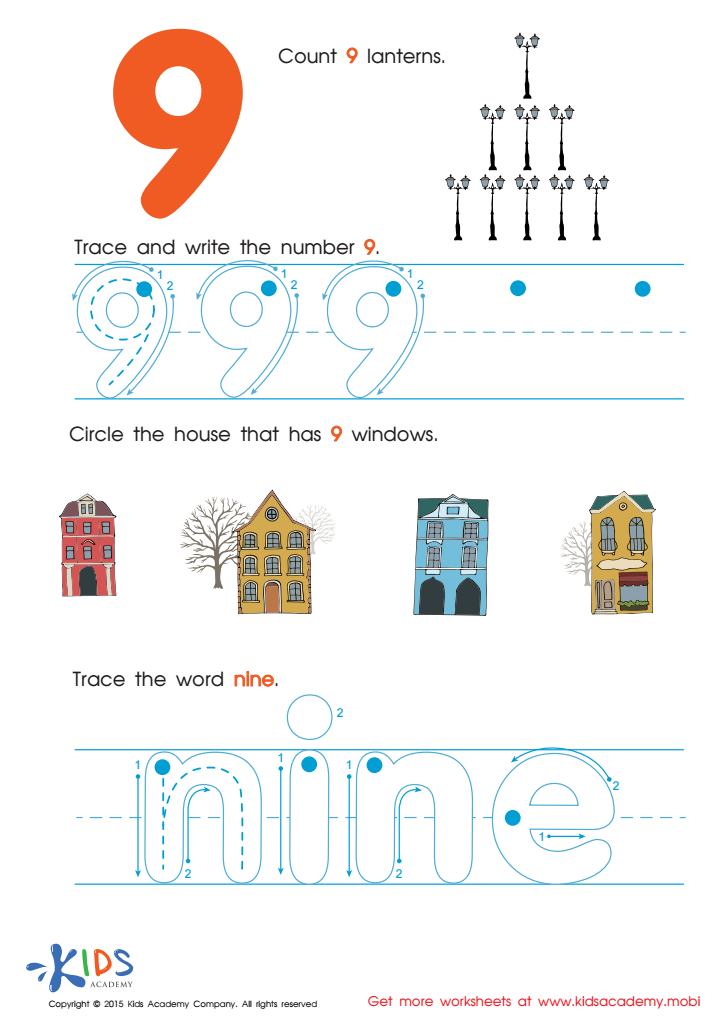
Tracing And Learning to Write Number 9 Worksheet
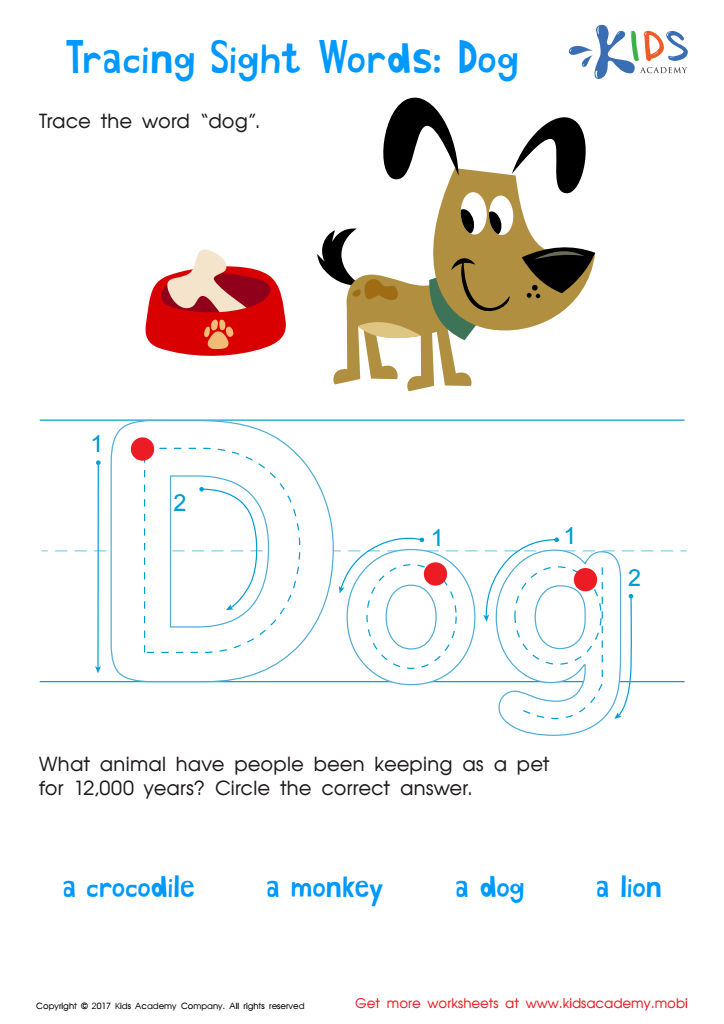
Dog Worksheet Sight Words Worksheet
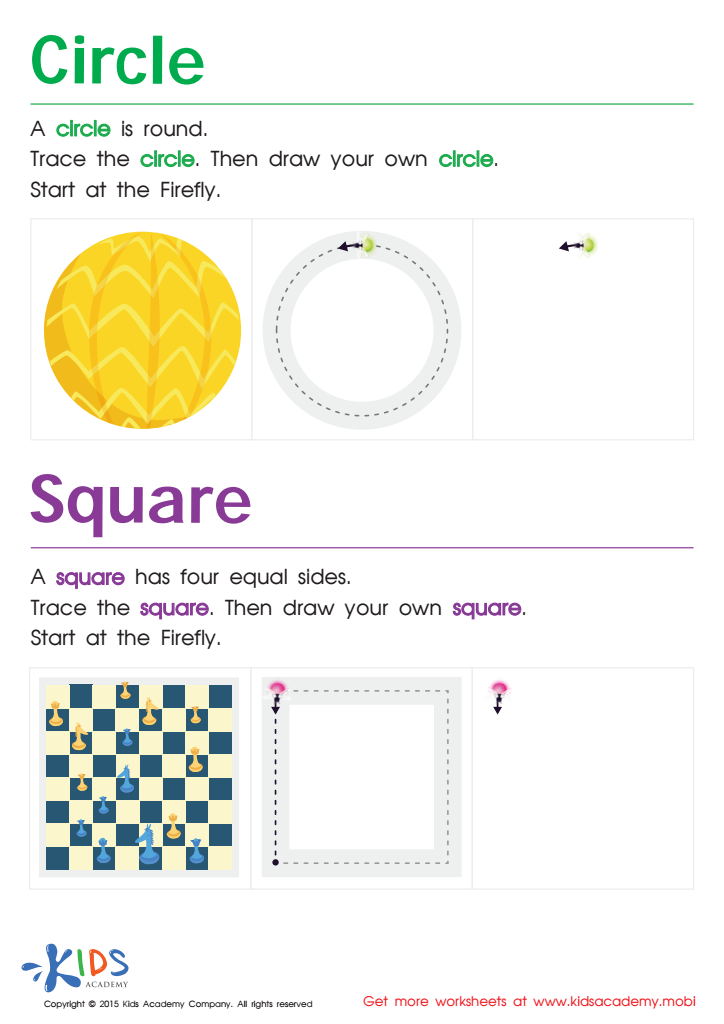
Trace And Draw a Circle And a Square Worksheet
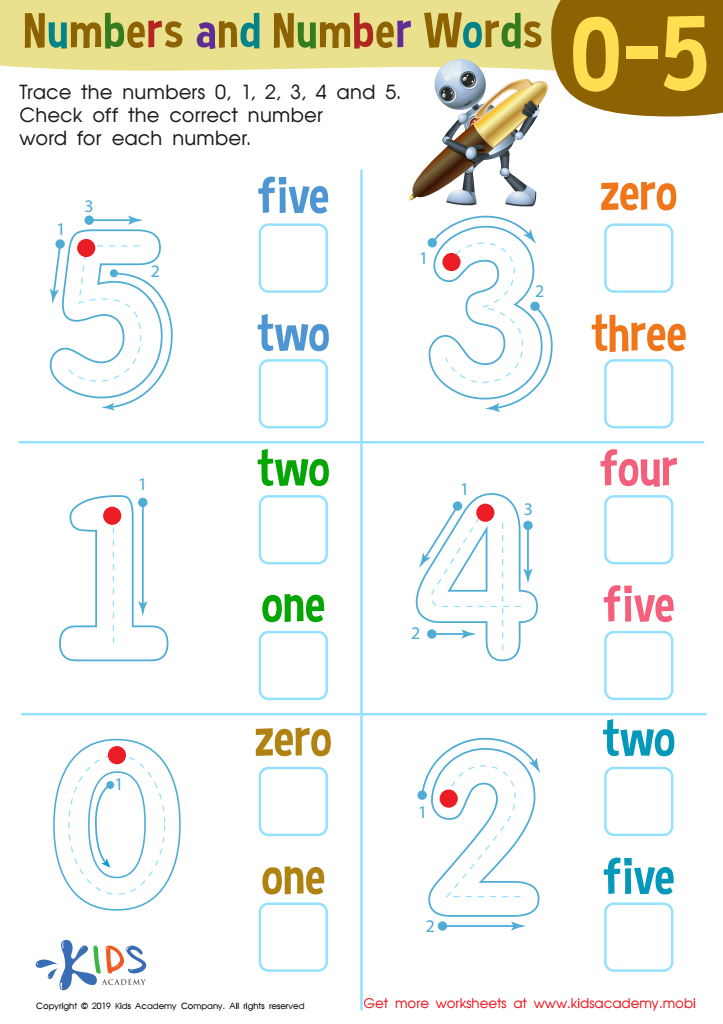
Numbers and Number Words Worksheet

The Sun and a Bee Spelling Worksheet
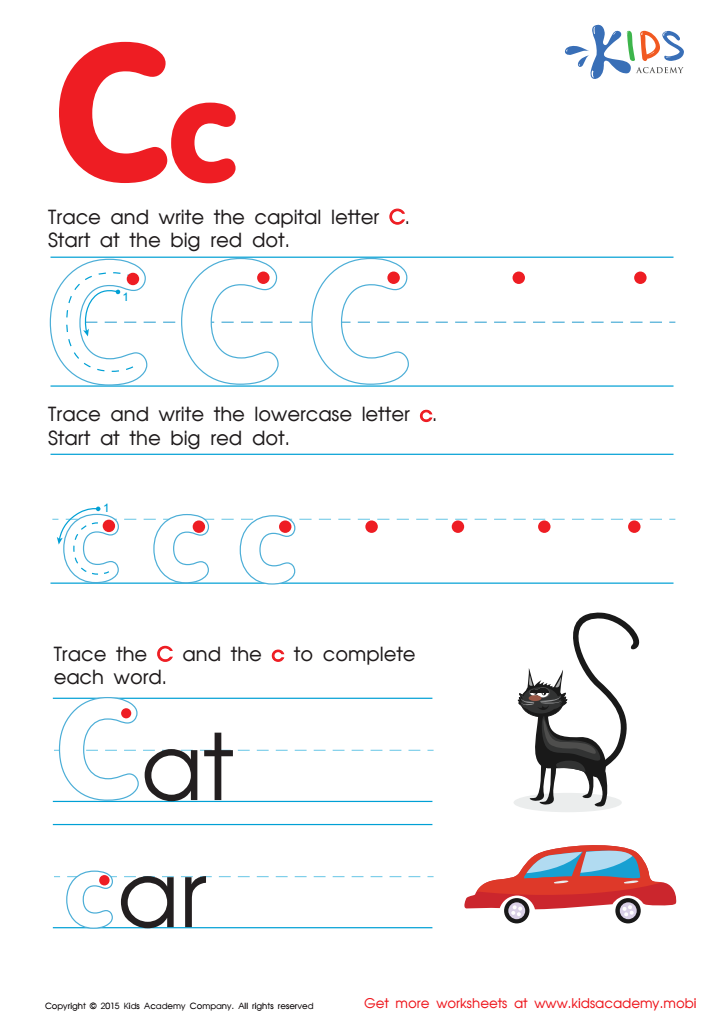
Letter C Tracing Page
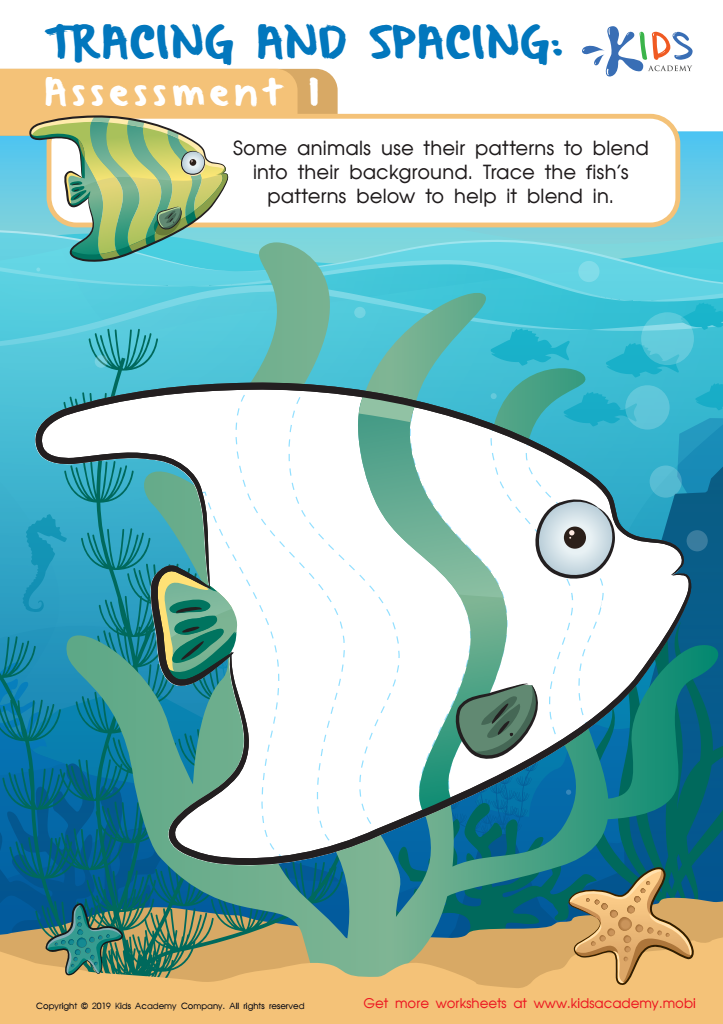
Tracing and Spacing: Assessment 1 Worksheet
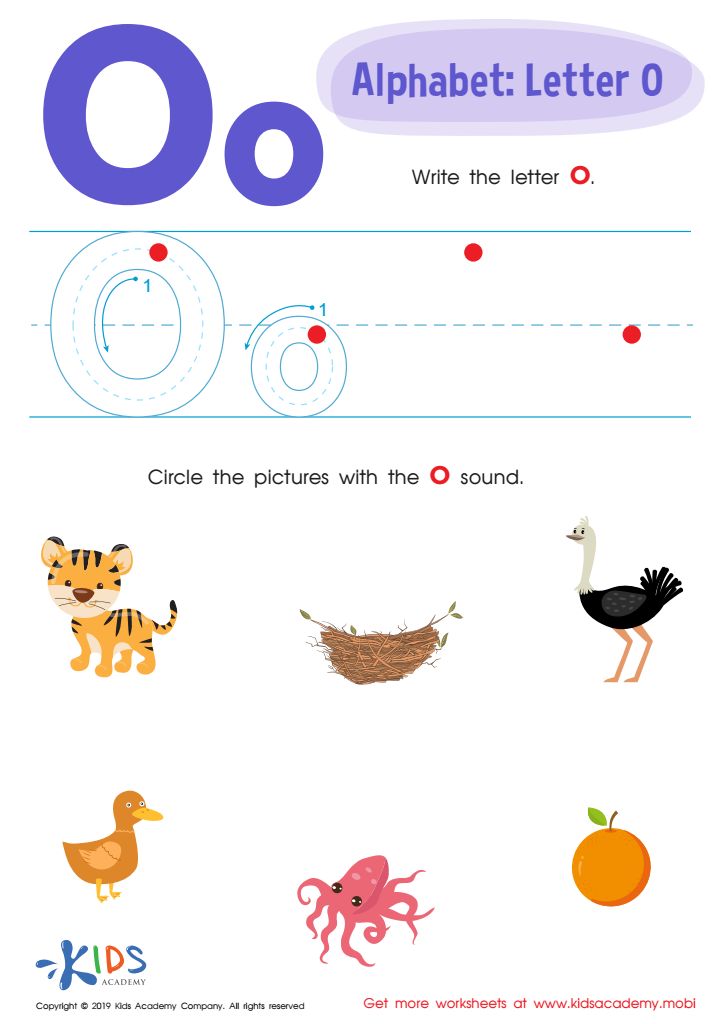
Letter O Tracing Worksheet
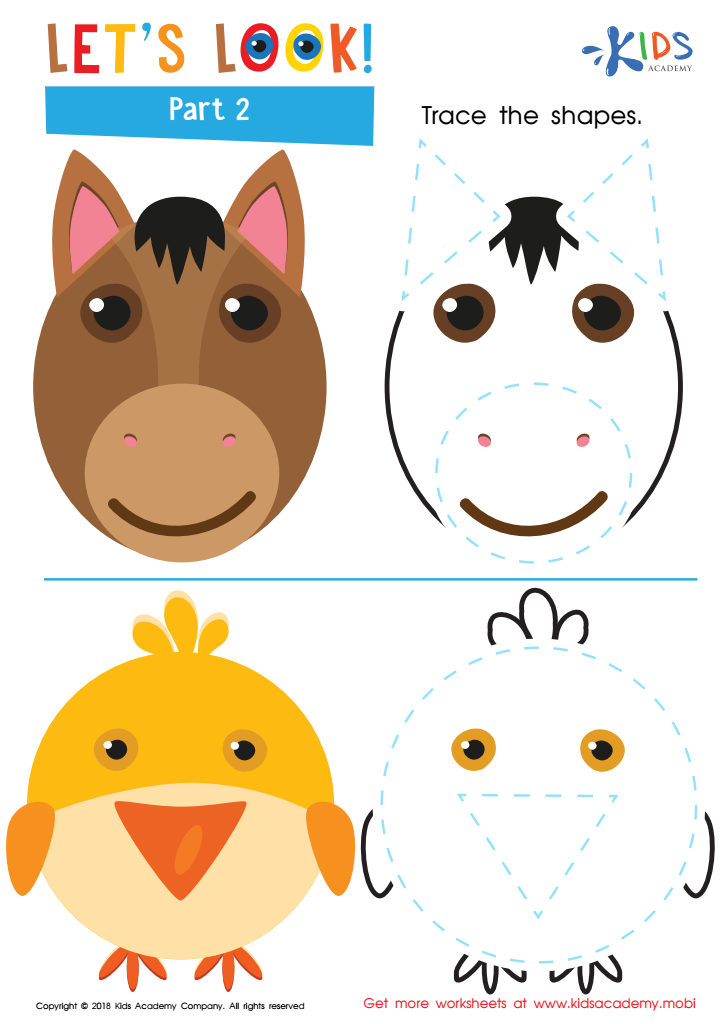
Let's Look! Part 2 Worksheet
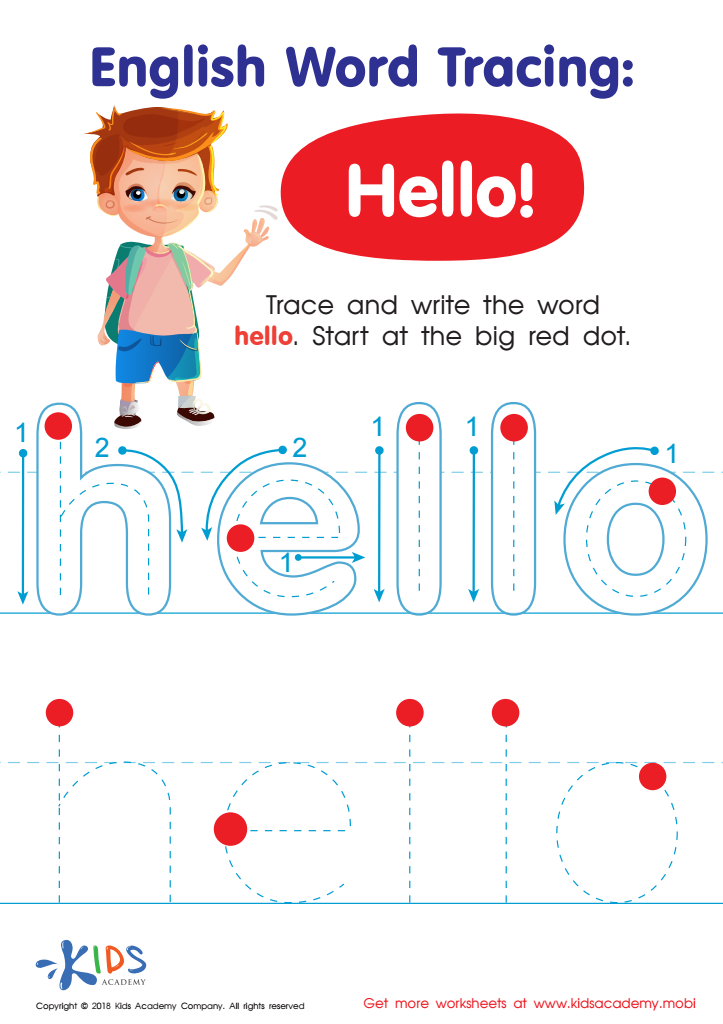
English Word Tracing: Hello Worksheet
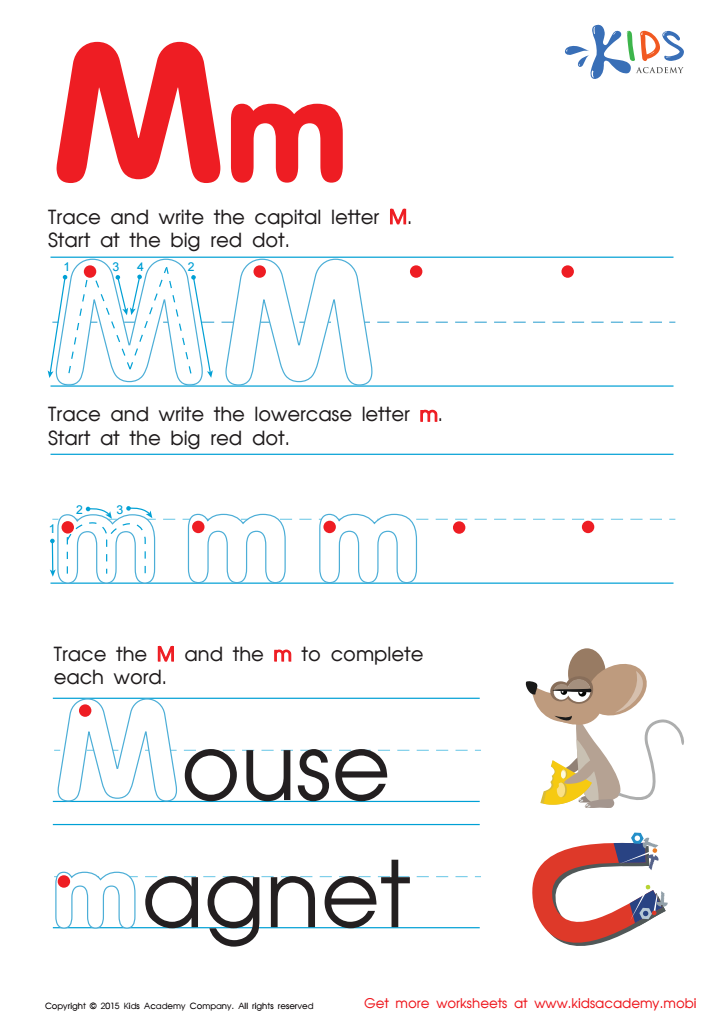
Letter M Tracing Page
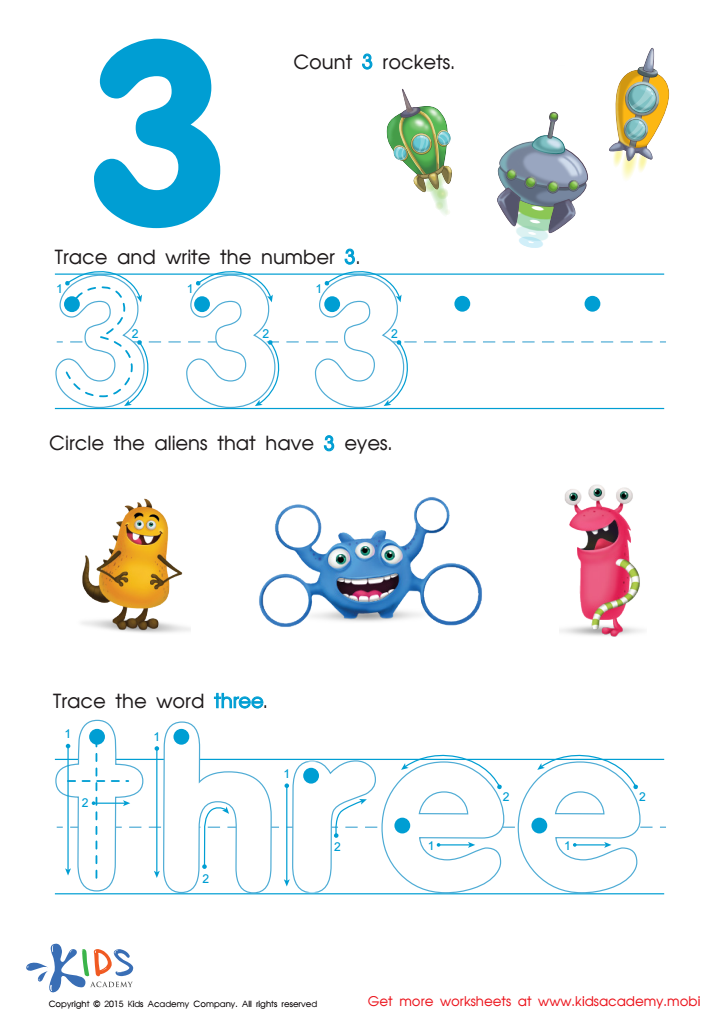
Learning Number Three Worksheet
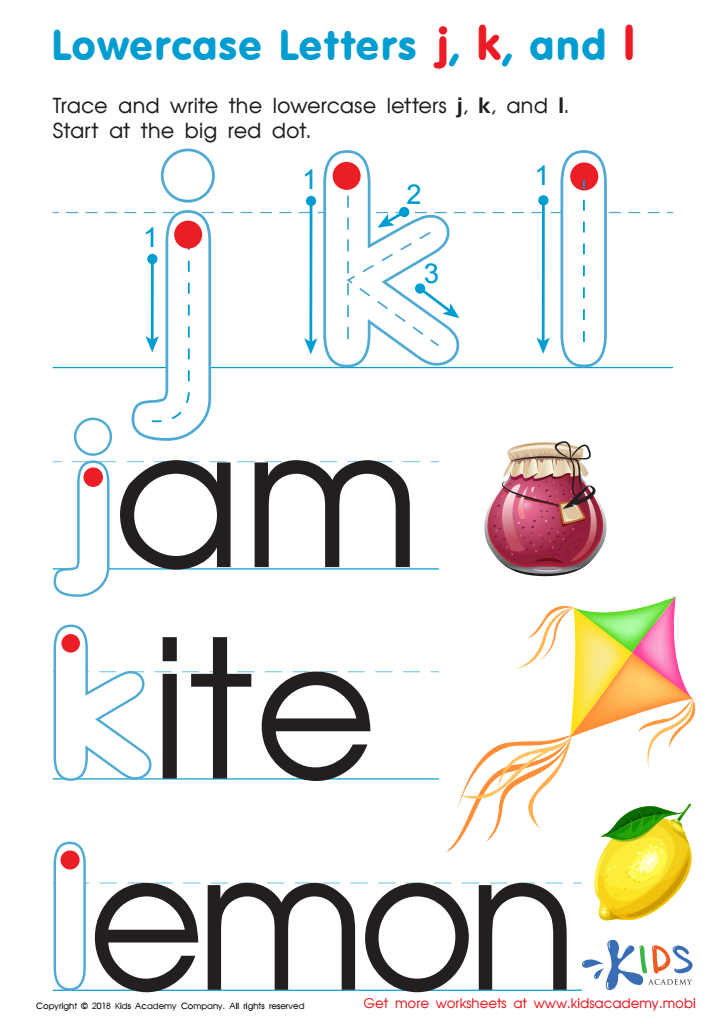
Lowercase Letters j k l Worksheet
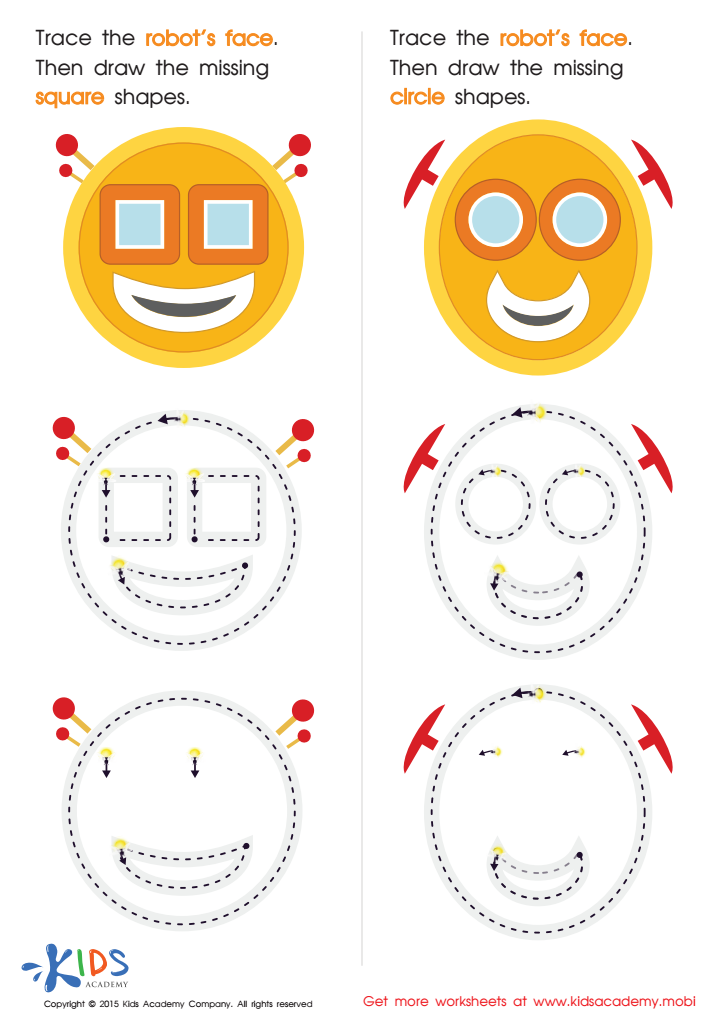
Practicing to Draw Circles And Squares Printable
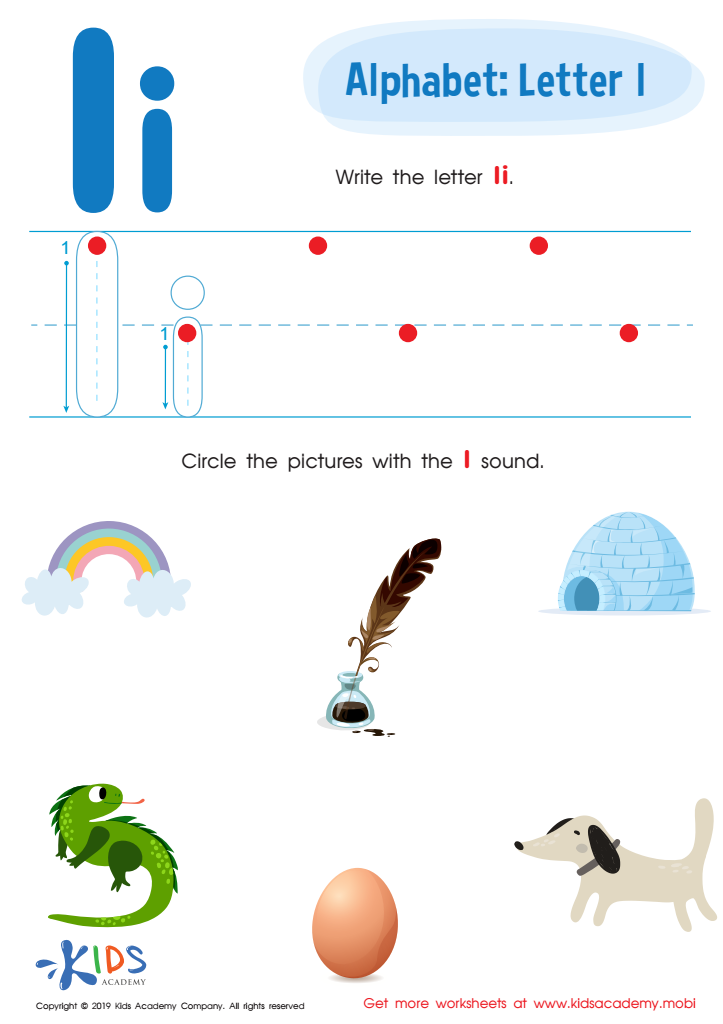
Letter I Tracing Worksheet
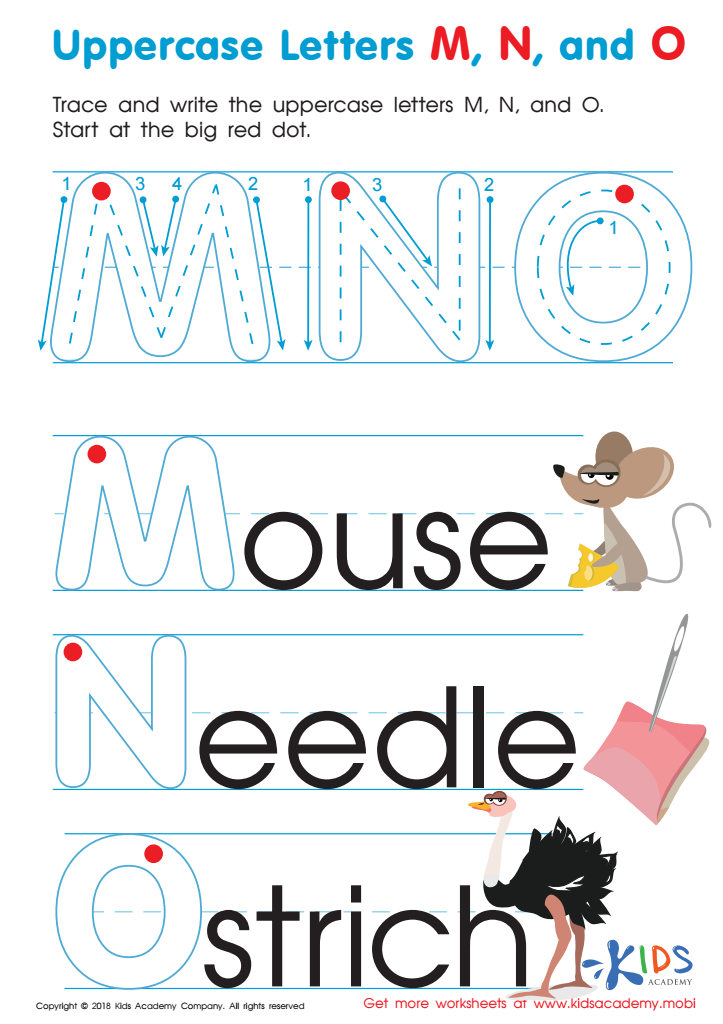
Uppercase Letters M, N, and O Worksheet
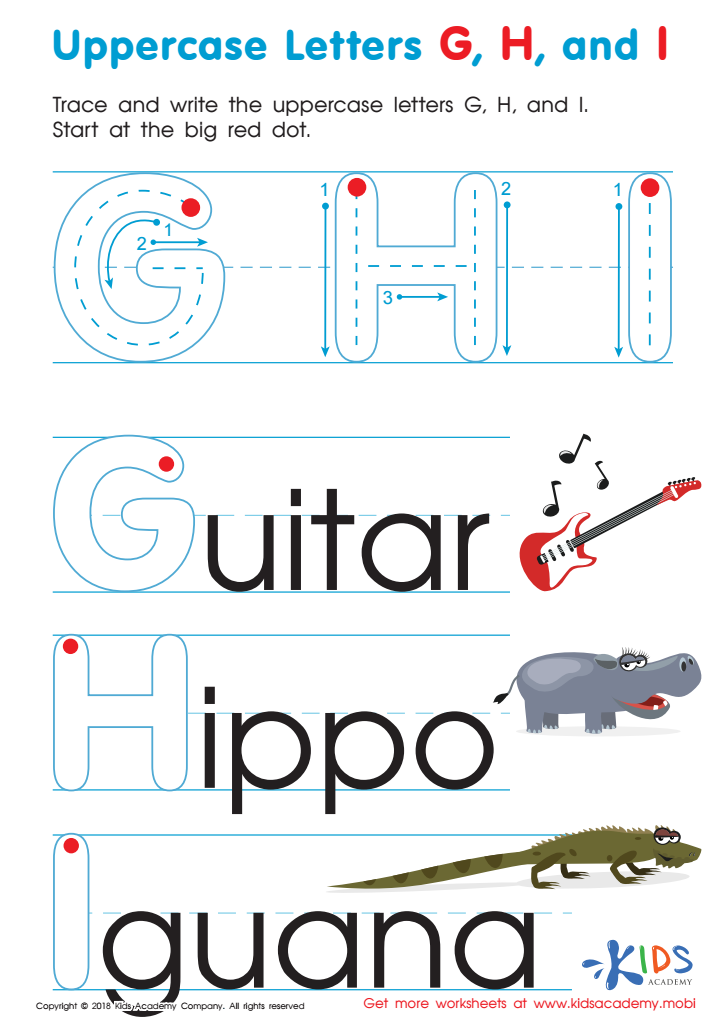
Uppercase Letters G, H, and I Worksheet
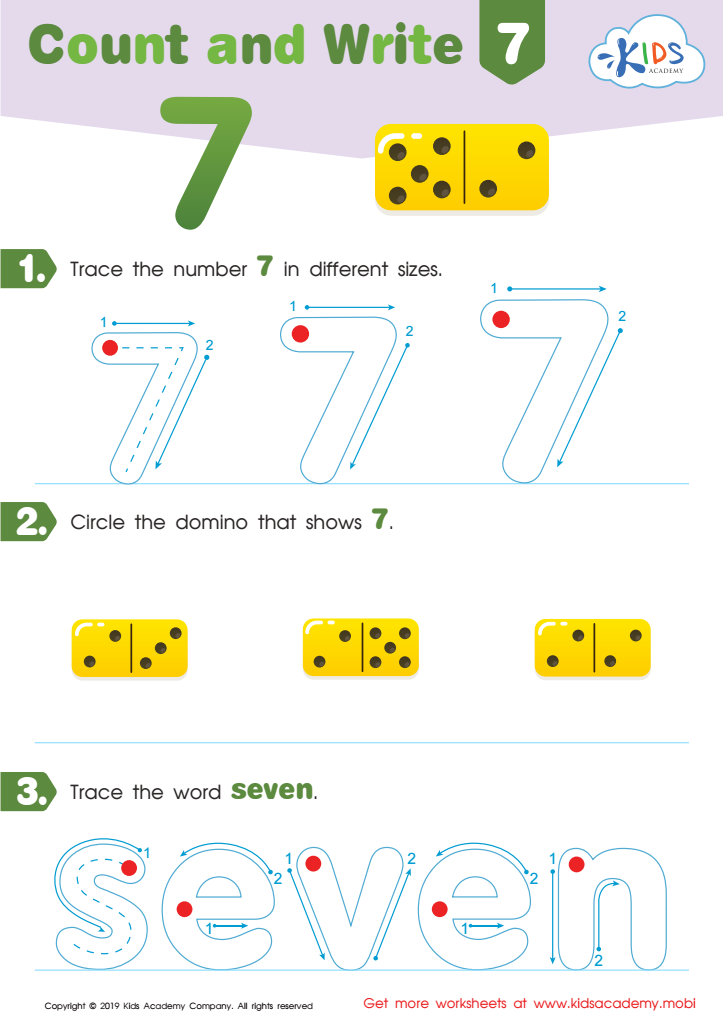
Count and Write 7 Worksheet

Letter G Tracing Page

2D and 3D Shapes Worksheet
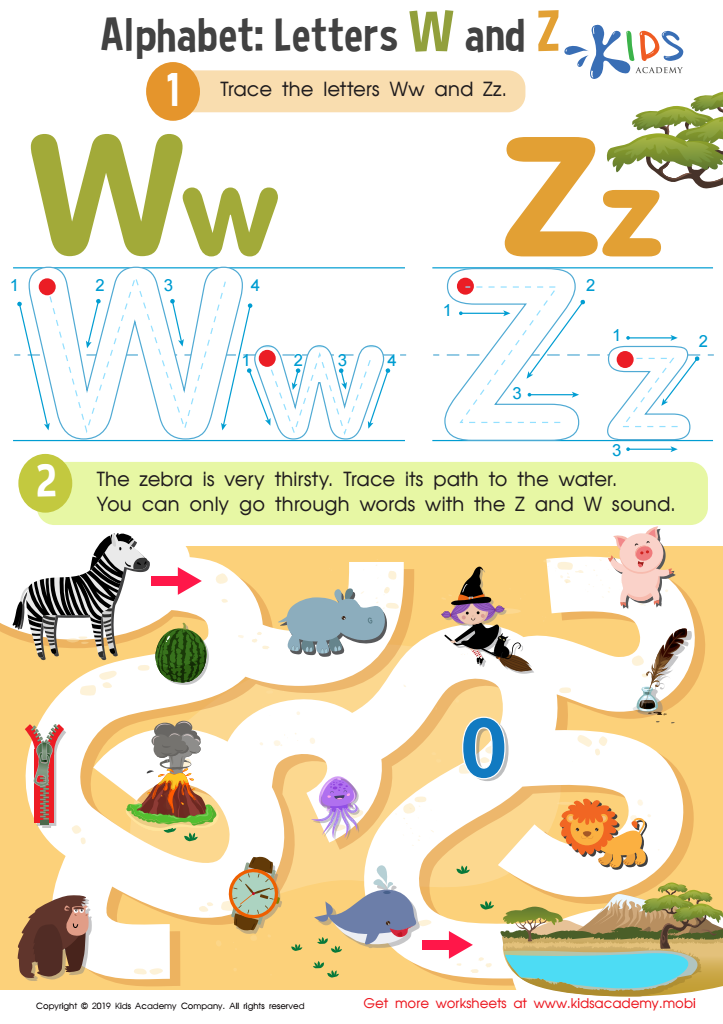
Letters W and Z Tracing Worksheet
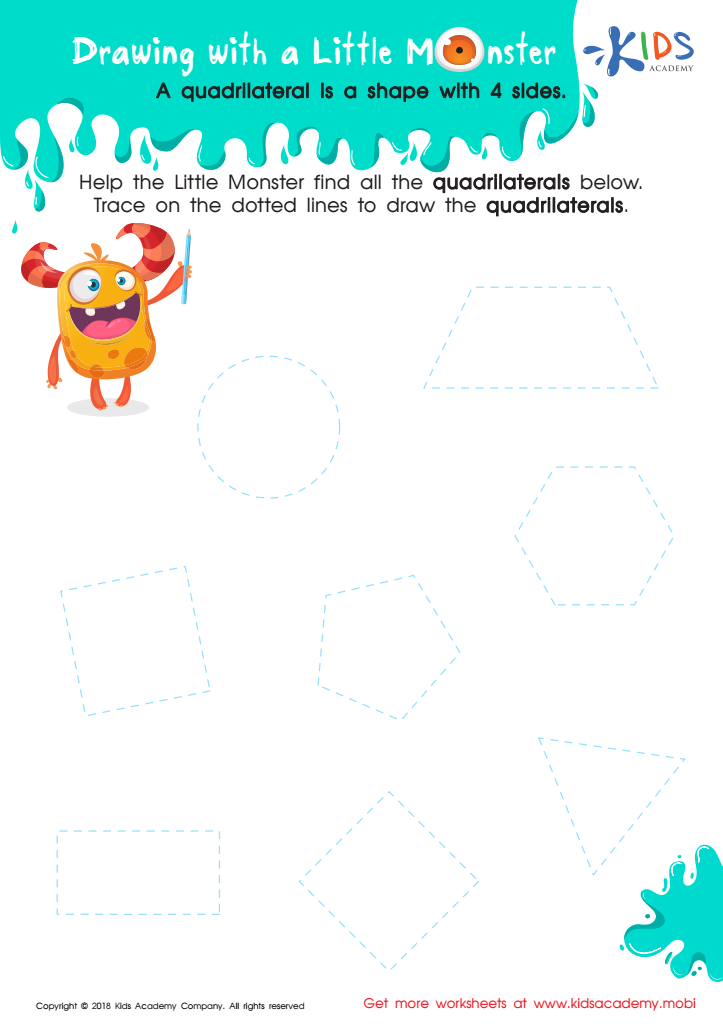
Drawing with a Little Monster Worksheet

Pink Tracing Color Words Worksheet





.jpg)


Tracing activities for children aged 3-7 are essential tools in early childhood education, and parents and teachers should prioritize them for several reasons. Firstly, these activities foster fine motor skills, which are crucial for tasks such as writing, drawing, and self-care. By guiding children’s hands along predetermined lines, they enhance hand-eye coordination and dexterity, setting a strong foundation for motor skill development.
Additionally, tracing activities assist in letter and number recognition, helping young learners understand the shapes and sounds associated with letters, thereby reinforcing literacy and numeracy concepts. This early exposure enhances their ability to read and write as they progress through their education.
These activities also provide opportunities for creative expression. As children trace various shapes, animals, and words, they engage in meaningful, hands-on learning experiences that promote cognitive development. Furthermore, tracing activities can foster focus and patience, essential qualities for successful learning.
Lastly, having access to tracing activities with answers empowers parents and teachers with structured guidance, ensuring that children receive age-appropriate educational challenges. Overall, investing time in tracing exercises not only improves essential skills but also creates a positive and engaging learning environment for young children.








