Tracing Letters Worksheets Activities With Answers for Ages 3-7 - Page 3
57 filtered results
-
From - To
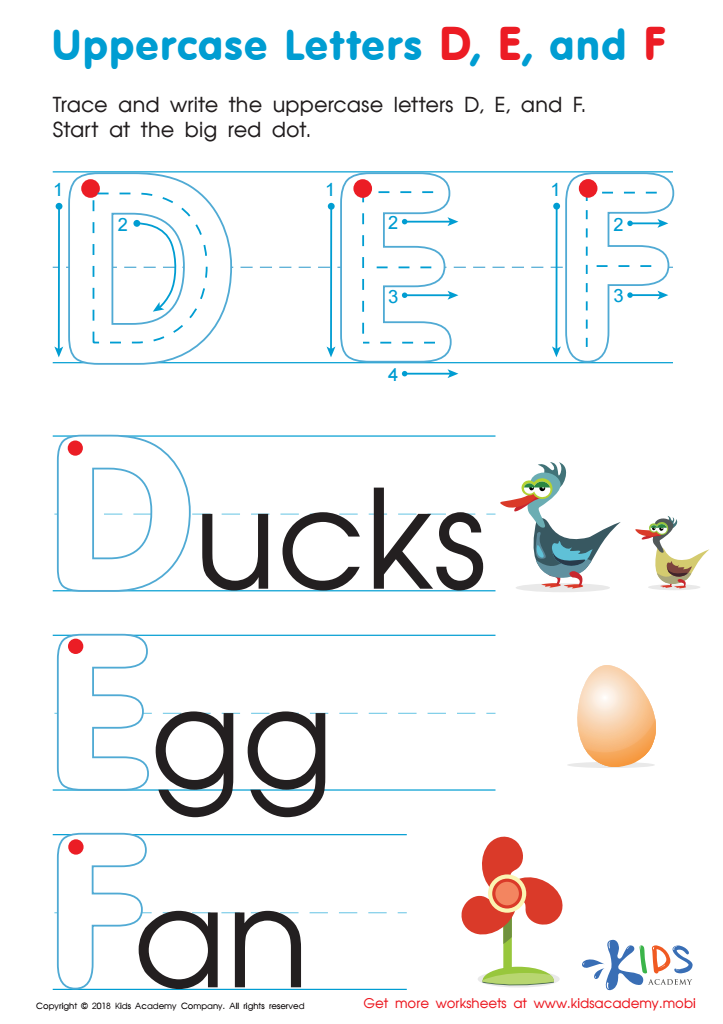
Uppercase Letters D, E, and F Worksheet
 Assign to My Students
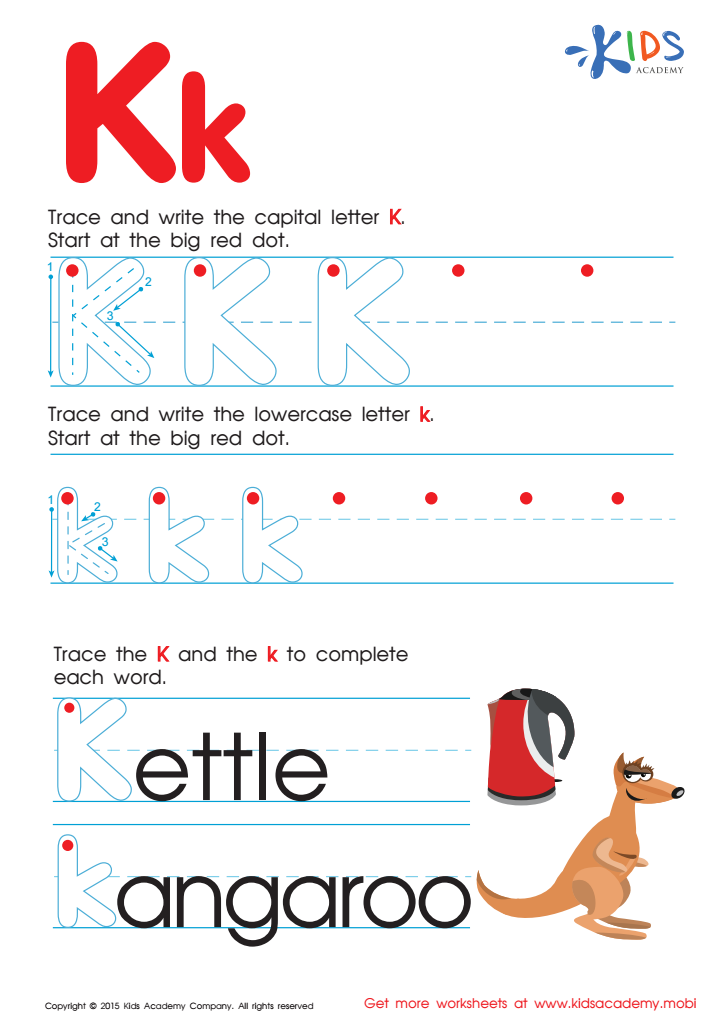
Letter K Tracing Page

Letter F Tracing Page
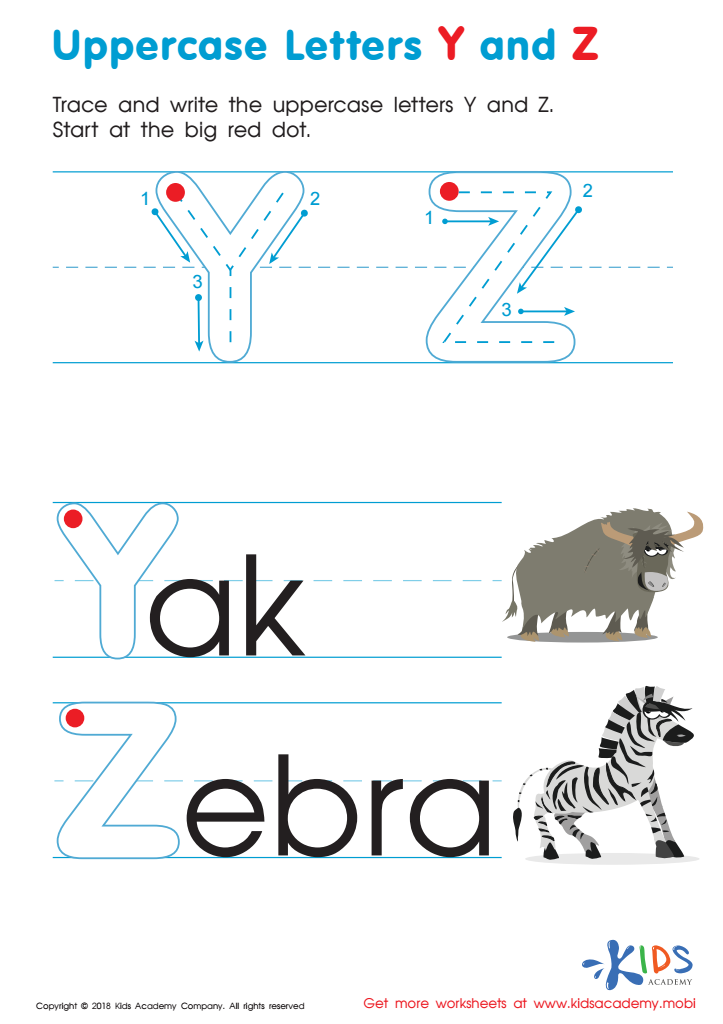
Uppercase Letters Y Z Worksheet
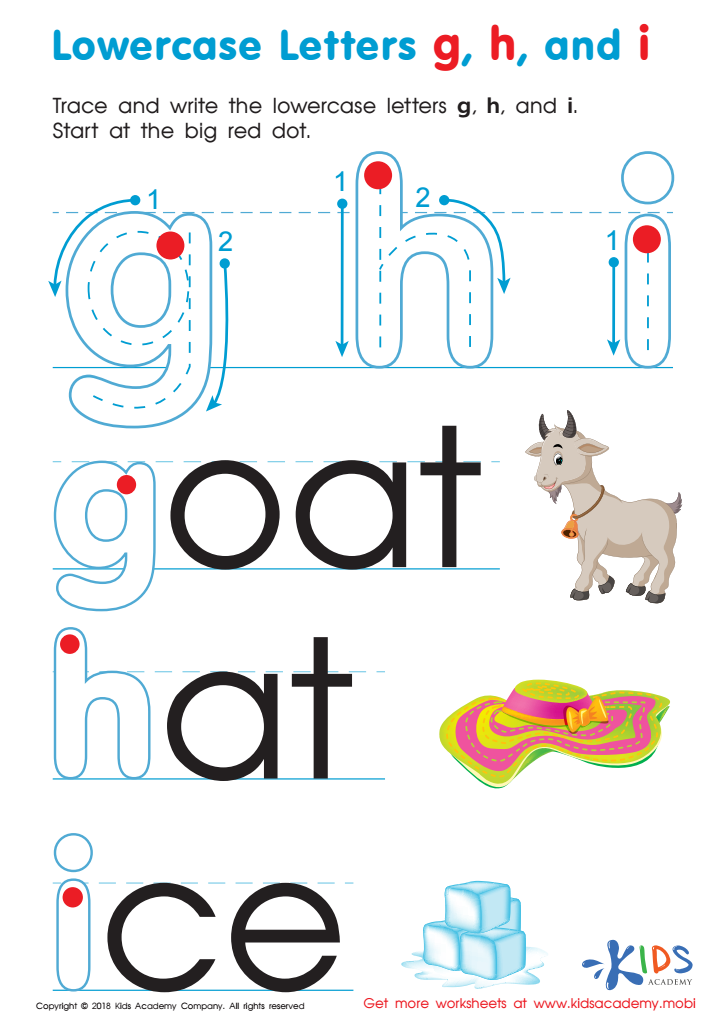
Lowercase Letters g h i Worksheet
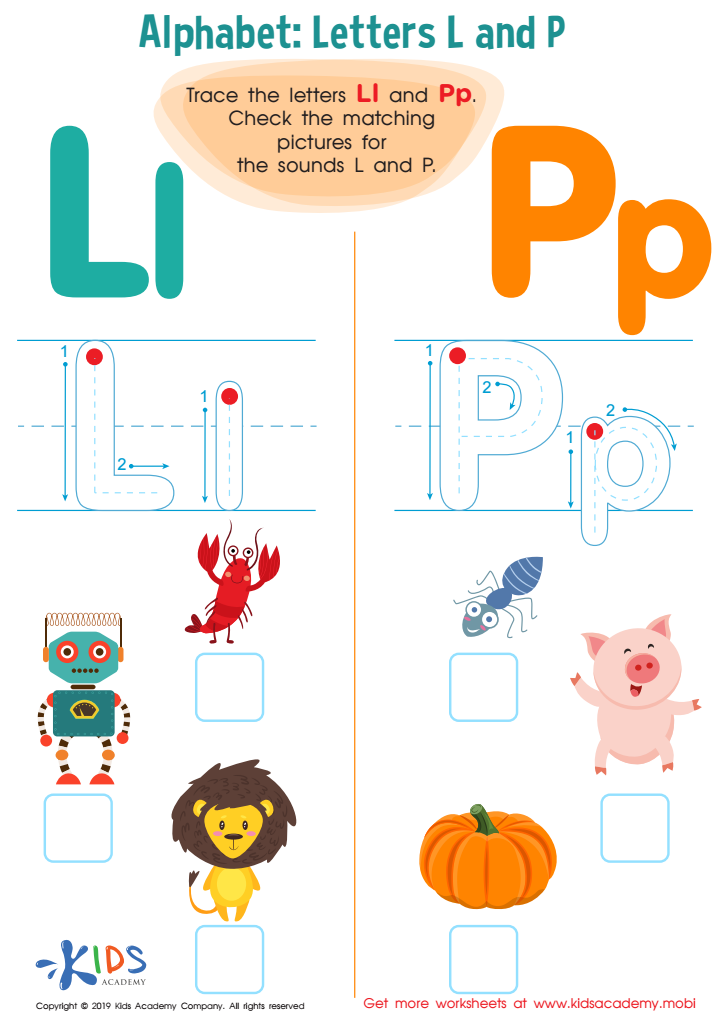
Letter L and P Tracing Worksheet
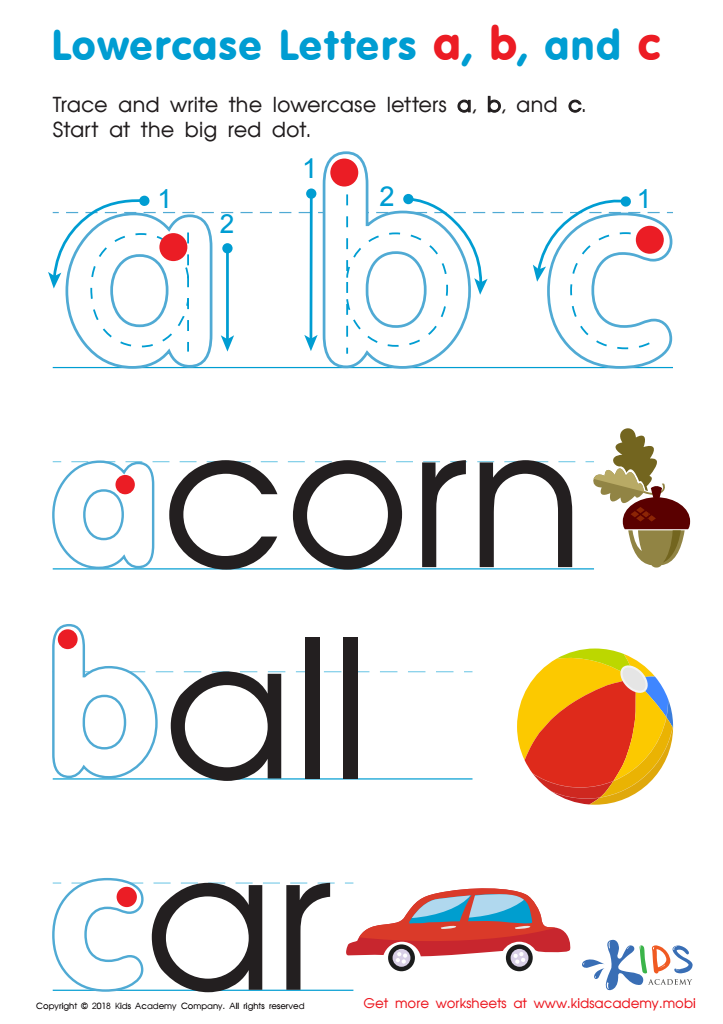
Lowercase Letters a b c Worksheet
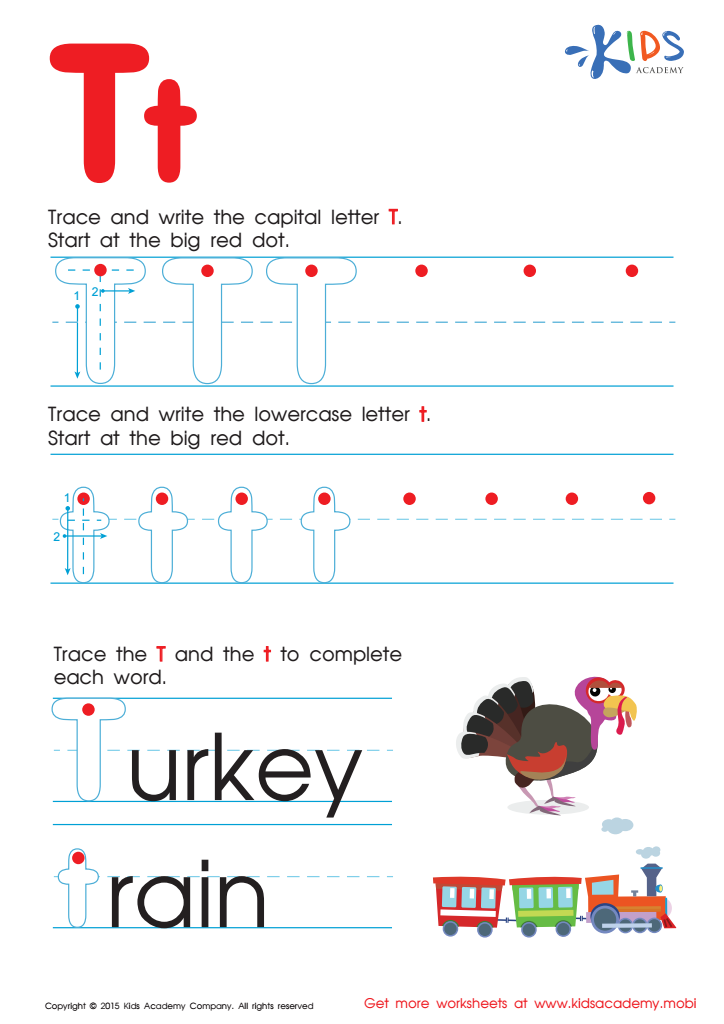
Letter T Tracing Page

Letter D Tracing Page








Tracing letters activities are essential for young learners, particularly ages 3-7, as they build foundational skills in literacy. For parents and teachers, these activities promote the development of fine motor skills essential for writing. As children trace letters, they improve their hand-eye coordination and strengthen the muscles in their hands and fingers, making writing easier over time.
Moreover, tracing helps reinforce letter recognition, which is critical for early literacy. Young children are still learning the shapes and sounds of letters—the repetition involved in tracing can enhance their memory and understanding. When tracing activities include answers, they offer immediate feedback, enabling children to identify errors and improve their skills effectively.
These activities also support cognitive development by fostering concentration and patience. Engaging tasks allow children to express creativity while developing essential academic skills. Furthermore, parents and teachers can use tracing activities as an opportunity for bonding, discussing letters, words, and sounds in a fun, interactive manner.
Incorporating tracing activities into a child’s routine lays a strong groundwork for their future reading and writing abilities, igniting a passion for learning that lasts a lifetime. For these reasons, parents and teachers should prioritize letter tracing in early education.








