Logical Thinking Worksheets Activities With Answers for Ages 3-8 - Page 2
113 filtered results
-
From - To
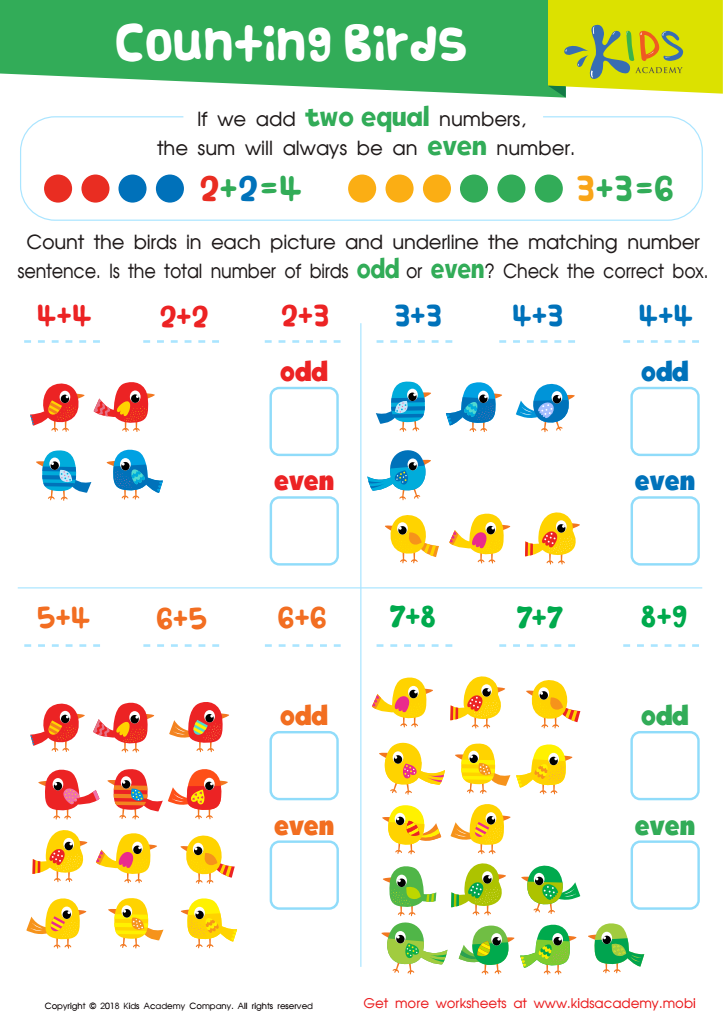
Counting Birds Worksheet
 Assign to My Students
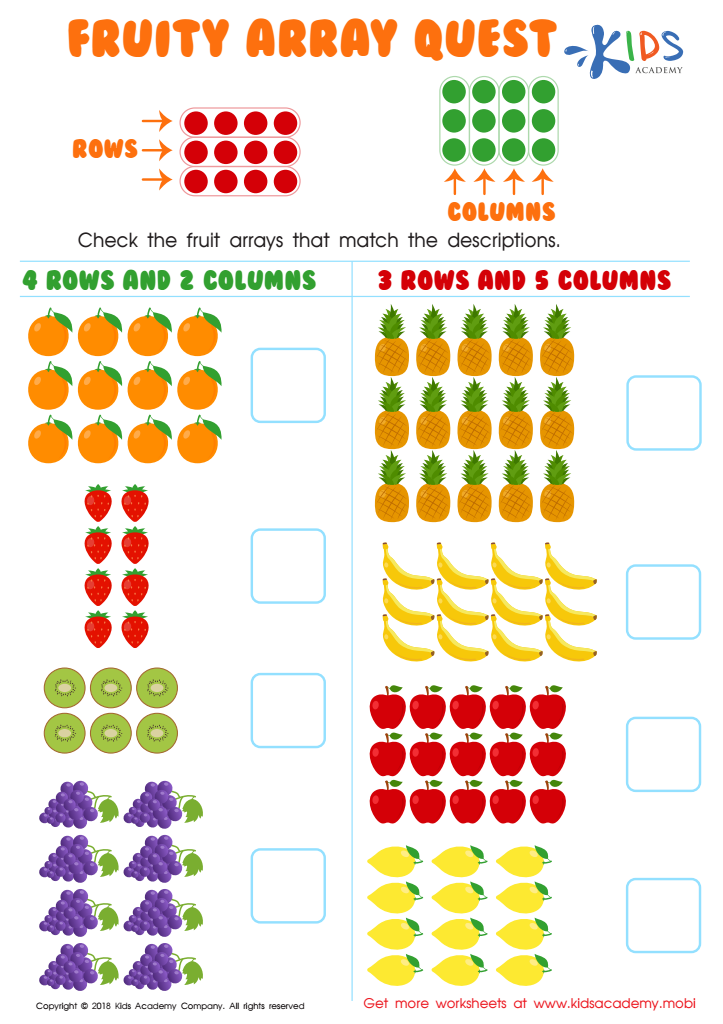
Fruity Array Quest Worksheet
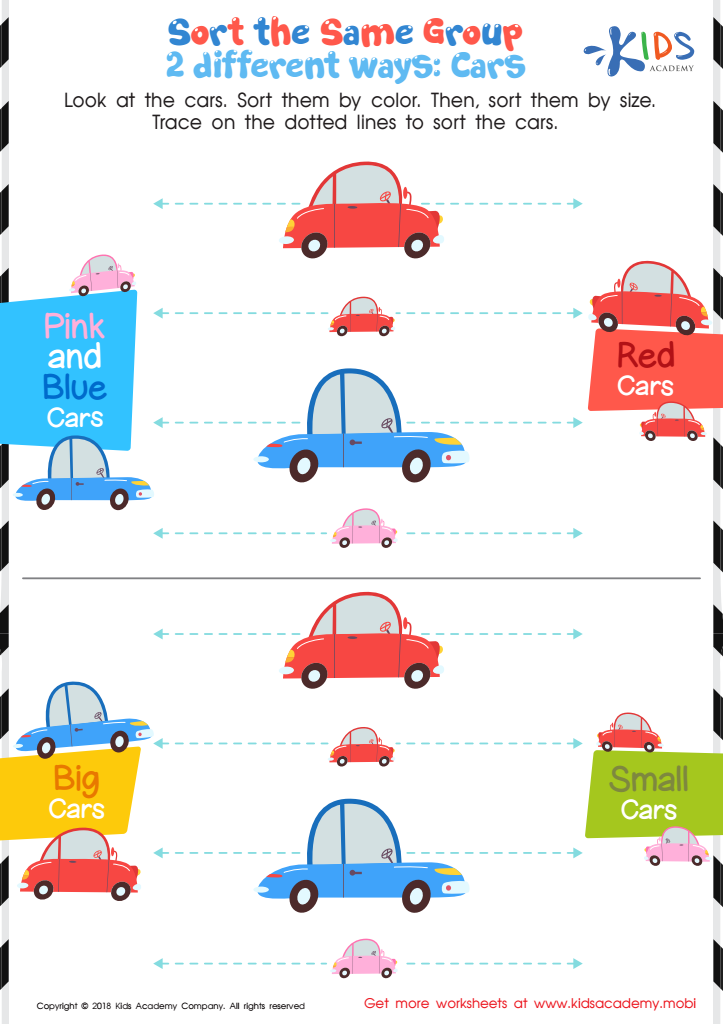
Sort the Same Group 2 Different Ways: Cars Worksheet
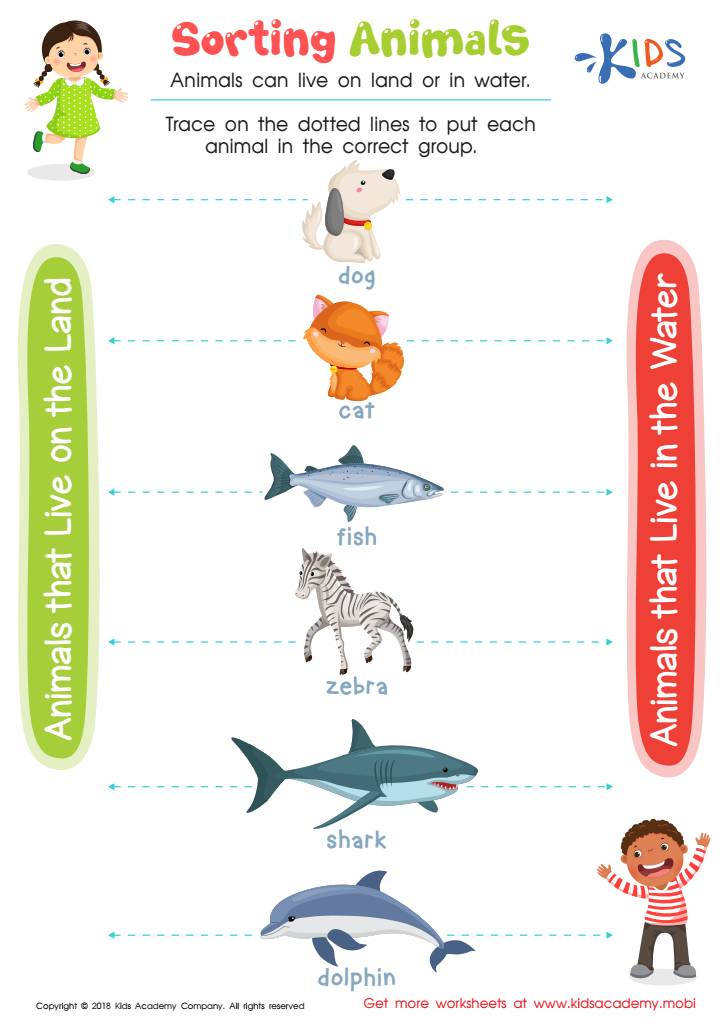
Sorting Animals Worksheet
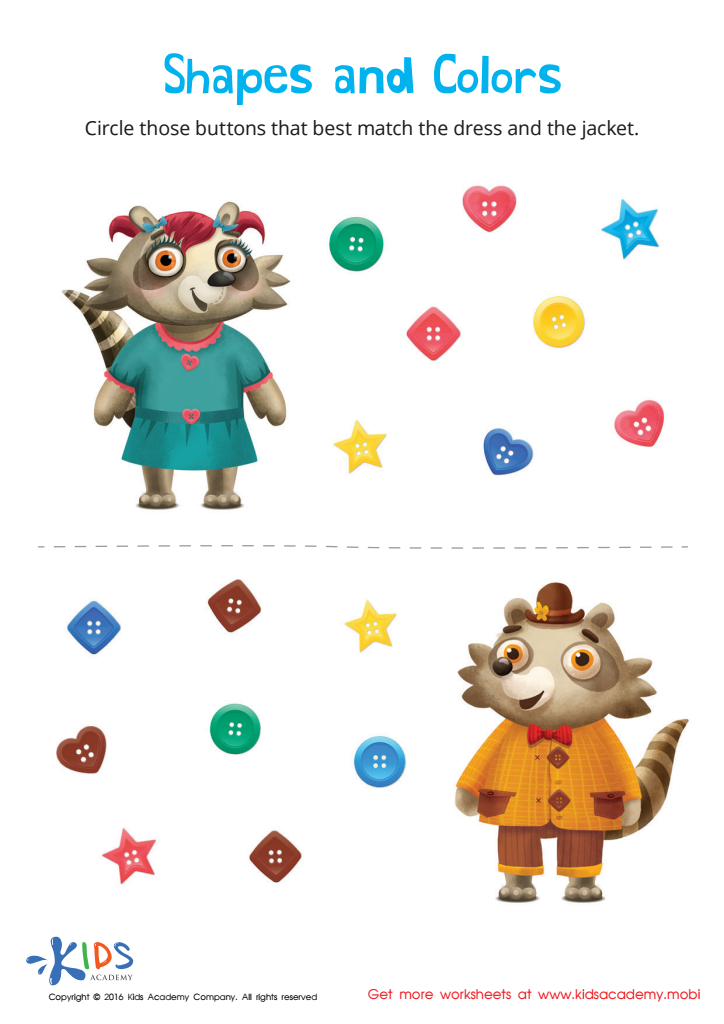
Matching: Shapes and Colors Worksheet
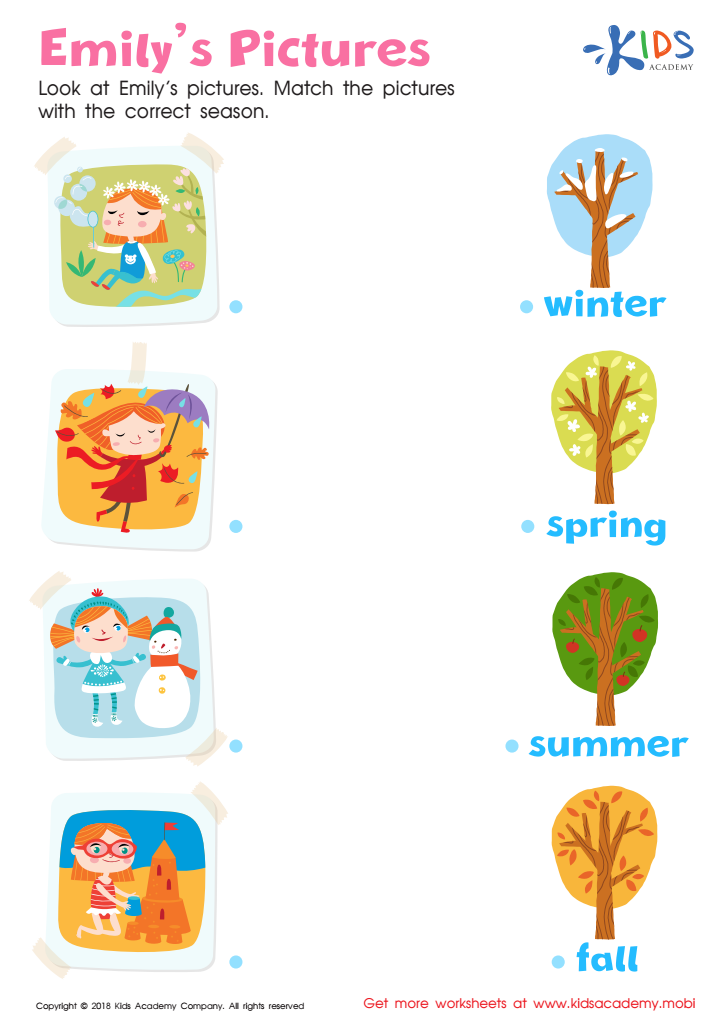
Emily's Pictures Worksheet
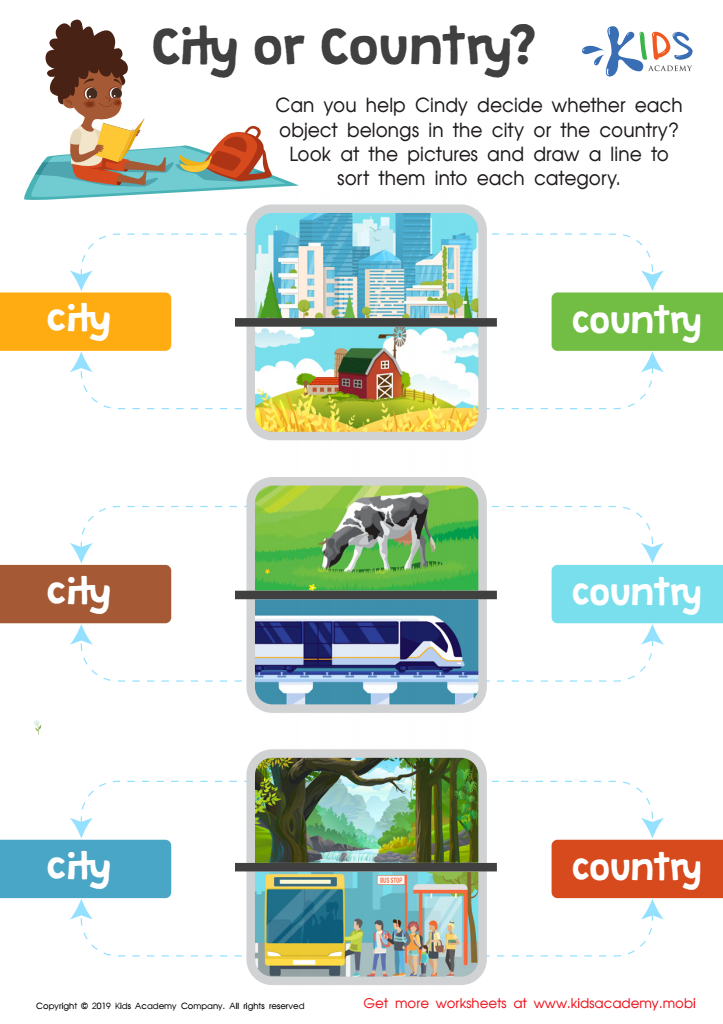
City or Country? Worksheet

Find the Pattern Worksheet
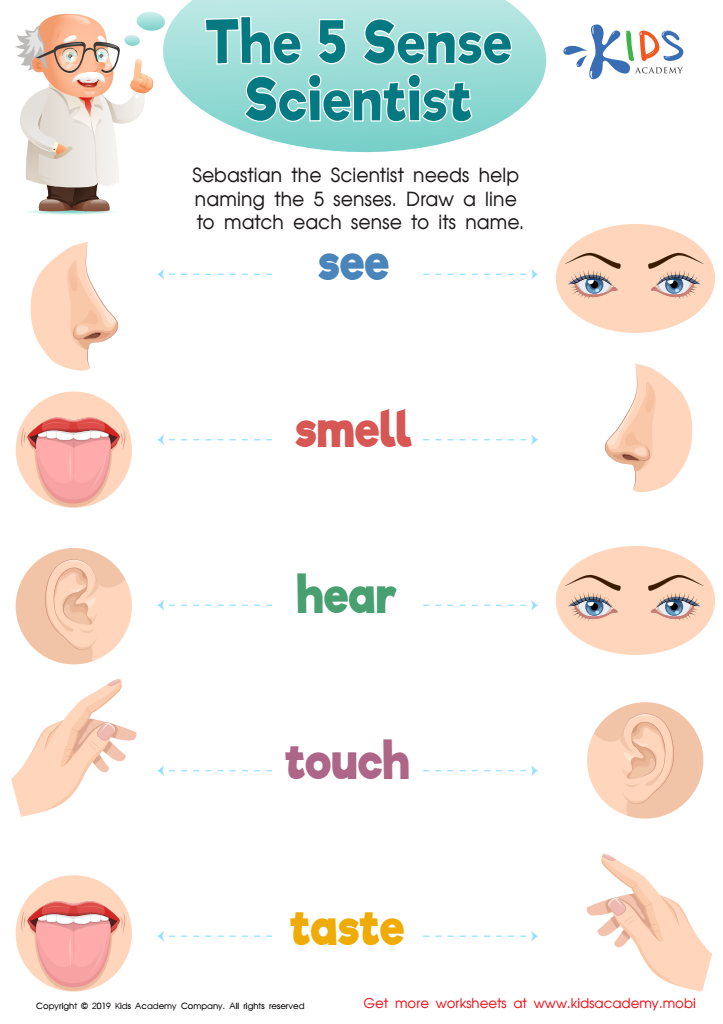
The 5 Sense Scientist Worksheet

Fruits Match Up Worksheet

Baby Animals Match-Up Worksheet

At the Beach Sorting Worksheet
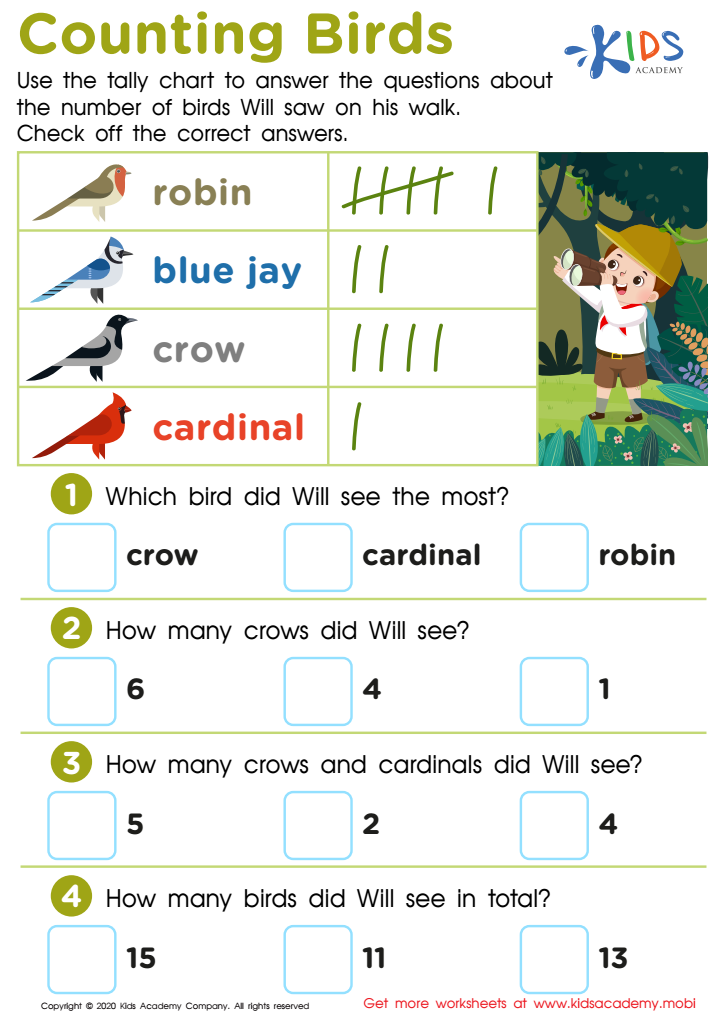
Counting Birds Worksheet

Count and Match Points 6 Math Worksheet

Fun Geometry Worksheet
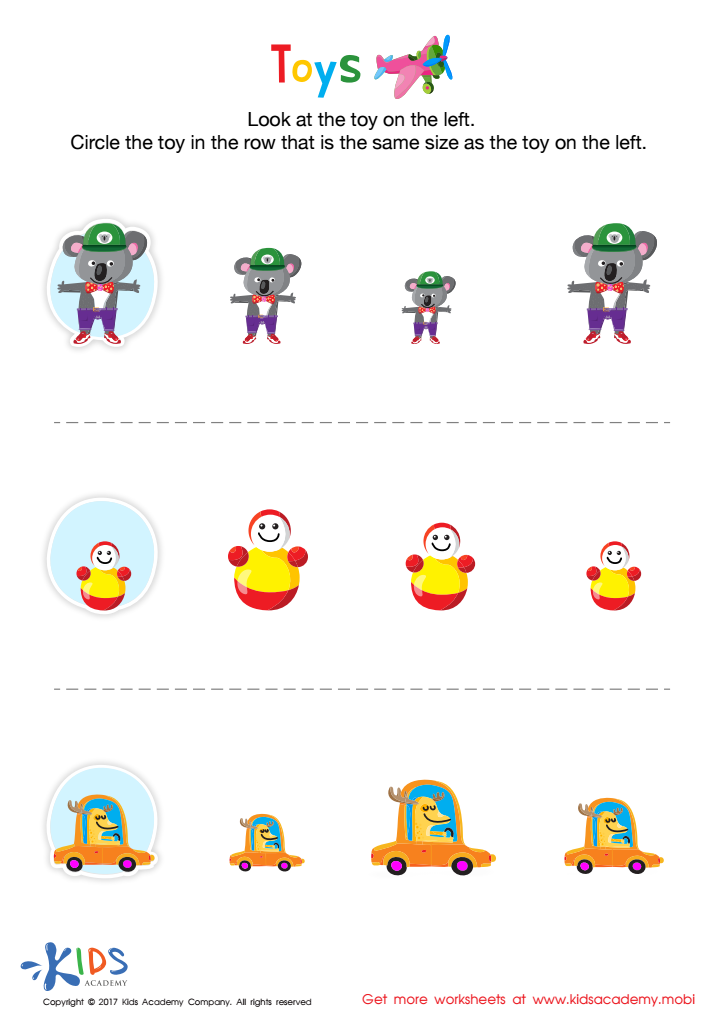
Matching: Classifying Toys by Size Worksheet
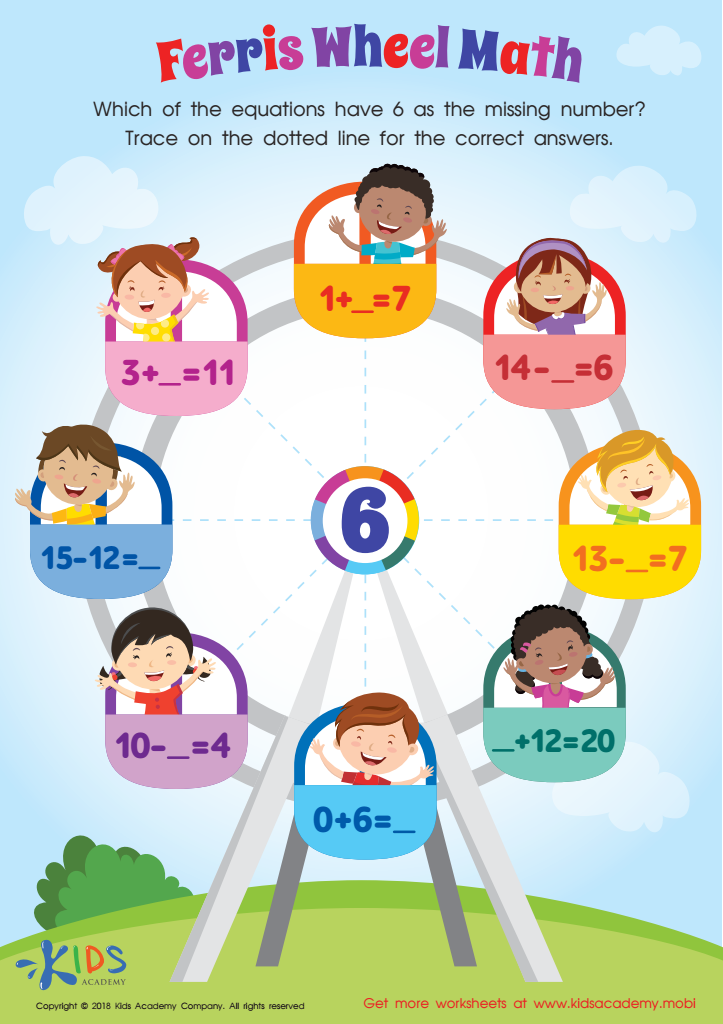
Missing Number: Ferris Wheel Math Worksheet
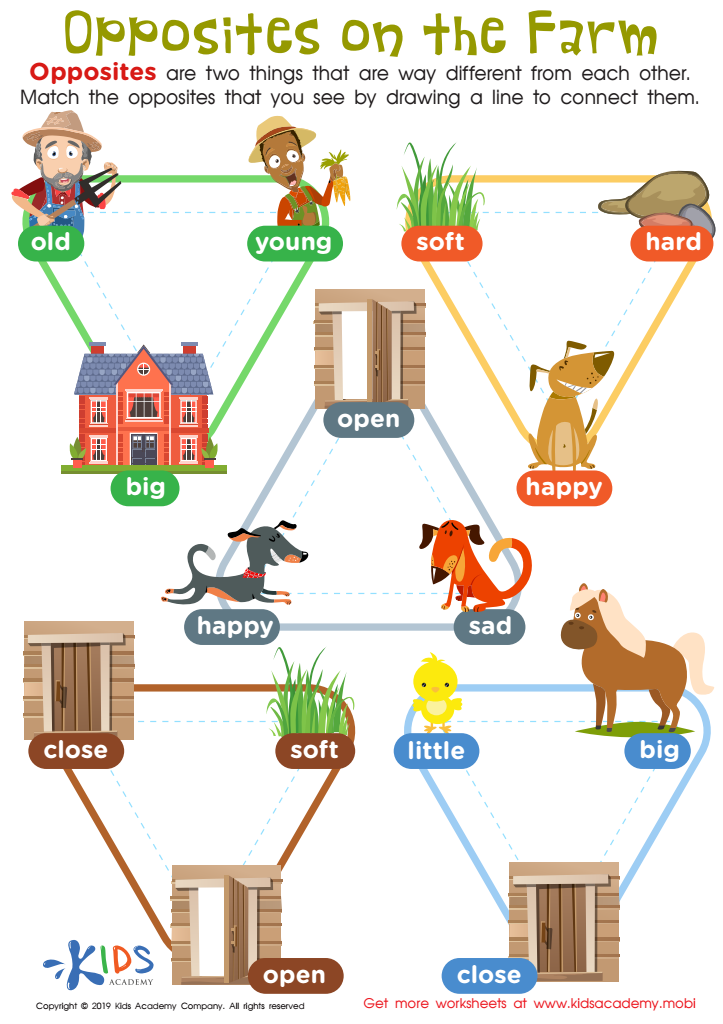
Opposites on the Farm Worksheet
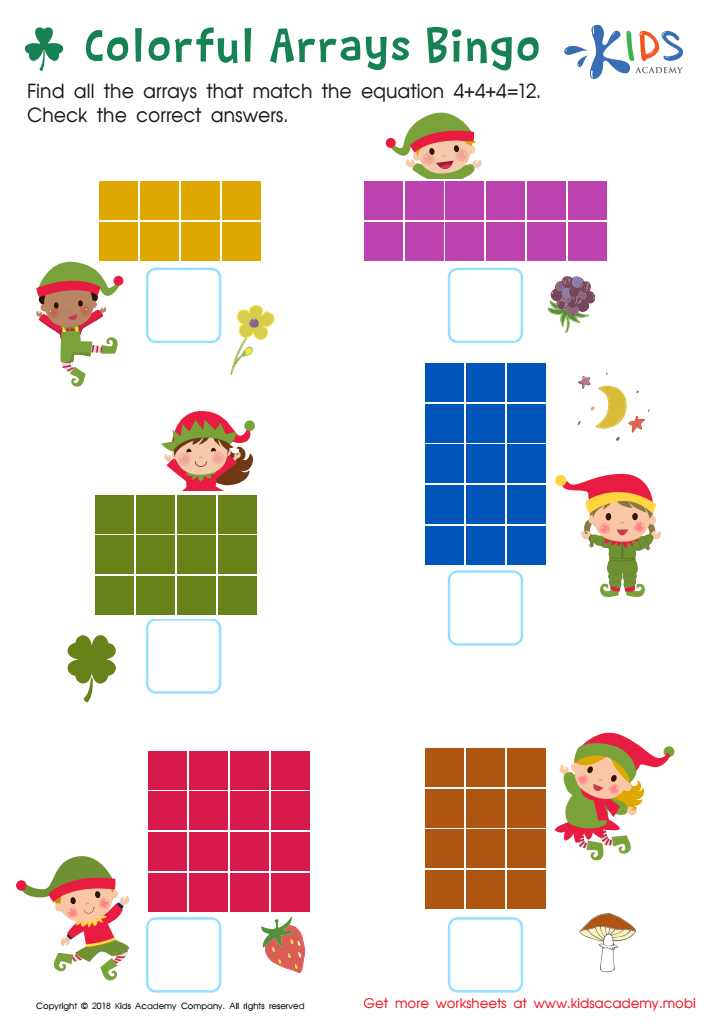
Colorful Arrays Bingo Worksheet
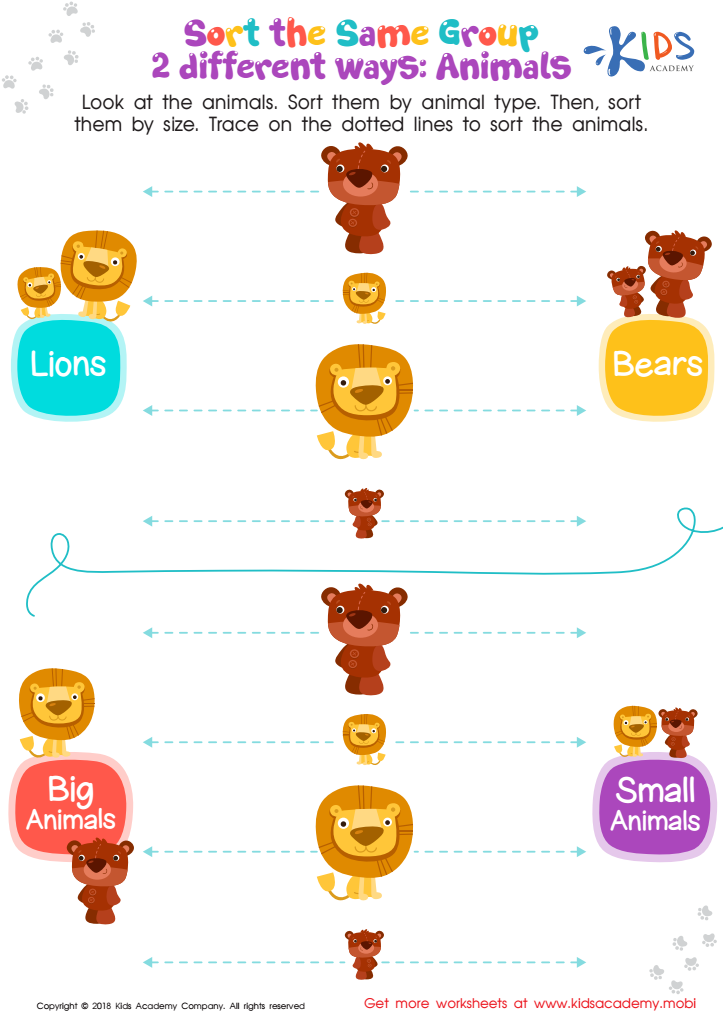
Sort the Same Group 2 Different Ways: Animals Worksheet

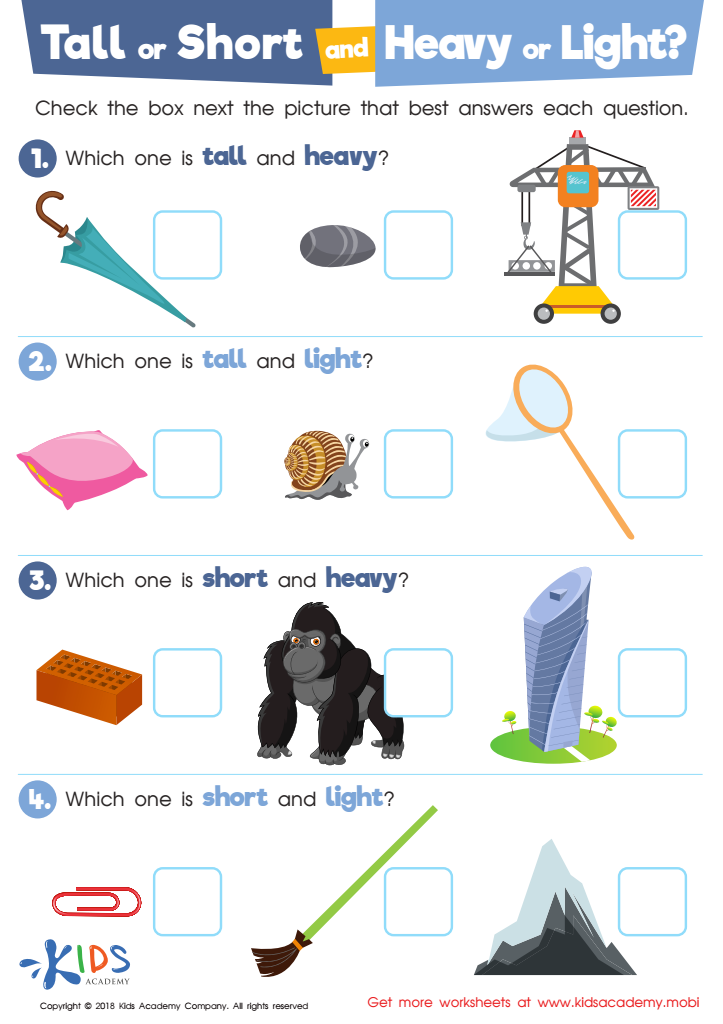
Tall or Short and Heavy or Light? Worksheet

Tricky Patterns Size Worksheet








Logical thinking activities are crucial for the cognitive development of children ages 3-8. These activities help young learners cultivate problem-solving skills, enhance critical thinking, and improve their ability to reason and make connections. By engaging in logical thinking tasks, children develop essential skills that will serve as the foundation for future learning and real-world applications.
Parents and teachers should care about providing these activities because they foster a sense of curiosity and a love for learning. Logical thinking exercises encourage children to question, analyze, and understand their world, promoting greater cognitive engagement and independence. Such activities also facilitate social skills, as many logical tasks are often conducted in groups, encouraging collaboration and communication amongst peers.
Moreover, incorporating logical thinking activities fosters perseverance and resilience as children learn to tackle challenges and learn from trial and error. These skills are not only crucial for academic success but also for personal and social development. By integrating logical thinking activities into daily routines or curricula, adults can encourage holistic growth in children, laying the groundwork for their future educational endeavors and everyday problem-solving abilities. Therefore, parents and teachers should prioritize these activities for their long-lasting developmental rewards.








