Phonics Worksheets Activities With Answers for Ages 3-9
25 filtered results
-
From - To
Discover an engaging collection of phonics worksheets and activities designed for children aged 3-9! Our resources focus on developing essential reading skills through fun exercises that make learning enjoyable. Each worksheet targets key phonics concepts, enhancing letter recognition, sound associations, and blending skills. With clear, easy-to-follow answer keys included, educators and parents can effortlessly track progress and provide immediate feedback. Perfect for homeschooling or classroom use, these worksheets cater to a variety of learning styles while promoting literacy in early learners. Start empowering your child’s reading journey today with our comprehensive phonics activities! Explore the possibilities now!
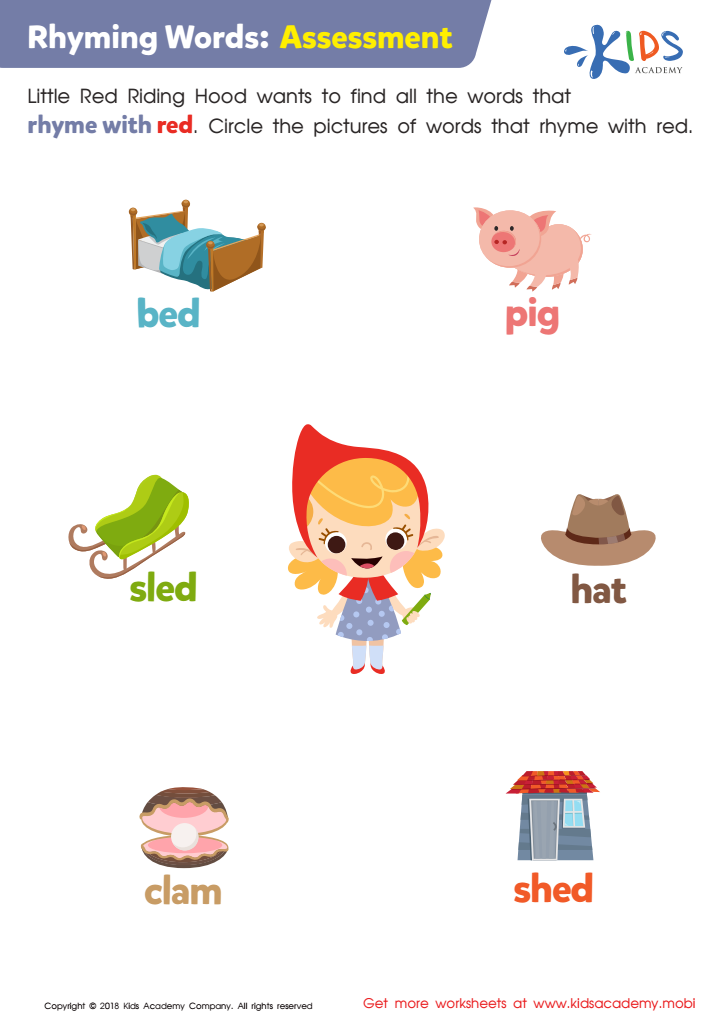
Rhyming Words: Assessment Worksheet
 Assign to My Students
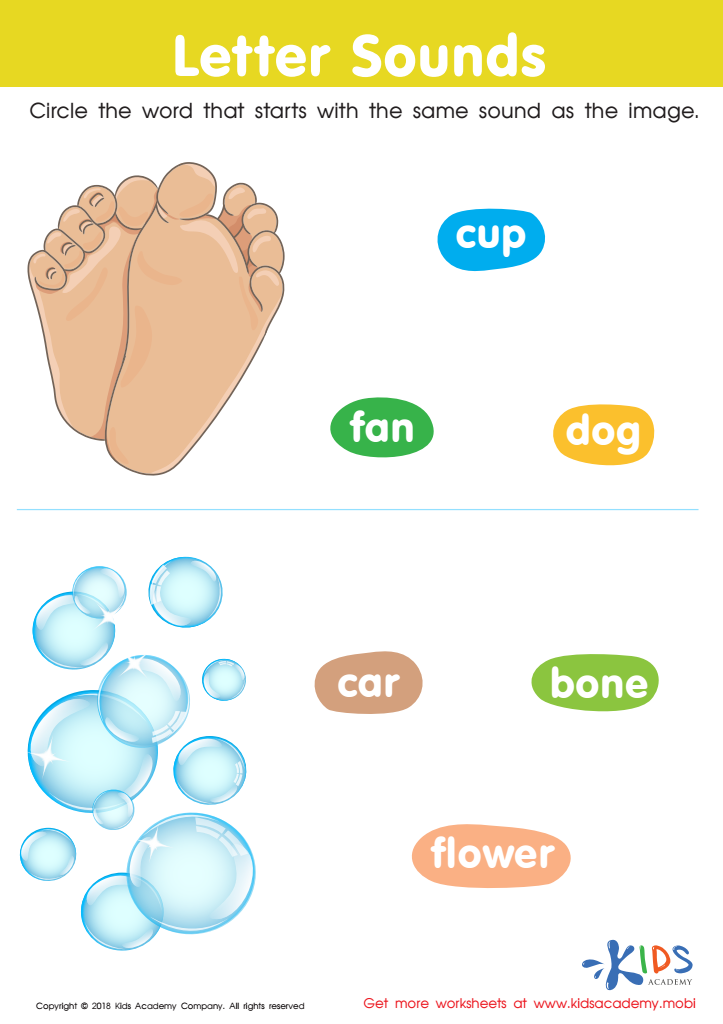
letter sounds Worksheet
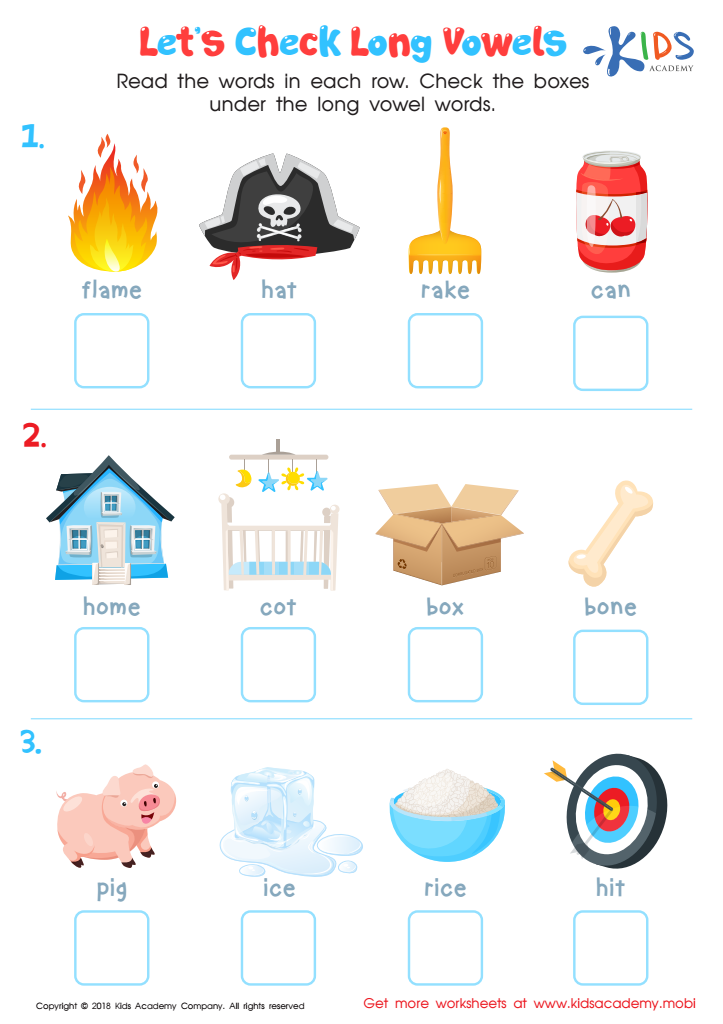
Let's Check Long Vowels: Assessment Worksheet
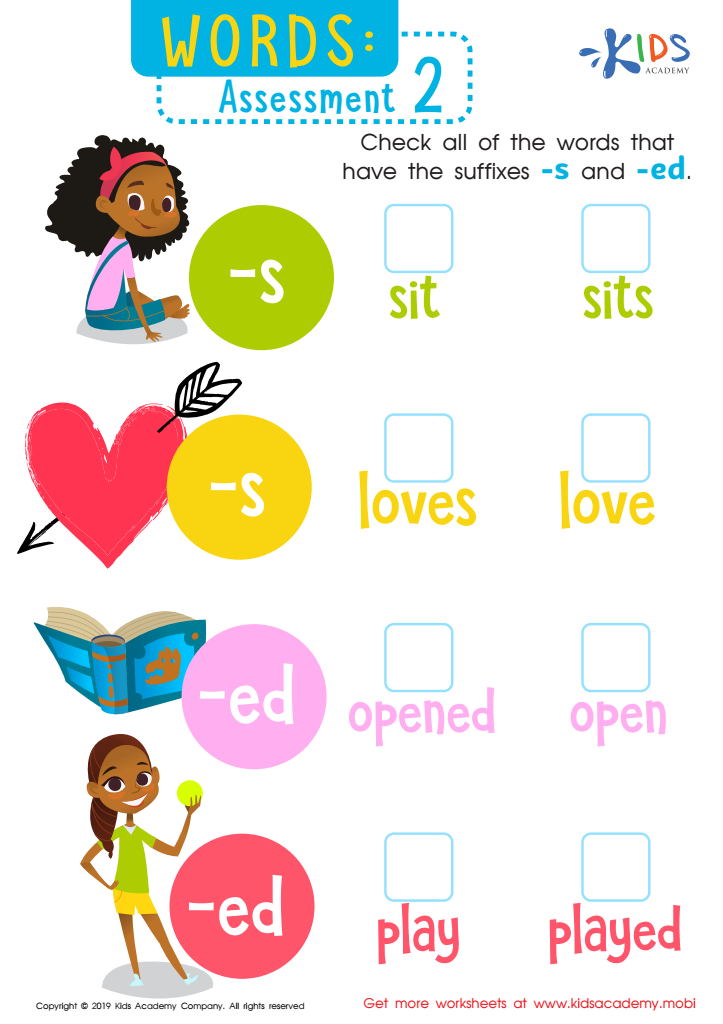
Words: Assessment 2 Worksheet
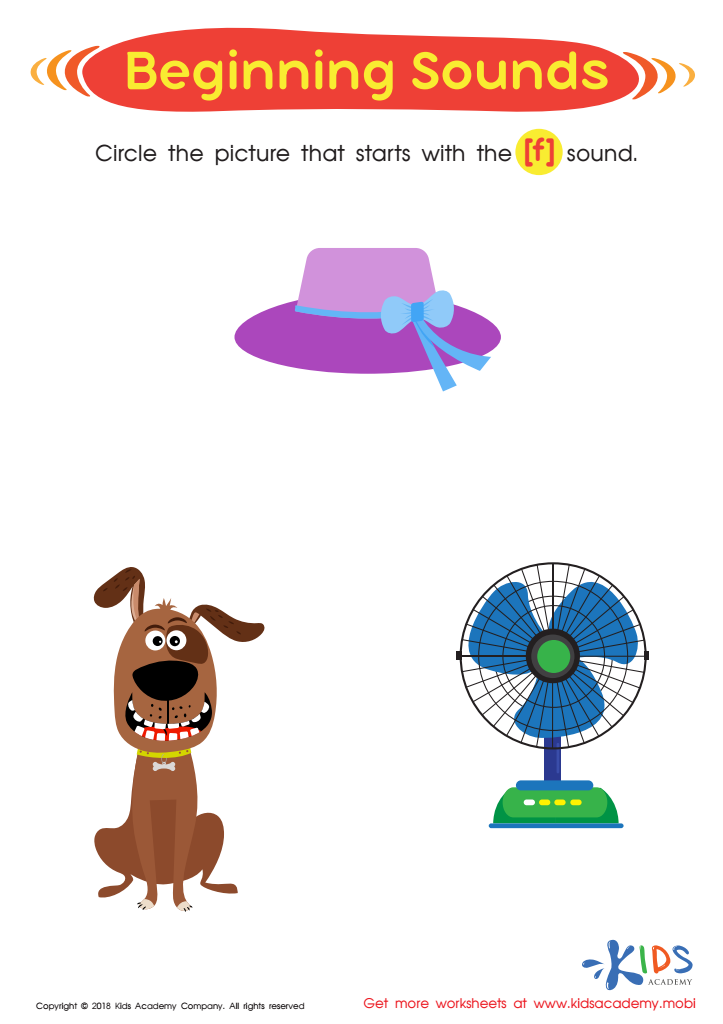
Beginning Sounds Assessment Printable
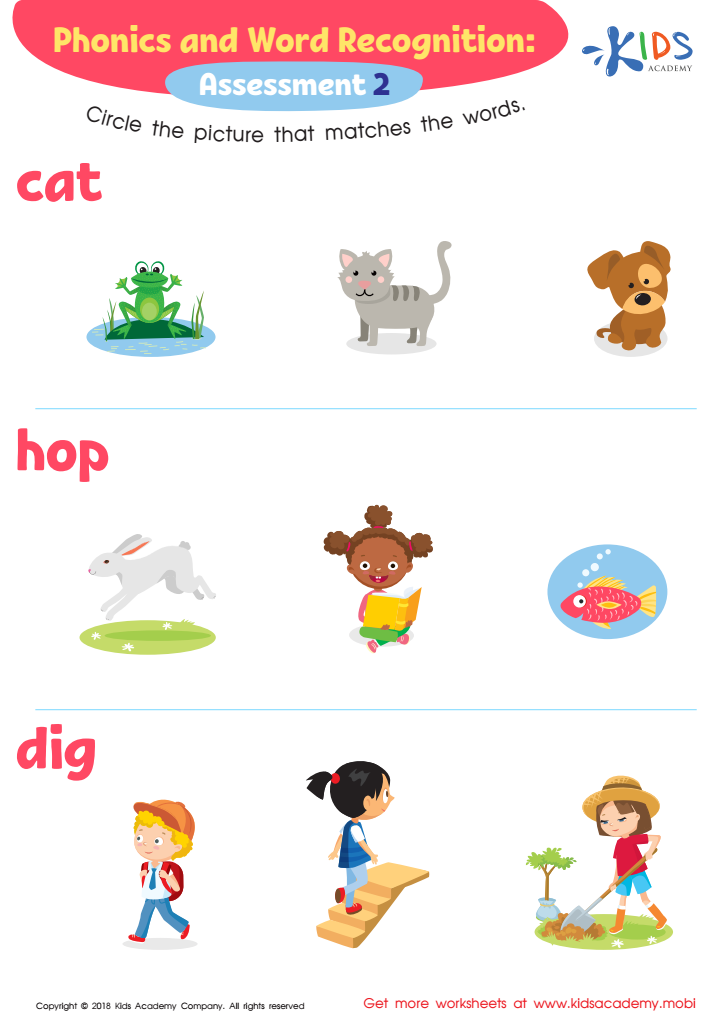
Phonological Awareness: Assessment 2 ELA Worksheet
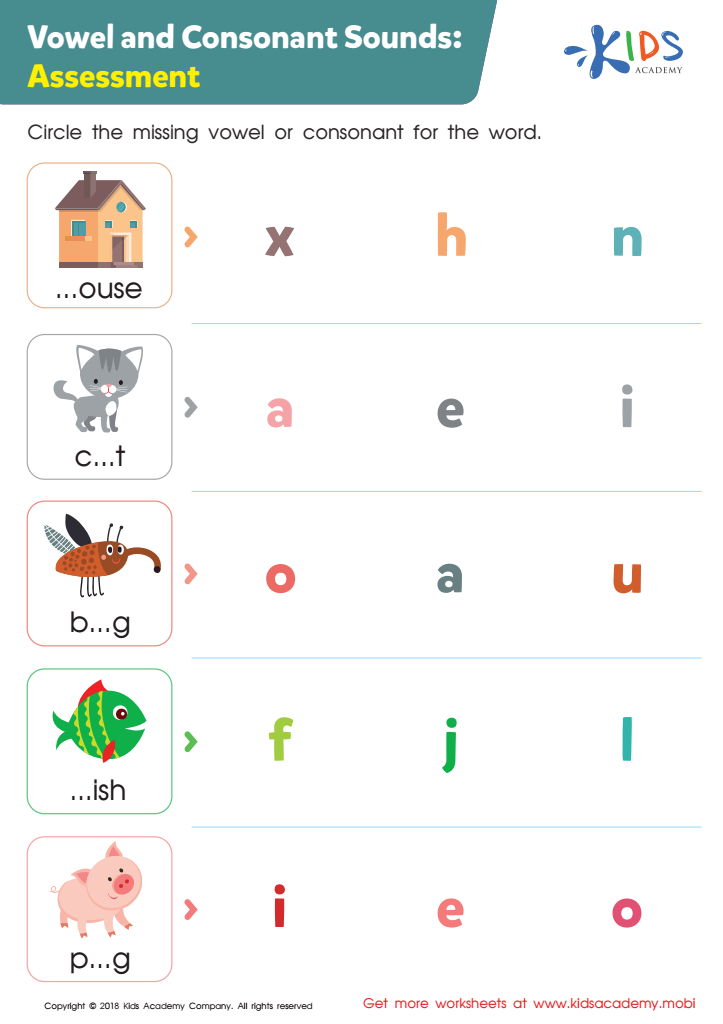
Vowel and Consonant Sounds: Assessment Worksheet
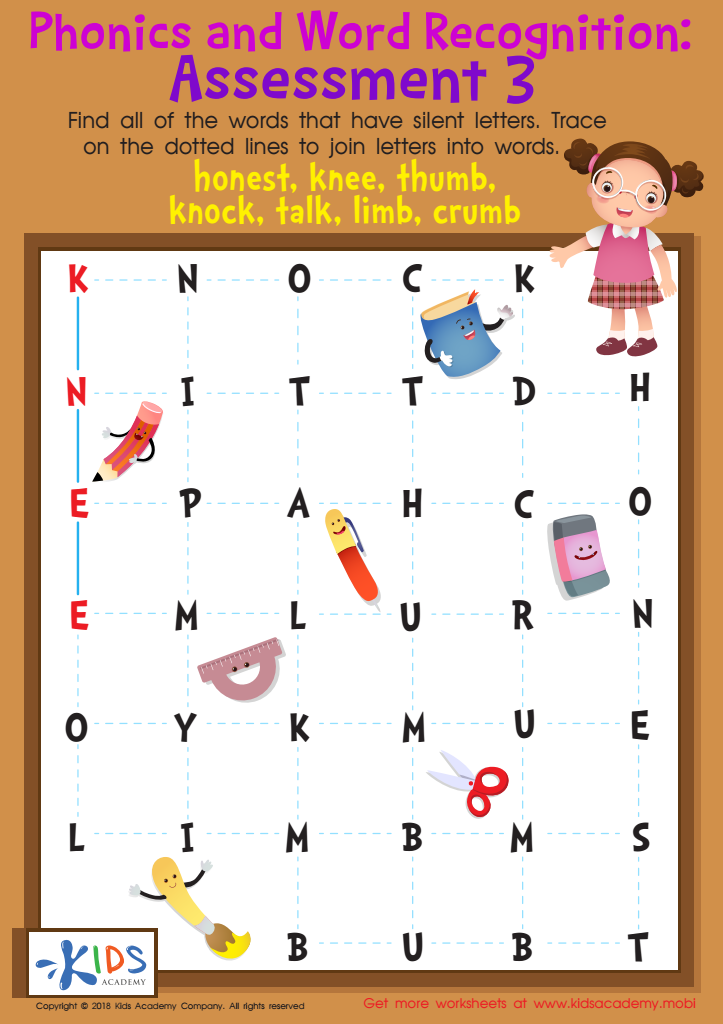
Phonics and Word Recognition: Assessment 3 Worksheet
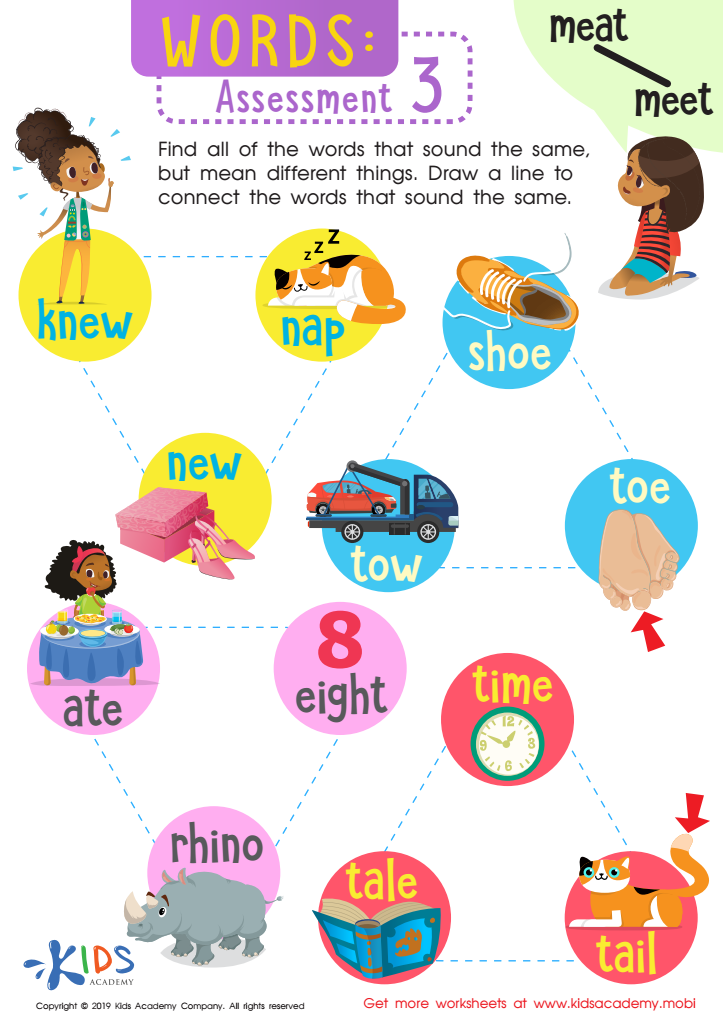
Words: Asessment 3 Worksheet
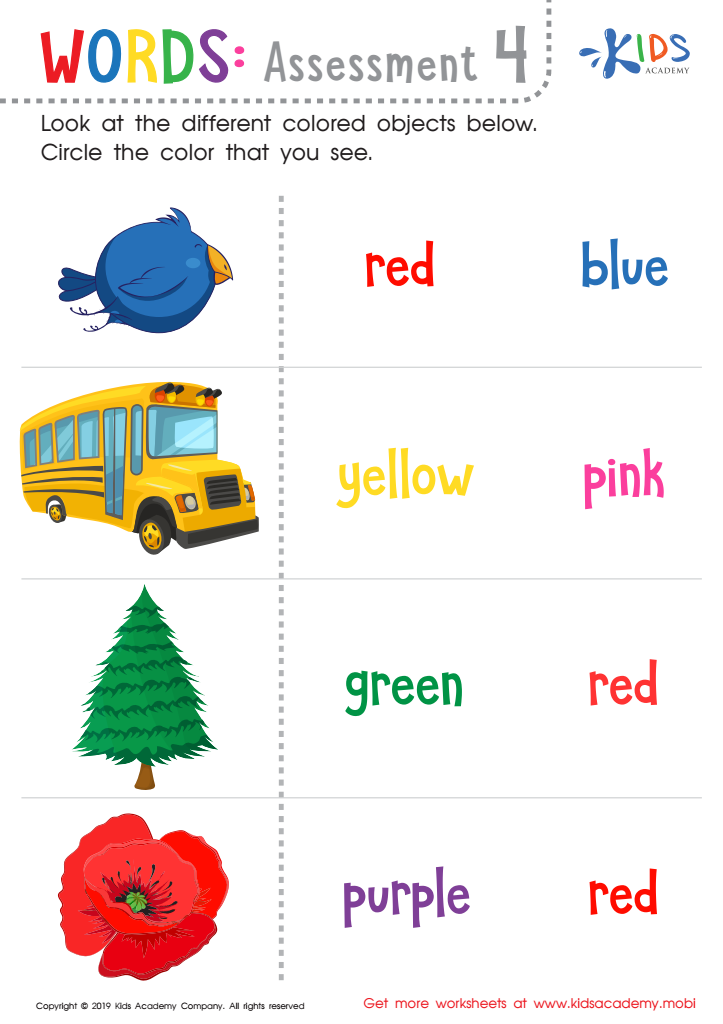
Words: Assessment 4 Worksheet
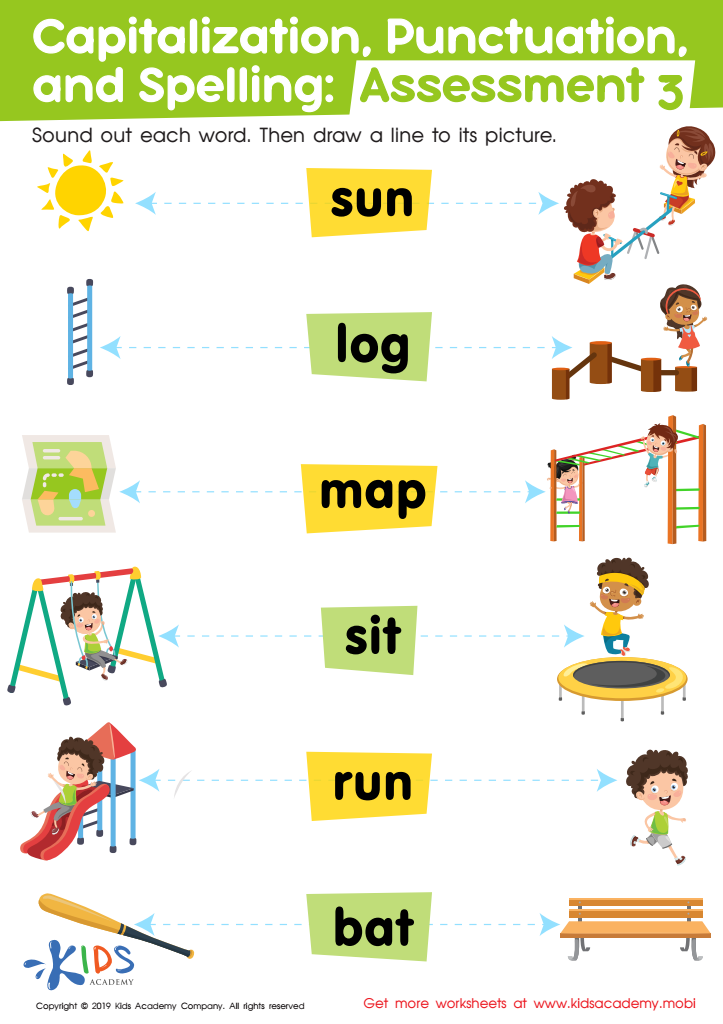
Capitalization. Punctuation. Spelling. Assessment 3 Worksheet
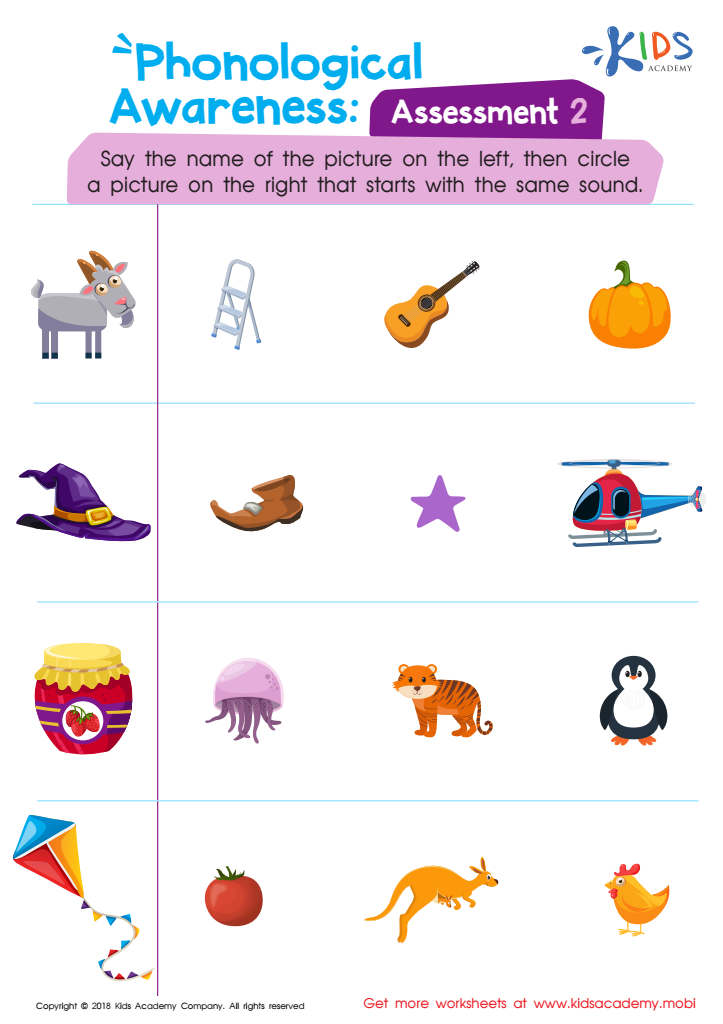
Phonological Awareness: Assessment 2 Worksheet
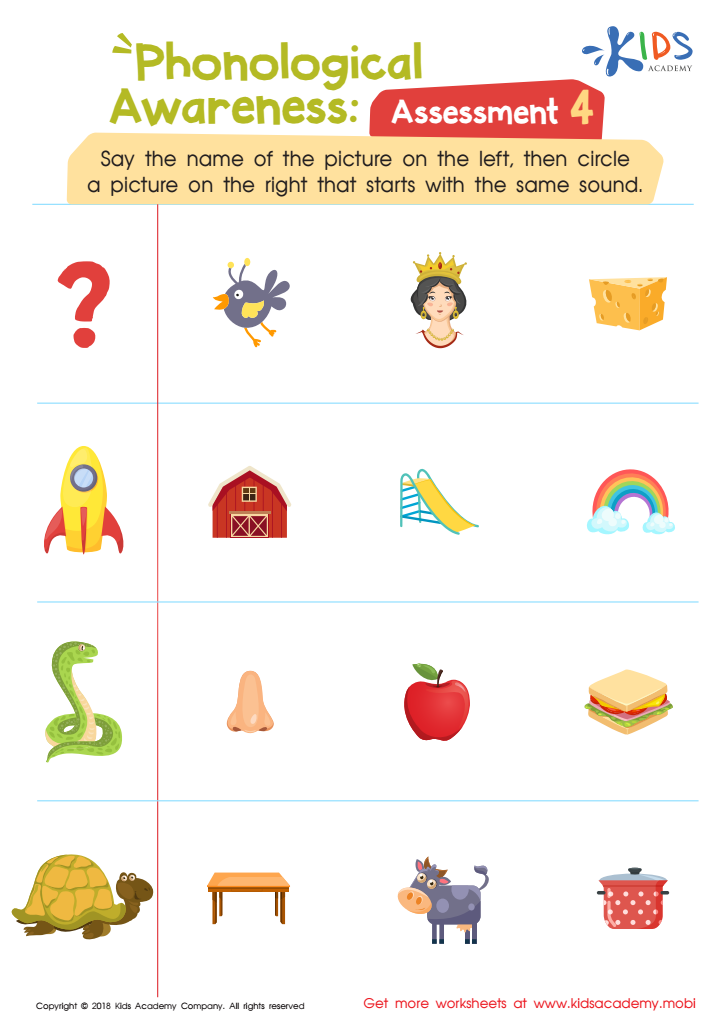
Phonological Awareness: Assessment 4 Worksheet
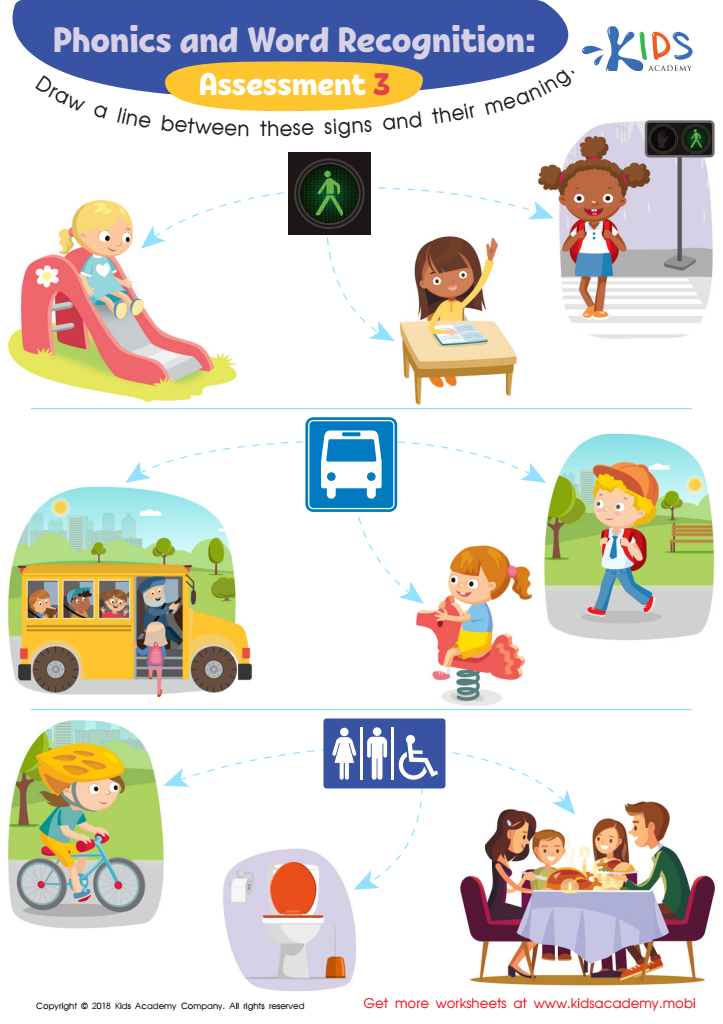
Phonological Awareness: Assessment 3 ELA Worksheet
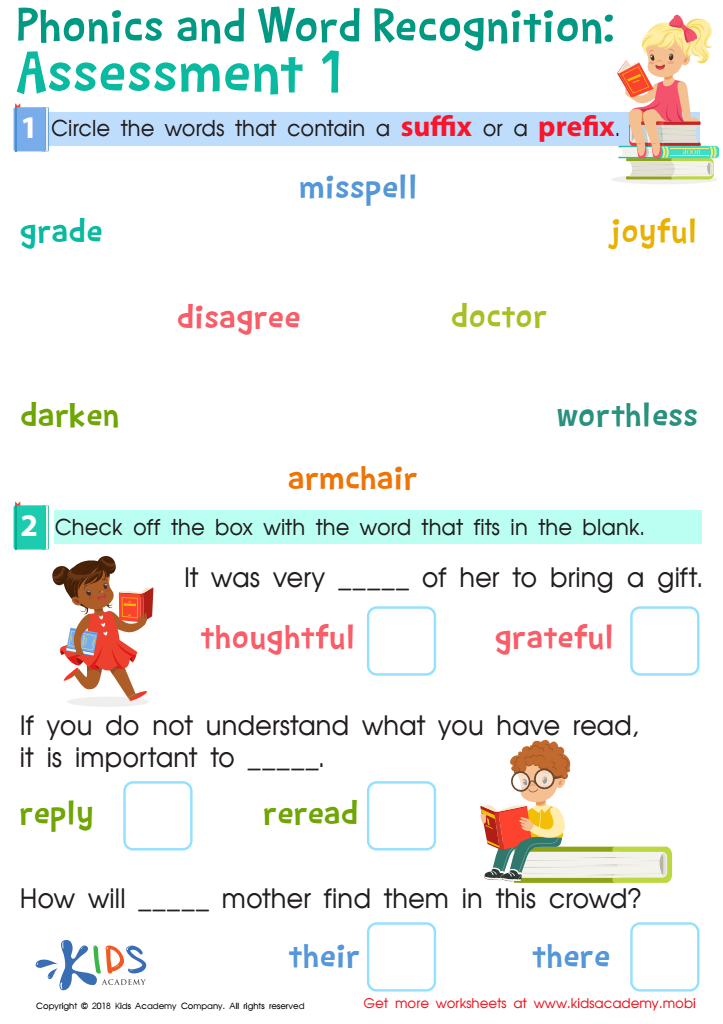
Phonics and Word Recognition: Assessment 1 Worksheet
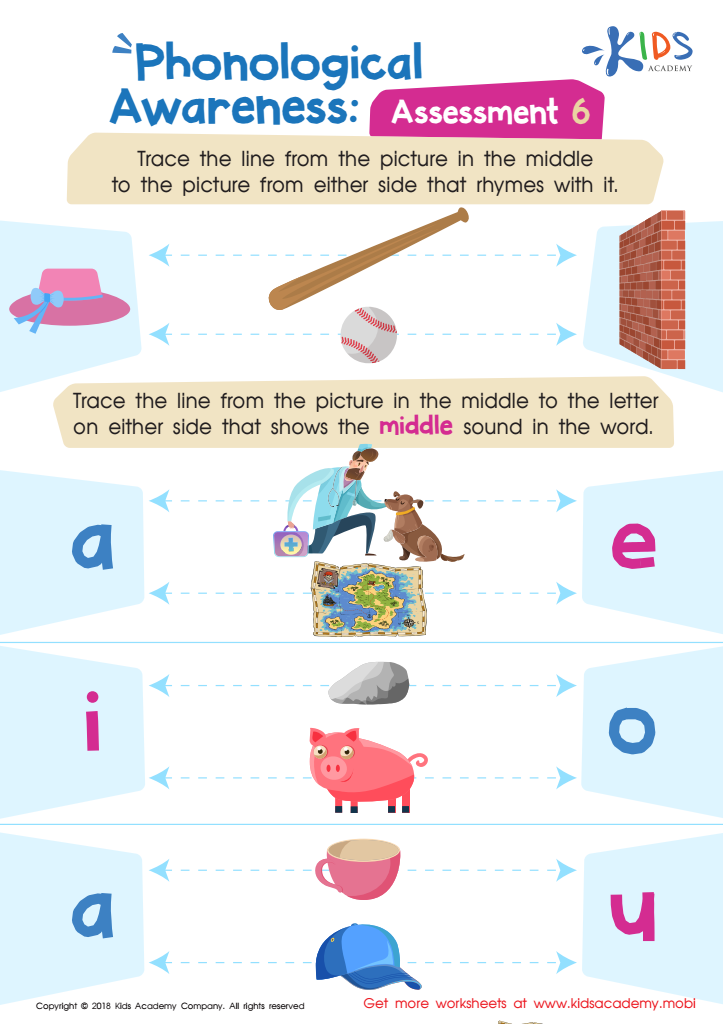
Phonological Awareness: Assessment 6 Worksheet
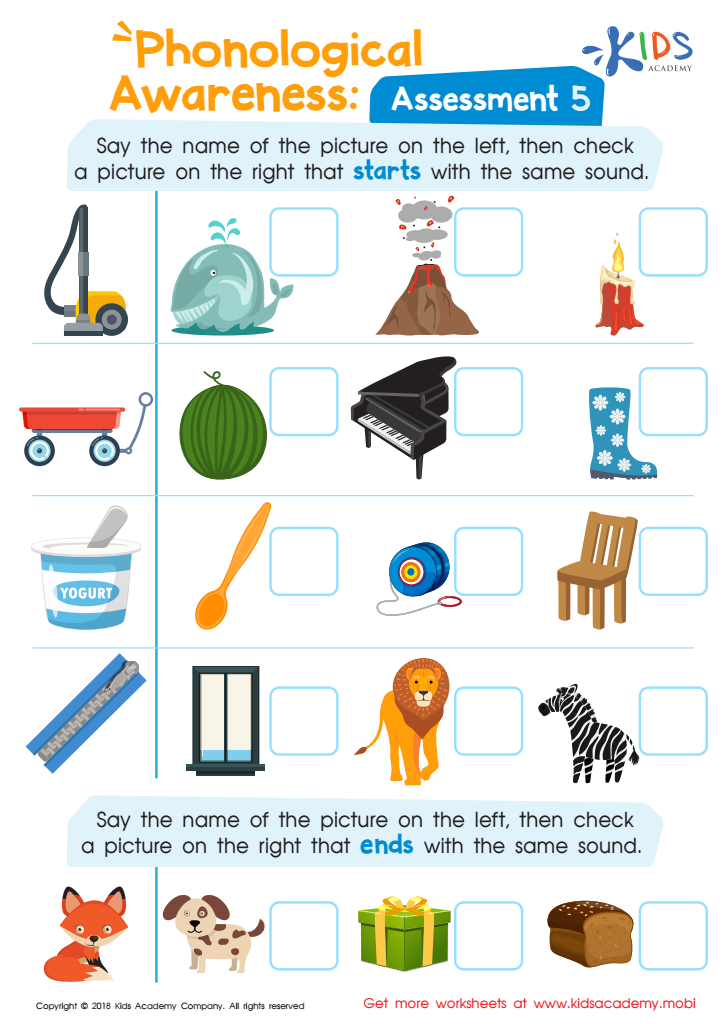
Phonological Awareness: Assessment 5 Worksheet
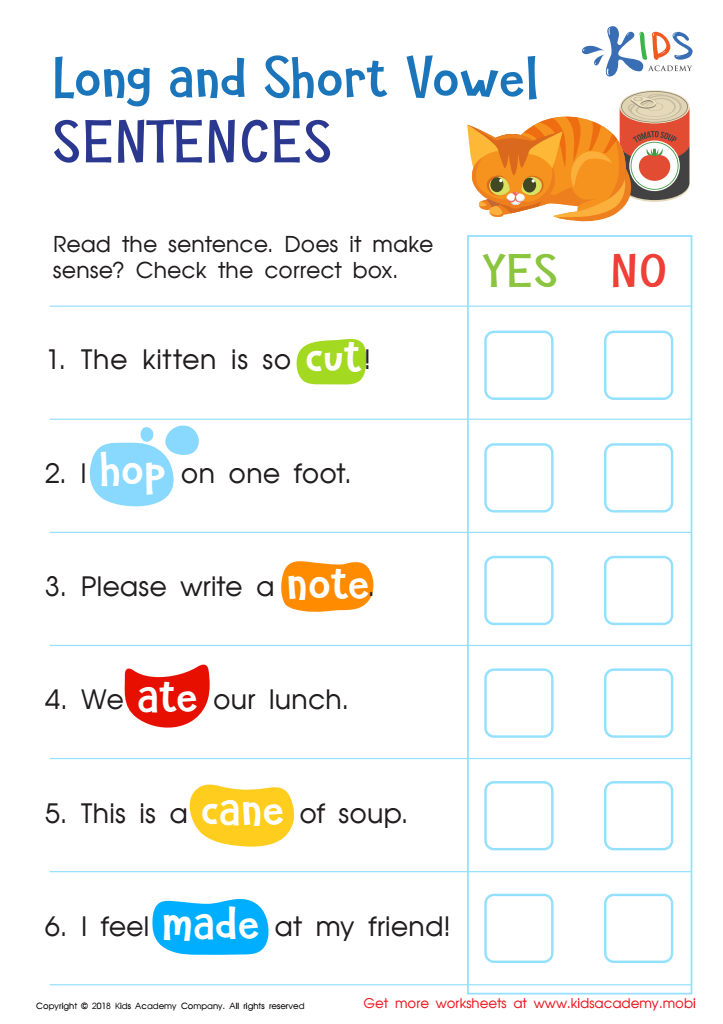
Long and Short Vowel Sentences: Assessment Worksheet
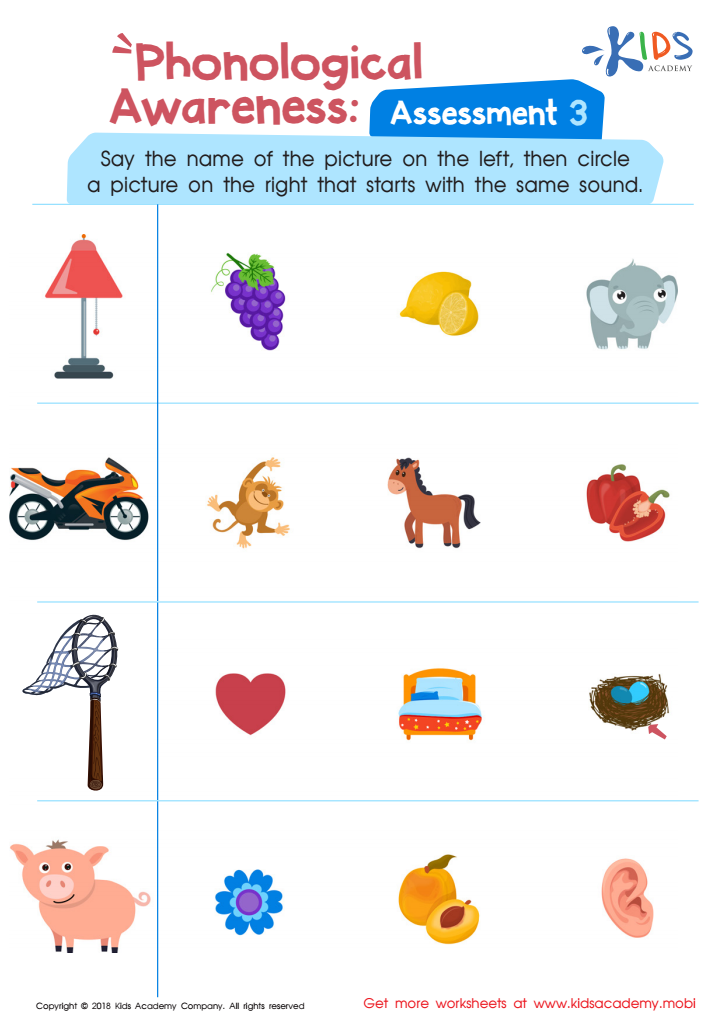
Phonological Awareness: Assessment 3 Worksheet
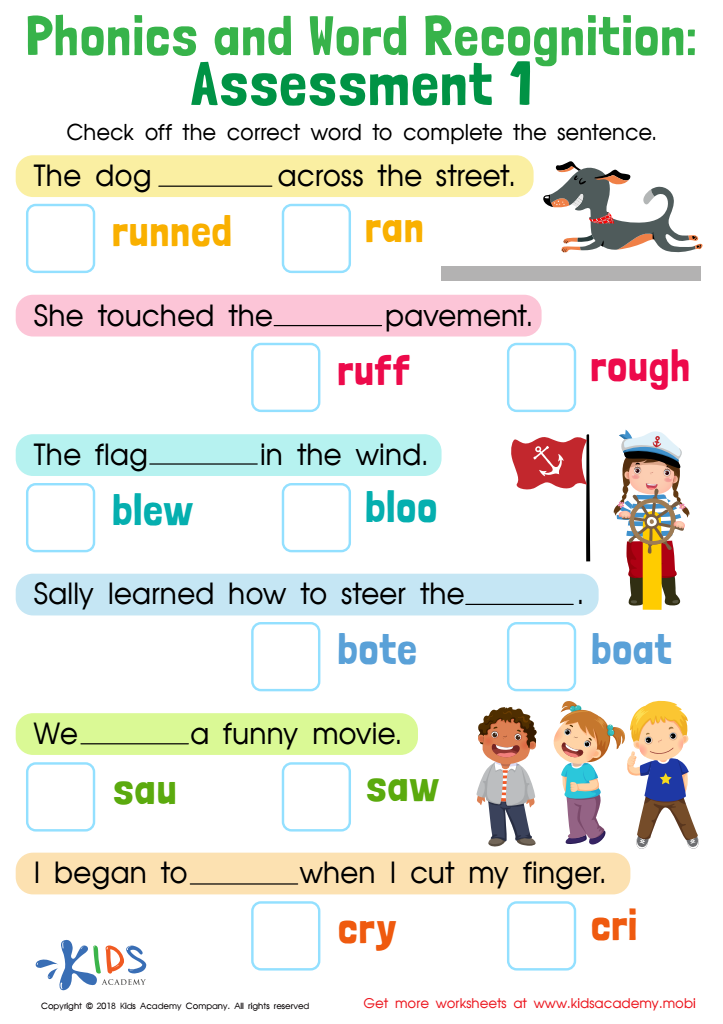
Phonics and Word Recognition: Assessment 1 Worksheet
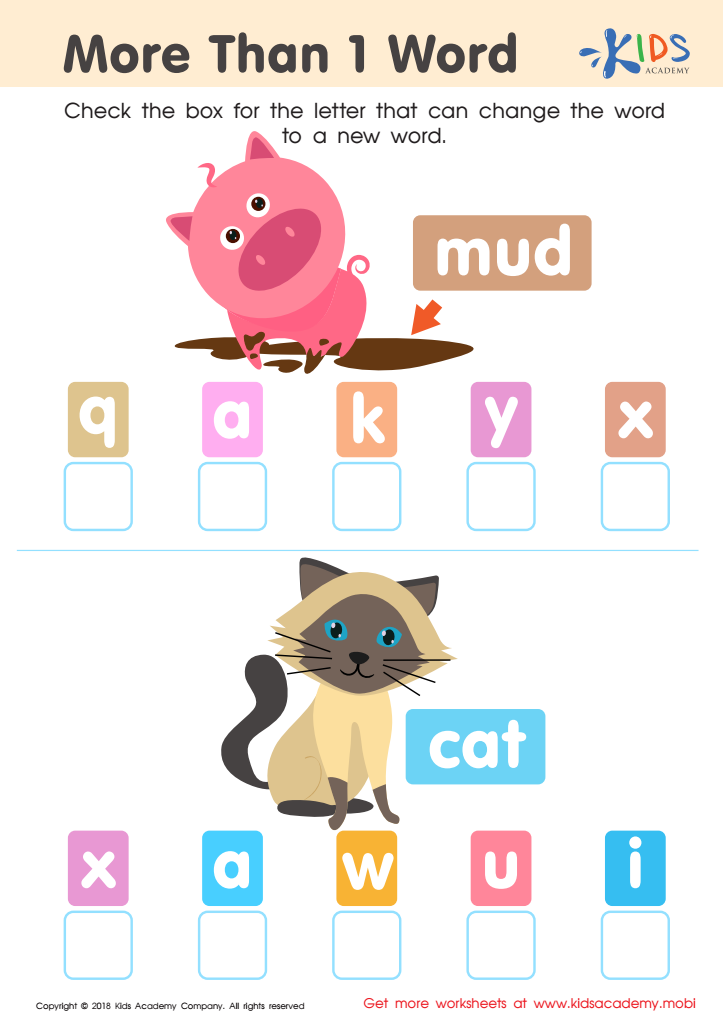
More than 1 word Worksheet
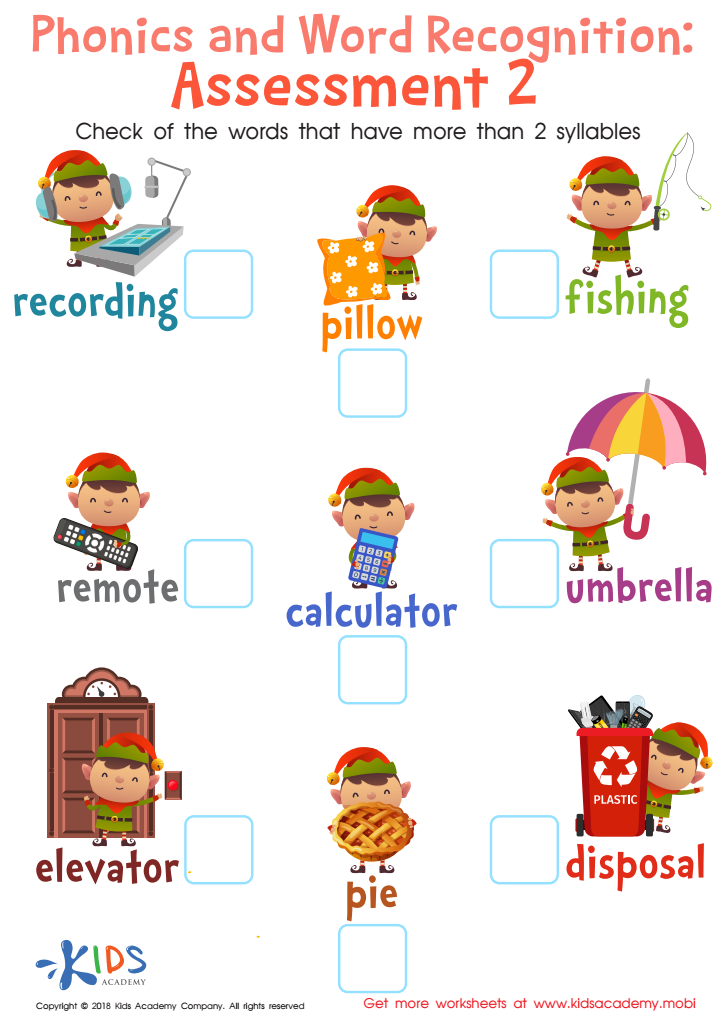
Phonics and Word Recognition: Assessment 2 Worksheet
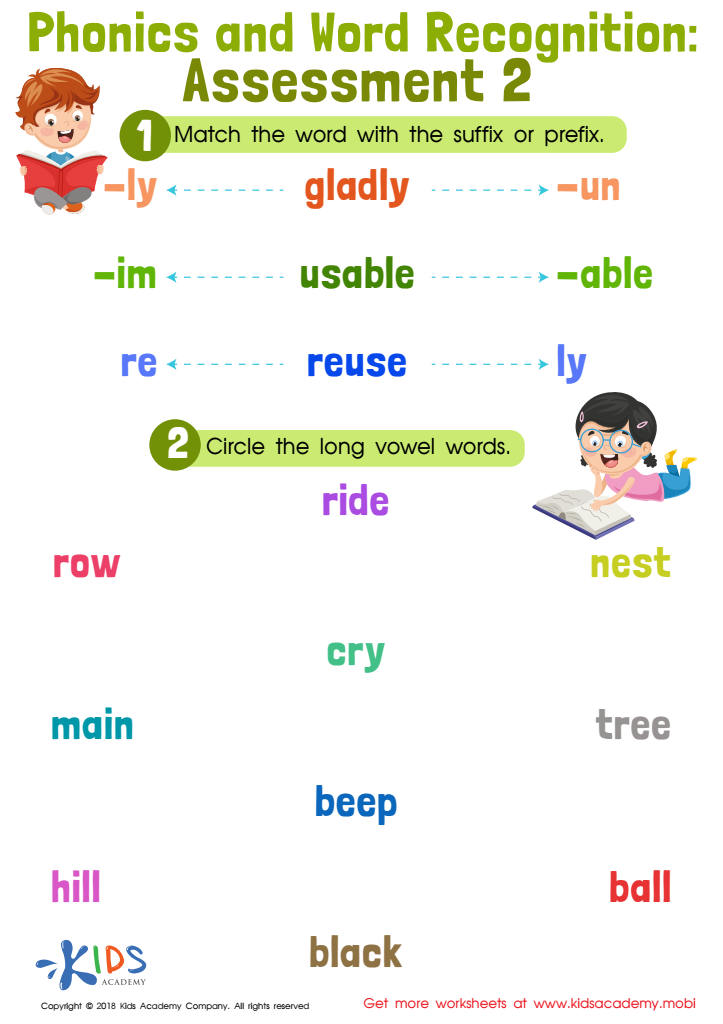
Phonics and Word Recognition: Assessment 2
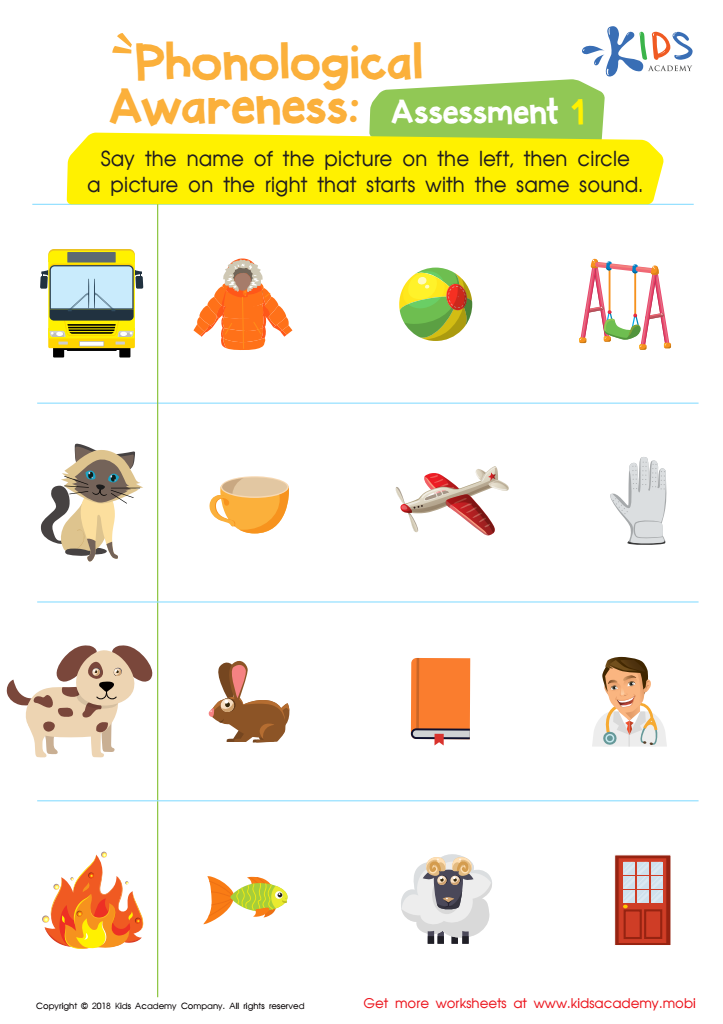
Phonological Awareness: Assessment 1 Worksheet







Phonics activities are crucial for children aged 3-9 as they lay the foundation for reading and writing skills. These activities help young learners understand the relationship between letters and sounds, which is essential for decoding words. When parents and teachers engage with phonics activities, they not only foster a child’s literacy skills but also boost their confidence in reading.
Phonics activities provide targeted practice that makes learning interactive and enjoyable. By incorporating games, songs, and matching activities, kids develop phonemic awareness and improve their ability to recognize sounds in words. Activities that come with answers allow caregivers to easily assess a child’s progress and provide immediate feedback, steering them towards areas that need reinforcement.
Furthermore, these activities support different learning styles, making them accessible to diverse learners. With early mastery of phonics, children can transition smoothly to more complex reading tasks, which is vital for academic success in later grades. Involved parents and skilled educators who prioritize phonics not only help develop essential reading skills but also nurture a lifelong love for reading, ultimately setting the stage for better educational outcomes and independent learning. Thus, prioritizing phonics activities is an investment in a child's future.








