Normal Tracing Worksheets Activities With Answers for Ages 4-9 - Page 5
98 filtered results
-
From - To
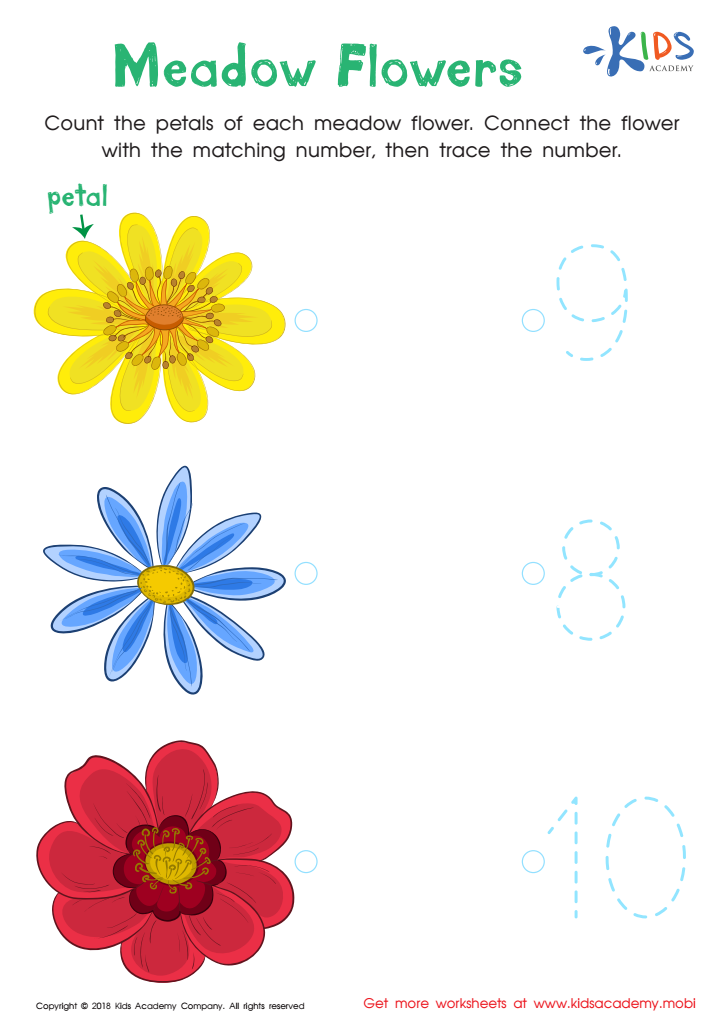
Kindergarten Number Tracing: Medow Flowers Worksheet
 Assign to My Students
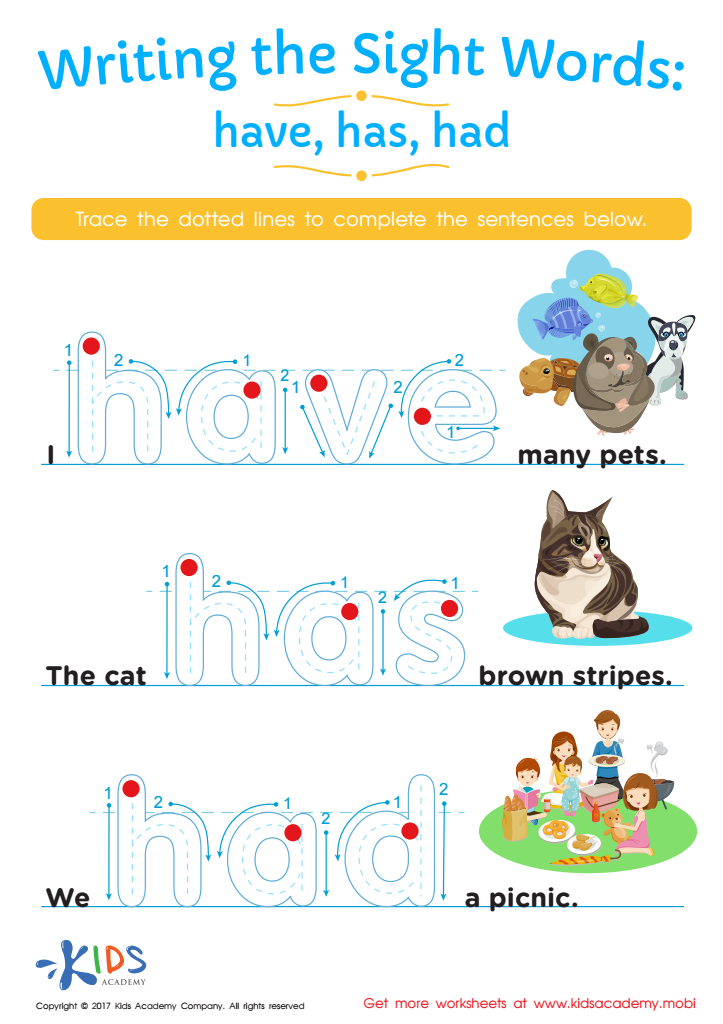
Have, Has, Had Worksheet Sight Words Worksheet






Normal tracing activities offer significant developmental benefits for children ages 4-9, making them essential for both parents and teachers. These activities focus on fine motor skills, which are crucial for tasks such as writing, cutting, and manipulating objects. As children trace lines, shapes, and letters, they enhance their hand-eye coordination and finger dexterity, foundational skills for academic success.
Moreover, tracing activities help reinforce letter and number recognition. By interacting with a variety of shapes and words, children become familiar with their forms, leading to improved literacy and numeracy skills. Tracing can also stimulate cognitive development, encouraging critical thinking as children learn about patterns, sizes, and spatial awareness.
Additionally, normal tracing activities can provide a calming effect, helping children concentrate and focus on a task. This engagement can foster a sense of achievement as they see their progress, boosting self-esteem and motivation. For teachers, incorporating tracing activities into the curriculum supports differentiated learning, allowing for varied skill levels and individual progress.
Overall, parents and teachers should prioritize normal tracing activities as they equip kids with essential skills for academic and personal growth while creating enjoyable learning experiences.








