Normal Tracing Worksheets Activities With Answers for Ages 7-9 - Page 3
55 filtered results
-
From - To

Letter F Tracing Page
 Assign to My Students
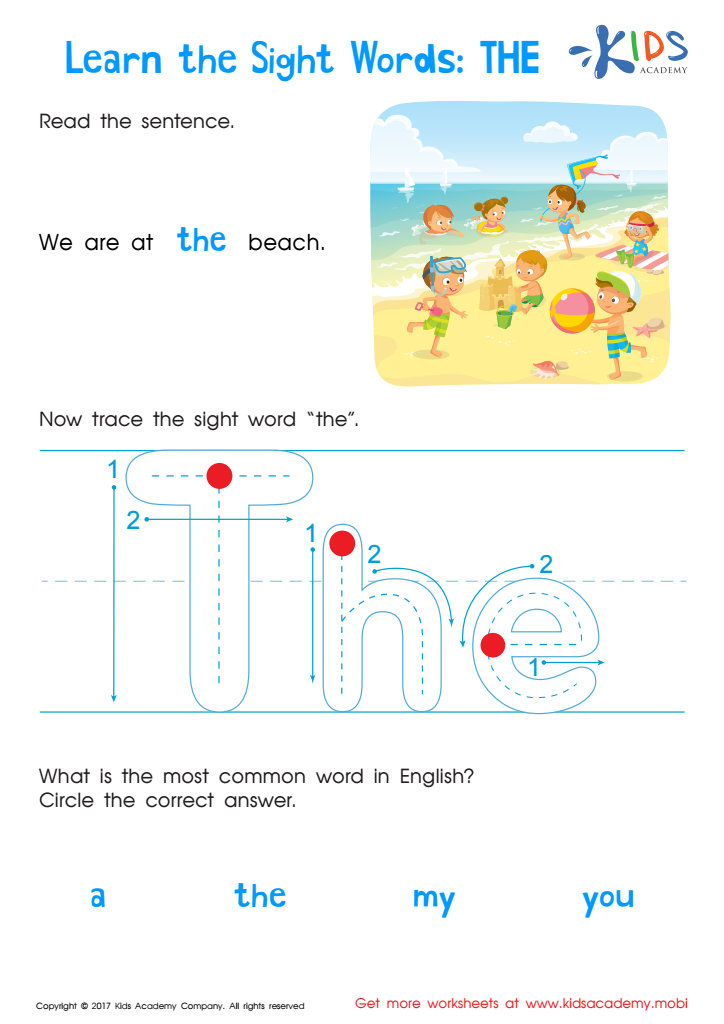
Sight Words: The Worksheet
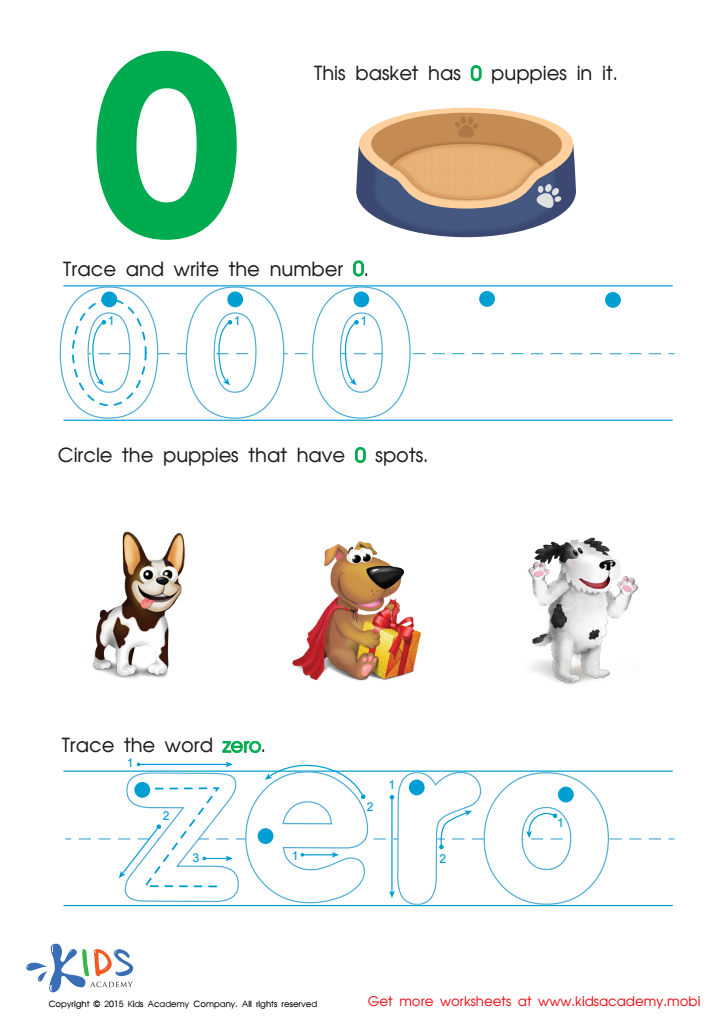
Trace And Write Number 0 Worksheet

Letter D Tracing Page
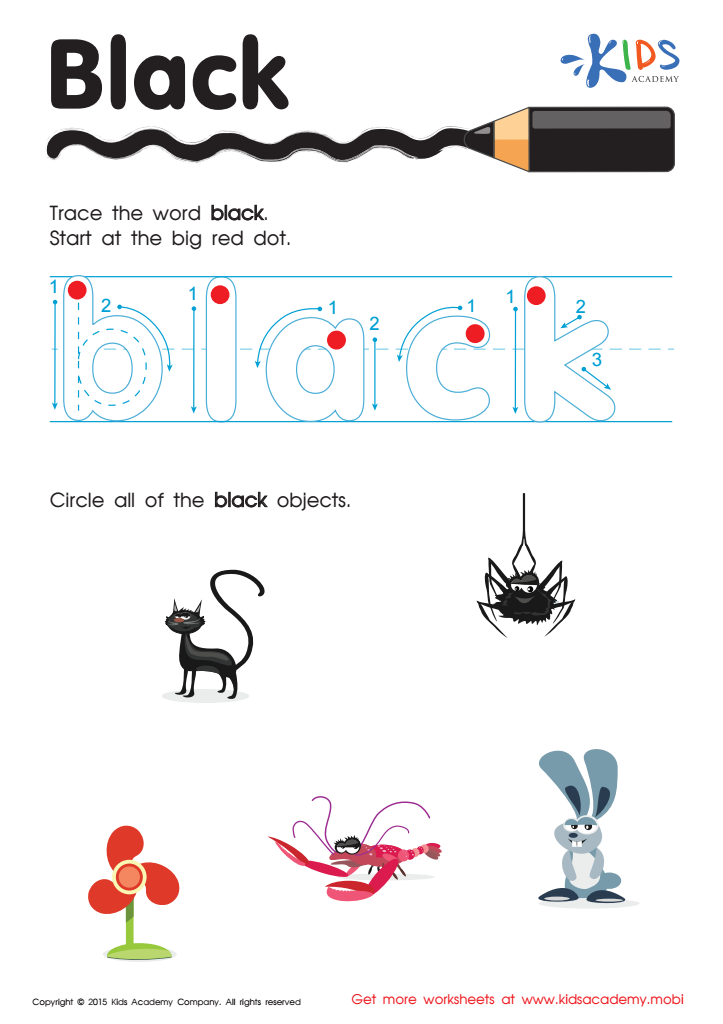
Black Tracing Color Words Printable
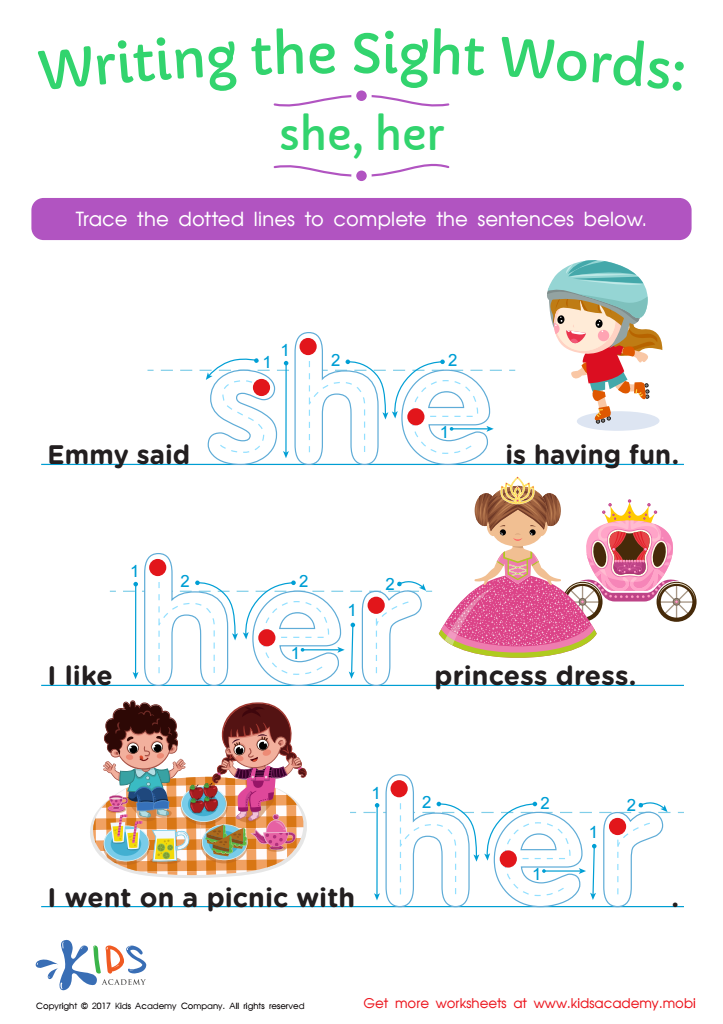
She, Her Printable Sight Words Worksheet
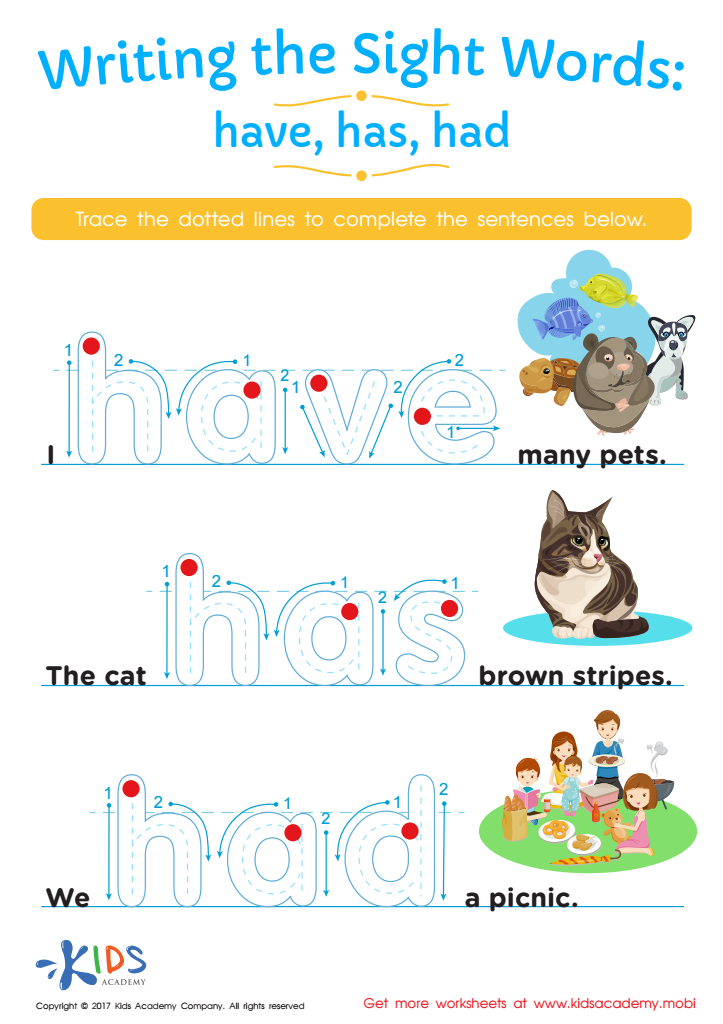
Have, Has, Had Worksheet Sight Words Worksheet




Normal tracing activities are crucial for children aged 7-9 as they serve as a foundational tool for developing essential skills. At this age, children are refining their motor skills, and tracing can significantly enhance hand-eye coordination, allowing them to write more effectively and with better control. These activities encourage precision, which builds confidence in their writing abilities.
Furthermore, tracing activities can support literacy development by helping children recognize letters, numbers, and shapes. It transforms learning into an engaging and enjoyable experience, promoting a positive attitude towards education. For teachers and parents, incorporating tracing activities can be an effective strategy to reinforce lessons in a fun way, making it easier for children to grasp concepts such as letter formation, word structure, and basic maths.
Tracing also supports cognitive development by encouraging focus and concentration, critical components in a child's learning journey. These activities provide opportunities for children to practice their focus in a structured manner, preparing them for more complex tasks ahead.
In summary, normal tracing activities not only foster physical skills crucial for academic success, but they also enhance cognitive abilities and emotional well-being, making them invaluable to the educational experiences of children aged 7-9.








