Counting Worksheets for Ages 3-6 - Page 2
35 filtered results
-
From - To
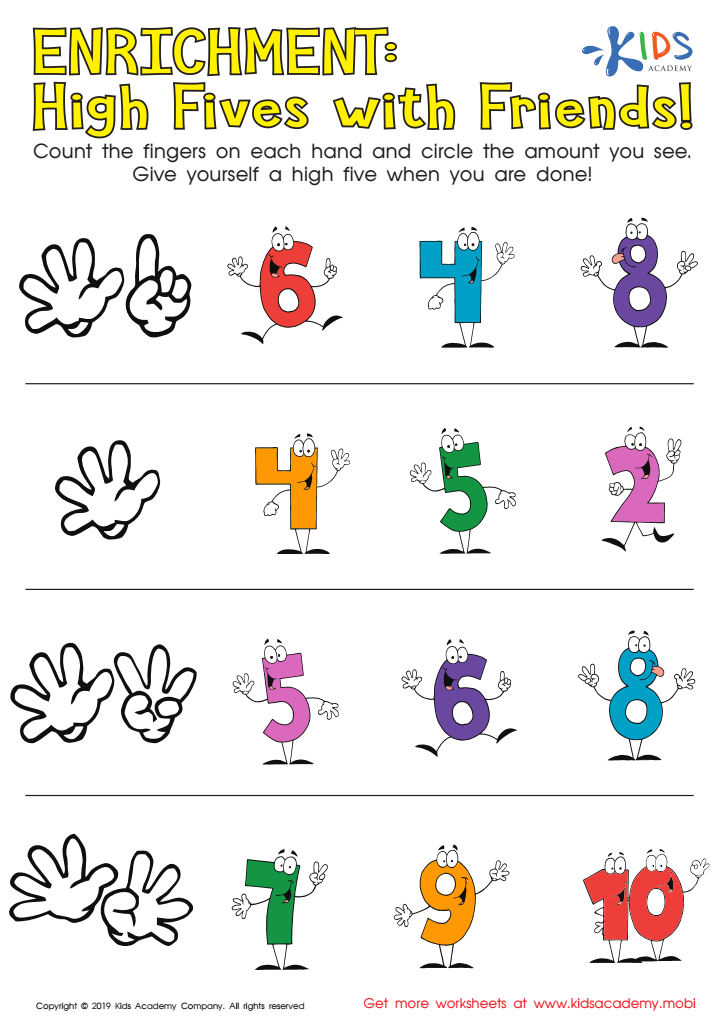
Enrichment: High Fives with Friends! Worksheet
 Assign to My Students

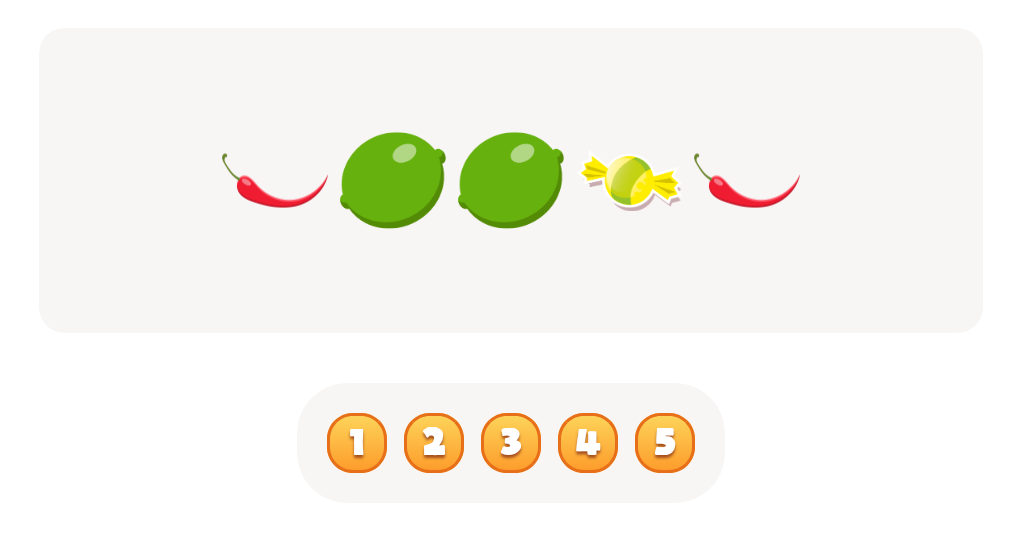
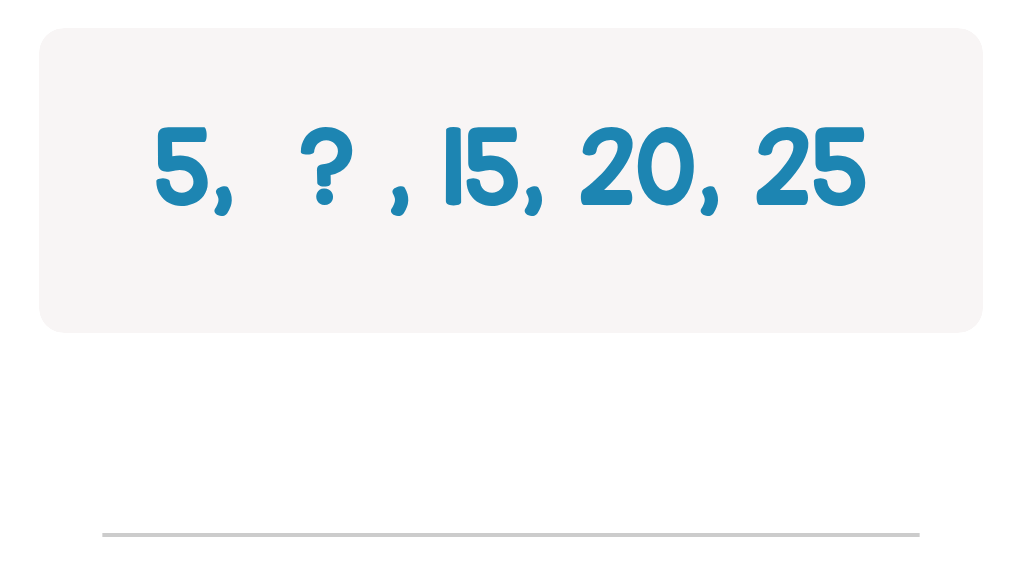
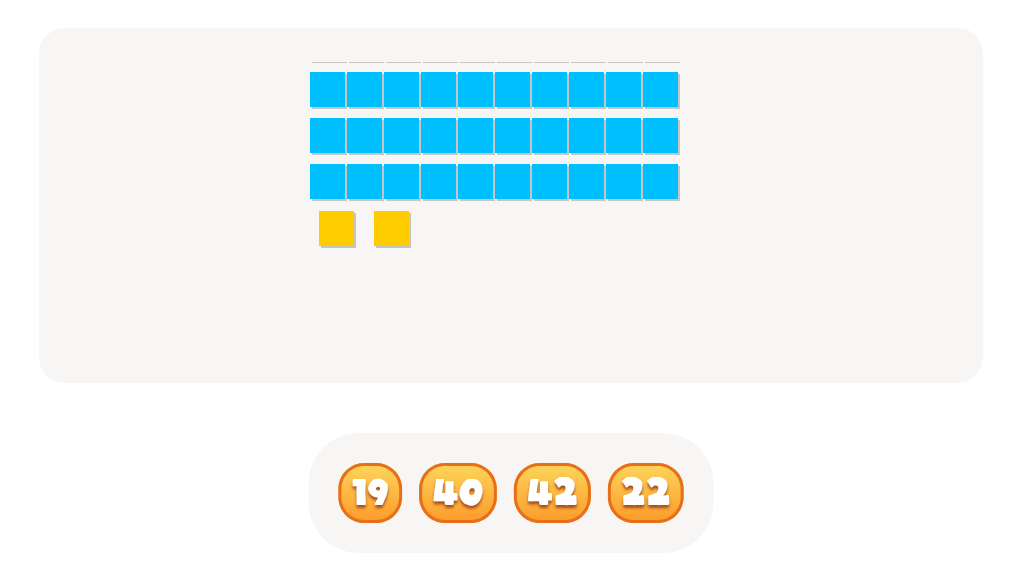
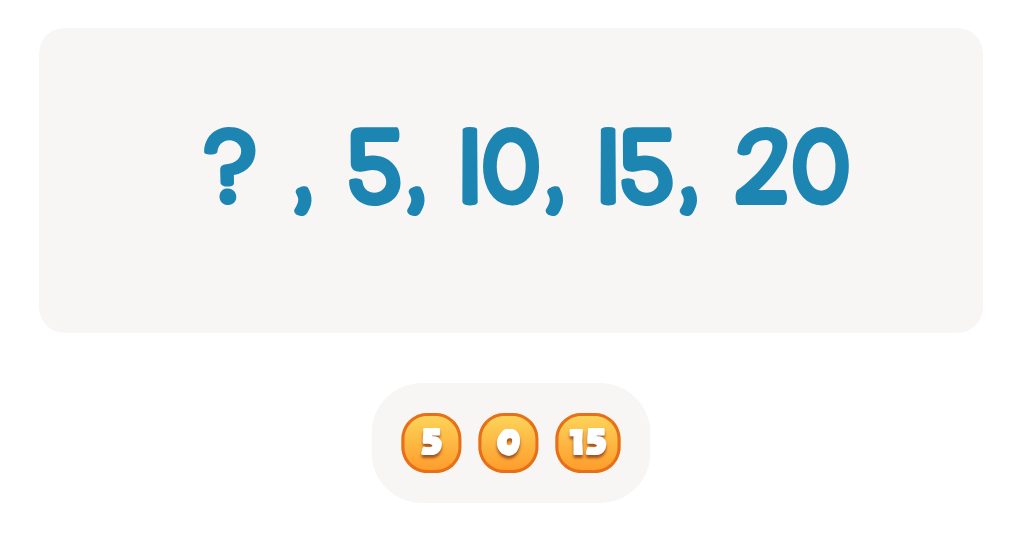
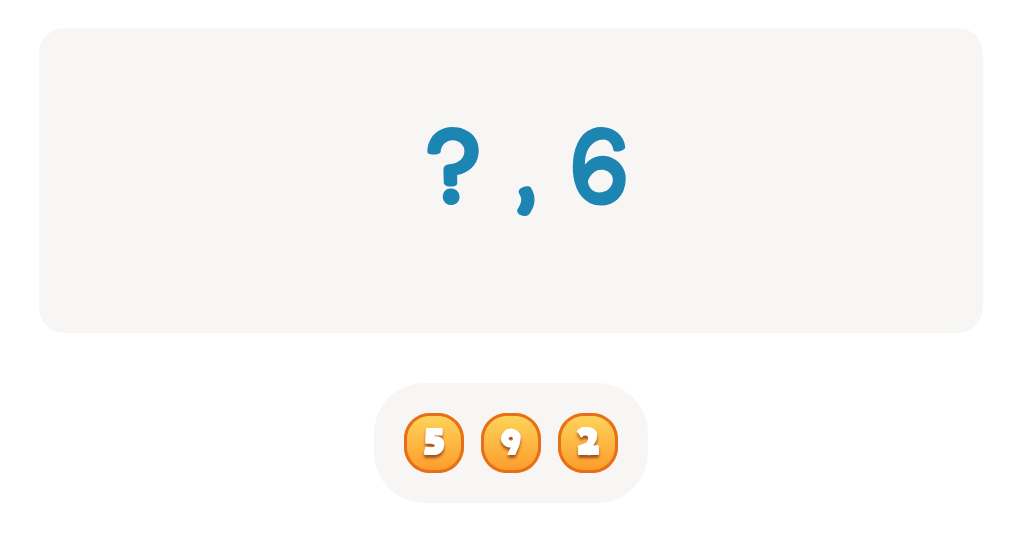
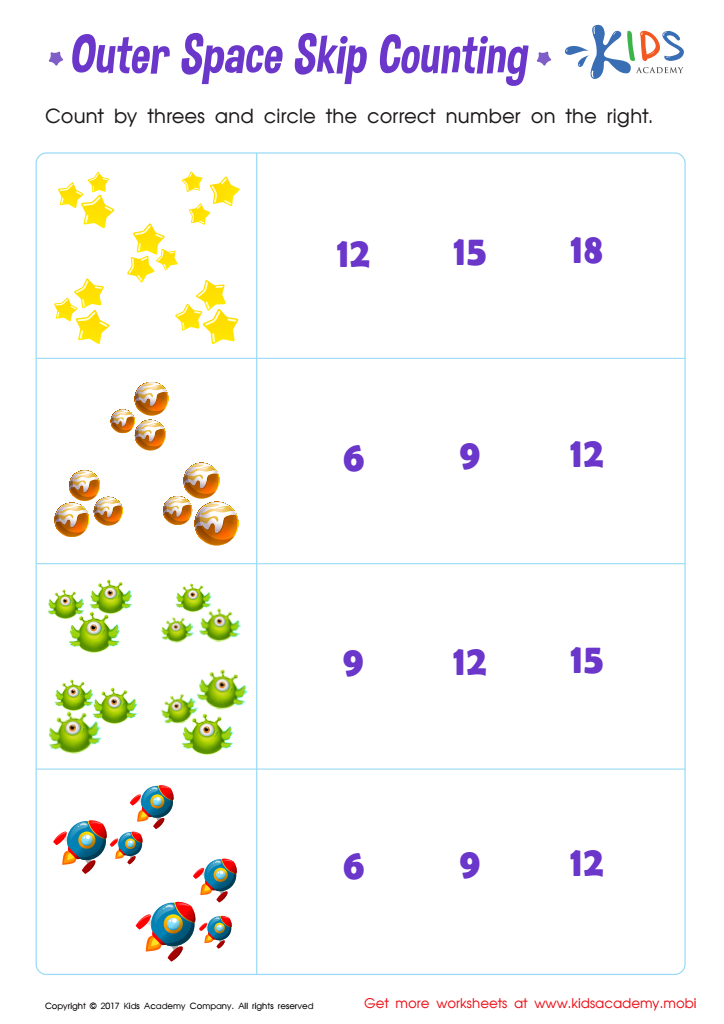
Skip Counting by 3s: Outer Space Skip Counting Printable
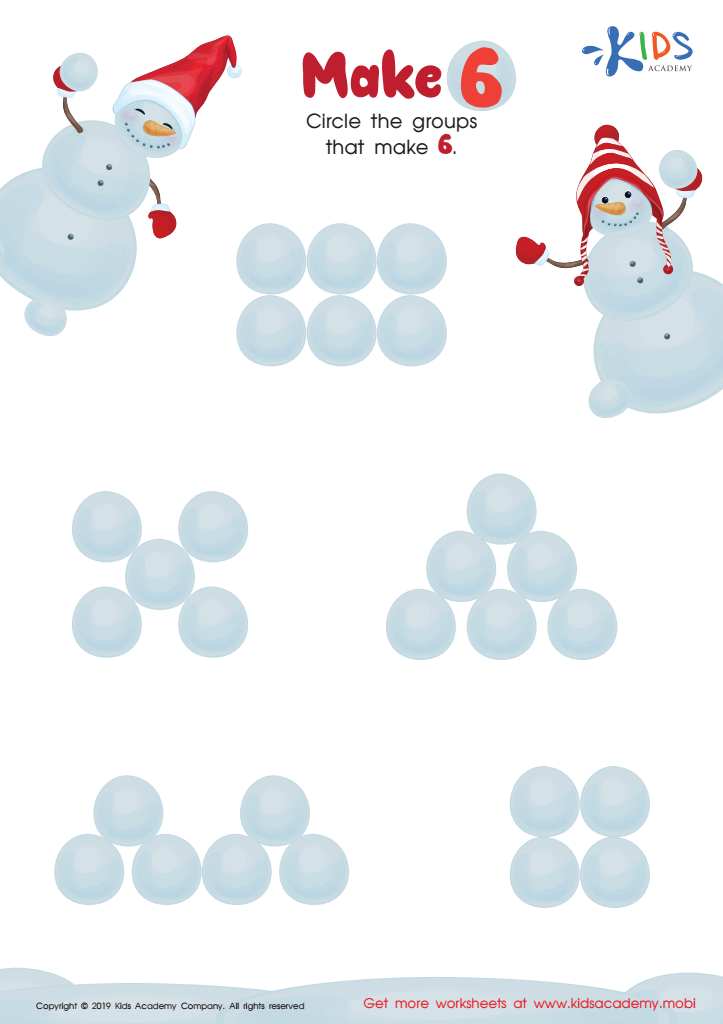
Make 6 Worksheet
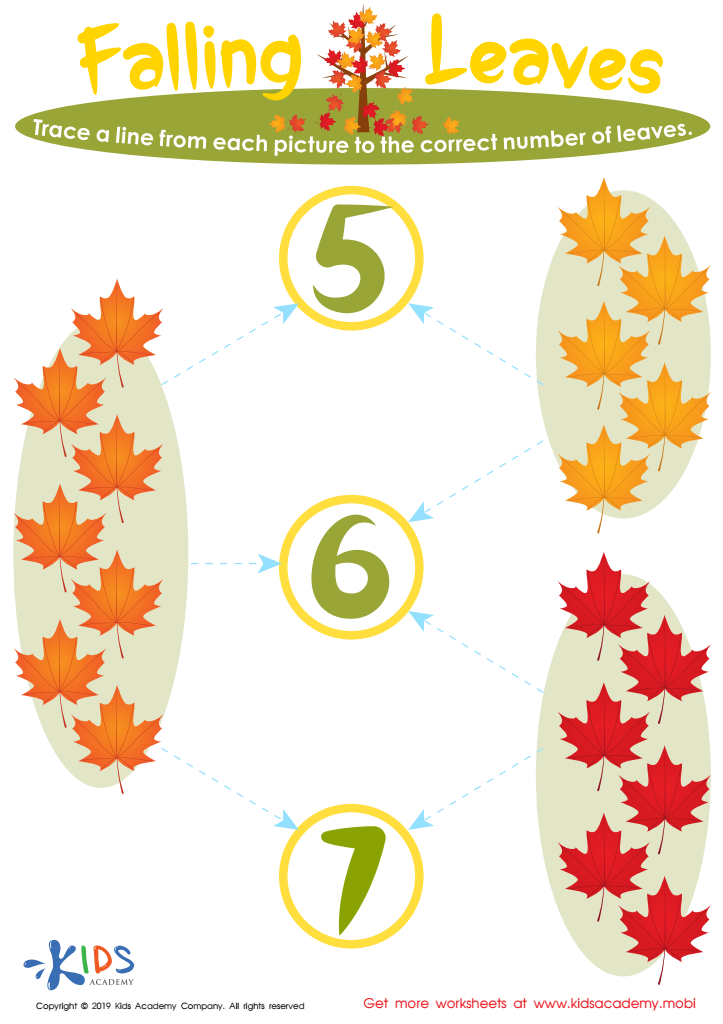
Falling Leaves Worksheet
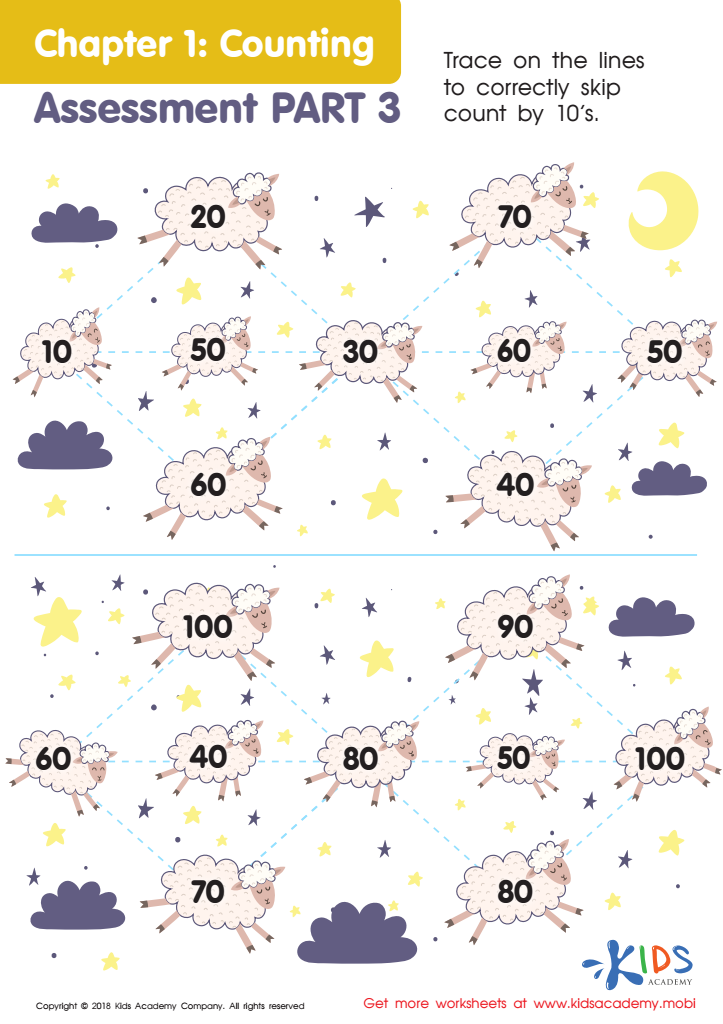
Counting: Assessment 3 Worksheet
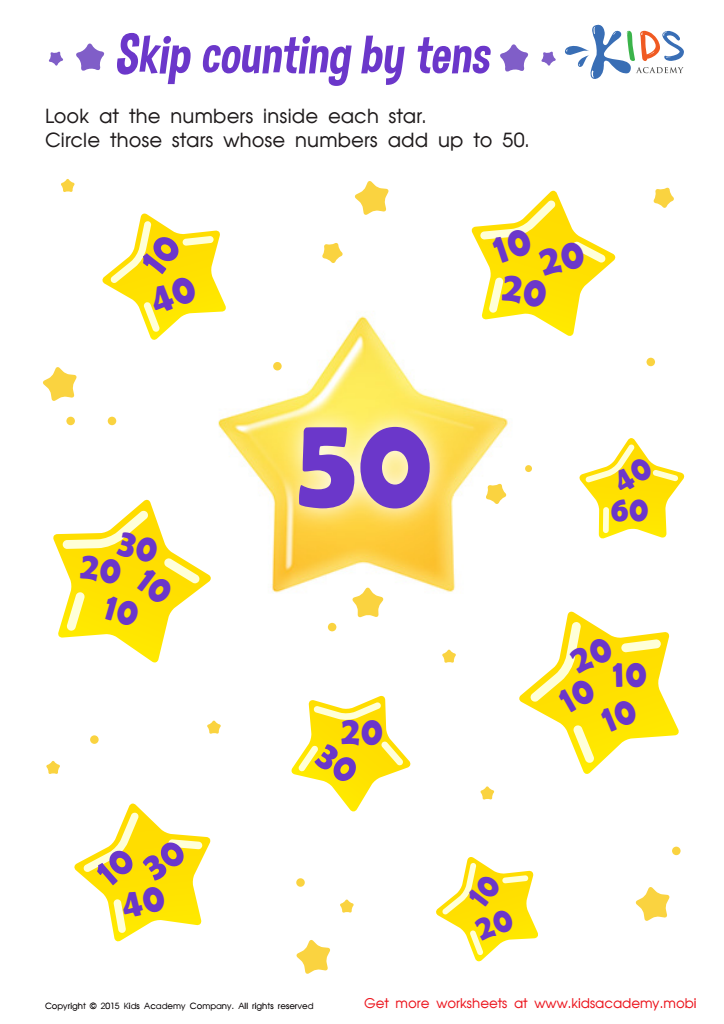
Learn Dozens: Skip Counting by Tens Printable
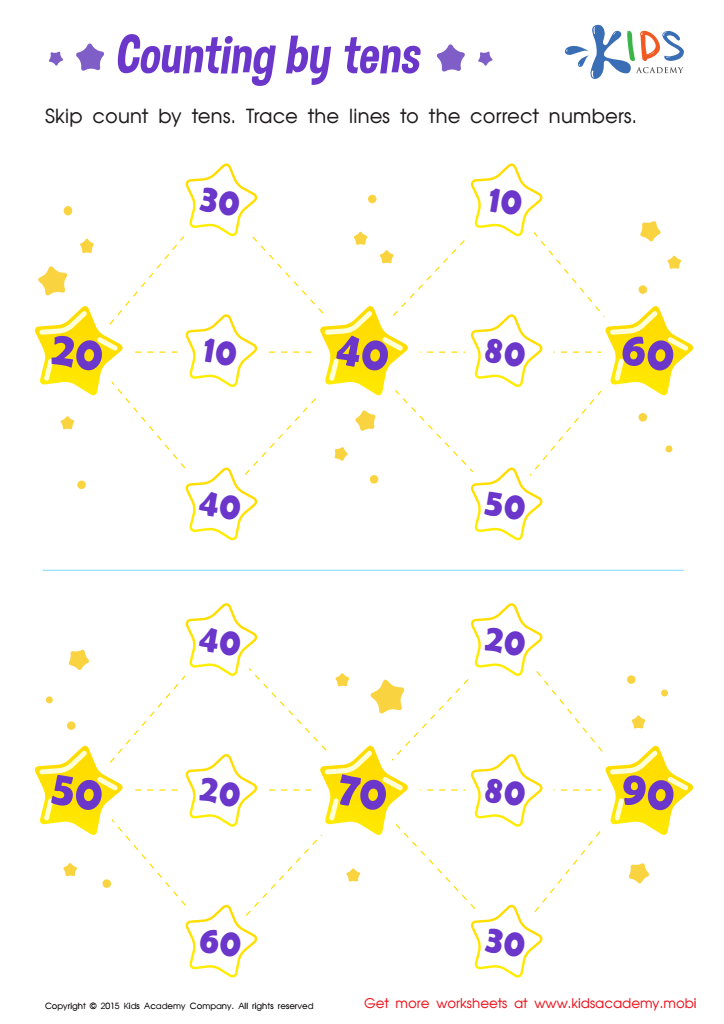
Learn Dozens: Counting by Tens Printable
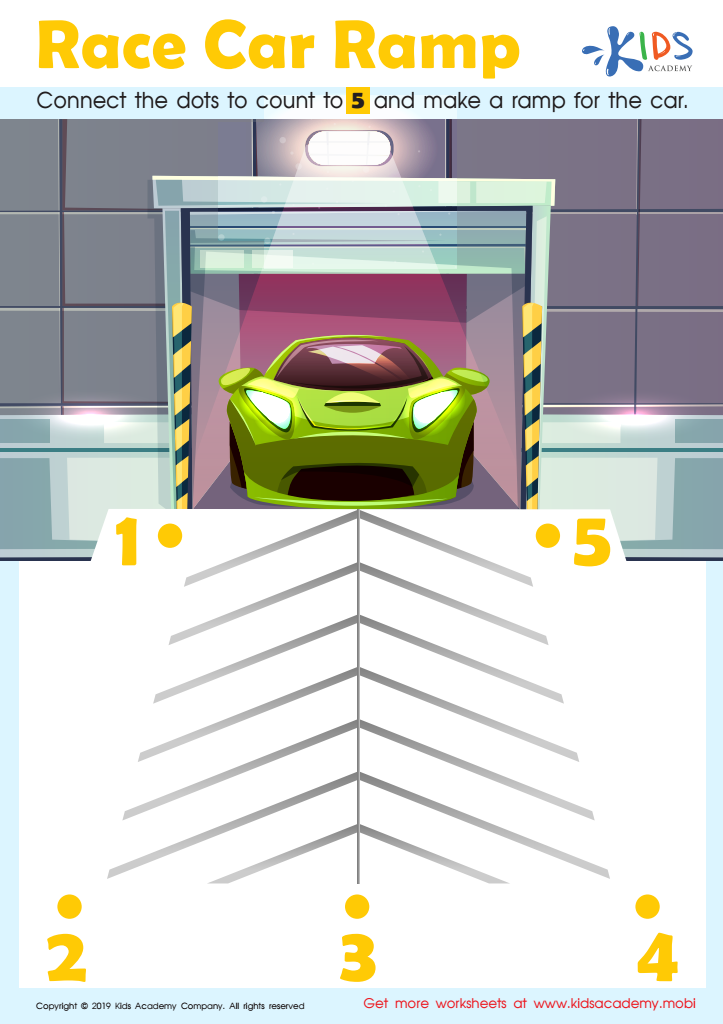
Race Car Ramp Worksheet
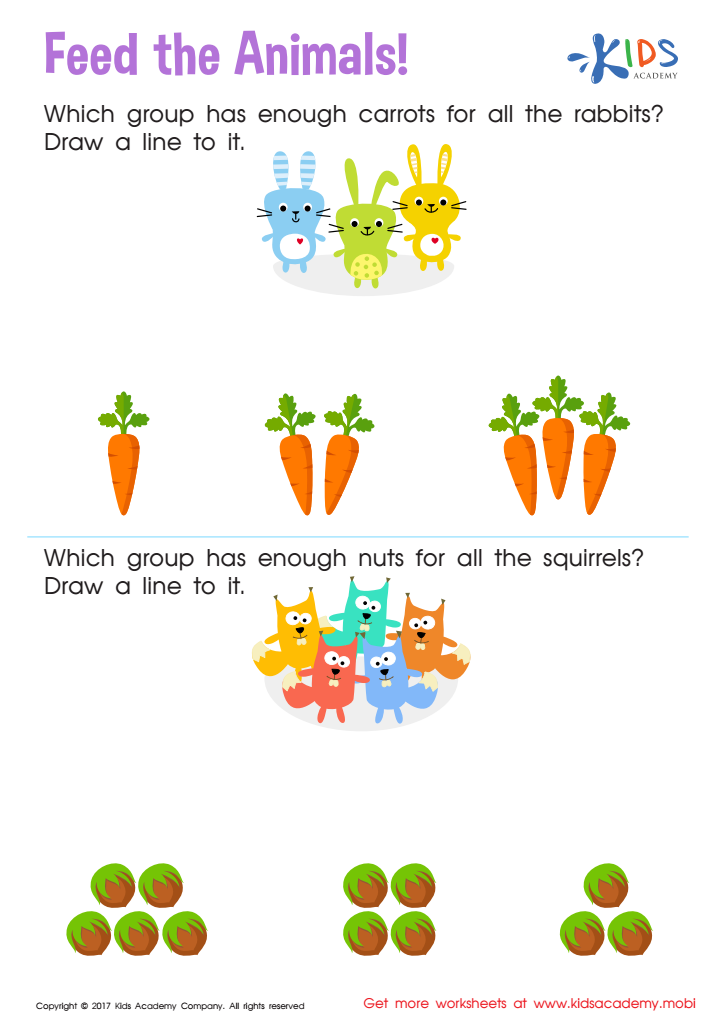
Count and Match: Feed the Animals Worksheet
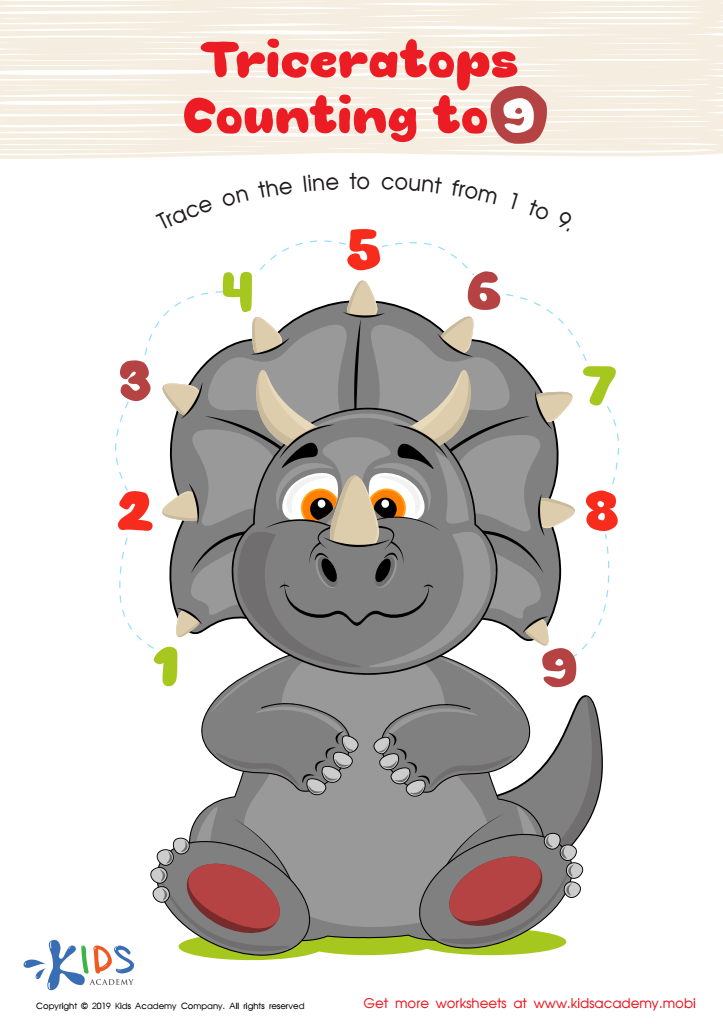
Triceratops Counting to 9 Worksheet
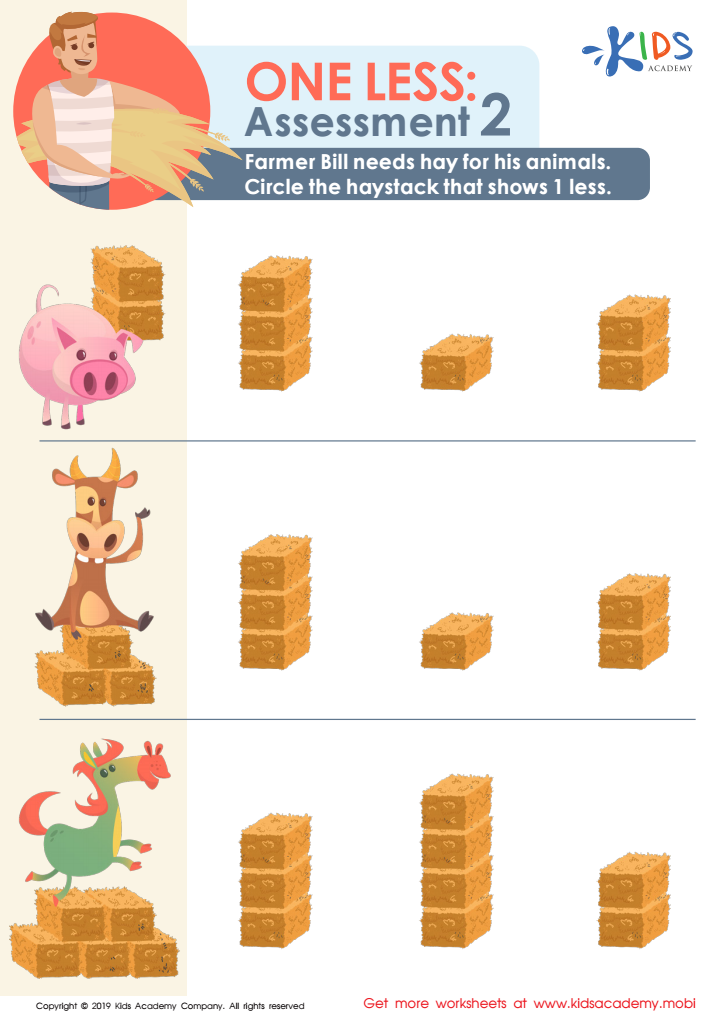
One Less: Assessment 2 Worksheet



%20(1).jpg)




Counting is a foundational math skill that plays a crucial role in early childhood development, particularly for children ages 3-6. During these formative years, children are rapidly developing cognitive and motor skills, and counting introduces them to essential concepts that serve as building blocks for future learning.
Parents and teachers should care about counting because it enhances a child’s understanding of numbers, fosters numeracy skills, and helps develop critical thinking. Counting activities, such as singing songs, using physical objects, or engaging in playful games, make learning fun and interactive. This instills not only mathematical skills but also promotes language development and social interaction.
Furthermore, counting supports other important areas of learning, including problem-solving and spatial awareness. It helps children understand comparisons (more vs. less), sequencing (first, second, third), and even basic addition and subtraction as they progress. Additionally, numeracy skills are often linked to academic success later in life, making strong early foundations essential.
By prioritizing counting in early childhood education, parents and teachers cultivate a positive attitude toward mathematics, fostering confidence and a growth mindset in children as they navigate their educational journeys. Ultimately, nurturing this early skill prepares children for a lifetime of learning and problem-solving.








