Filters

36 filtered results

Clear all filters
Favorites
With answer key
Interactive

36 filtered results

Difficulty Level

Grade


Check out this FREE Trial Lesson on Animals for age 3-6!

Animal Habitats

Favorites
With answer key
Interactive
  • 3-6
  • With answer key
  • Animals
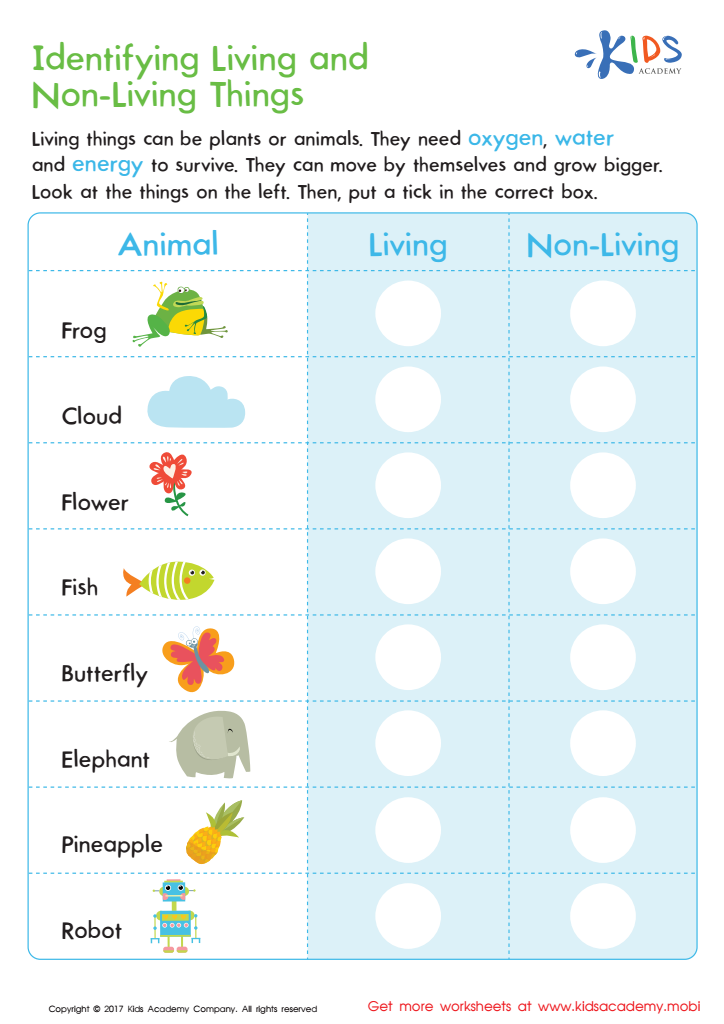
Living and Non-living Worksheet

Identifying Living or Non–living Worksheet

Help your child learn to sort and categorize in a new way! Teach them to classify things as living or non-living using this worksheet. It's the perfect way to build their scientific understanding, and to have some learning fun! Print this worksheet and watch them discover the world of science!
Identifying Living or Non–living Worksheet
Worksheet
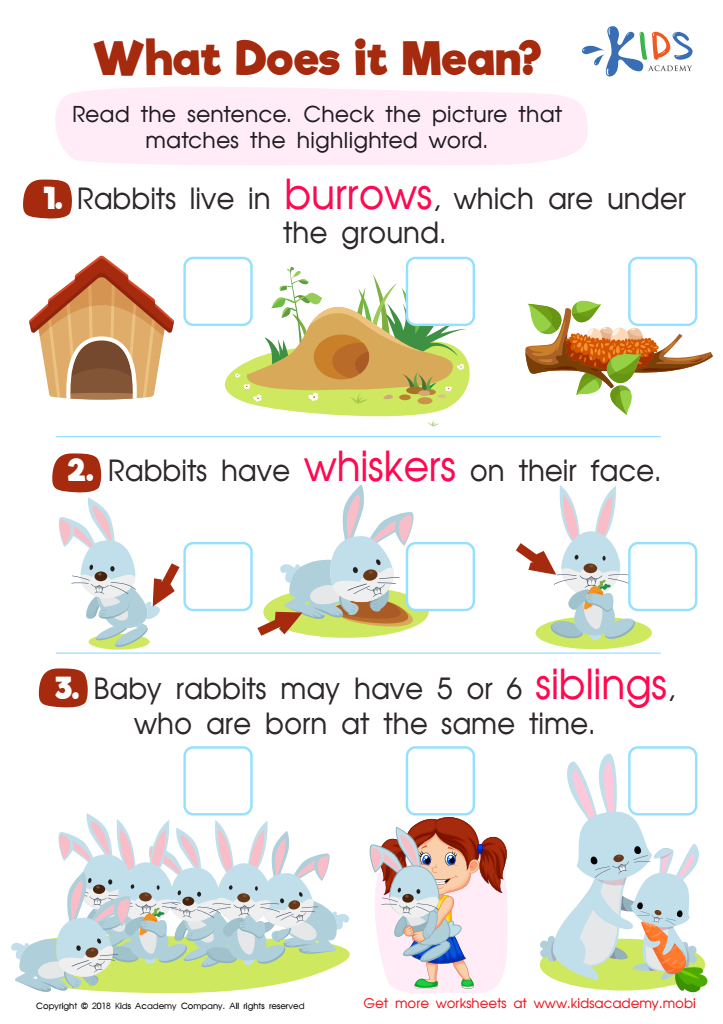
What Does It Mean? Worksheet

What Does It Mean? Worksheet

Teach your child to use context clues with this engaging Kids Academy worksheet. Read the sentences and find the pink-highlighted word. Use the other words in the sentence to figure out the meaning, then check the box next to the picture that represents it.
What Does It Mean? Worksheet
Worksheet
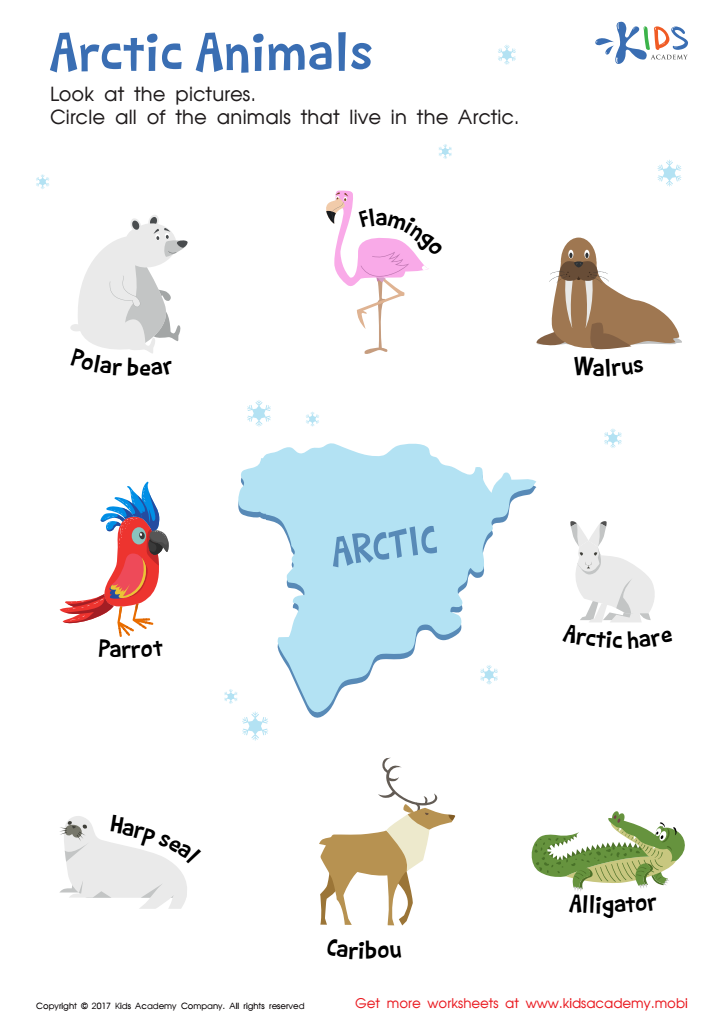
Arctic Animals Worksheet

Arctic Animals Worksheet

Kids love animals and this worksheet is a great way to teach them where they live. It reinforces classification skills and introduces new animals, like the Arctic hare. Use it to discuss the Arctic climate and how these animals live, then ask your child where other animals live to keep the conversation going.
Arctic Animals Worksheet
Worksheet
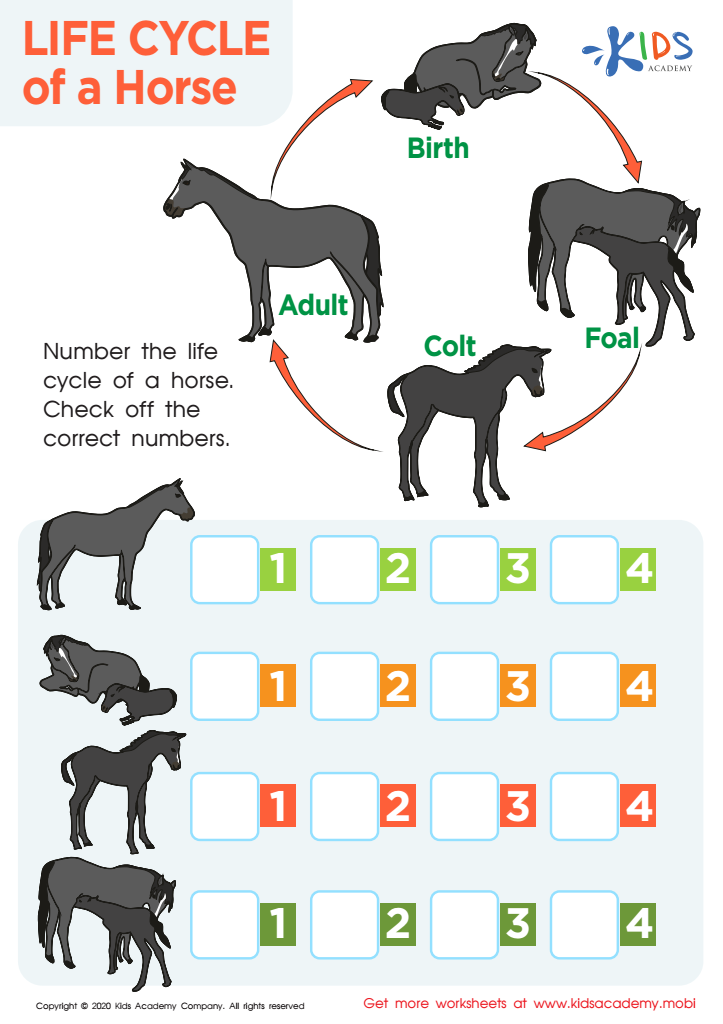
Life Cycle of a Horse Worksheet

Life Cycle of a Horse Worksheet

Kids Academy's science worksheet on horses' lifecycles offers an engaging way for kids to learn! They'll study the diagram and label each stage of life, from birth to adulthood, and then number the pictures to mark the correct sequence. Fun and educational - a perfect way to get your kids learning!
Life Cycle of a Horse Worksheet
Worksheet
Animal Nests Worksheet

Animal Nests Worksheet

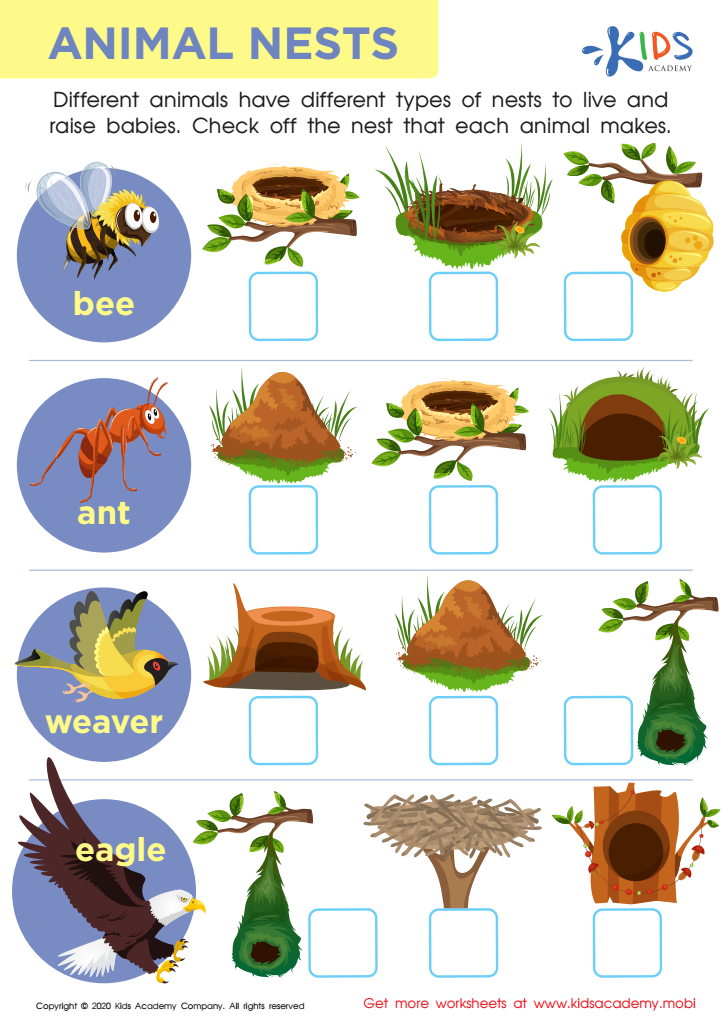
Animals need homes to sleep and stay safe. Look at the animal on the left and examine the nests and hives to the right. Check off the correct one for each animal to complete the worksheet! From birds to bees, it's a great way to show different types of homes animals make!
Animal Nests Worksheet
Worksheet
Animal Word Search Worksheet

Animal Word Search Worksheet

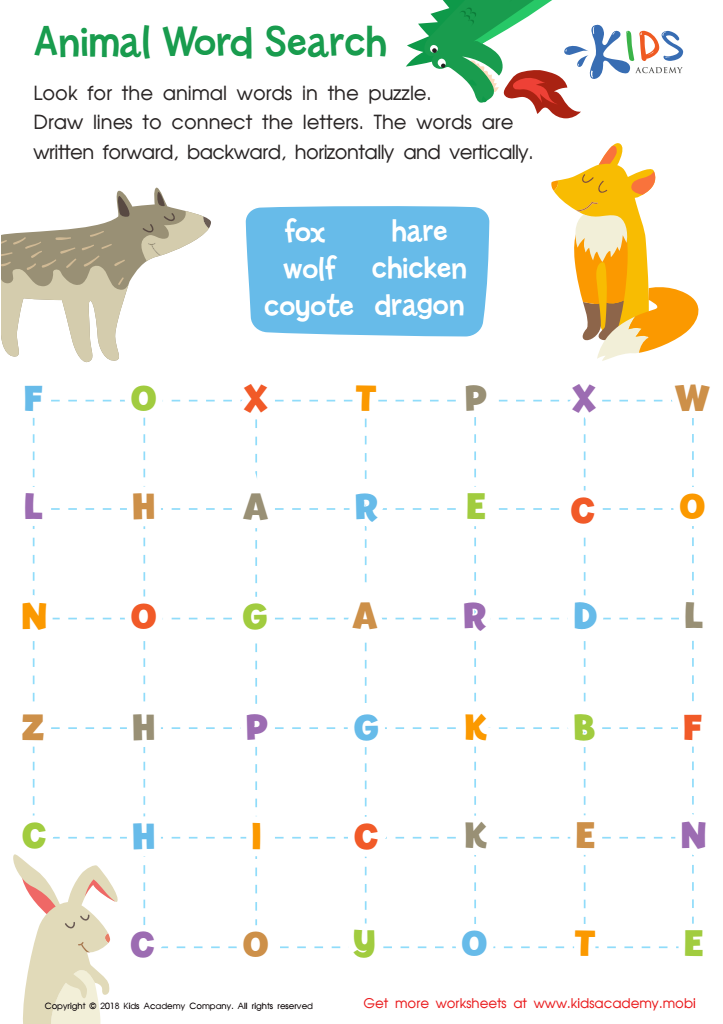
Students can have fun and strengthen spelling and vocabulary skills with this word search worksheet. Search for animal words and circle the letters in the puzzle. Words can be found forwards, backwards, horizontally or vertically, providing a great challenge to foster critical thinking skills. An enriching activity for all ages!
Animal Word Search Worksheet
Worksheet
Where Animals Live PDF Worksheet

Where Animals Live Worksheet
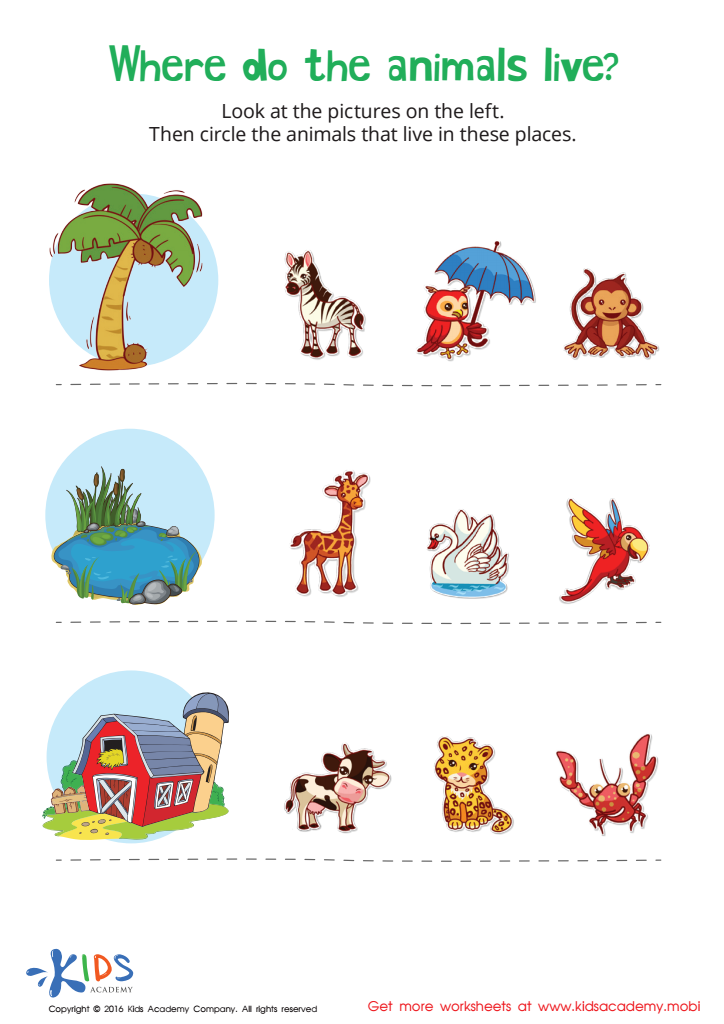
Teaching early reading and math skills is important, but don't forget about science. With the Where Animals Live PDF worksheet, kids can identify their favorite animals and the environments they live in. Ask them what type of environment the animals like and introduce them to geography. It's great for logical reasoning and classification skills. Your kid will practice with their favorite animals and love the trip to the zoo afterwards!
Where Animals Live Worksheet
Worksheet
Butterfly Life Cycle Printable Worksheet

Life Cycle of Butterfly Printable
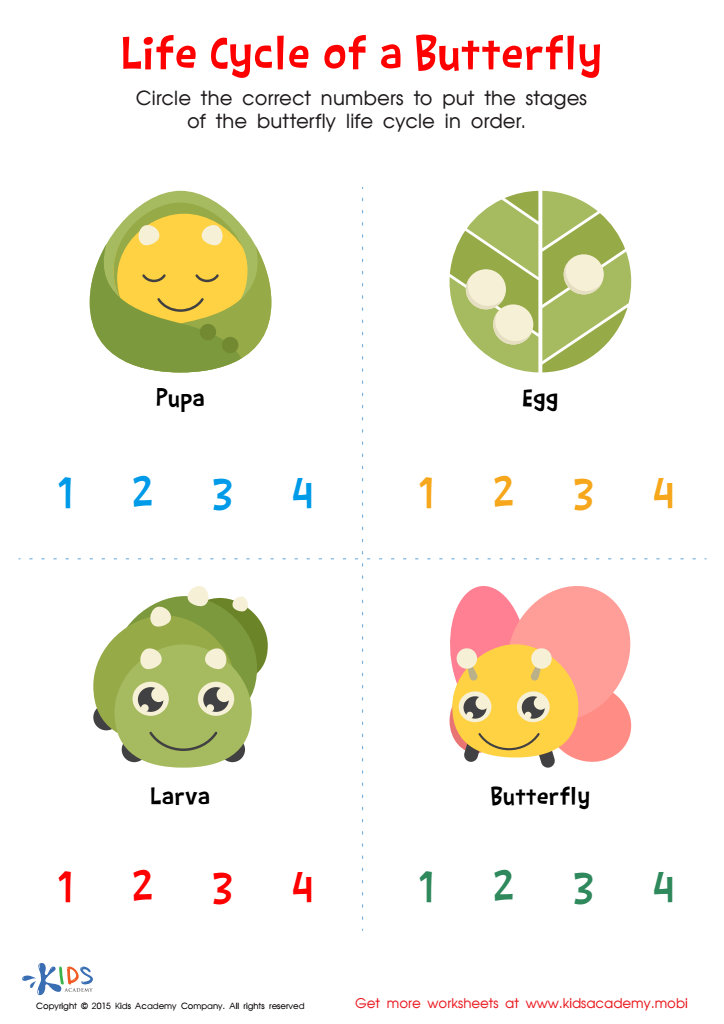
Kids and grownups alike marvel at the beauty of butterflies. With this printable worksheet, kids can review the life cycle of these favorite insects and strengthen cognitive and problem solving skills. From egg to butterfly, kids will order the stages and use the best strategy to solve it. Guide them as they work and they'll learn multiple skills.
Life Cycle of Butterfly Printable
Worksheet
Animals and Non-Living Things Worksheet

Animals and Non-Living Things Worksheet

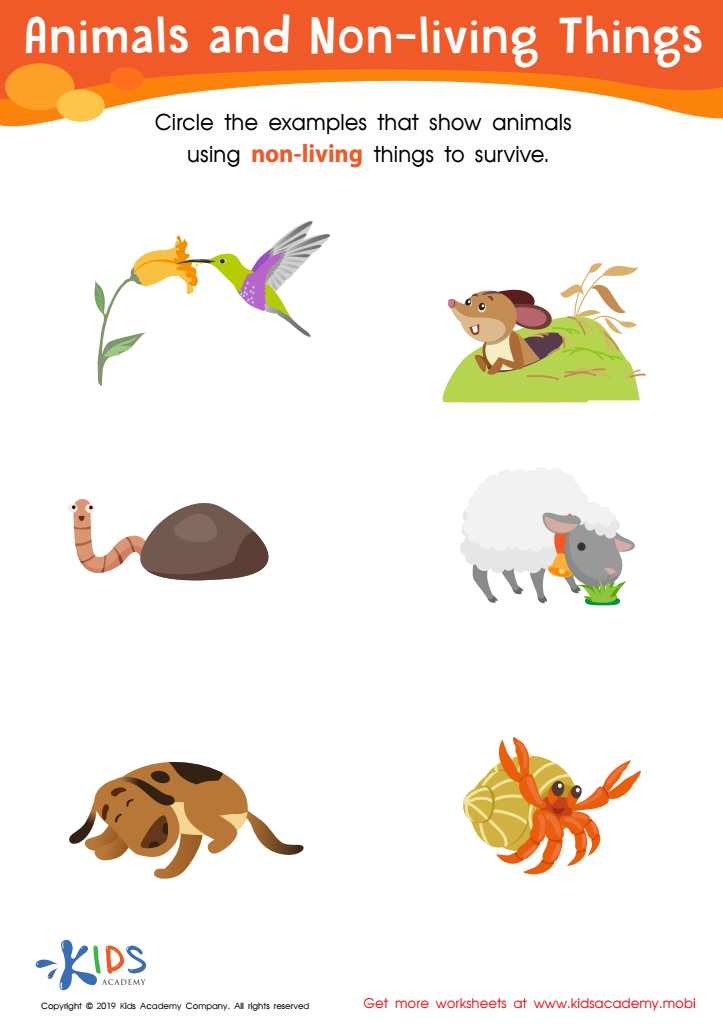
People and animals both require more than food to survive. We need shelter, clothing and water, while animals use non-living things like rocks and trees. Ask your kids what else is necessary to survive - then have them identify the objects in the worksheet and circle the examples of animals using non-living things.
Animals and Non-Living Things Worksheet
Worksheet
Polar Bear Worksheet

Arctic Animals: Polar Bear Worksheet
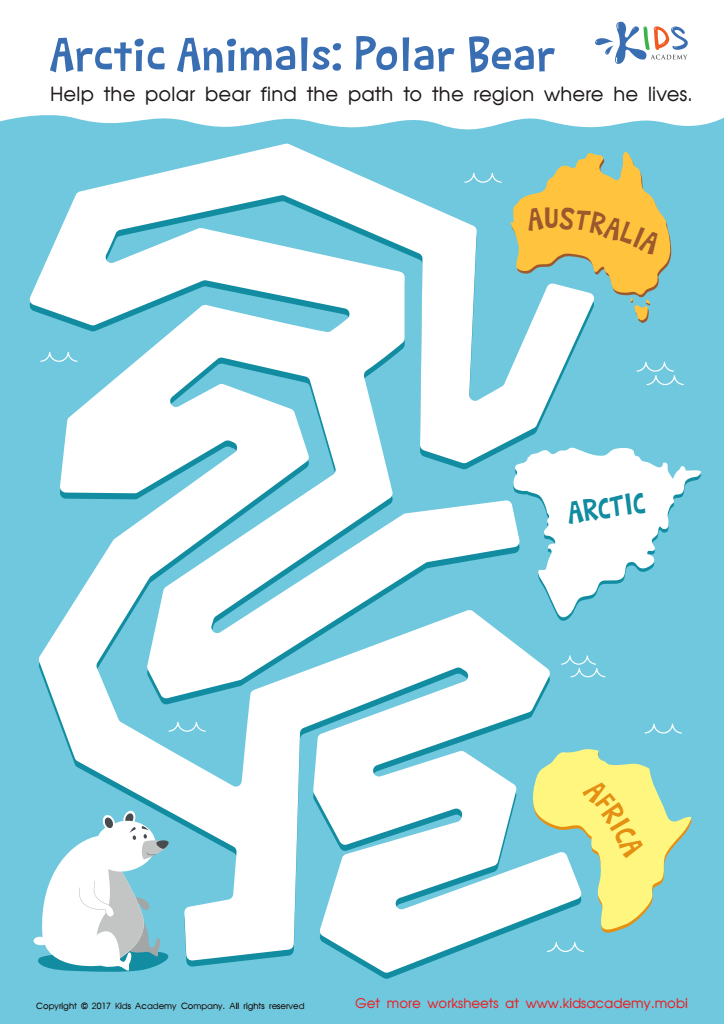
Oh no! Our polar bear friend is lost! Let's help him find his way back to the arctic with this fun worksheet. It reinforces science and social studies and kids will learn about the climate and habitats of different continents. They'll also develop logical reasoning skills! You can enrich the experience by looking up pictures of real polar bears after the worksheet is complete.
Arctic Animals: Polar Bear Worksheet
Worksheet
Marine Self-Defence Worksheet

Marine Self-Defence Worksheet

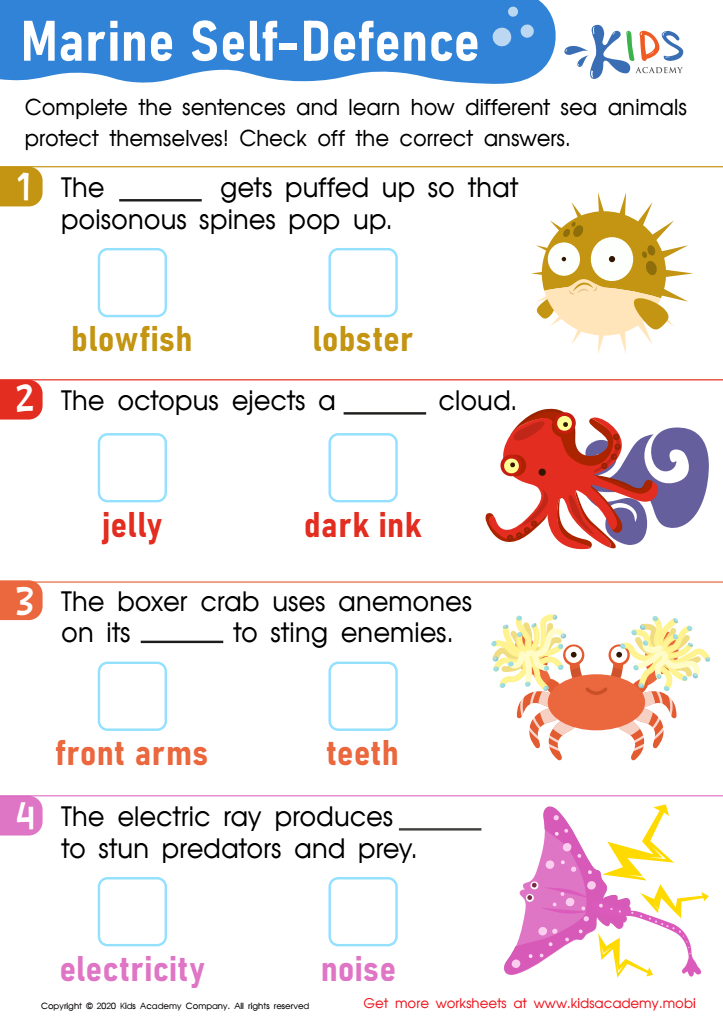
Kids will love discovering the ingenious ways sea creatures protect themselves from predators such as sharks and whales! Let them explore the strategies with this fun science worksheet, which features vibrant illustrations. Have them fill in the blanks with each creature's defense strategy, such as shells, spikes, ink, or even electricity!
Marine Self-Defence Worksheet
Worksheet
Match Them Up Worksheet

Match Them Up Worksheet

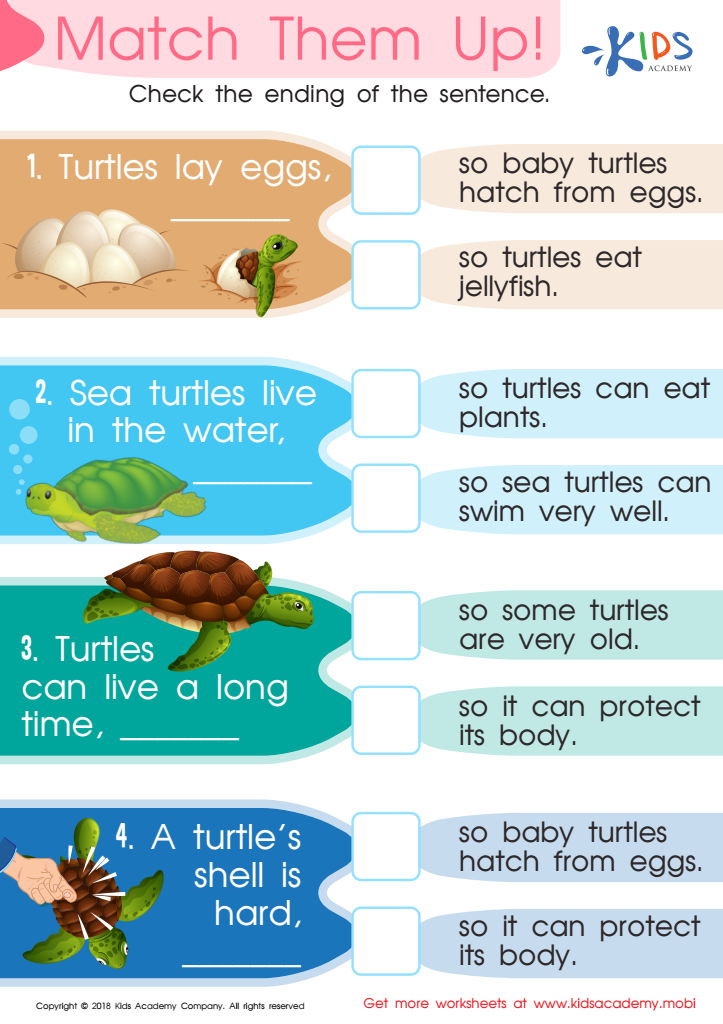
Reading offers a wealth of knowledge, but young readers may struggle to remember info from informational texts. Help your child practice comprehension with this fun turtle-related worksheet. Just read the sentence starters and select the correct ending from the options given. Check the box to indicate the right statement!
Match Them Up Worksheet
Worksheet


Understanding animals is vital for children aged 3-6 because it fosters curiosity and empathy. At this age, children are naturally inquisitive, and learning about animals can be a gateway to key developmental concepts. Teaching them about different species encourages them to explore the world around them, promoting observational skills and imaginative play as they create stories about animal behavior and habitats.

Moreover, caring for animals instills a sense of responsibility. Children learn about the needs of pets and wildlife, including feeding, shelter, and conservation, fostering a sense of stewardship for the environment. This early engagement with animals can help develop kindness and empathy, as children become more aware of living beings' feelings and requirements.

Animal studies can also enhance vocabulary and communication skills. When children discuss animals, their characteristics, and habitats, they expand their language proficiency and ability to express their thoughts.

Additionally, integrating animals into learning can make education more engaging. From songs and stories to crafts and field trips, animals captivate children's imaginations, making learning fun and memorable. Overall, animal studies form a rich foundation for emotional, intellectual, and social growth in early childhood.