Word Problems Worksheets for Ages 3-7 - Page 5
115 filtered results
-
From - To
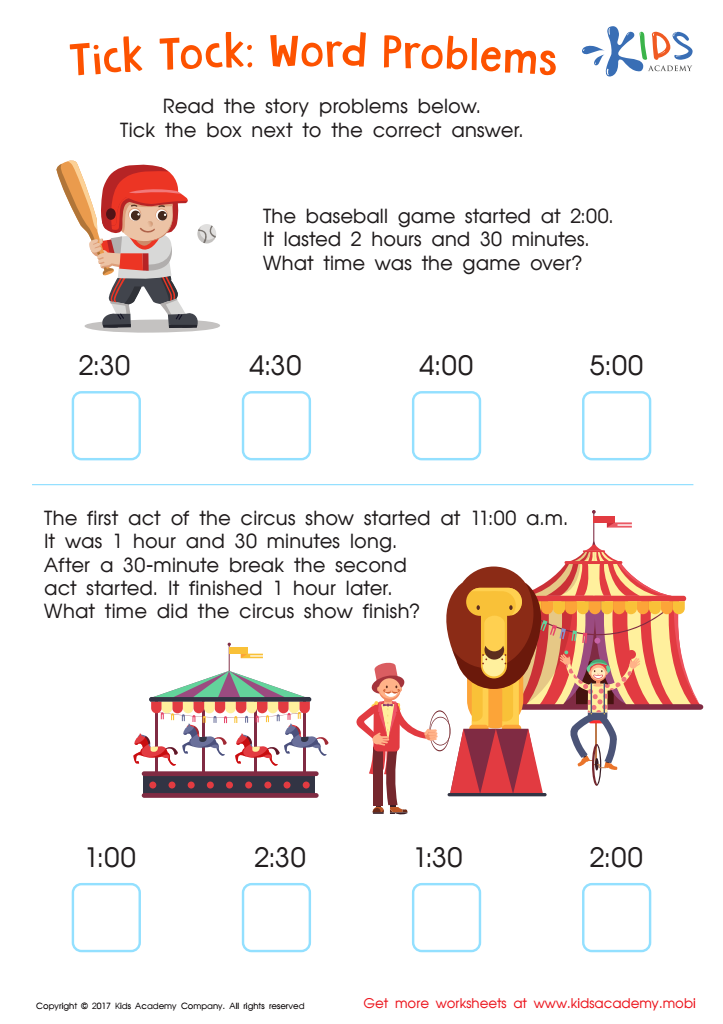
Tick Tock Word Problems Time Worksheet
 Assign to My Students
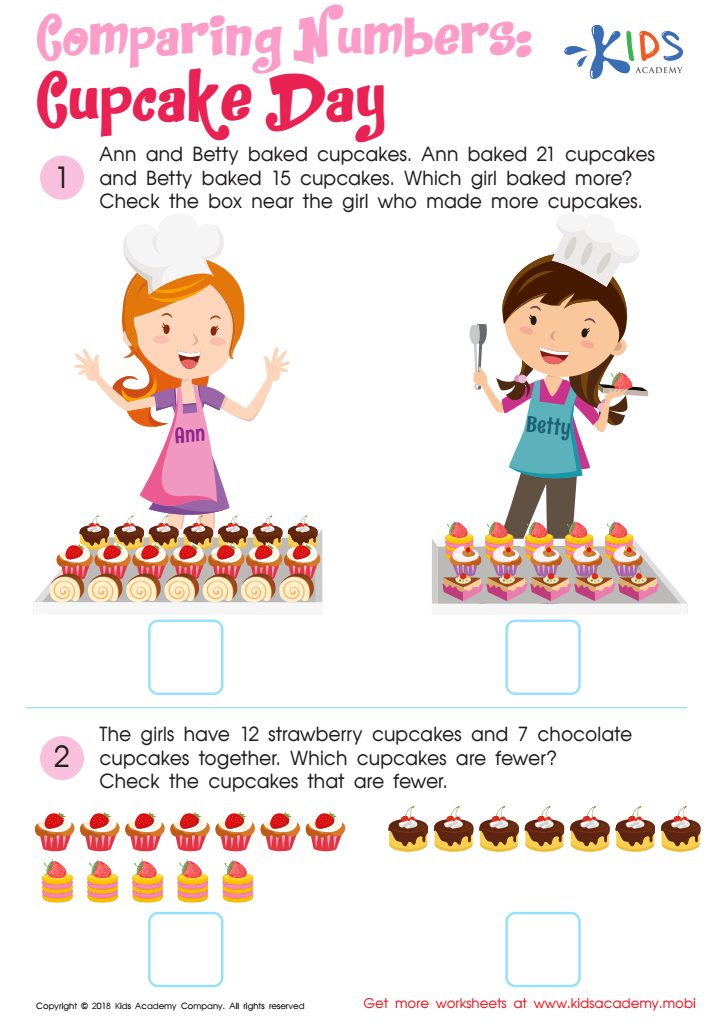
Cupcake Day Worksheet
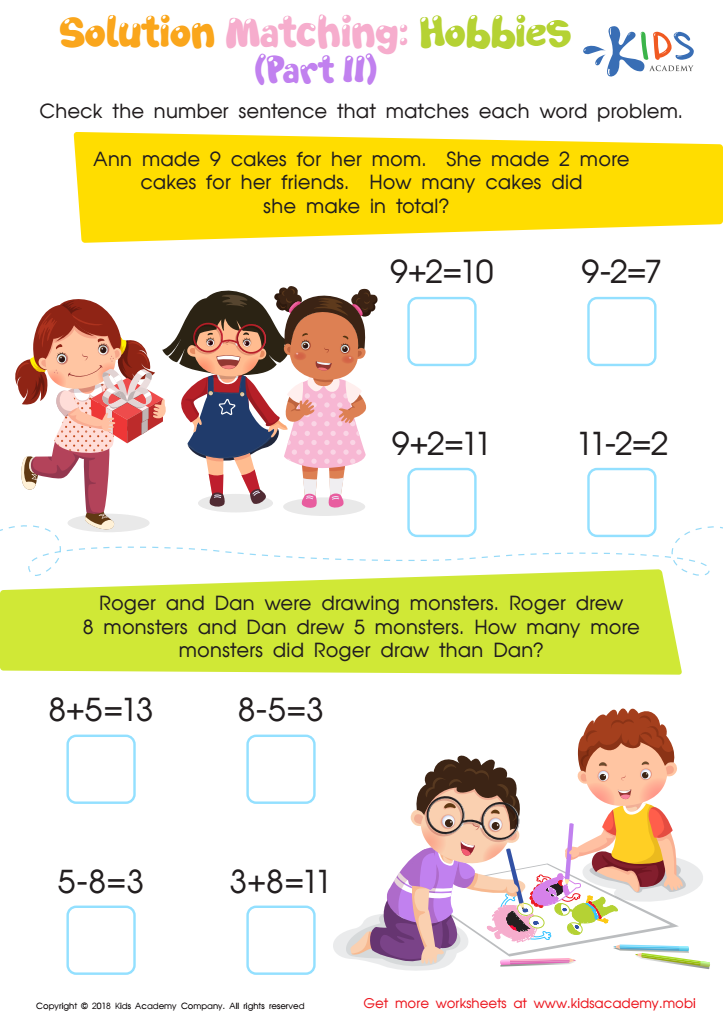
Solution Matching: Hobbies. Part 2 Worksheet
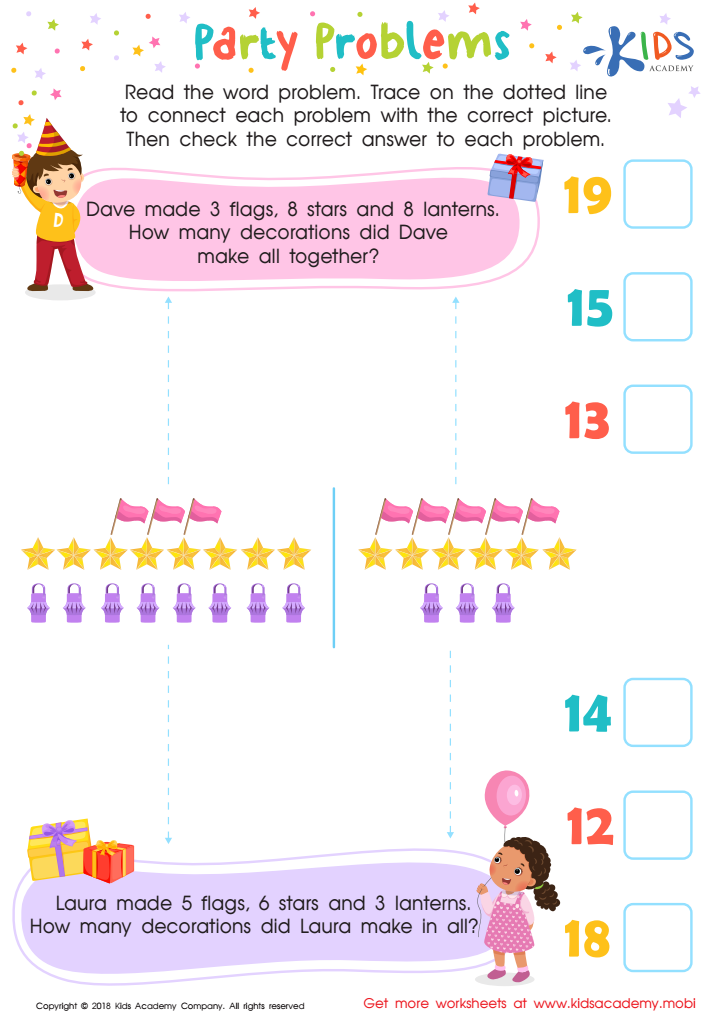
Party Problems Worksheet
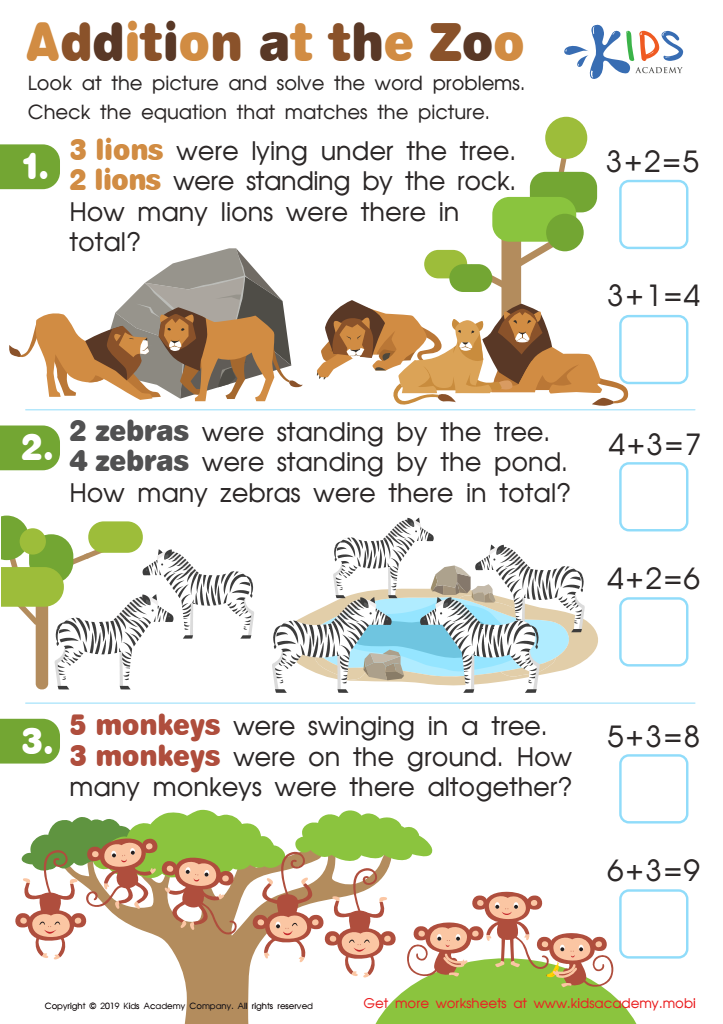
Addition at the Zoo Worksheet
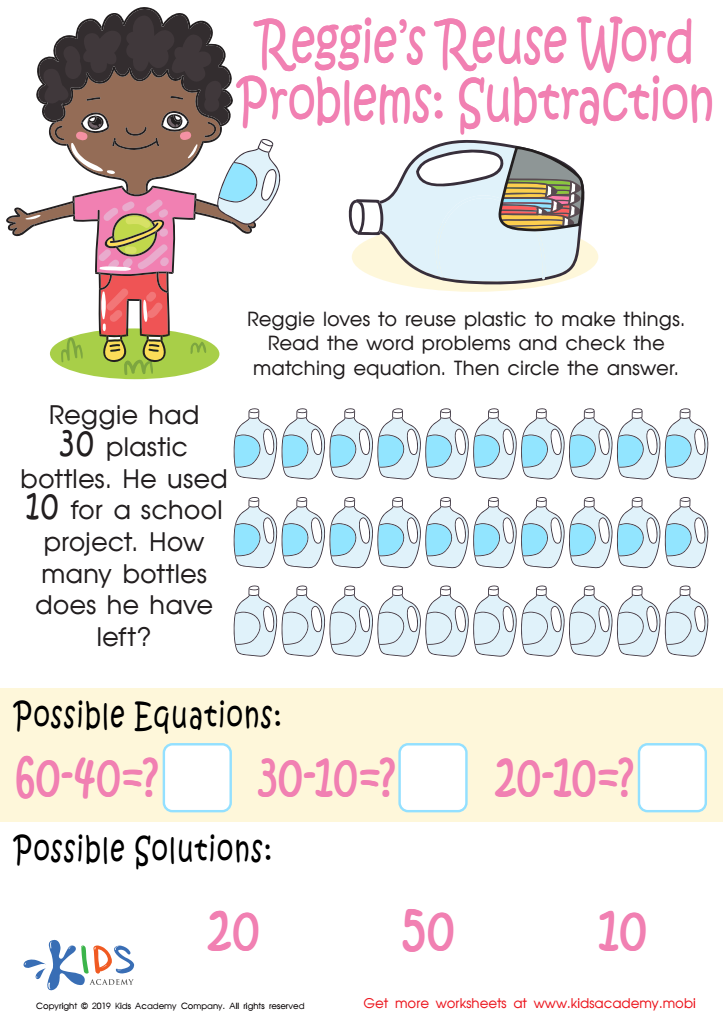
Reggie's Reuse Word Problems: Subtraction Worksheet
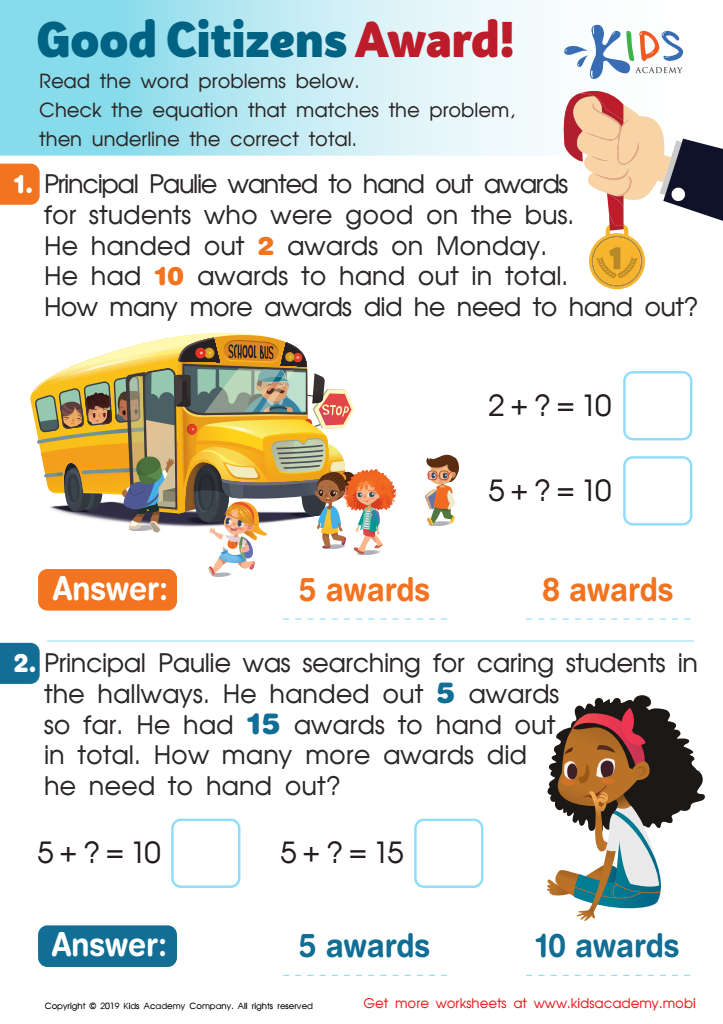
Good Citizens Award! Worksheet
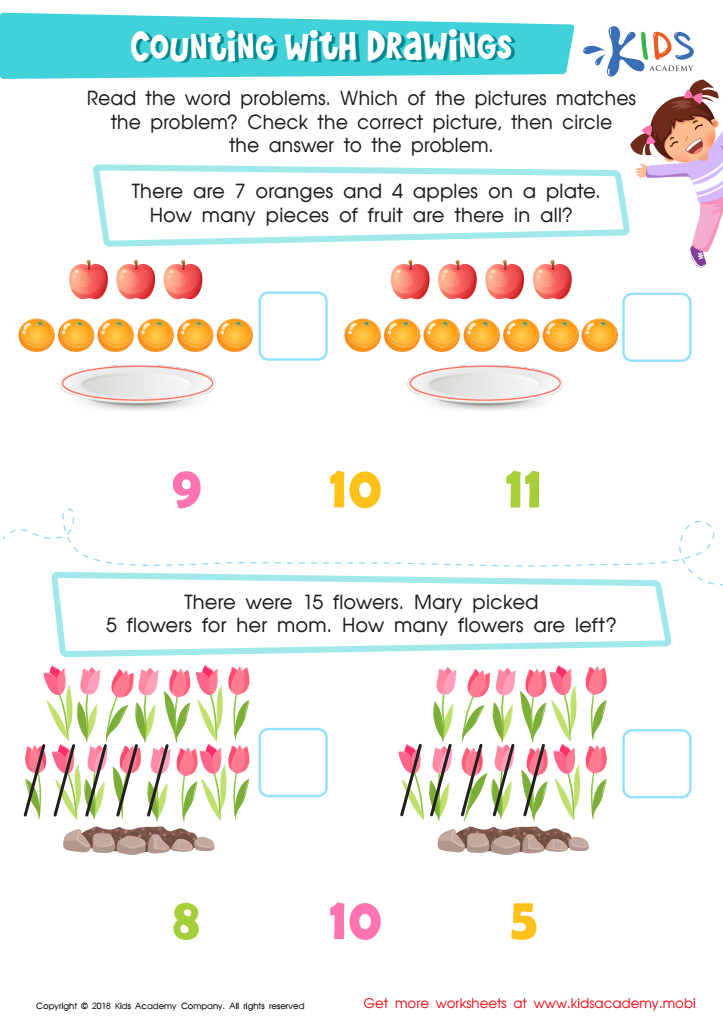
Counting with Drawings:Fruits & Flowers Worksheet
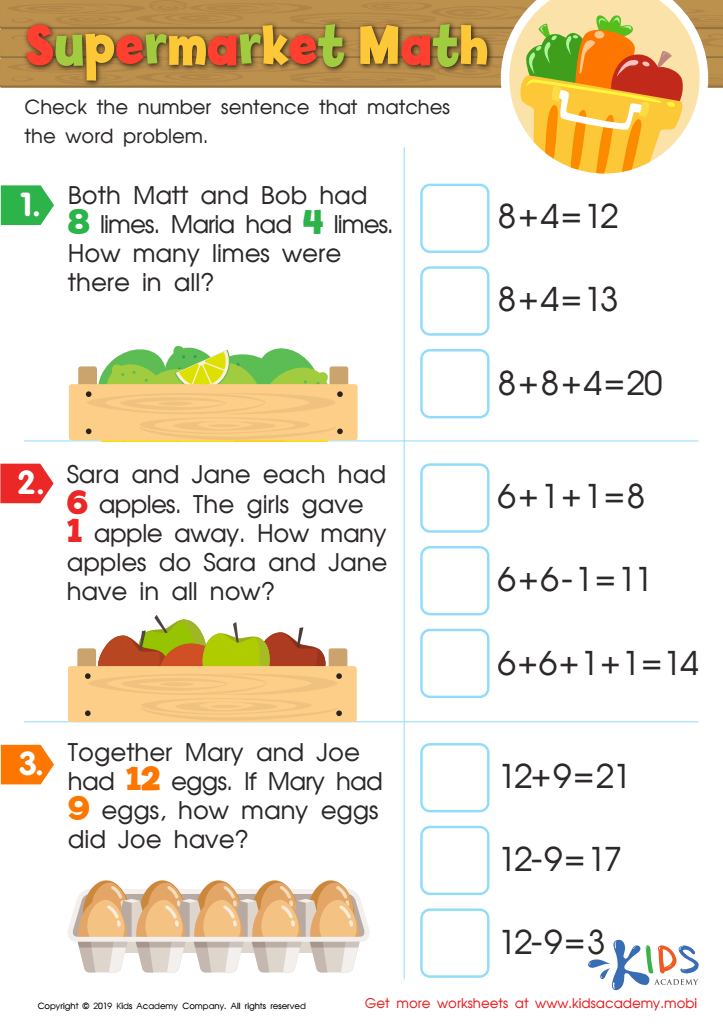
Supermarket Math Worksheet
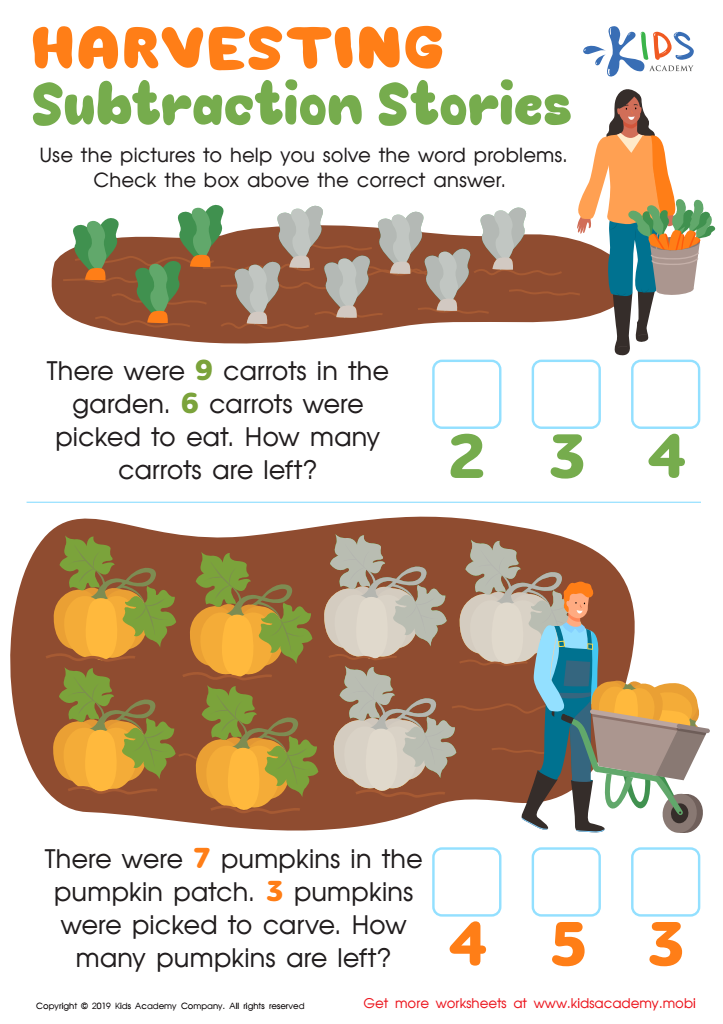
Harvesting Subtraction Stories Worksheet
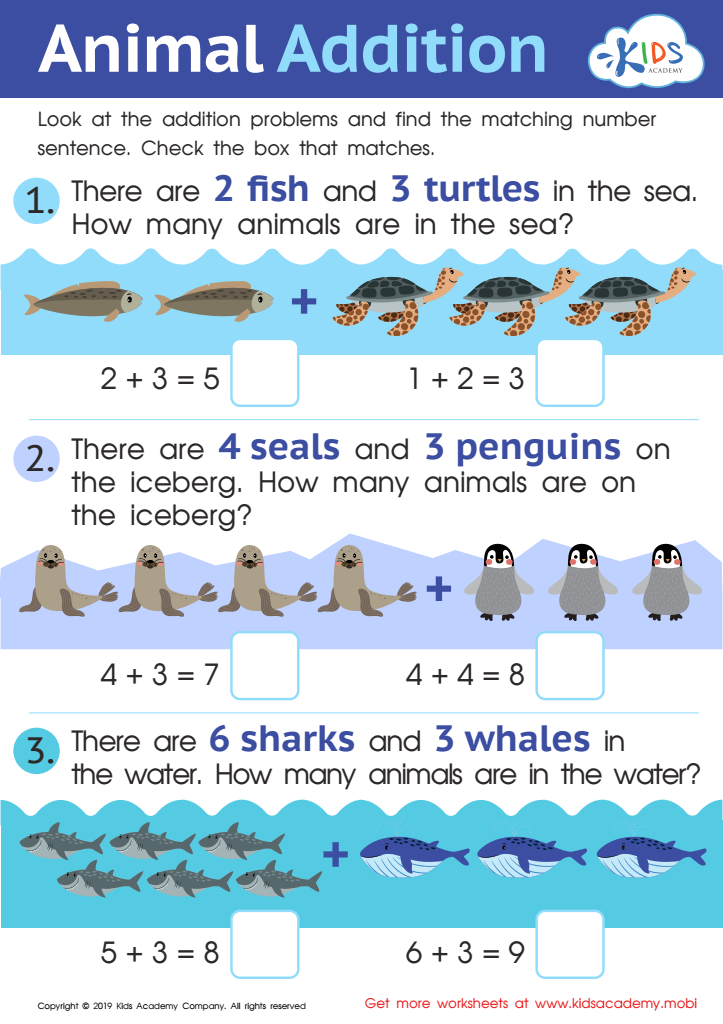
Animal Addition Worksheet
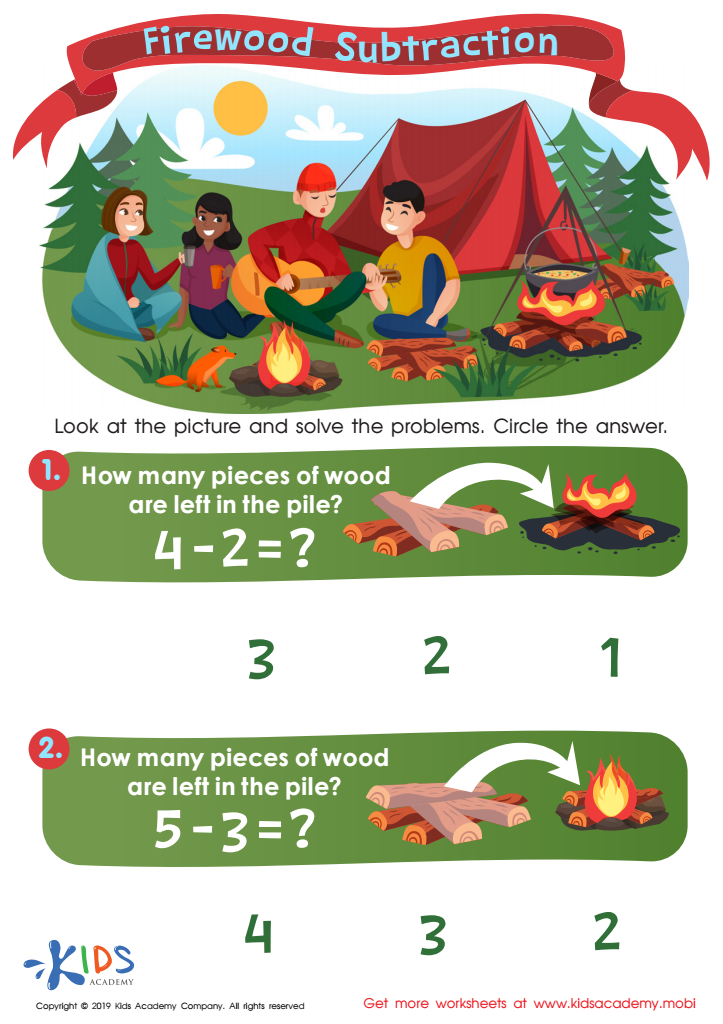
Firewood Subtraction Worksheet
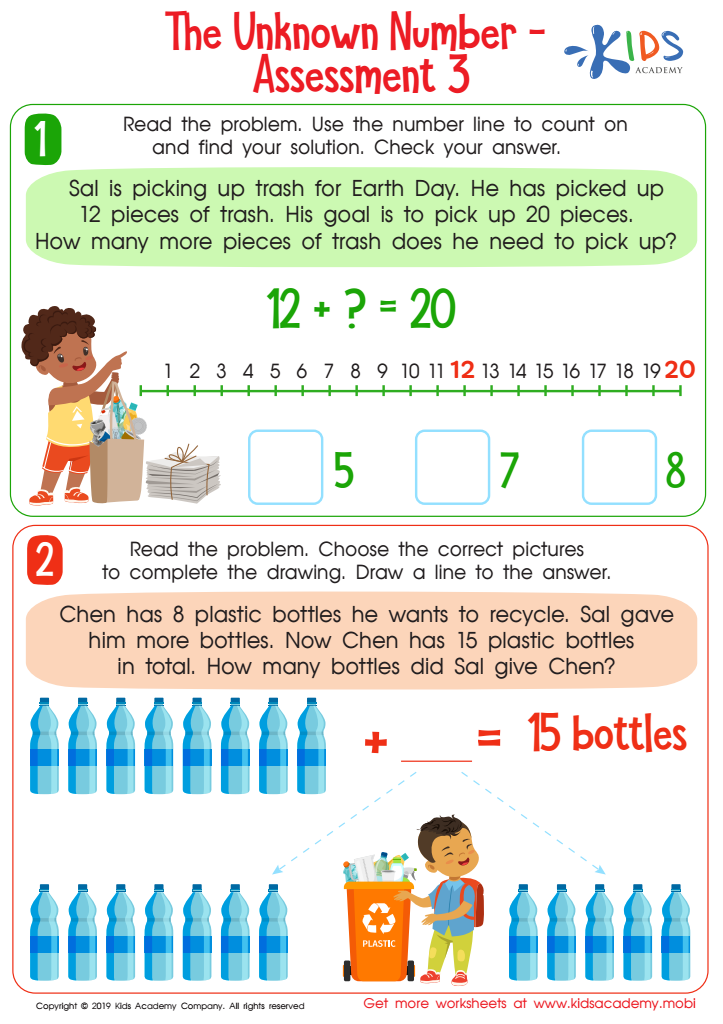
The Unknown Number - Assessment 3 Worksheet
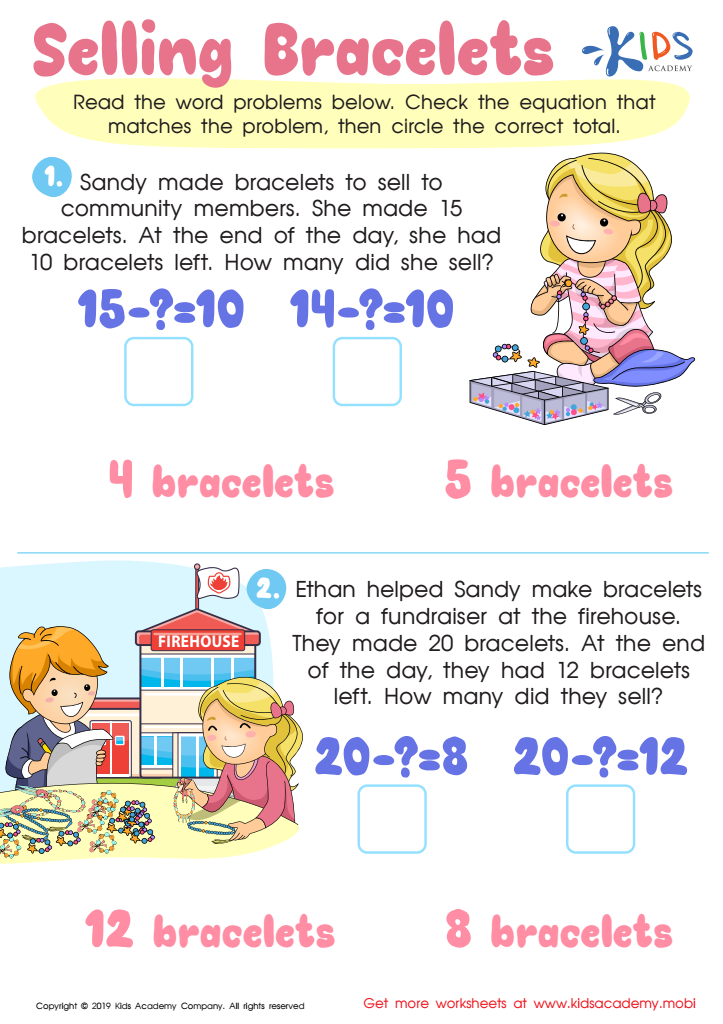
Selling the Bracelets Worksheet
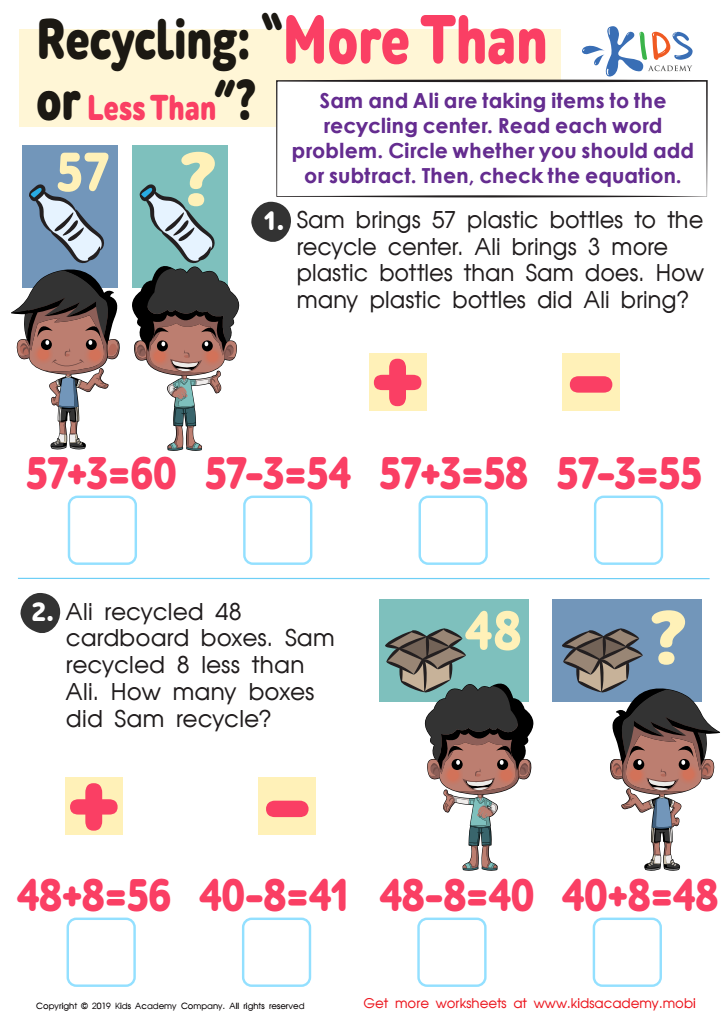
Recycling - More or Less Worksheet
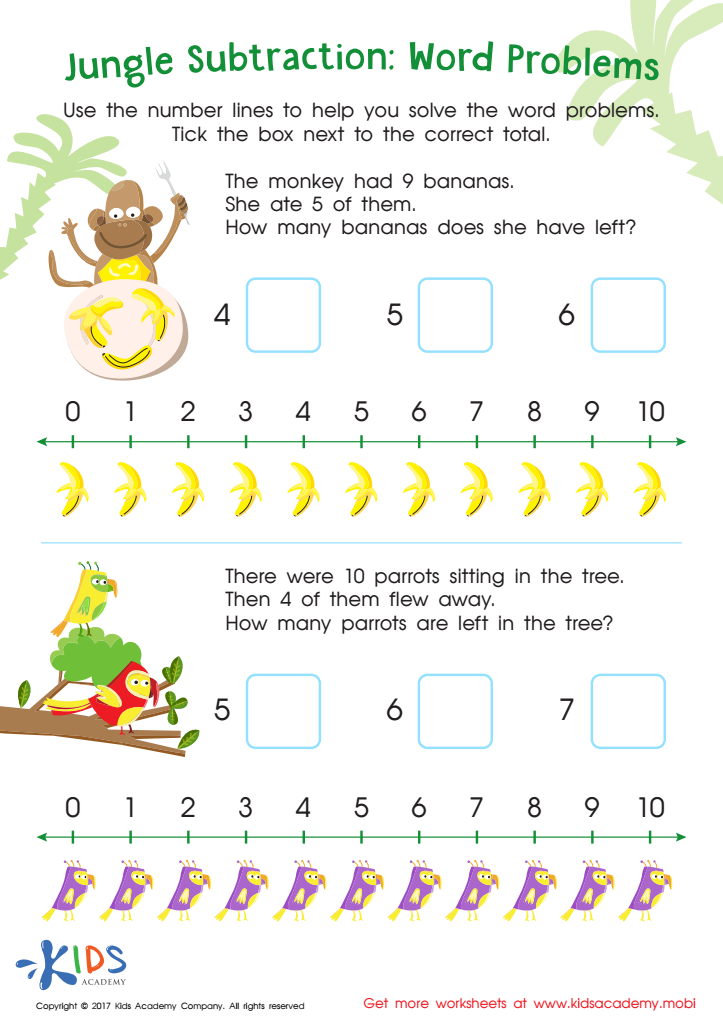
Jungle Subtraction Word Problems Substraction Worksheet
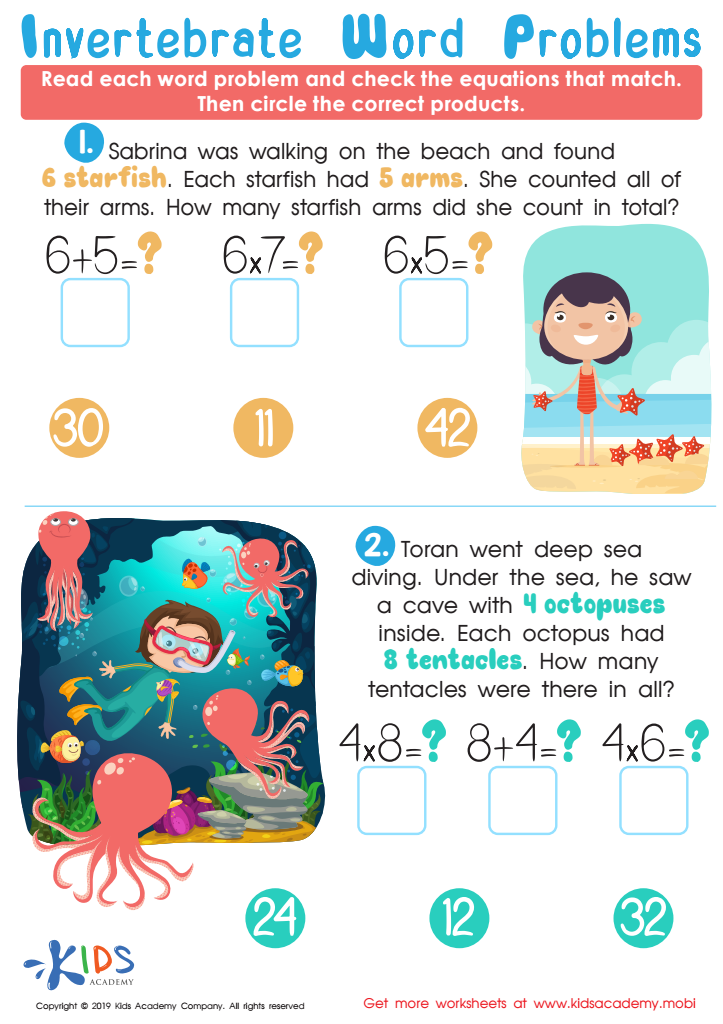
Invertebrate Problems Worksheet
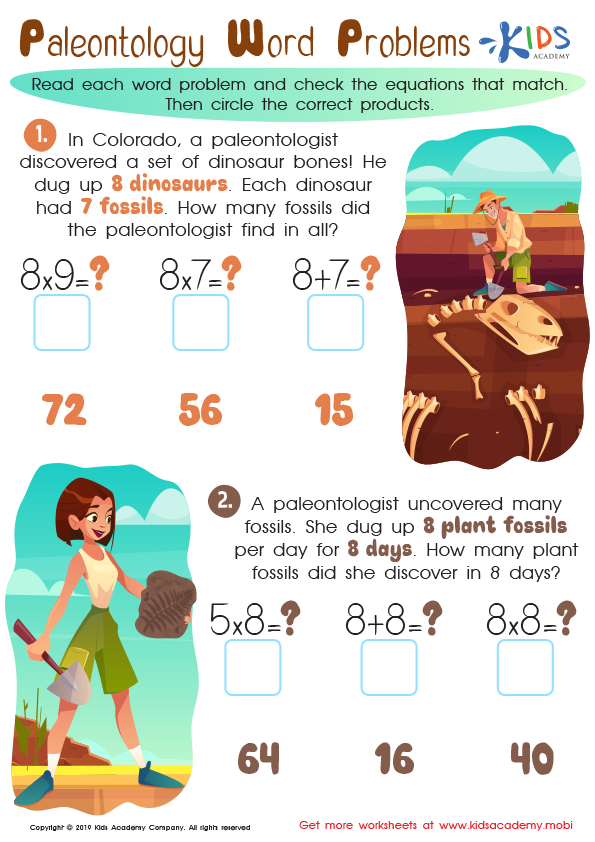
Archeology Word Problems Worksheet
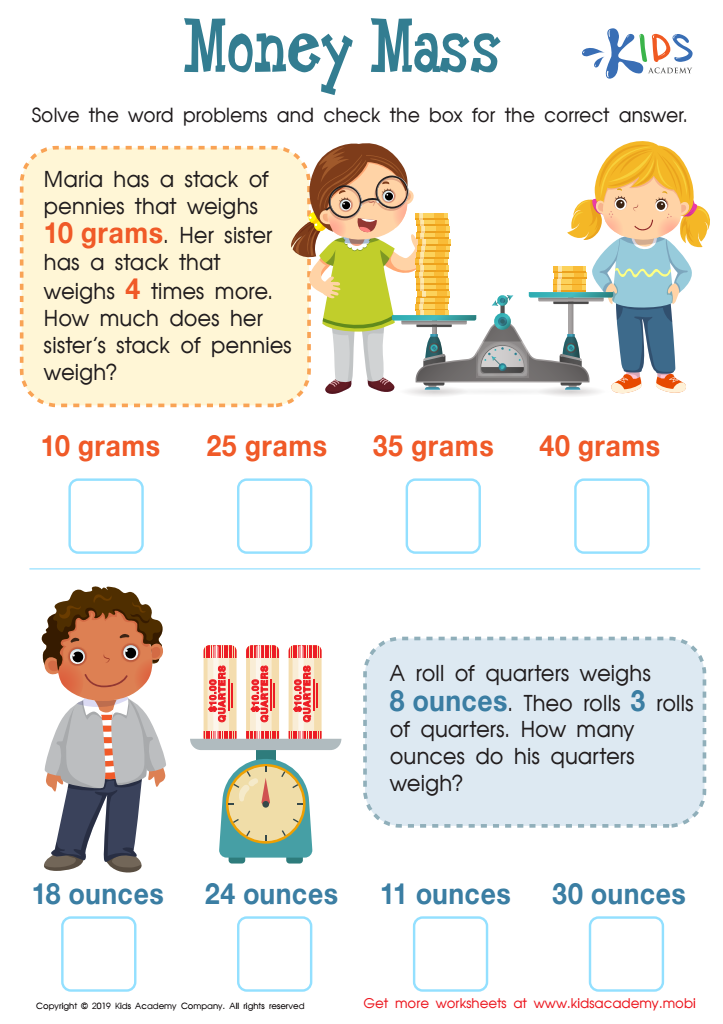
Money Mass Worksheet








Parents and teachers should prioritize word problems for children aged 3-7 because they play a crucial role in early cognitive and mathematical development. At this formative stage, children are developing foundational skills that will be essential throughout their educational journey and life. Word problems help youngsters understand how math applies to real-world situations, making abstract concepts more concrete and relatable.
For example, when a child figures out how many apples are left after giving some away, they're not just adding or subtracting—they are also enhancing their problem-solving and critical-thinking skills. These activities encourage logical reasoning and boost their ability to comprehend and follow multi-step instructions. Additionally, word problems can significantly enhance reading comprehension by requiring children to understand and process what the problem is asking them to solve.
There's also a strong social and emotional component, as successfully solving a problem can build confidence and encourage a more positive attitude towards mathematics. When parents and teachers engage children with word problems, they inspire curiosity and instill a love for learning, laying down a strong, interdisciplinary foundation that integrates literacy and numeracy. This assists in developing well-rounded, analytical thinkers who are better prepared for the complexities of future academic pursuits.








