Governance and Civics Worksheets for Ages 3-7 - Page 2
34 filtered results
-
From - To
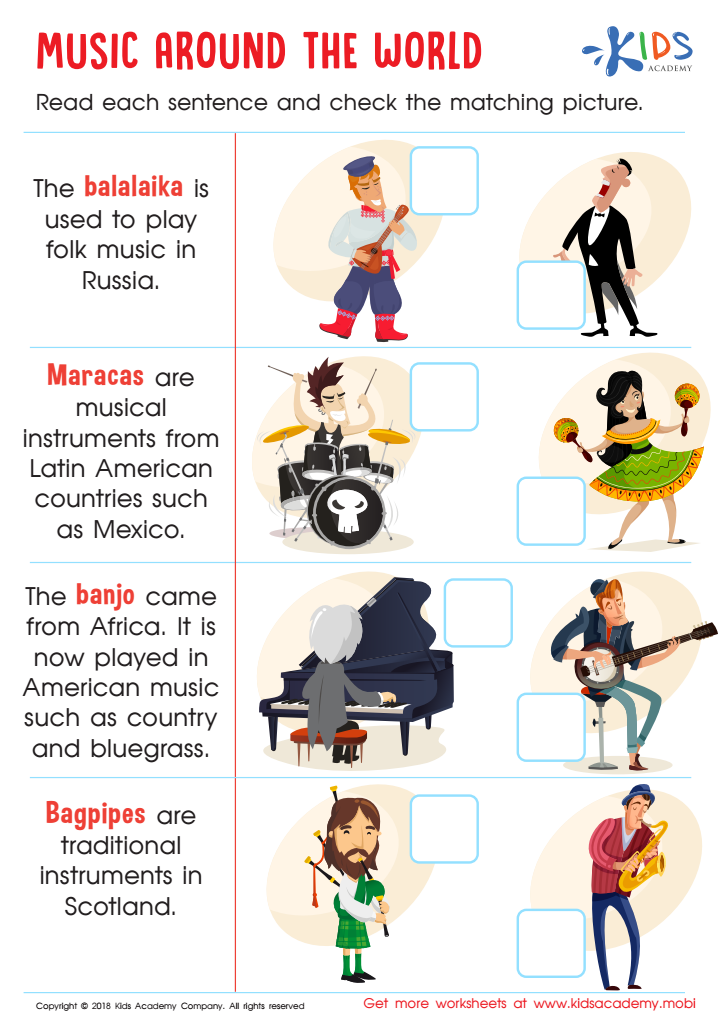
Music Around the World Worksheet
 Assign to My Students
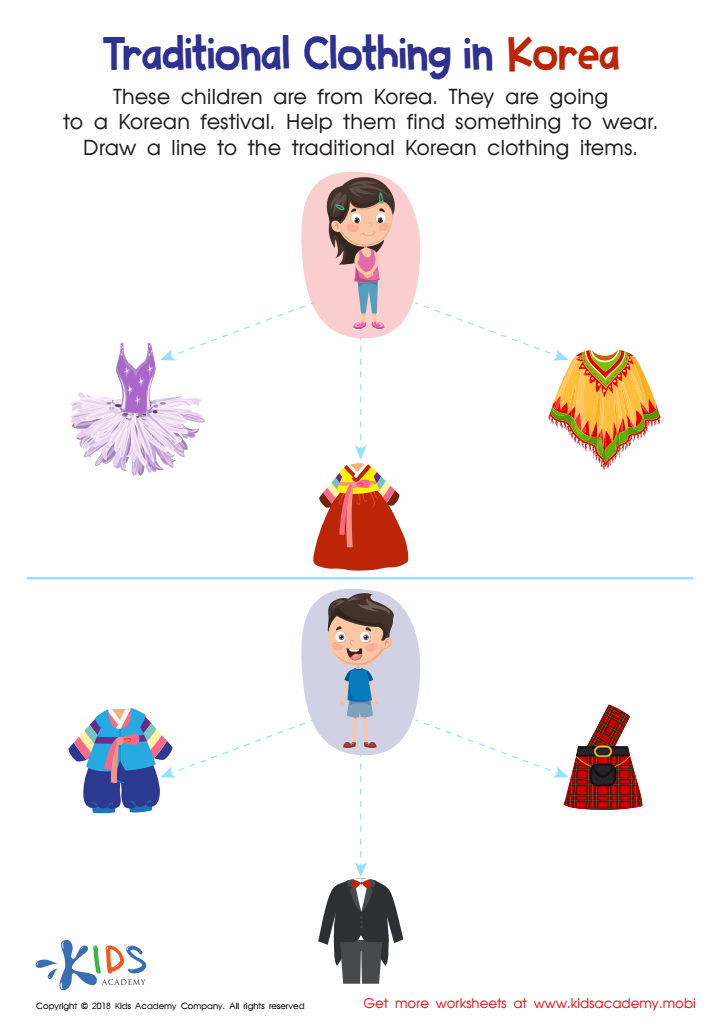
Traditional Clothing in Korea Worksheet
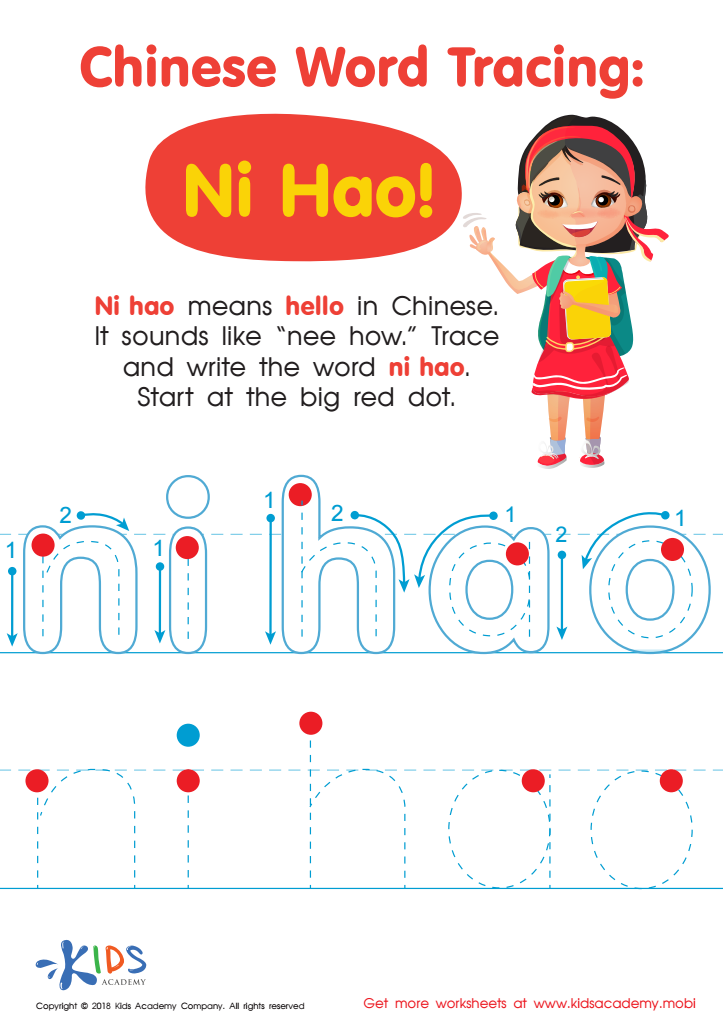
Chinese Word Tracing: Ni Hao Worksheet
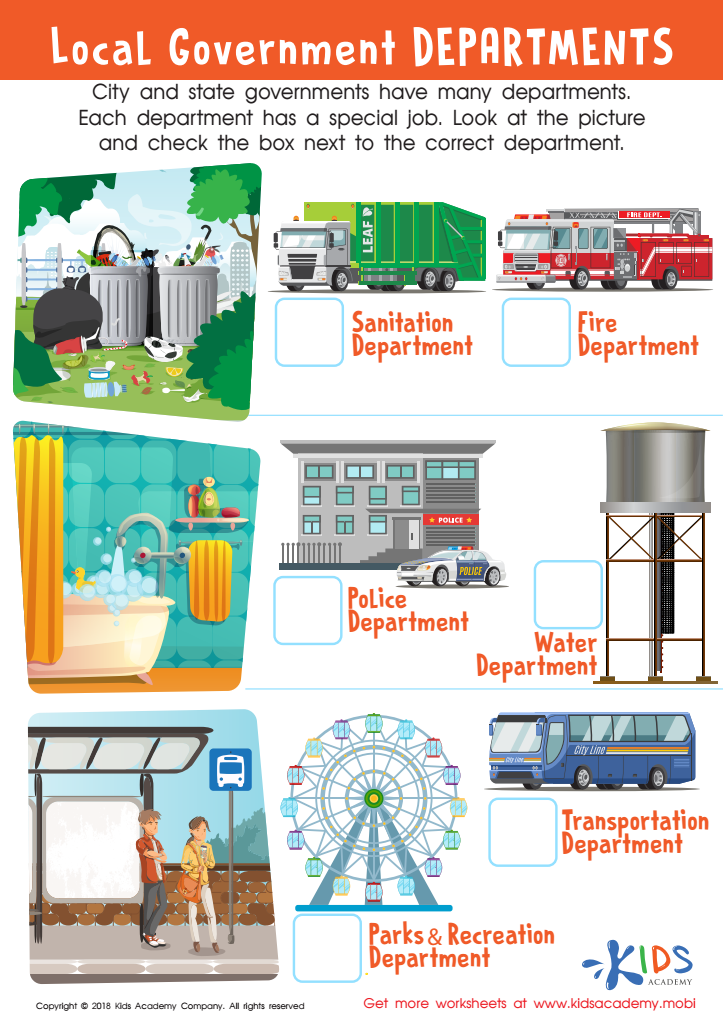
Local Government Departments Worksheet
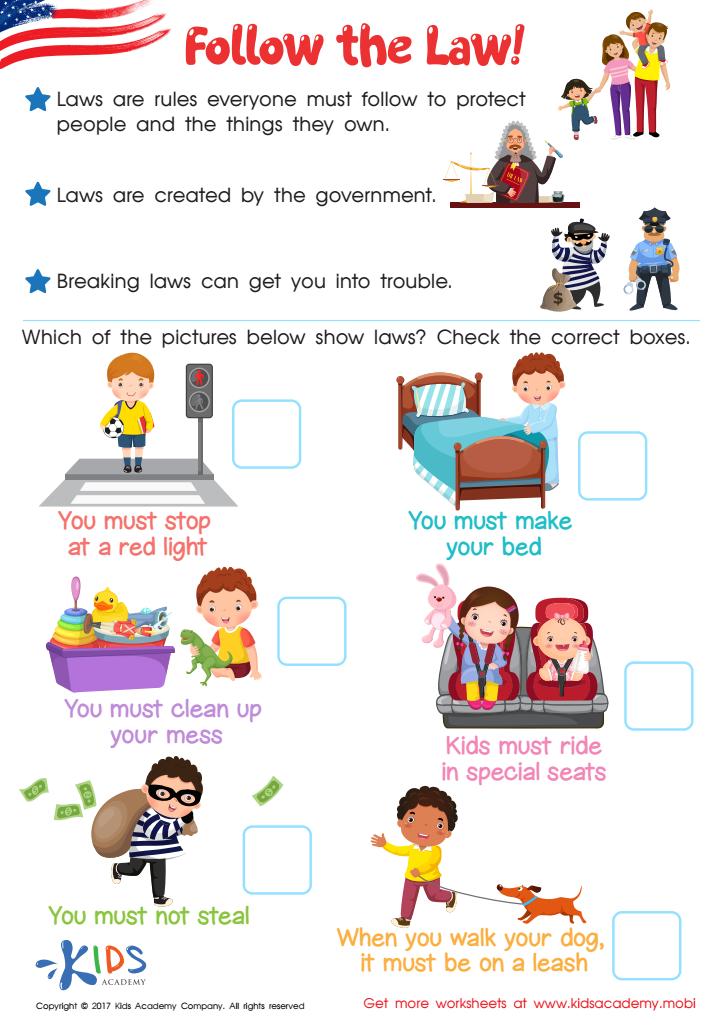
Follow the Law Worksheet
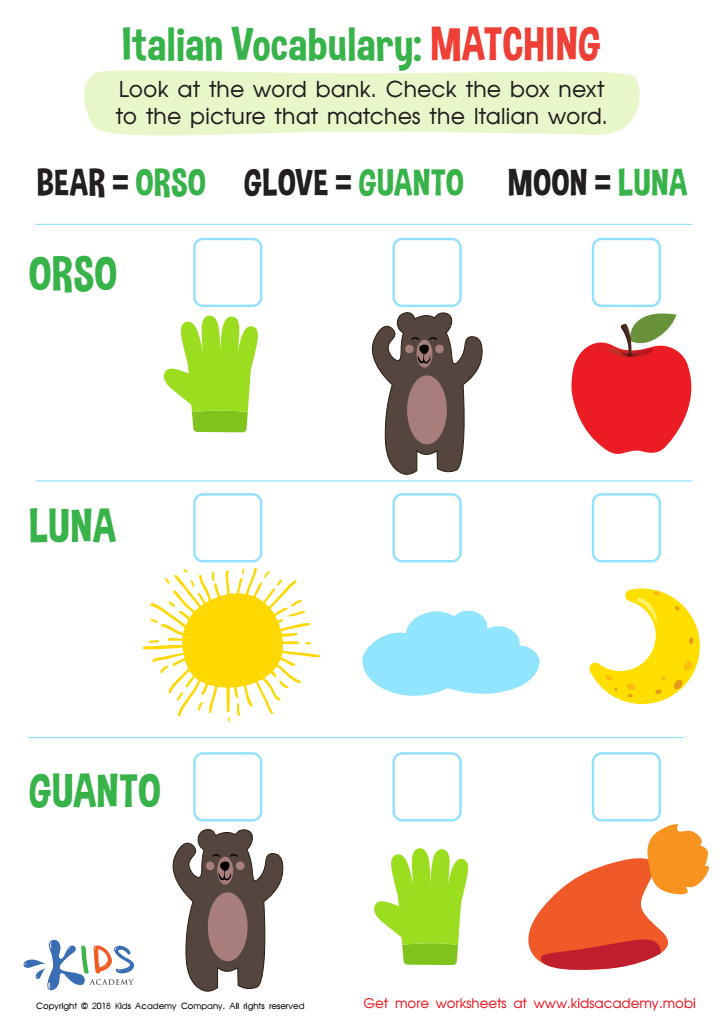
Italian Vocabulary Matching Worksheet
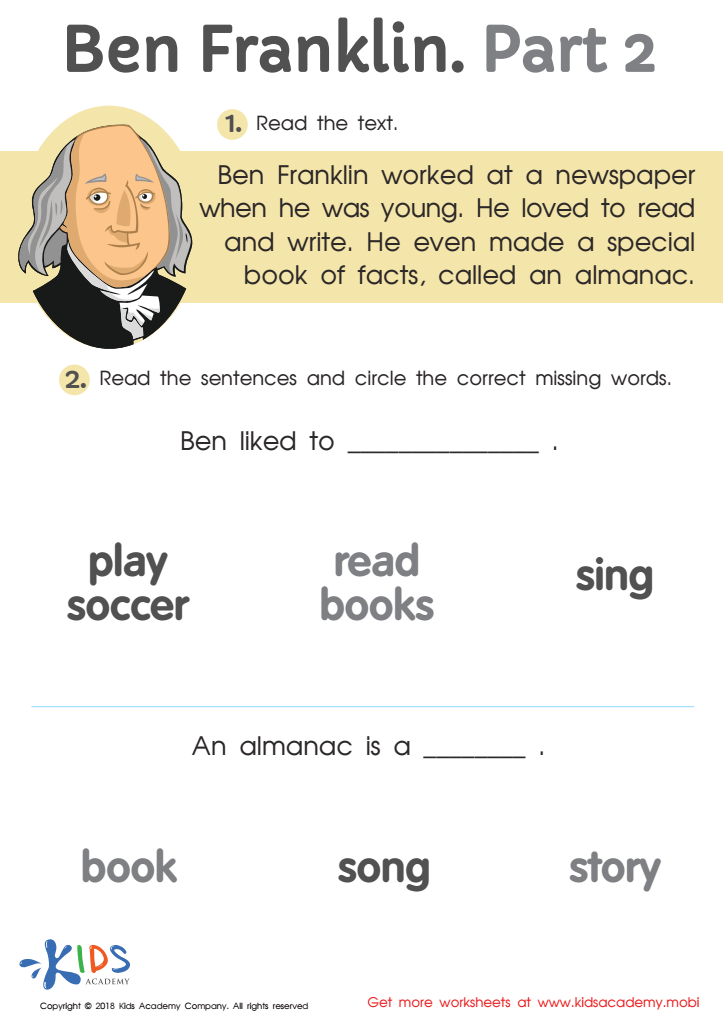
Ben Franklin Part 2 Worksheet
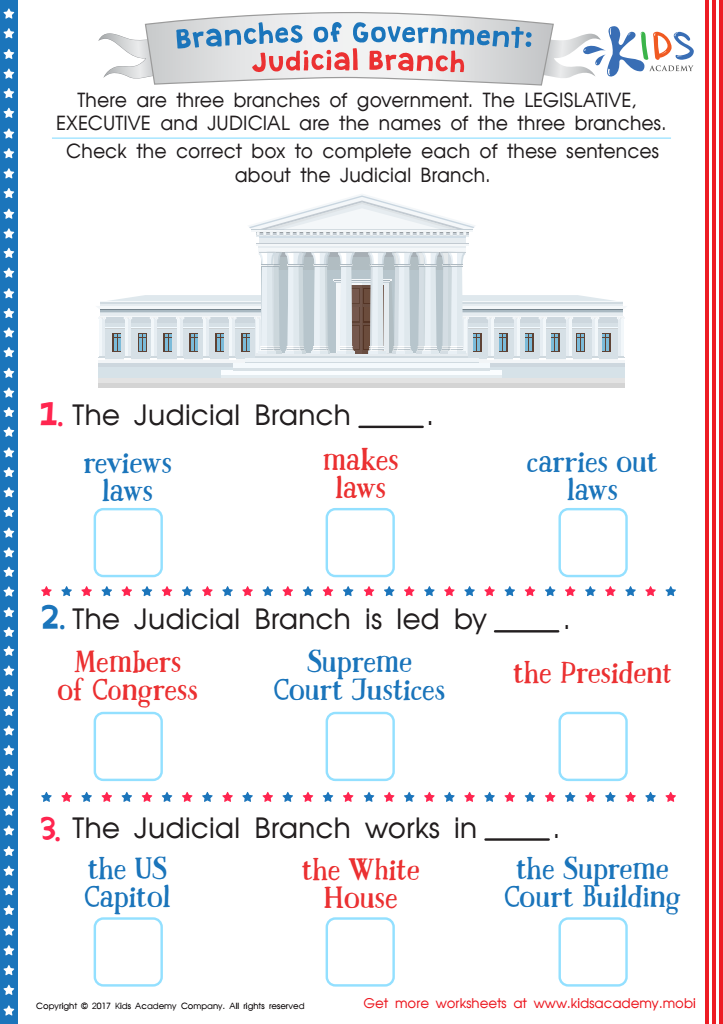
Braches of the Government: Judicial Branch Worksheet
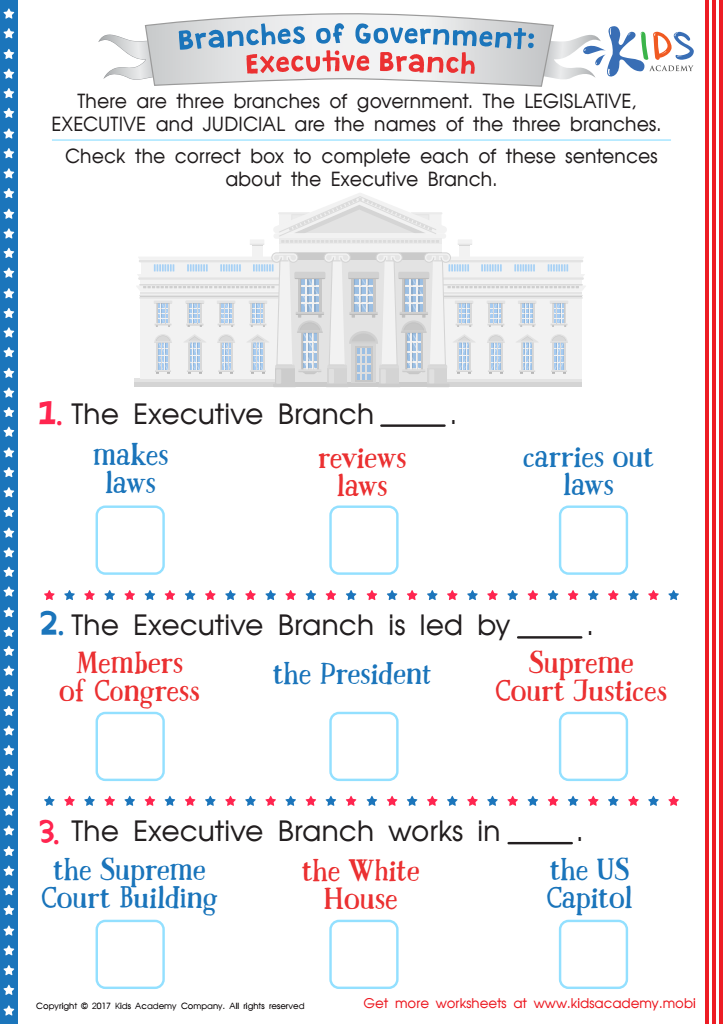
Branches of the Government: Executive Branch Printable
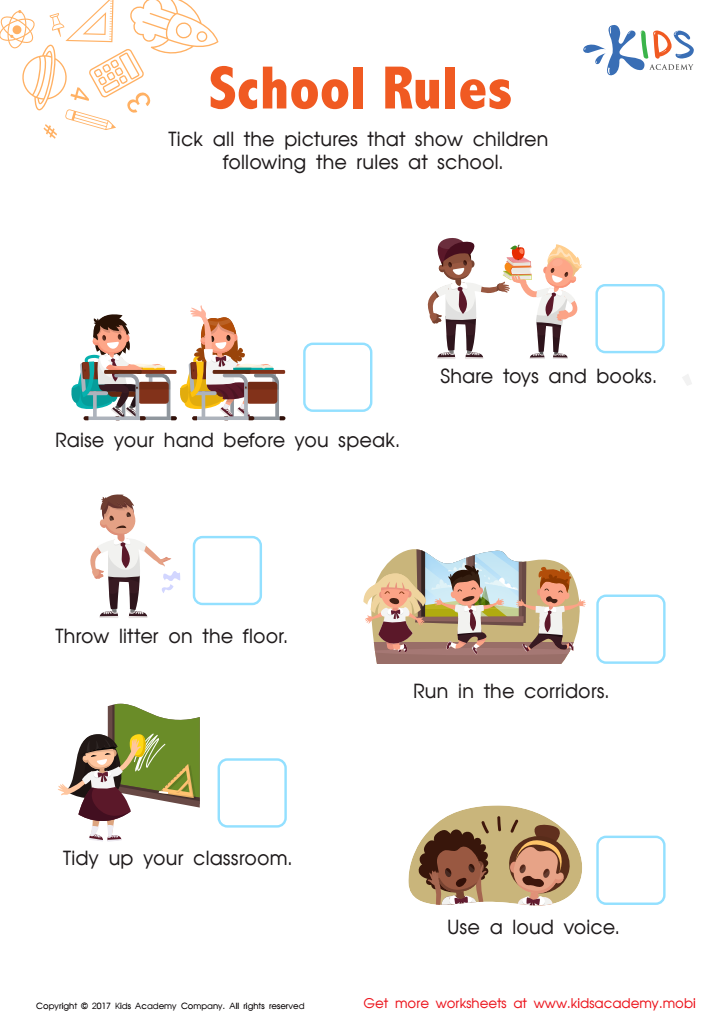
School Rules Worksheet


Parents and teachers play a crucial role in shaping the fundamental understanding of governance and civics in young children aged 3-7. At this early stage, children begin to develop social skills, emotional understanding, and an awareness of their community, making it an ideal time to introduce basic concepts of governance and civic responsibility.
Teaching these concepts fosters essential skills such as critical thinking, empathy, and collaboration. Through simple discussions and activities, children can learn about fairness, sharing, and respect for others’ opinions, which are foundational to democratic principles. Engaging in activities like class rules or community helpers encourages them to understand their roles within a larger society.
Moreover, early exposure to governance and civics can cultivate a sense of belonging and responsibility. Children learn to appreciate diversity and develop positive relationships with peers, setting the stage for a more inclusive society. It also empowers them to voice their thoughts and understand the significance of participating in decision-making processes, no matter how small.
Ultimately, introducing governance and civics in early childhood education lays the groundwork for responsible citizenship, fostering informed and compassionate future citizens who appreciate their role in a democratic society.