Community Worksheets for Ages 3-7 - Page 2
30 filtered results
-
From - To
 Assign to My Students
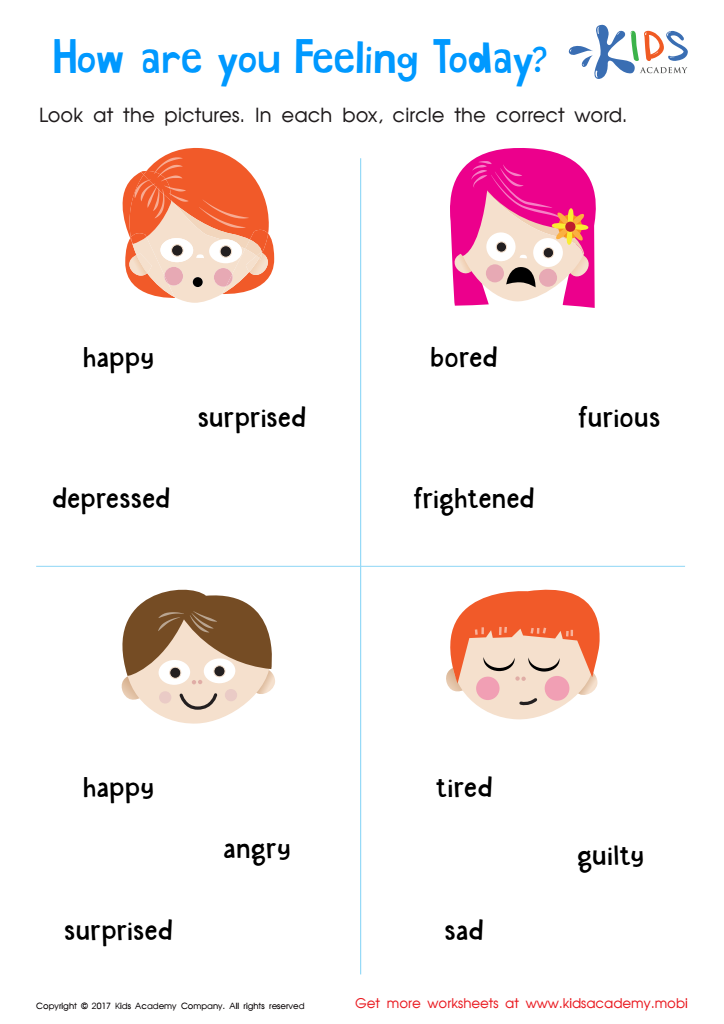
Understanding Feelings Worksheet
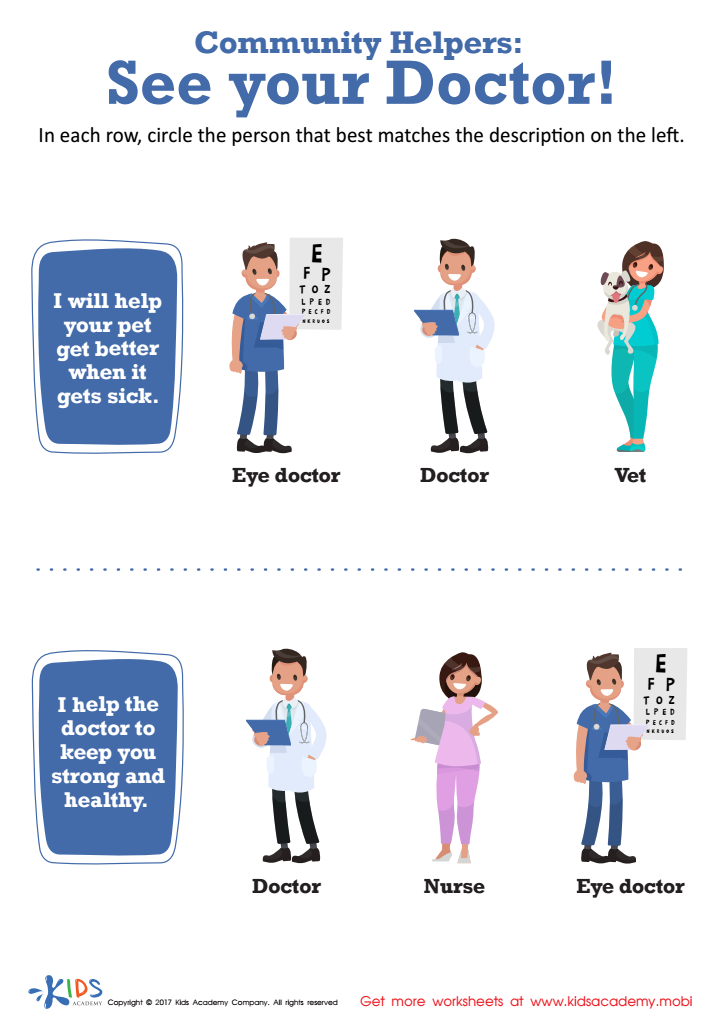
See Your Doctor (Part 2) Printable
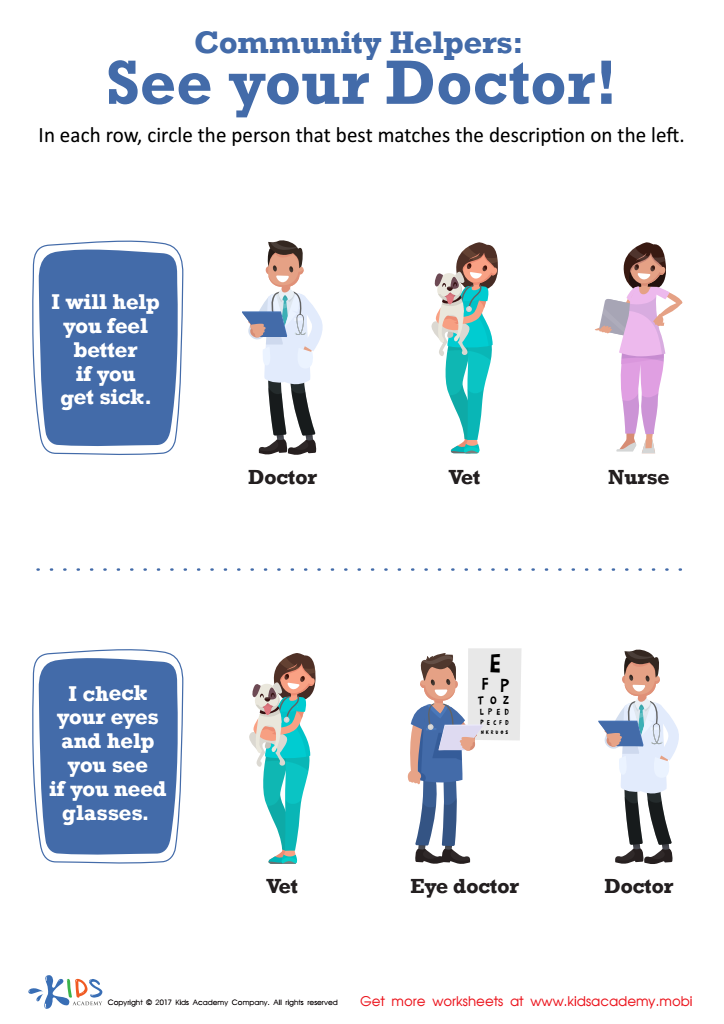
See Your Doctor (Part 1) Printable
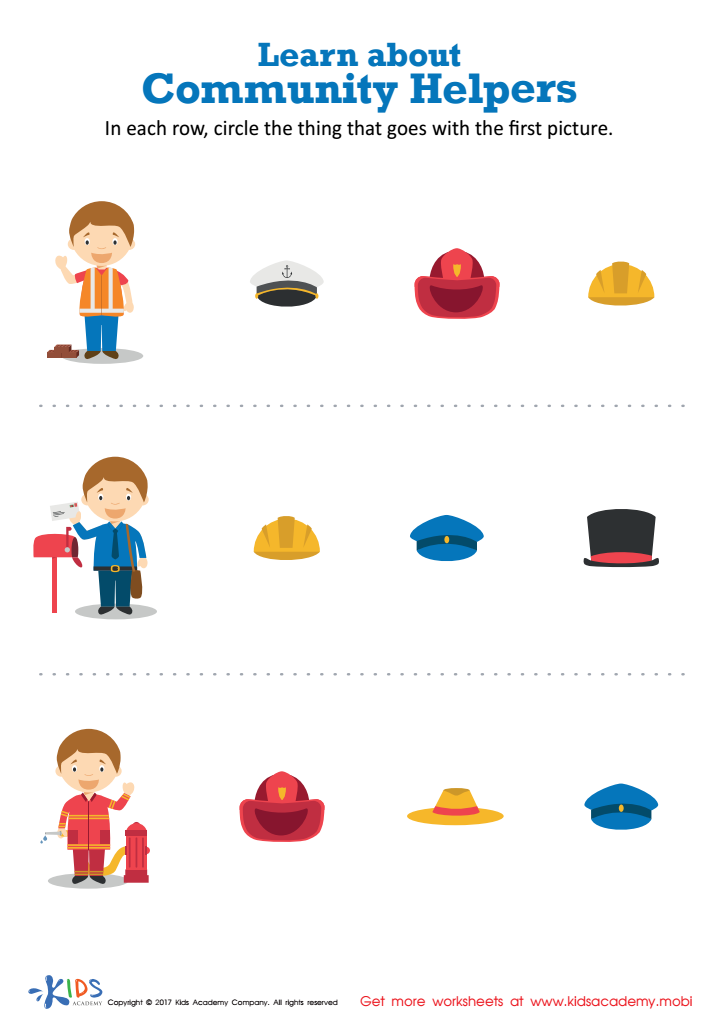
Learn about Community Helpers Printable
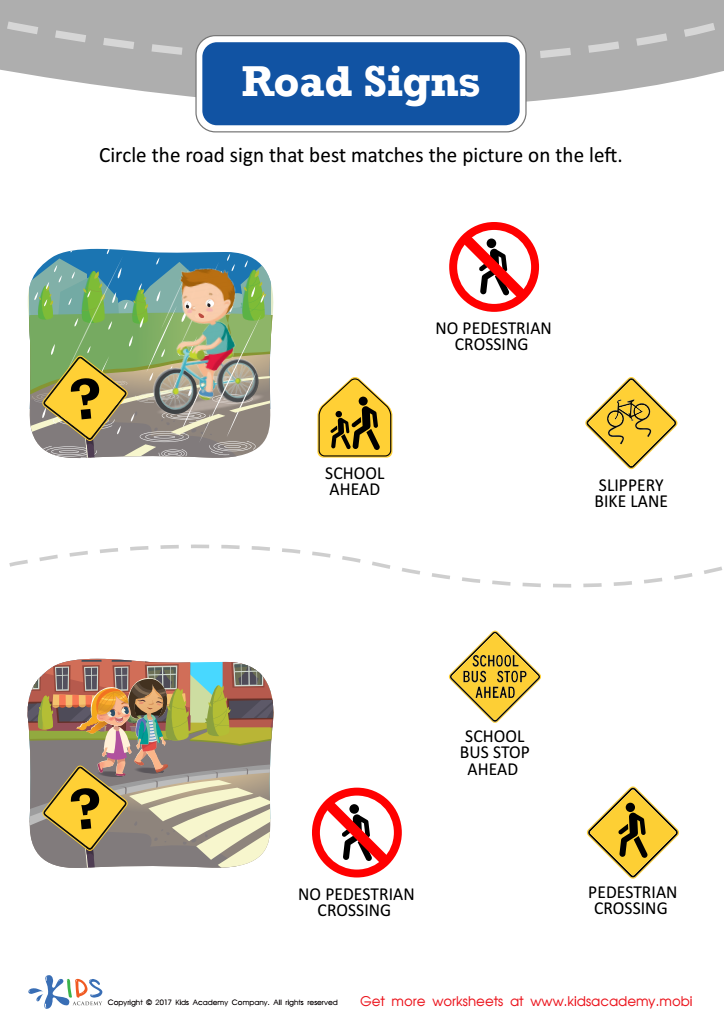
Road Signs (Part 2) Printable




.jpg)



Building a sense of community for children aged 3-7 is crucial for their overall development and well-being. At this young age, children are beginning to explore and understand the world around them, and being part of a supportive community helps them feel safe, valued, and connected. When parents and teachers actively foster a sense of community, children develop essential social and emotional skills, such as sharing, empathy, cooperation, and effective communication.
Being part of a community helps young children learn how to interact positively with others, which is essential for building healthy relationships throughout their lives. It also gives them a sense of belonging, which boosts their confidence and self-esteem. Moreover, a strong sense of community lays the foundation for learning respect for diversity and understanding different perspectives, crucial traits in today's multicultural world.
For parents, being involved in a community means more support networks, readily available resources, and shared experiences, which can be invaluable during the early developmental stages of their child's life. For teachers, emphasizing community within the classroom creates a nurturing and collaborative learning environment, enhancing students' academic and personal growth.
In conclusion, caring about community means investing in a child's holistic development, ensuring they not only learn academic content but also grow into compassionate, well-rounded individuals.