Measurement Worksheets for Ages 3-8 - Page 5
109 filtered results
-
From - To
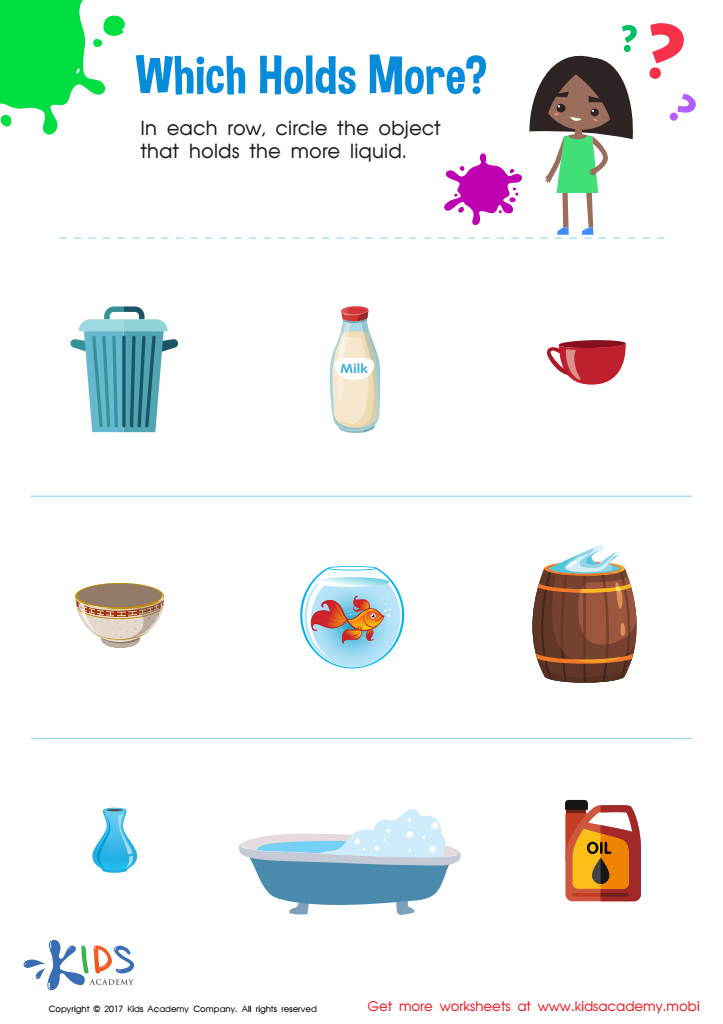
Which Holds More: Capacity Worksheet
 Assign to My Students
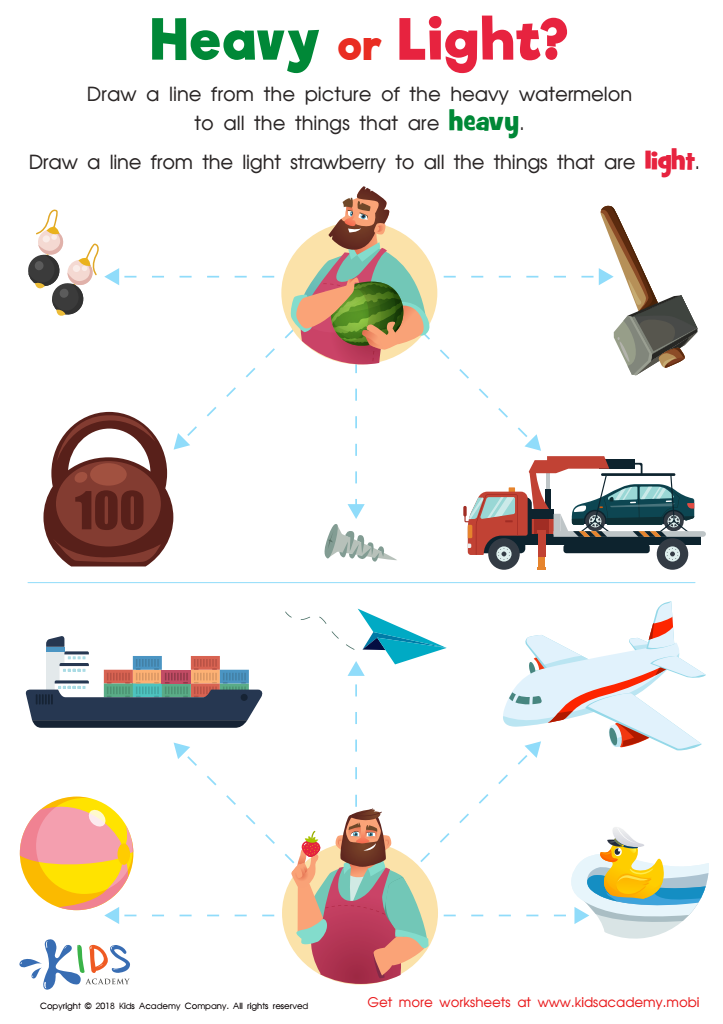
Heavy or Light? Worksheet
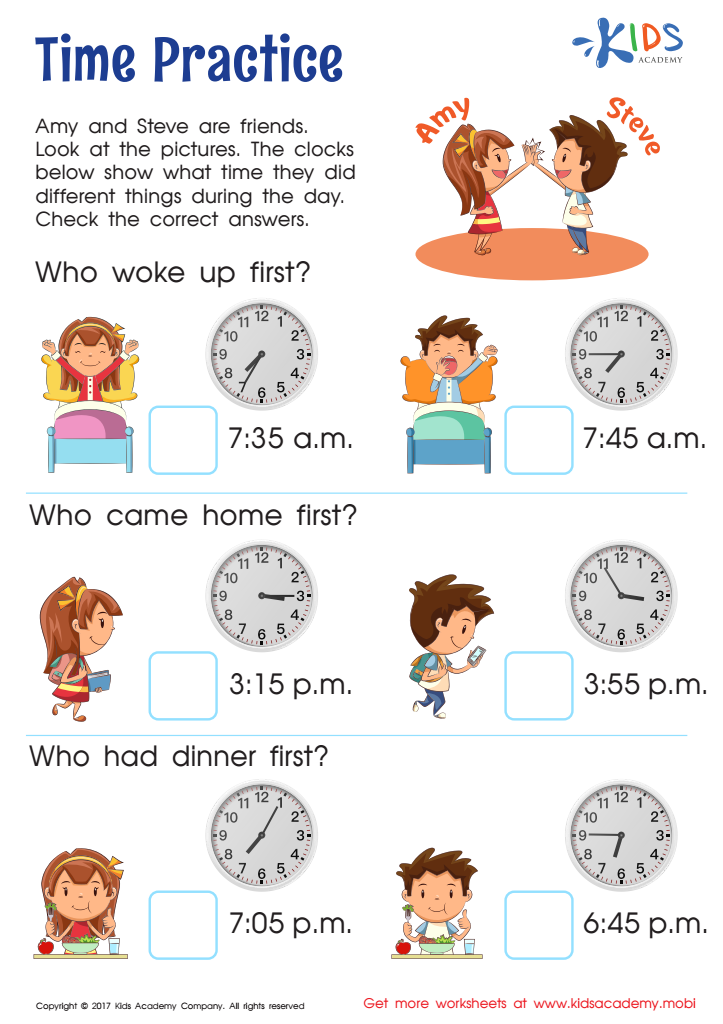
Time Practice Worksheet
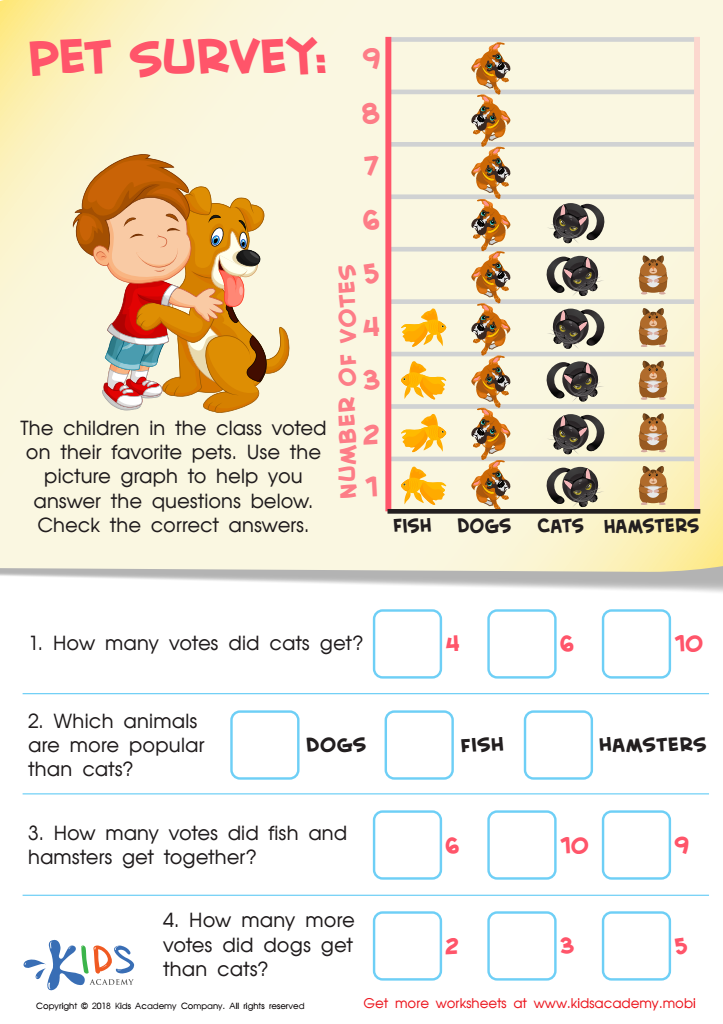
Pet Survey Worksheet
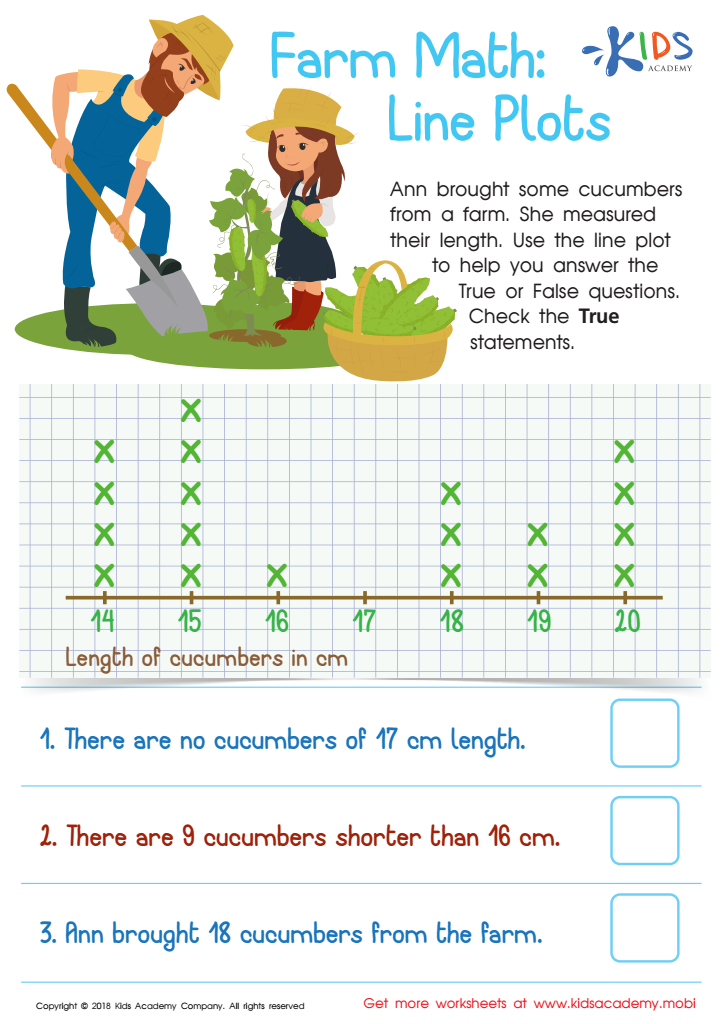
Farm Math: Line Plots Worksheet
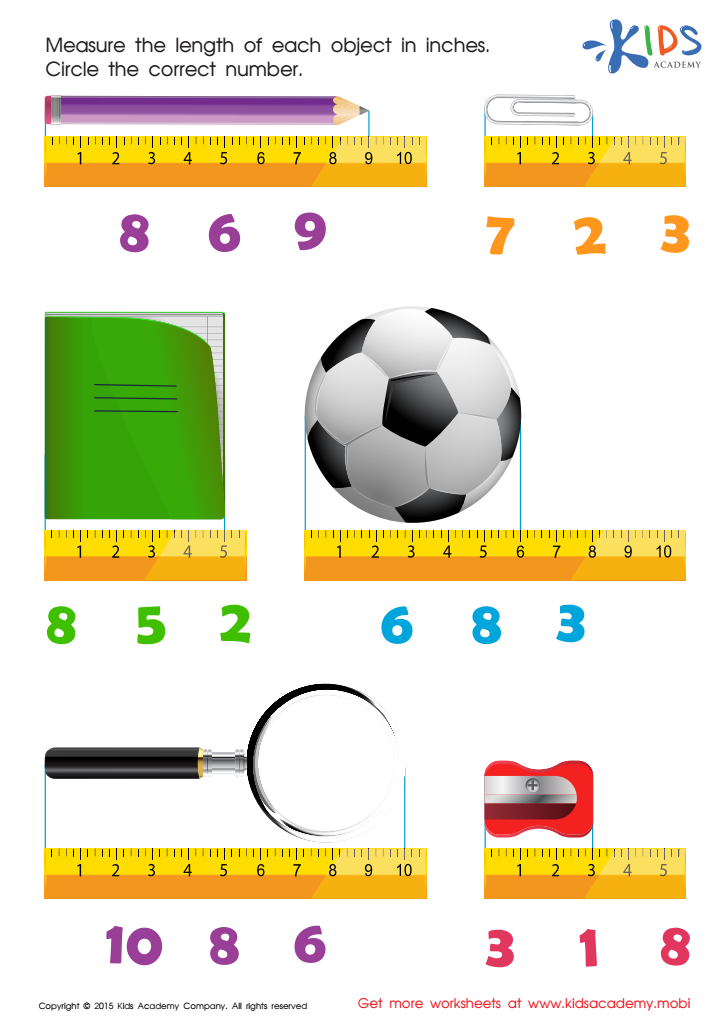
Learning measuring objects in inches Worksheet
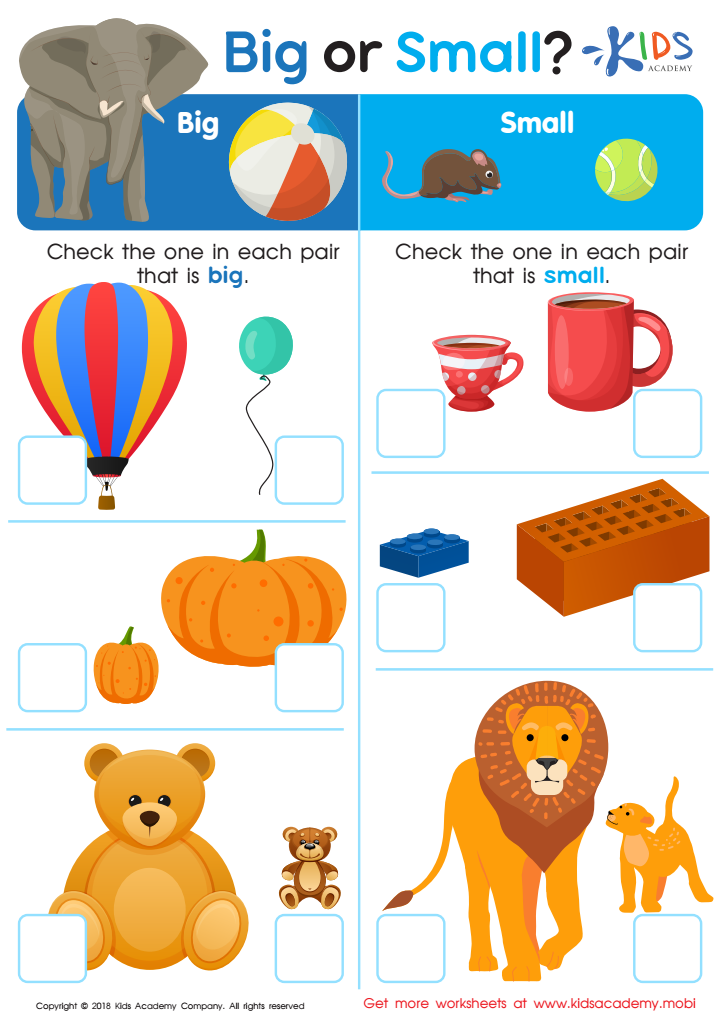
Big or Small? Worksheet
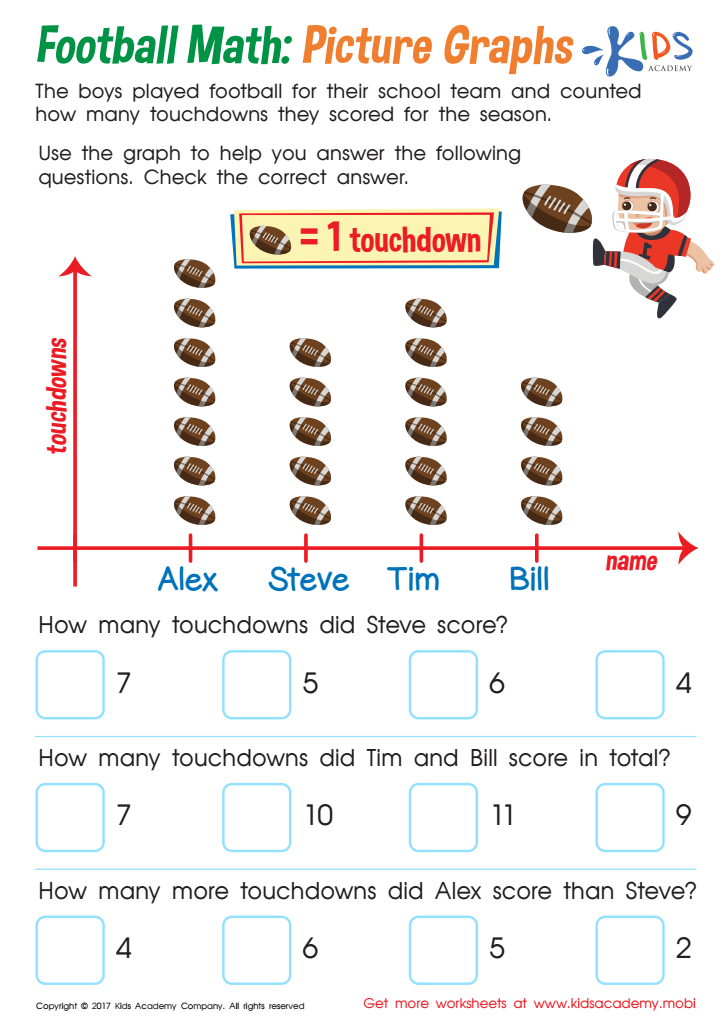
Football Math Worksheet
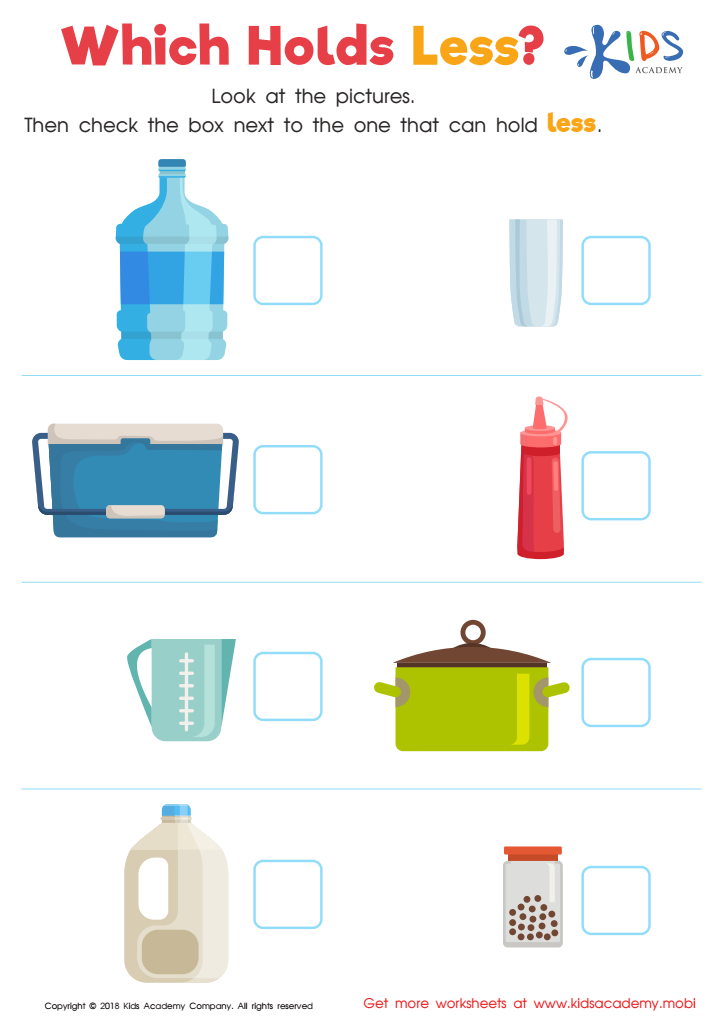
Which Holds Less? Worksheet
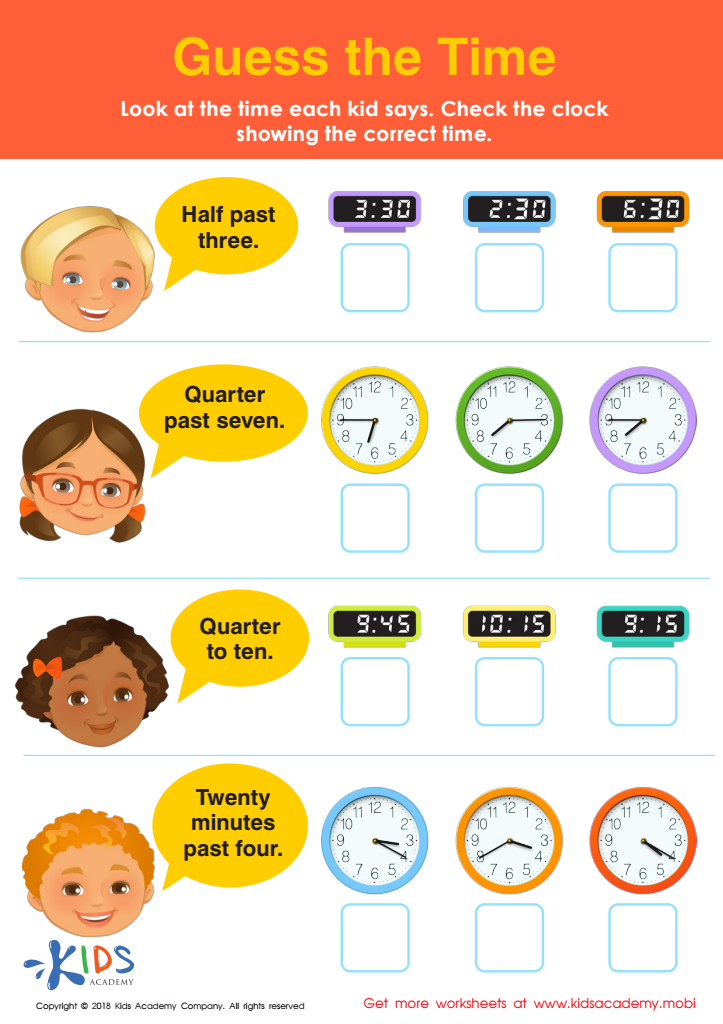
Guess the Time Worksheet
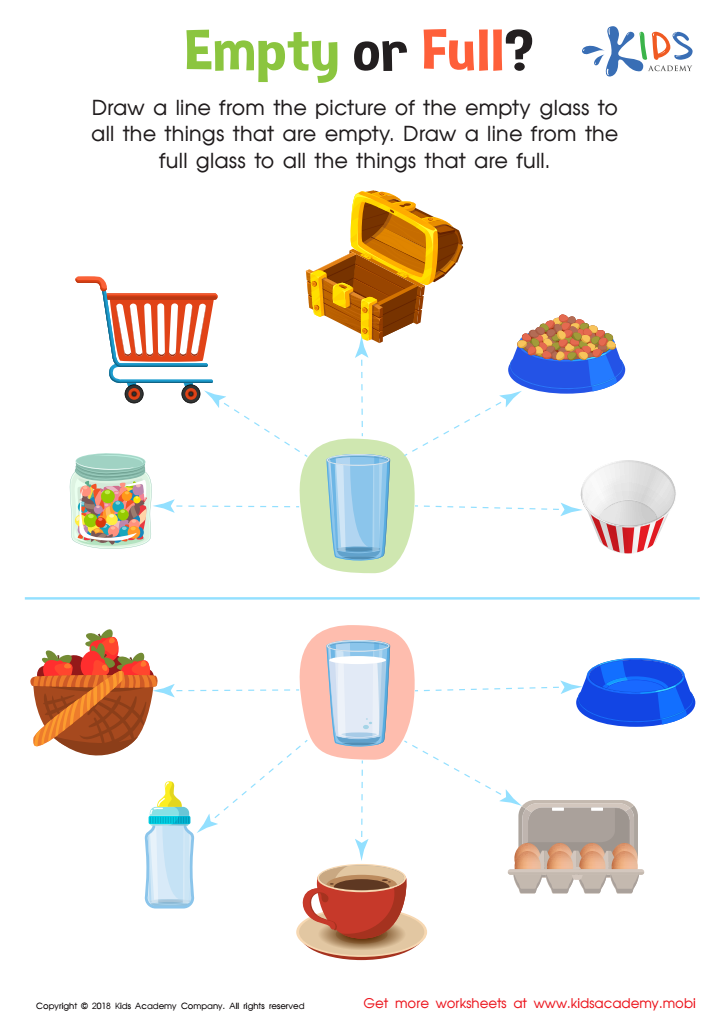
Empty or Full? Worksheet
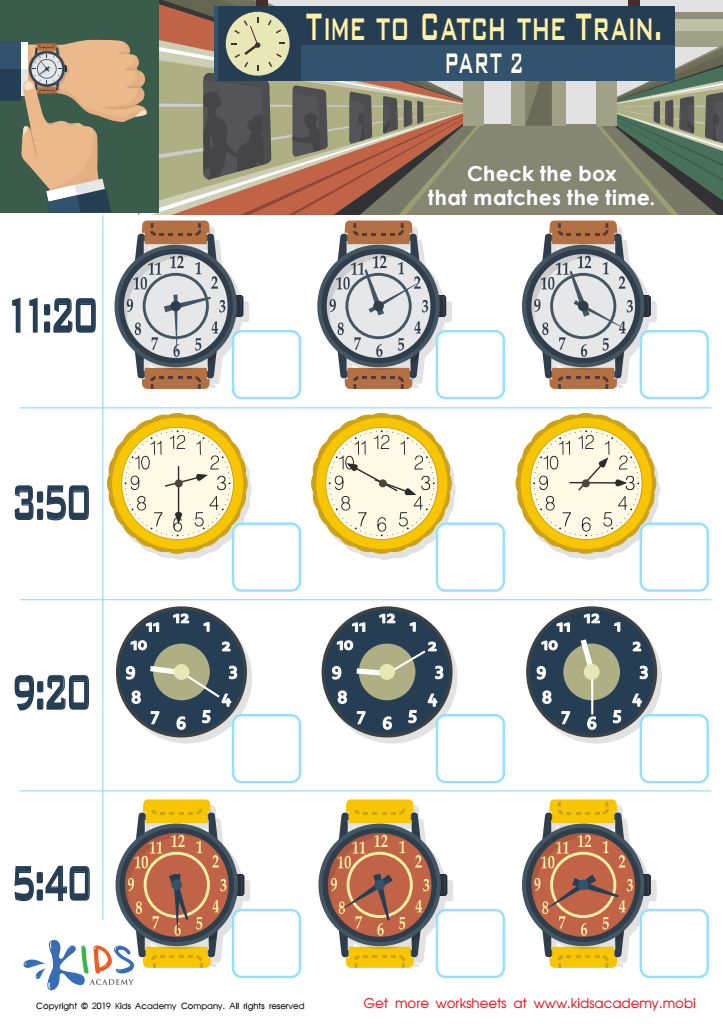
Time to Catch the Train Part 2 Worksheet
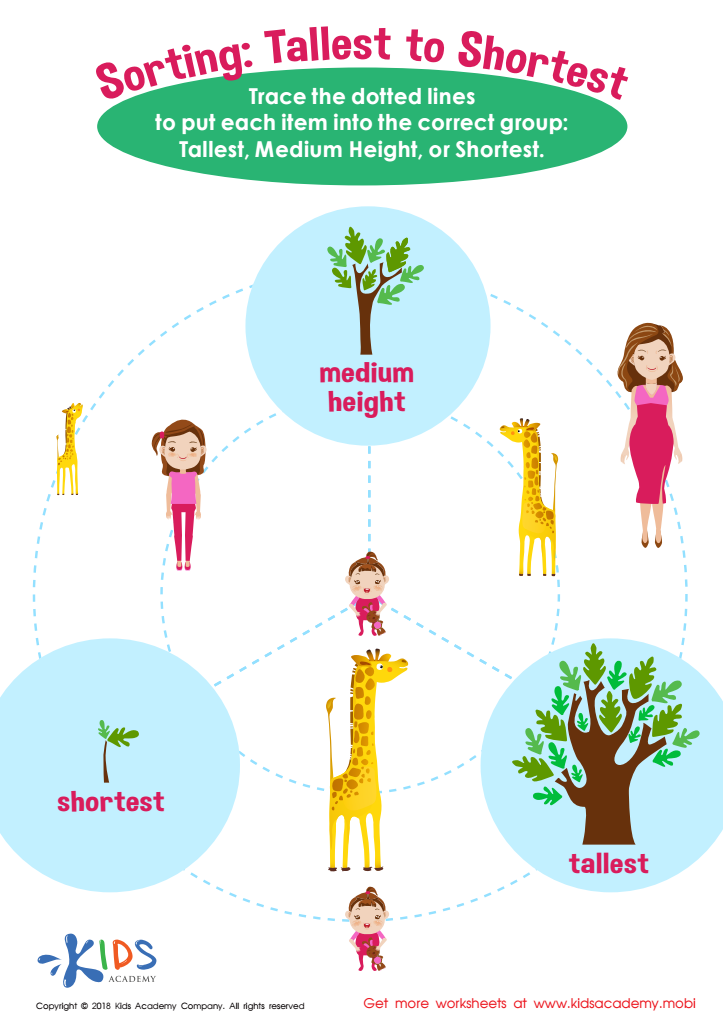
Sorting: Tallest to Shortest Worksheet








Measurement is a fundamental aspect of early childhood education that plays a crucial role in a young child's development. For children aged 3-8, understanding measurement isn't just about learning to use rulers or scales; it's about developing critical cognitive skills that form the foundation for more advanced mathematical and scientific thinking.
Firstly, measurement activities help children grasp basic mathematical concepts like size, length, weight, and volume. These early experiences are vital for building number sense and spatial awareness, which are key components of later math skills. For example, when children compare the lengths of different objects or measure ingredients for a recipe, they are practicing important math skills in a hands-on, meaningful way.
Moreover, measurement tasks often promote problem-solving and critical-thinking skills. Such activities encourage children to make predictions, test their hypotheses, and come to conclusions, thereby fostering a scientific mindset. This turns learning into an investigative process, making it engaging and interactive.
Teachers and parents should also understand that measurement activities can be seamlessly integrated into everyday routines and play. This integration helps children see the relevance of what they're learning to their daily lives, thereby increasing motivation and retention.
Finally, early engagement with measurement helps develop fine and gross motor skills through activities like cutting paper to a specific length or pouring liquids into containers. These activities also enhance children's practical life skills, preparing them for more complex tasks as they grow.








