Word Problems Worksheets for Ages 3-8 - Page 3
123 filtered results
-
From - To
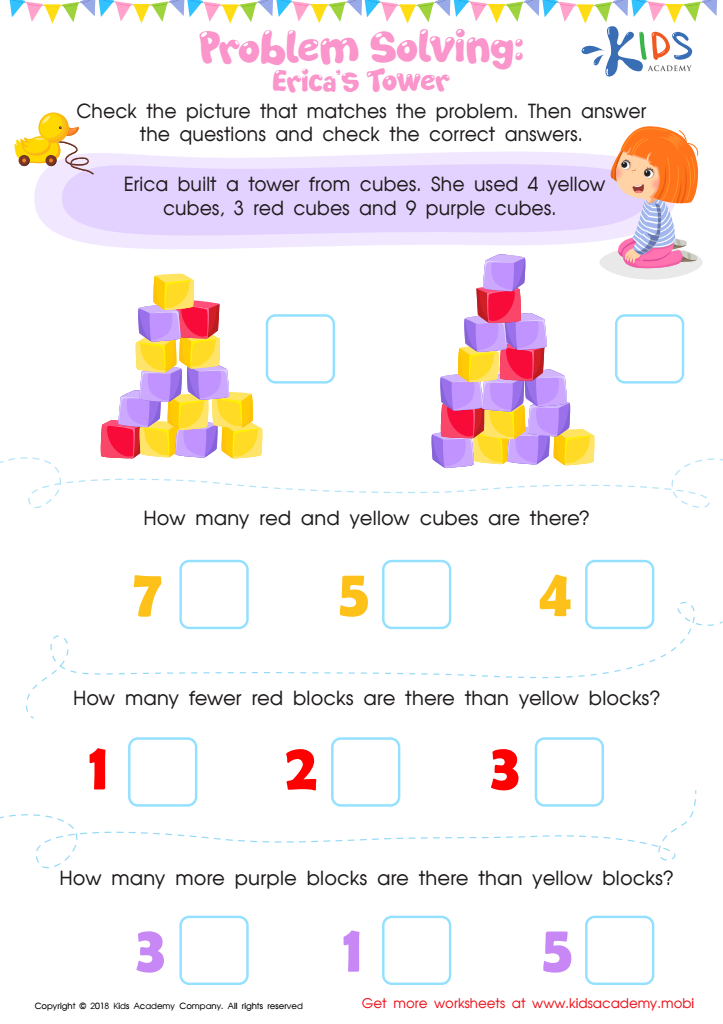
Problem Solving: Erica's Tower Worksheet
 Assign to My Students
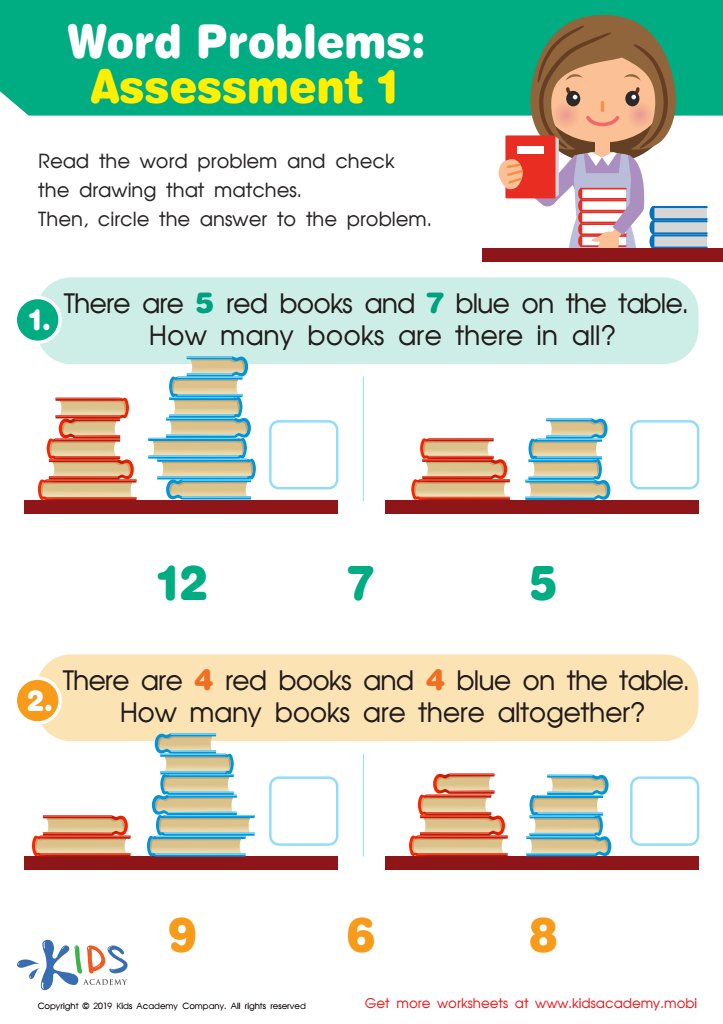
Word Problems: Assessment 1 Worksheet
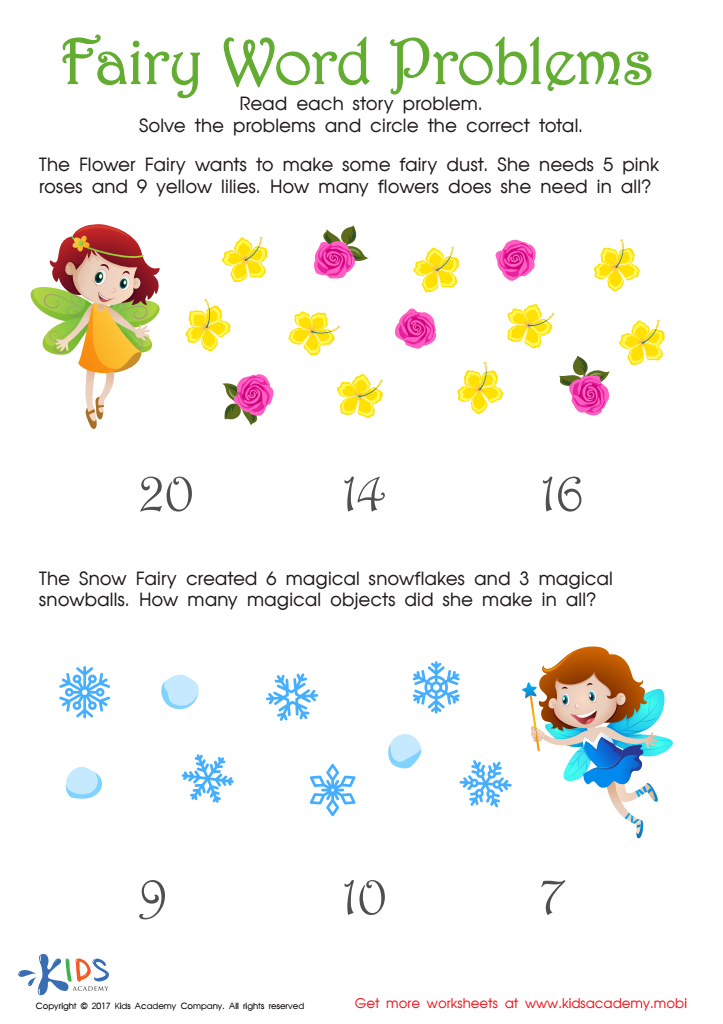
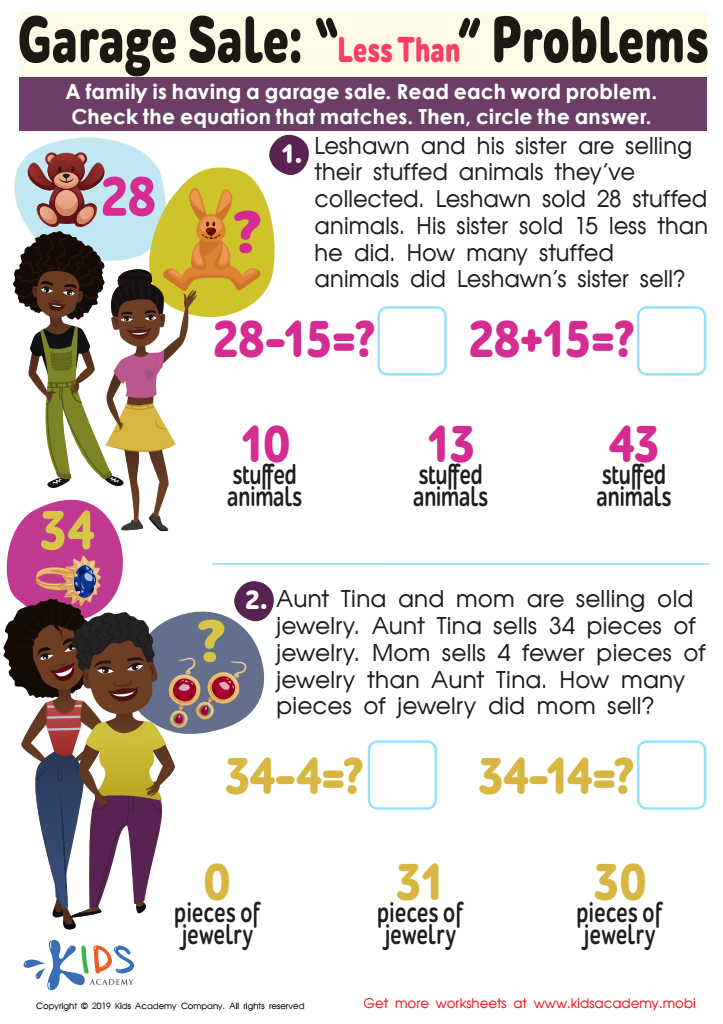
Garage Sale Less Than Worksheet
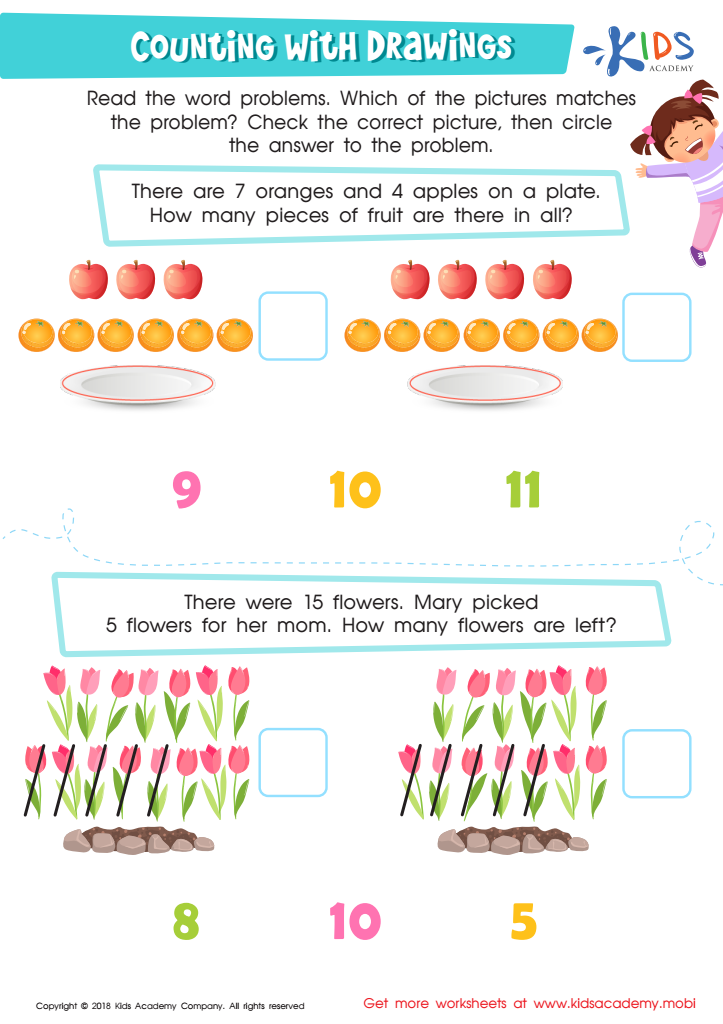
Counting with Drawings: Fruits & Chocolates Worksheet
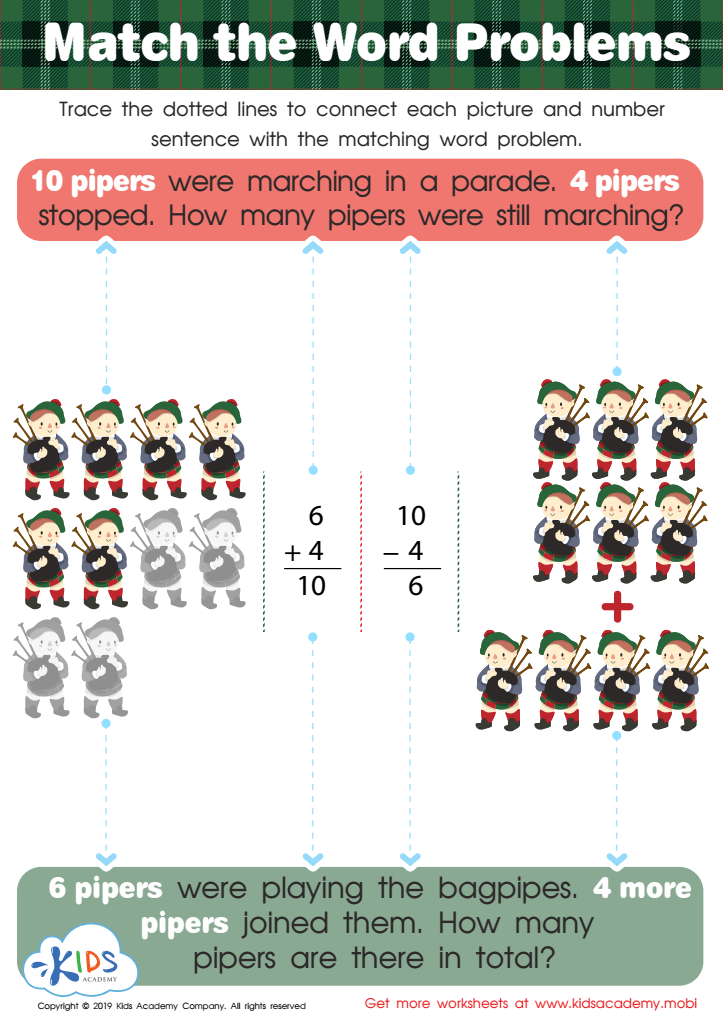
Match the Word Problems Worksheet
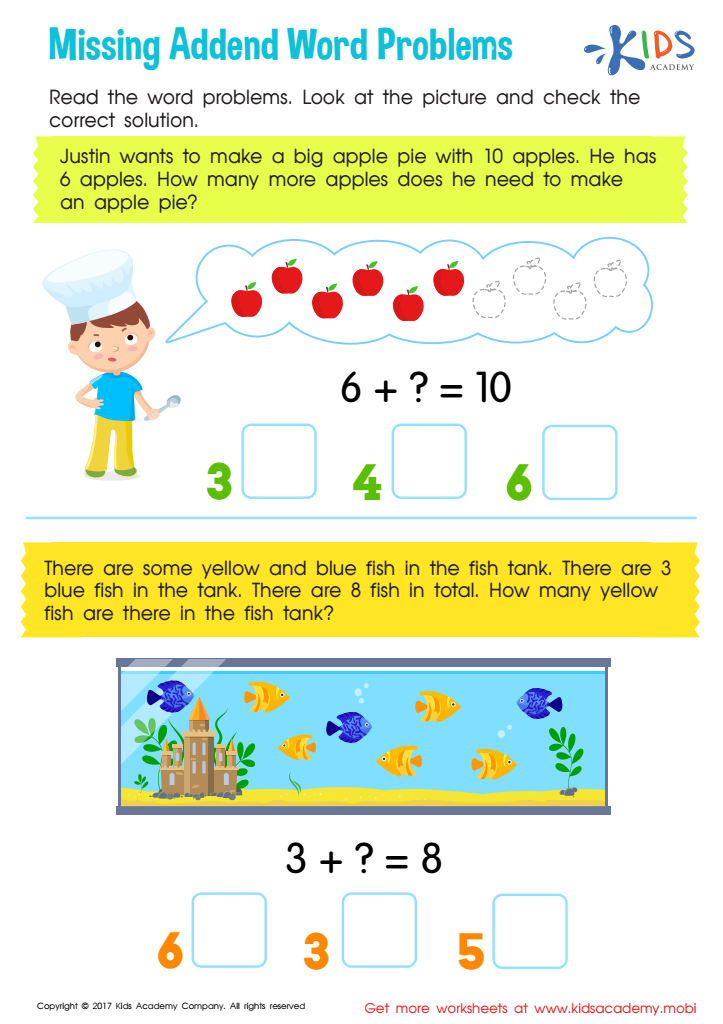
Missing Addend Word Problems Worksheet
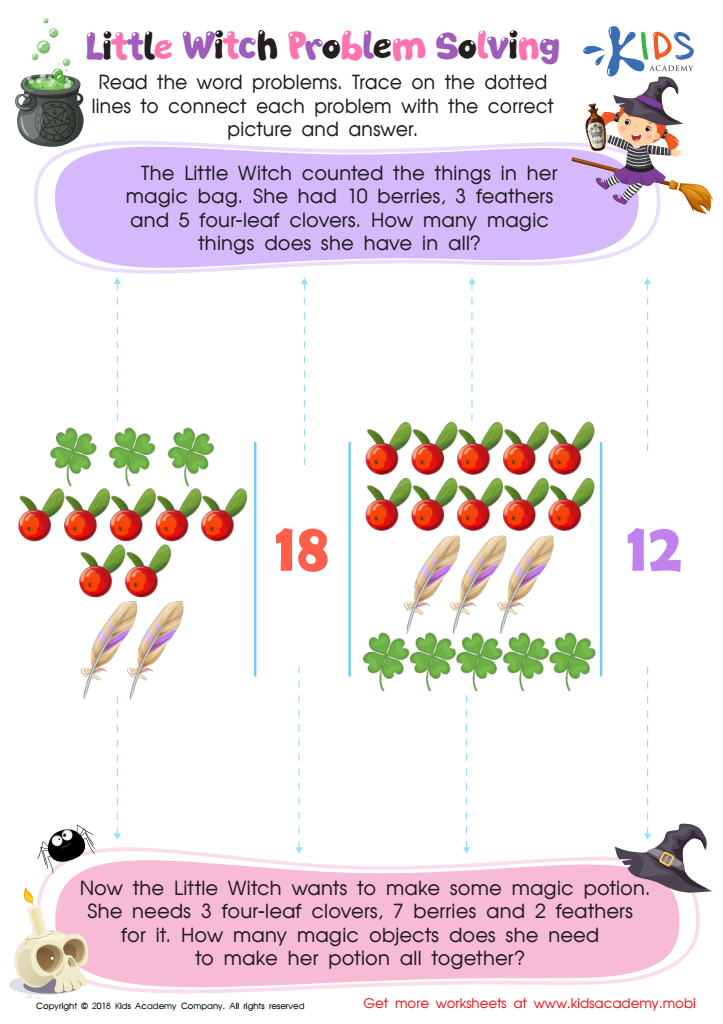
Little Witch Problem Solving Worksheet
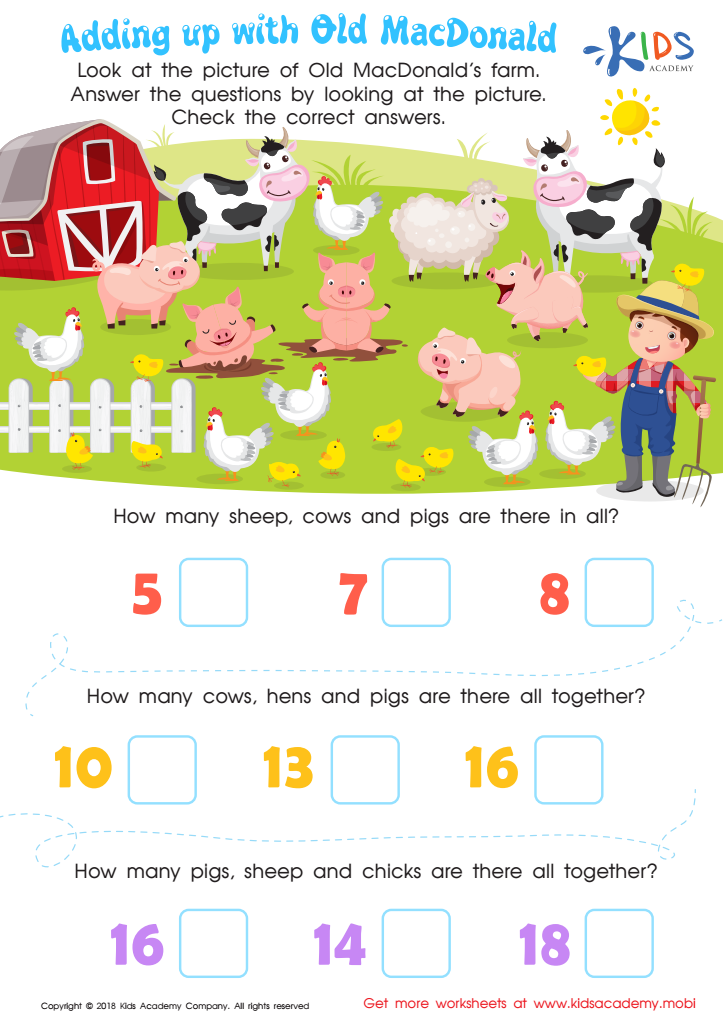
Adding Up with Old MacDonald Worksheet
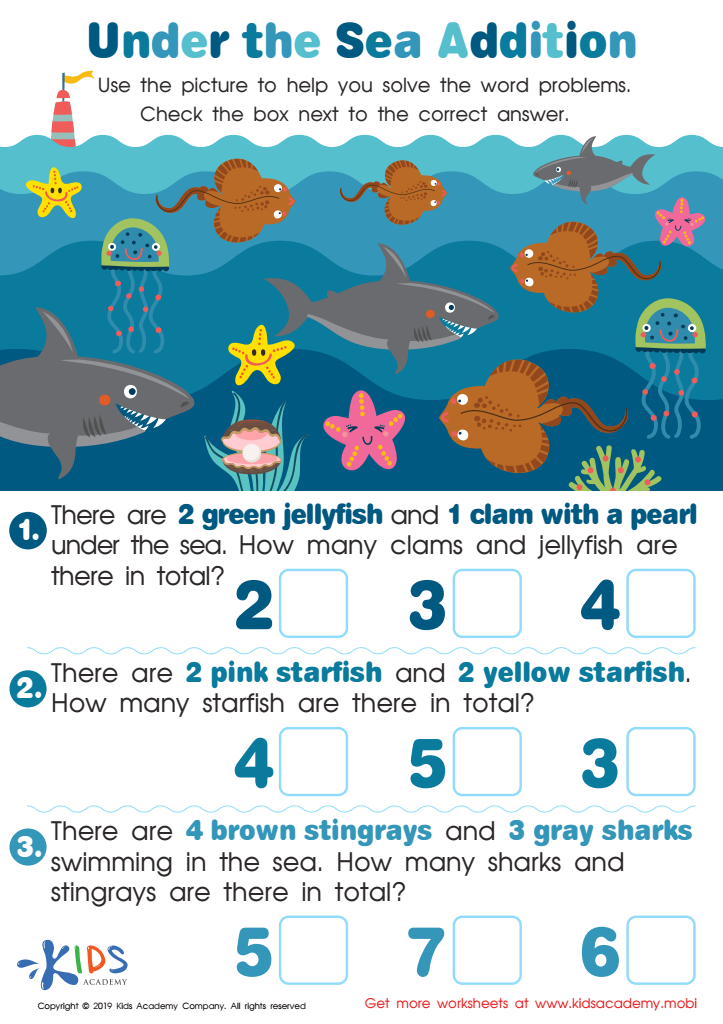
Under the Sea Addition Worksheet
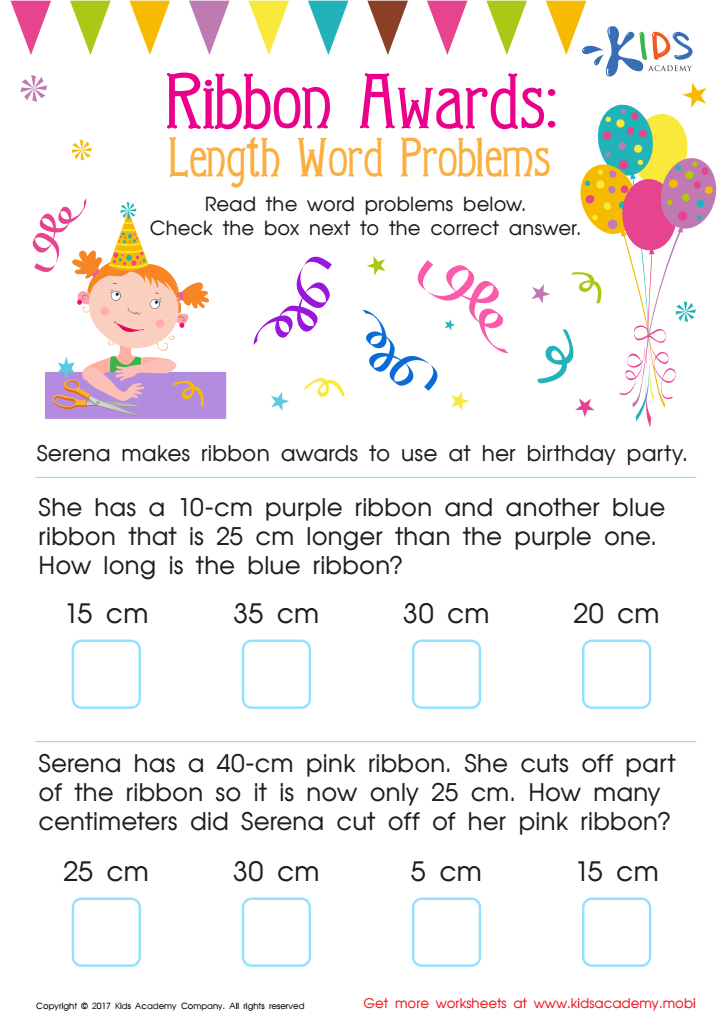
Length Word Problems Worksheet
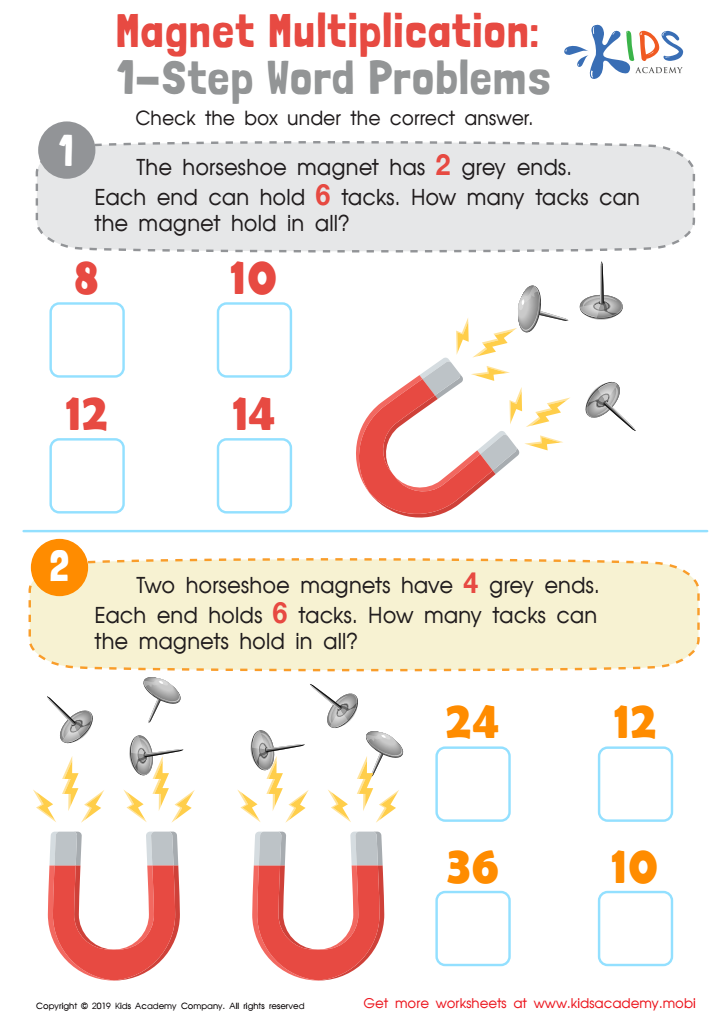
Magnet Multiplication: 1-Step Word Problems Worksheet
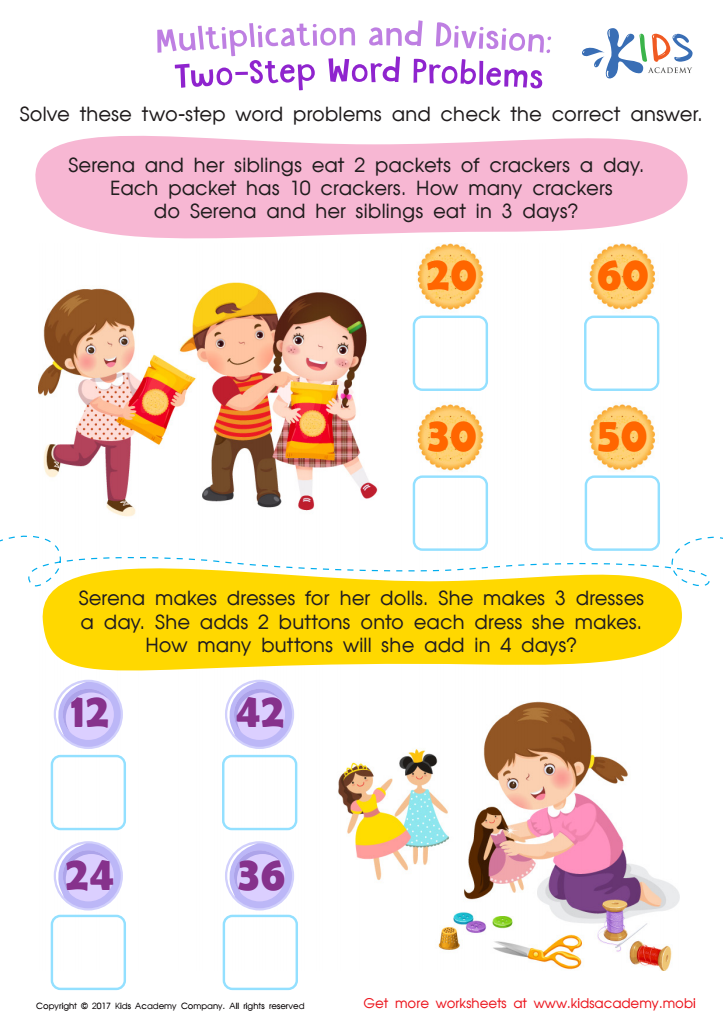
Two Step Word Problems Worksheet
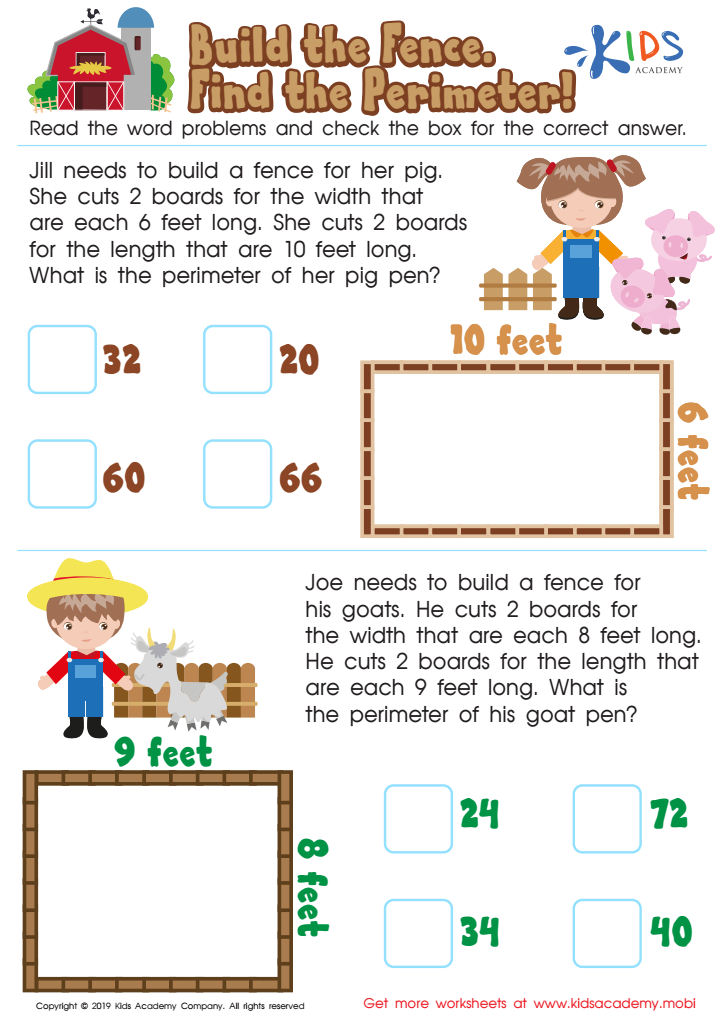
Build the Fence, Find the Perimeter Worksheet
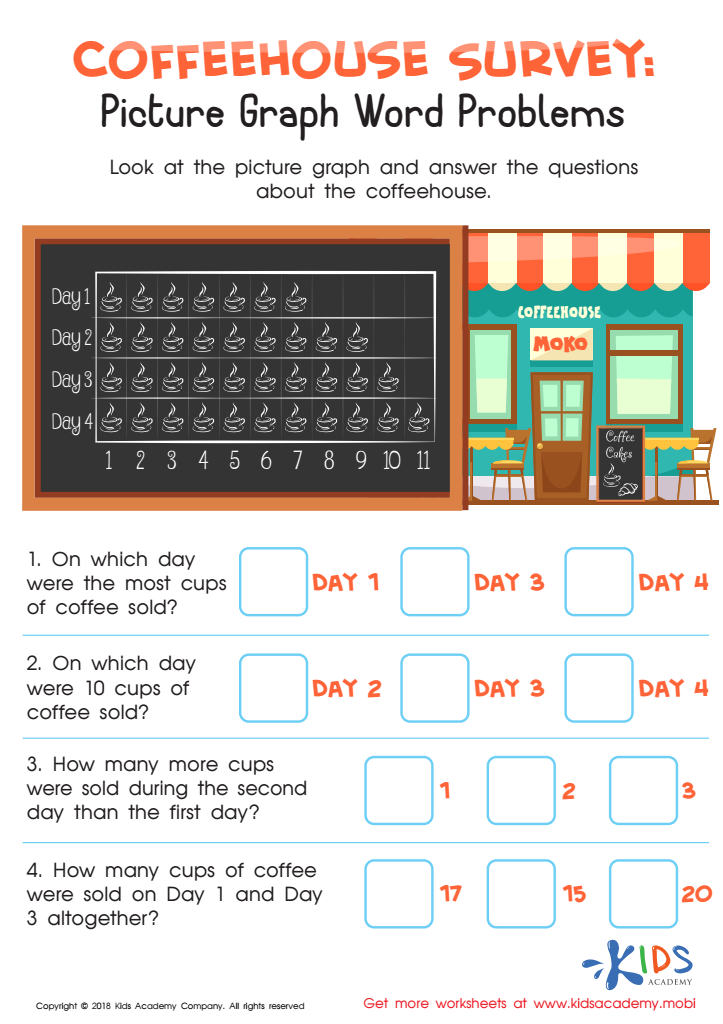
Coffeehouse Survey: Picture Graph Word Problems Worksheet
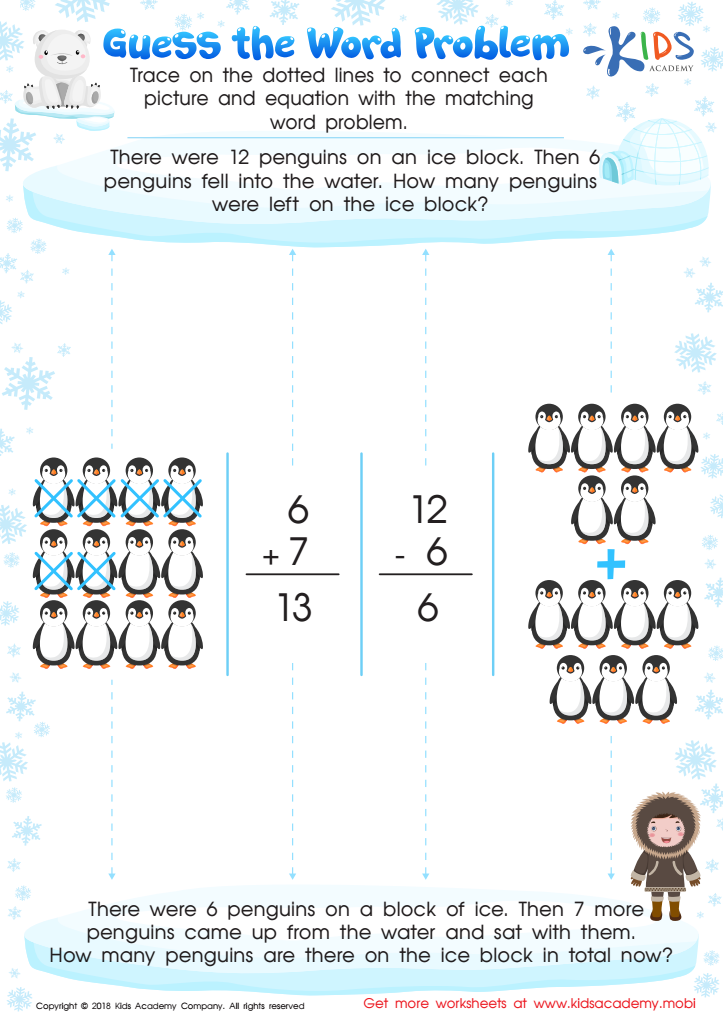
Guess the Word Problem Worksheet
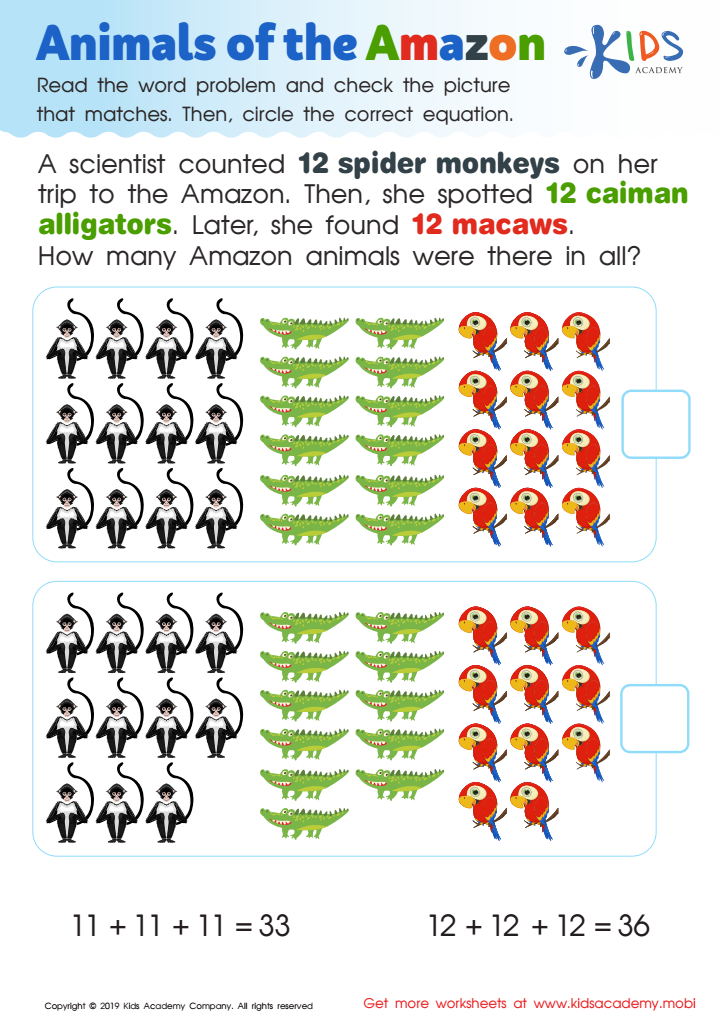
Animals of Amazon Worksheet
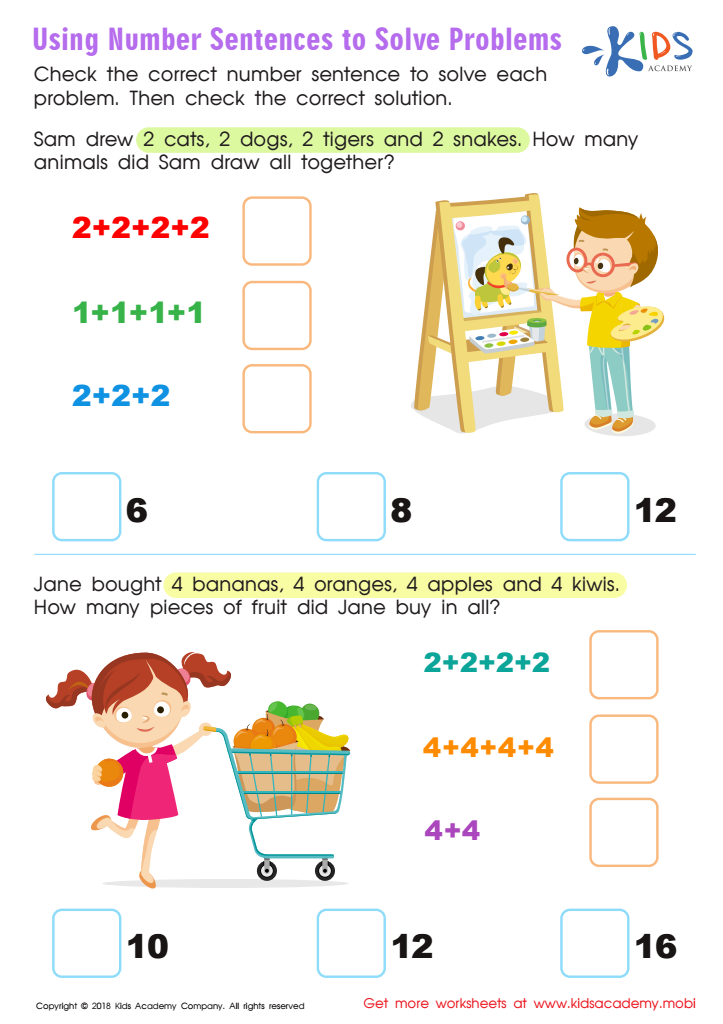
Using Number Sentences to Solve Problems Worksheet
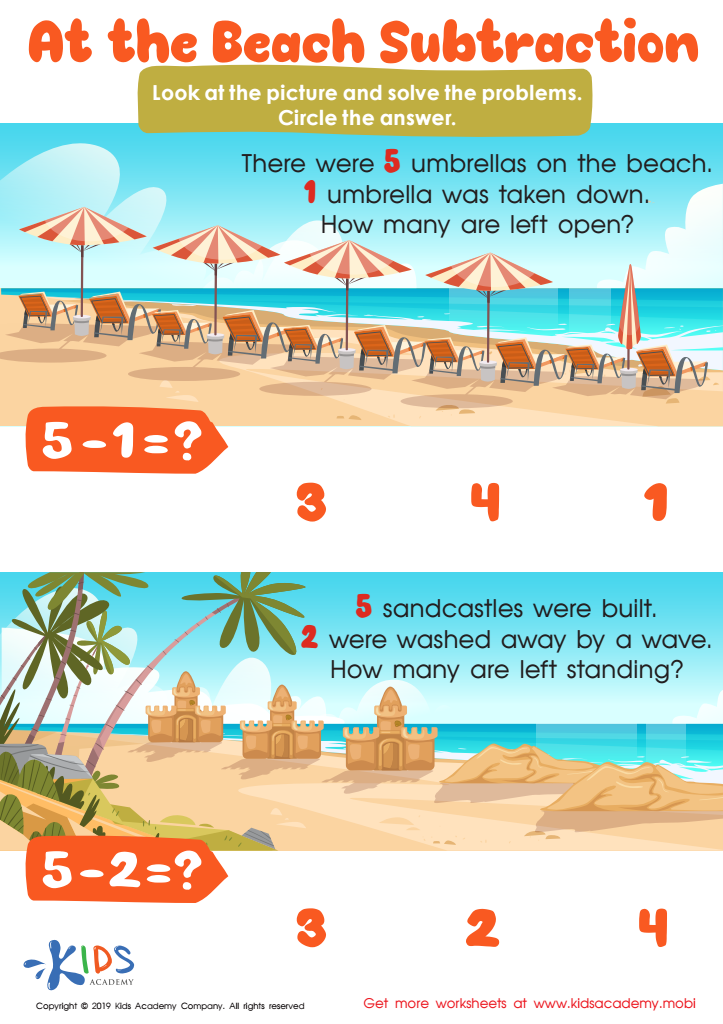
At the Beach Subtraction Worksheet
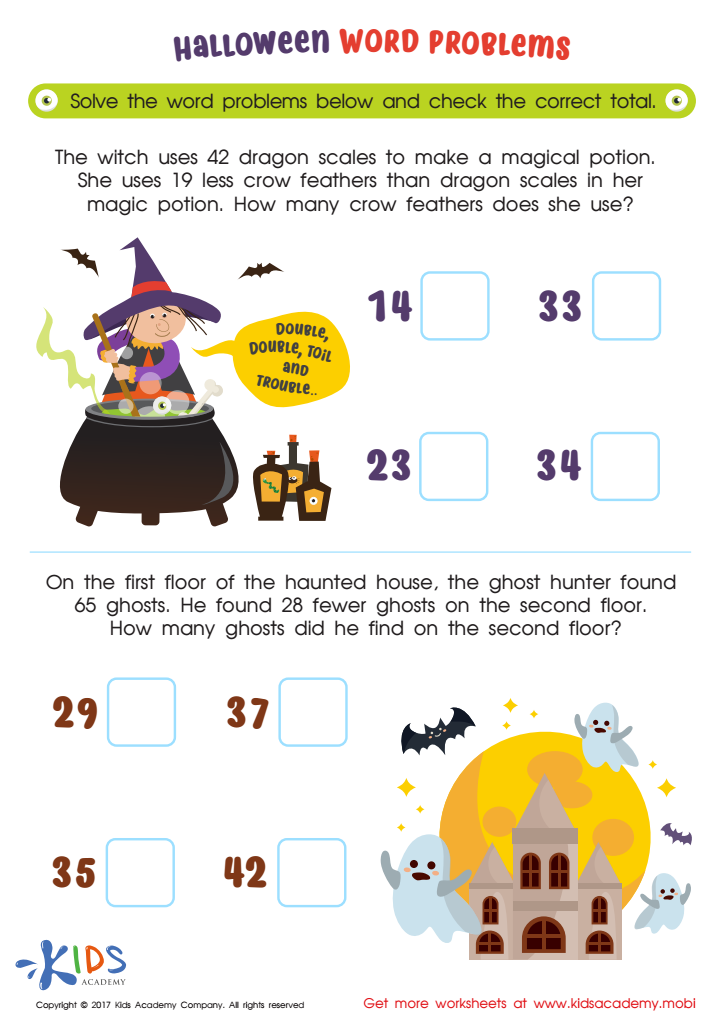
Halloween Word Problems Printable
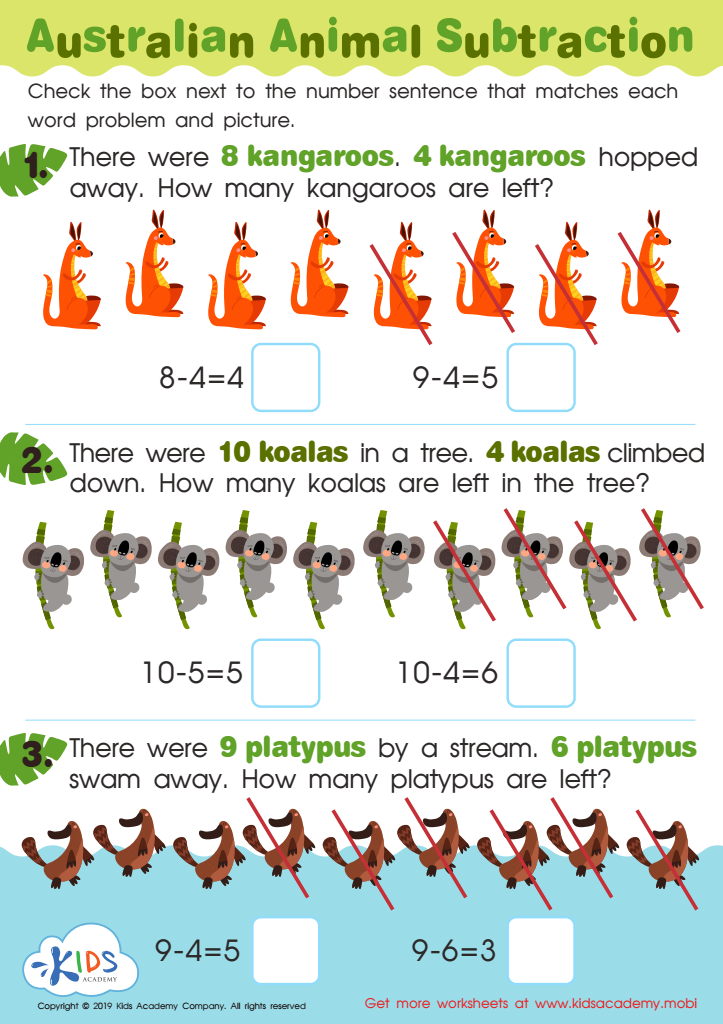
Australian Animal Subtraction Worksheet
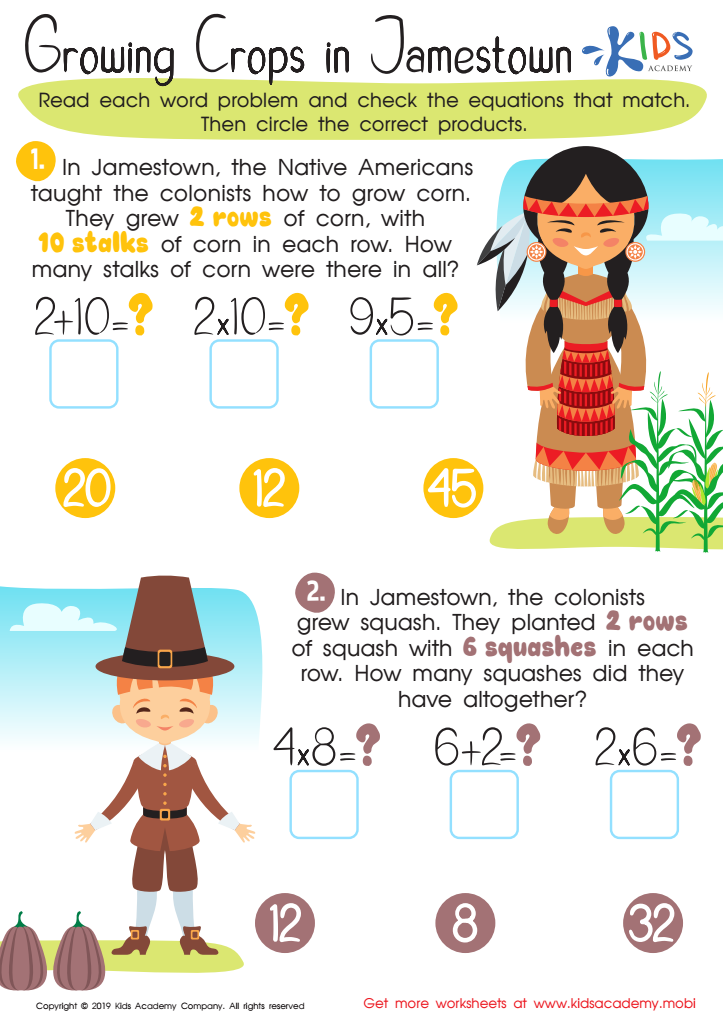
Growing Jamestown Worksheet
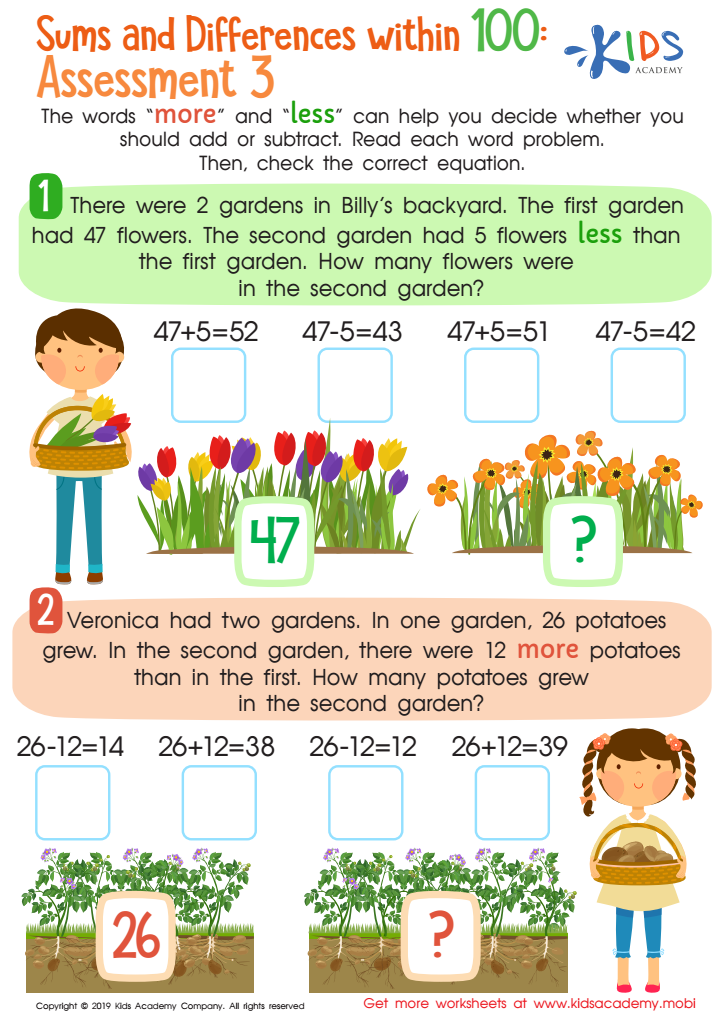
Sums and Differences Within 1 - Assessment 3 Worksheet
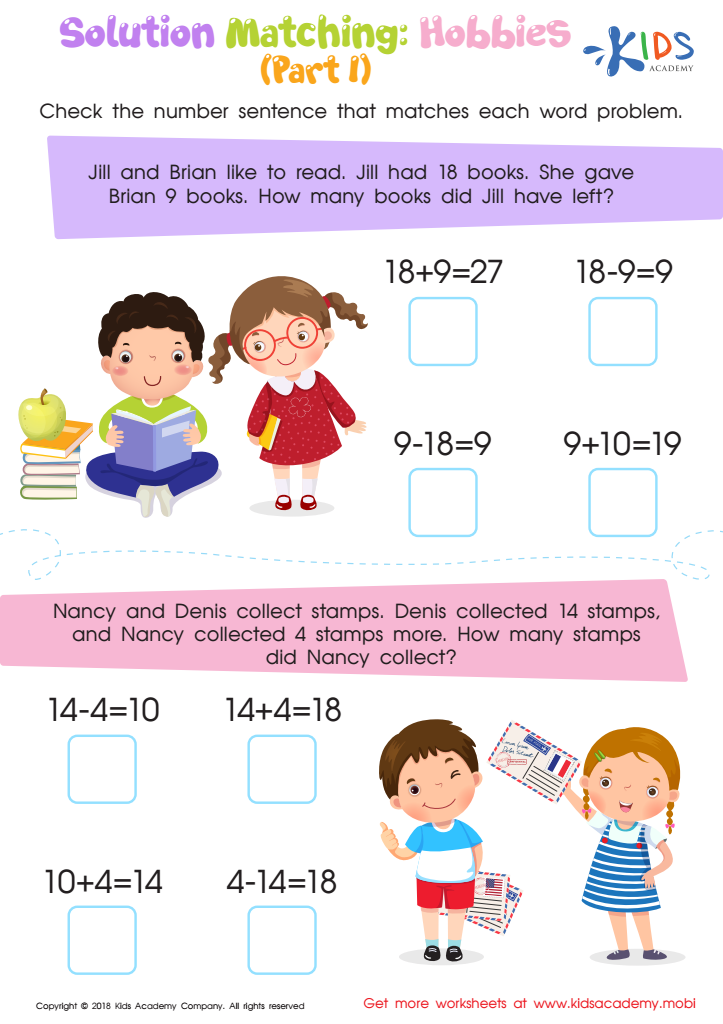
Solution Matching: Hobbies. Part 1 Worksheet








Word problems are essential for children aged 3-8, as they foster critical thinking and problem-solving skills, which are foundational for future learning. When children engage with word problems, they learn to comprehend and interpret language, translating real-life scenarios into mathematical concepts. This process encourages cognitive development, enabling kids to analyze situations, identify relevant information, and apply appropriate strategies.
Moreover, word problems help children understand the practical applications of mathematics. By relating math to everyday situations, such as sharing snacks or counting toys, children see math as a useful tool rather than just numbers on a page. This relevance increases their interest and motivation to learn.
Additionally, word problems support language development; they require comprehension and vocabulary skills. As children decode the language of a problem, they reinforce their reading skills as well. Collaborative problem-solving also promotes social skills, as children discuss approaches and solutions with peers or family members.
In conclusion, parents and teachers should care about word problems for young learners, as they cultivate a comprehensive set of skills that extend beyond math alone. By encouraging engagement with word problems, adults can help nurture confident, capable thinkers prepared for a complex world.








