Phonics Worksheets for Ages 3-9 - Page 7
242 filtered results
-
From - To
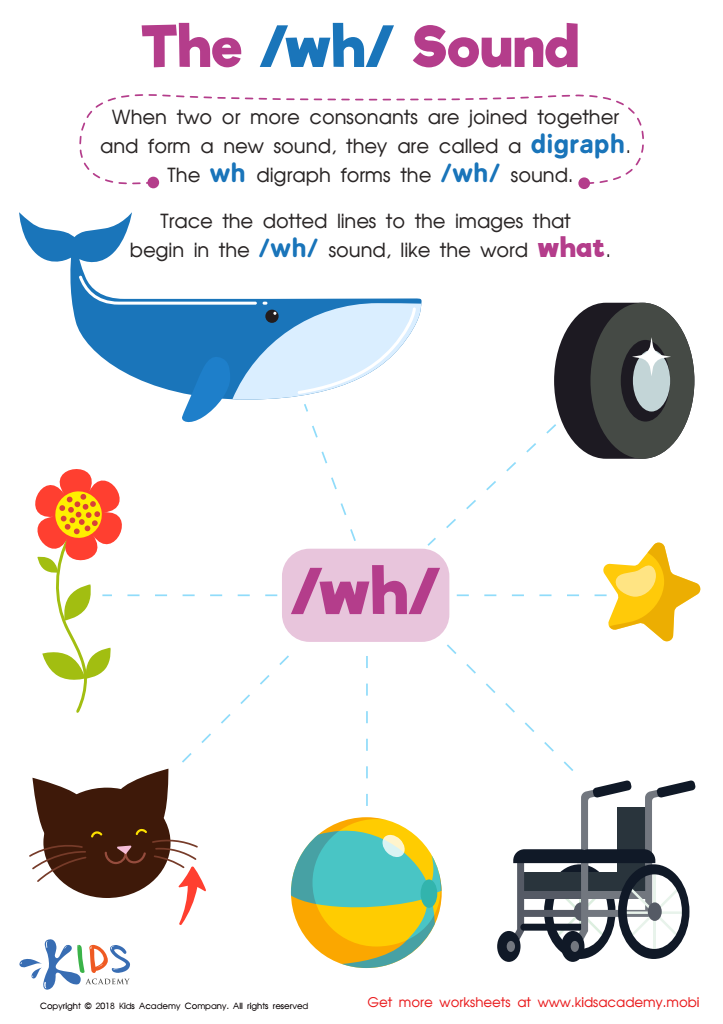
The /wh/ Sound Worksheet
 Assign to My Students
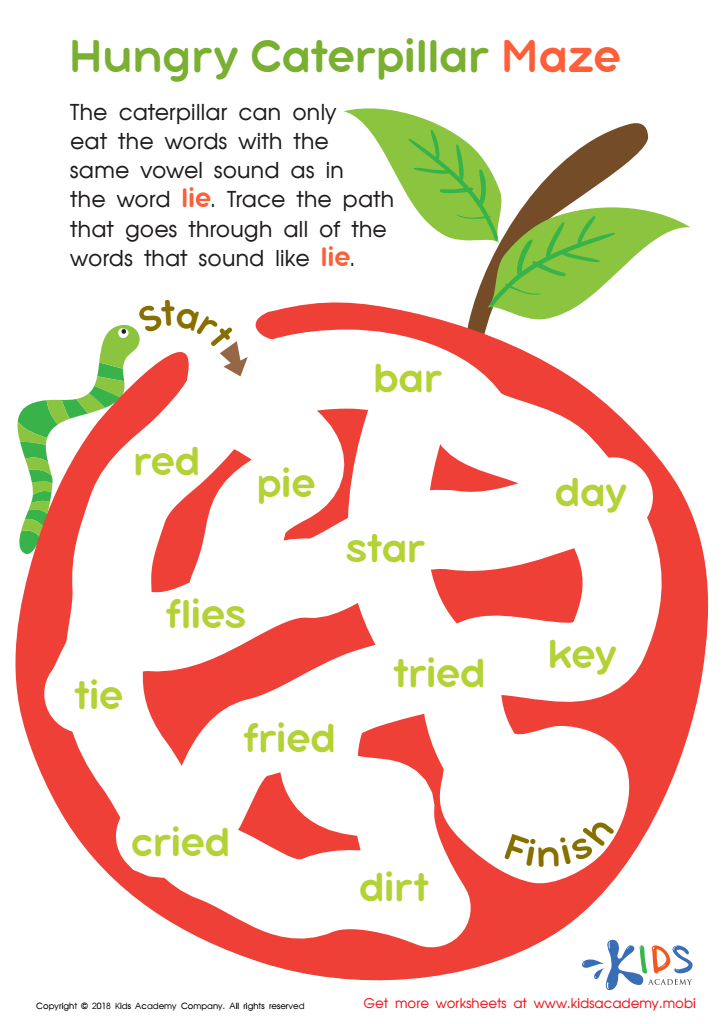
Hungry Caterpillar Maze Worksheet
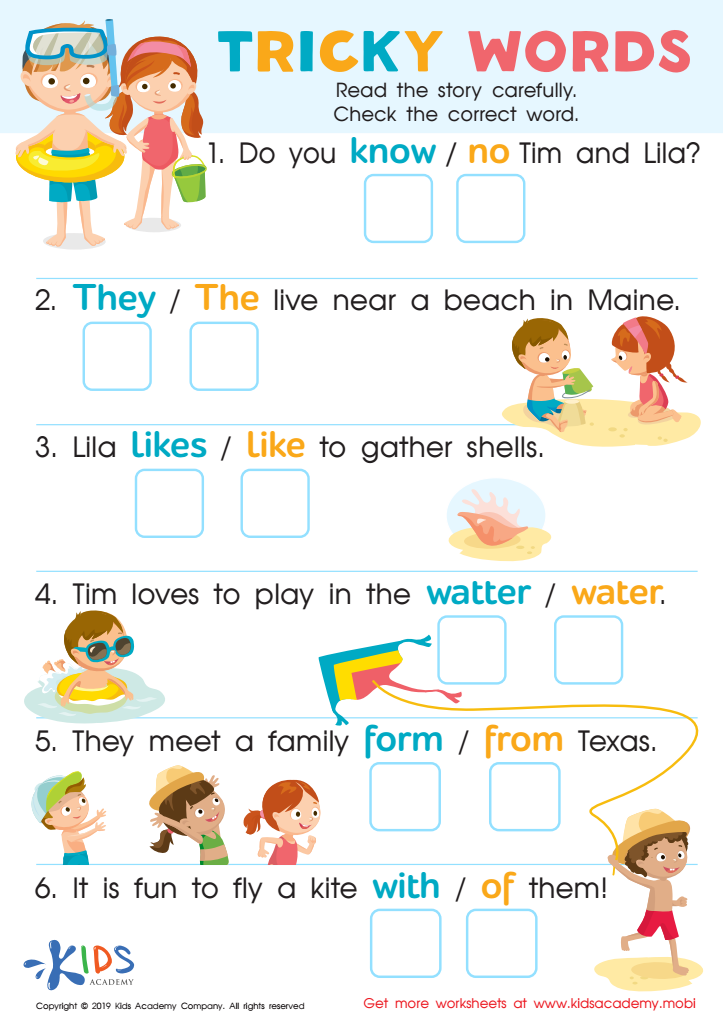
Tricky Words Worksheet
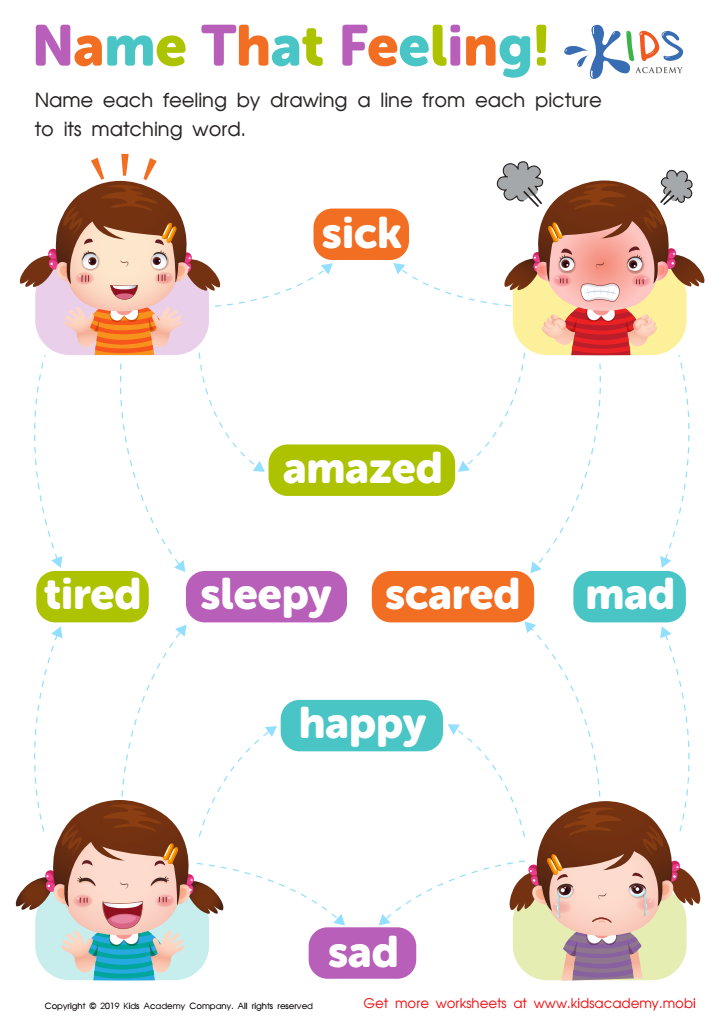
Name that Feeling Worksheet
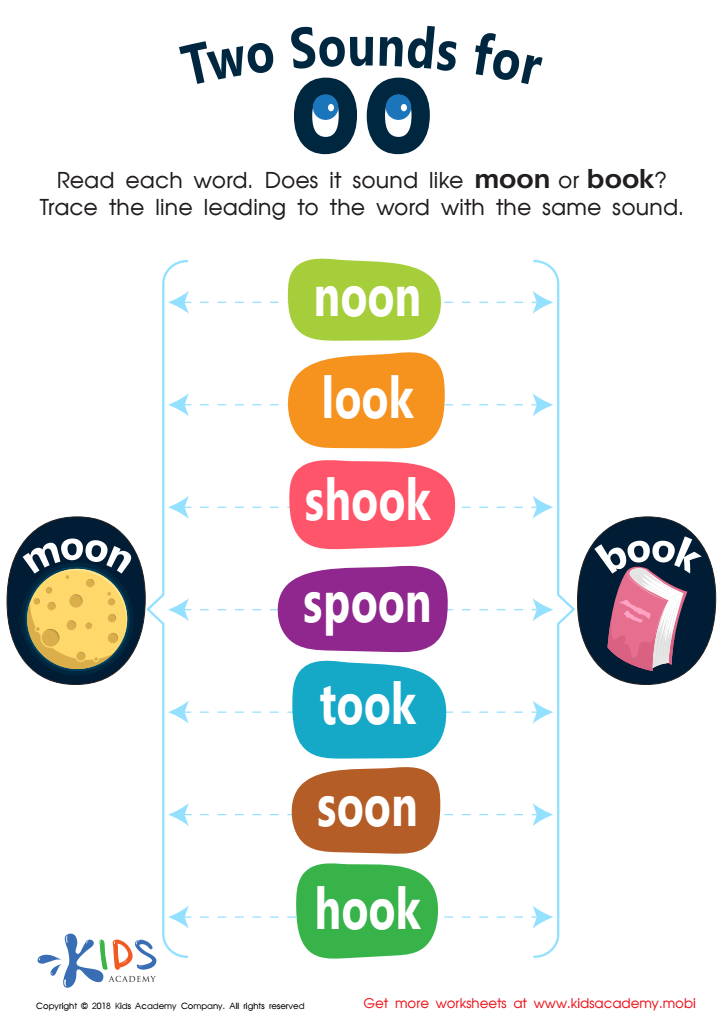
Two Sounds for OO Worksheet
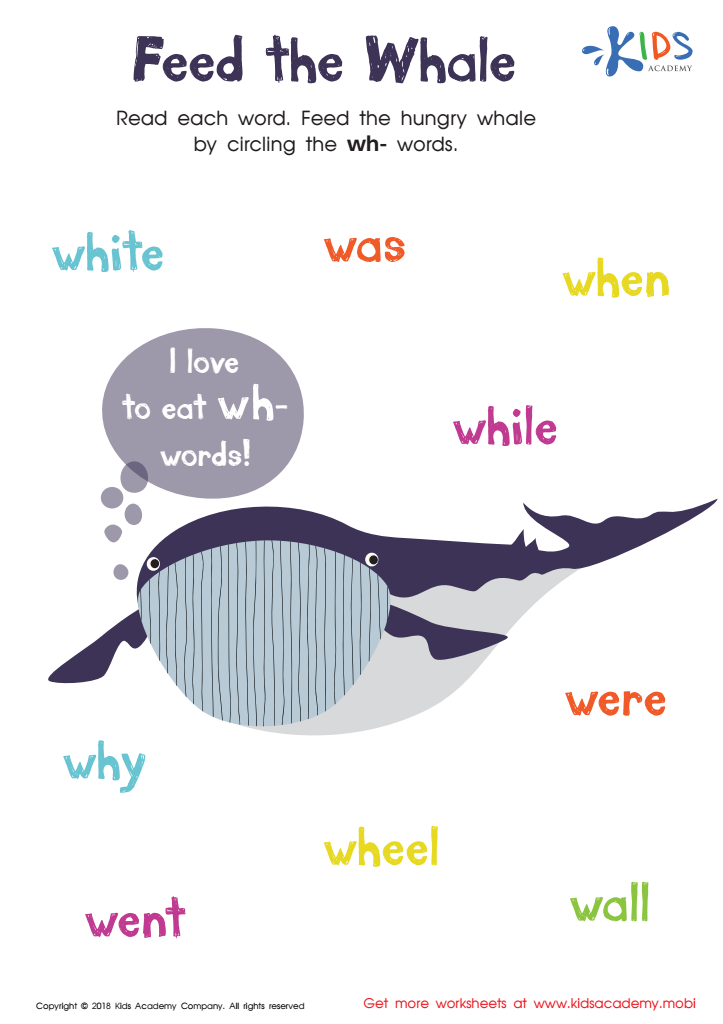
Feed the Whale Worksheet
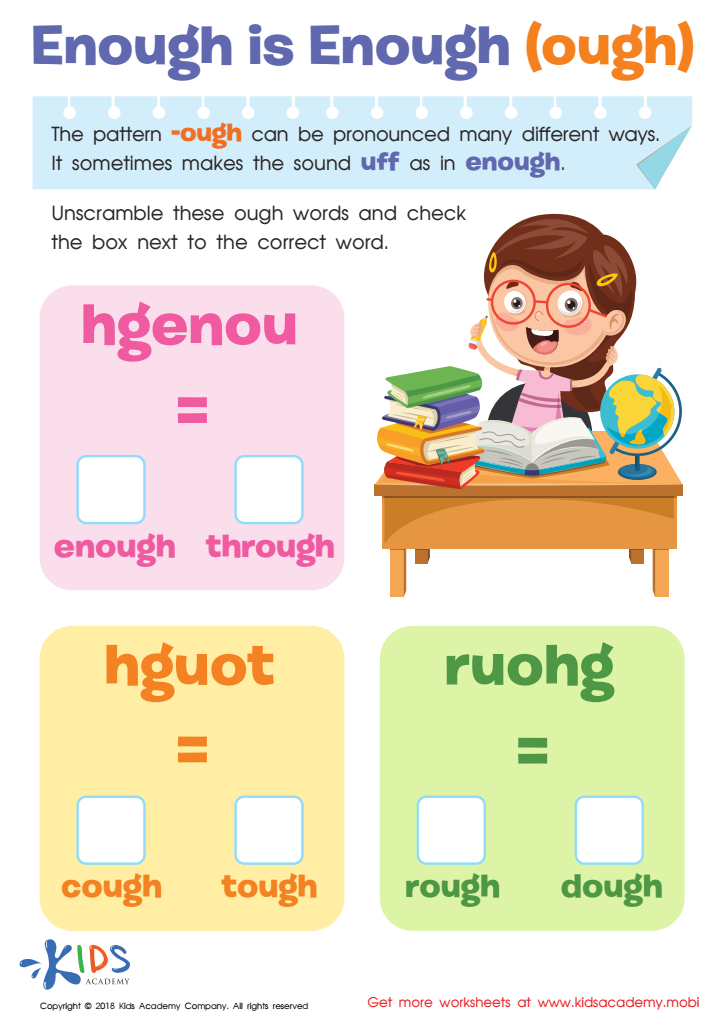
Enough Is Enough (ough) Worksheet
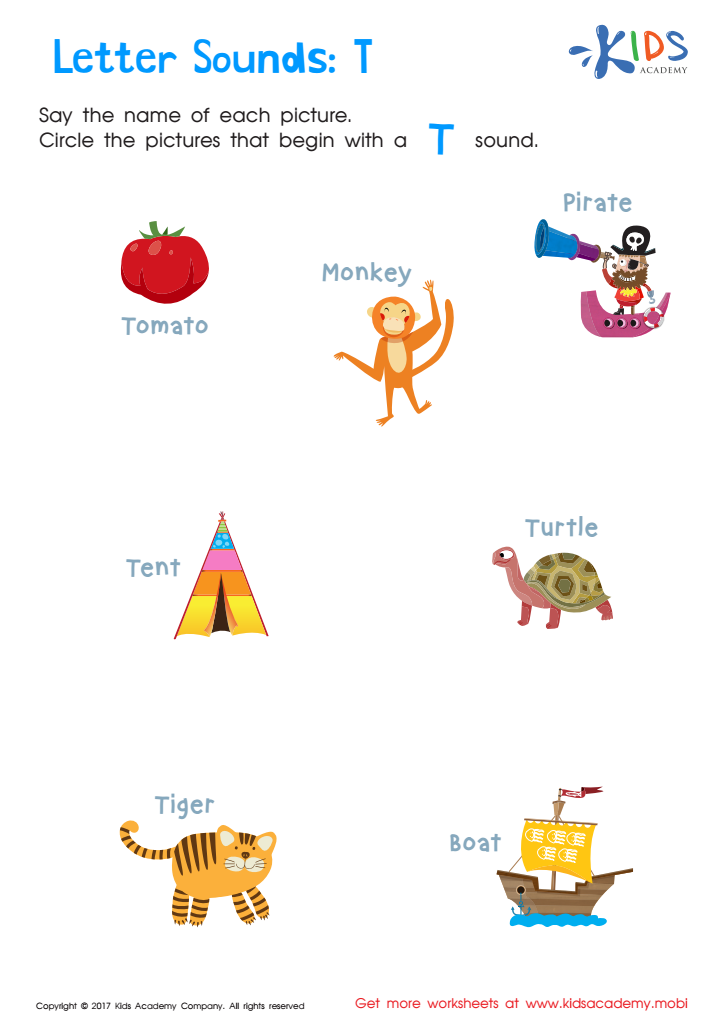
Letter T Sounds Worksheet
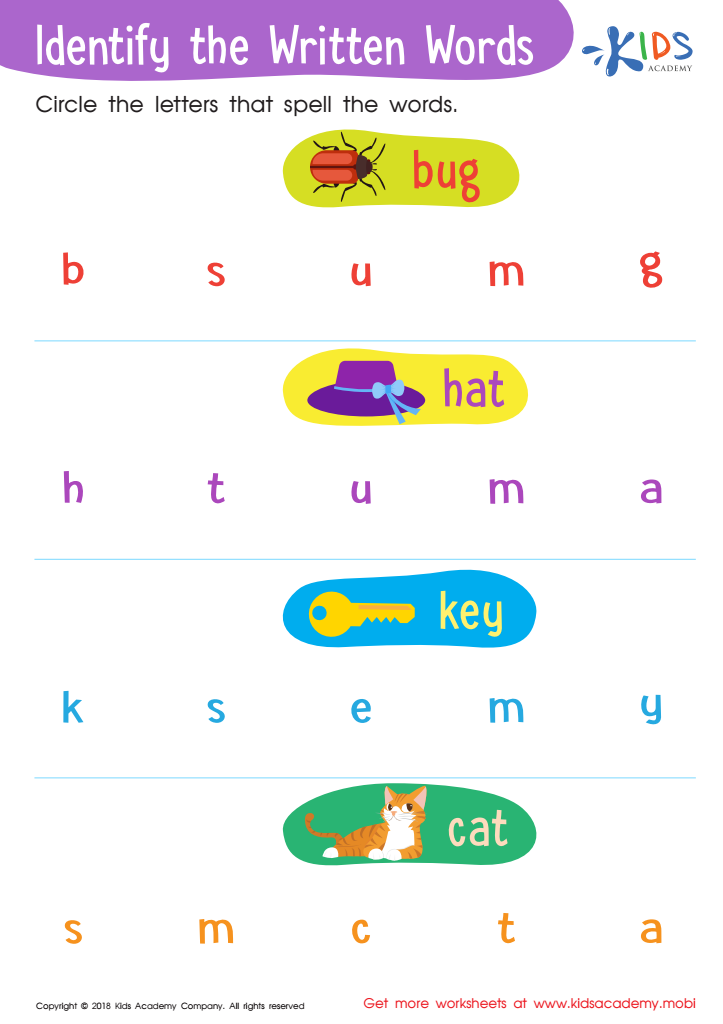
Identify the Written Words Worksheet
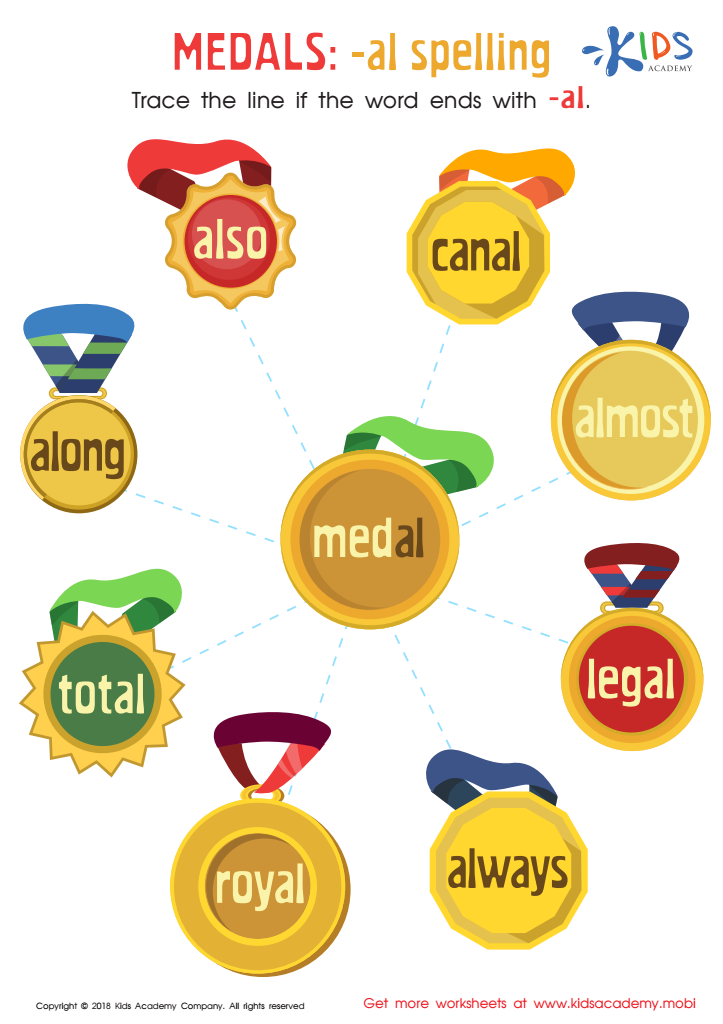
Medals: Al Spelling Worksheet
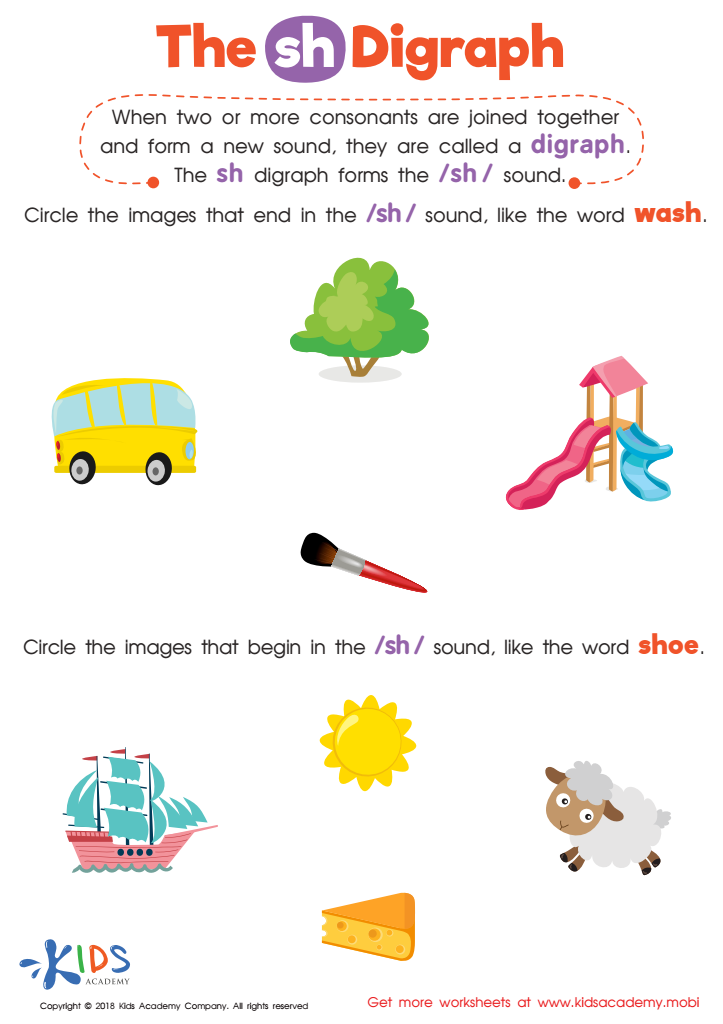
The SH Digraph Worksheet
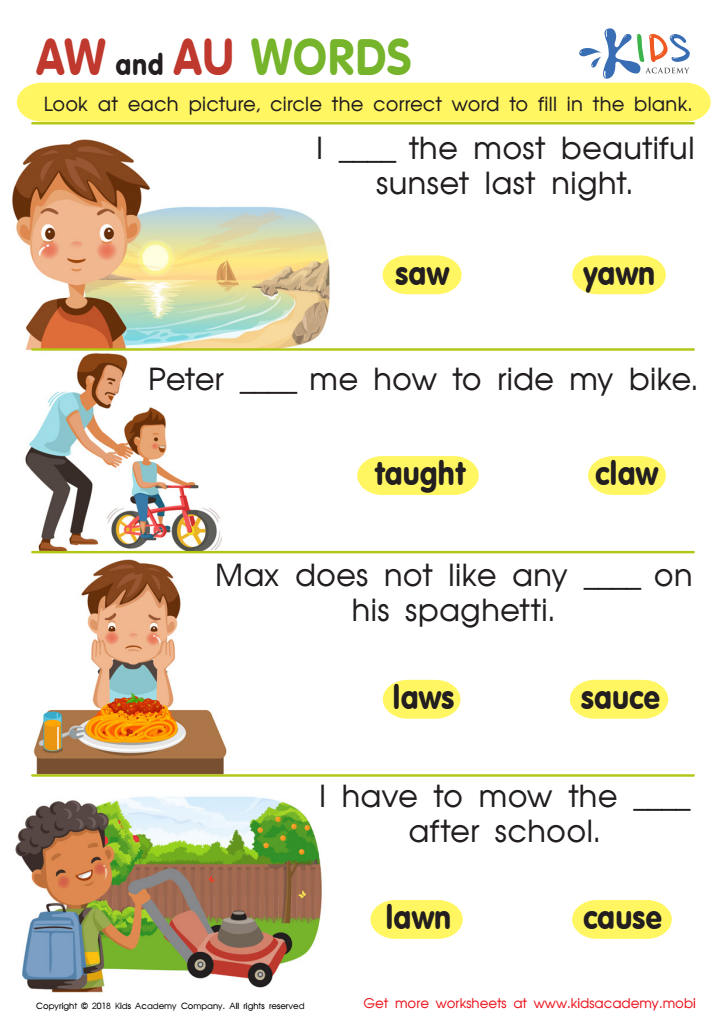
Reading: AW and AU Words Worksheet
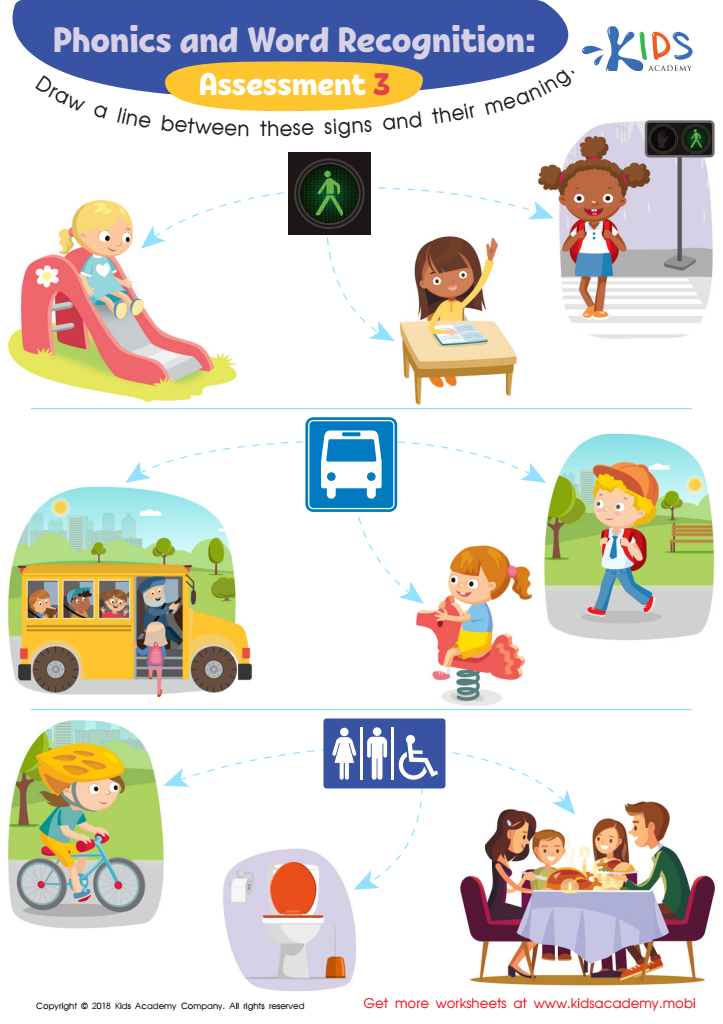
Phonological Awareness: Assessment 3 ELA Worksheet
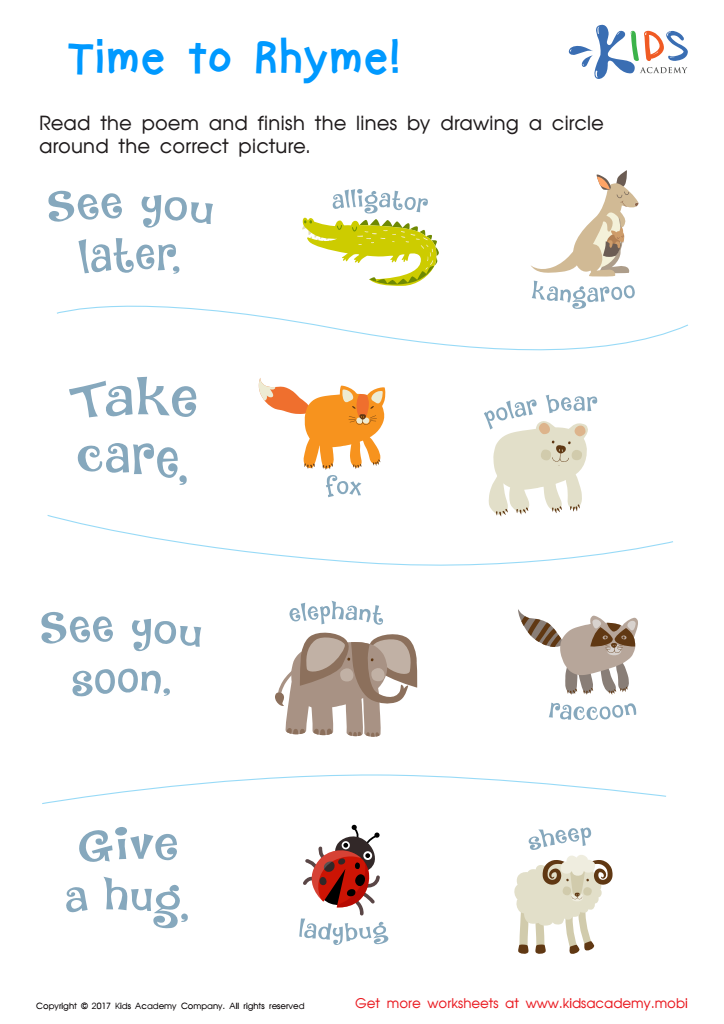
Time to Rhyme Rhyming Worksheet
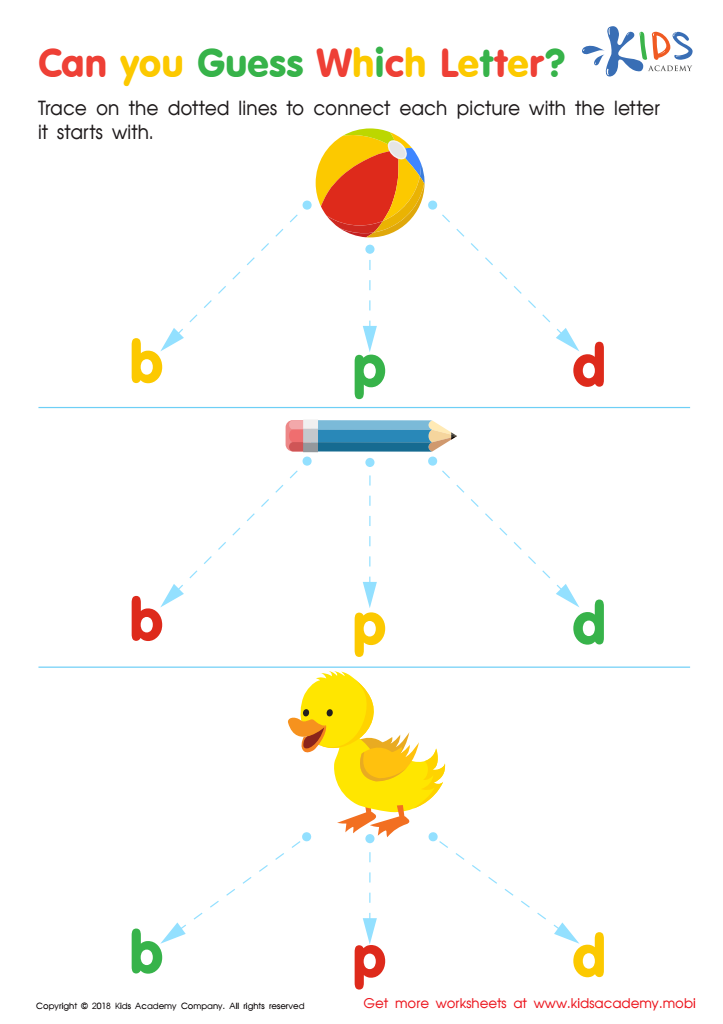
Can you Guess Which Letter? Worksheet
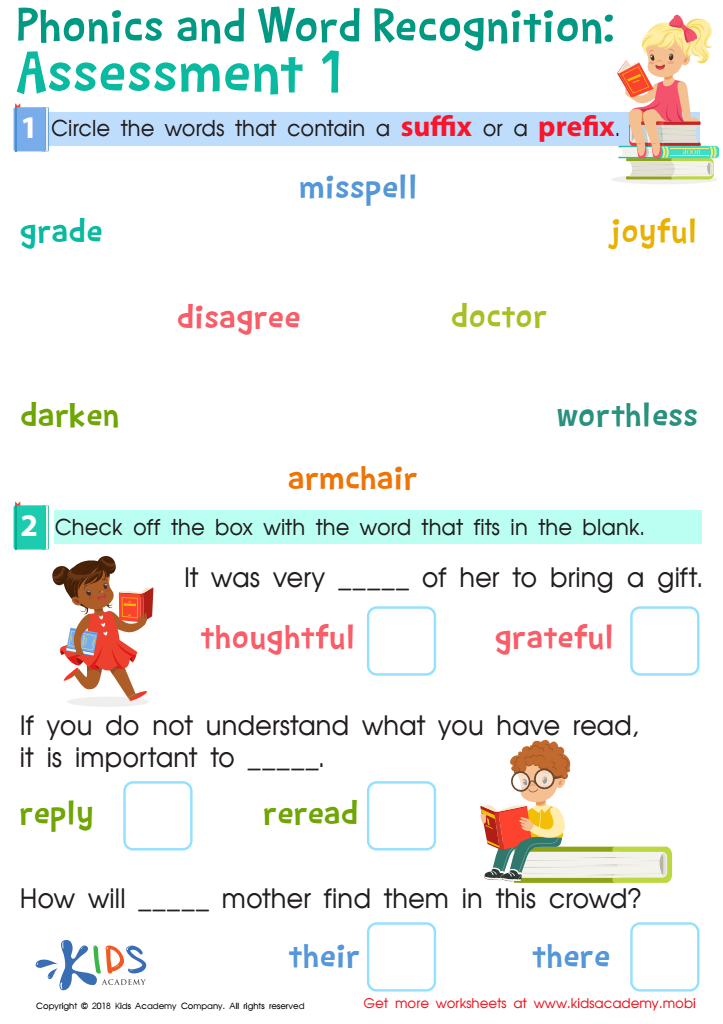
Phonics and Word Recognition: Assessment 1 Worksheet
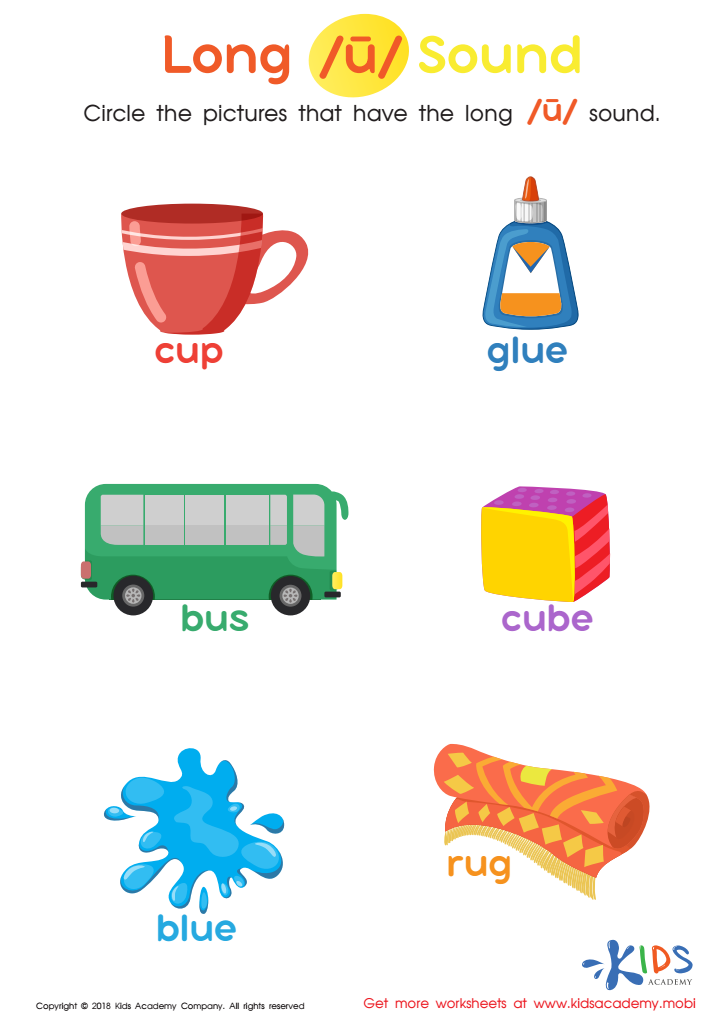
Long «u» Sound Worksheet
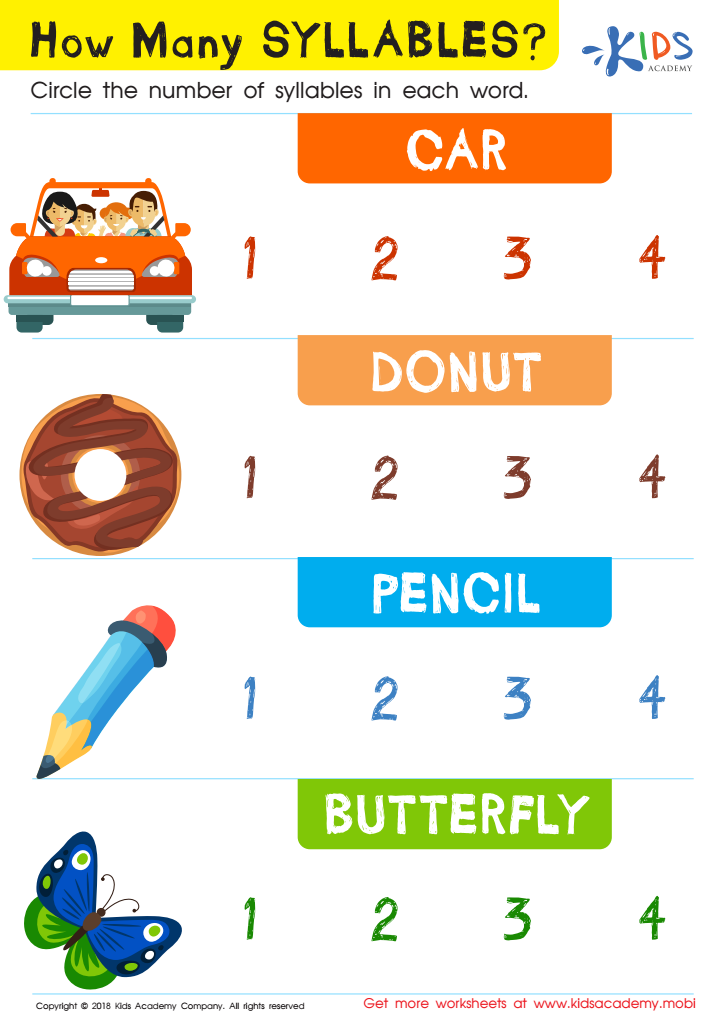
How Many Syllables? Worksheet
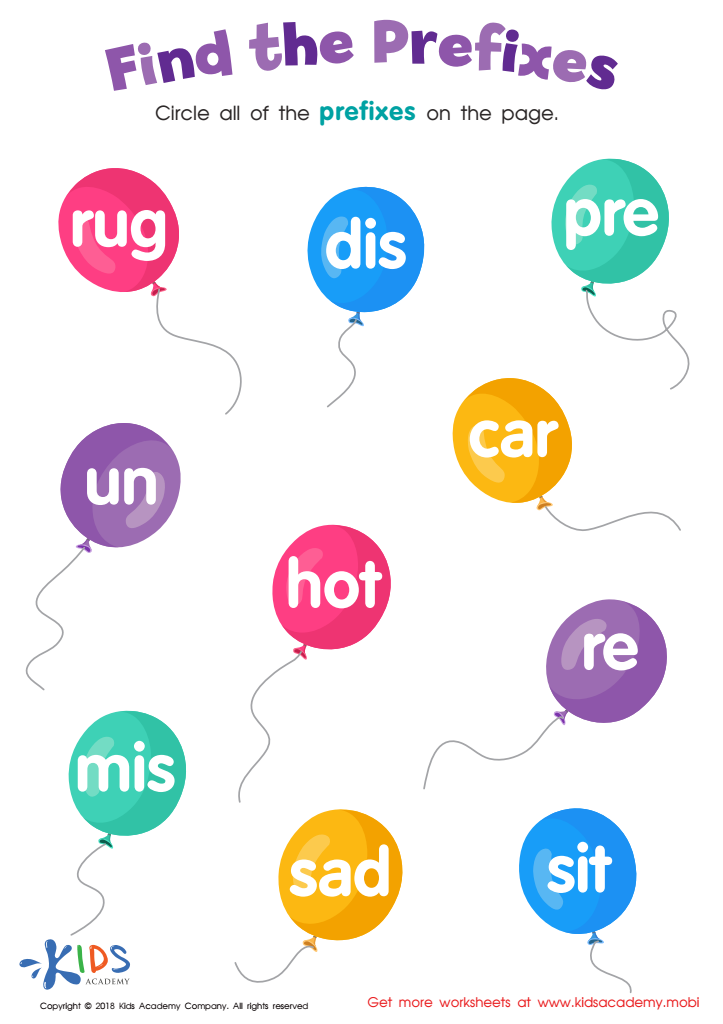
Reading: Find the Prefixes Worksheet
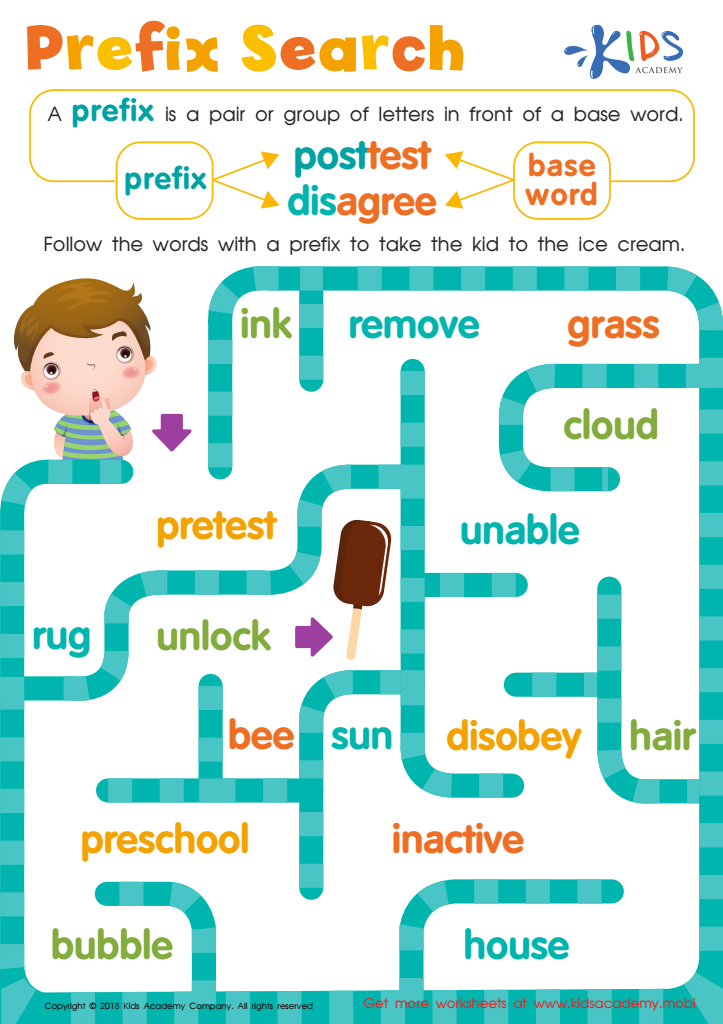
Reading: Prefix Search Worksheet
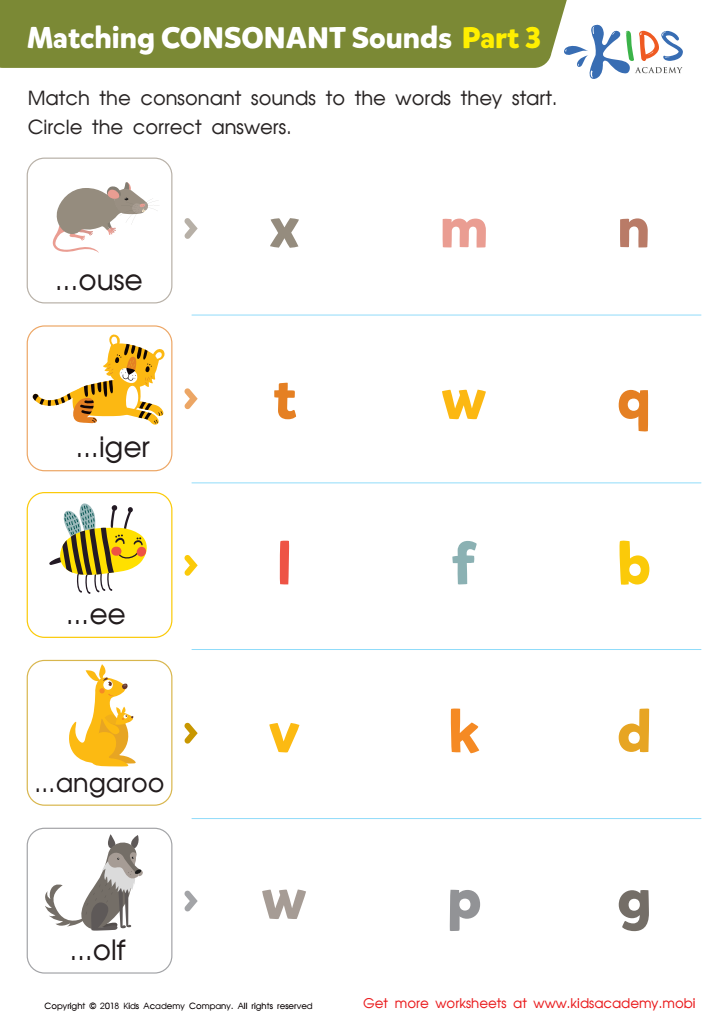
Matching Consonant Sounds: Part 3 Worksheet
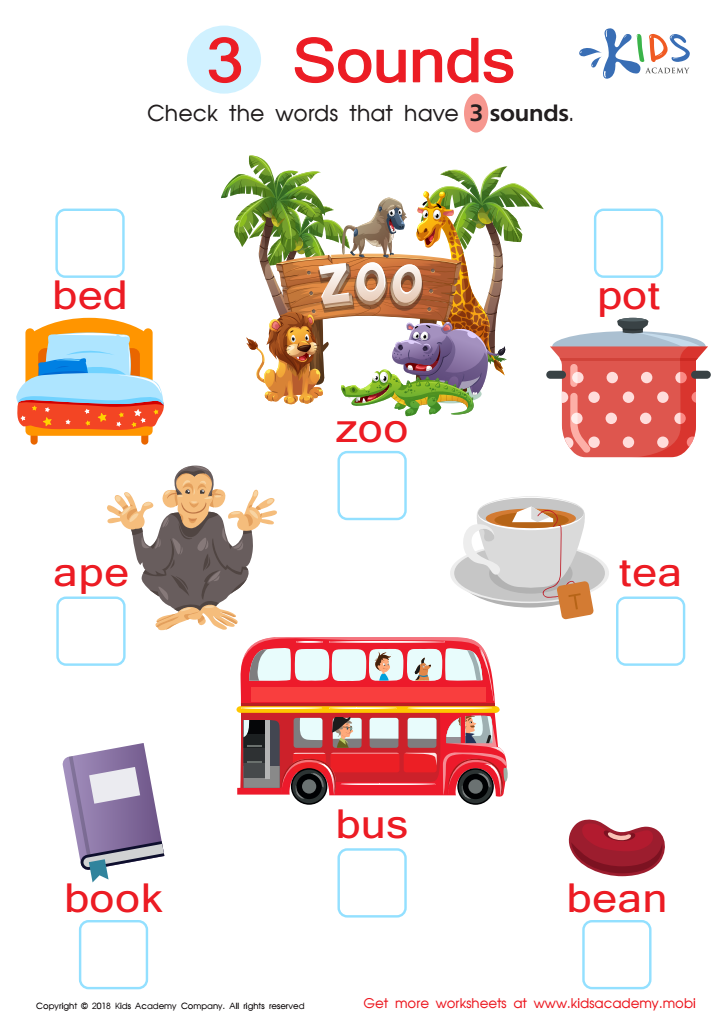
3 Sounds Worksheet
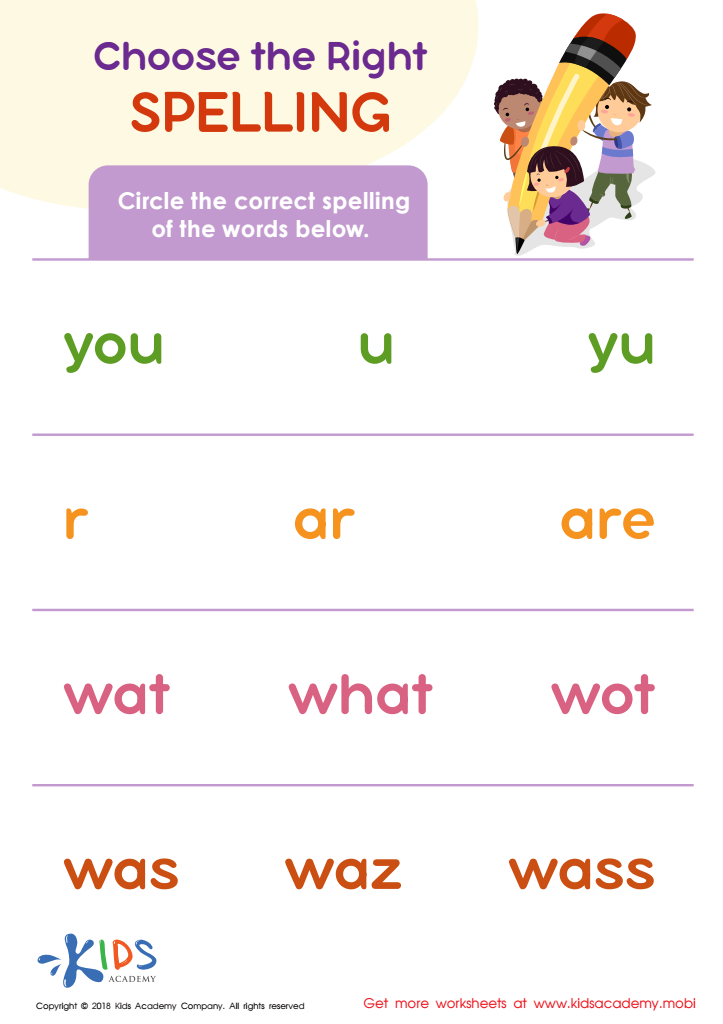
Choose the Right Spelling Worksheet
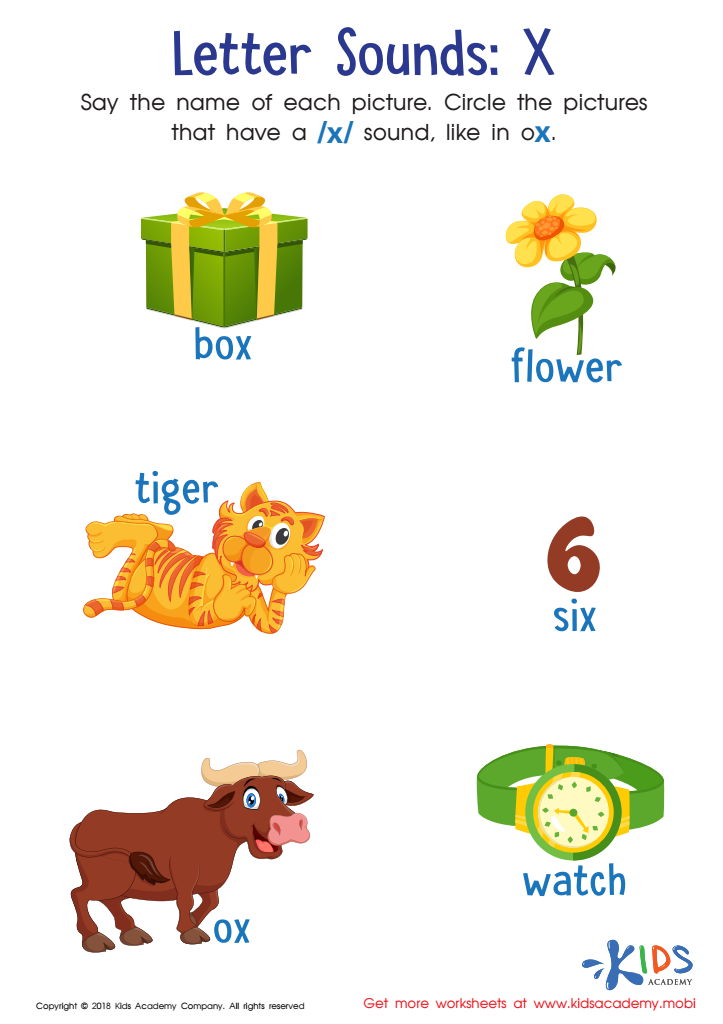
Letter X Sounds Worksheet








Phonics instruction is foundational for young children, particularly those aged 3-9, because it equips them with the skills necessary for reading success. Learning phonics means understanding the relationship between letters and their corresponding sounds, which is crucial for decoding new words. This ability fosters independent reading and boosts confidence. Early proficiency in phonics lays the groundwork for later literacy, enabling children to read more complex texts with ease and comprehension.
For parents and teachers, instilling phonics skills contributes significantly to a child's educational journey. Children who master phonics early on are more likely to develop a lifelong love of reading, which affects their performance across all subjects. Poor reading skills, on the other hand, can lead to struggles with comprehension and academic achievement, creating frustration and a negative attitude toward learning.
Engaging children in playful, interactive phonics activities also promotes cognitive development and verbal skills. For parents, these moments offer bonding opportunities and underscore the value of education. For teachers, implementing structured and systematic phonics instruction in the curriculum supports diverse learners, ensuring every child has the tools to succeed.
In essence, phonics is not just about reading; it's about laying a solid educational foundation that benefits a child's overall development and future academic prospects.







