Space Worksheets for Ages 3-9 - Page 2
42 filtered results
-
From - To
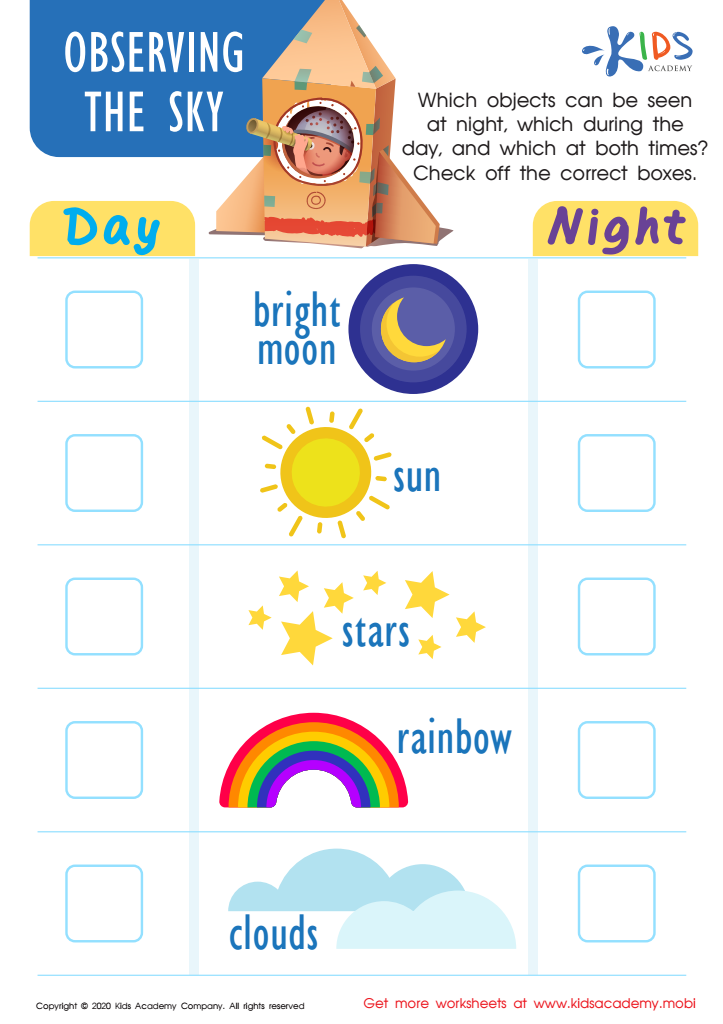
Observing the Sky Worksheet
 Assign to My Students
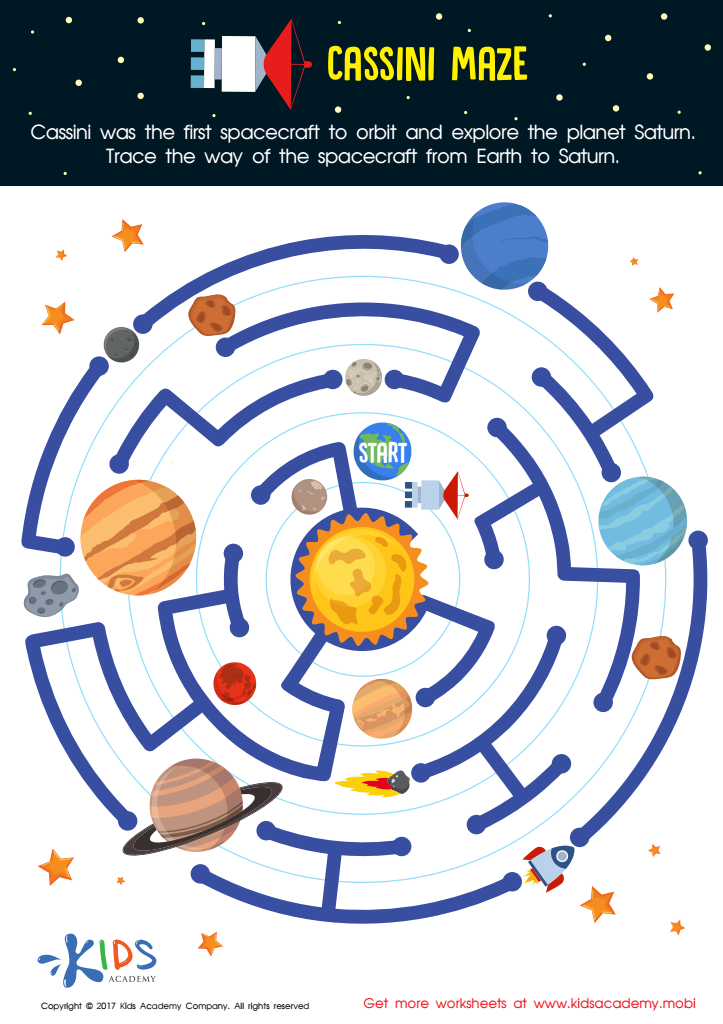
Cassini Printable Worksheet
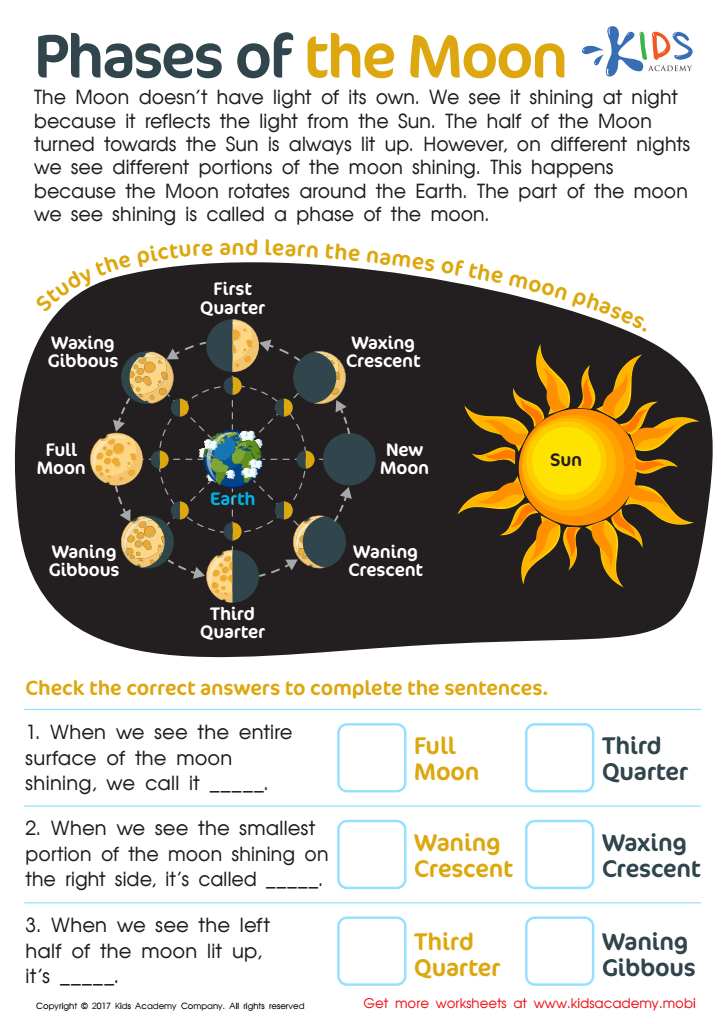
Phases of The Moon Worksheet
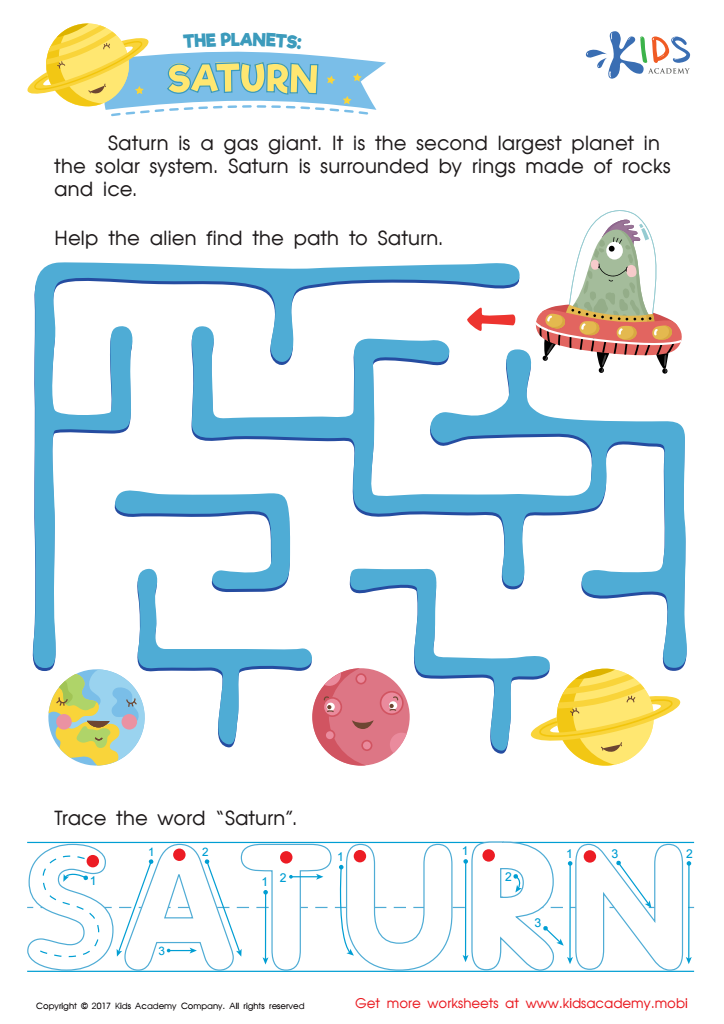
The Planets: Saturn Printable
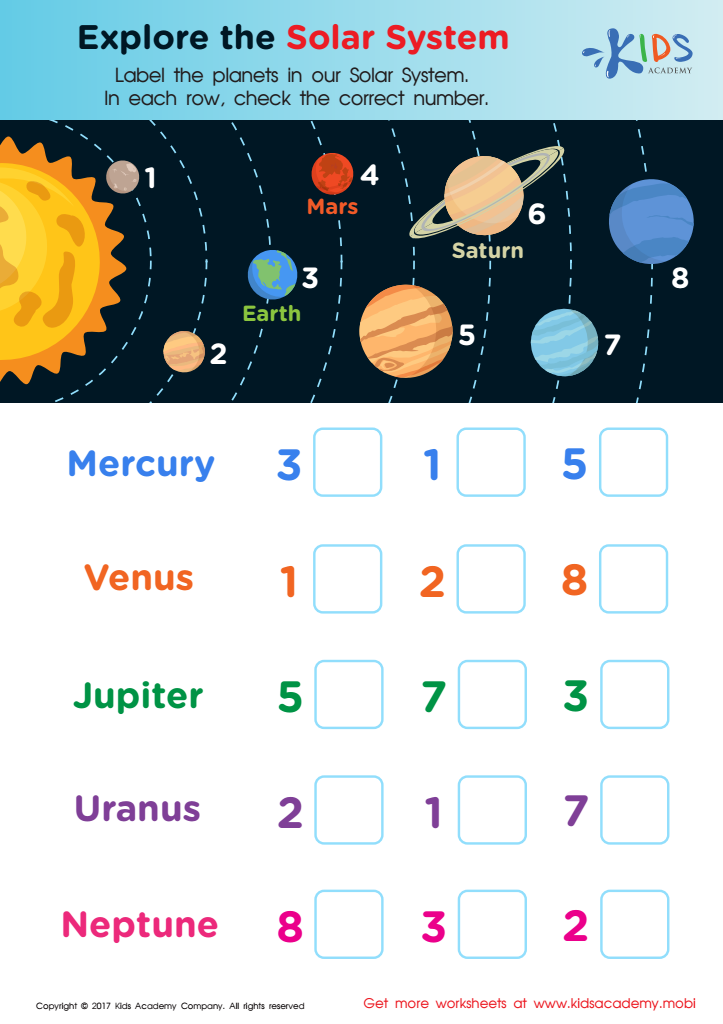
Solar System Planets Worksheet
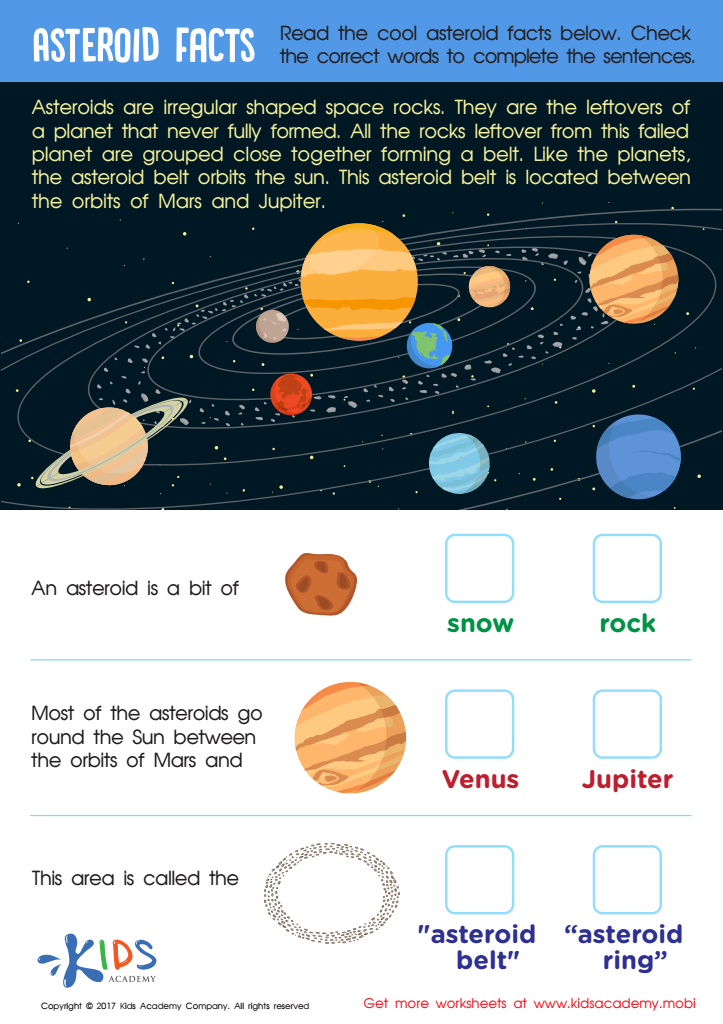
Asteroid Facts Worksheet
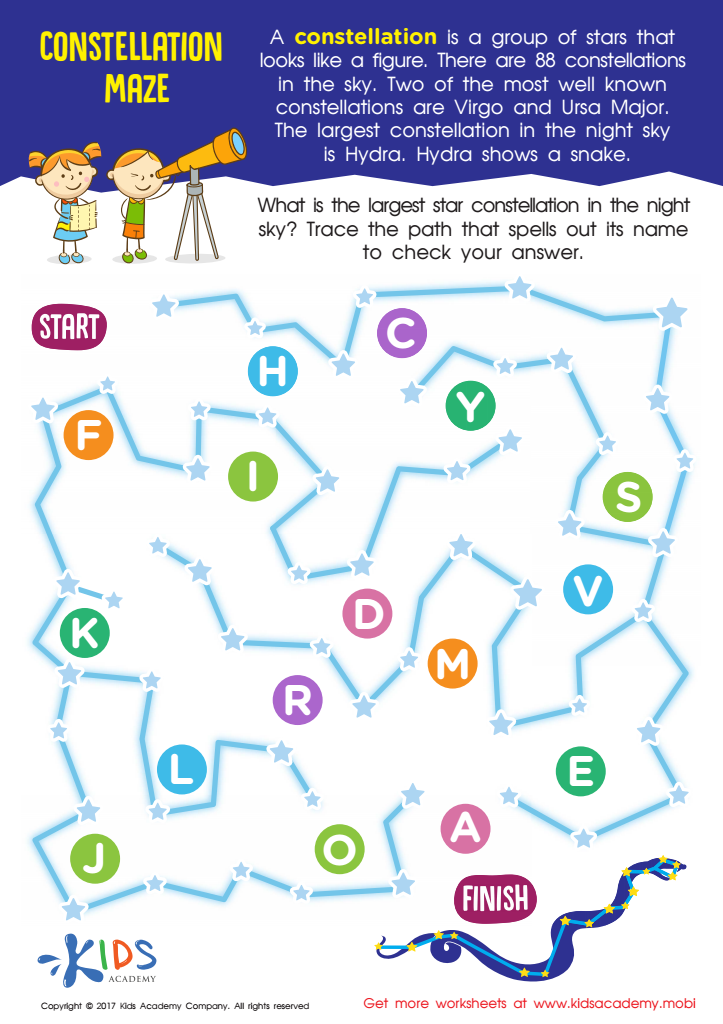
Constellations Worksheet
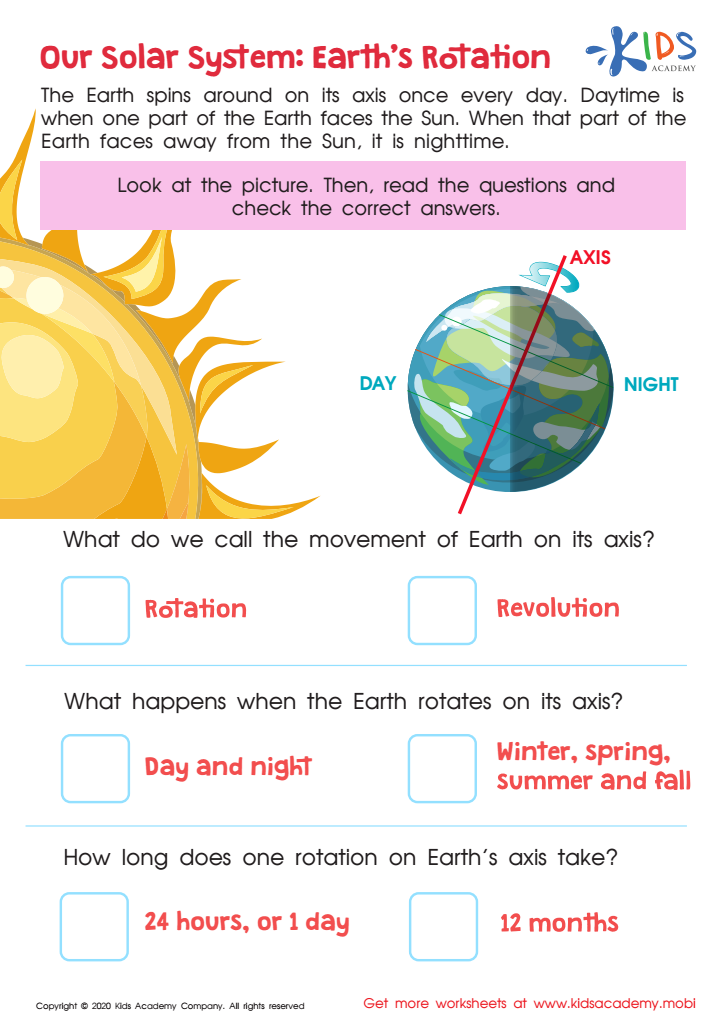
Our Solar System: Earth's Rotation Printable
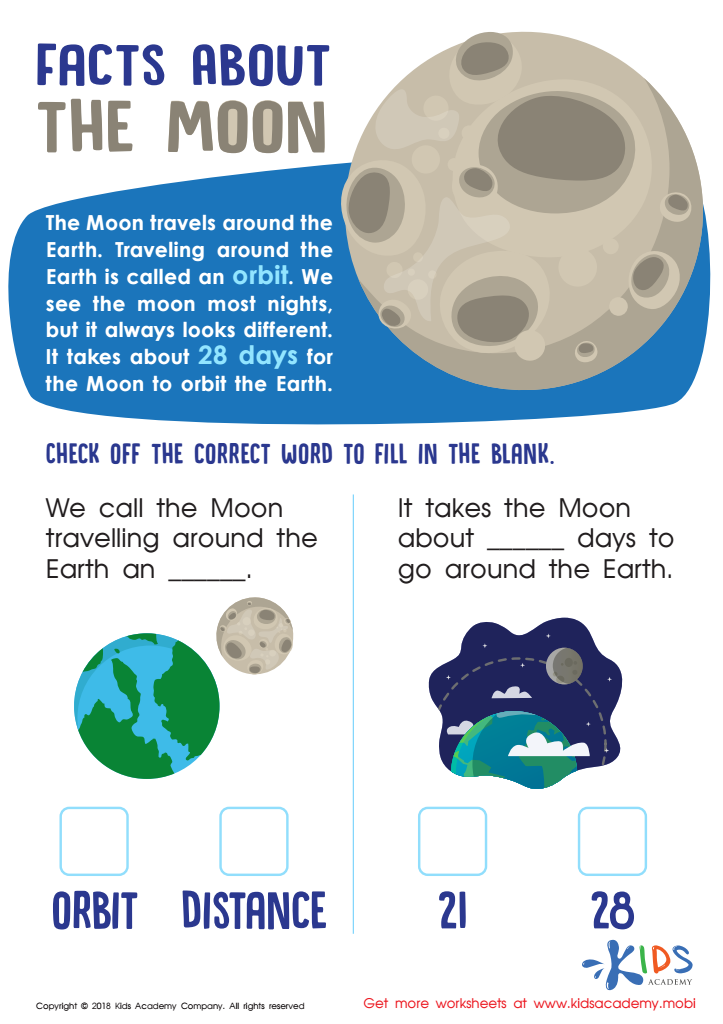
Facts About the Moon Worksheet
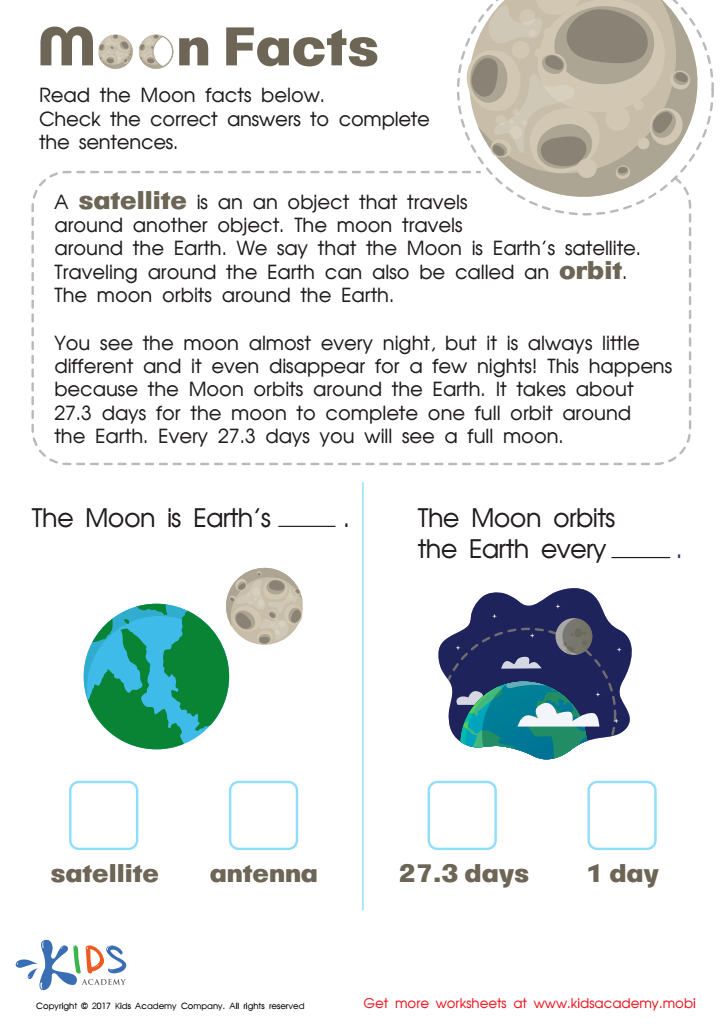
Moon Facts Worksheet
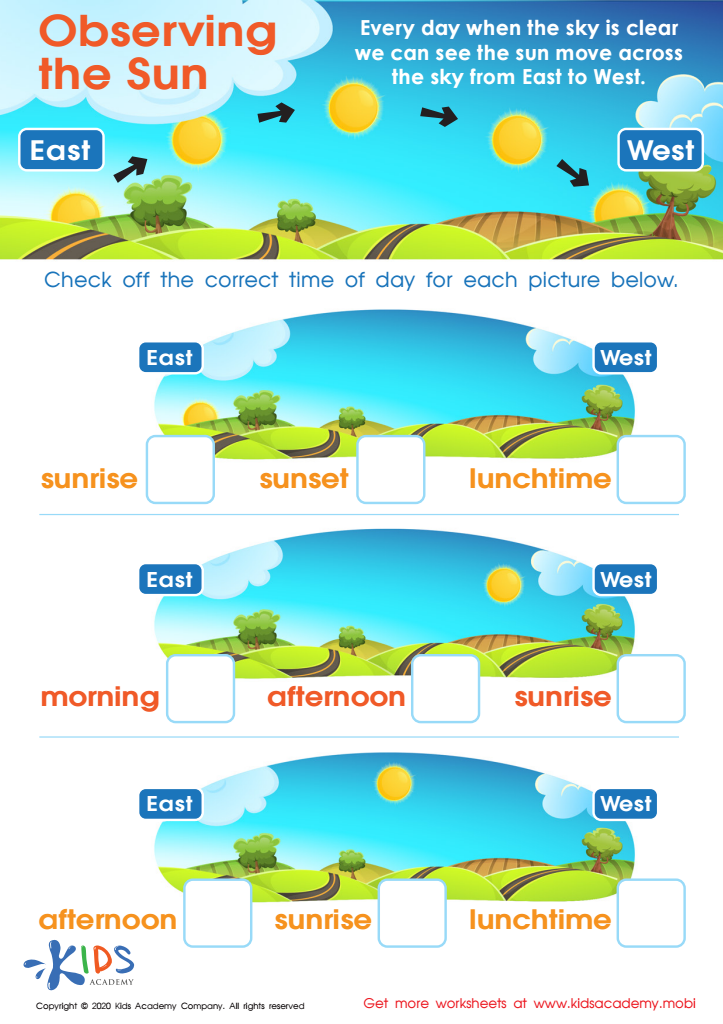
Observing the Sun Worksheet
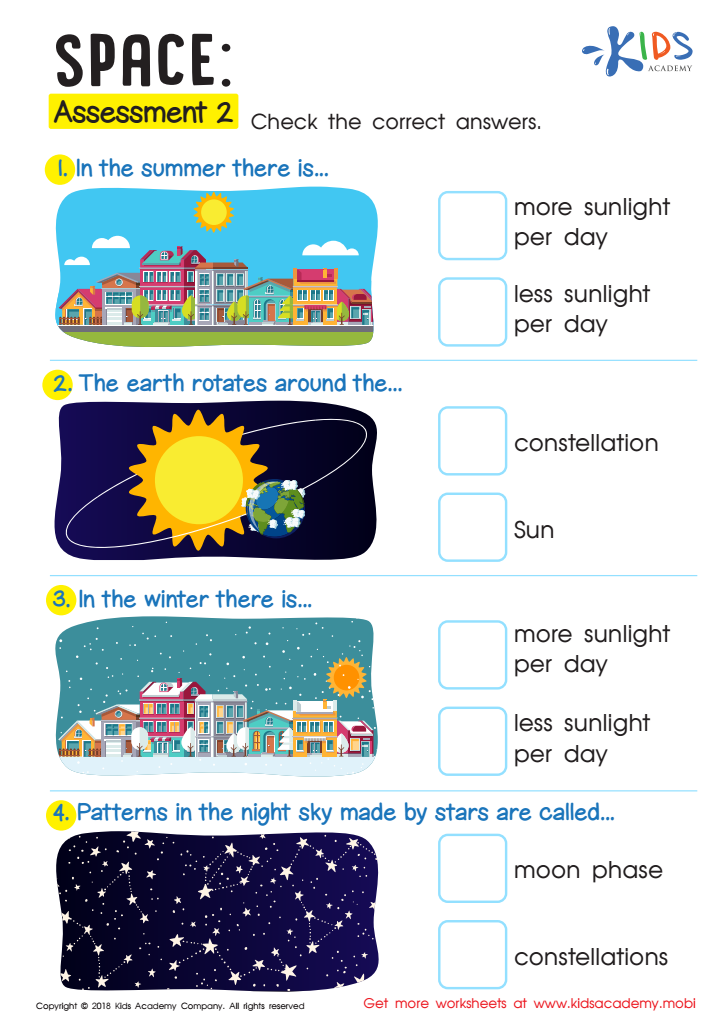
Space: Assessment 2 Worksheet
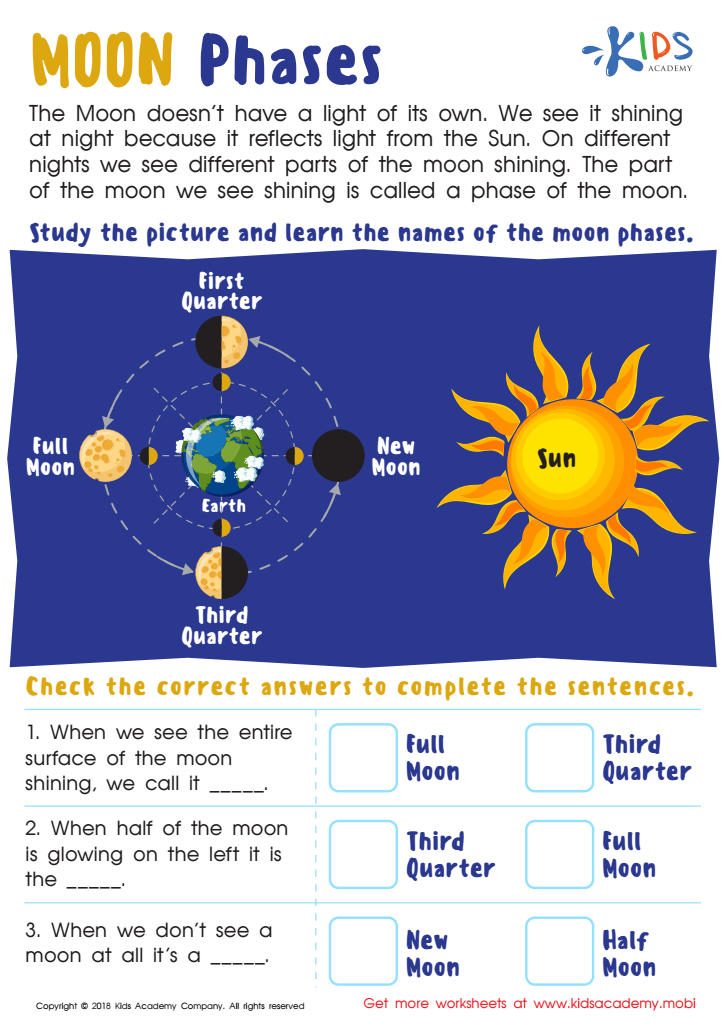
Moon Phases Worksheet
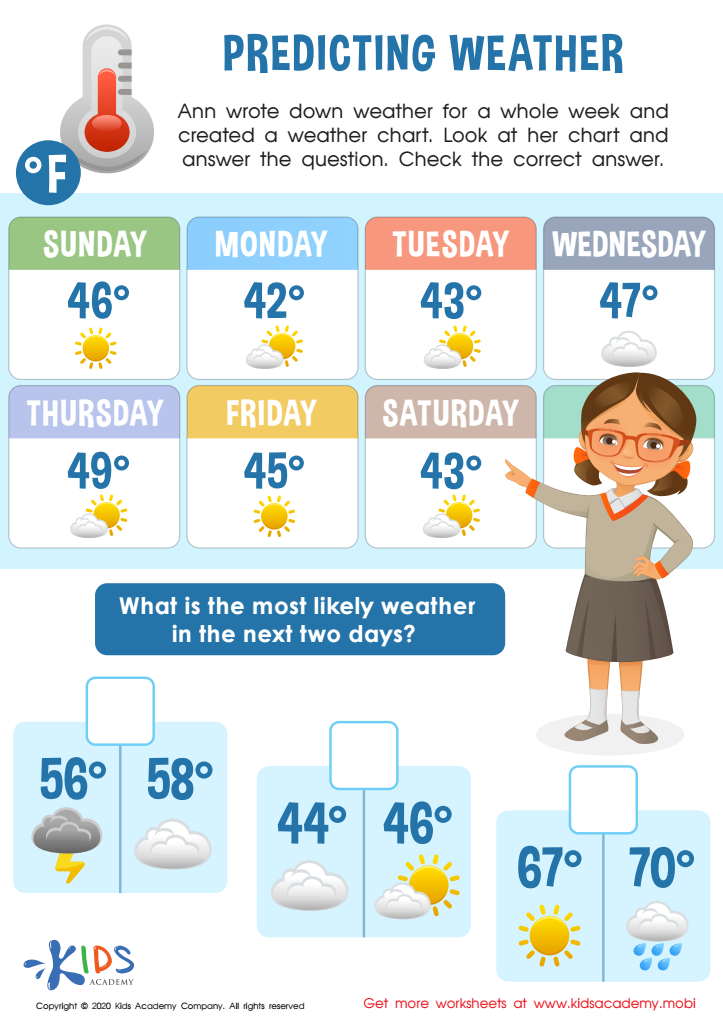
Predicting Weather Worksheet
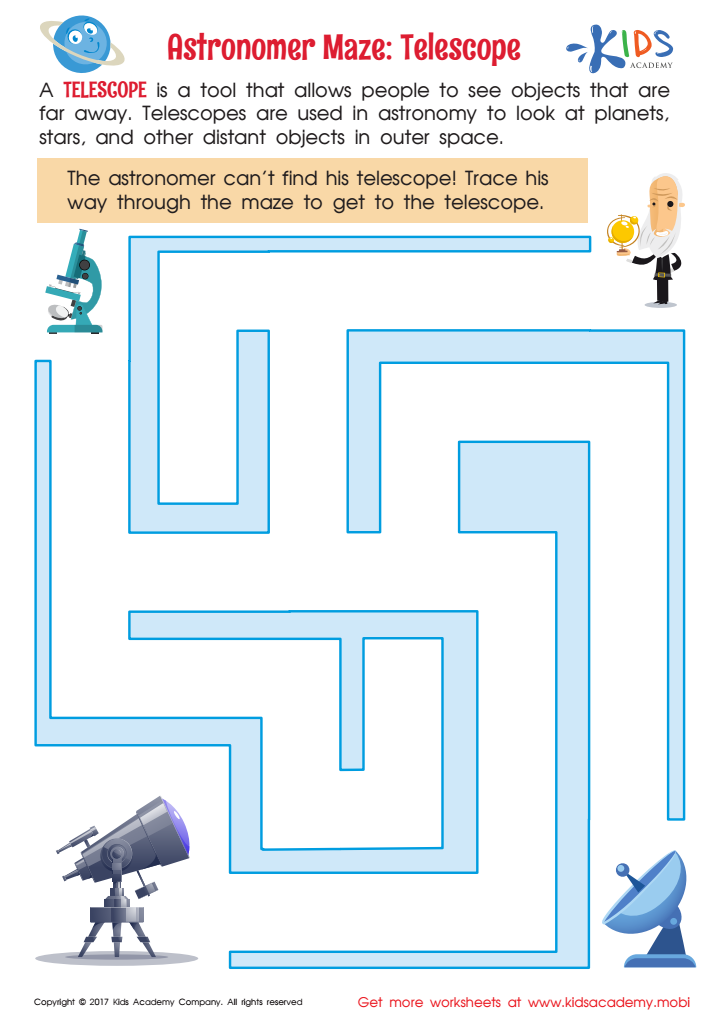
Astronomer Maze: Telescope Worksheet
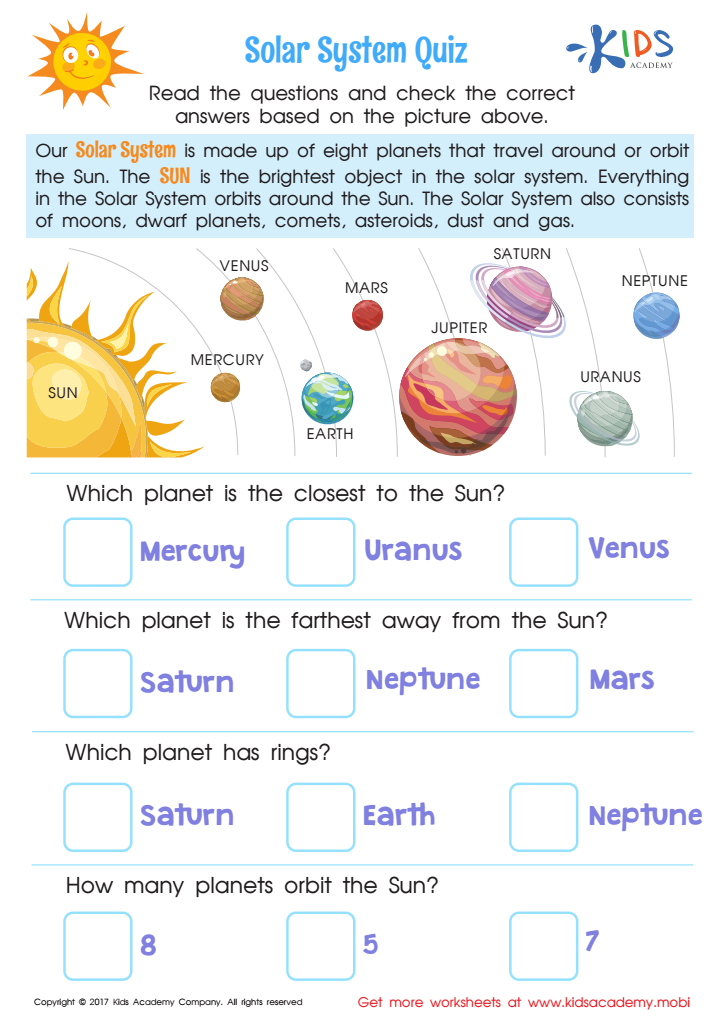
Solar System Quiz Printable
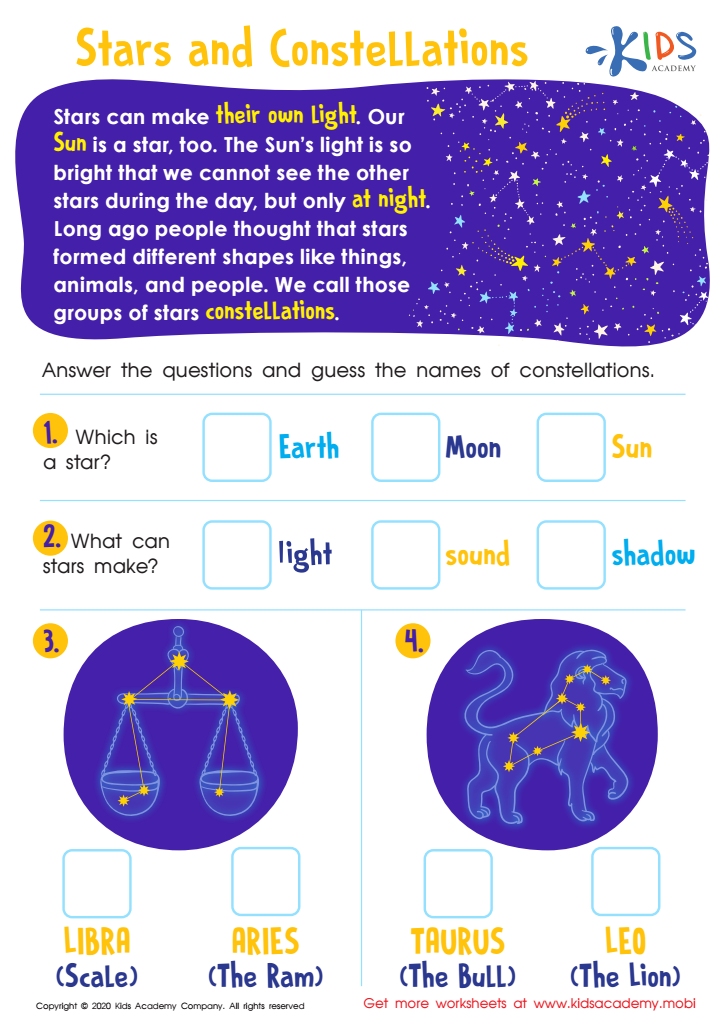
Stars and Constellations Worksheet
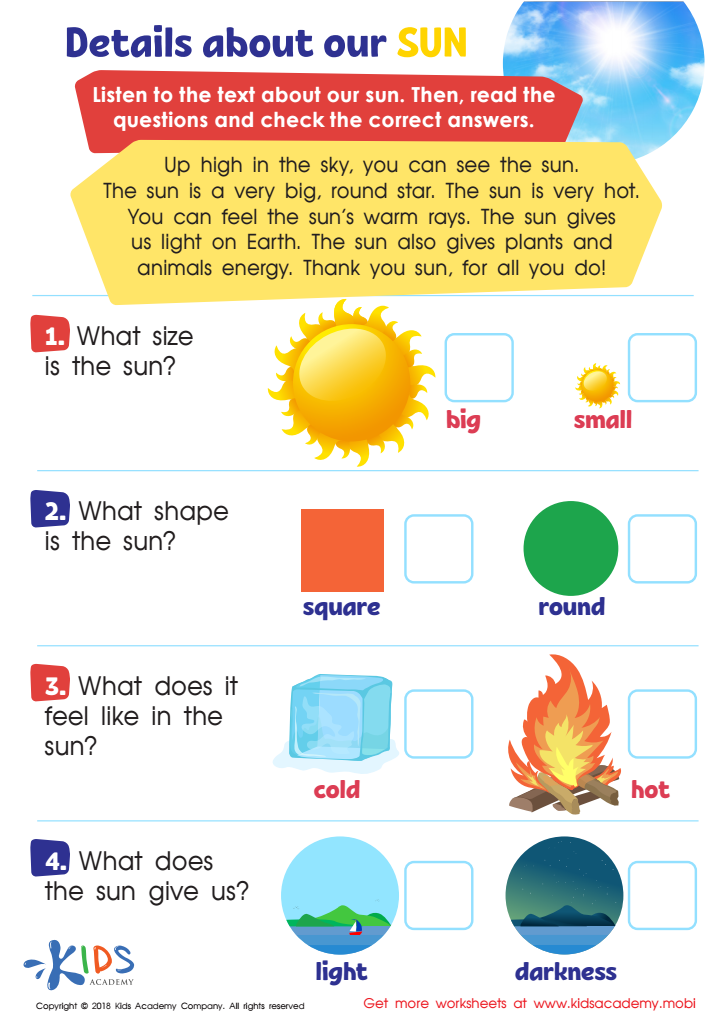
Details About Our Sun Worksheet






.jpg)

Parents and teachers should care about space for children aged 3-9 because it fosters curiosity, creativity, and critical thinking. At this age, children are naturally inquisitive; they ask questions about the universe, where they came from, and what’s beyond the stars. Exploring space concepts helps satisfy this curiosity and encourages a lifelong love of learning.
Introducing space-related topics also enhances literacy and numeracy skills. Children can learn new vocabulary by discussing planets, astronauts, and galaxies, while simple counting exercises can be integrated through counting stars or planets. Engaging with space themes allows for multi-disciplinary learning experiences incorporating science, art, and history.
Moreover, understanding space can inspire future scientific interest and careers. Teaching children about astronauts and the technology used in space exploration can motivate them to dream big and consider STEM (Science, Technology, Engineering, and Mathematics) careers.
By connecting space concepts with everyday experiences and hands-on activities, educators and parents can create a rich, engaging learning environment. Ultimately, nurturing an early fascination with space opens a door to wonders beyond our planet, helping children to think critically about the world and their place within it. This foundational interest can lead to informed, curious, and engaged future citizens.







