Tracing Numbers Worksheets for Ages 4-7 - Page 2
32 filtered results
-
From - To
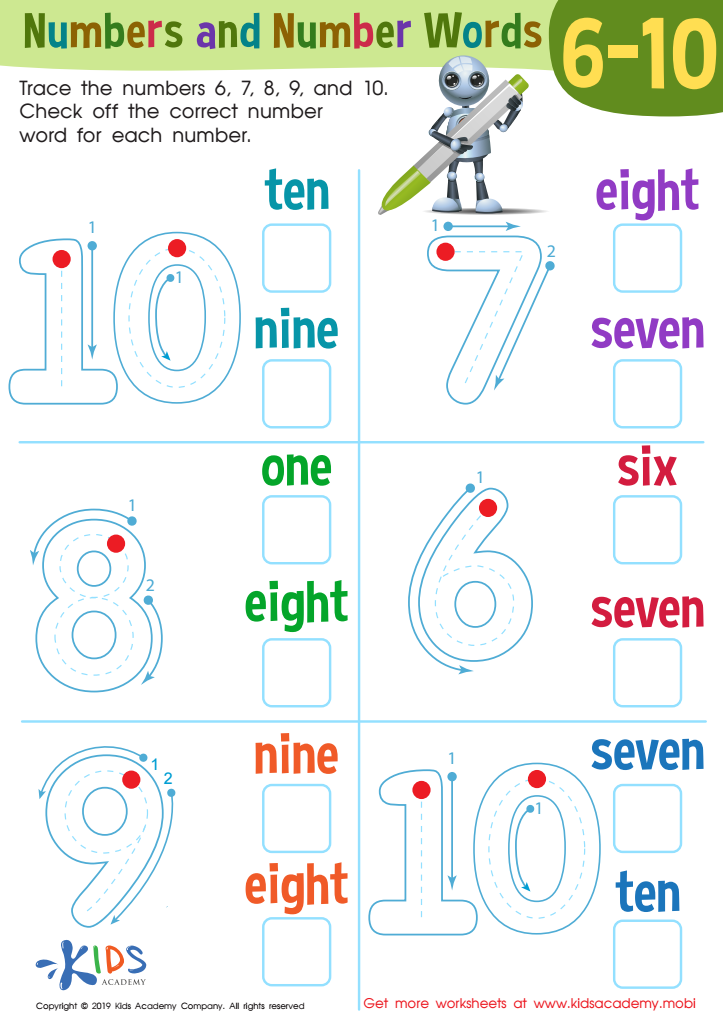
Numbers and Number Words 6–1 Worksheet
 Assign to My Students
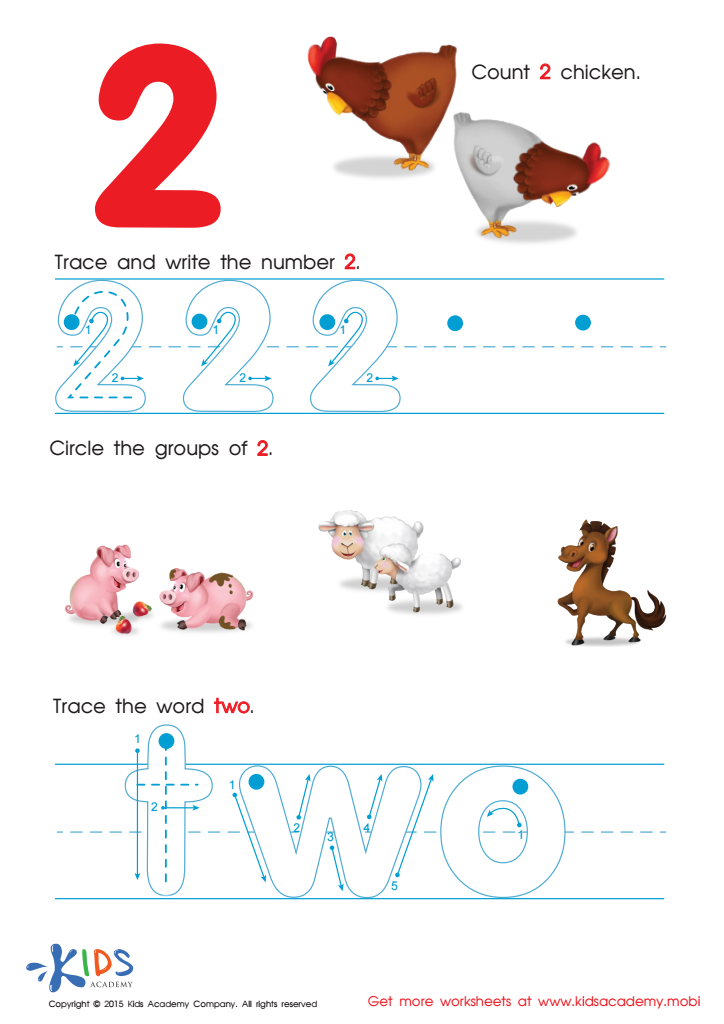
Learn to Write the Number 2 Worksheet
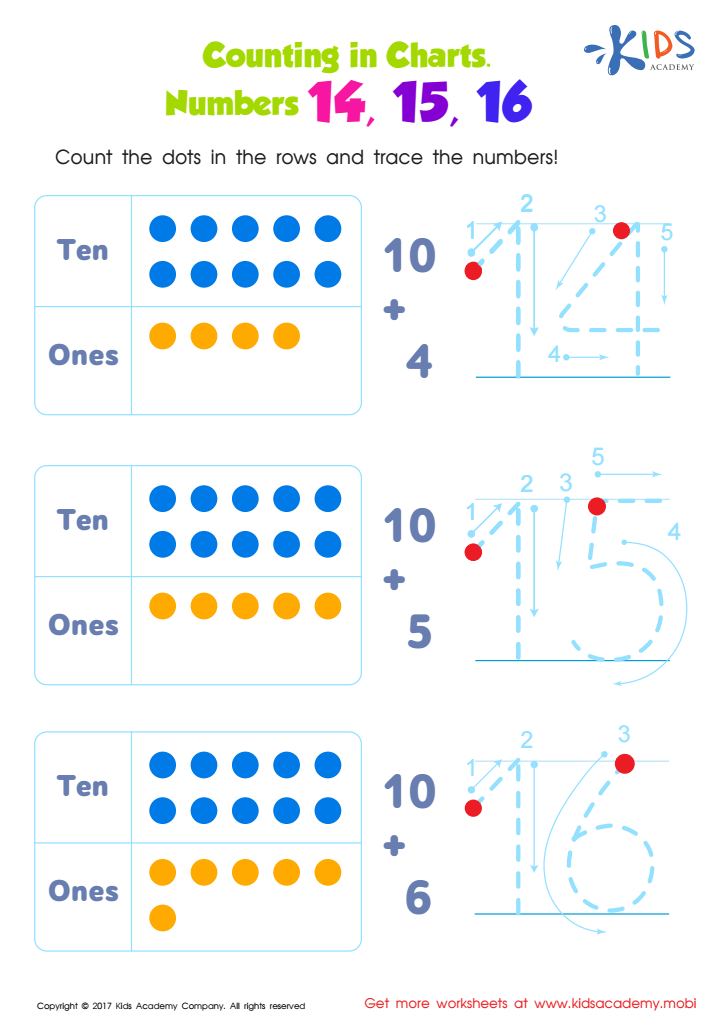
Number Tracing Worksheet

Count the Cherries and Trace the Number 10 Printable
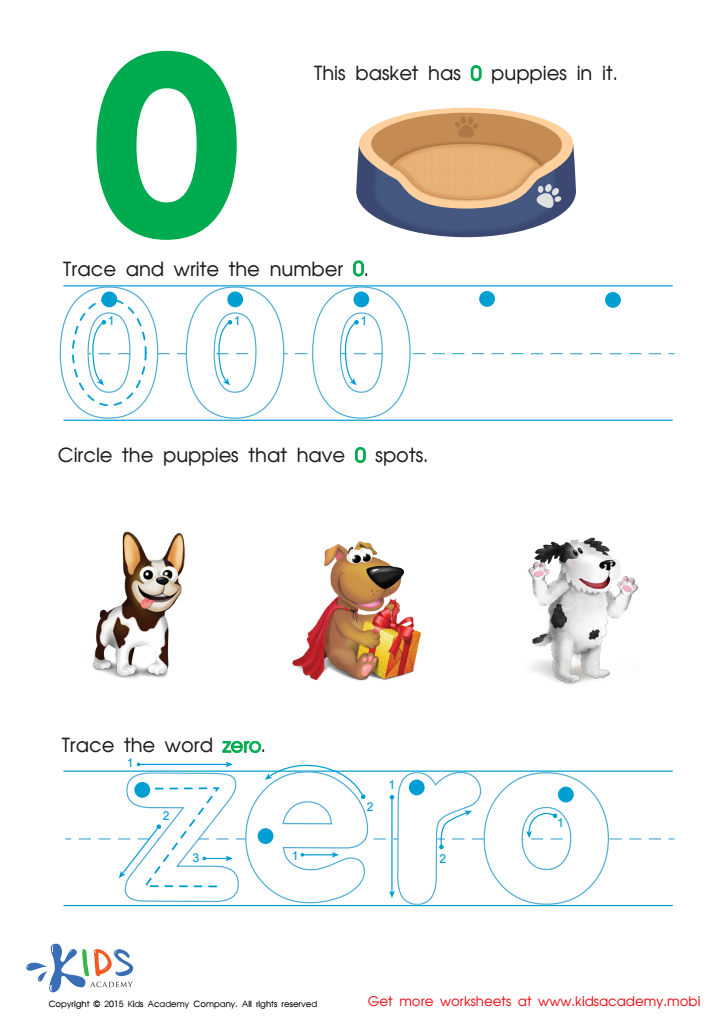
Trace And Write Number 0 Worksheet
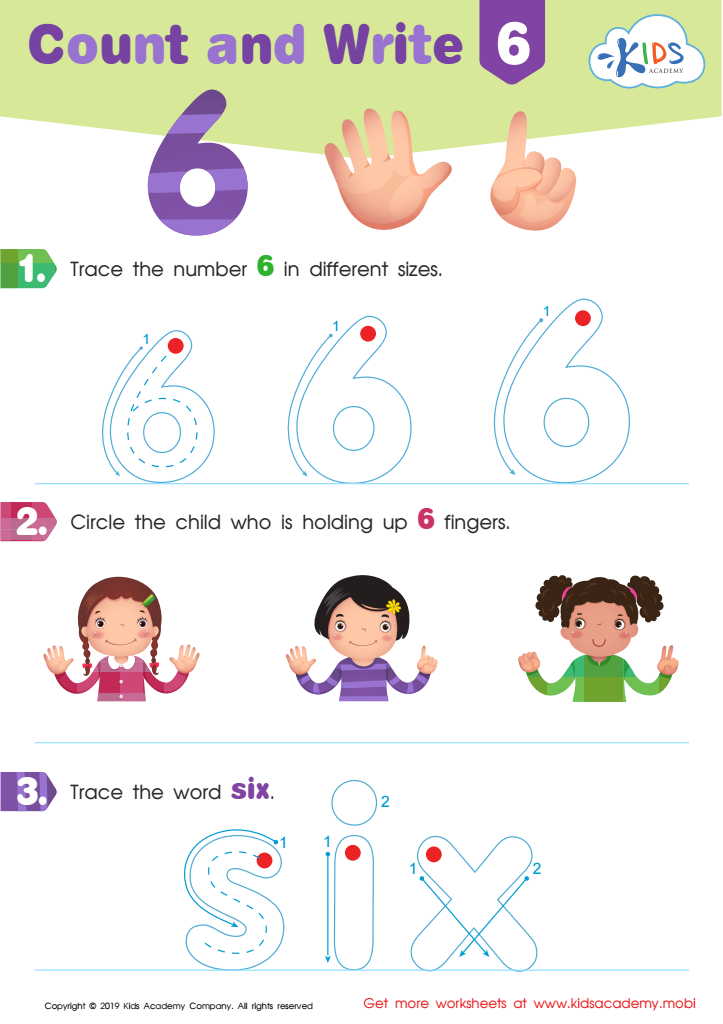
Count and Write 6 Worksheet
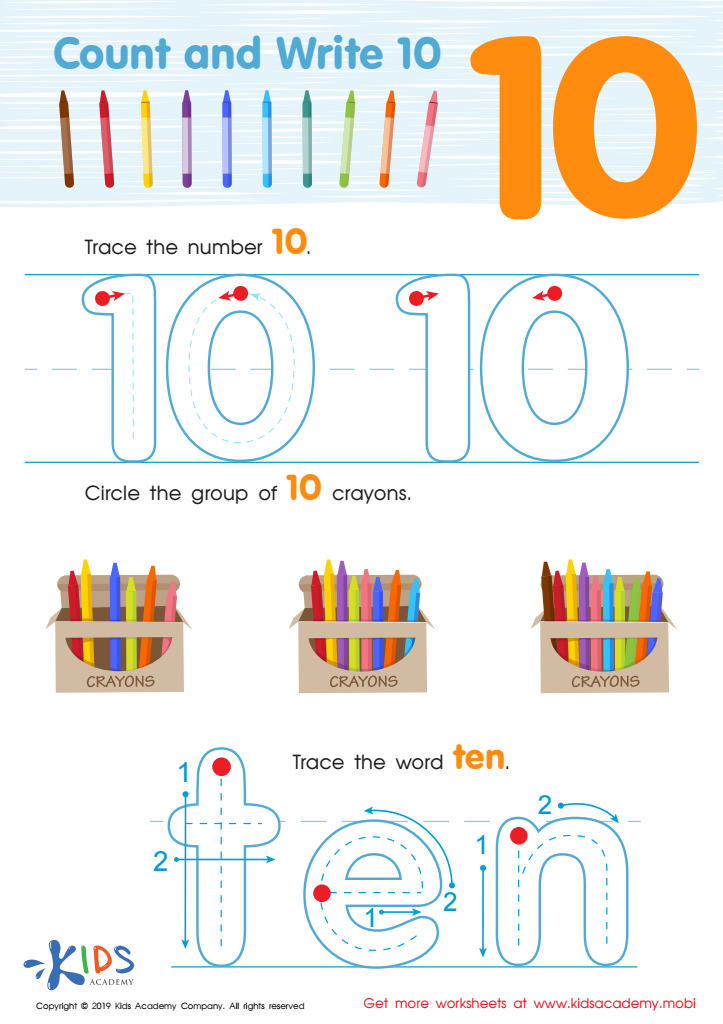
Count and Write 10 Worksheet
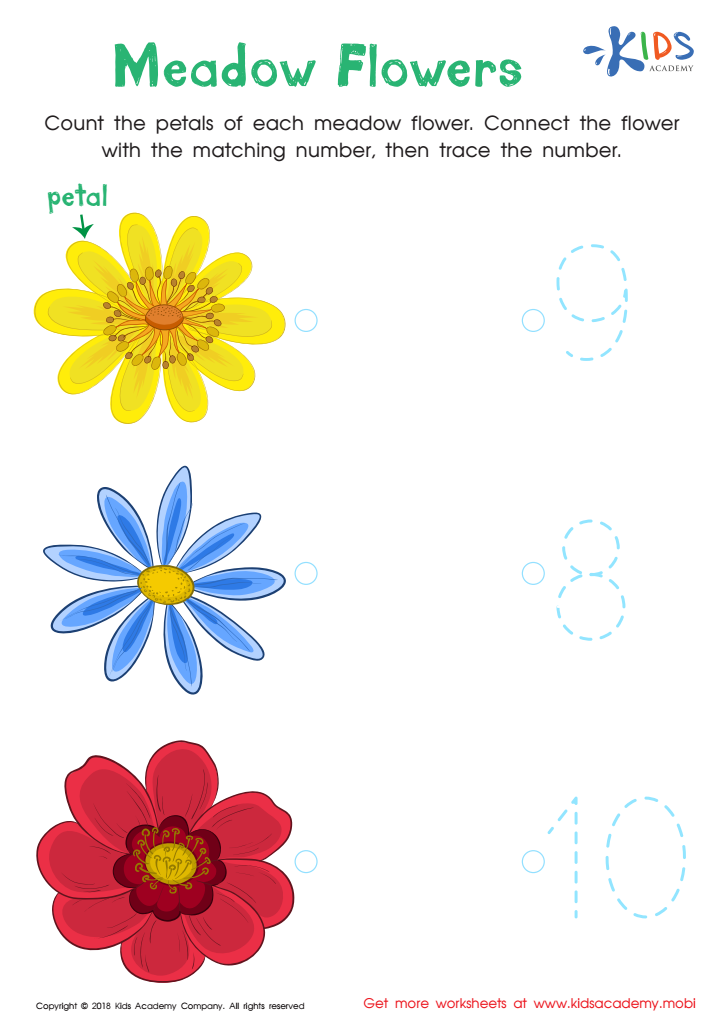
Kindergarten Number Tracing: Medow Flowers Worksheet








Tracing numbers for ages 4-7 is extremely important for foundational math and fine motor skills development, and parents and teachers should give this activity careful attention. At this age, children are in a crucial stage of developing their writing abilities, hand-eye coordination, and number recognition. Number tracing exercises not only help young children learn to write numbers correctly but also reinforce mental associations between the numeric symbol and its corresponding quantity.
When children trace numbers, they engage multiple sensory pathways that aid in better retention and understanding of numeric concepts. This multisensory approach is pivotal as it caters to various learning styles—auditory, visual, and kinesthetic—with the tactile experience boosting cognitive development.
Moreover, tracing activities prepare children for more complex math tasks by establishing a solid numerical foundation. Early proficiency in writing and recognizing numbers can lead to greater confidence in math as children progress to addition, subtraction, and more advanced arithmetic.
Additionally, teachers and parents can use tracing as a tool to monitor developmental milestones and identify areas where a child may need additional support. Overall, incorporating number tracing into early education can have long-lasting benefits, fostering a love for learning and setting children up for future academic success.








