Filters

29 filtered results

Clear all filters
Favorites
With answer key
Interactive

29 filtered results

Difficulty Level

Grade


Check out this FREE Trial Lesson on Life Science for age 4-7!

Review

Favorites
With answer key
Interactive
  • 4-7
  • With answer key
  • Life Science
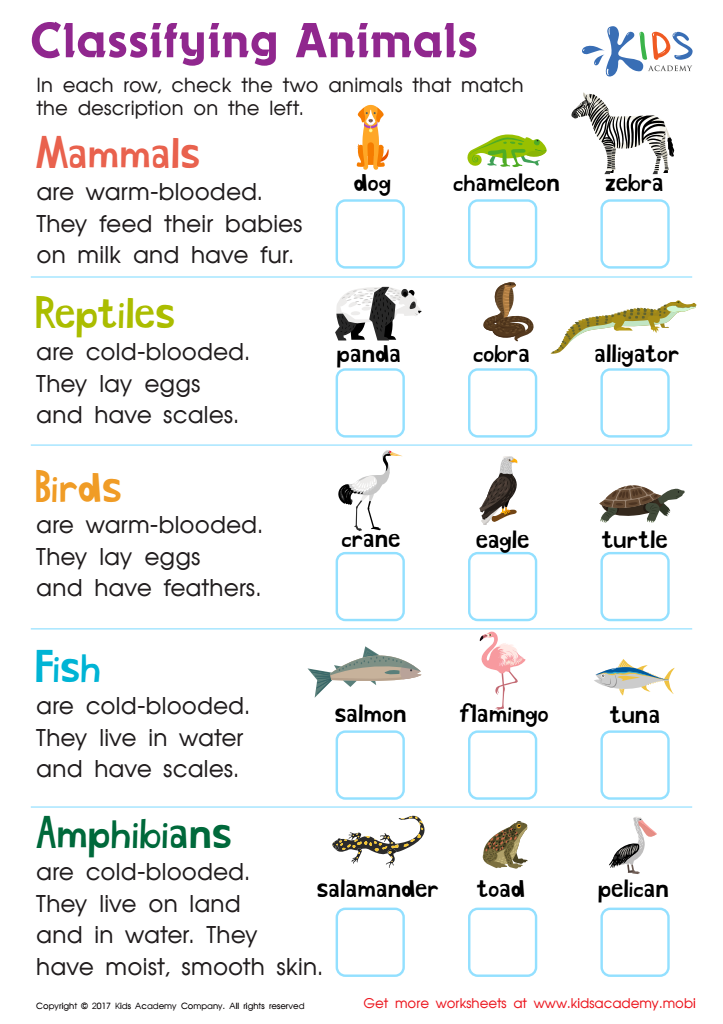
Classifying animals worksheet 2nd grade

Classifying Animals Worksheet

Print the 2nd grade animal classification worksheet and help kids study the differences between mammals, reptiles, birds, fish and amphibians. Let them pick two examples from the options given.
Classifying Animals Worksheet
Worksheet
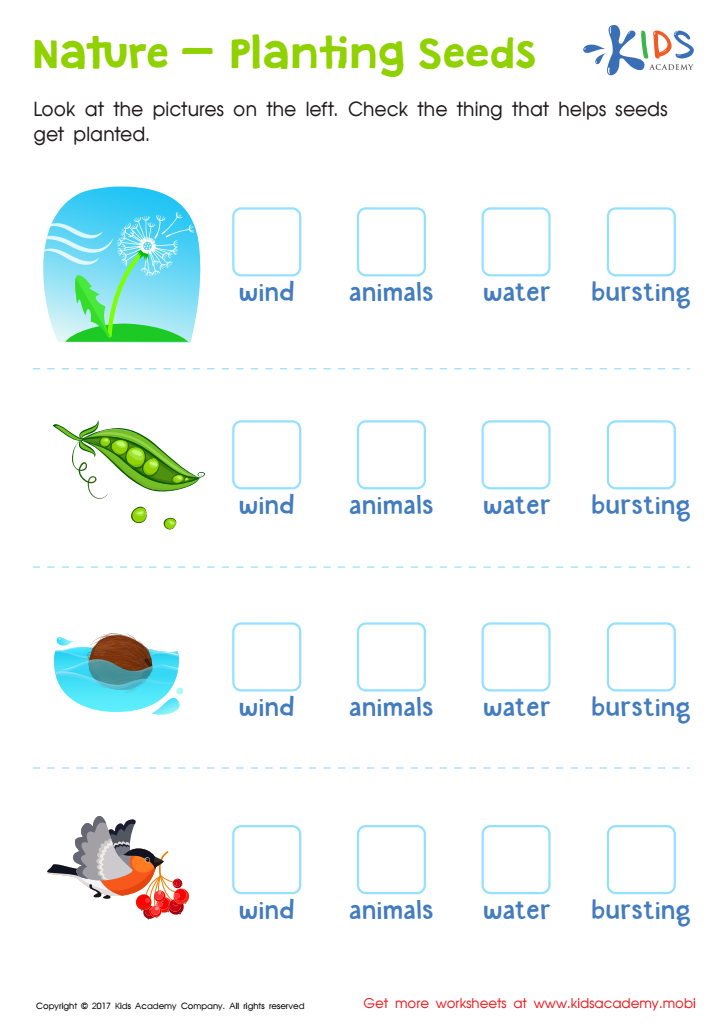
Plants and seeds worksheet

Nature Planting Seeds Worksheet

Help your child explore the fascinating cycle of plants and seeds with this worksheet. They'll learn how plants grow and how seeds travel to the ground. Challenge them to identify the right way each seed gets planted!
Nature Planting Seeds Worksheet
Worksheet
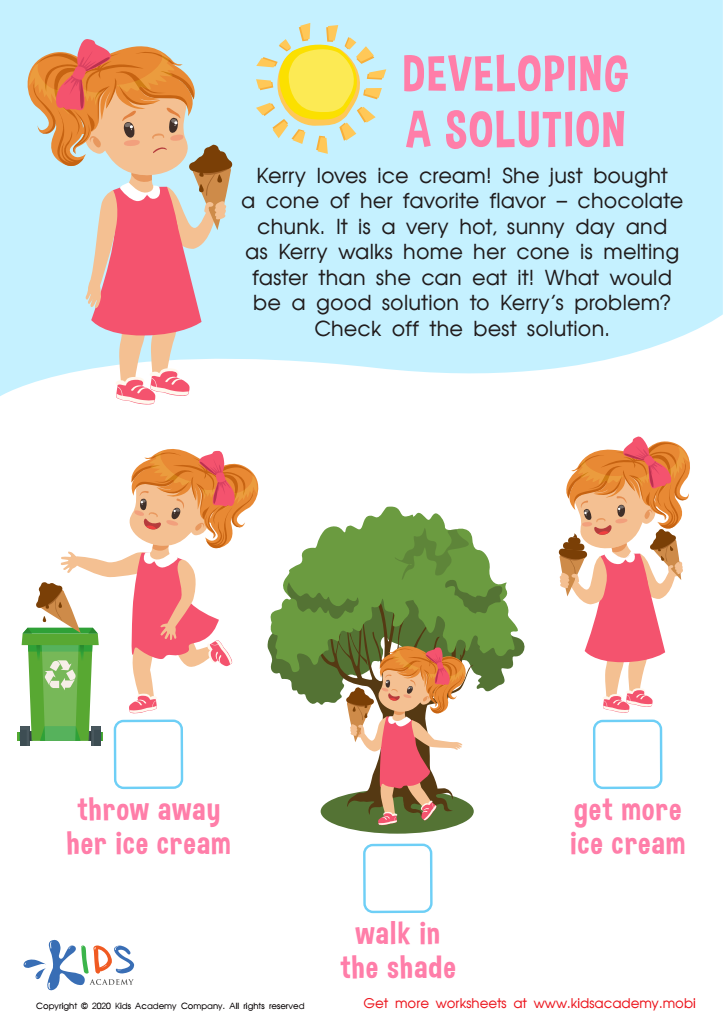
Developing Solution Worksheet

Developing Solution Worksheet

Facing a challenge? Boost your child's problem-solving skills with this science worksheet from Kids Academy! Kerry is eating an ice cream cone and it's melting too fast. Read through the suggested solutions and help your child pick the best one! With this activity, your child will understand the cause of the problem and learn to act accordingly.
Developing Solution Worksheet
Worksheet
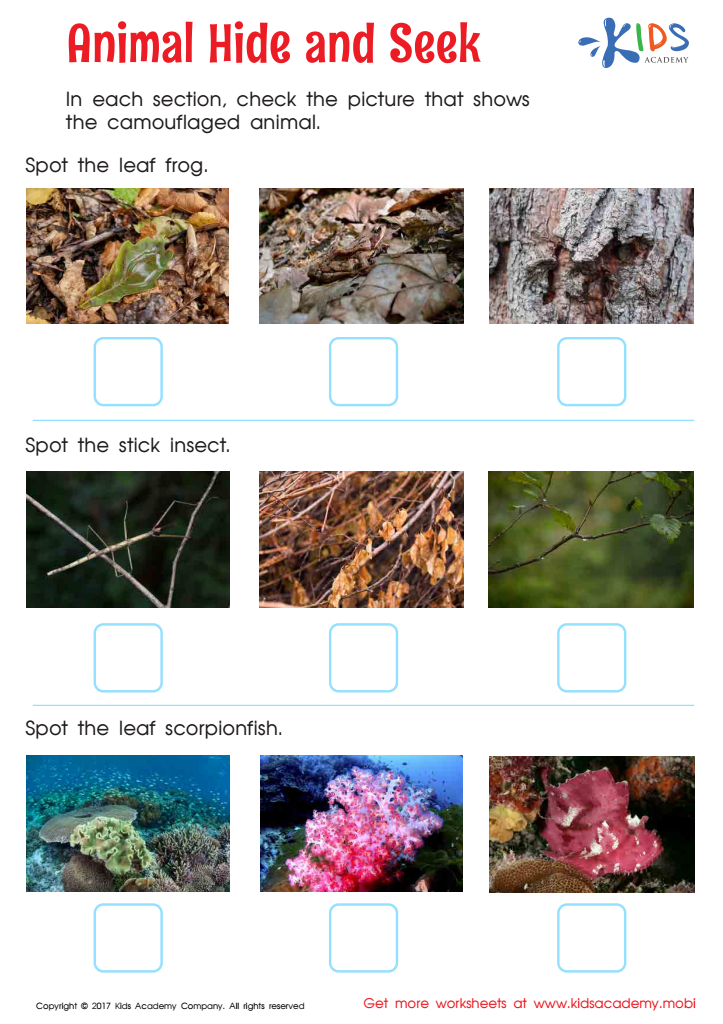
Animal hide and seek worksheet pdf

Animal Hide and Seek Worksheet

Try Kids Academy's animal hide and seek worksheet. See if your kids can spot the hidden animals – a leapfrog, a stick insect, and a leaf scorpionfish. A fun and educational activity to raise awareness of the variety of nature and spur further exploration of the world around them.
Animal Hide and Seek Worksheet
Worksheet
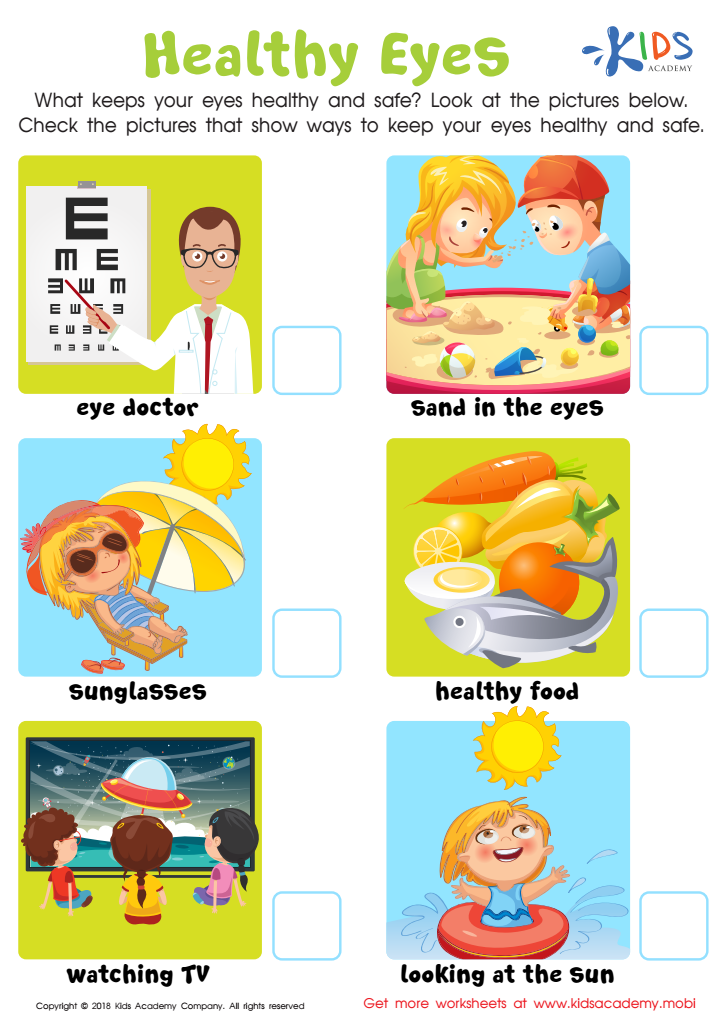
Healthy Eyes Worksheet


Healthy Eyes Worksheet
Does your child know how to care for their eyes? Help them understand with this worksheet. Look through the pictures together and discuss the different ways to keep the eyes healthy and safe. These include visits to the doctor, wearing sunglasses, and eating healthy food.
Healthy Eyes Worksheet
Worksheet


Parents and teachers should prioritize life science for children aged 4-7 because it sparks curiosity, lays the foundation for critical thinking, and enhances environmental awareness. At this developmental stage, young minds are naturally curious about the world around them. Introducing life science can satisfy that curiosity and inspire a lifelong love for learning. By exploring basic biological concepts, such as plant and animal life cycles, children begin to understand the interdependence among living organisms, fostering empathy and respect for nature.

Moreover, learning about life science at an early age cultivates critical thinking and observational skills. Children engage in hands-on activities like planting seeds or observing insects, prompting them to ask questions, predict outcomes, and record observations. These activities develop their abilities to analyze information and draw conclusions, essential skills across all academic disciplines.

Lastly, promoting environmental awareness through life science teaches young children the importance of conservation and sustainability. Early lessons on caring for living things, from pets to plants, instill a sense of responsibility and stewardship for the natural world. This early exposure helps build a foundation for more complex environmental education in the future, encouraging informed and responsible decisions about the planet throughout their lives.