Plants and Animals Worksheets for Ages 4-8 - Page 6
141 filtered results
-
From - To
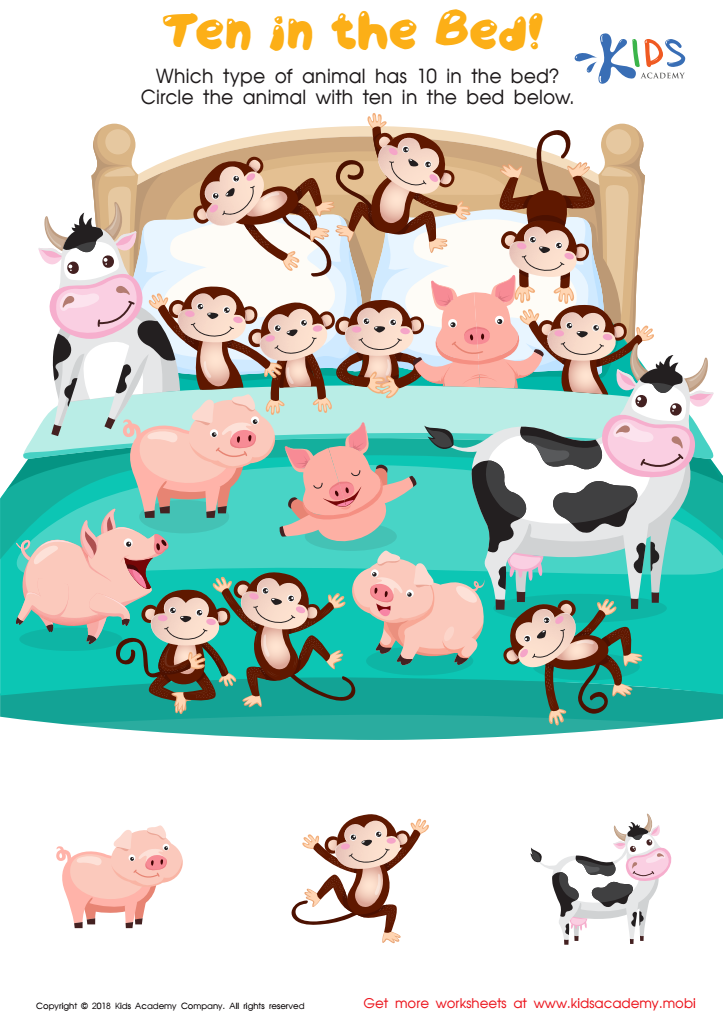
Ten in the Bed Worksheet
 Assign to My Students

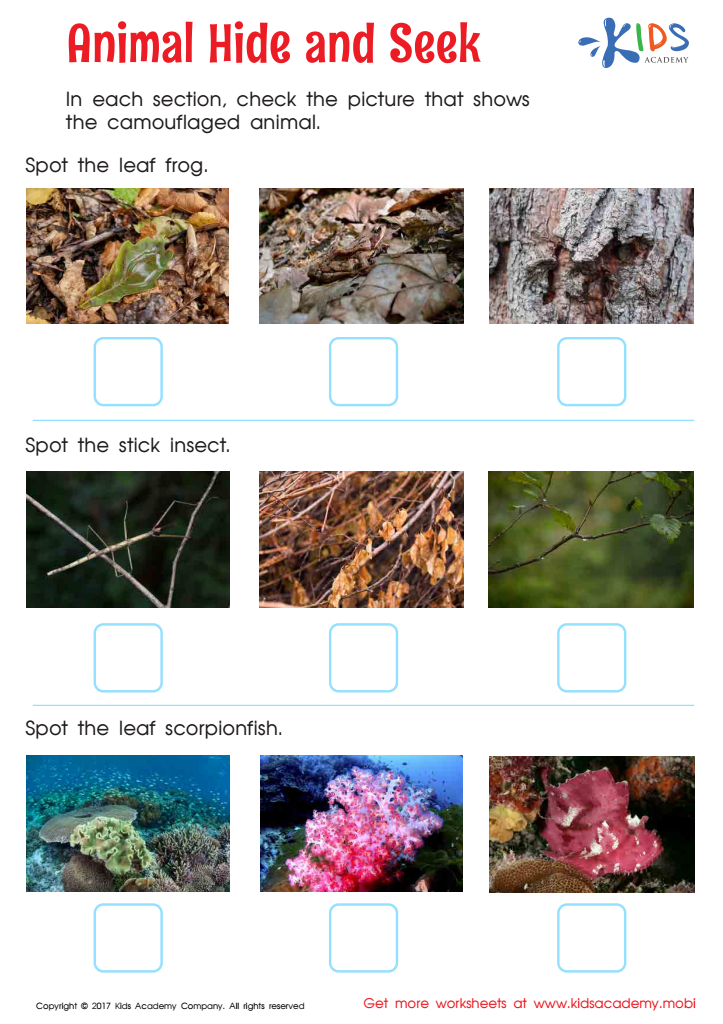
Animal Hide and Seek Worksheet
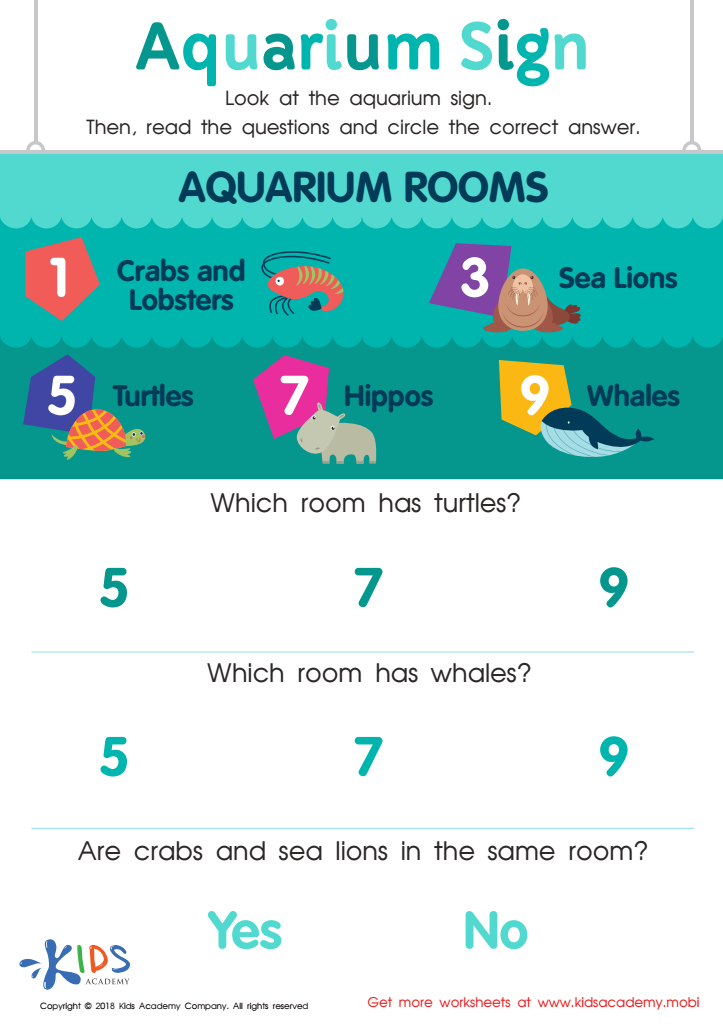
Assessment: Aquarium Sign Worksheet
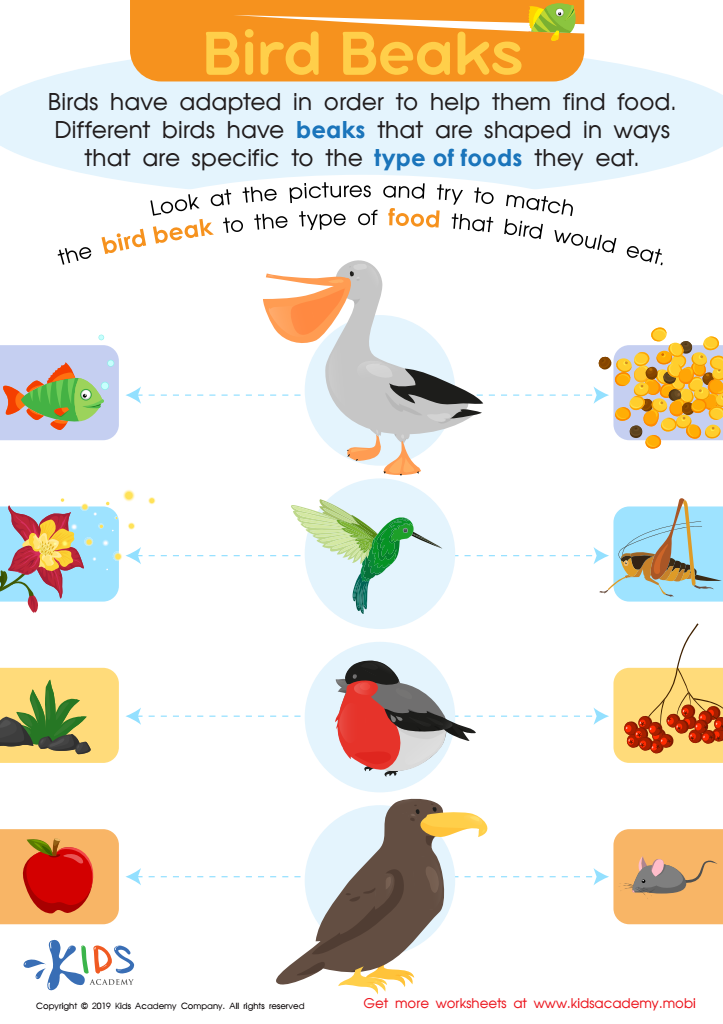
Bird Beaks Worksheet
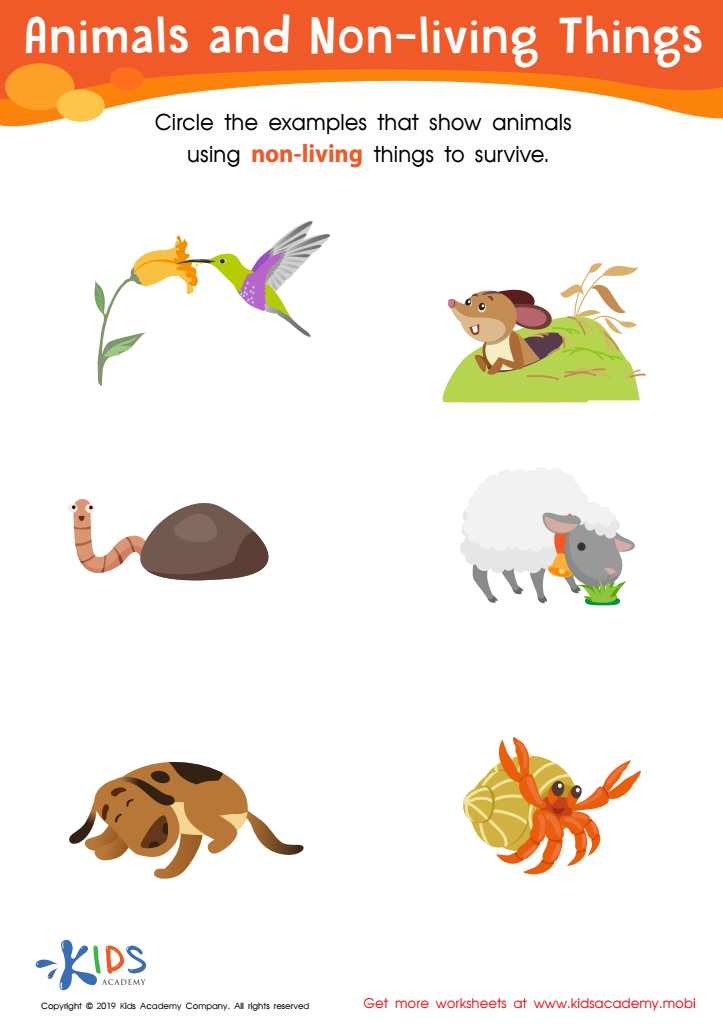
Animals and Non-Living Things Worksheet
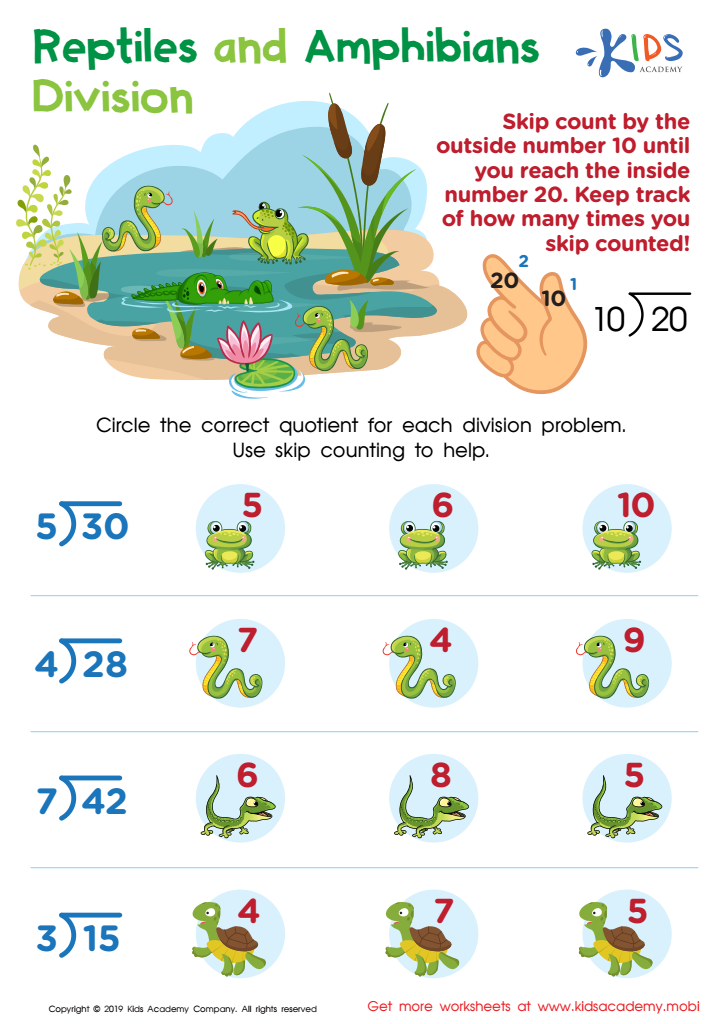
Reptile and Amphibians Division Worksheet
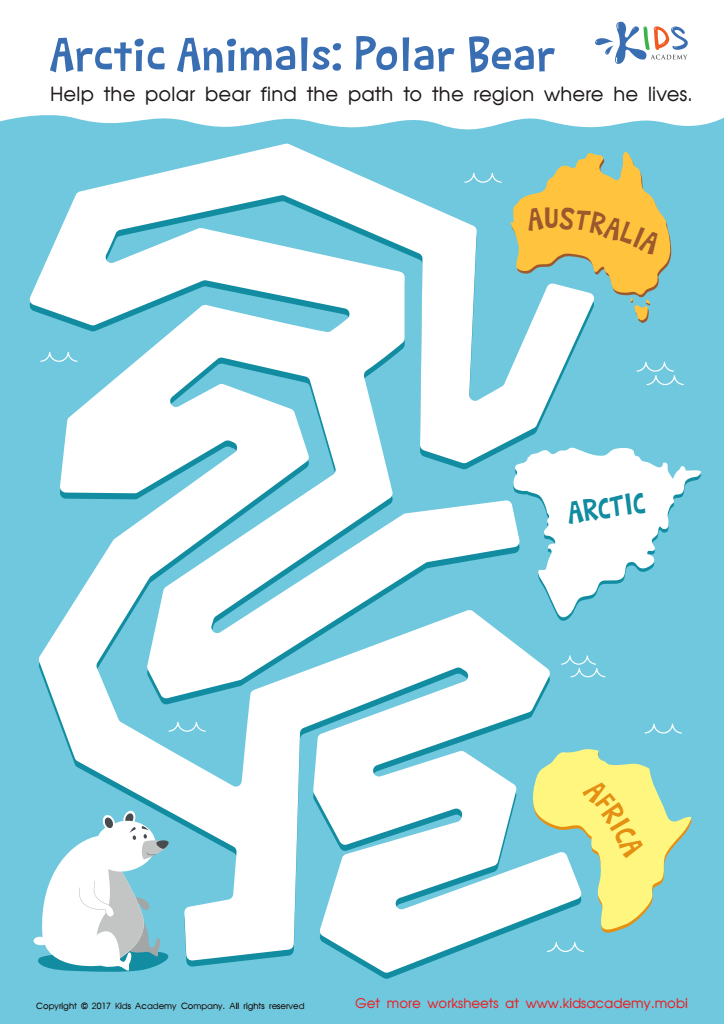
Arctic Animals: Polar Bear Worksheet
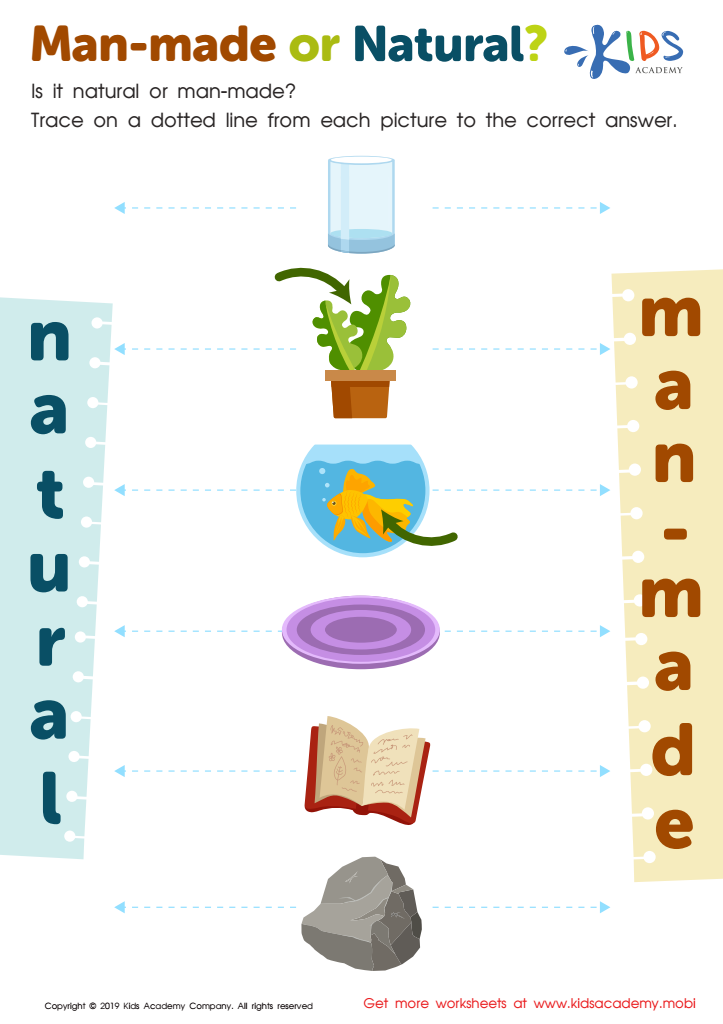
Man-Made or Natural? Worksheet
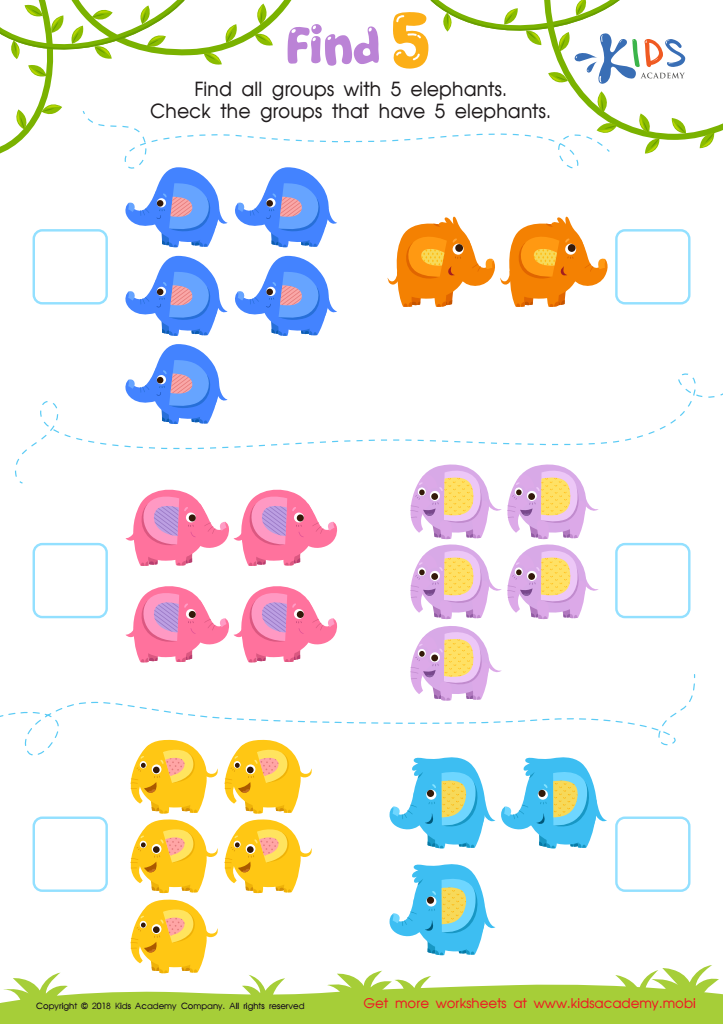
Find 5 Worksheet
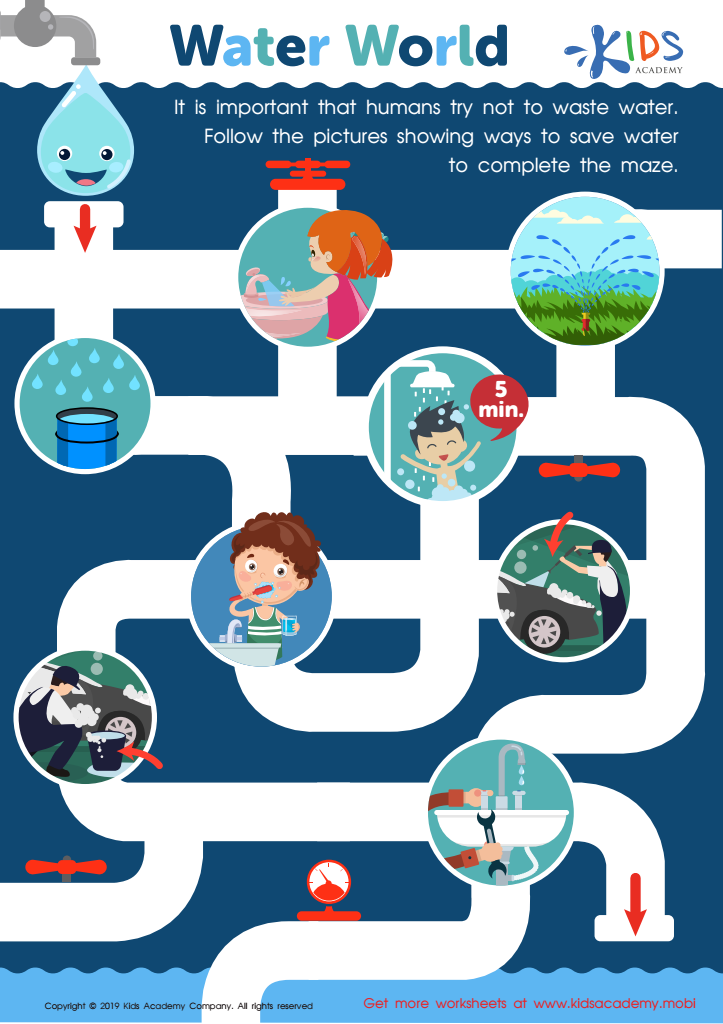
Water World Worksheet
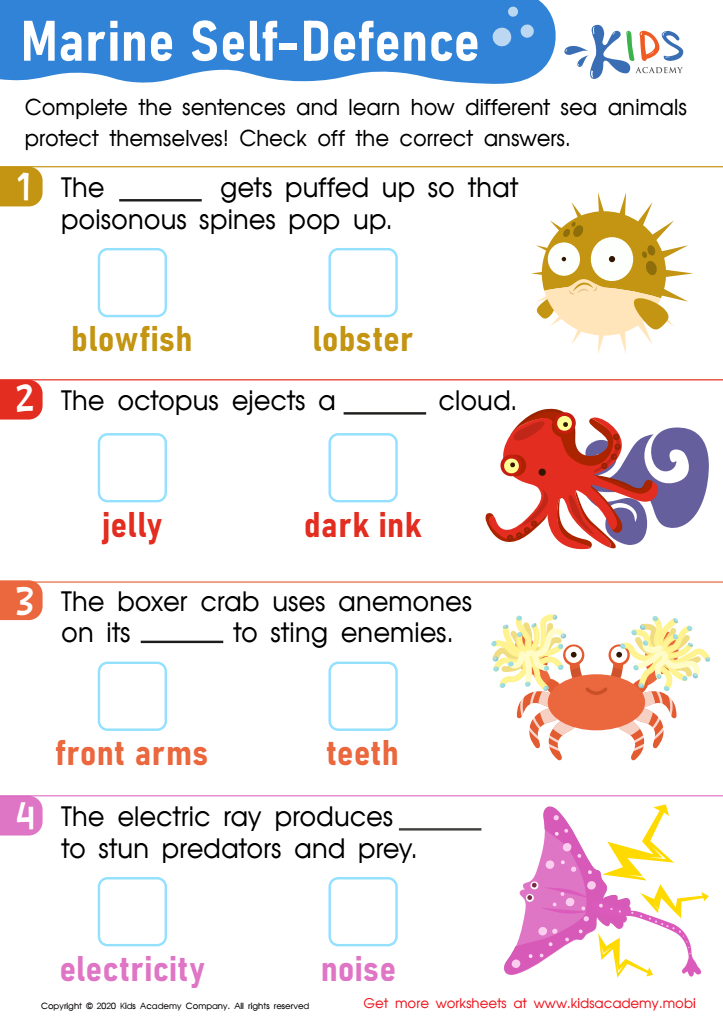
Marine Self-Defence Worksheet
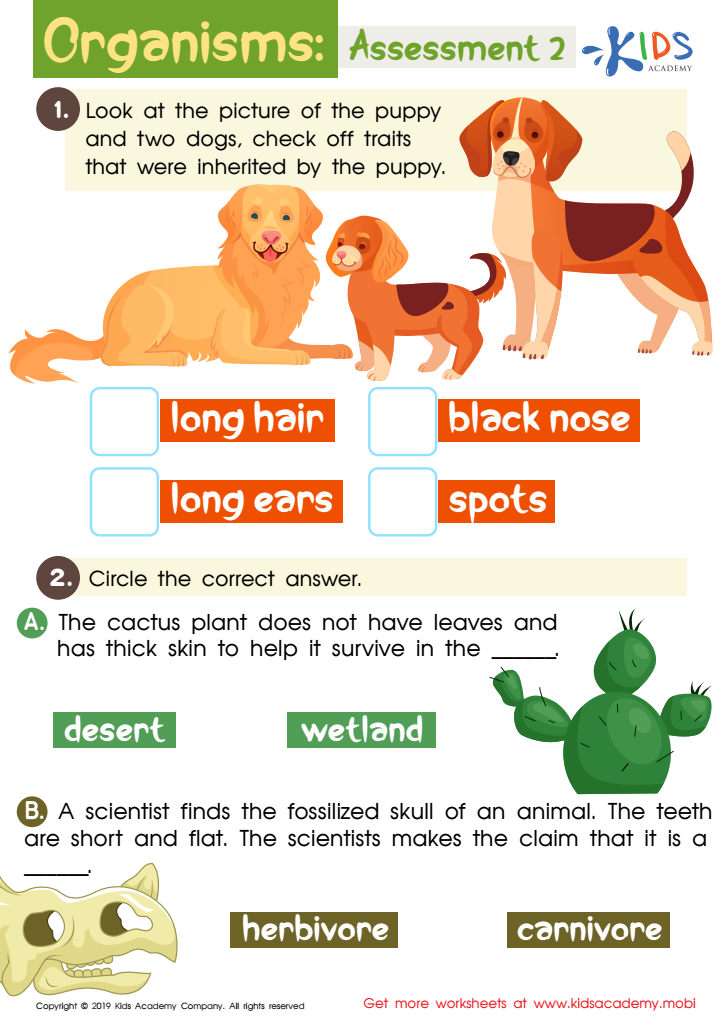
Organisms: Assessment 2 Worksheet
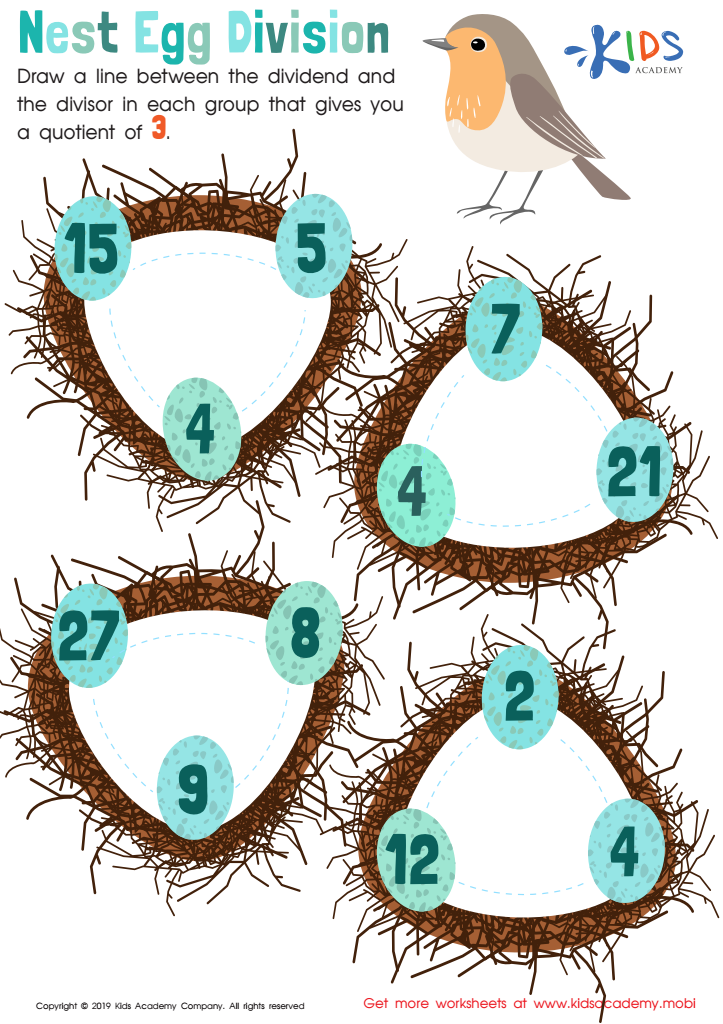
Nest Egg Division Worksheet
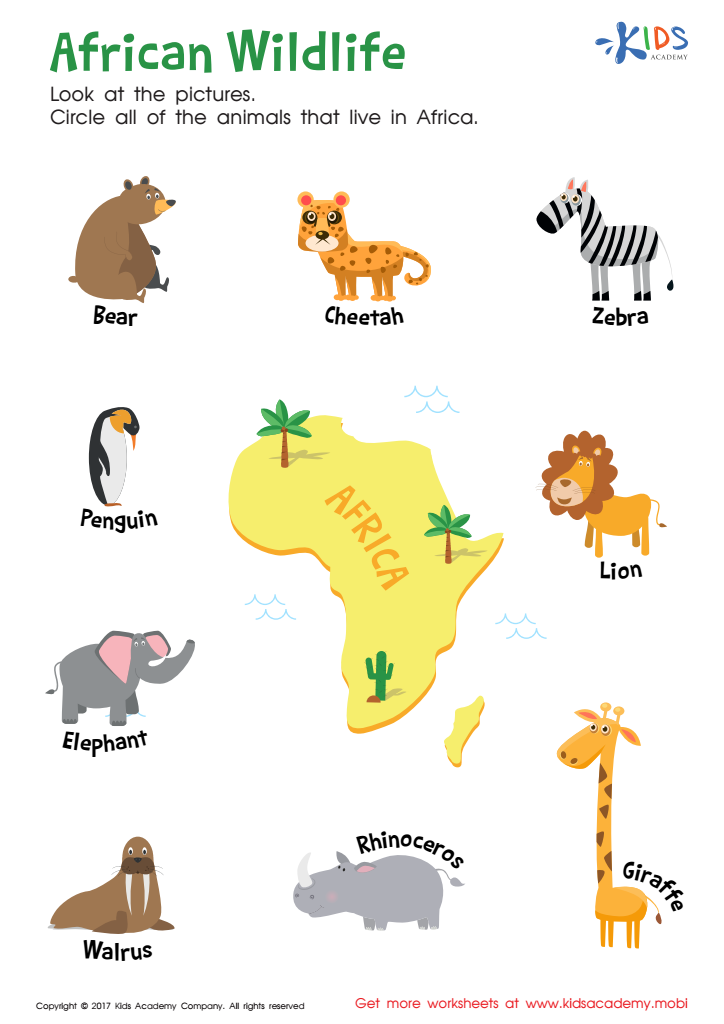
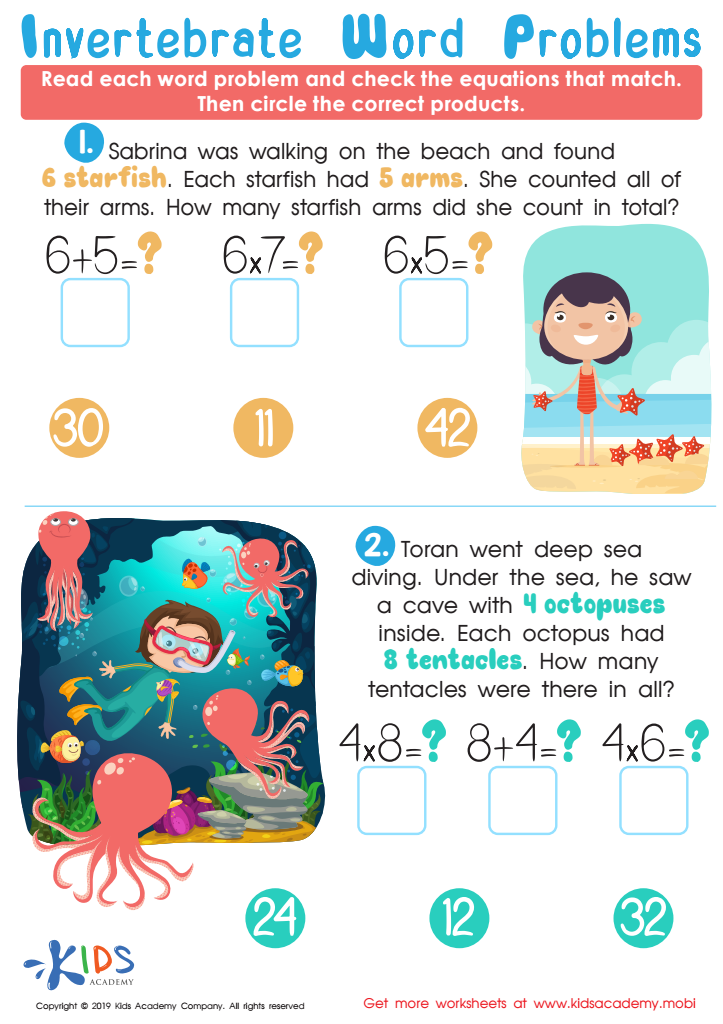
Invertebrate Problems Worksheet
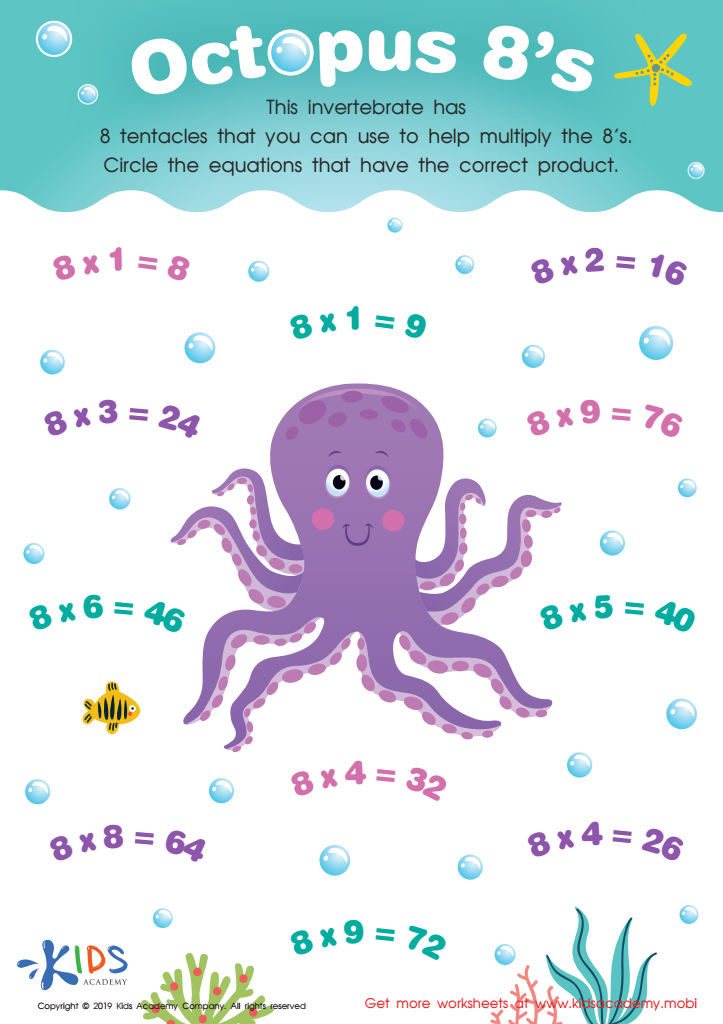
Octopus 8’s Worksheet
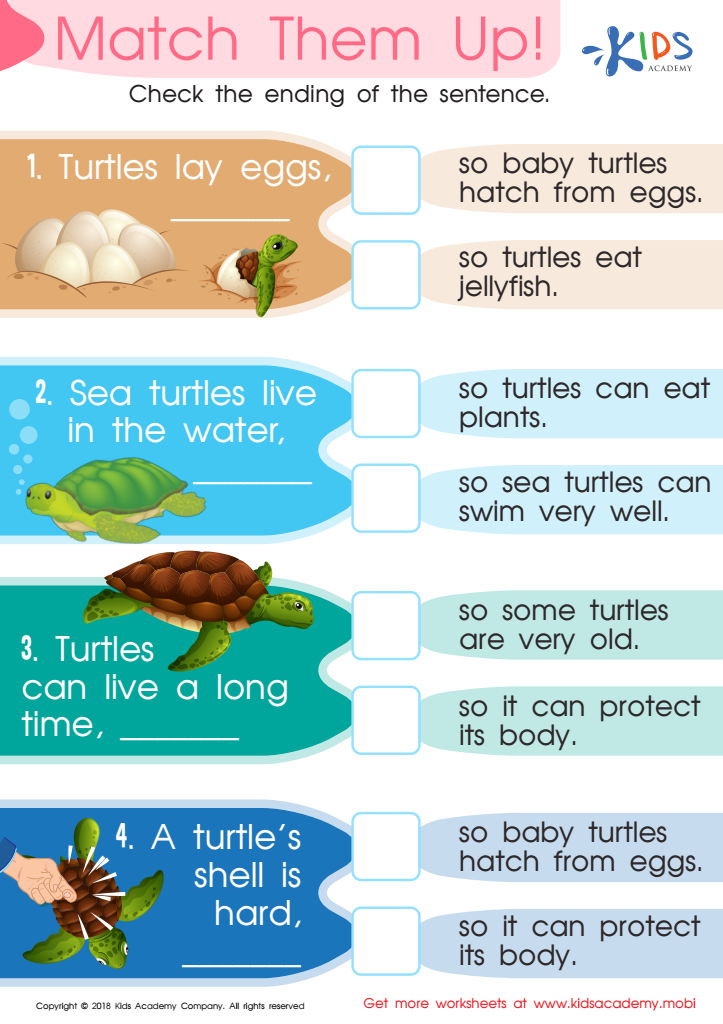
Match Them Up Worksheet
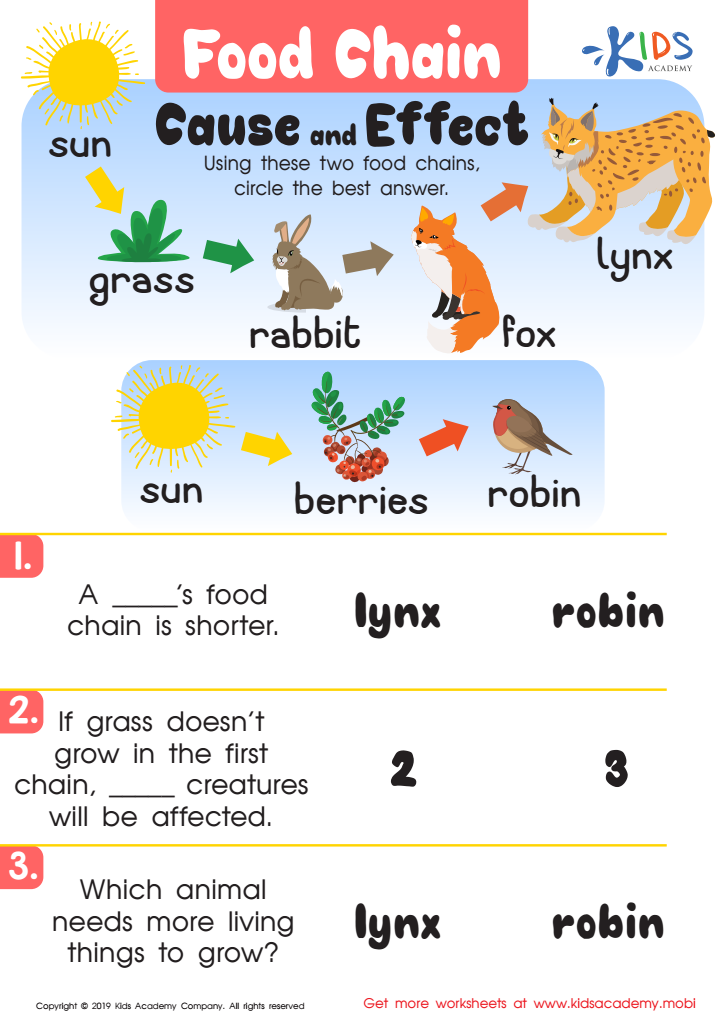
Food Chain Cause Worksheet
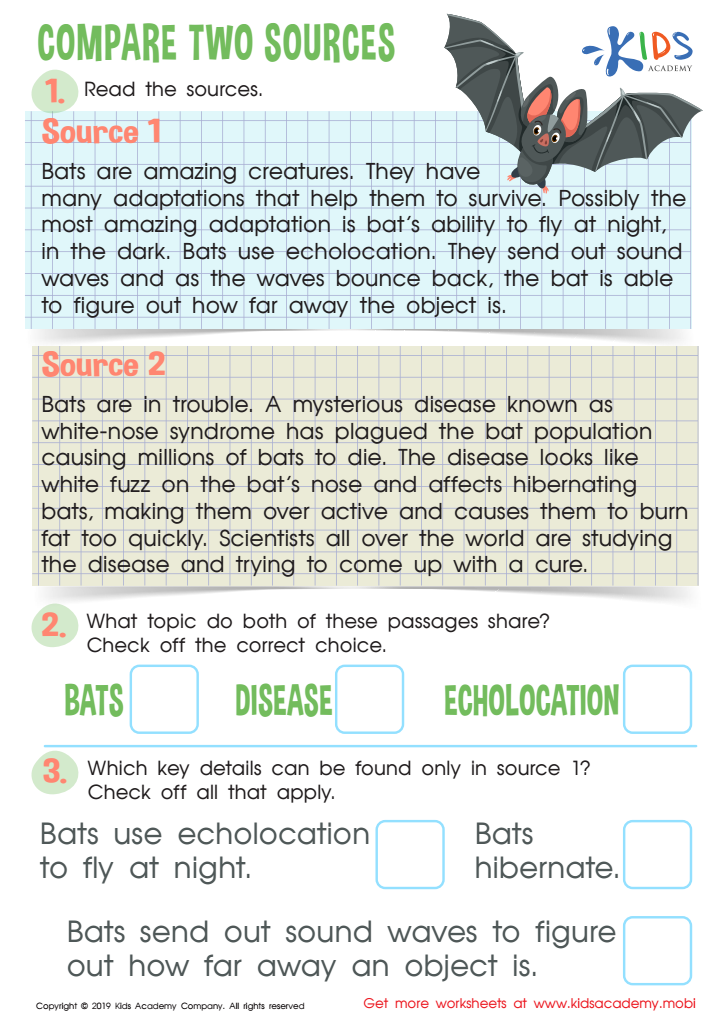
Compare Two Sources Worksheet
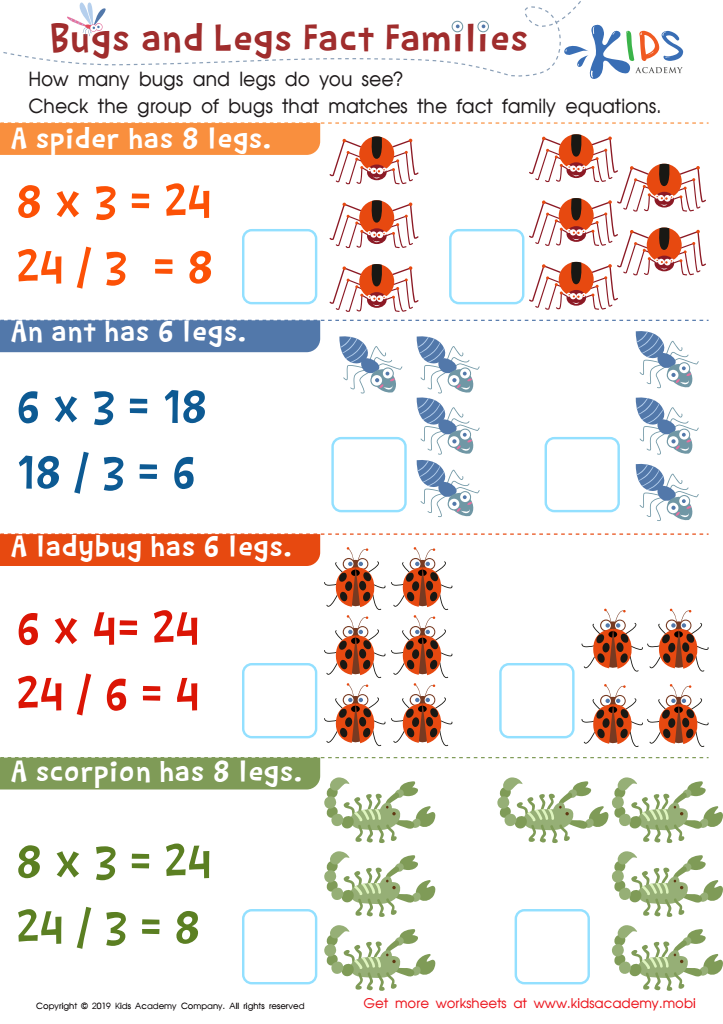
Bugs and Legs Fact Families Worksheet
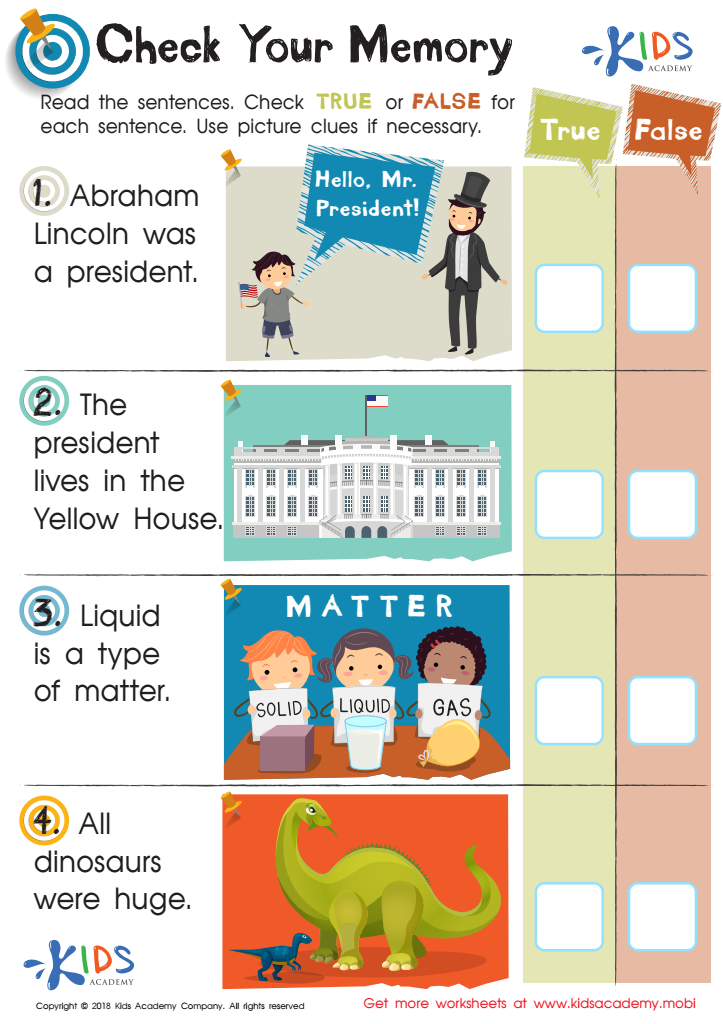
Check Memory Worksheet








Parents and teachers should care about introducing children aged 4-8 to plants and animals because it fosters a connection with nature and encourages curiosity about the world. This age group is crucial for cognitive development, and engaging with living things helps them understand essential life science concepts. Learning about how plants grow, animal behaviors, habitats, and ecosystems can stimulate a child's curiosity and lay the groundwork for scientific thinking.
Exposure to plants and animals enhances observational and critical-thinking skills as children ask questions and explore the environment. Caring for a plant or observing animals teaches responsibility, empathy, and respect for living things. This hands-on experience promotes sensory engagement and can be tied to early literacy and numeracy lessons. For example, counting leaves, categorizing animals, or describing different textures enrich vocabulary and comprehension skills.
Moreover, building an awareness of biodiversity instills an appreciation for the environment, fostering lifelong stewardship of Earth. As children notice cycles in nature and human impact on the ecosystem, it nurtures a sense of connection and responsibility towards conservation efforts. The lessons learned extend beyond the classroom, helping shape well-rounded, ecologically-conscious individuals ready to protect our planet.








