Tracing Words Worksheets for Ages 4-8 - Page 2
42 filtered results
-
From - To
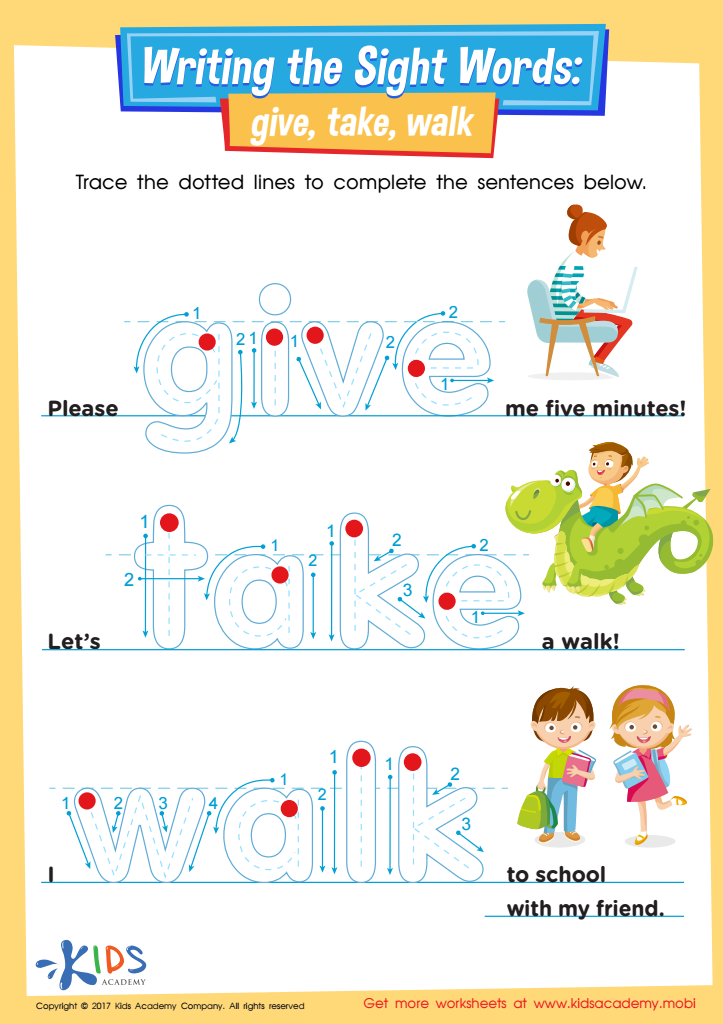
Give, Take, Walk Printable Sight Words Worksheet
 Assign to My Students
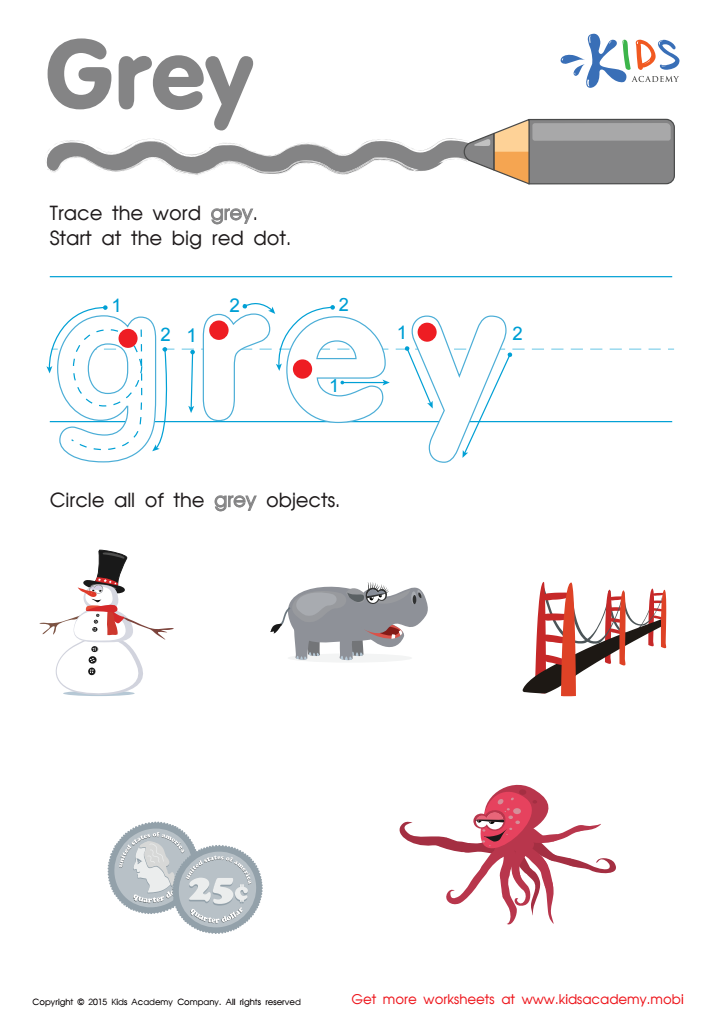
Grey Tracing Color Words Worksheet
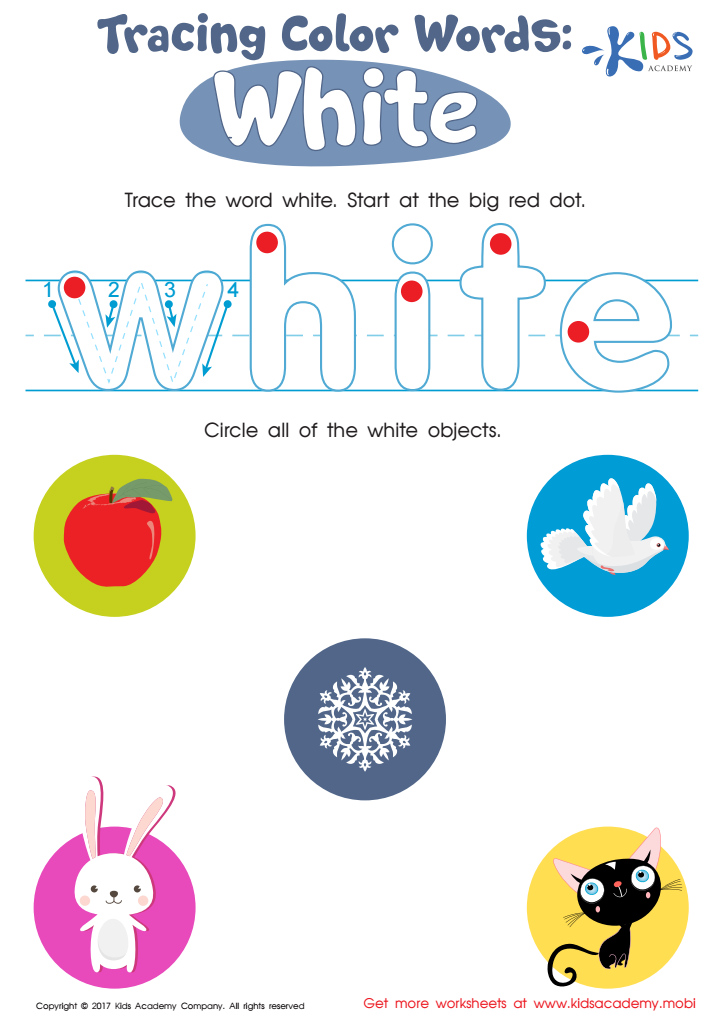
White Tracing Color Words Worksheet
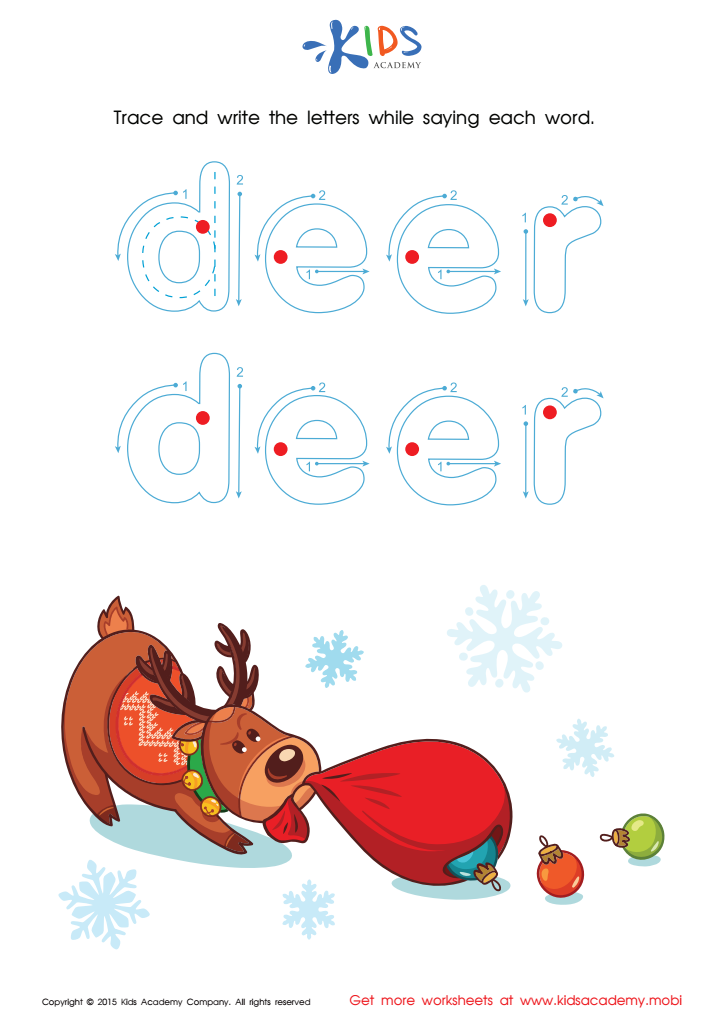
Deer Tracing Winter Words Worksheet
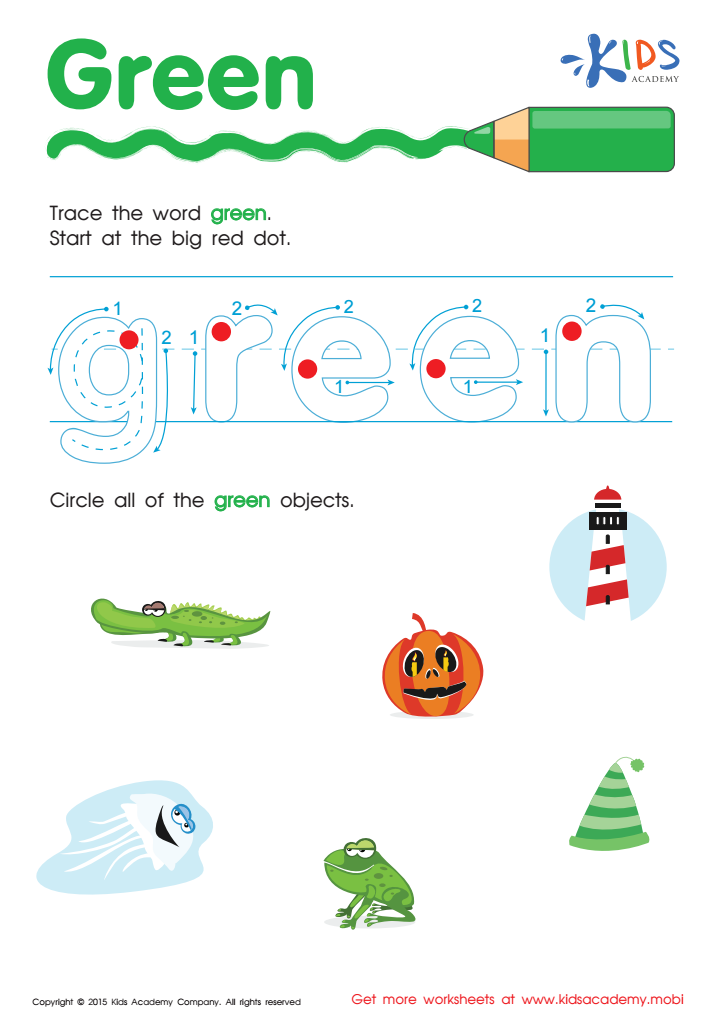
Green Tracing Color Words Worksheet
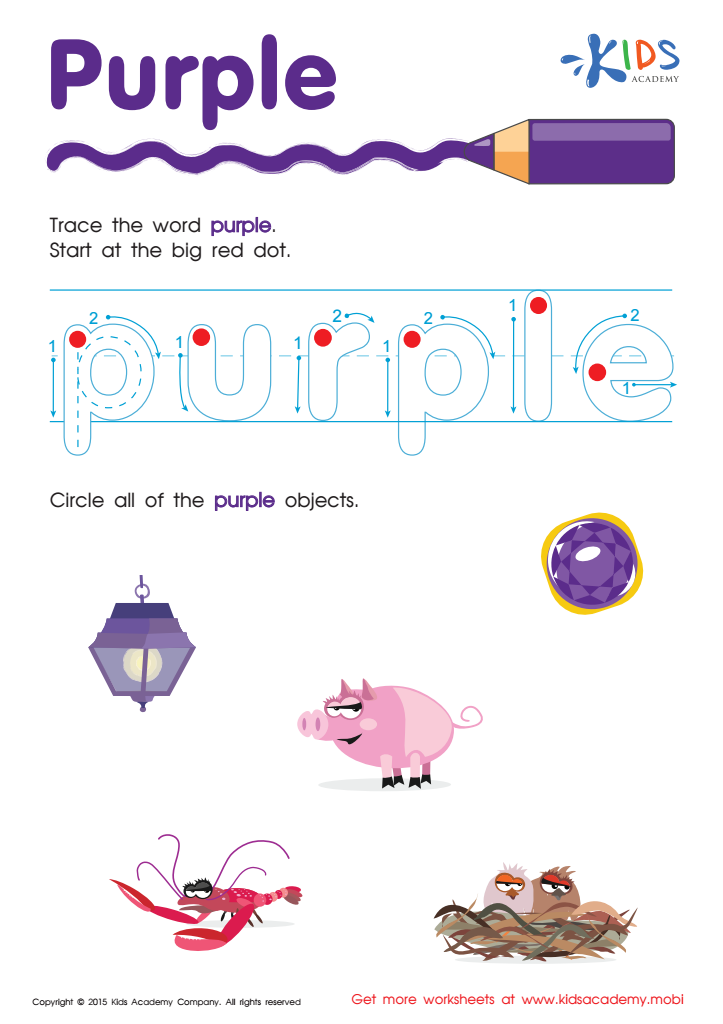
Purple Tracing Color Words Worksheet
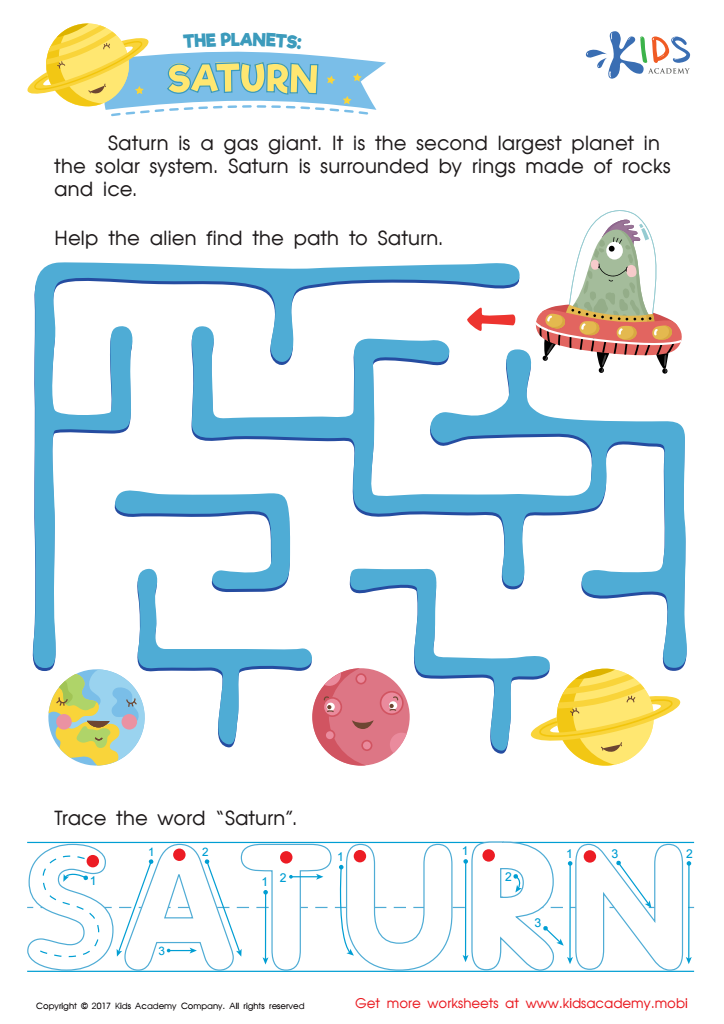
The Planets: Saturn Printable

Santa Claus Tracing Winter Words Worksheet
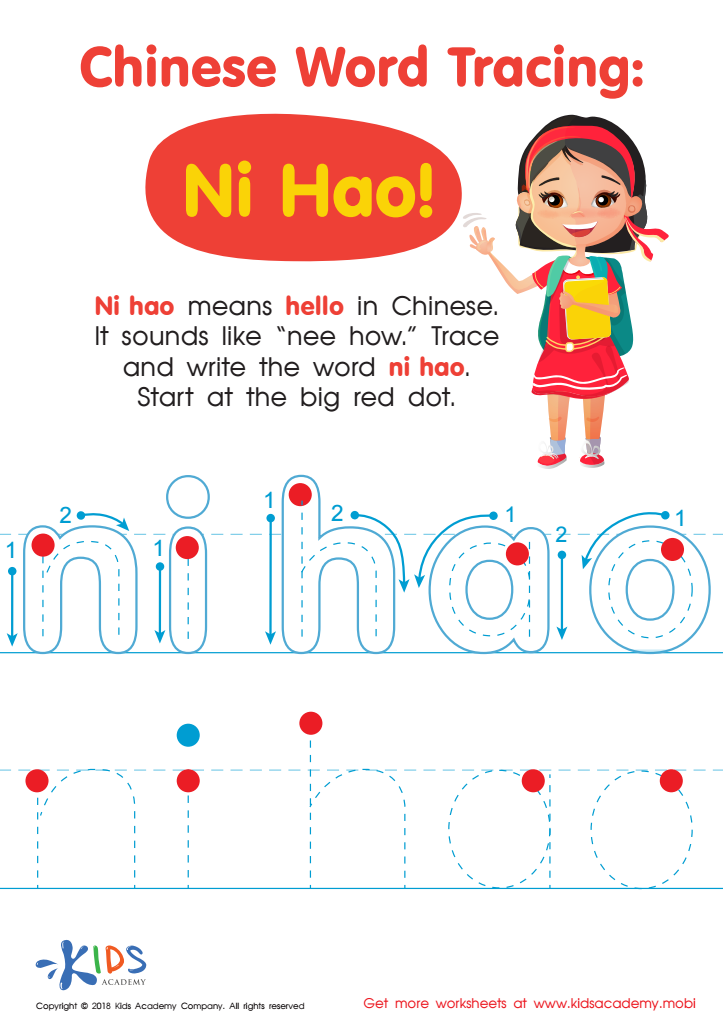
Chinese Word Tracing: Ni Hao Worksheet
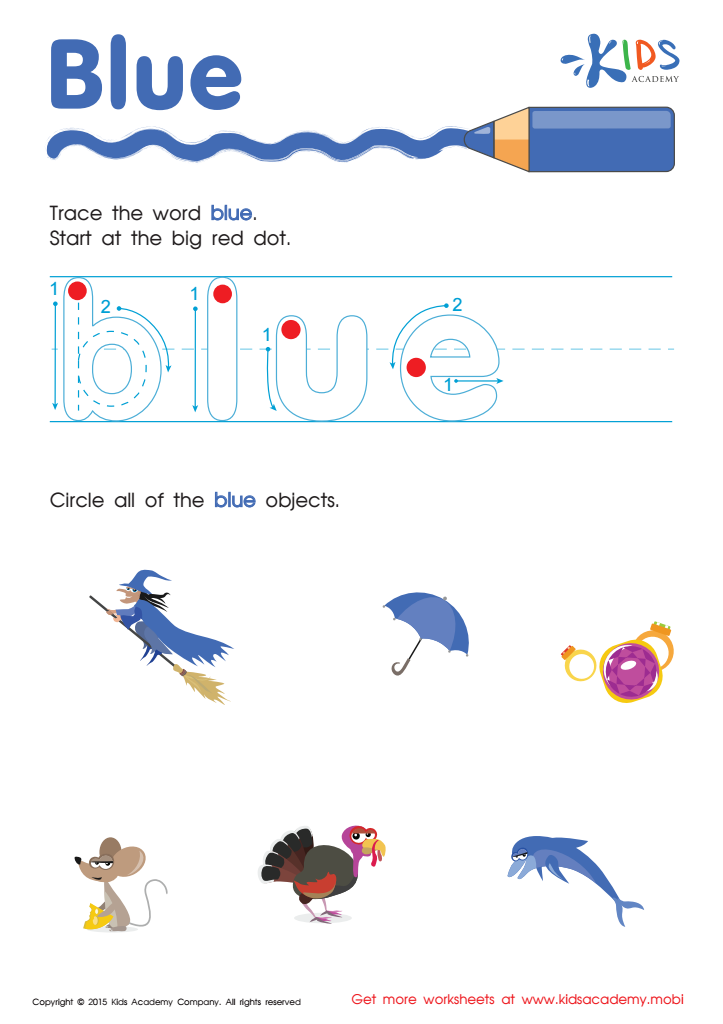
Blue Tracing Color Words Printable
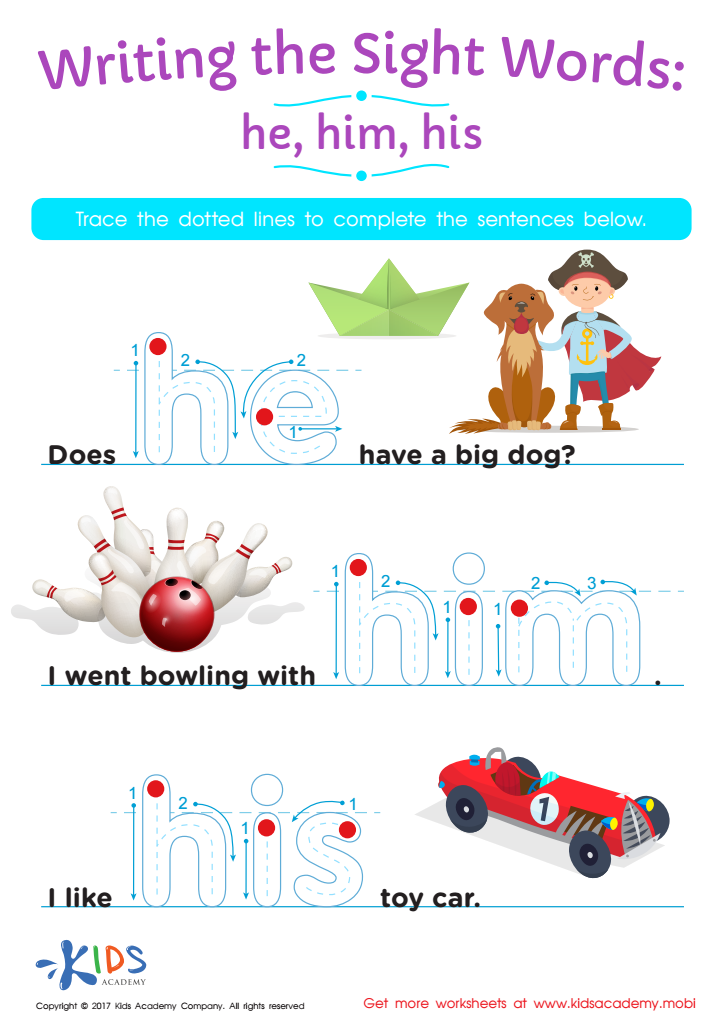
He, Him, His Printable Sight Words Worksheet
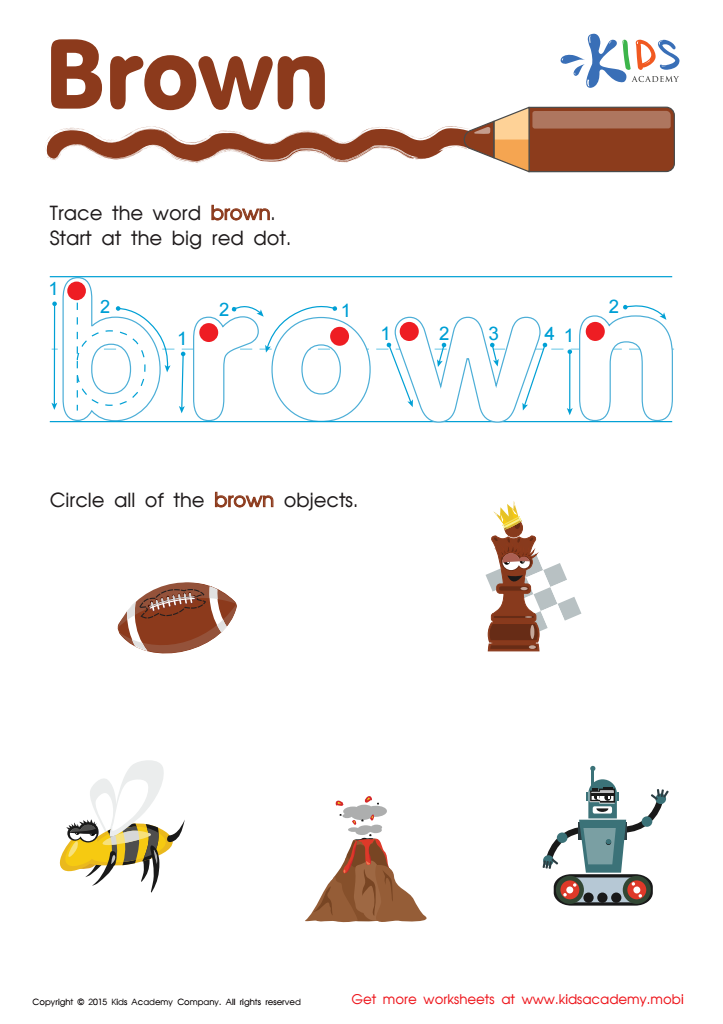
Brown Tracing Color Words Worksheet
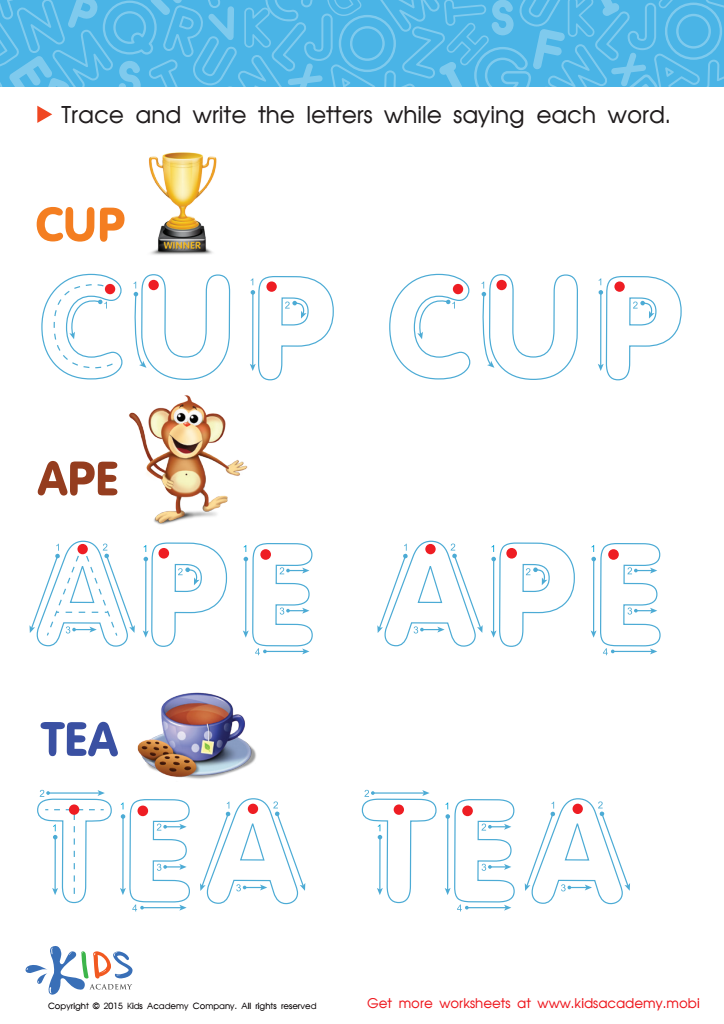
A Cup, an Ape and Tea Spelling Worksheet
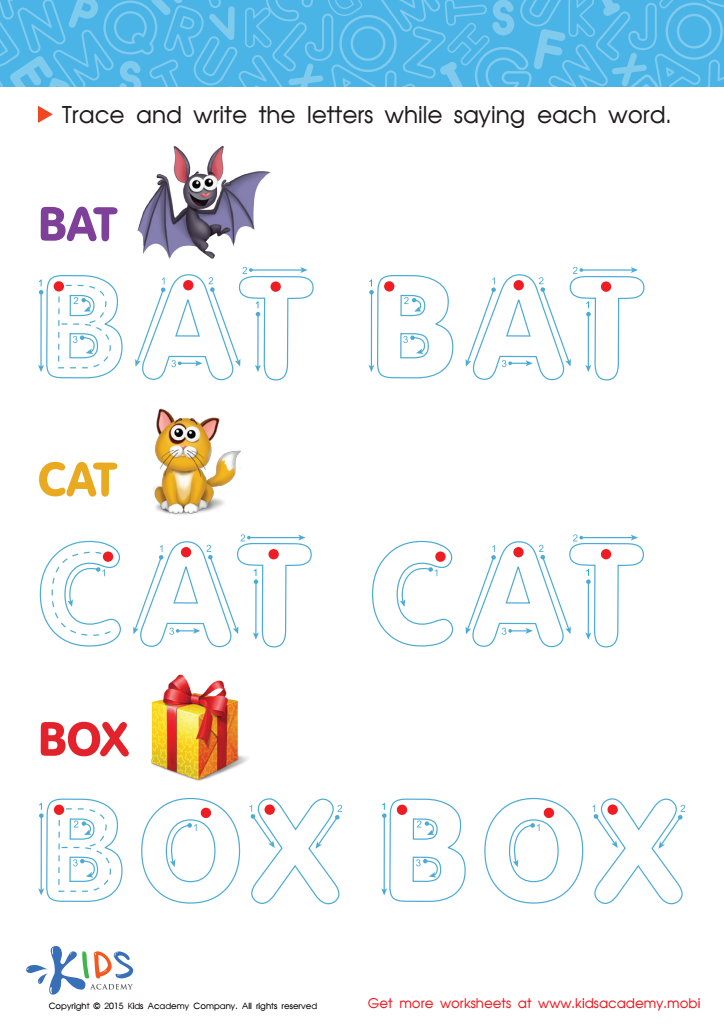
A Bat, a Cat and a Box Spelling Worksheet
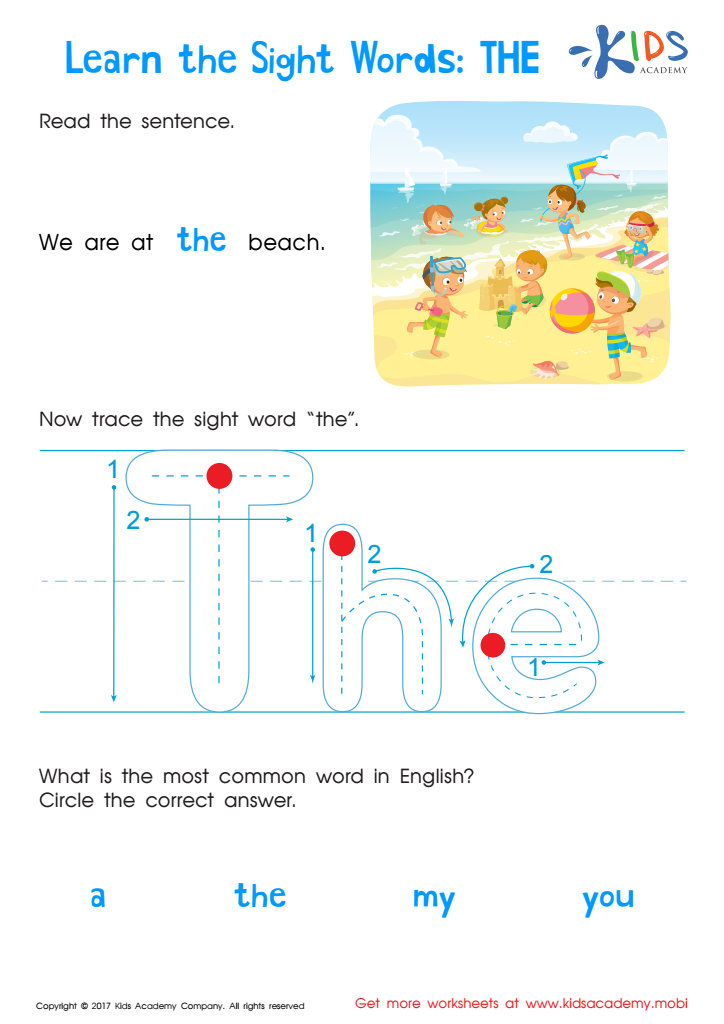
Sight Words: The Worksheet
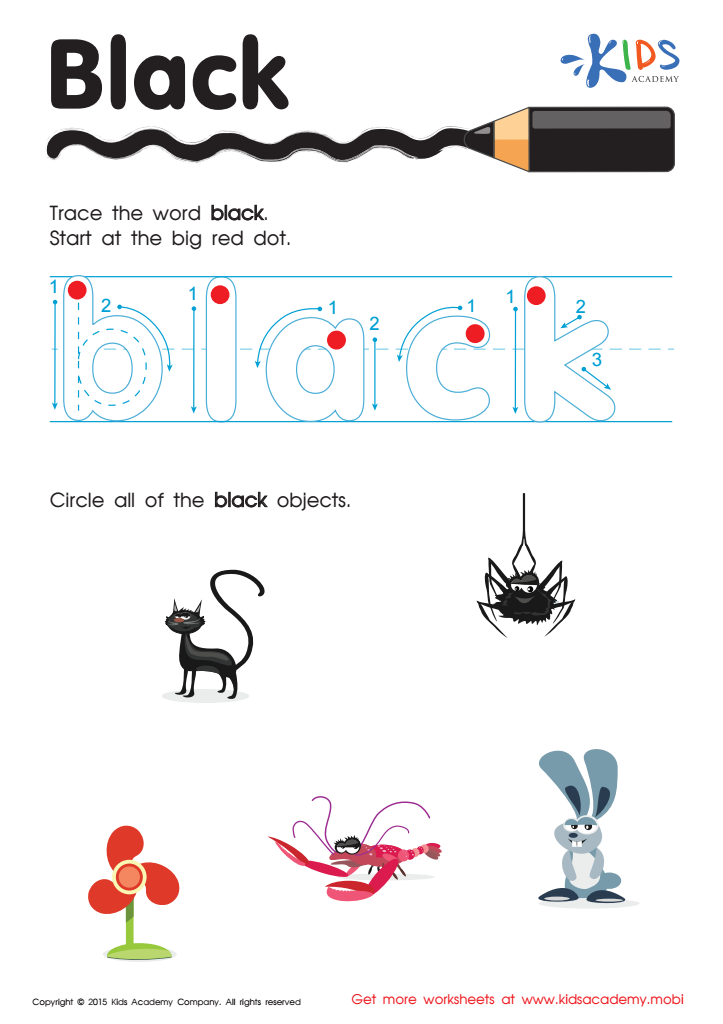
Black Tracing Color Words Printable
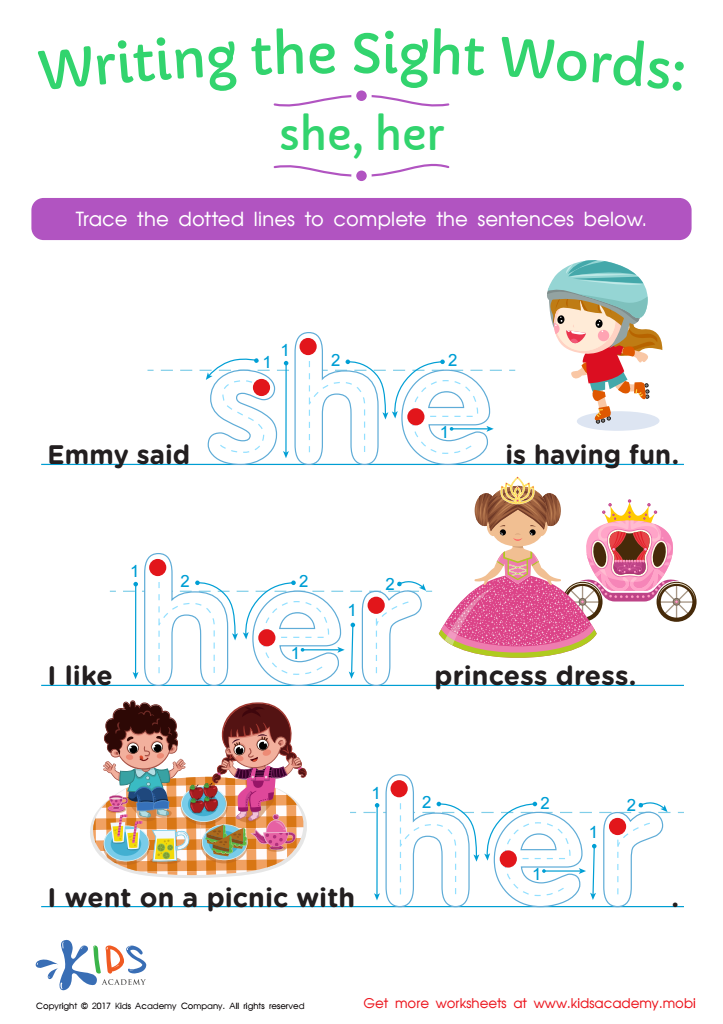
She, Her Printable Sight Words Worksheet
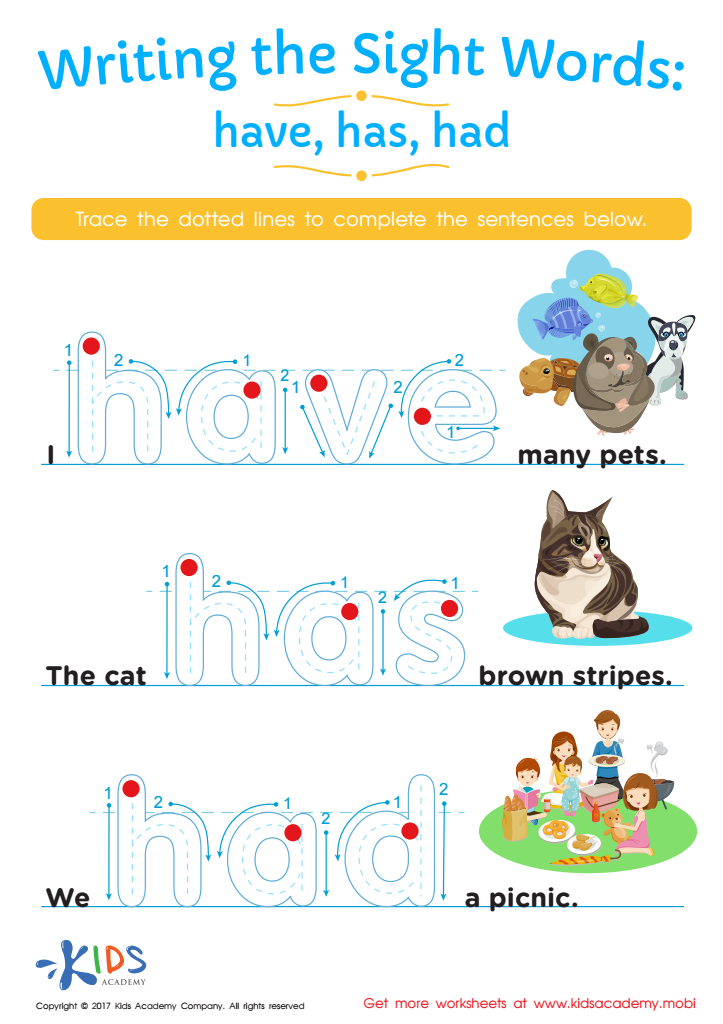
Have, Has, Had Worksheet Sight Words Worksheet








Tracing words is a vital activity for children aged 4-8 as it encompasses multiple developmental benefits. Firstly, it enhances fine motor skills, crucial for later writing proficiency, allowing children to develop the hand strength and coordination necessary for crafting letters and words. Additionally, tracing provides a tactile experience that bridges the gap between muscle memory and visual learning, helping children internalize letter formations.
Moreover, tracing aids in literacy development by reinforcing letter recognition and spelling patterns. As children trace, they interact with letters in a meaningful way, enhancing their phonological awareness, which is foundational for reading skills. This process solidifies their understanding of how written language works, fostering confidence in their growing abilities.
Furthermore, tracing activities can be a joyful experience, combining creativity with learning. They offer opportunities for parents and teachers to engage with children, turning tracing into a shared activity. Building a positive association with writing at such an early stage can lead to a lifelong love for reading and writing.
In conclusion, tracing words is an accessible, enjoyable way to support children's cognitive and physical development, making it an essential practice for parents and teachers invested in early education.








