Vowels Worksheets for Ages 4-9 - Page 3
88 filtered results
-
From - To
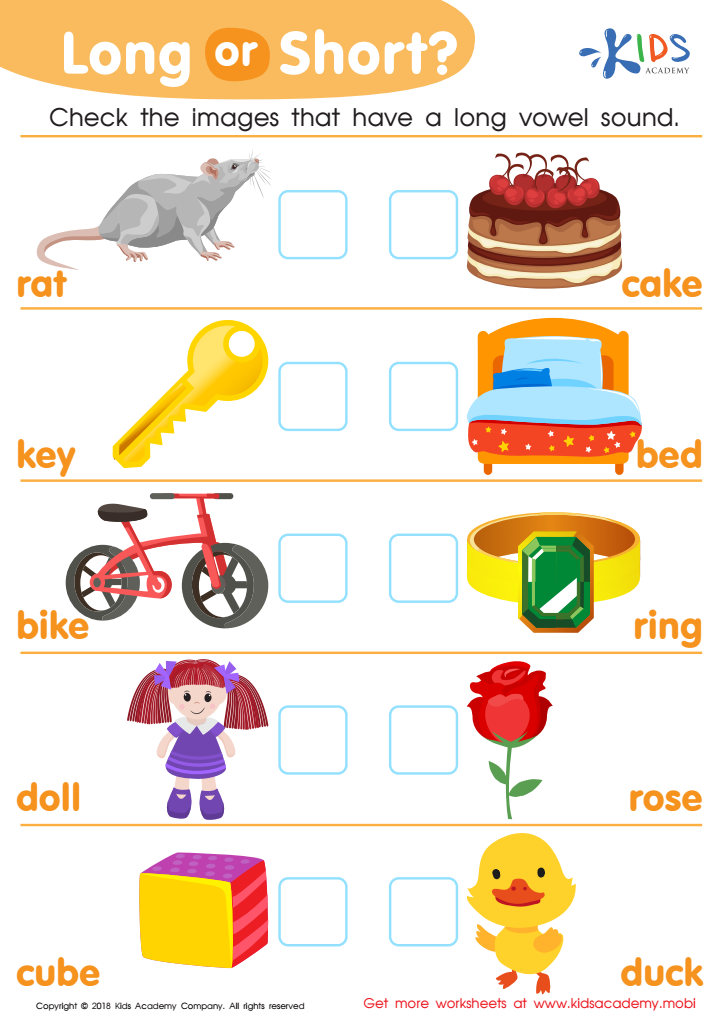
Long or Short Reading Worksheet
 Assign to My Students
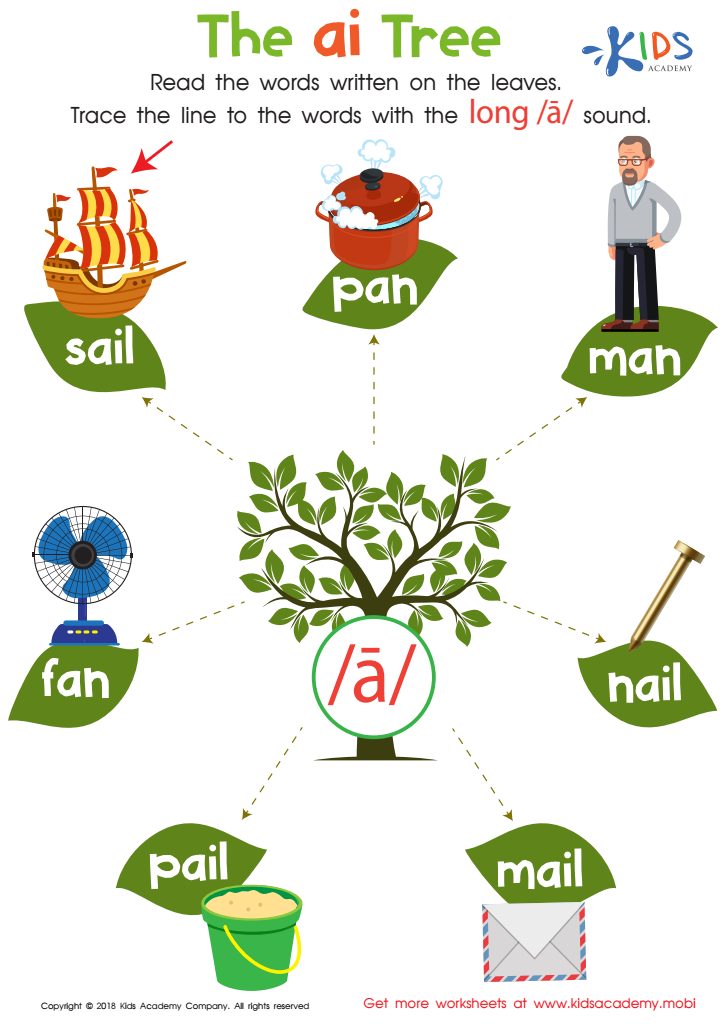
The AI Tree Worksheet
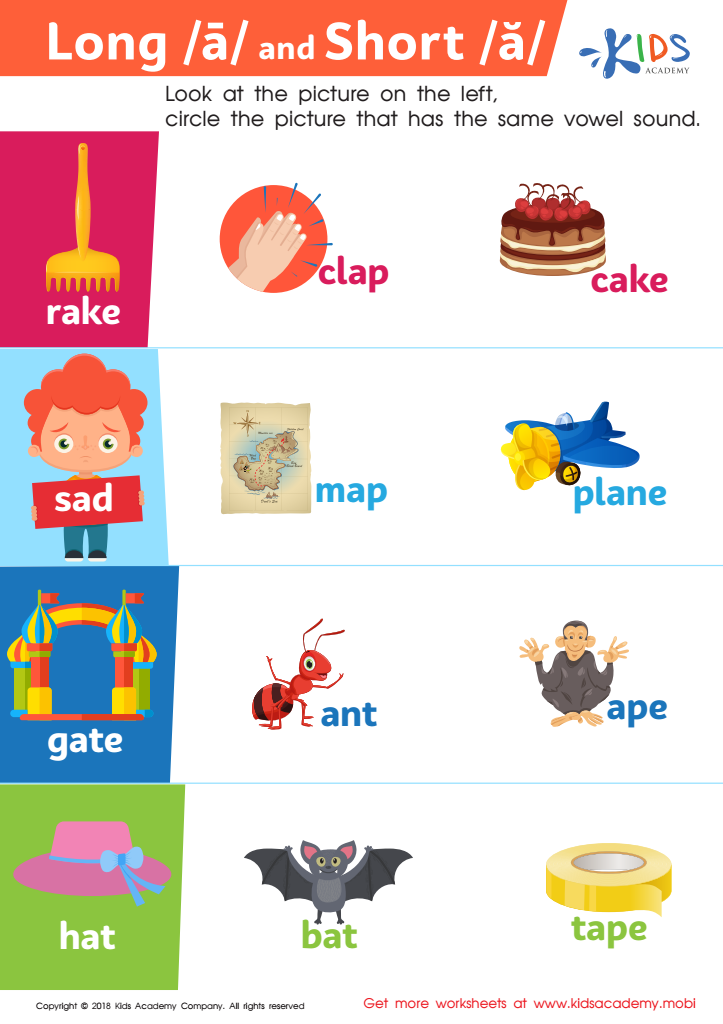
Reading: Long a and Short a Worksheet
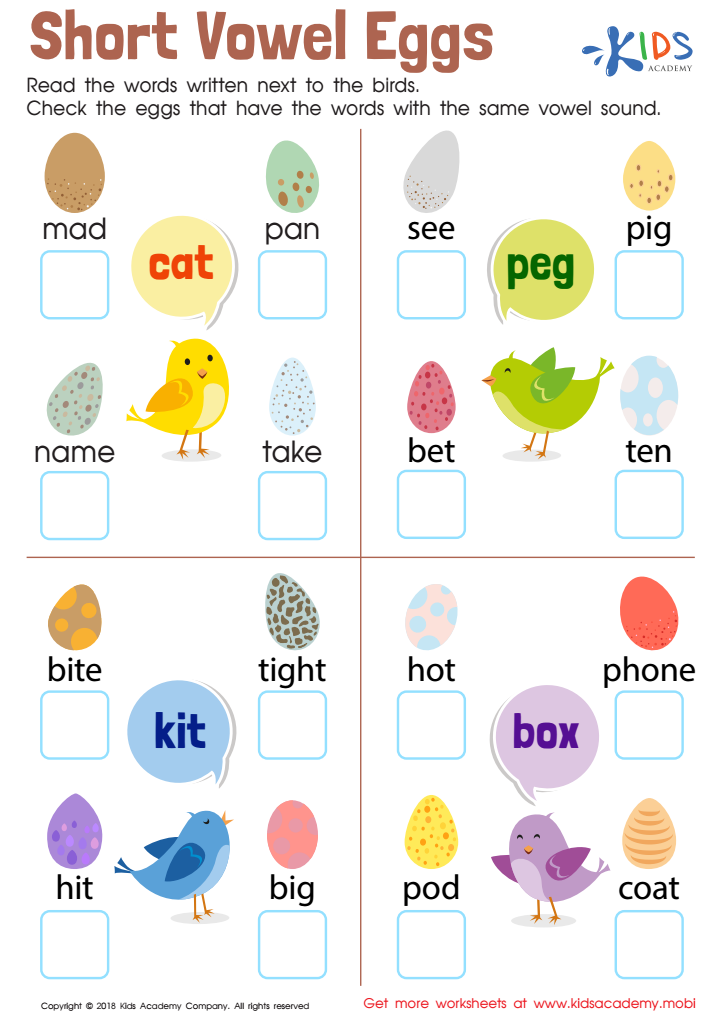
Short Vowel Eggs Worksheet
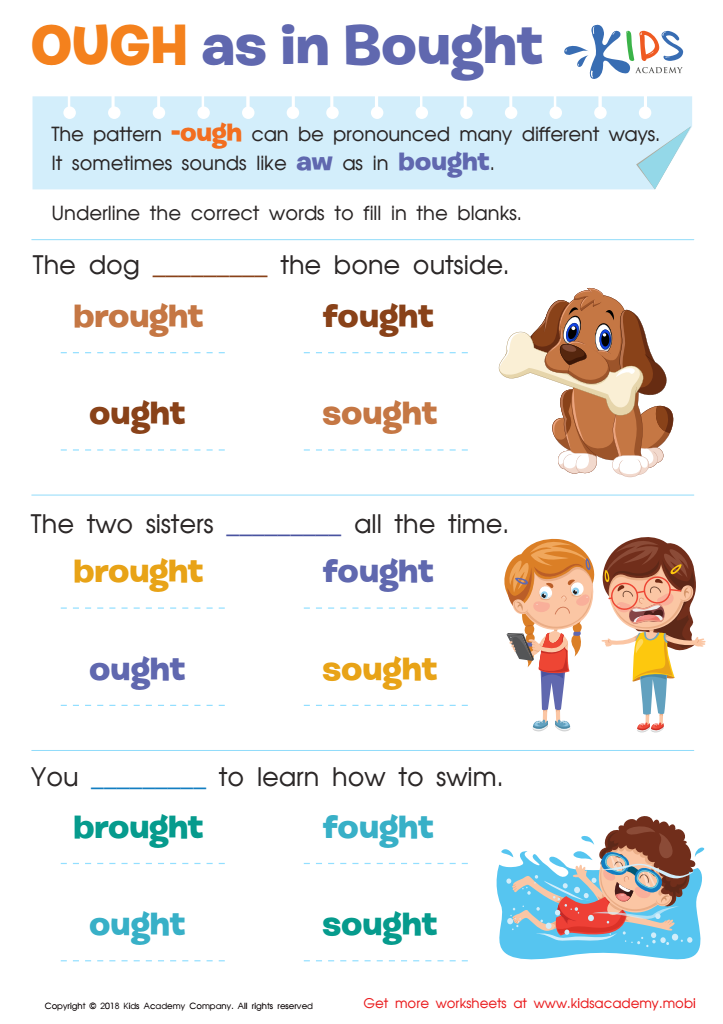
OUGH as in Bought Worksheet
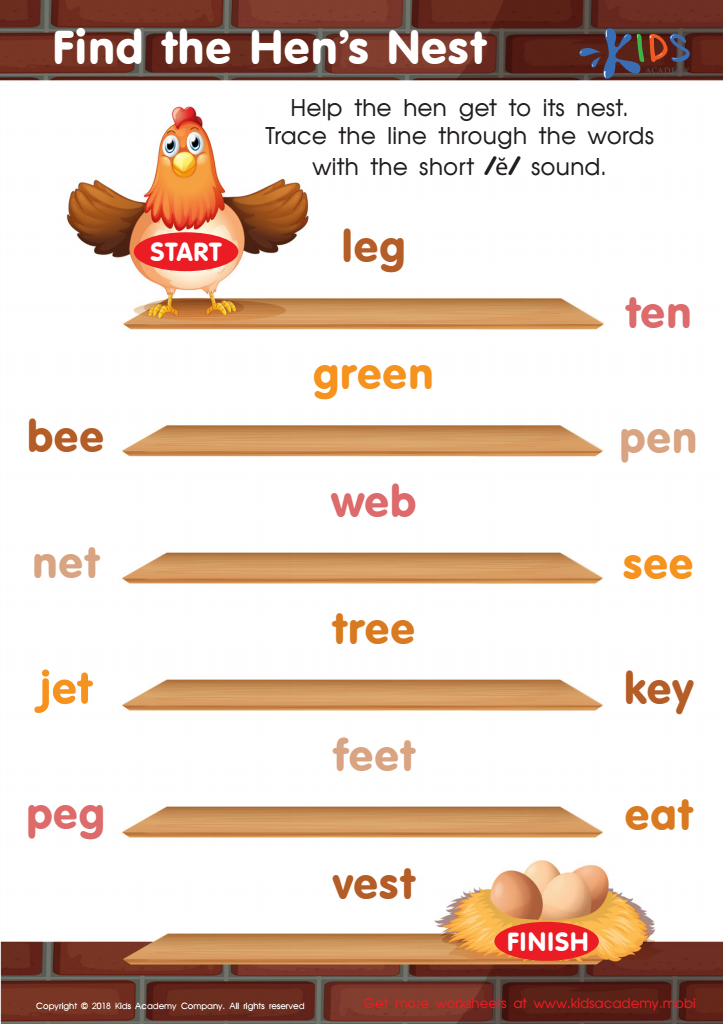
Find Hens Nest Reading Worksheet
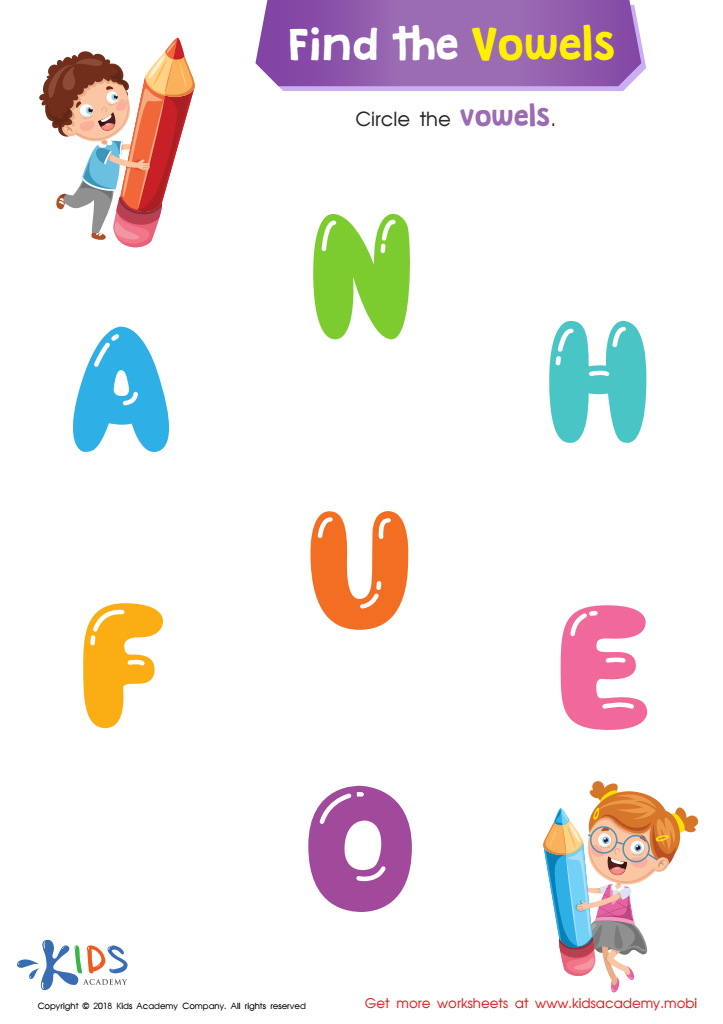
Find the Vowels Reading Worksheet
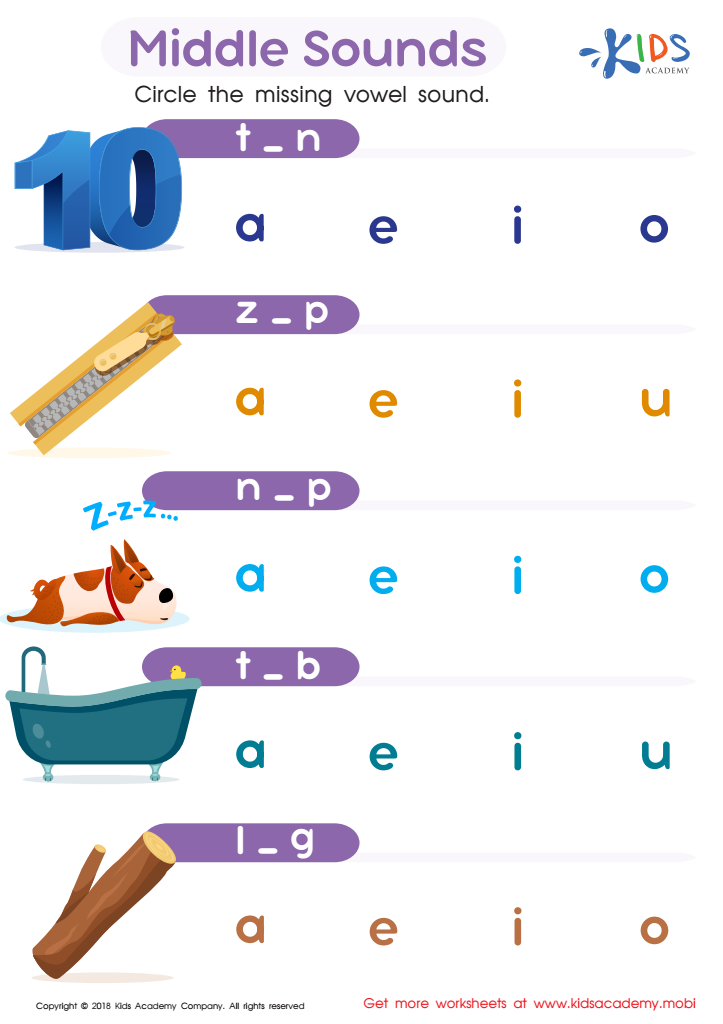
Middle Sounds Worksheet
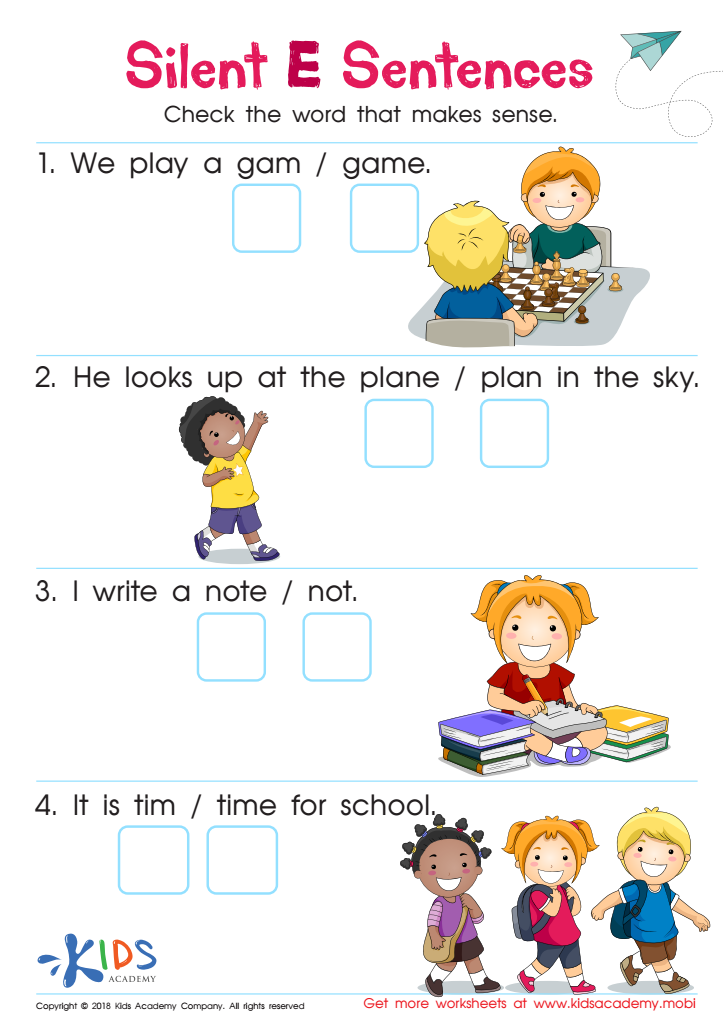
Silent E Sentences Worksheet
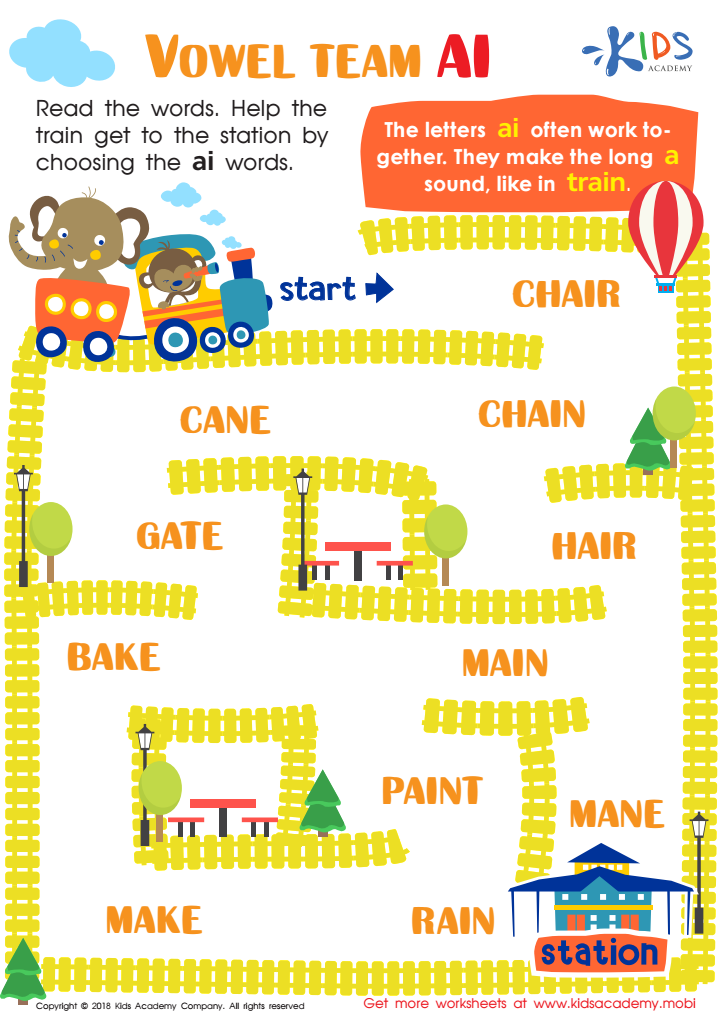
Vowel team ai Worksheet
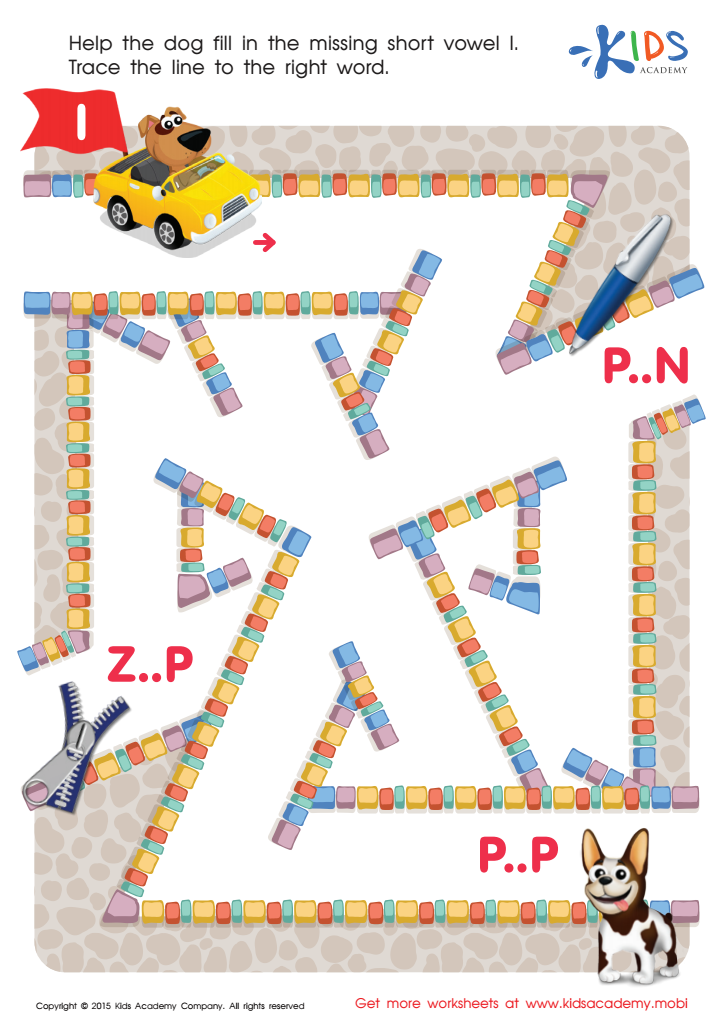
Short Vowel Sound I Worksheet
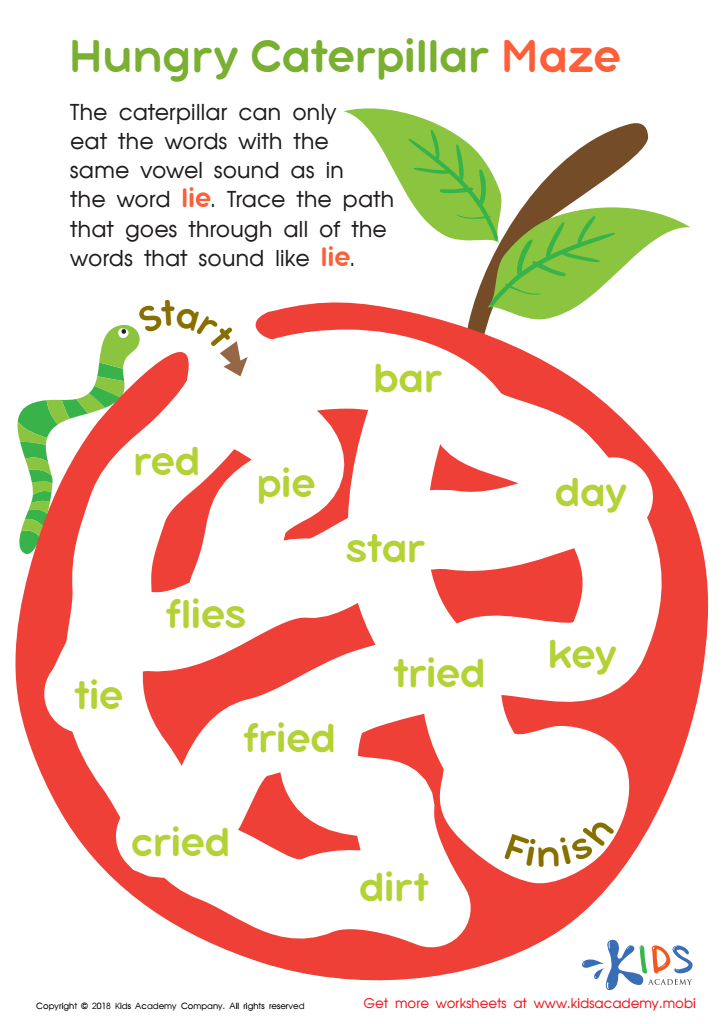
Hungry Caterpillar Maze Worksheet
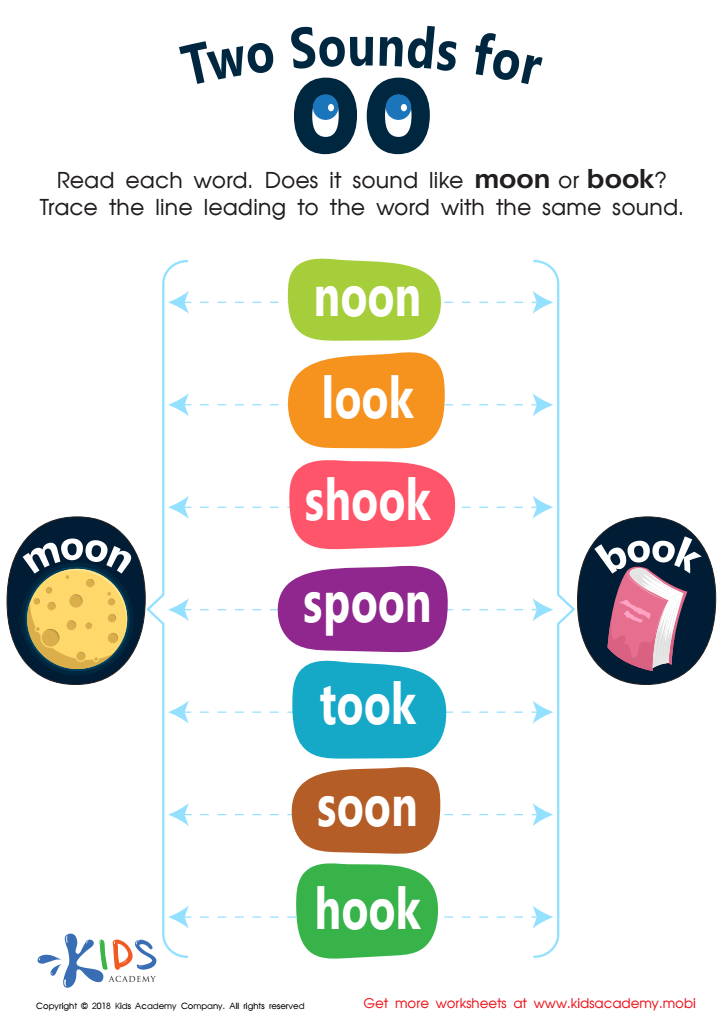
Two Sounds for OO Worksheet
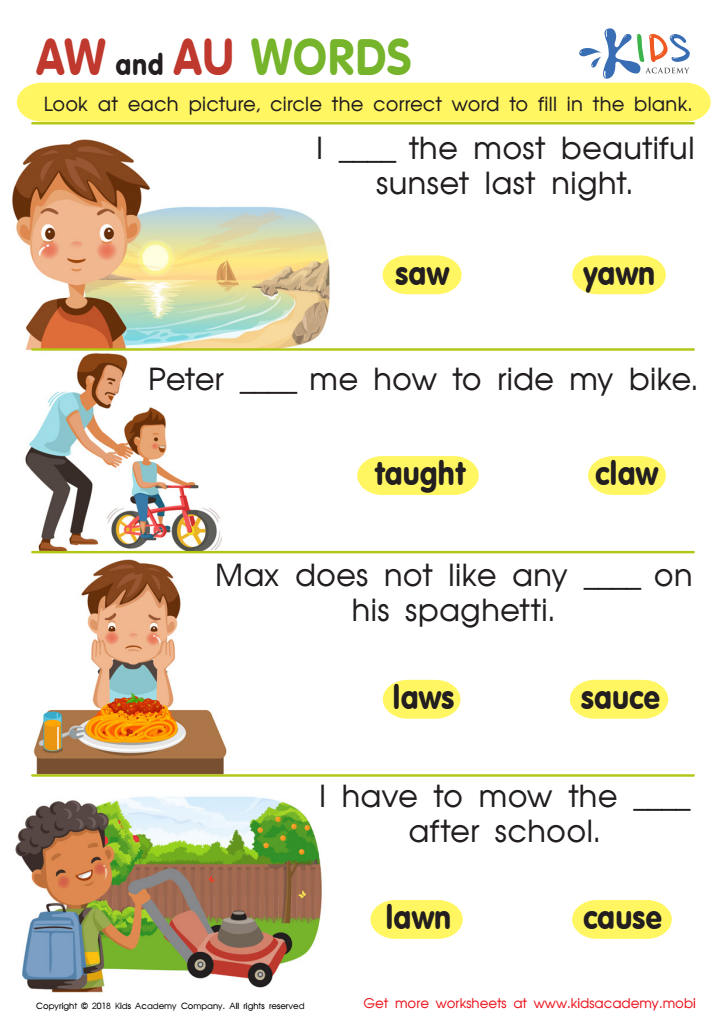
Reading: AW and AU Words Worksheet
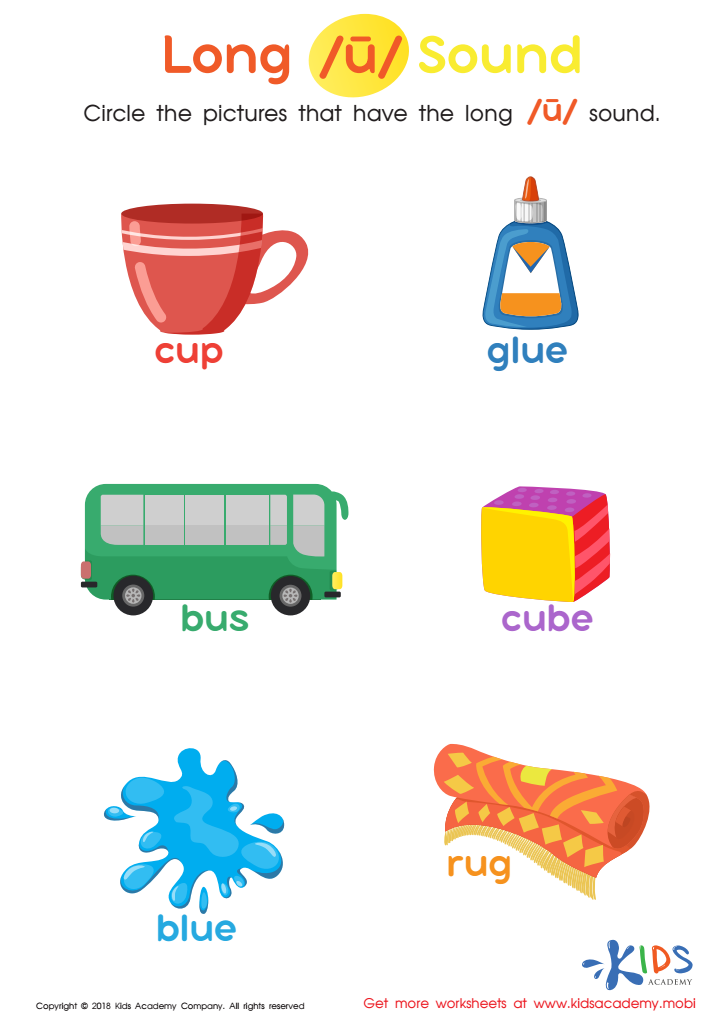
Long «u» Sound Worksheet
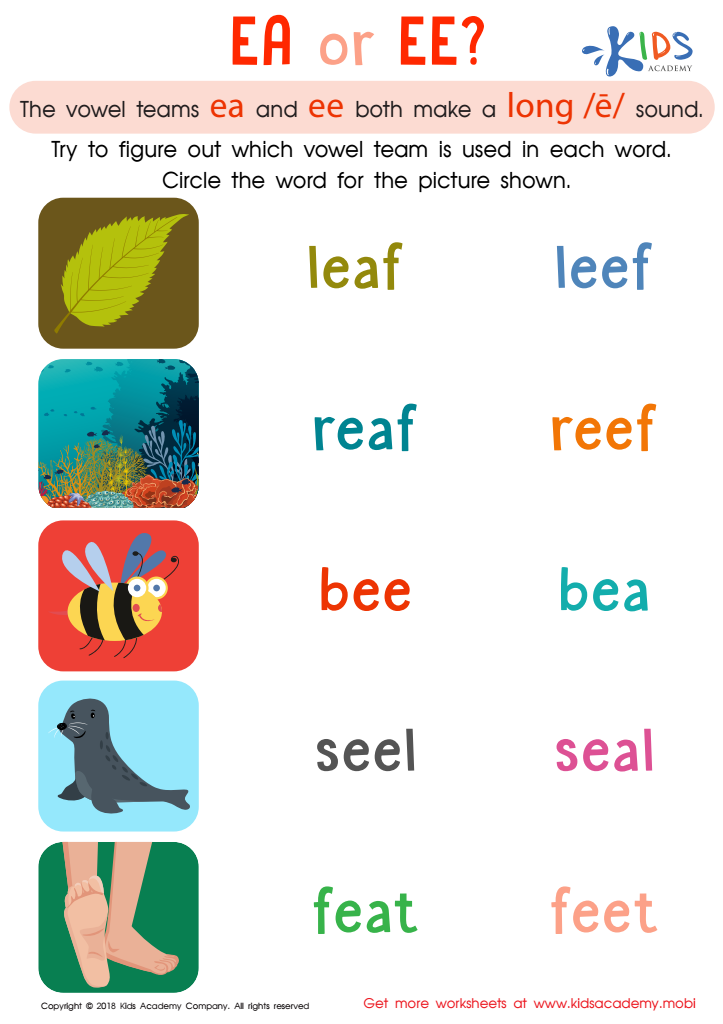
Reading: EA and EE Worksheet
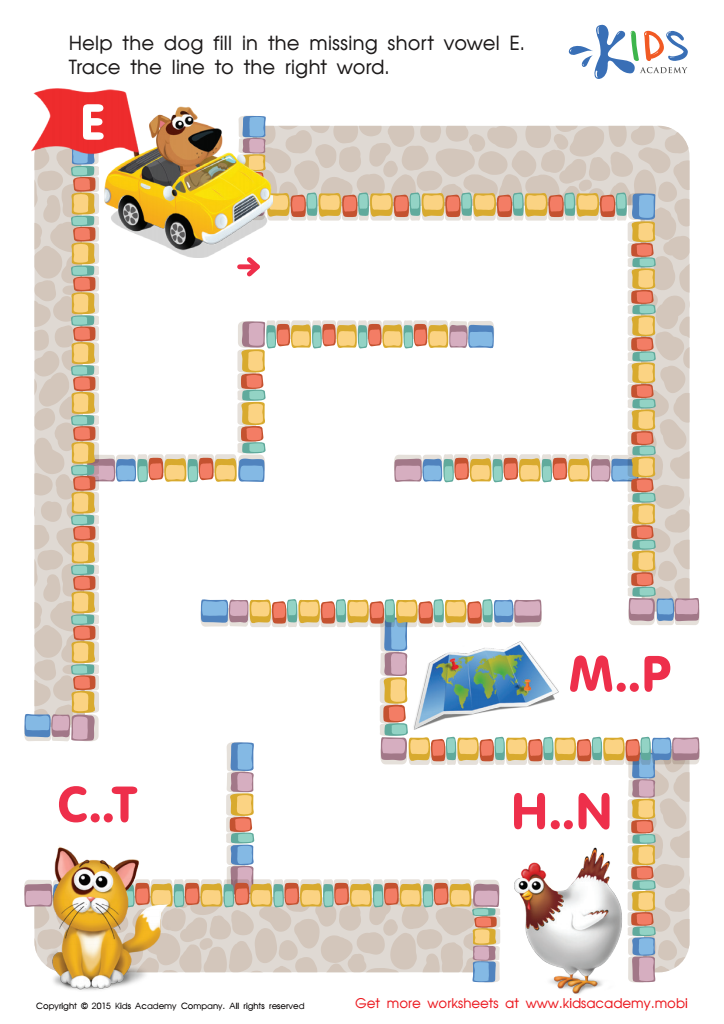
Short Vowel Sound E Worksheet
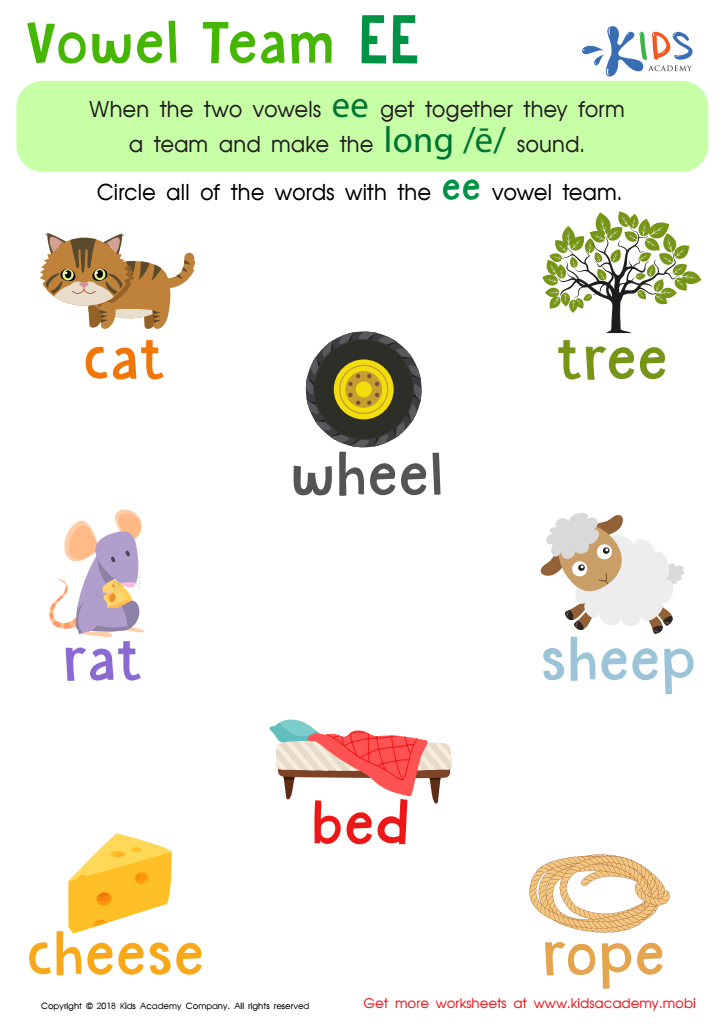
Reading: Vowel Team EE Worksheet
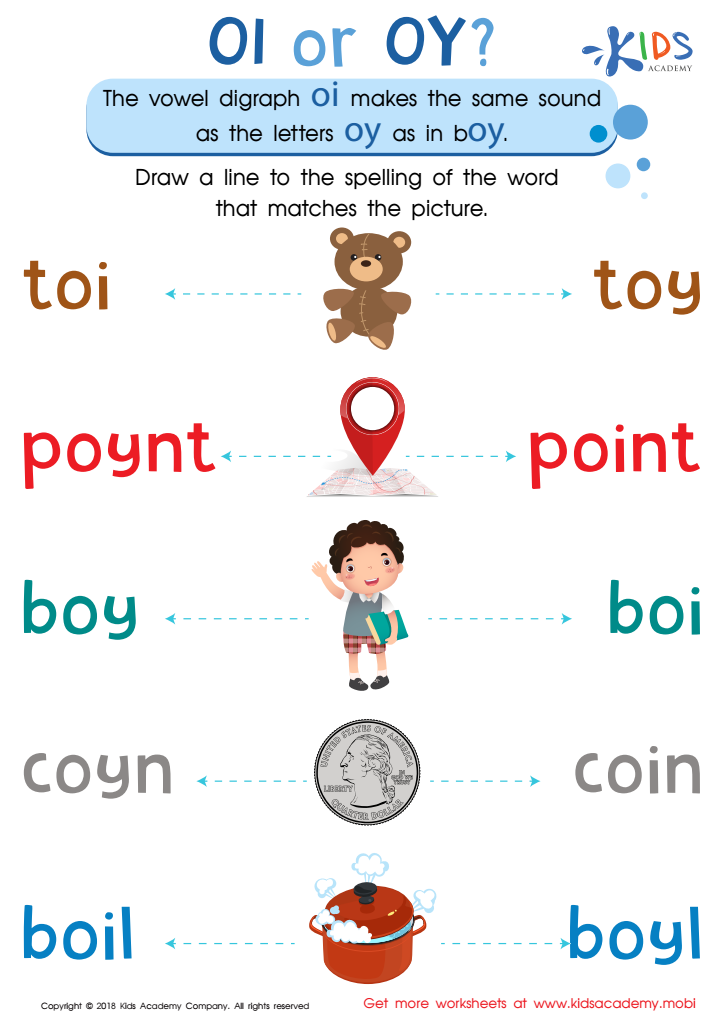
Reading: OI and OY Worksheet
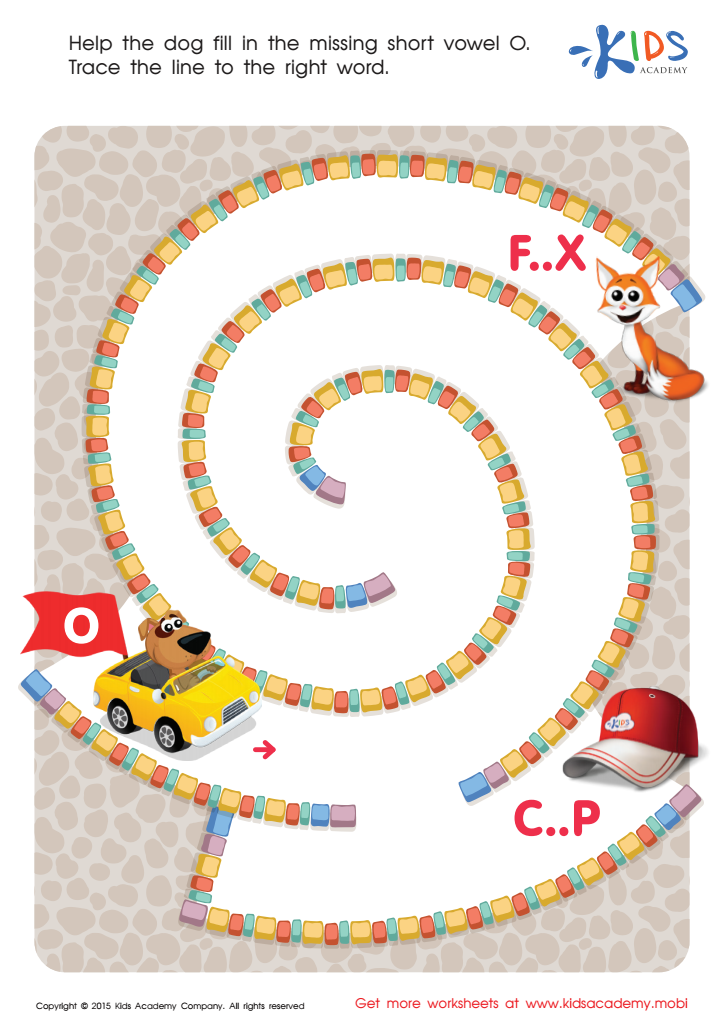
Short Vowel Sound O Worksheet
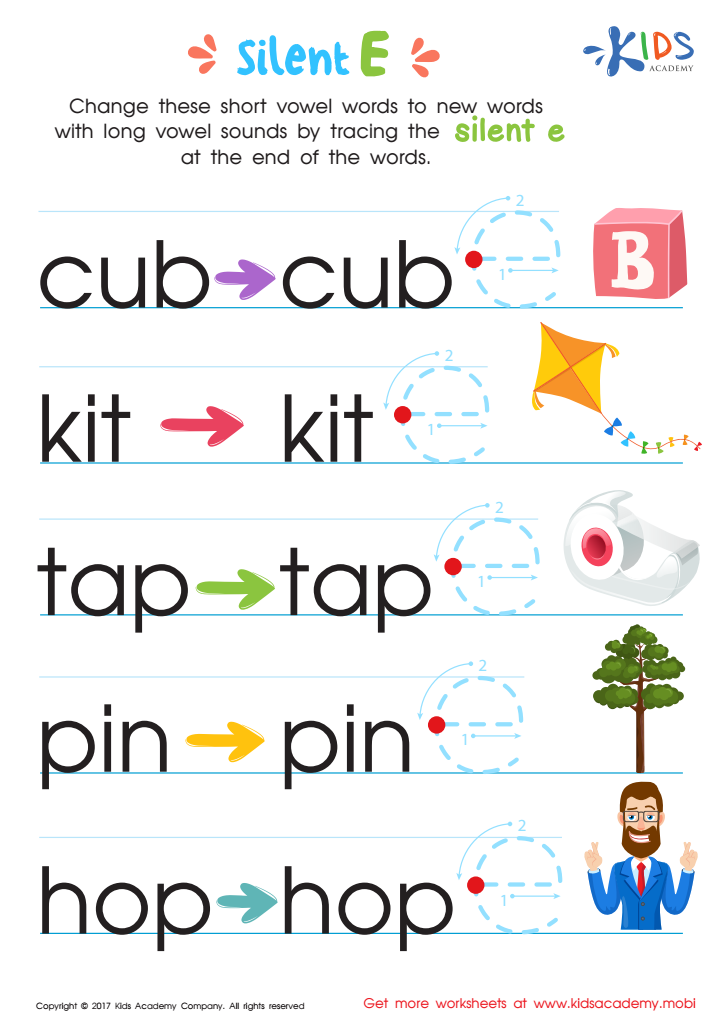
Silent E Words Worksheet
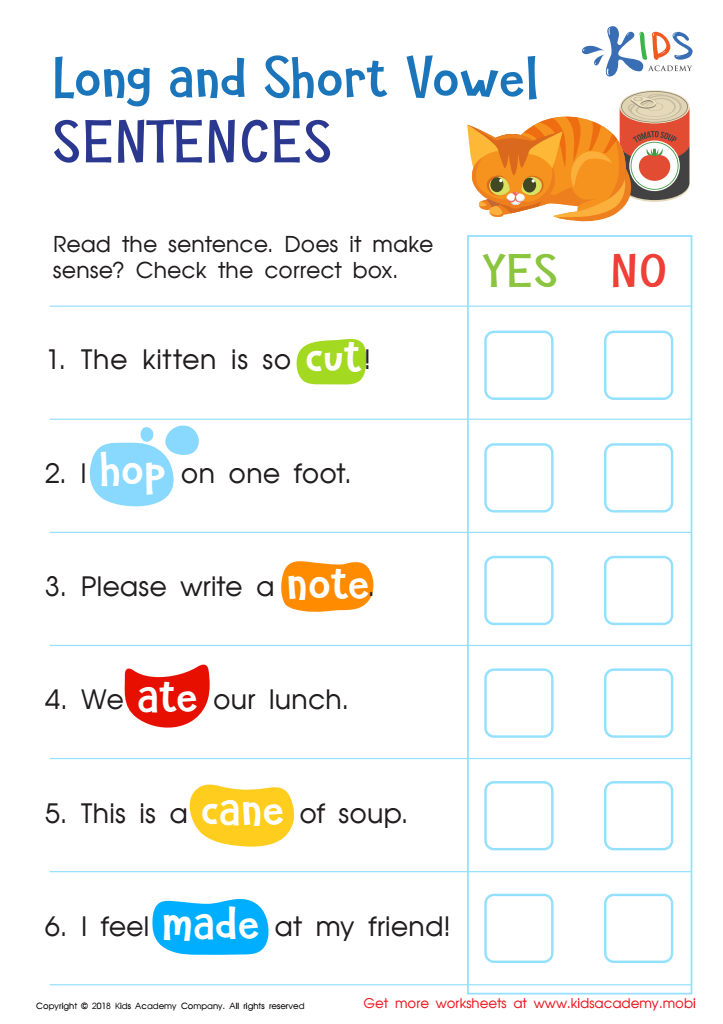
Long and Short Vowel Sentences: Assessment Worksheet
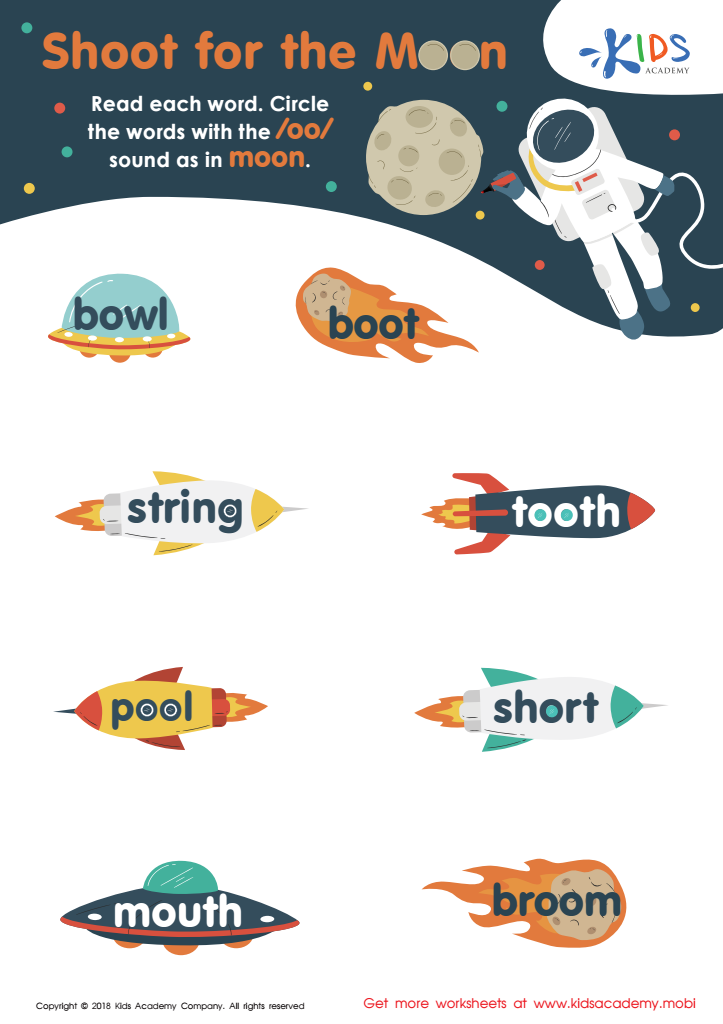
Reading: Shoot for the Moon Worksheet
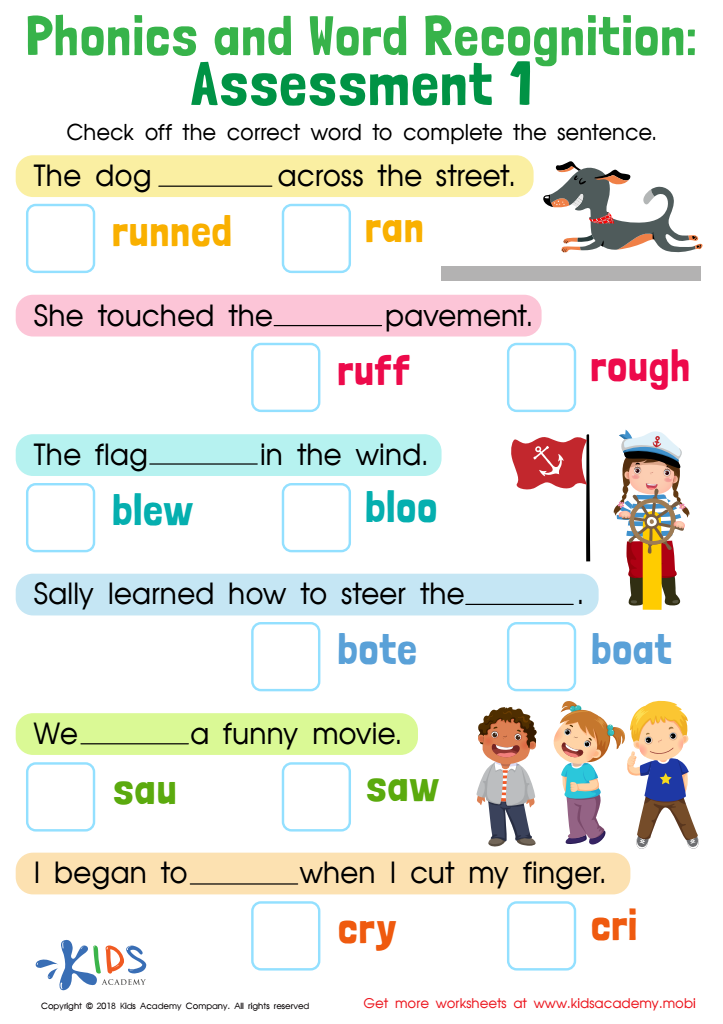
Phonics and Word Recognition: Assessment 1 Worksheet





Vowels are essential building blocks of language, and understanding them is crucial for children aged 4-9 years as they lay the groundwork for literacy skills. Parents and teachers should prioritize vowel instruction because vowels (a, e, i, o, u) form the core of words, contributing to phonemic awareness—a fundamental skill needed for reading and writing.
At this age, children are developing their ability to decode words, and a solid grasp of vowels enhances their phonics skills, allowing them to recognize and pronounce words accurately. This boosts their confidence in reading, leading to a more enjoyable learning experience. Furthermore, understanding vowel sounds helps children with spelling, as many words rely heavily on vowel usage.
Moreover, vowel games and activities can make learning engaging and interactive, fostering a love for reading early on. When children become skilled in vowel recognition and sounds, they are better equipped to progress in their reading fluency and comprehension.
In summary, parents and teachers should emphasize the importance of vowels for children aged 4-9, as it empowers them in literacy, enhances their communication skills, and sets a strong foundation for future academic success.







