Counting Worksheets for Ages 4-9 - Page 2
43 filtered results
-
From - To
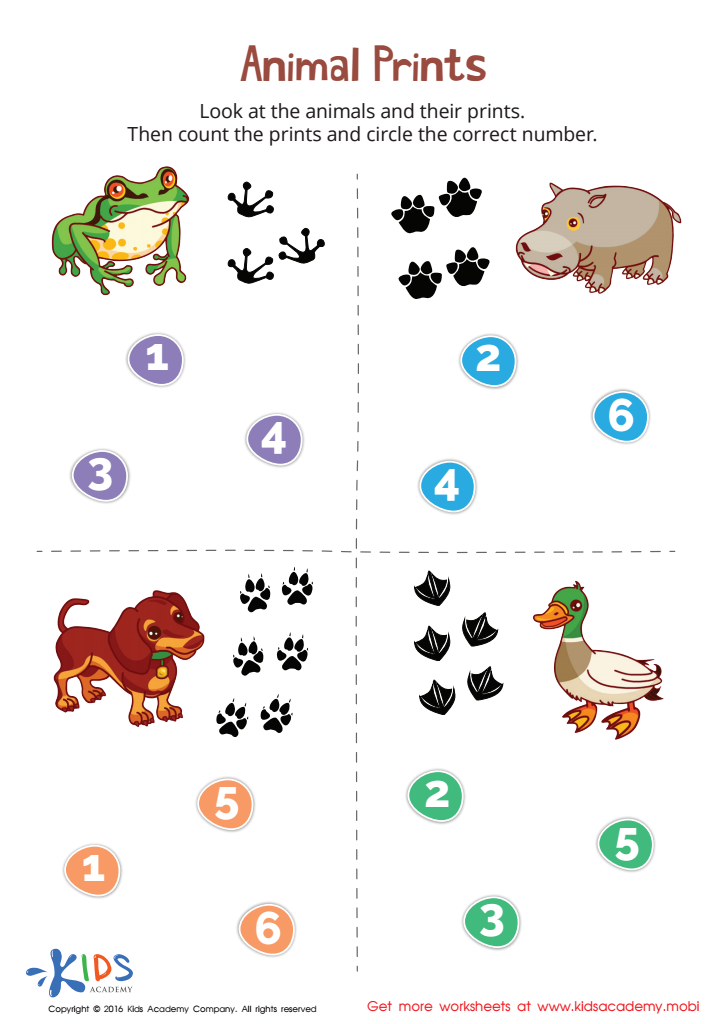
Animal Prints Match-Up Worksheet
 Assign to My Students


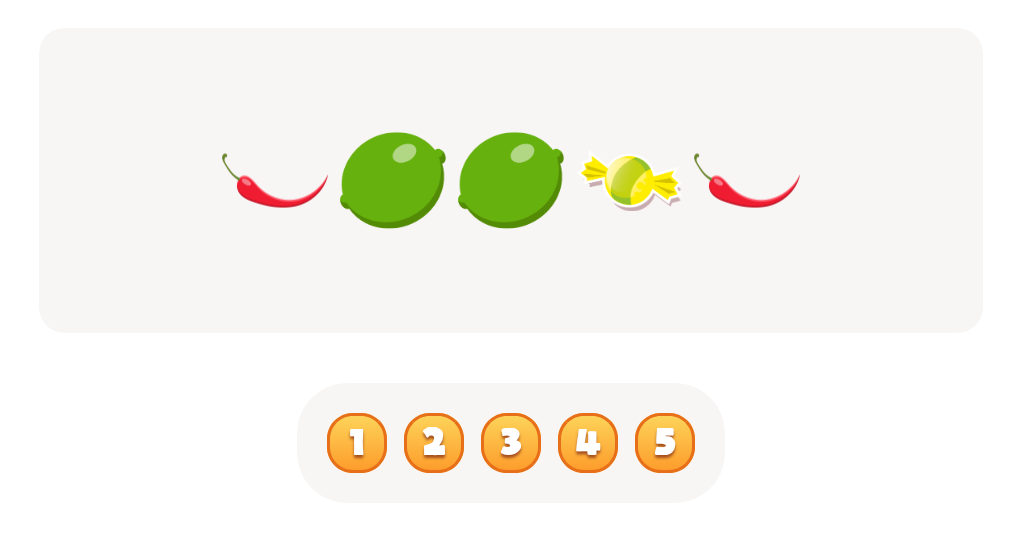
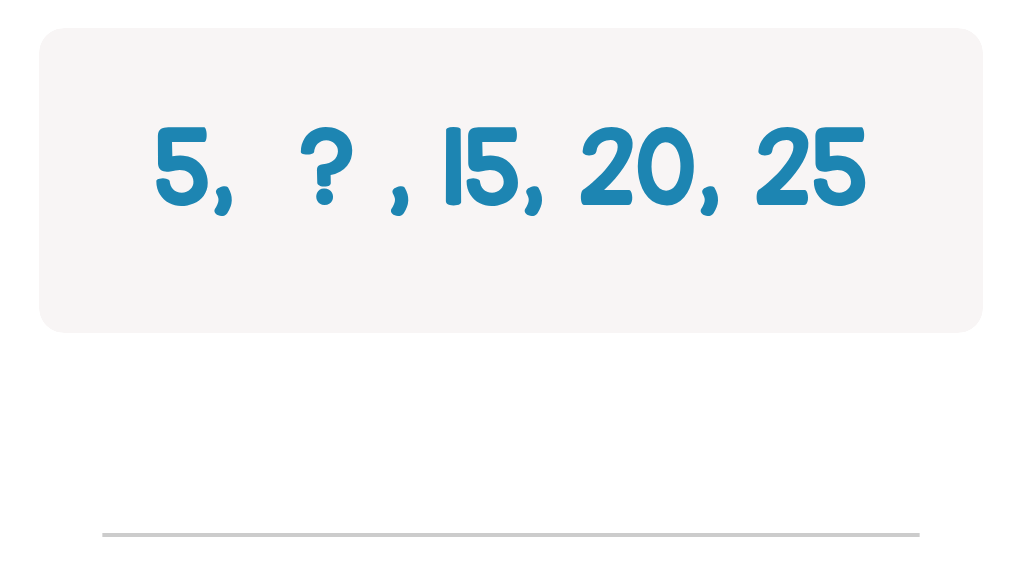
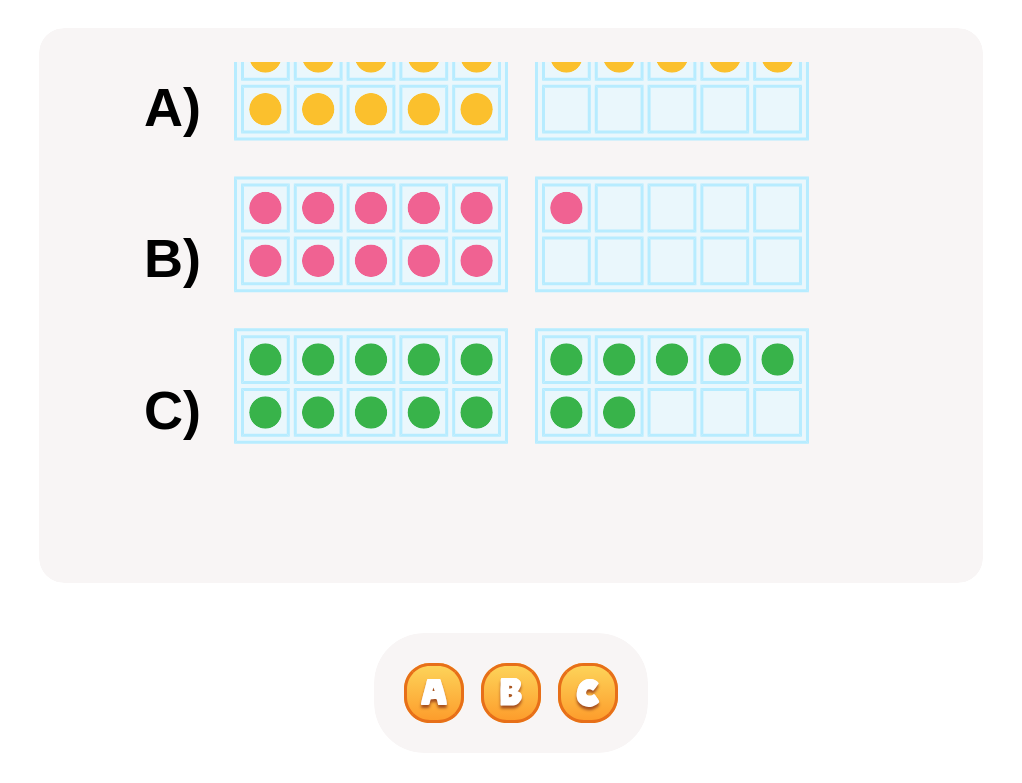
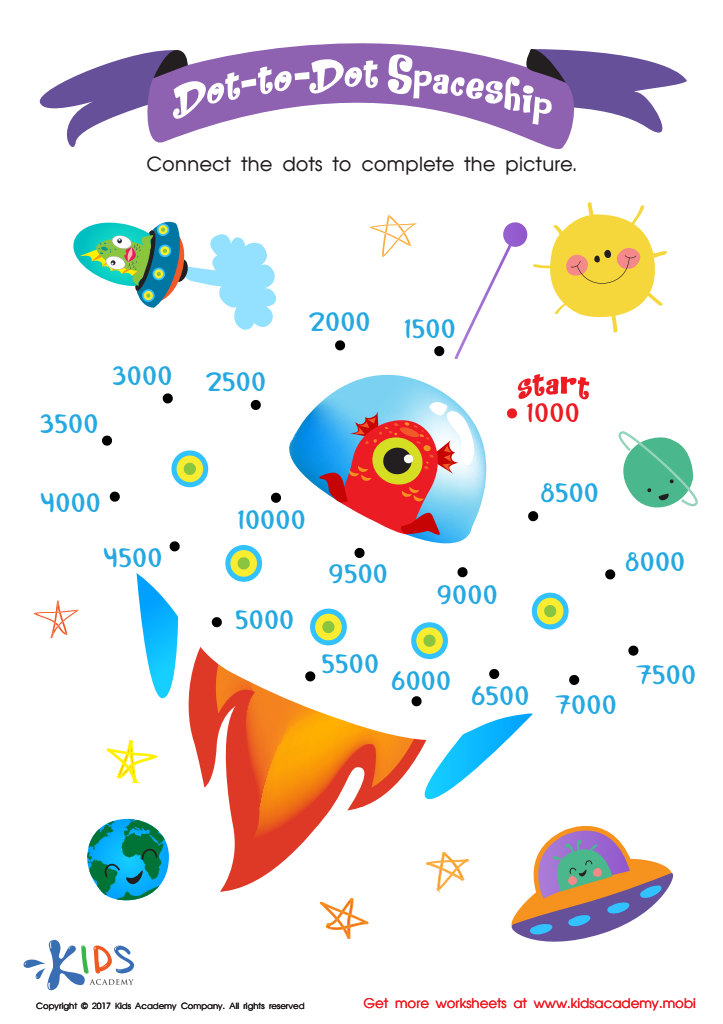
Dot to Dot Worksheet for 3rd Grade
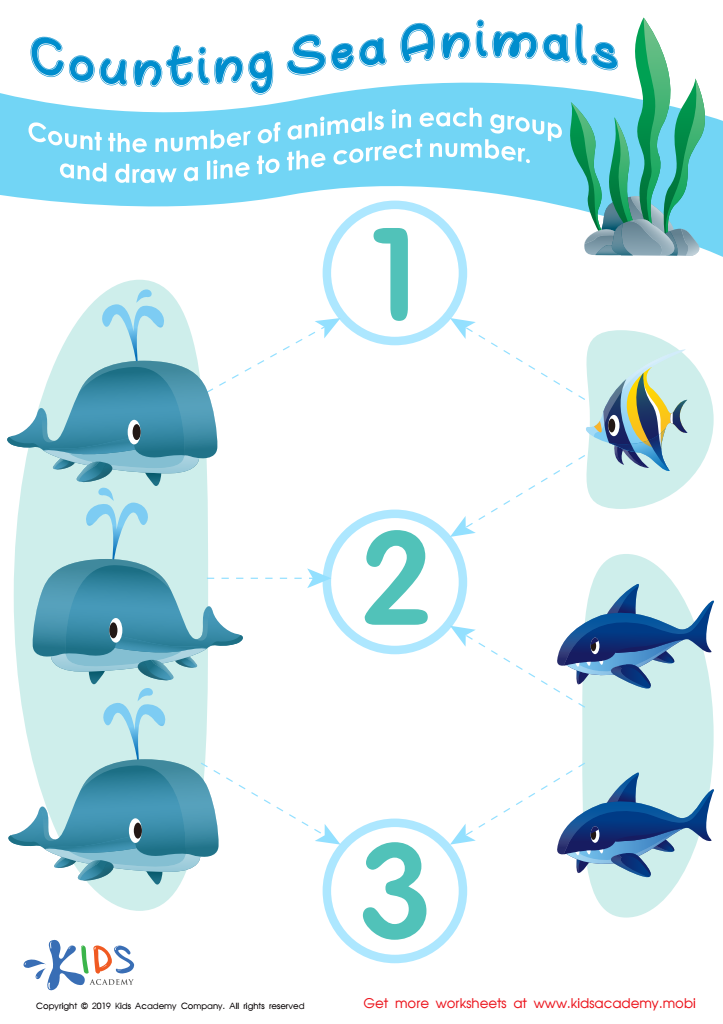
Counting Sea Animals Worksheet
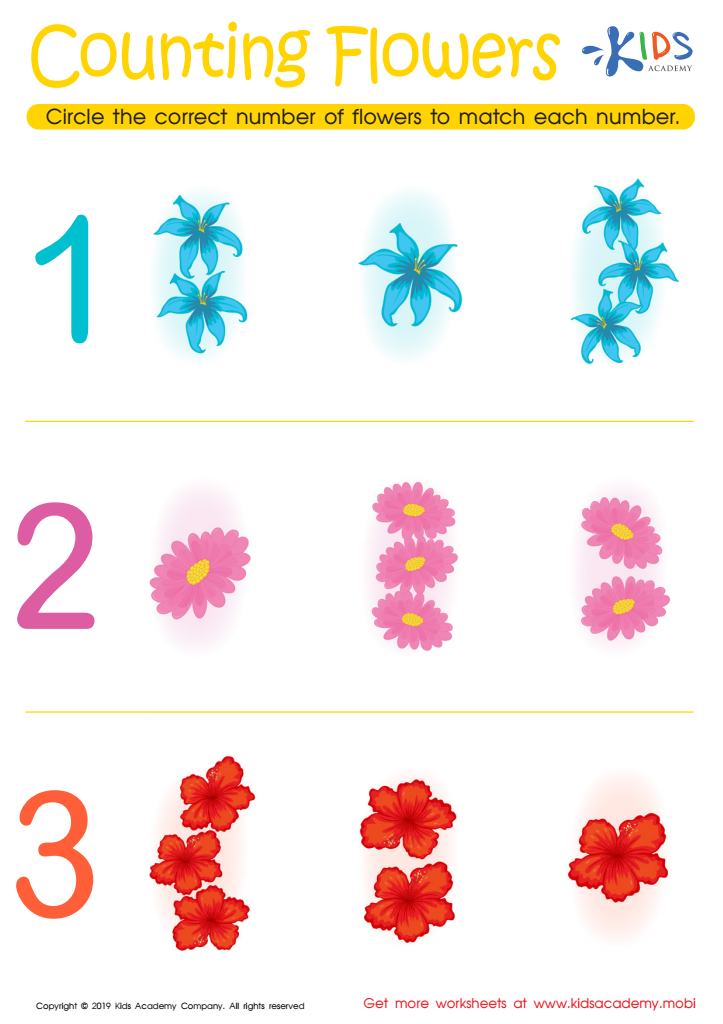
Counting Flowers Worksheet
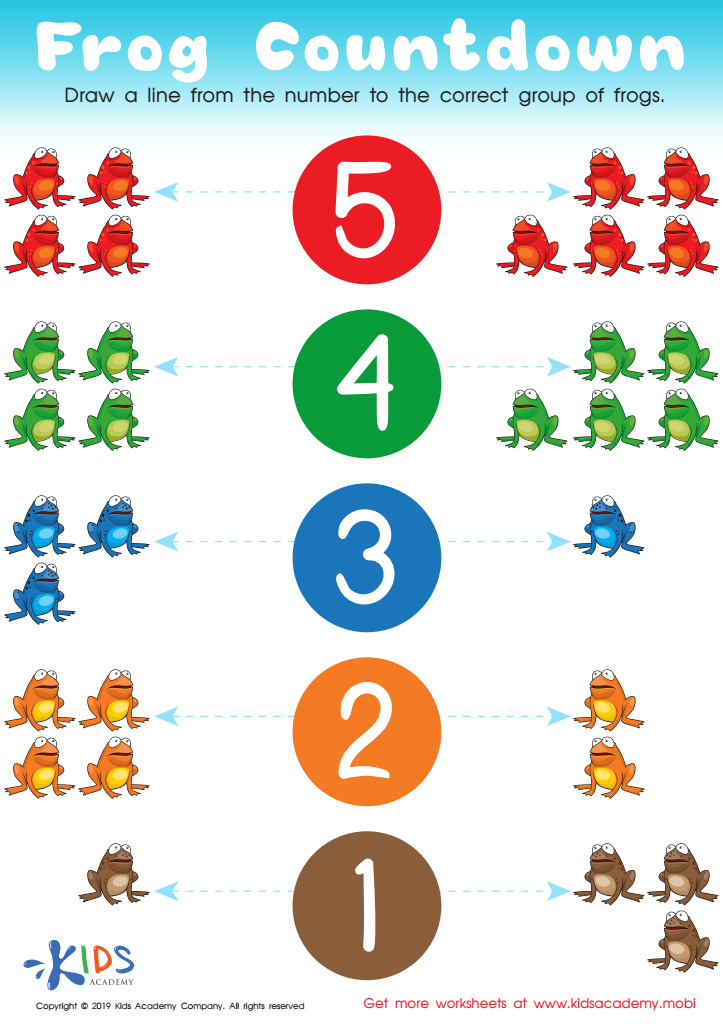
Frog Countdown Worksheet
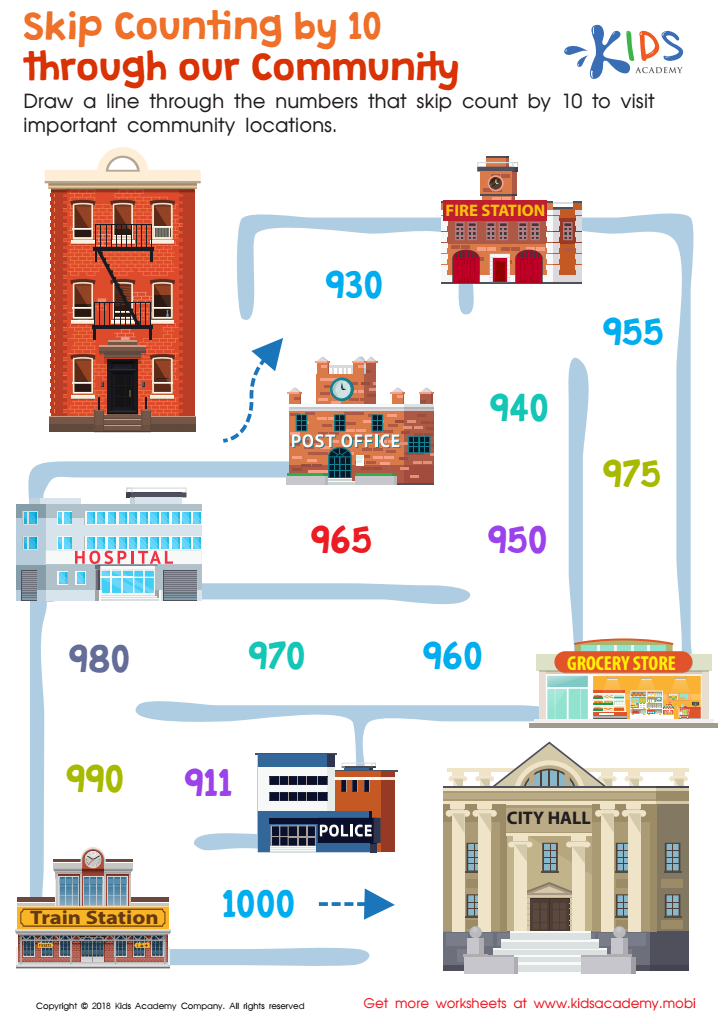
Skip Counting by 10 Through Our Community Worksheet
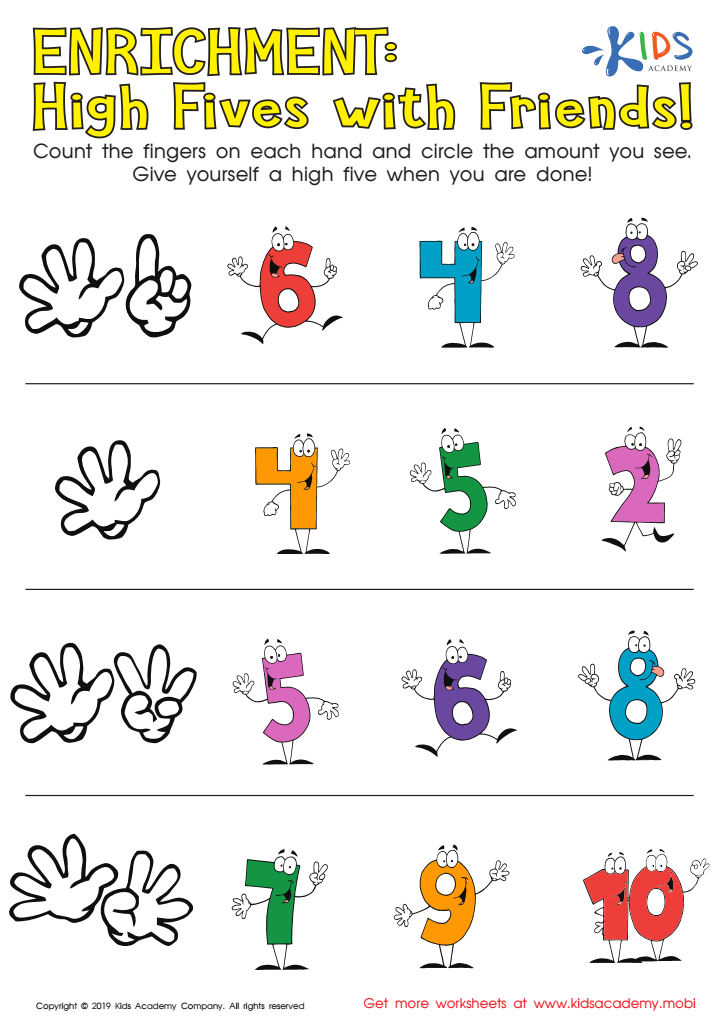
Enrichment: High Fives with Friends! Worksheet
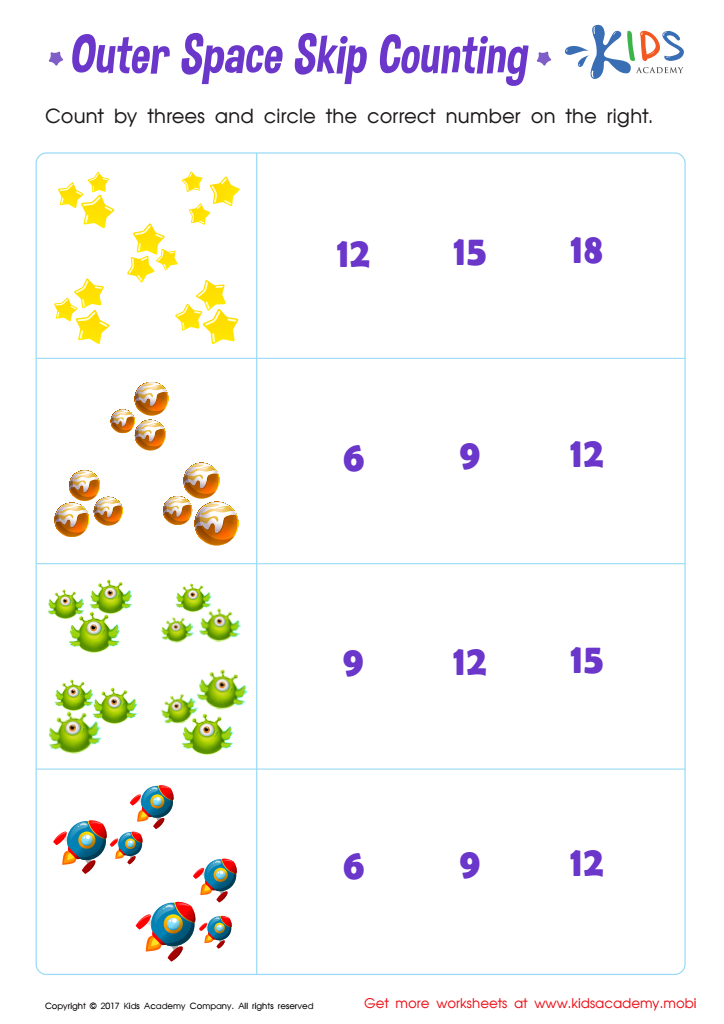
Skip Counting by 3s: Outer Space Skip Counting Printable

Make 6 Worksheet
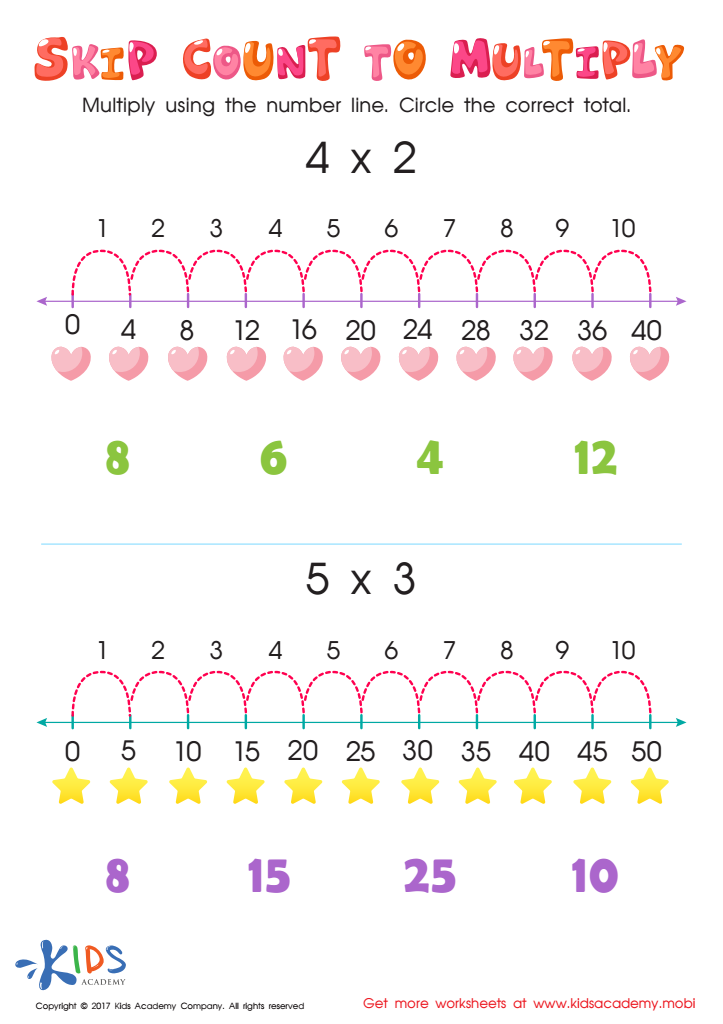
Skip Count Multiplication Worksheet
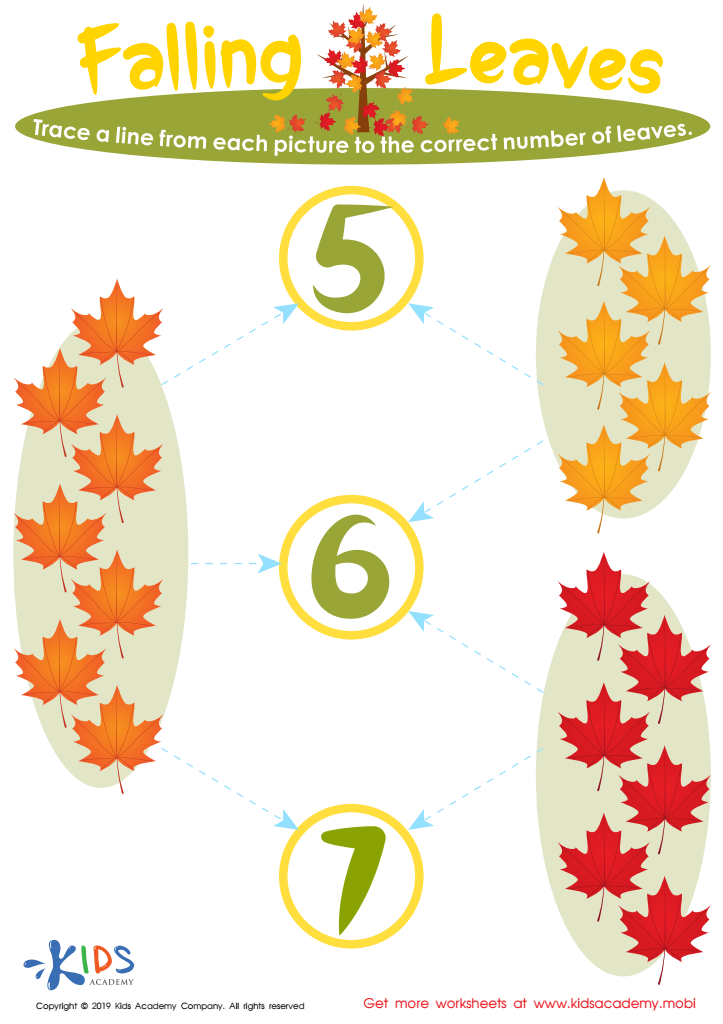
Falling Leaves Worksheet
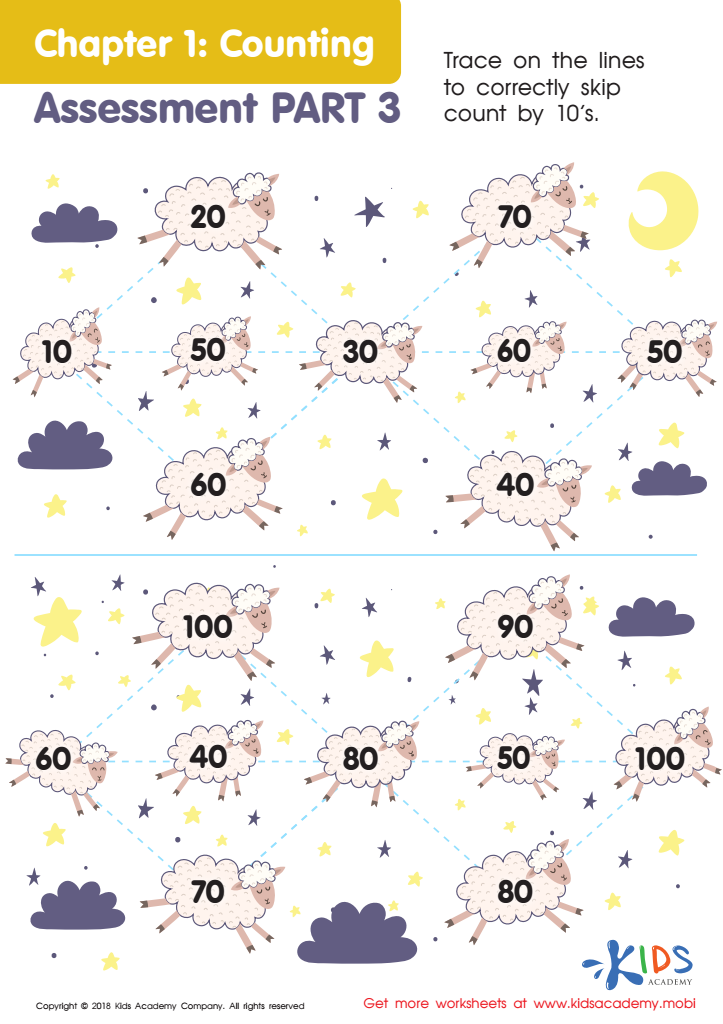
Counting: Assessment 3 Worksheet
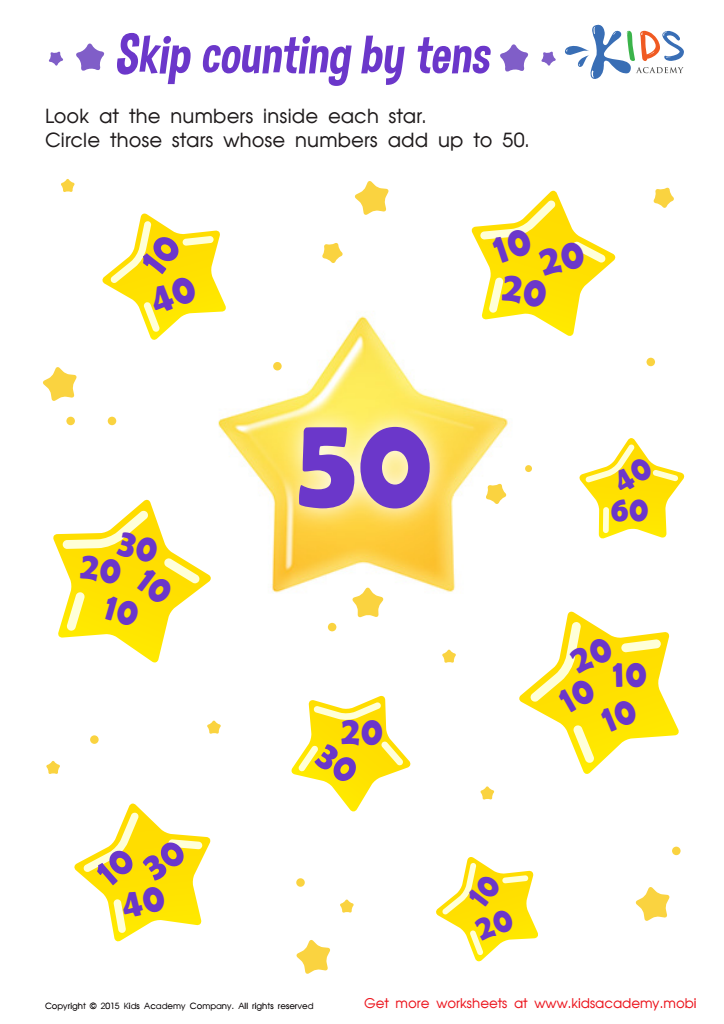
Learn Dozens: Skip Counting by Tens Printable
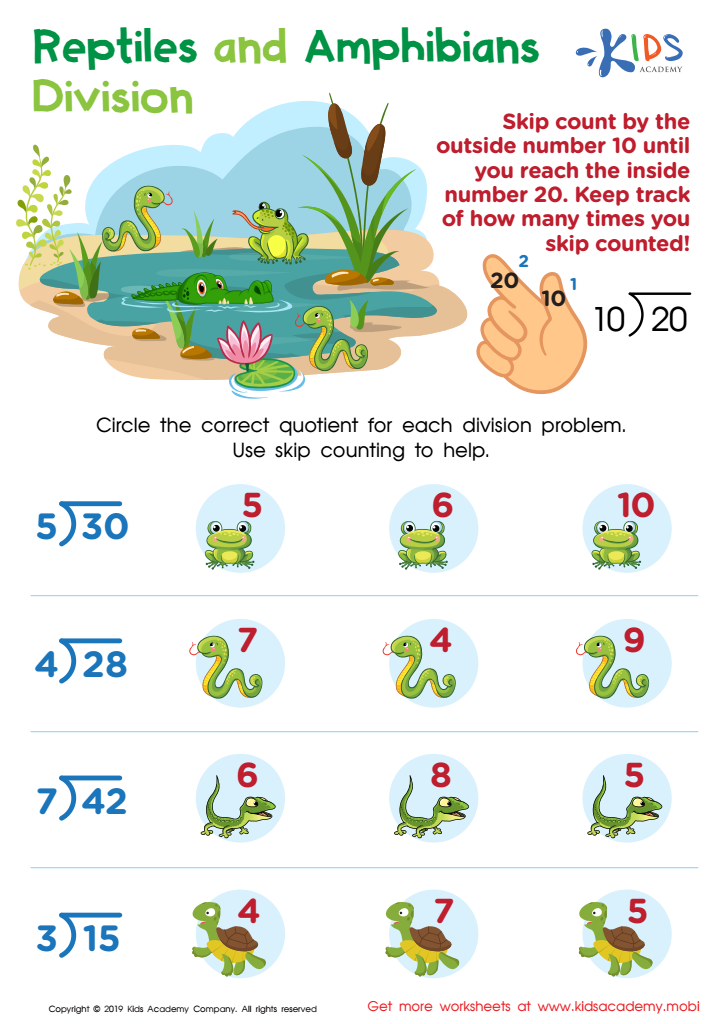
Reptile and Amphibians Division Worksheet
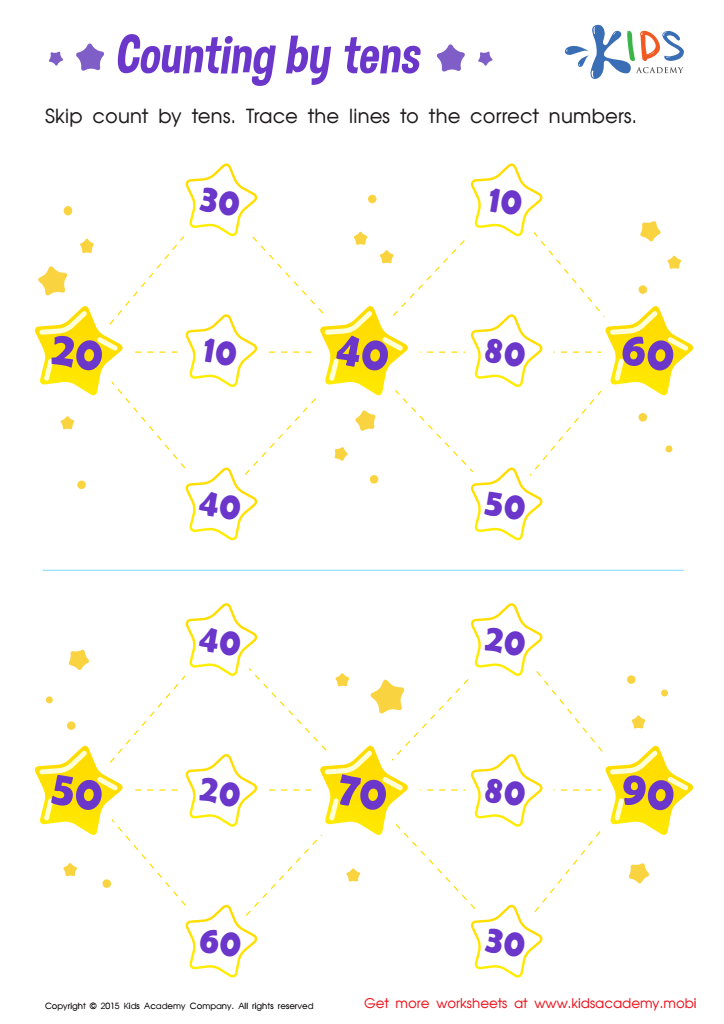
Learn Dozens: Counting by Tens Printable
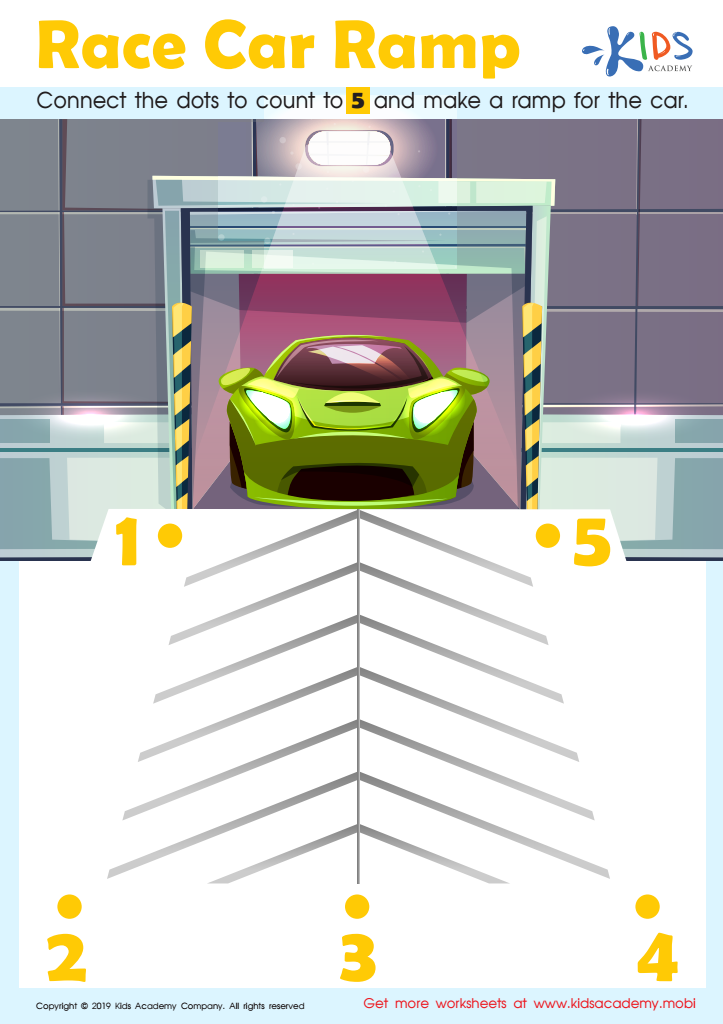
Race Car Ramp Worksheet
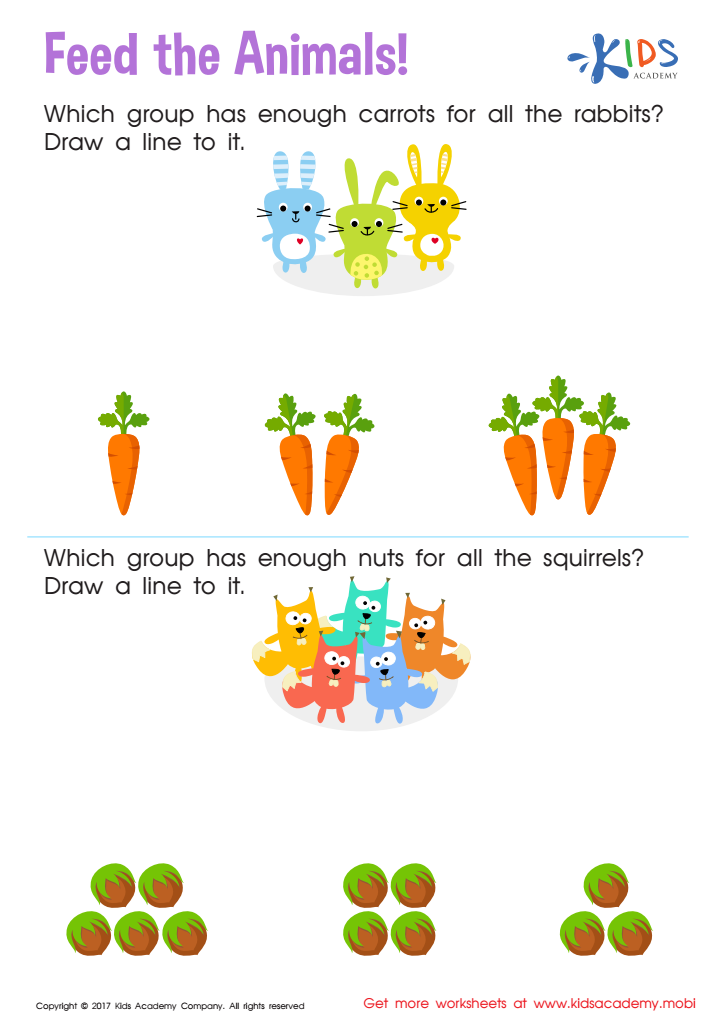
Count and Match: Feed the Animals Worksheet
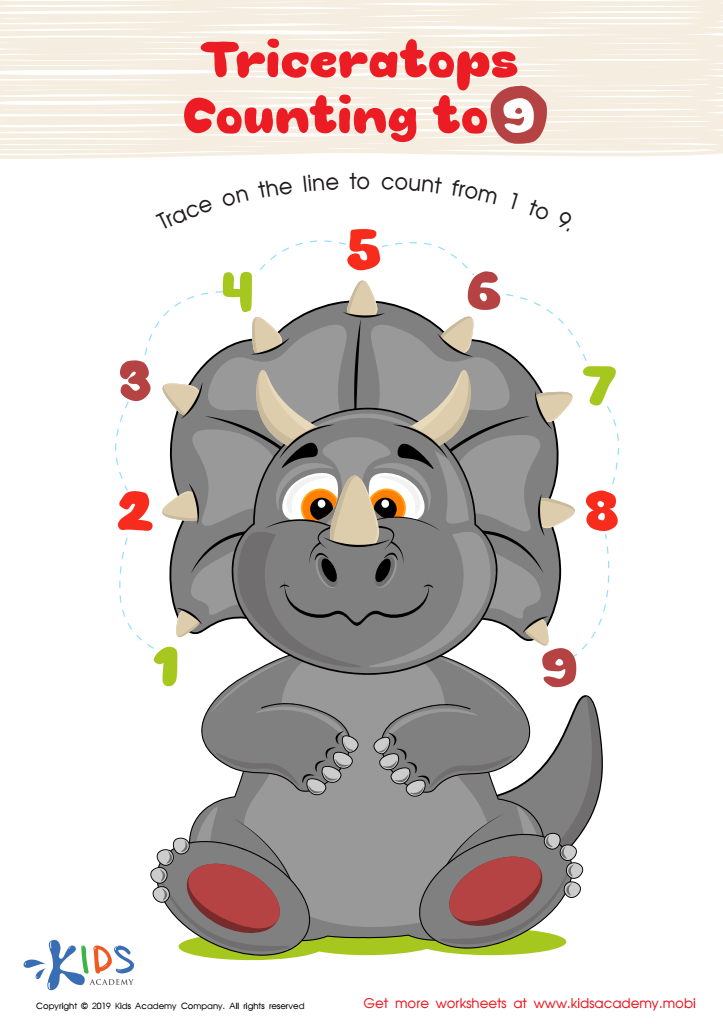
Triceratops Counting to 9 Worksheet
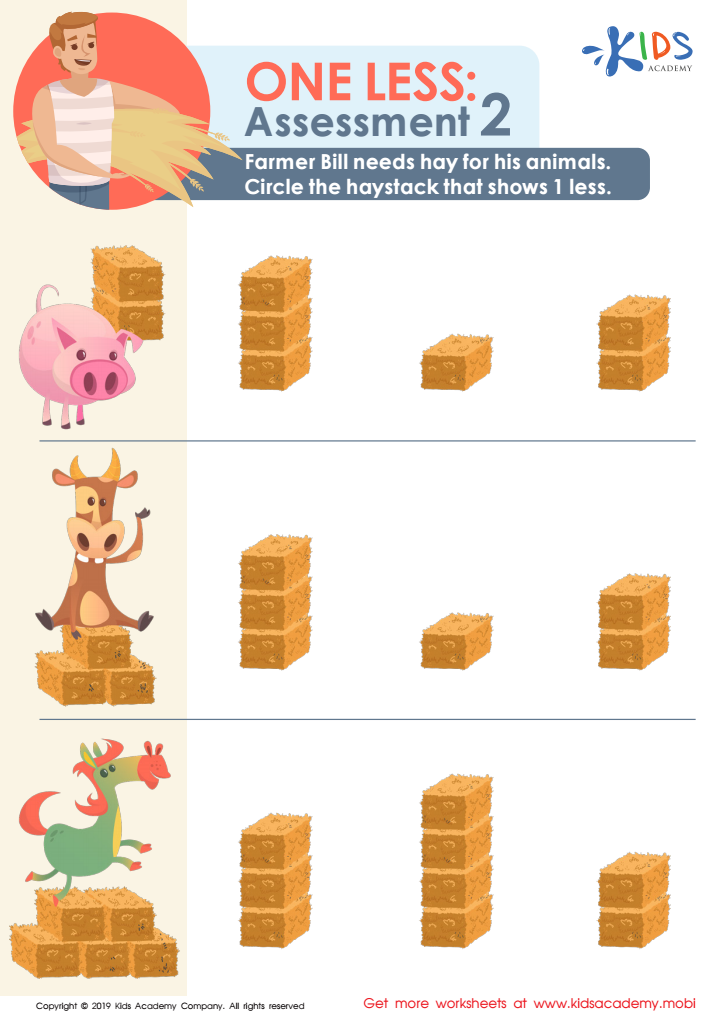
One Less: Assessment 2 Worksheet








Counting is a foundational skill that plays a crucial role in the cognitive development of children aged 4-9. Parents and teachers should prioritize teaching counting because it underpins many other mathematical concepts and skills that children will encounter as they progress in their education. For young learners, counting helps develop number sense, which includes understanding the relationship between numbers and the quantities they represent. This is essential for later learning about addition, subtraction, and other arithmetic operations.
Moreover, counting enhances children's problem-solving skills and logical thinking. When children practice counting, they learn to recognize patterns, make predictions, and understand sequences—all of which are critical components of higher-level math and other academic subjects. Counting also fosters children's ability to concentrate and improves their memory.
In a broader context, early proficiency in counting and numerical skills sets the stage for academic success in a variety of disciplines, including science, technology, and engineering. Given that numerical literacy is increasingly important in our data-driven world, equipping children with strong counting skills at an early age can contribute significantly to their future ability to navigate complex information and make informed decisions.
Beyond academics, being able to count also supports everyday life skills, such as telling time, using money, and even reading instructions. By investing time in teaching counting, parents and teachers help build a strong educational foundation and confidence in young learners, preparing them for future challenges.








