Math Worksheets for Ages 5-8 - Page 3
1302 filtered results
-
From - To
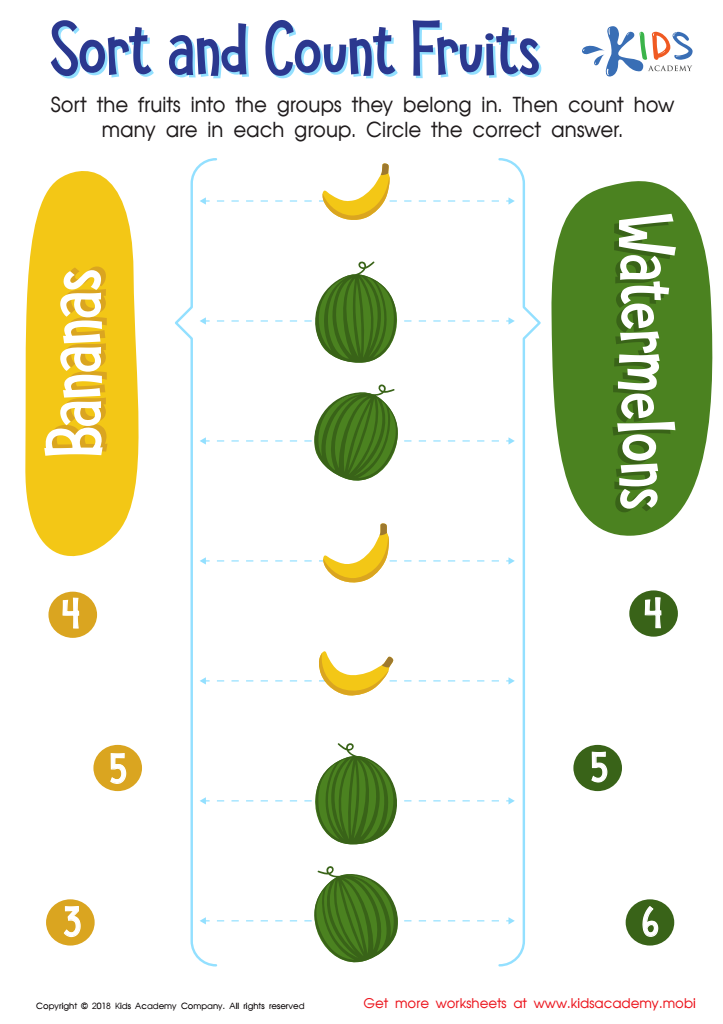
Sort and Count Fruits Worksheet
 Assign to My Students
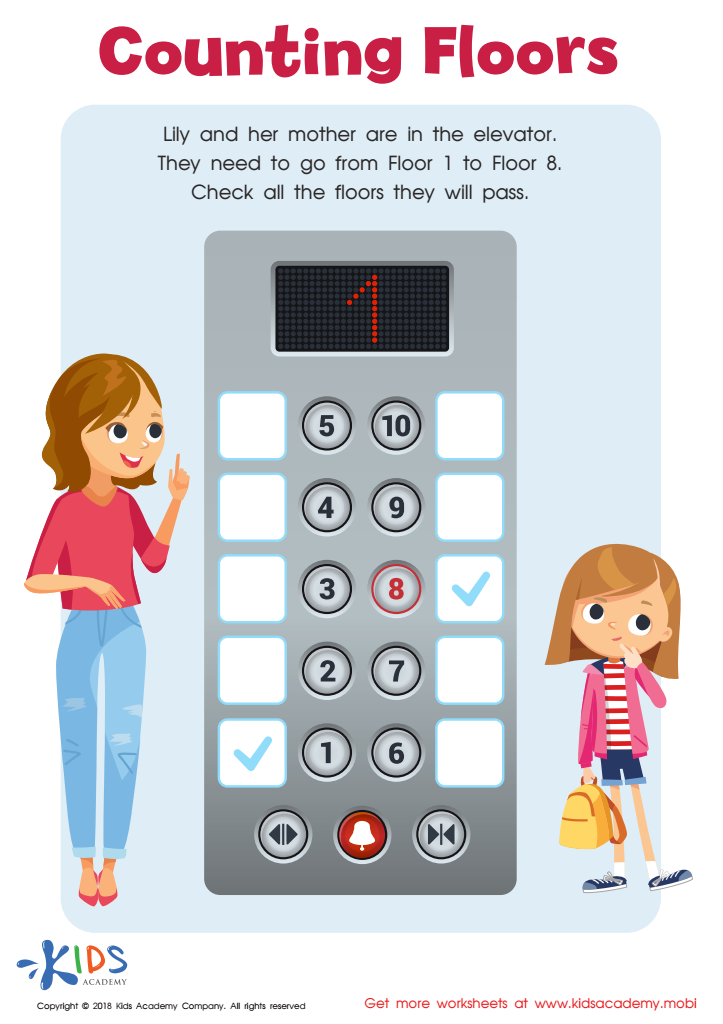
Counting Floors Worksheet
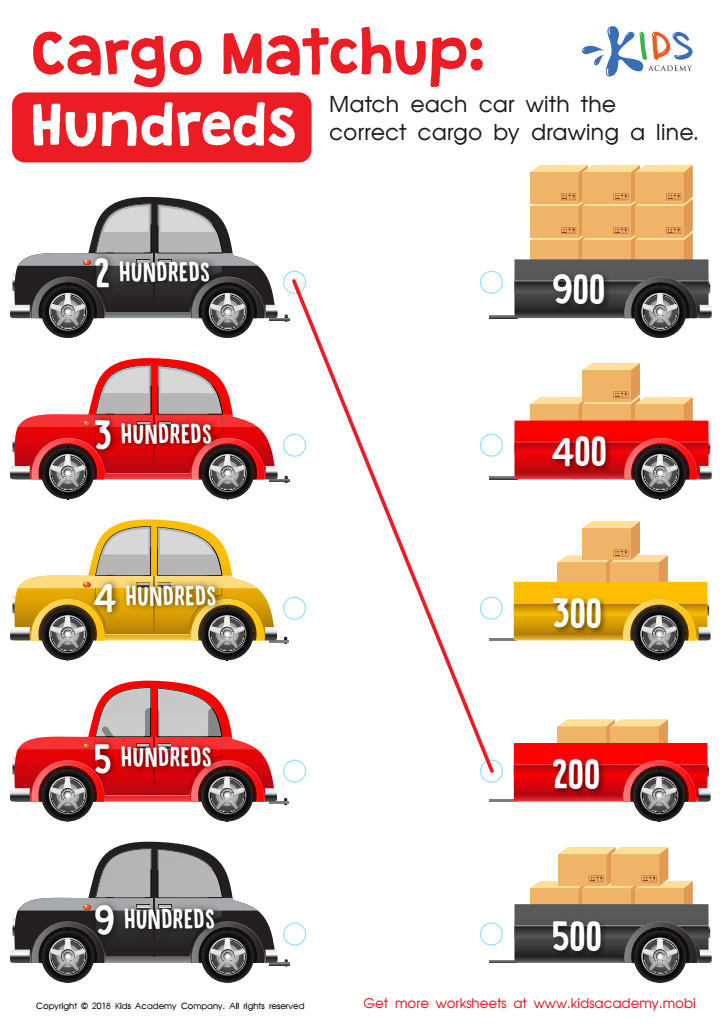
Cargo Matchup: Hundreds Worksheet
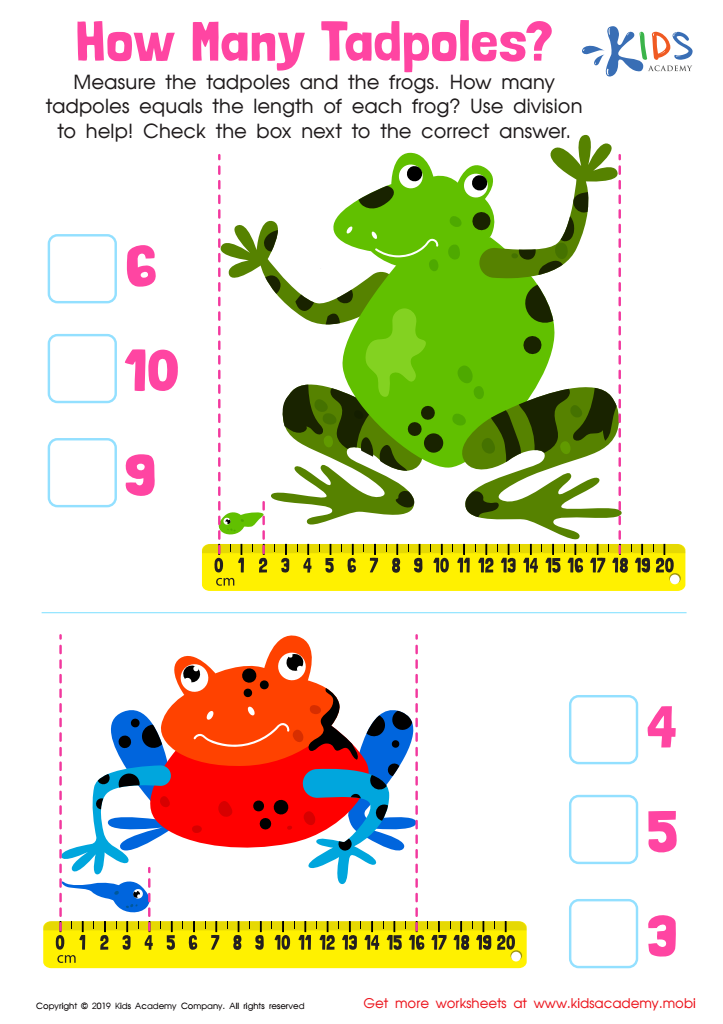
How Many Tadpoles Worksheet
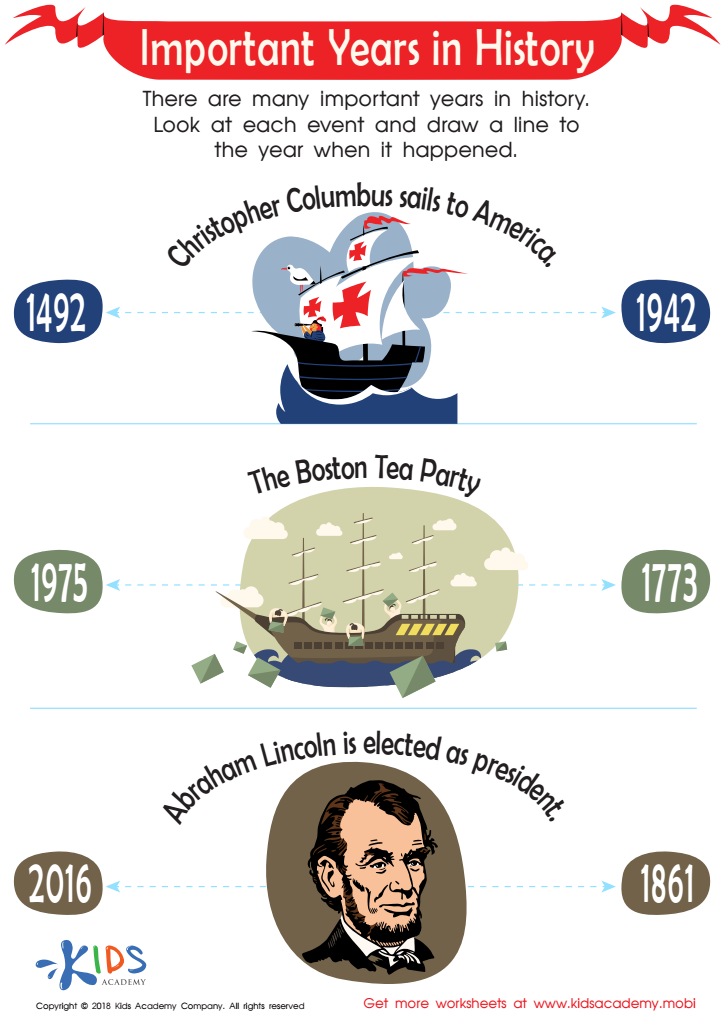
Important Years in History Worksheet
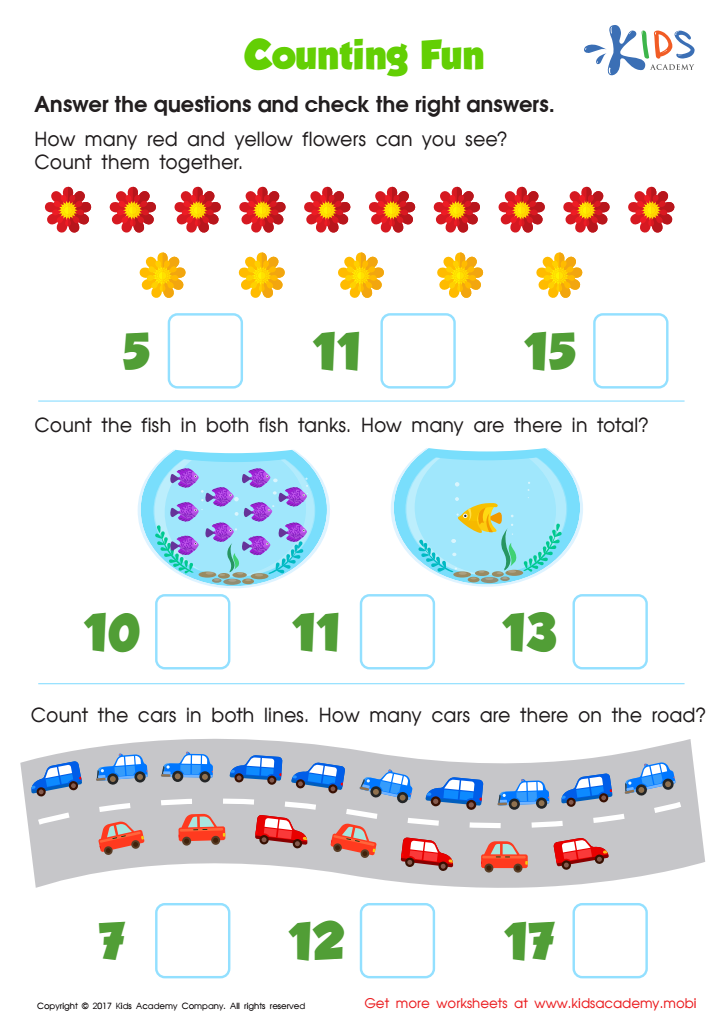
Counting Fun Worksheet
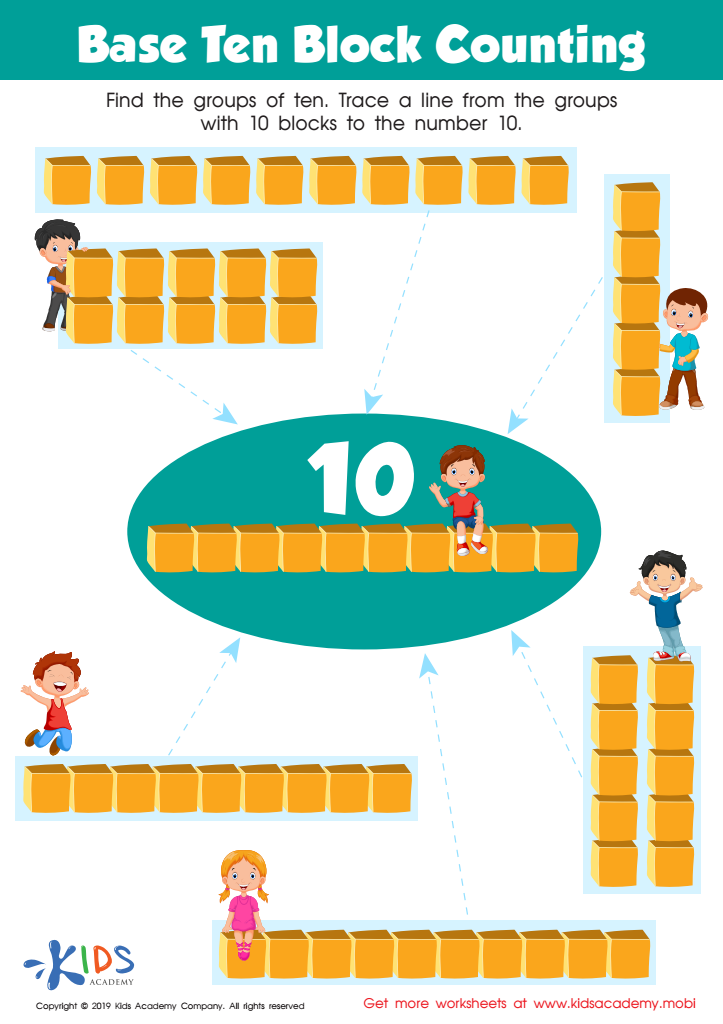
Base Ten Block Counting Worksheet
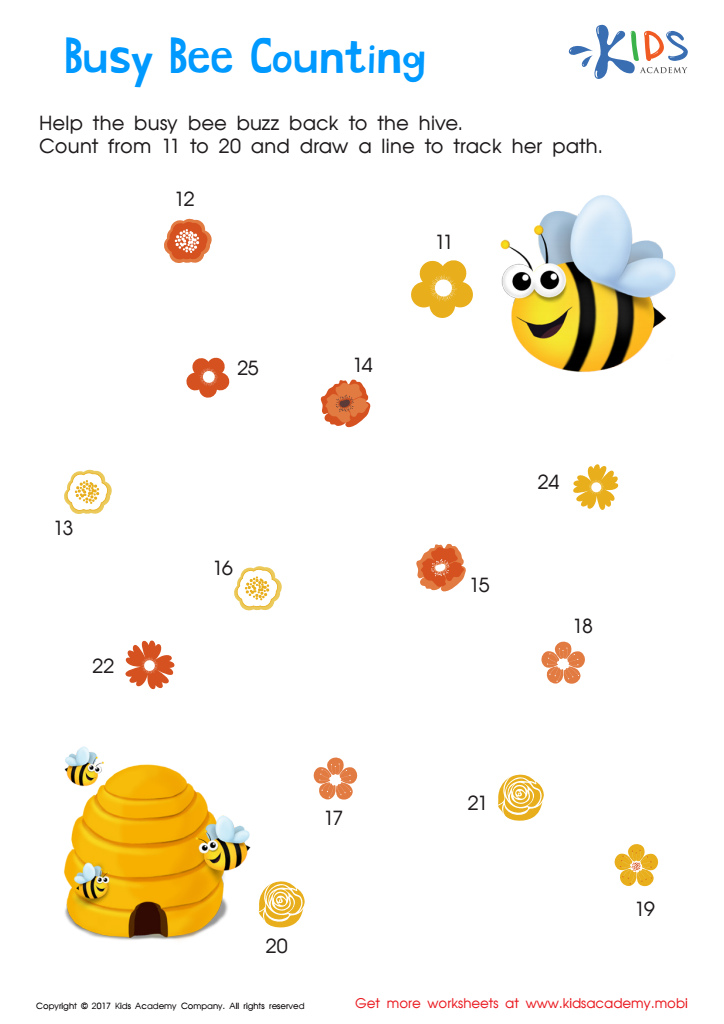
Ordering 11–20: Busy Bee Counting Worksheet
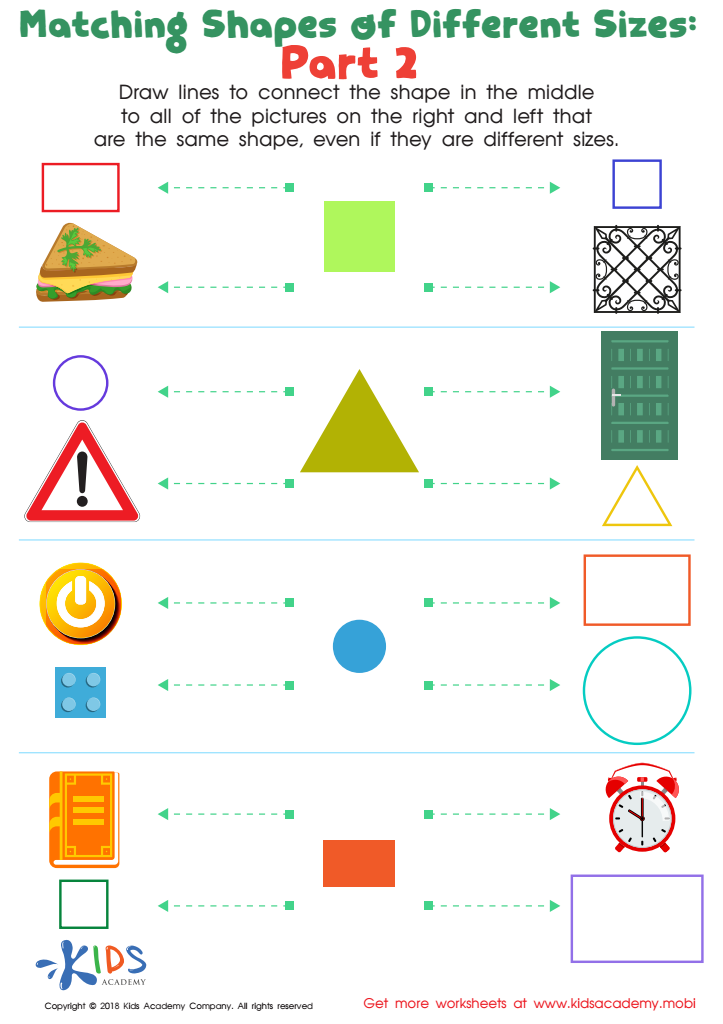
Geometry: Part 2 Worksheet
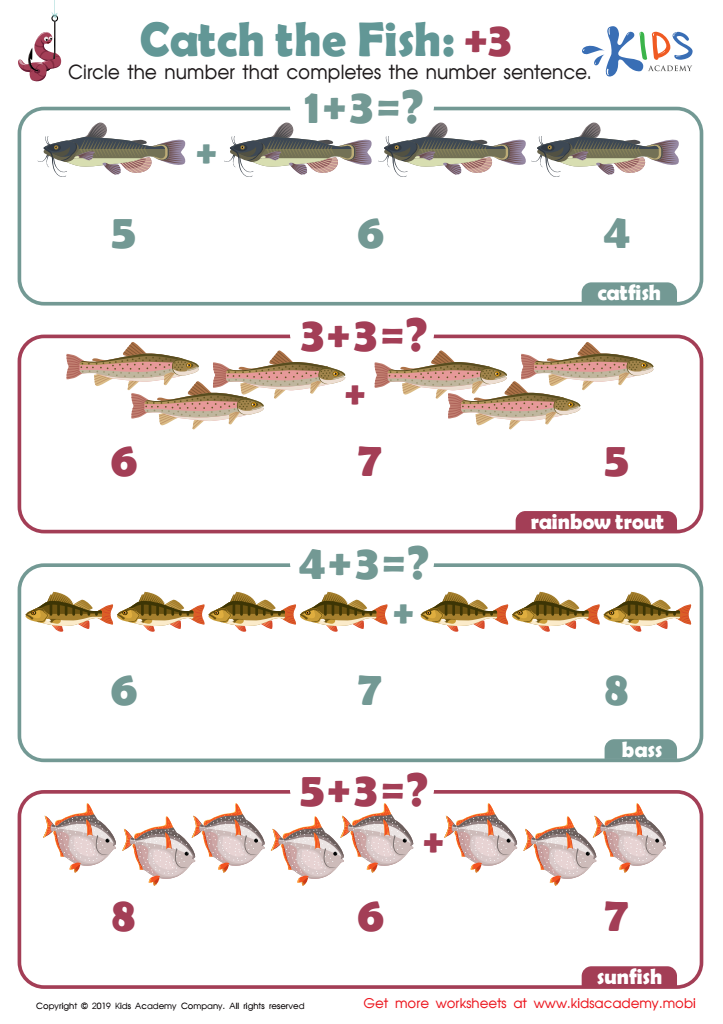
Catch the Fish: +3 Worksheet
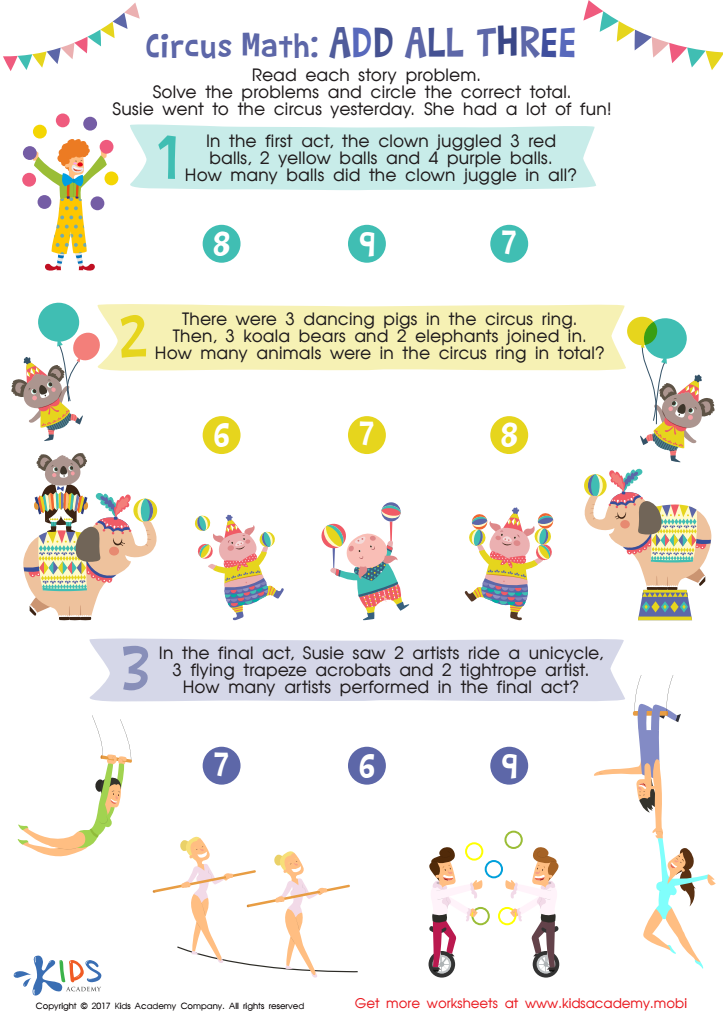
Circus Math Printable
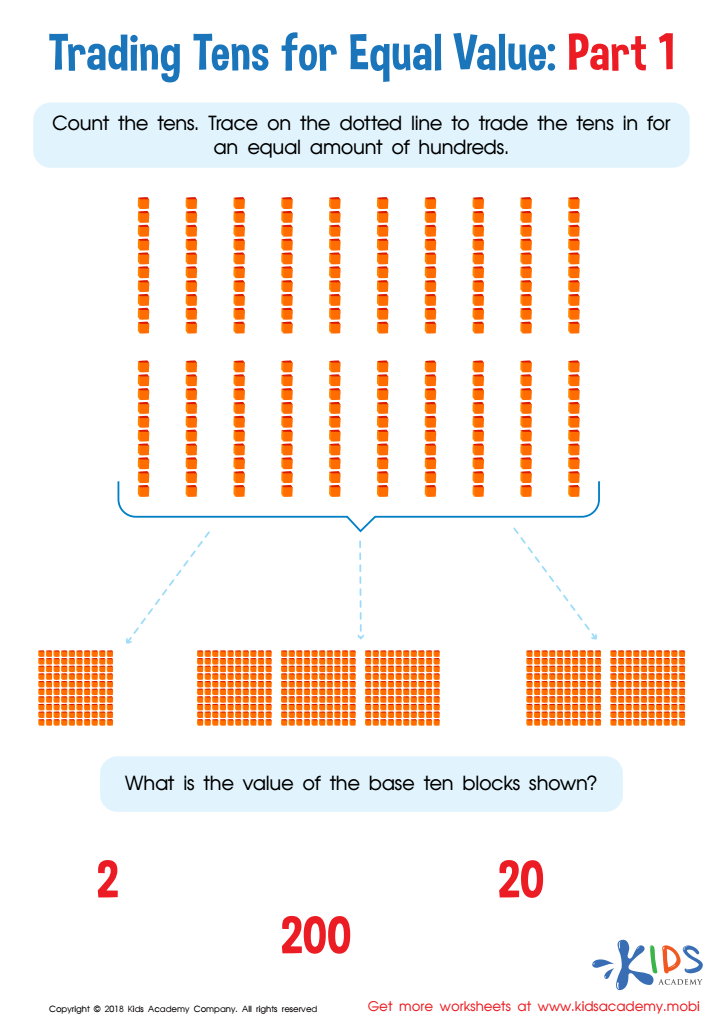
Trading Tens for Equal Value Worksheet: Part 1
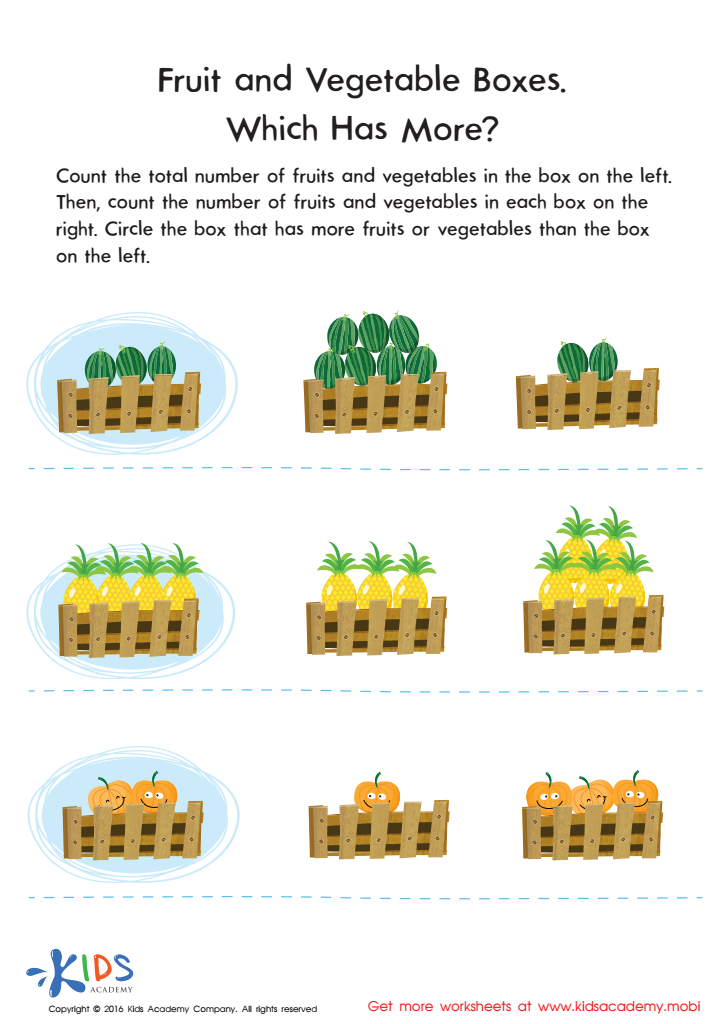
Which Has More? Size Worksheet
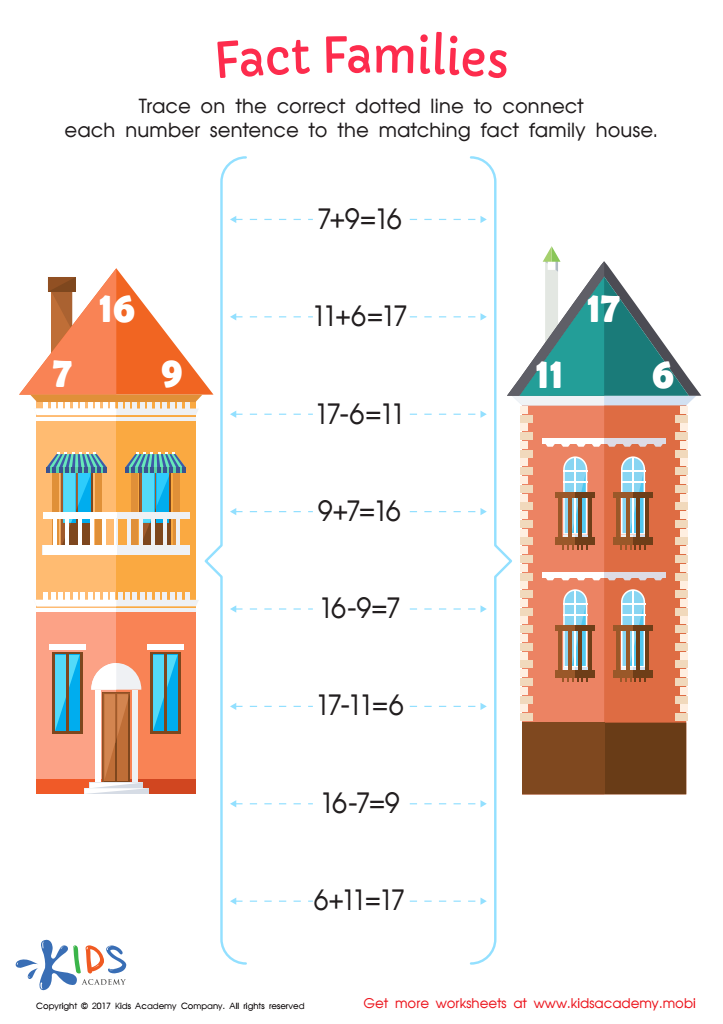
Fact Families — Add and Subtract Worksheet
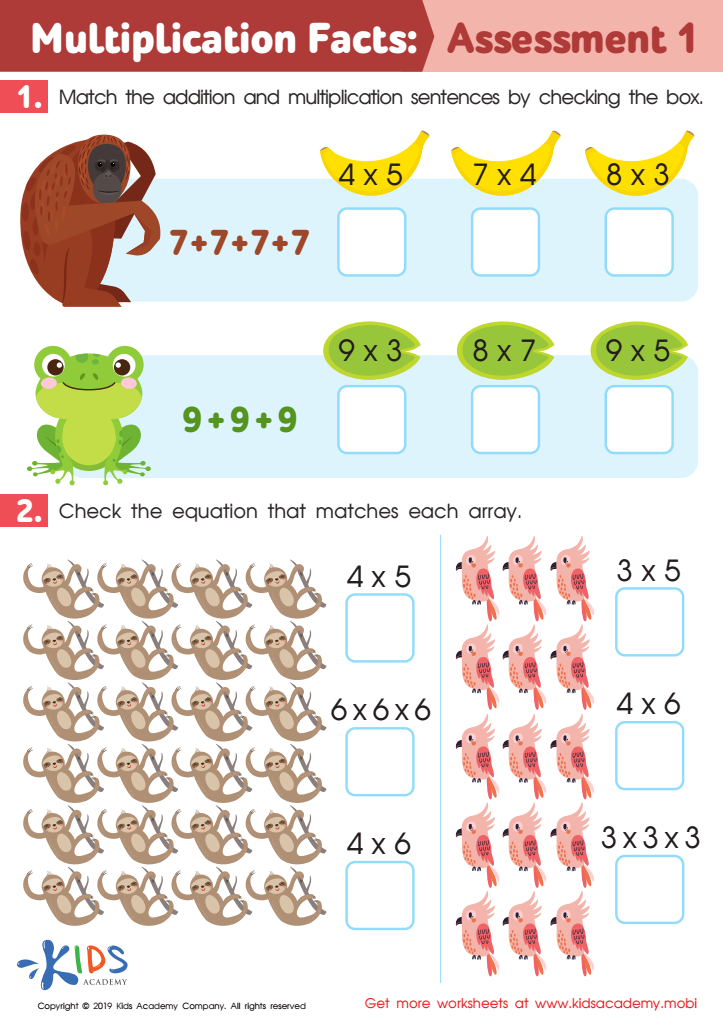
Multiplication Facts: Assessment 1 Worksheet
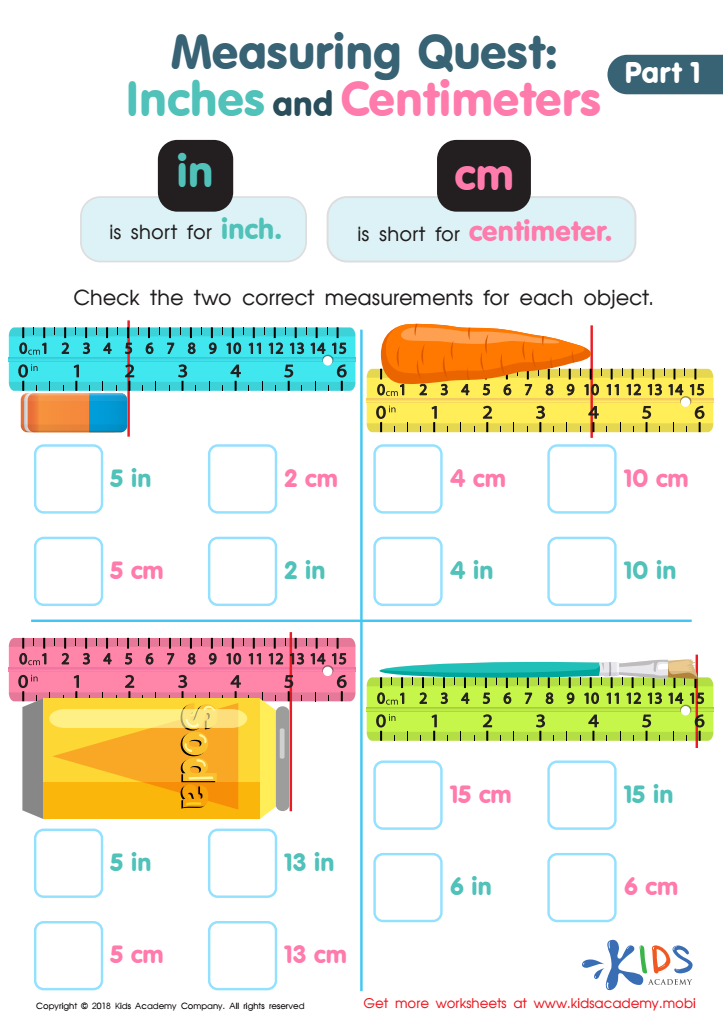
Measuring Quest: Inches and Centimeters Worksheet
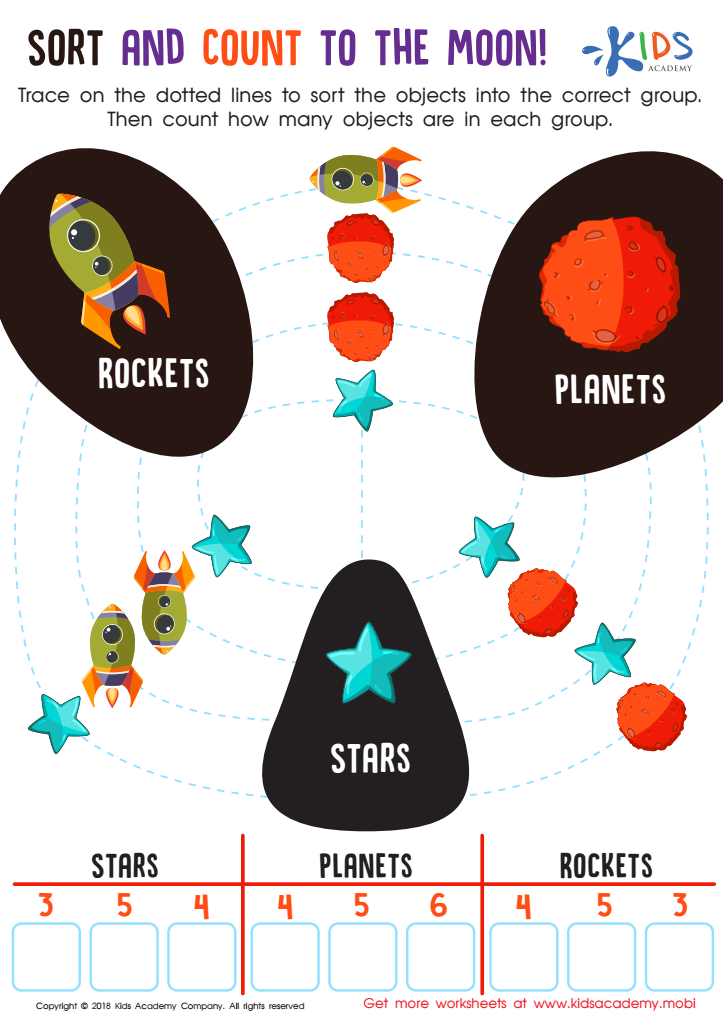
Sort and Count to the Moon Worksheet
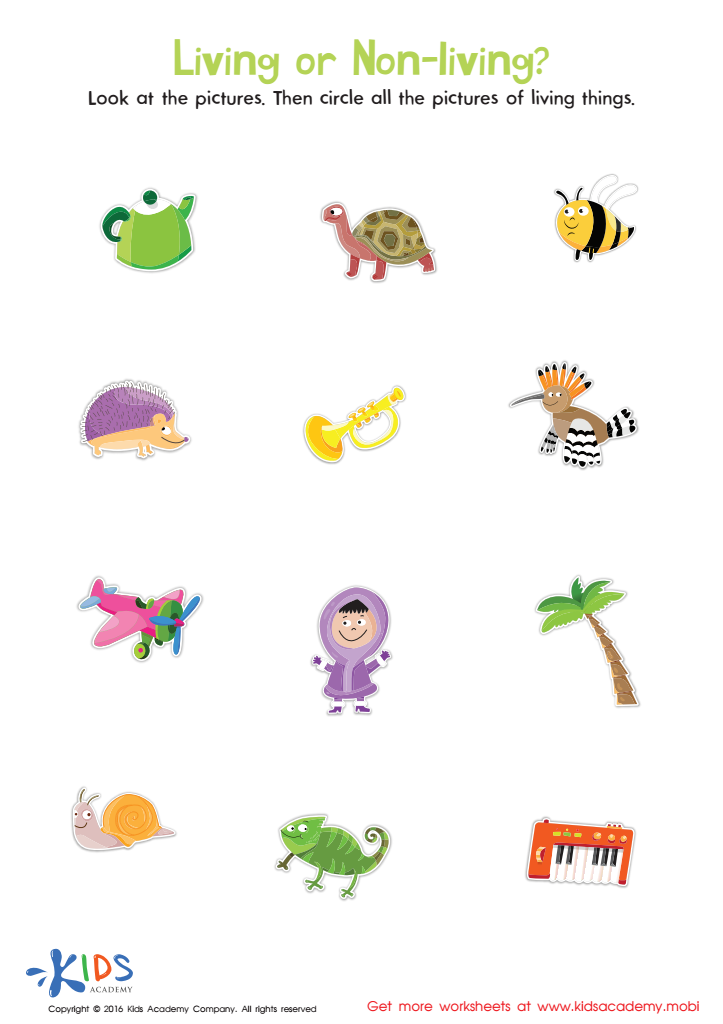
Identifying Living and Non–living Things Sorting Worksheet
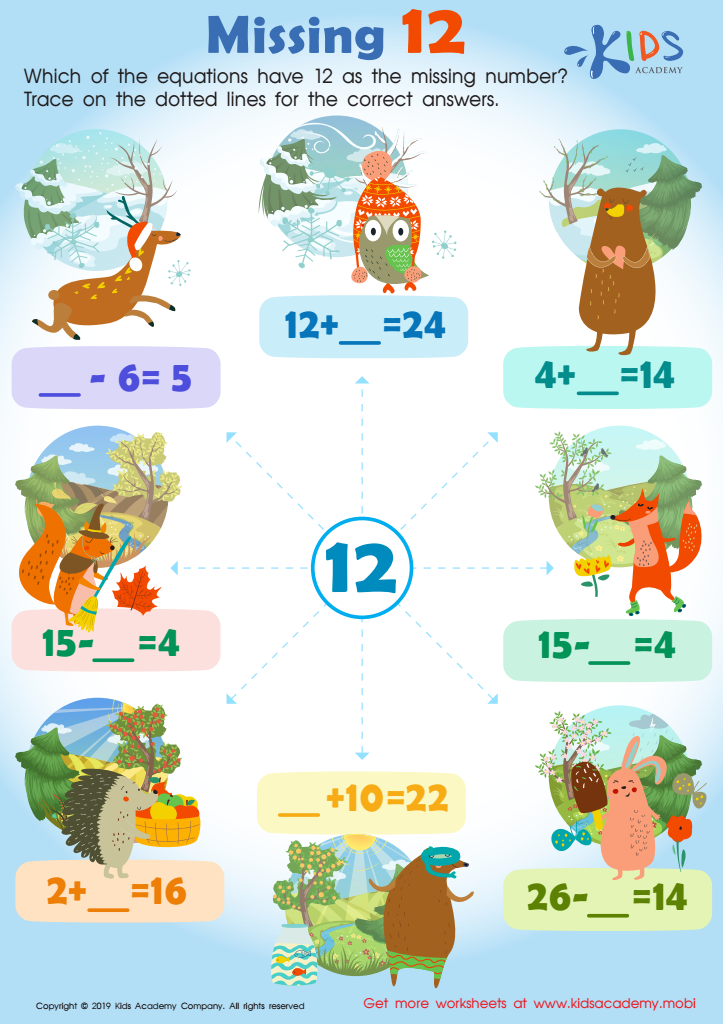
Missing 12 Worksheet
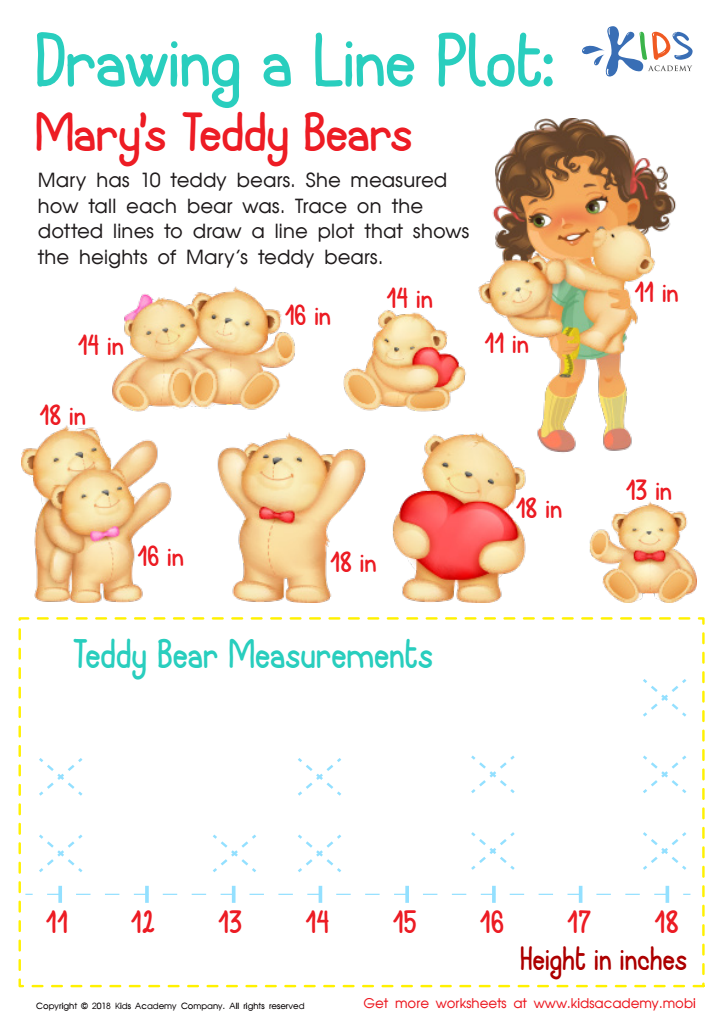
Drawing and Line Plot: Mary's Teddy Bears Worksheet
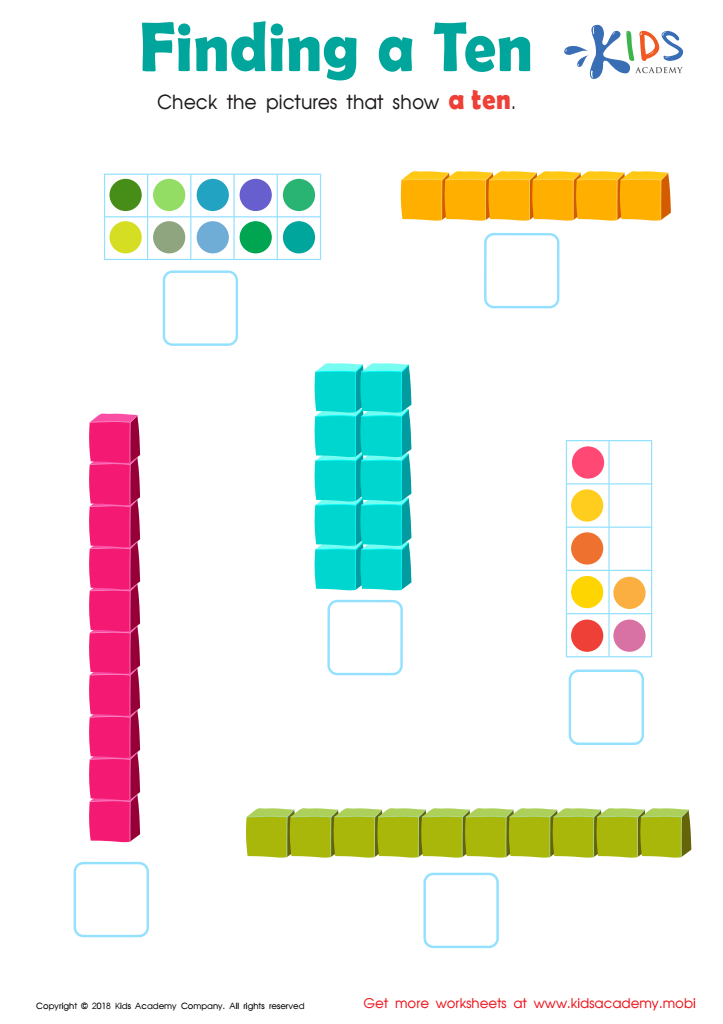
Finding a Ten Worksheet
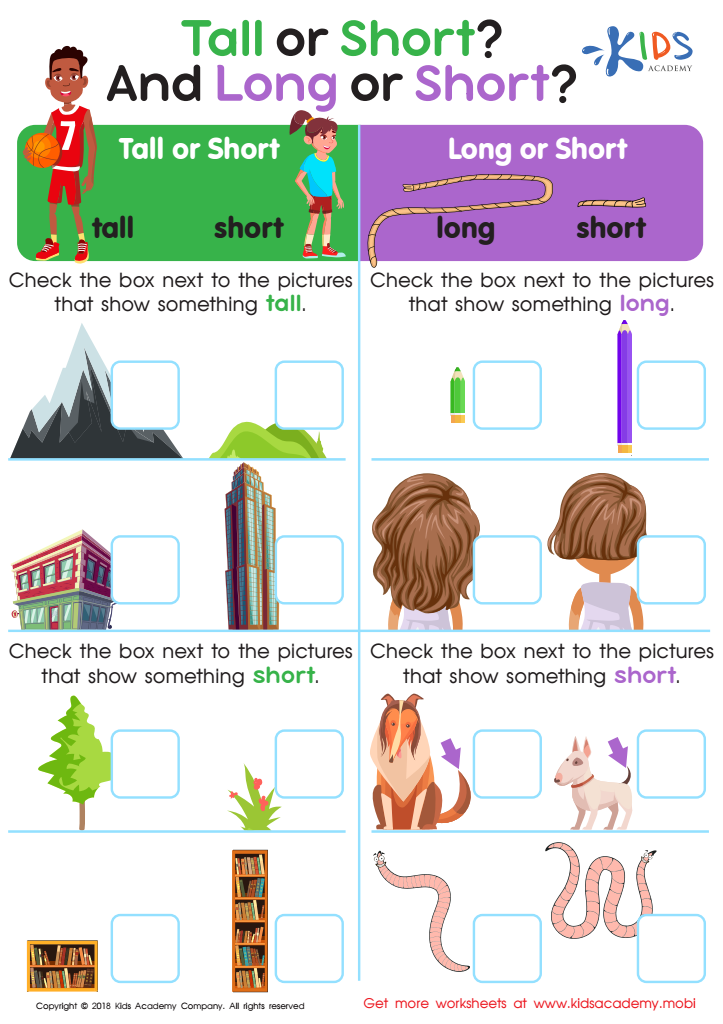
Tall or Short and Long or Short? Worksheet
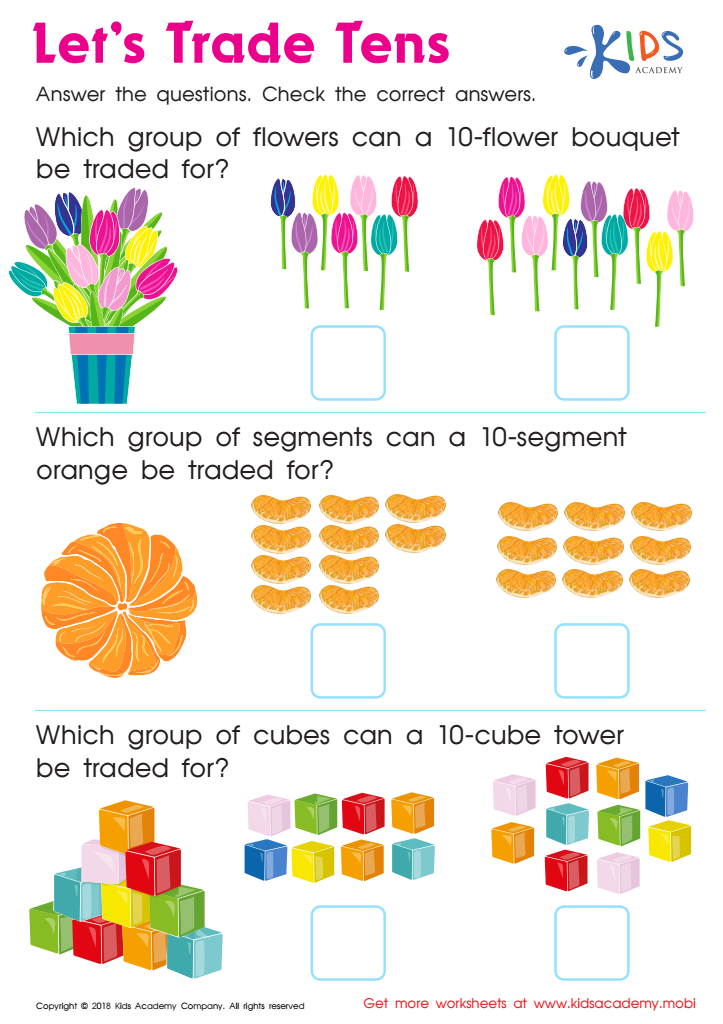
Lets Trade Tens Worksheet
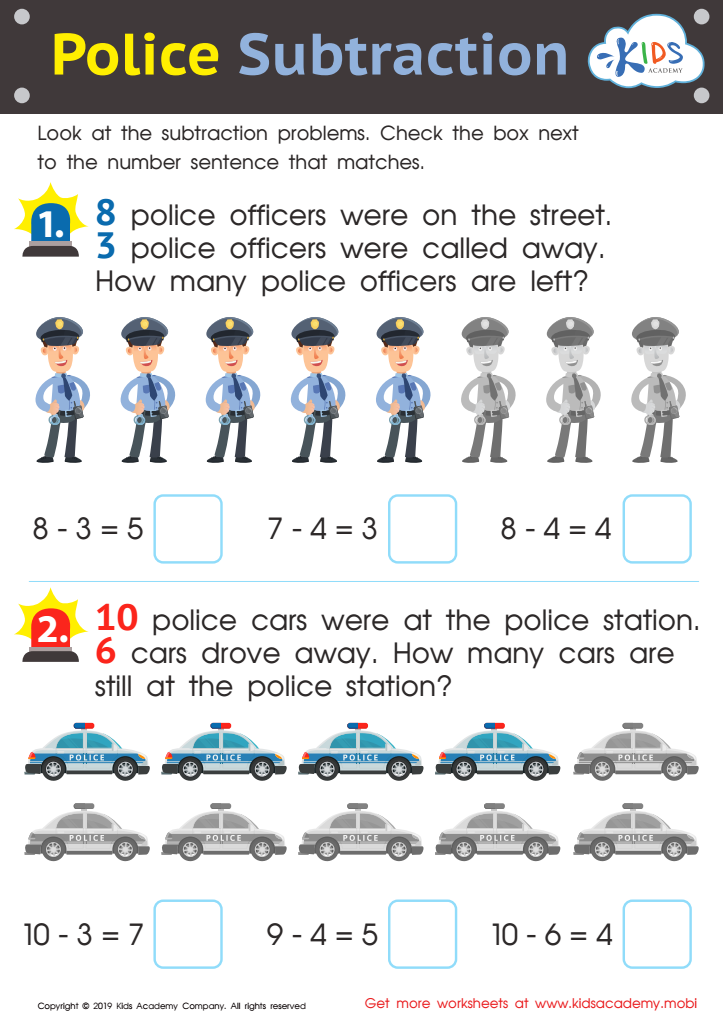
Police Subtraction Worksheet








Mathematics for children aged 5-8 lays a crucial foundation for their future academic and everyday life skills. Early math instruction fosters critical thinking, problem-solving, and logical reasoning abilities. These formative years are vital as young brains are highly receptive, meaning they can absorb and understand mathematical concepts more readily.
For parents and teachers, cultivating a positive attitude toward math in these early stages is essential—children who enjoy and feel confident in math are more likely to continue succeeding in the subject. Simple activities that introduce counting, patterns, and basic arithmetic stimulate curiosity and cognitive development. Moreover, math at this age instills a sense of discipline and patience; completing a problem teaches perseverance and the value of effort.
Incorporating math in relatable and enjoyable ways, such as through games, stories, and practical activities, demonstrates its relevance in daily life, encouraging a holistic understanding. Preschool and early elementary math not only impacts future academic performance but equips kids with skills they use in sports, games, and social situations. Thus, fostering early math education is much more than meeting curriculum requirements—it’s about igniting lifelong curiosity and competence in analytical thinking.








