Life Science Worksheets for Ages 6-8 - Page 2
36 filtered results
-
From - To
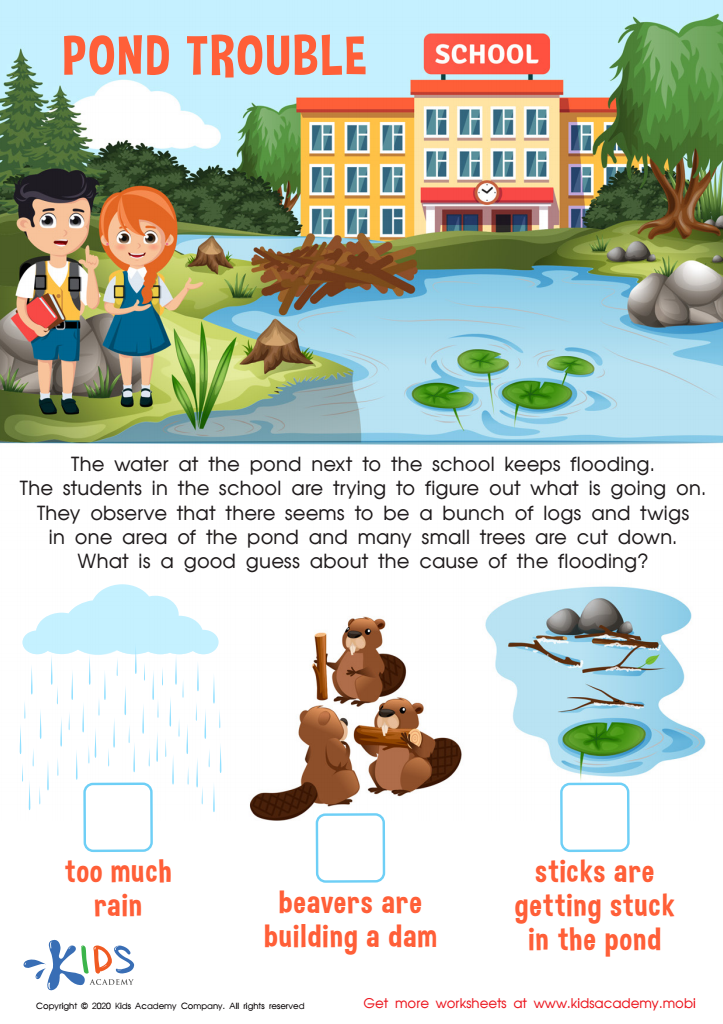
Pond Trouble Worksheet
 Assign to My Students
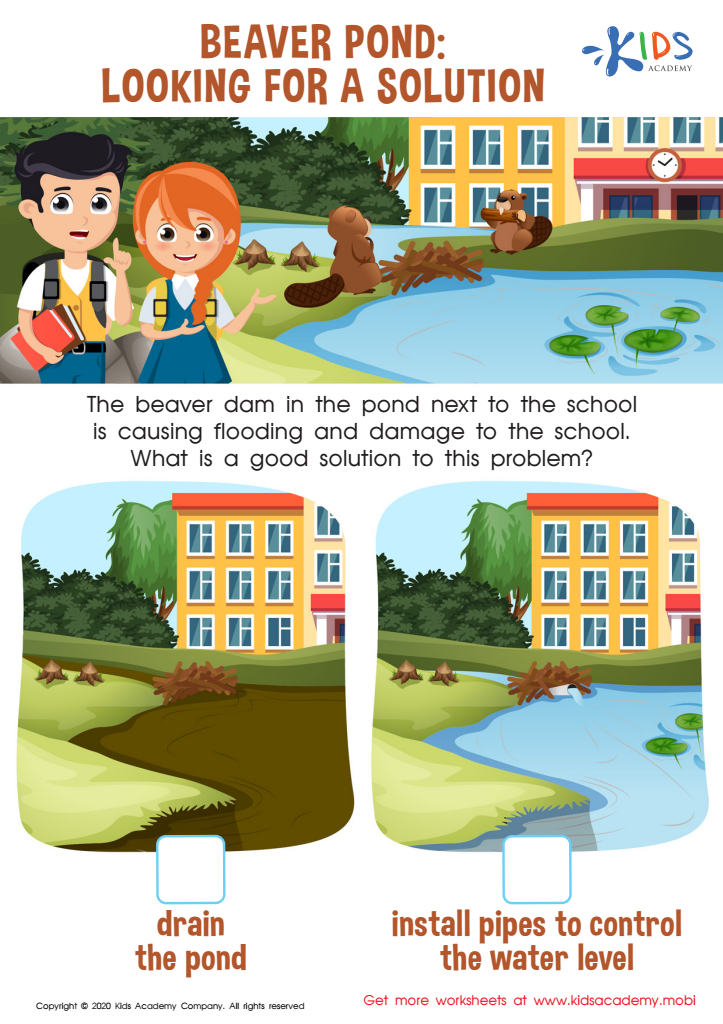
Beaver Pond: Looking for a Solution Worksheet
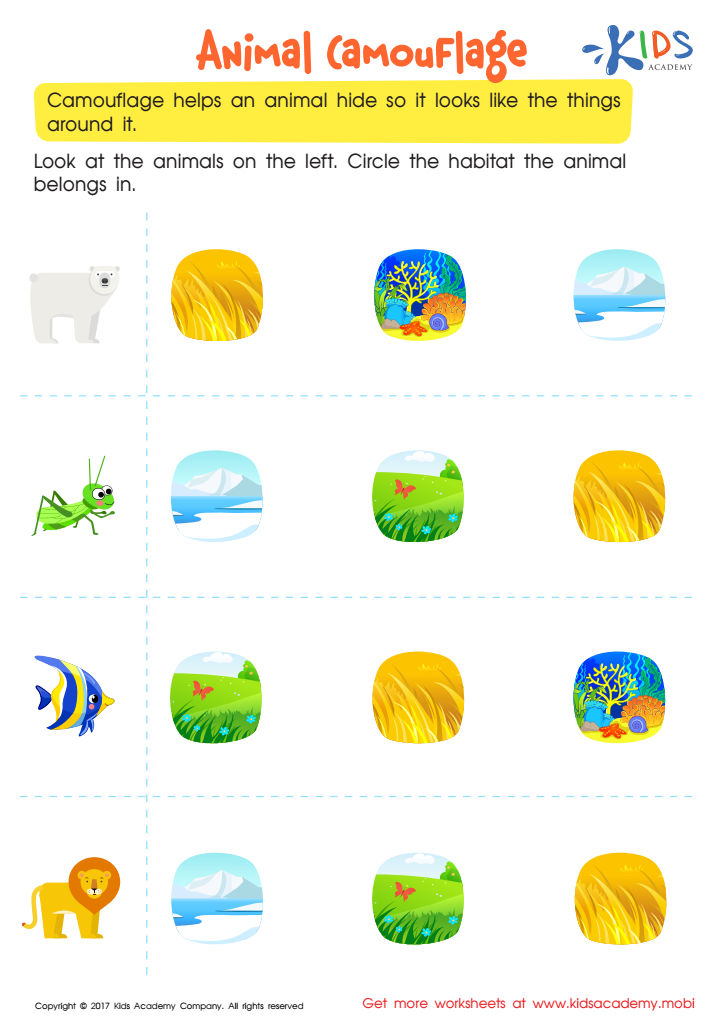
Animal Camouflage Worksheet
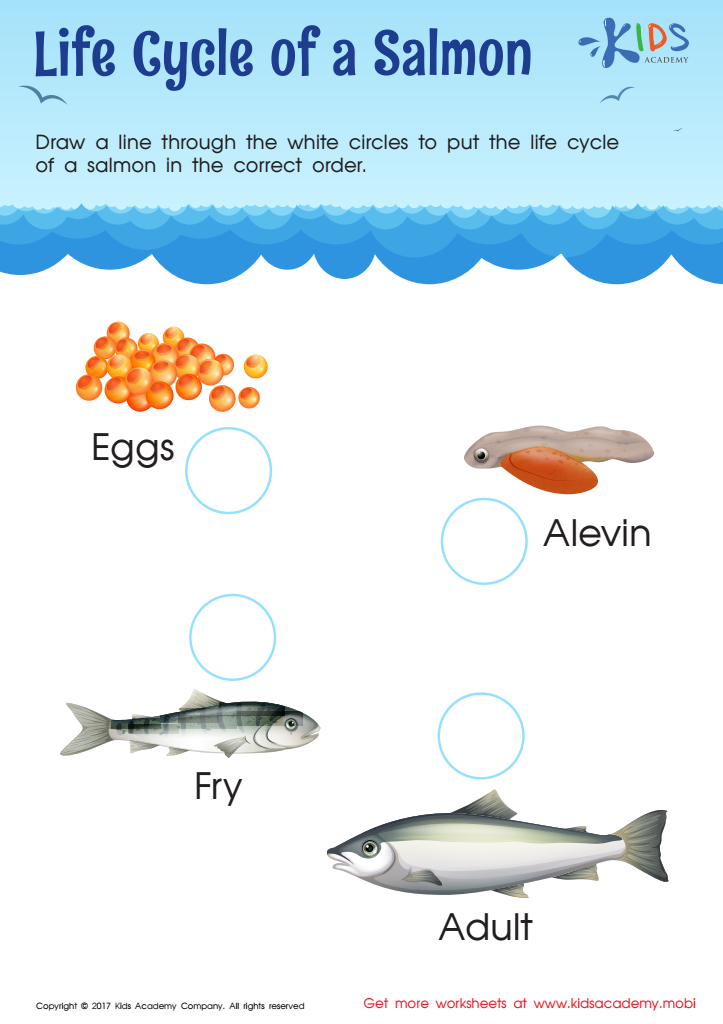
Cycle Of Salmon Worksheet
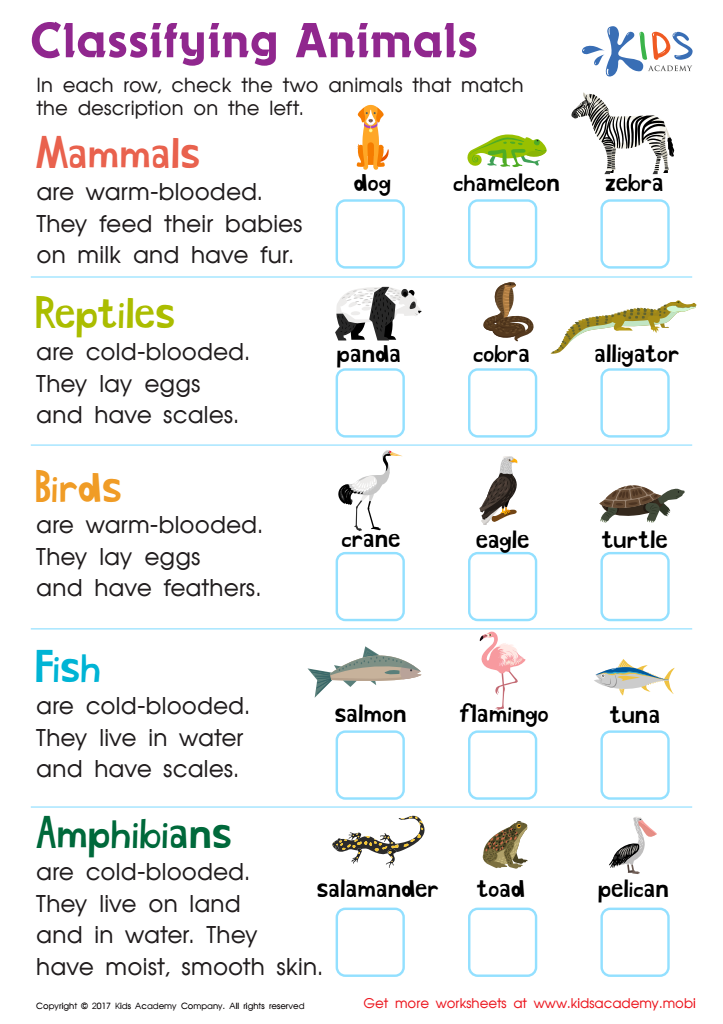
Classifying Animals Worksheet
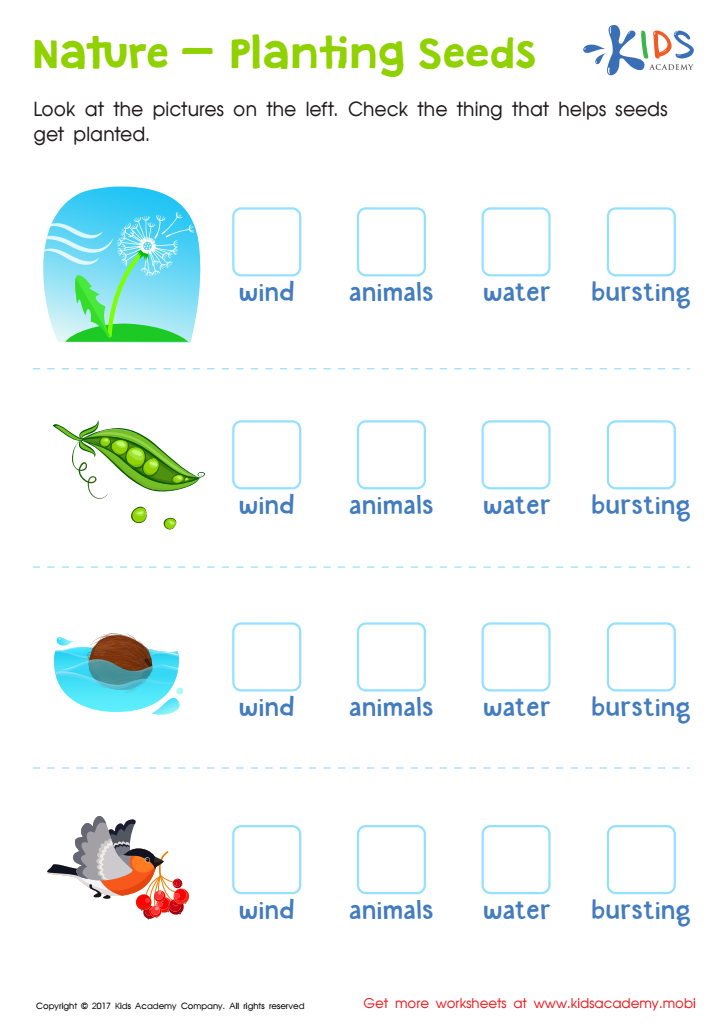
Nature Planting Seeds Worksheet
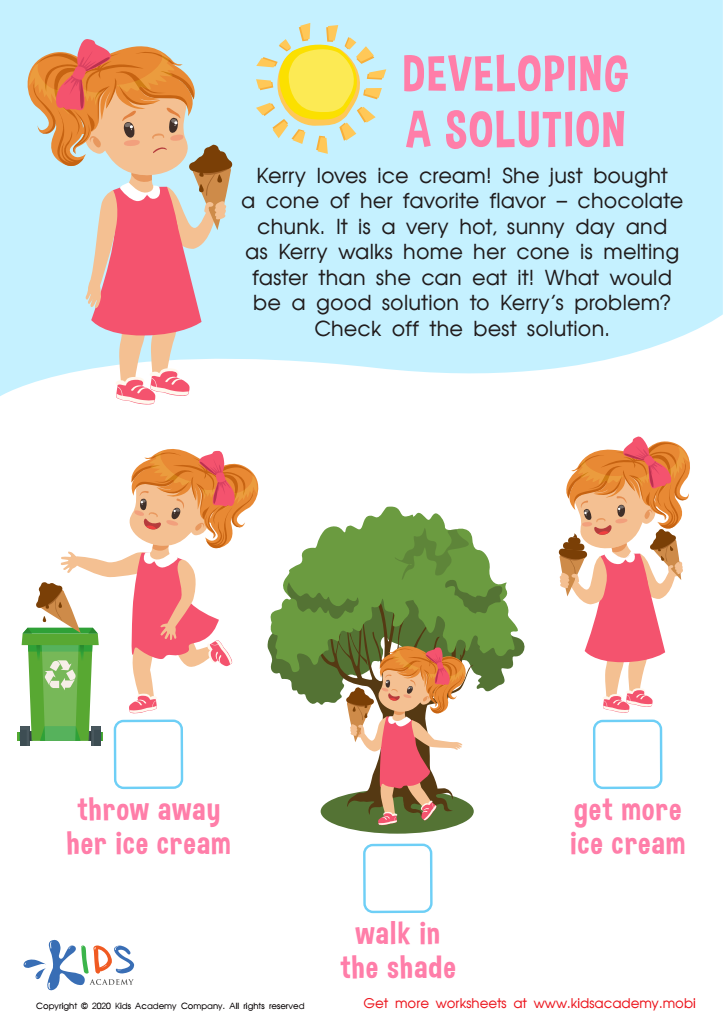
Developing Solution Worksheet
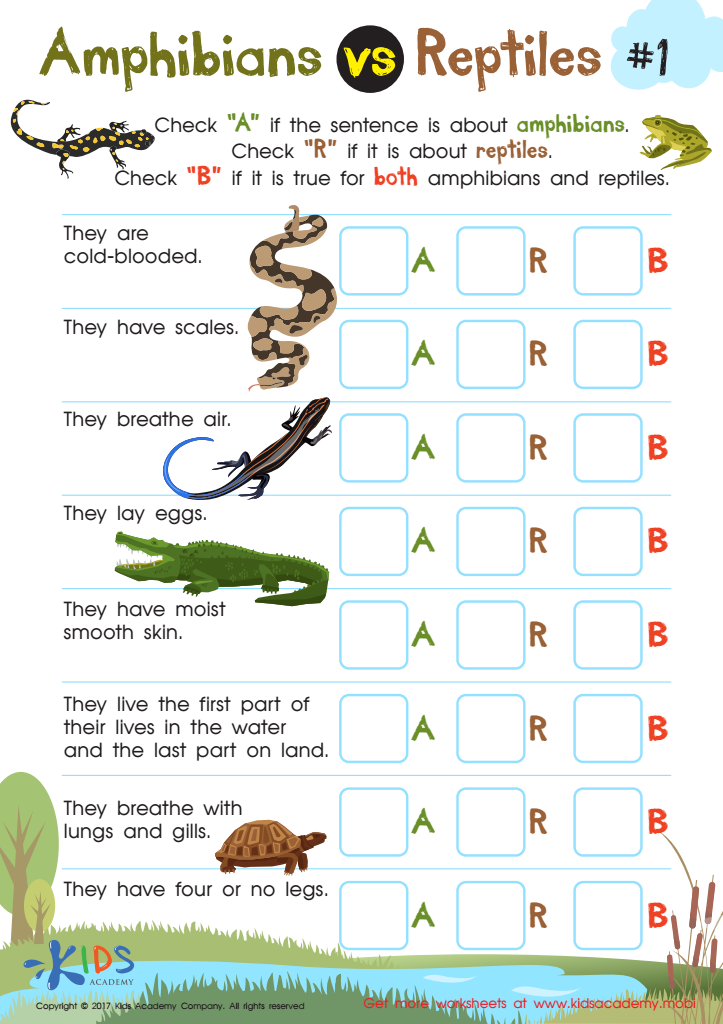
Amphibians vs Reptiles Worksheet
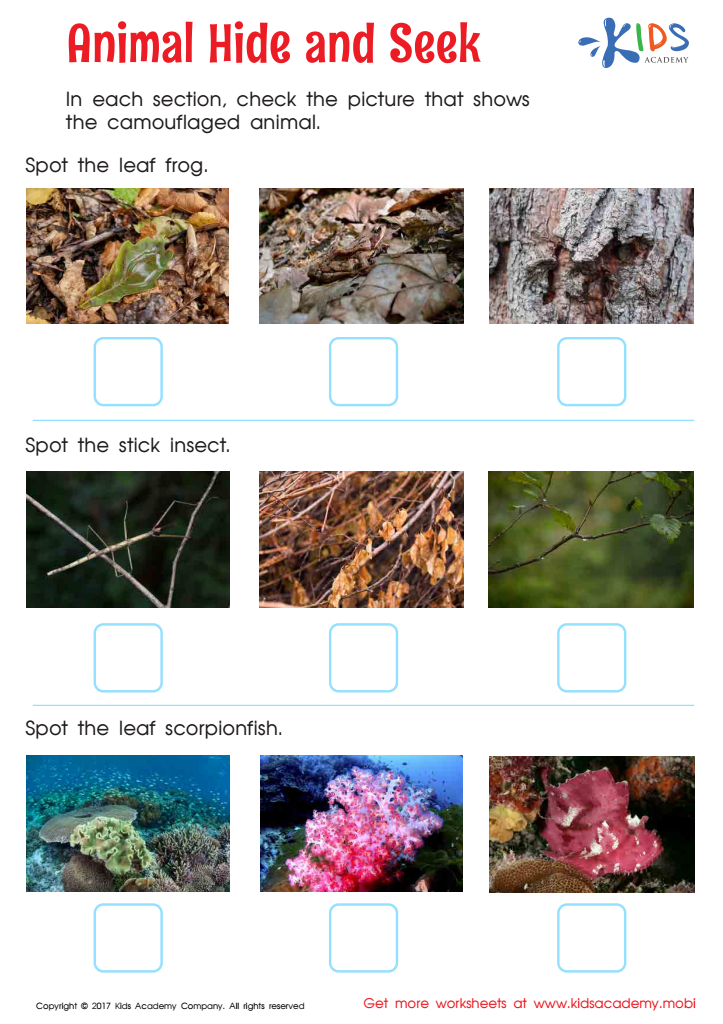
Animal Hide and Seek Worksheet
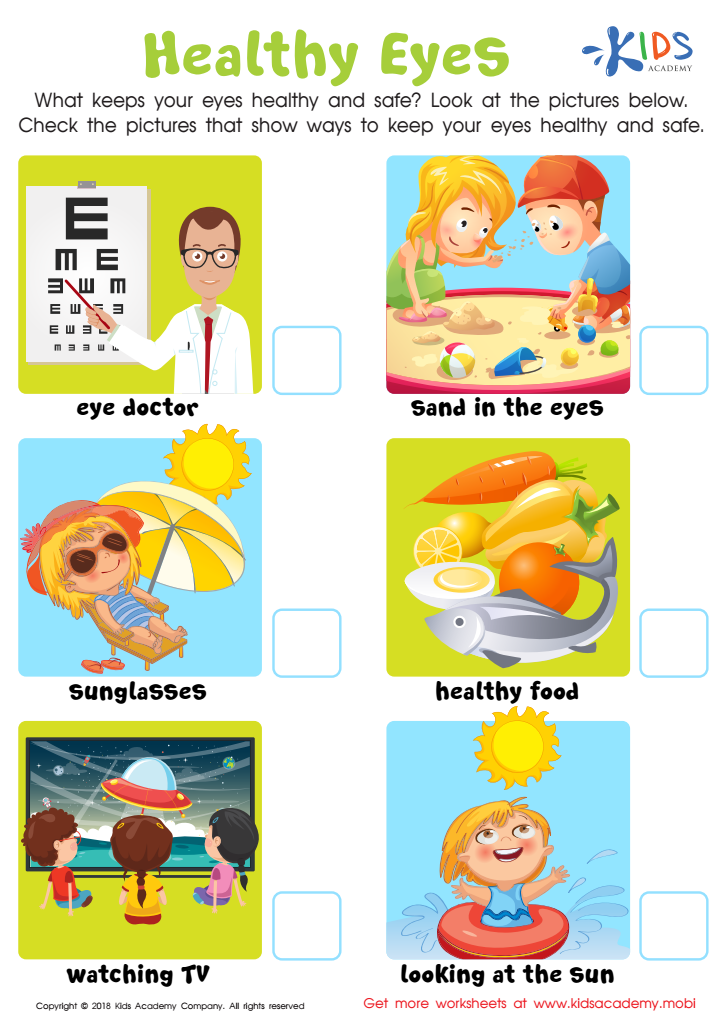
Healthy Eyes Worksheet
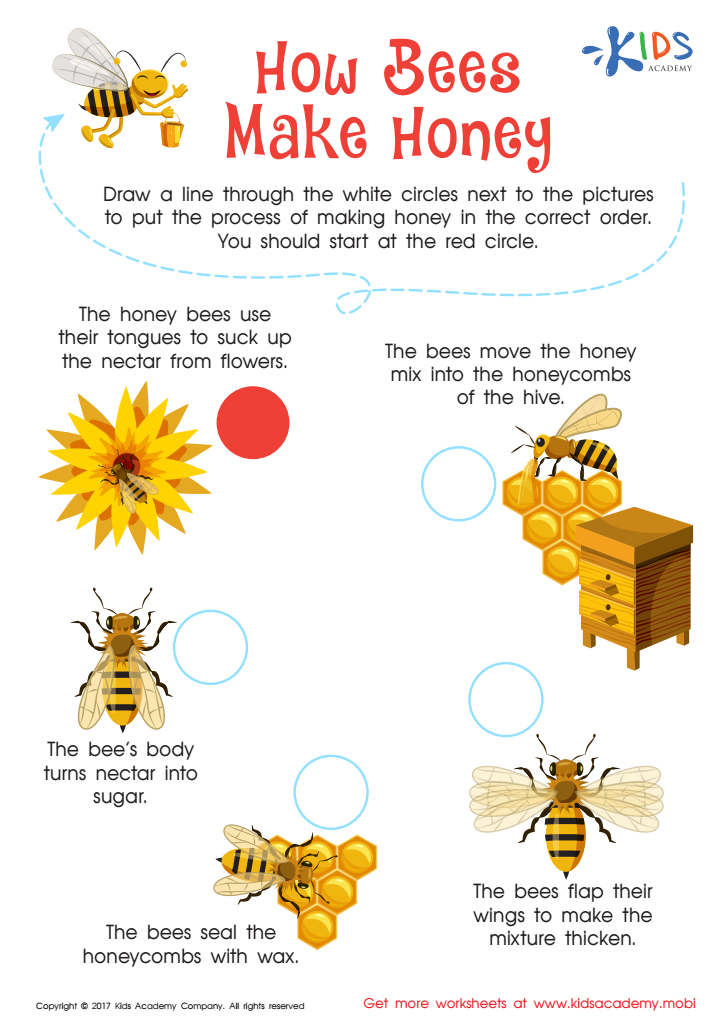
Honey Bee Worksheet
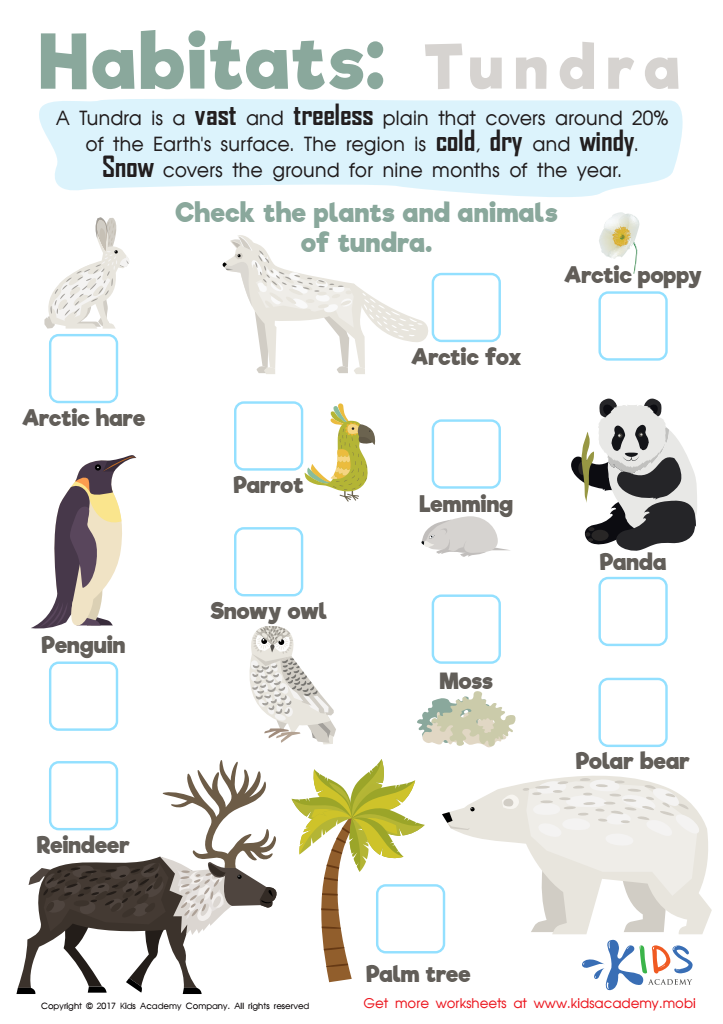
Tundra Habitats Worksheet



.jpg)



Life Science is vital for children aged 6-8 as it lays the foundation for understanding the world around them. During these formative years, children exhibit a natural curiosity about nature, animals, and living organisms. Engaging them in Life Science helps nurture this curiosity, transforming it into knowledge. It teaches them about the fundamentals of biology, ecology, and organismal relationships, which are crucial for developing critical thinking skills.
Understanding Life Science at a young age also cultivates a respect for the environment and the responsibility to care for it. Children learn about ecosystems, the importance of biodiversity, and the role of humans in preserving nature. This instills an early sense of stewardship that can lead to environmentally conscious choices in adulthood.
Furthermore, Life Science offers hands-on learning experiences that enhance cognitive development and scientific literacy. Through experimentation and exploration, kids learn to make observations, draw conclusions, and understand the scientific method.
Incorporating Life Science into education encourages a holistic understanding of health, nutrition, and the interconnectedness of life. For these reasons, it’s essential for parents and teachers to foster interest and knowledge in Life Science, as it supports children’s overall intellectual and emotional growth while preparing them for responsible citizenship.