Building Vocabulary Worksheets for Ages 6-9 - Page 9
223 filtered results
-
From - To
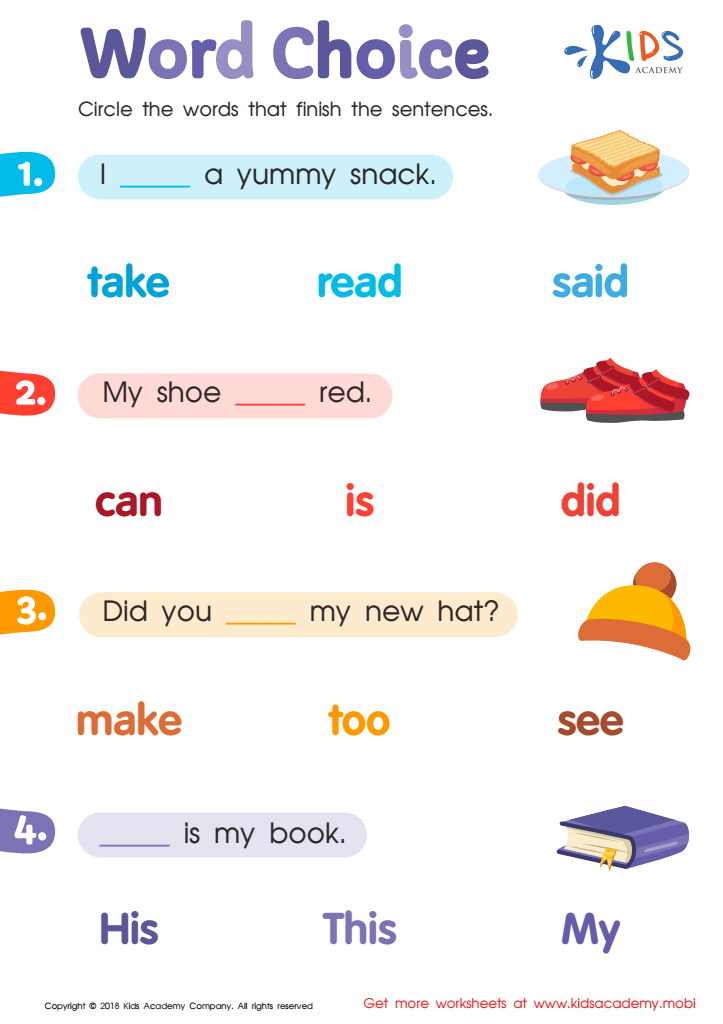
Word Choice Worksheet
 Assign to My Students











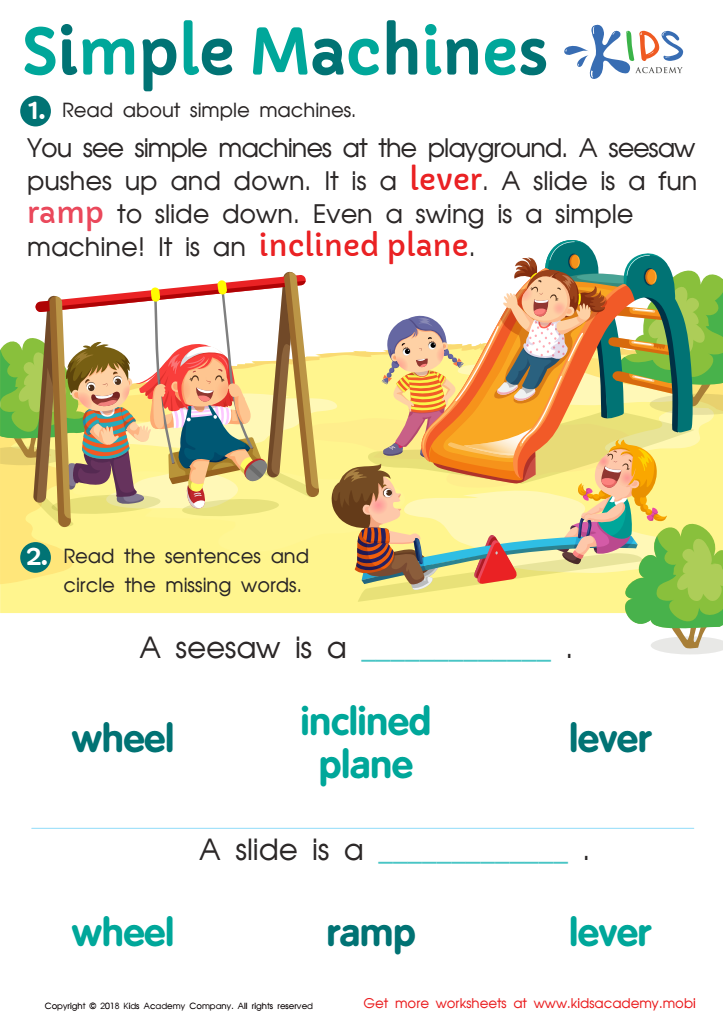
Simple Machines Worksheet
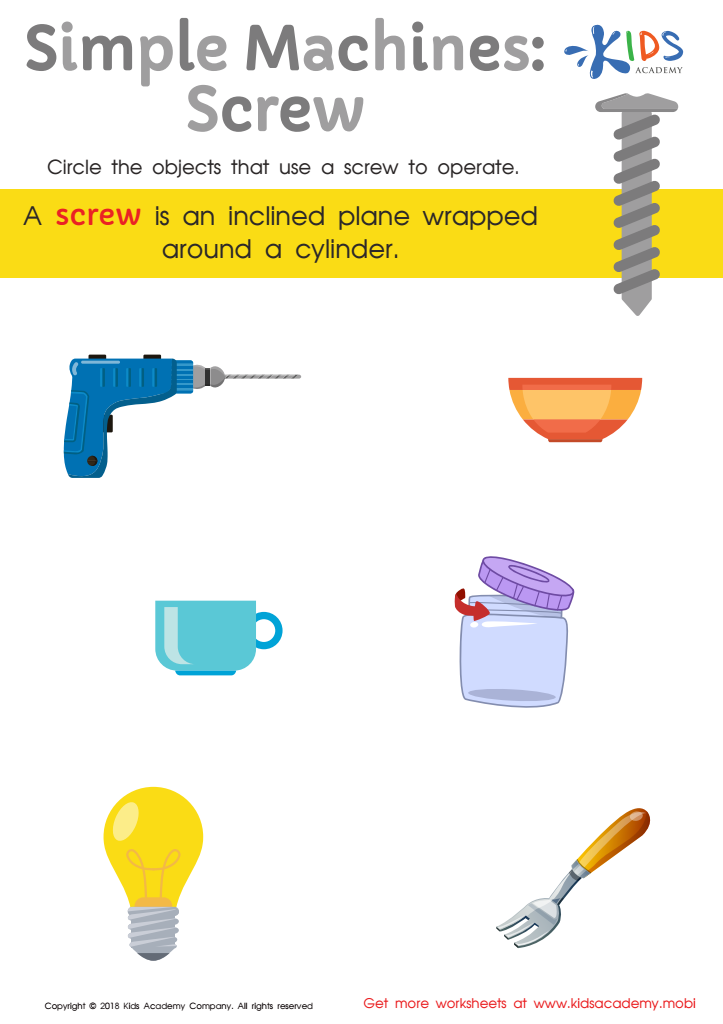
Simple Machines: Screw Worksheet
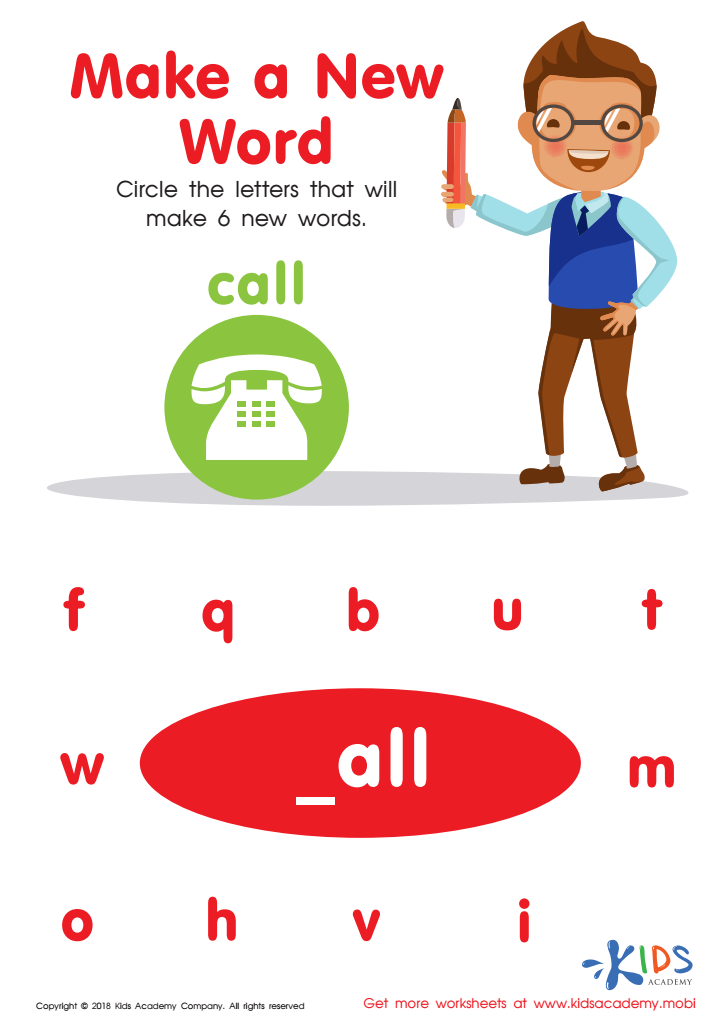
Make a New Word Worksheet
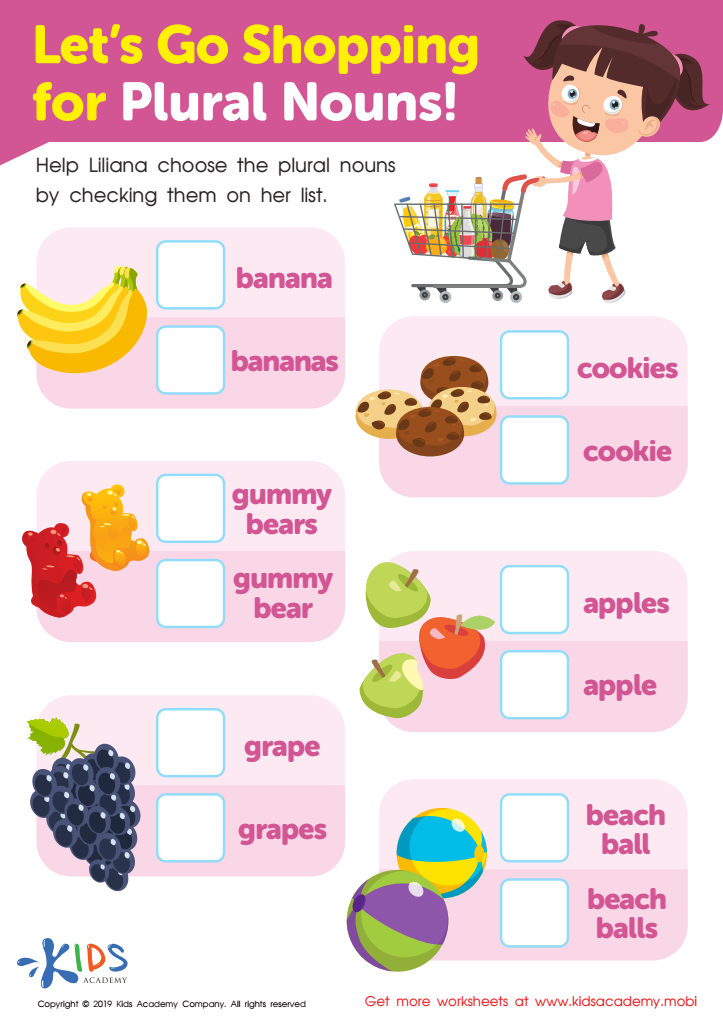
Let's Go Shopping for Plural Nouns! Worksheet
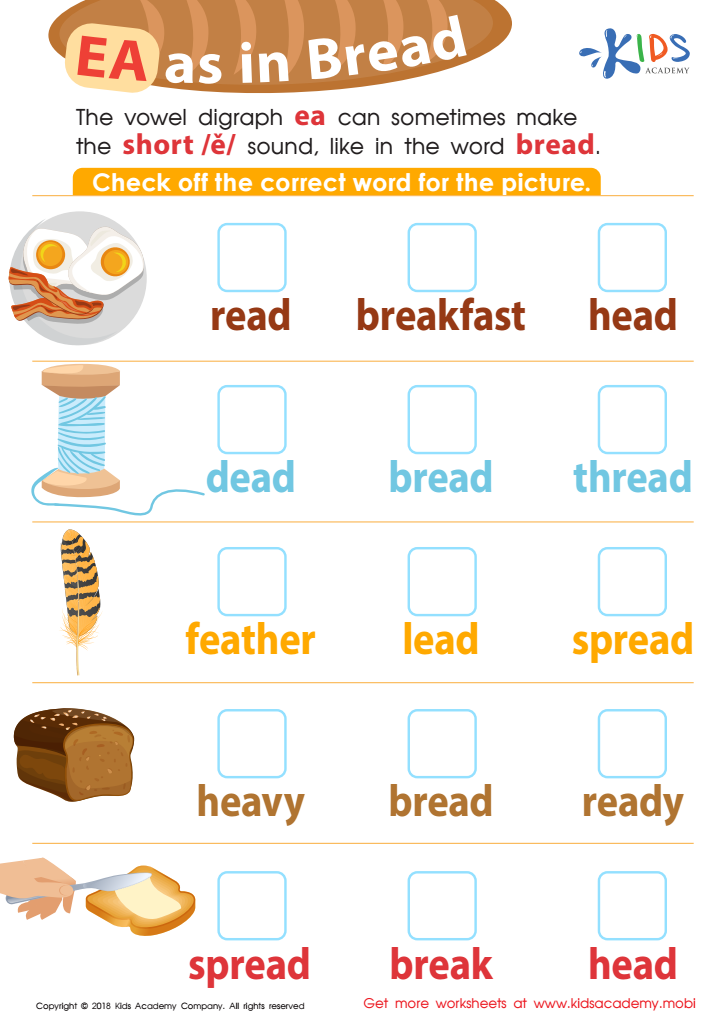
Reading: EA as in Bread Worksheet
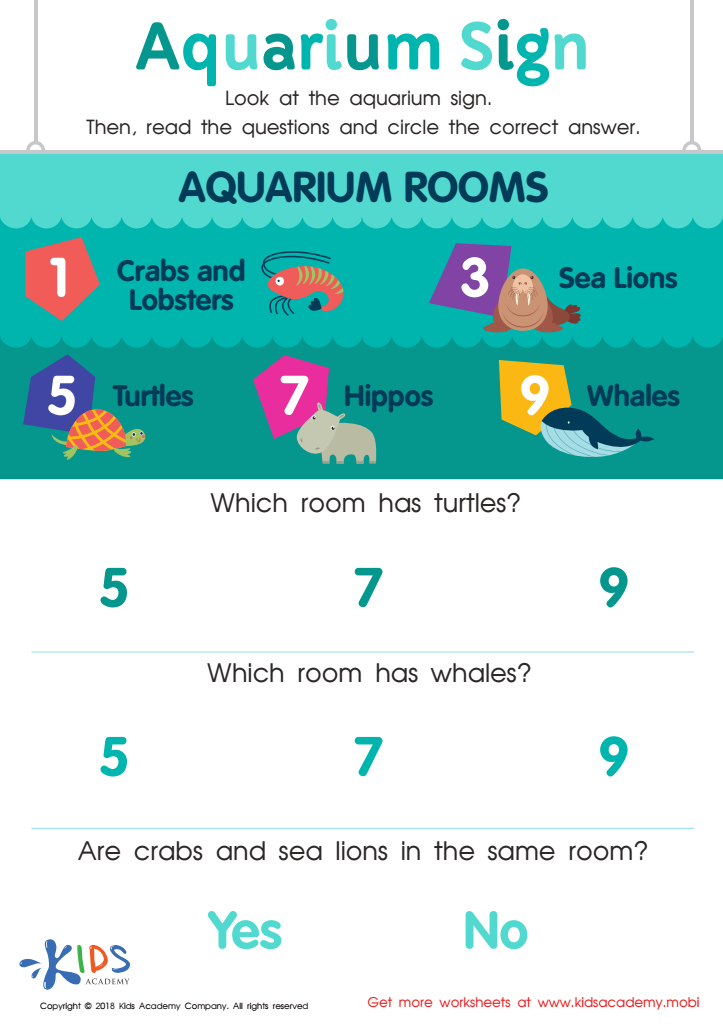
Assessment: Aquarium Sign Worksheet
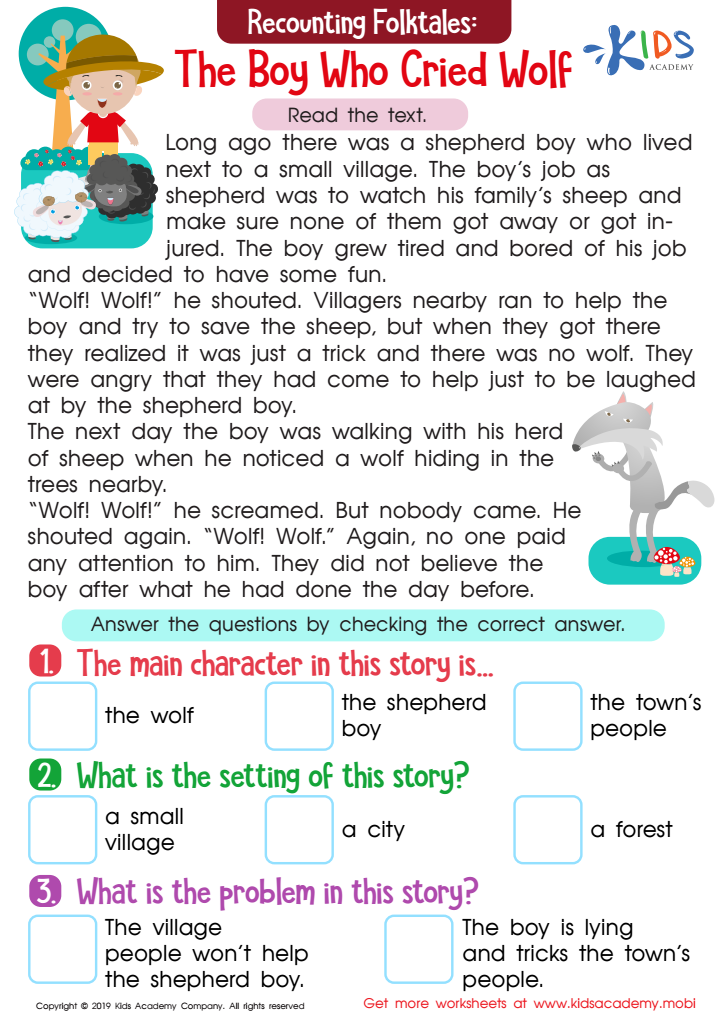
The Boy Who Cried Wolf Part 1 Worksheet
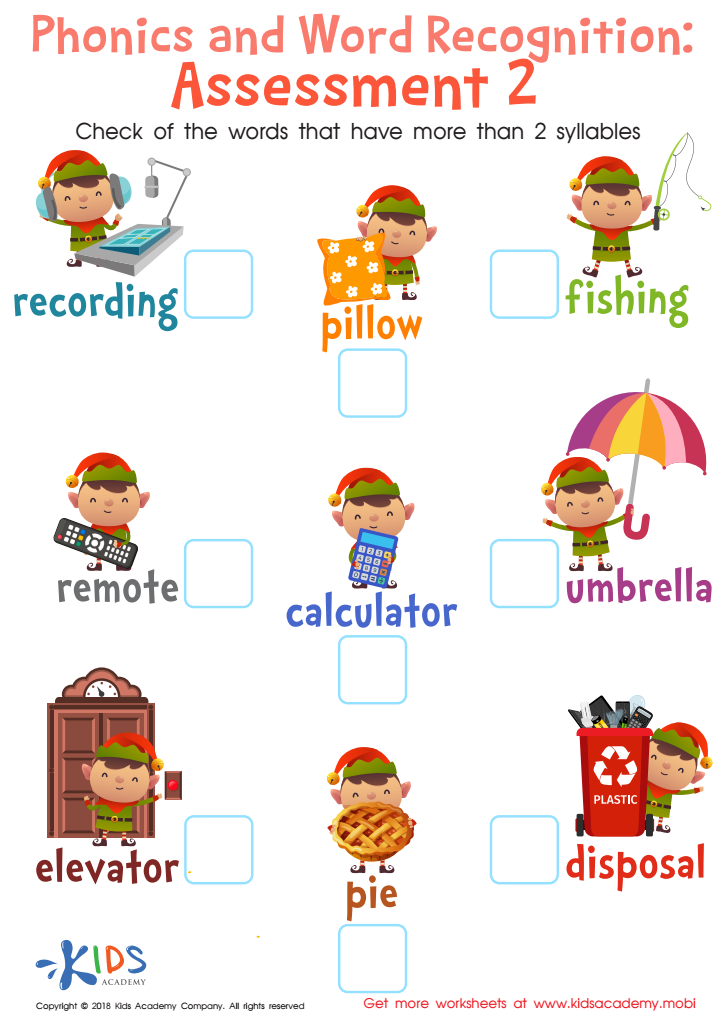
Phonics and Word Recognition: Assessment 2 Worksheet
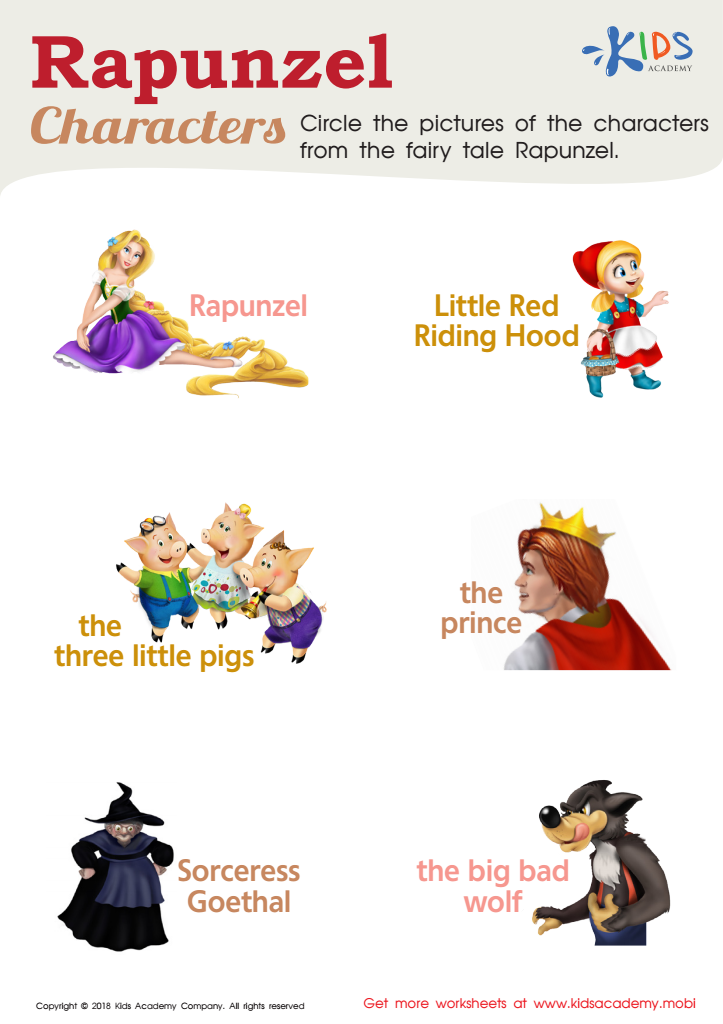
Rapunzel Characters Worksheet
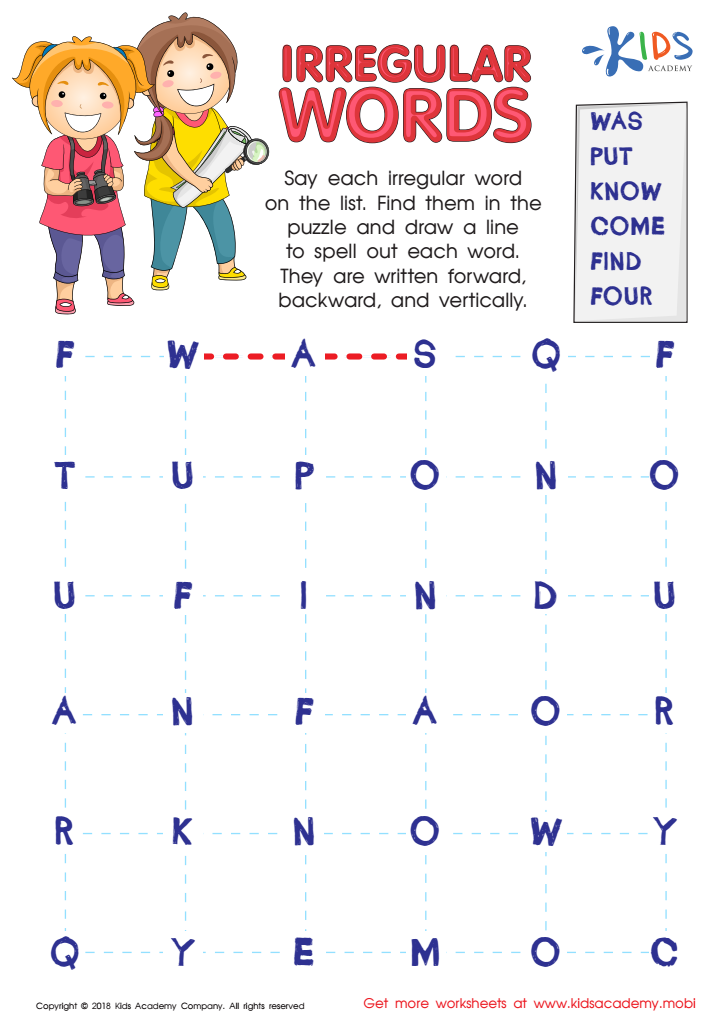
Irregular Words Worksheet
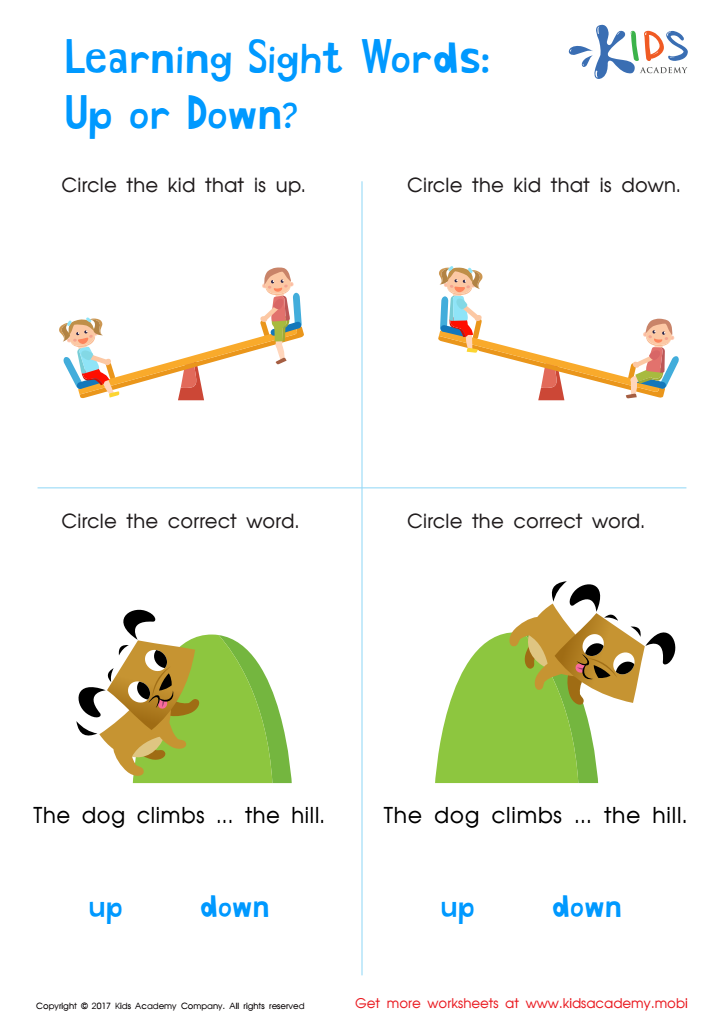
Up or Down Printable Sight Words Worksheet
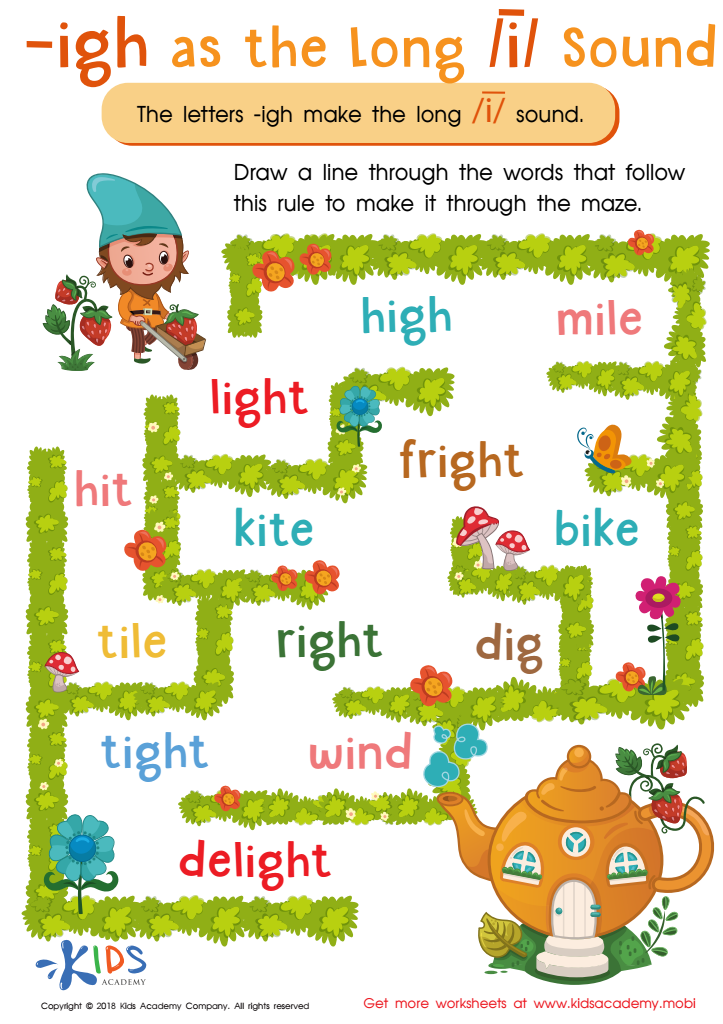
Reading: IGH as Long I Worksheet
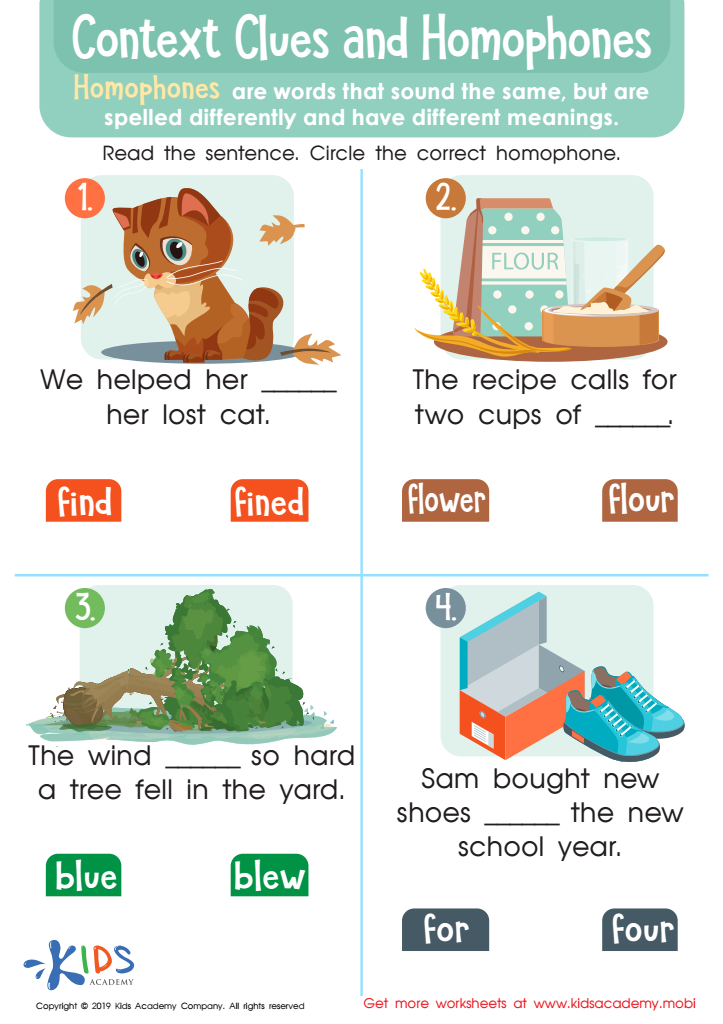
Context Clues and Homophones Worksheet
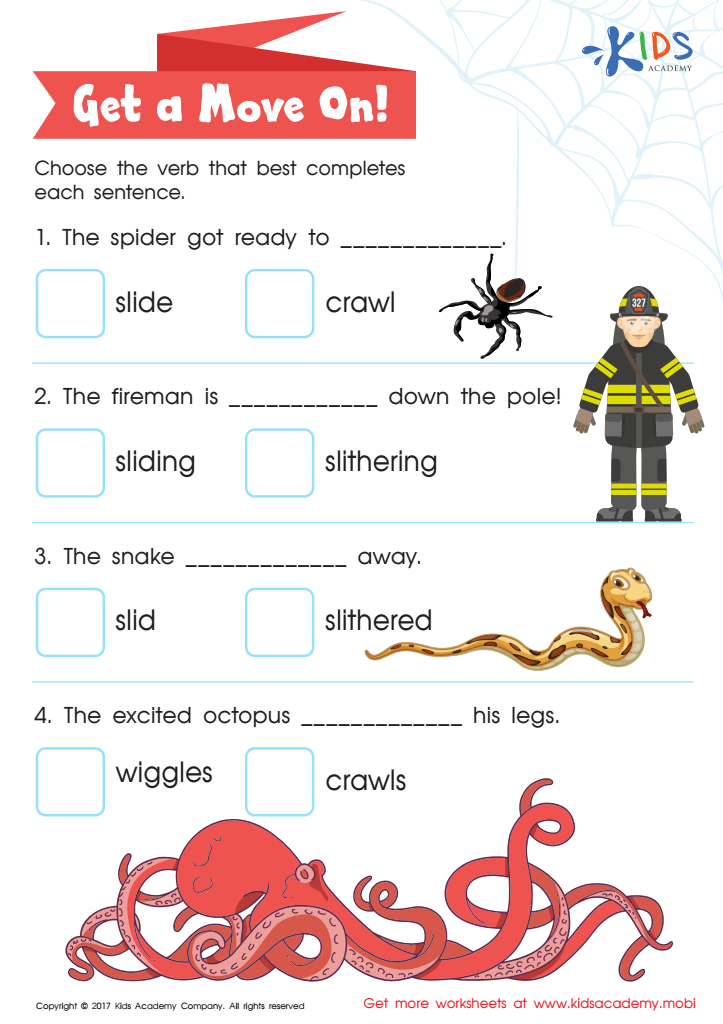
Verb Worksheet
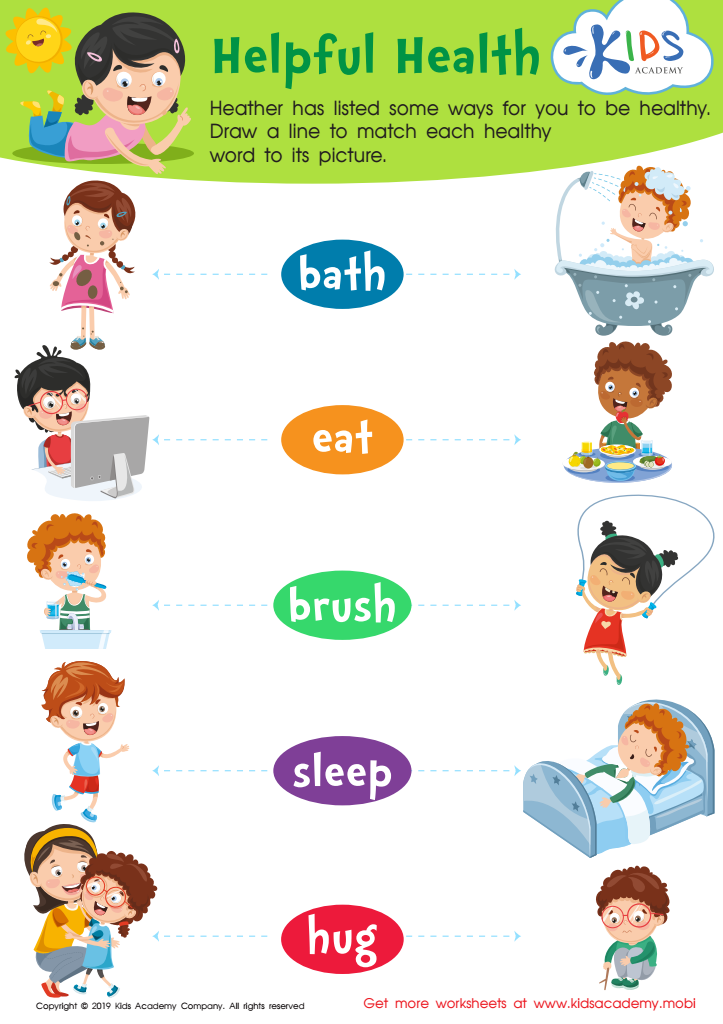
Helpful Health Worksheet
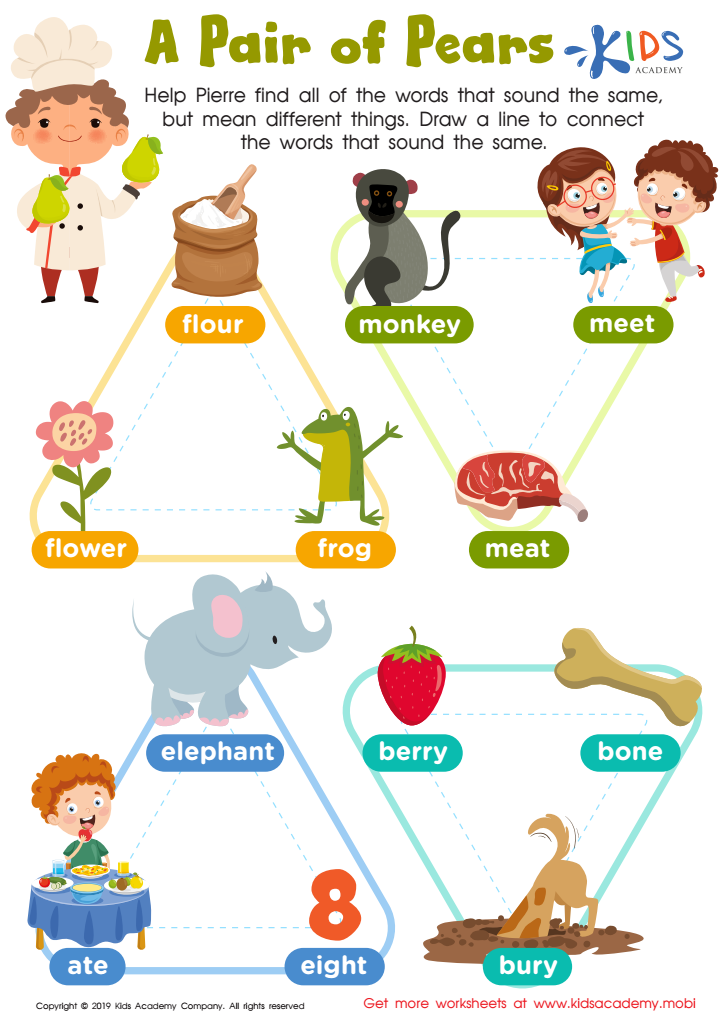
Pair Pears Worksheet
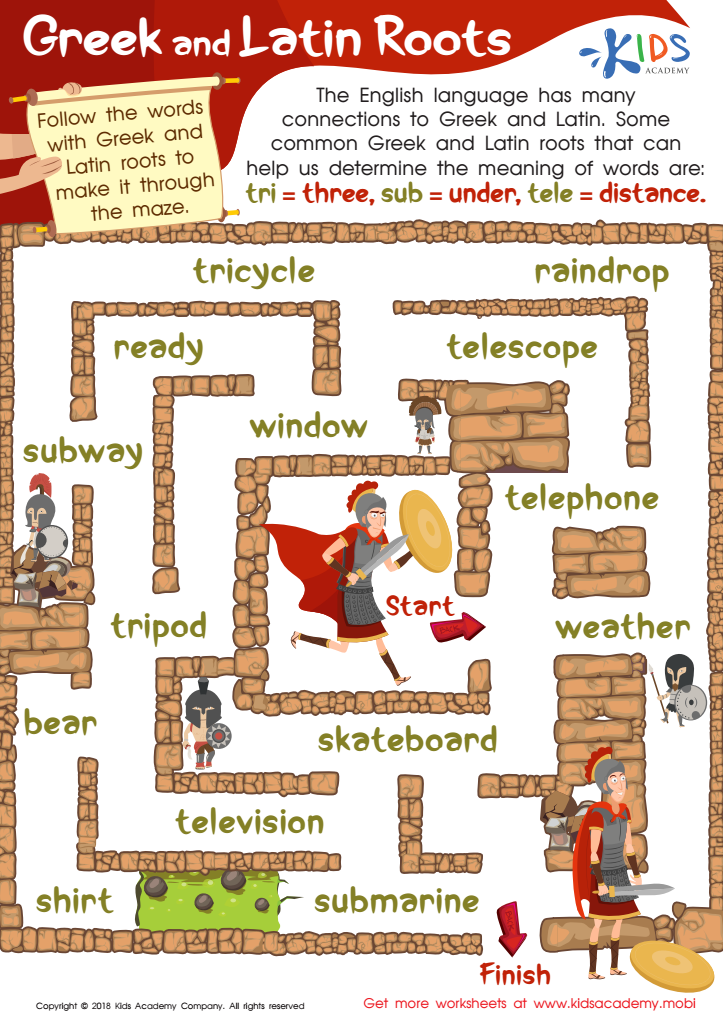
Greek and Latin Roots Worksheet
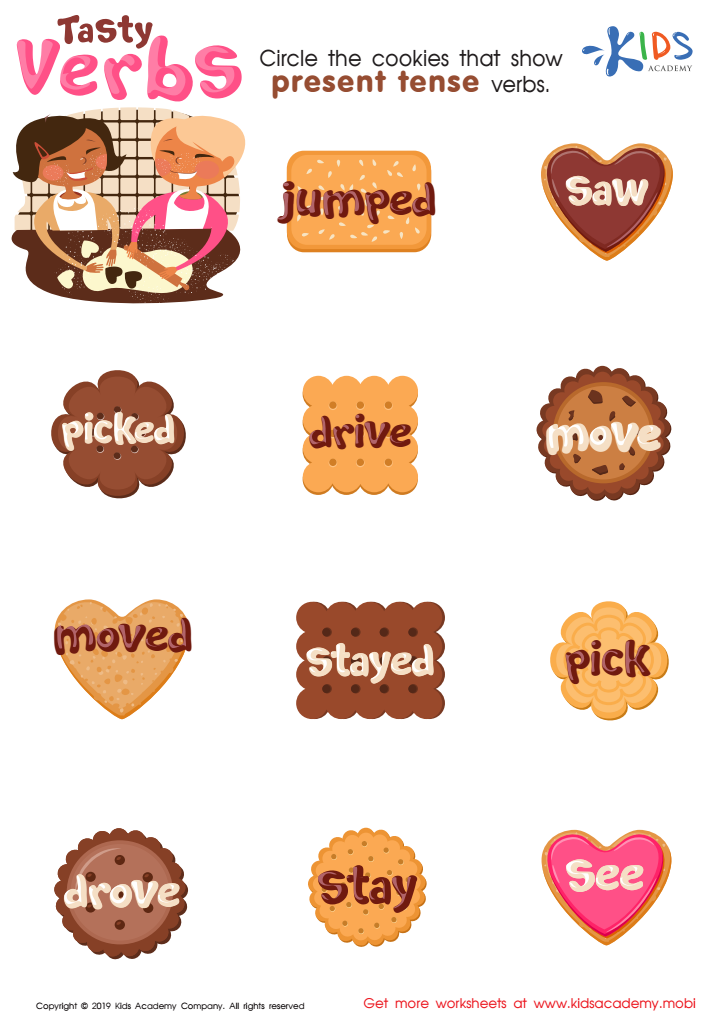
Tasty Verbs Worksheet
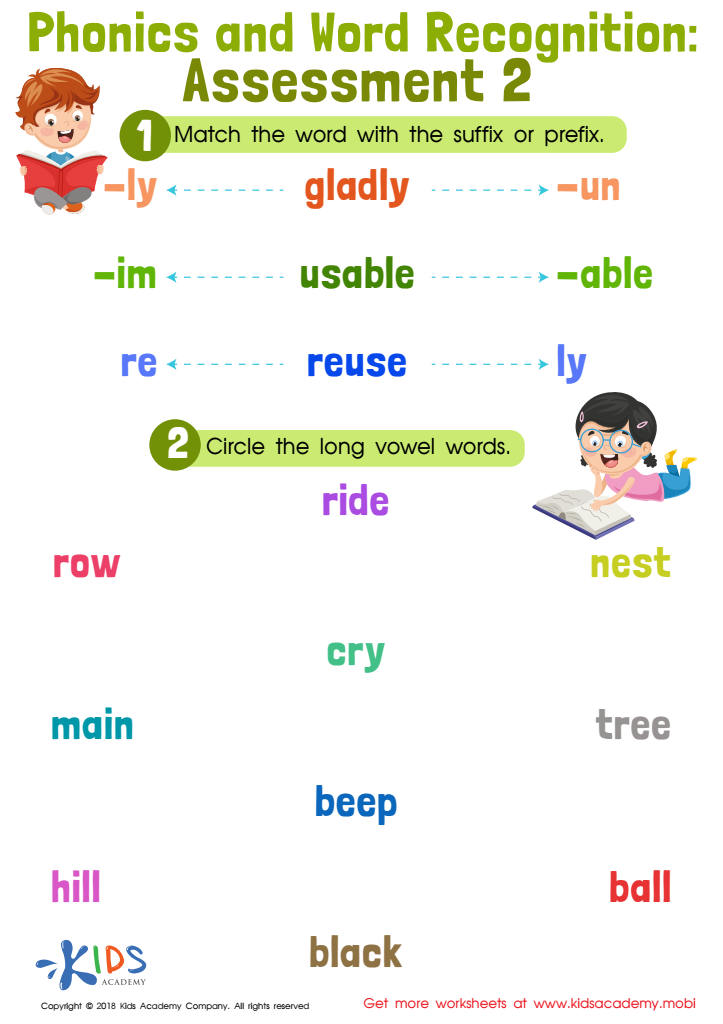
Phonics and Word Recognition: Assessment 2
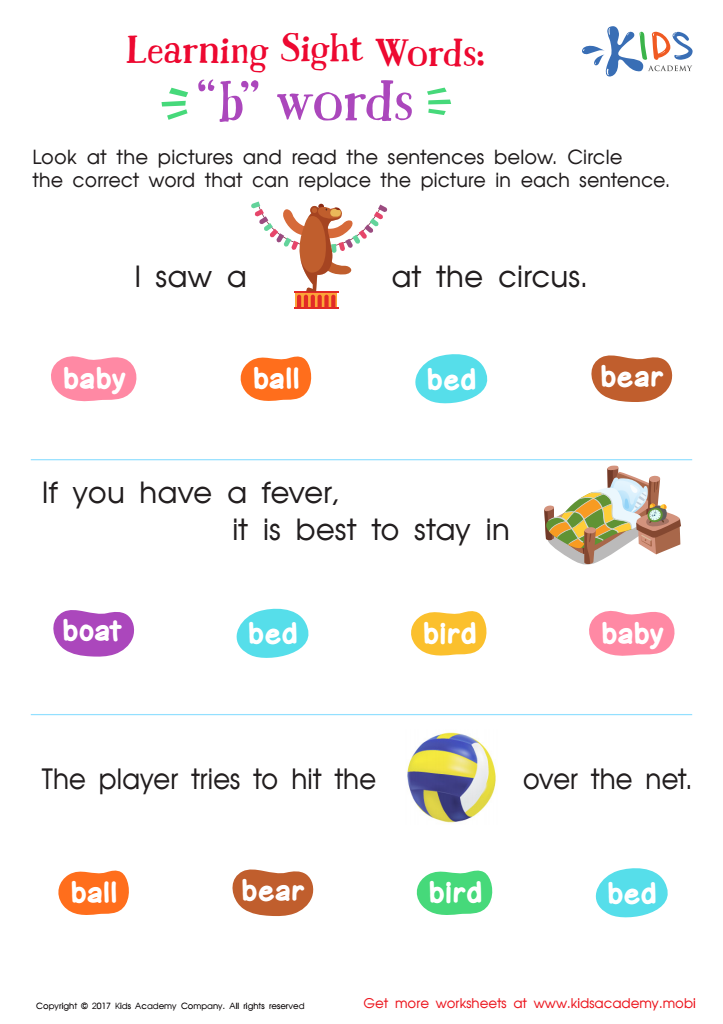
"B" Words Printable Sight Words Worksheet
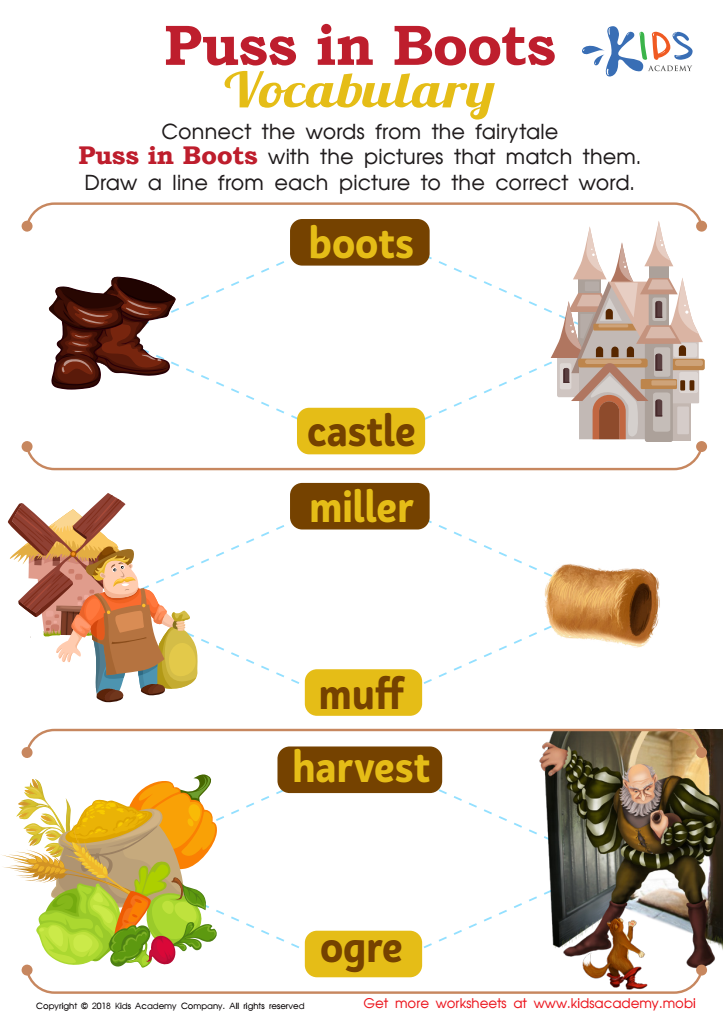
Puss in Boots Vocabulary Worksheet
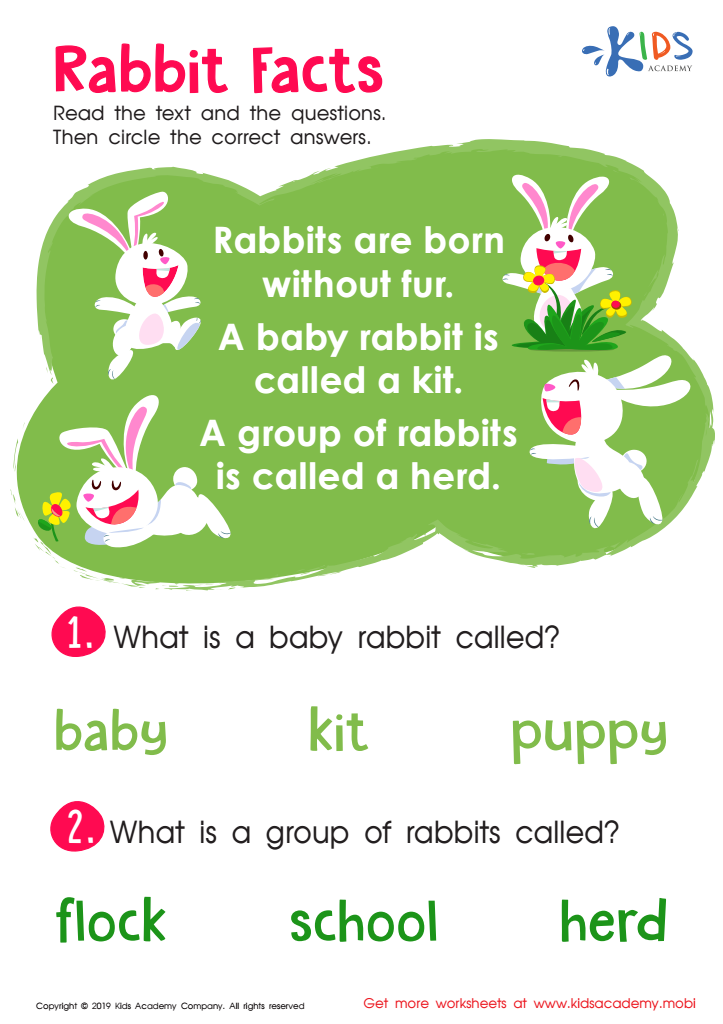
Rabbit Facts Worksheet
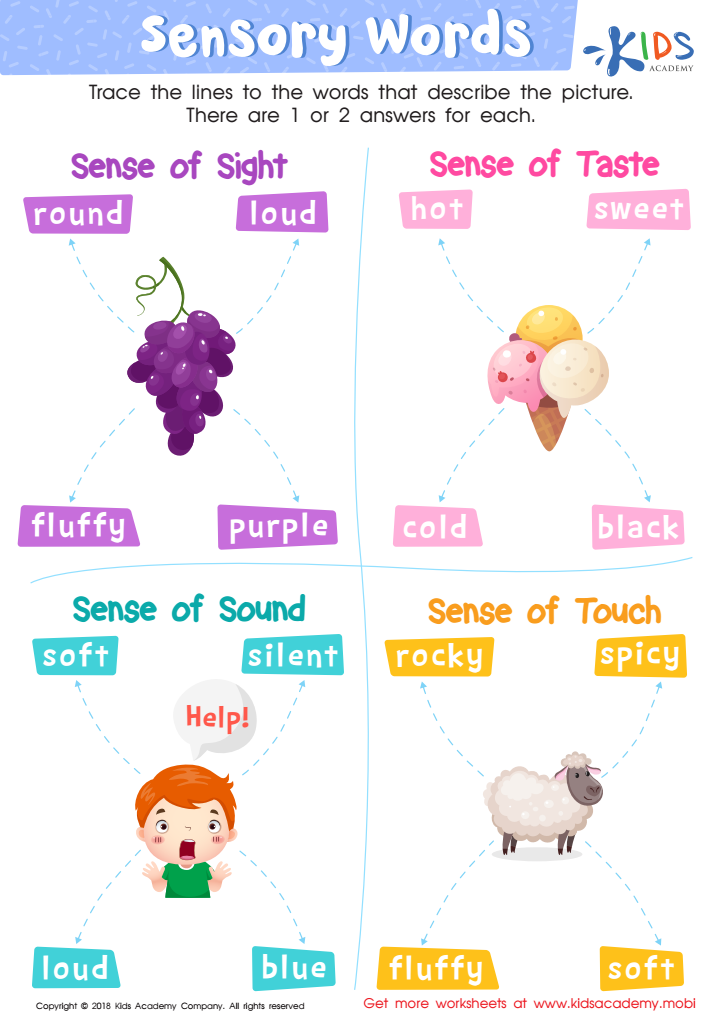
Sensory Words Worksheet








Building vocabulary for children aged 6-9 is crucial for several reasons that can significantly affect their academic and social development. During these formative years, children are rapidly developing language skills that serve as the foundation for their future learning. A strong vocabulary enhances reading comprehension, enabling children to understand texts better and enjoy literature, which fosters a lifelong love for reading.
Moreover, rich vocabulary contributes to improved communication skills. Children who articulate their thoughts clearly and effectively can express themselves better in both academic settings and social interactions, leading to stronger relationships and increased confidence. This age is also a time when children are exposed to more complex concepts in subjects like math and science. A robust vocabulary helps demystify these concepts, making learning more accessible and engaging.
Additionally, children with larger vocabularies are better equipped to tackle standardized tests and succeed in school, impacting their higher education opportunities. For parents and teachers, investing time in vocabulary development—through reading, discussions, and interactive activities—is essential. It nurtures not only academic success but also emotional and social well-being, ultimately laying a solid foundation for a child's future.








