Life Science Worksheets for Ages 7-9 - Page 2
35 filtered results
-
From - To
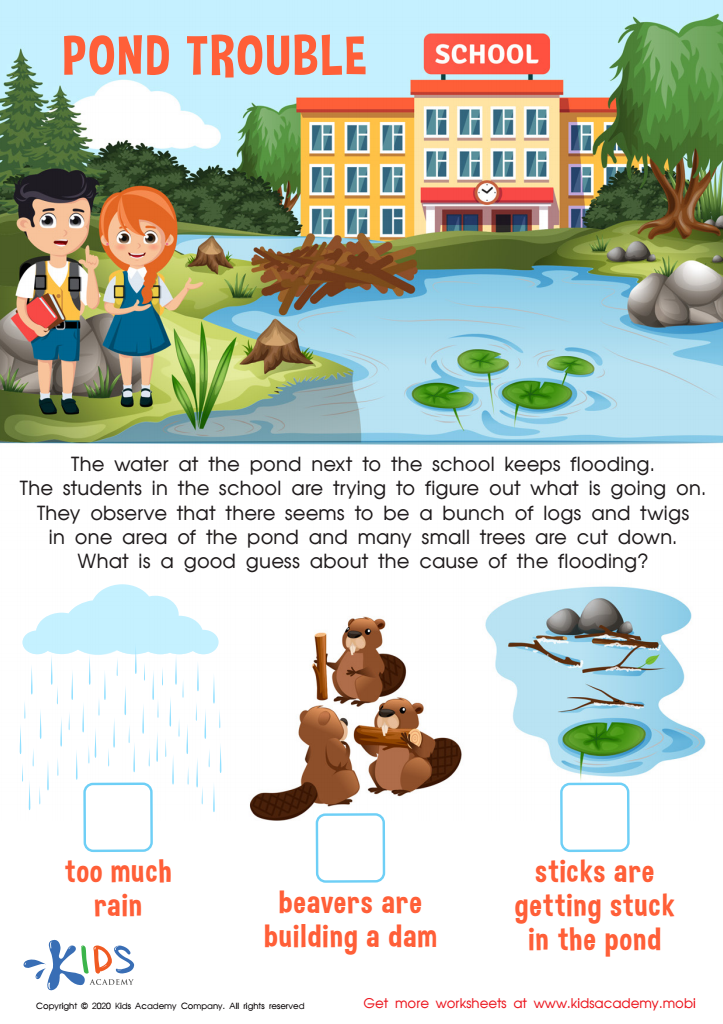
Pond Trouble Worksheet
 Assign to My Students
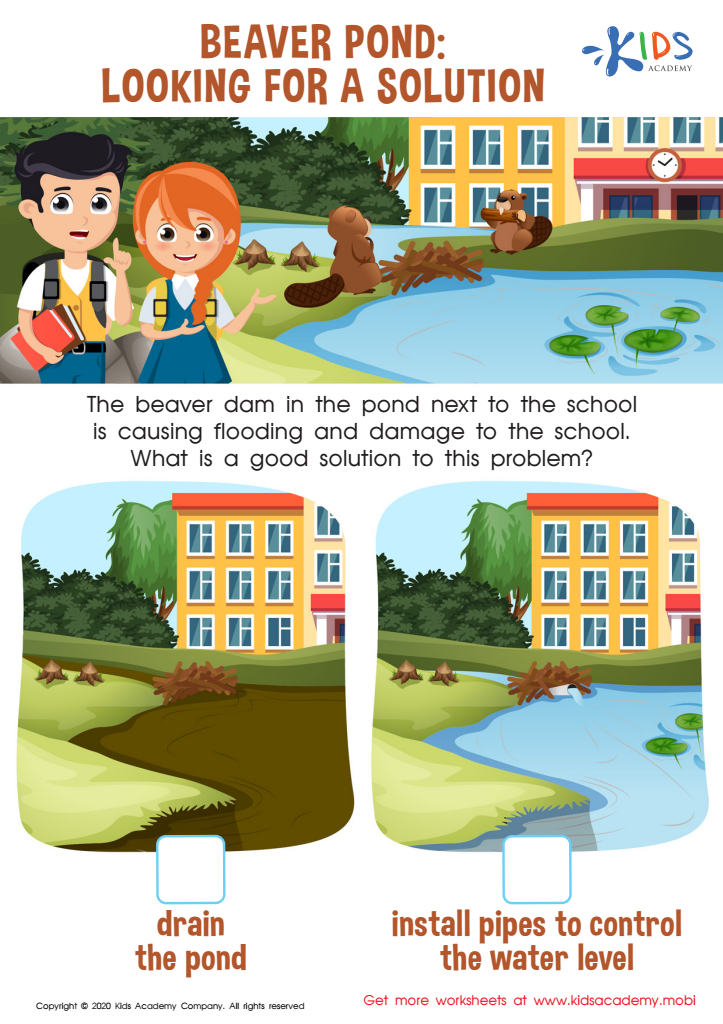
Beaver Pond: Looking for a Solution Worksheet
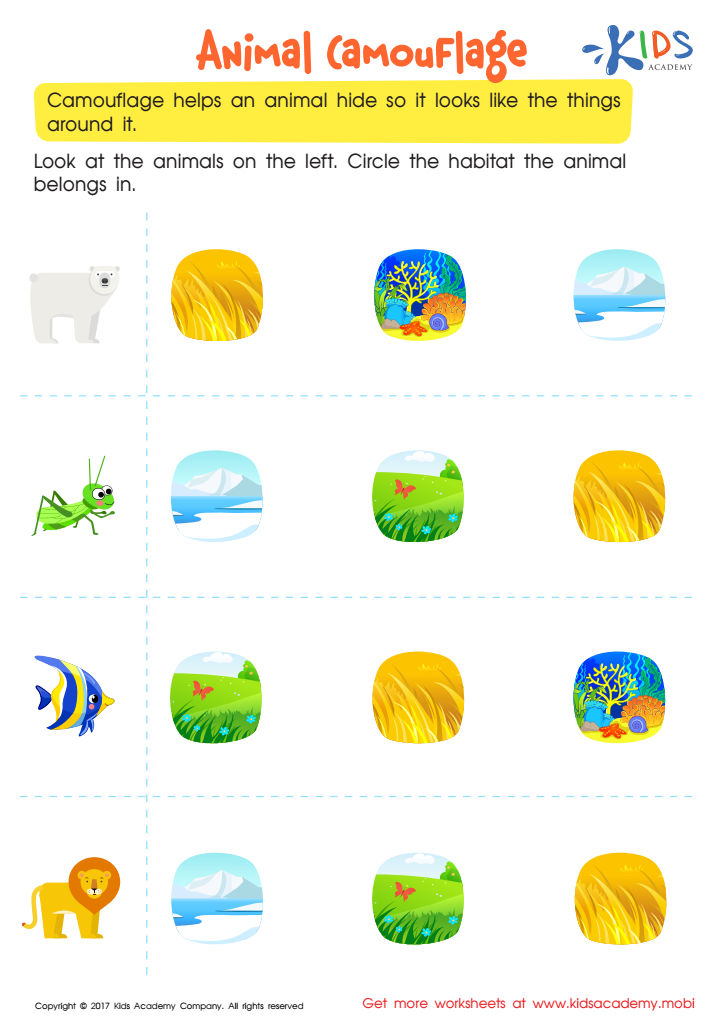
Animal Camouflage Worksheet
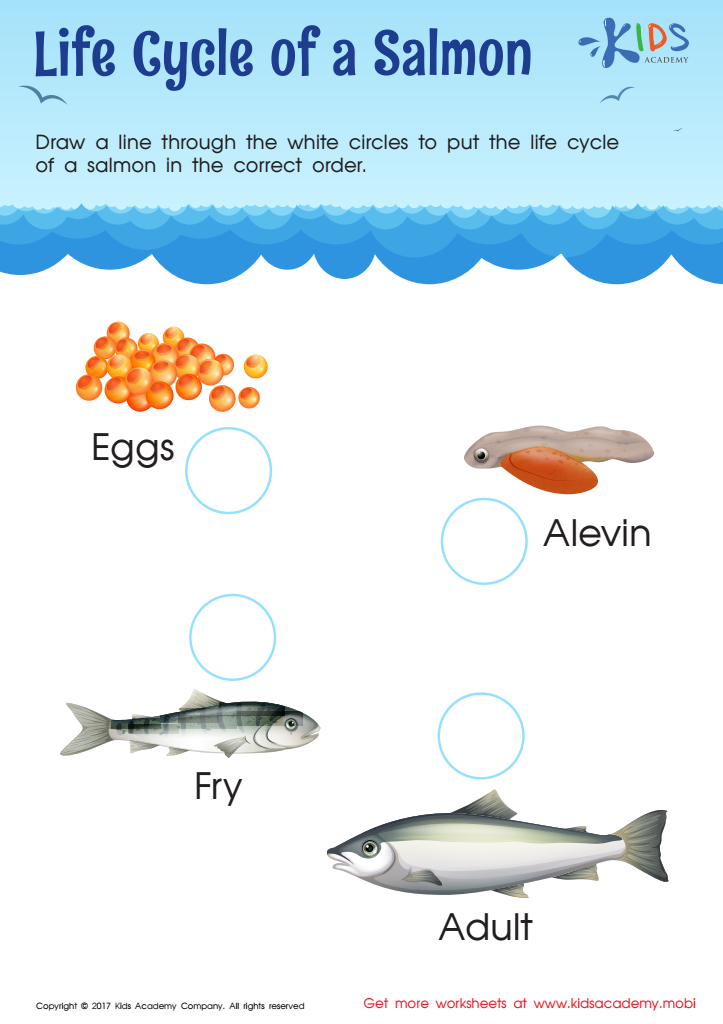
Cycle Of Salmon Worksheet
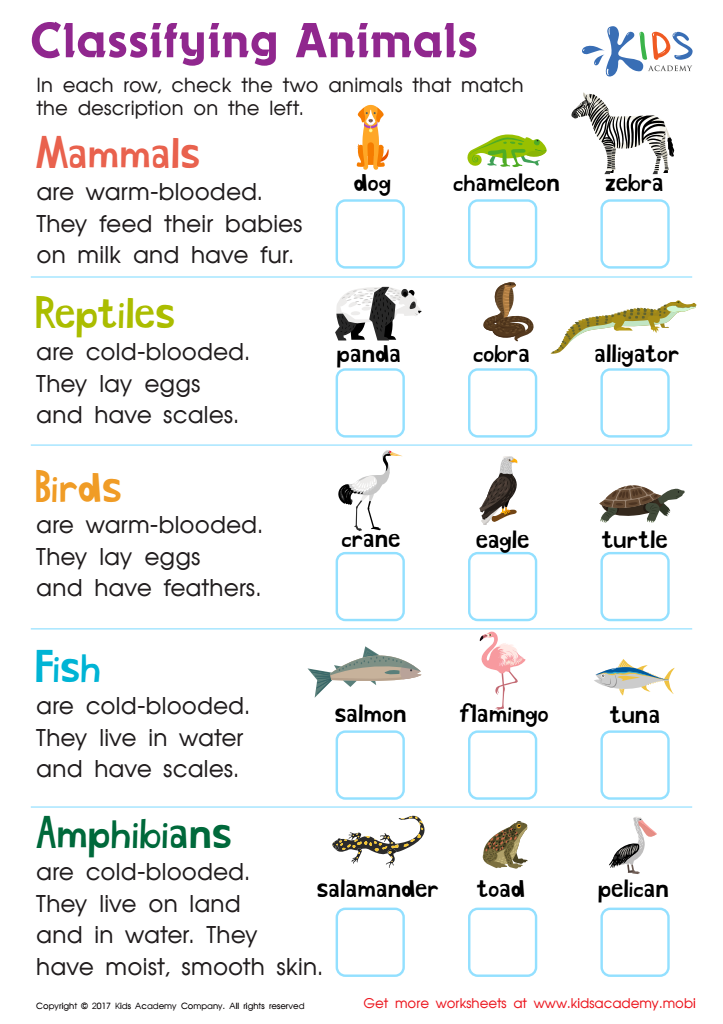
Classifying Animals Worksheet
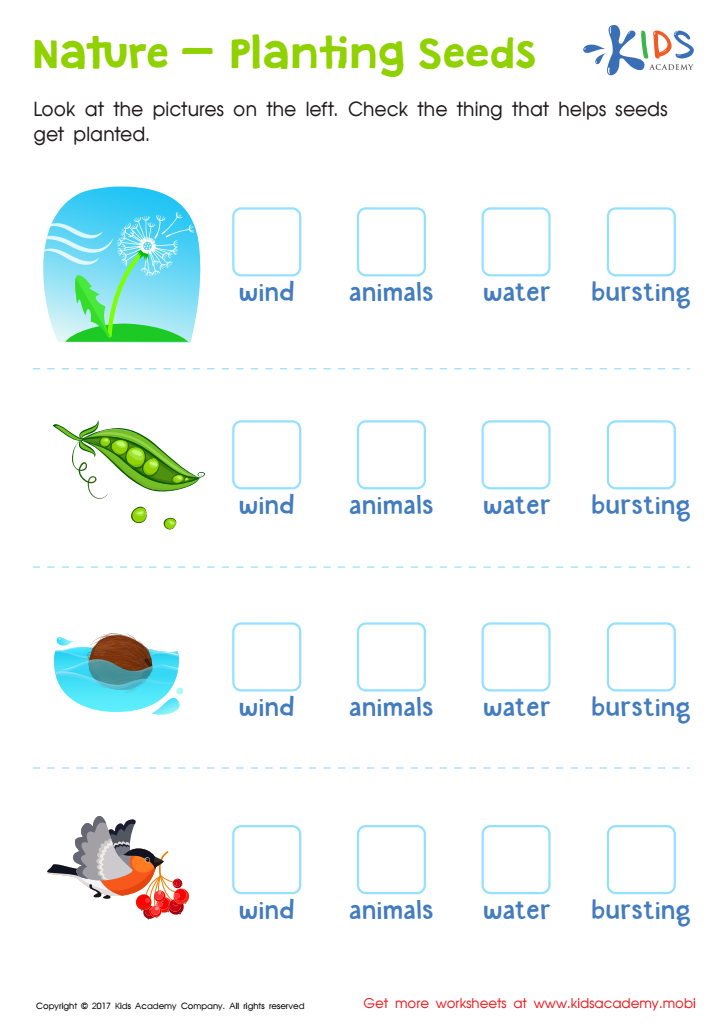
Nature Planting Seeds Worksheet
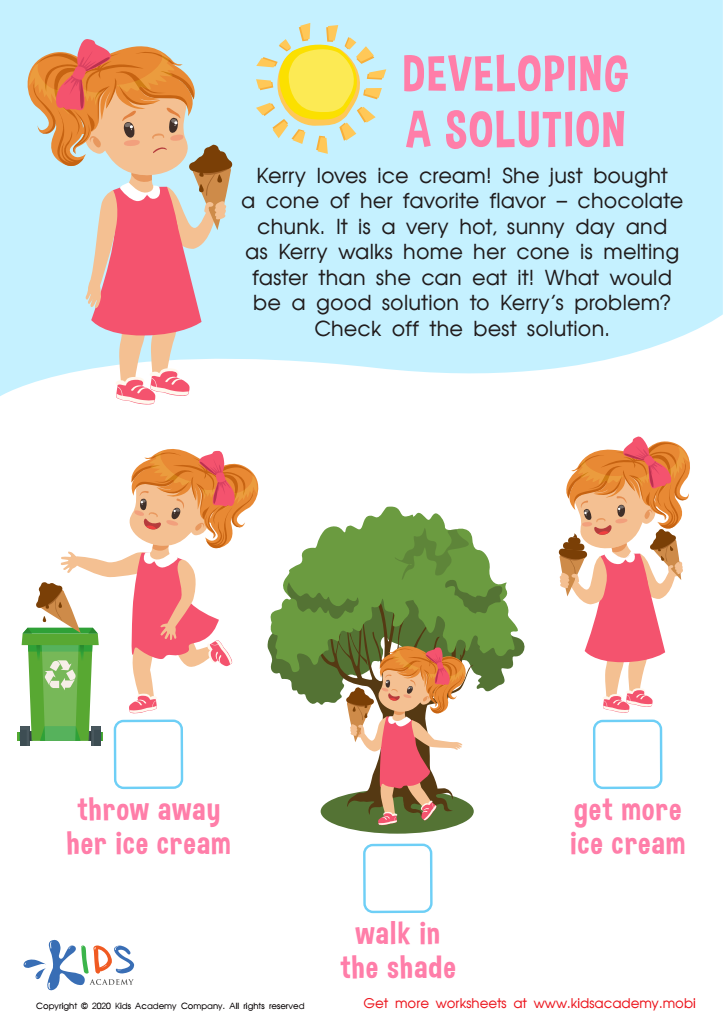
Developing Solution Worksheet
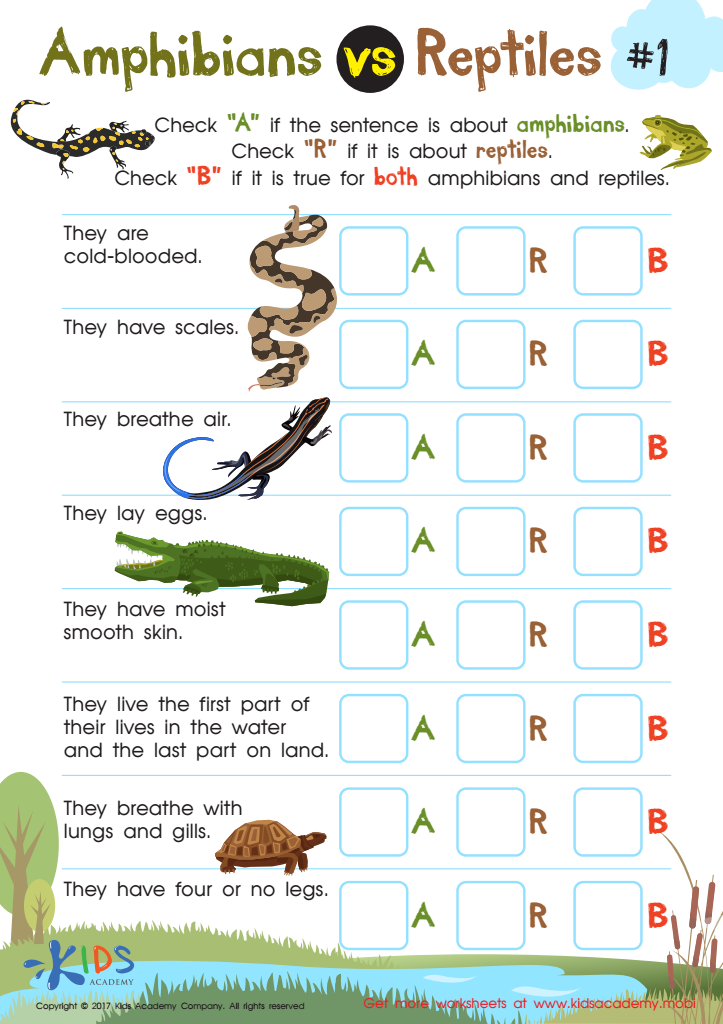
Amphibians vs Reptiles Worksheet
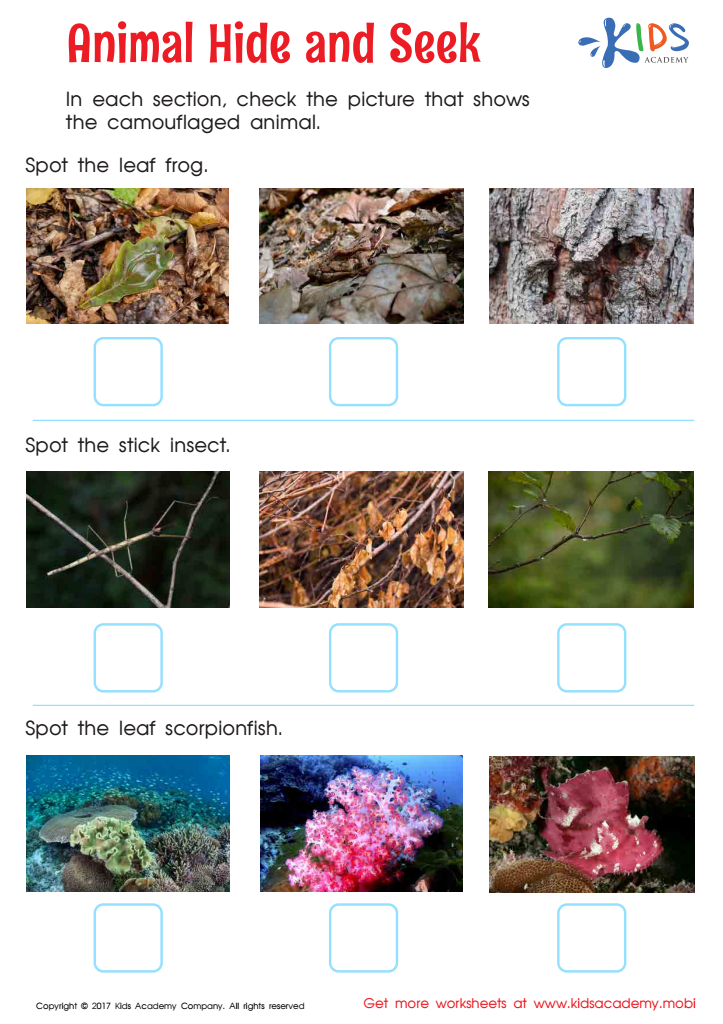
Animal Hide and Seek Worksheet
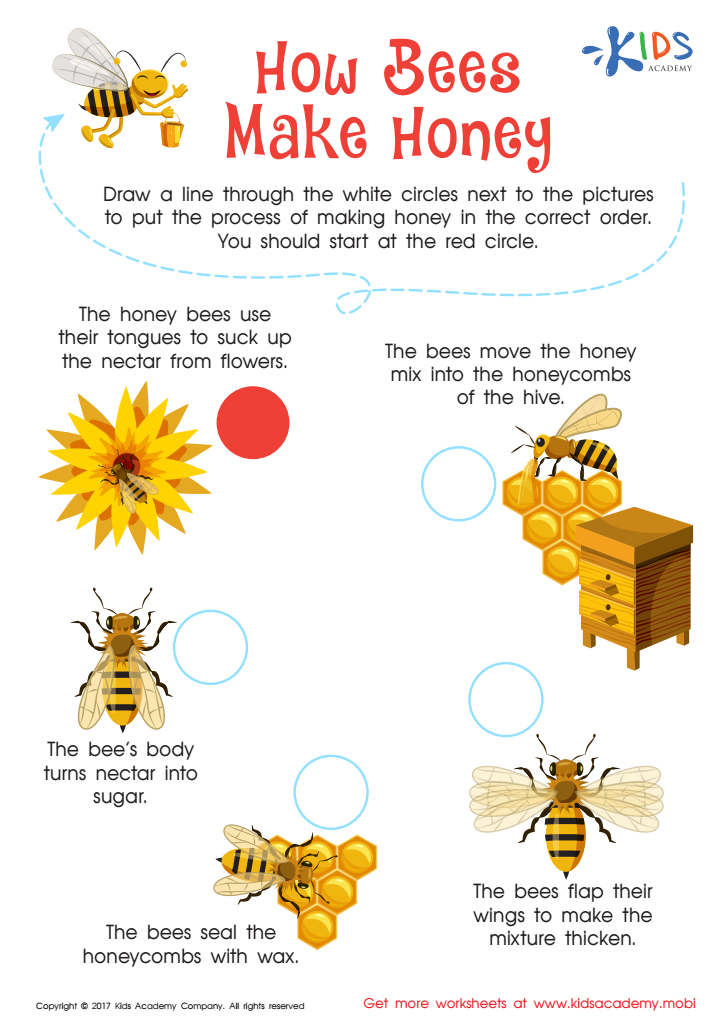
Honey Bee Worksheet
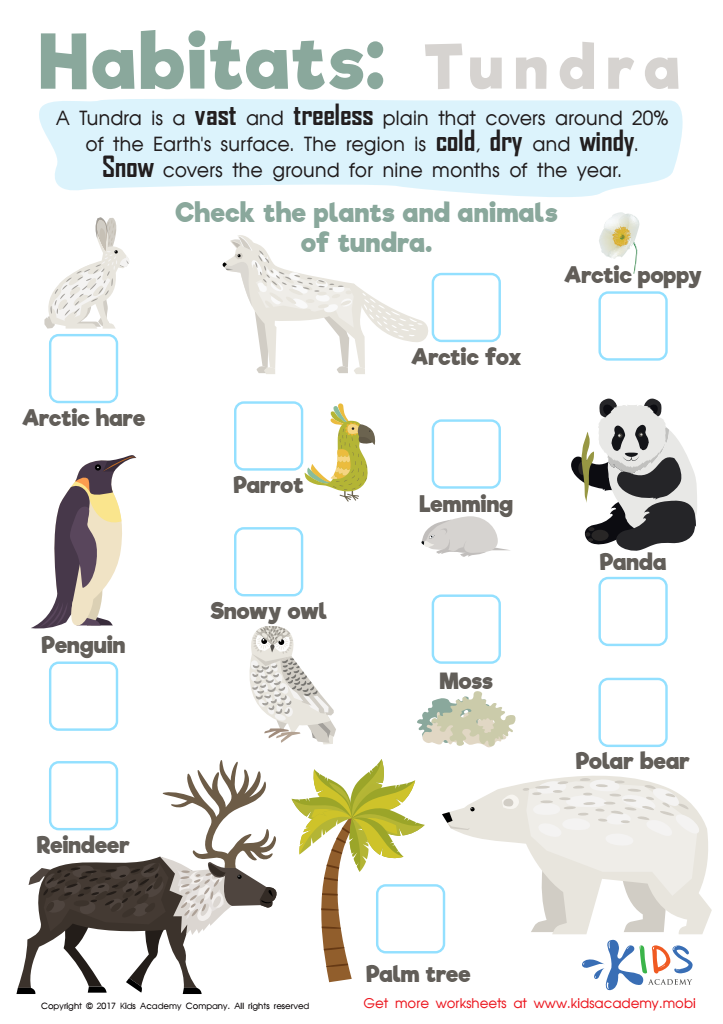
Tundra Habitats Worksheet







Life Science is a critical subject for children aged 7-9, sparking curiosity and fostering a lifelong love of learning about the world around them. At this stage, kids are naturally inquisitive and eager to understand their environment, making it the perfect time to introduce basic life science concepts. By learning about plants, animals, ecosystems, and human biology, children develop an appreciation for nature and the interconnectedness of all living things.
Furthermore, Life Science education helps build foundational skills in observation, critical thinking, and problem-solving. These skills are not only essential for academic success but also for everyday decision-making and responsible citizenship. When children explore how plants grow, what animals eat, or why seasons change, they engage in scientific thinking, which enhances their cognitive development.
Additionally, early exposure to Life Science nurtures empathy and respect for living organisms. Understanding that all life forms have unique roles in the ecosystem aids in nurturing environmentally-responsible individuals. This awareness is especially important in an era where environmental issues are at the forefront of global concerns.
Lastly, learning about life sciences can ignite passions that could lead to careers in medicine, environmental science, biotechnology, and numerous other fields critical to our future. Therefore, both parents and teachers should prioritize life sciences for young learners to support their intellectual growth, sustainability awareness, and future career interests.








