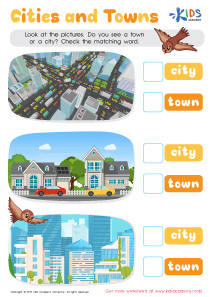
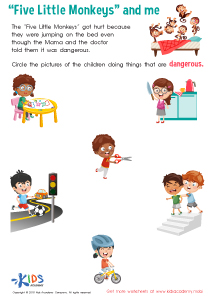
Easy Reading Comprehension Worksheets for Ages 3-8
58 filtered results
-
From - To
Discover a treasure trove of easy reading comprehension worksheets designed for children aged 3 to 8! These engaging, age-appropriate worksheets foster essential literacy skills through fun and interactive activities. Perfect for reinforcing what young learners have read, each worksheet features captivating illustrations and age-focused content to keep kids motivated and excited about reading. Our resources are tailored for parents and educators alike, making it simple to enhance comprehension in a delightful way. From basic questions to matching exercises, help your child develop a strong foundation in reading with our easy-to-use worksheets, ensuring a joyful learning experience that sets the stage for future success!
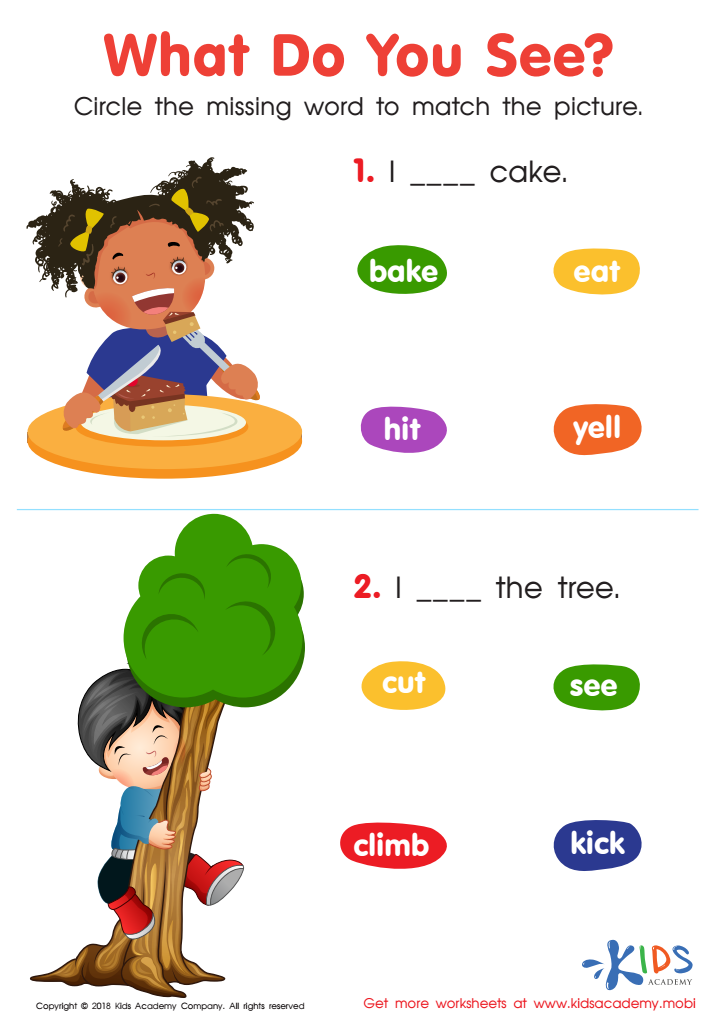
What Do You See? Reading Worksheet
 Assign to My Students
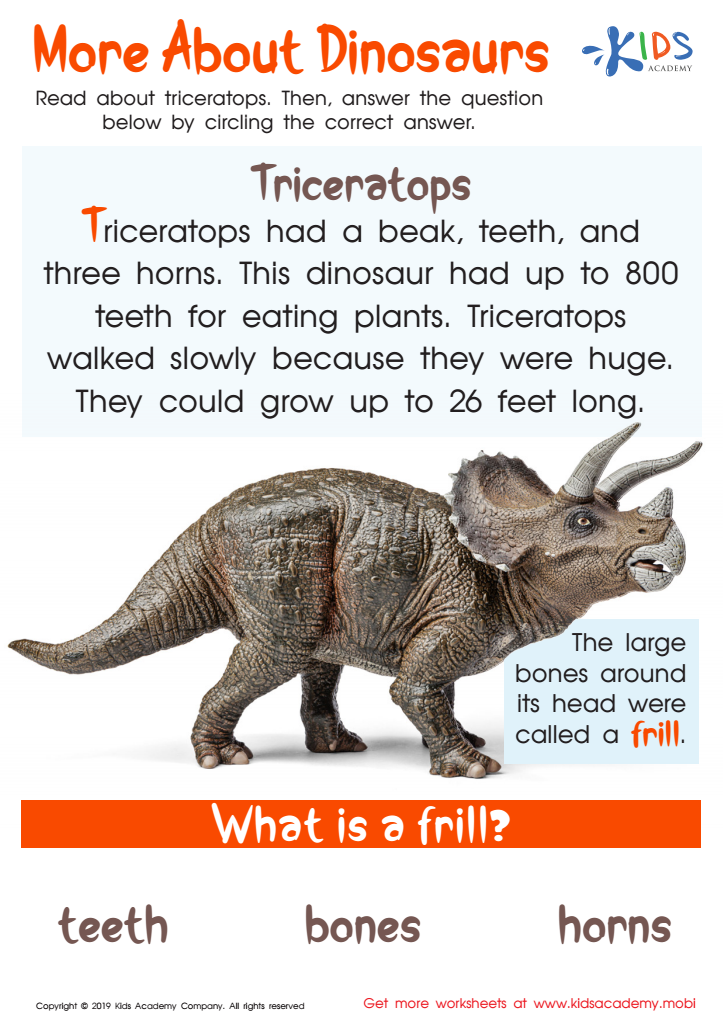
More About Dinosaurs Worksheet
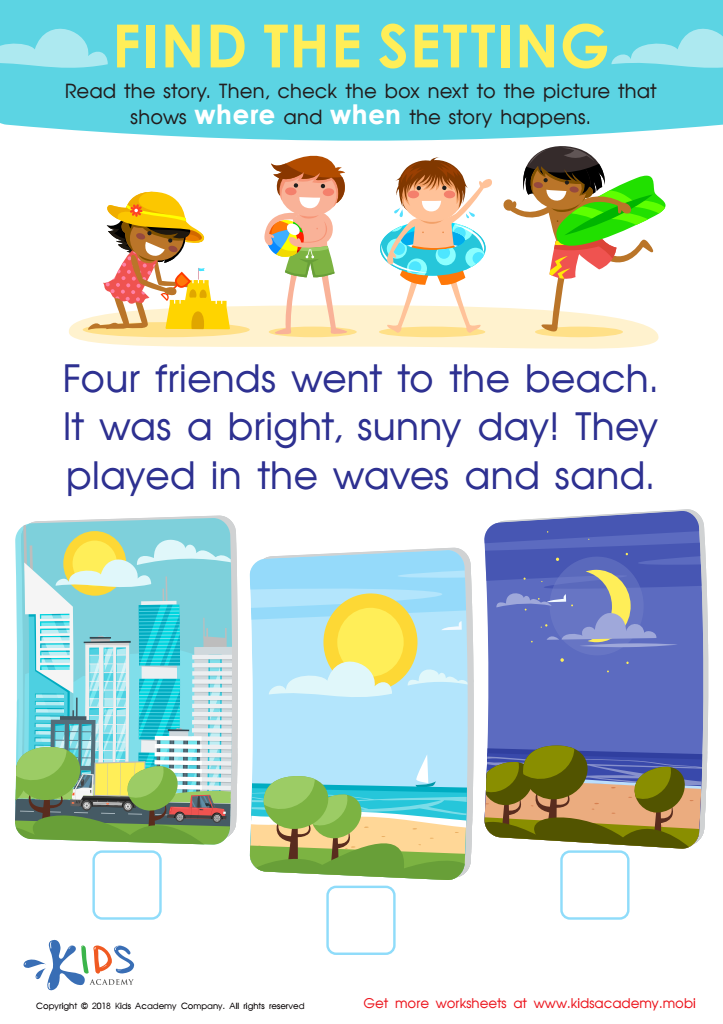
Find the Setting Worksheet
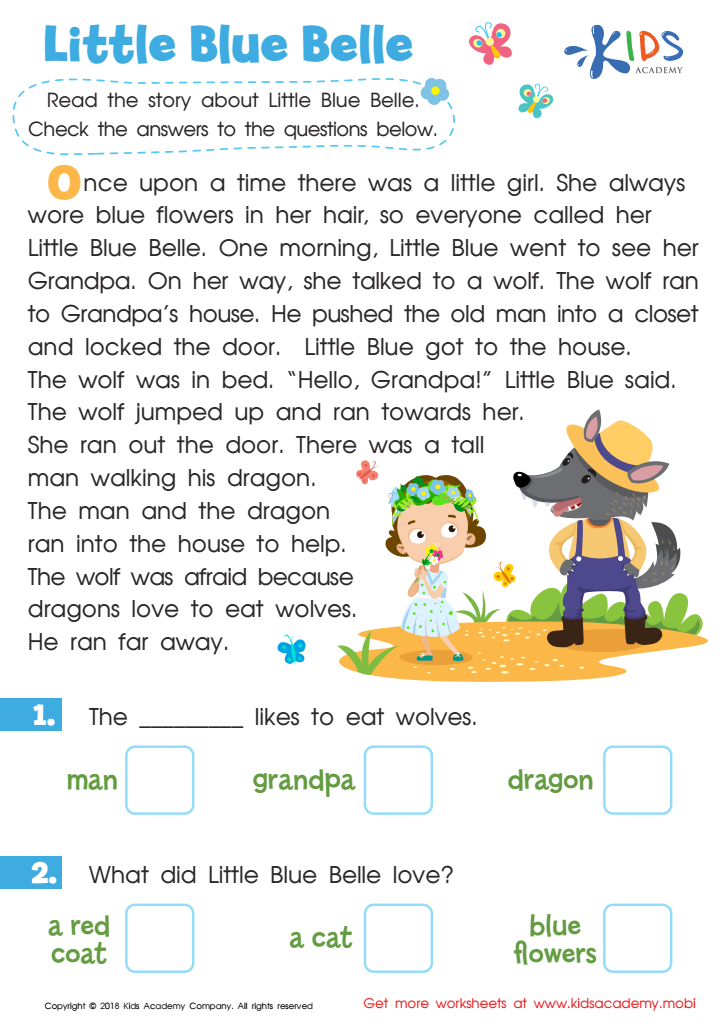
Little Blue Belle Worksheet
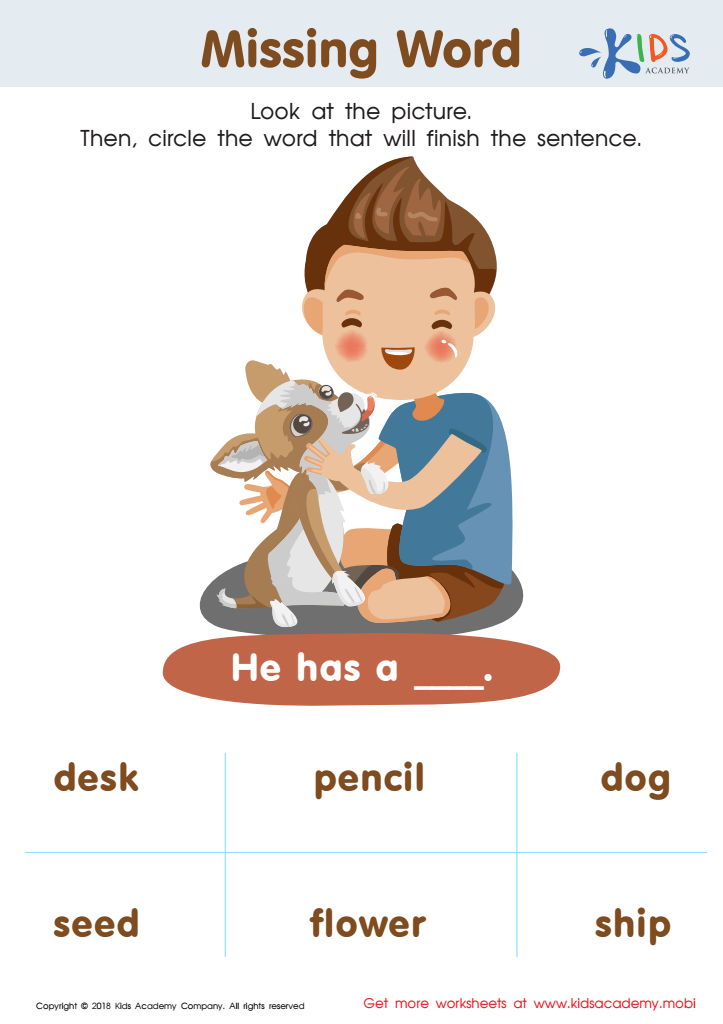
Missing Word Worksheet
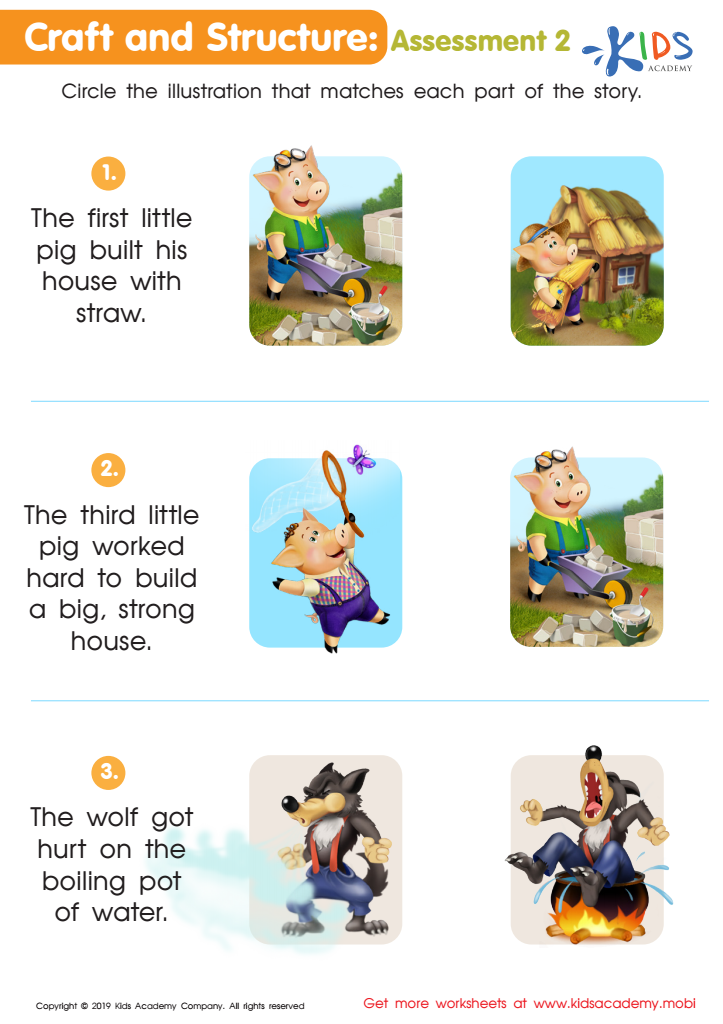
Craft and Structure: Assessment 2 Worksheet 2
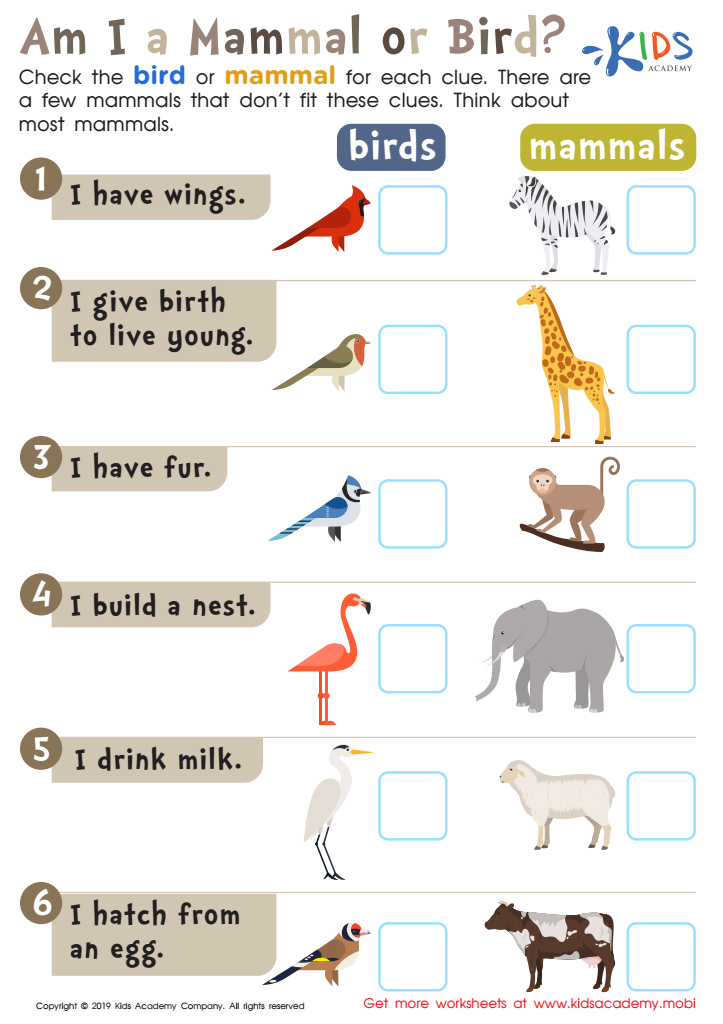
Am I a Mammal or Bird? Worksheet
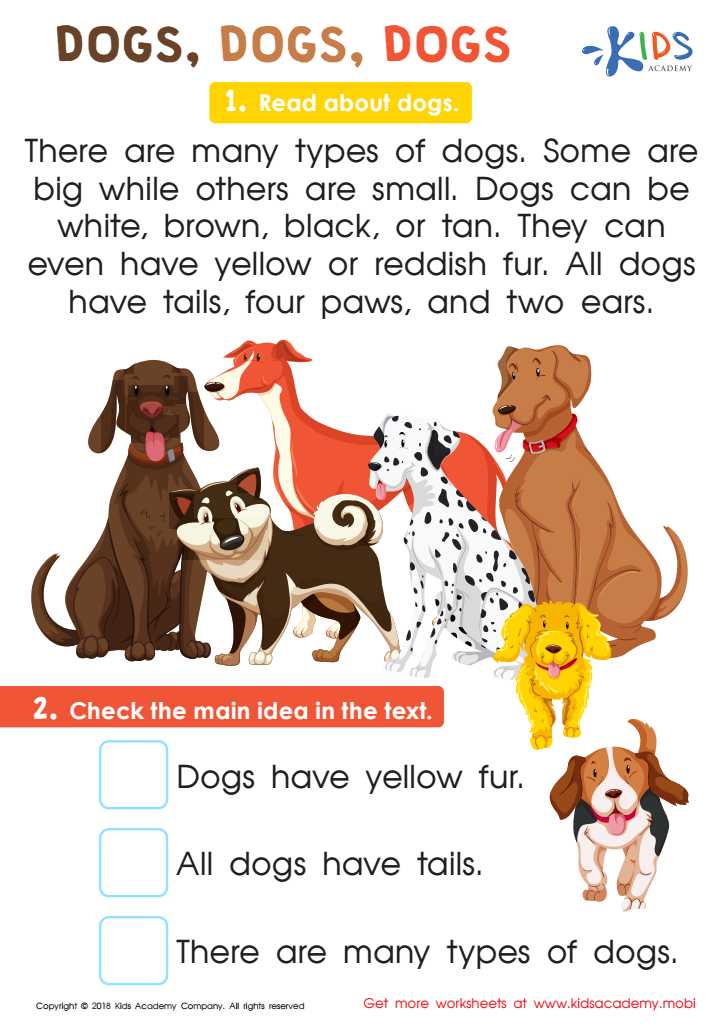
Dogs, Dogs Worksheet
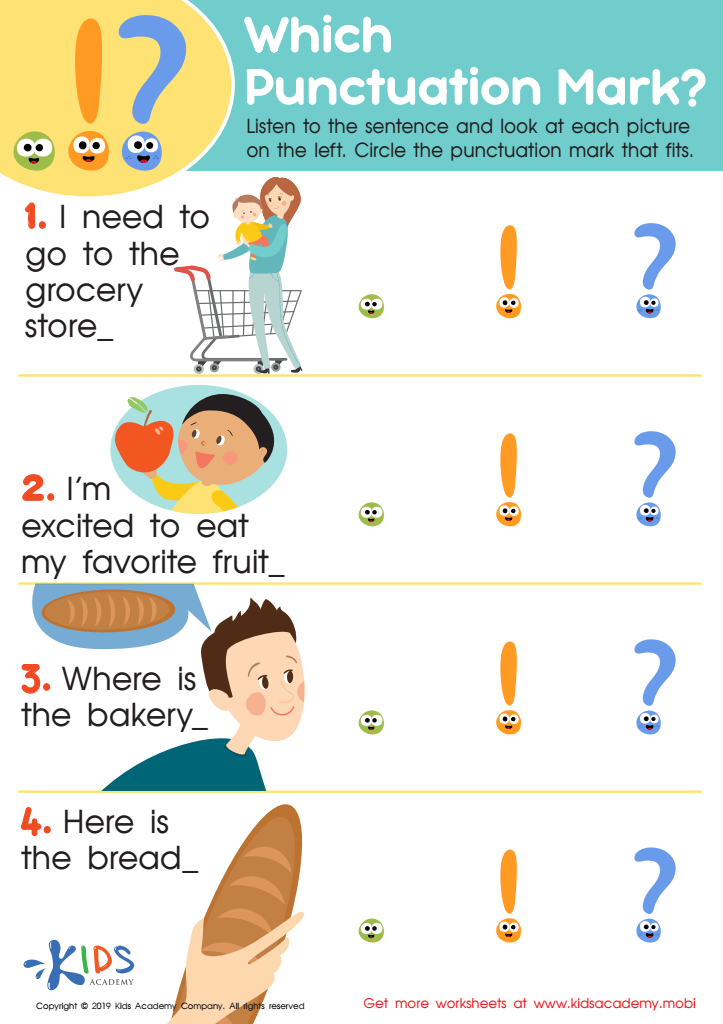
Which Punctuation Mark Worksheet
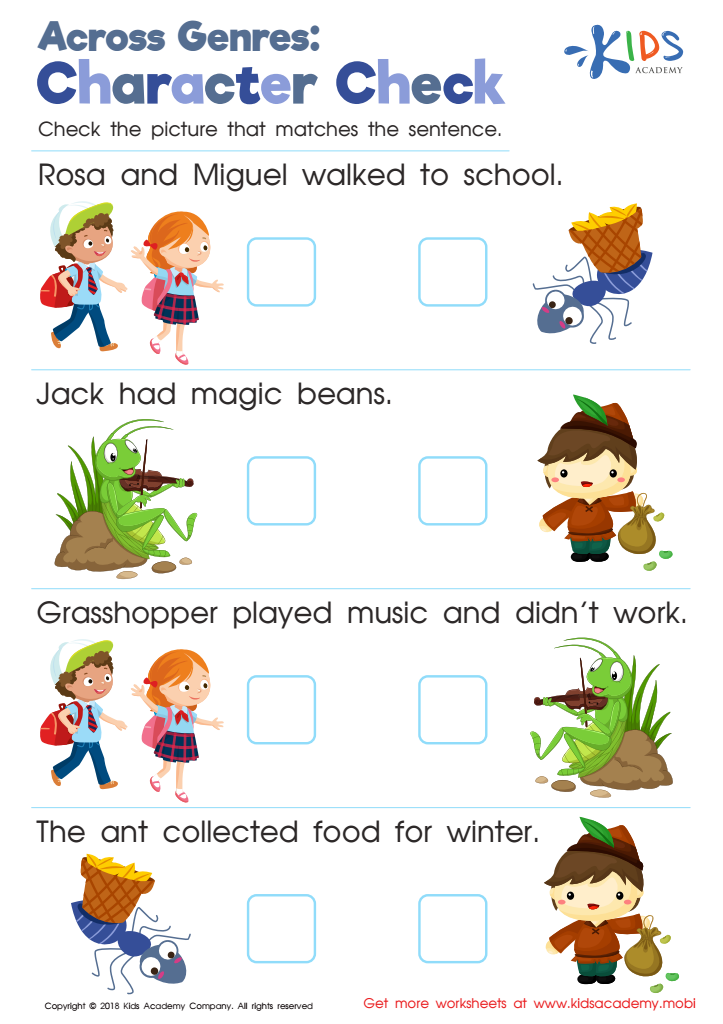
Across Genres: Character Check Worksheet
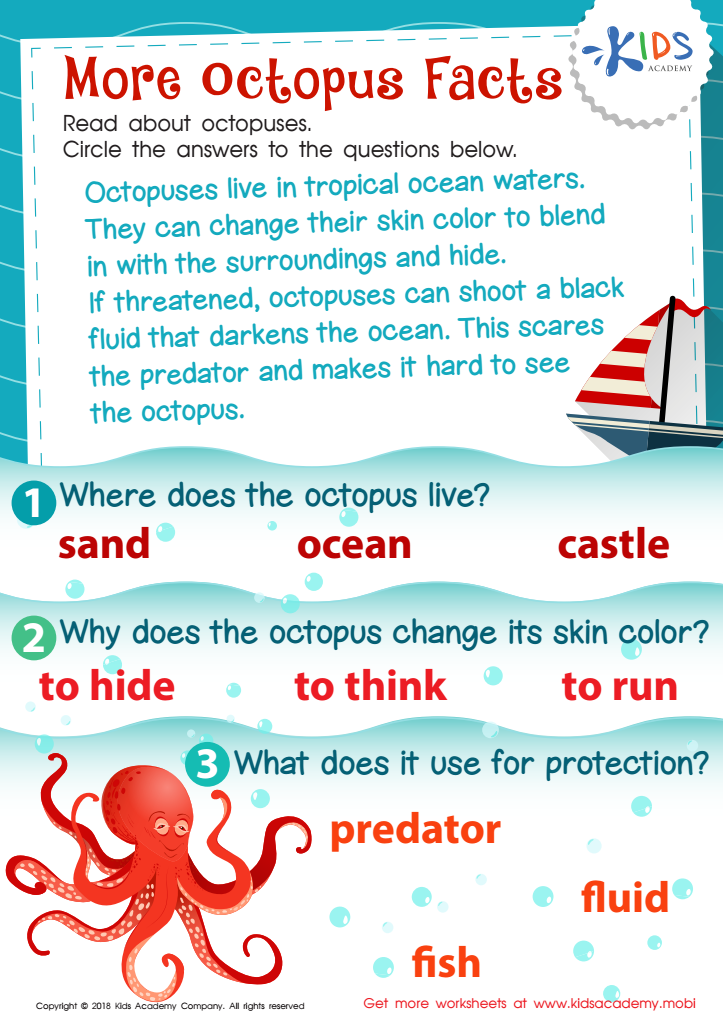
More Octopus Facts Worksheet
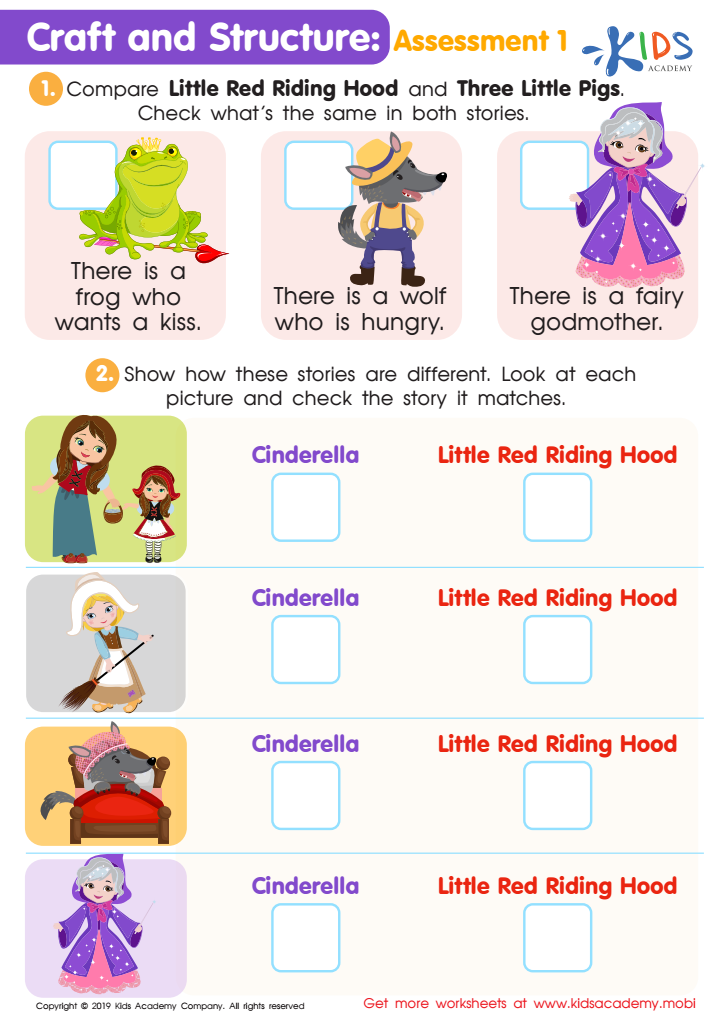
Craft and Structure: Assessment 1 Worksheet
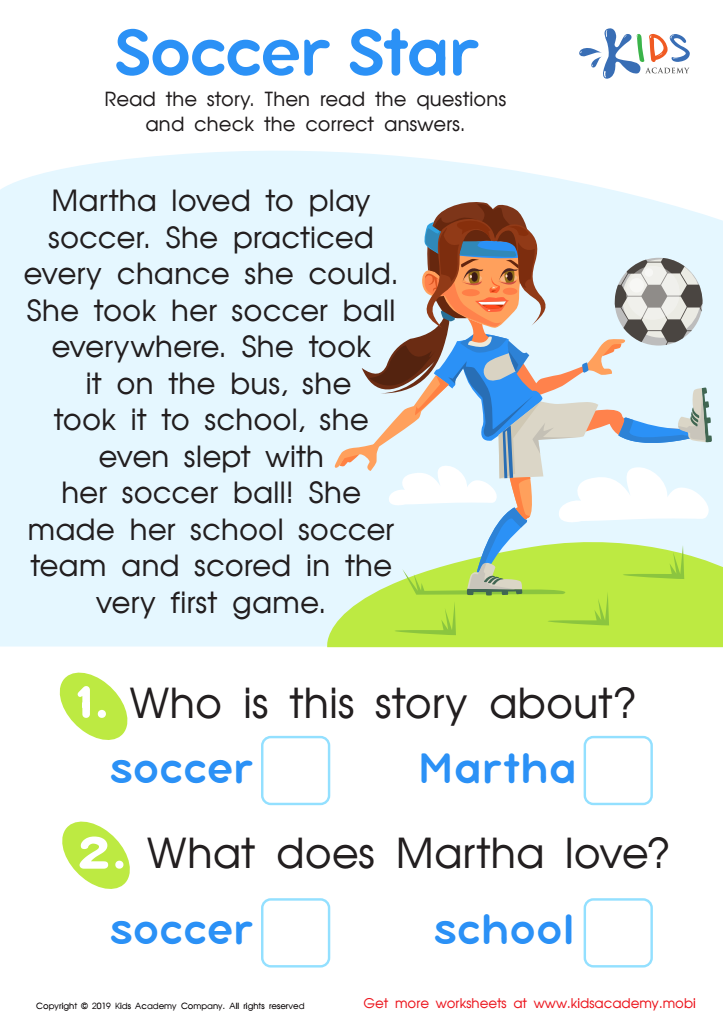
Soccer Star Worksheet
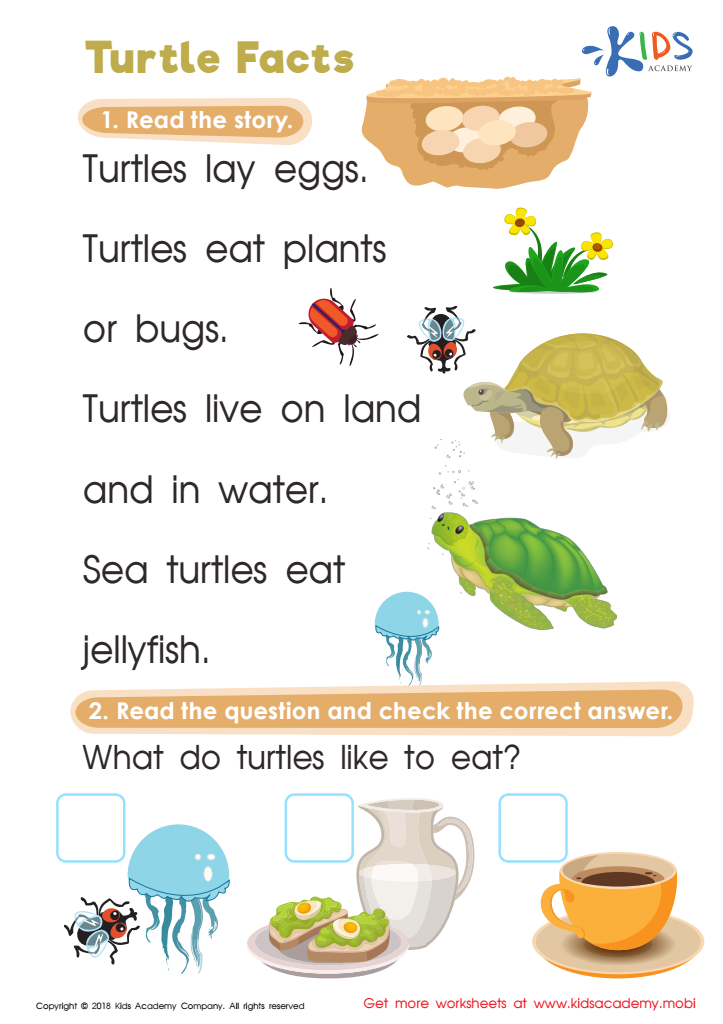
Turtle Facts Worksheet
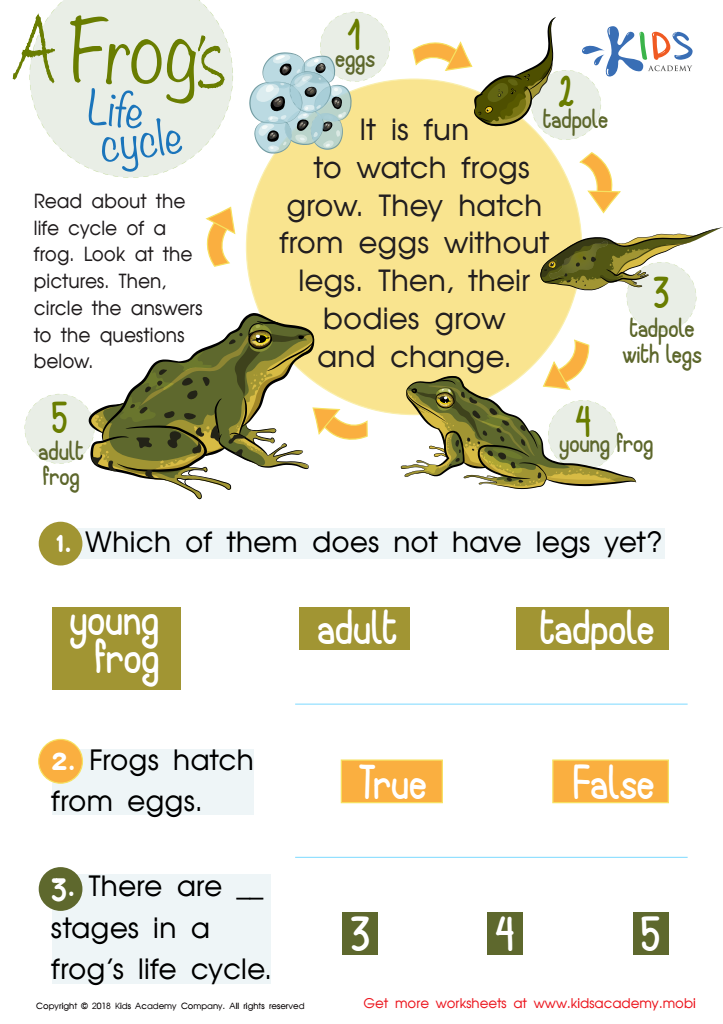
A Frog’s Life Cycle Worksheet
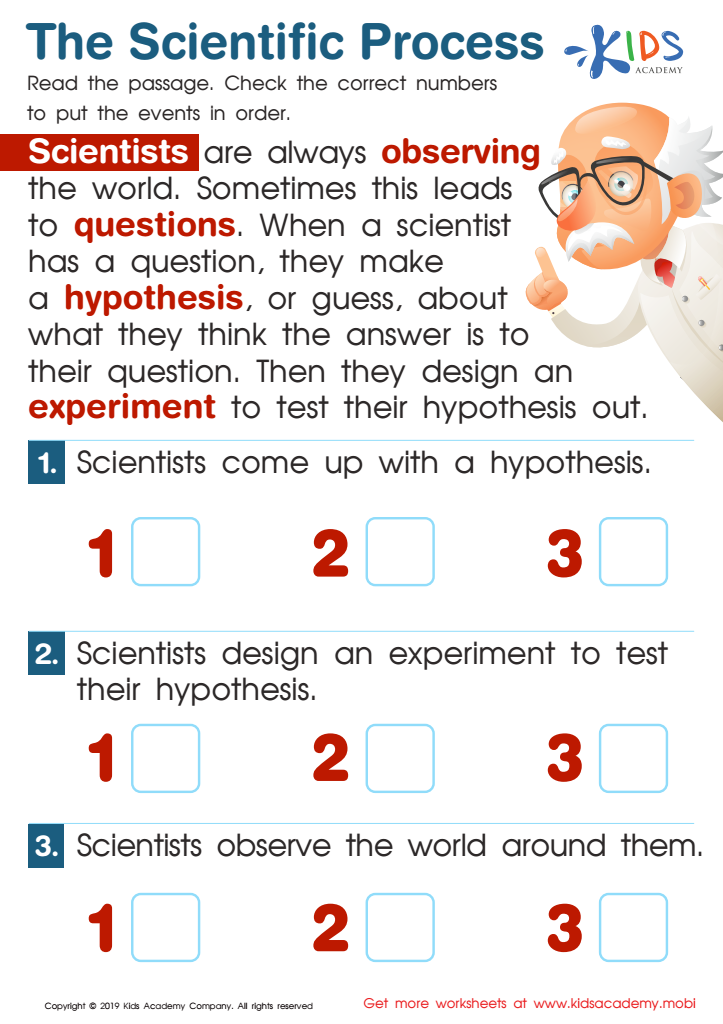
The Scientific Process Worksheet
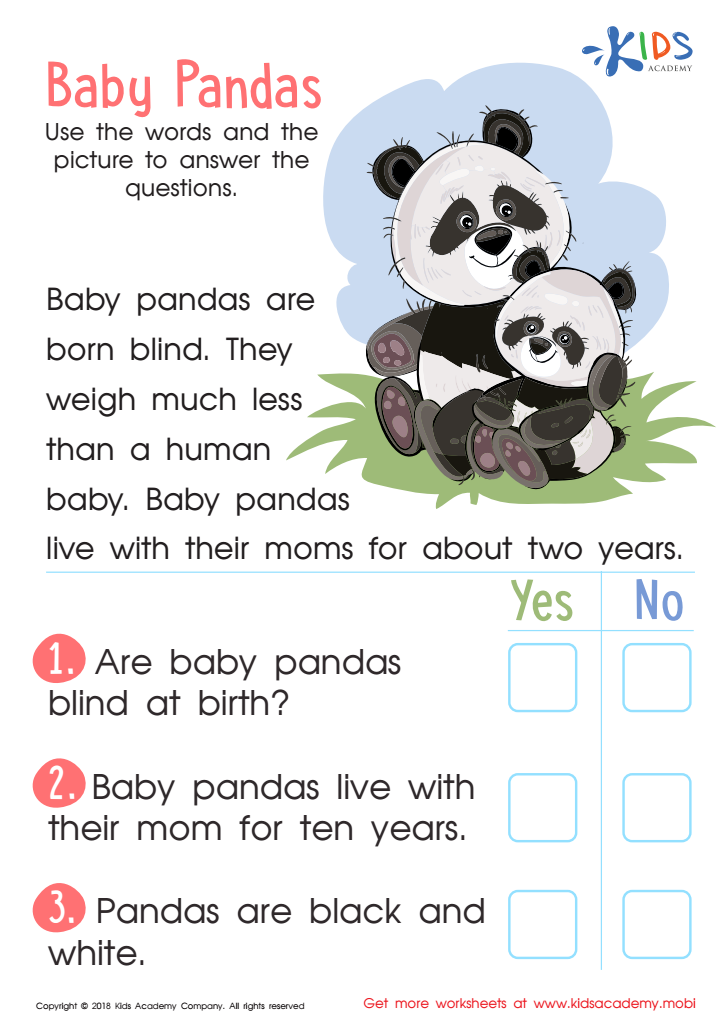
Baby Pandas Worksheet
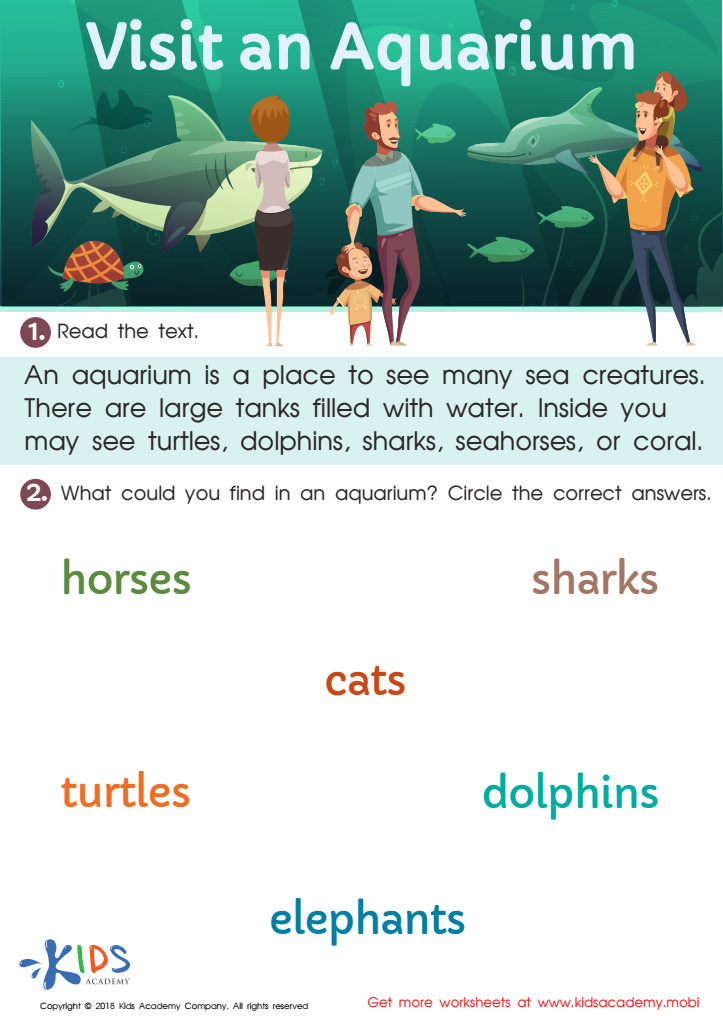
Visit an Aquarium Worksheet
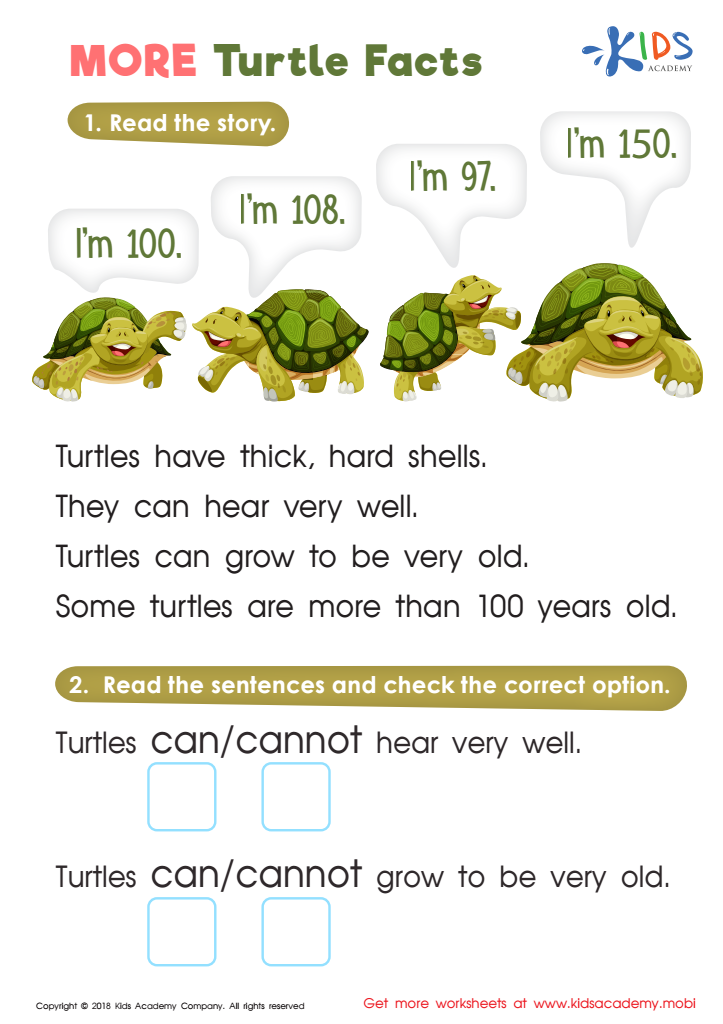
More Turtle Facts Worksheet
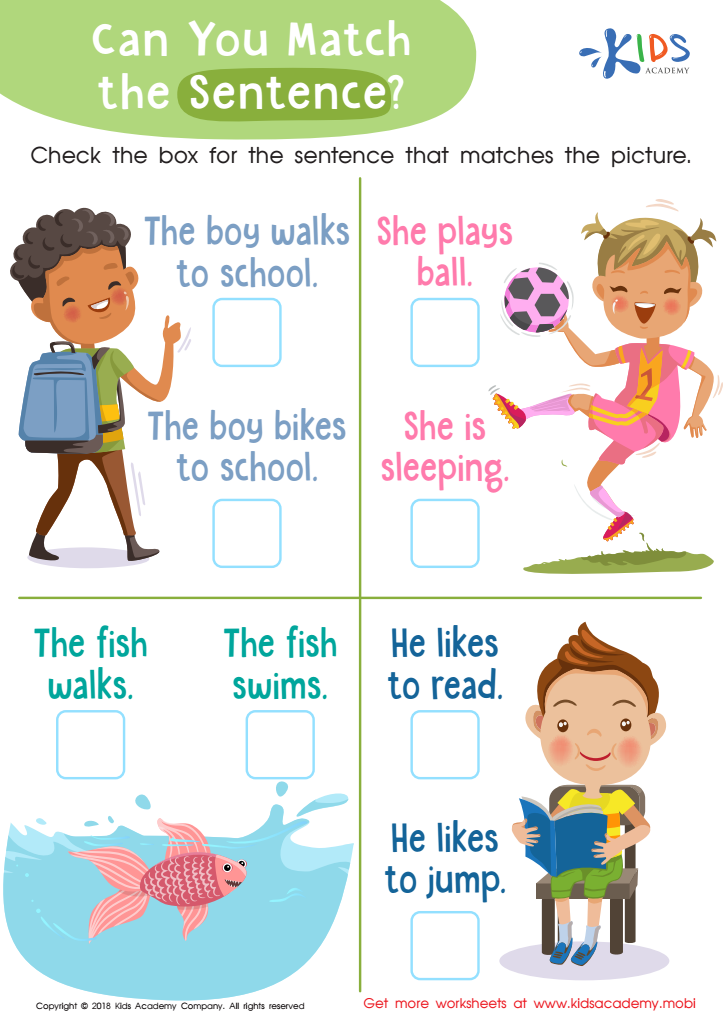
Can You Match the Sentence? Worksheet
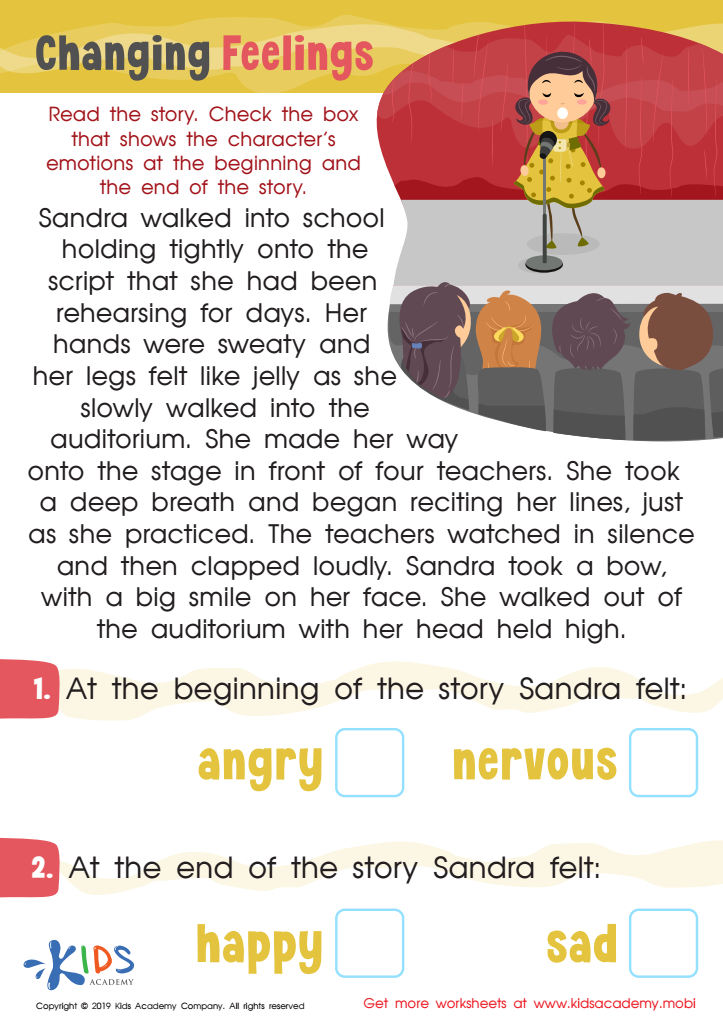
Changing Feelings Worksheet
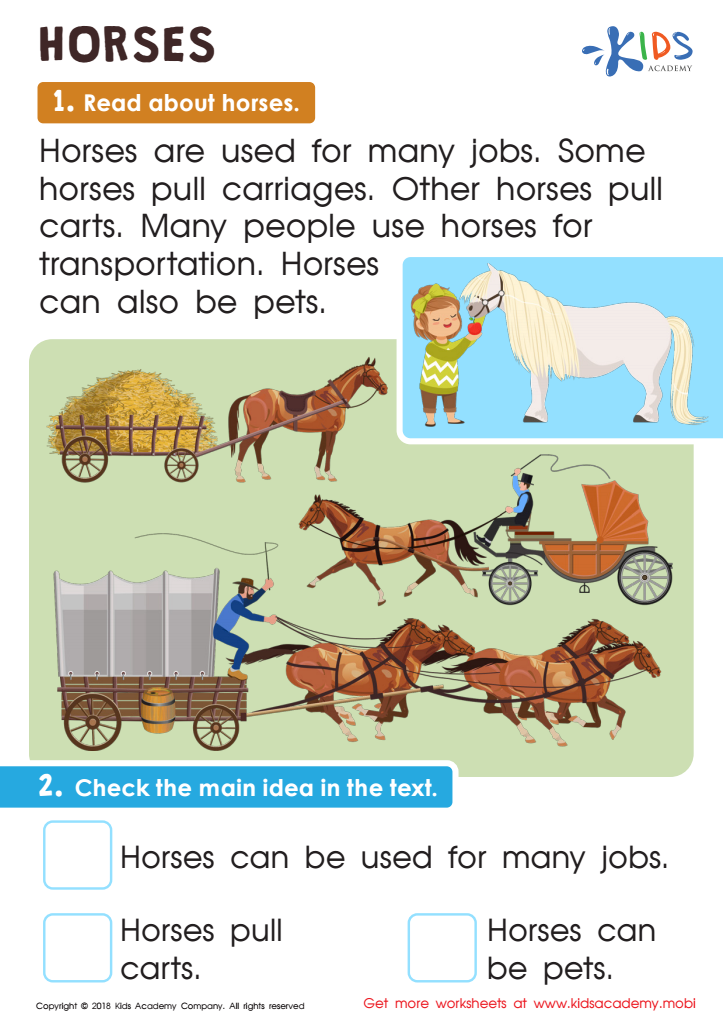
Horses Worksheet
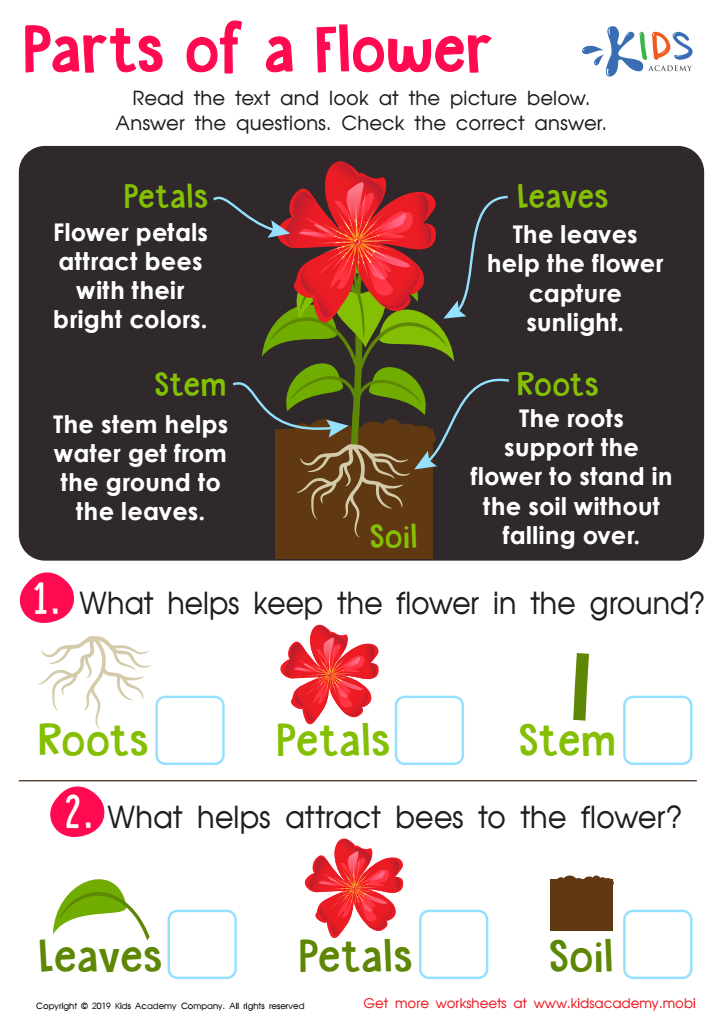
Parts of Flower Worksheet
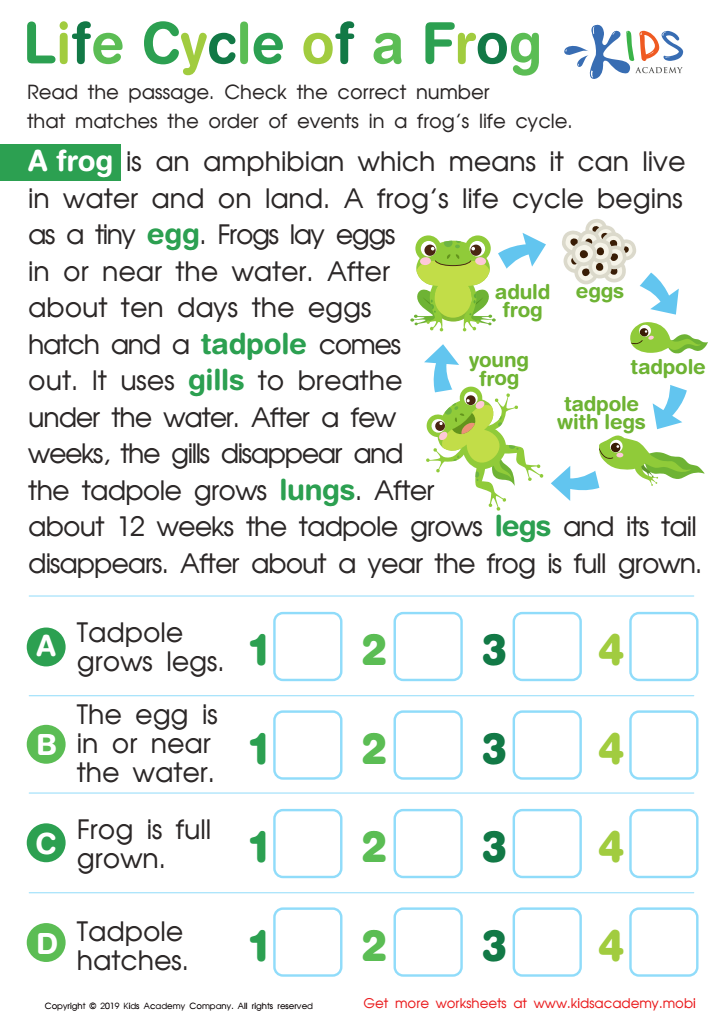
Life Cycle of a Frog Worksheet








Easy reading comprehension for children aged 3-8 is crucial for fostering a strong foundation in literacy that impacts their overall academic success. During these formative years, children are developing essential cognitive skills, including their ability to understand and interpret text. When parents and teachers prioritize reading comprehension, they help children make connections between words and meaning, enhancing their vocabulary and critical thinking abilities.
Engaging with simple but effective reading materials encourages children to think about what they read, ask questions, and make predictions, which are vital skills throughout their educational journey. Early comprehension skills also correlate with better performance in subjects like math and science, as students gain the ability to process information.
Furthermore, strong reading comprehension can foster a love for reading, as children who understand what they read are more likely to enjoy it. This enjoyment can lead to lifelong reading habits that enhance knowledge and creative thinking. By supporting easy reading comprehension through age-appropriate books and activities, parents and teachers can play a pivotal role in shaping confident, competent readers, setting the stage for future learning success, and closing achievement gaps early in a child's educational experience.