Normal Chess Worksheets for Ages 3-6 - Page 2
47 filtered results
-
From - To
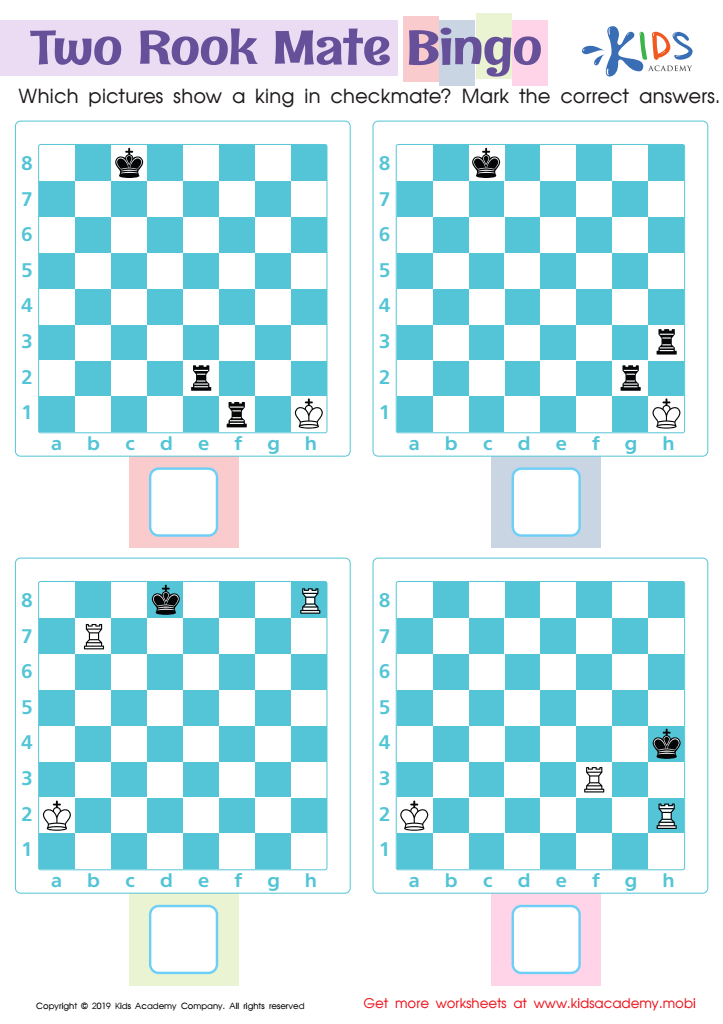
Two Rook Bingo Worksheet
 Assign to My Students
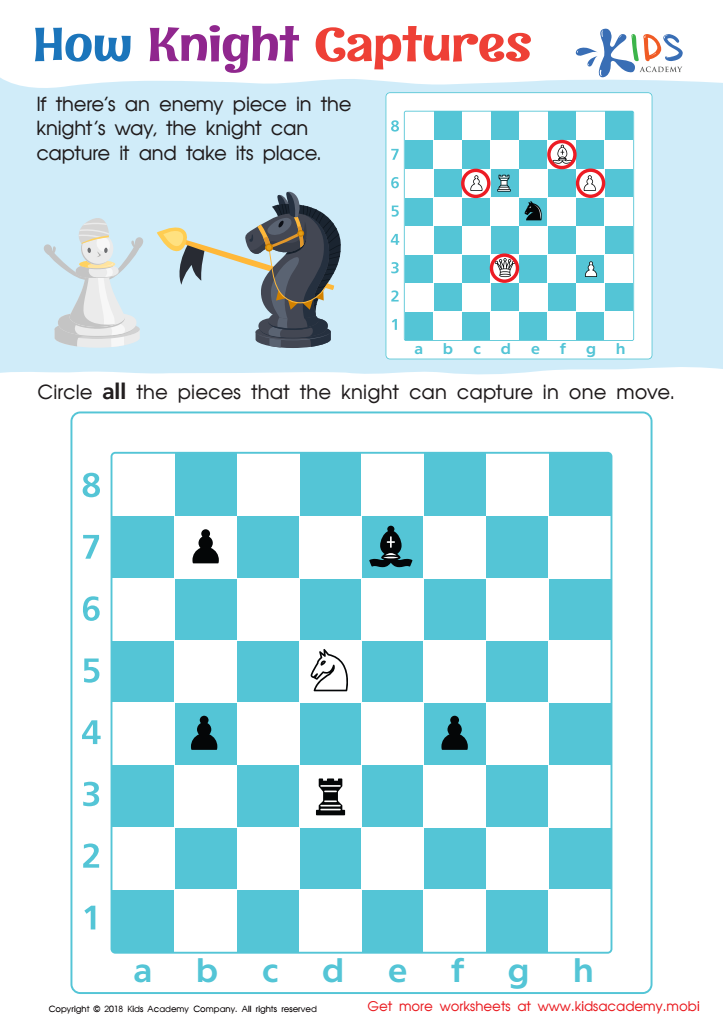
How Knight Captures Worksheet
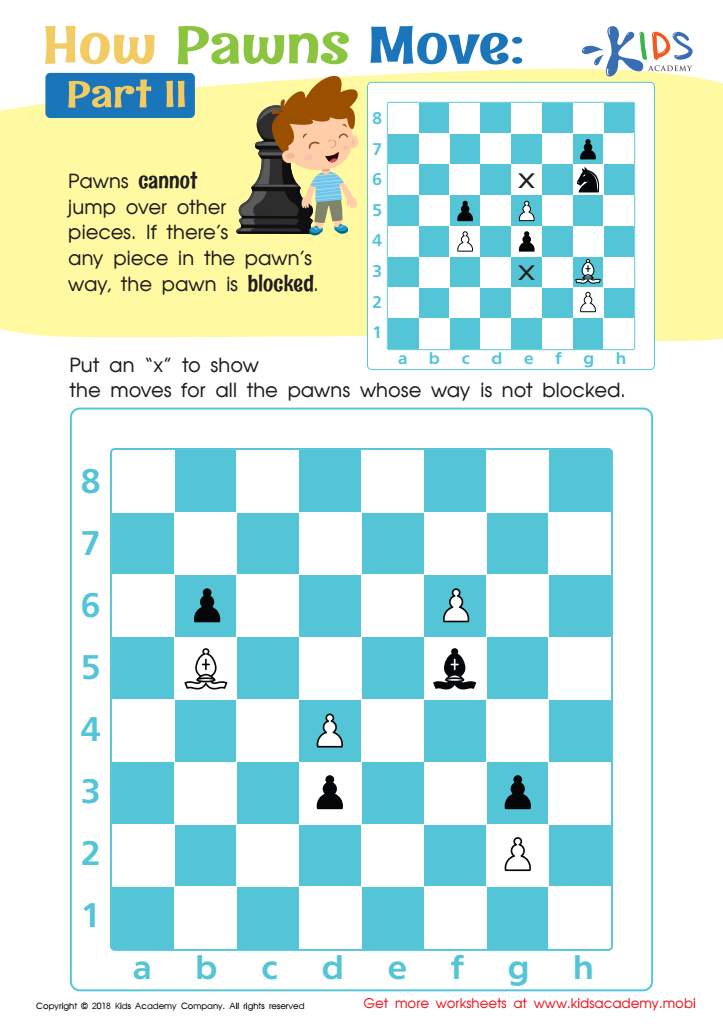
How Pawns Move: Part II Worksheet
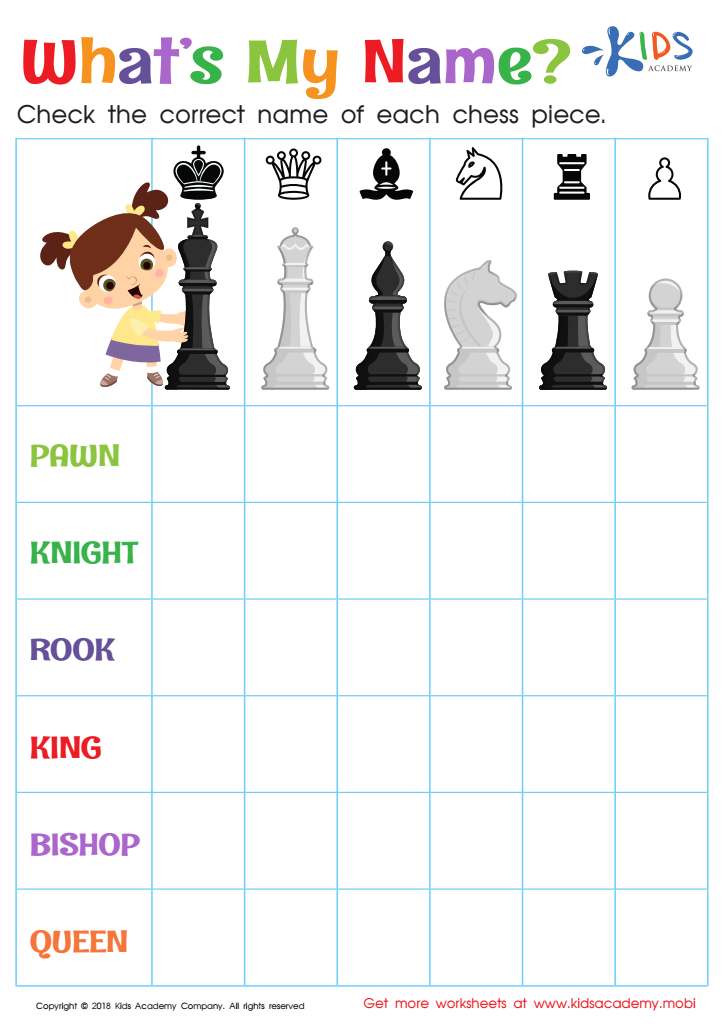
What's My Name? Worksheet
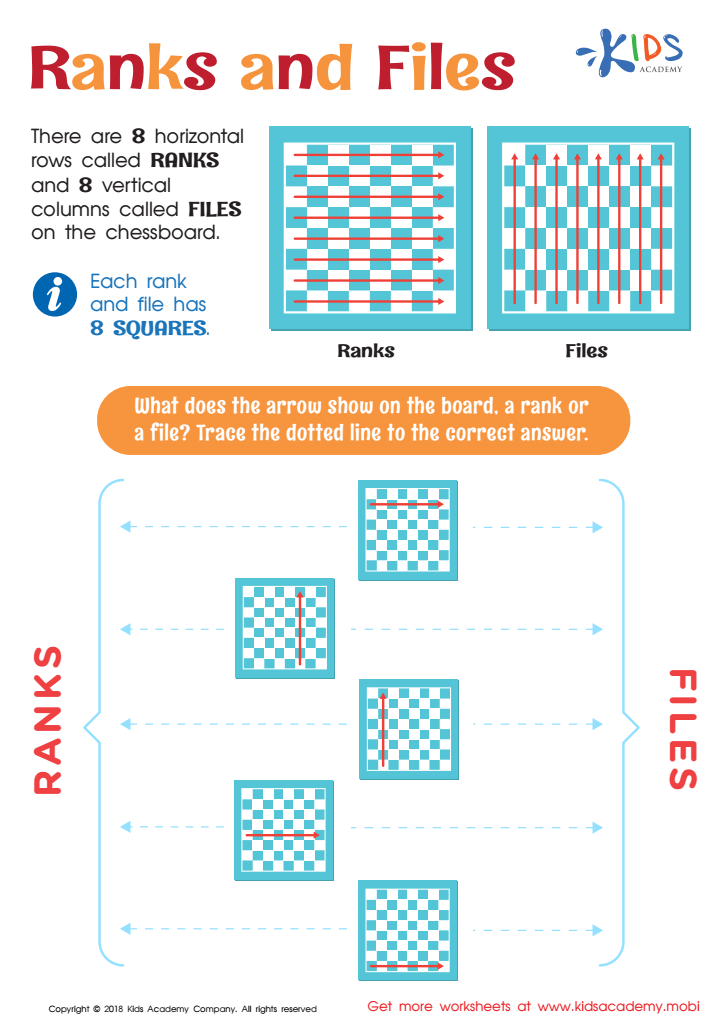
Ranks and Files Worksheet
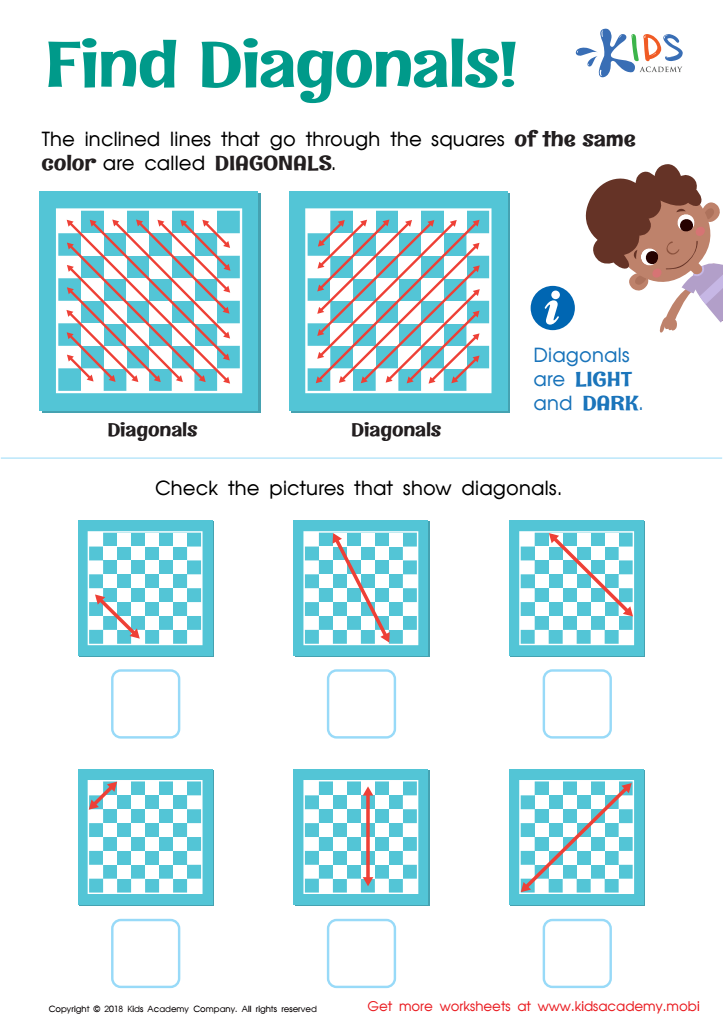
Find Diagonals Worksheet
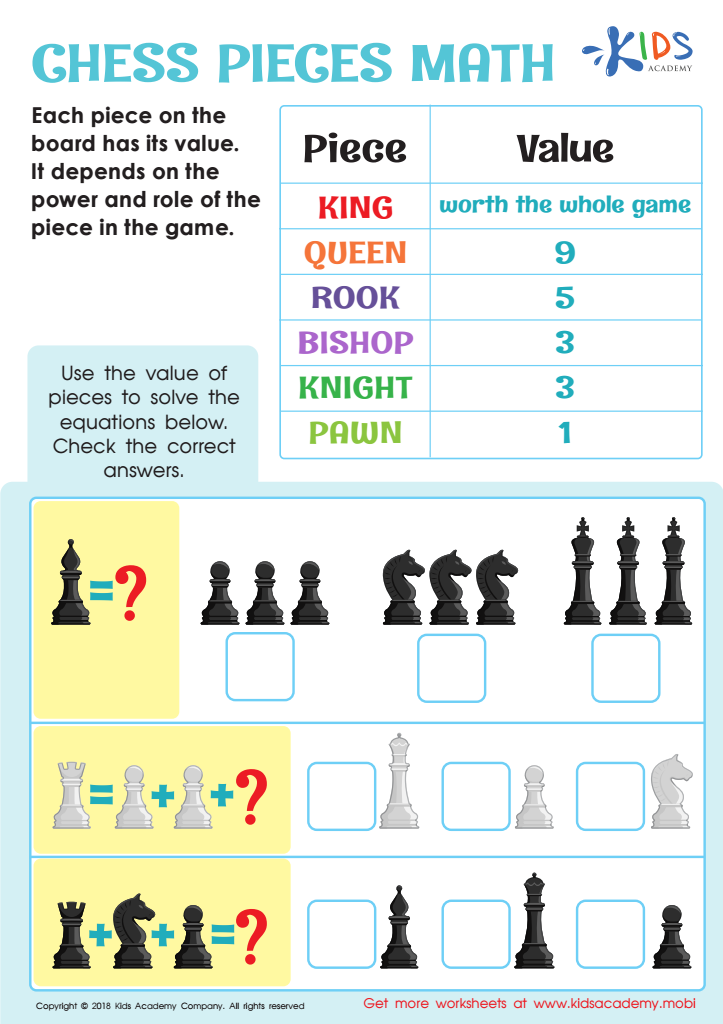
Chess Pieces Math Worksheet
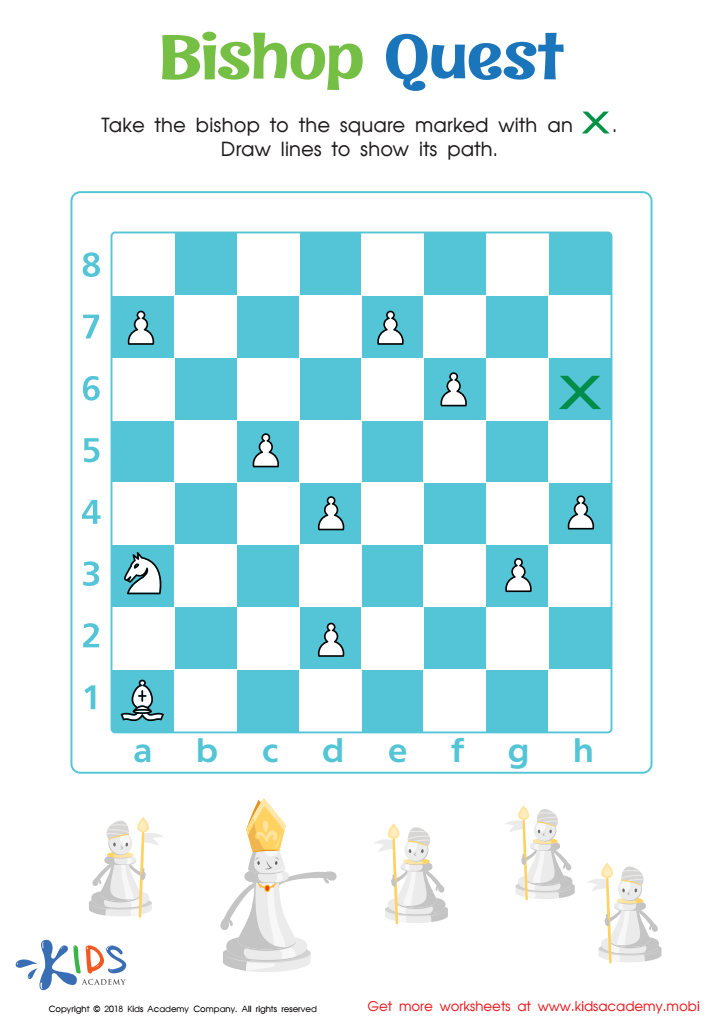
Bishop Quest Worksheet
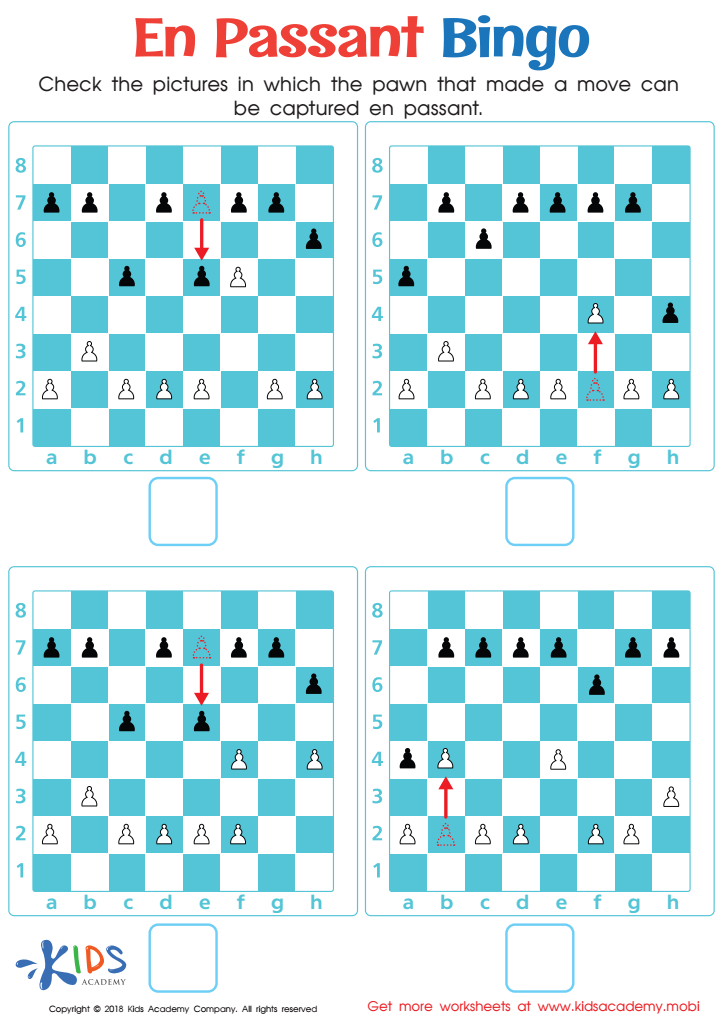
En Passant Bingo Worksheet
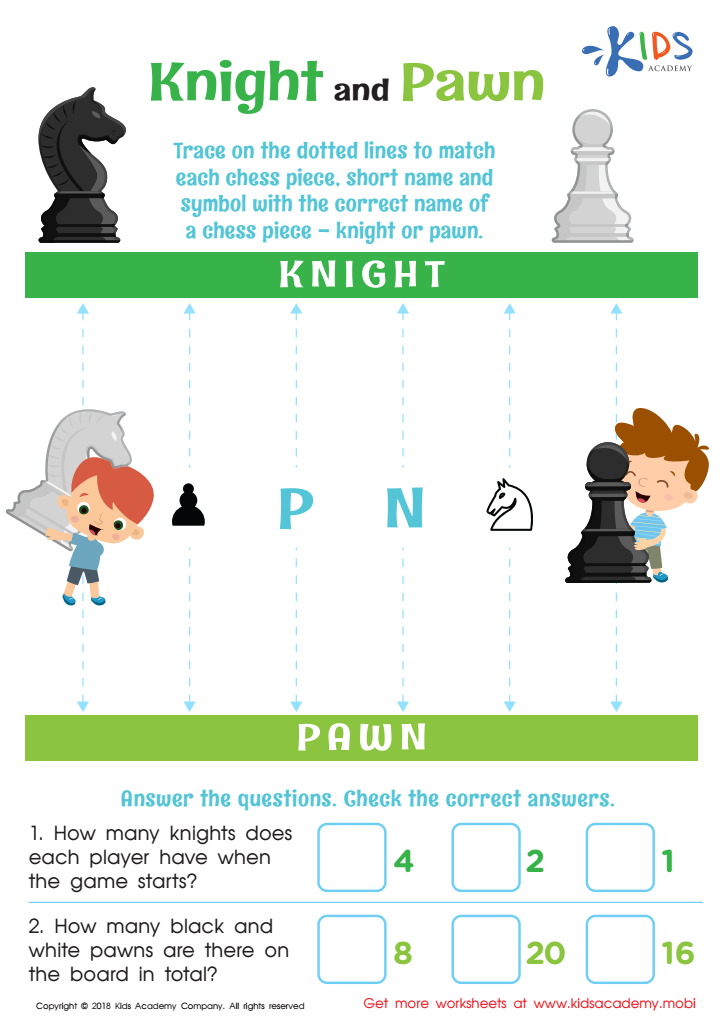
Knight and Pawn Worksheet
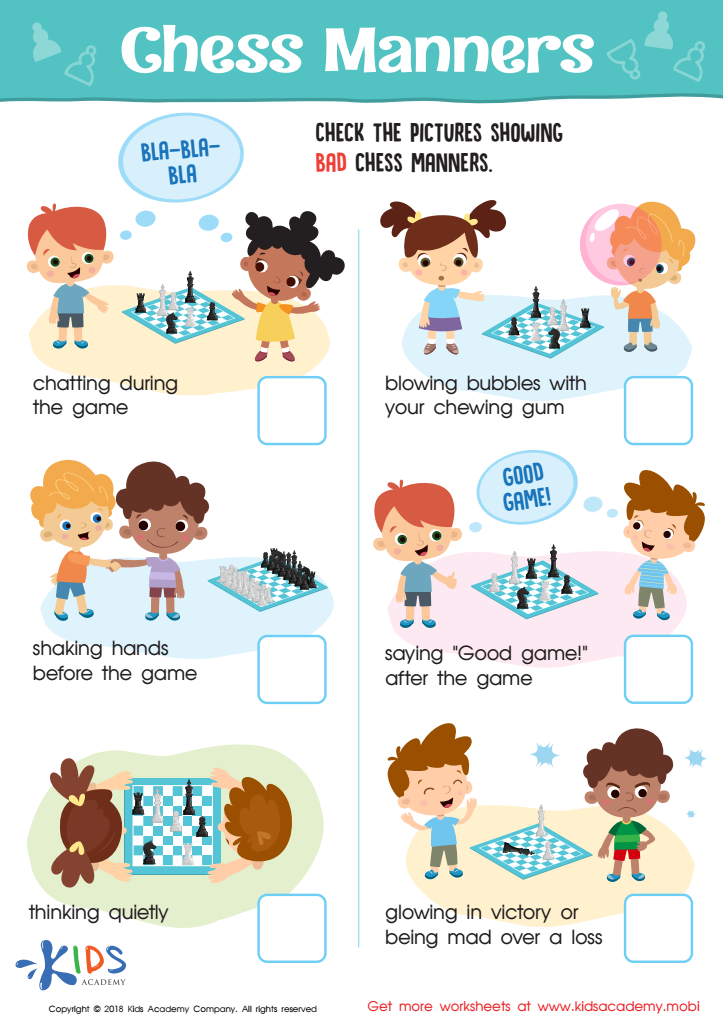
Chess Manners Worksheet
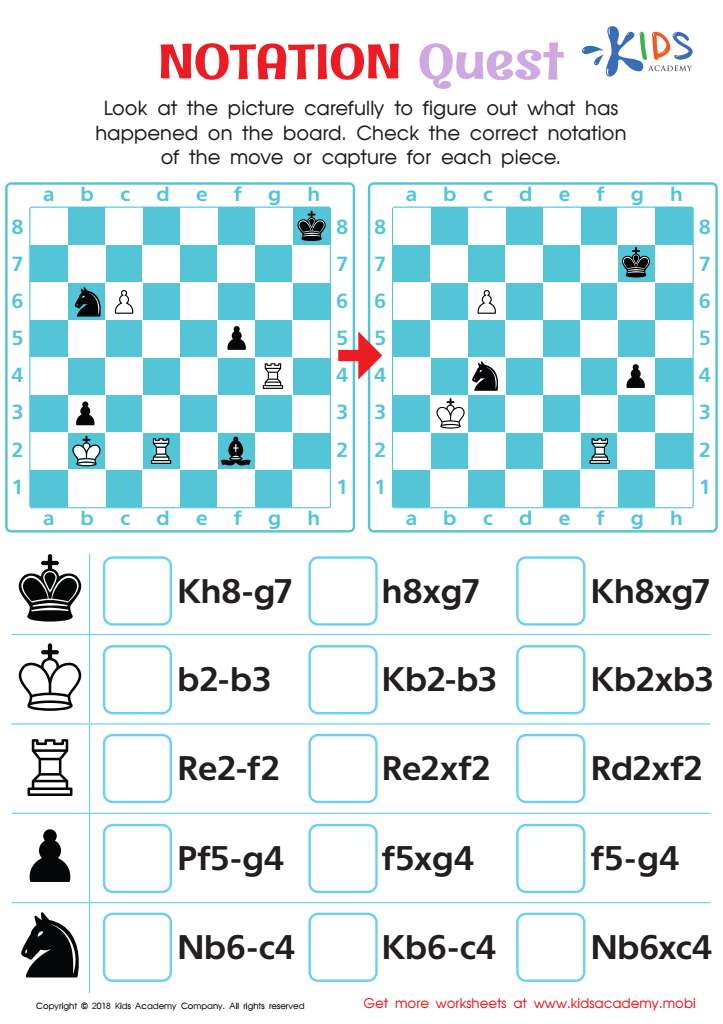
Notation Quest Worksheet
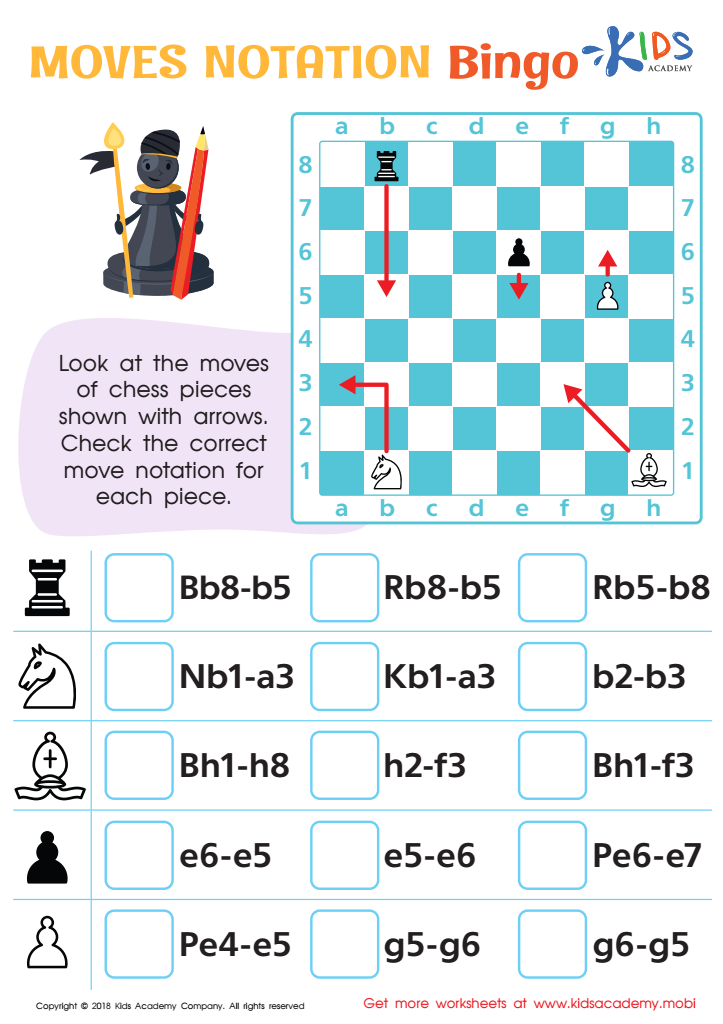
Moves Notation Bingo Worksheet
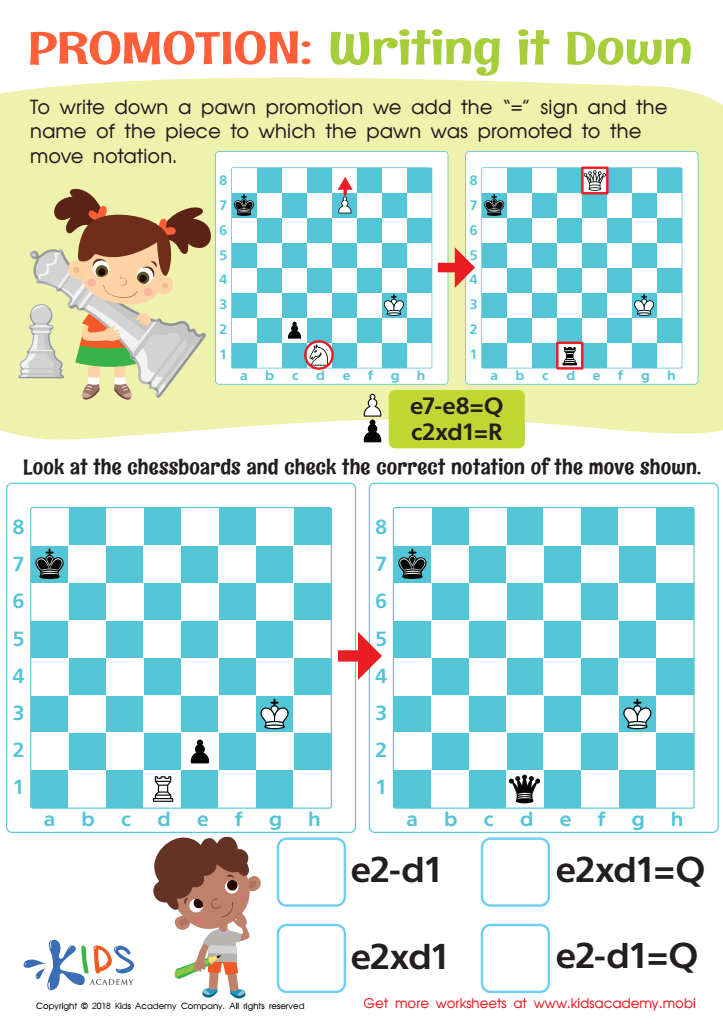
Writing it Down Worksheet
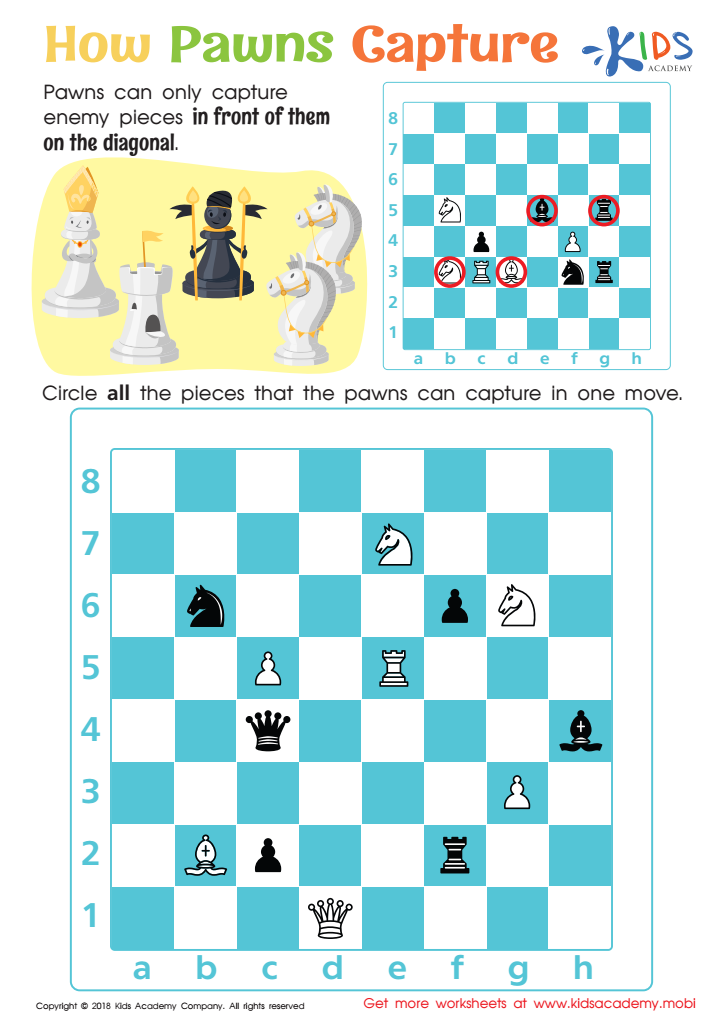
How Pawns Capture Worksheet
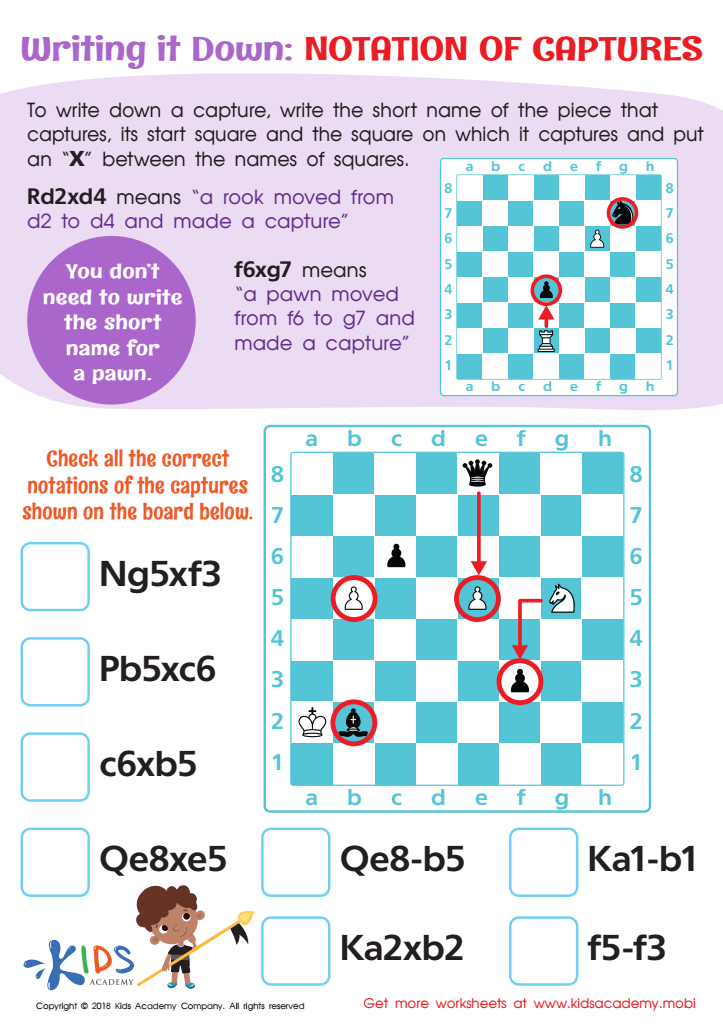
Notation of Captures Writing it Down Worksheet
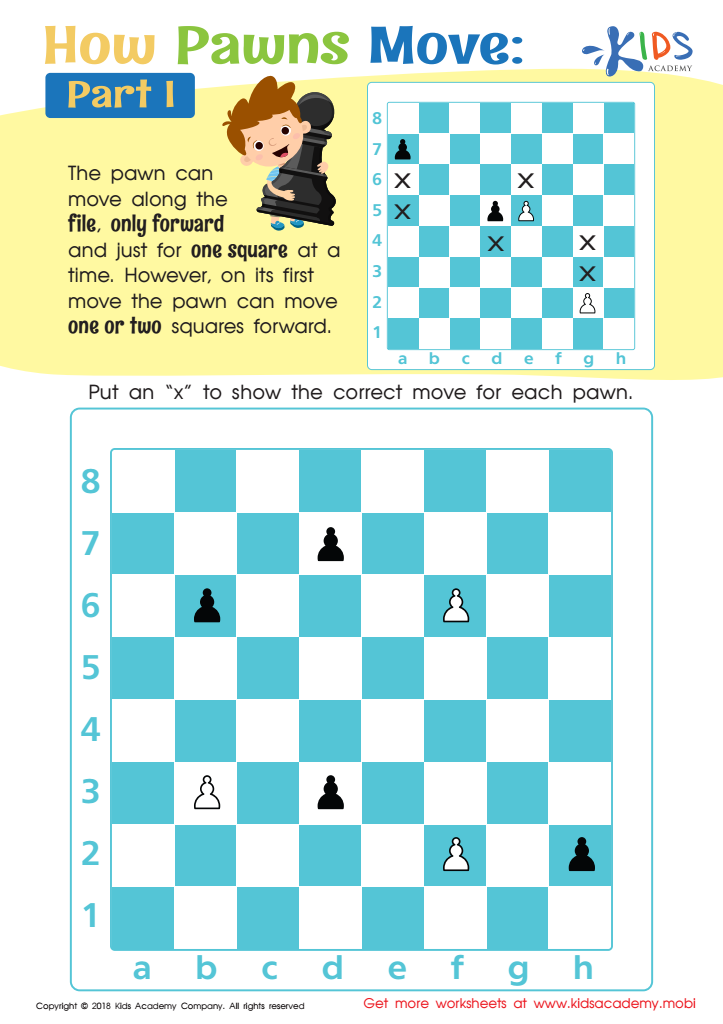
How Pawns Move: Part I Worksheet
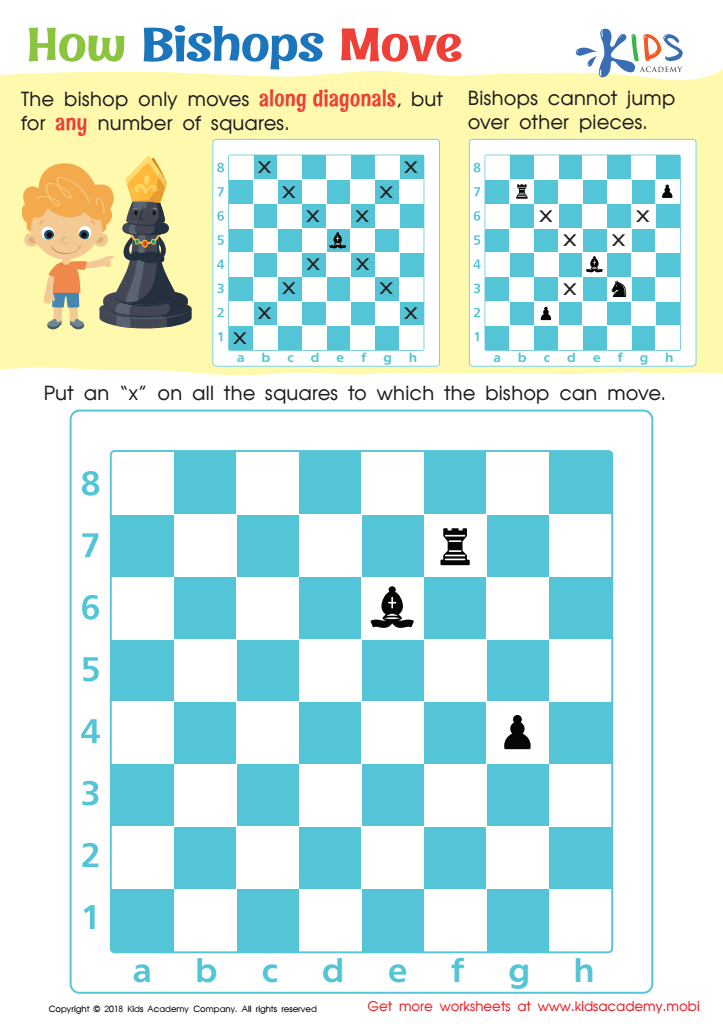
How Bishops Move Worksheet
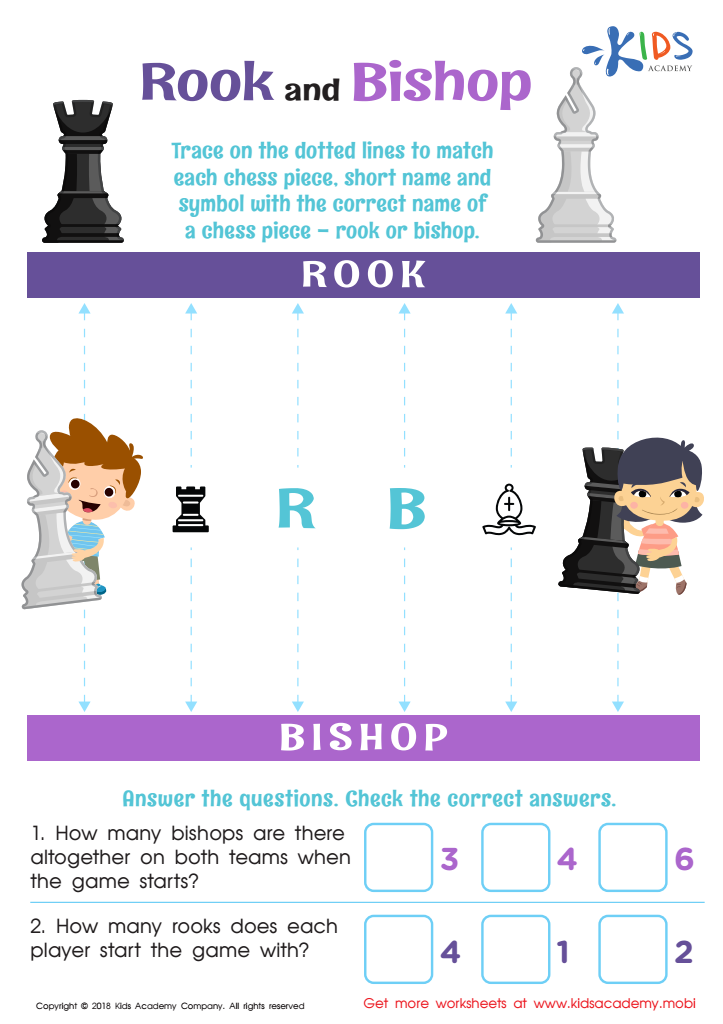
Rook and Bishop Worksheet
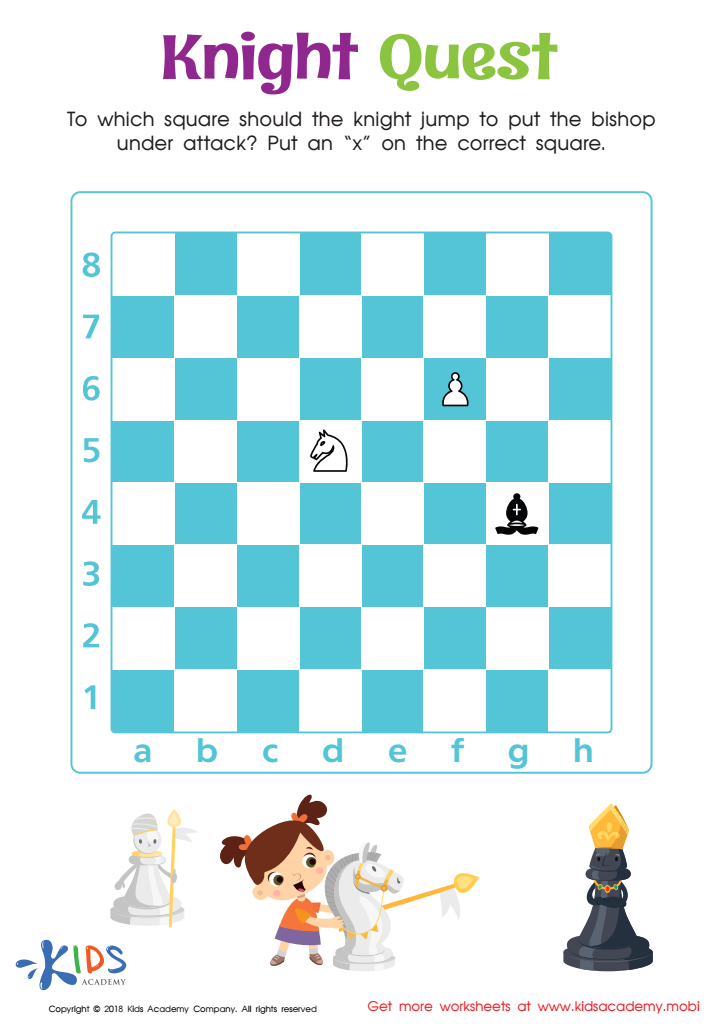
Knight Quest Worksheet
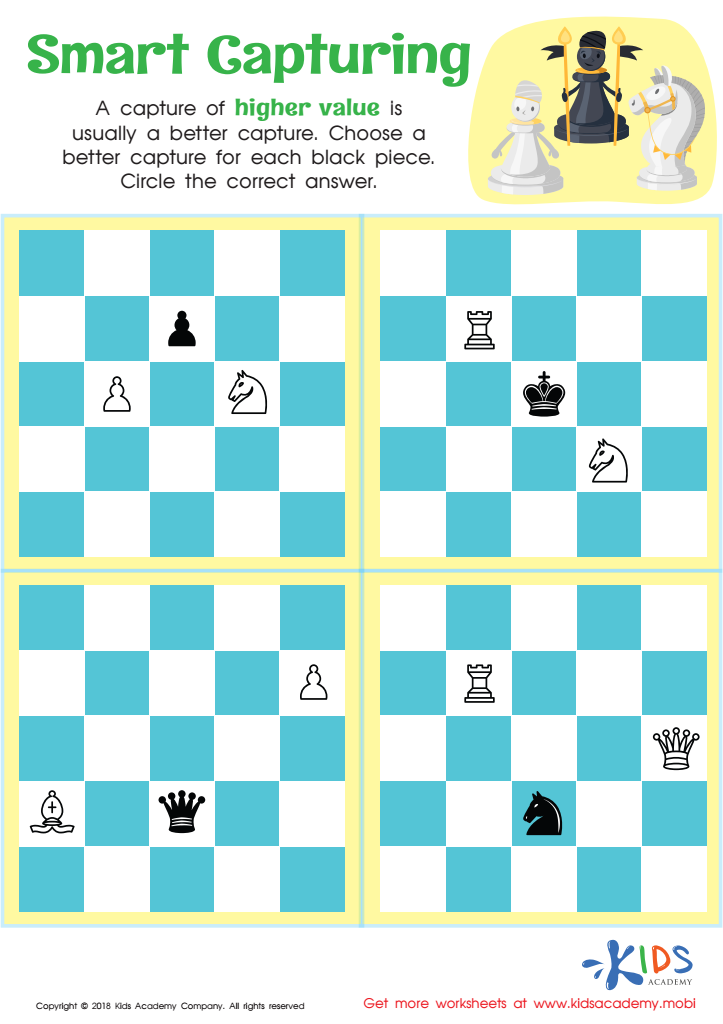
Smart Capturing Worksheet
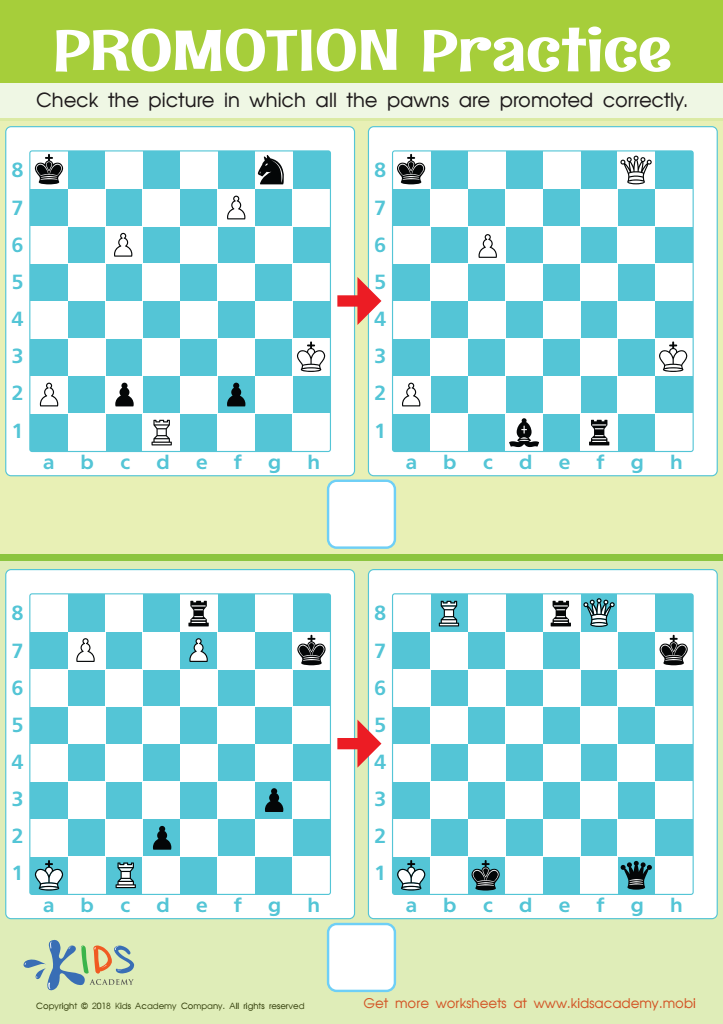
Promotion Practice Worksheet
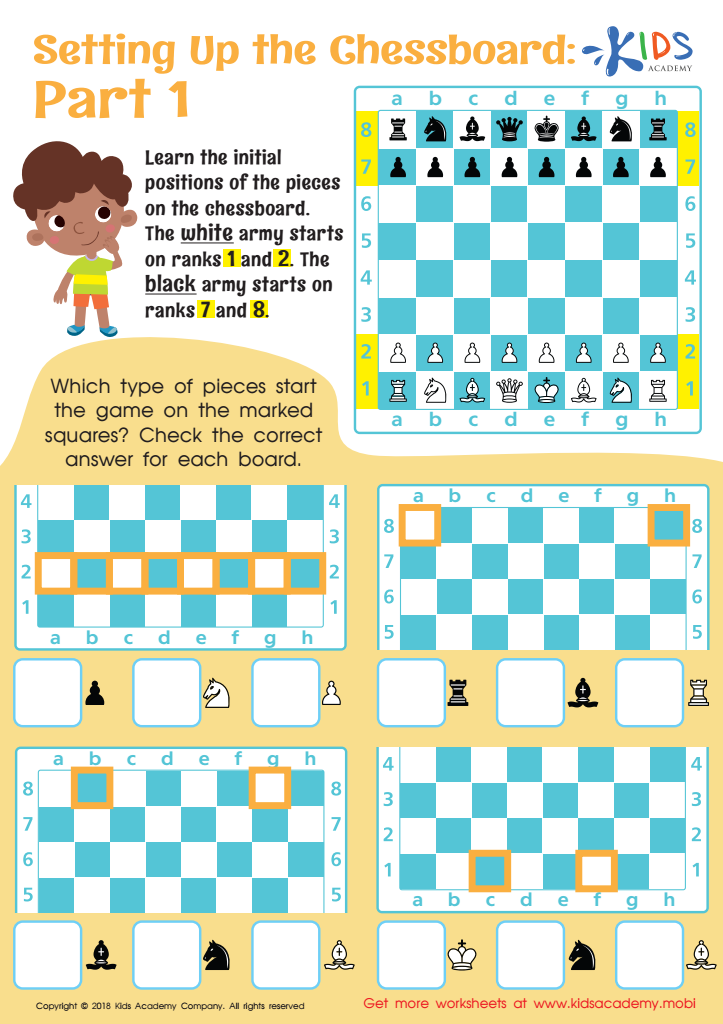
Setting up the Chessboard: Part 1 Worksheet


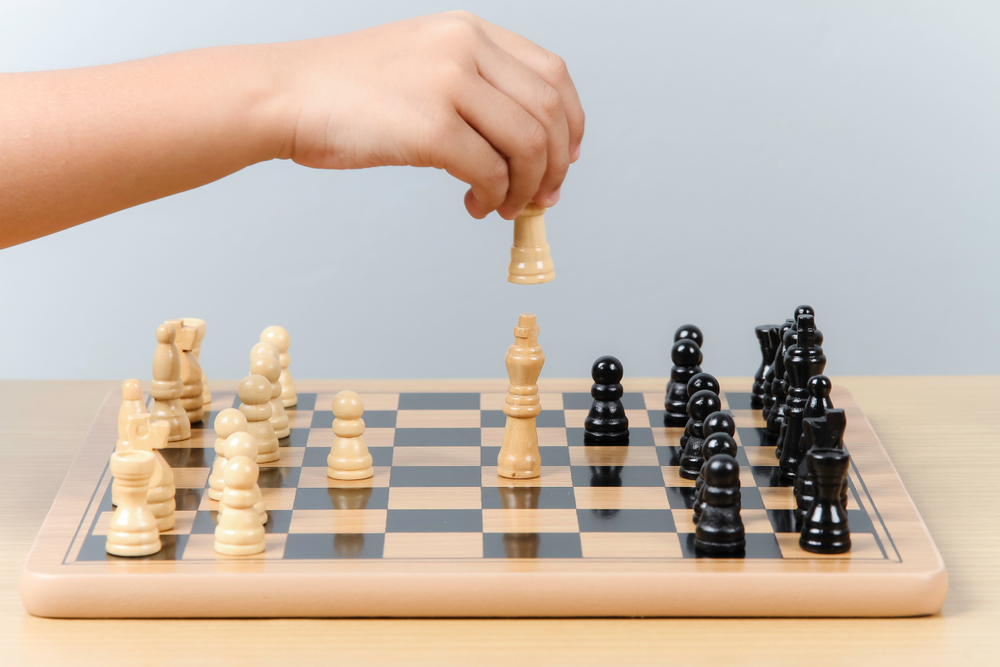


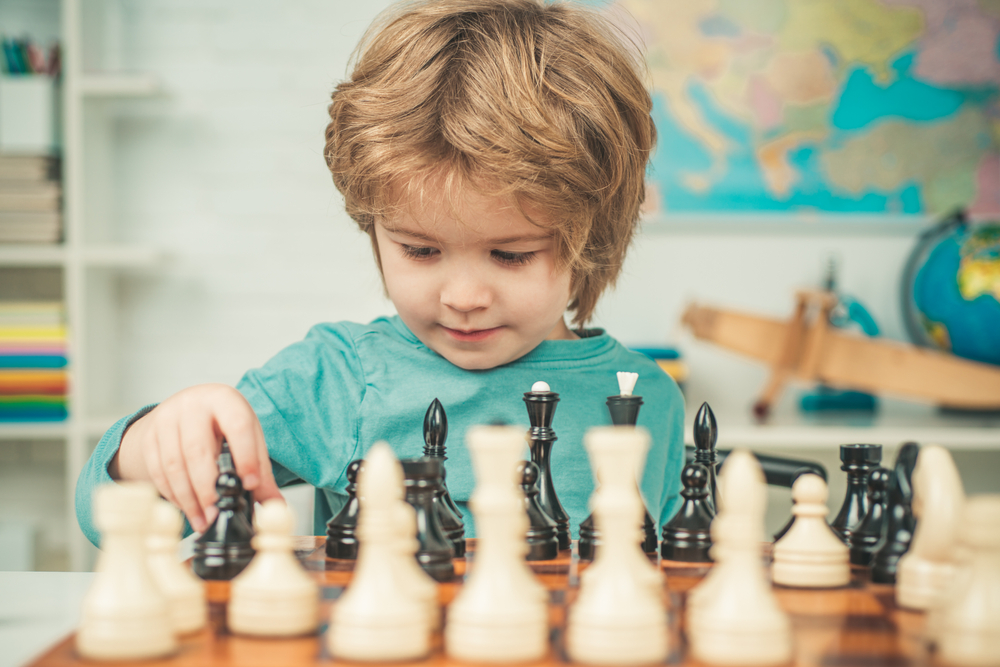
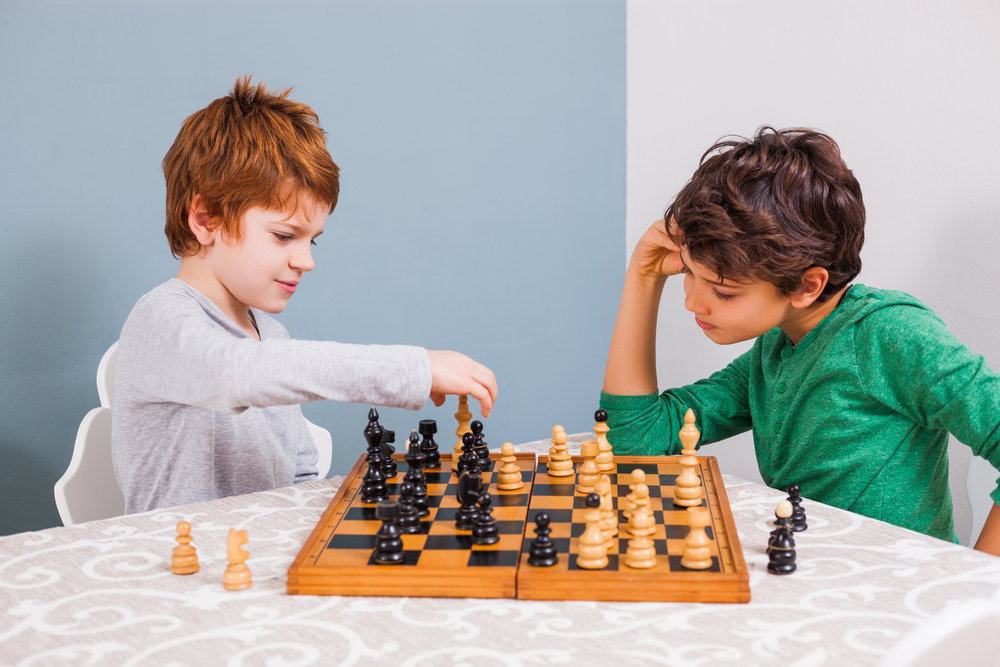
Parents and teachers should care about introducing Normal Chess to children ages 3-6 because it offers a multitude of developmental benefits. First and foremost, chess fosters critical thinking and problem-solving skills. As young players learn to strategize and anticipate their opponent’s moves, they are enhancing their cognitive abilities in a fun and engaging way.
Additionally, playing chess improves concentration and memory. The game requires players to remember different moves and potential outcomes, which can help children develop focus and recall skills crucial for their academic journey. Furthermore, it teaches the value of patience and discipline, as young learners must navigate the game's complexities and understand that success often requires perseverance.
Socially, chess can be a wonderful vehicle for building relationships. It encourages children to interact with peers, practice sportsmanship, and learn to handle winning and losing gracefully. This is essential for emotional intelligence development.
Lastly, introducing chess at a young age nurtures creativity. With the freedom to explore various strategies and alternatives, children enhance their innovative thinking. By valuing chess, parents and teachers invest in a holistic educational approach that equips young learners with essential life skills.