Normal Addition & Subtraction Worksheets for Ages 3-6 - Page 2
111 filtered results
-
From - To
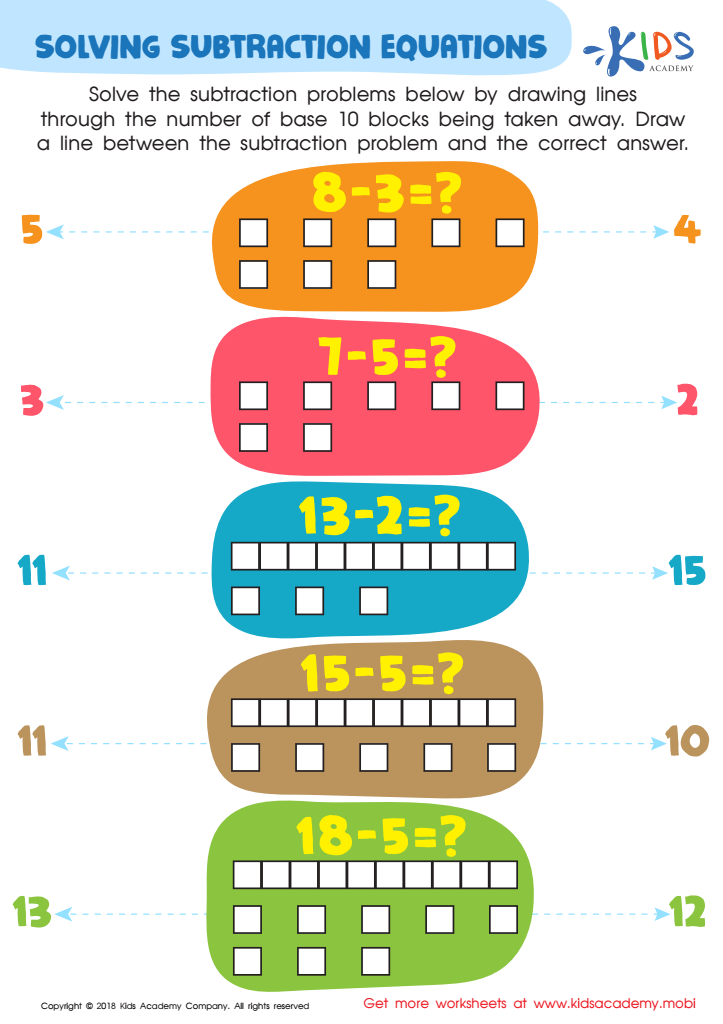
Solving Subtraction Equations Worksheet
 Assign to My Students
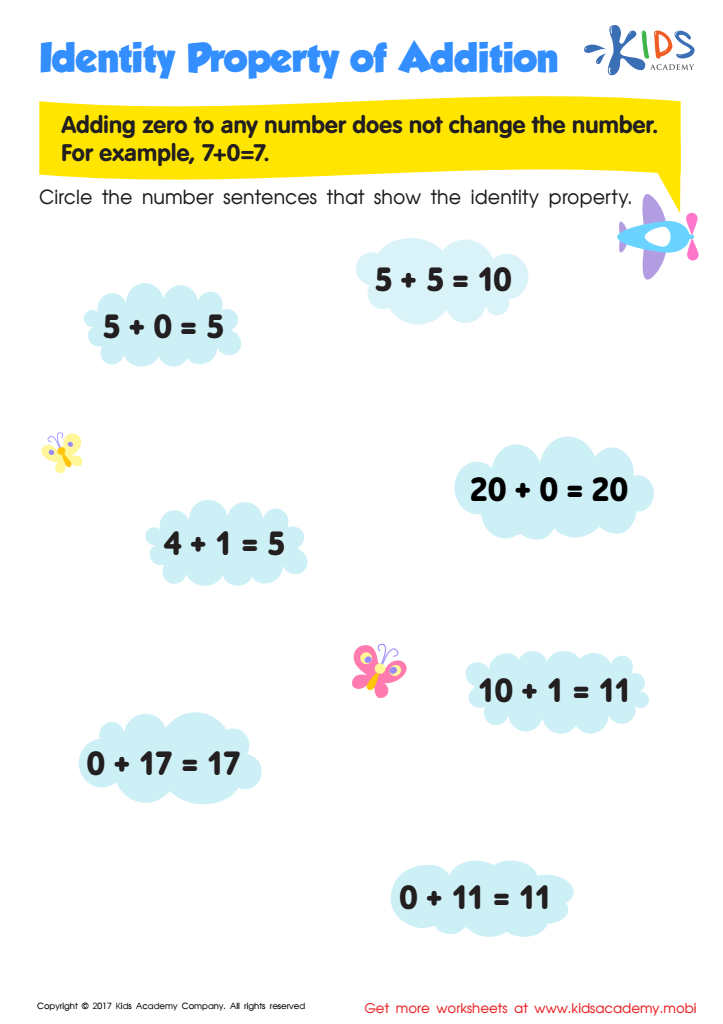
Identity Property of Addition Worksheet
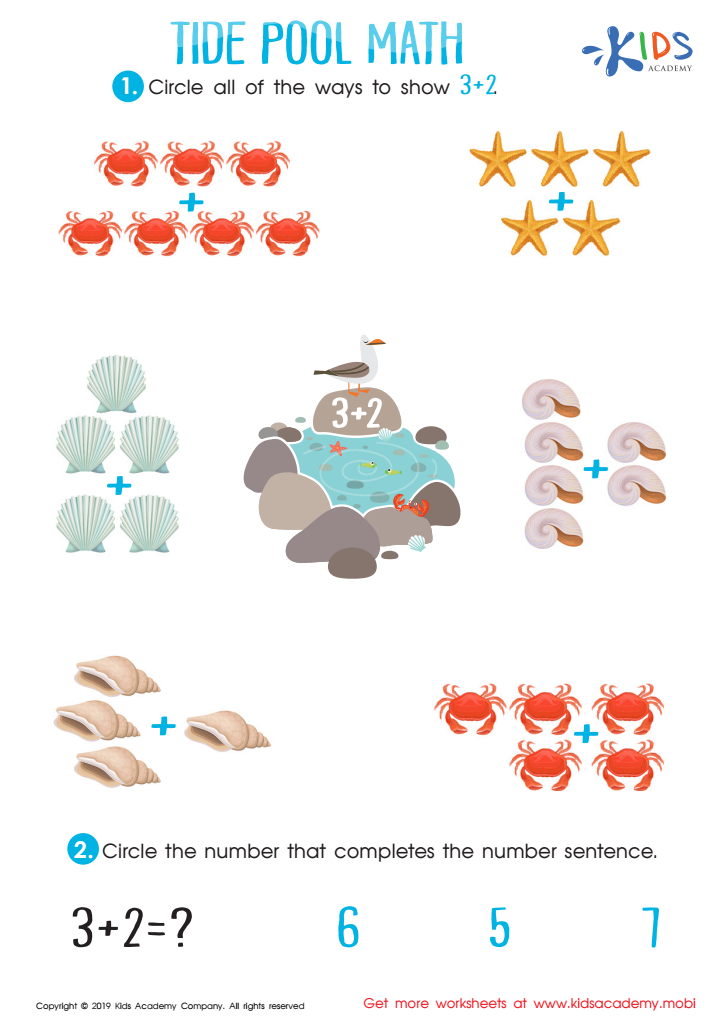
Tide Pool Math Worksheet
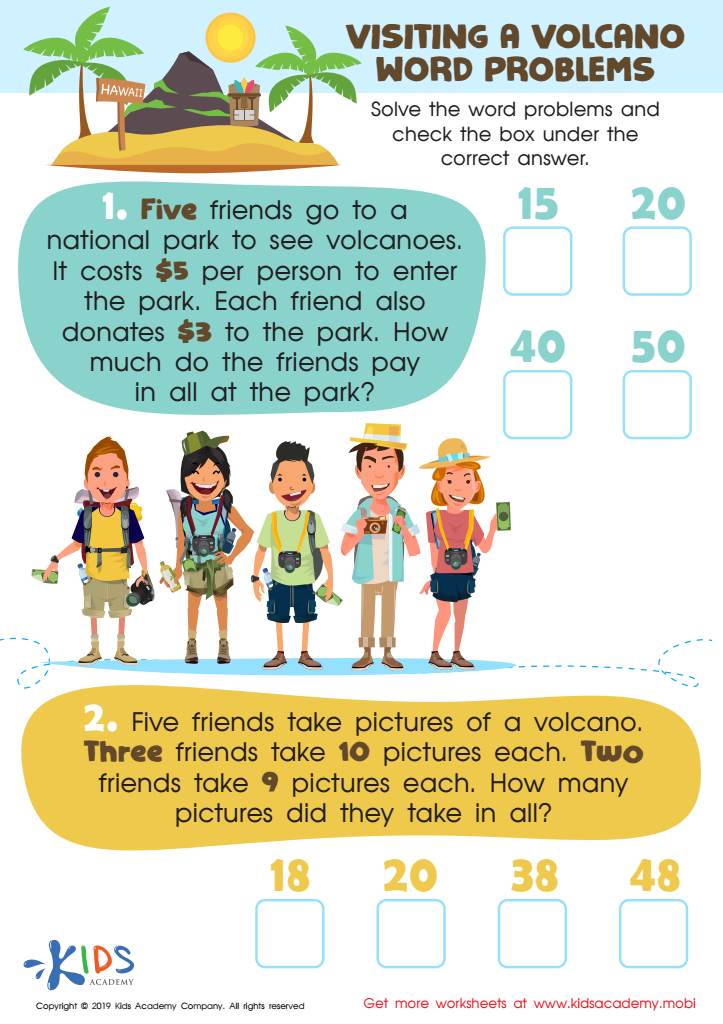
Visiting a Volcano Word Problems Worksheet
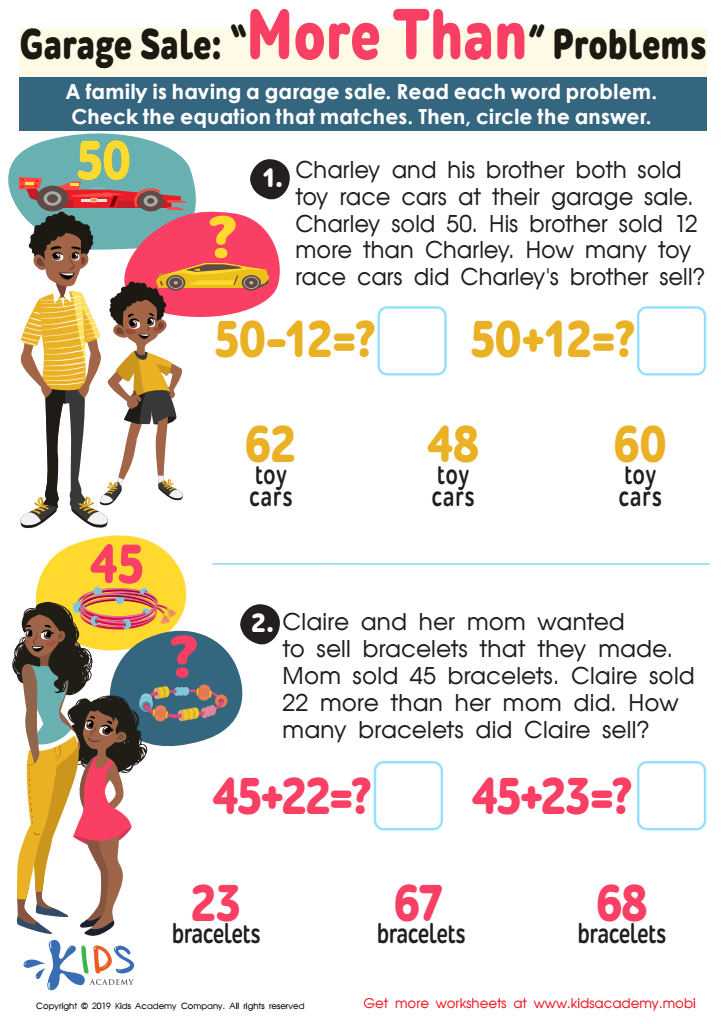
Garage Sale - More yhan Worksheet
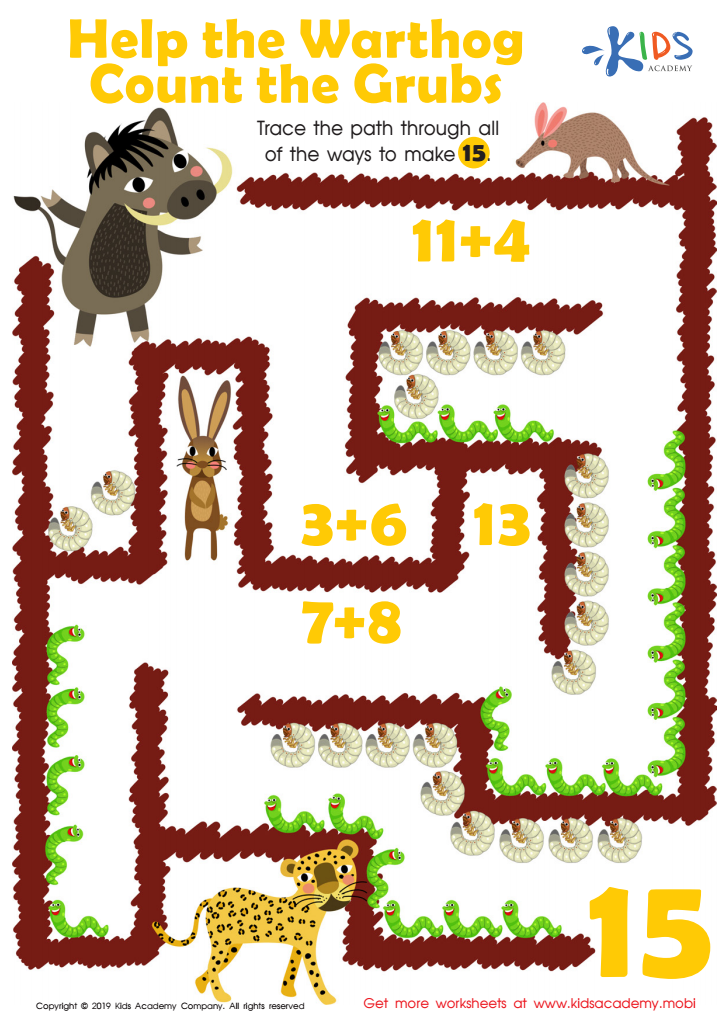
Help the Warthog Count the Grubs Worksheet
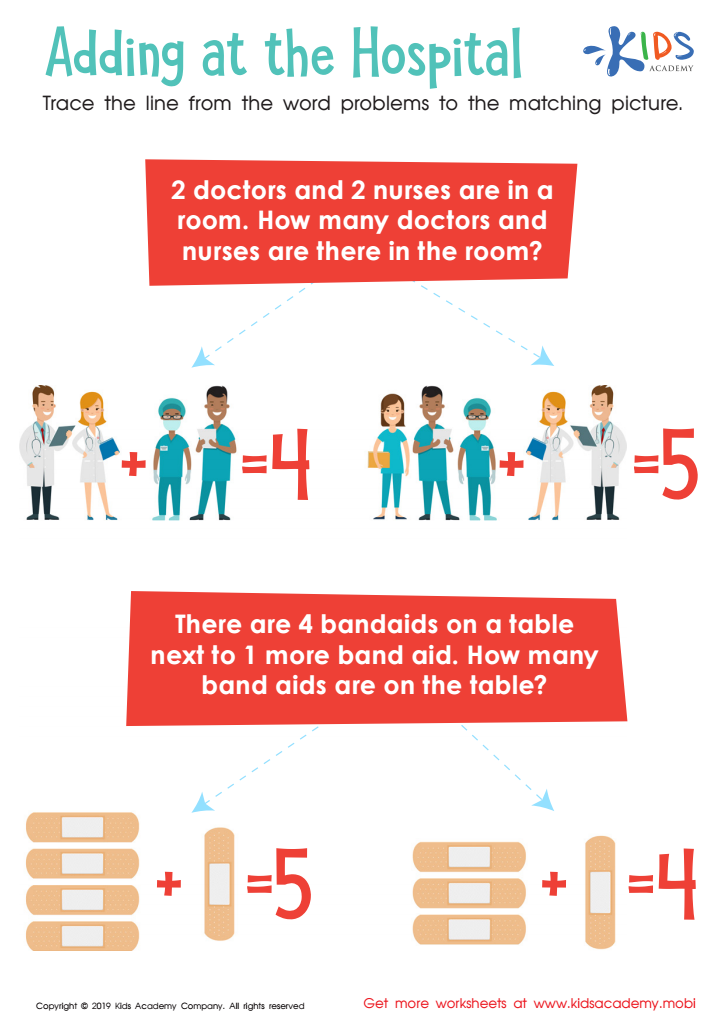
Adding at the Hospital Worksheet
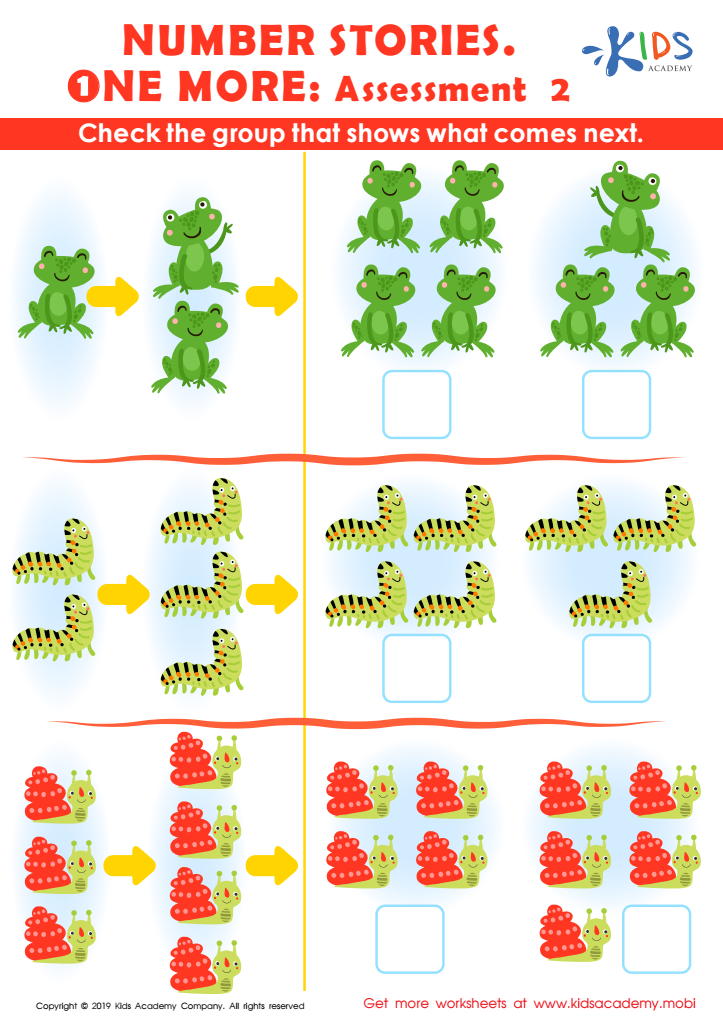
Number Stories One More – Assessment 2 Worksheet
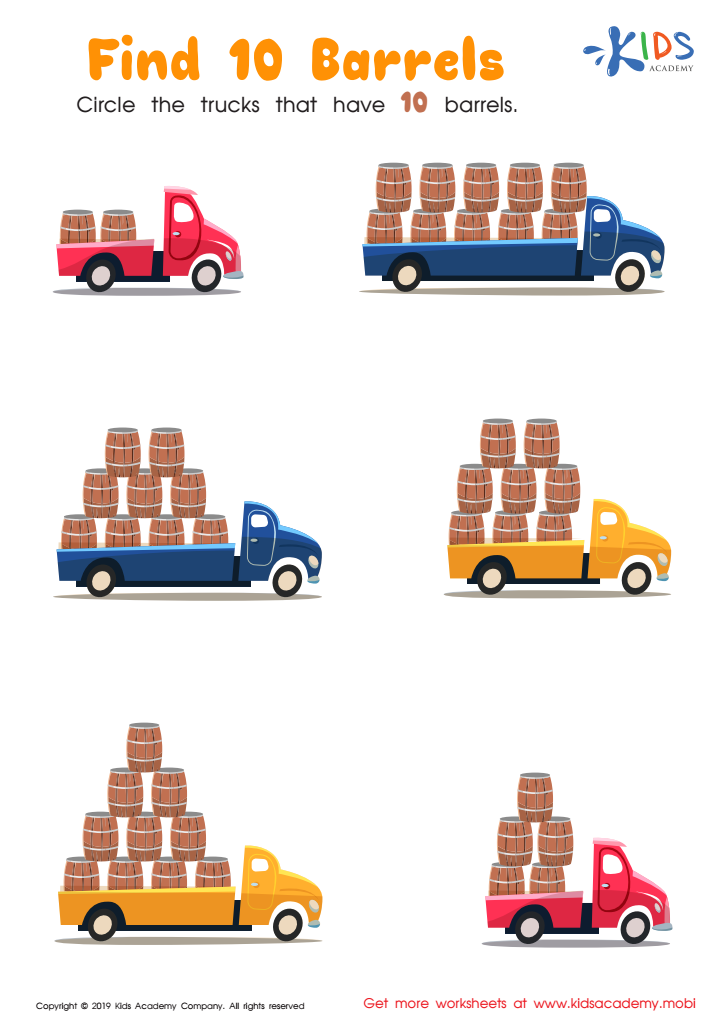
Find 10 Barrels Worksheet
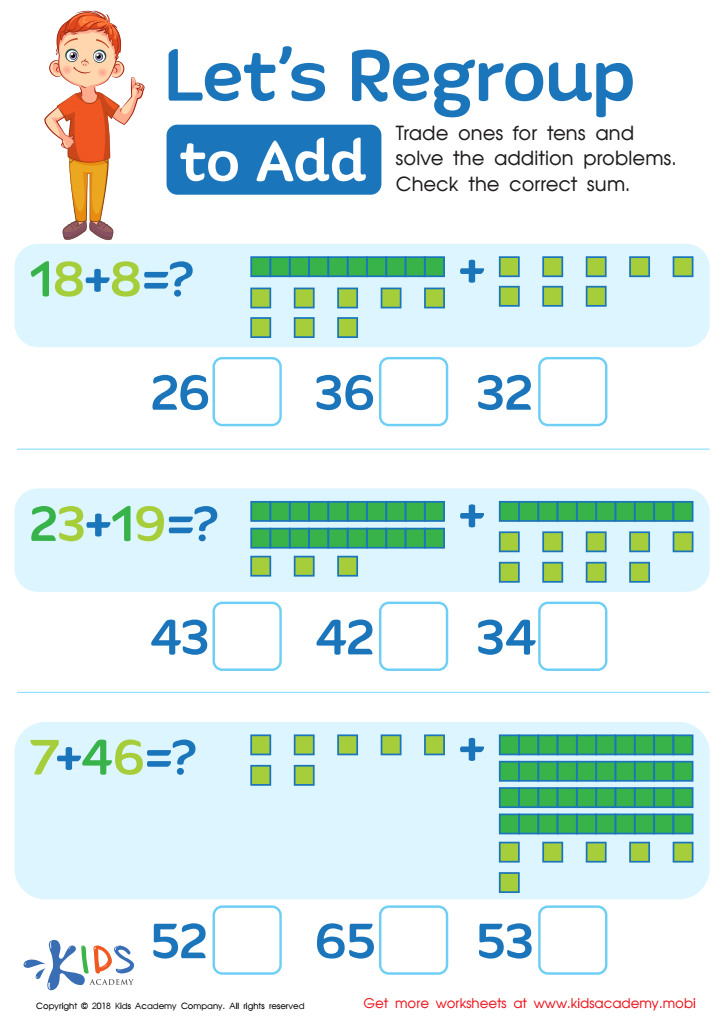
Let's Regroup to Add Worksheet
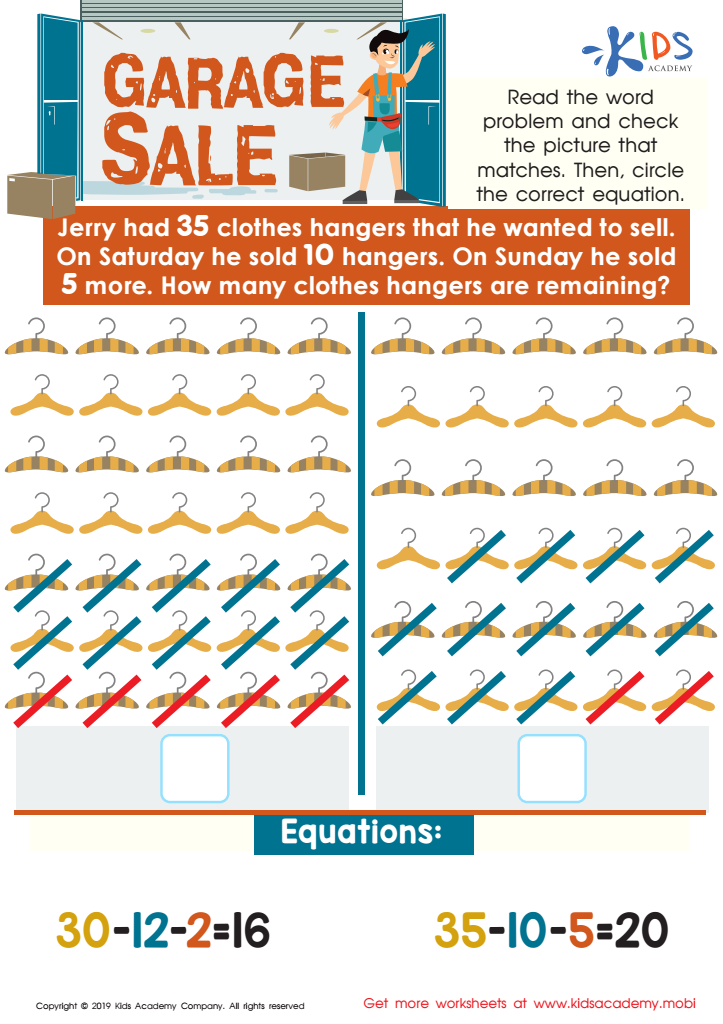
Garage Sale Worksheet
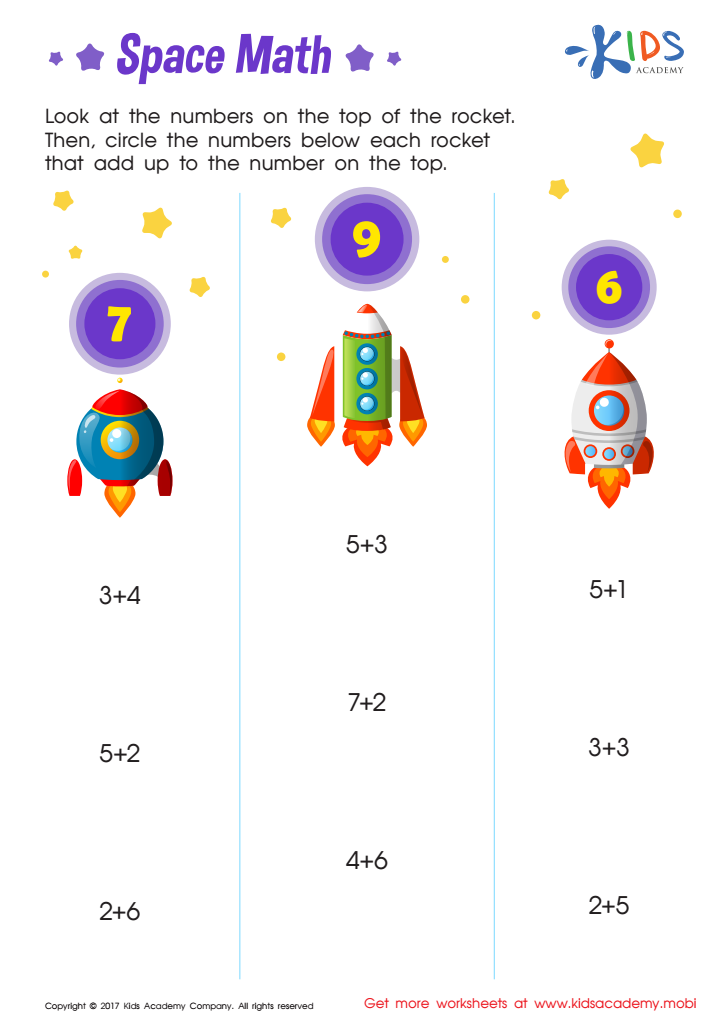
Addition: Space Math Worksheet
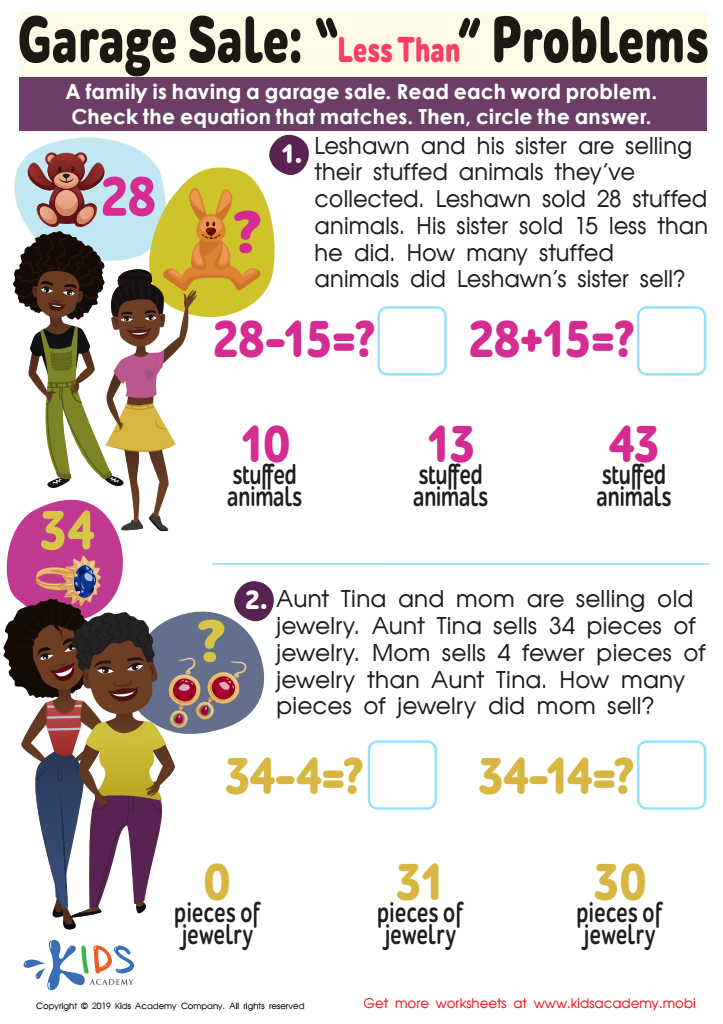
Garage Sale Less Than Worksheet
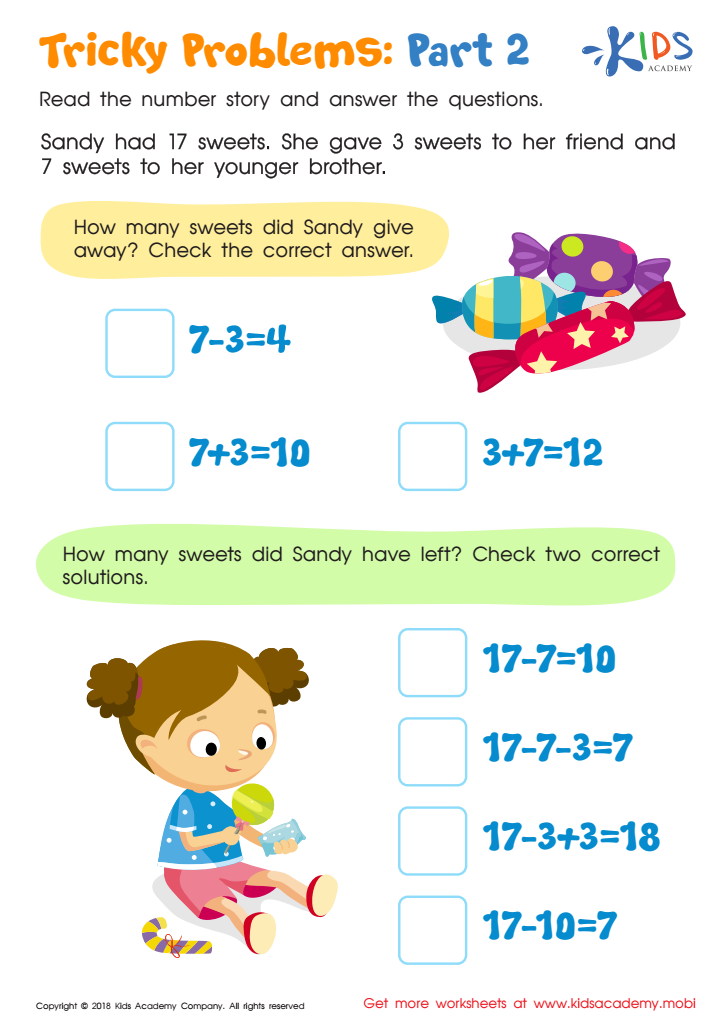
Tricky Problems Worksheet: Part 2
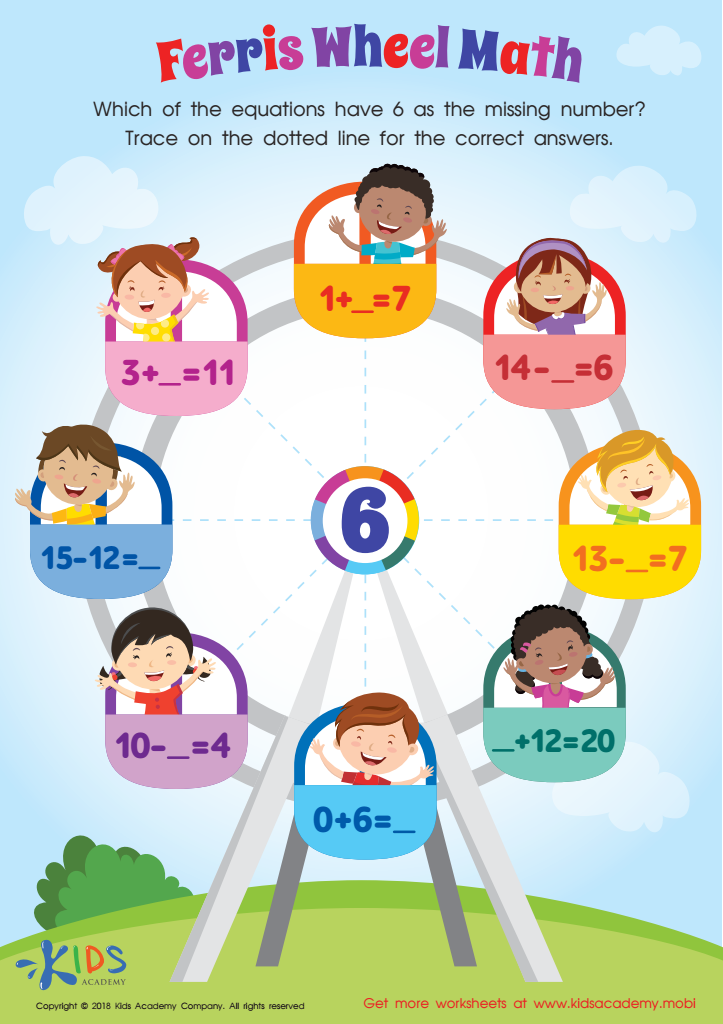
Missing Number: Ferris Wheel Math Worksheet
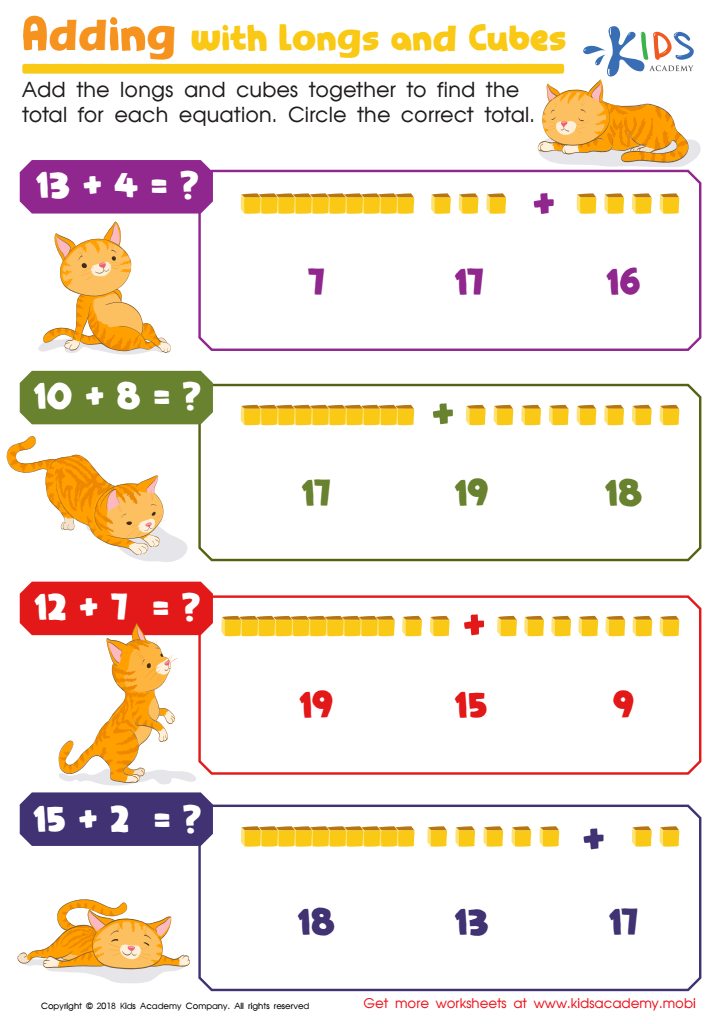
Adding With Longs and Cubes Worksheet
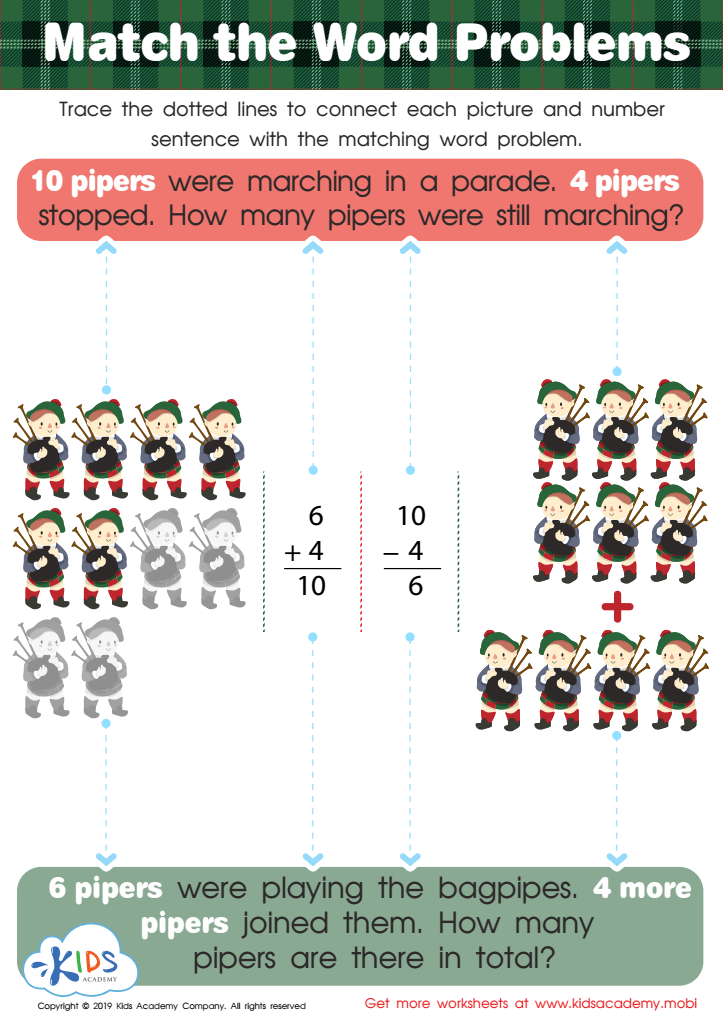
Match the Word Problems Worksheet
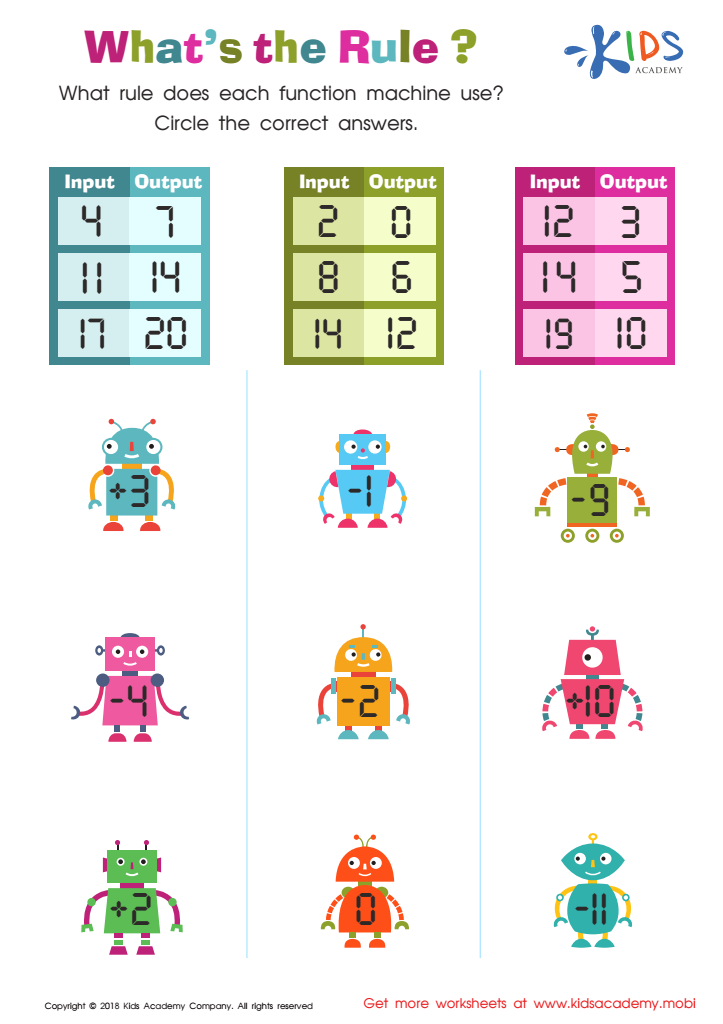
What's the Rule Worksheet
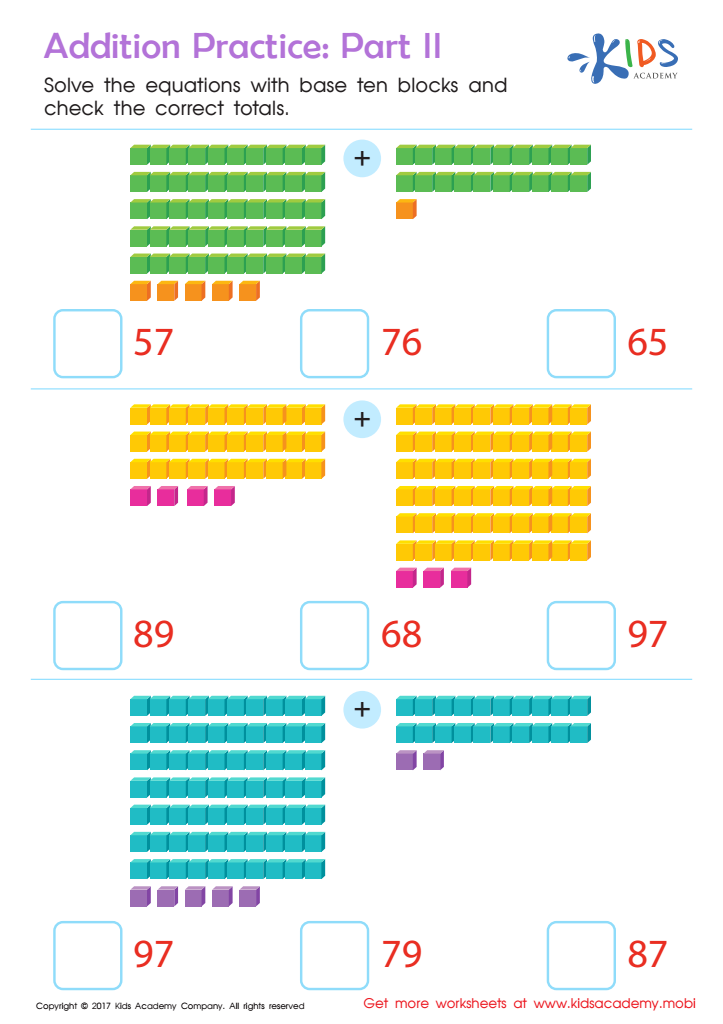
Addition Practice Sheet: Part 2
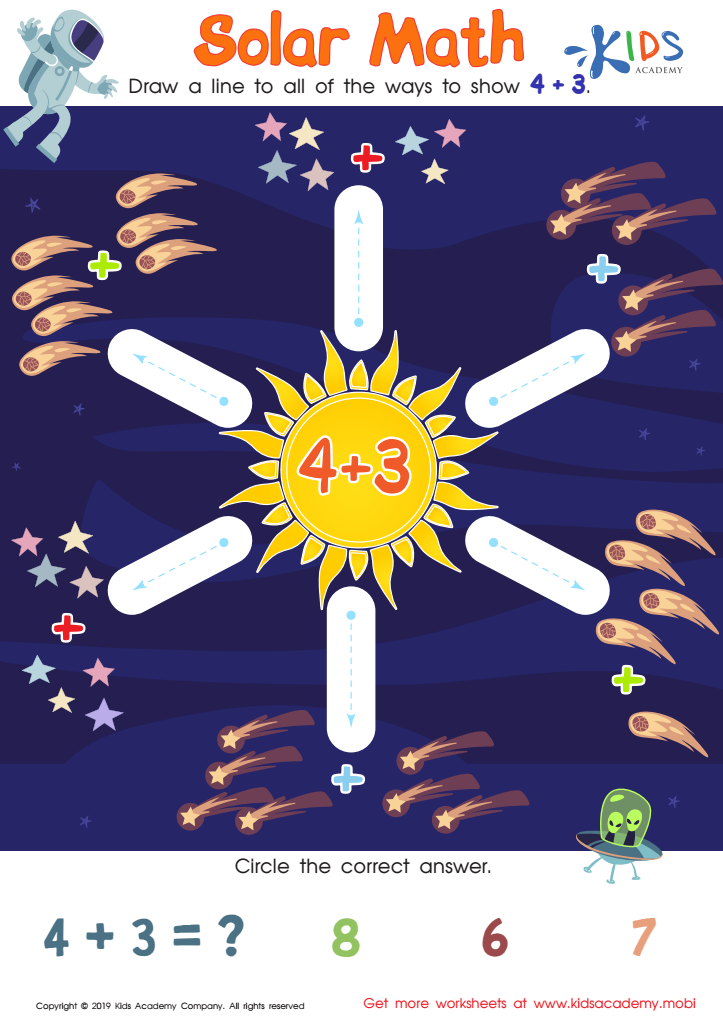
Solar Math Worksheet
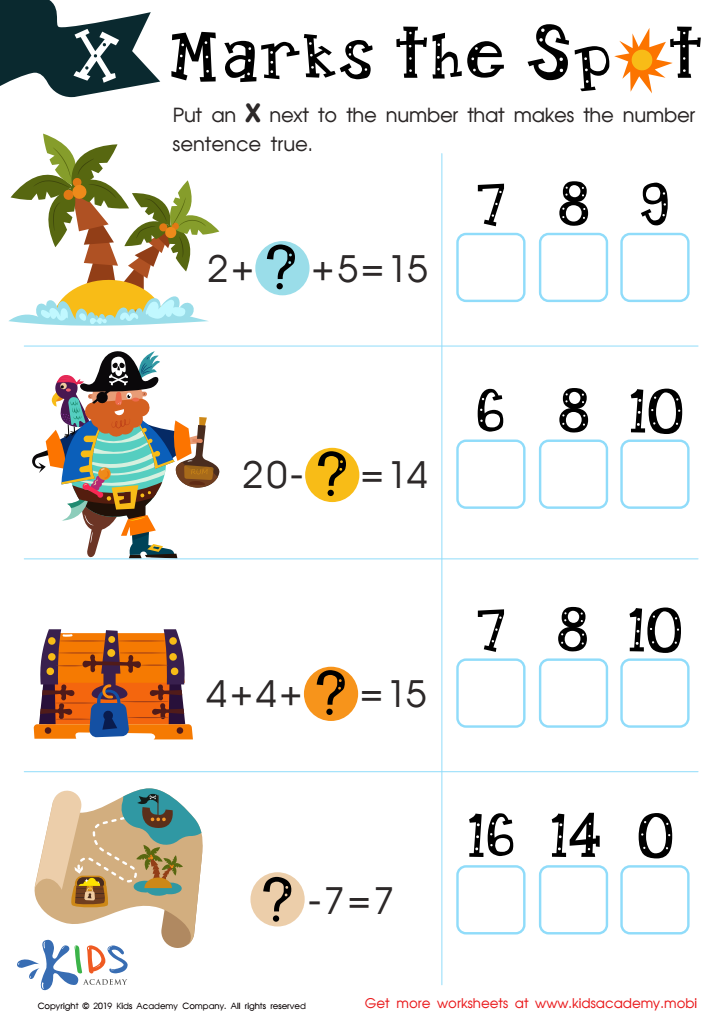
X Marks the Spot Worksheet
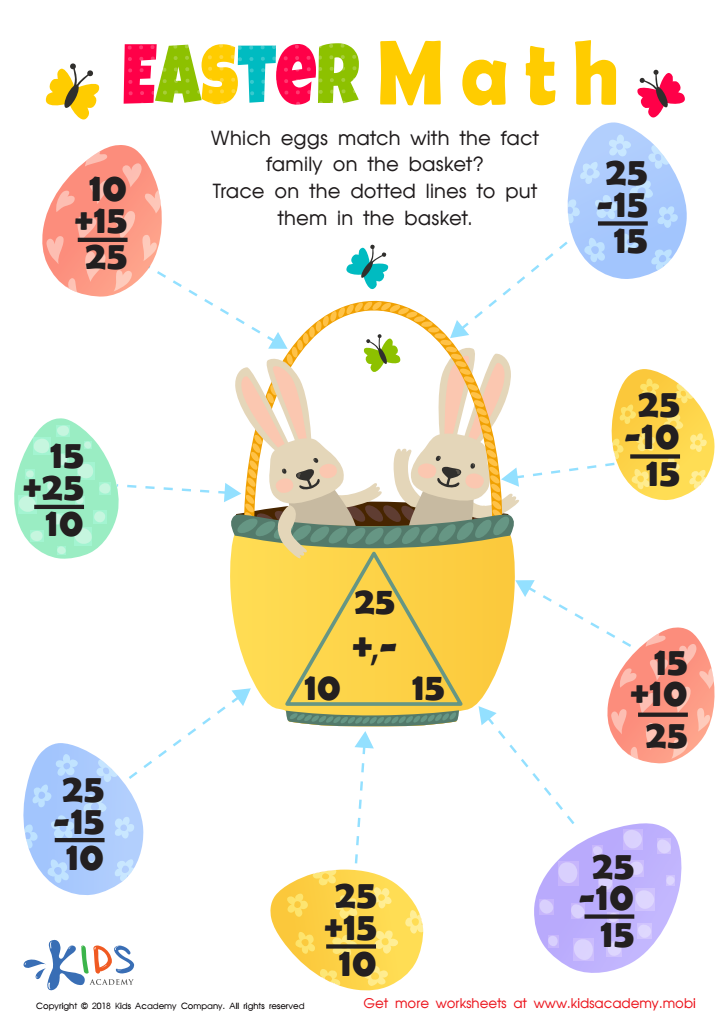
Fact Families: Easter Math Worksheet
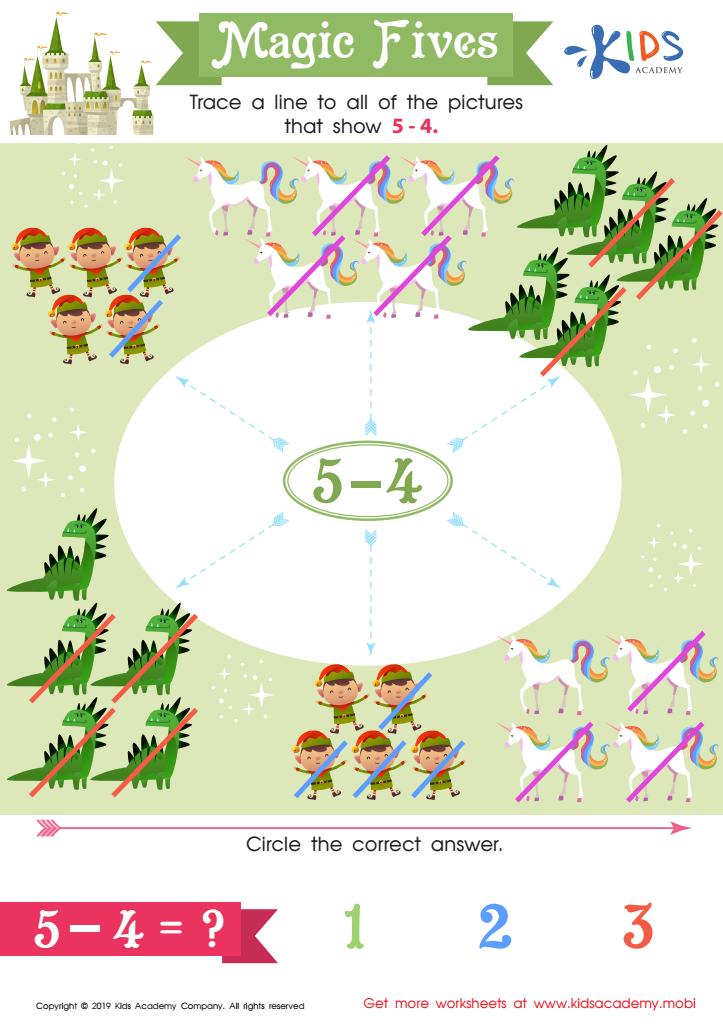
Magic Fives Worksheet








Normal addition and subtraction serve as foundational skills for young learners aged 3-6, laying the groundwork for their mathematical understanding and cognitive development. Parents and teachers should prioritize these skills because they foster critical thinking and problem-solving abilities early on. Engaging with basic arithmetic helps children recognize patterns, develop logic, and enhance memory, all of which are essential for future academic success.
Moreover, mastering basic addition and subtraction nurtures a positive attitude towards math, as it empowers children with the confidence to tackle more complex concepts later in their education. This success can foster a sense of achievement and curiosity, encouraging further exploration and learning.
Additionally, everyday experiences can incorporate those skills—like counting fruits or toys—which aids in making learning relevant and fun. This real-world connection deepens understanding and retention.
Ultimately, promoting normal addition and subtraction at an early age aligns with their natural developmental milestones, enabling children to grow into competent, numerically literate individuals. By actively supporting these skills, parents and teachers play a crucial role in shaping a generation of learners who view math as an engaging and accessible subject.








