Normal Matching Worksheets for Ages 3-6 - Page 2
42 filtered results
-
From - To
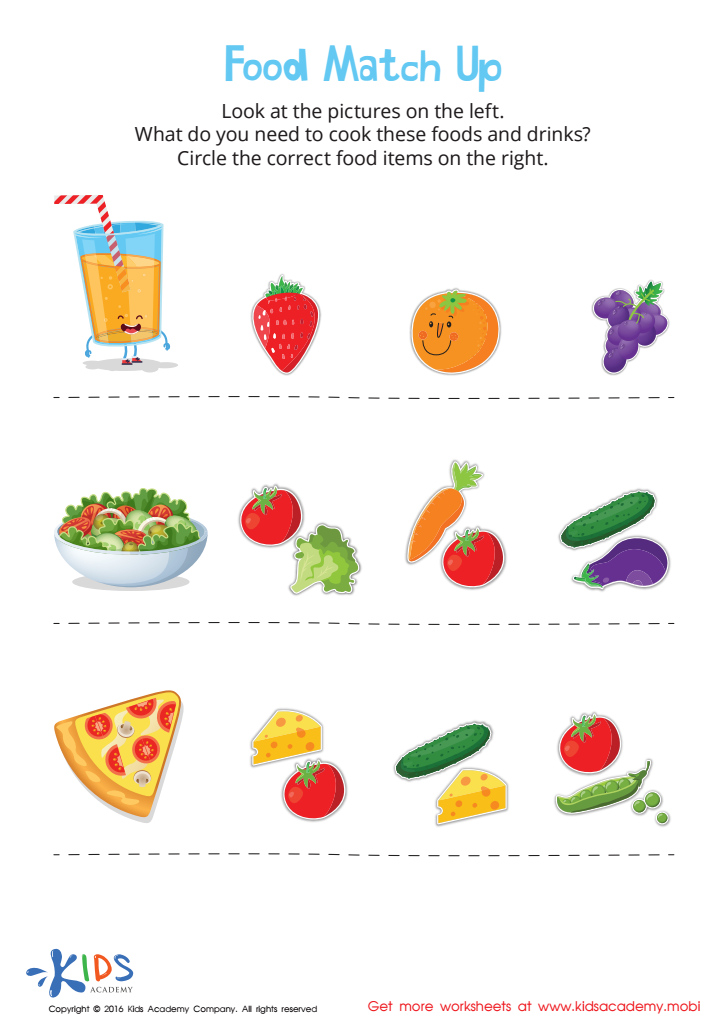
Food Match Up Worksheet
 Assign to My Students
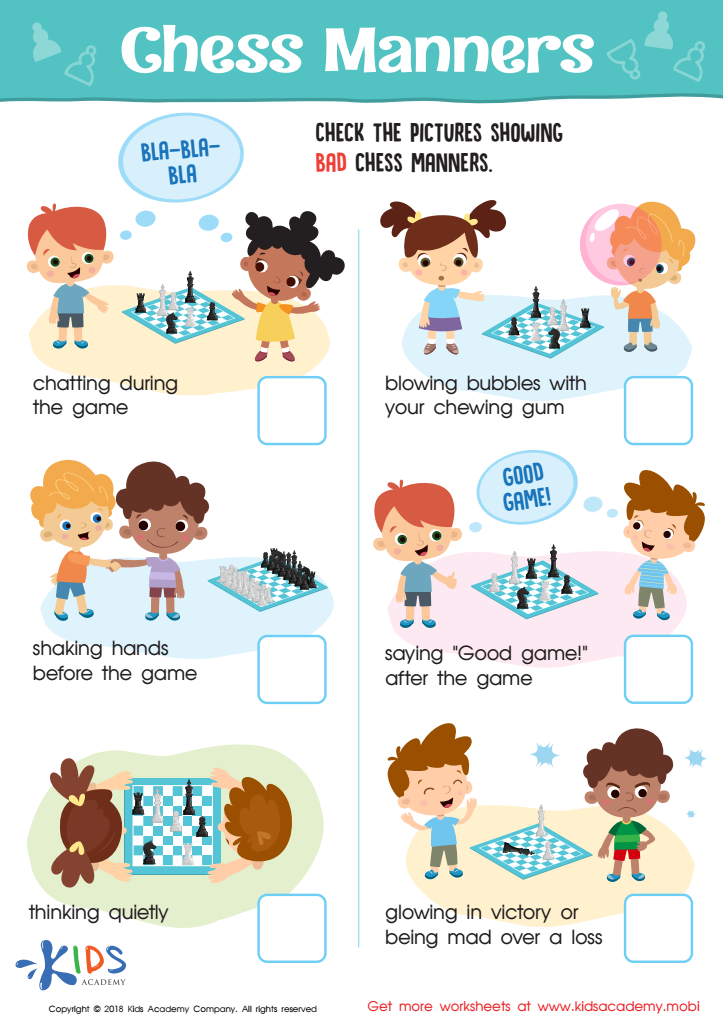
Chess Manners Worksheet
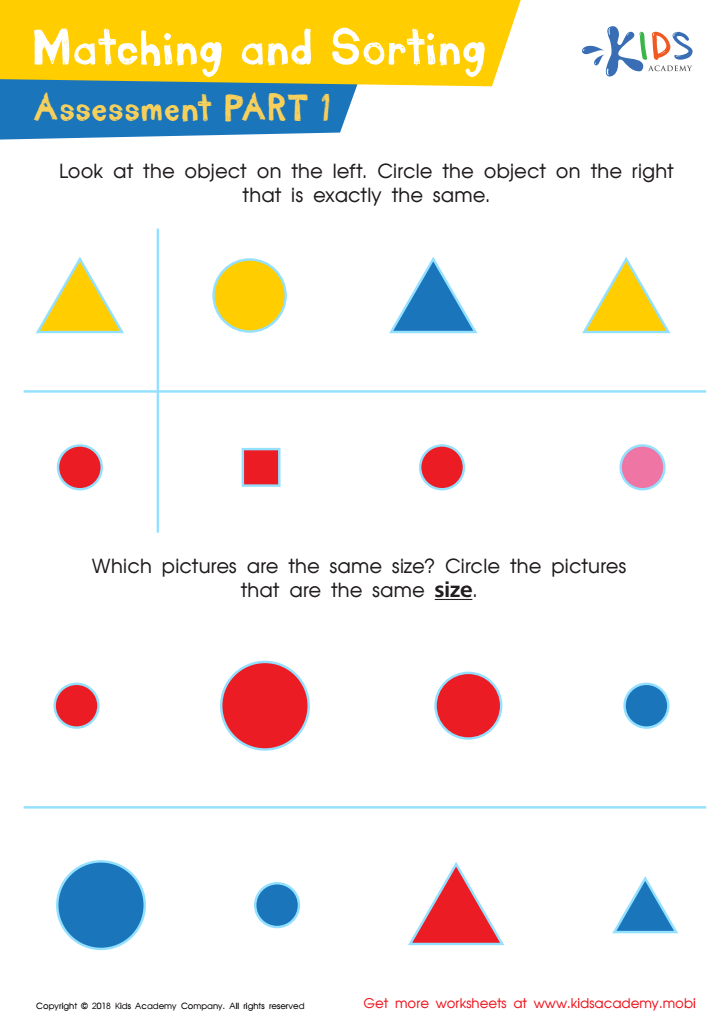
Matching and Sorting for Kindergarten: Assessment 1 Worksheet
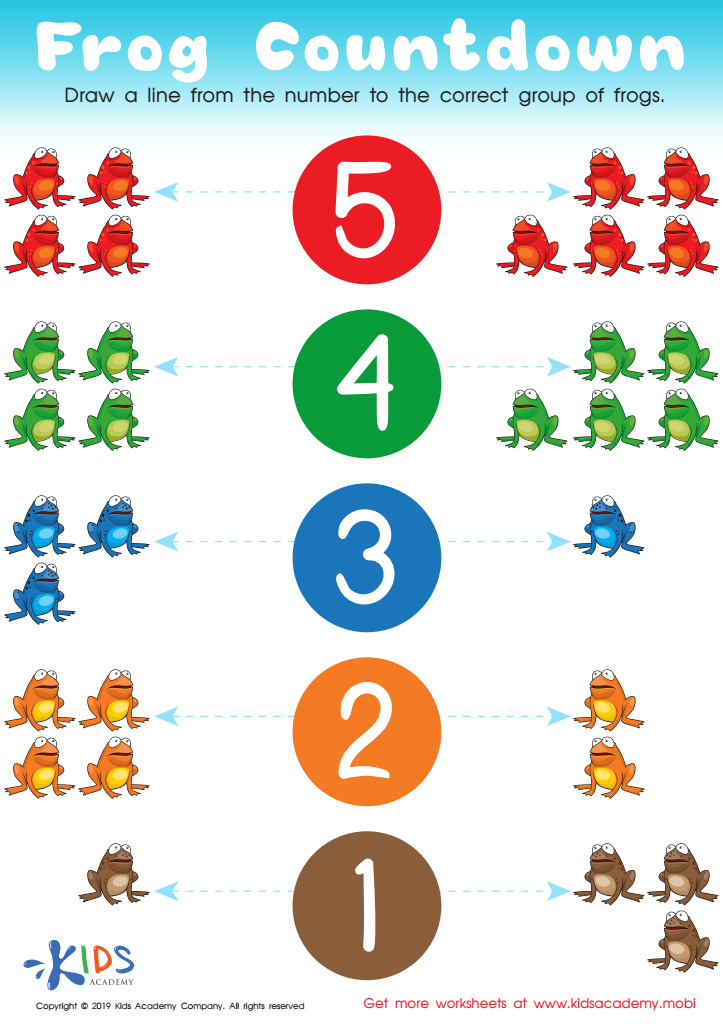
Frog Countdown Worksheet
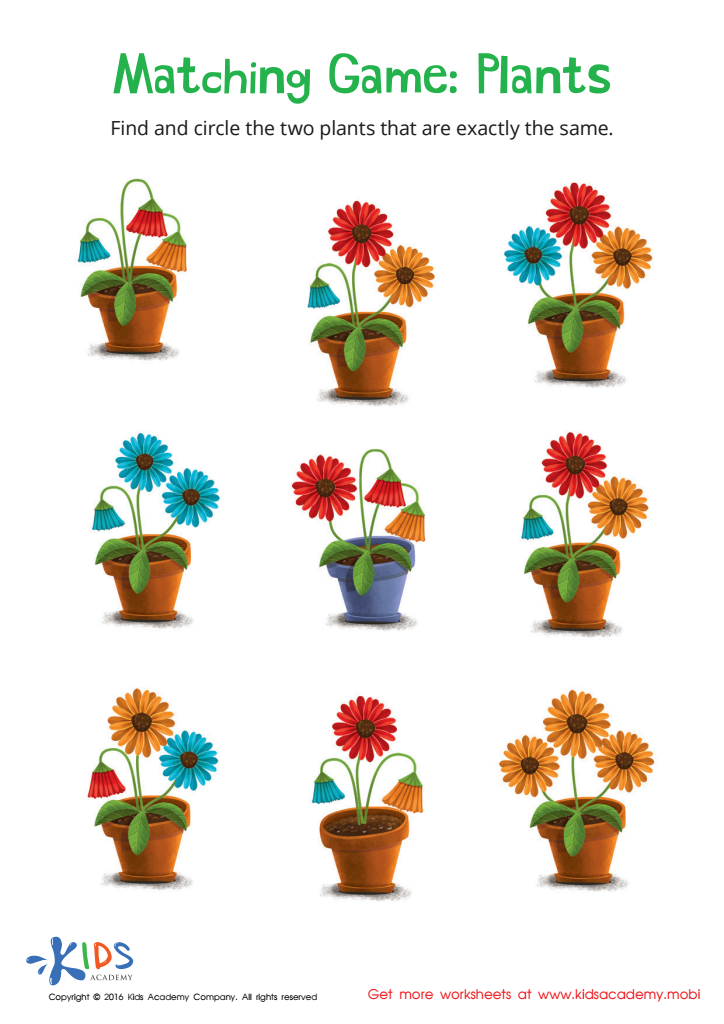
Matching: Plants Worksheet
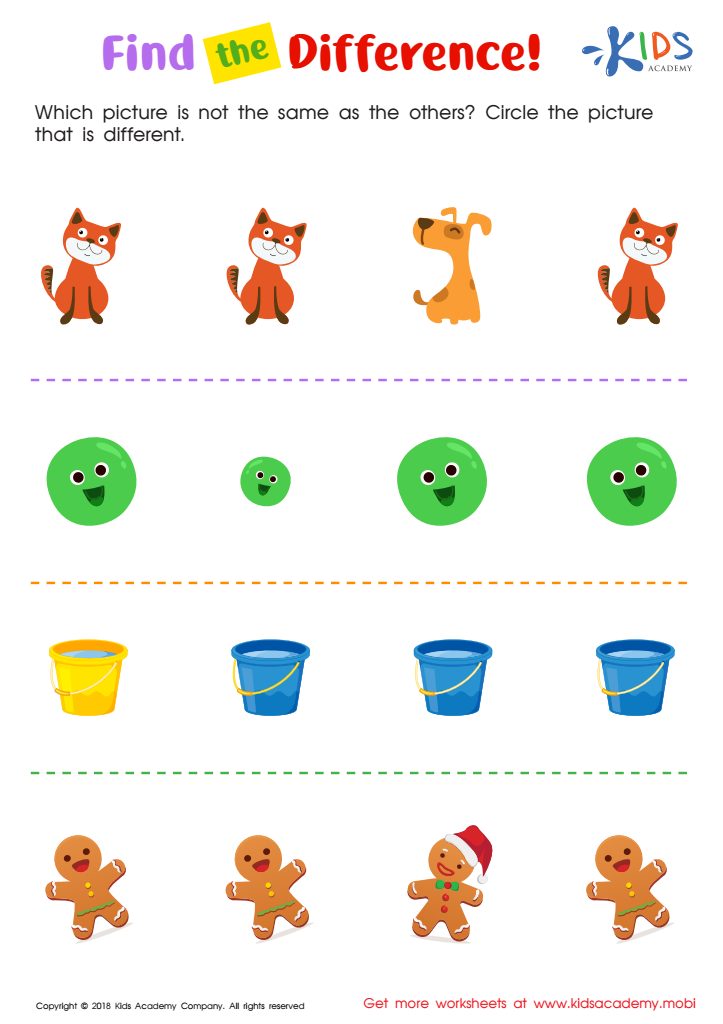
Find the Difference Worksheet
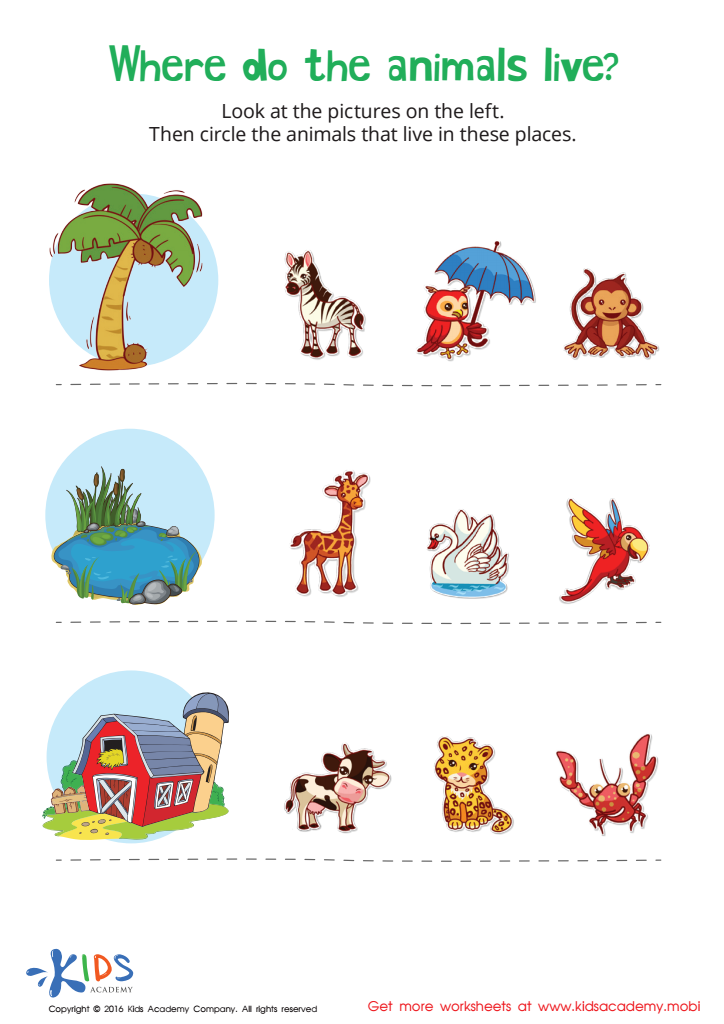
Where Animals Live Worksheet
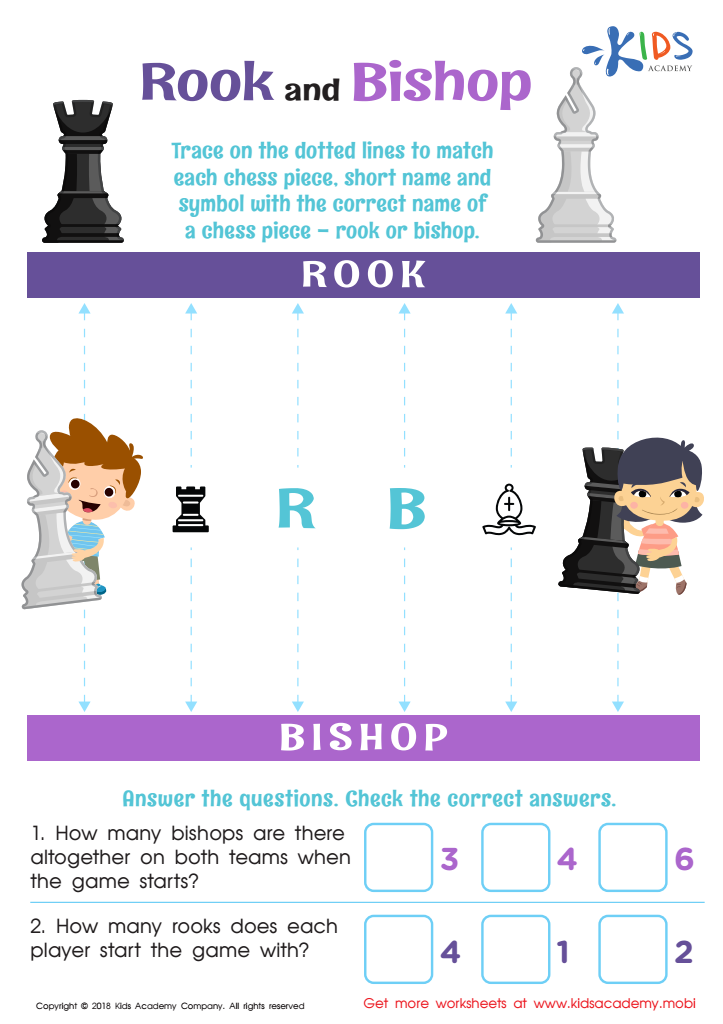
Rook and Bishop Worksheet
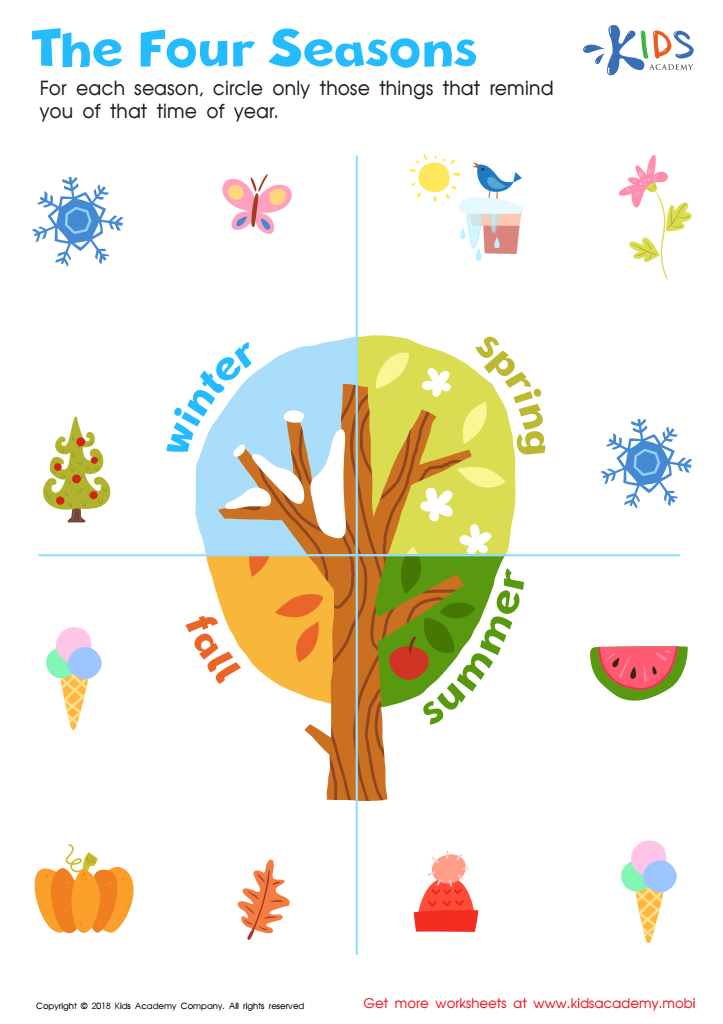
The Four Seasons Worksheet
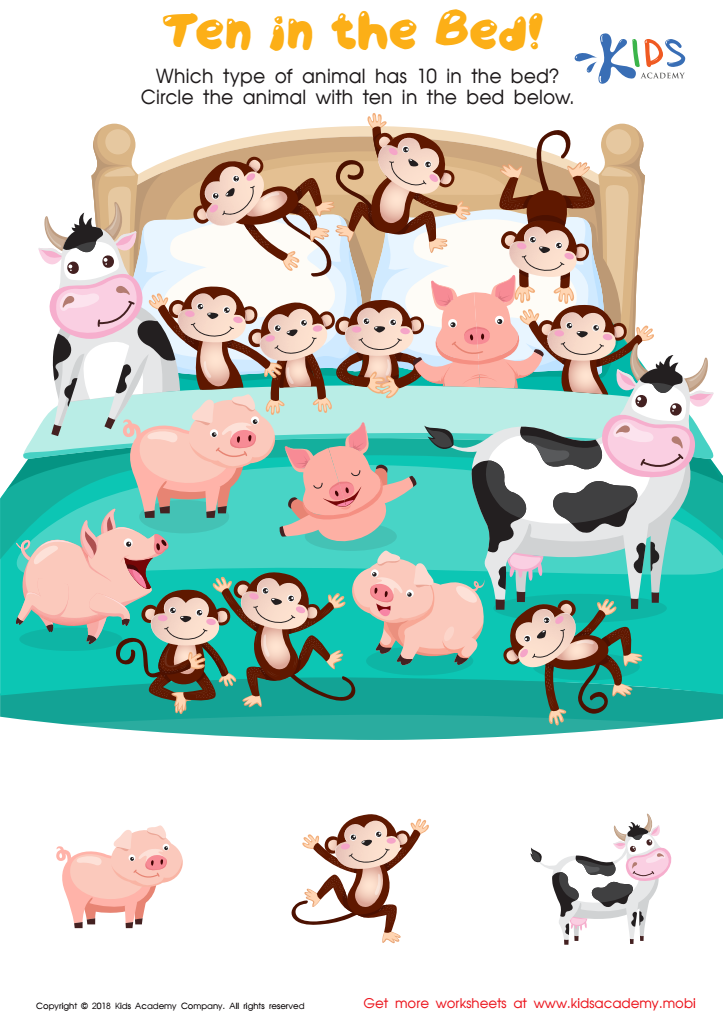
Ten in the Bed Worksheet
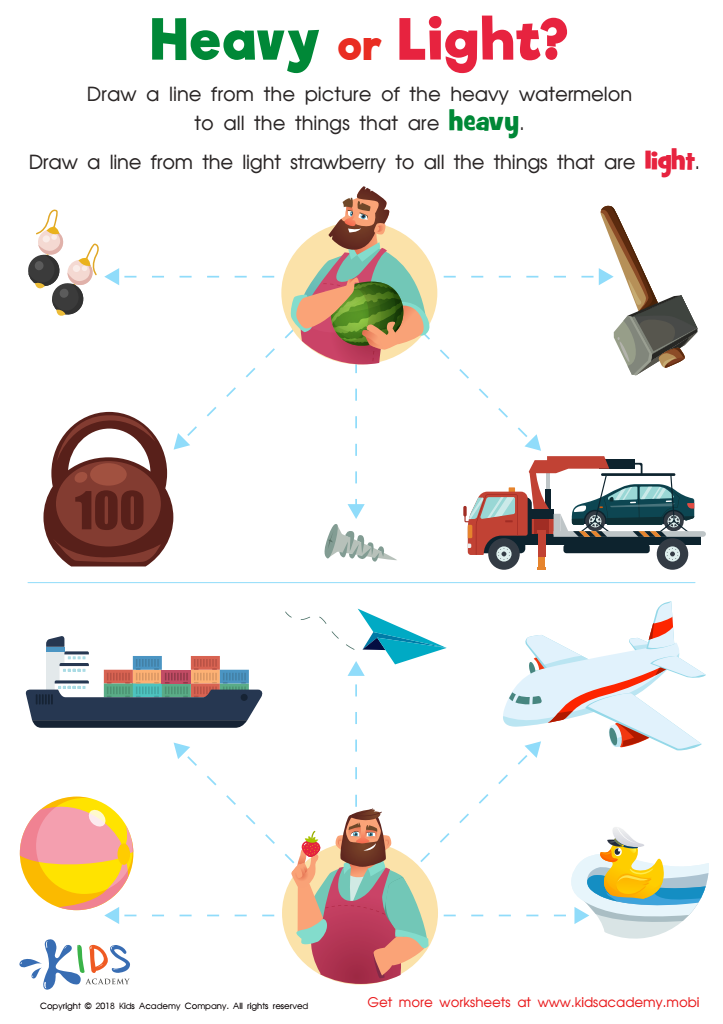
Heavy or Light? Worksheet
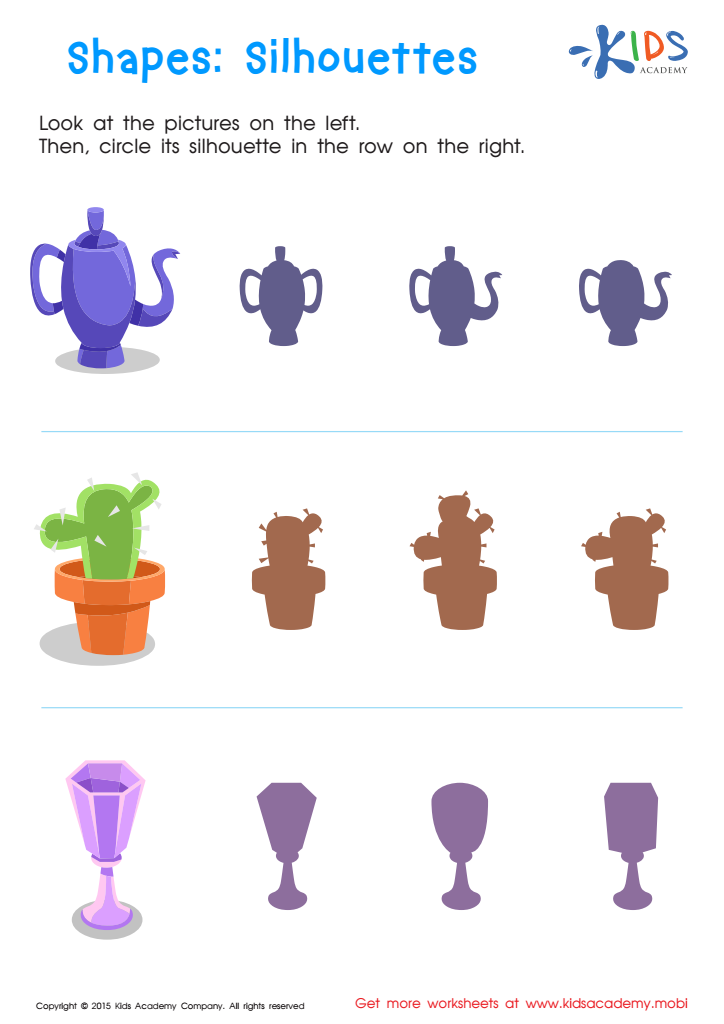
Silhouettes – Shapes Worksheet
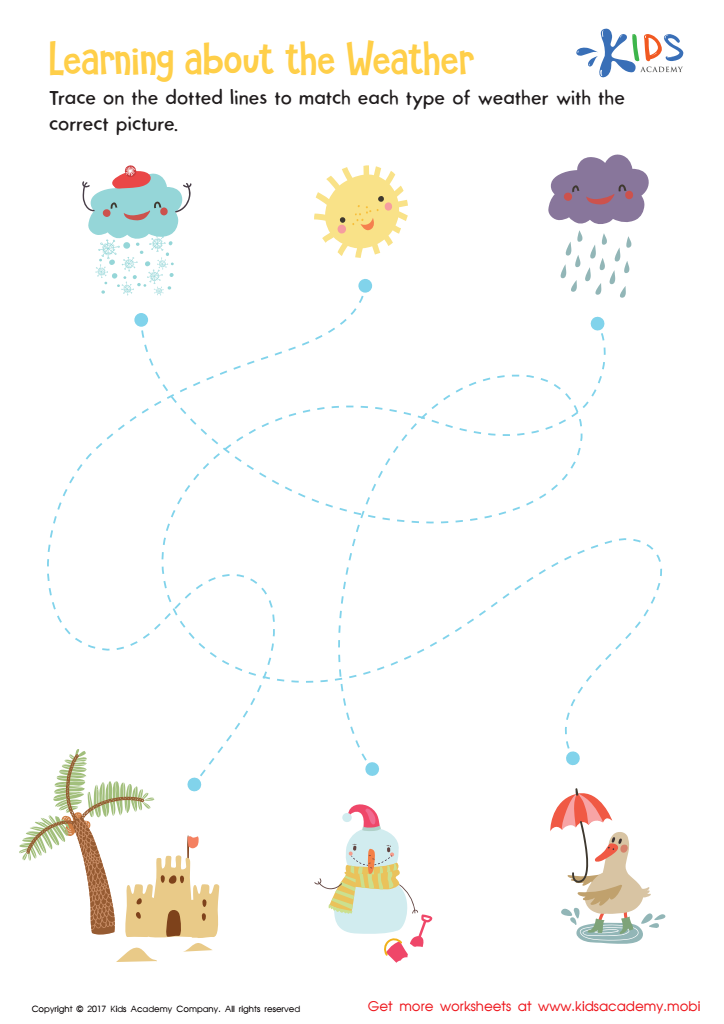
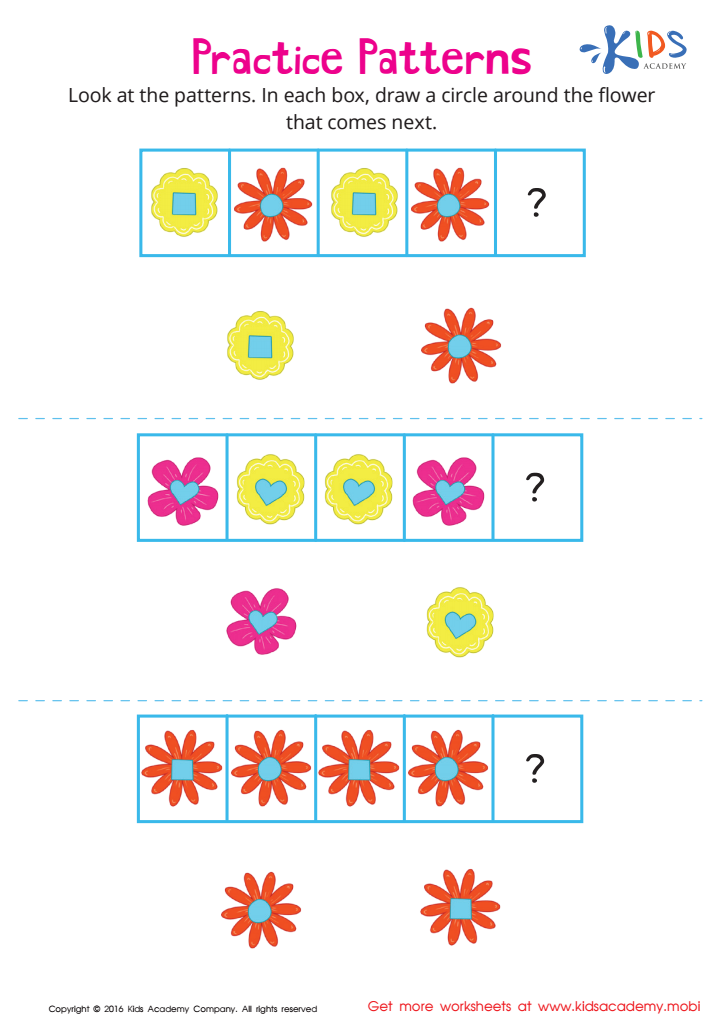
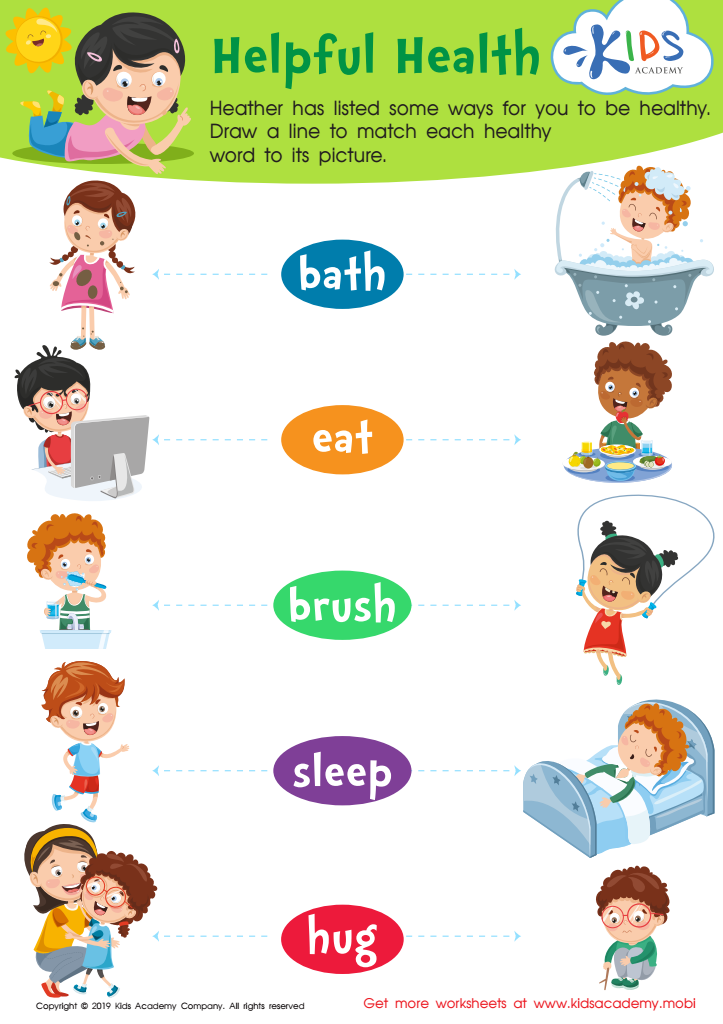
Helpful Health Worksheet
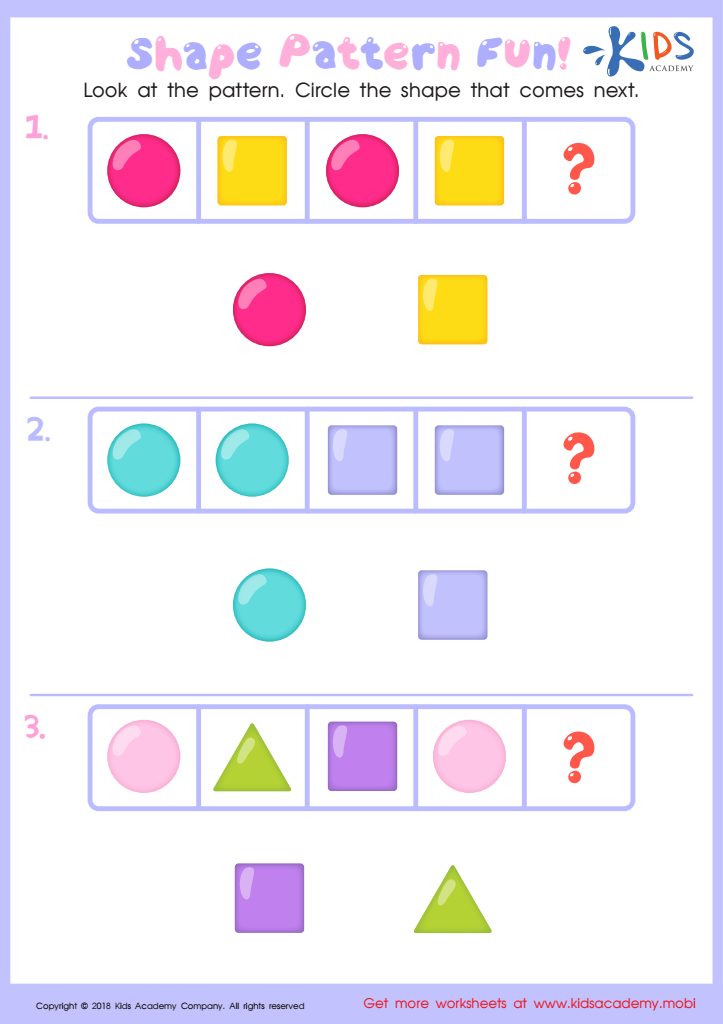
Shape Pattern Fun Worksheet
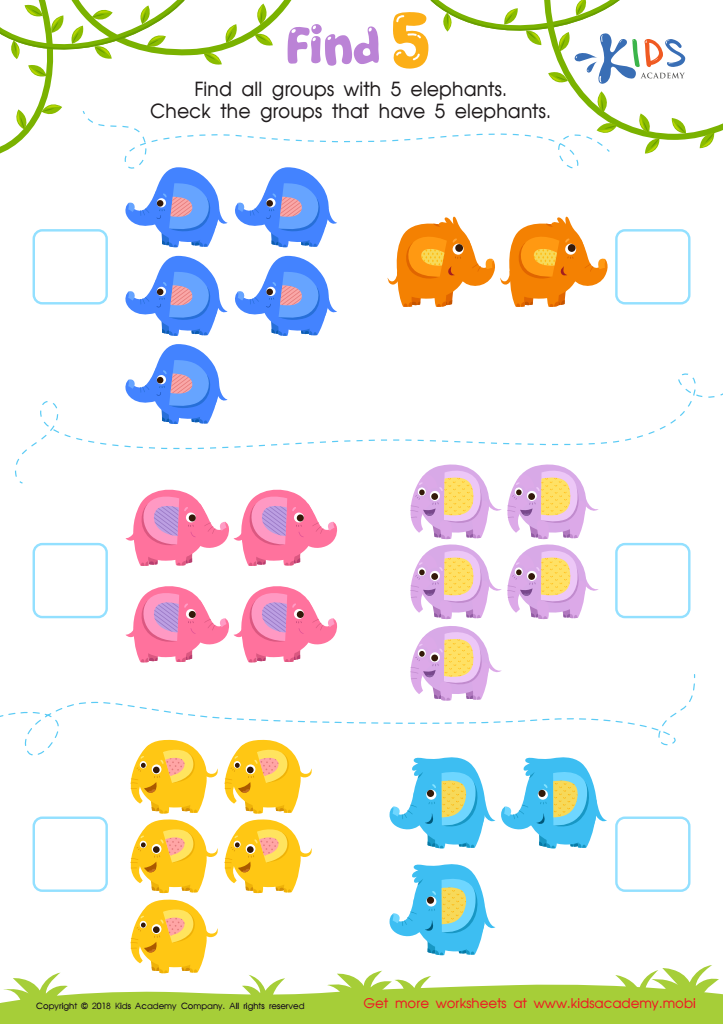
Find 5 Worksheet







Normal Matching is a foundational skill that plays a critical role in the cognitive and social development of children aged 3-6. It involves teaching young learners to recognize and match objects, sounds, or images based on specific attributes, encouraging them to develop observational skills and analytical thinking. Parents and teachers should care about Normal Matching for several reasons.
Firstly, it enhances a child's visual discrimination skills, helping them to identify similarities and differences. This ability is crucial not only for learning academically—like reading and math—but also for social interactions where recognizing patterns is important. Secondly, Normal Matching activities foster fine motor skills, as children engage with small objects or visual cards, simultaneously enhancing their dexterity and coordination.
Additionally, these activities promote cognitive development, encouraging reasoning and problem-solving. This builds the foundation for logical thinking, which is essential as children progress through their educational journey. Importantly, Normal Matching can be enjoyable, promoting parent-child or teacher-student engagement and bonding through collaborative learning.
In essence, investing time in Normal Matching for young children prepares them for future academic pursuits and helps create an enriching, stimulating environment that supports their holistic development.








