Normal Addition & Subtraction Worksheets for Ages 3-7 - Page 6
144 filtered results
-
From - To
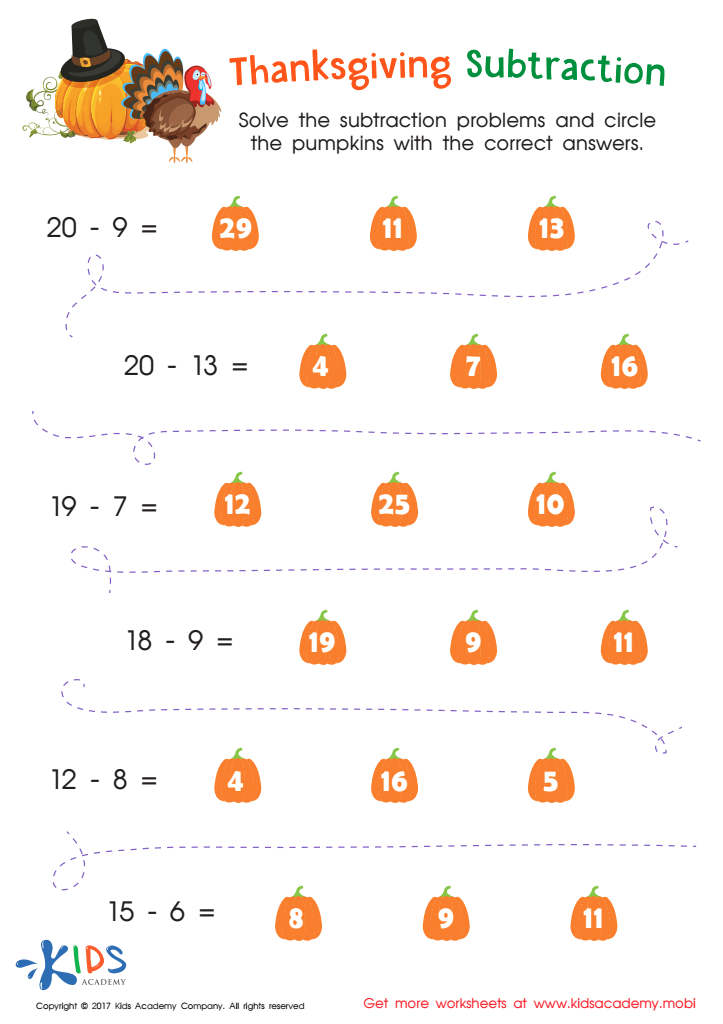
Thanksgiving Subtraction Substraction Worksheet
 Assign to My Students
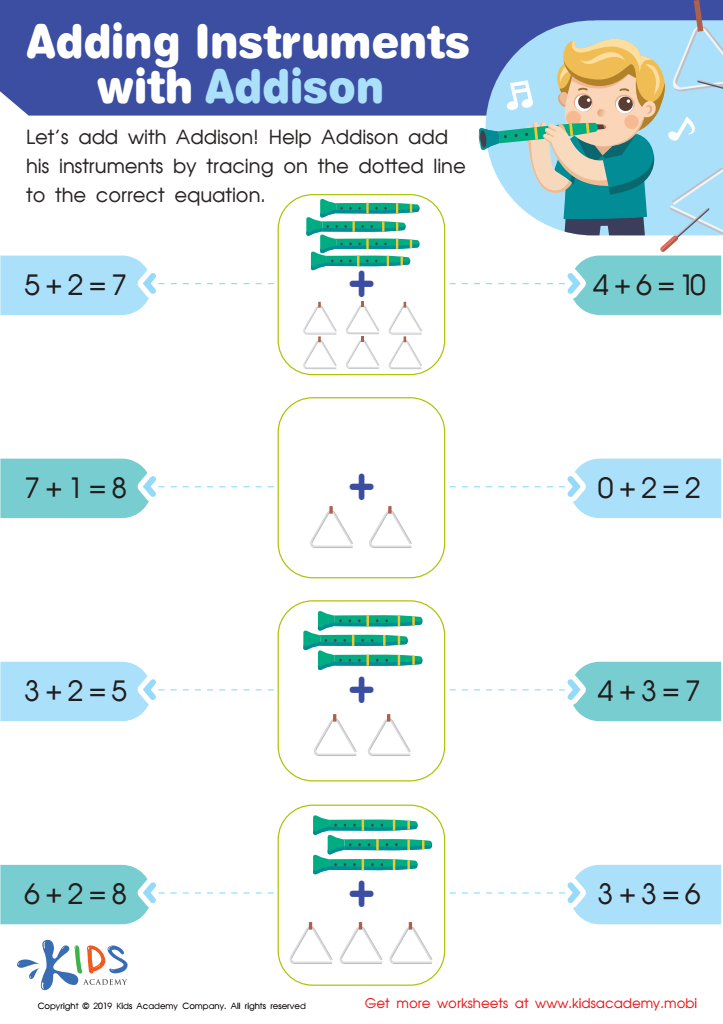
Adding Instruments with Addison Worksheet
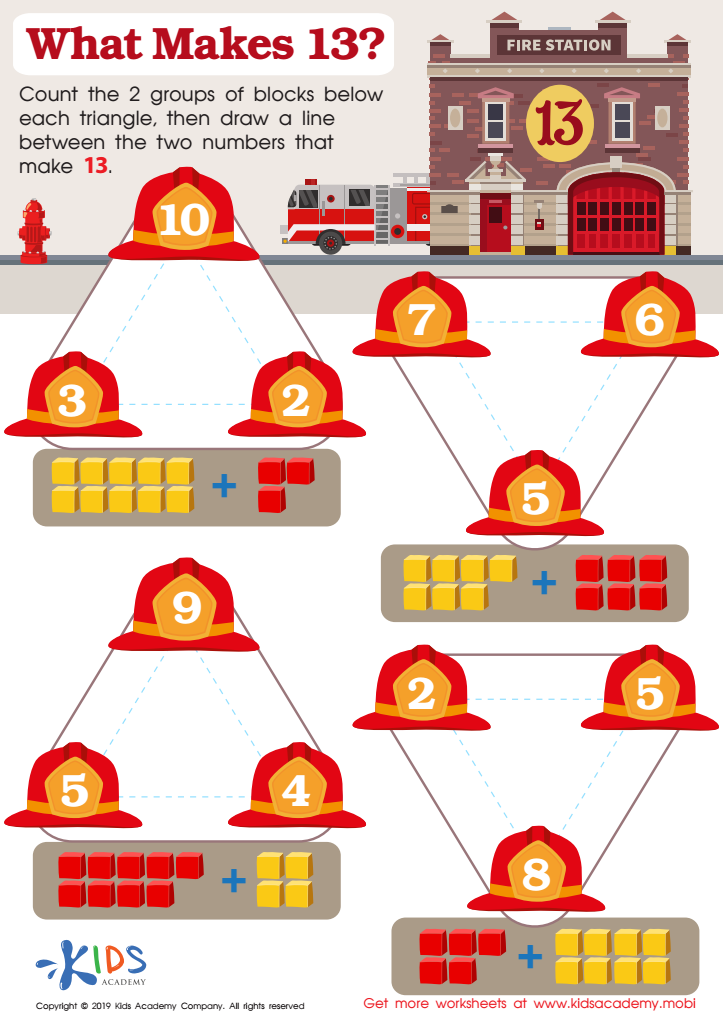
What Makes 13 Worksheet
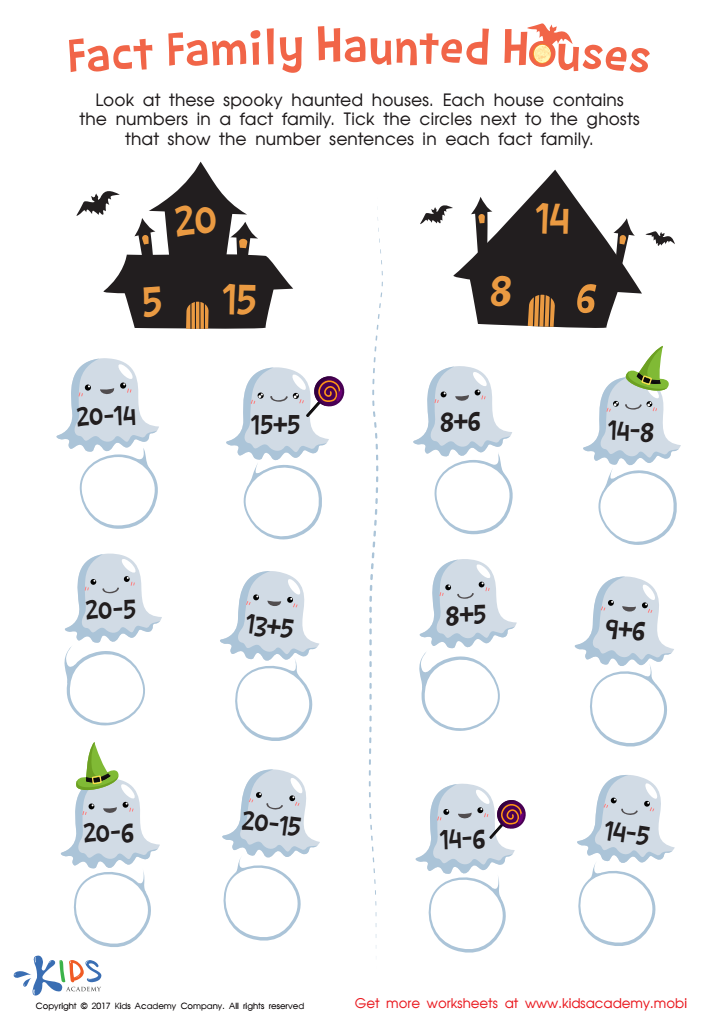
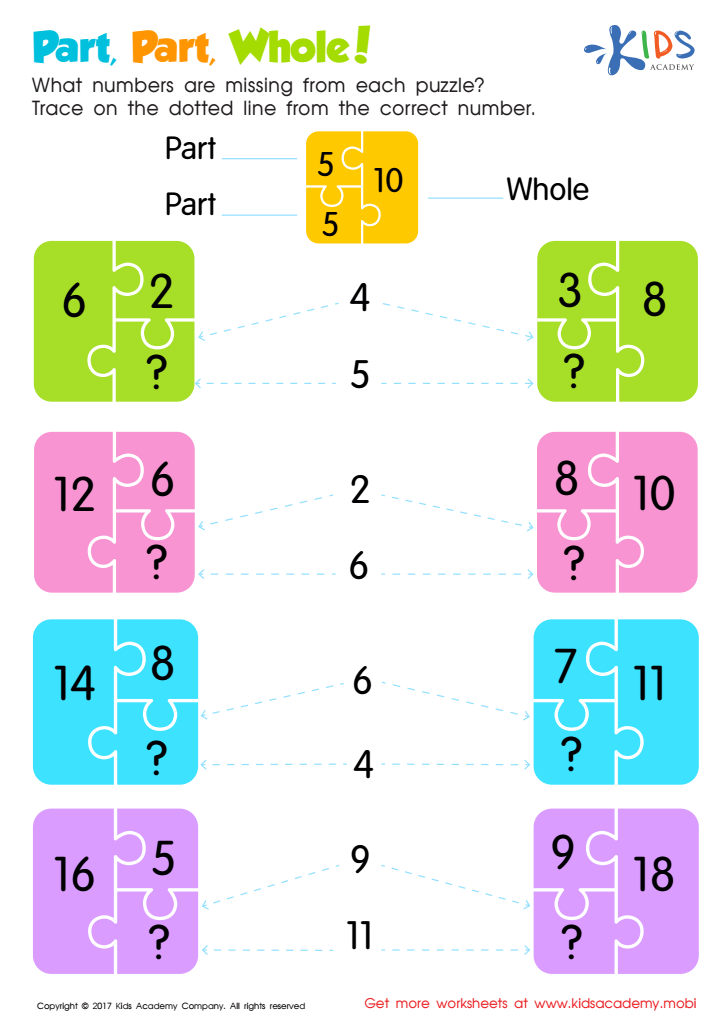
Part, Part, Whole Worksheet
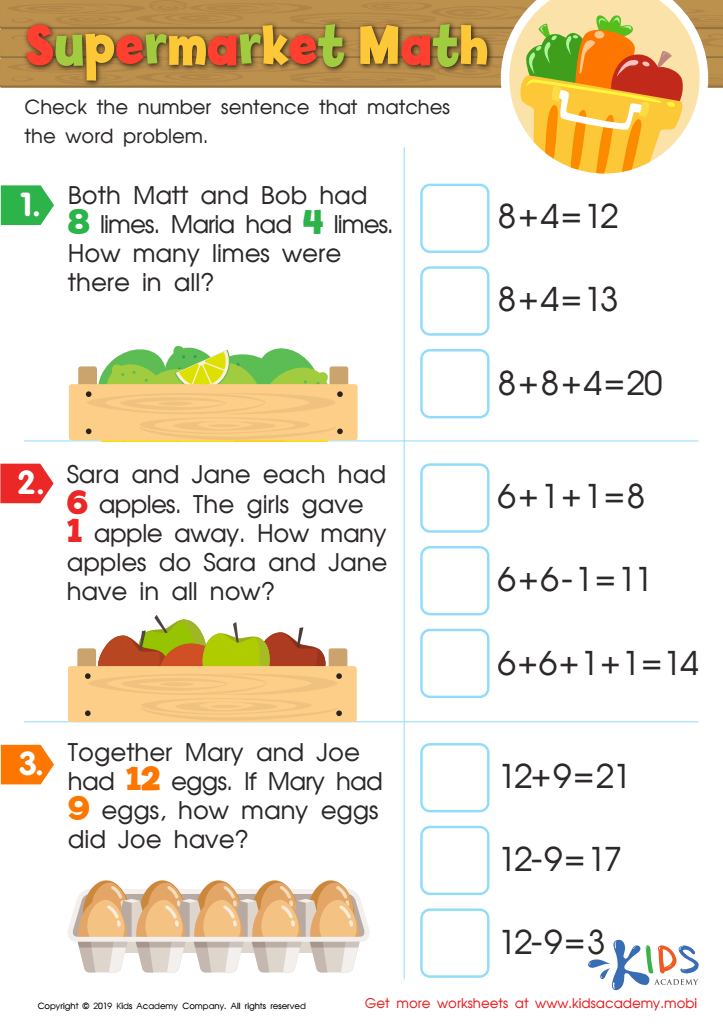
Supermarket Math Worksheet
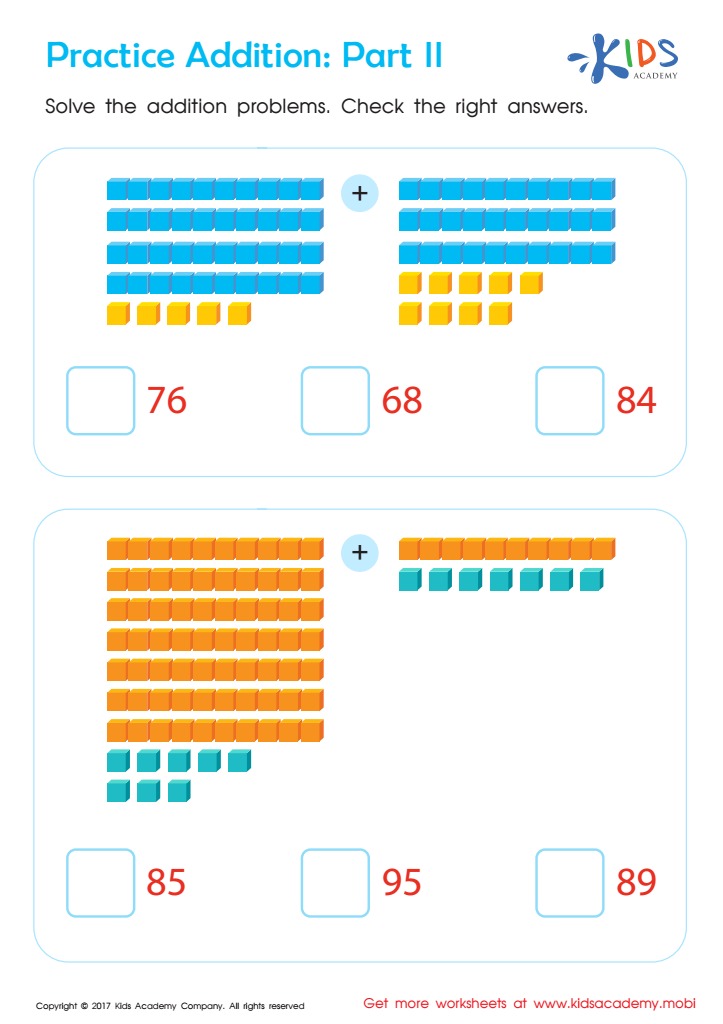
Practice Addition: Part 2 Worksheet
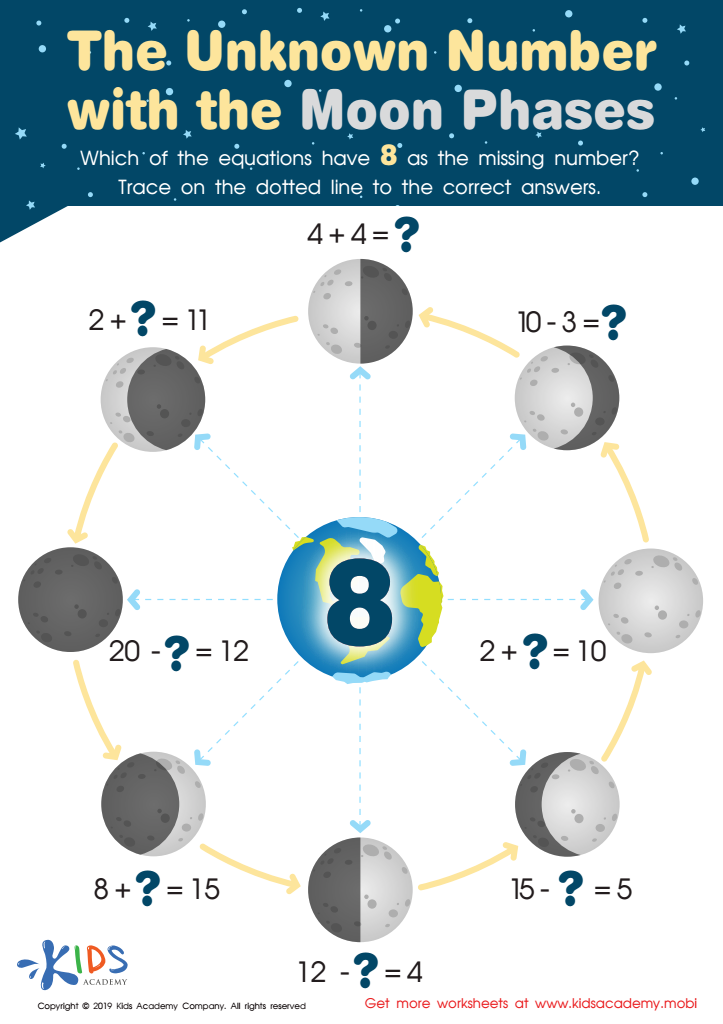
The Unknown Number with the Moon Phases Worksheet
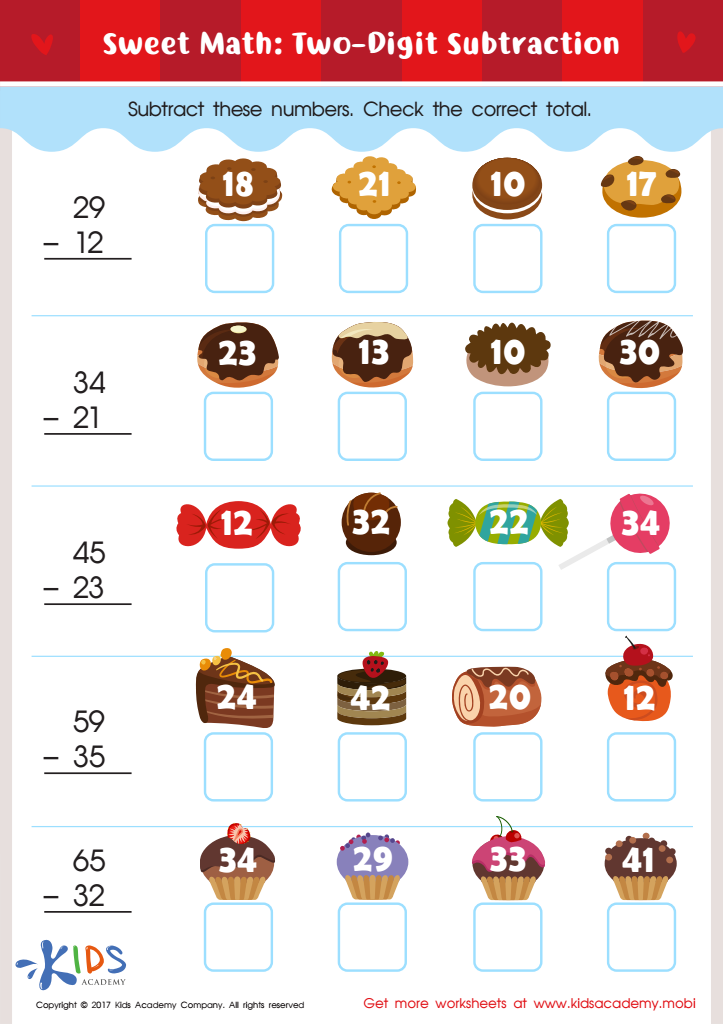
Two Digit Subtraction Worksheet

Adding Numbers: Cardinal Directions Worksheet
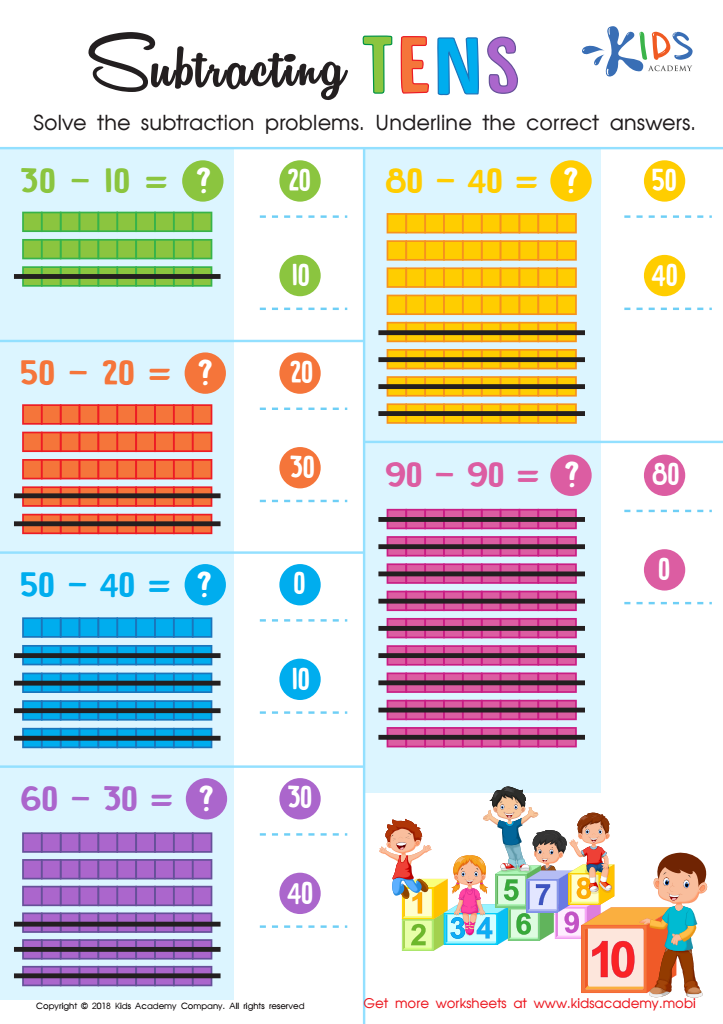
Subtracting Tens Worksheet
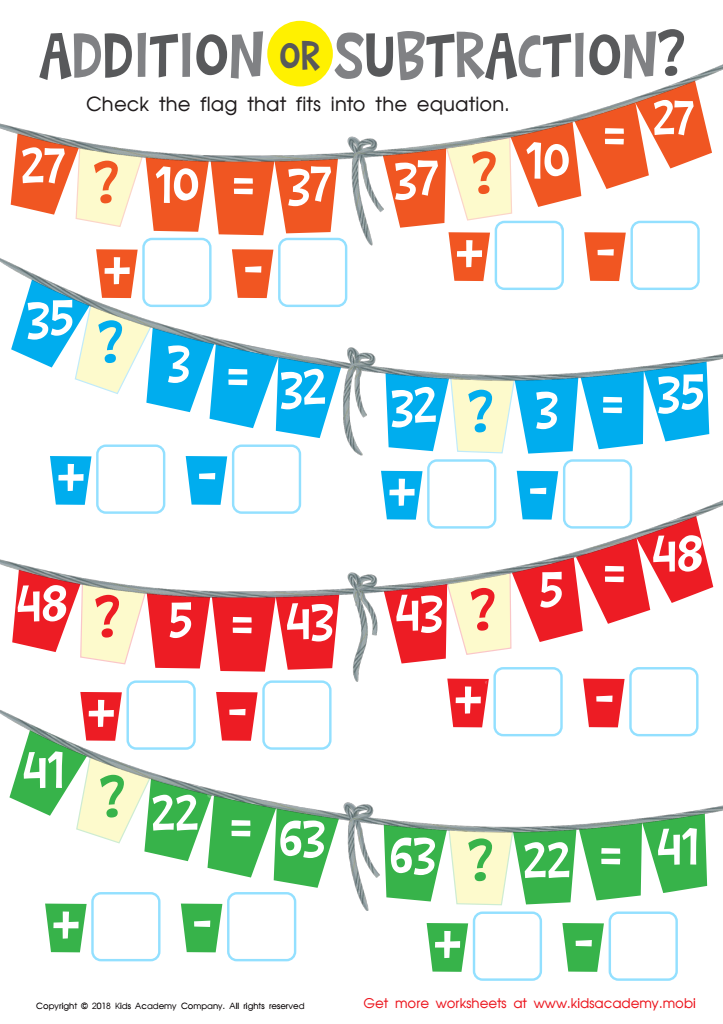
Addition or Subtraction? Worksheet
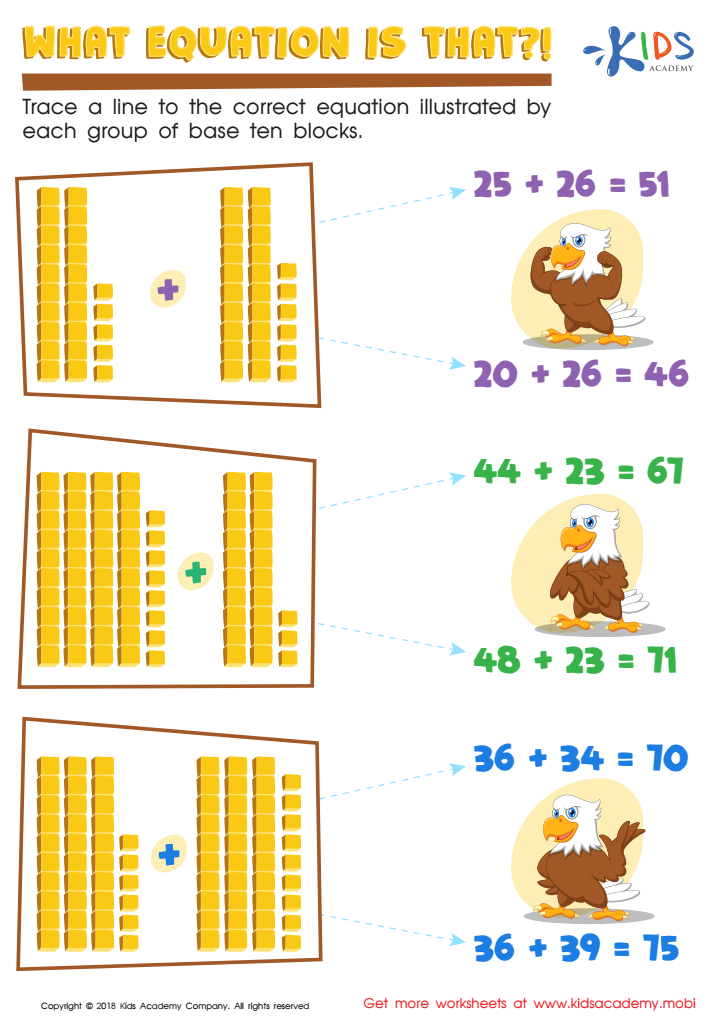
What Equation Is That? Worksheet
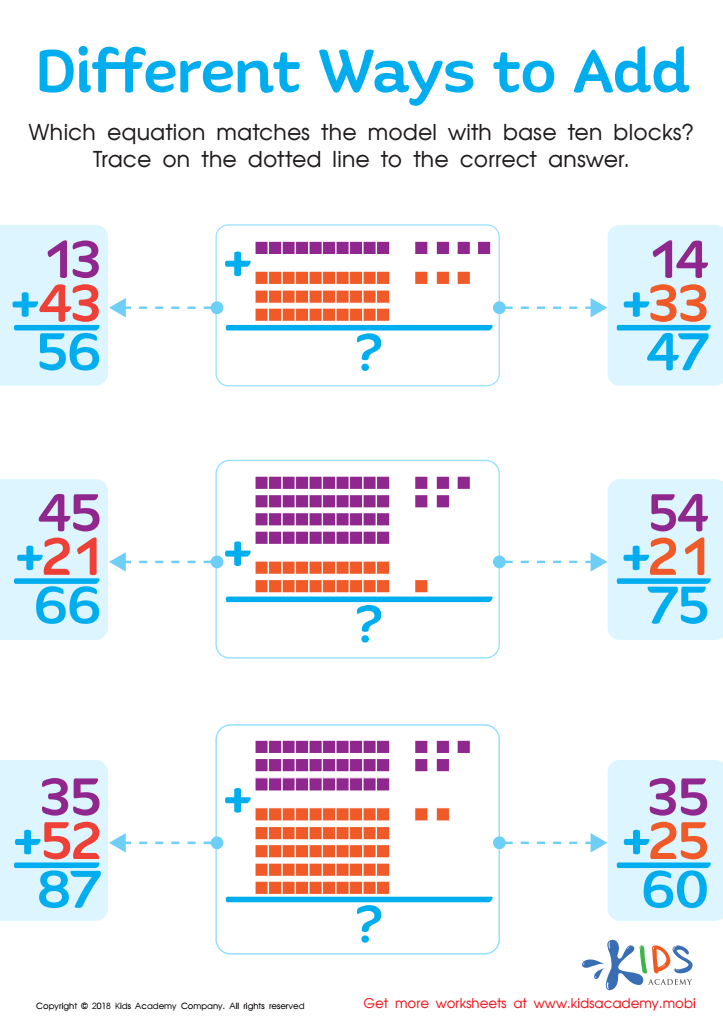
Different Ways to Add Worksheet
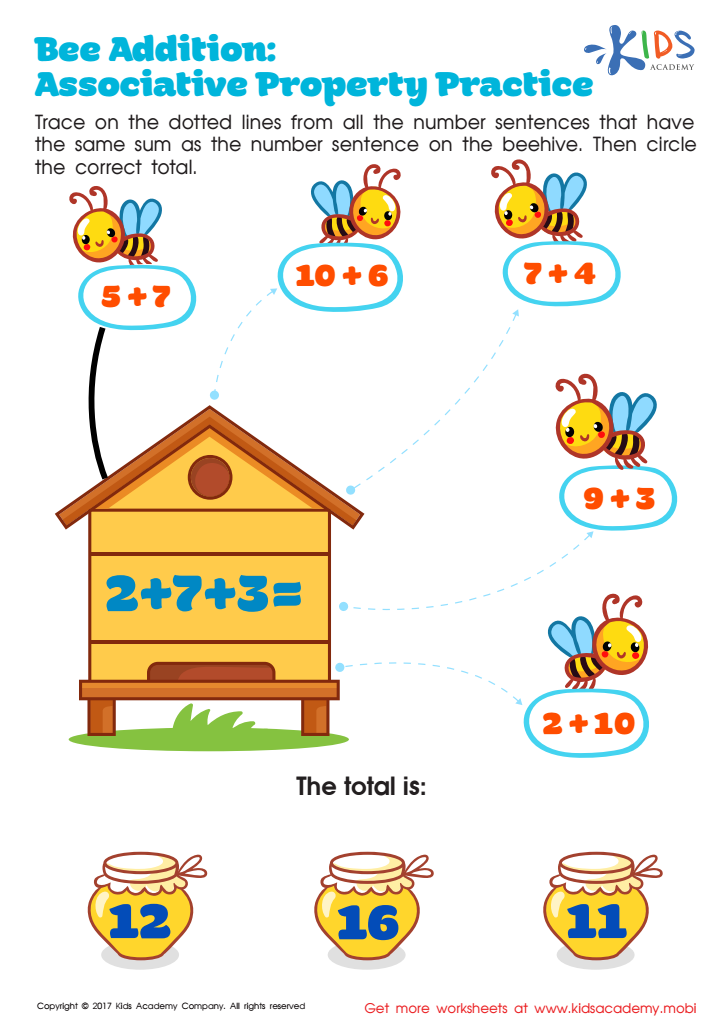
Bee Addition: Associative Property Practice Worksheet
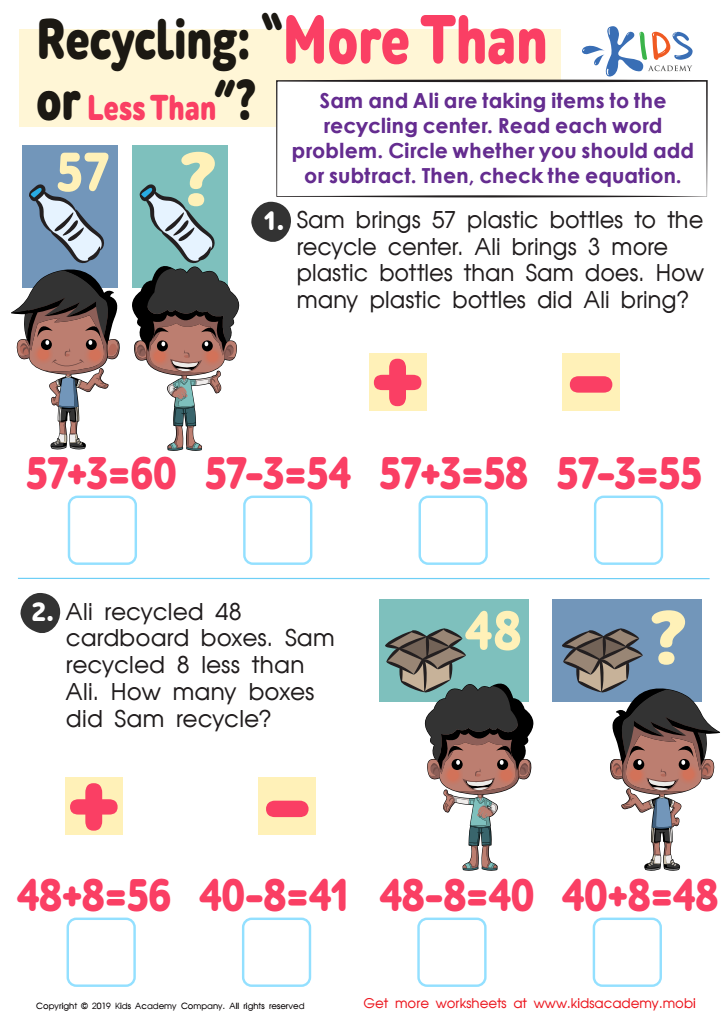
Recycling - More or Less Worksheet
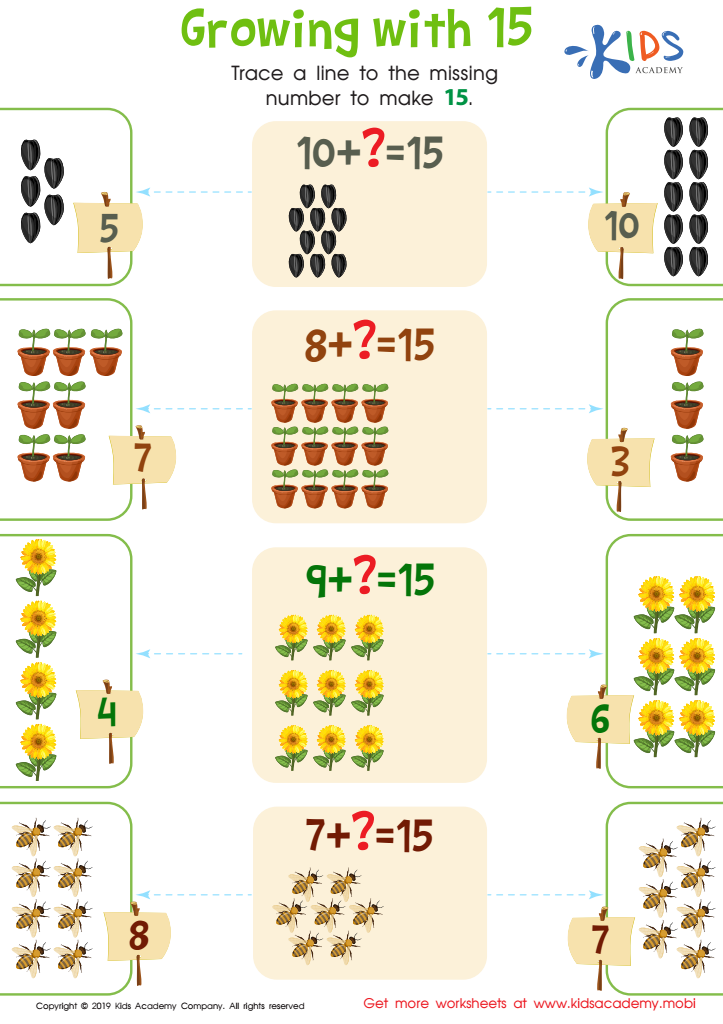
Growing with 15 Worksheet
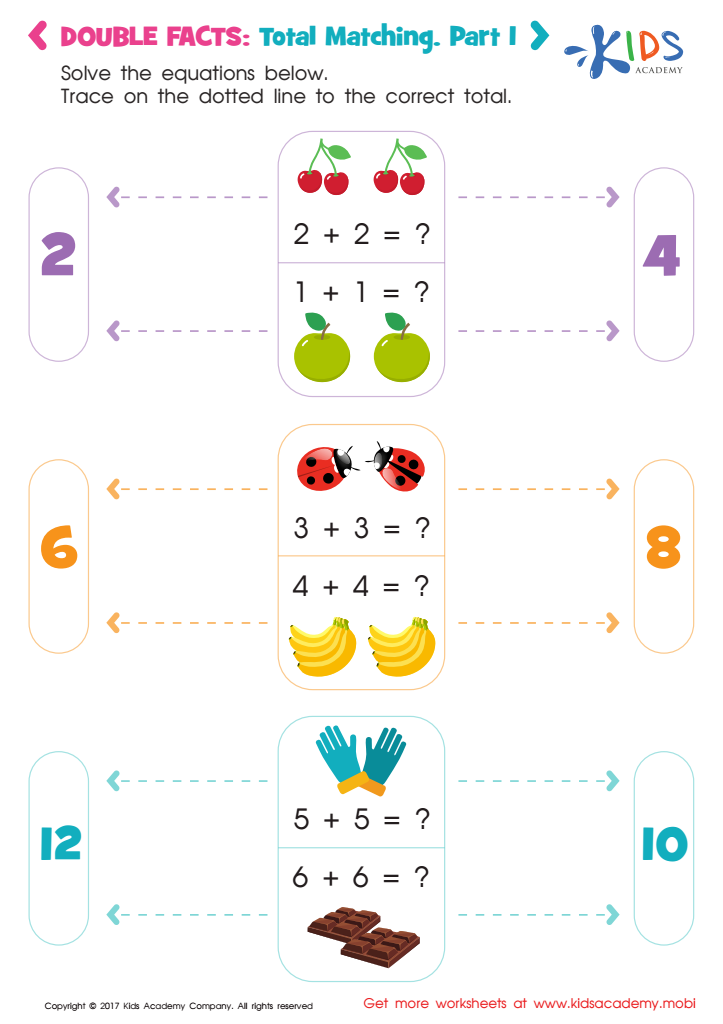
Double Facts: Total Matching Worksheet: Part 1
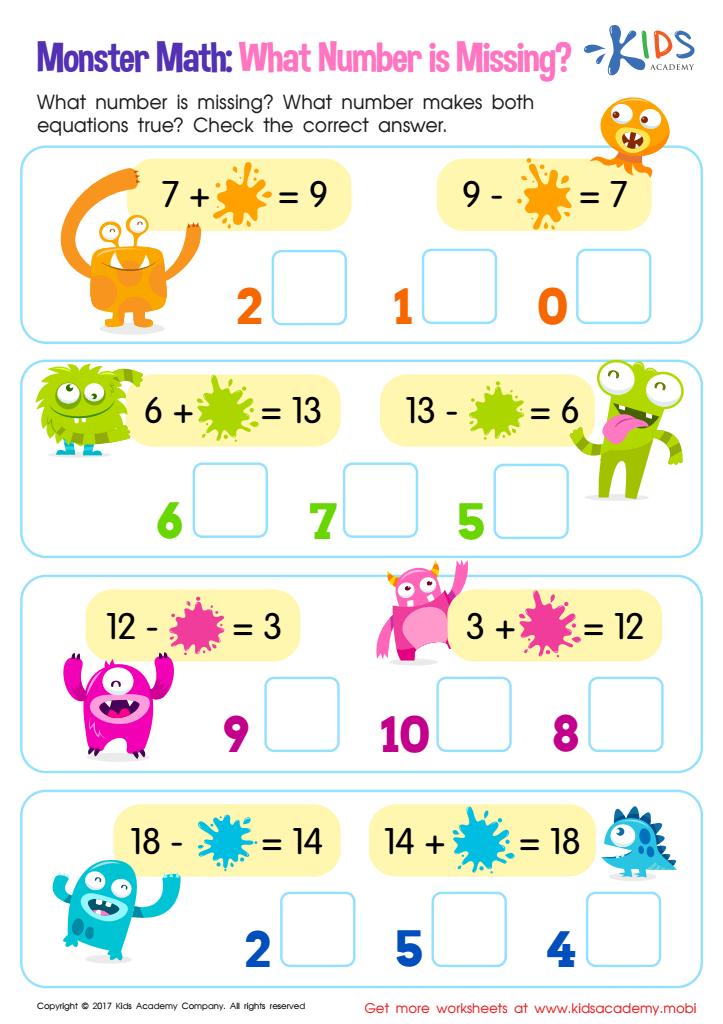
Missing Number: Monster Math Worksheet
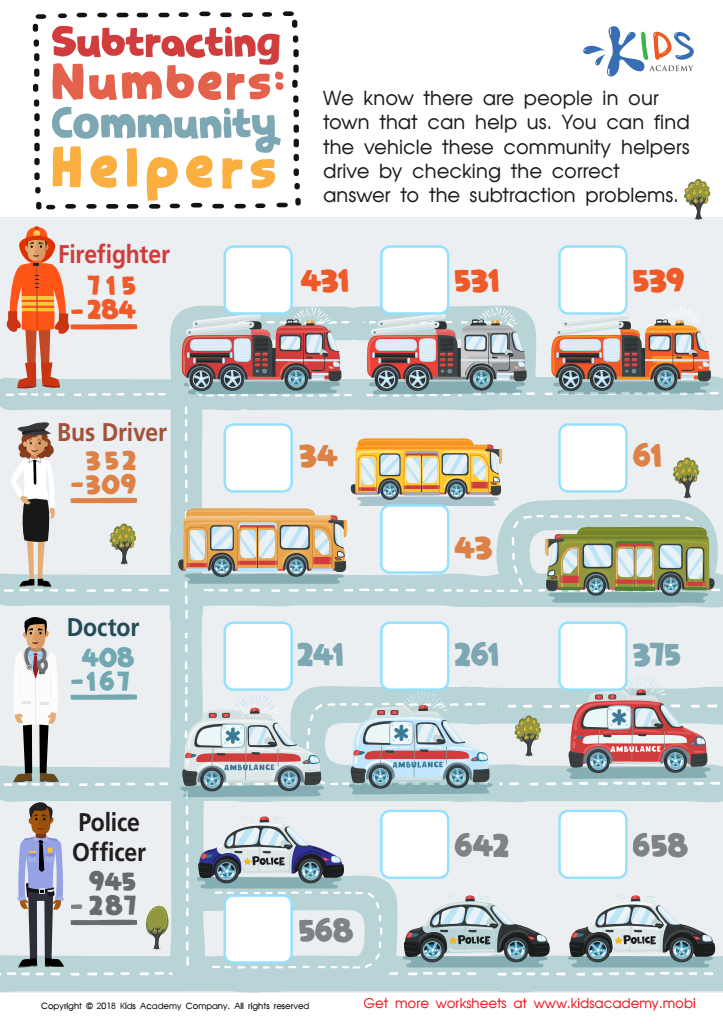
Subtracting Numbers: Community Helpers Worksheet
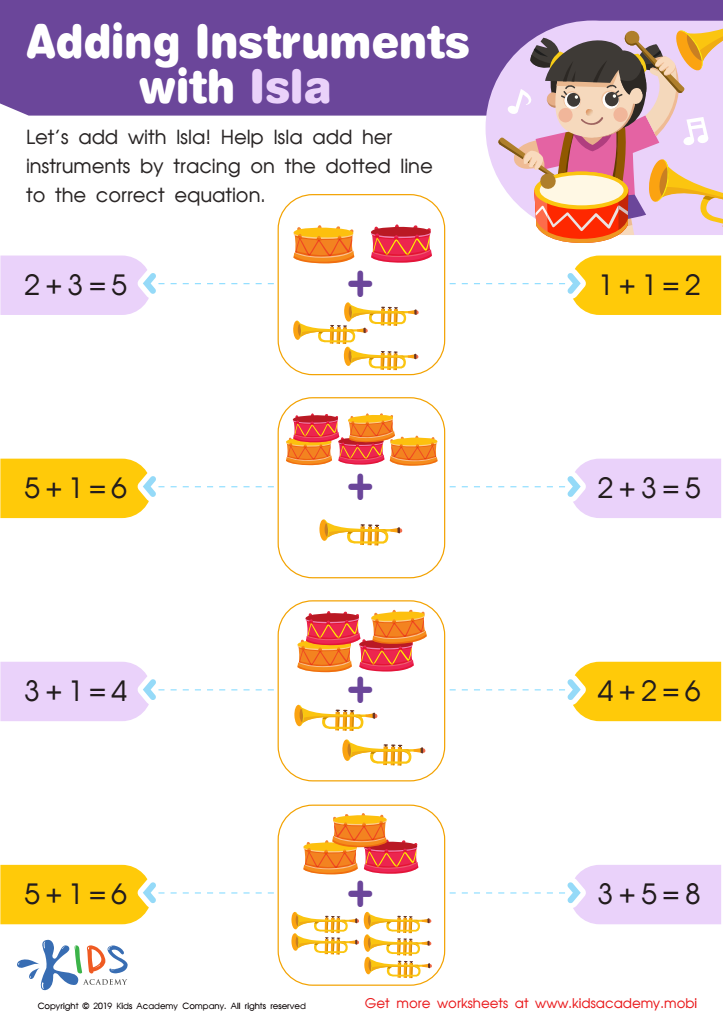
Adding Instruments with Isla Worksheet
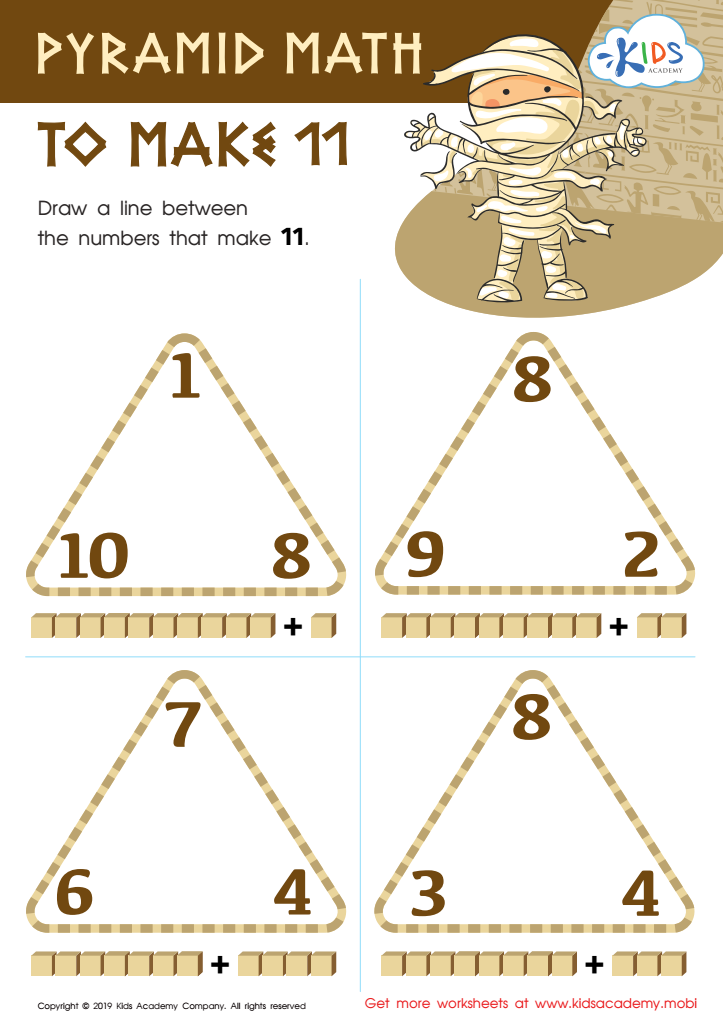
Pyramid Math to Make 11 Worksheet
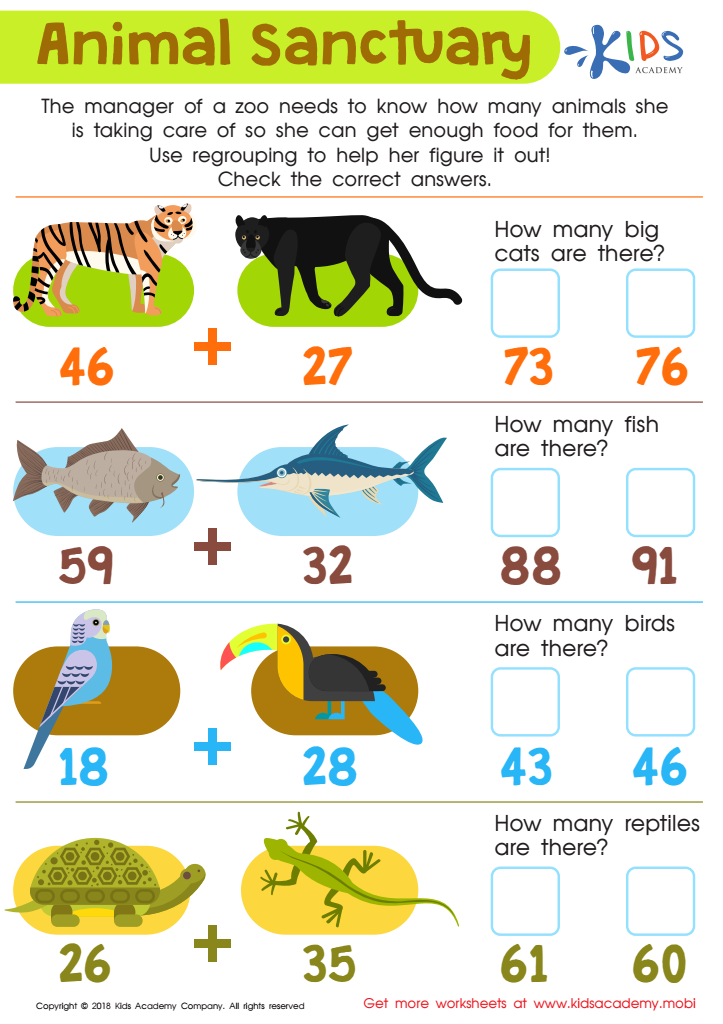
Animal Sanctuary Worksheet
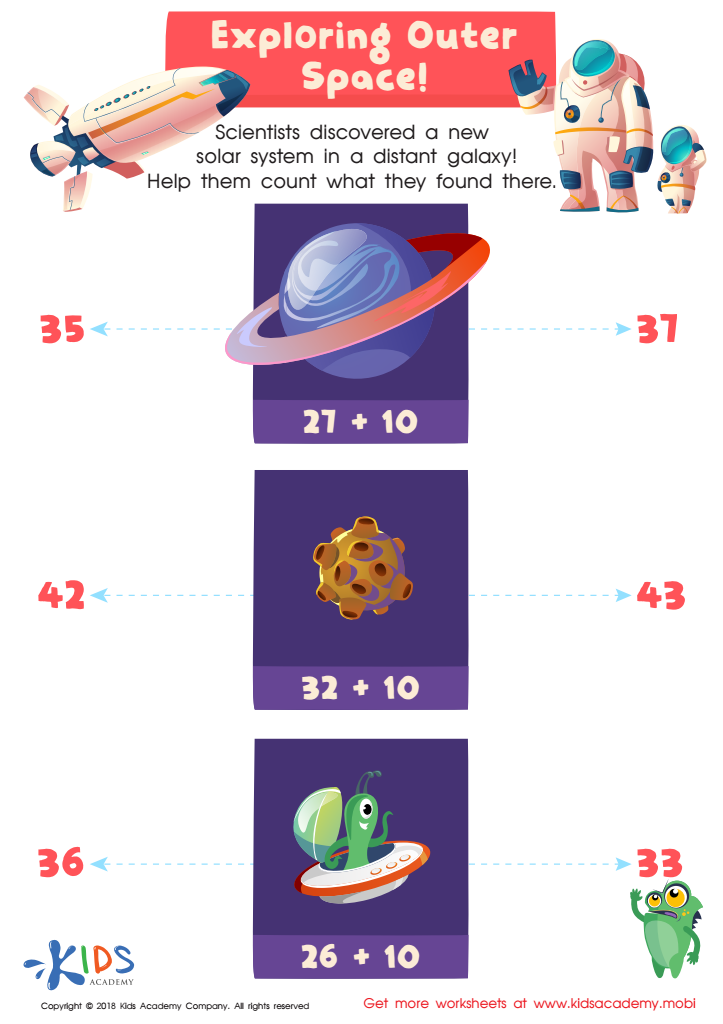
Exploring Outer Space Worksheet








Normal addition and subtraction skills for children aged 3-7 provide fundamental building blocks for mathematical proficiency later in life. At this critical developmental stage, children are remarkably capable of absorbing foundational concepts through engaging, hands-on activities. These activities foster not only numerical understanding but also logical thinking, problem-solving abilities, and cognitive development expected for their age.
Early grasp of addition and subtraction allows children to gain confidence and spark curiosity about numbers, cultivating a love for mathematics from an early age. Parents and teachers play integral roles by providing supportive, playful, and relatable learning environments where children can explore these concepts without pressure. For instance, utilizing everyday objects or playful scenarios can help make abstract ideas more concrete.
Moreover, mastering these skills helps children understand mathematical relationships and patterns, setting the stage for more advanced concepts they will encounter in higher-grade levels. An early start mitigates risks of future struggles with math, as conceptual gaps tend to widen over time. By prioritizing basic addition and subtraction, parents and educators not only support children's academic trajectories but also empower their overall intellectual development, opening doors to endless learning possibilities and enhancing their critical thinking and problem-solving skills.








