Normal Geometry Worksheets for Ages 3-7 - Page 3
63 filtered results
-
From - To
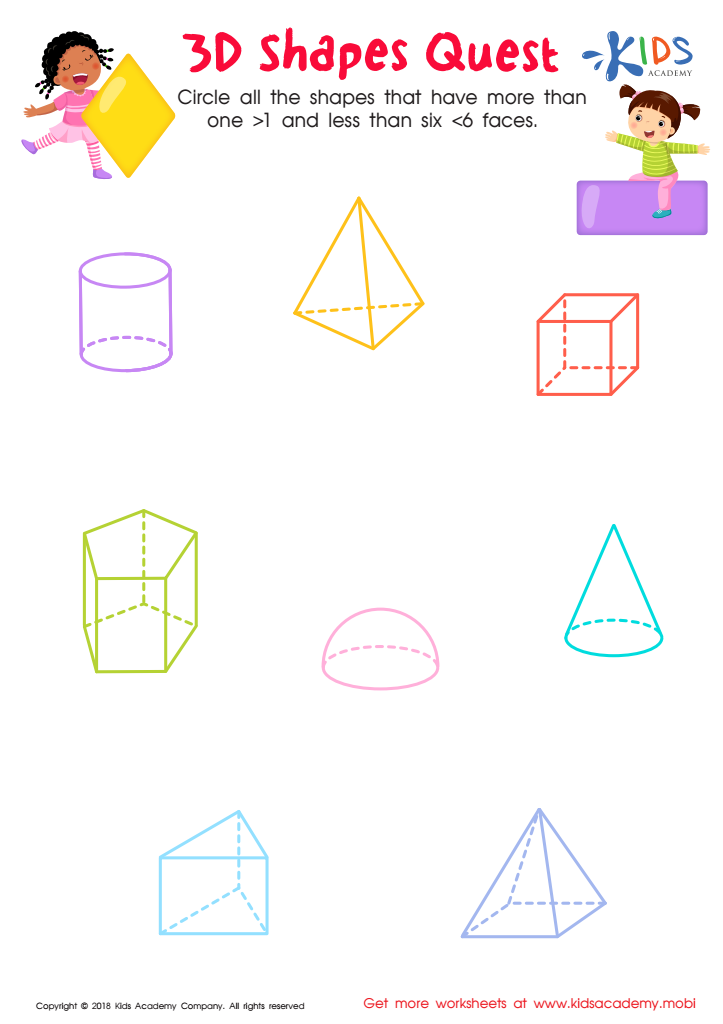
3D Shapes Quest Worksheet
 Assign to My Students











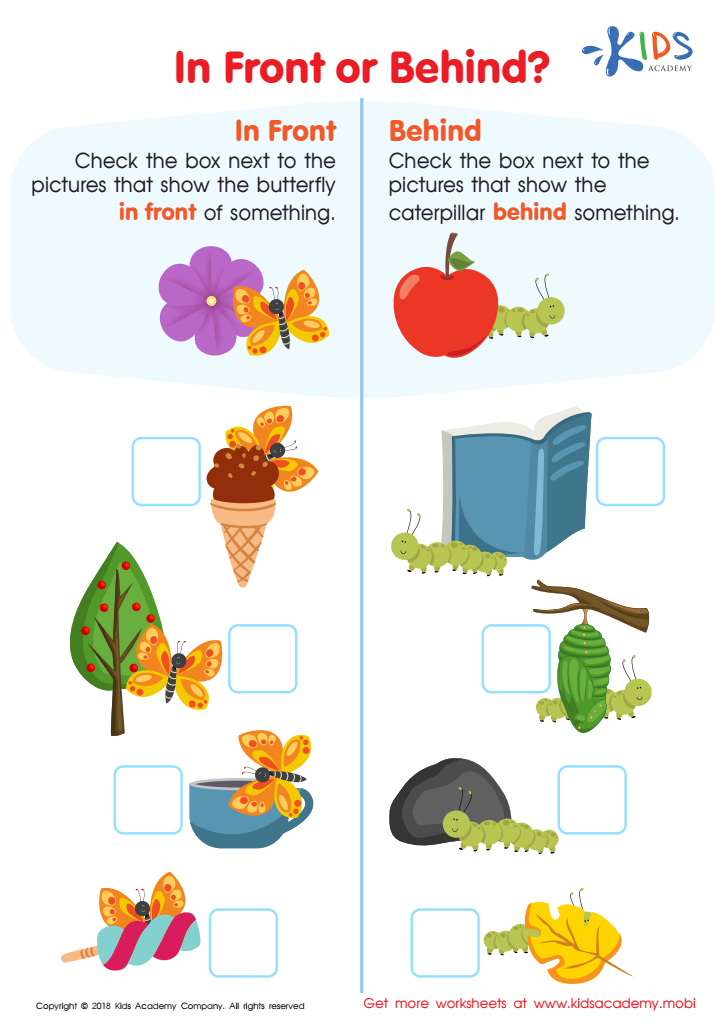
In Front or Behind Worksheet
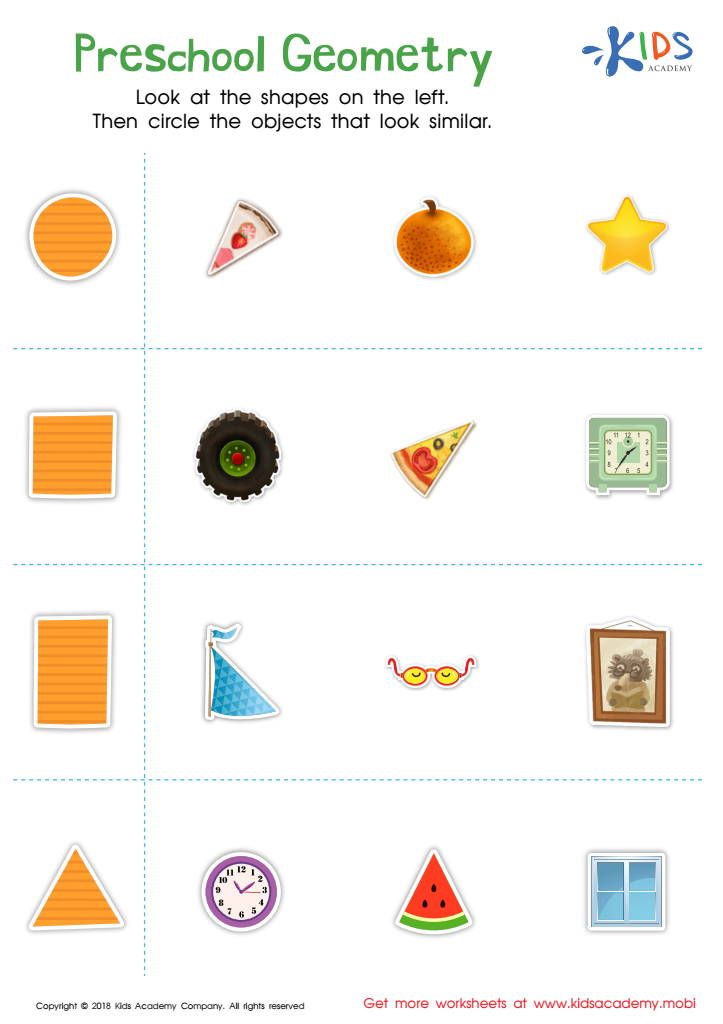
Preschool Geometry Worksheet
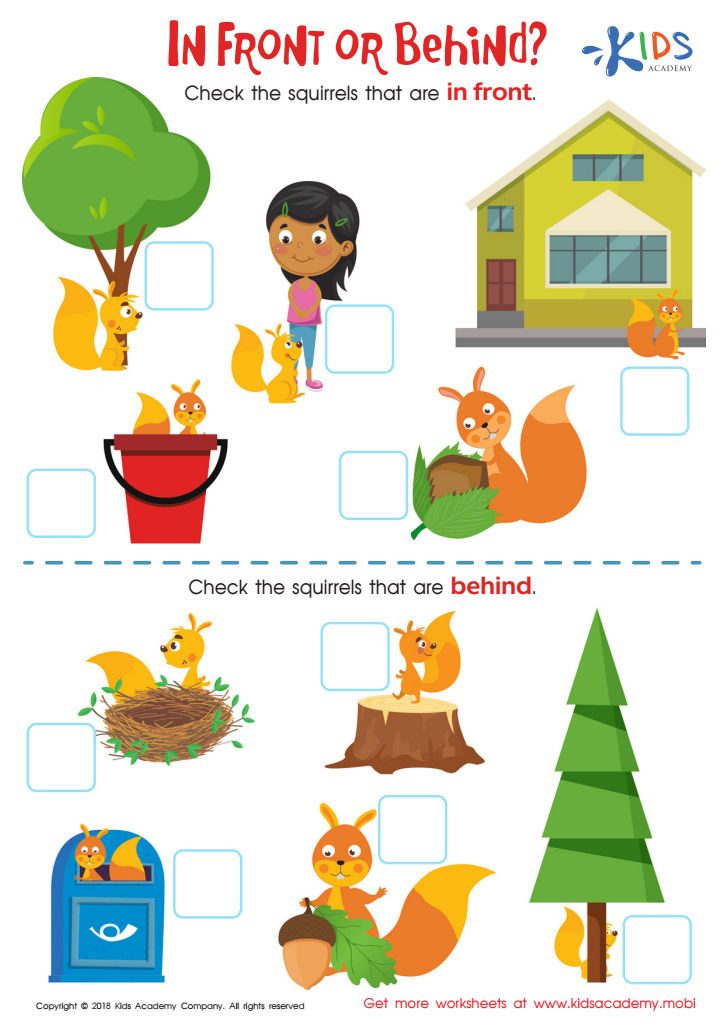
In Front or Behind: Part 2 Worksheet
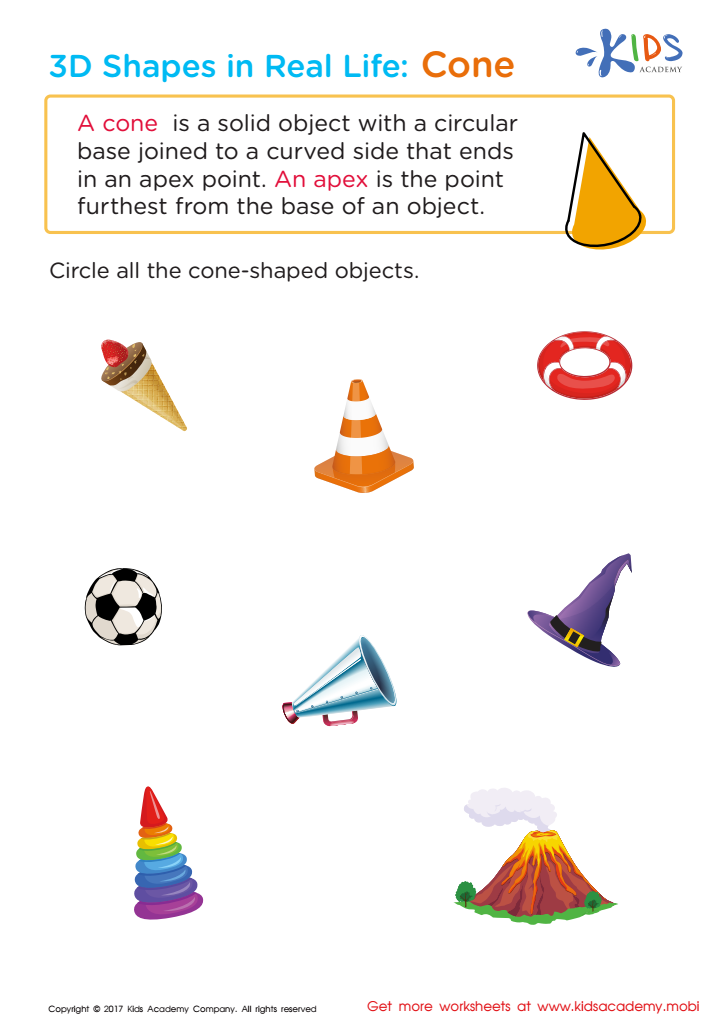
Shapes in Real Life: Cone Worksheet
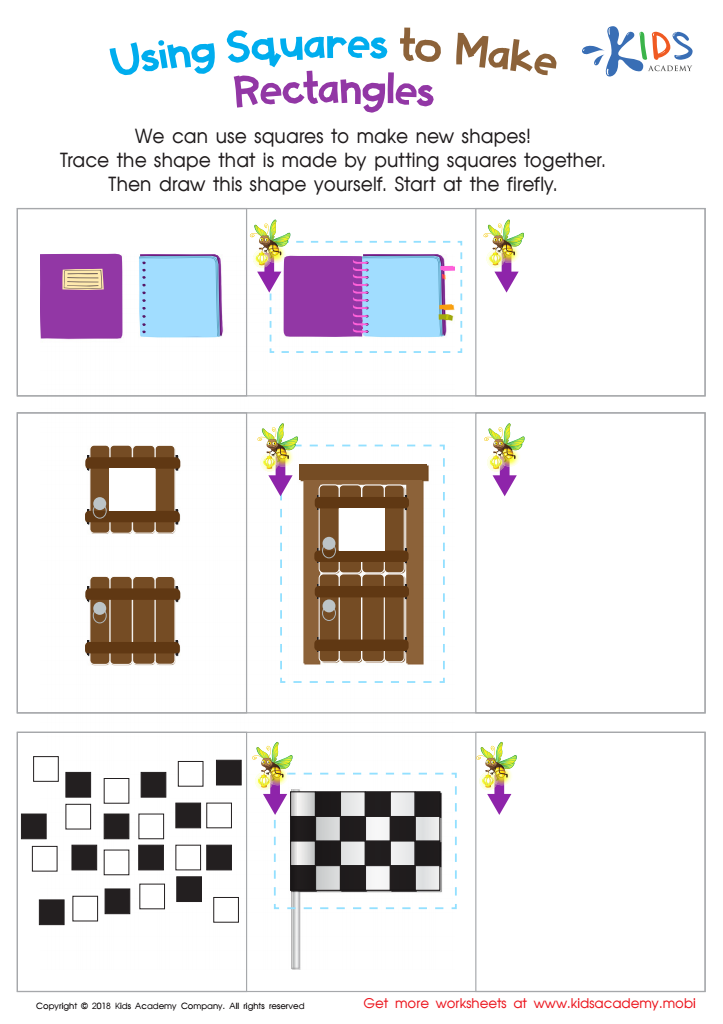
Using Squares to Make Rectangles Worksheet
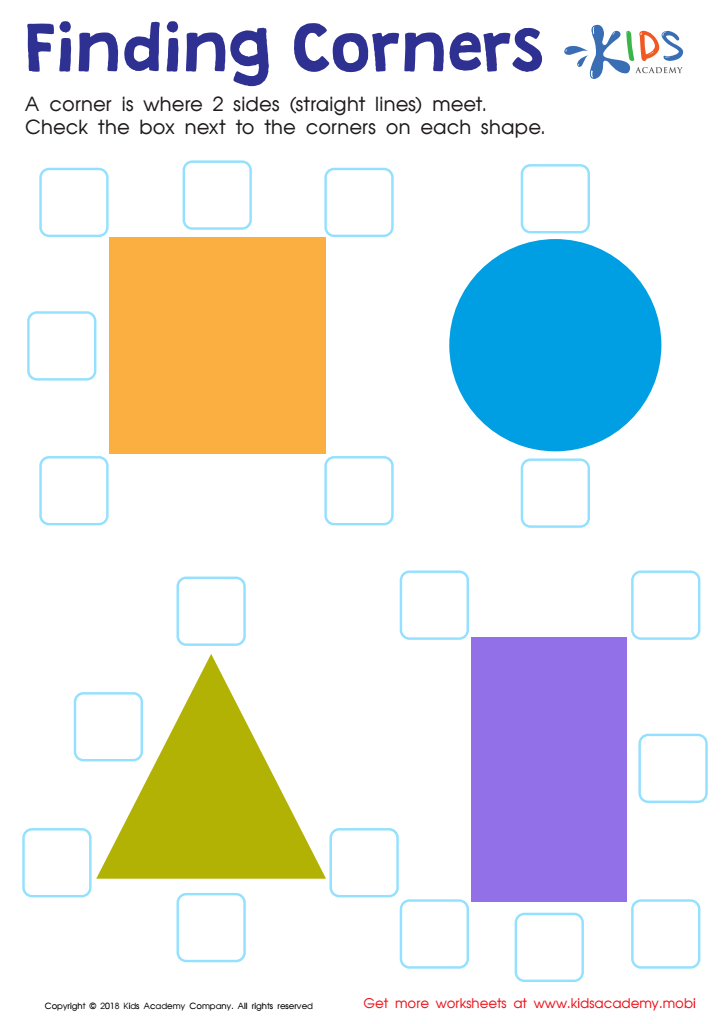
Finding Corners Worksheet
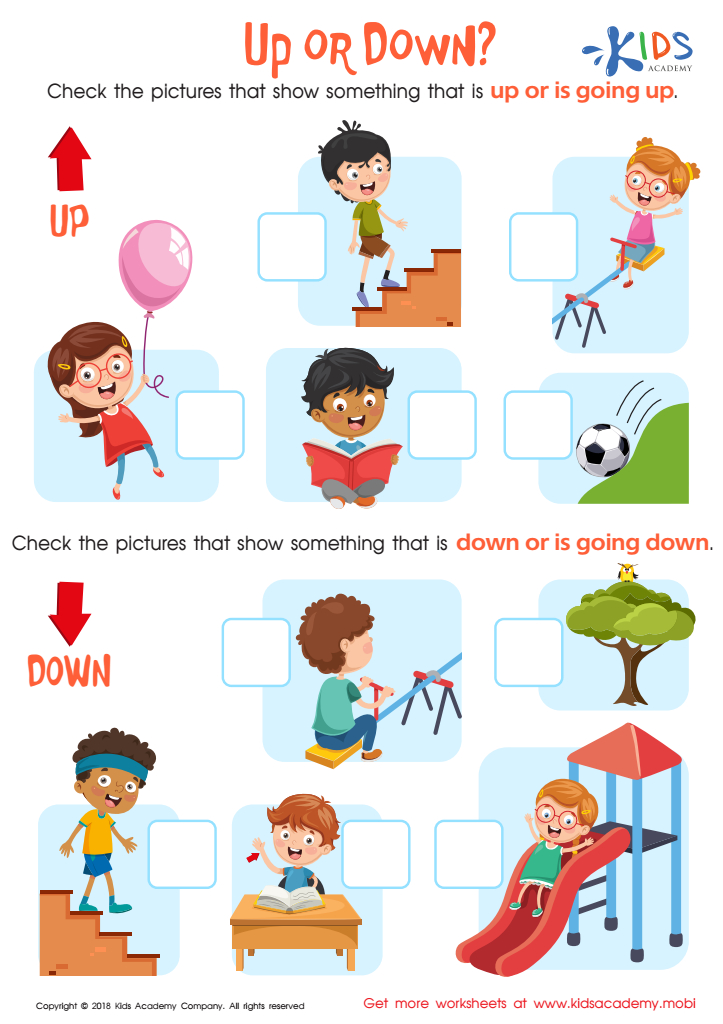
Up or Down Worksheet
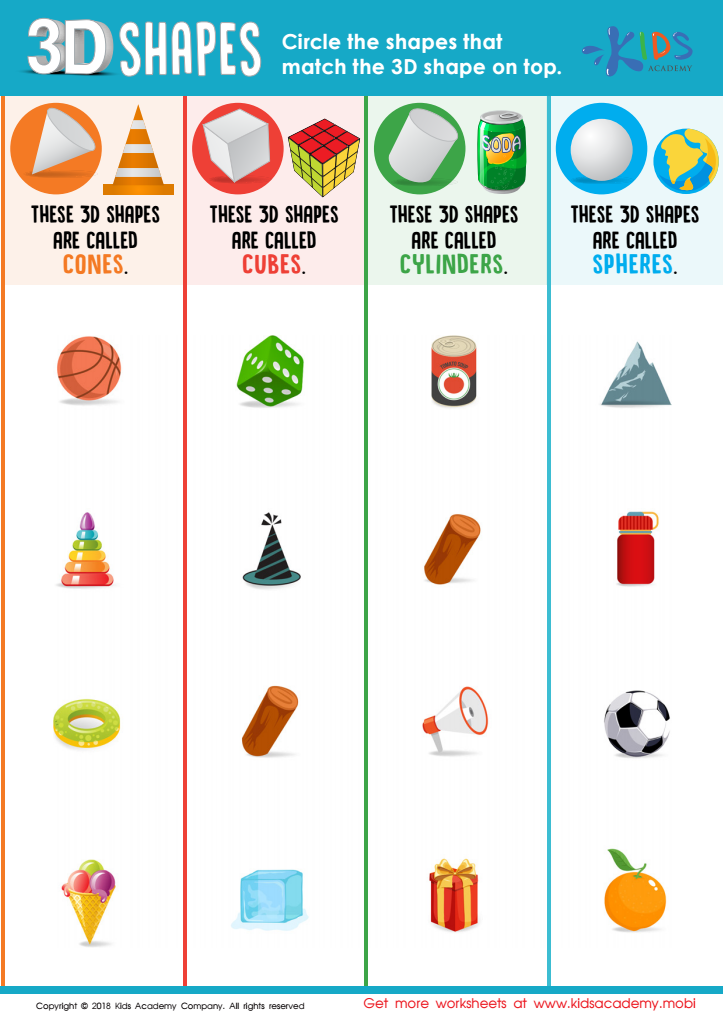
3D Shapes Worksheet
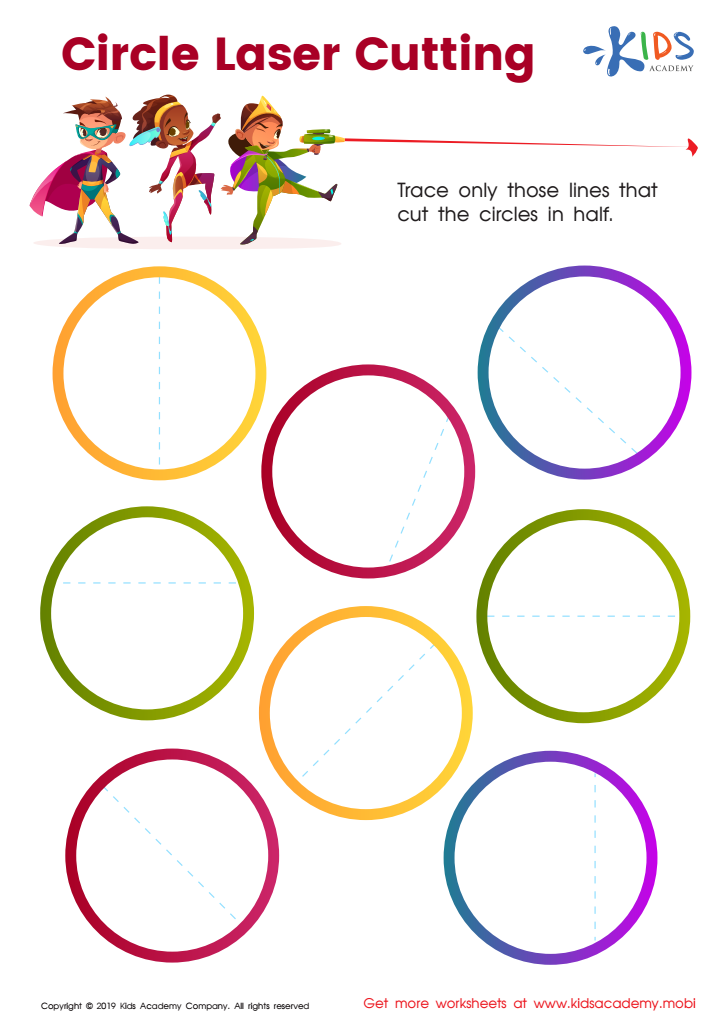
Circle Laser Cutting Worksheet
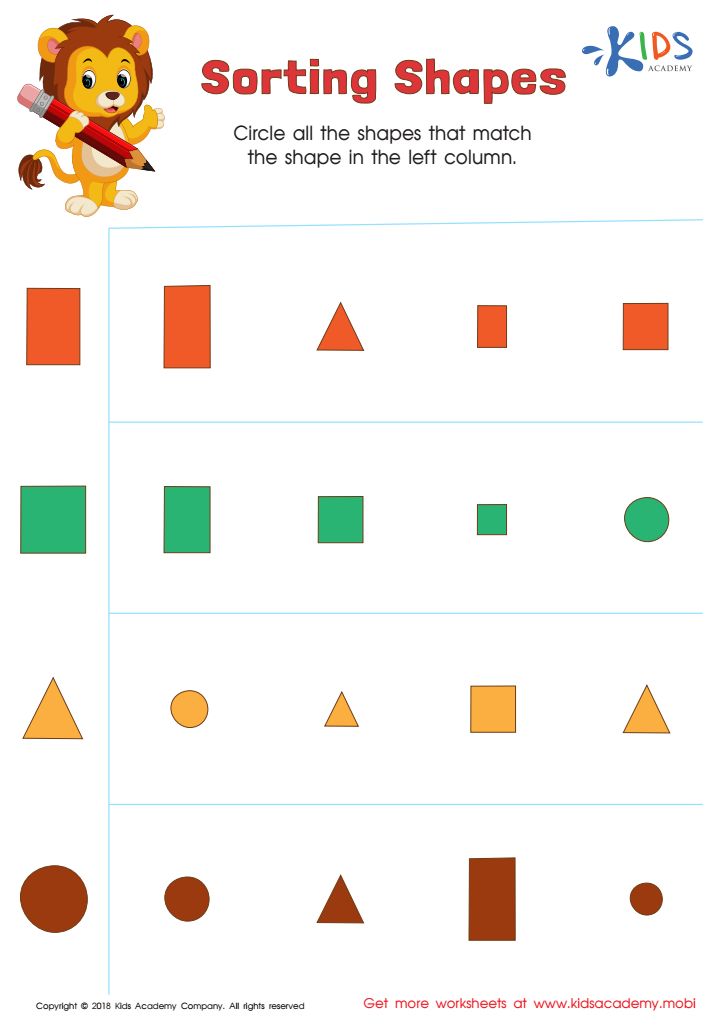
Sorting Shapes - Part 2 Worksheet
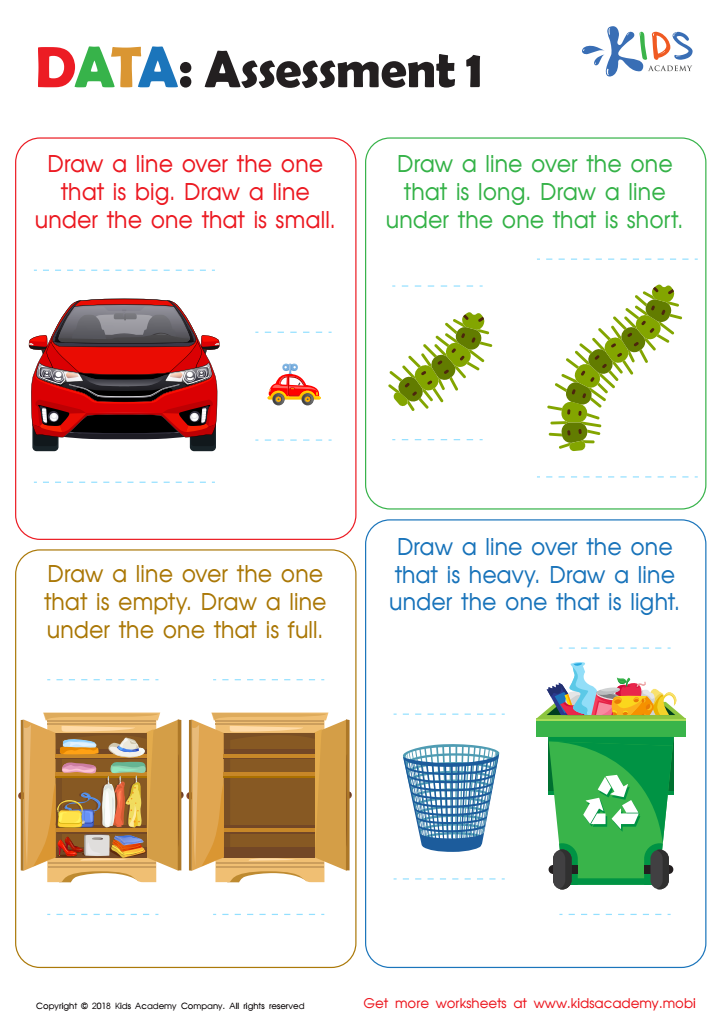
Data: Assessment 1 Worksheet
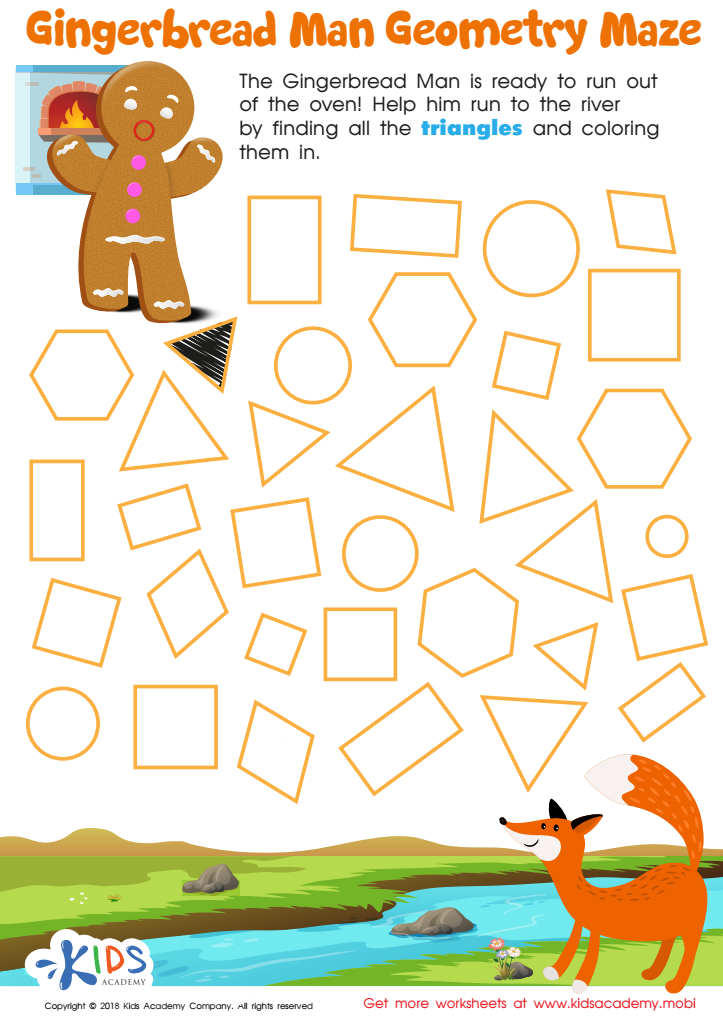
Gingerbread Man Geometry Maze Worksheet
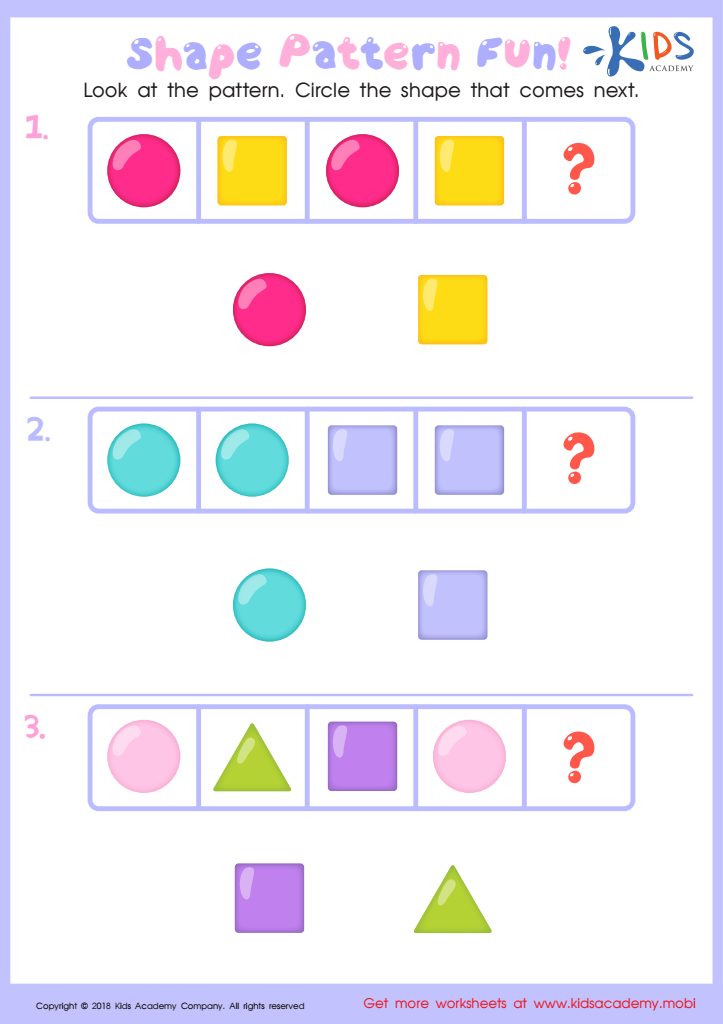
Shape Pattern Fun Worksheet
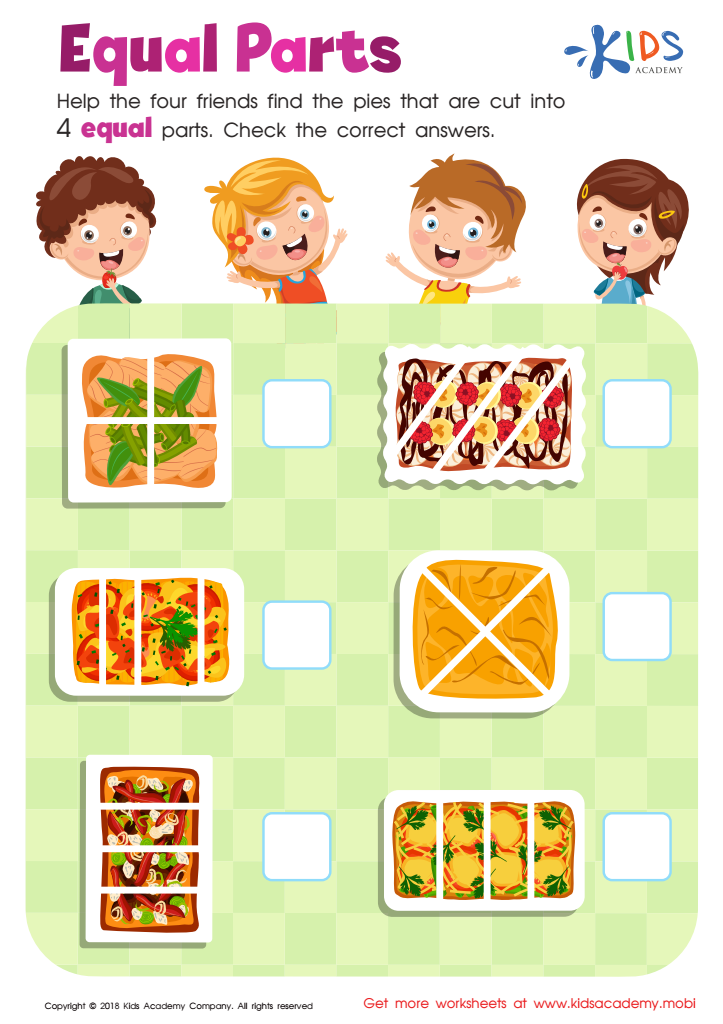
Equal Parts: Food Worksheet








Normal Geometry, often simplified to basic shapes and spatial understanding for young children, plays a crucial role in early childhood development. At ages 3-7, children are in a critical period for cognitive growth, and engaging with geometric concepts can foster this development in multiple ways.
Firstly, learning shapes recurs as a fundamental skill that paves the way for future mathematical understanding. Recognizing and differentiating between shapes such as circles, squares, and triangles develops visual discrimination and categorization skills. These abilities are foundational for more advanced math concepts like geometry, measurement, and algebra.
Secondly, geometry aids in improving spatial awareness, which is the understanding of where objects are in relation to each other. This spatial reasoning is essential not only in mathematics but also in everyday activities, from fitting toys into a box to navigating spaces. Children with strong spatial skills often excel in fields linked to STEM (Science, Technology, Engineering, and Math).
Moreover, engaging with geometric concepts alongside parents or teachers provides an opportunity for kinesthetic learning. Hands-on activities like building with blocks or drawing shapes bridge the gap between abstract concepts and tangible experiences, making learning enjoyable and effective.
Thus, nurturing an early interest and understanding of normal geometry equips children with critical thinking tools that serve as building blocks for future academic and life skills.








