Normal Physical Science Worksheets for Ages 3-7 - Page 2
56 filtered results
-
From - To
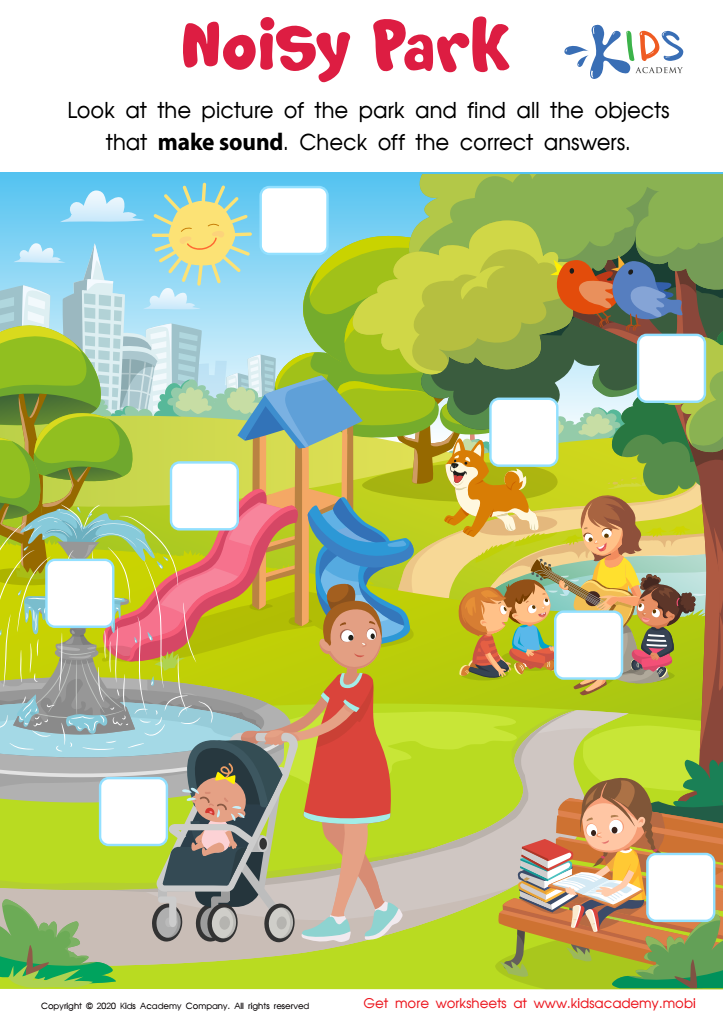
Noisy Park Worksheet
 Assign to My Students
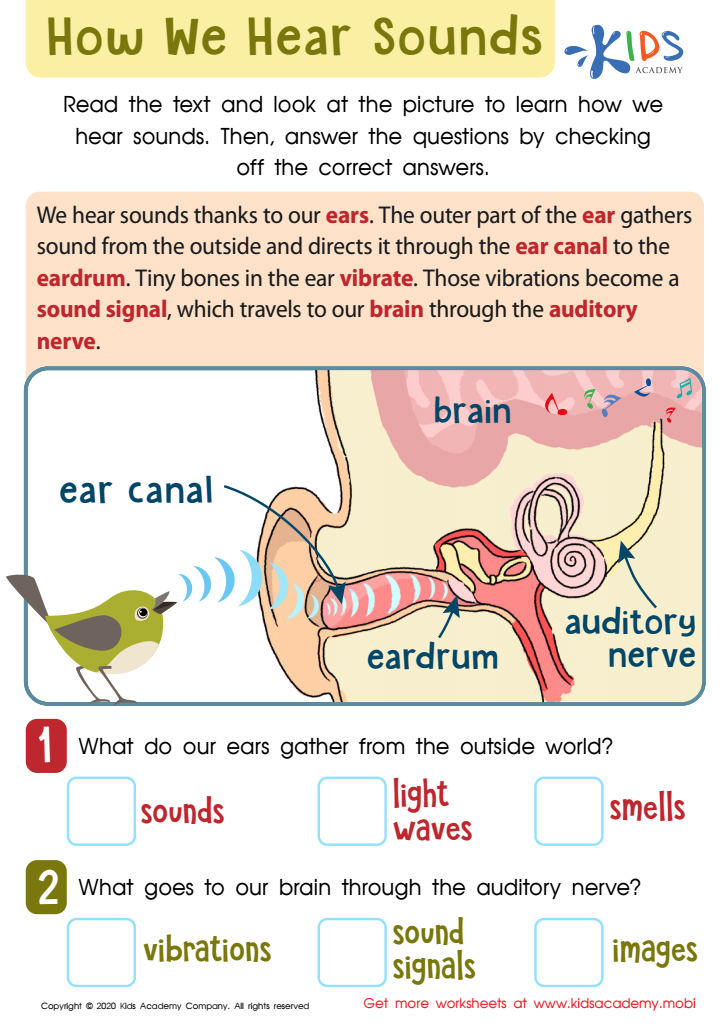
How We Hear Sounds Worksheet
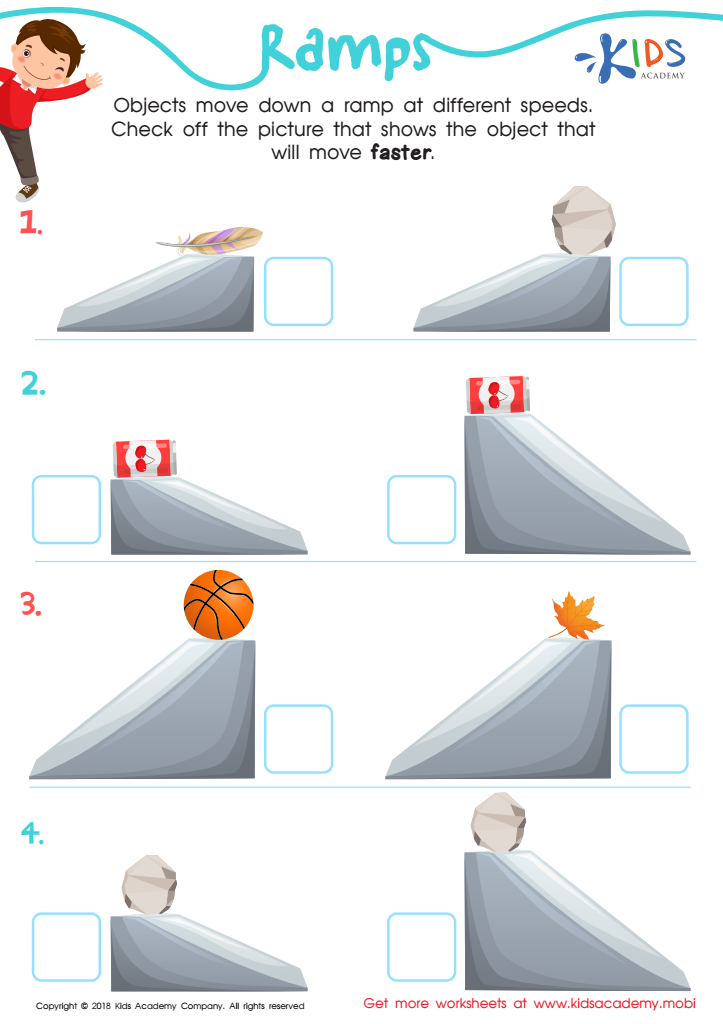
Ramps Worksheet
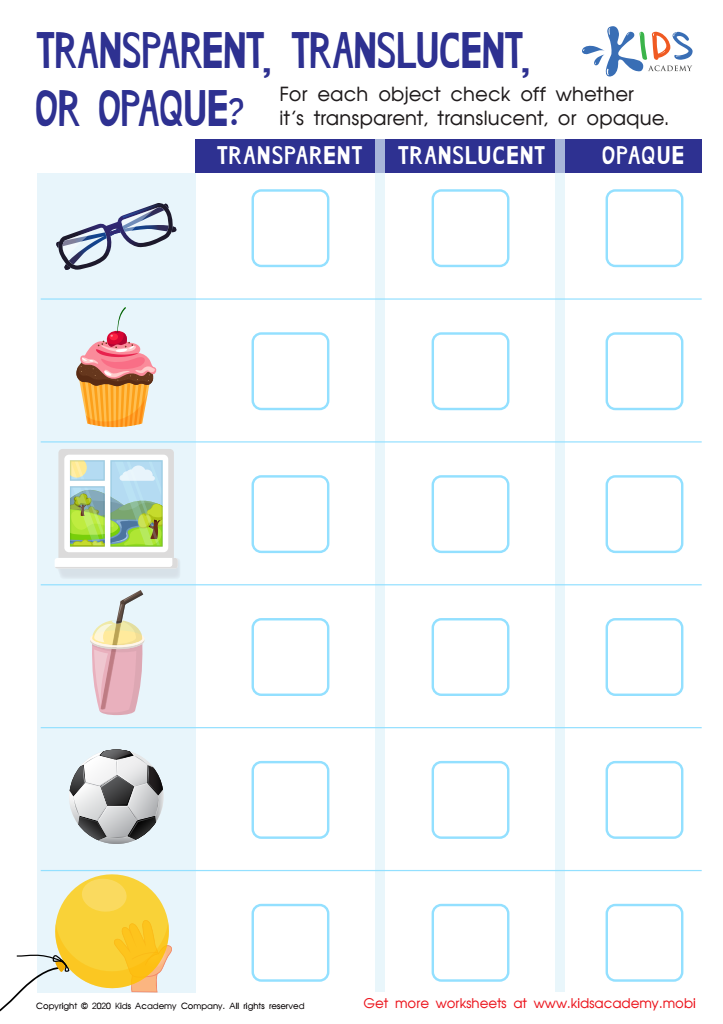
Transparent, Translucent, or Opaque Worksheet
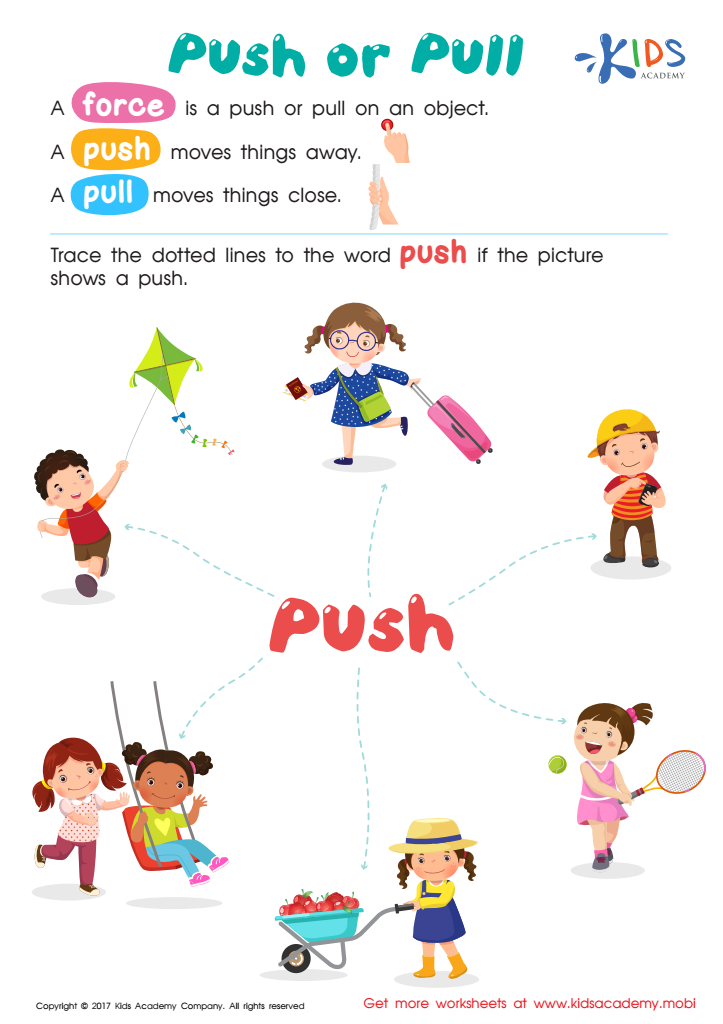
Push or Pull Worksheet
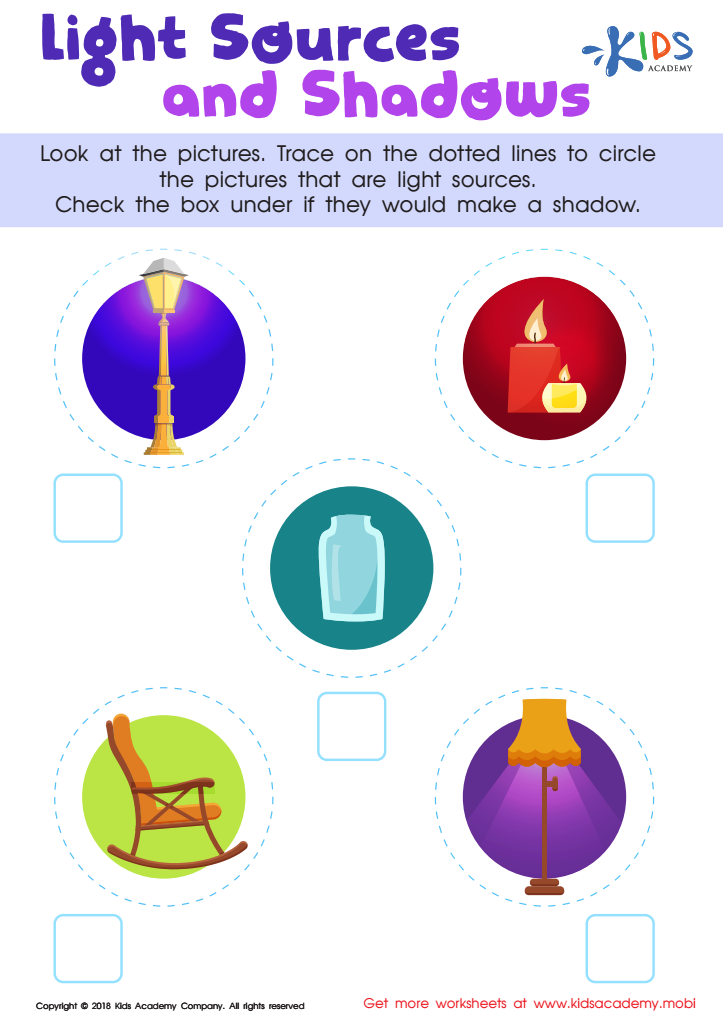
Light Sources and Shadows Worksheet
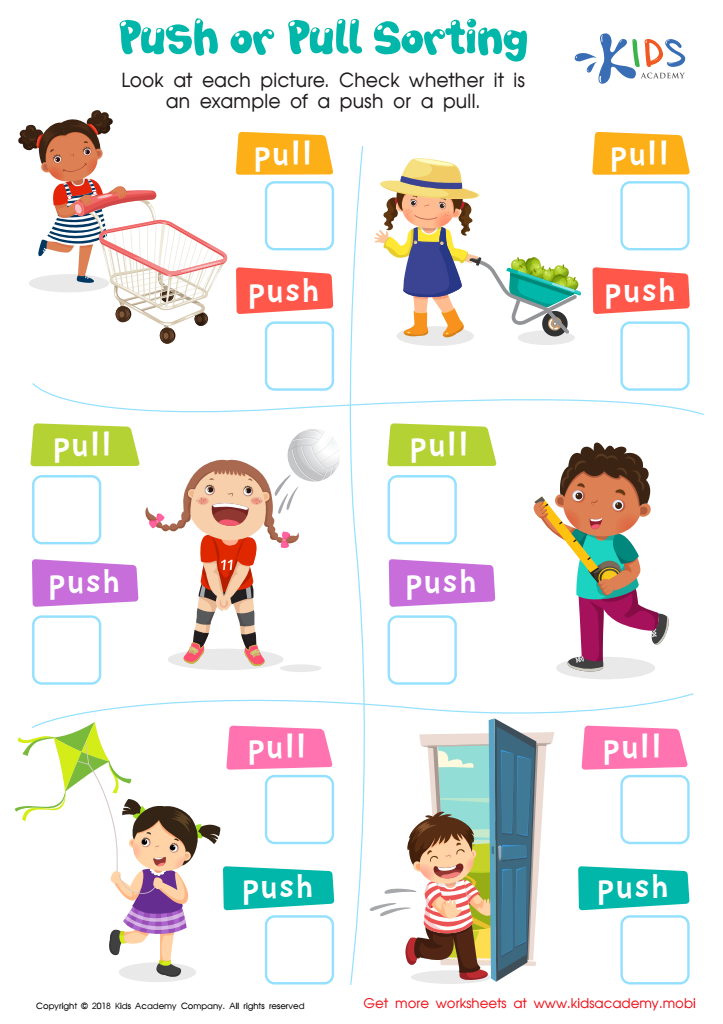
Push or Pull Sorting Worksheet
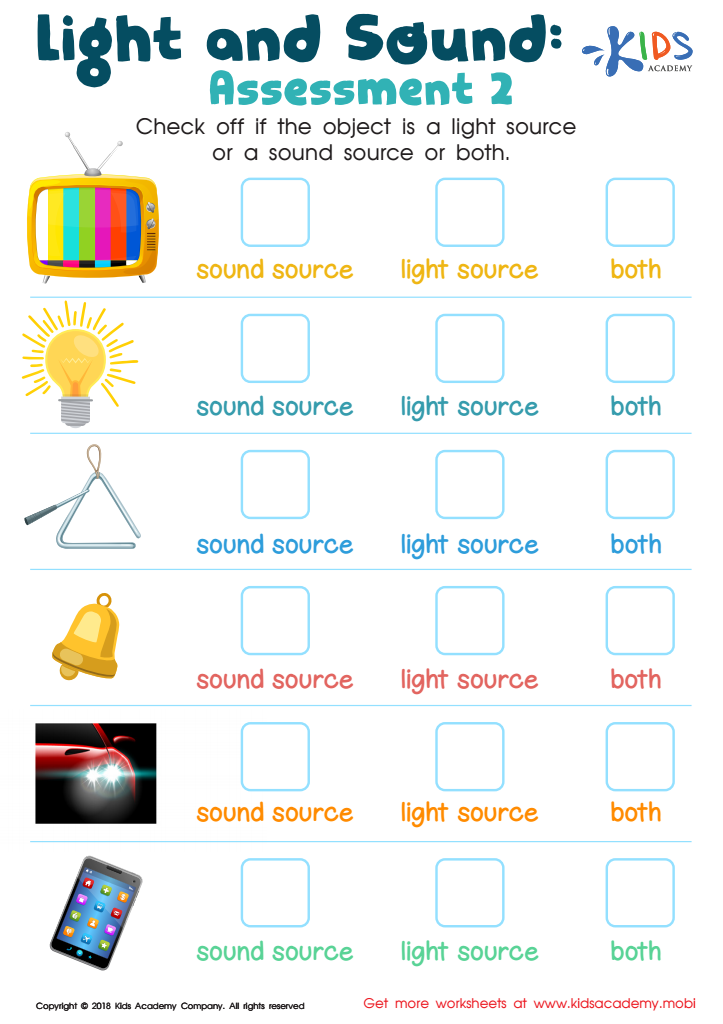
Light and Sound: Assessment 2 Worksheet
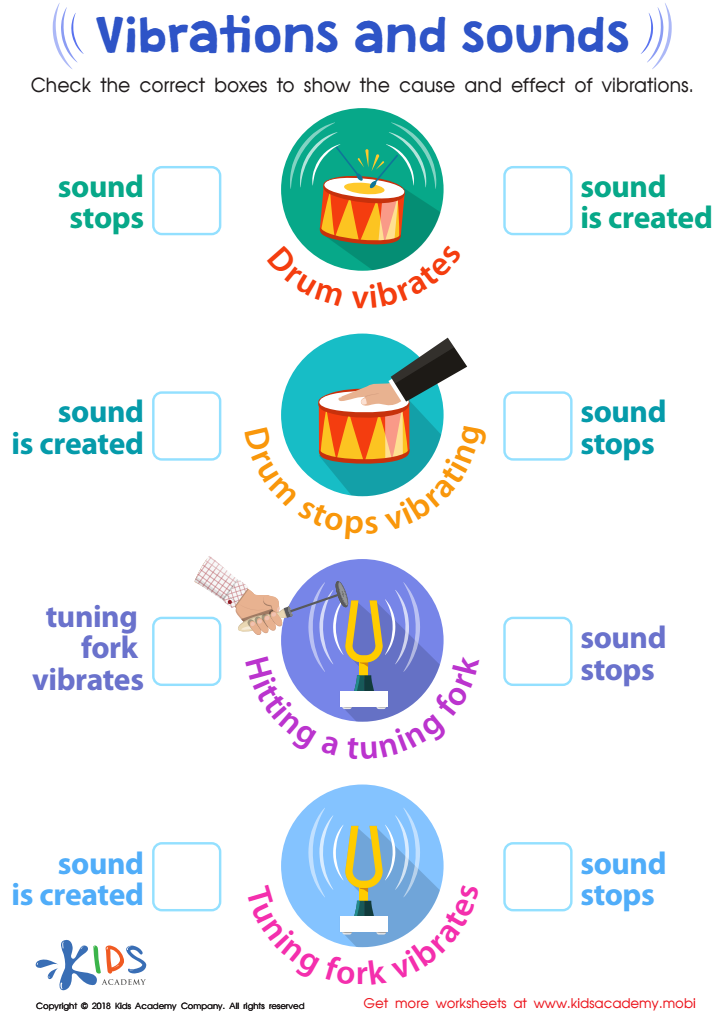
Vibrations and Sounds Worksheet
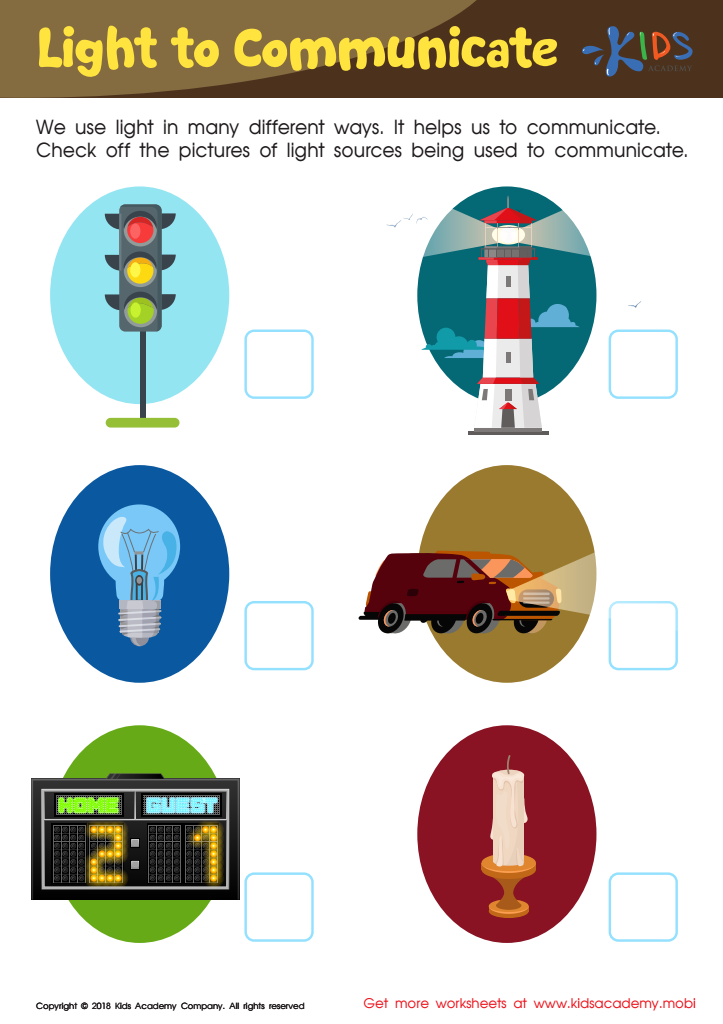
Light to Communicate Worksheet
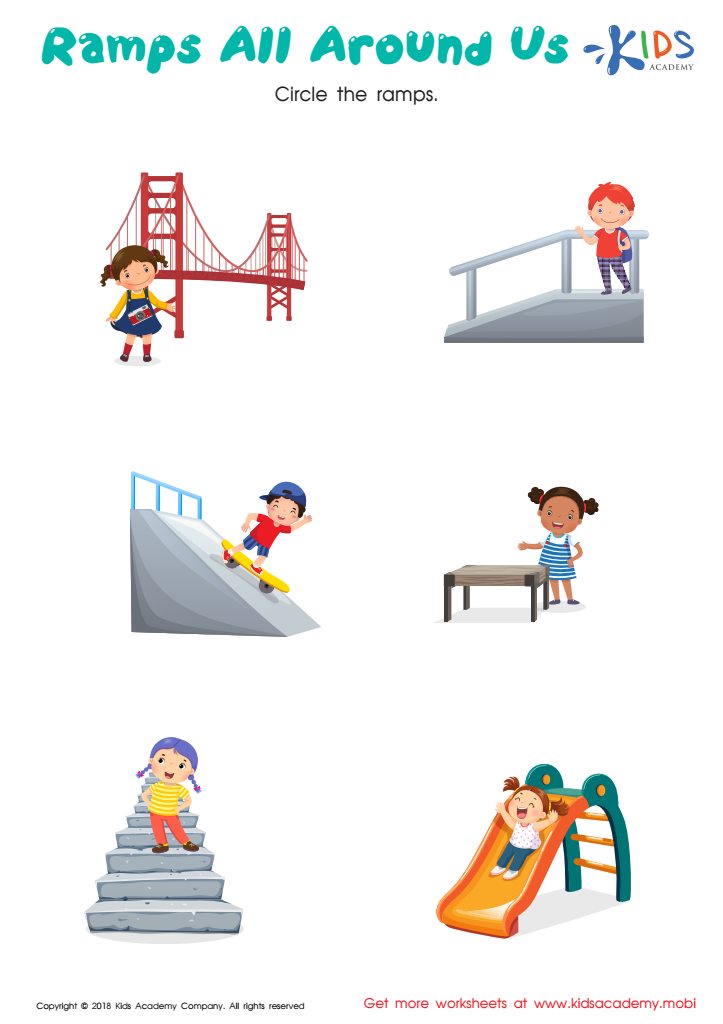
Ramps All Around us Worksheet
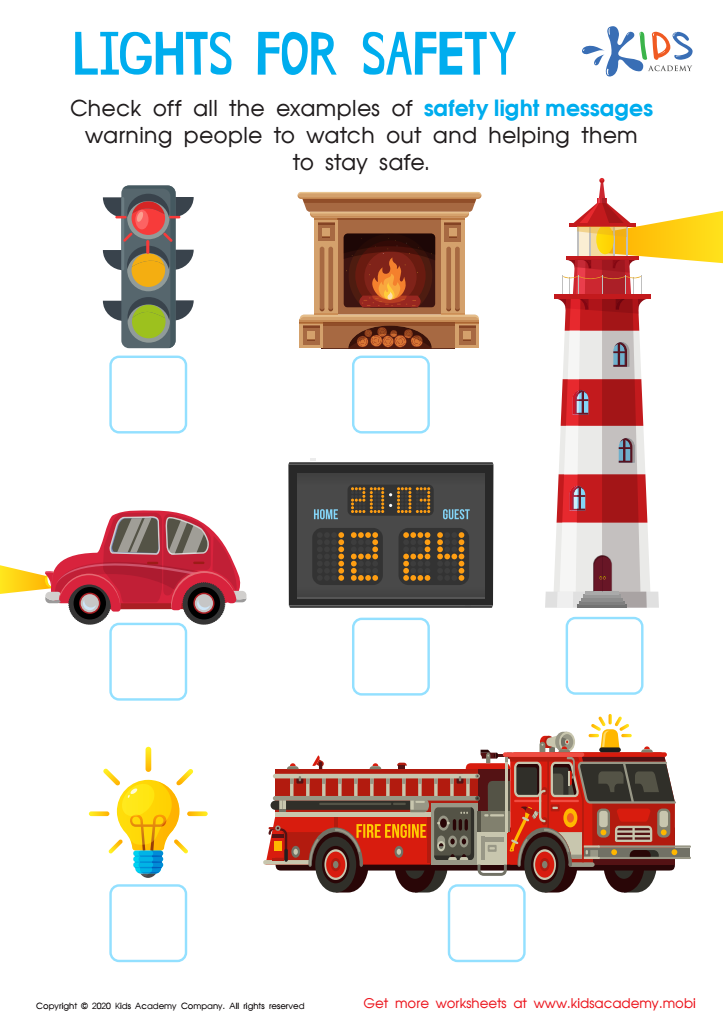
Lights for Safety Worksheet
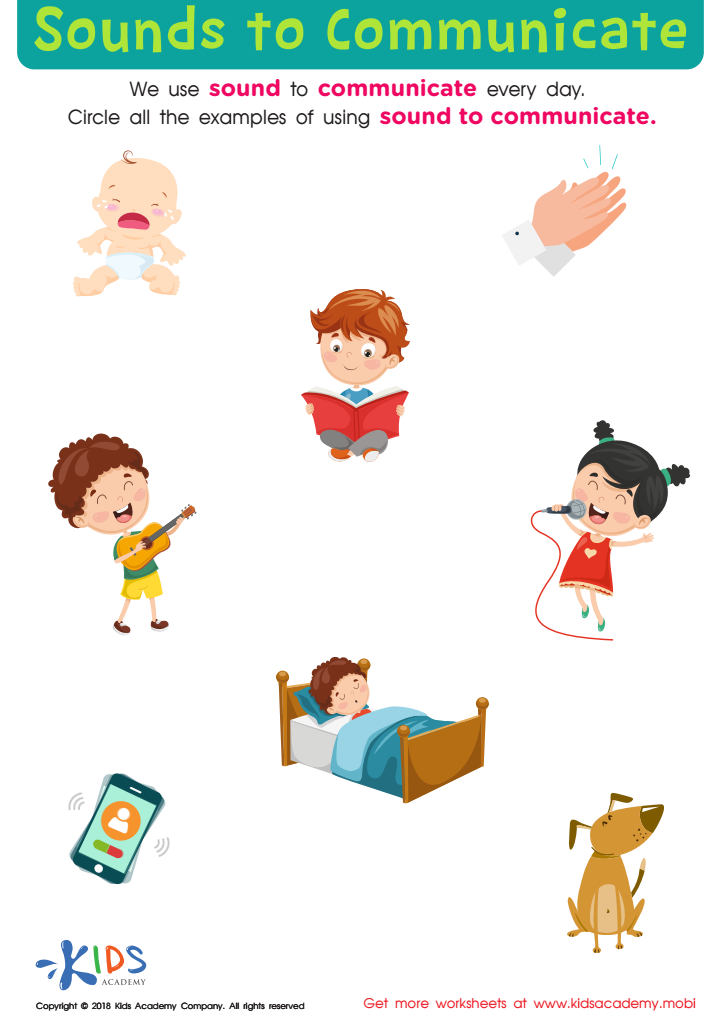
Sounds to Communicate Worksheet
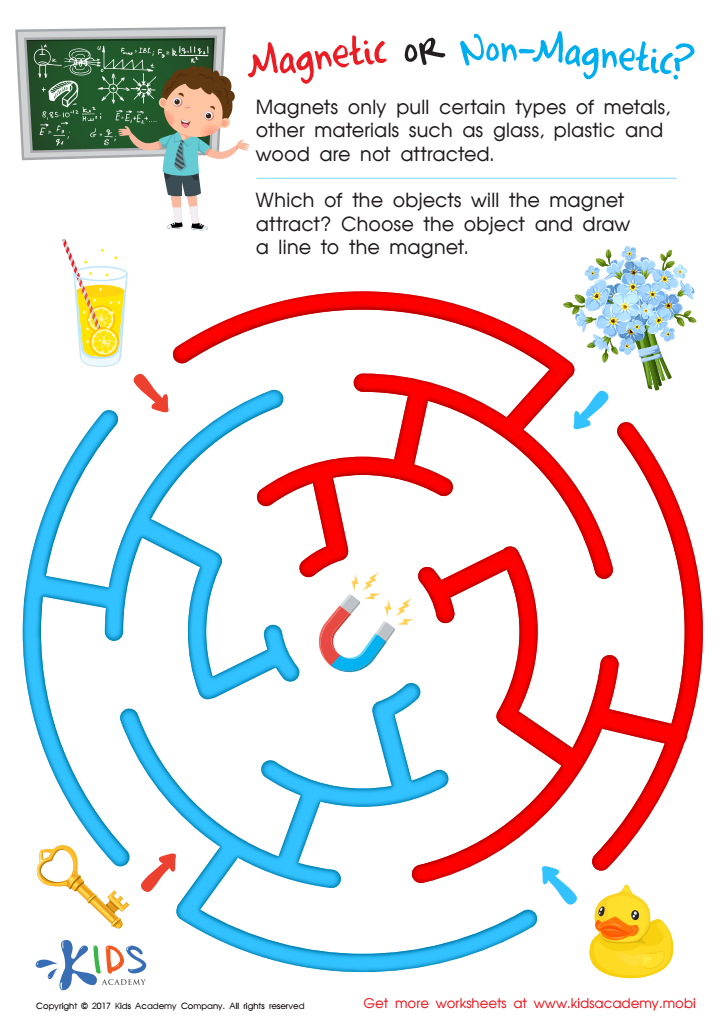
Magnetic or Non–Magnetic Worksheet
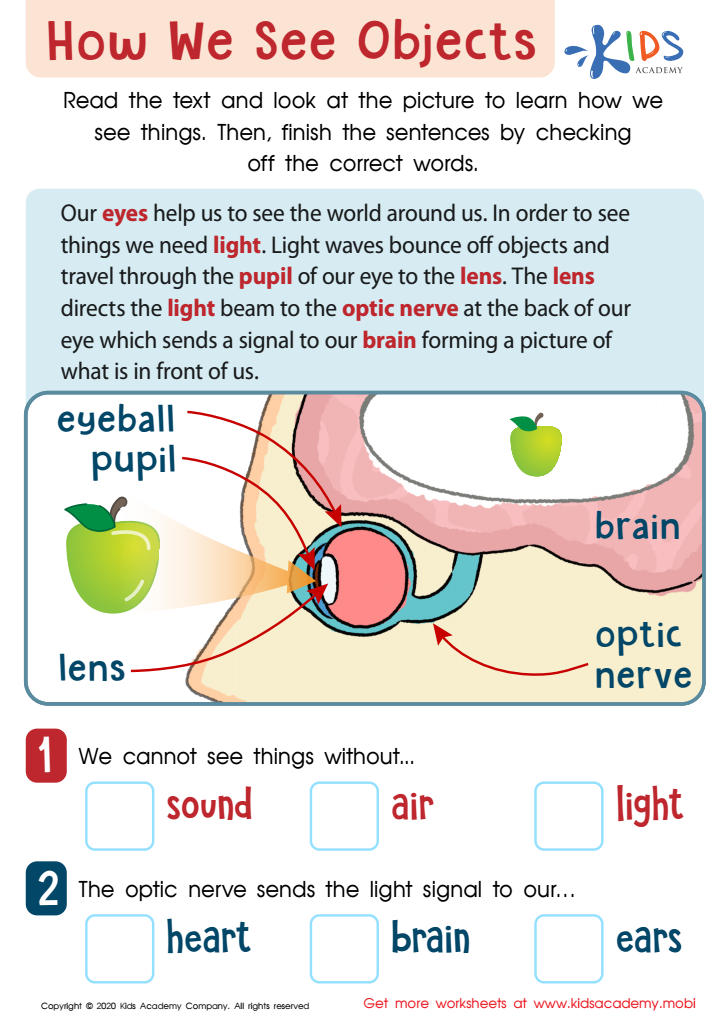
How We See Objects Worksheet
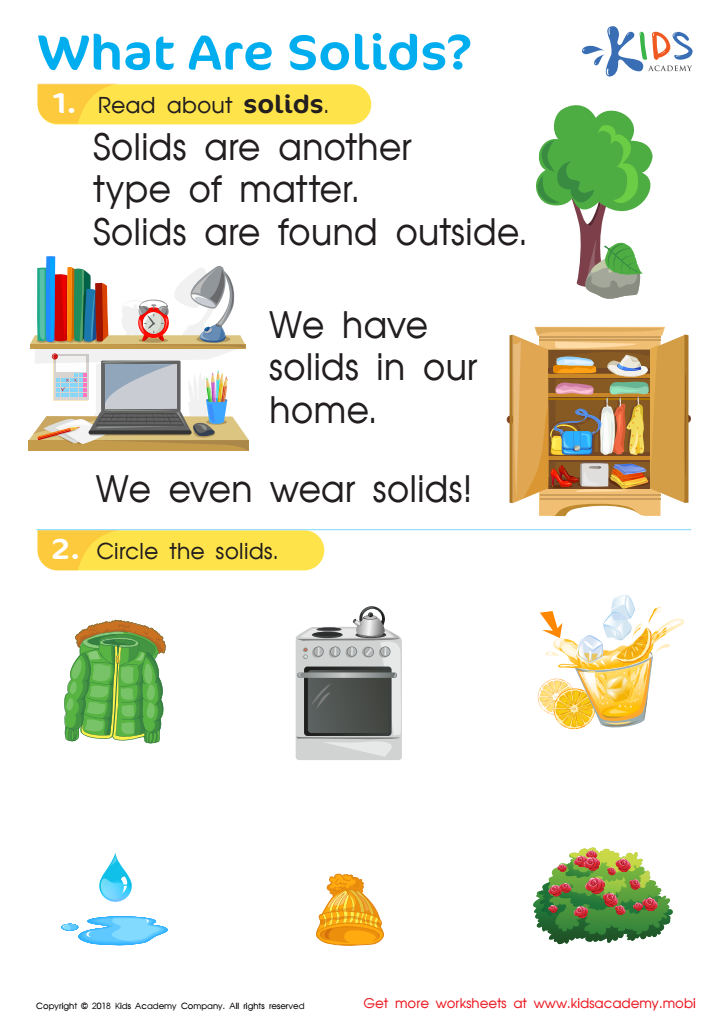
What Are Solids? Worksheet
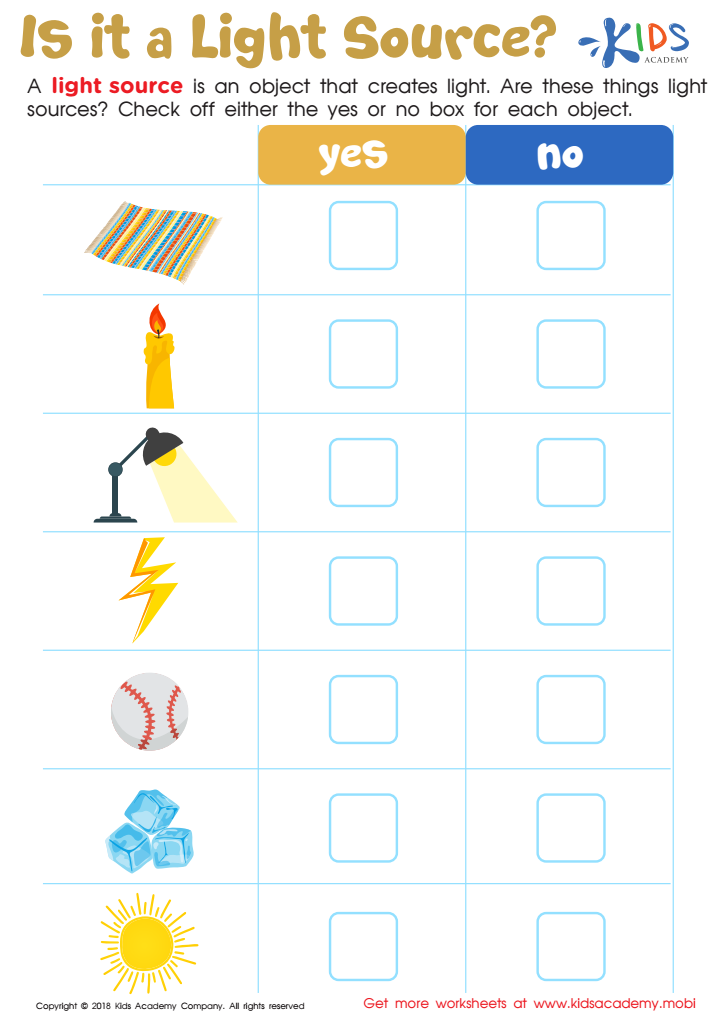
Is It a Light Source? Worksheet
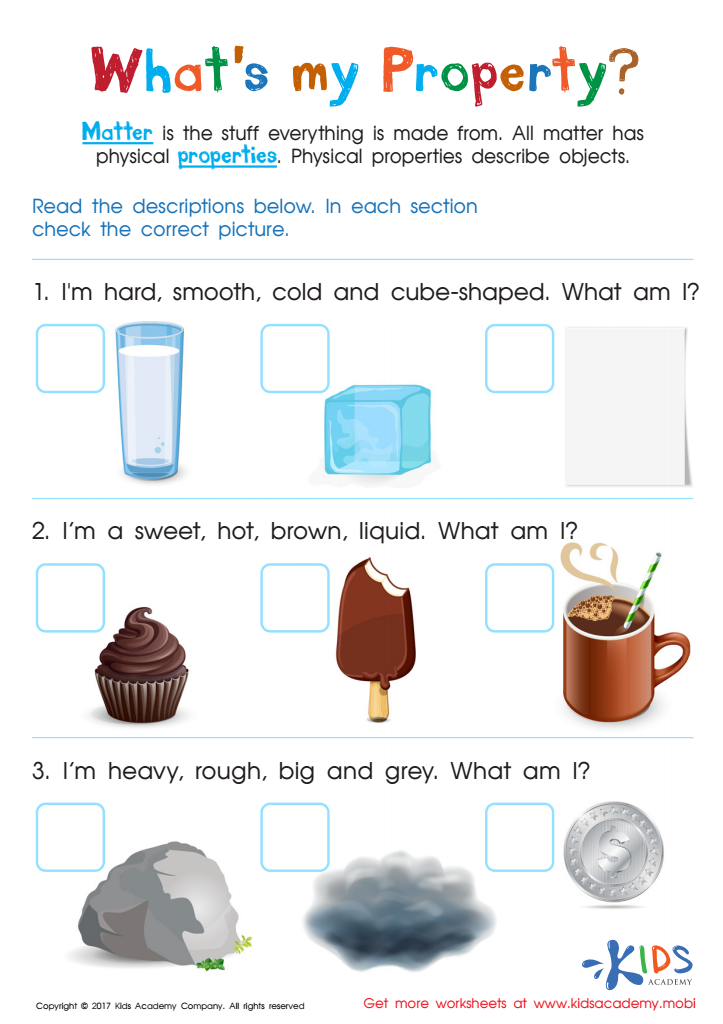
Physical Properties Of Matter Worksheet
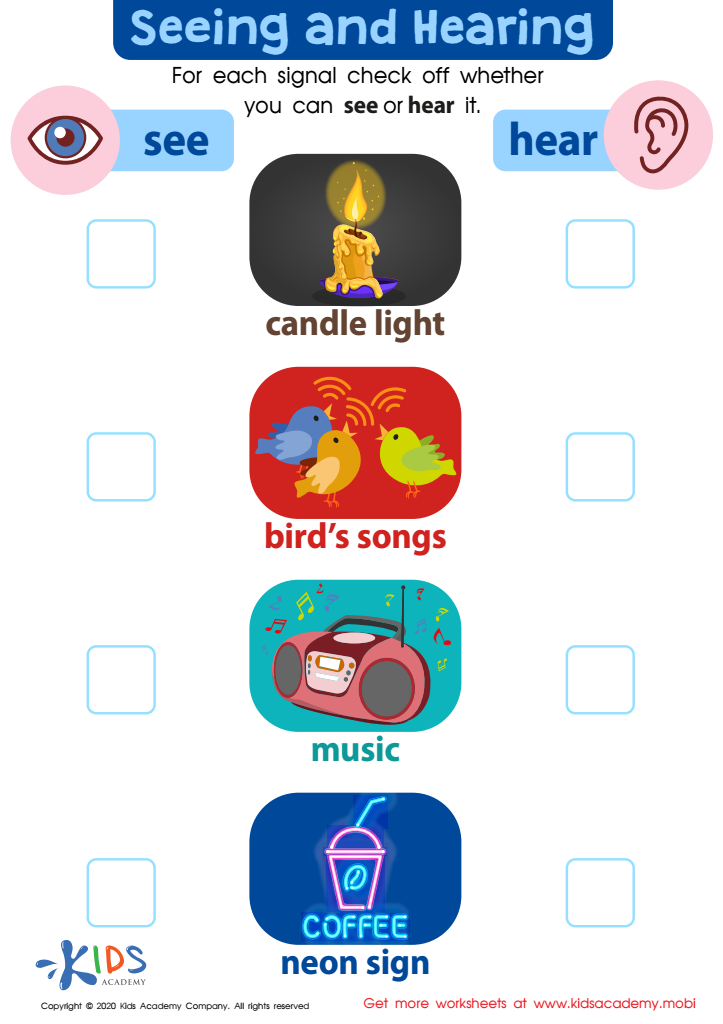
Seeing and Hearing Worksheet
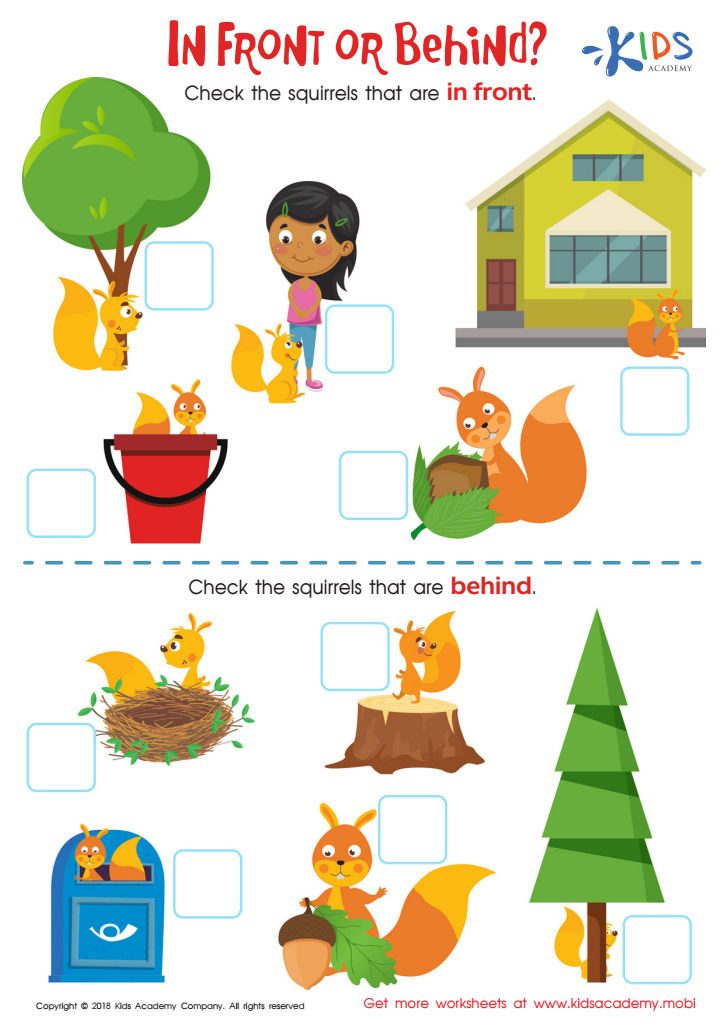
In Front or Behind: Part 2 Worksheet
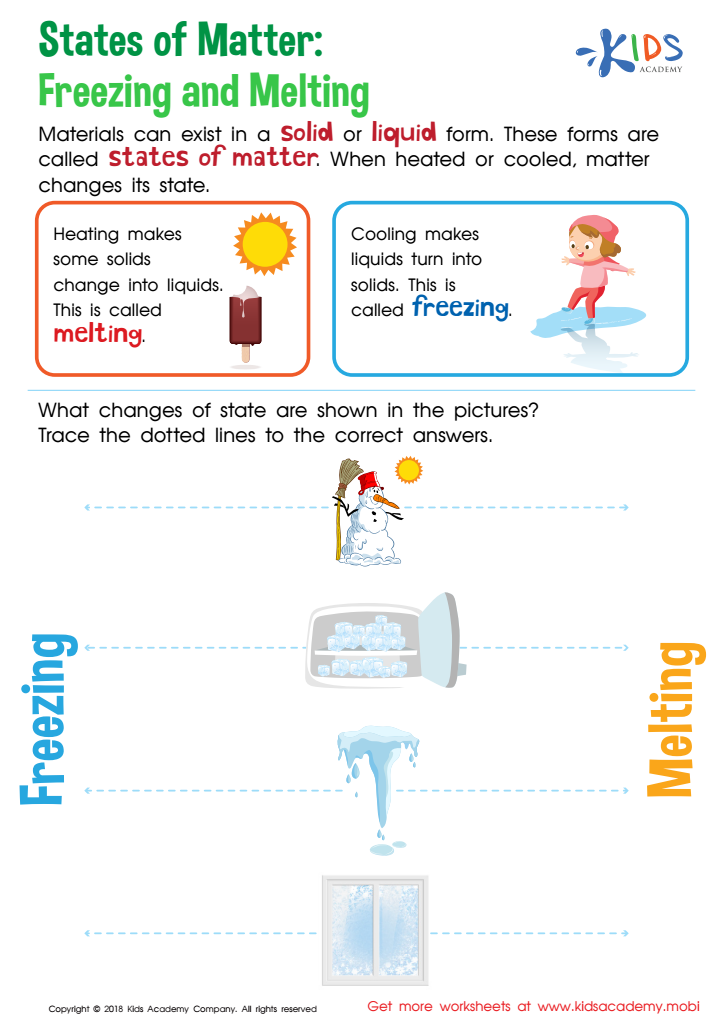
States of Matter: Freezing and Melting Worksheet
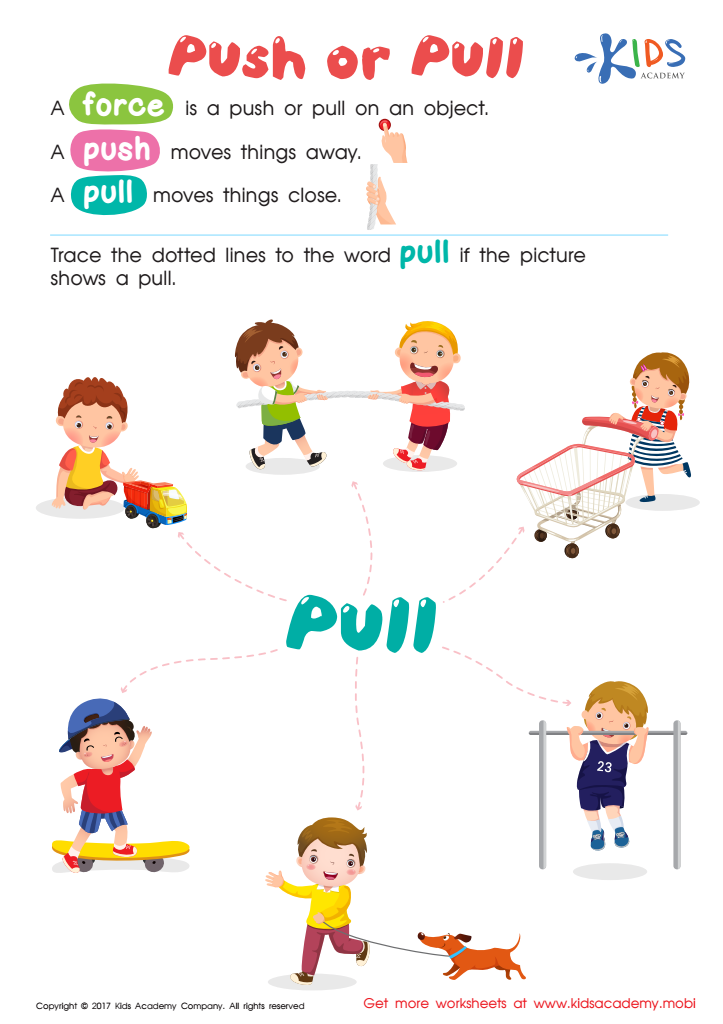
Pull or Push Worksheet
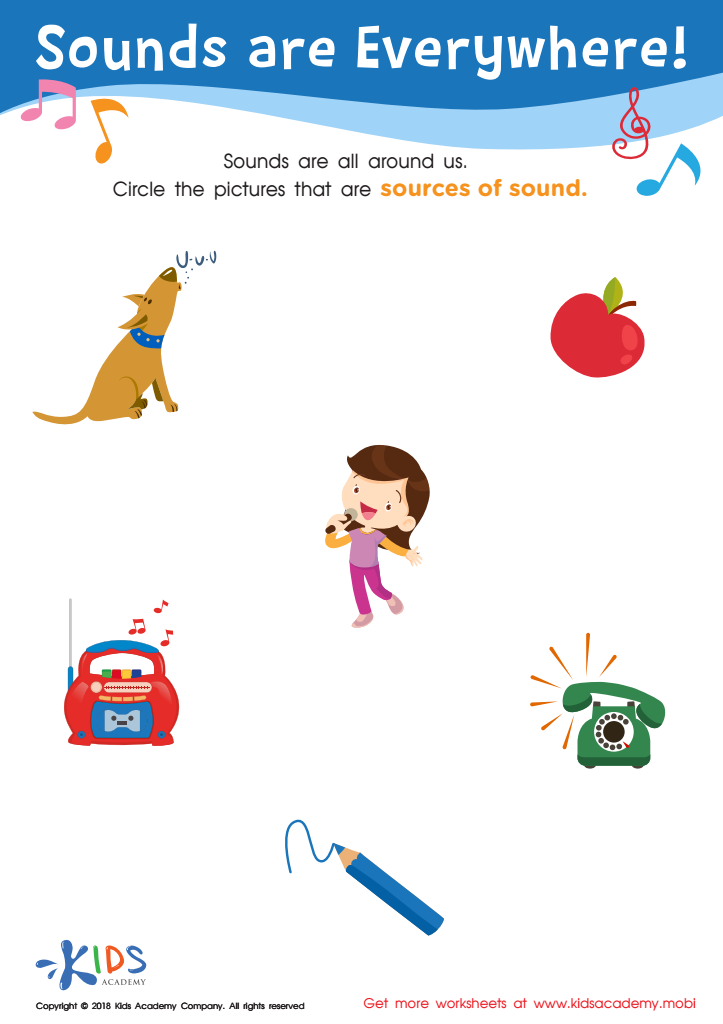
Sounds Are Everywhere! Worksheet
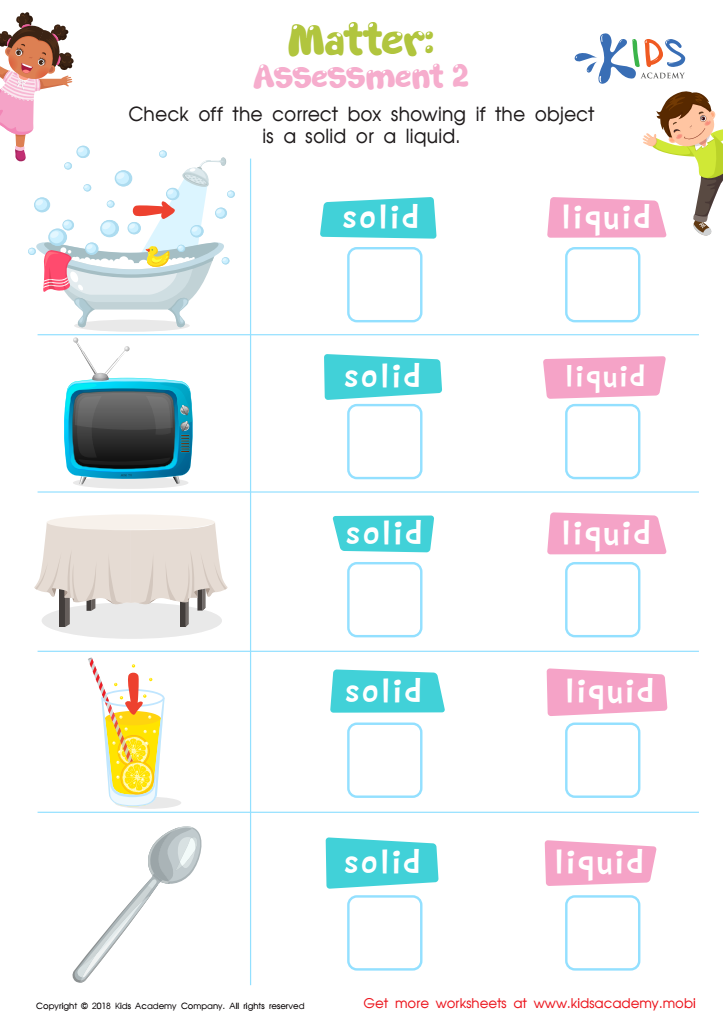
Matter: Assessment 2 Worksheet



.jpg)
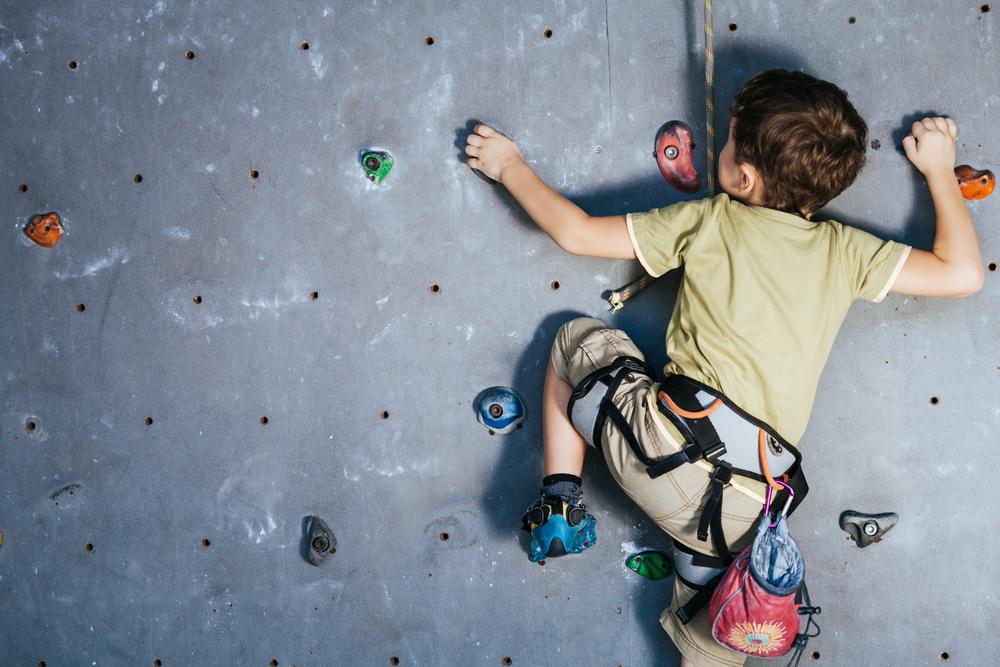



Parents and teachers should prioritize normal physical science for children ages 3-7 because this foundational understanding shapes curiosity and critical thinking skills essential for lifelong learning. At this early stage, children are naturally inquisitive about the world around them, asking questions about how things work. Introducing them to basic concepts of physical science—like matter, energy, and simple forces—encourages exploration and discovery.
Engaging with normal physical science through hands-on activities can enhance motor skills and promote collaborative play, fostering social development alongside cognitive growth. These interactions build problem-solving abilities as children hypothesize, experiment, and draw conclusions from their observations.
Furthermore, a solid grounding in physical science early on paves the way for more complex scientific understanding in later years, cultivating an appreciation for STEM (Science, Technology, Engineering, and Mathematics) subjects. In a rapidly evolving technological world, having basic scientific literacy is invaluable.
Finally, by incorporating simple scientific principles into everyday life, parents and teachers can stimulate a love for learning and instill a sense of wonder in children, nurturing them as innovative thinkers who are curious about and engaged with the world throughout their lives.







