Normal Letter Recognition Worksheets for Ages 3-8 - Page 3
67 filtered results
-
From - To
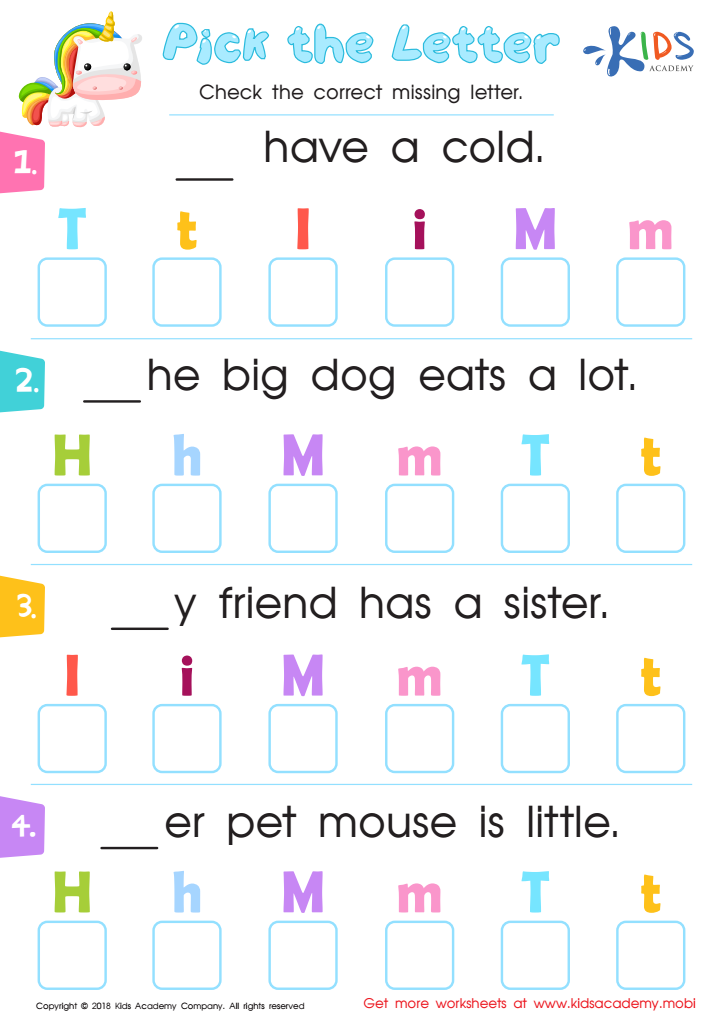
Pick the Letter Worksheet
 Assign to My Students
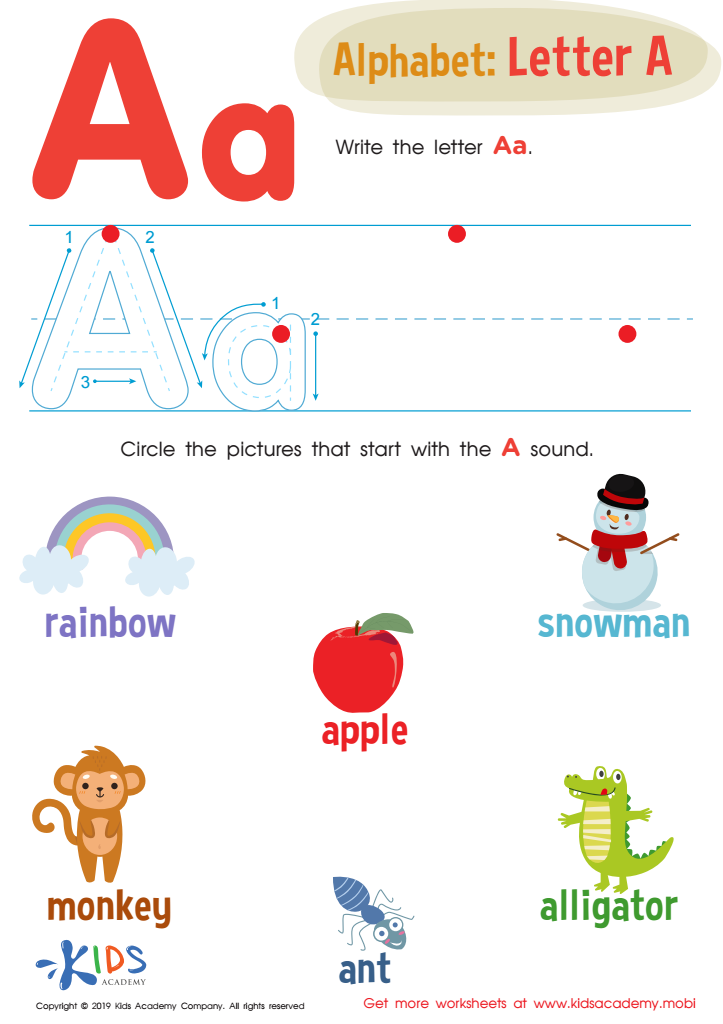
Letter A Tracing Worksheet
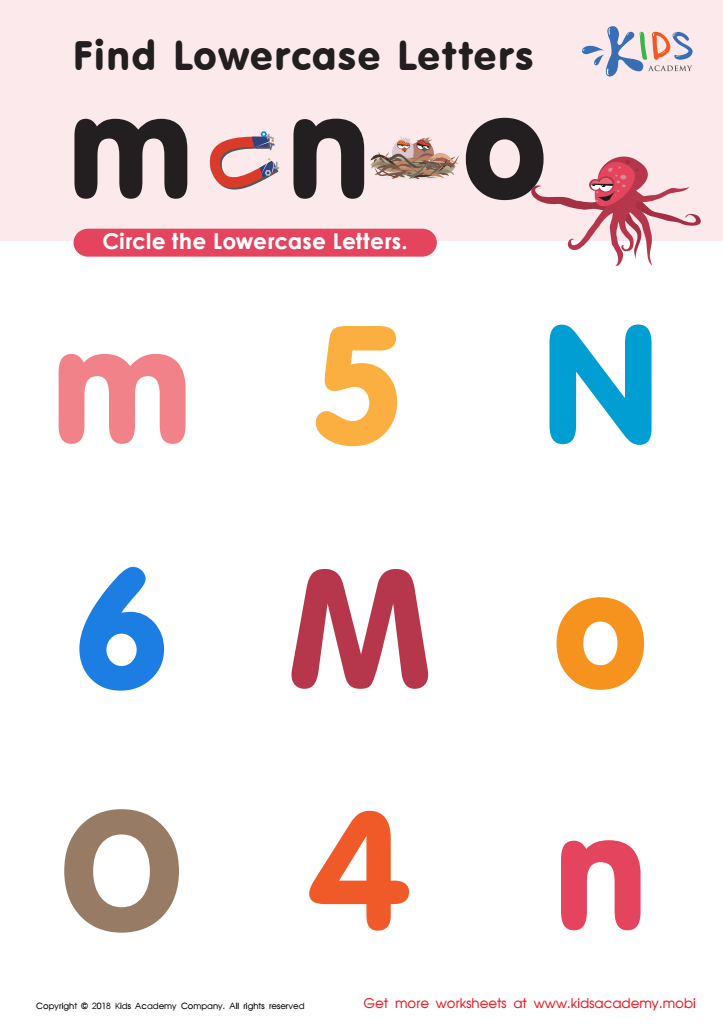
Find Lowercase Letters m n o Worksheet
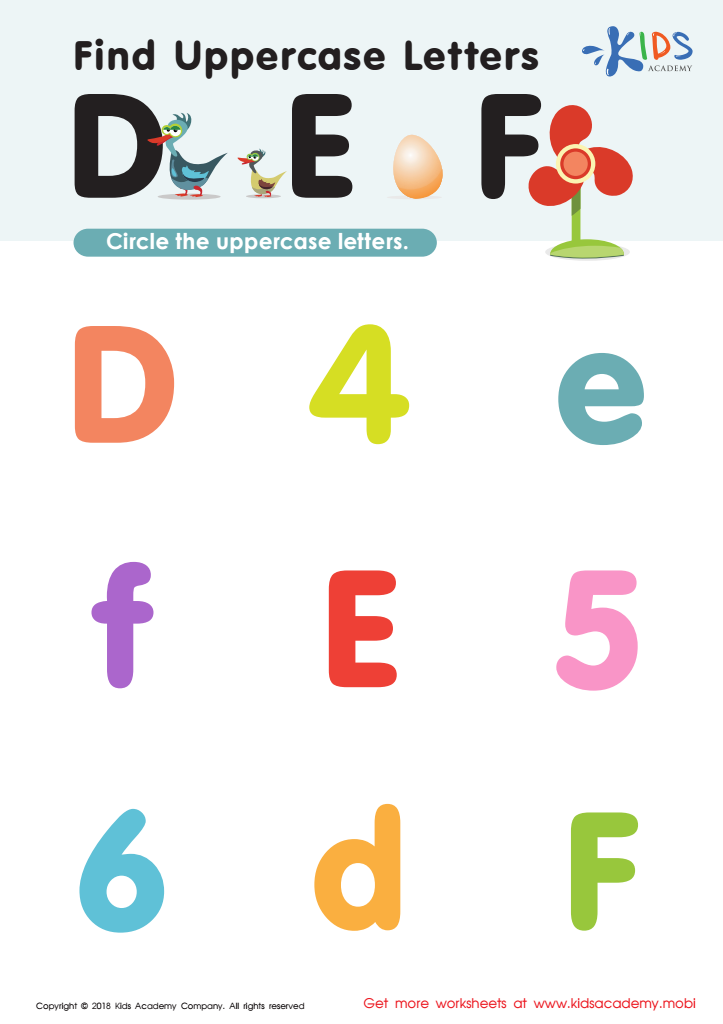
Find Uppercase Letters D, E, and F Worksheet
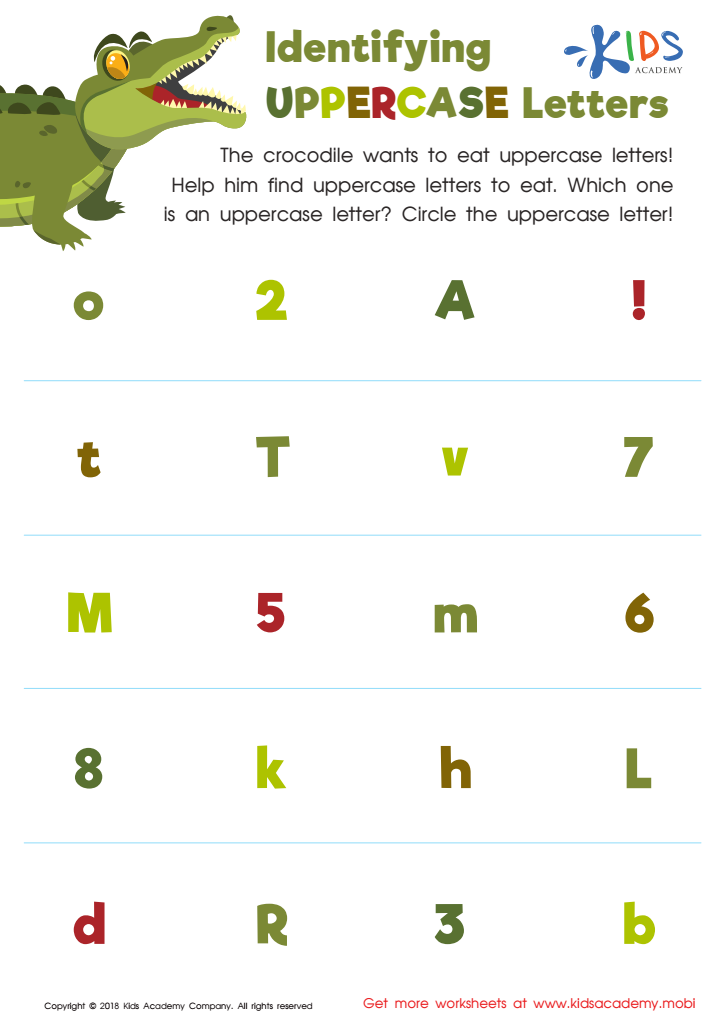
Identifying Uppercase Letters Worksheet
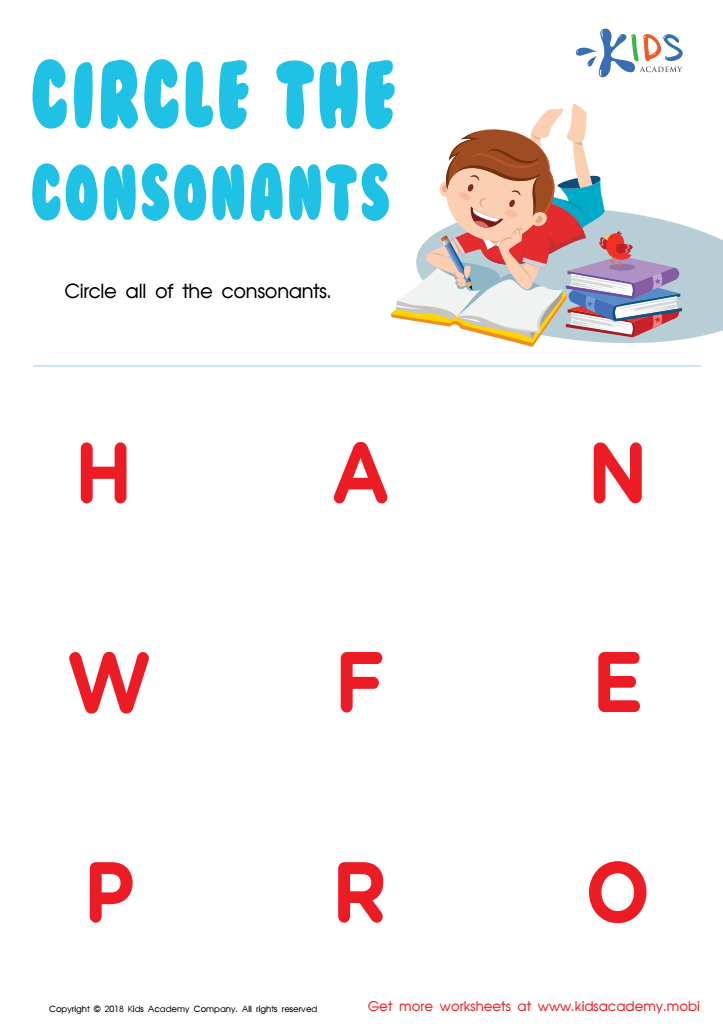
Circle the Consonants Worksheet
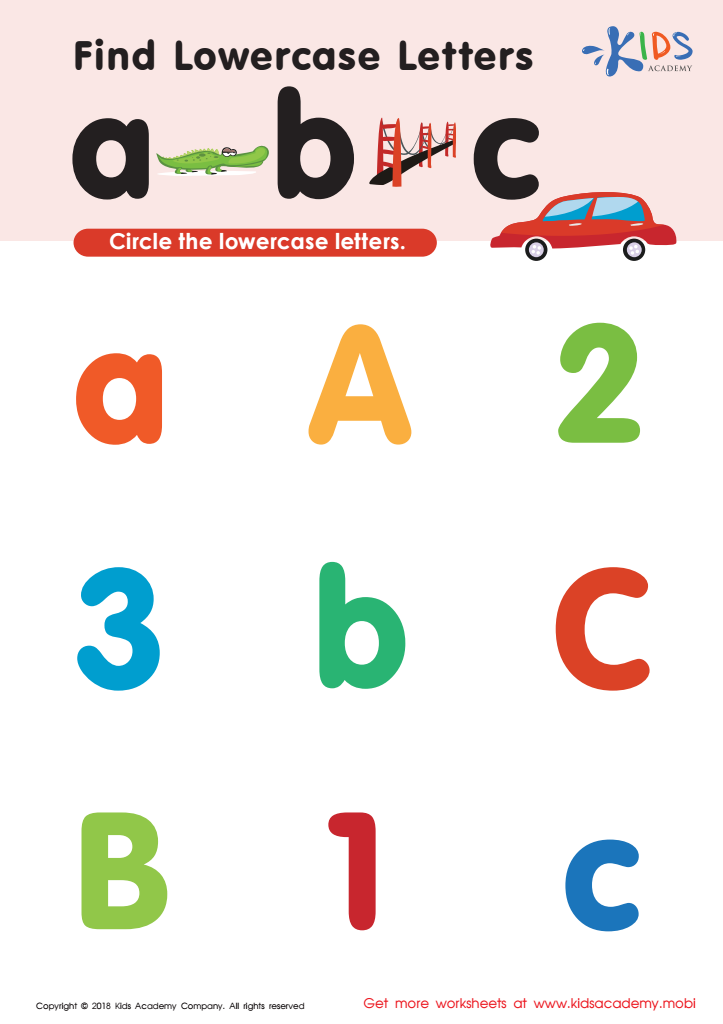
Find lowercase letters a b c Worksheet
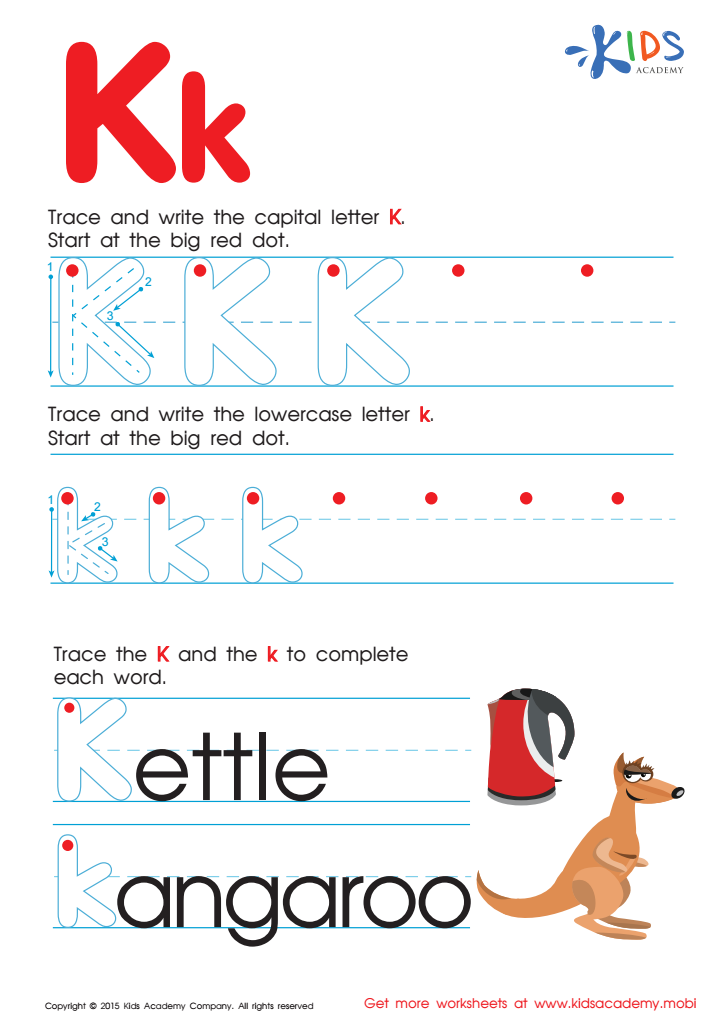
Letter K Tracing Page
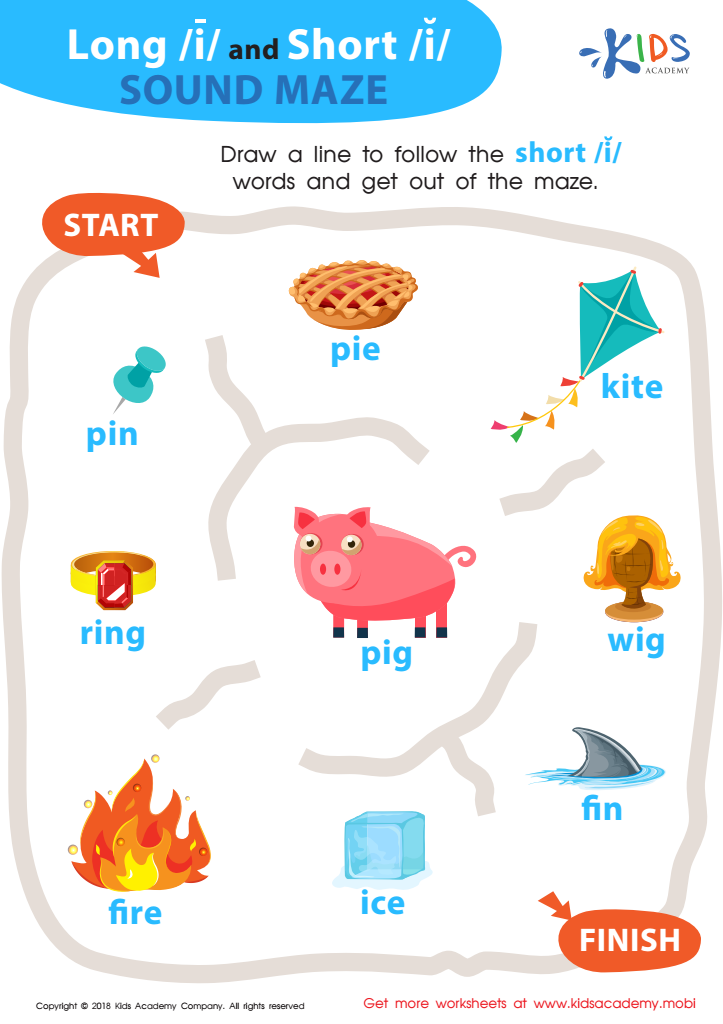
Reading: Long I and Short I Sound Maze Worksheet
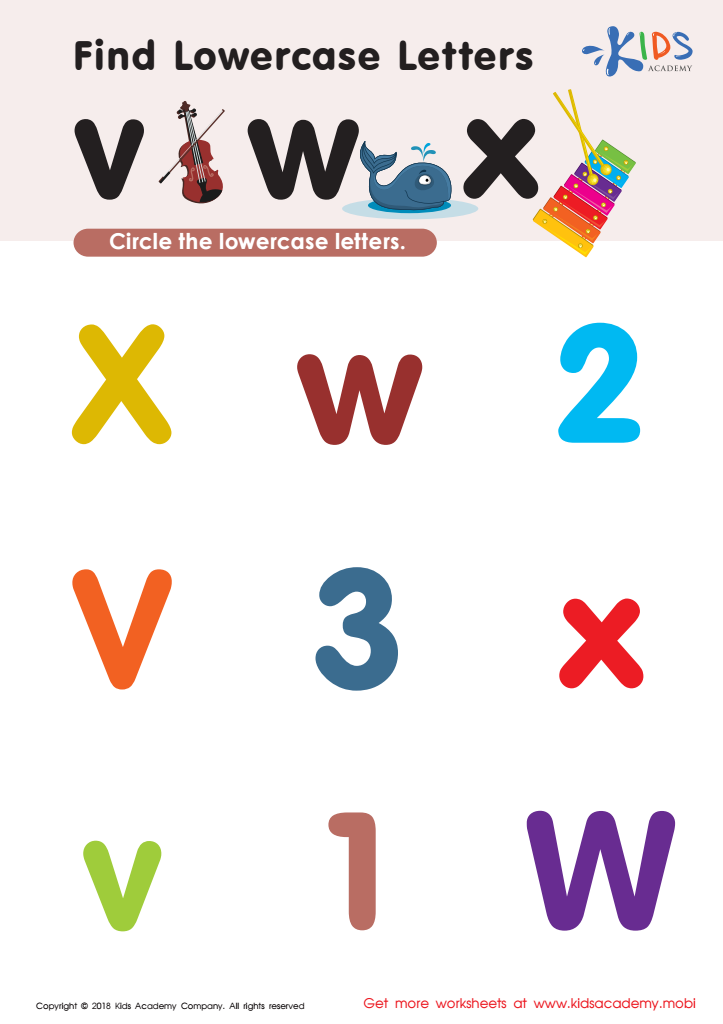
Find Lowercase Letters v w x Worksheet
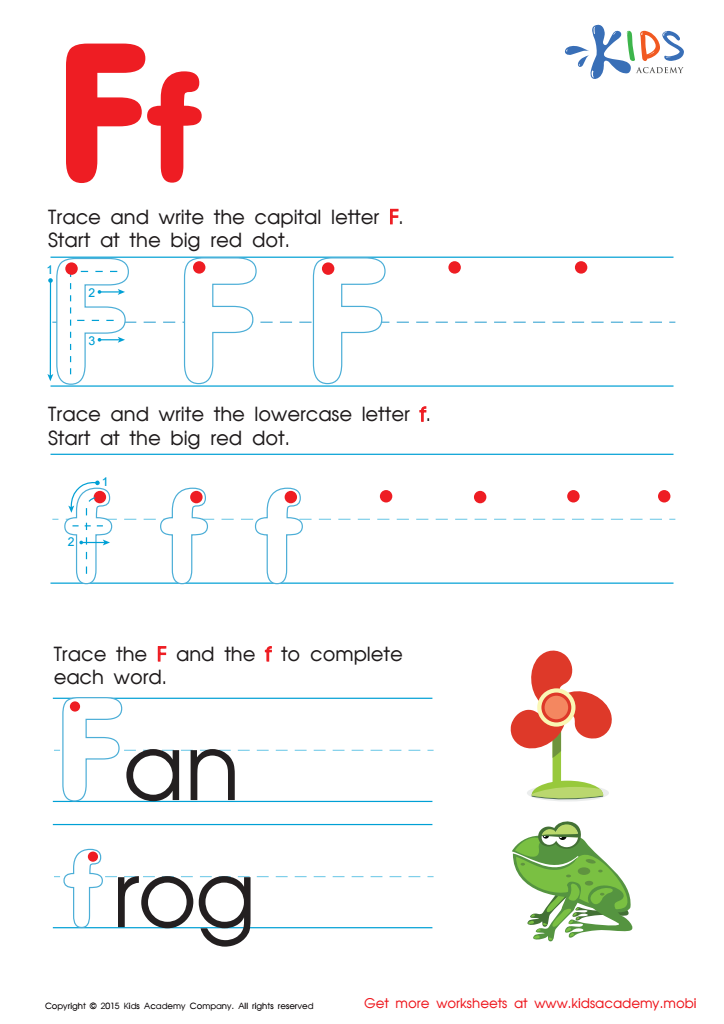
Letter F Tracing Page
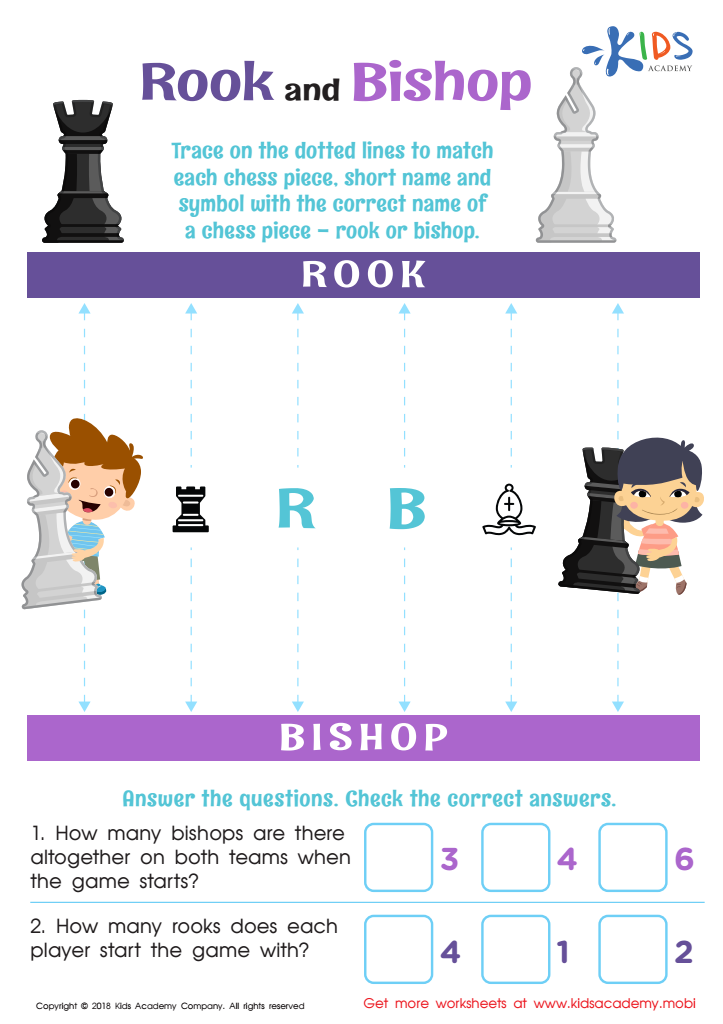
Rook and Bishop Worksheet
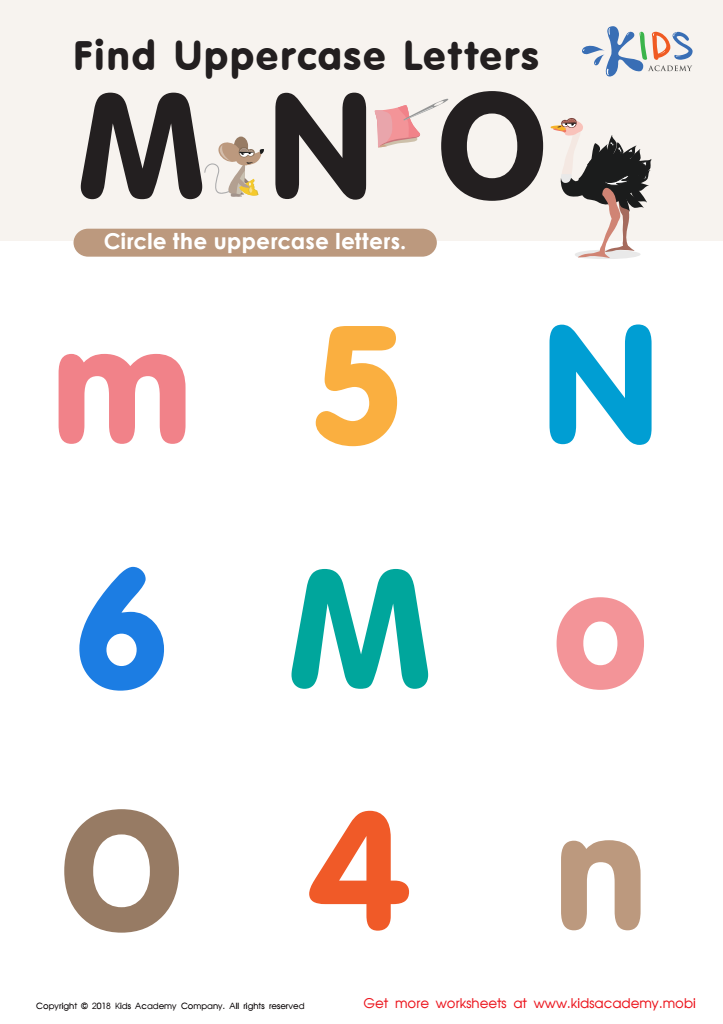
Find Uppercase Letters M, N, and O Worksheet
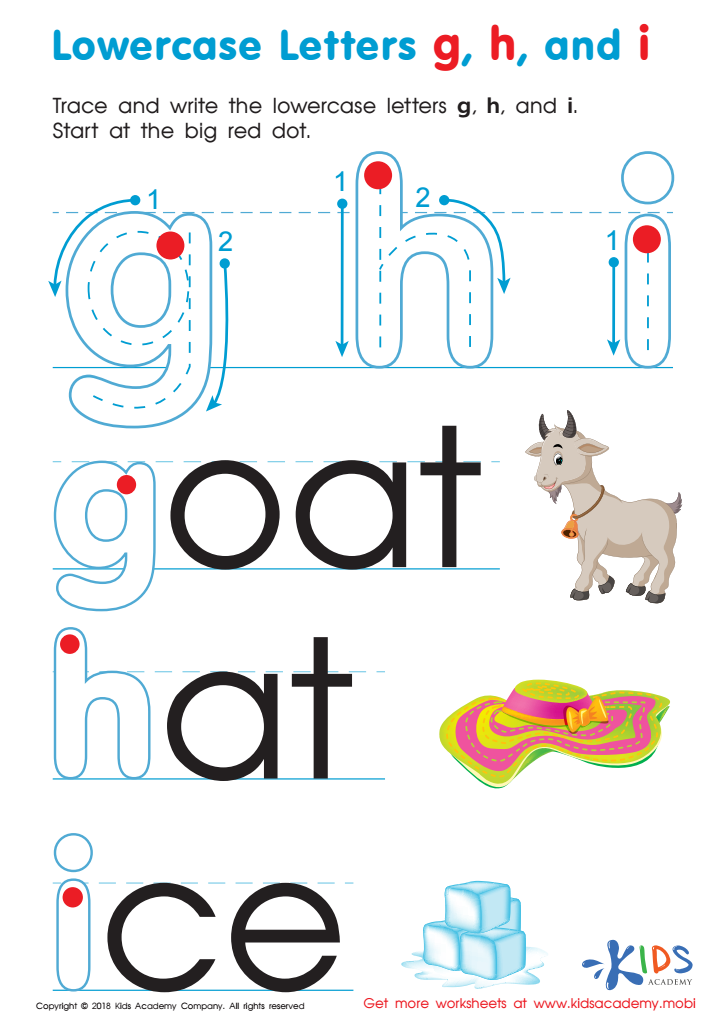
Lowercase Letters g h i Worksheet
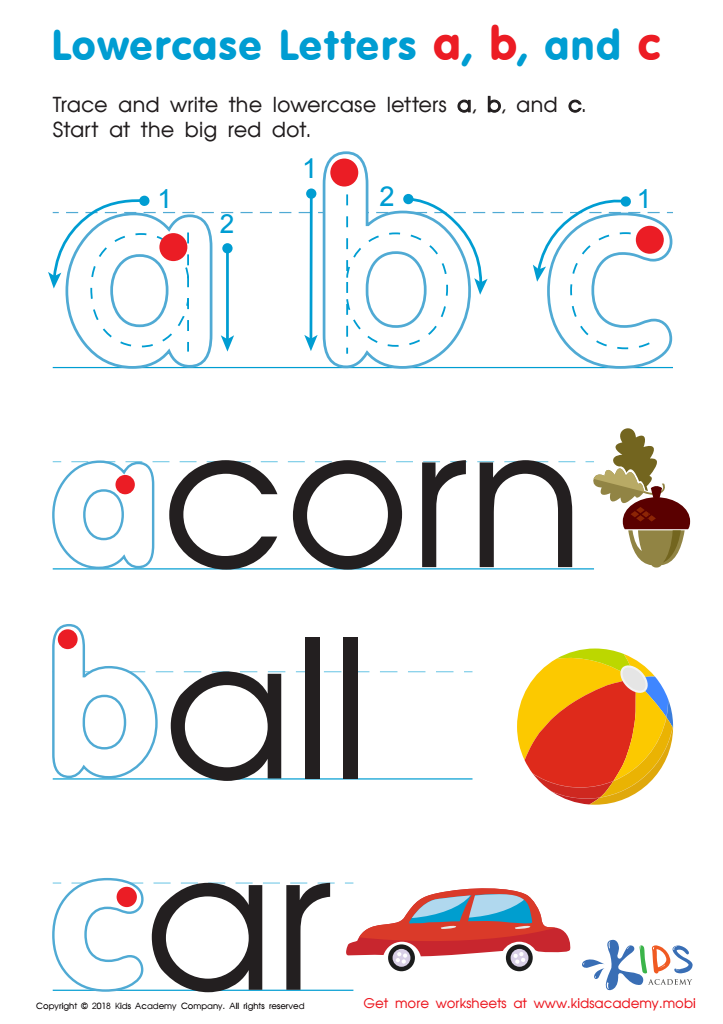
Lowercase Letters a b c Worksheet
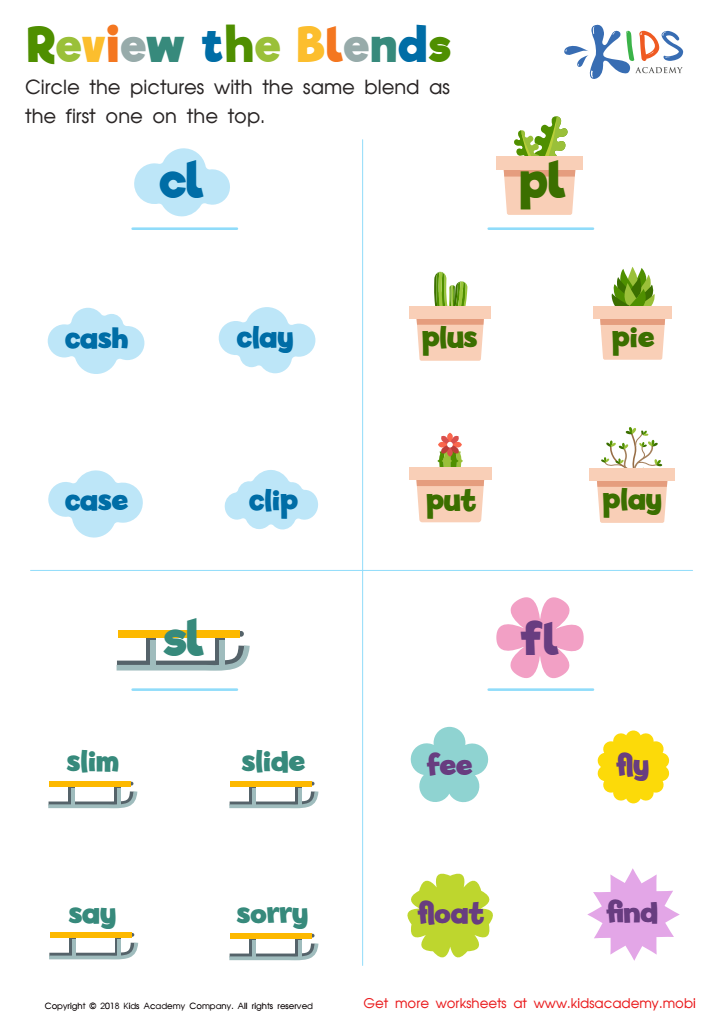
Review the Blends Worksheet

Letter D Tracing Page
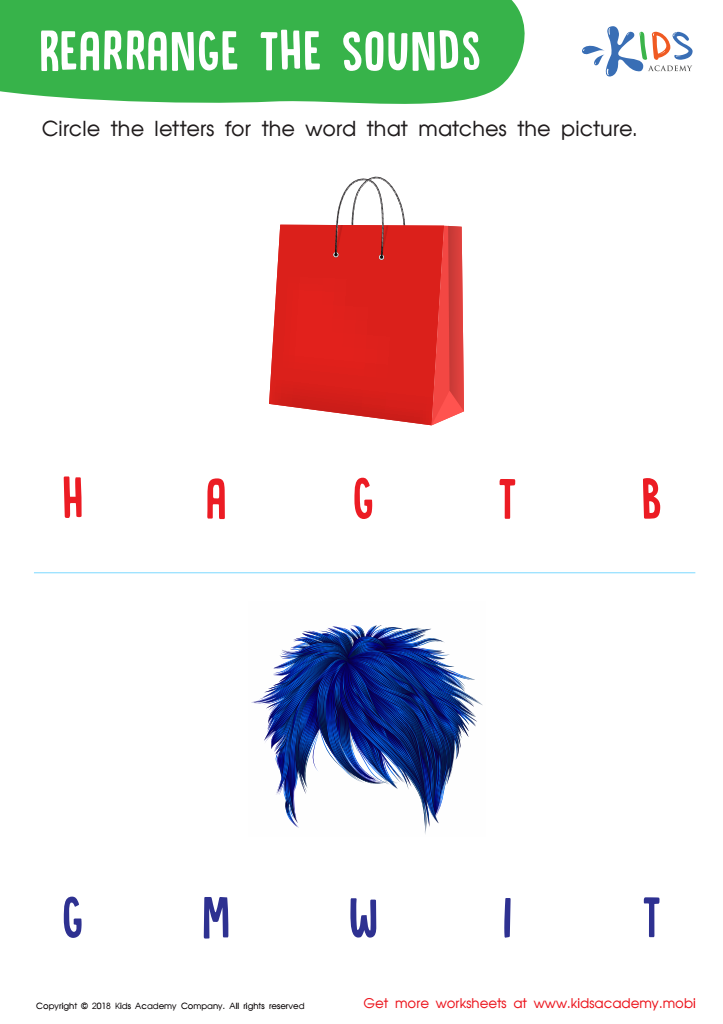
Rearrange the Sounds Worksheet
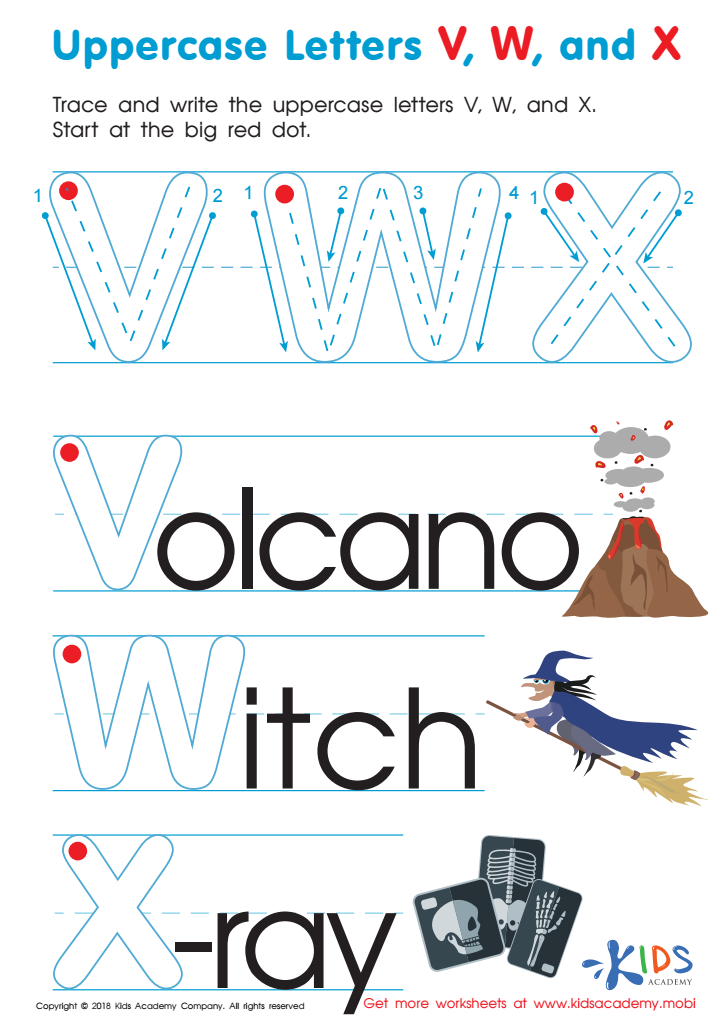
Uppercase Letters V, W, and X Worksheet








Normal letter recognition is a crucial milestone for children aged 3 to 8, impacting both early literacy development and overall academic success. At this age, children's brains are highly receptive to learning new information, making it an ideal period for introducing foundational literacy skills.
Firstly, recognizing letters is the first step in learning to read. It helps children understand that written symbols correspond to specific sounds, which is essential for sounding out words. Consistent exposure to letters aids in phonemic awareness, enabling children to link letter names and their associated sounds, a skill fundamental for decoding words and effective reading.
Secondly, mastery of letter recognition contributes to writing skills. Knowing letters allows children to begin forming words on paper, facilitating early writing efforts. Writing, in turn, reinforces reading, creating a beneficial cycle of literacy development.
Moreover, early proficiency in letter recognition boosts confidence and academic engagement. Children who grasp these basic skills early are more likely to exhibit a positive attitude towards reading and learning. This enthusiasm can lead to better performance not just in literacy but across other subject areas, setting the stage for lifelong educational success.
Therefore, parents and teachers should prioritize normal letter recognition to provide children with the vital tools needed to thrive in an academic environment and beyond. Helping children lay this foundational stone can transform their educational journeys and open doors to limitless opportunities.








