Normal Social Studies Worksheets for Ages 3-8 - Page 6
223 filtered results
-
From - To
State Word Search Worksheet
 Assign to My Students
The Middle Ages Worksheet

What's the Weather Like? Worksheet
Spanish Word Tracing: Hola Worksheet
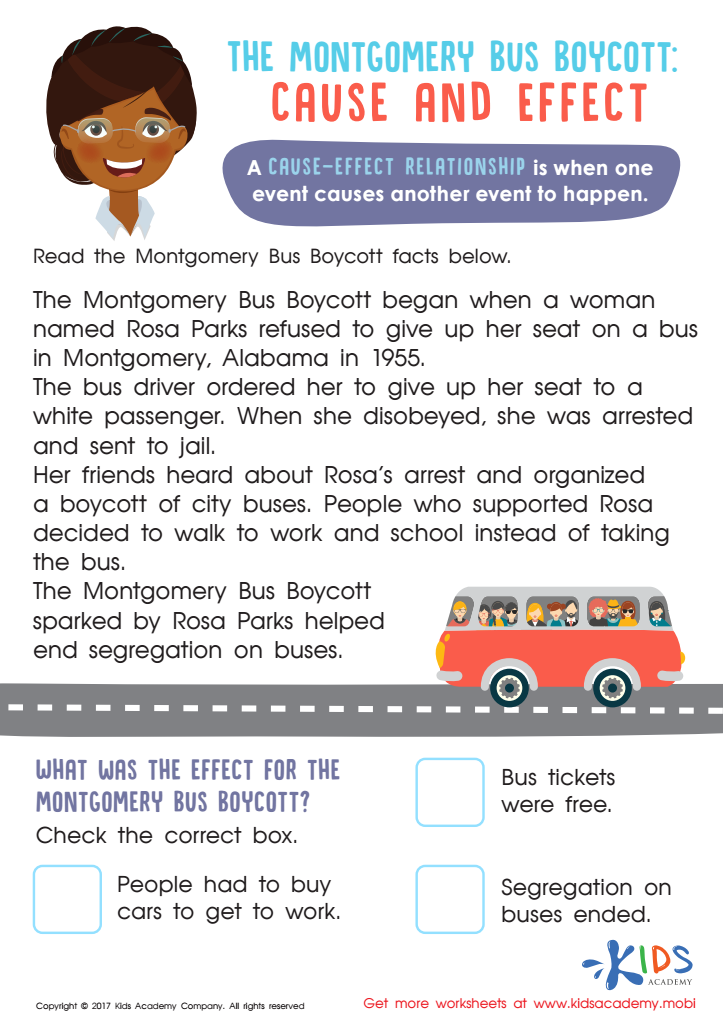
The Montgomery Bus Boycott Cause and Effect Worksheet
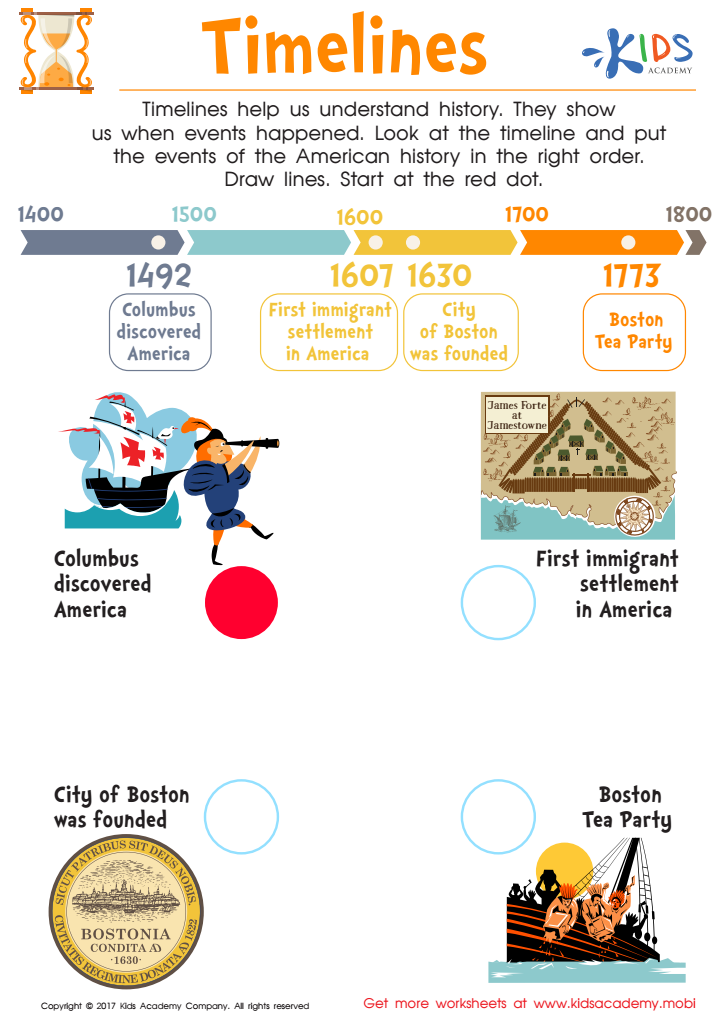
American History Timeline Worksheet
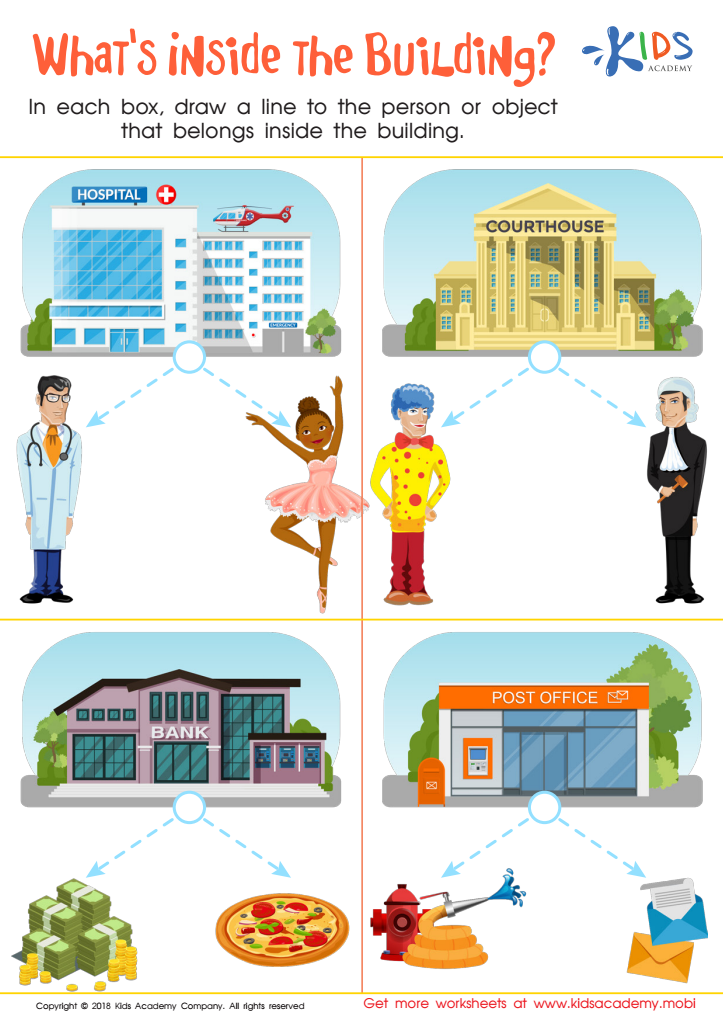
What's Inside the Building? Worksheet
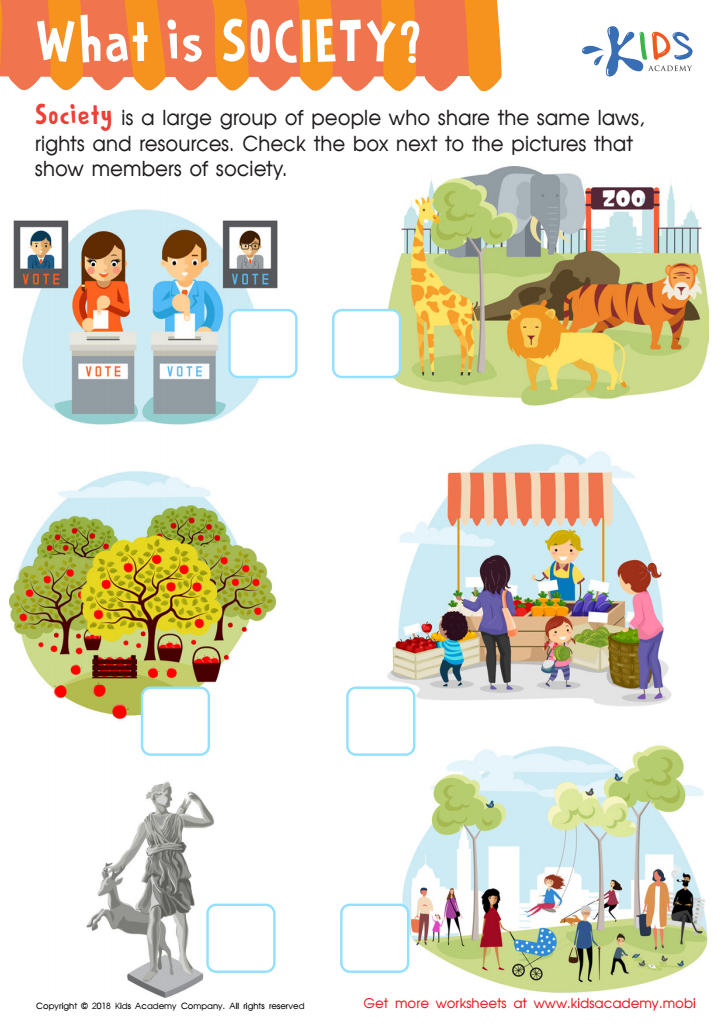
What Is Society? Worksheet

Grocery Store Worksheet

All Around the Town Worksheet
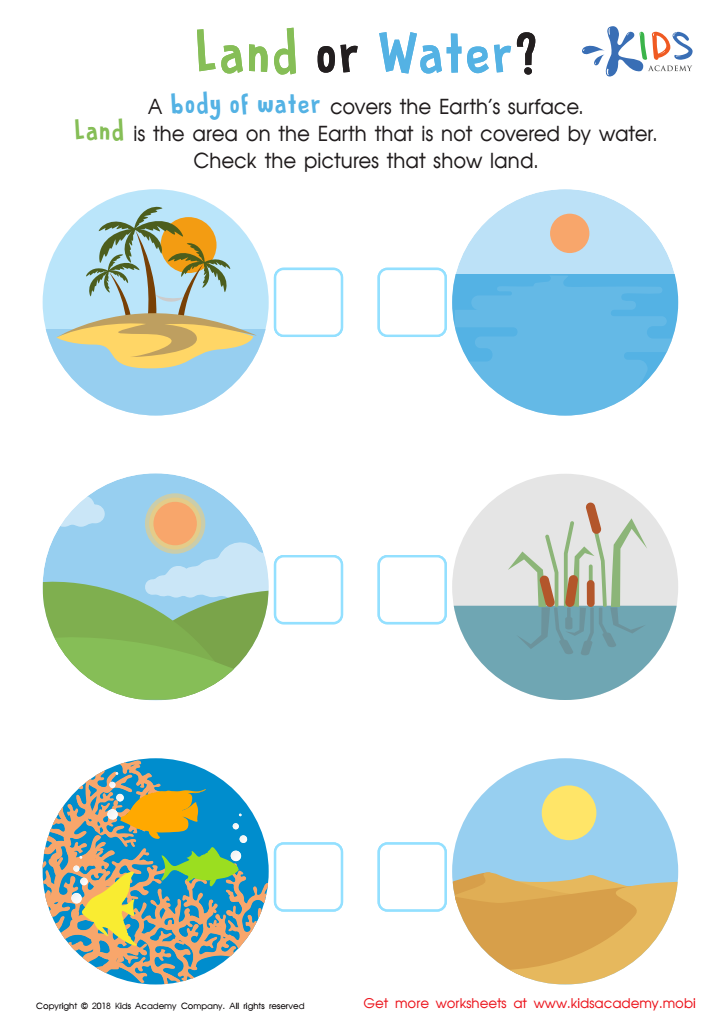
Land or Water Worksheet

World Map Maze Worksheet
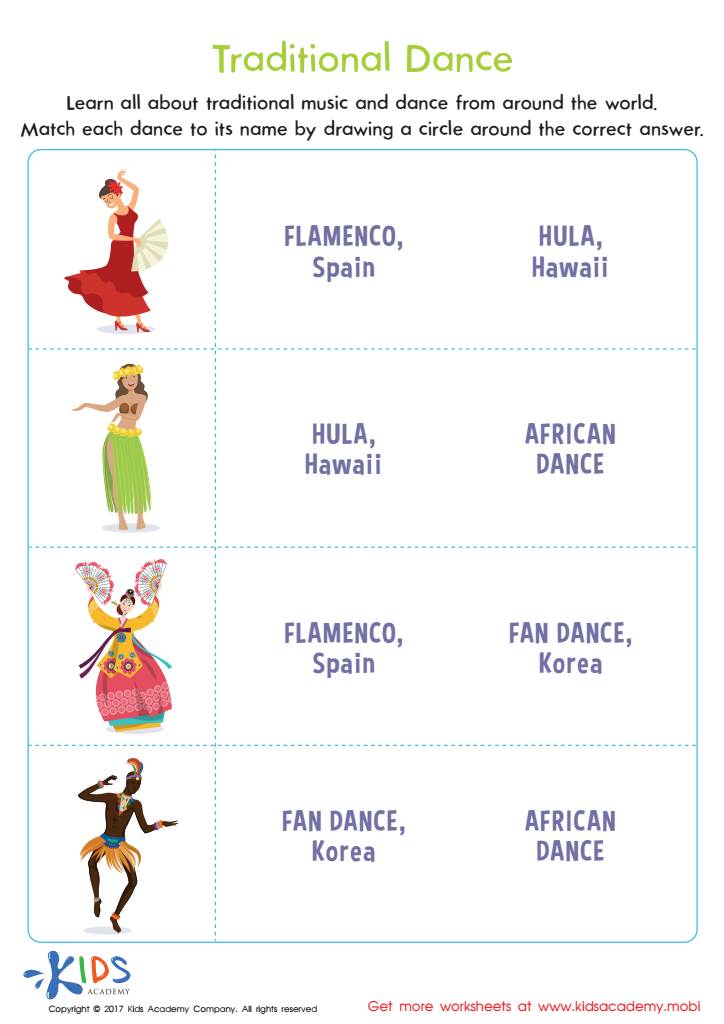
Traditional Dance Printable

What Do Teachers Need Worksheet

Gateway Arch Printable Worksheet

The Pledge of Allegiance Worksheet
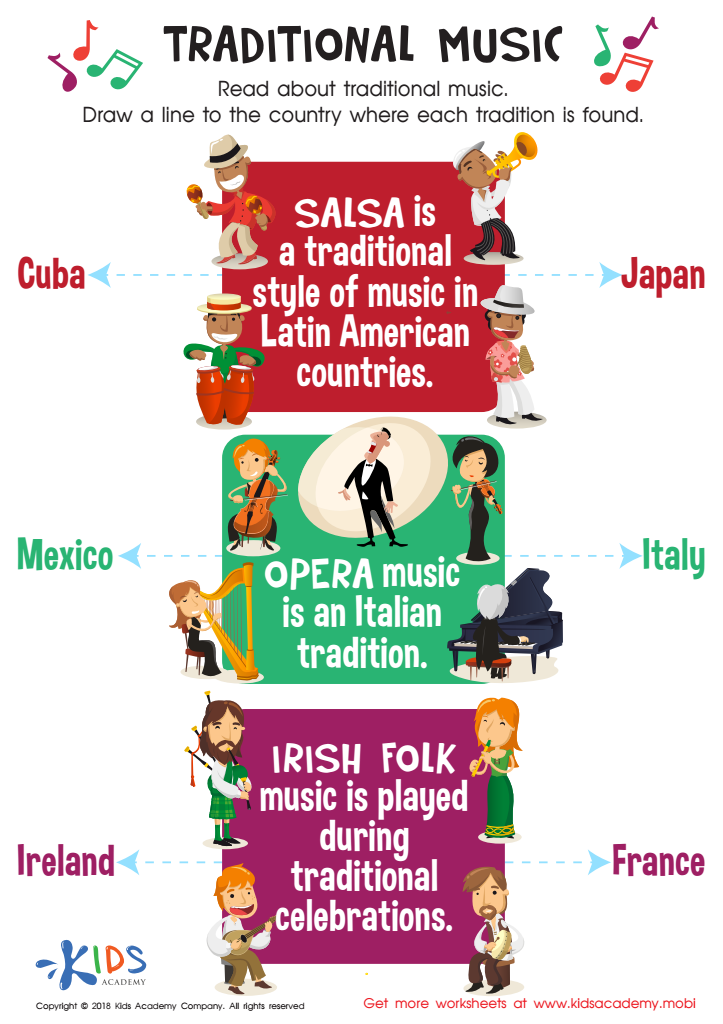
Traditional Music Worksheet
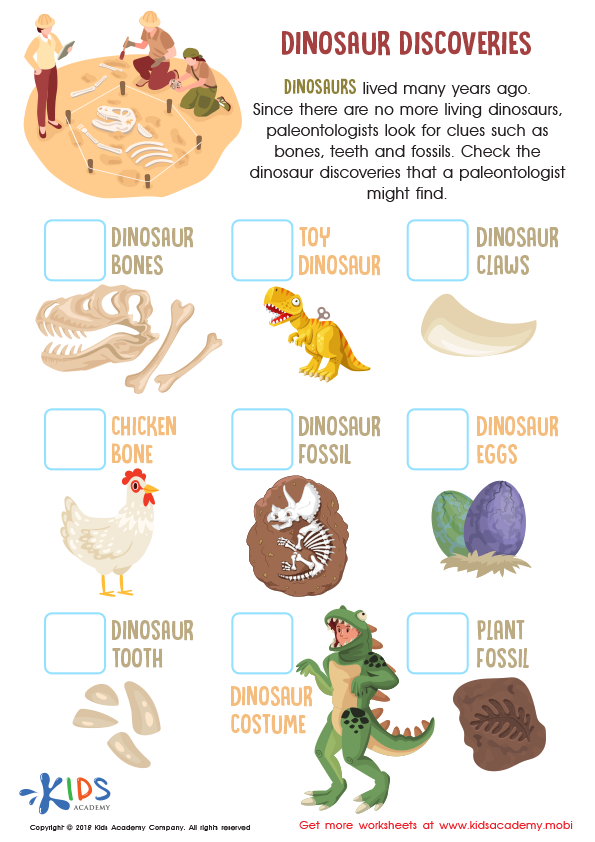
Dinosaur Discoveries Worksheet
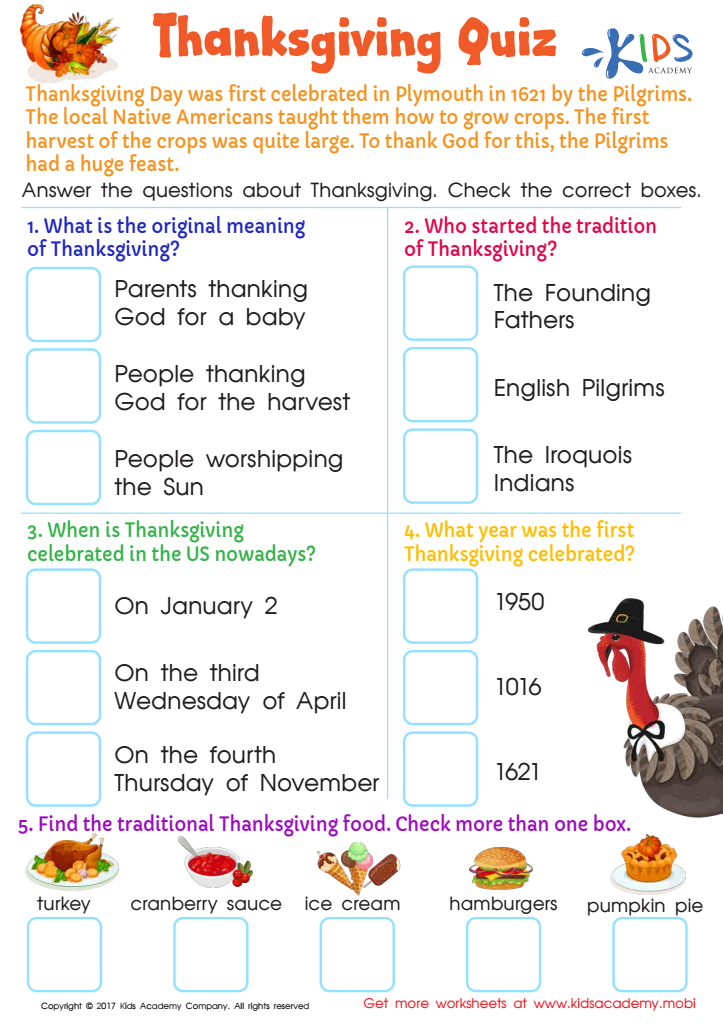
Thanksgiving Quiz Worksheet
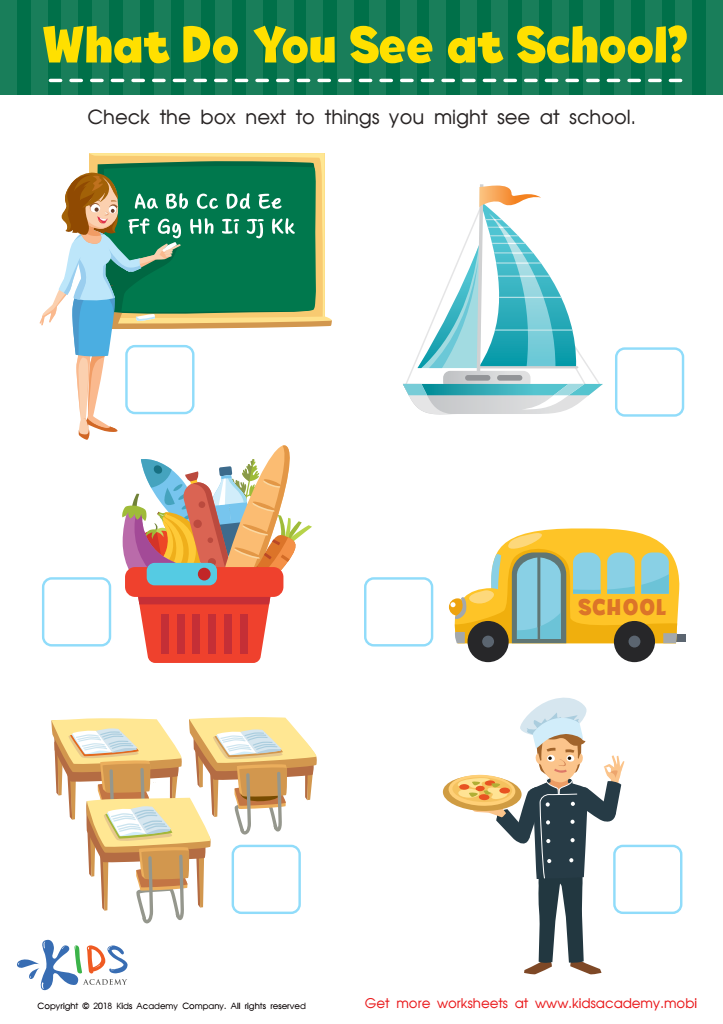
What Do you See at School? Worksheet
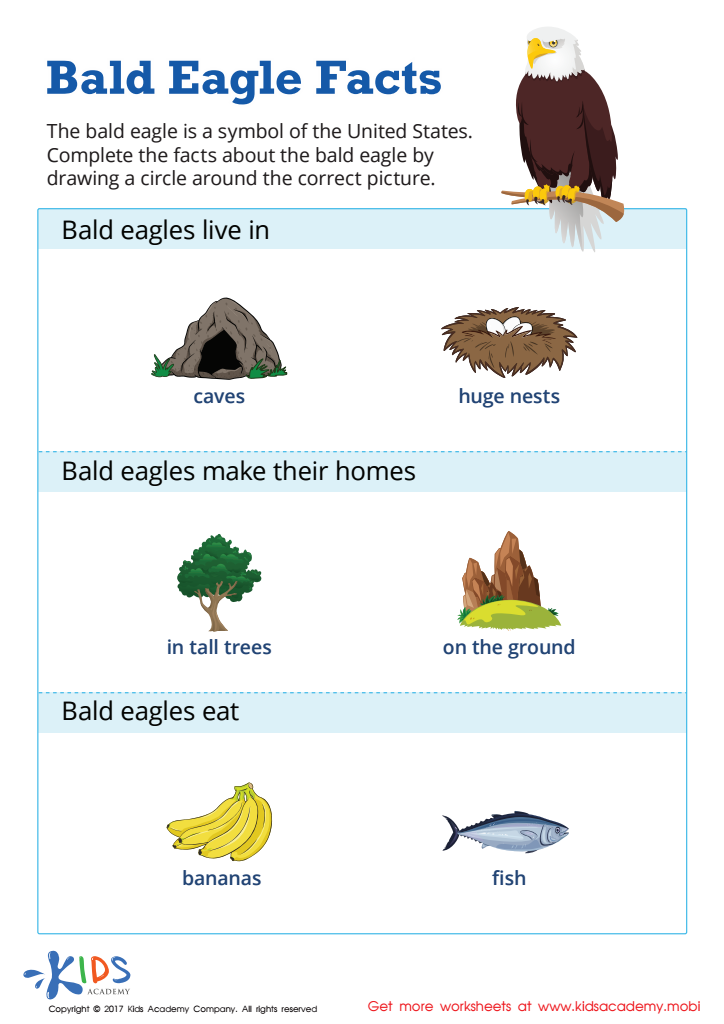
Bald Eagle Facts Worksheet
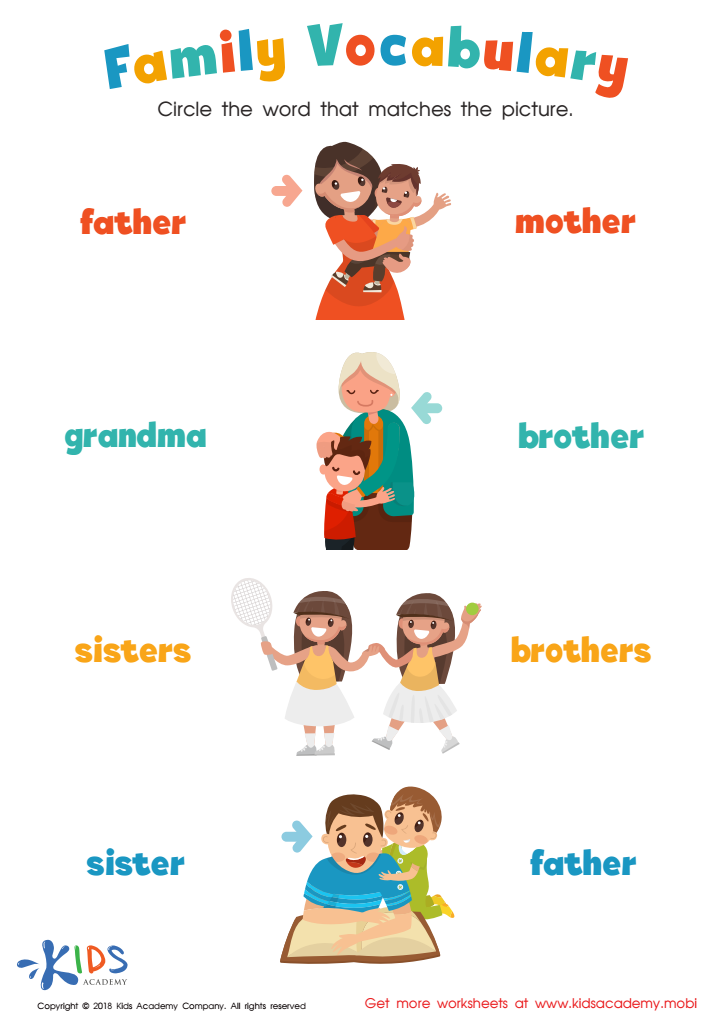
Family Vocabulary Worksheet
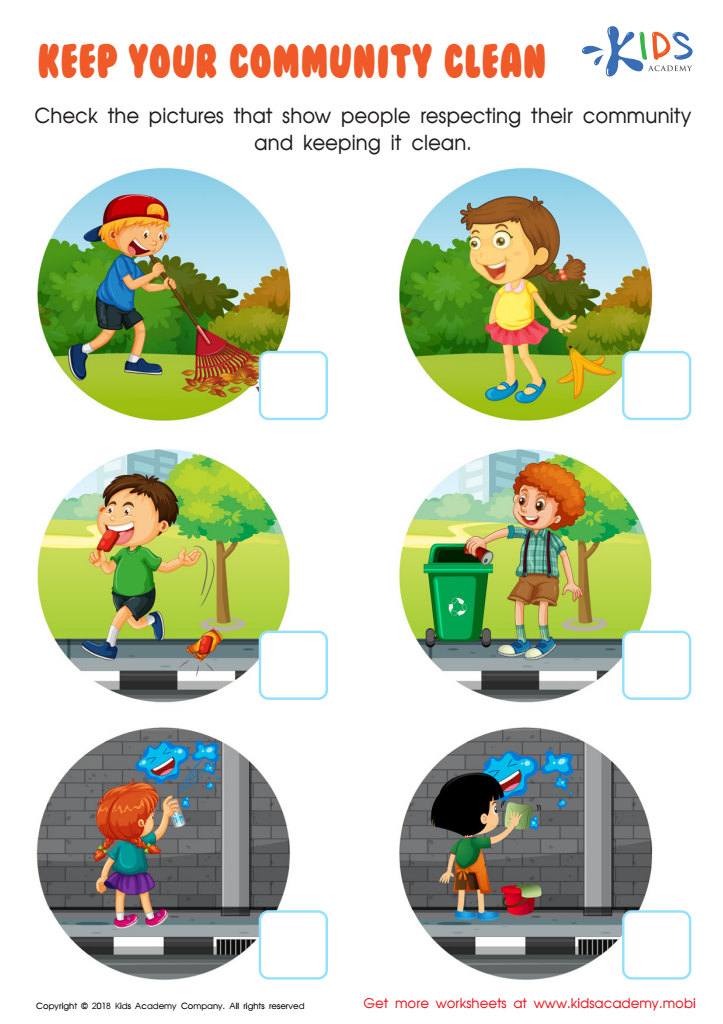
Keep Your Community Clean Worksheet








Parents and teachers play crucial roles in nurturing a child's development, making the inclusion of social studies in the curriculum for ages 3-8 vital. At this formative stage, children are beginning to understand the world around them and their place within it. Teaching social studies helps young learners develop a sense of identity, community, and culture. It encourages critical thinking about their roles and responsibilities in society.
Introducing concepts such as geography, history, and basic civics helps children appreciate diversity and understand the importance of different cultures and traditions. This promotes empathy, tolerance, and social cohesion, which are essential qualities in today's globalized world. They learn to respect differences and see themselves as part of a broader community, beyond their immediate surroundings.
Moreover, social studies education at a young age supports cognitive development by improving skills like observing, categorizing, comparing, and problem-solving. Projects and discussions related to social studies often involve storytelling and question-based learning, which enhances language and literacy skills.
Teachers and parents who emphasize social studies help lay the groundwork for well-rounded individuals who are informed, responsible, and engaged citizens. Given that early childhood is a critical period for brain development, integrating social studies can have long-lasting positive impacts on a child's intellectual and social growth.