Normal Addition & Subtraction Worksheets for Ages 3-9 - Page 2
171 filtered results
-
From - To
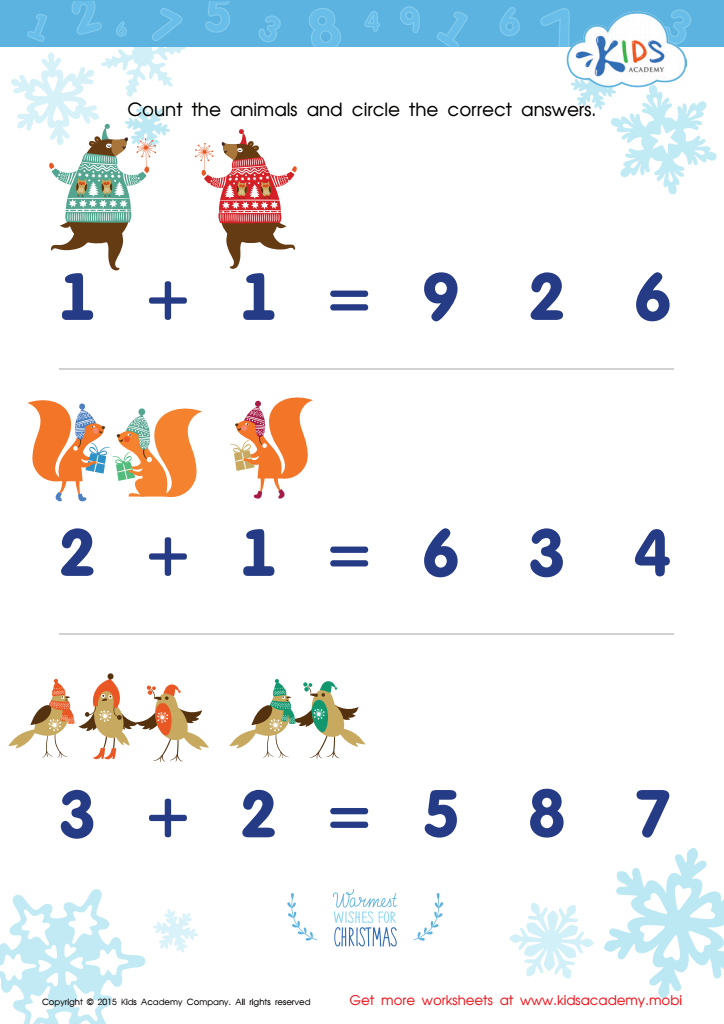
Count Funny Animals Worksheet
 Assign to My Students
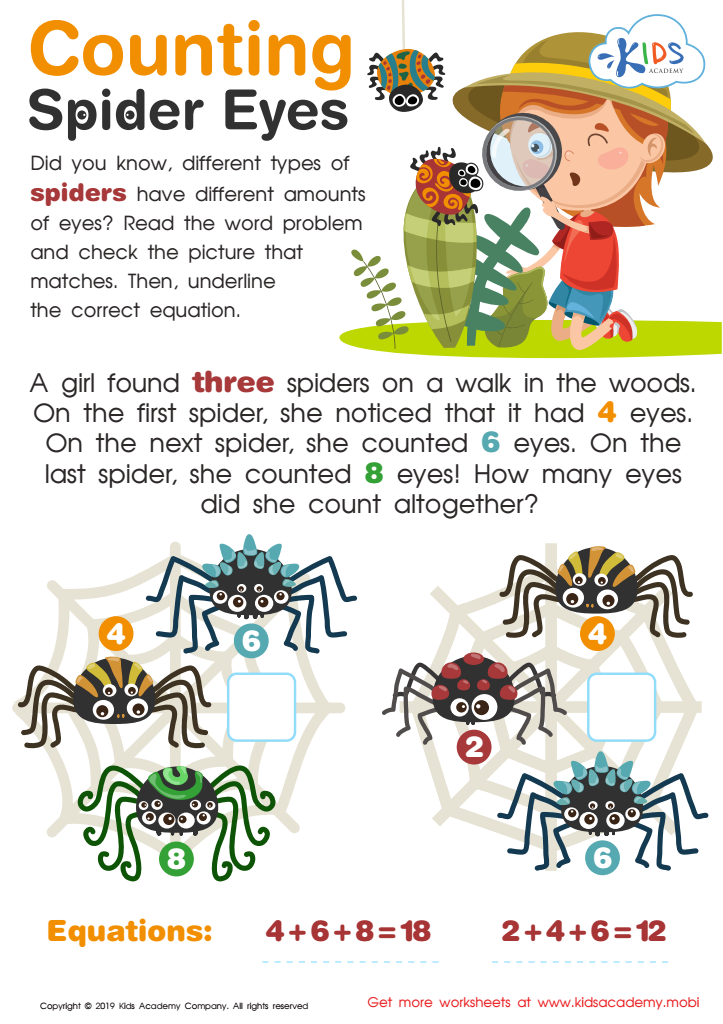
Counting Spider Eyes Worksheet
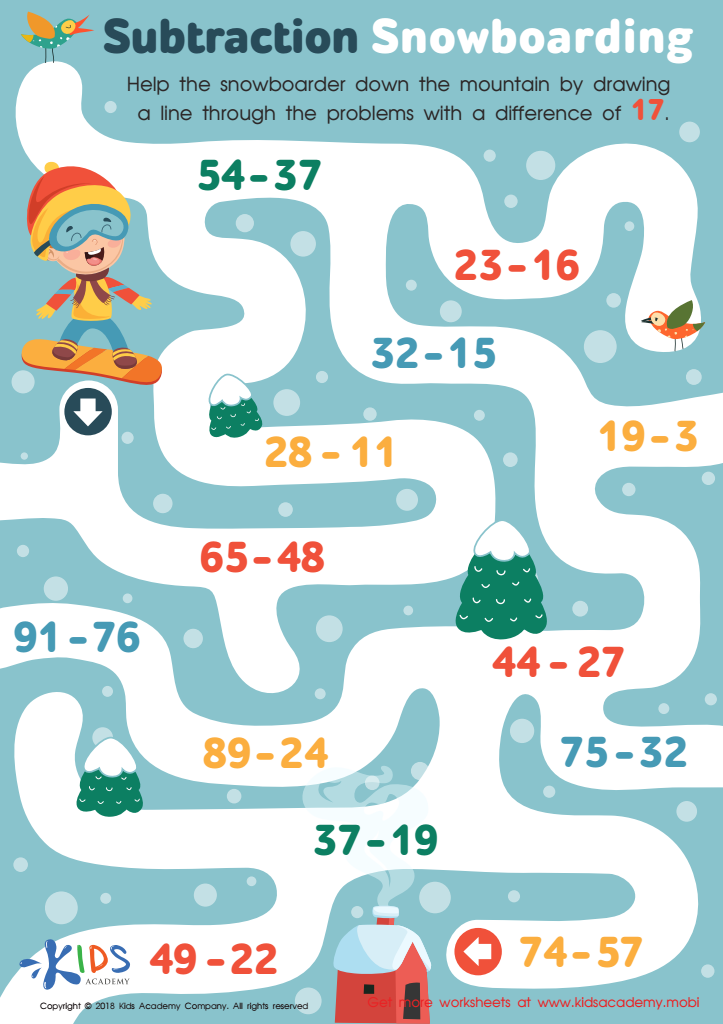
Subtraction Snowboarding Worksheet
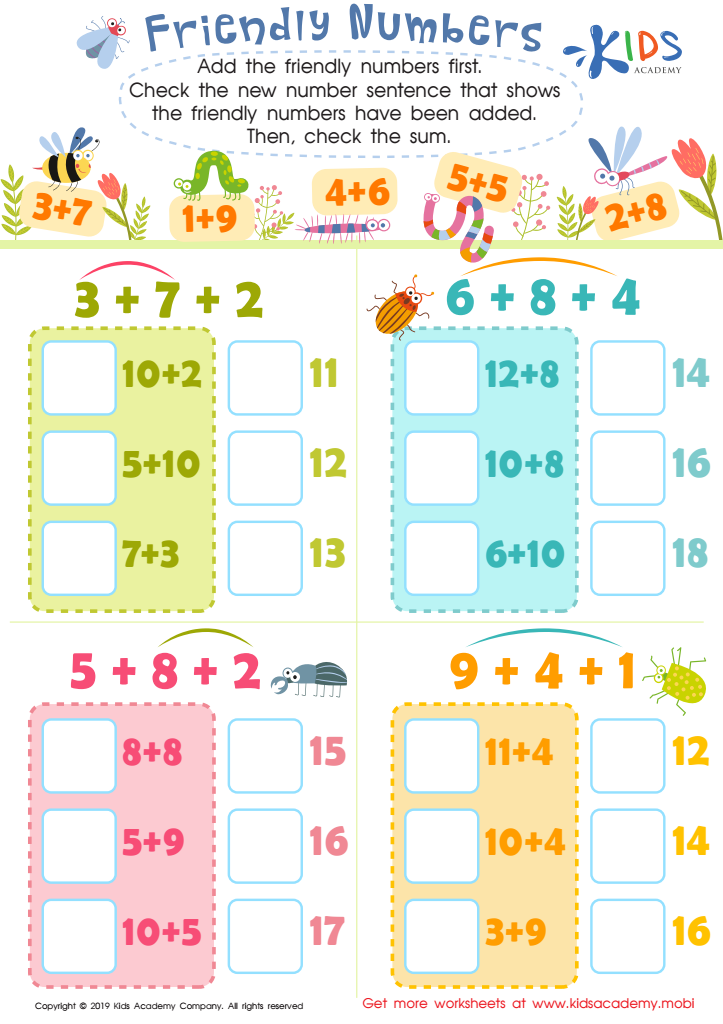
Friendly Numbers Worksheet
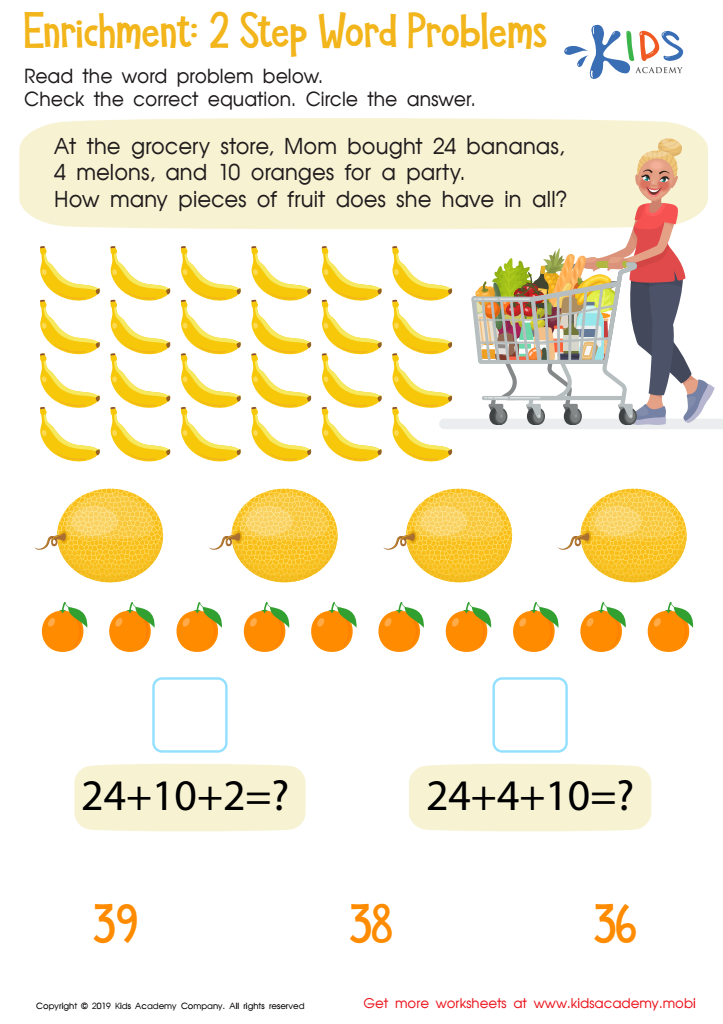
Enrichment -2 Step Word Problems Worksheet
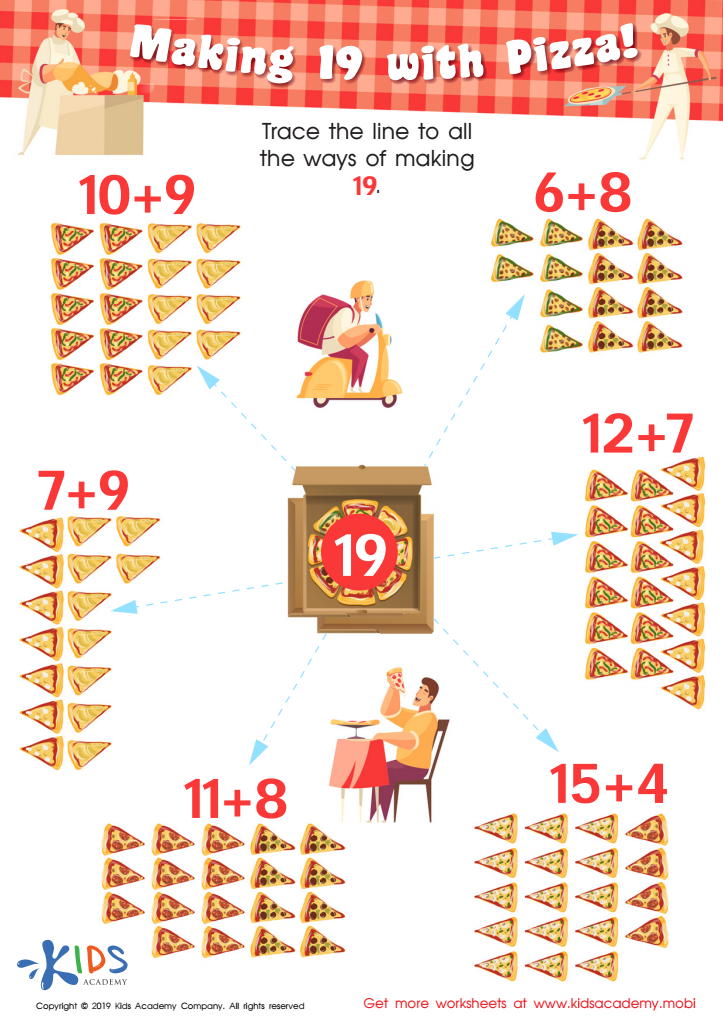
Making 19 with Pizza! Worksheet
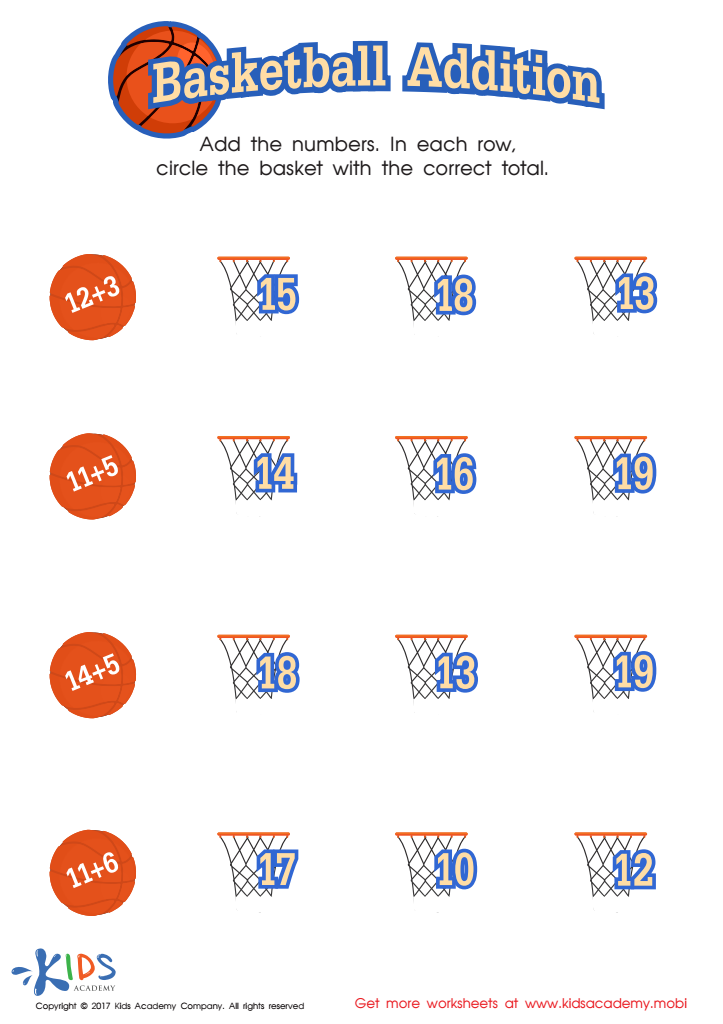
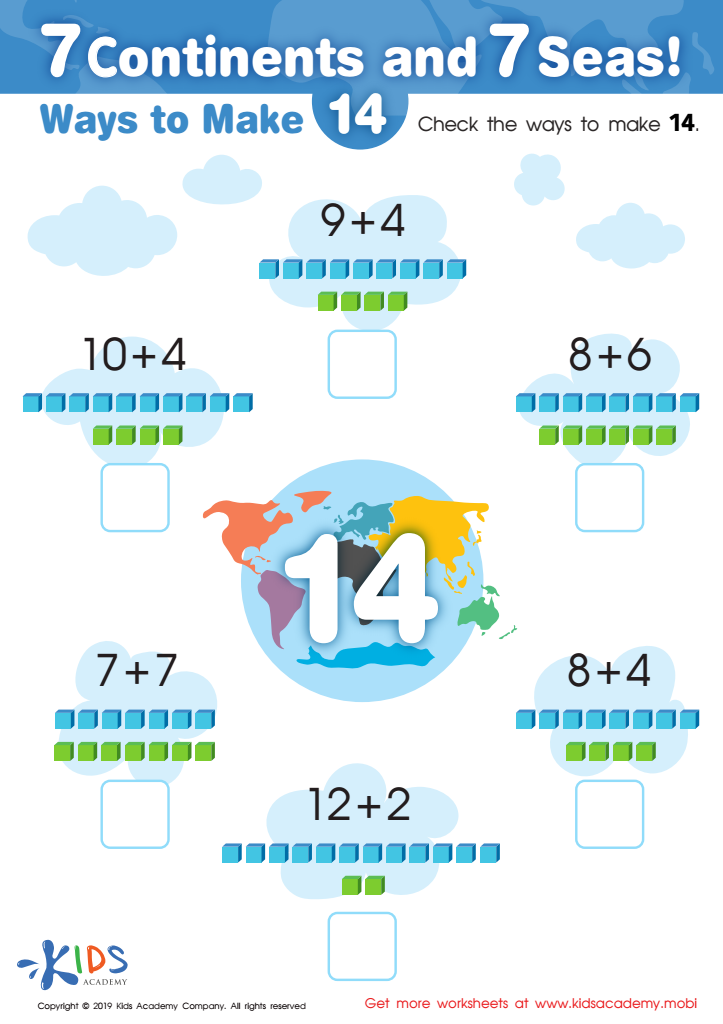
7 Continents and 7 Seas Worksheet
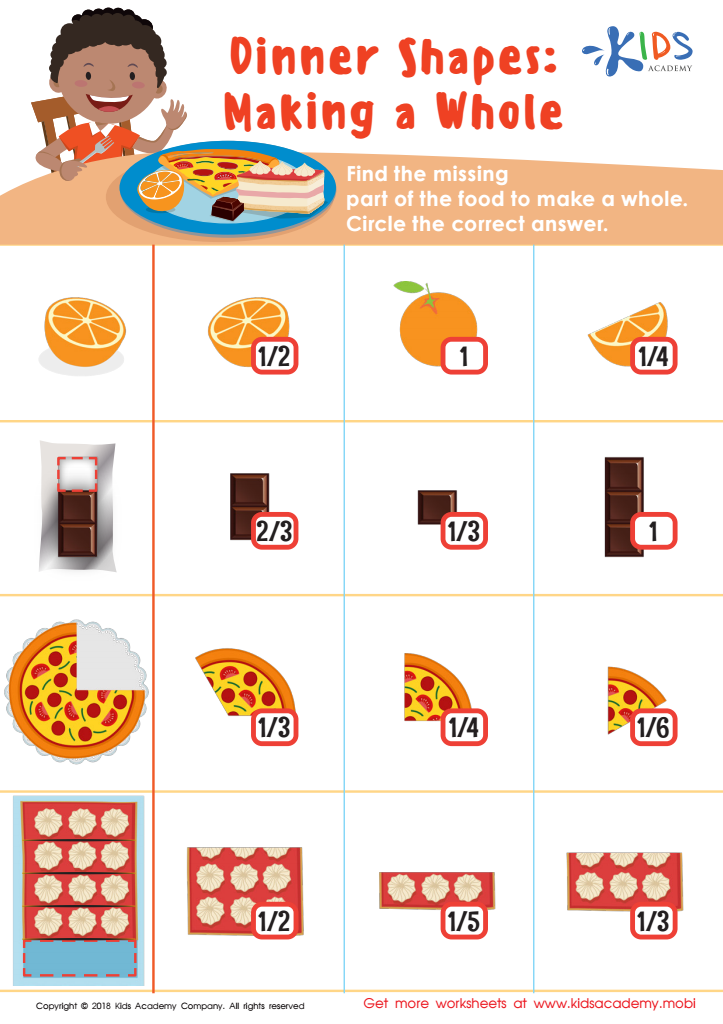
Dinner Shapes: Making a Whole Worksheet
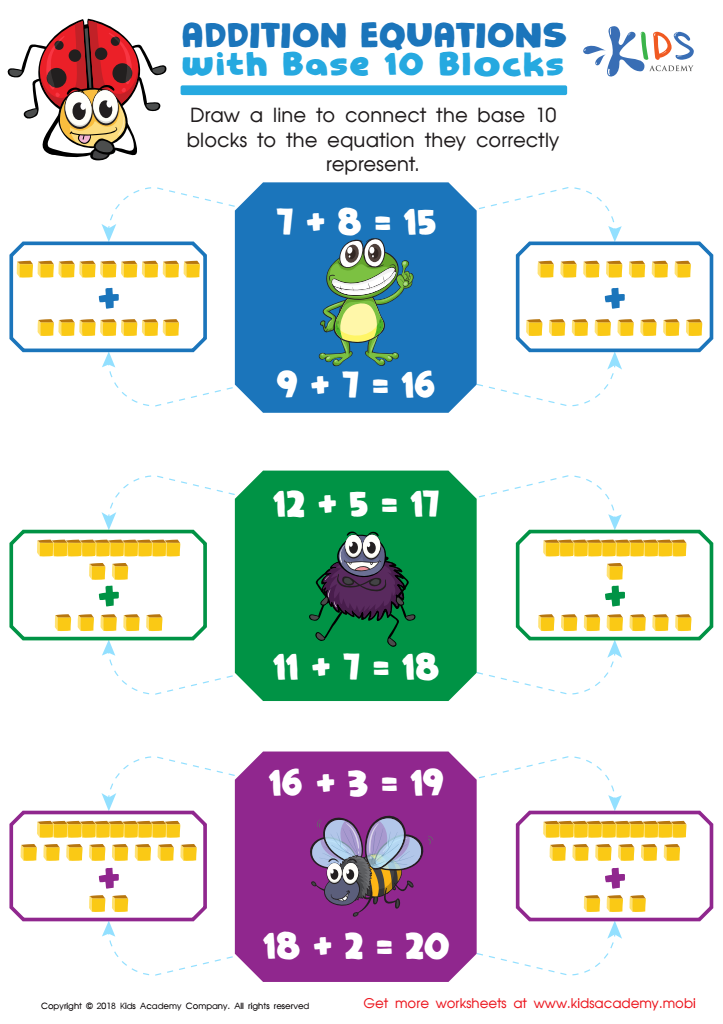
Addition Equations With Base 10 Blocks Worksheet
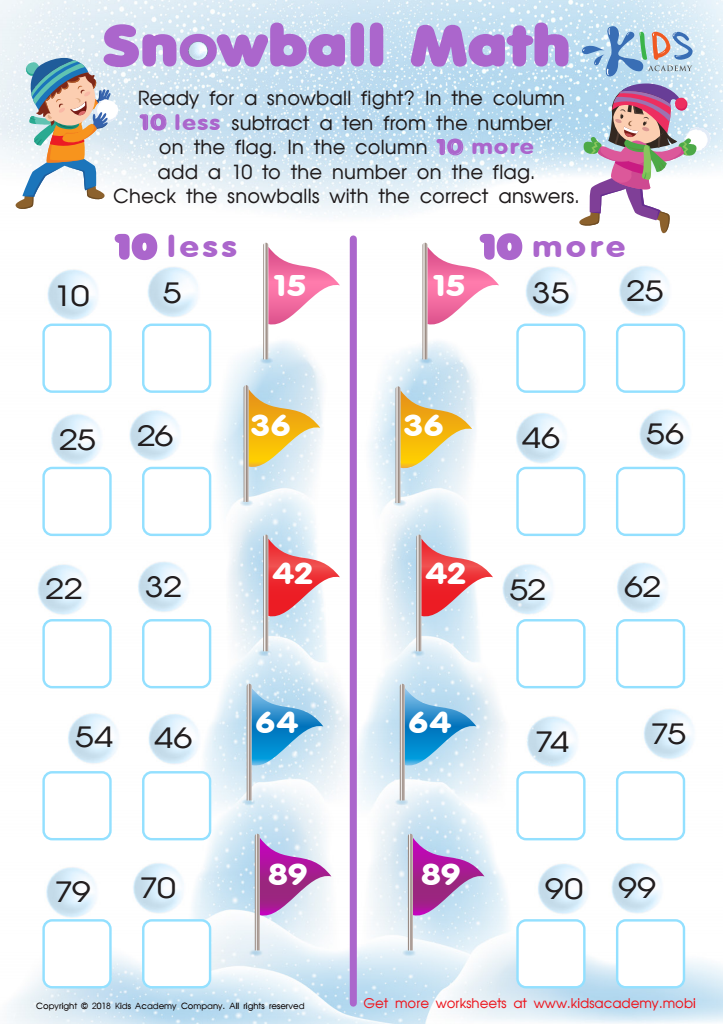
Snowball Math Worksheet
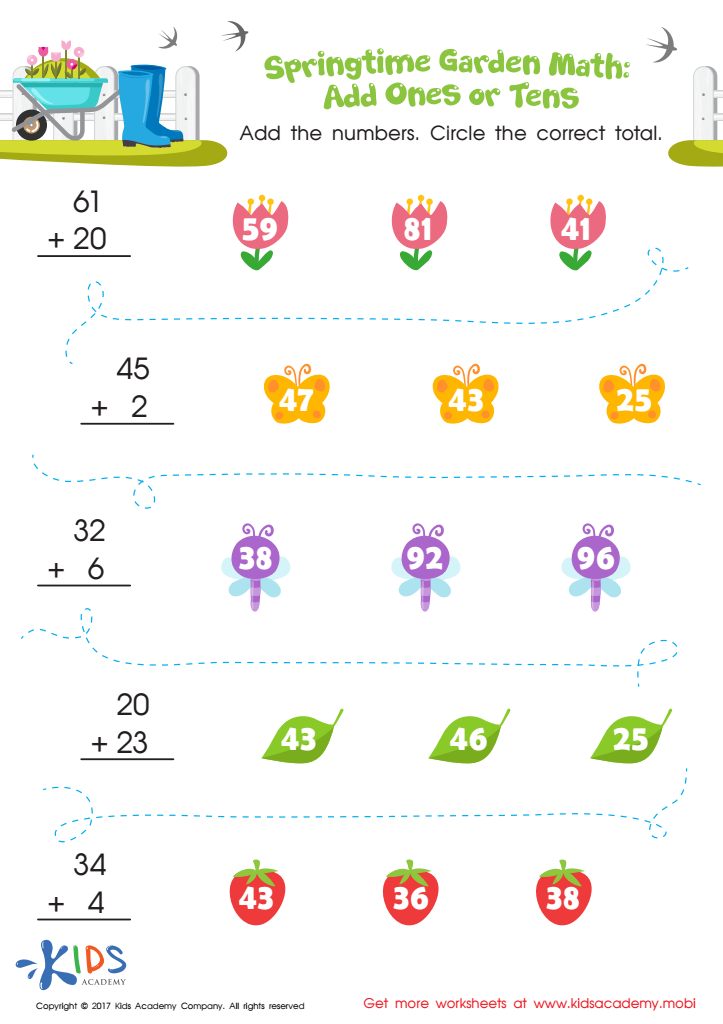
Springtime Garden Math Worksheet
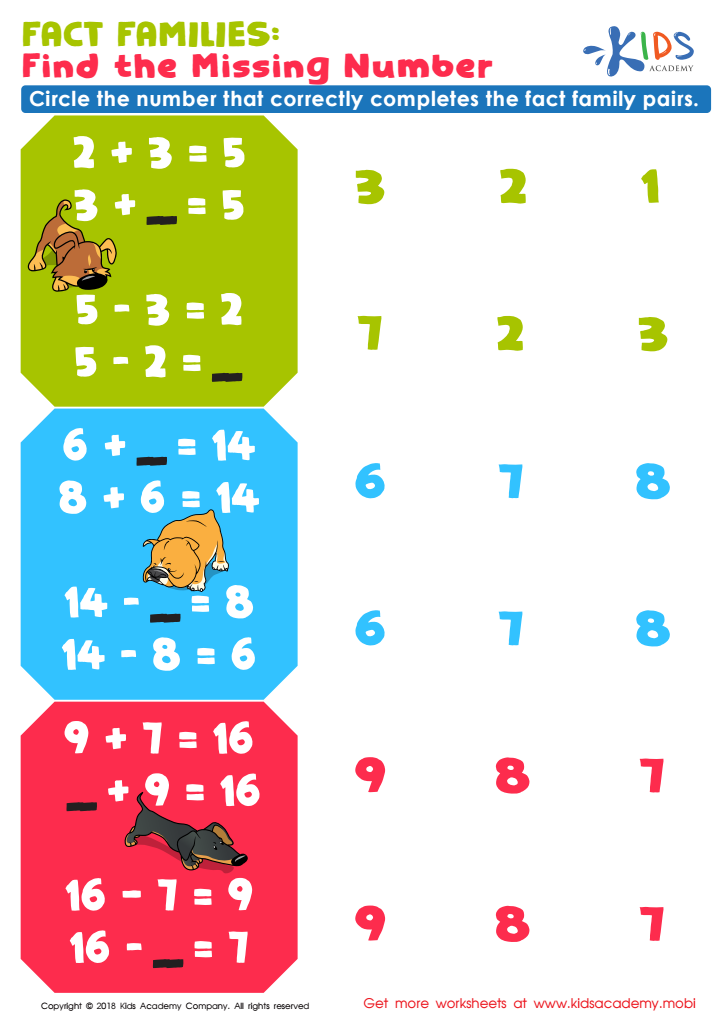
Fact Families: Find Missing Number Worksheet
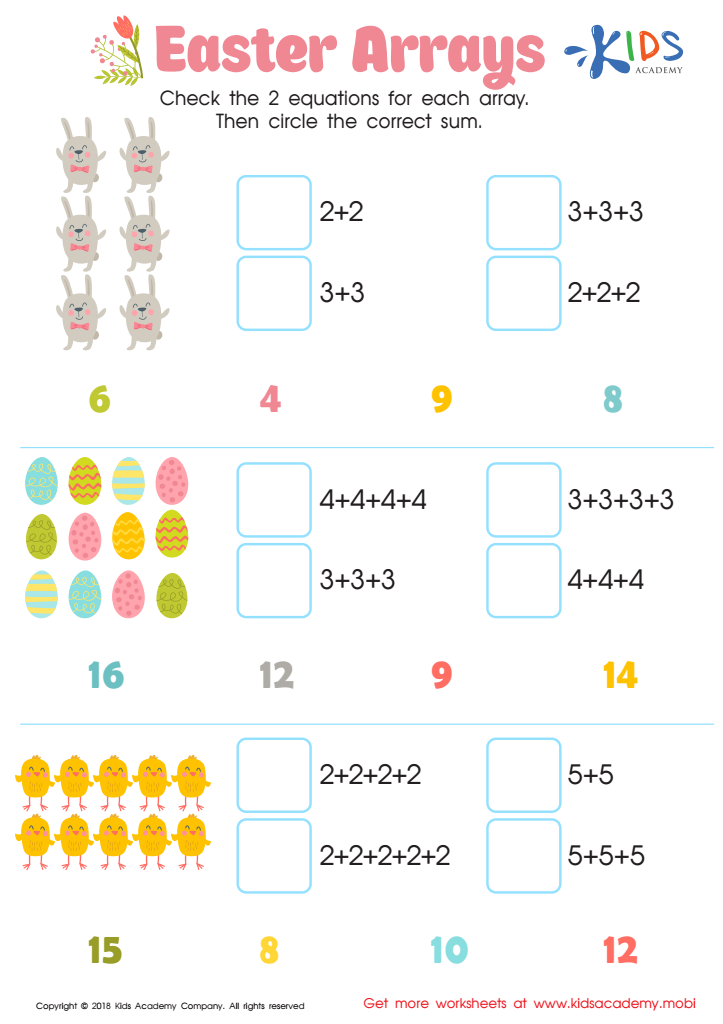
Easter Arrays Worksheet
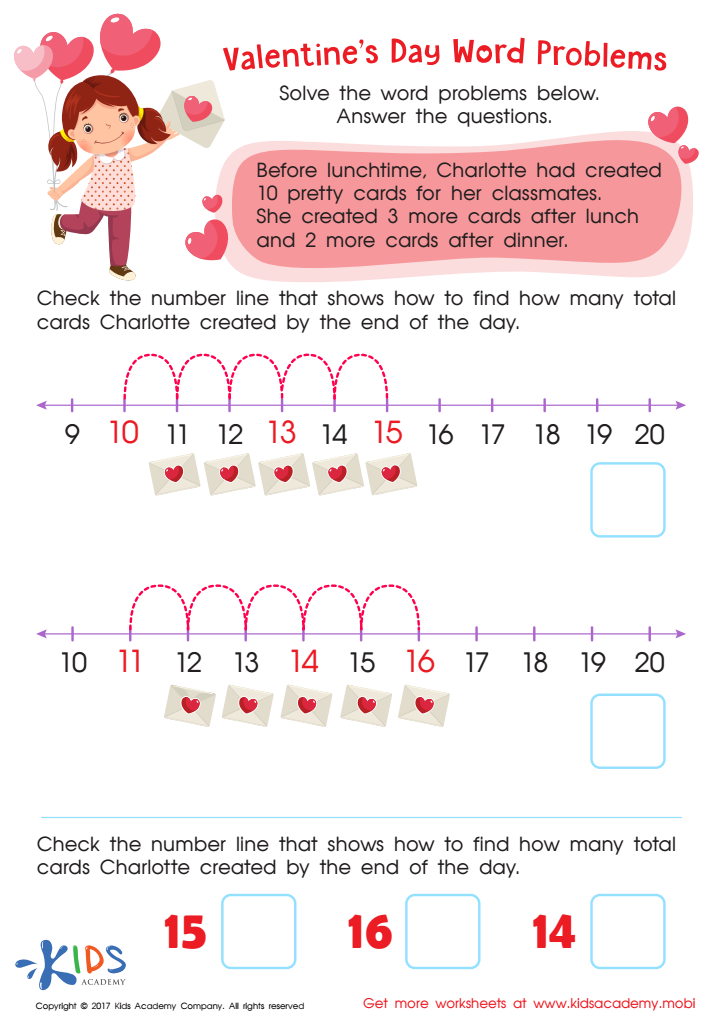
Valentines Day Word Problem Worksheet
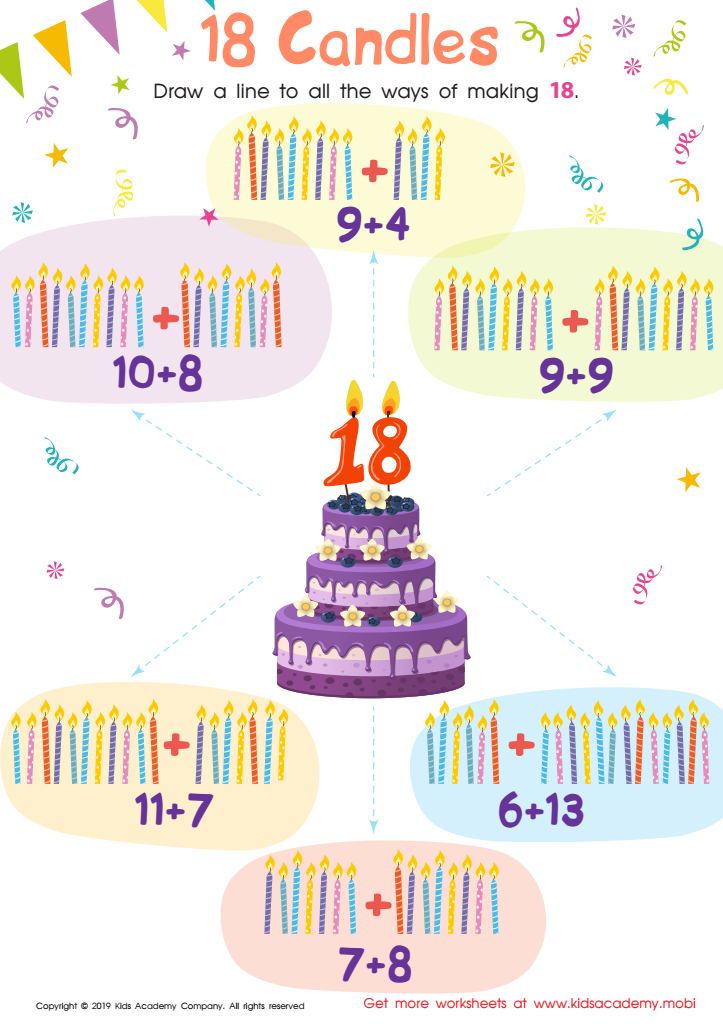
18 Candles Worksheet
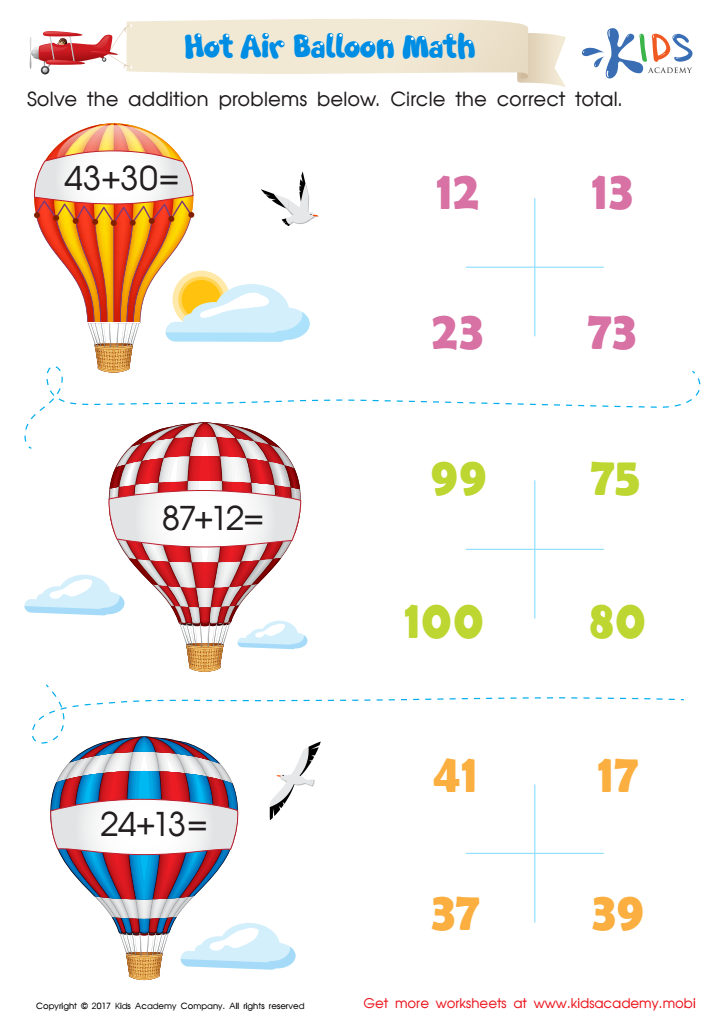
Hot Air Balloon Math Worksheet
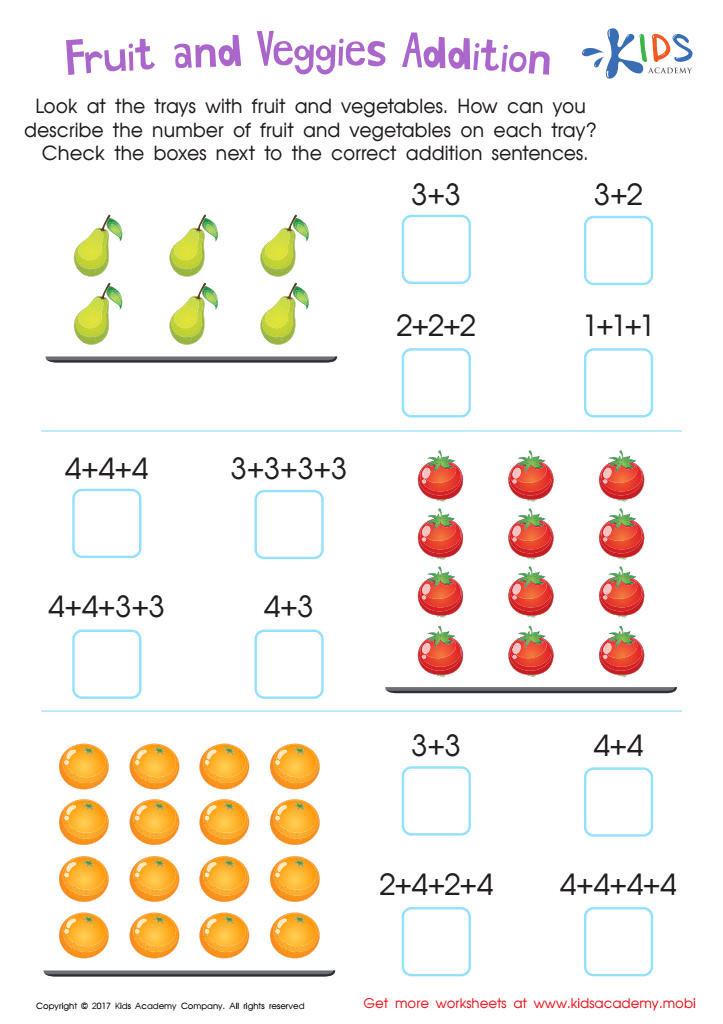
Fruit and Veggies Worksheet
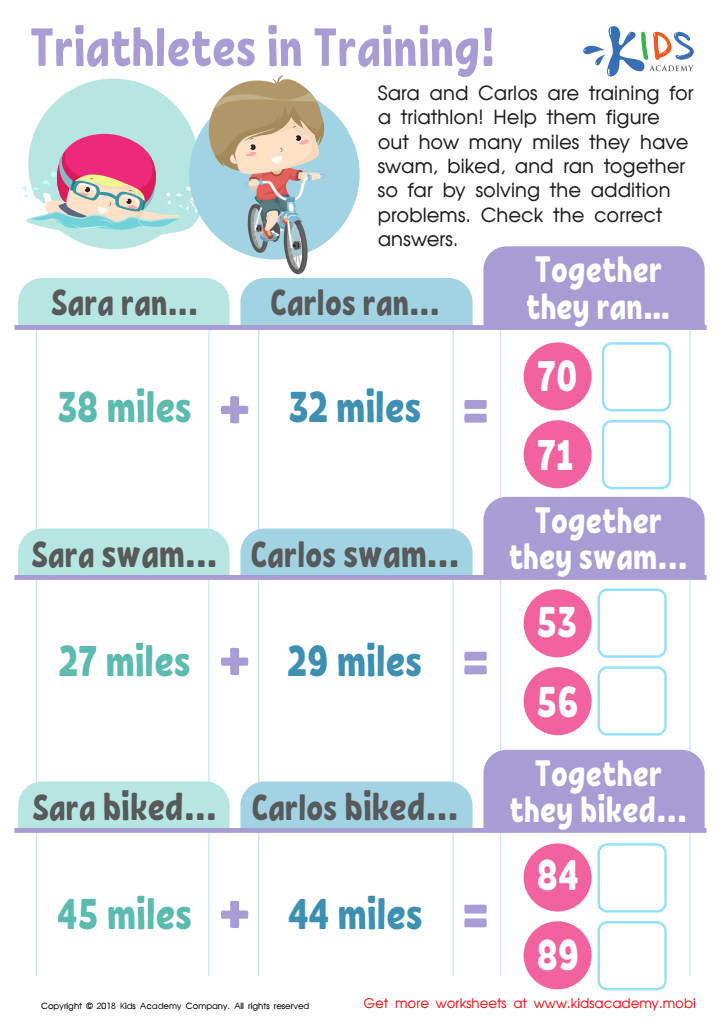
Triathletes in Training Worksheet
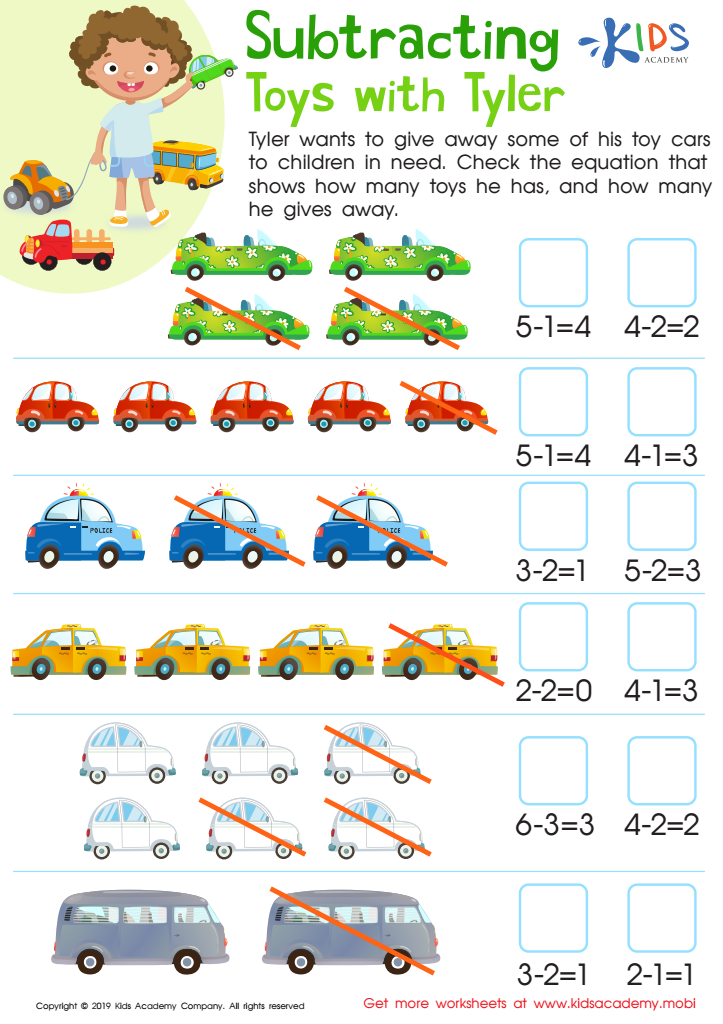
Subtracting Toys with Tyler Worksheet
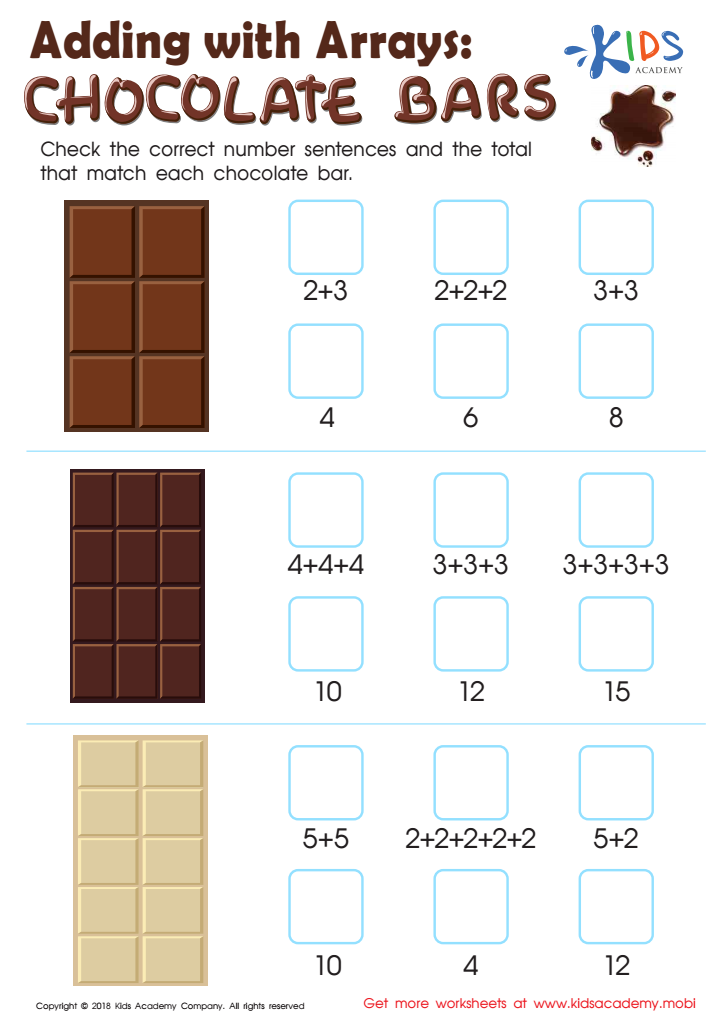
Adding with Arrays: Chocolate Bars Worksheet
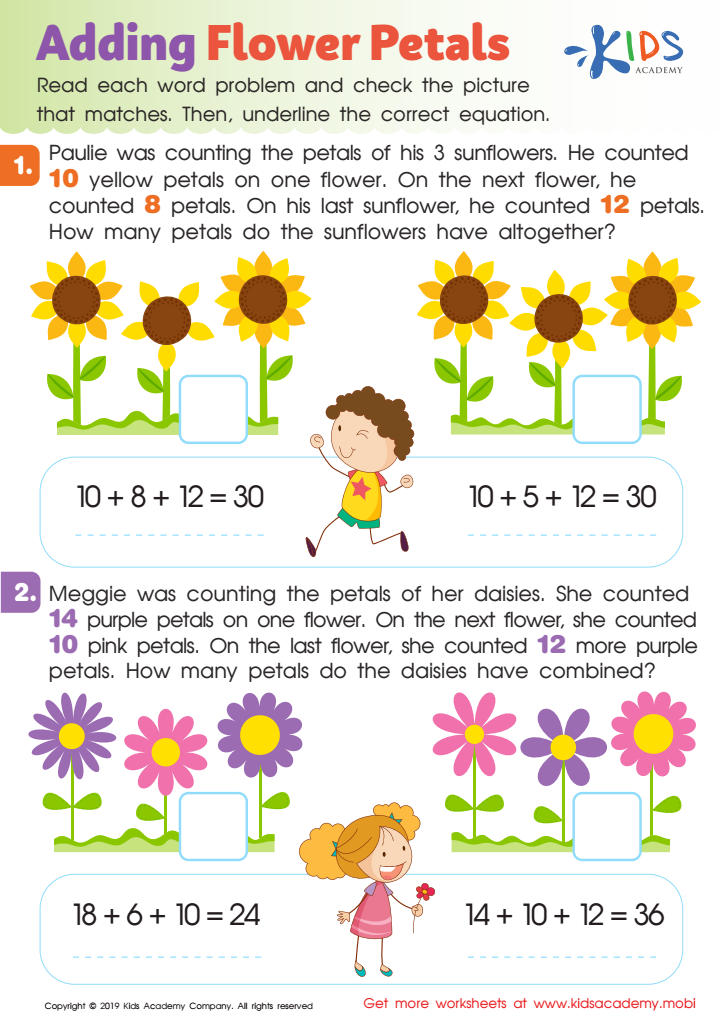
Adding Flower Petals Worksheet
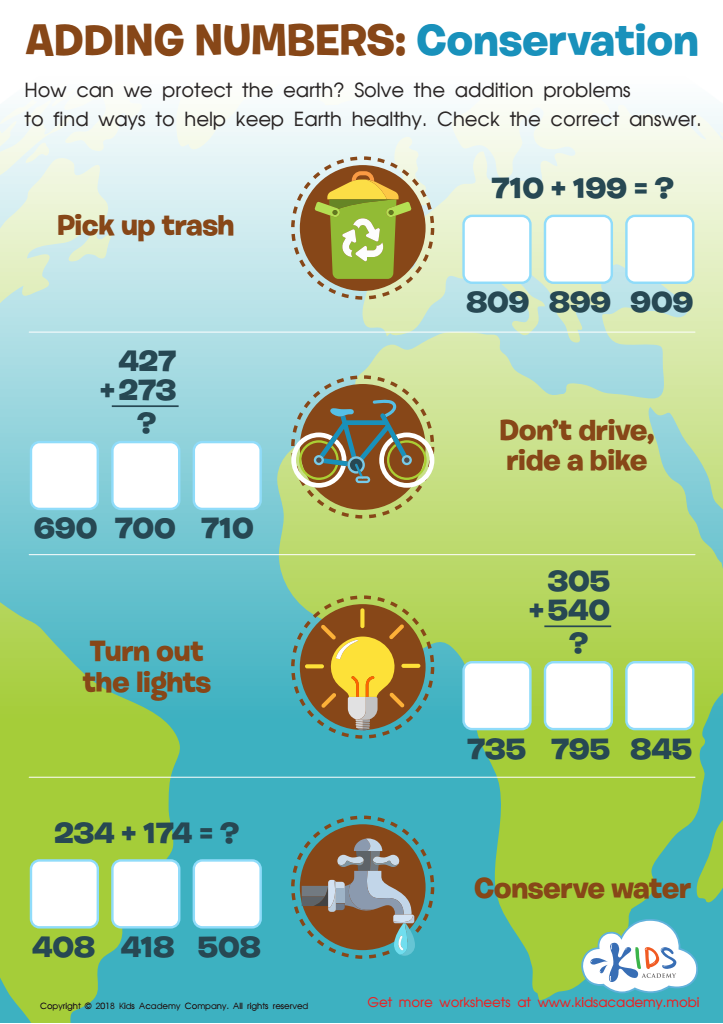
Adding Numbers: Conservation Worksheet





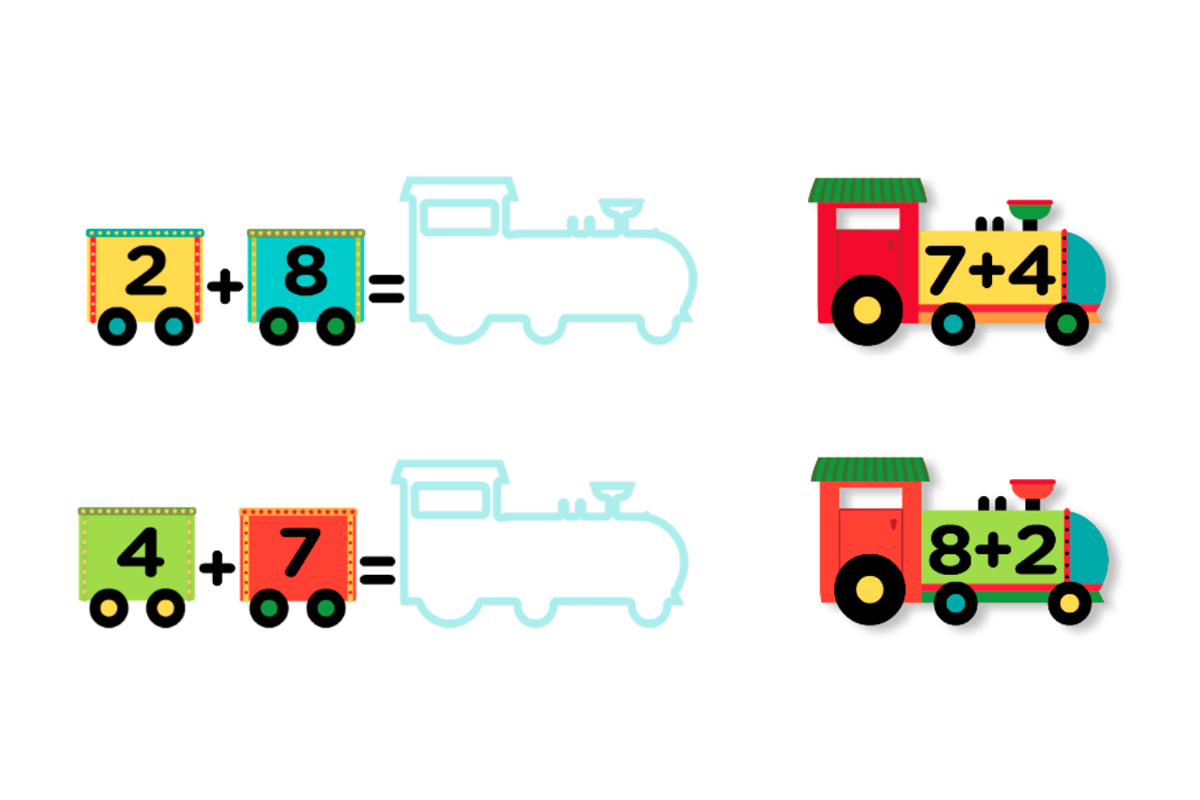


Parents and teachers should care about normal addition and subtraction for ages 3-9 because these fundamental skills form the building blocks for all later mathematical understanding. At this crucial developmental stage, children are naturally curious and highly receptive to learning new concepts. Introducing addition and subtraction through engaging and interactive activities helps solidify understanding and ensures a positive relationship with math from an early age. Moreover, practicing these skills enhances cognitive development, critical thinking, and problem-solving abilities, which are essential not just in math but across all subjects and in everyday life.
Being proficient in basic arithmetic also boosts children's confidence and fosters a sense of achievement. It prepares them to tackle more complex mathematical concepts in higher grades. Furthermore, many key life skills, such as telling time, handling money, and measuring objects, rely heavily on a strong grasp of addition and subtraction. Early competence in these areas can lead to more independent and efficient navigation through daily tasks.
In summary, normal addition and subtraction for young children are foundational to both academic success and practical life skills development. Promoting these abilities in a fun, supportive environment lays the groundwork for a lifelong comfort with and appreciation for mathematics.








