Normal Measurement Worksheets for Ages 3-9 - Page 2
36 filtered results
-
From - To
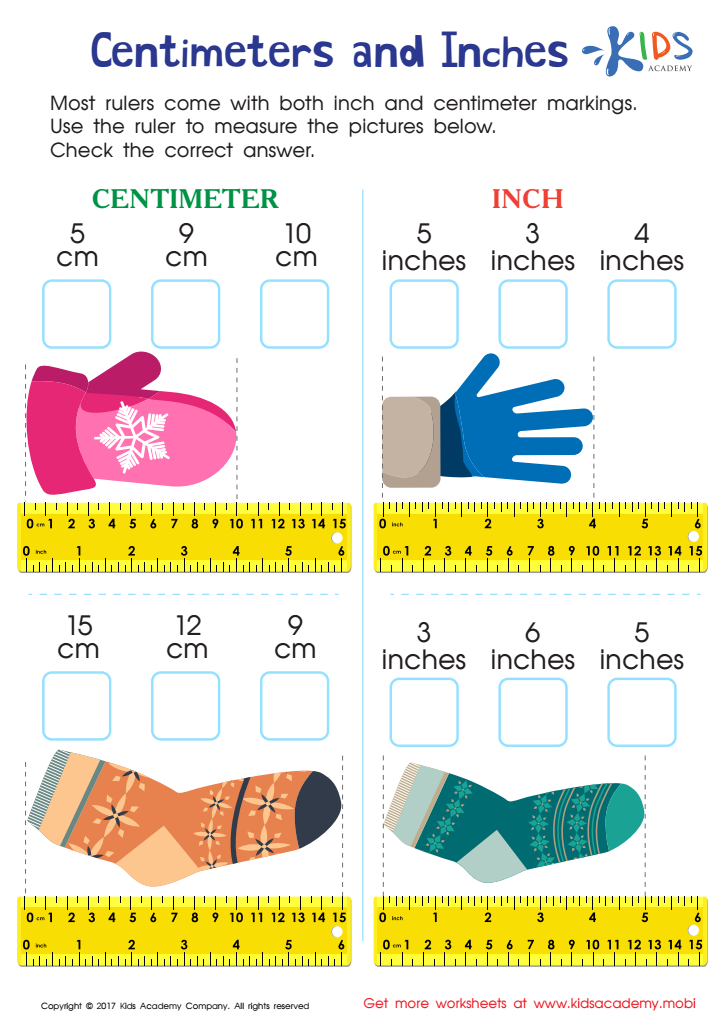
Centimeters and Inches Worksheet
 Assign to My Students
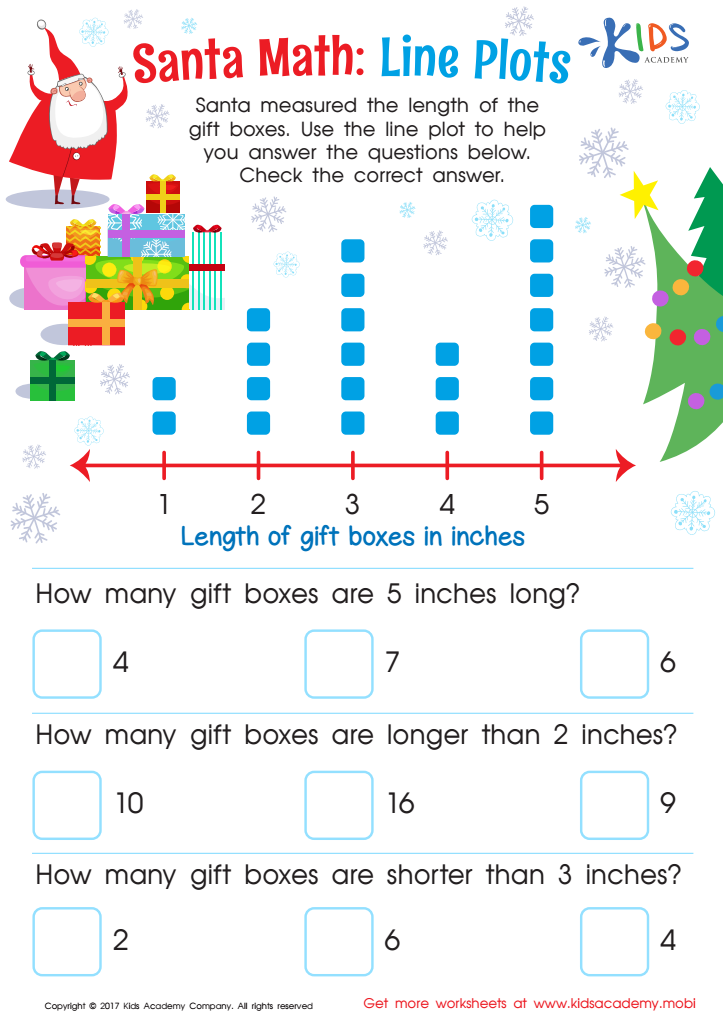
Line Plot Worksheet
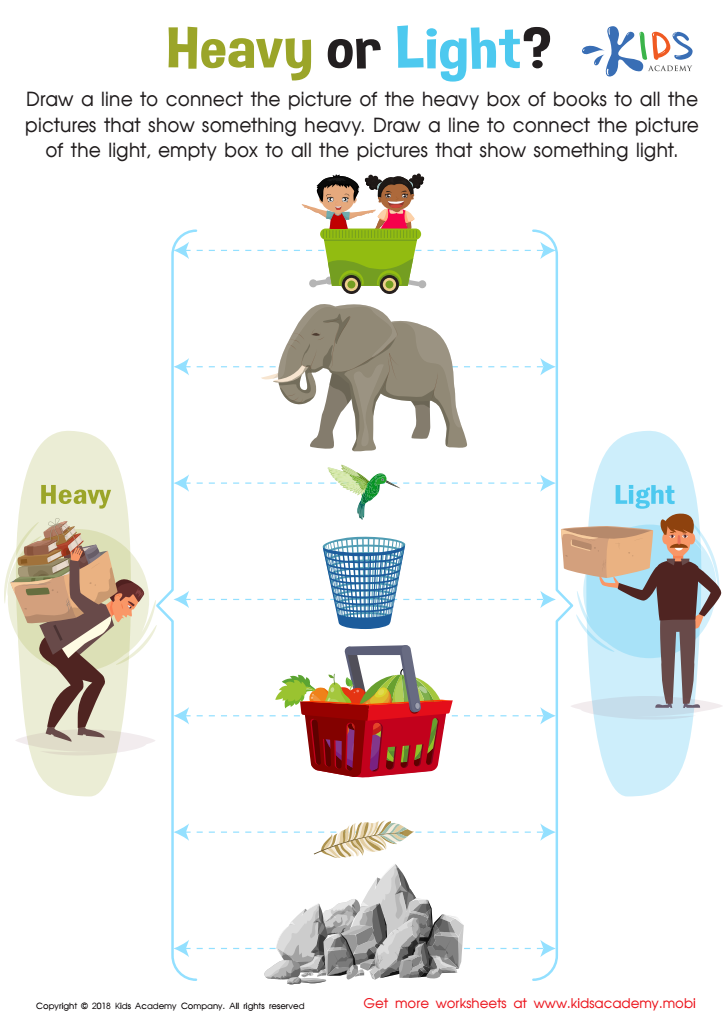
Heavy or Light? Worksheet
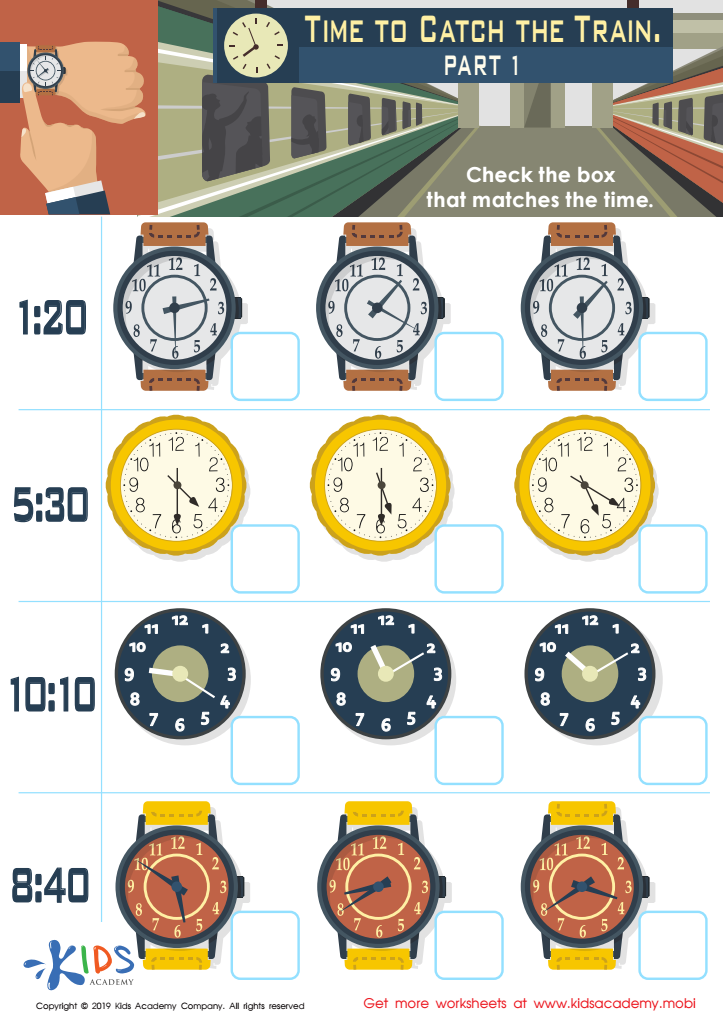
Time to Catch the Train Part 1 Worksheet
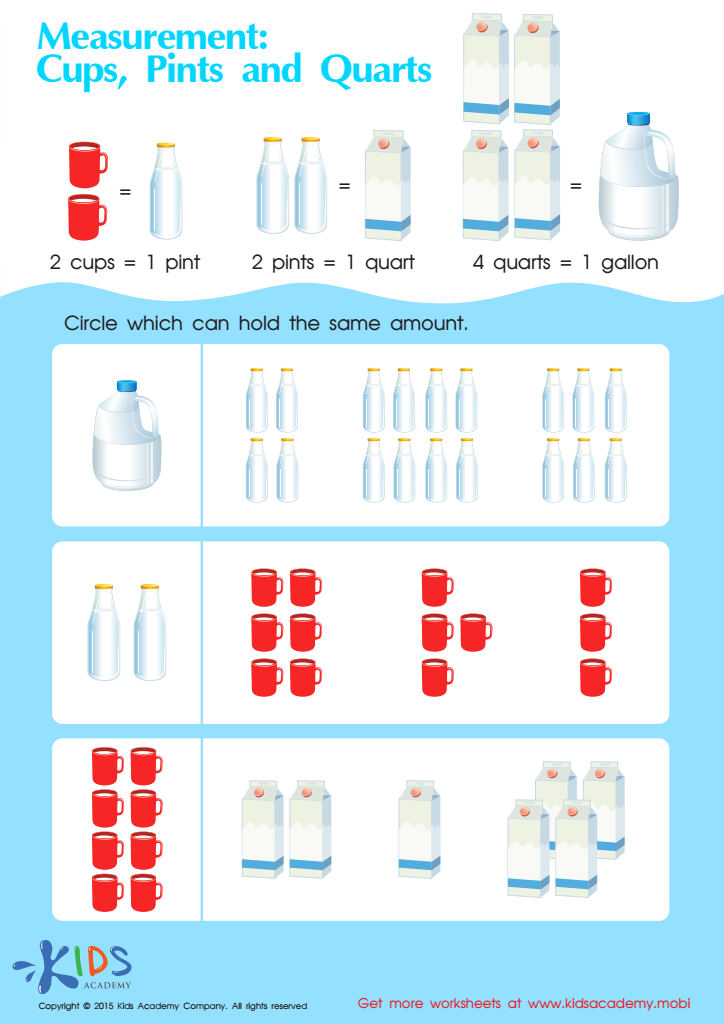
Cups, Pints and Quarts 2 Worksheet
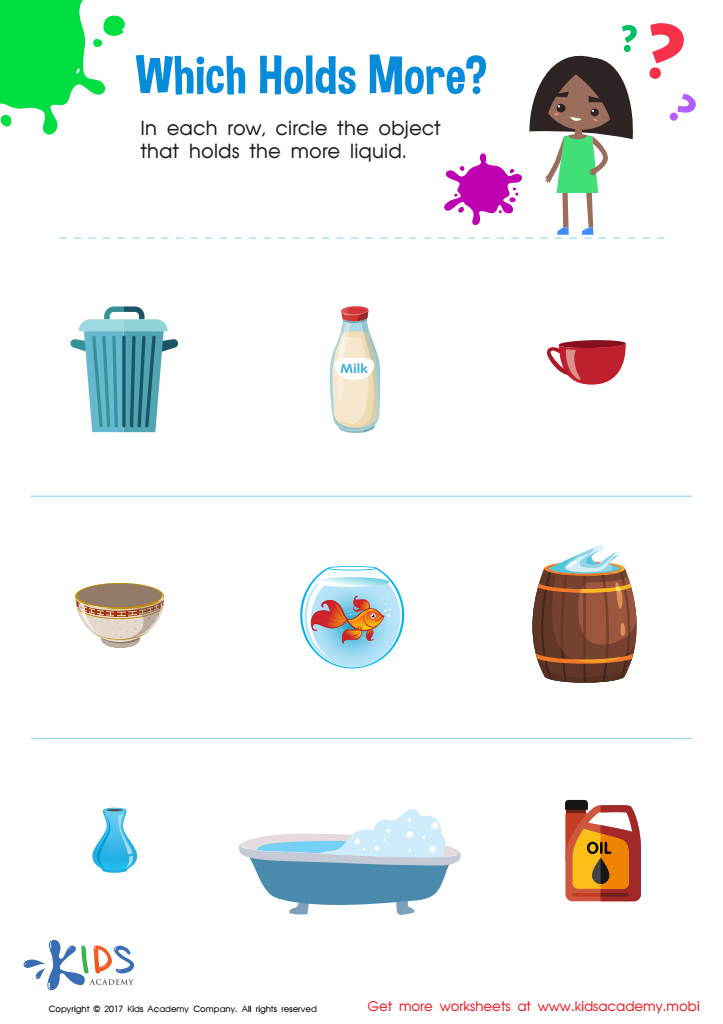
Which Holds More: Capacity Worksheet
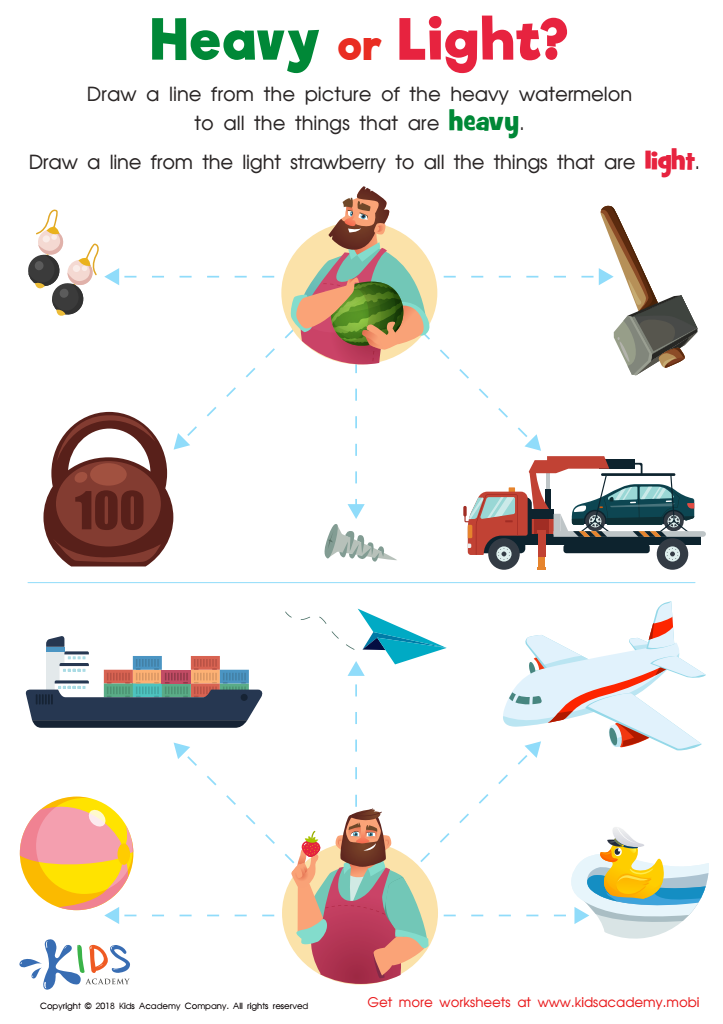
Heavy or Light? Worksheet
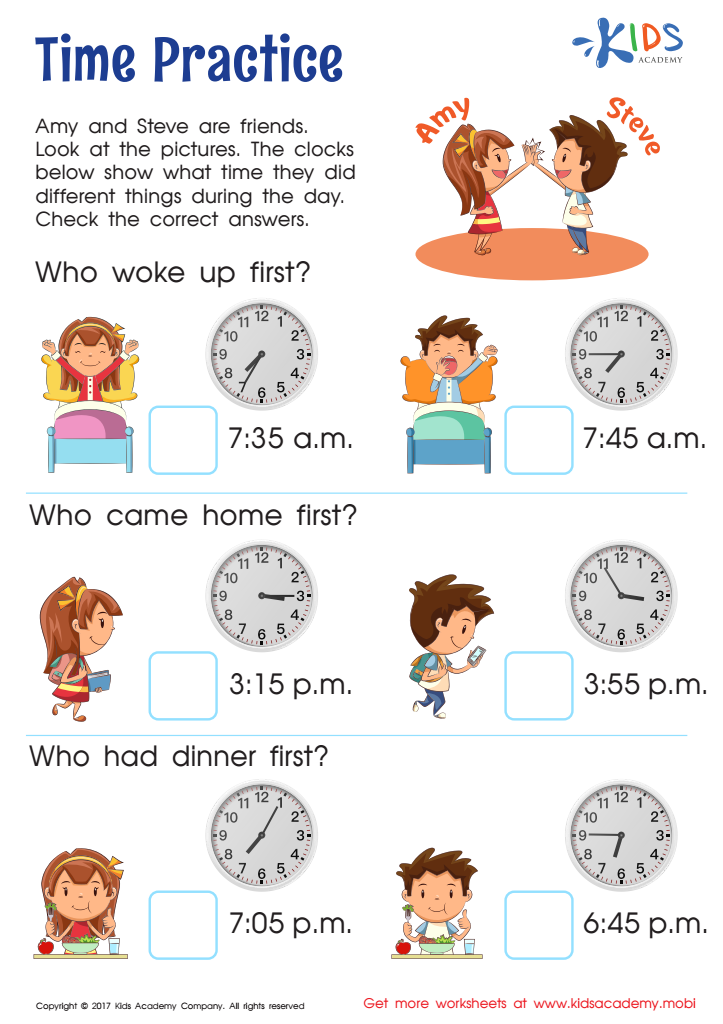
Time Practice Worksheet
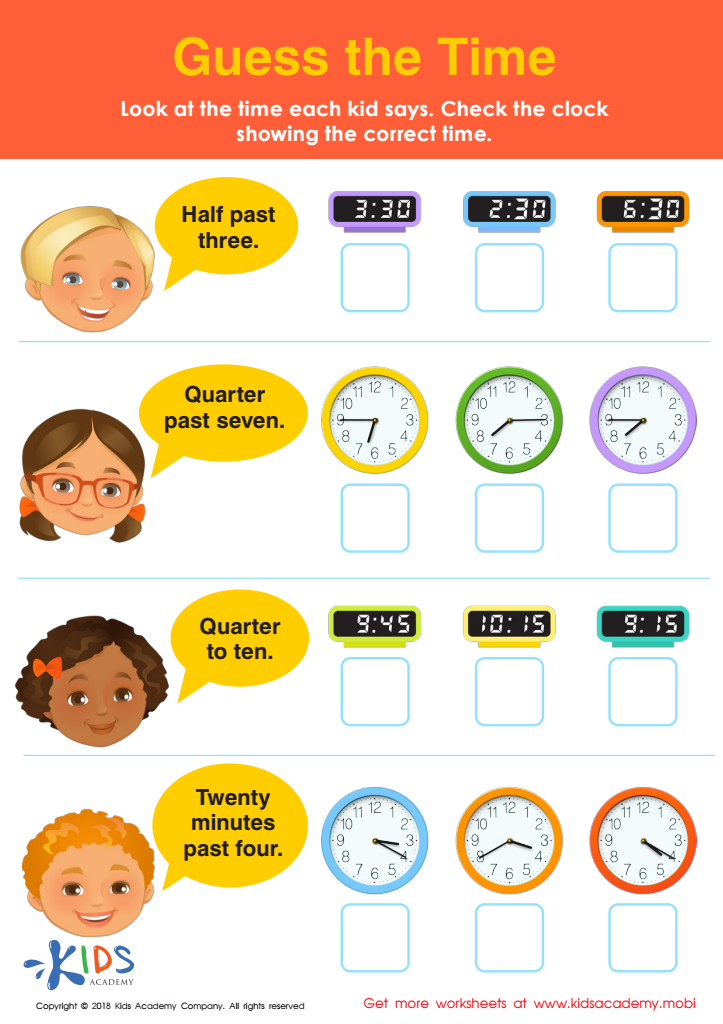
Guess the Time Worksheet
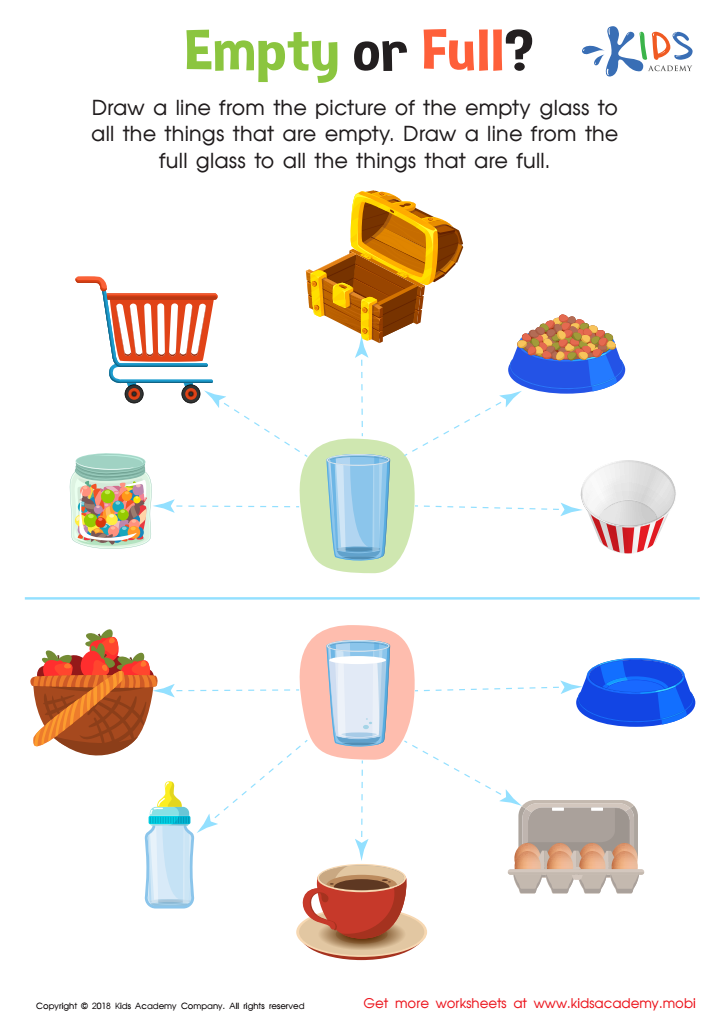
Empty or Full? Worksheet
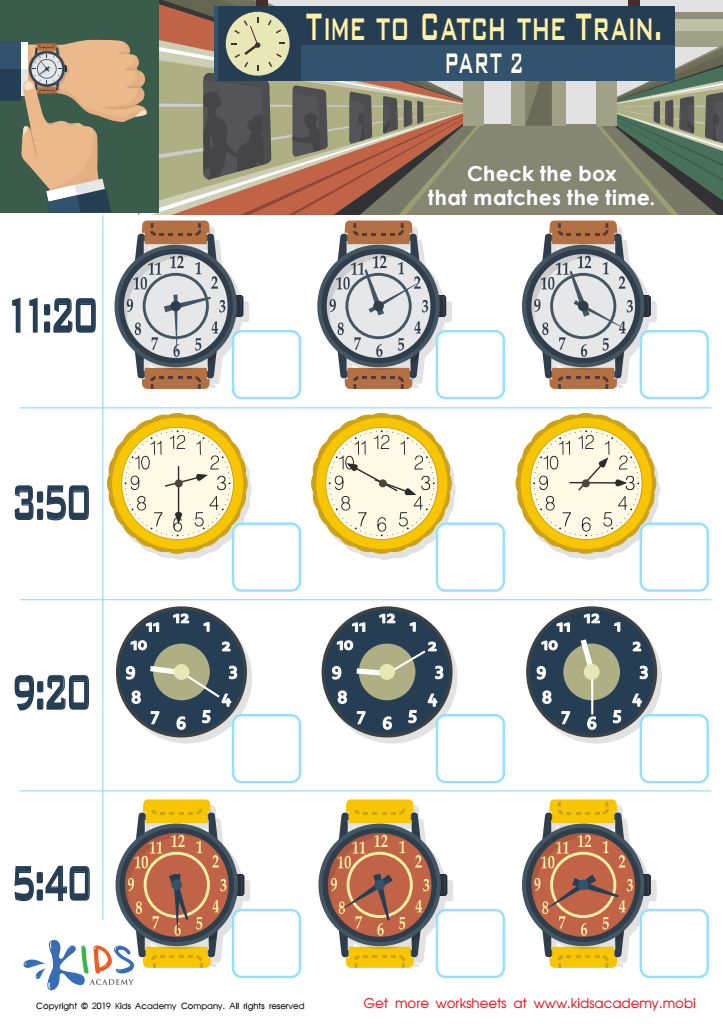
Time to Catch the Train Part 2 Worksheet
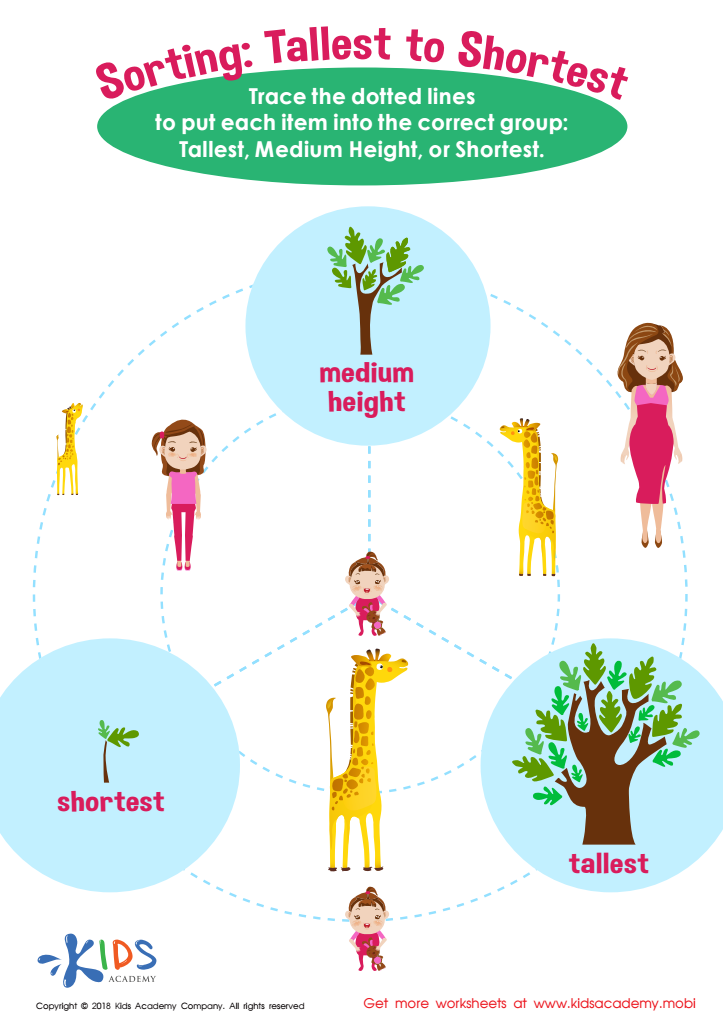
Sorting: Tallest to Shortest Worksheet








Normal measurement for children ages 3-9 is vital for several reasons. Firstly, it provides a benchmark for physical development, ensuring children are growing at an appropriate rate. Monitoring height and weight can help identify potential health issues such as obesity or undernourishment, enabling early intervention to promote healthy habits. Secondly, normal measurement reflects the child’s overall well-being, encompassing not just physical growth but also emotional and social development.
Moreover, understanding normal measurement fosters greater awareness of developmental milestones. For parents and teachers, this awareness leads to informed decisions about parenting styles, educational approaches, and the creation of supportive environments for learning. When teachers are attuned to the growth patterns and developmental stages of their students, they can tailor their teaching strategies to better meet the needs of individual children, promoting a more effective and engaging learning experience.
Furthermore, these measurements assist in identifying concerns that may require professional evaluation. If children fall significantly outside the standard ranges, it may prompt further assessment for developmental delays or other issues that might impact their future learning. Ultimately, cooperation between parents and educators in tracking normal measurement helps ensure that each child receives the support they need to thrive.








