Normal Word Problems Worksheets for Ages 3-9 - Page 2
45 filtered results
-
From - To
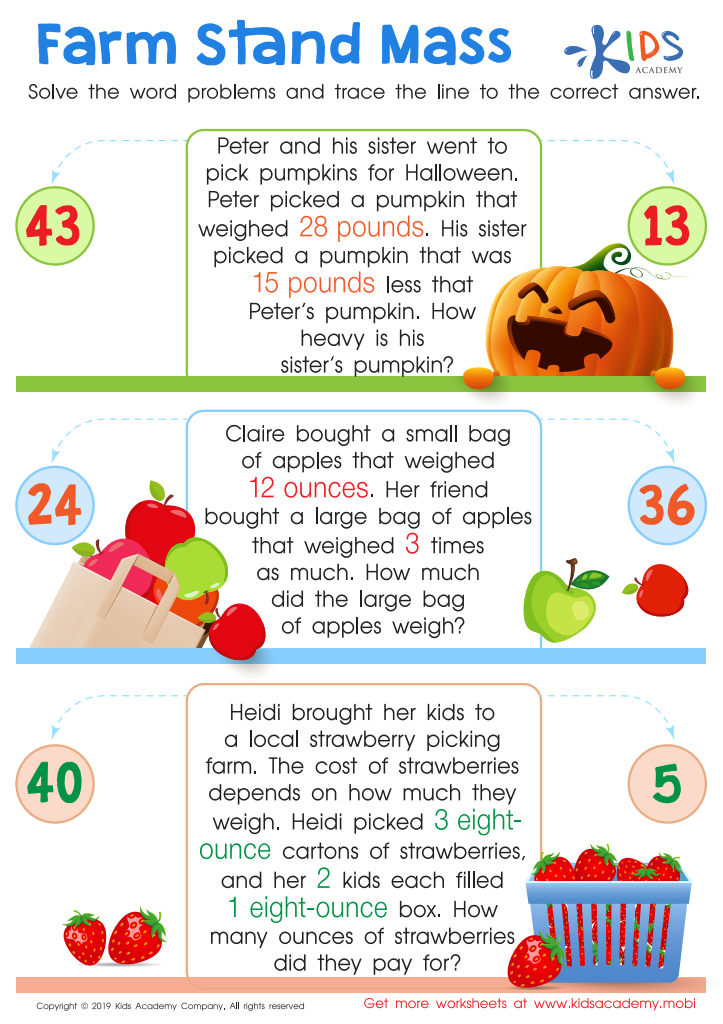
Farm Stand Mass Worksheet
 Assign to My Students
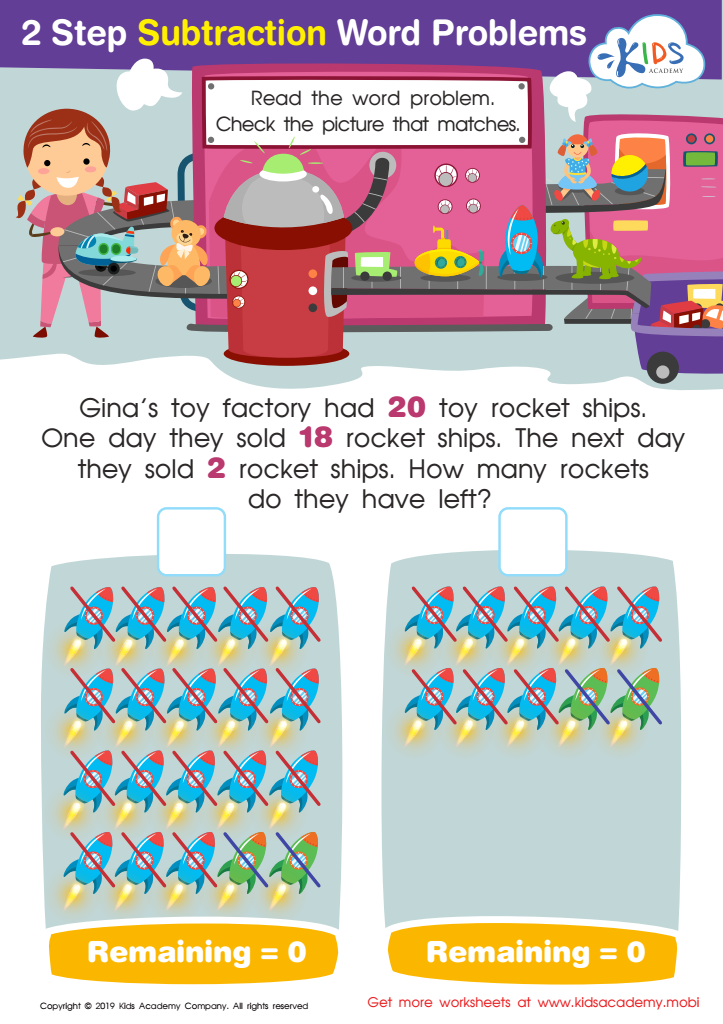
Step Subtraction Word Problems Worksheet
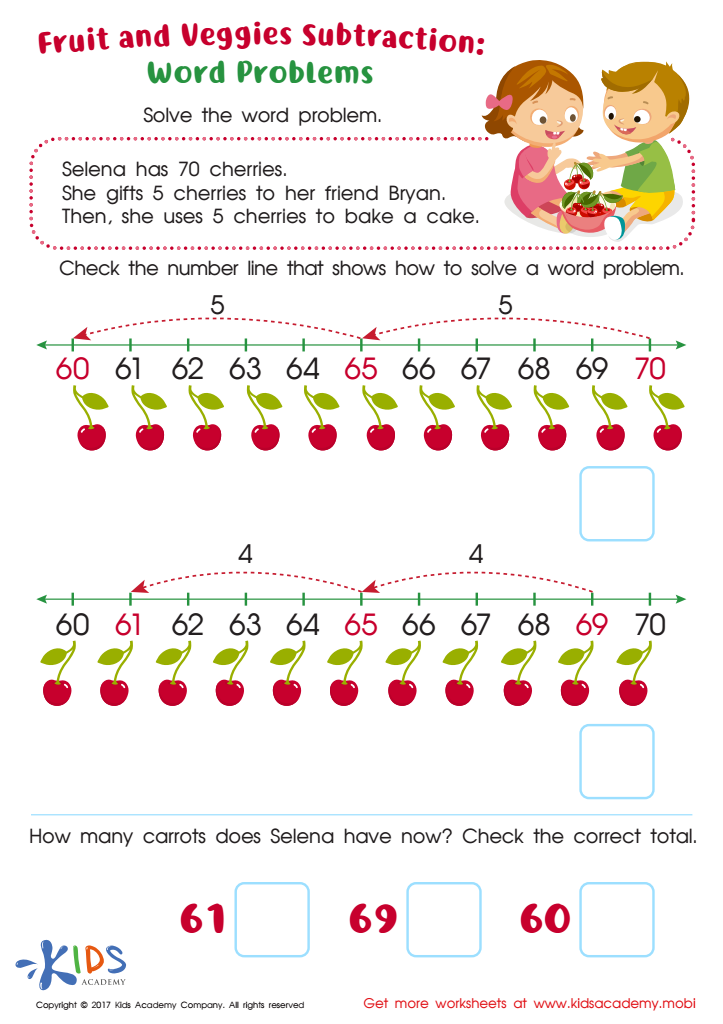
Subtraction Word Problems Free Printable
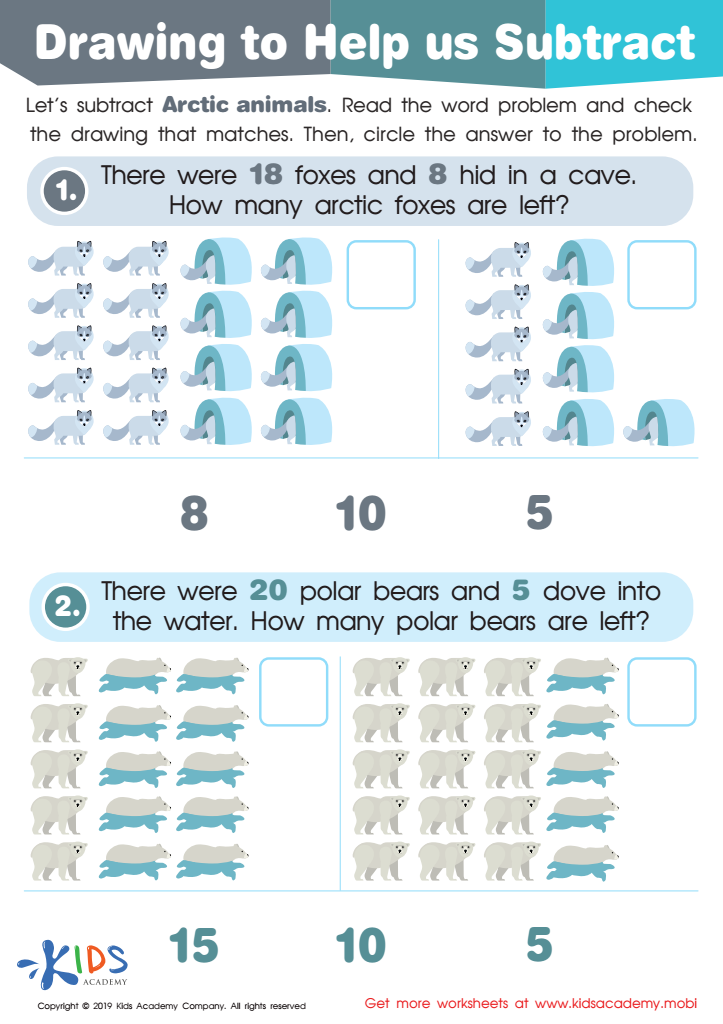
Drawing to Help Us Subtract Worksheet
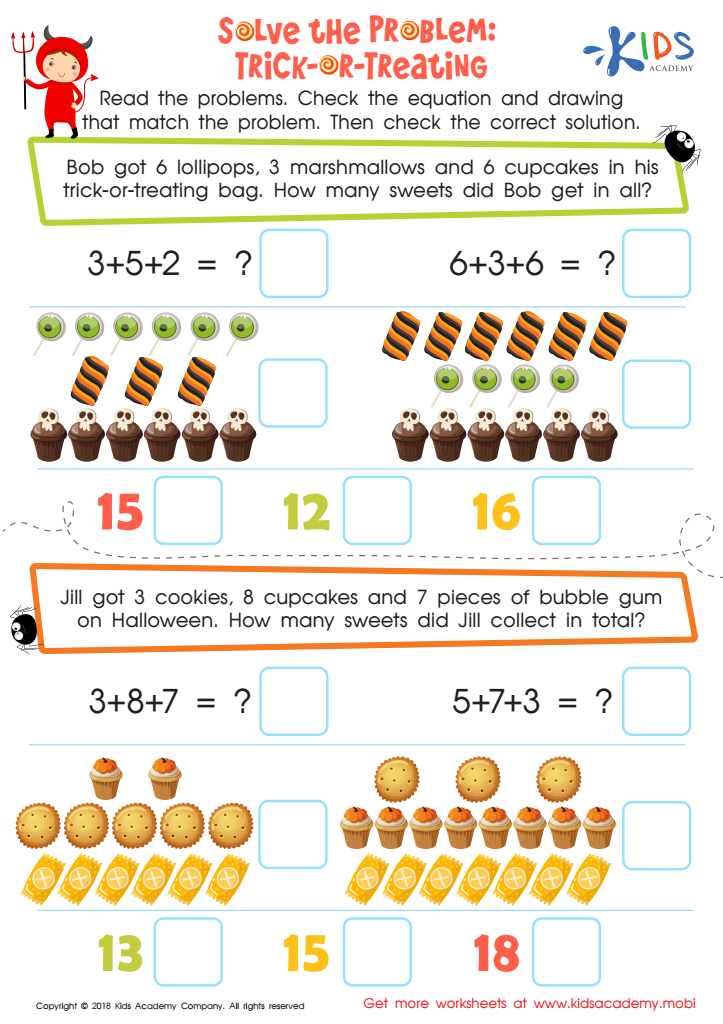
Solve the Problem: Trick–or–treating Worksheet
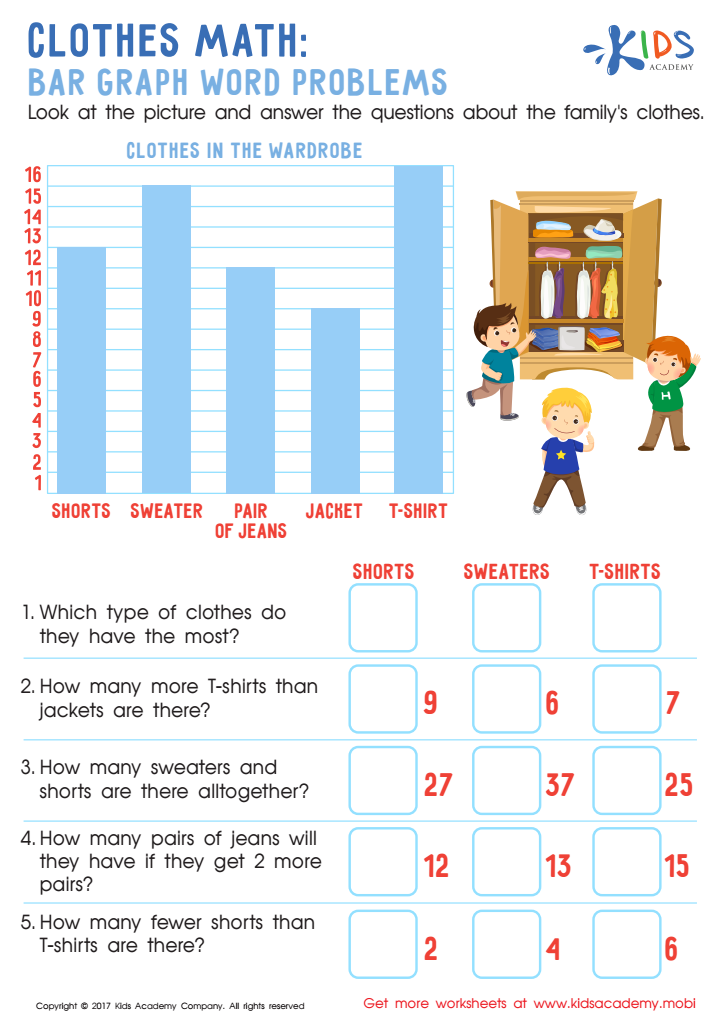
Clothes Math: Bar Graph Word Problems Worksheet
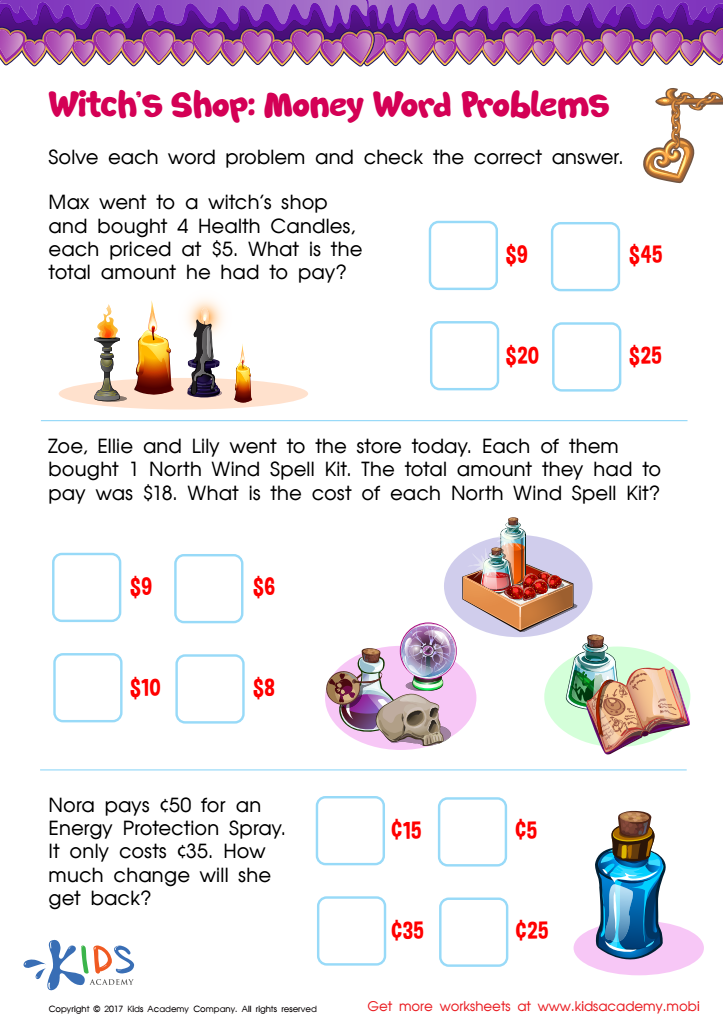
Money Word Problems Printable
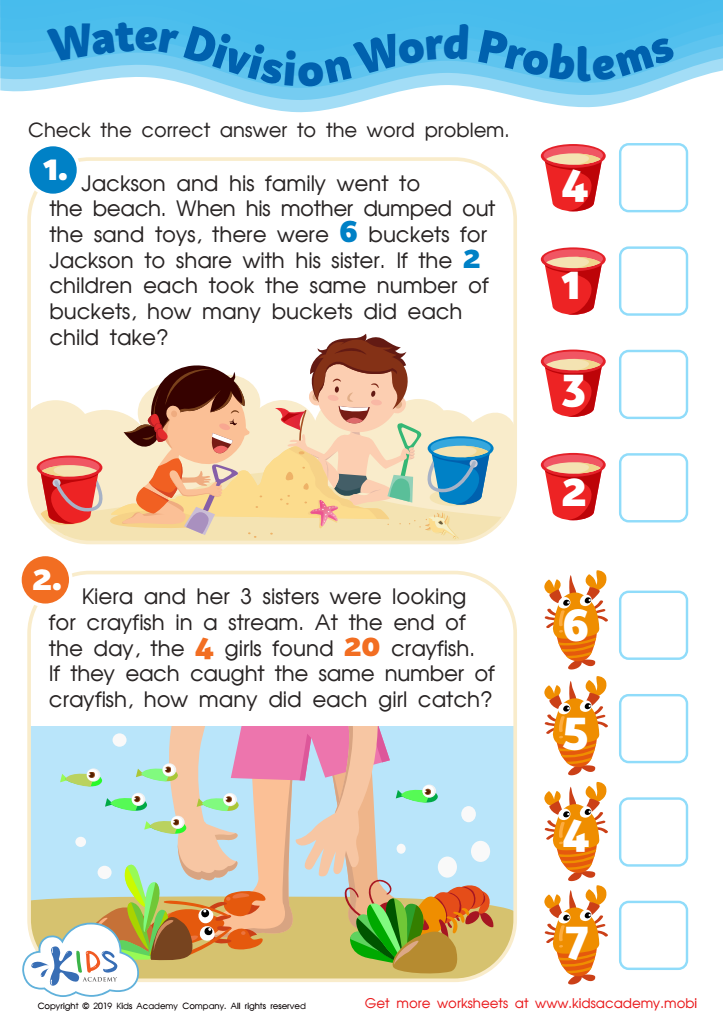
Water Division Word Problems Worksheet
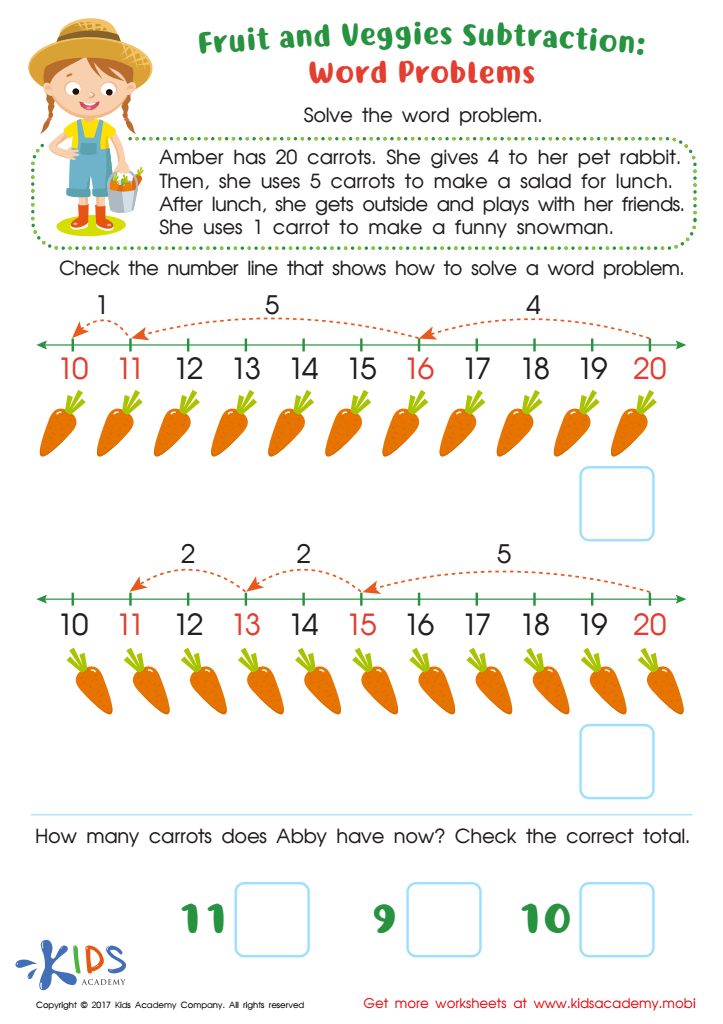
Subtraction Word Problems Printable
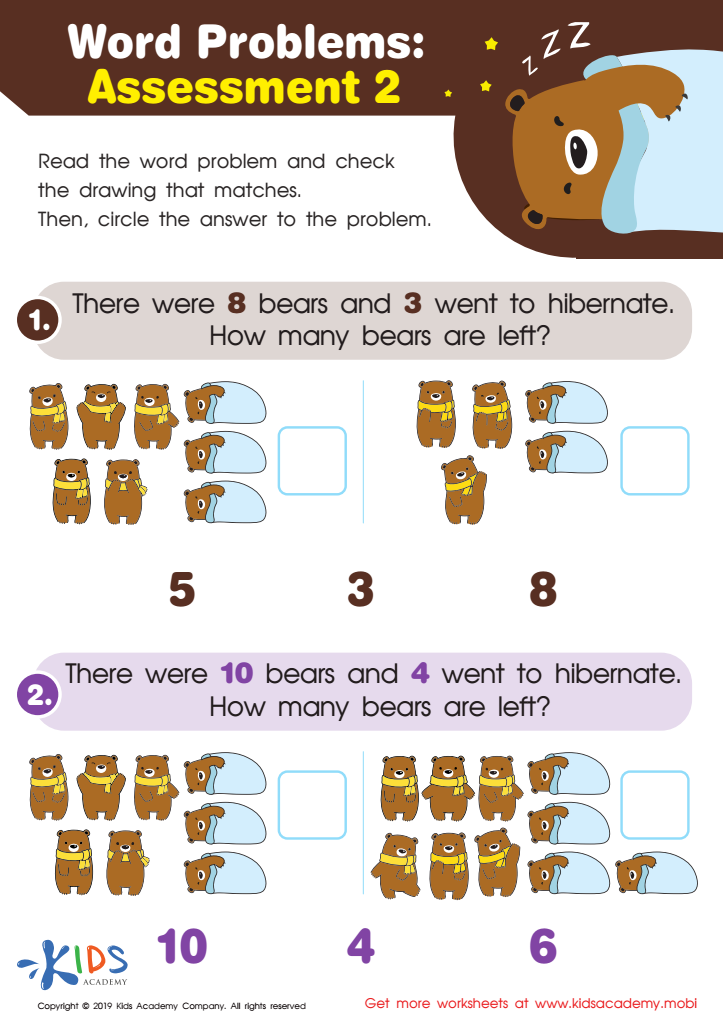
Word Problems: Assessment 2 Worksheet
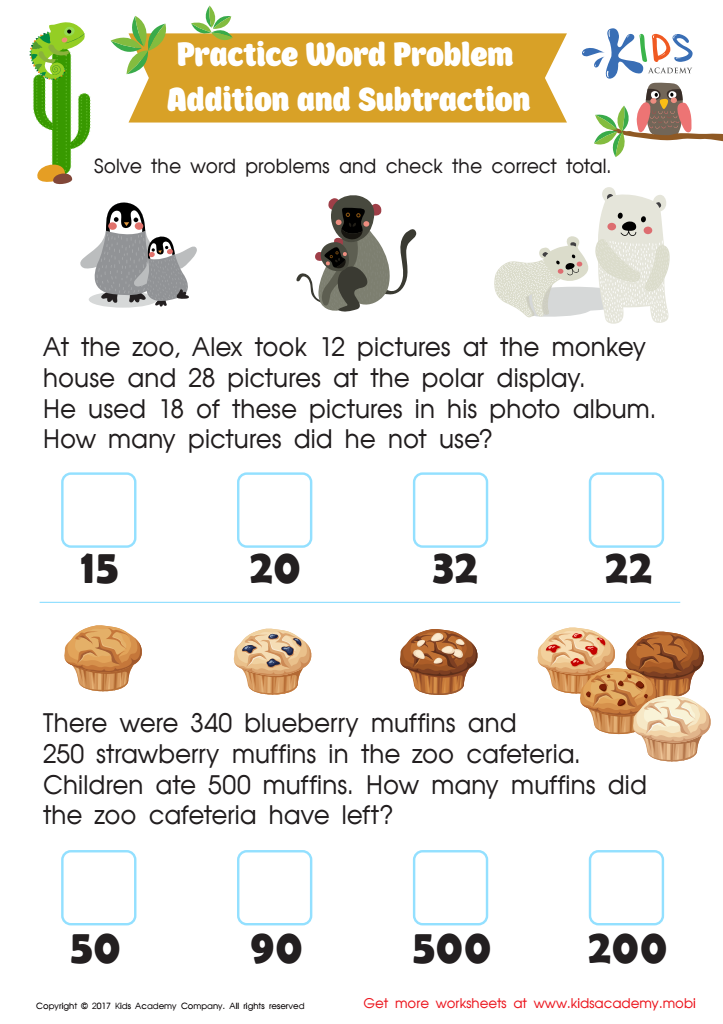
Addition and Subtraction: Word Problems Worksheet
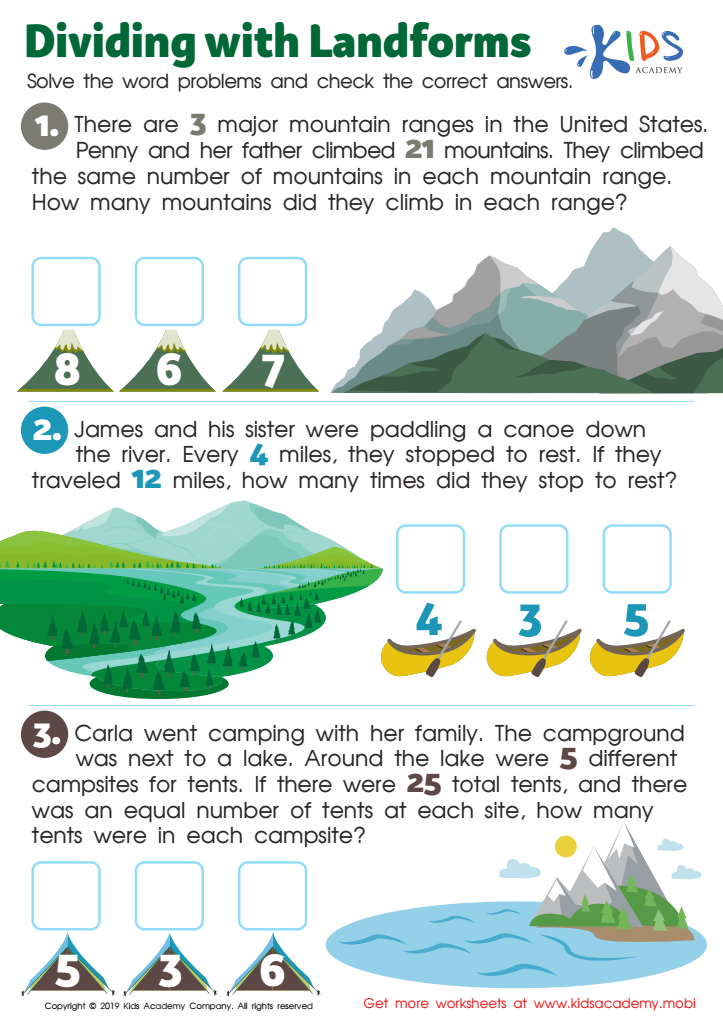
Dividing with Landforms
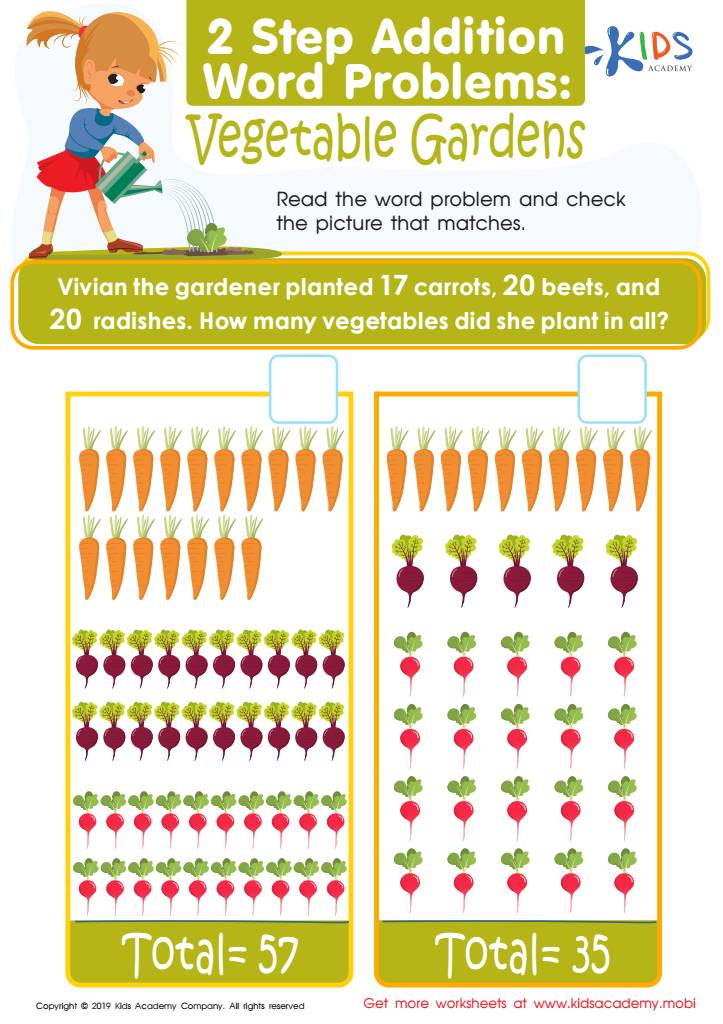
Vegetable Gardens Worksheet
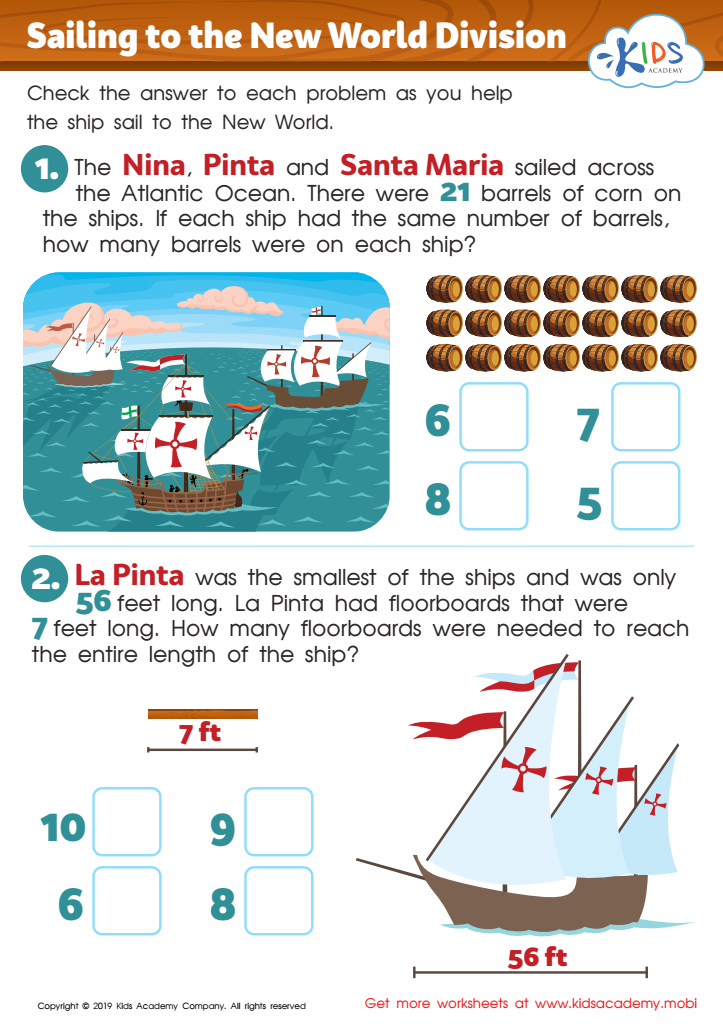
Sailing to the New World Division Worksheet
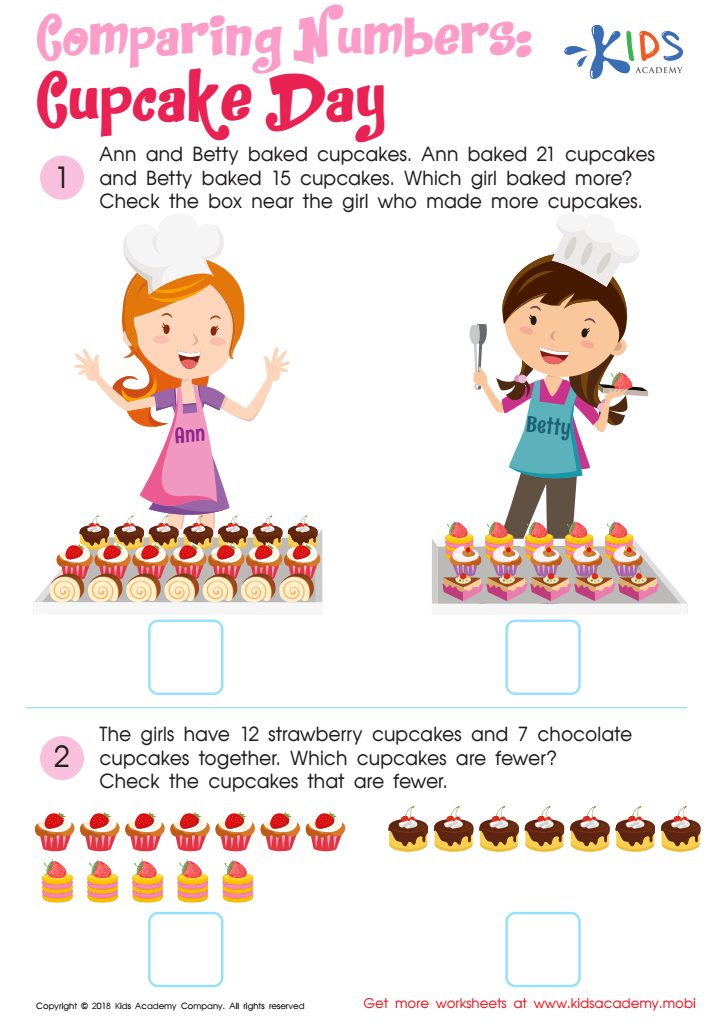
Cupcake Day Worksheet
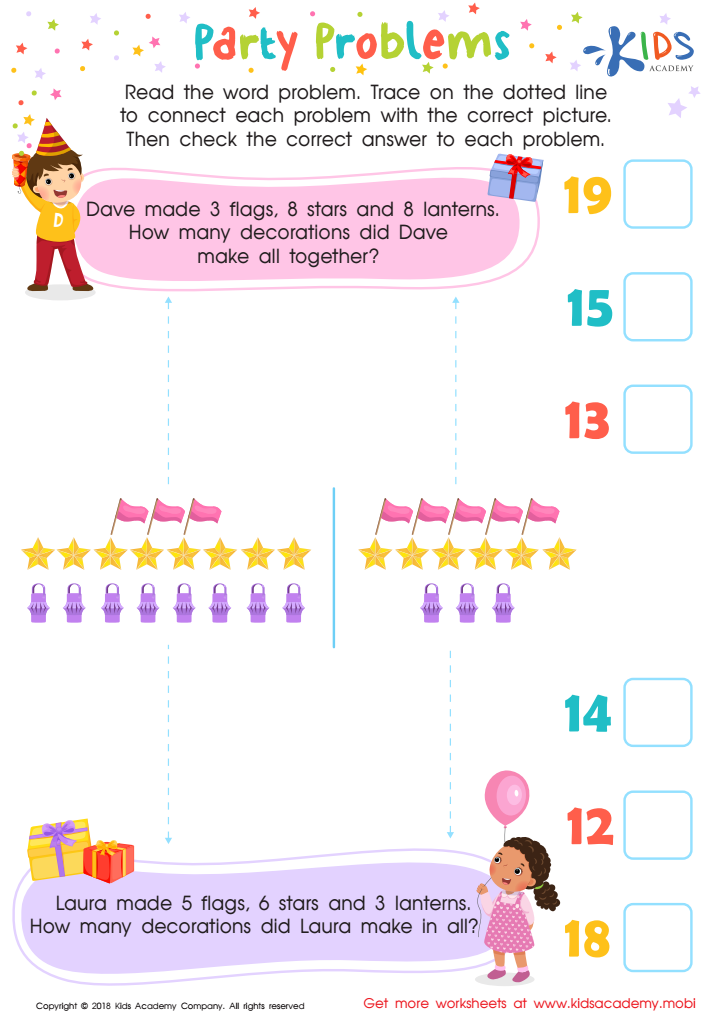
Party Problems Worksheet
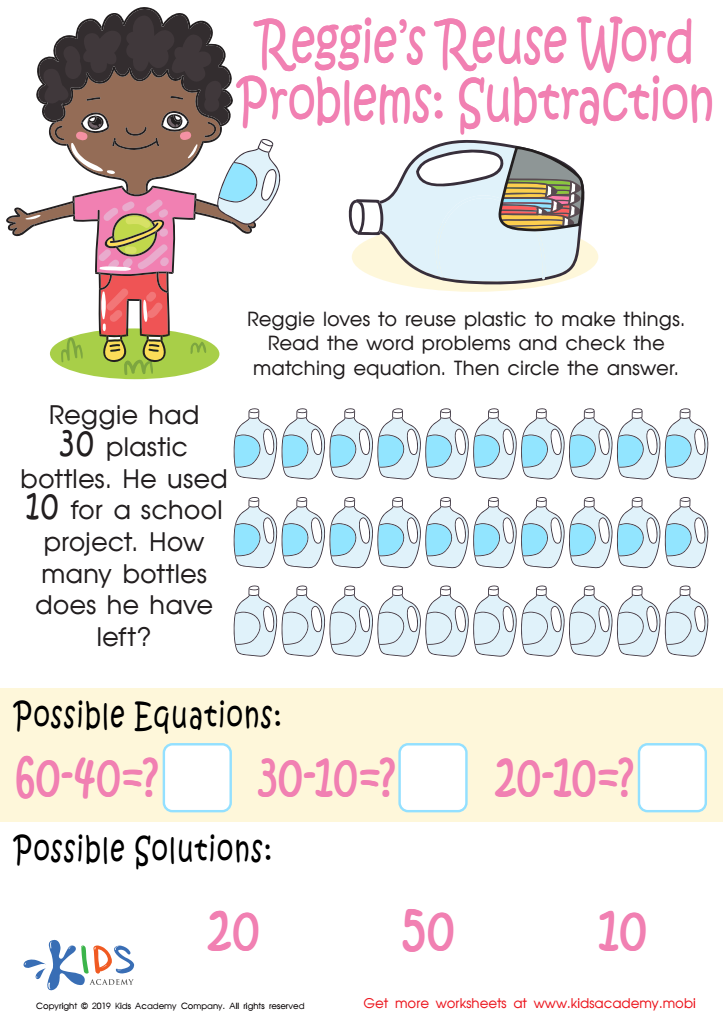
Reggie's Reuse Word Problems: Subtraction Worksheet
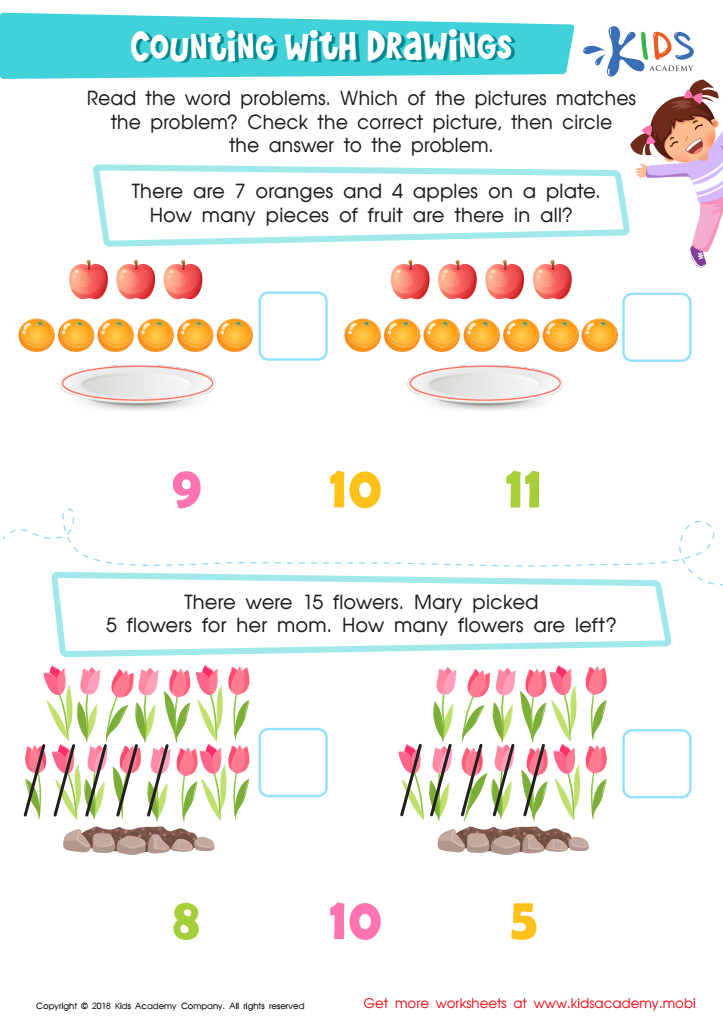
Counting with Drawings:Fruits & Flowers Worksheet
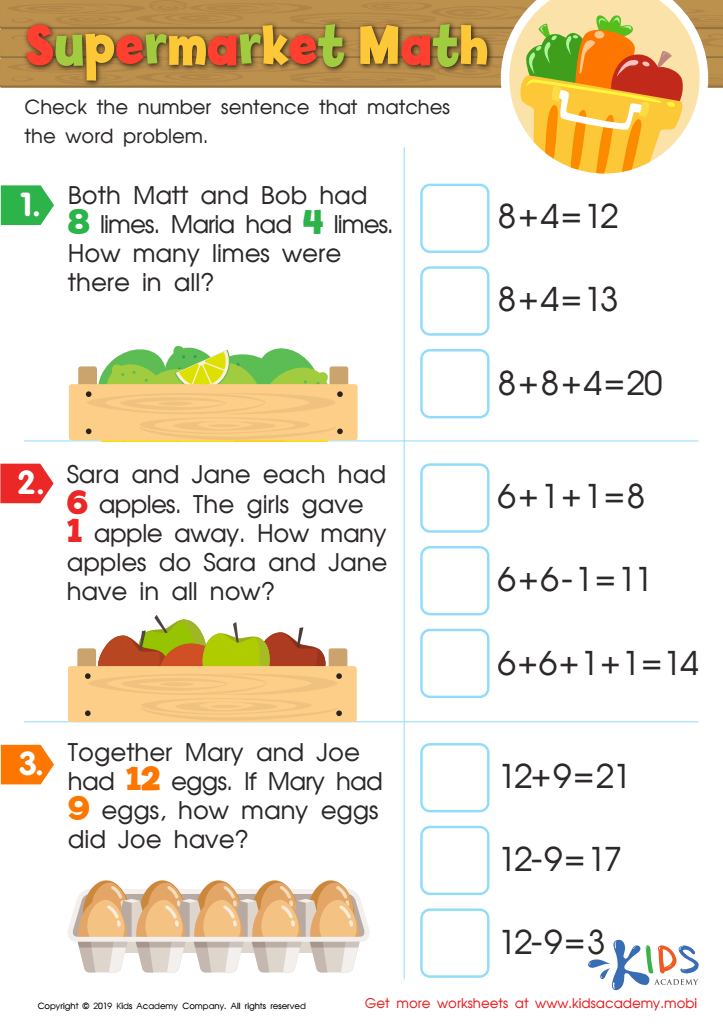
Supermarket Math Worksheet
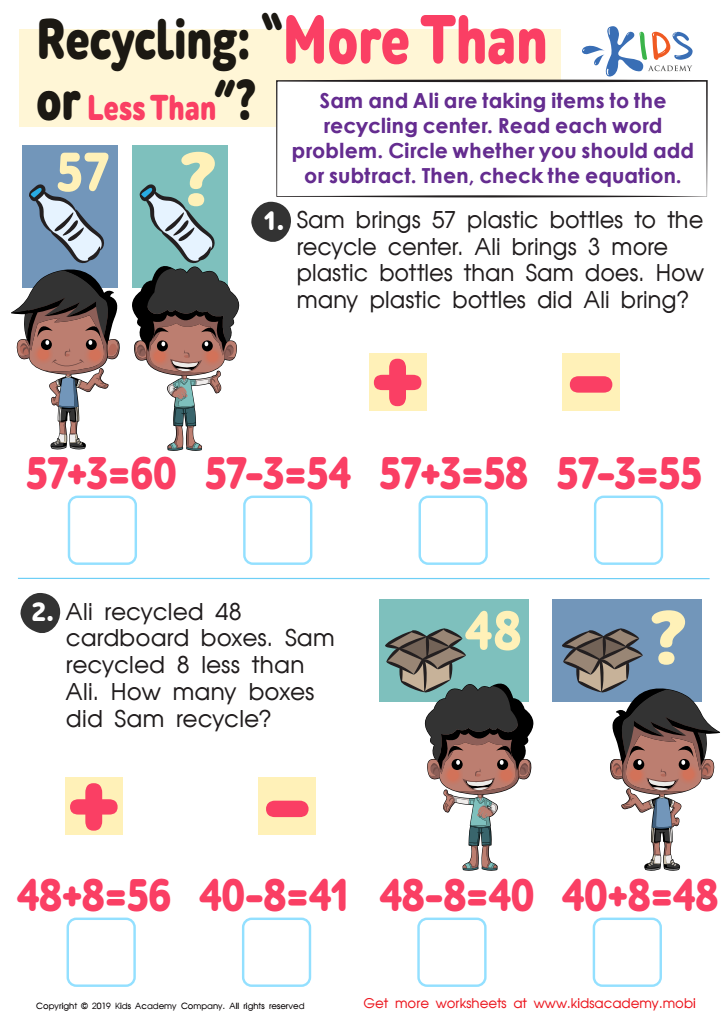
Recycling - More or Less Worksheet
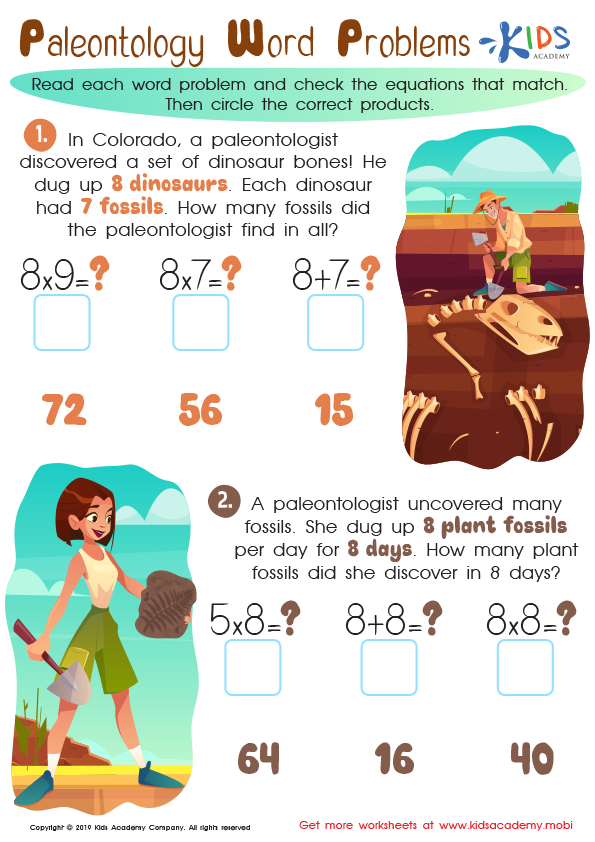
Archeology Word Problems Worksheet








Normal word problems are crucial for children aged 3-9 as they lay the foundation for mathematical thinking and problem-solving skills. These problems are more than just exercises; they are gateways to understanding concepts that extend beyond numbers, promoting critical thinking and language development.
Firstly, word problems help children connect mathematics to real-life scenarios, making learning relevant and engaging. They encourage young learners to visualize problems and develop strategies to find solutions, fostering a growth mindset and resilience when faced with challenges.
Furthermore, normal word problems enhance reading comprehension. Children must decode and understand the language and context before applying mathematical concepts. This dual engagement aids in vocabulary expansion and boosts overall literacy skills.
Additionally, tackling word problems nurtures essential skills such as logical reasoning and analytical thinking. As children discern information, identify key elements, and formulate solutions, they develop cognitive skills that are vital in various academic and life situations.
By prioritizing word problems in education, parents and teachers are empowering children to become confident problem solvers who can tackle both math challenges and real-world issues with creativity and effort. Thus, embracing normal word problems is an investment in a child's holistic development.








