Normal Alphabet Worksheets for Ages 4-7
235 filtered results
-
From - To
Discover the perfect tool for early learners with our Normal Alphabet Worksheets for Ages 4-7. Designed to be engaging and educational, these worksheets introduce young children to the joys of letters and early reading skills. Each worksheet features fun activities like matching letters, tracing, and coloring to foster a love for learning. Tailored to suit varying abilities, they help build strong language foundations through interactive play. Ideal for parents and educators, our worksheets make learning the alphabet a memorable and fulfilling experience for children. Start their literacy journey with these exciting resources from Kids Academy today!
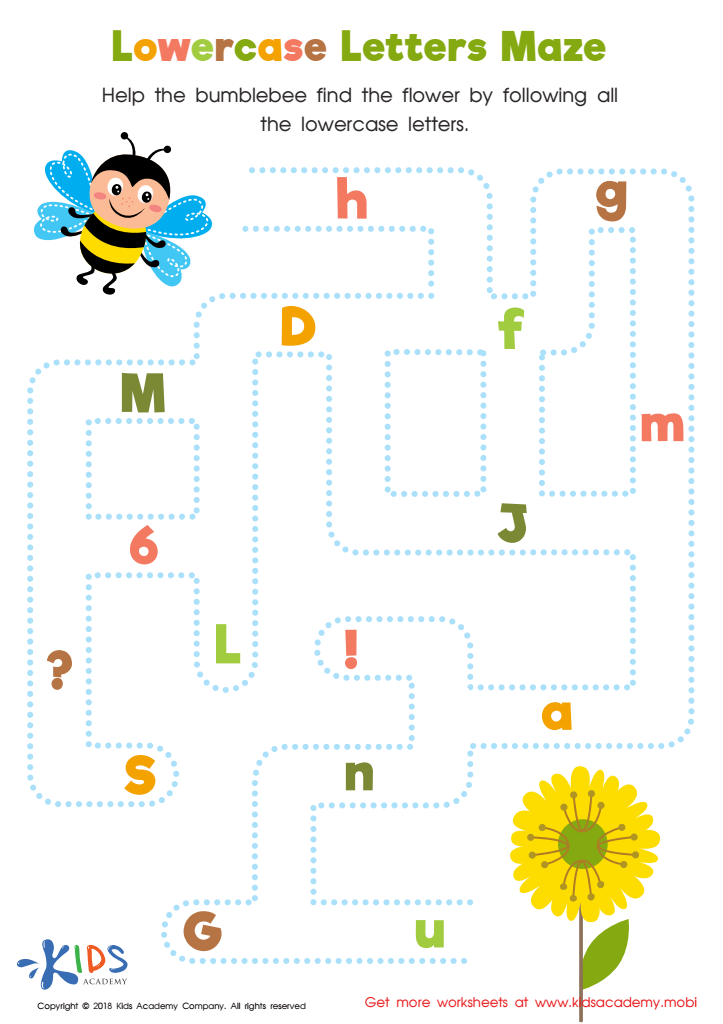
Lowercase Letters Maze Worksheet
 Assign to My Students
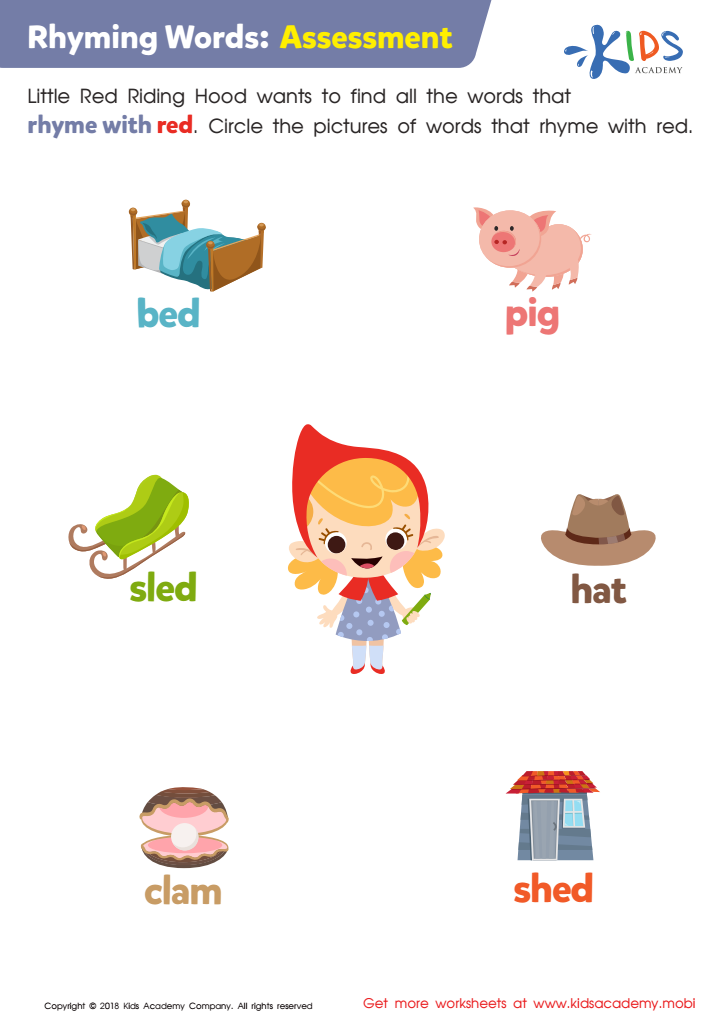
Rhyming Words: Assessment Worksheet
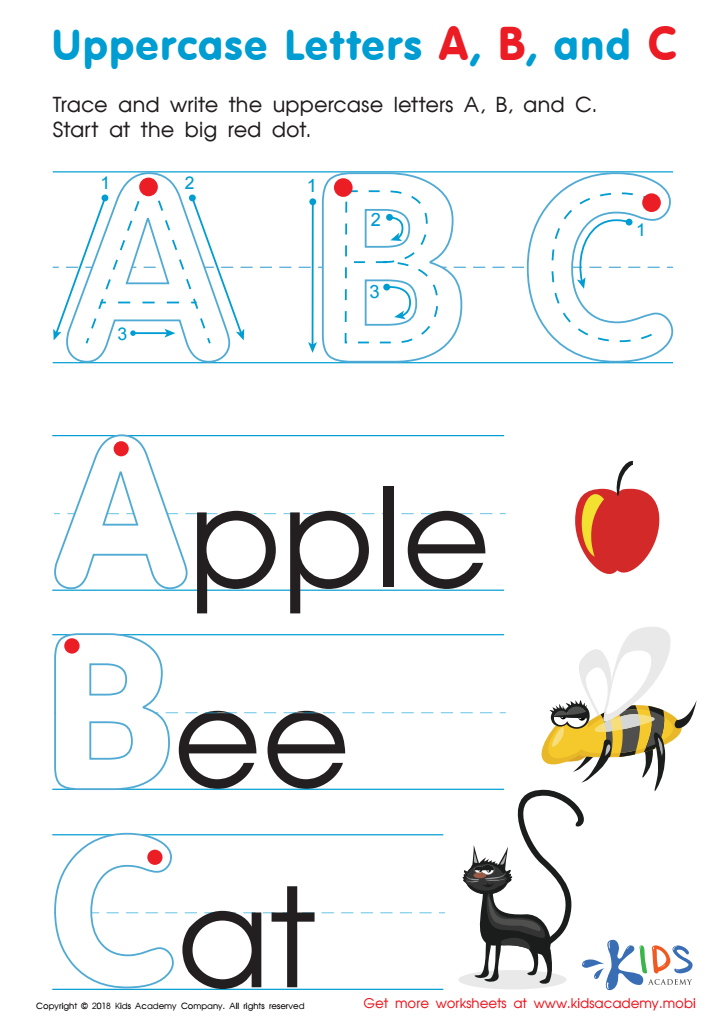
Uppercase Letters A, B, and C Worksheet
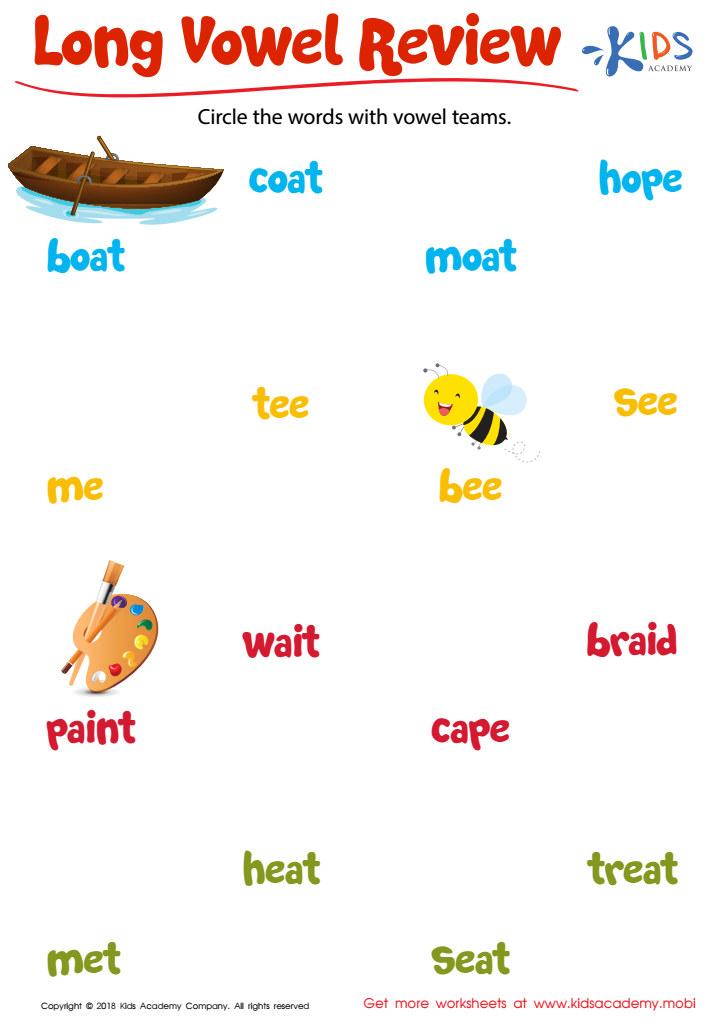
Long Vowel Review Worksheet
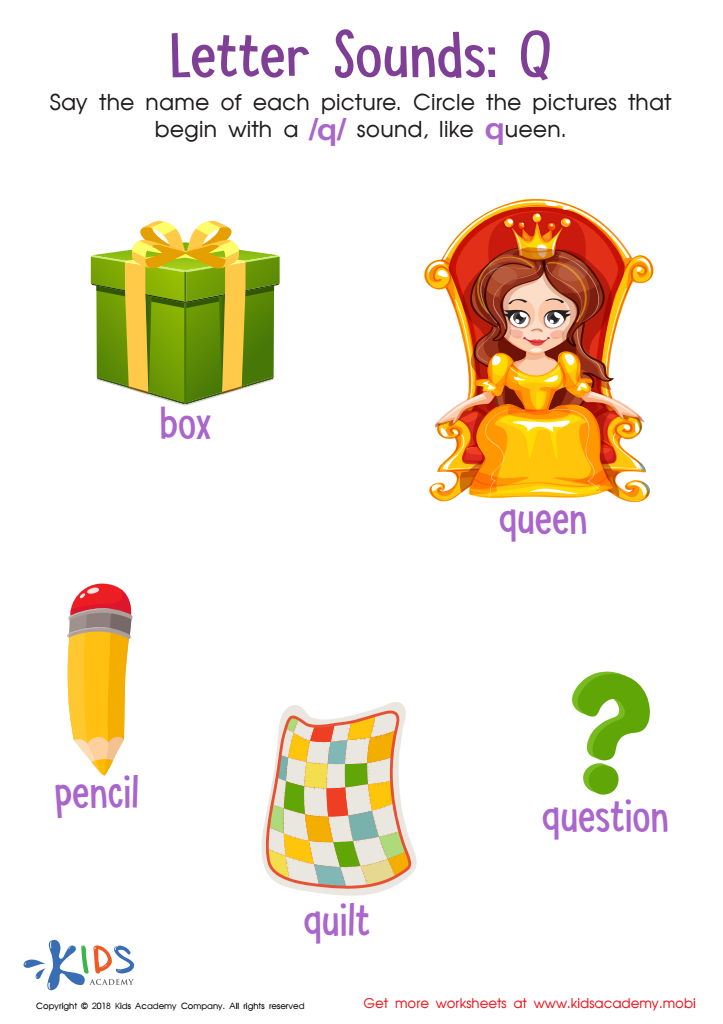
Letter Q Sounds Worksheet
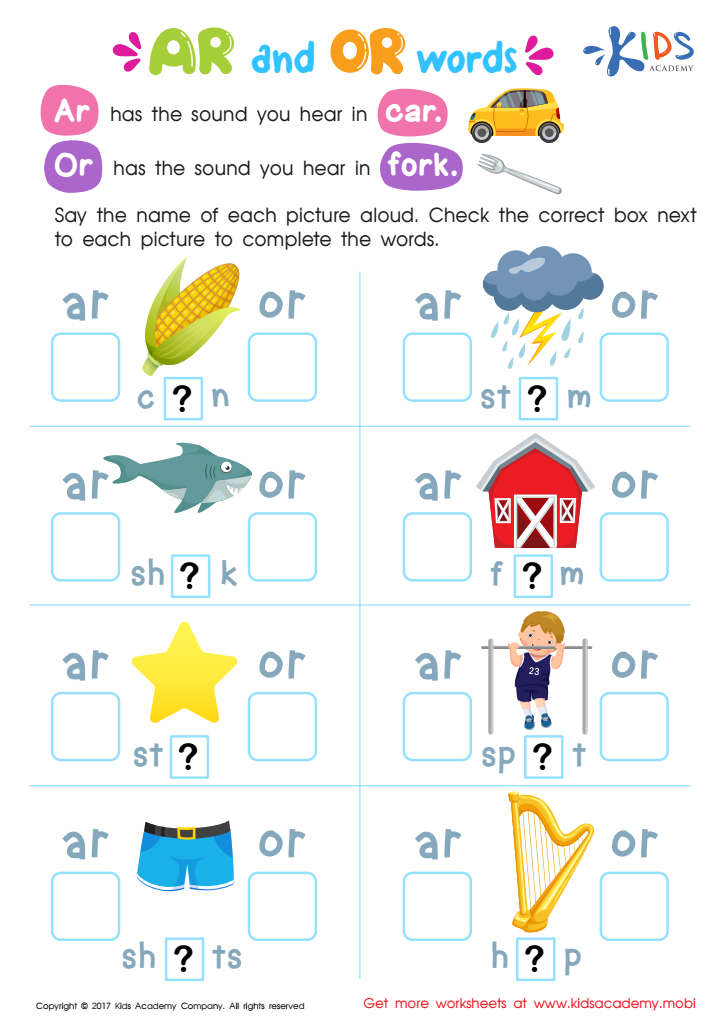
Ar and Or Words Phonics Worksheet
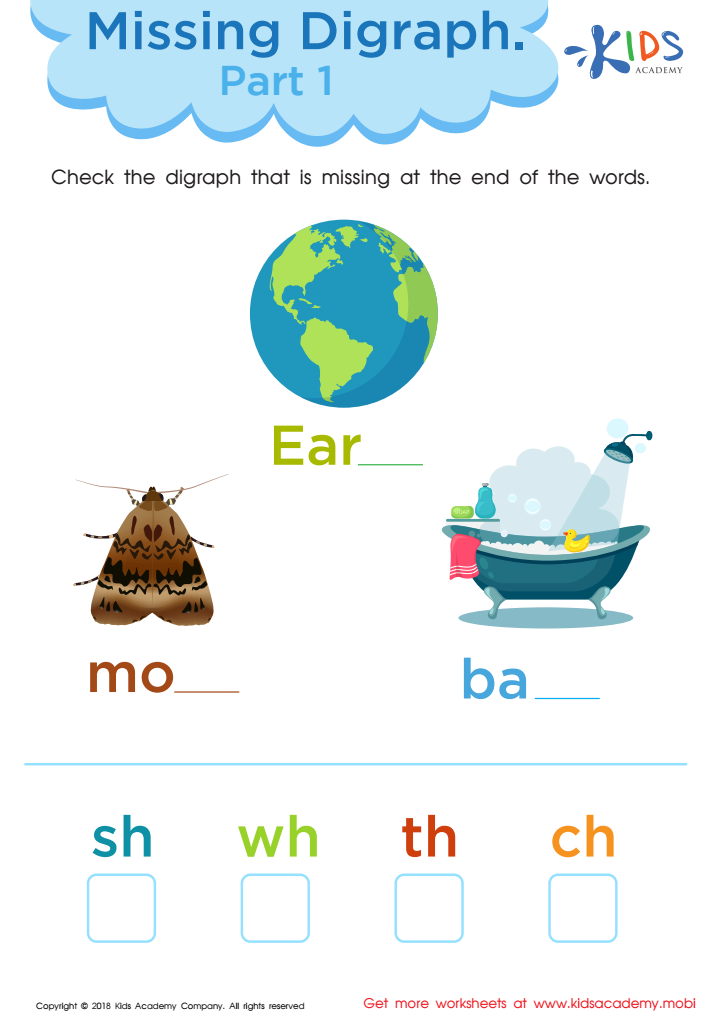
Missing Digraph: Part 1 Worksheet
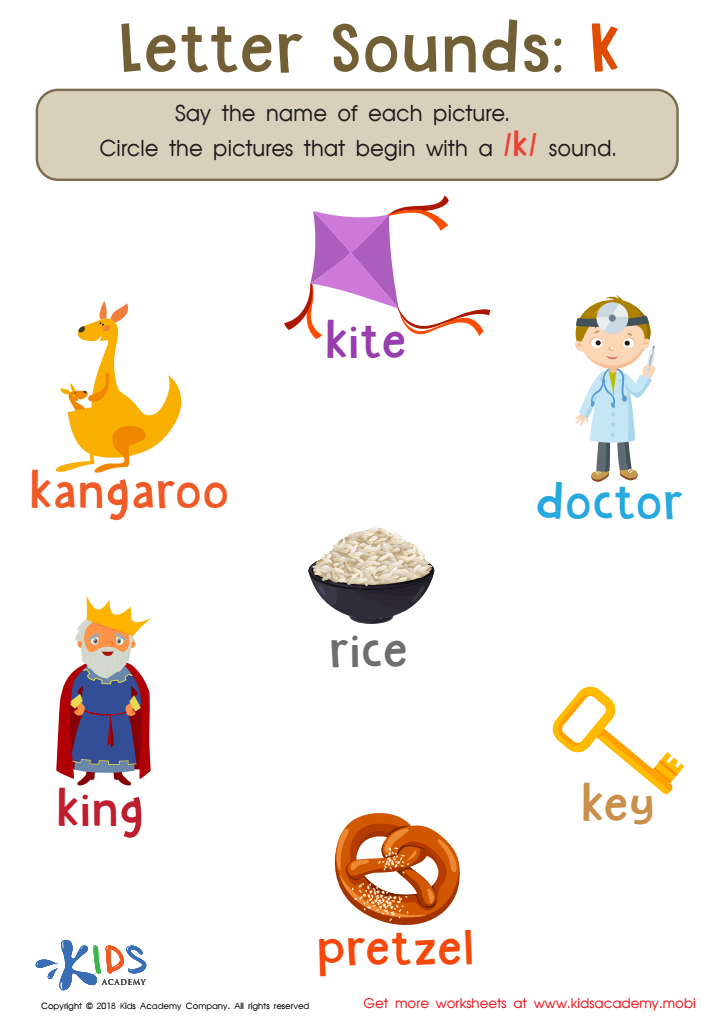
Letter K Sounds Worksheet
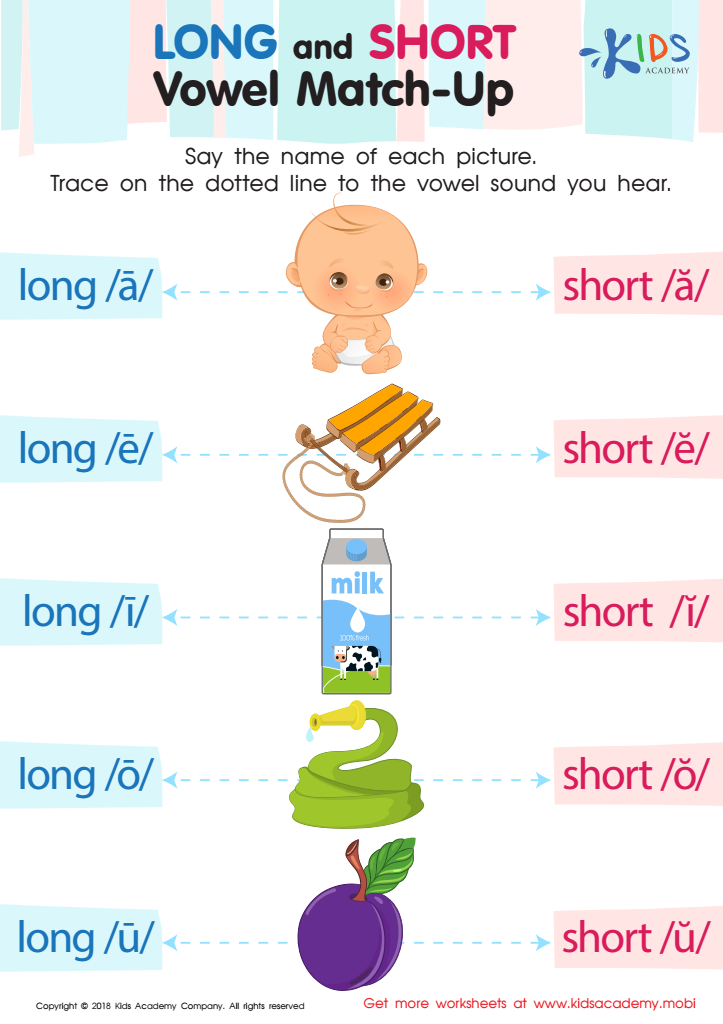
Long and Short Vowel Match up Reading Worksheet
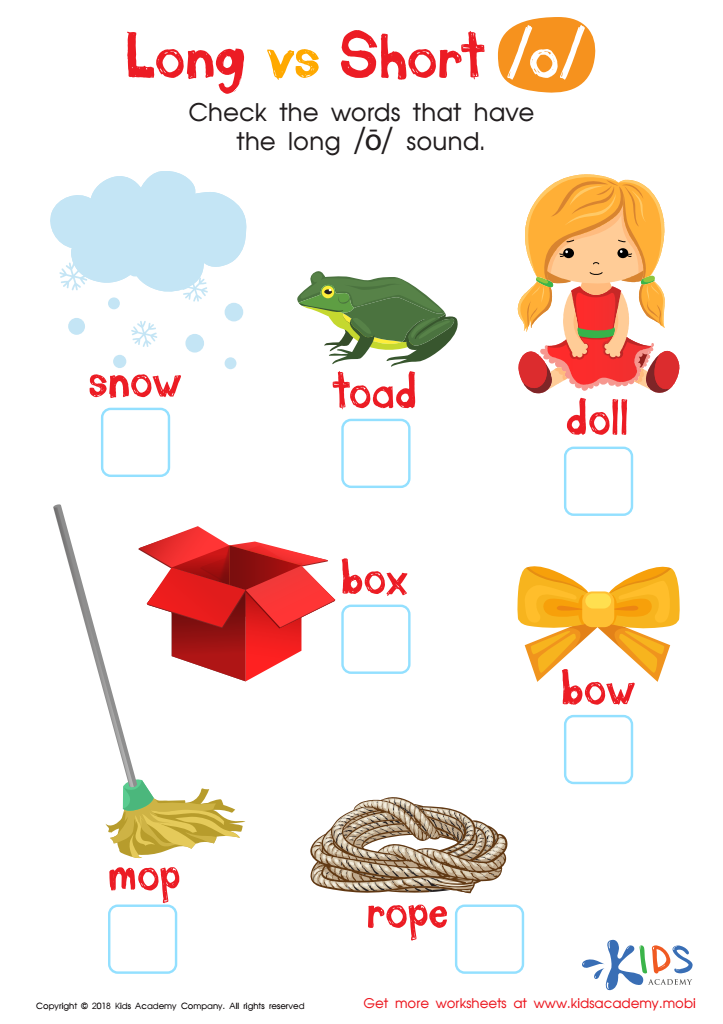
Long vs Short O Reading Worksheet
Trace Diagonal Lines Worksheet
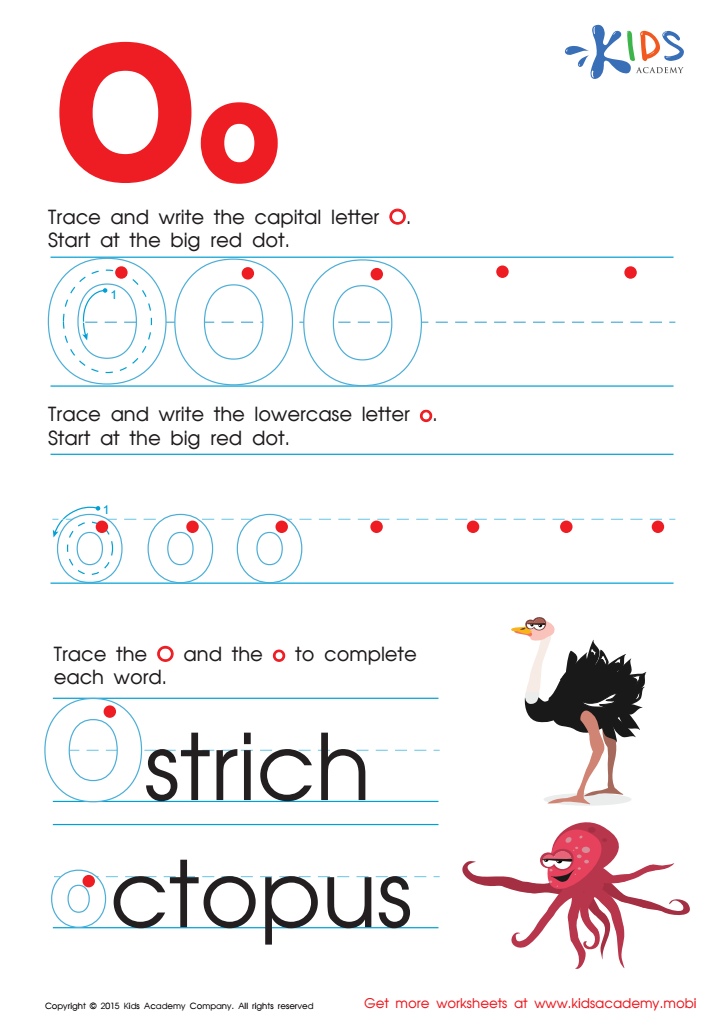
Letter O Tracing Page
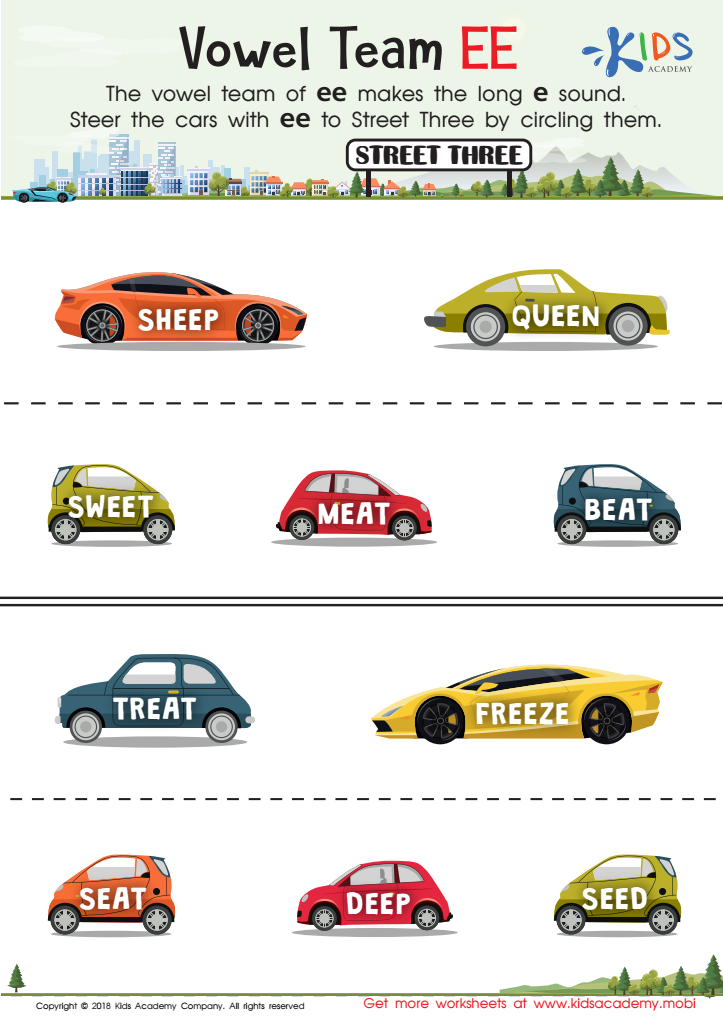
Vowel team ee Worksheet
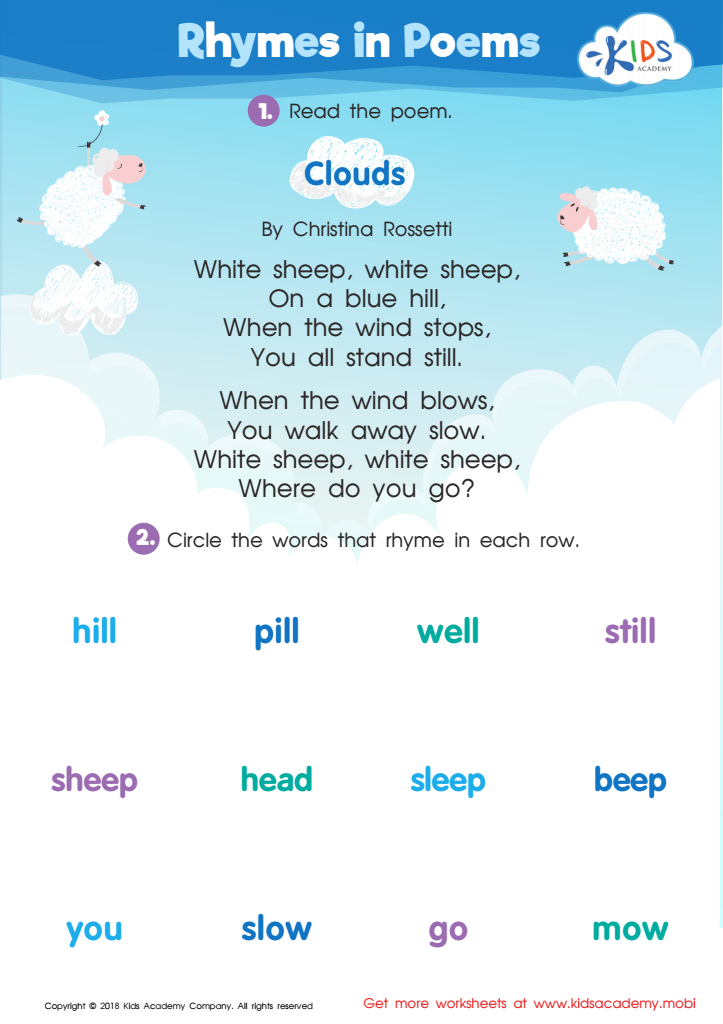
Rhymes in Poems Worksheet
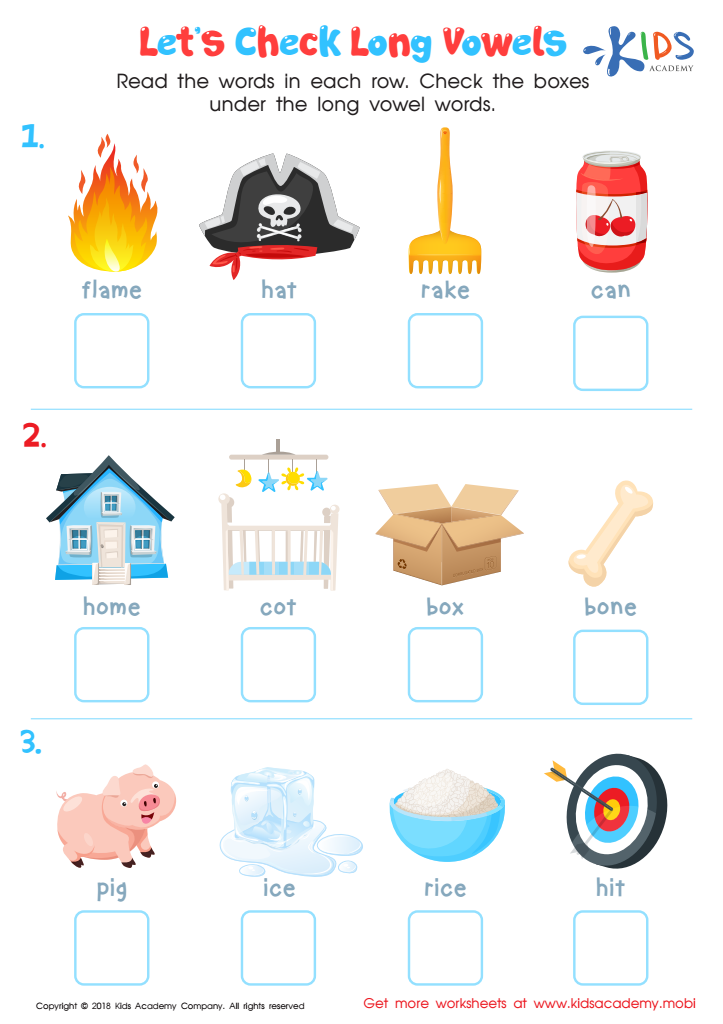
Let's Check Long Vowels: Assessment Worksheet
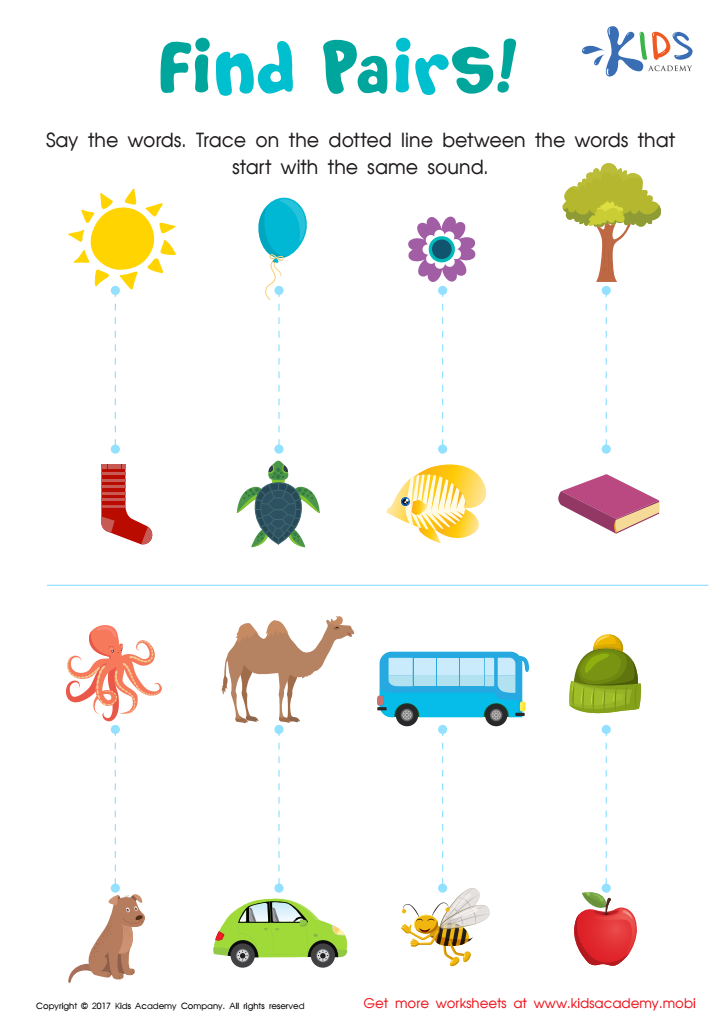
Beginning Sound: Find Pairs Worksheet
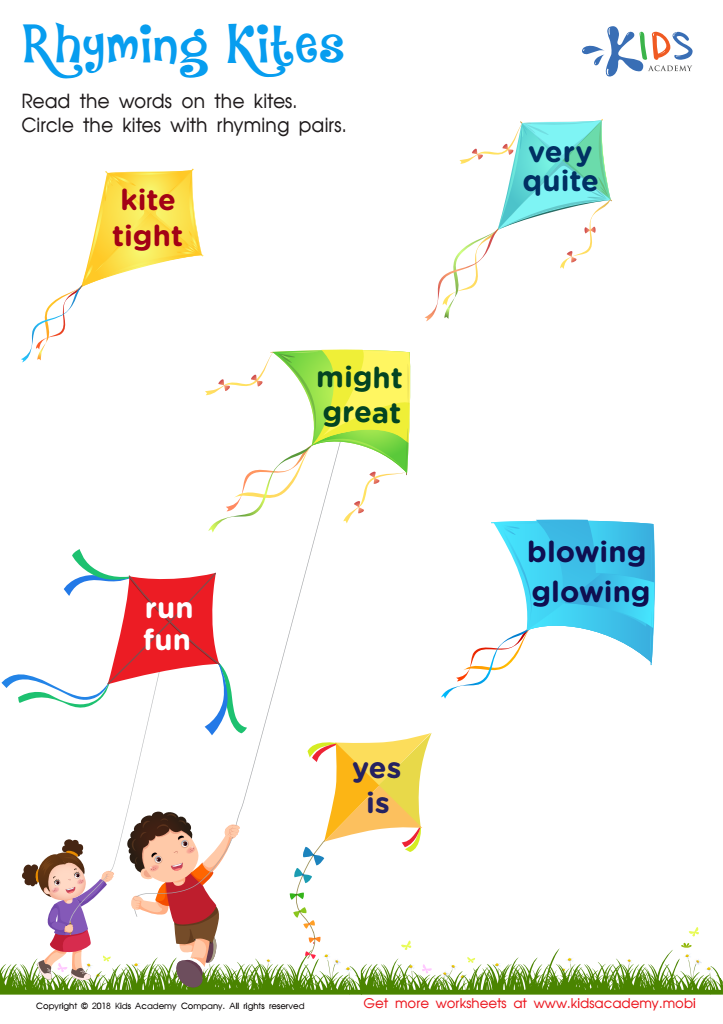
Rhyming Kites Worksheet
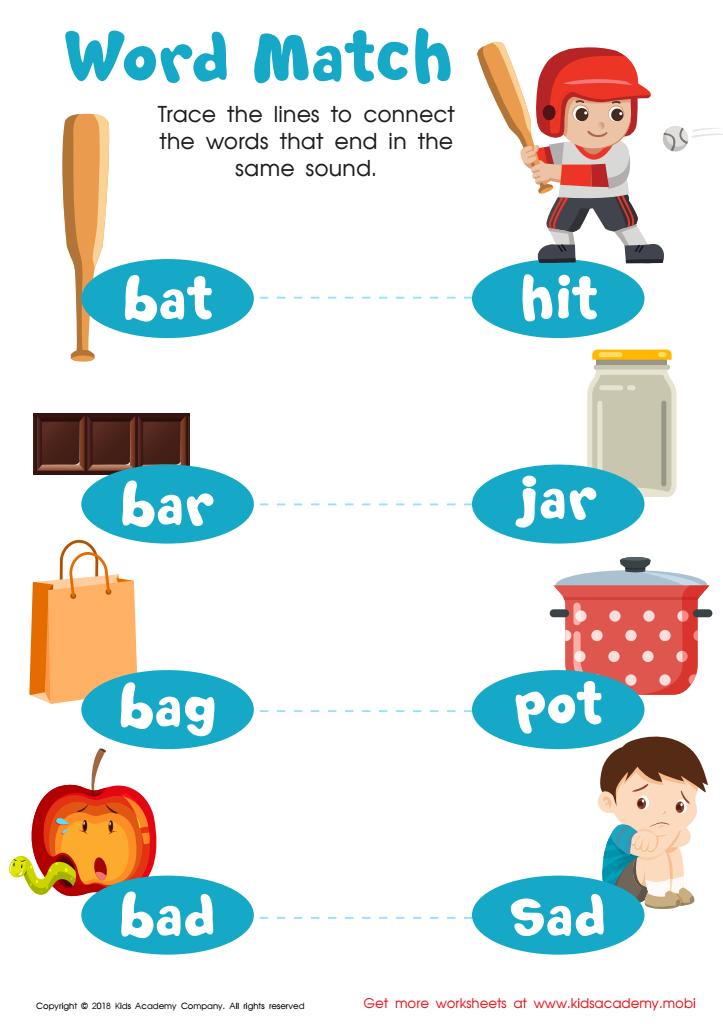
Word Match Reading Worksheet
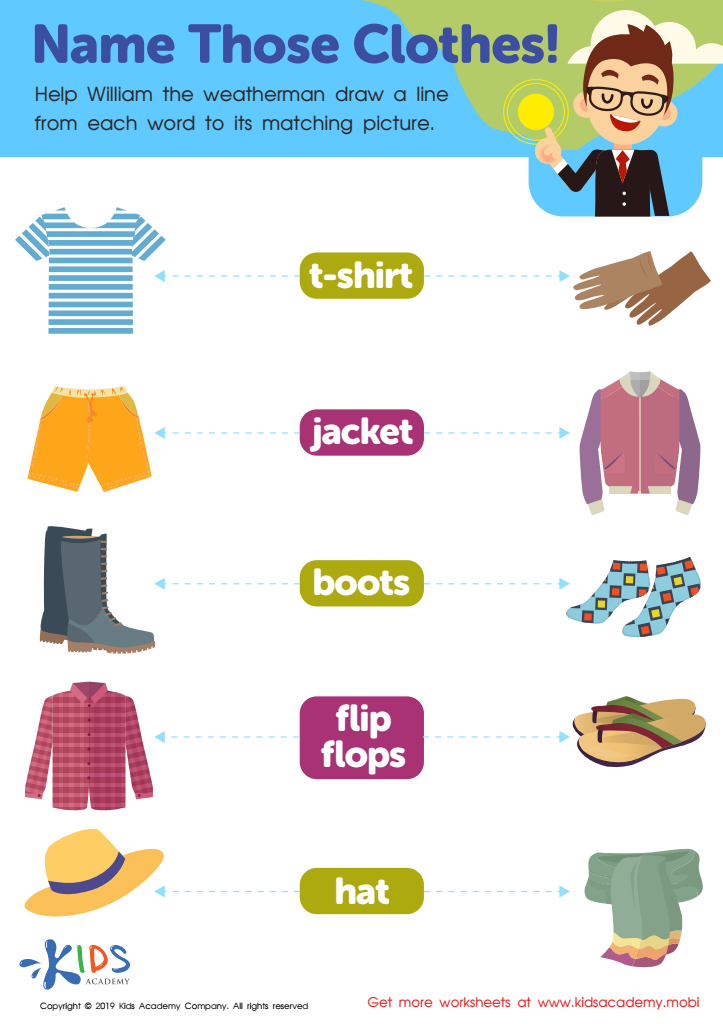
Name Those Clothes Worksheet
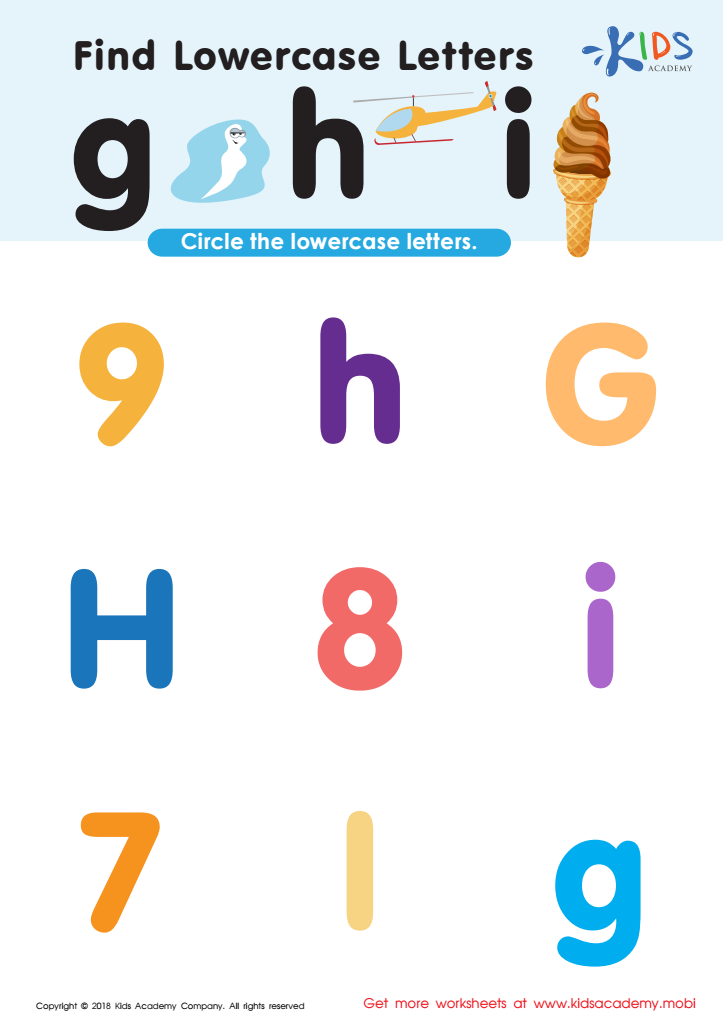
Find Lowercase Letters g h i Worksheet
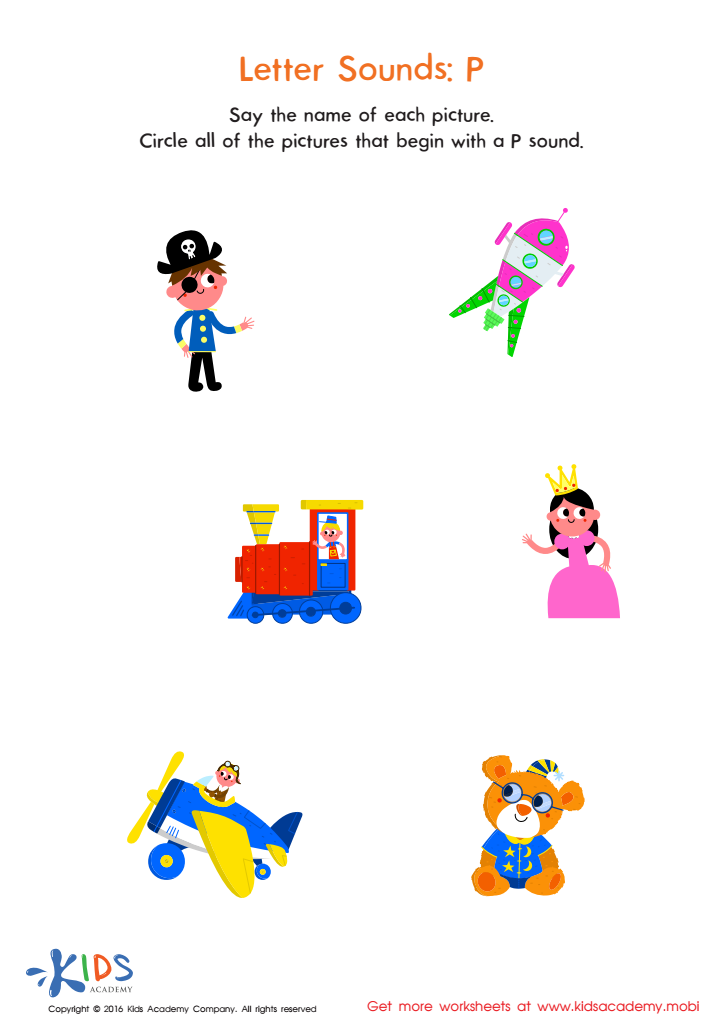
Letter P Sound Worksheet
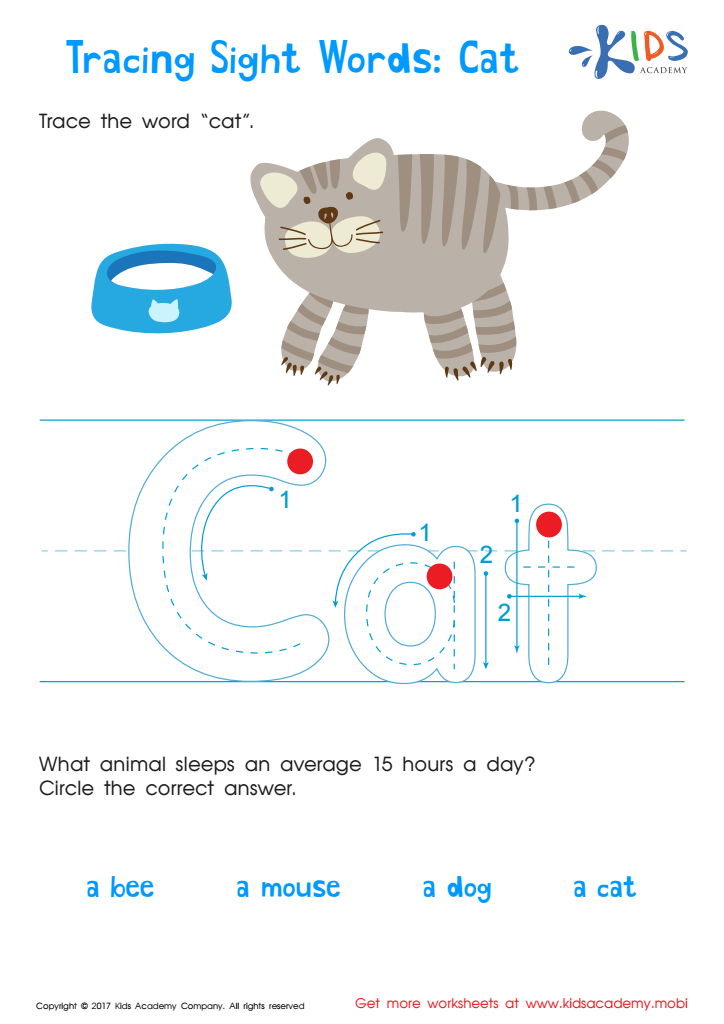
Cat Printable Sight Words Worksheet
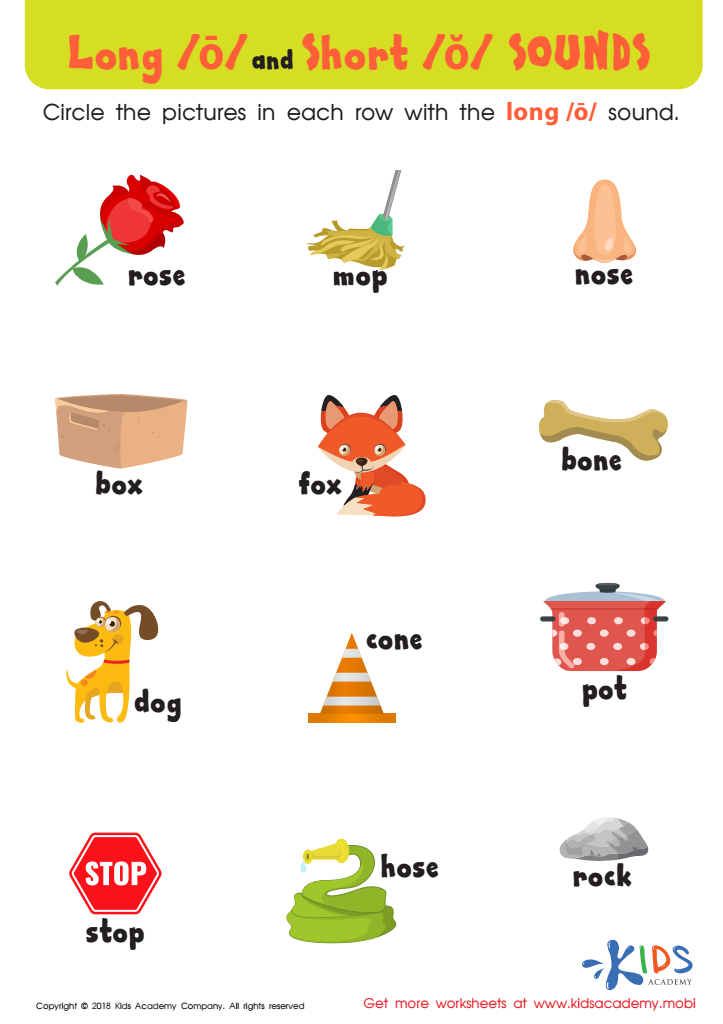
Reading: Long O and Short O Sounds Worksheet
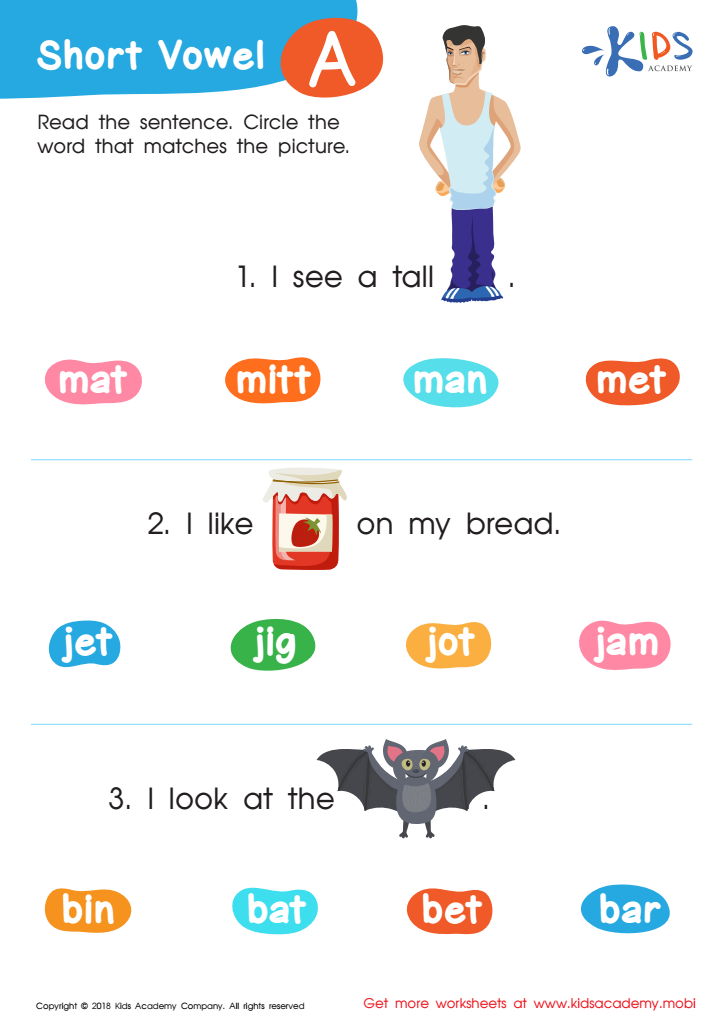
Short Vowel /a/ Worksheet








Parents and teachers play vital roles in a child's early education, and understanding the importance of the normal alphabet for ages 4-7 is crucial for several reasons. During these formative years, children's brains are highly receptive to acquiring fundamental skills like reading and writing. Introducing the normal alphabet serves as the foundation for literacy, allowing kids to recognize letters, understand their sounds, and eventually decode words.
Mastery of the alphabet is a key milestone in early education. It enables children to identify letters in their environment, which can enhance their vocabulary and comprehension skills. Recognizing and reproducing the alphabet also develops fine motor skills important for writing. Furthermore, familiarity with letters and their sounds sets the stage for phonemic awareness, a critical precursor to effective reading.
When parents and teachers actively support alphabet learning, it fosters a positive attitude towards education. Engaging activities like alphabet songs, games, and crafts make learning enjoyable, sparking curiosity and motivation. Additionally, early alphabet knowledge is often an indicator of future reading success, laying the groundwork for academic achievements.
Given its pivotal role in early literacy, prioritizing the alphabet provides children with essential skills that will benefit them throughout their educational journey and beyond.







