Normal Letter Recognition Worksheets for Ages 4-7 - Page 3
66 filtered results
-
From - To
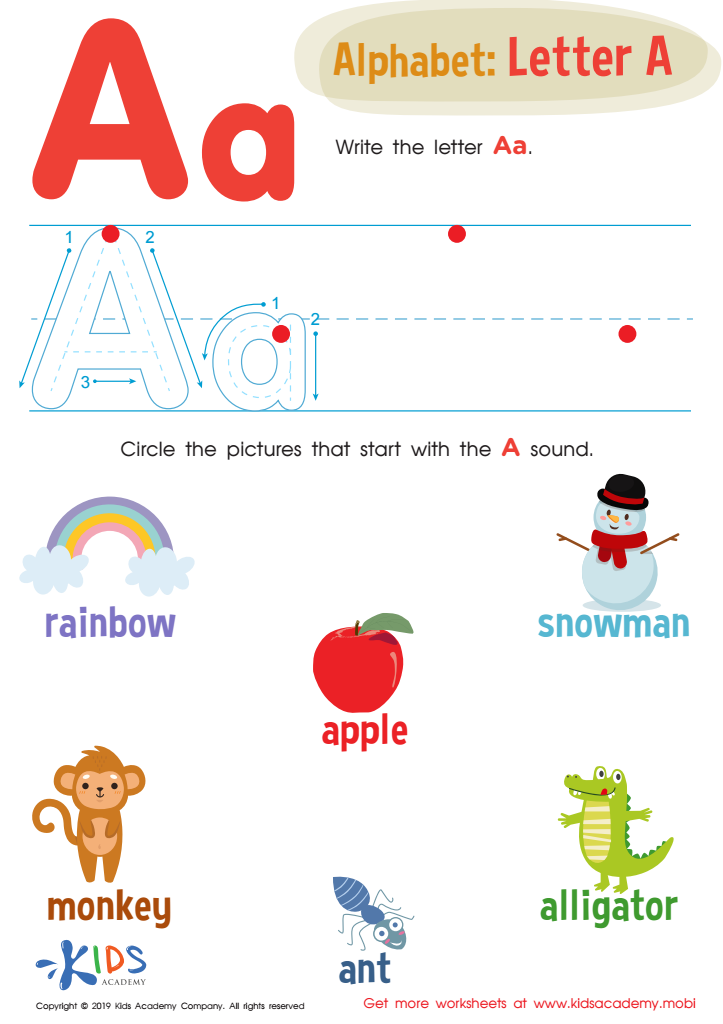
Letter A Tracing Worksheet
 Assign to My Students
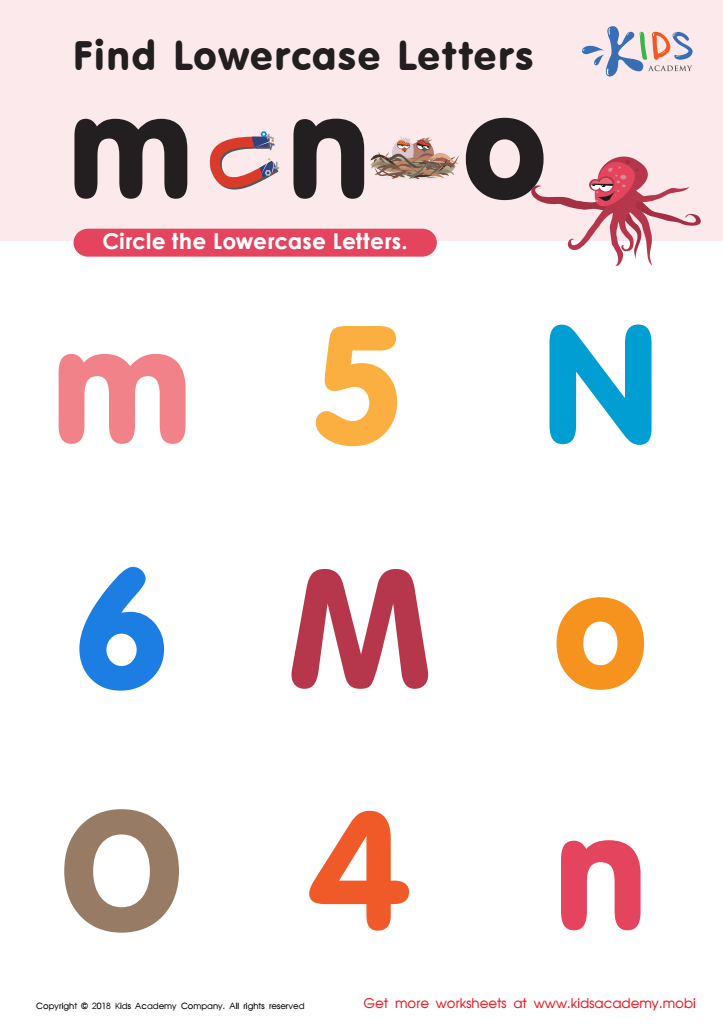
Find Lowercase Letters m n o Worksheet
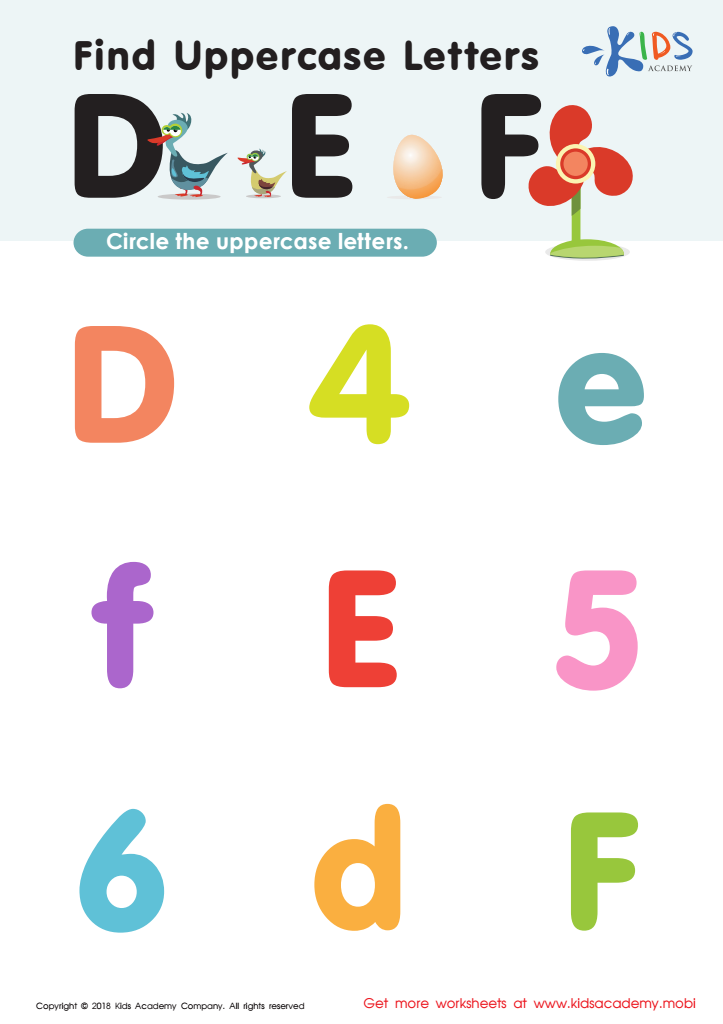
Find Uppercase Letters D, E, and F Worksheet
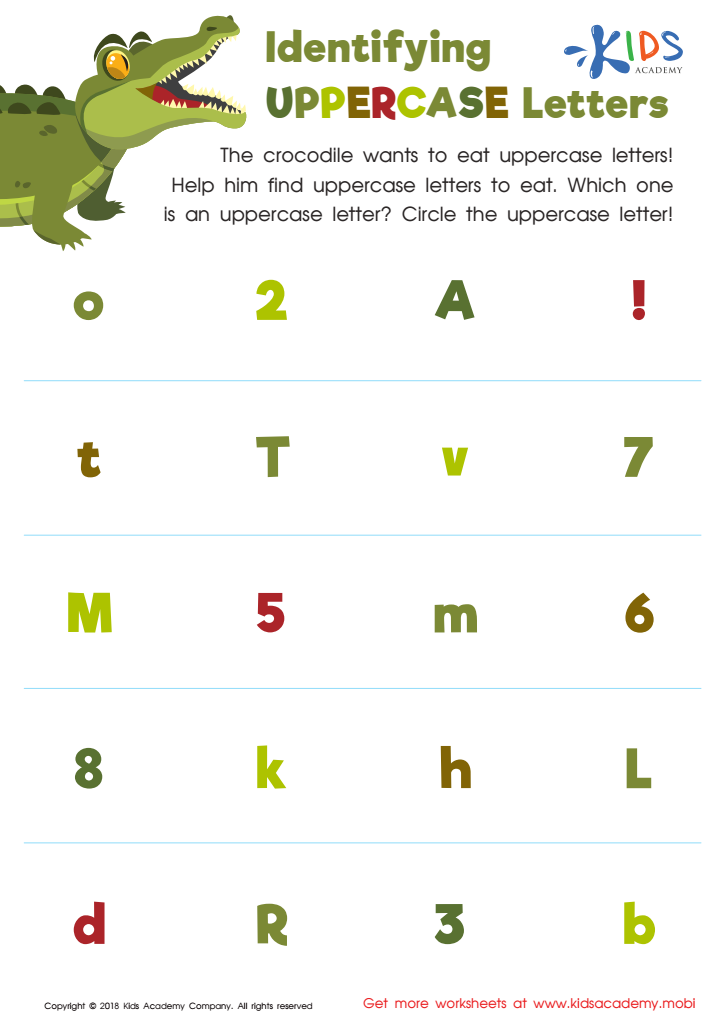
Identifying Uppercase Letters Worksheet
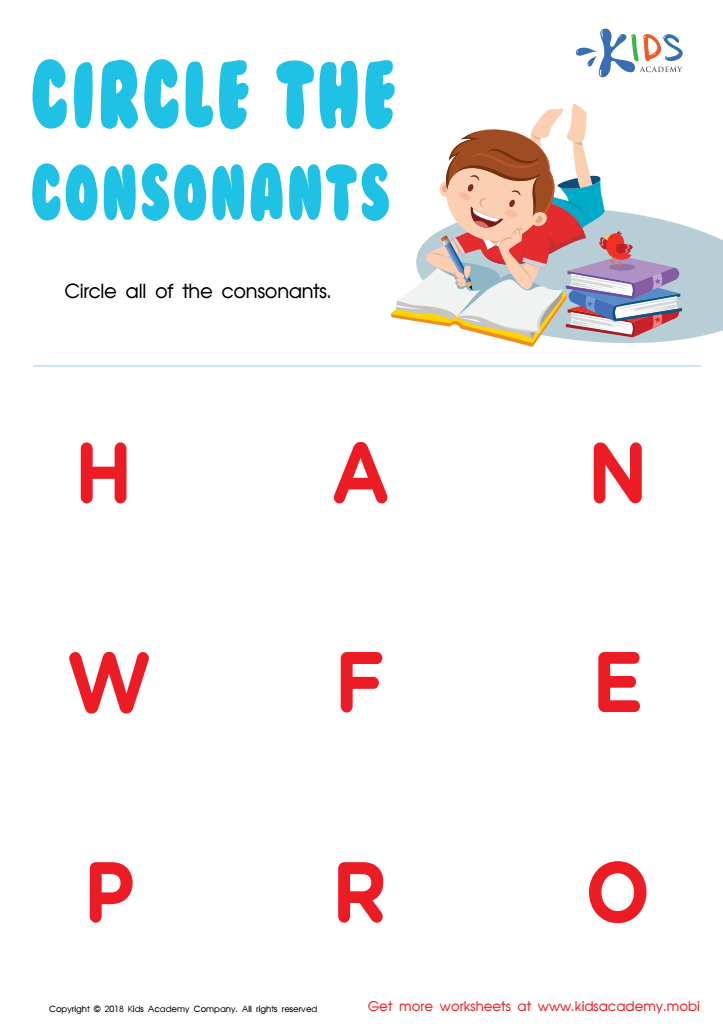
Circle the Consonants Worksheet
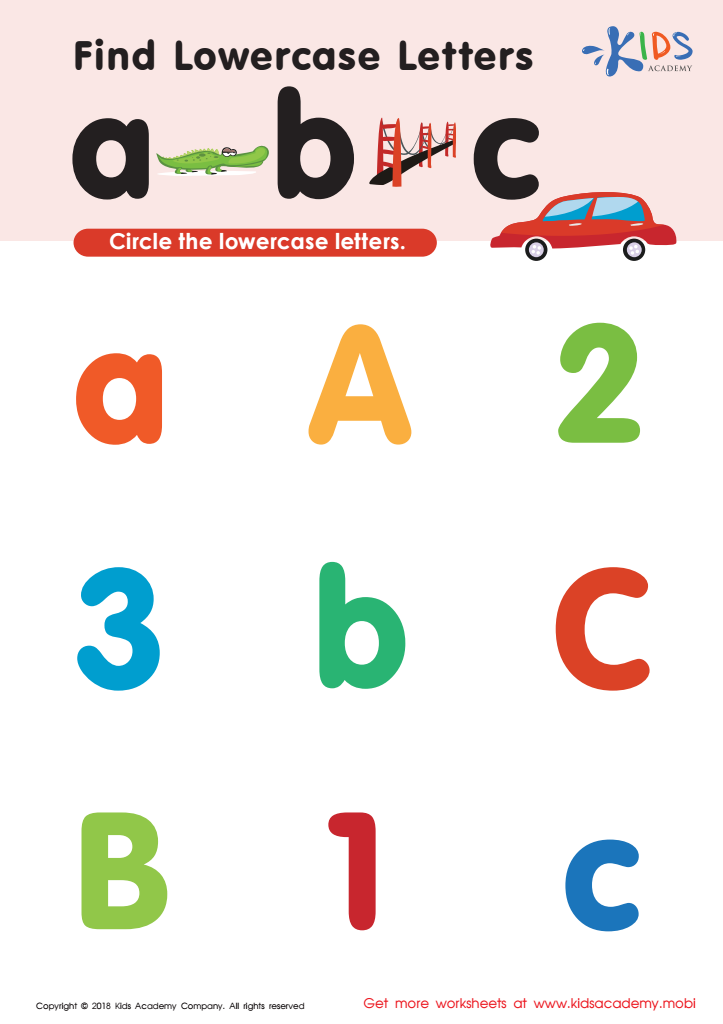
Find lowercase letters a b c Worksheet
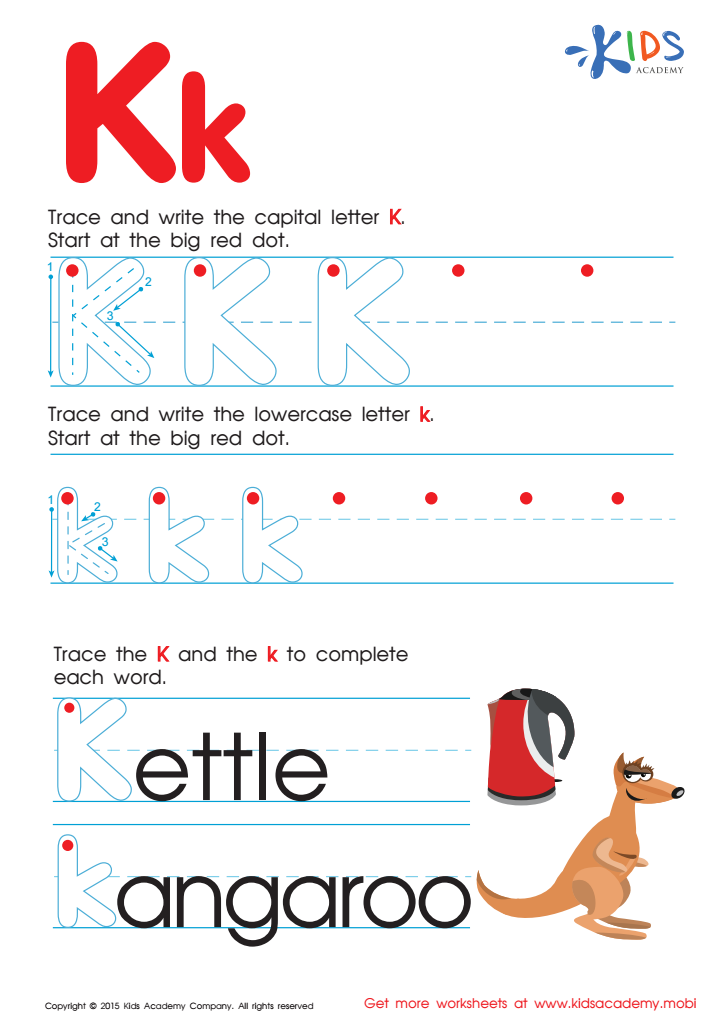
Letter K Tracing Page
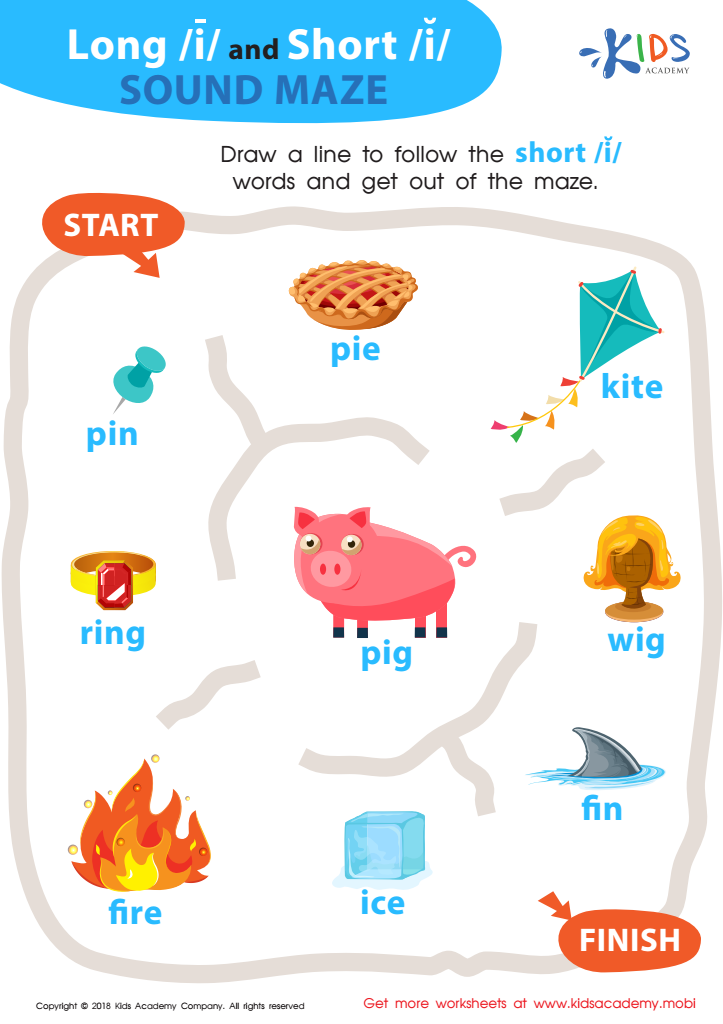
Reading: Long I and Short I Sound Maze Worksheet
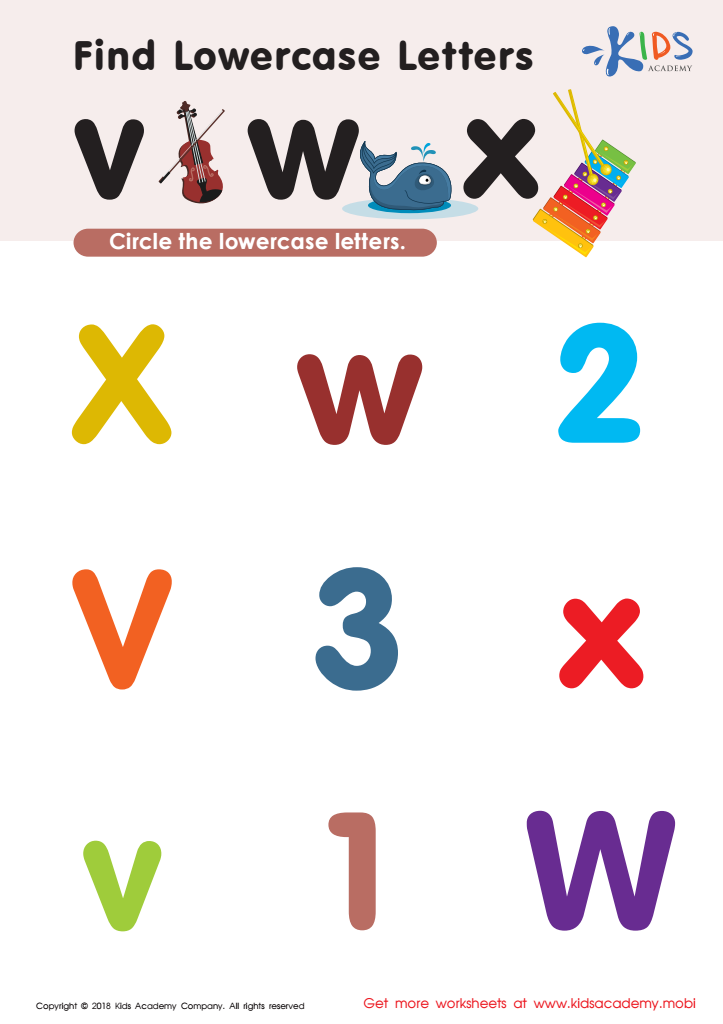
Find Lowercase Letters v w x Worksheet
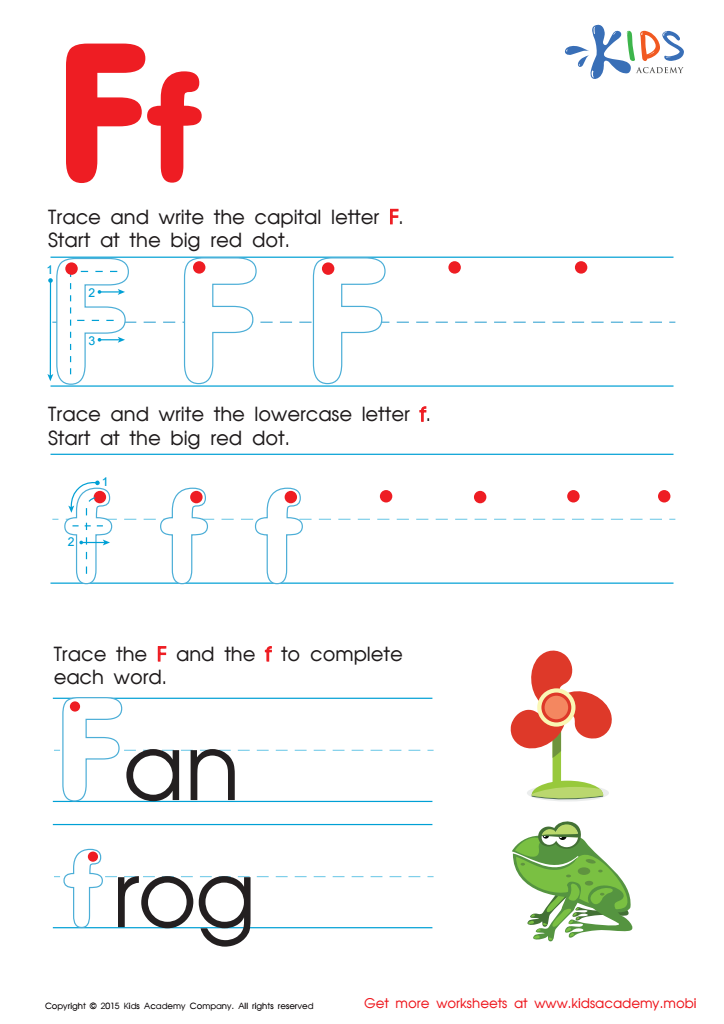
Letter F Tracing Page
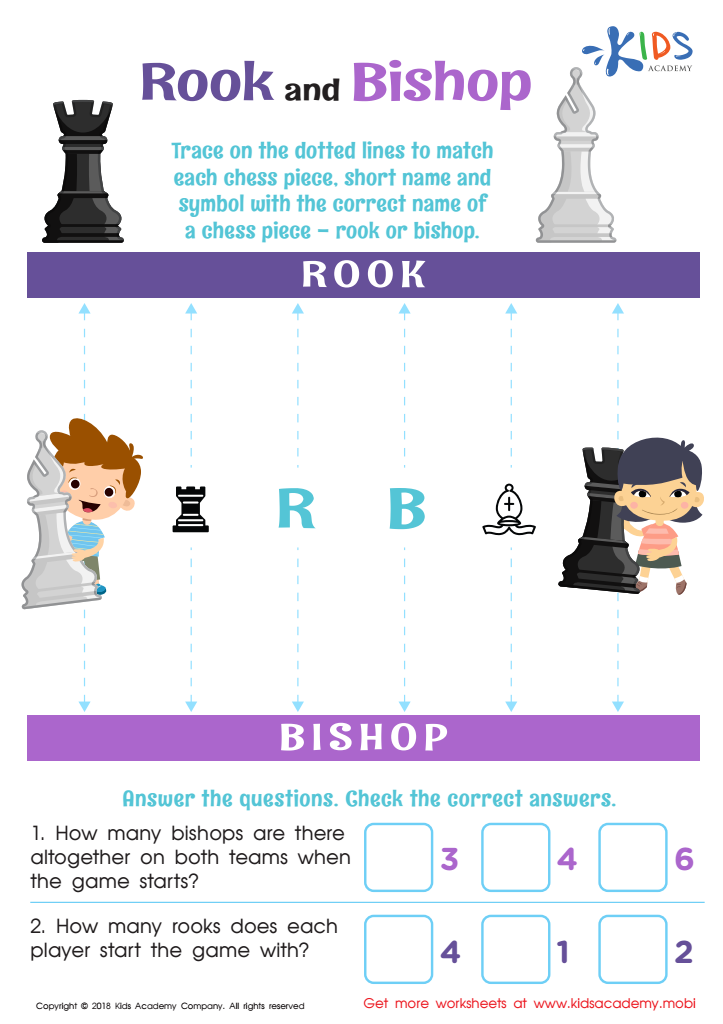
Rook and Bishop Worksheet
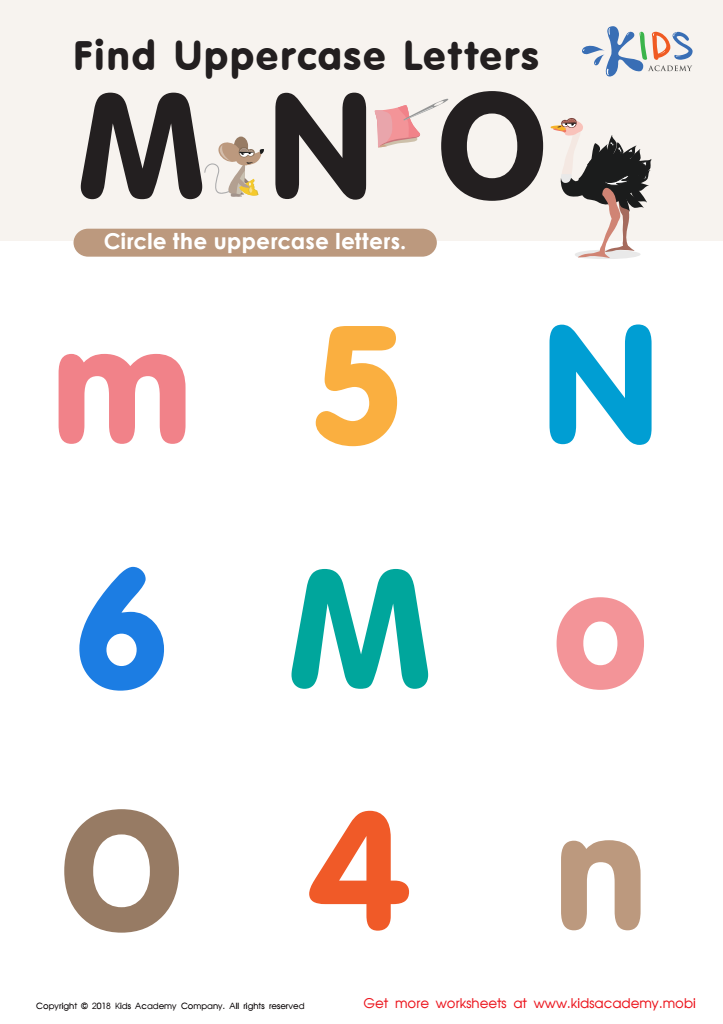
Find Uppercase Letters M, N, and O Worksheet
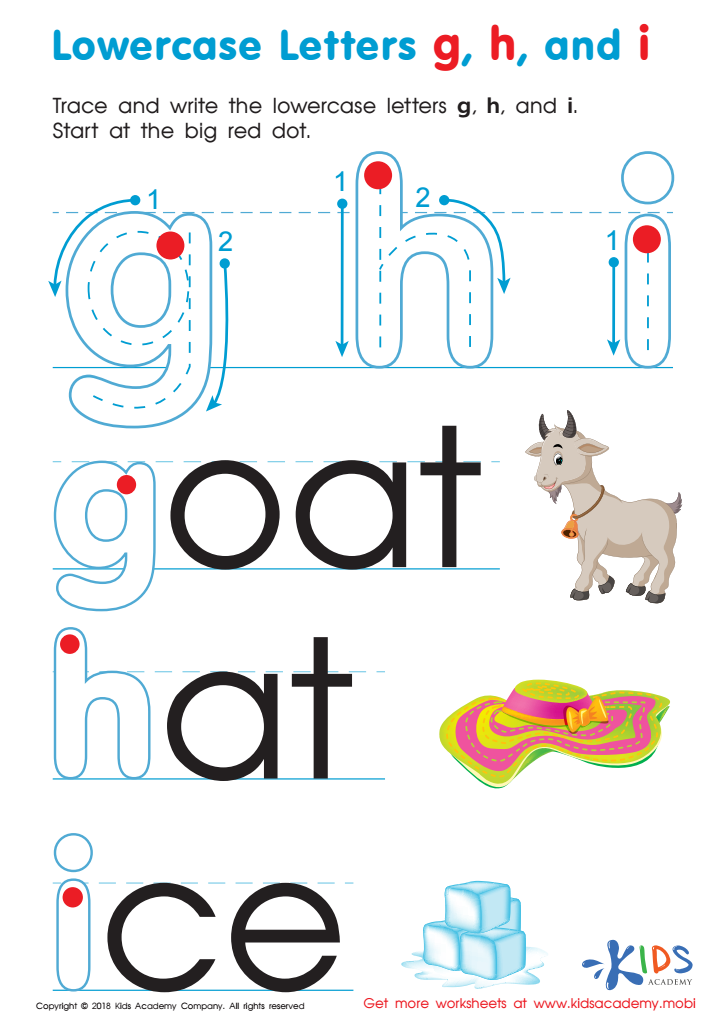
Lowercase Letters g h i Worksheet
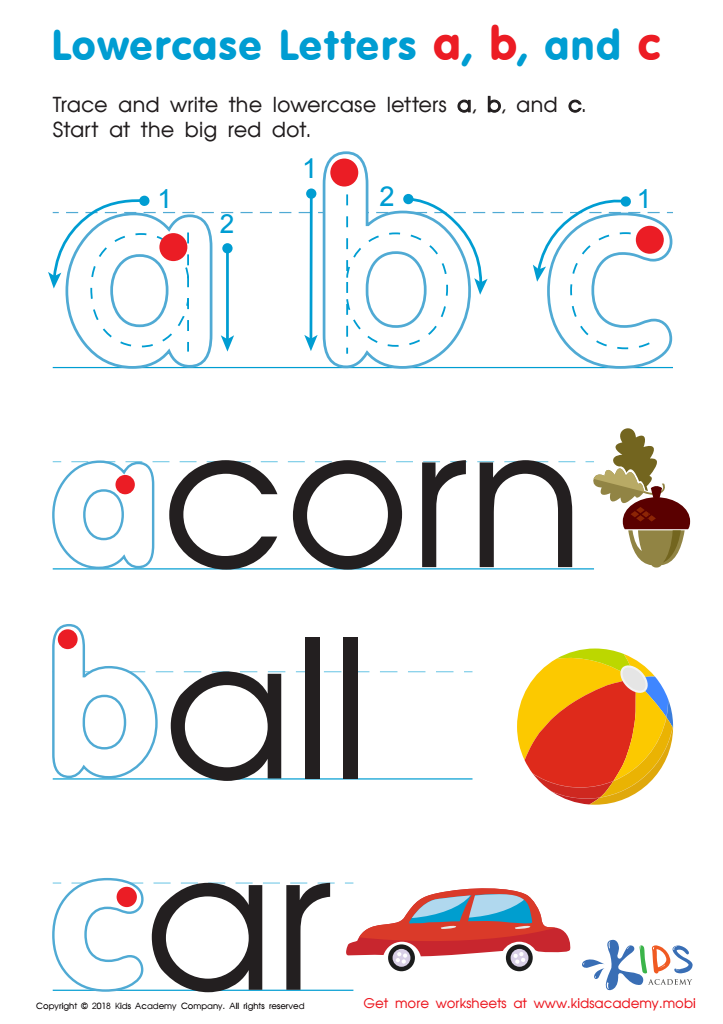
Lowercase Letters a b c Worksheet
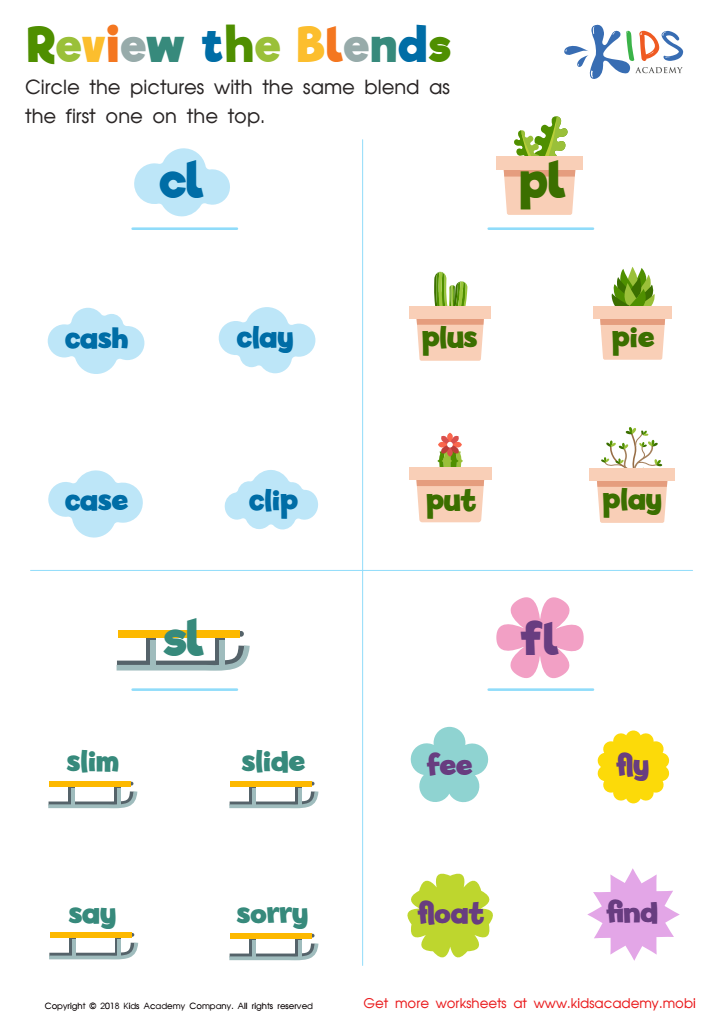
Review the Blends Worksheet

Letter D Tracing Page
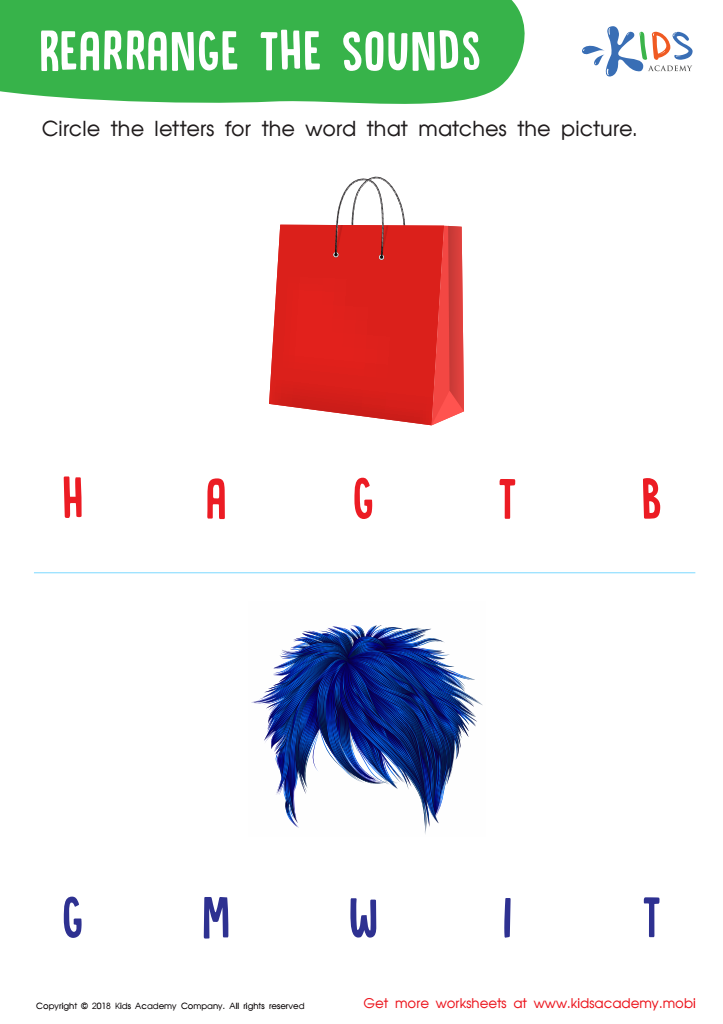
Rearrange the Sounds Worksheet
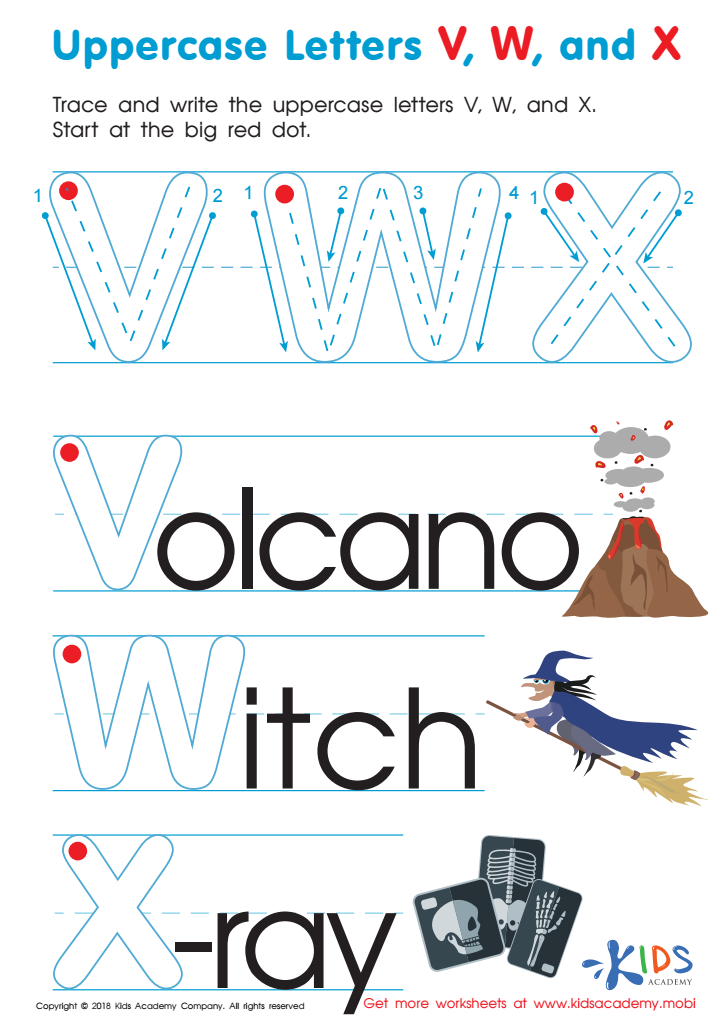
Uppercase Letters V, W, and X Worksheet








Normal Letter Recognition is a foundational skill vital for children's literacy development, particularly for those aged 4 to 7. During these formative years, children begin to make connections between spoken and written language, and recognizing letters is the first step in this process. When parents and teachers actively support letter recognition, they lay the groundwork for successful reading and writing outcomes.
Letter recognition not only aids in identifying letters but also promotes phonemic awareness, enabling children to understand that letters correspond to specific sounds. This skill is essential for decoding words, which is crucial as they transition from learning to read to reading to learn. Additionally, early recognition of letters fosters confidence in their literacy abilities, encouraging children to engage with reading materials and enhance their vocabulary.
Furthermore, educators and parents who emphasize letter recognition can personalize their approach to each child’s needs, adapting activities to keep engagement high. Incorporating letter recognition through fun games and everyday experiences makes learning enjoyable. Ultimately, ensuring that children acquire strong letter recognition skills contributes to a lifelong love for reading and learning, profoundly impacting their academic success and personal growth. Therefore, early literacy milestones like letter recognition should be a shared priority for both parents and teachers.








