Normal Plants Worksheets for Ages 4-7
21 filtered results
-
From - To
Introduce your young learners to the fascinating world of botany with our "Normal Plants Worksheets for Ages 4-7." Designed to capture the curiosity of children aged 4 to 7, these printable science worksheets offer engaging activities and easy-to-understand information about plant life. Kids will learn how plants grow, identify different parts of a plant, and understand the basics of photosynthesis through fun and interactive exercises. Perfect for classroom or at-home learning, these worksheets help develop observation skills, scientific thinking, and a love for nature. Foster early science exploration with these age-appropriate, beautifully illustrated plant worksheets.
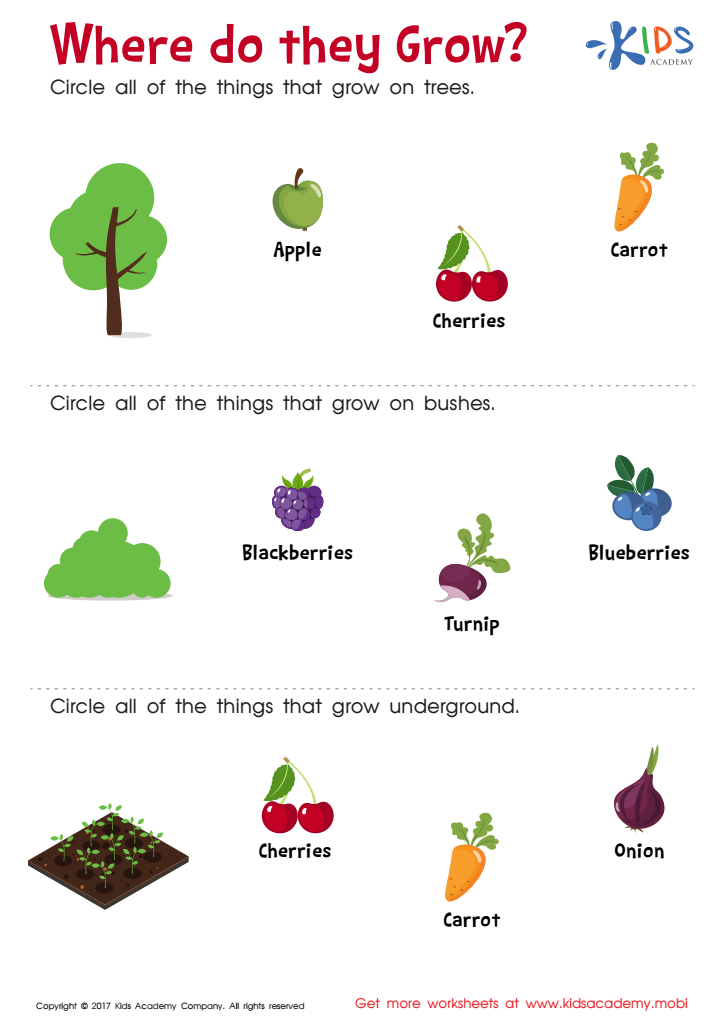
Where Do They Grow Worksheet
 Assign to My Students





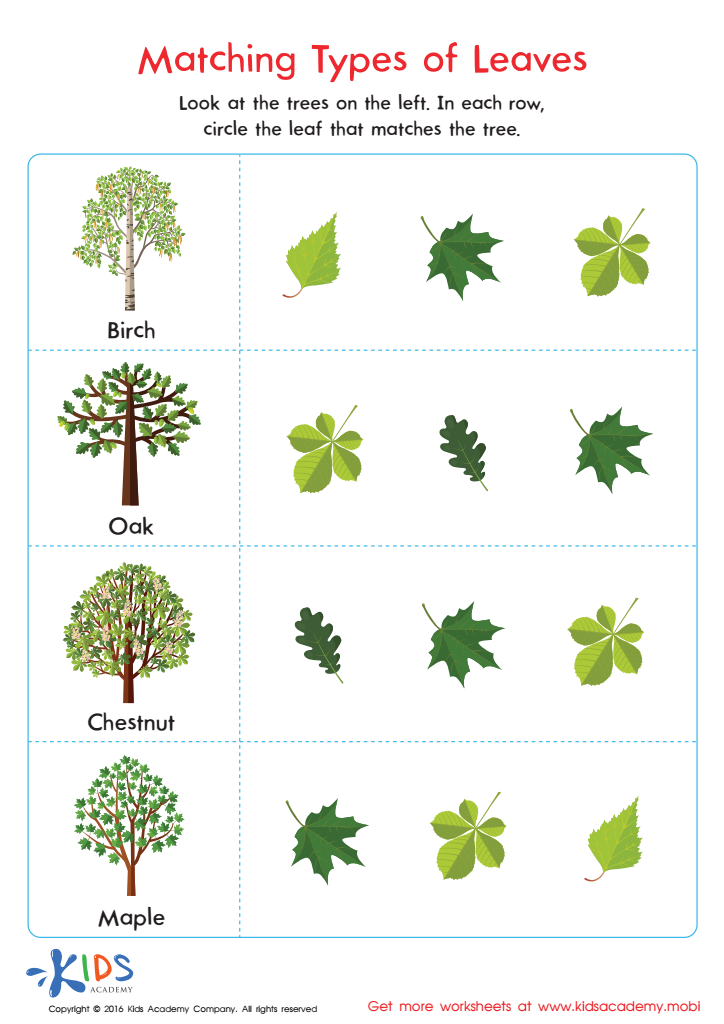
Matching Types of Leaves Printable
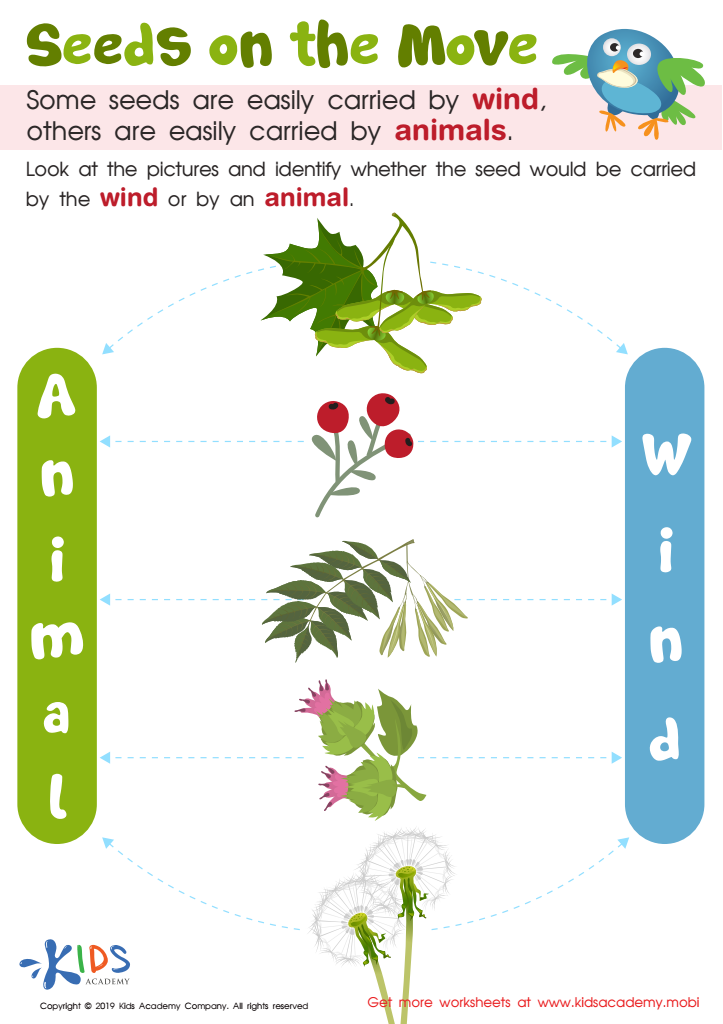
Seeds on the Move Worksheet
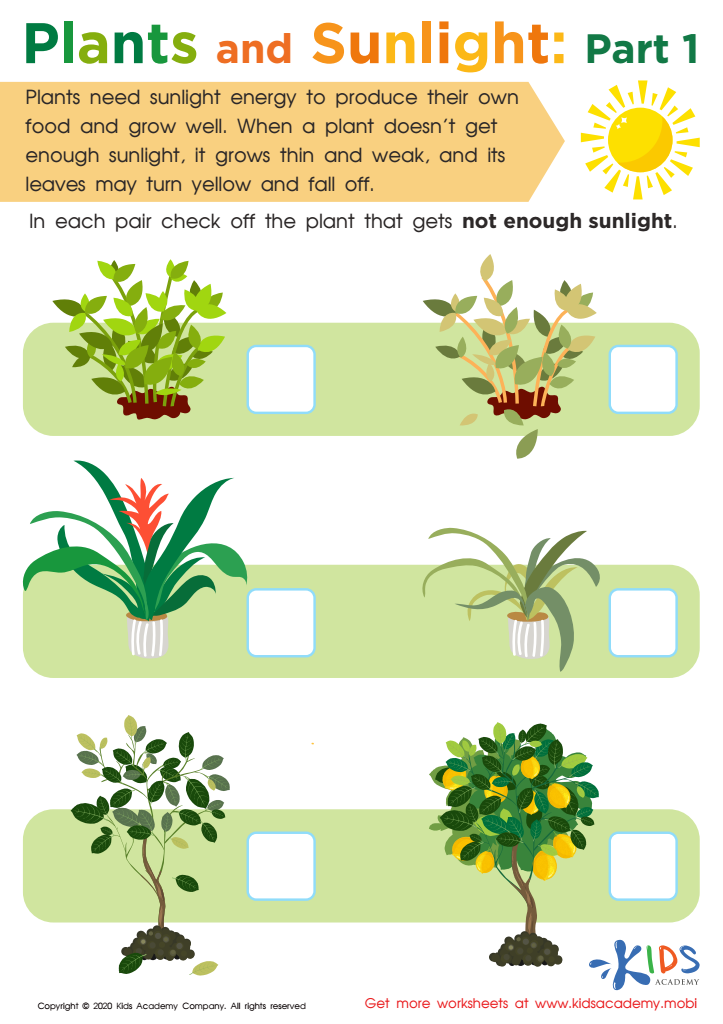
Plants and Sunlight: Part 1 Worksheet
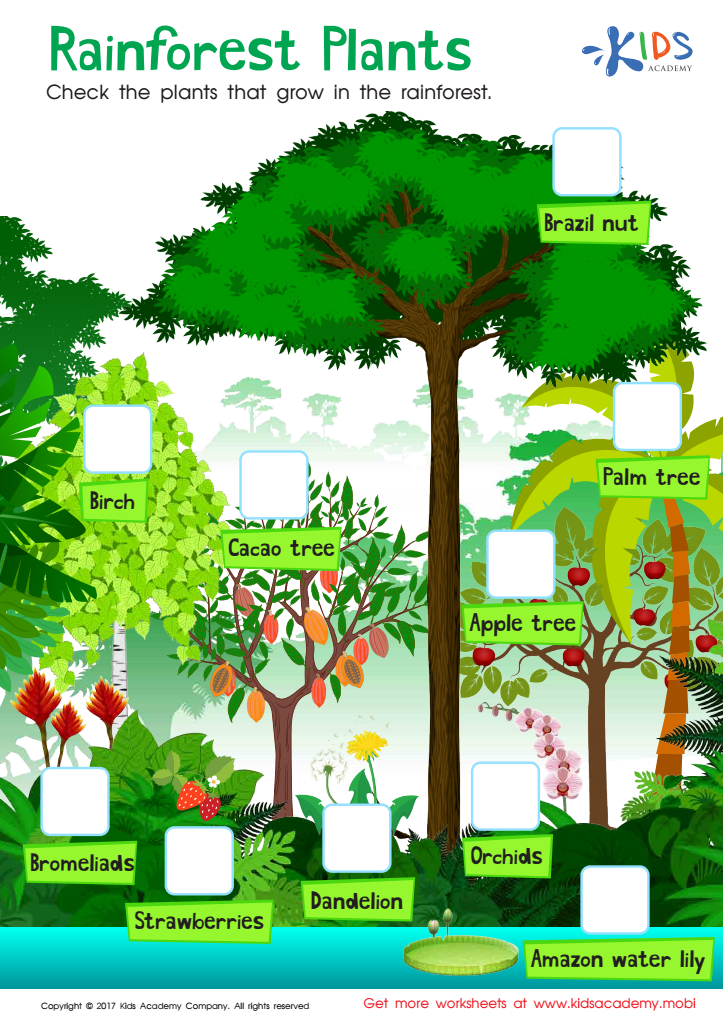
Rainforest Plants Worksheet
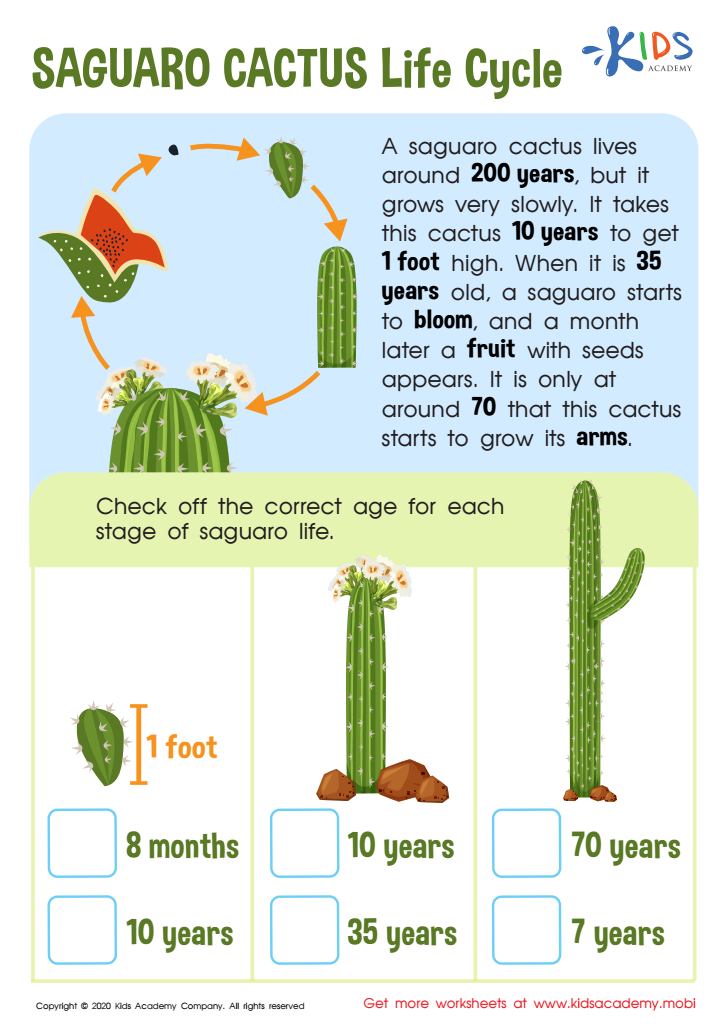
Saguaro Cactus Life Cycle Worksheet
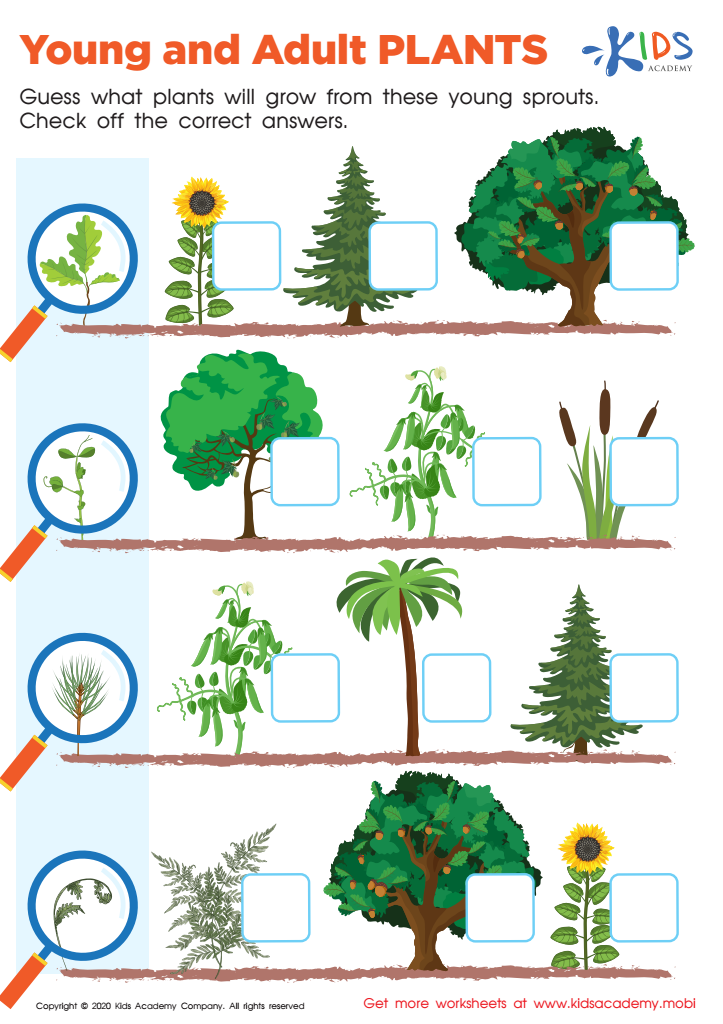
Young and Adult Plants Worksheet
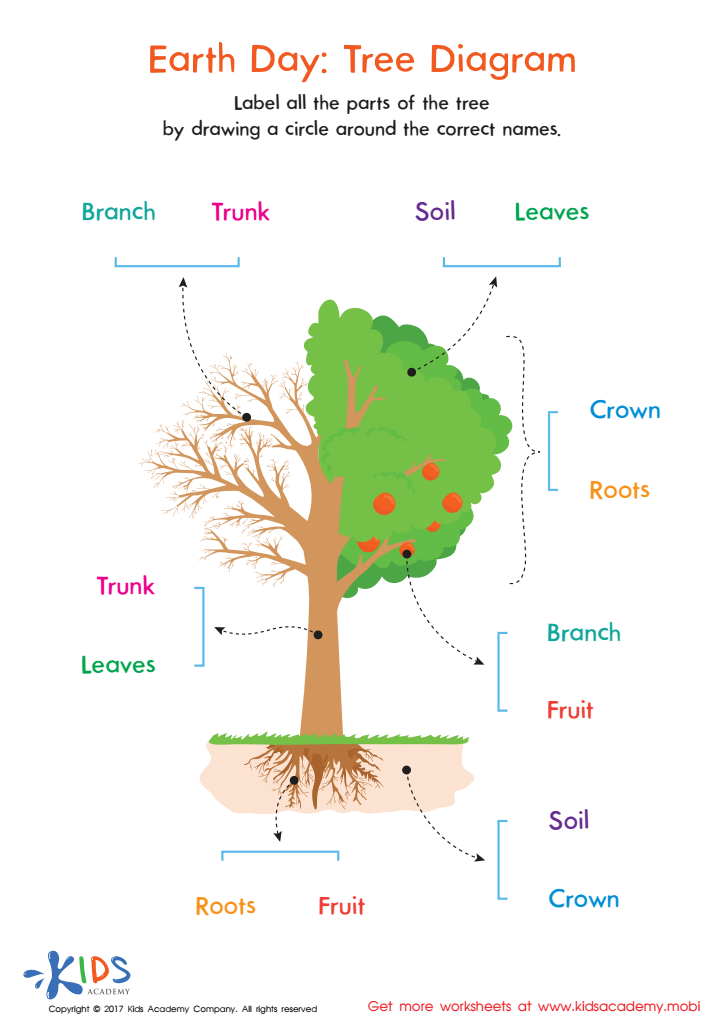
Earth Day: Tree Diagram Worksheet
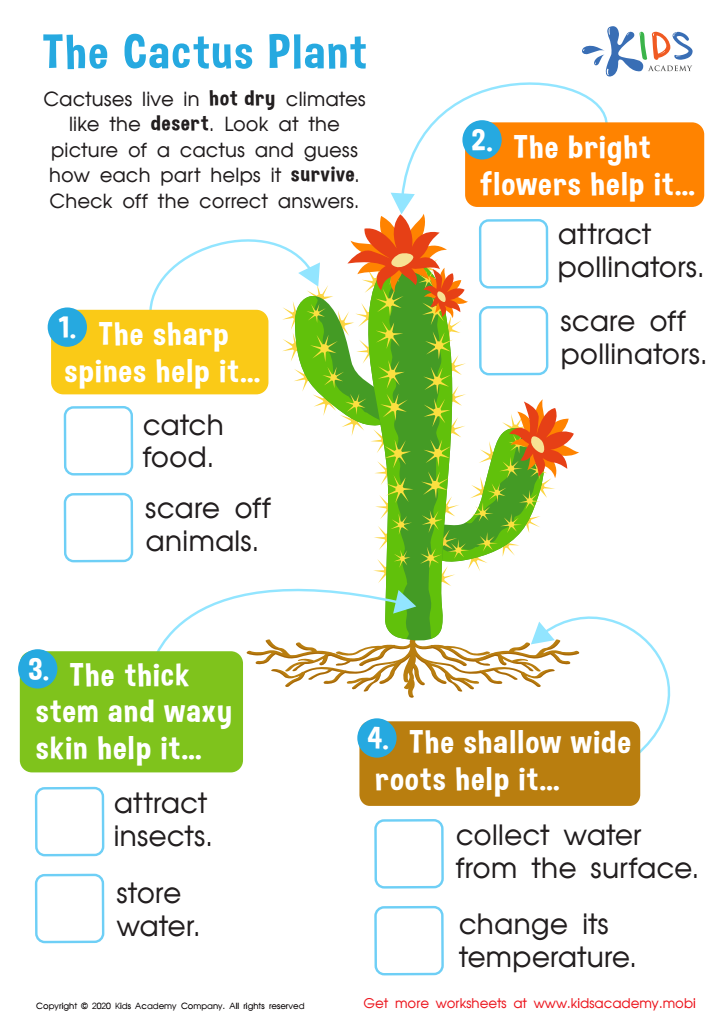
The Cactus Plant Worksheet
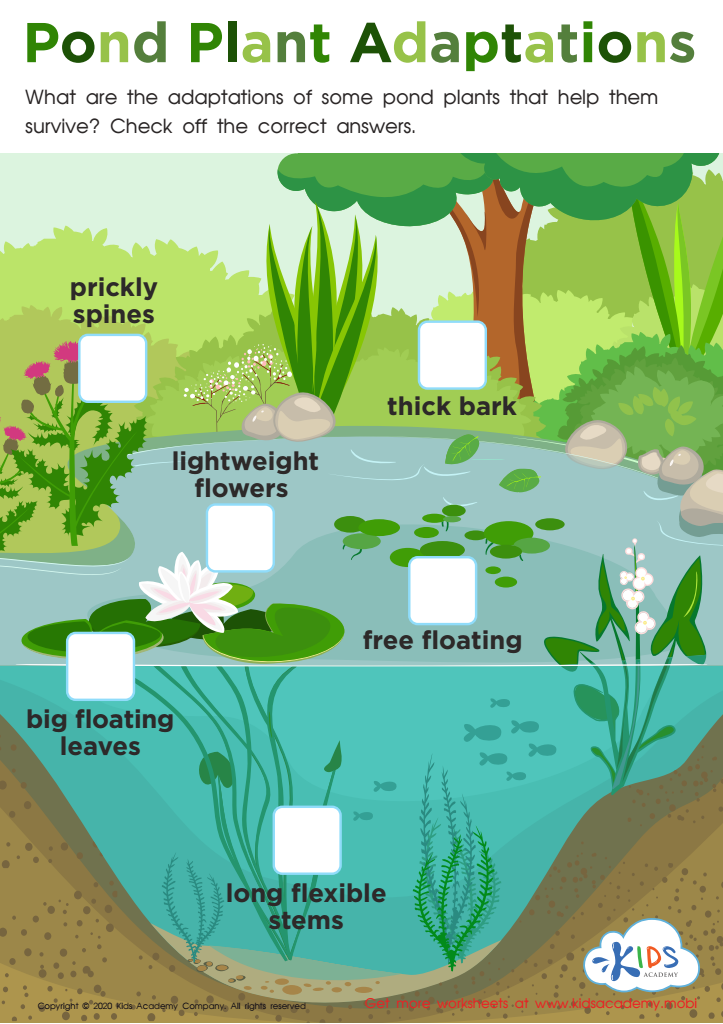
Pond Plant Adaptations
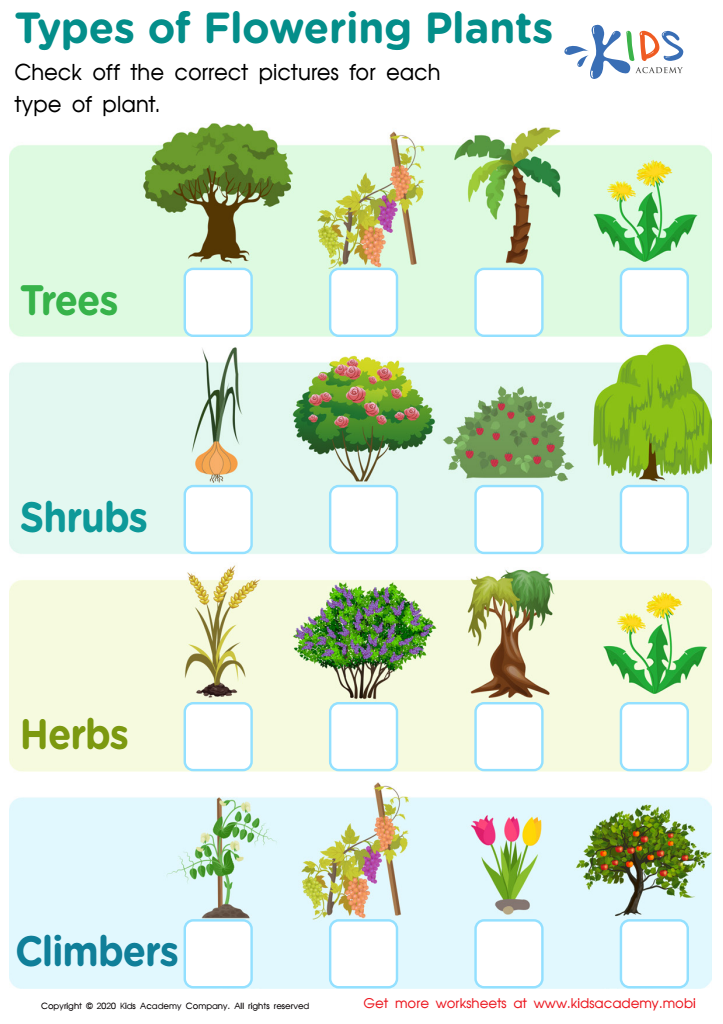
Types of Flowering Plants Worksheet
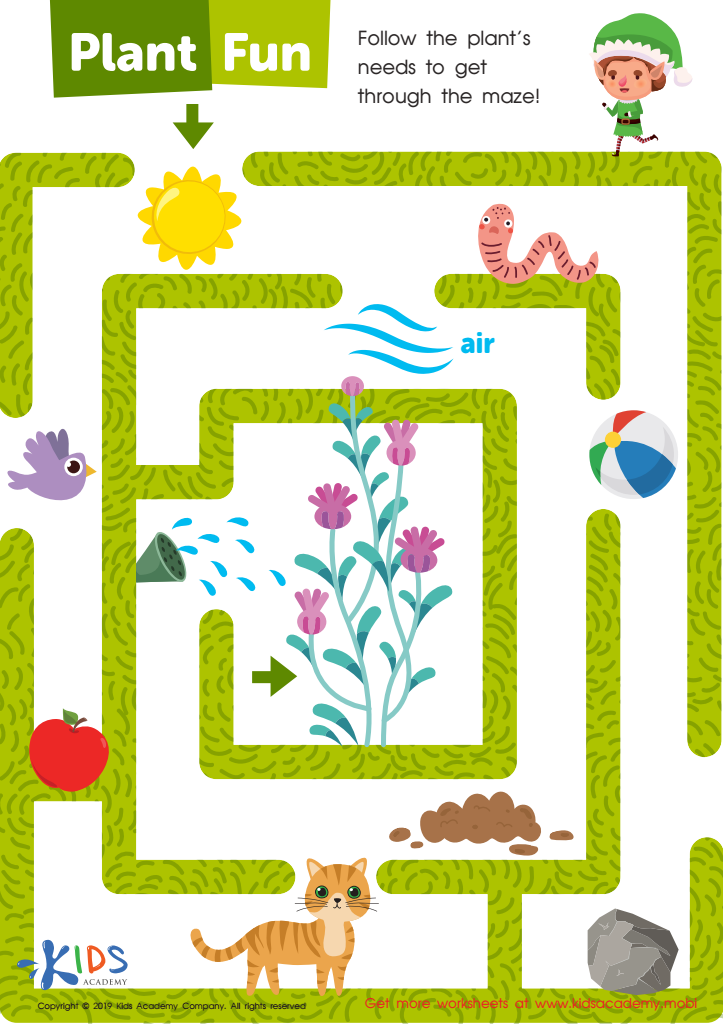
Plant Fun Worksheet
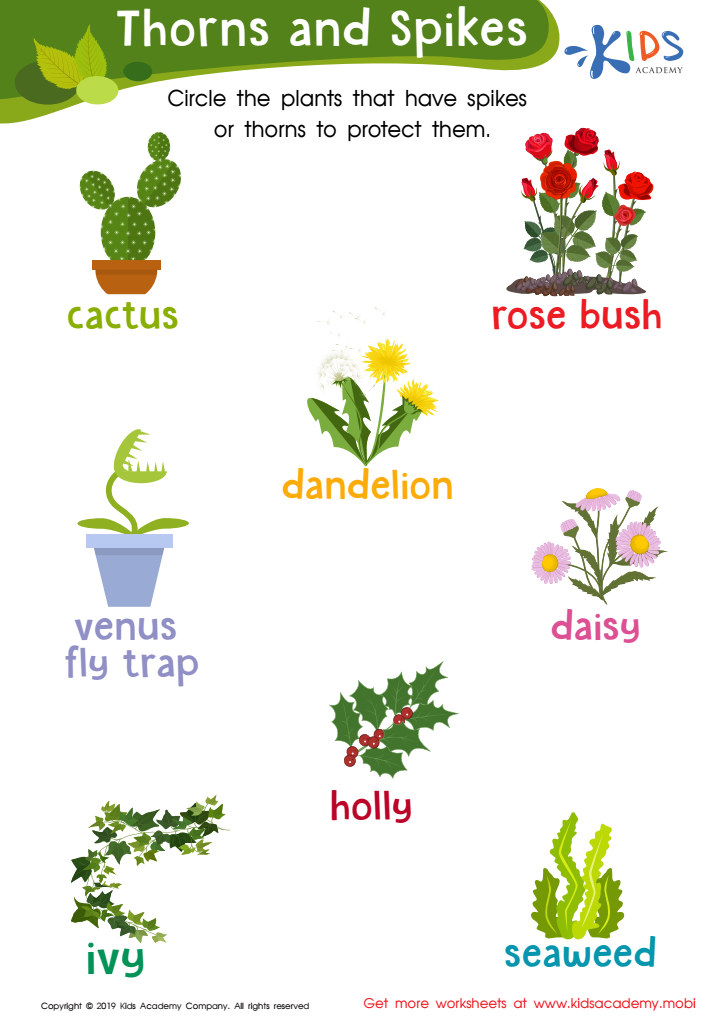
Thorns and Spikes Worksheet
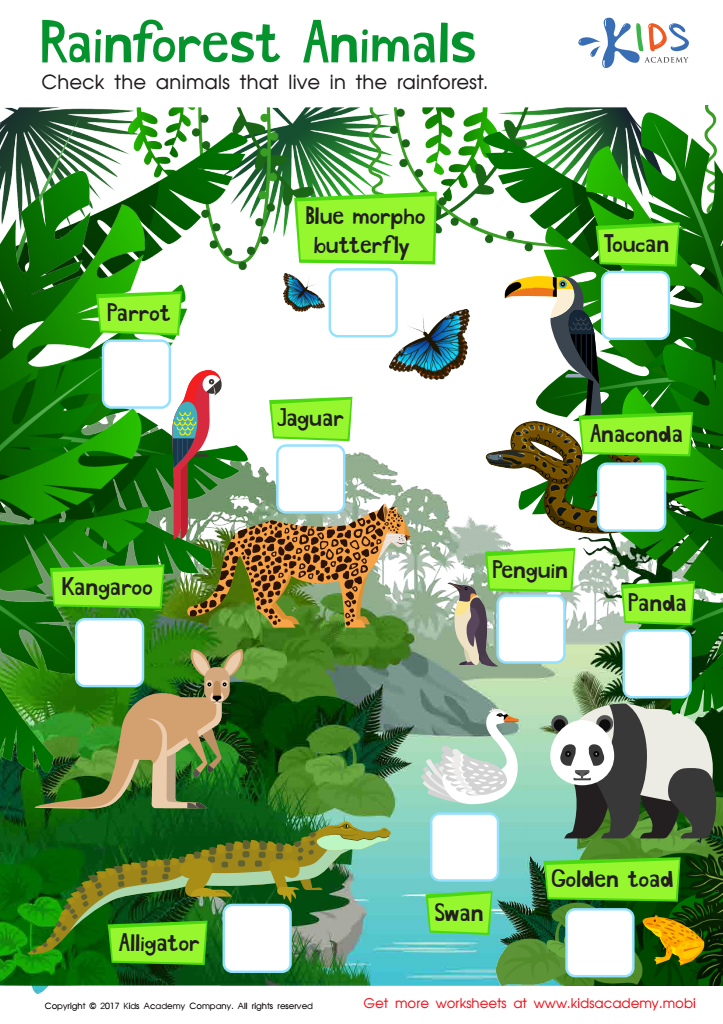
Rainforest Animals Worksheet
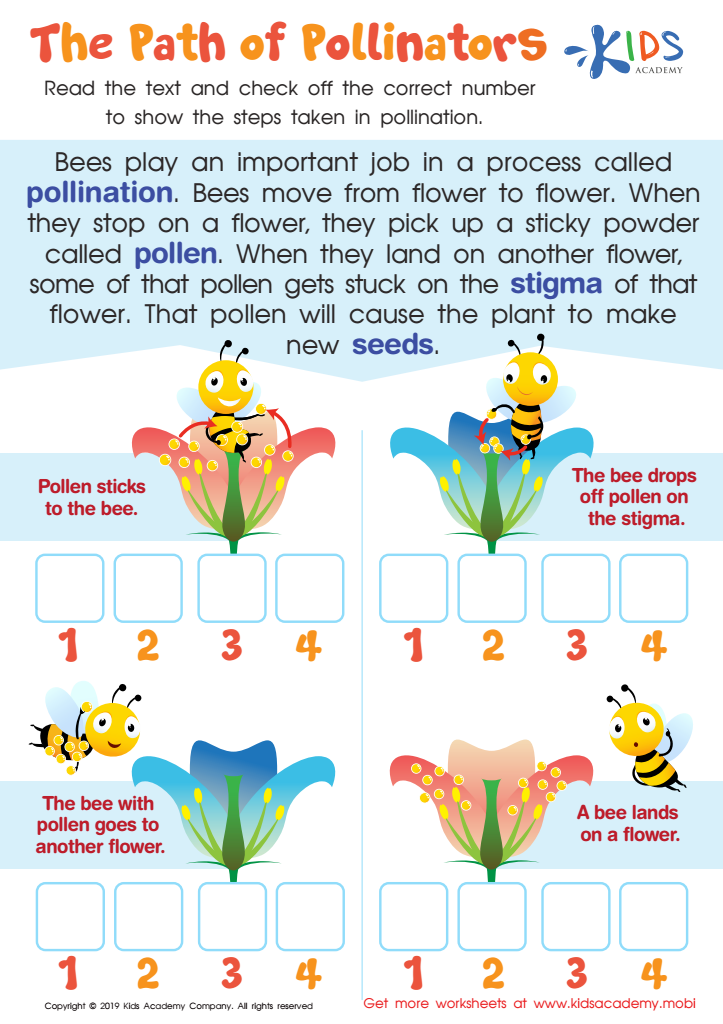
The Path of Pollinators Worksheet
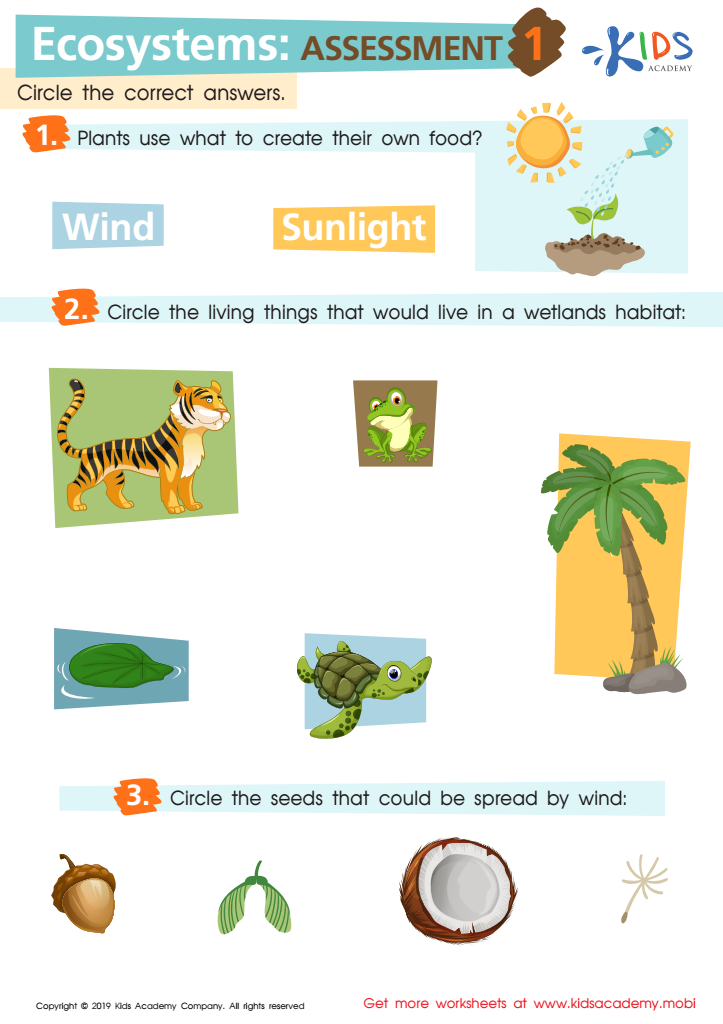
Ecosystems: Assessment 1 Worksheet
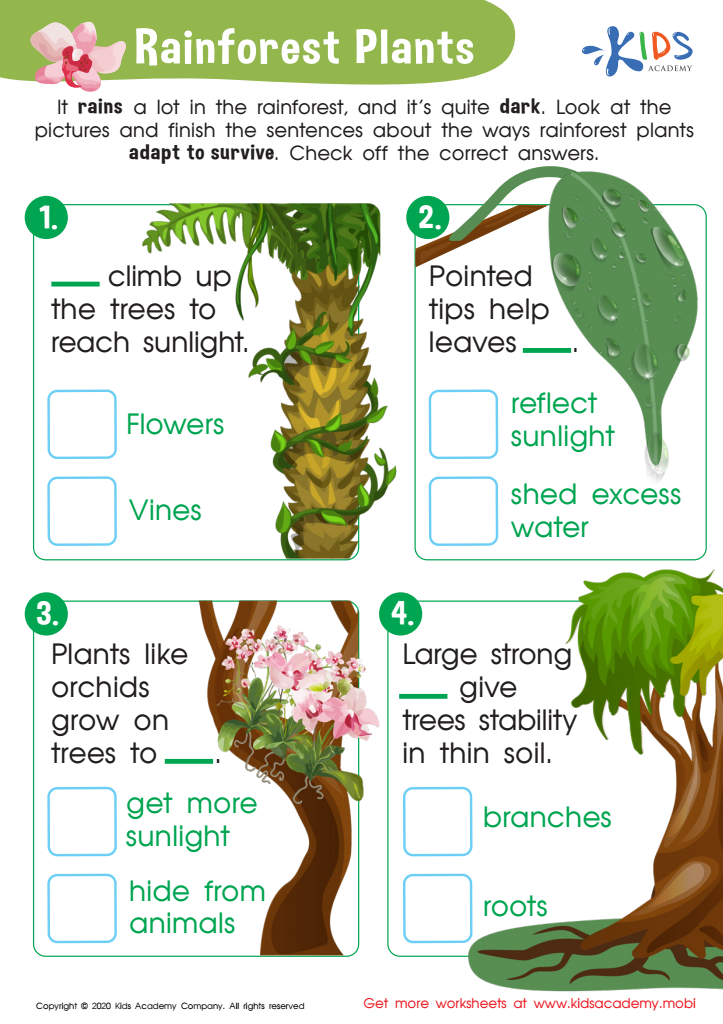
Rainforest Plants Worksheet
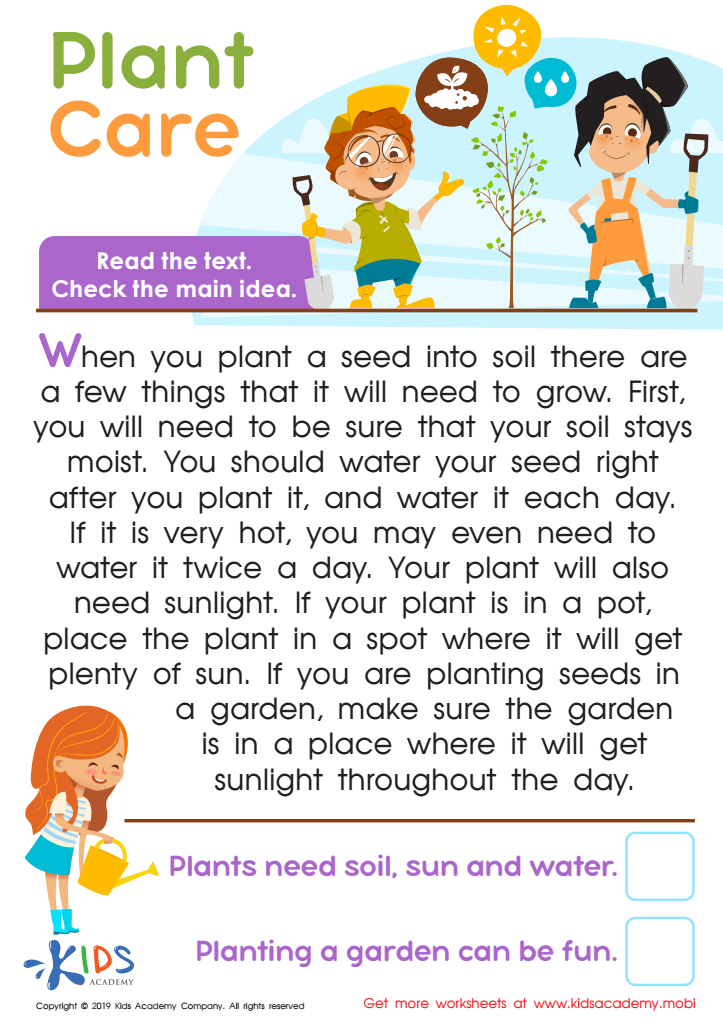
Plant Care Worksheet
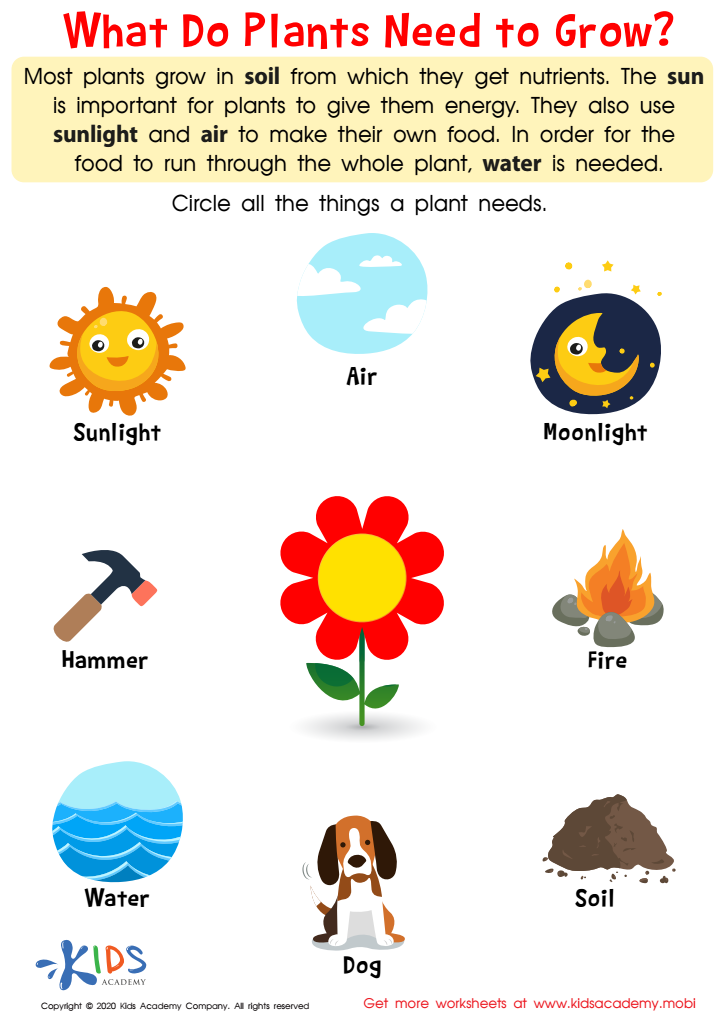
What Do Plants Need to Grow Worksheet
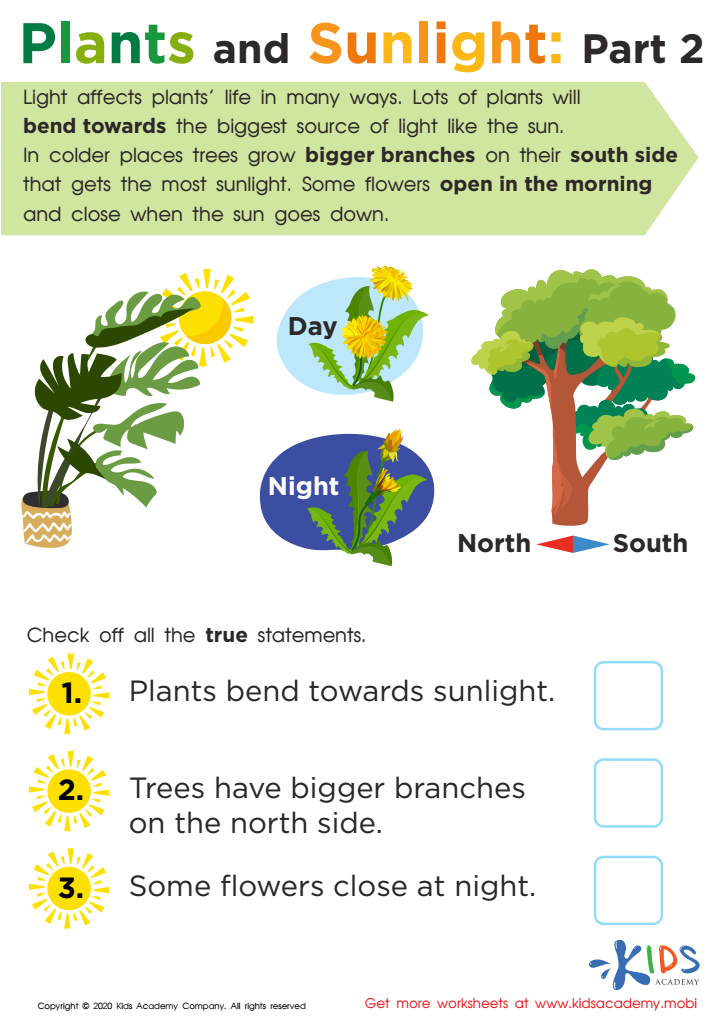
Plants and Sunlight: Part 2 Worksheet
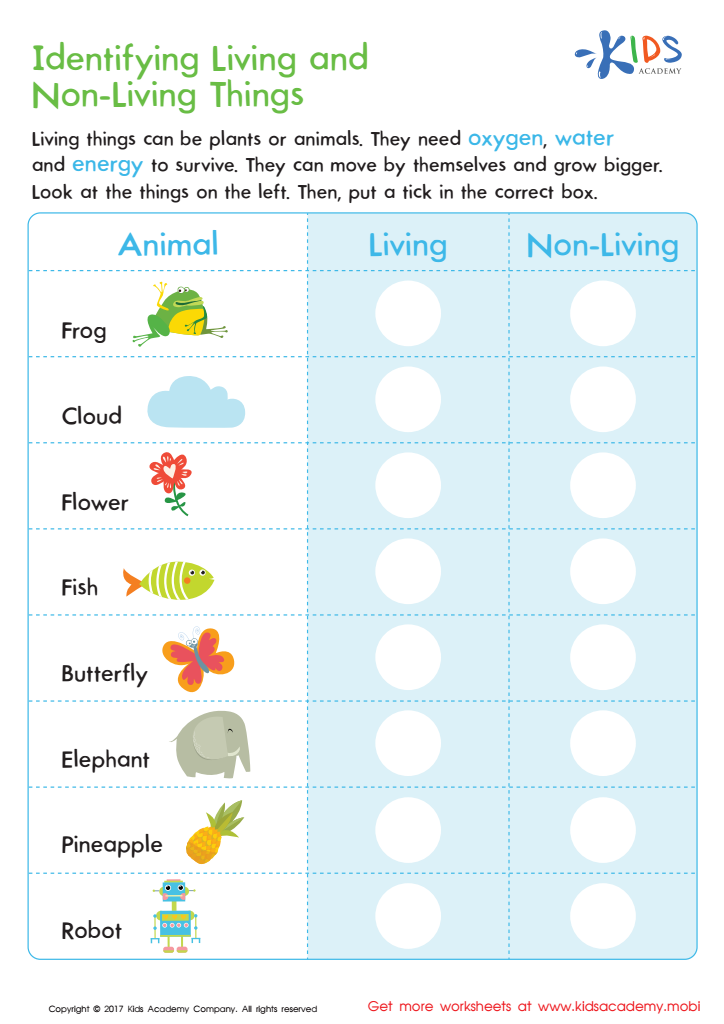
Identifying Living or Non–living Worksheet







Parents and teachers of children aged 4-7 should foster an appreciation for normal plants to nurture curiosity, responsibility, and environmental awareness. Young learners are naturally curious and plants provide an immediate connection to the living world. Watching a seed grow into a plant can be a magical experience that stimulates curiosity and enhances observational skills. Young children understand the basics of spontaneous questioning, giving adults convenient, simple opportunities to teach an everyday wonder.
Plants also offer an excellent medium for inculcating a sense of responsibility. In classrooms or home settings, taking care of plants by watering them and ensuring they have enough sunlight can teach children the importance of regular care and the concept of cause and effect. Resilience, patience, and the significance of routine also come into play since plants don’t grow instantly; they proceed through stages that require justified care over time.
Moreover, engaging kids with plants encourages environmental stewardship from an early age. It builds a foundation where students learn the significance of plants in providing food, oxygen, and habitat for other organisms. By understanding cycles and seasons through the life stages of plants, young children gain a comprehensive concept of the natural world, laying seeds for more complex environmental education in the future. Lastly, interacting with greenery provides a tactile and visually immersive learning context which enhances sensory and cognitive development in early childhood education.