Normal Addition Worksheets for Ages 4-8 - Page 3
68 filtered results
-
From - To
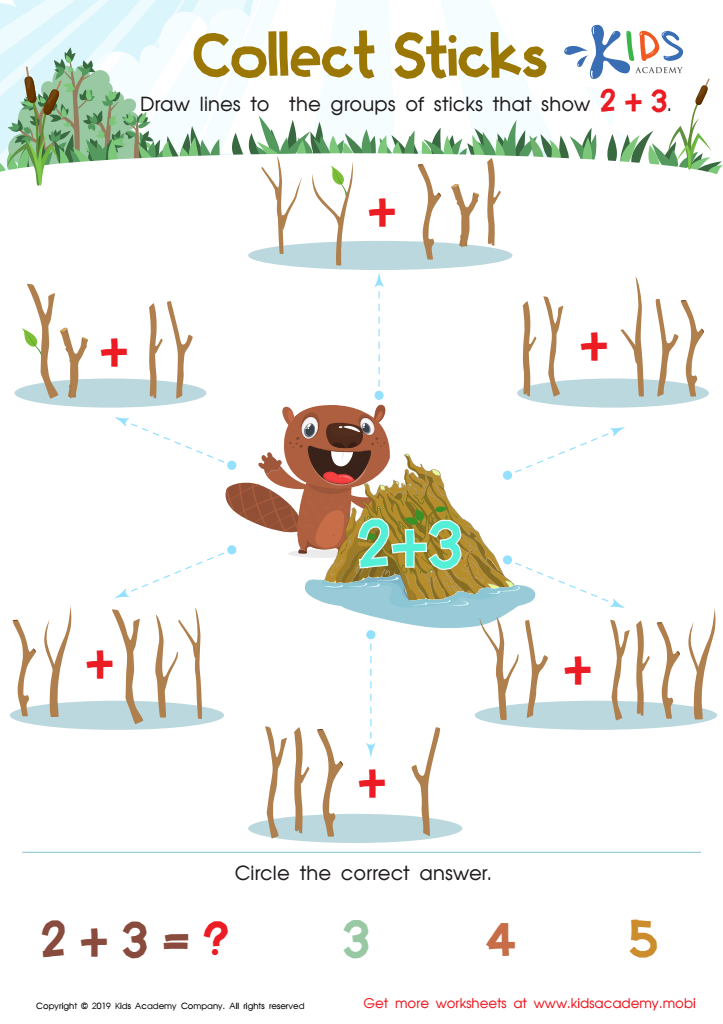
Collect Sticks Worksheet
 Assign to My Students
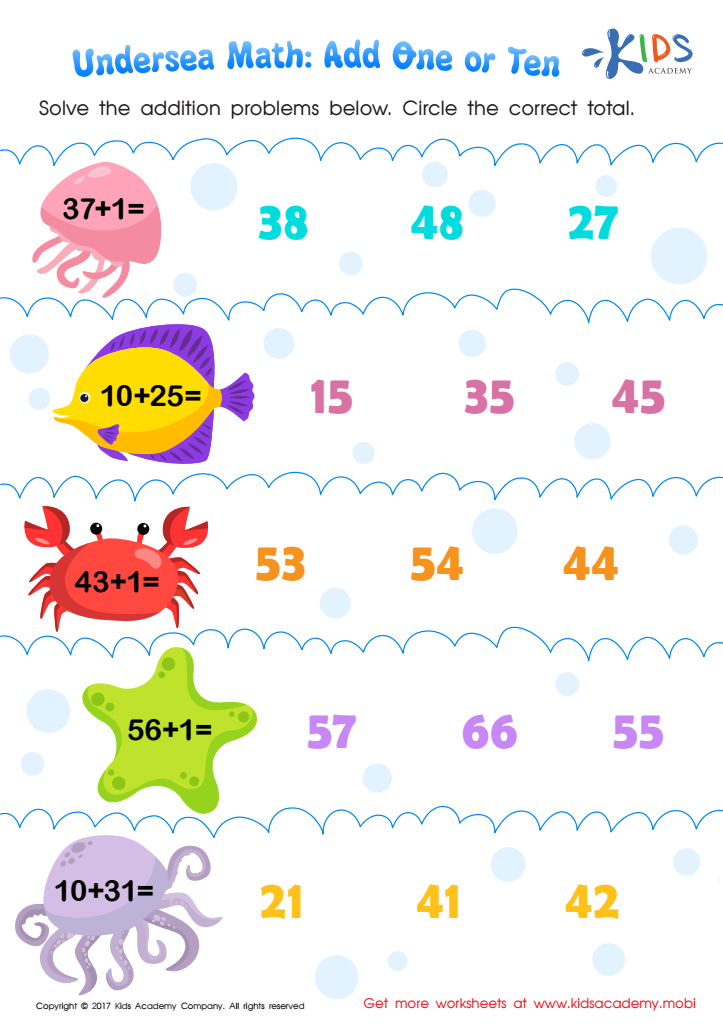
Undersea Math Worksheet
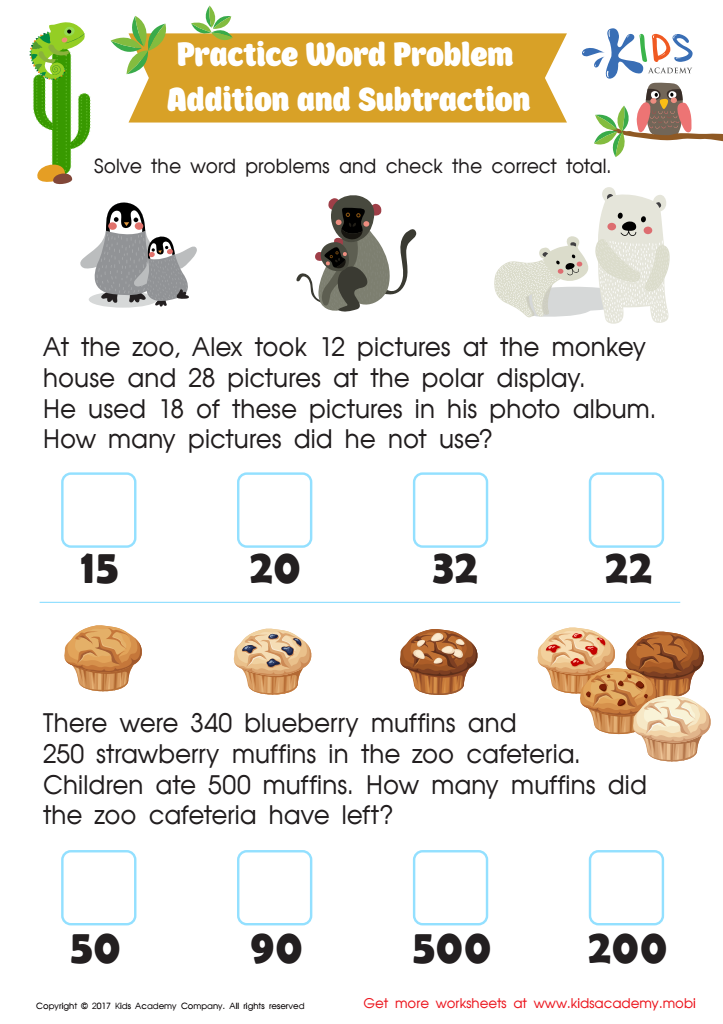
Addition and Subtraction: Word Problems Worksheet
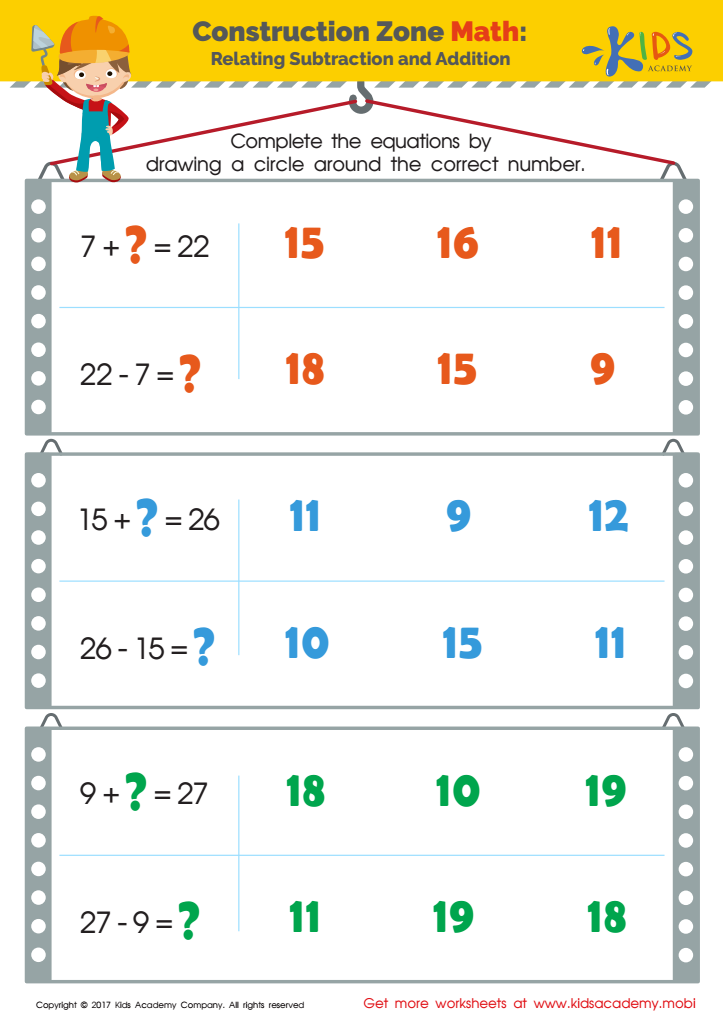
Related Addition and Subtraction Facts Worksheet
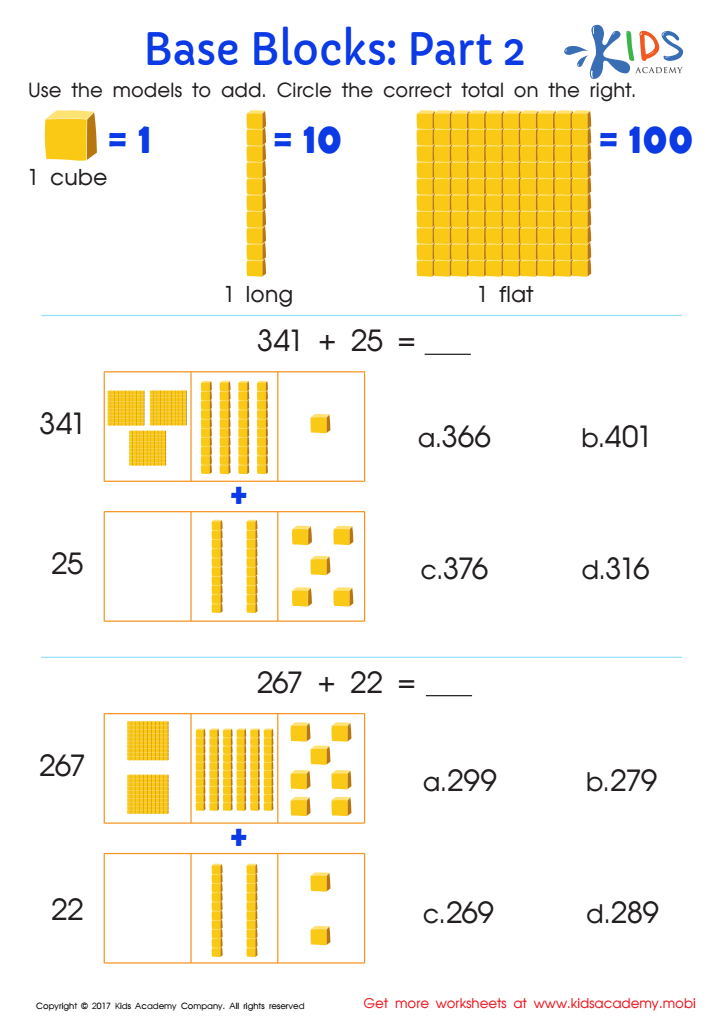
Base Ten Blocks Worksheet: Part 2
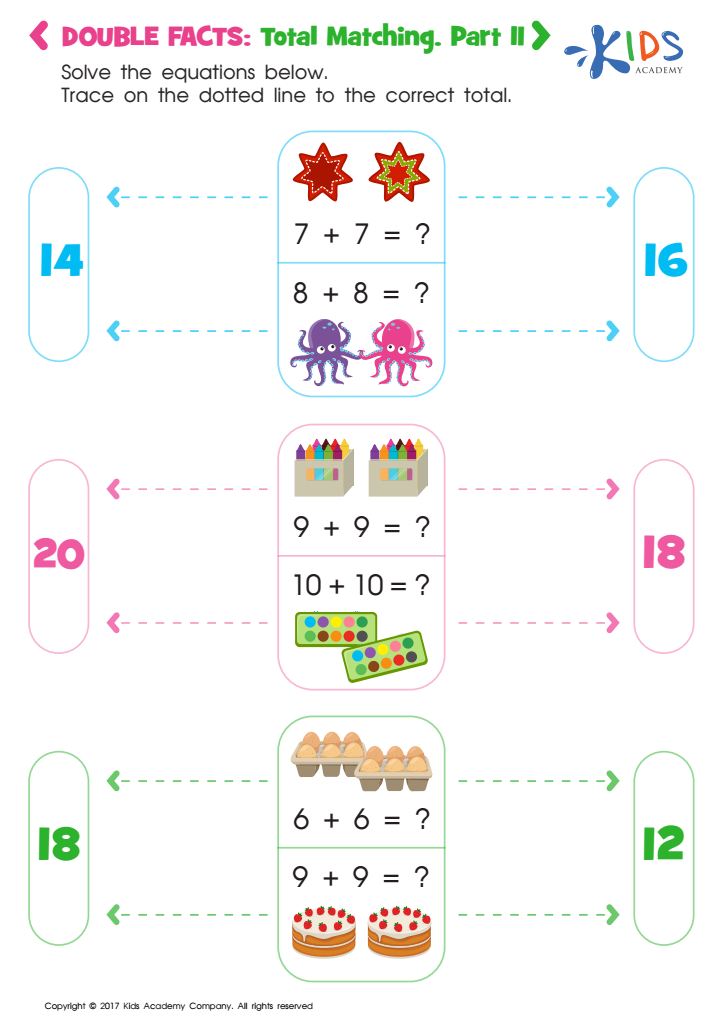
Double Facts: Total Matching 2 Worksheet
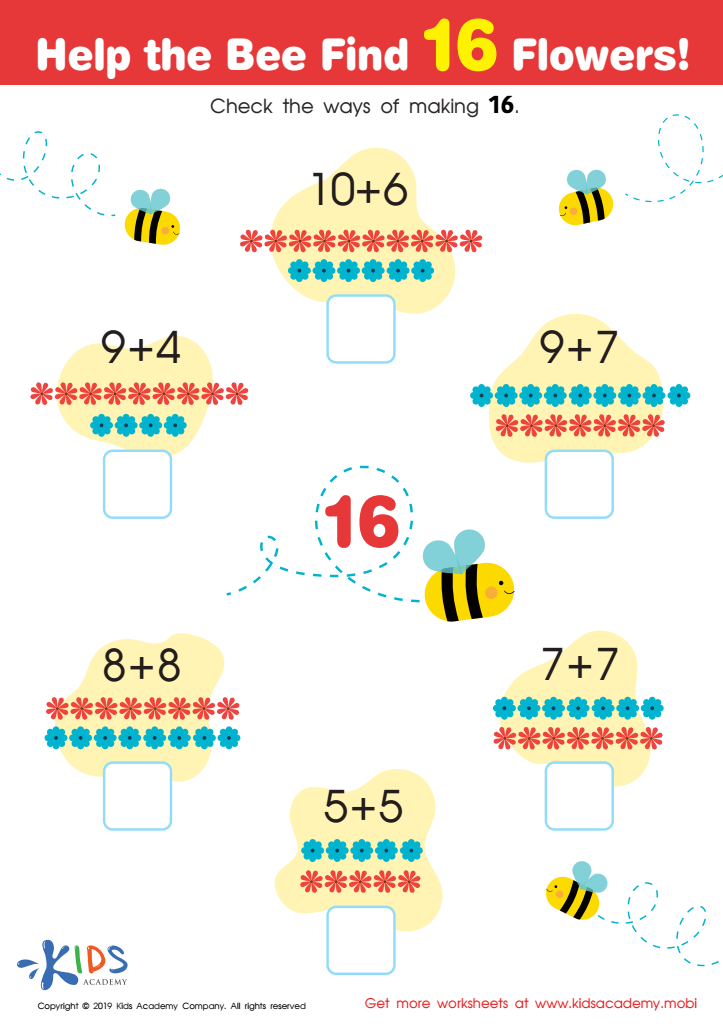
Help the Bee Find 16 Flowers Worksheet
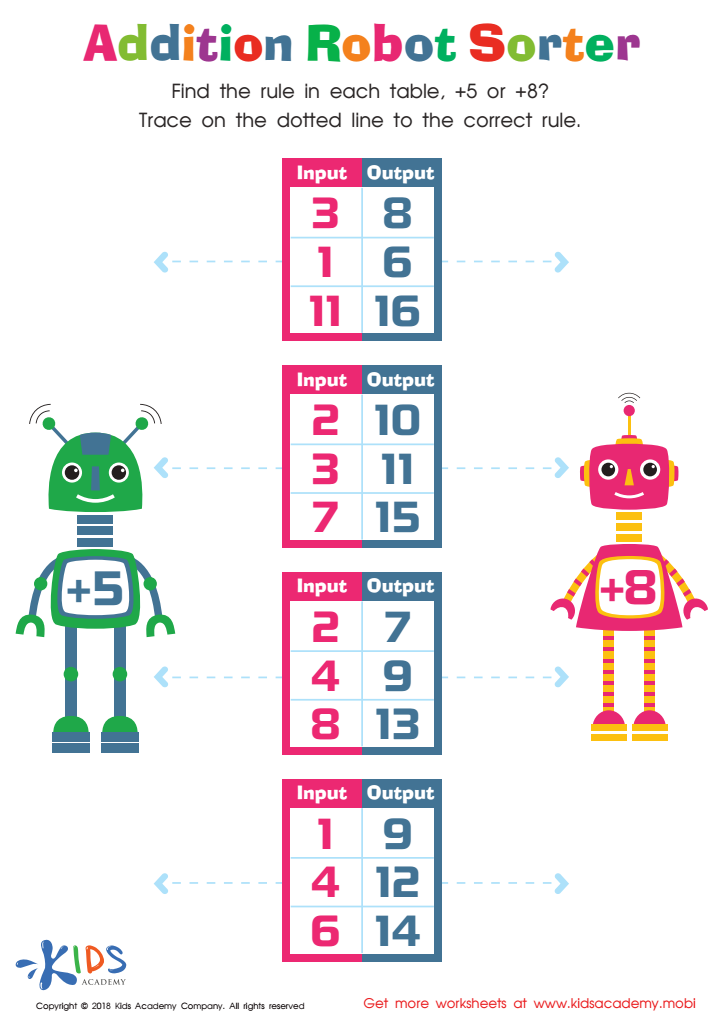
Addition Robot Sorter Worksheet
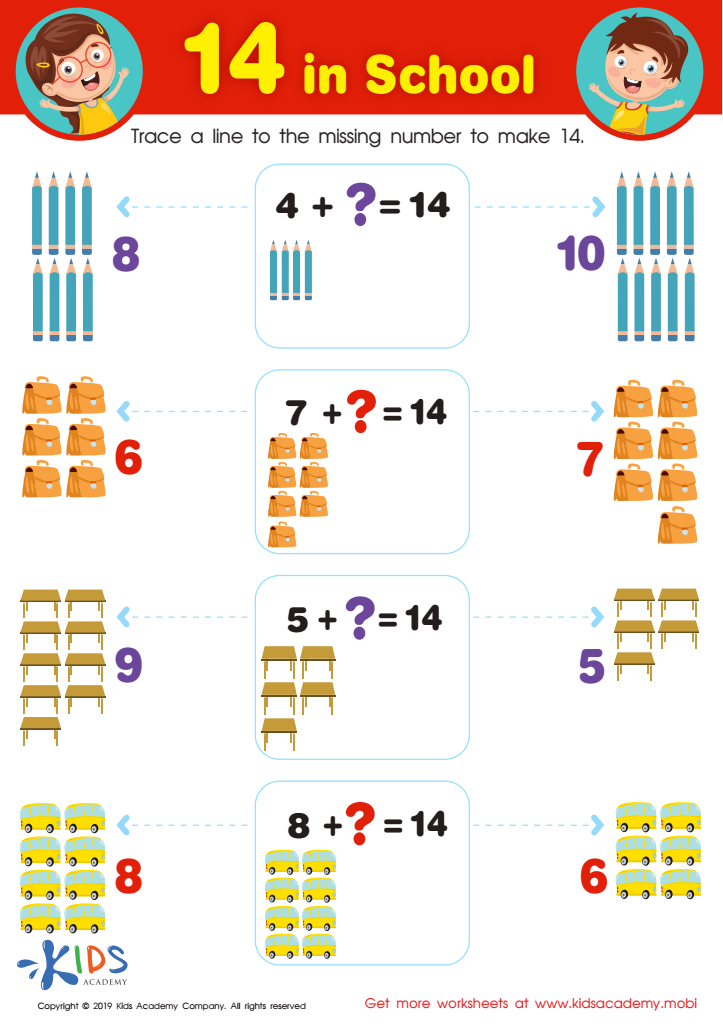
14 in School Worksheet
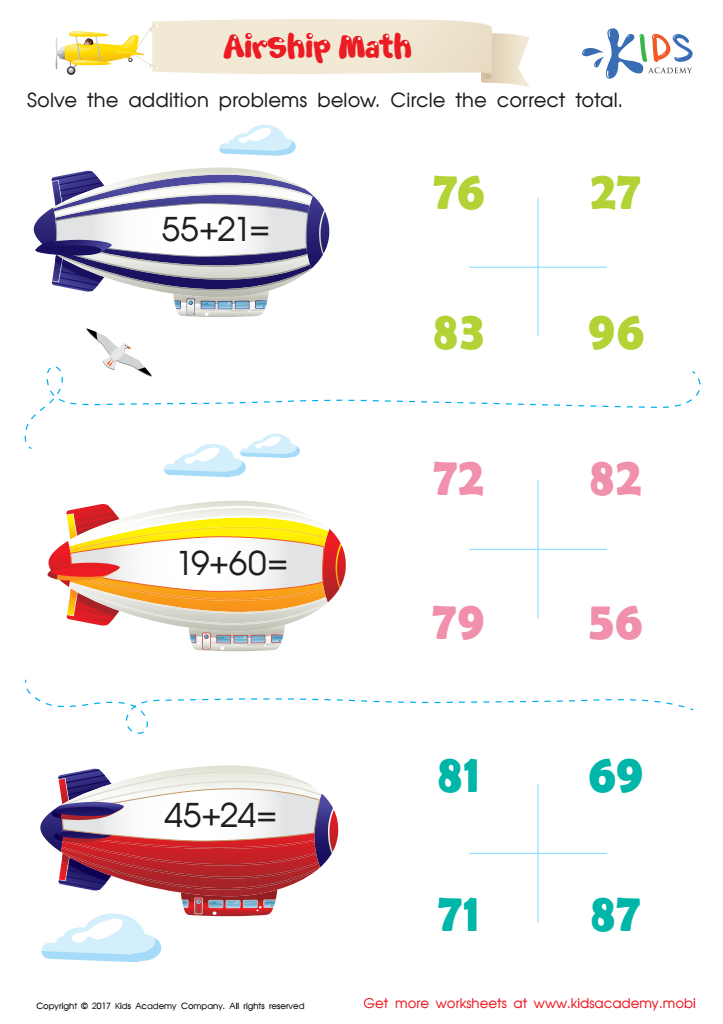
Airship Math Addition Printable
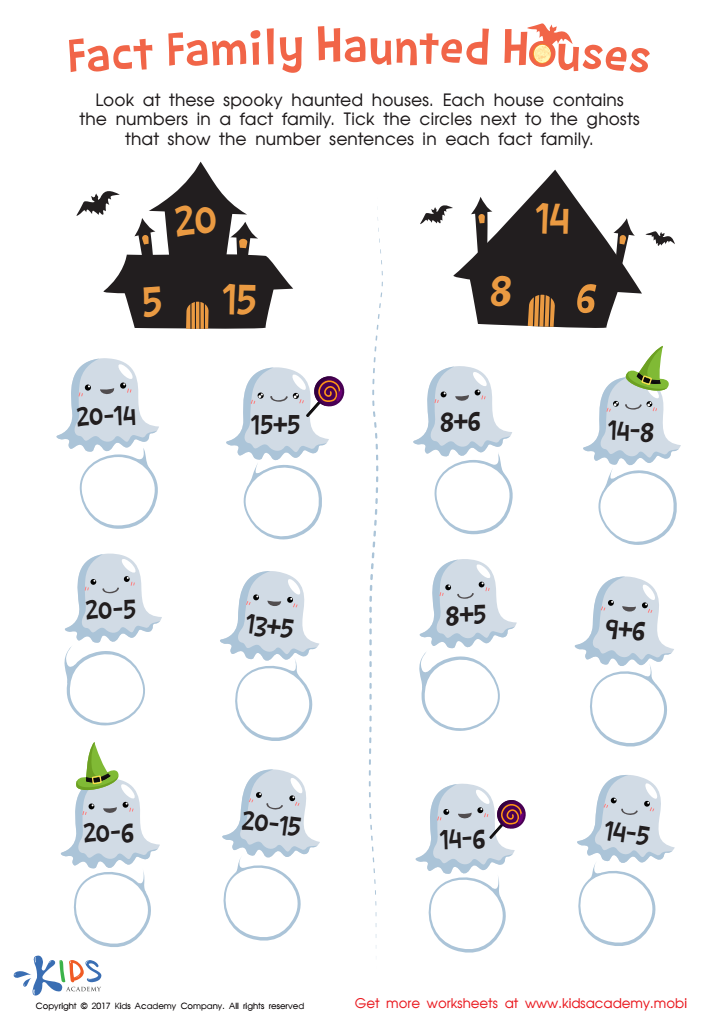

Adding Numbers: Cardinal Directions Worksheet
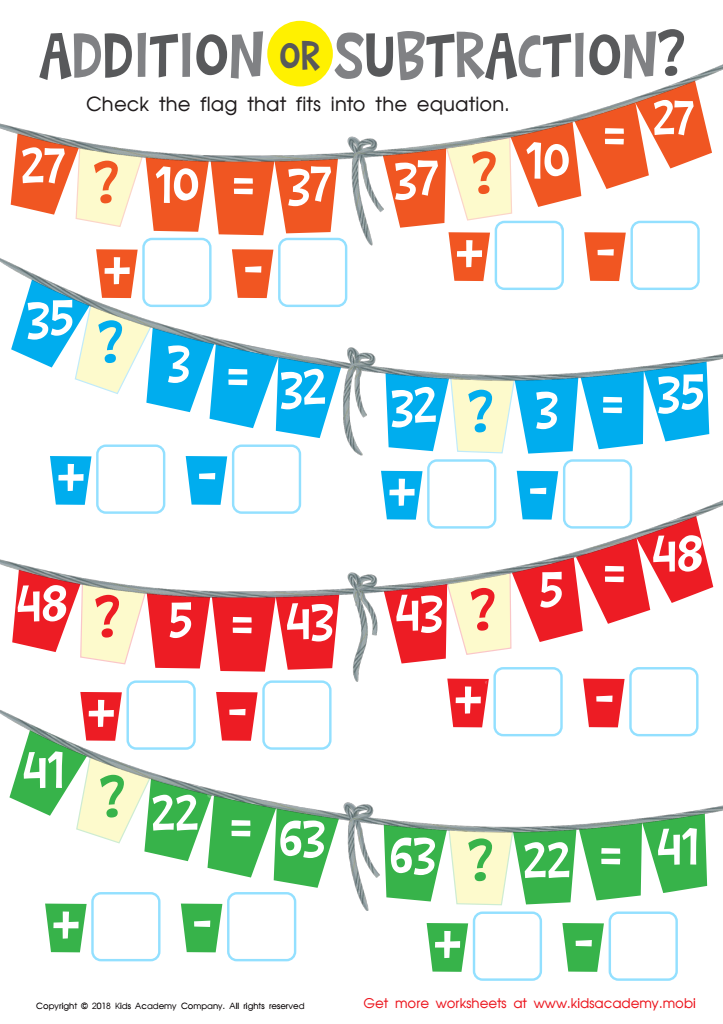
Addition or Subtraction? Worksheet
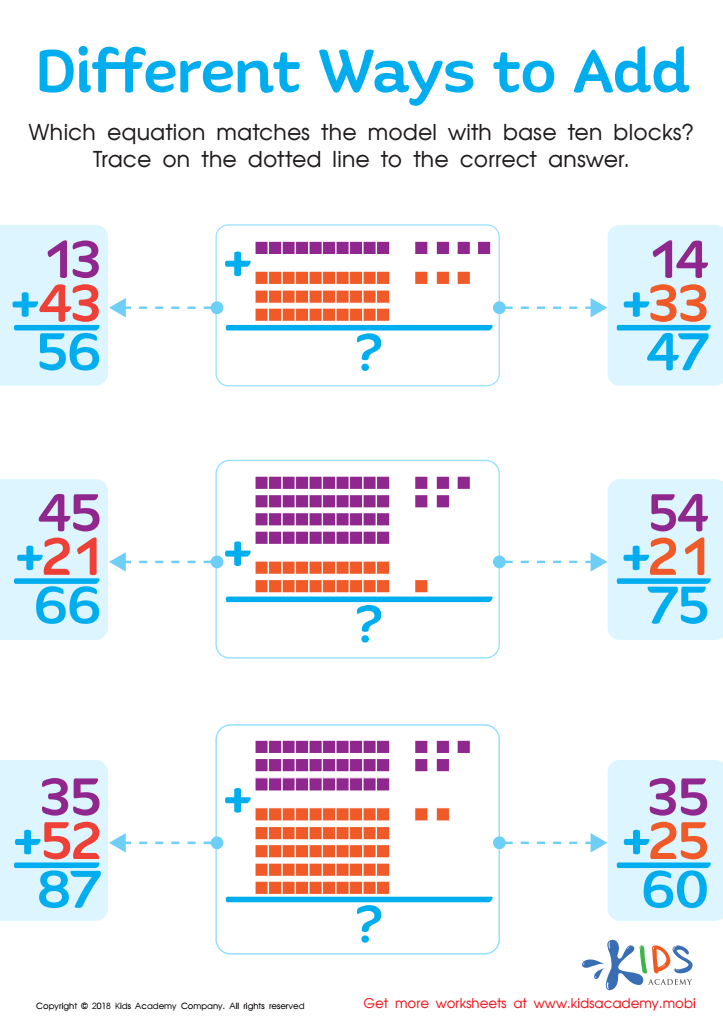
Different Ways to Add Worksheet
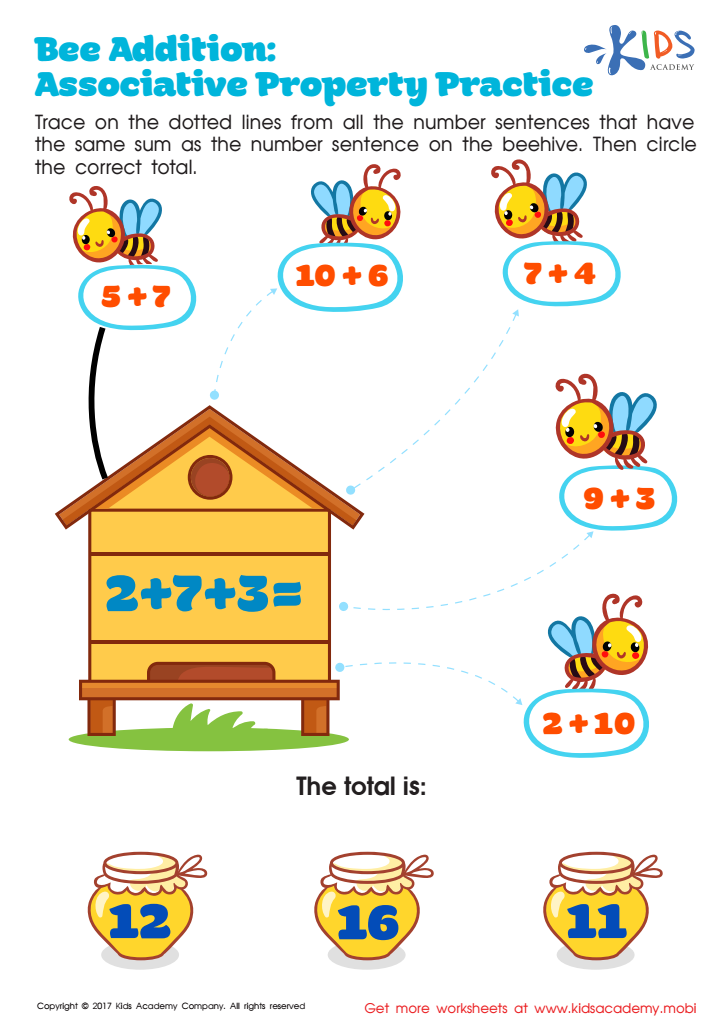
Bee Addition: Associative Property Practice Worksheet
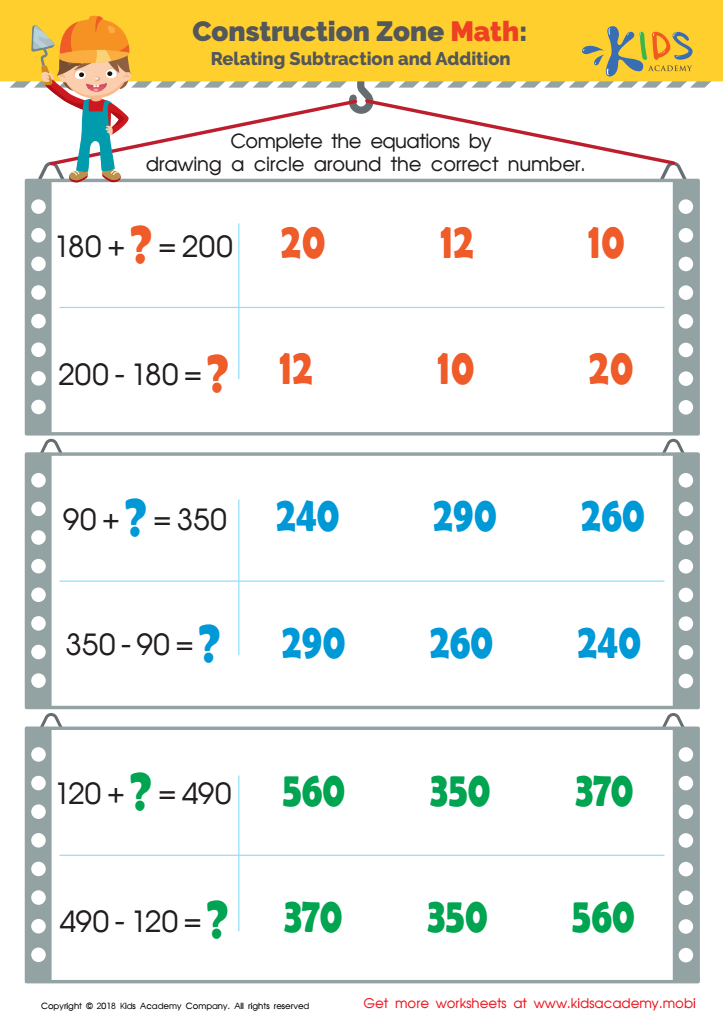
Construction Zone Math: Relating Subtraction and Addition Worksheet
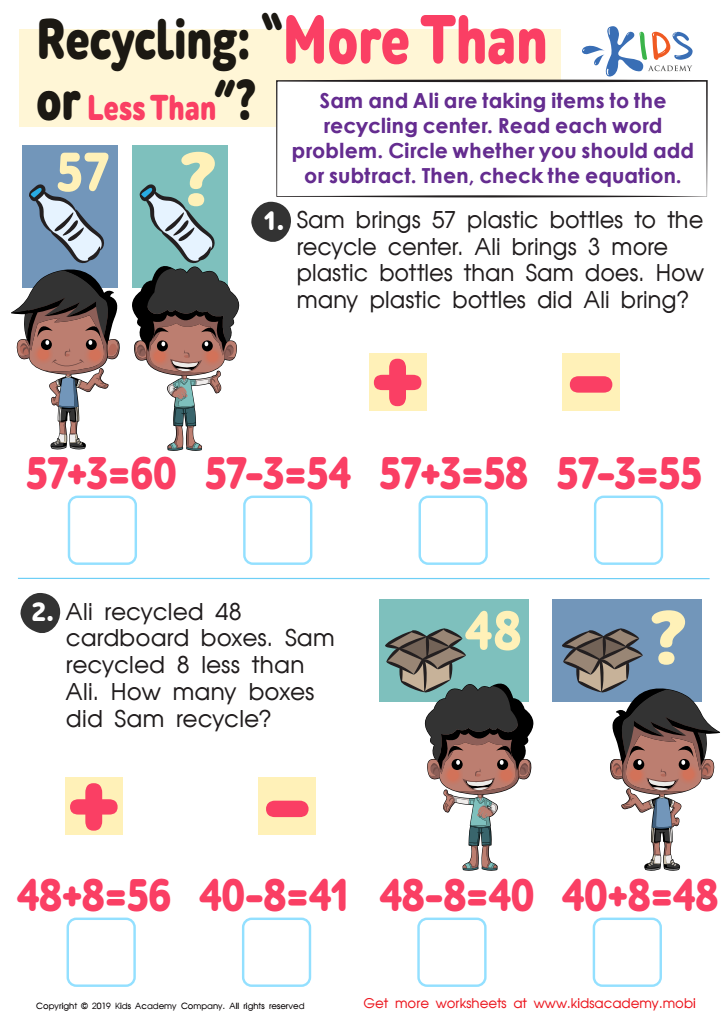
Recycling - More or Less Worksheet
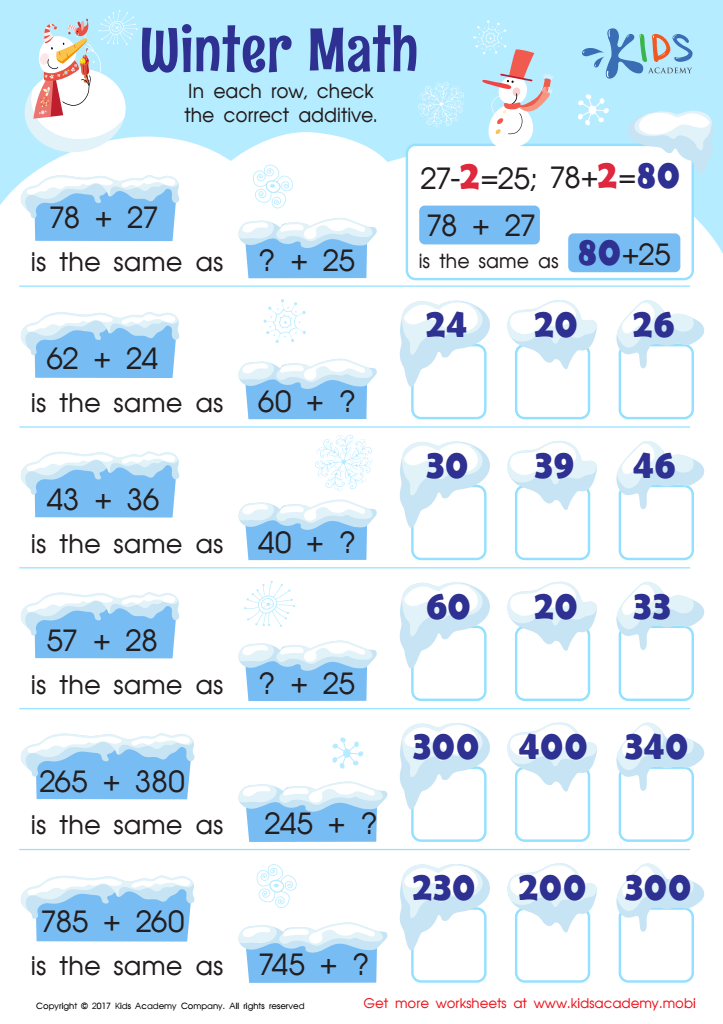
Free Addition Worksheet
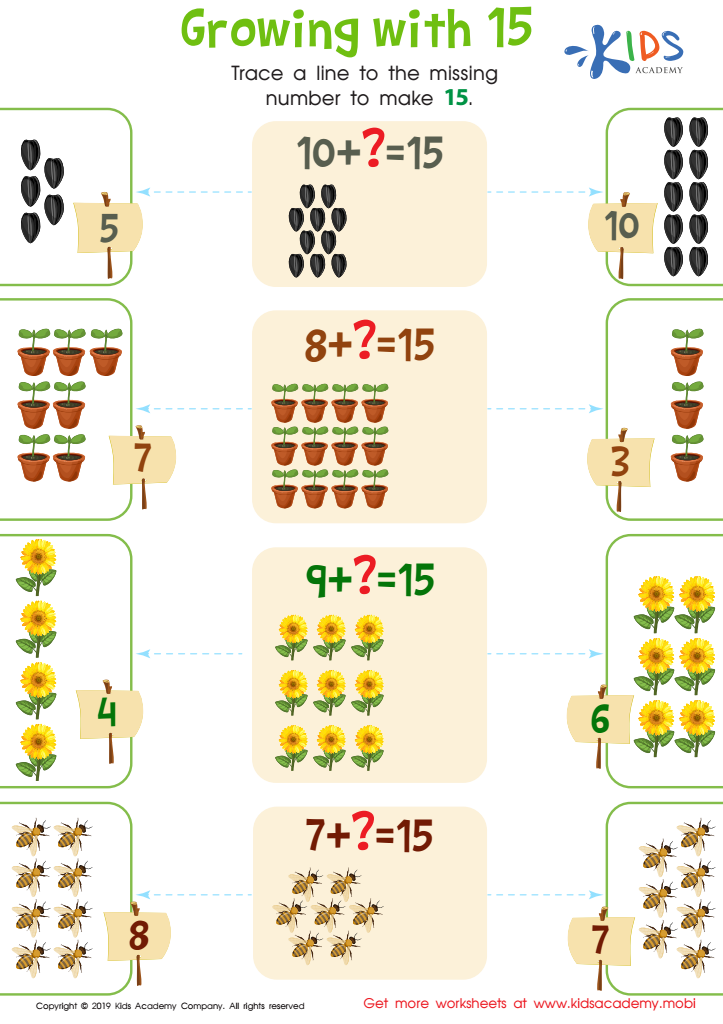
Growing with 15 Worksheet
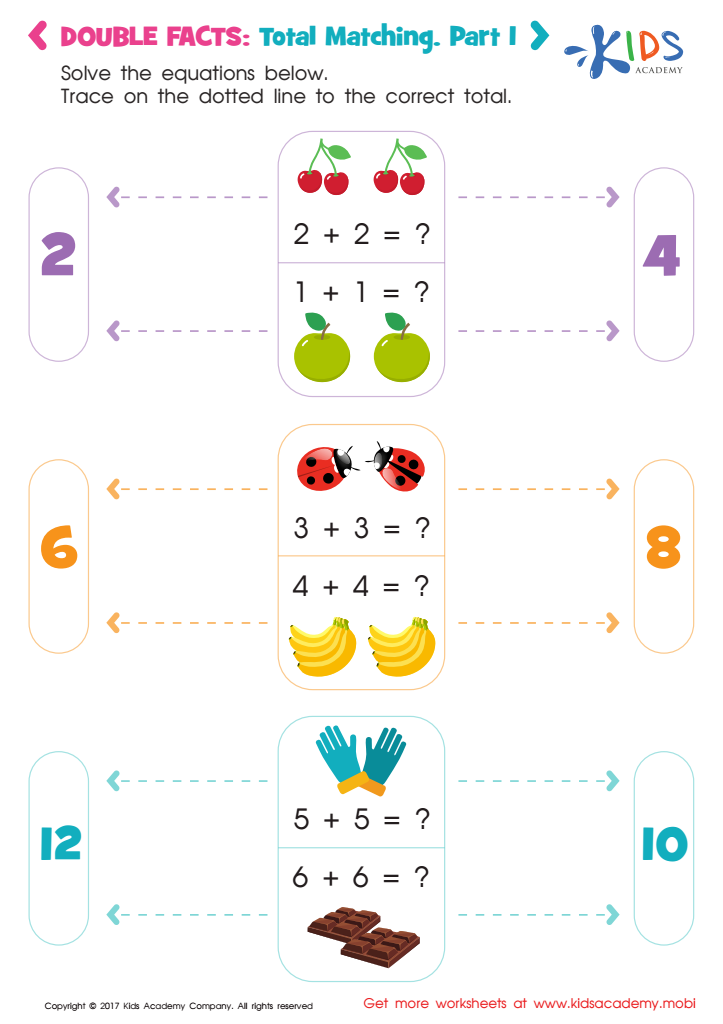
Double Facts: Total Matching Worksheet: Part 1





.jpg)


Understanding normal addition at an early age, particularly between ages 4-8, is crucial for children's cognitive and academic development. For parents and teachers, emphasizing the importance of normal addition serves as a foundational step in building robust math skills. During these formative years, children's brains are highly adaptable and receptive to new concepts. Learning addition early not only helps in developing basic arithmetic skills but also enhances problem-solving abilities and logical thinking.
Normal addition, or simple counting and combining of numbers, is the first step towards understanding more complex mathematical operations such as subtraction, multiplication, and division. Mastering addition can give children the confidence needed to tackle these advanced topics in the future. Additionally, early proficiency in addition fosters a positive attitude towards math, reducing fear and anxiety related to the subject.
For parents, reinforcing addition through everyday activities—like counting toys, snacks, or steps—can make learning both fun and practical. Teachers can incorporate engaging activities and games to make the learning process enjoyable and interactive. All these efforts collectively support a child's academic success, laying a strong numerical foundation vital for ongoing education and essential life skills, such as budgeting and time management.