Normal Measurement Worksheets for Ages 4-8 - Page 2
36 filtered results
-
From - To
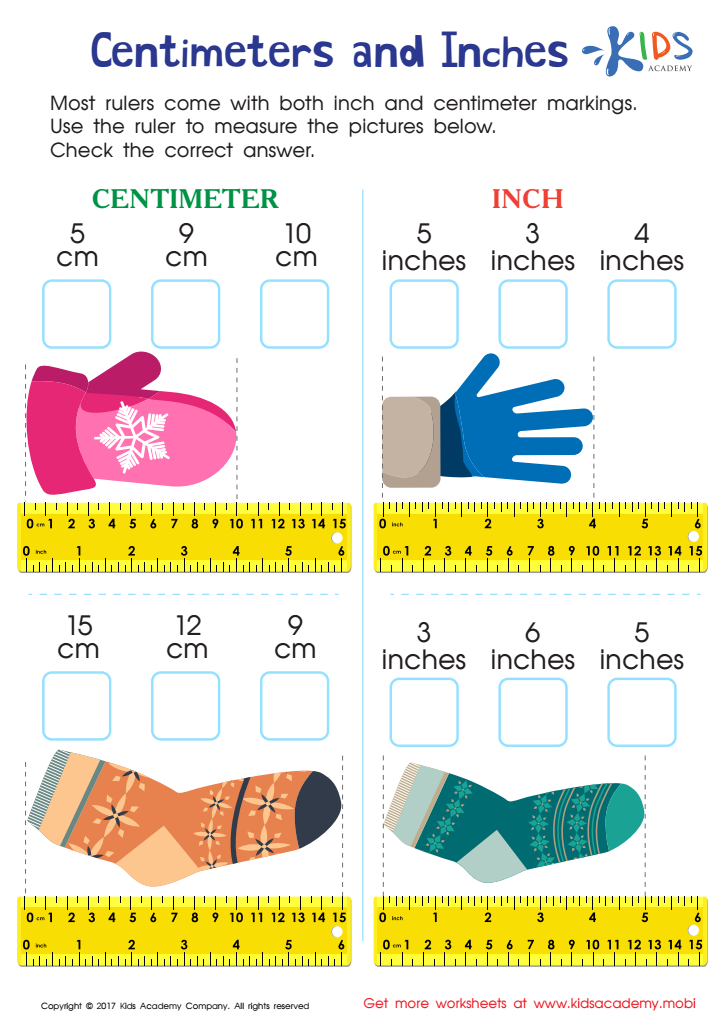
Centimeters and Inches Worksheet
 Assign to My Students
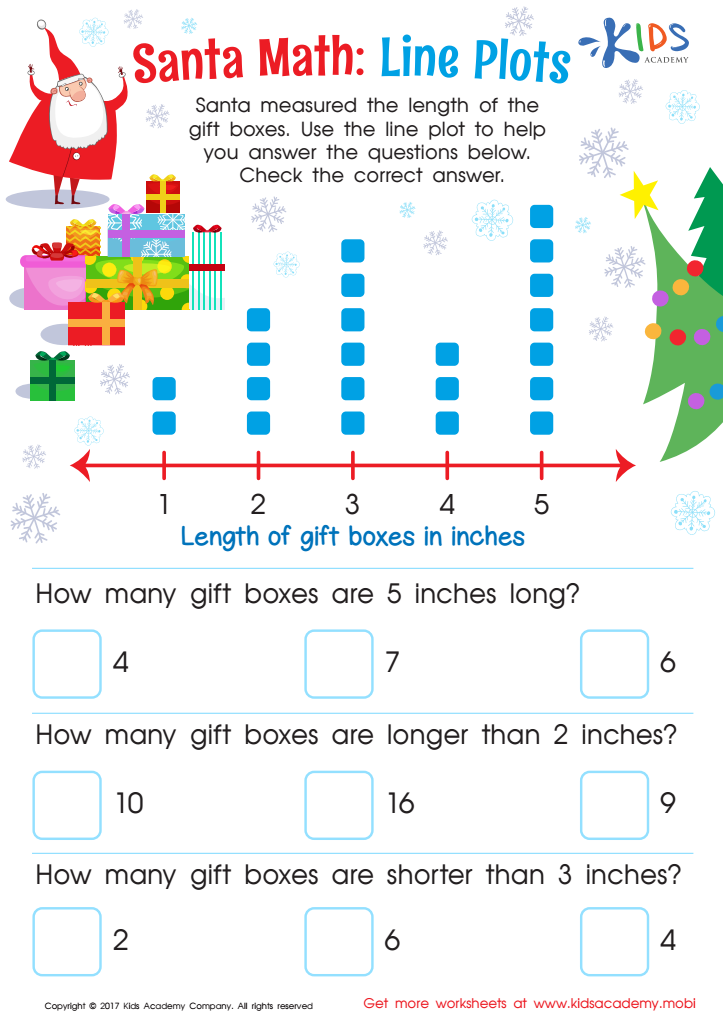
Line Plot Worksheet
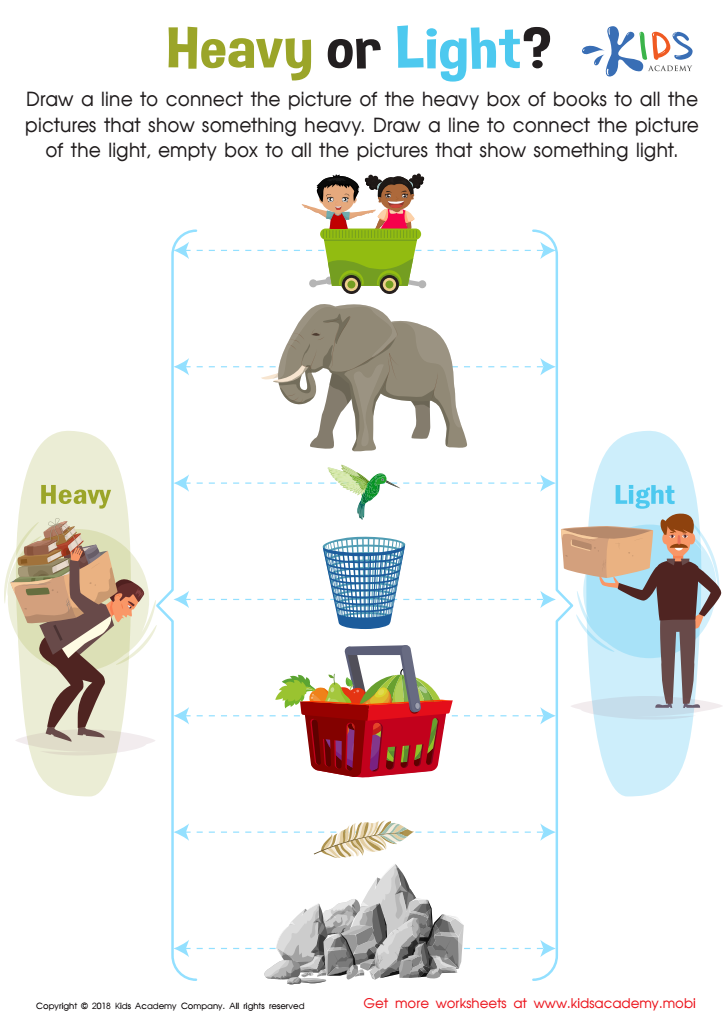
Heavy or Light? Worksheet
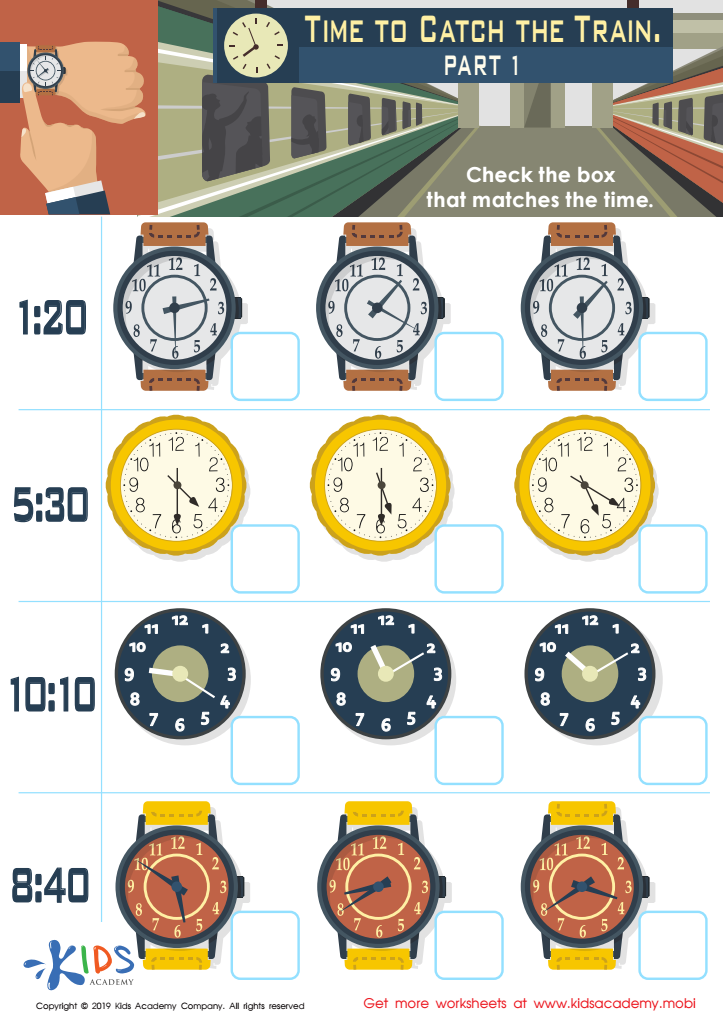
Time to Catch the Train Part 1 Worksheet
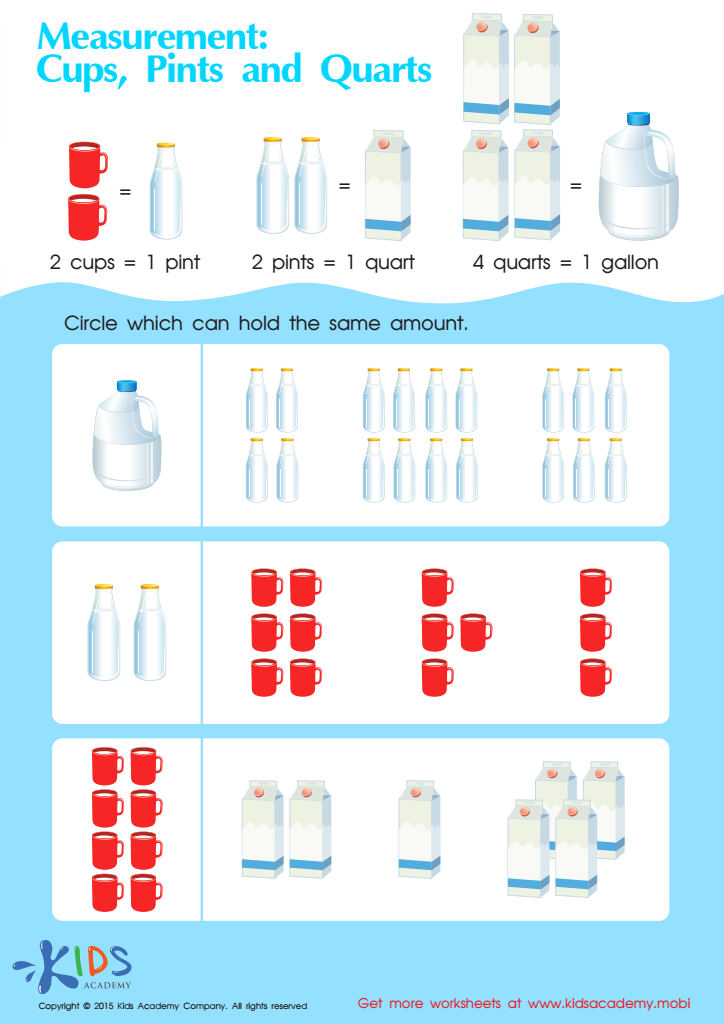
Cups, Pints and Quarts 2 Worksheet
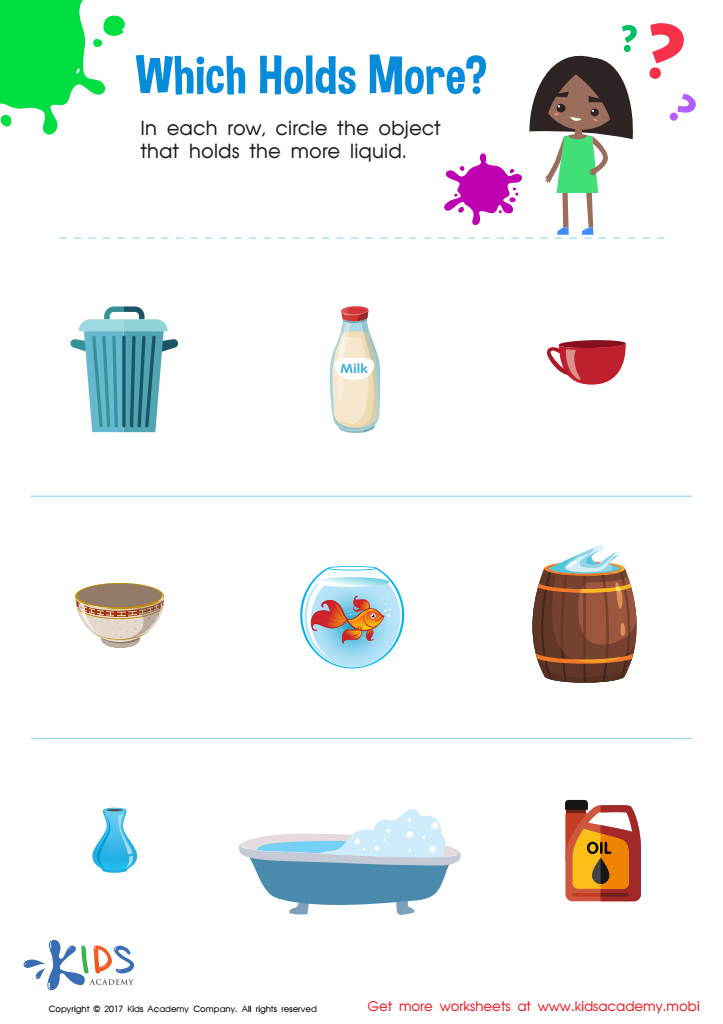
Which Holds More: Capacity Worksheet
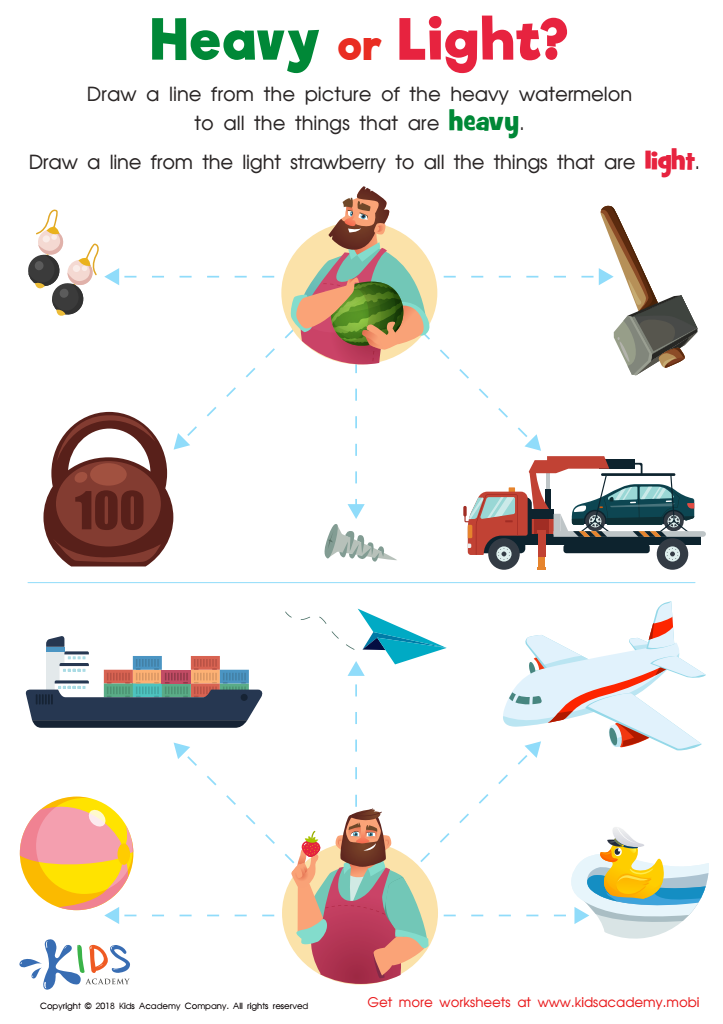
Heavy or Light? Worksheet
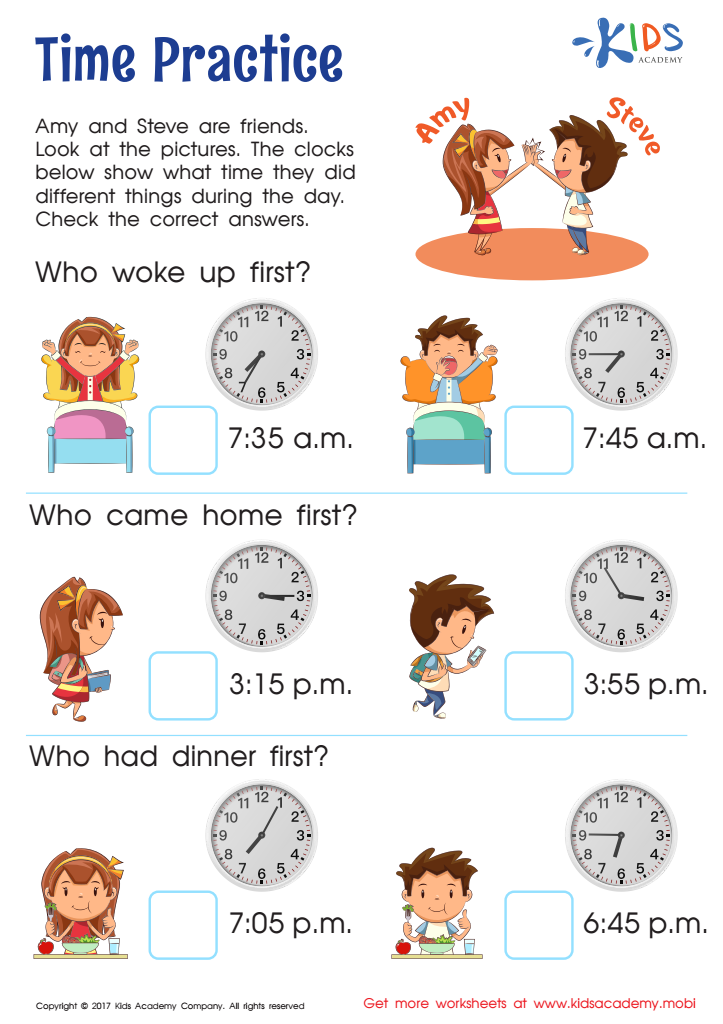
Time Practice Worksheet
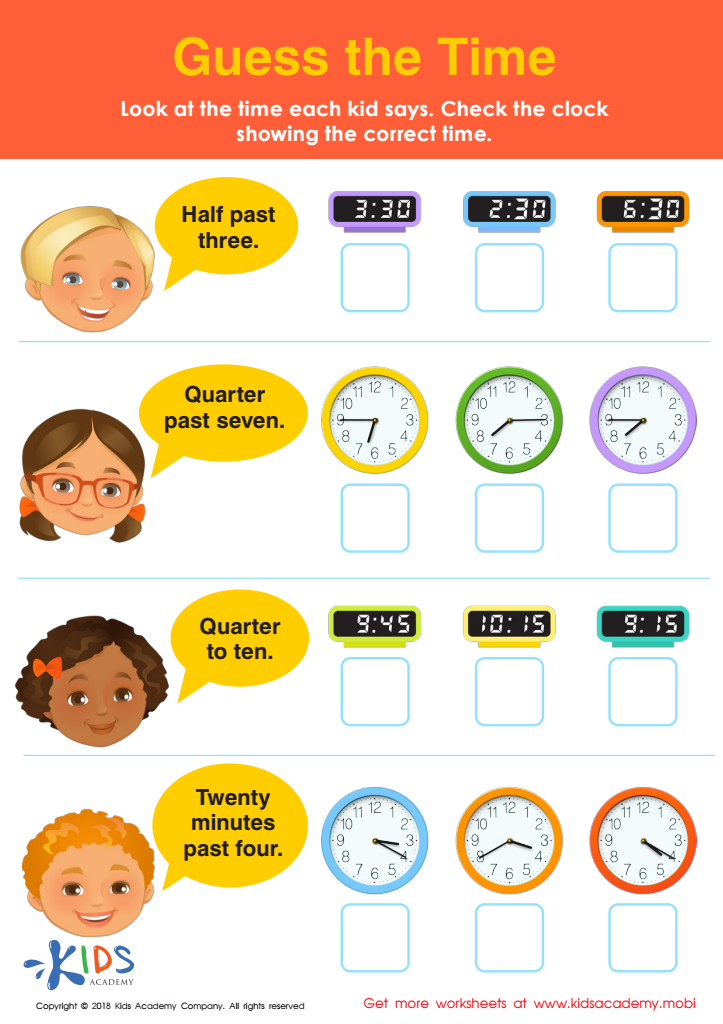
Guess the Time Worksheet
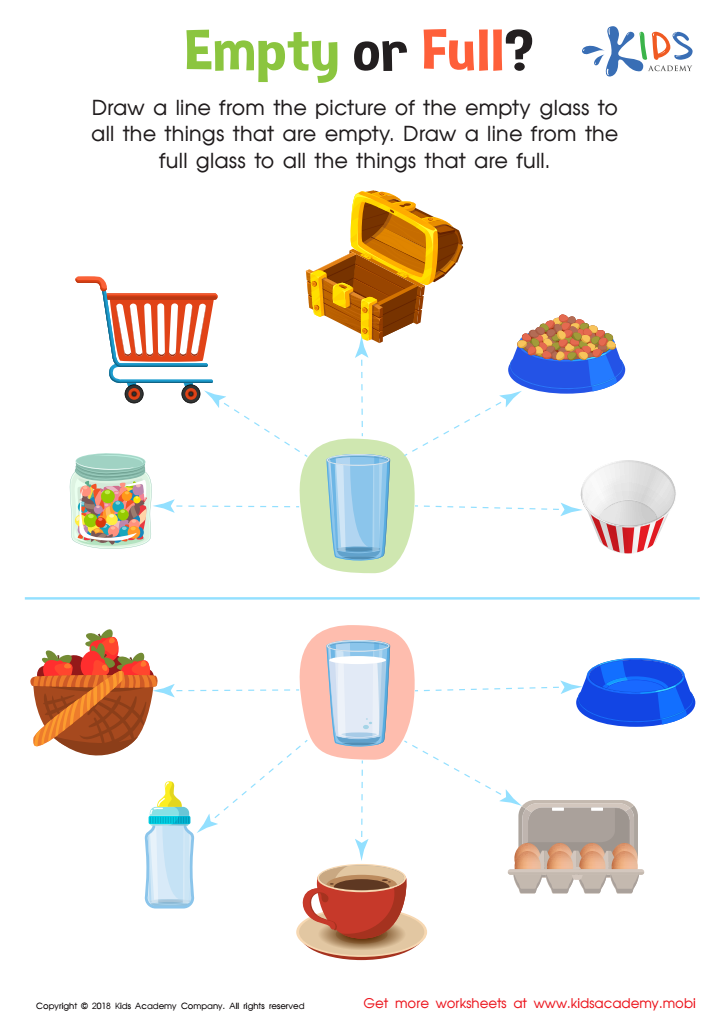
Empty or Full? Worksheet
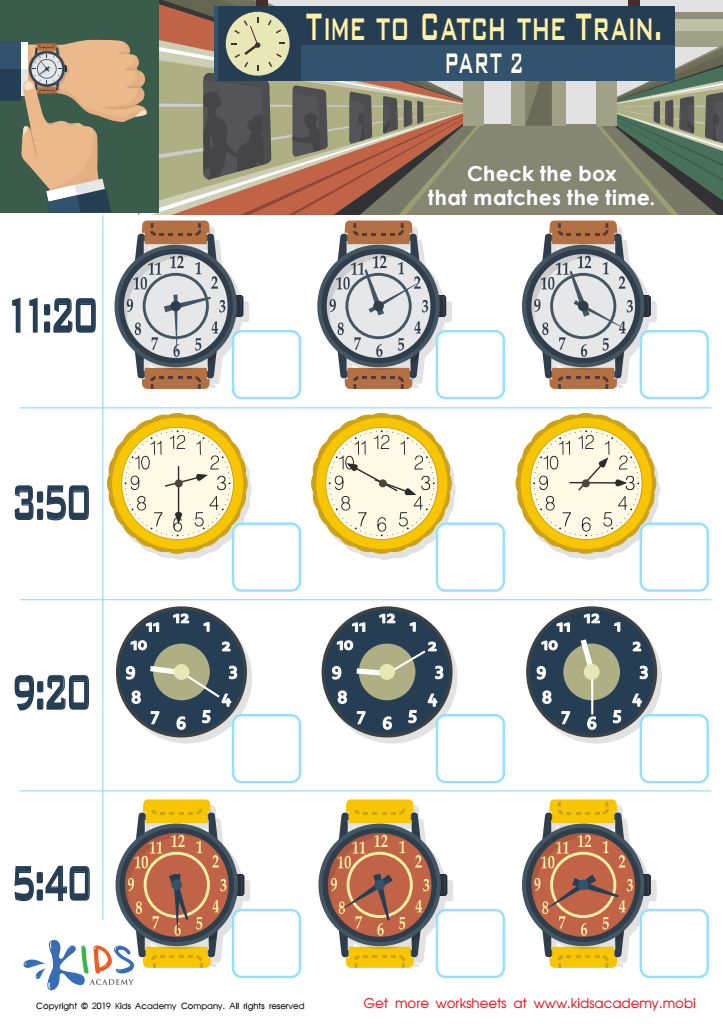
Time to Catch the Train Part 2 Worksheet
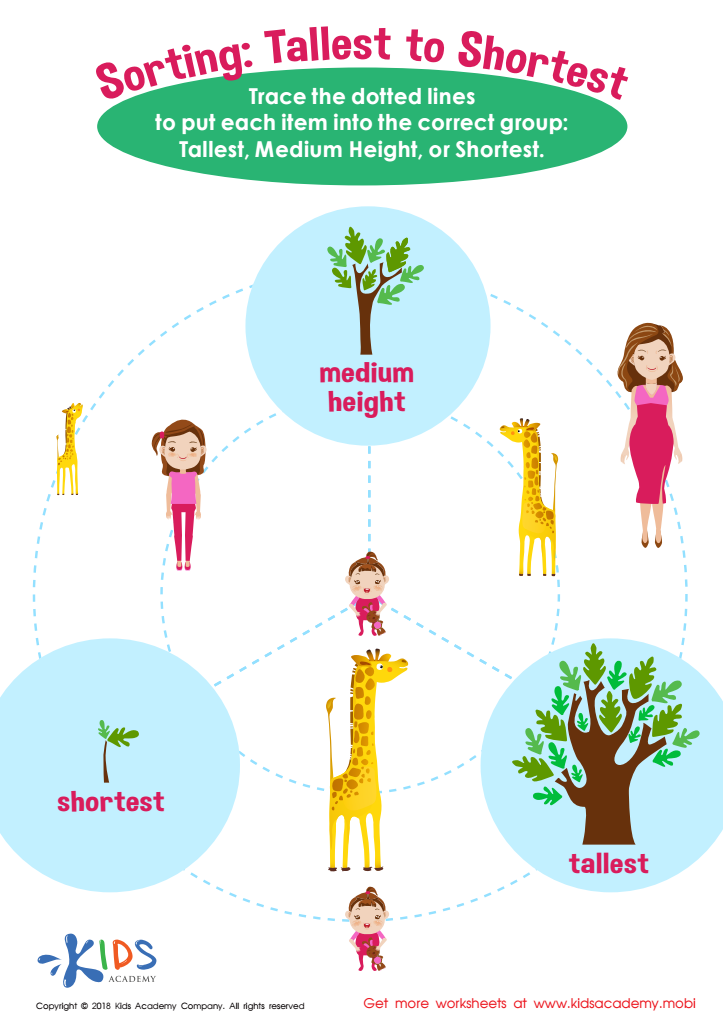
Sorting: Tallest to Shortest Worksheet








Normal measurement, particularly in early childhood education for ages 4-8, is essential as it lays the foundation for developing critical math and problem-solving skills. During this age, children begin to understand the concept of measurement—an essential part of their cognitive development. Engaging with normal measurements introduces kids to various units of measure, such as length, weight, and volume, enhancing their ability to compare and understand the world around them.
Teachers and parents should prioritize normal measurement activities as they promote essential skills like curiosity, spatial awareness, and observational skills. It encourages hands-on learning through activities such as measuring objects around the classroom or home, which makes learning interactive and enjoyable. Moreover, incorporating measurement in daily life, such as cooking or gardening, provides practical applications of math, reinforcing its relevance.
Additionally, understanding measurement develops foundational skills needed for later academic success in math and science. By the end of this stage, children will have a conceptual grasp of measurement, preparing them for more advanced topics. Overall, normal measurement not only enhances cognitive and motor skills but also fosters a love for learning and confident exploration of mathematical concepts in young children.








