Normal Plants and Animals Worksheets for Ages 4-8 - Page 3
100 filtered results
-
From - To
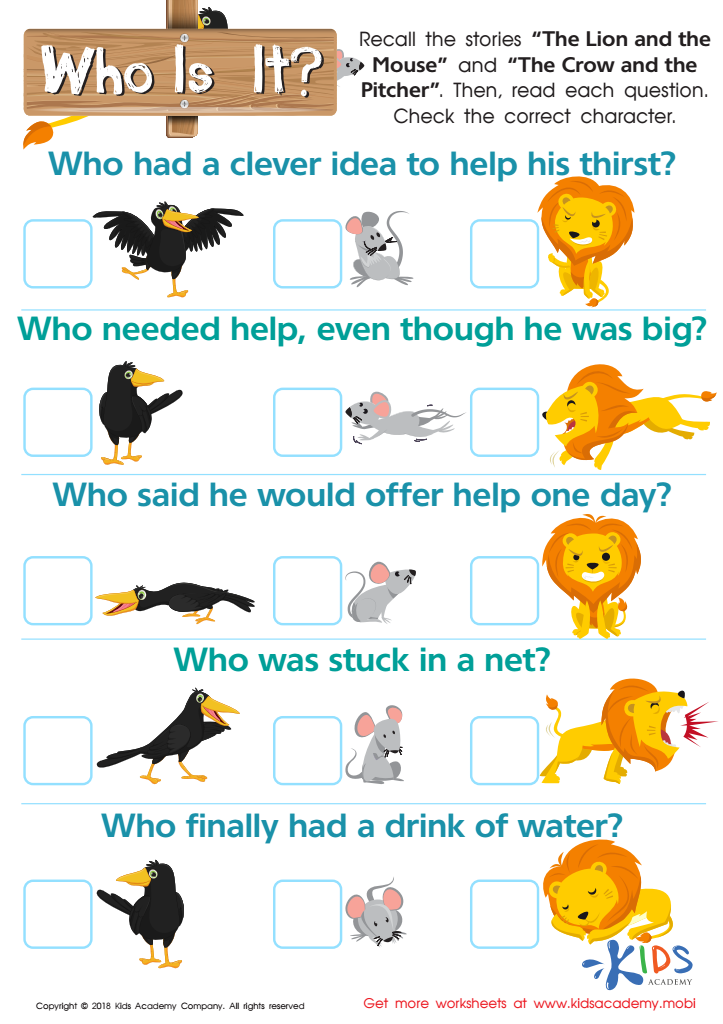
Who Is It? Worksheet
 Assign to My Students

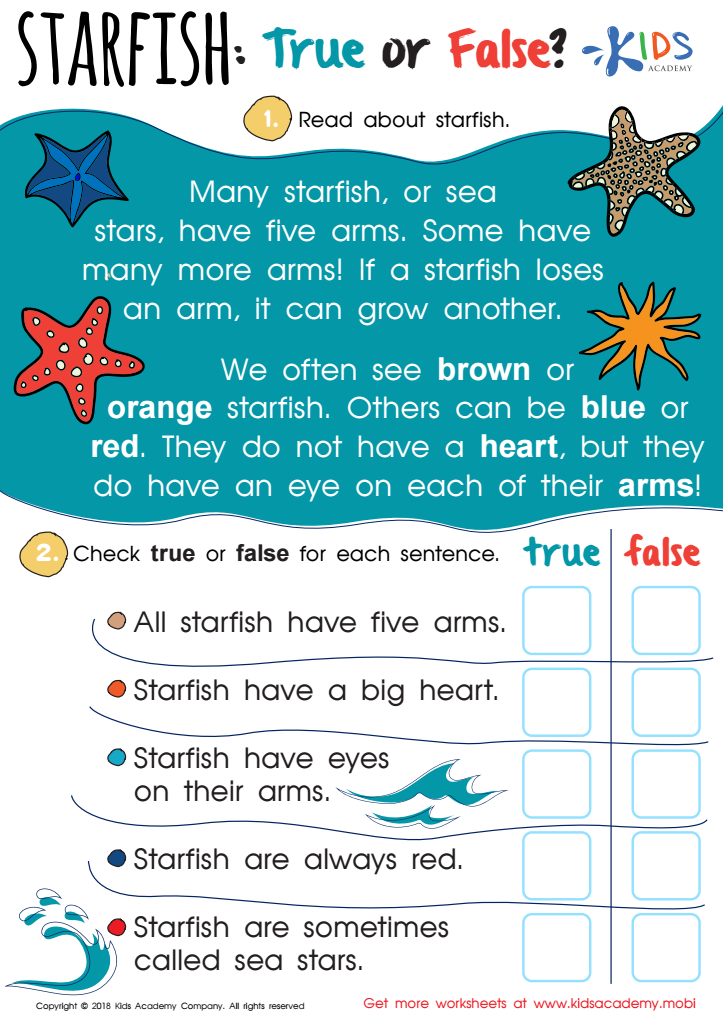
Starfish: True or False Worksheet
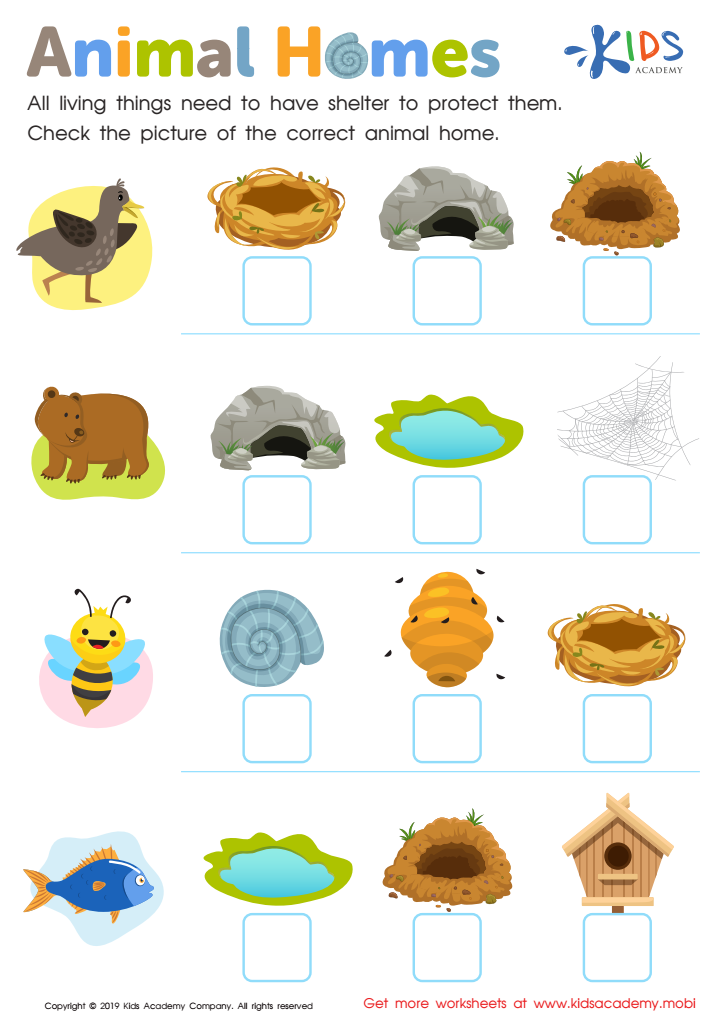
Animal Homes Worksheet
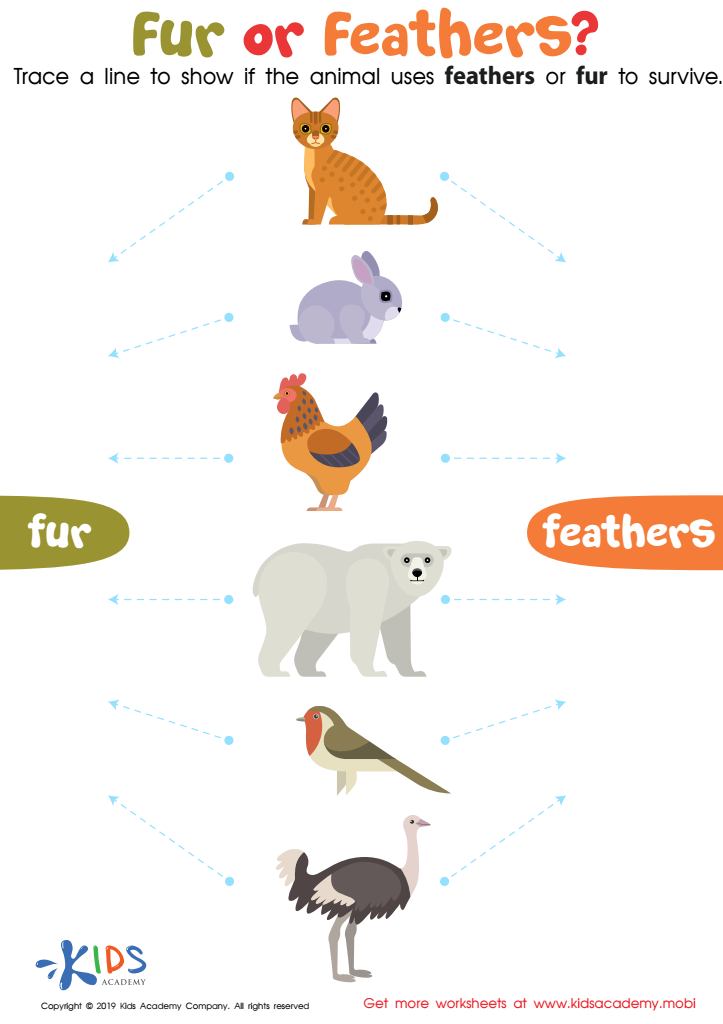
Fur or Feathers? Worksheet
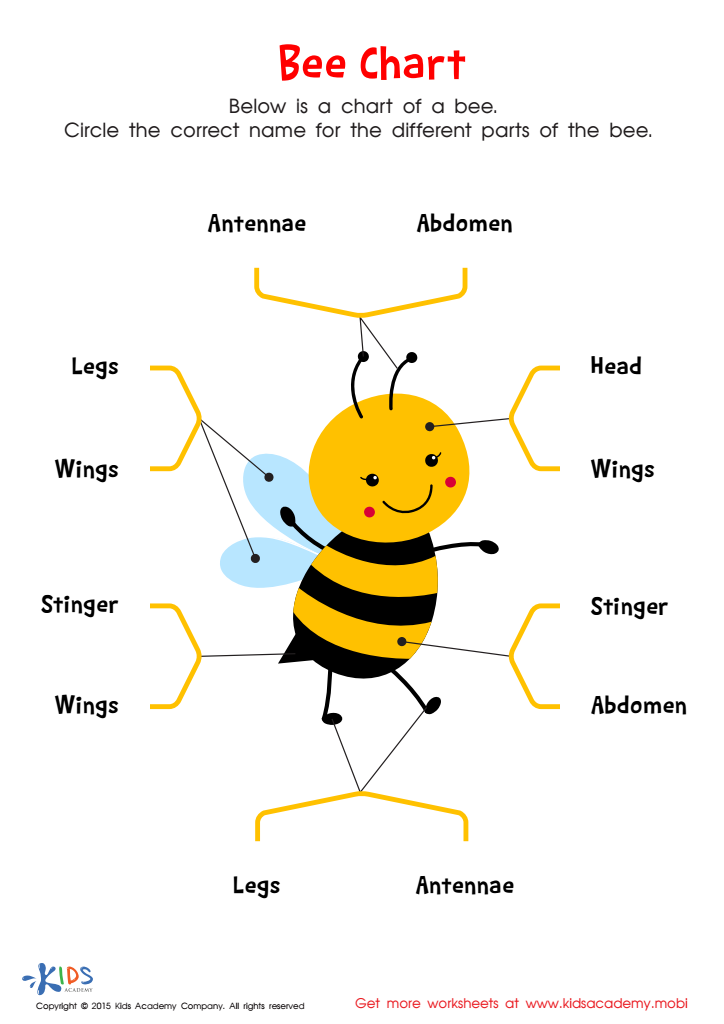
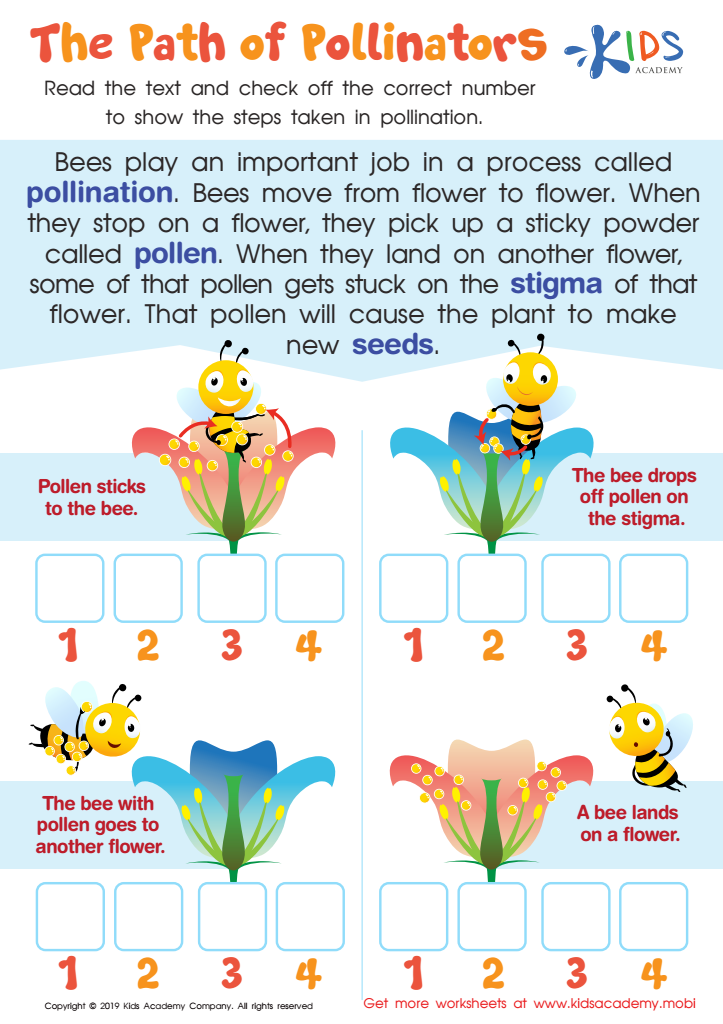
The Path of Pollinators Worksheet
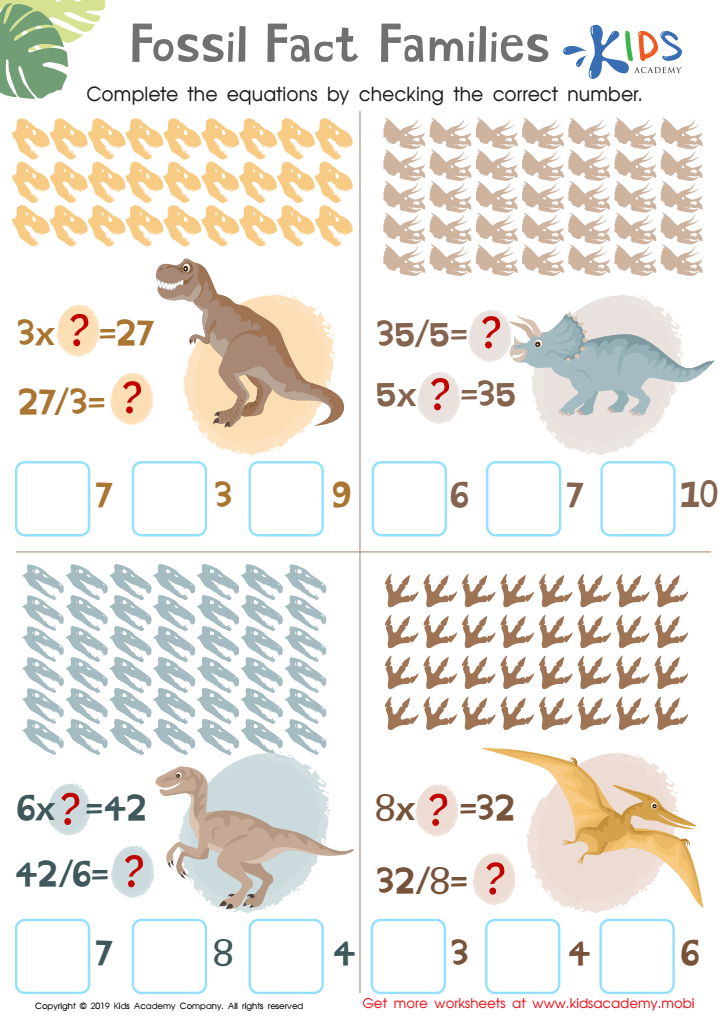
Fossil Fact Families Worksheet
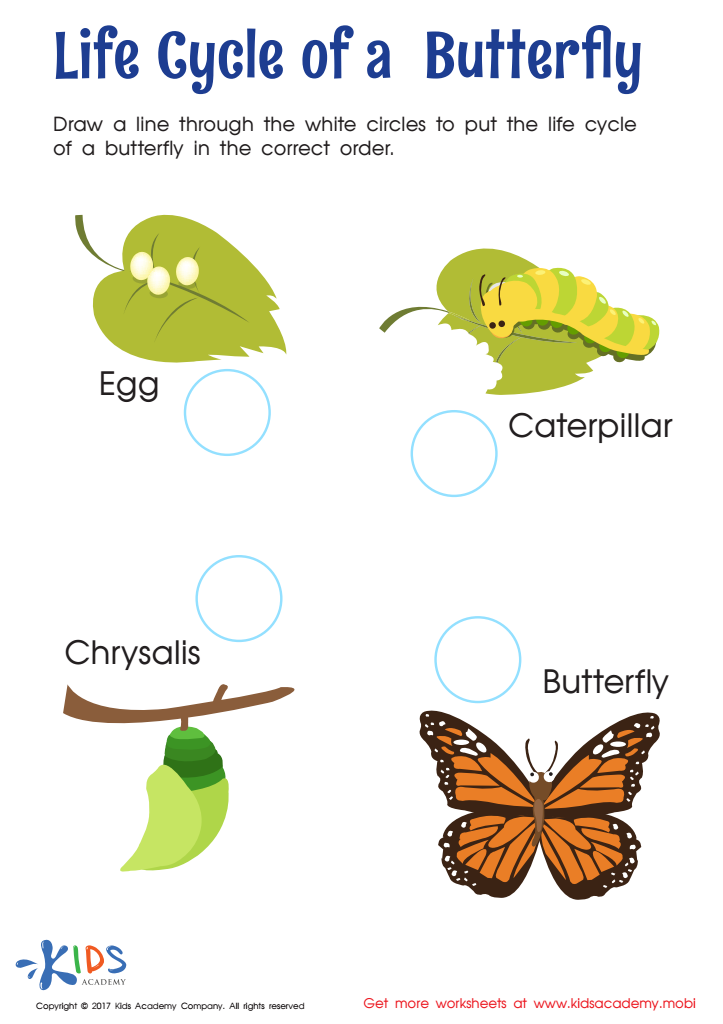
Life Cycle of Butterfly Worksheet
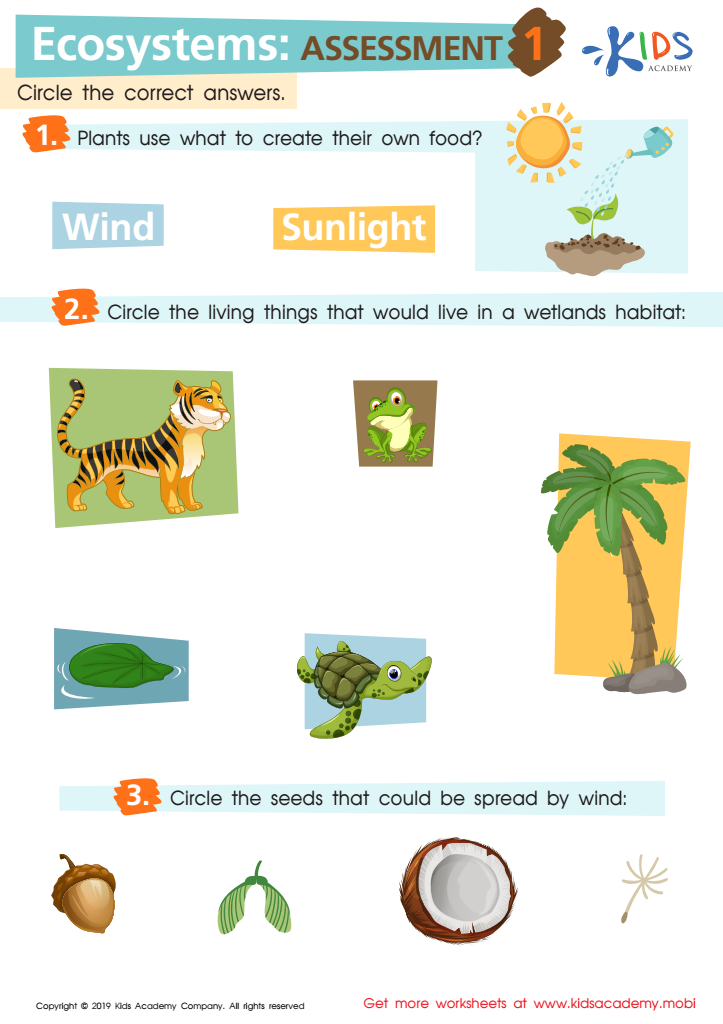
Ecosystems: Assessment 1 Worksheet
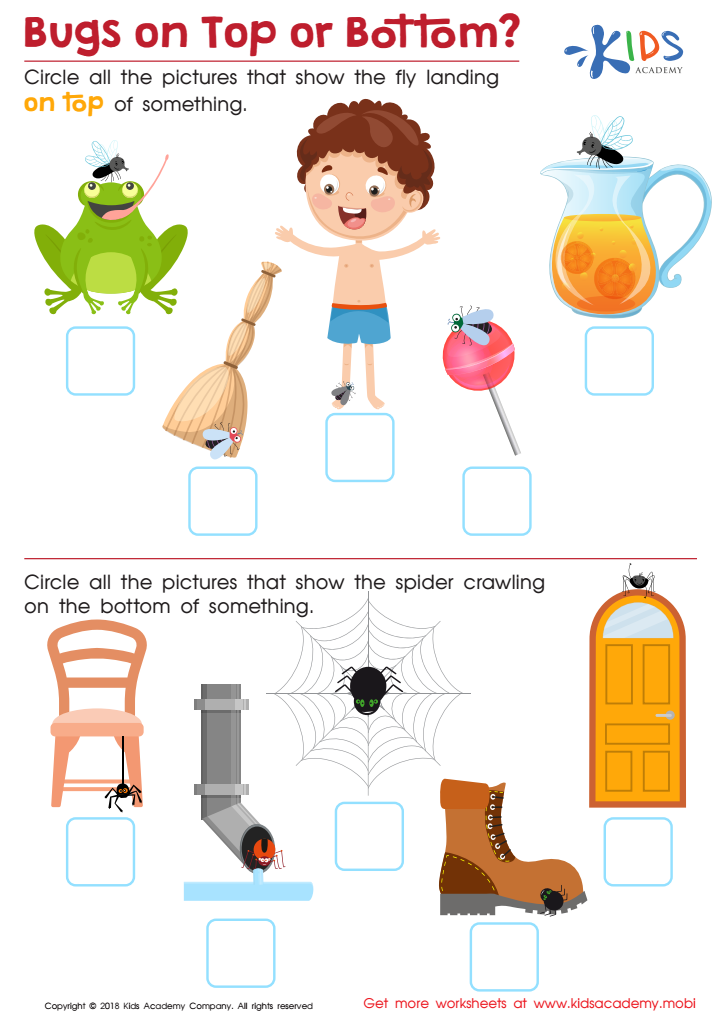
Bugs on Top or Bottom? Worksheet
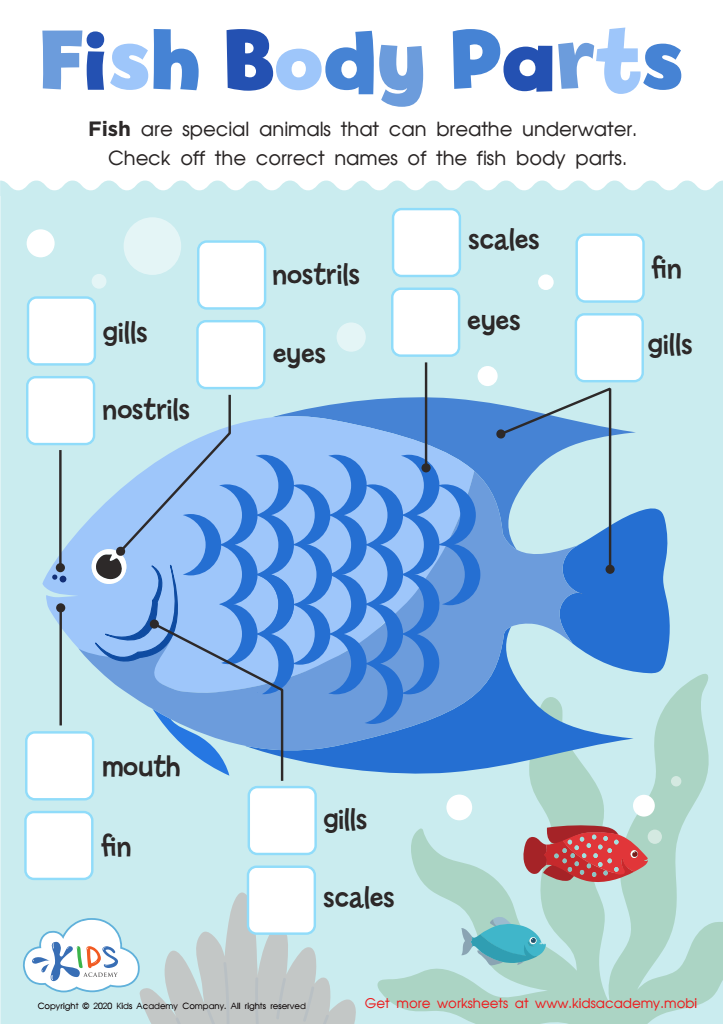
Fish Body Parts Worksheet
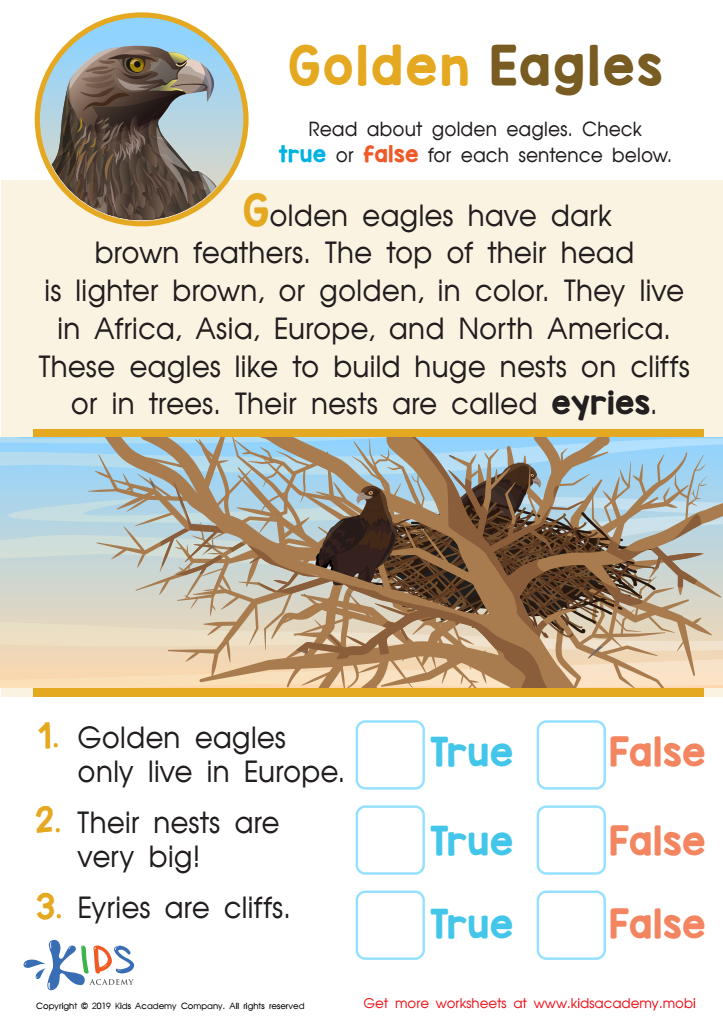
Golden Eagles Worksheet
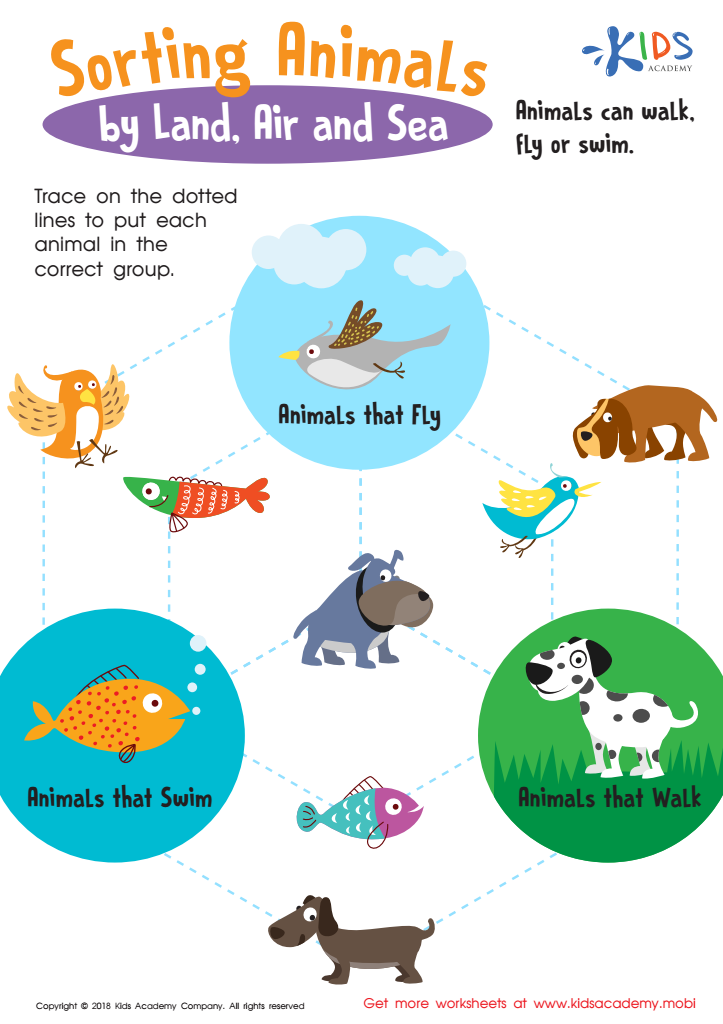
Sorting Animals by Land, Air and Sea Worksheet
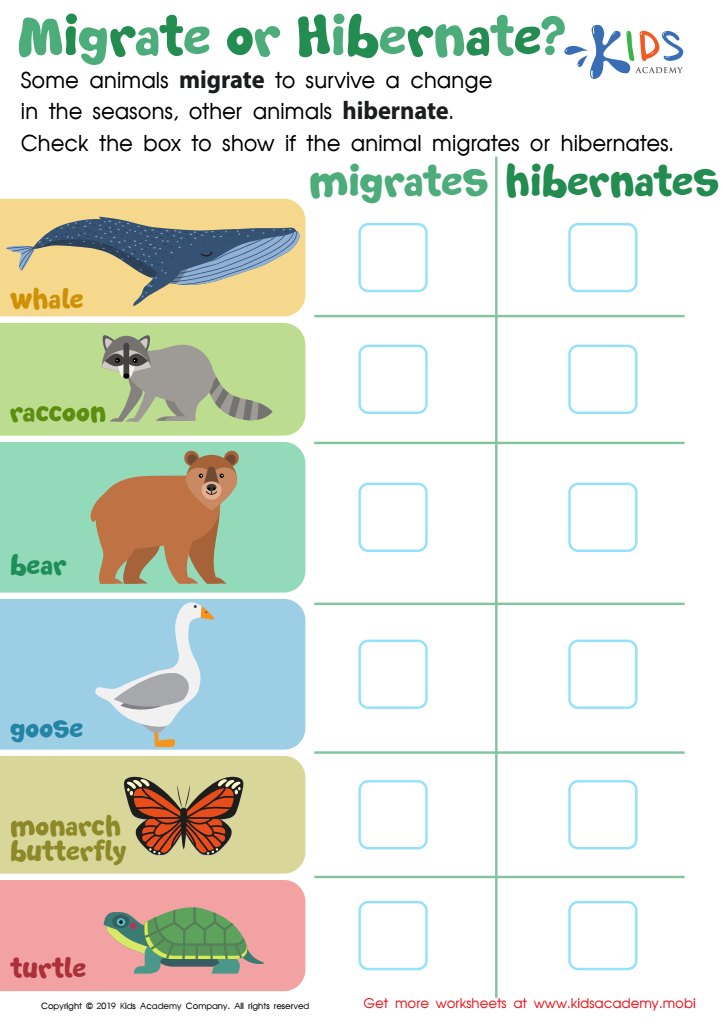
Migrate or Hibernate? Worksheet
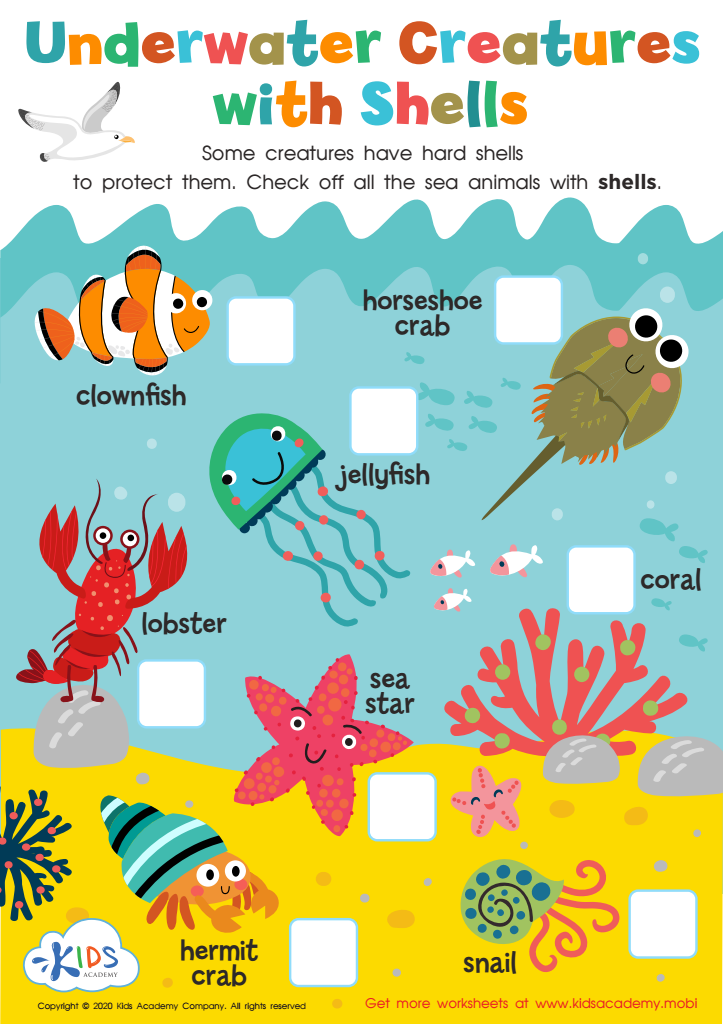
Underwater Creatures with Shells Worksheet
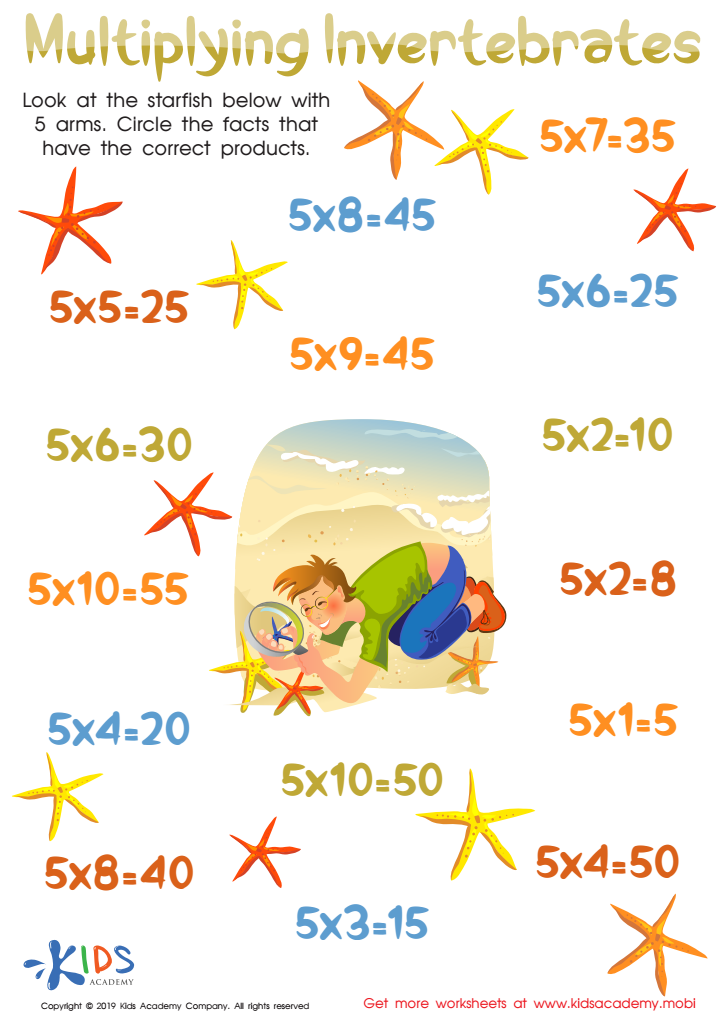
Multiplying Invertebrates Worksheet
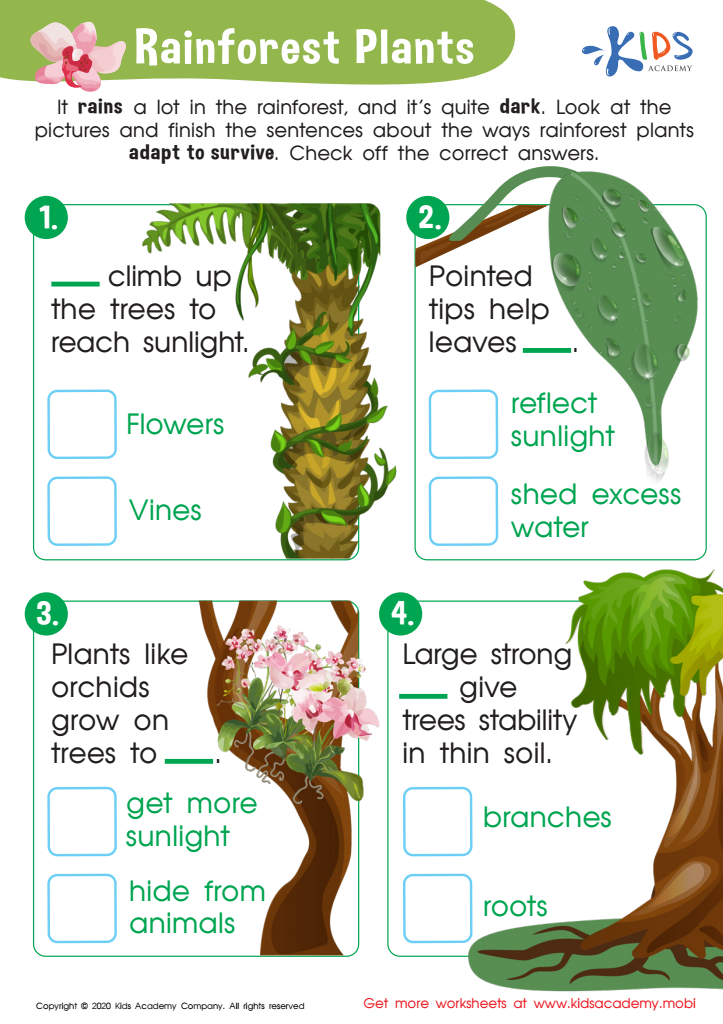
Rainforest Plants Worksheet
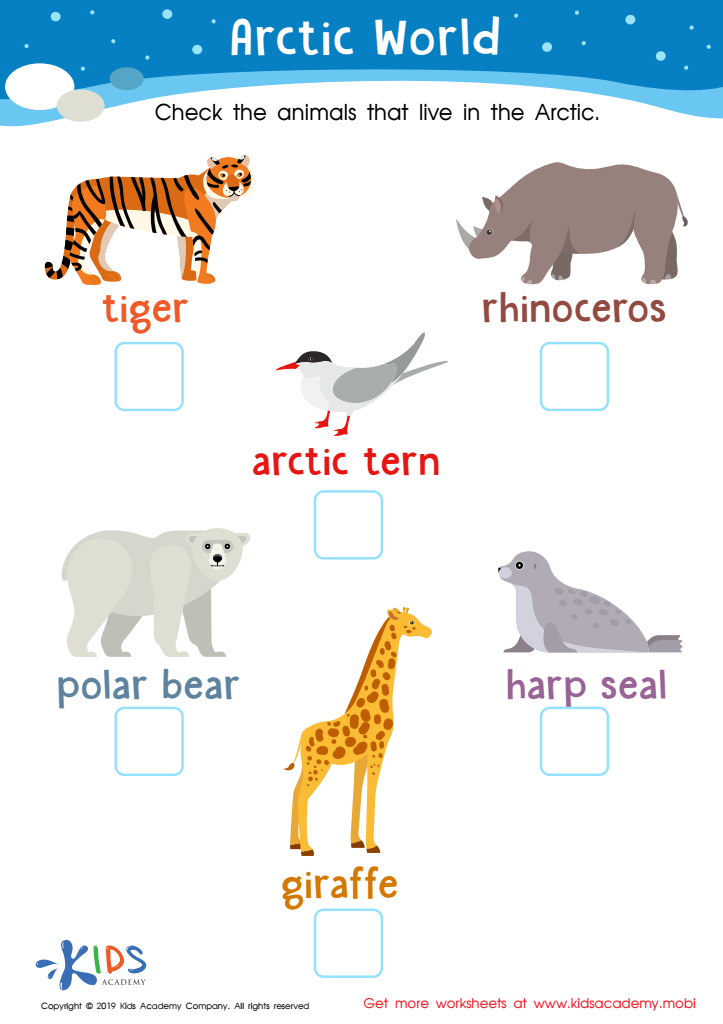
Arctic World Worksheet
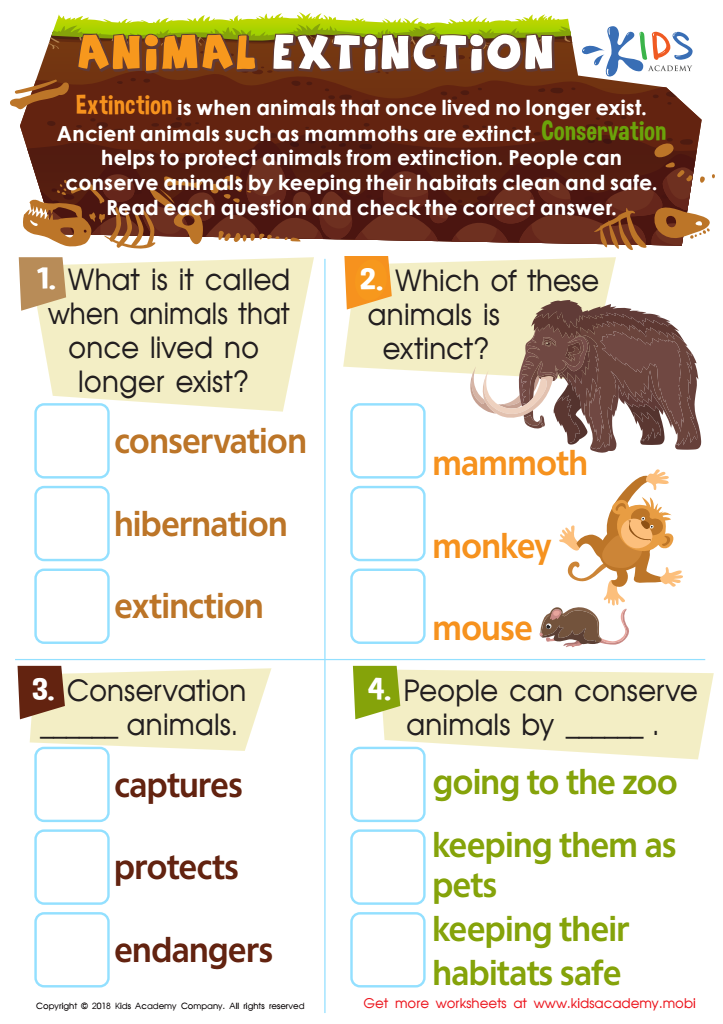
Animal Extinction Worksheet
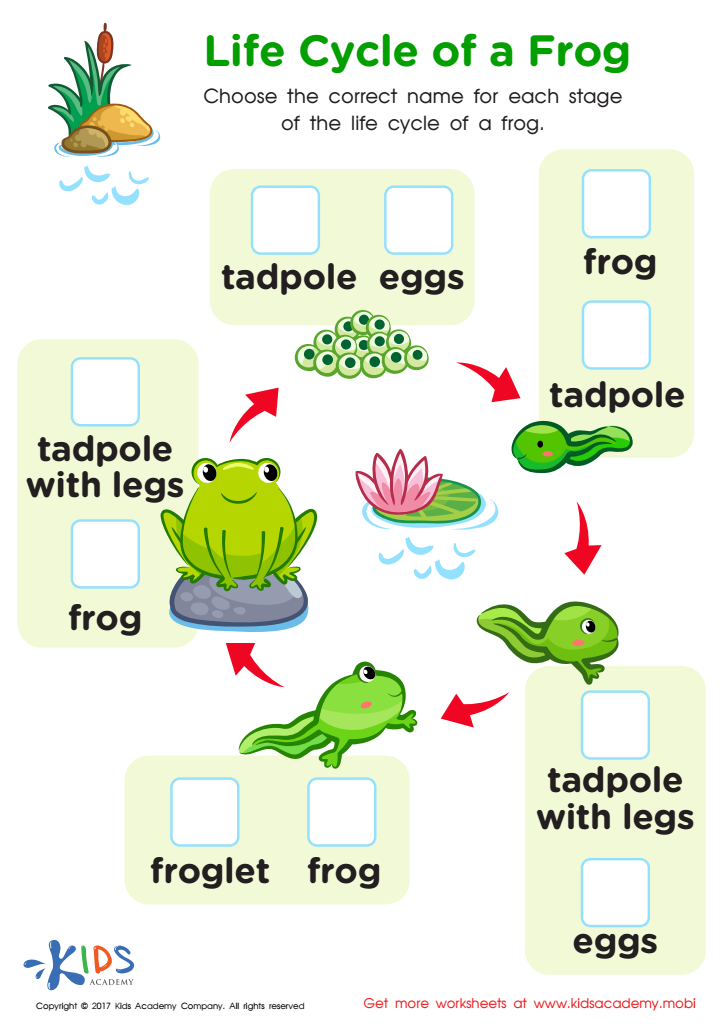
Life Cycle Frog Printable
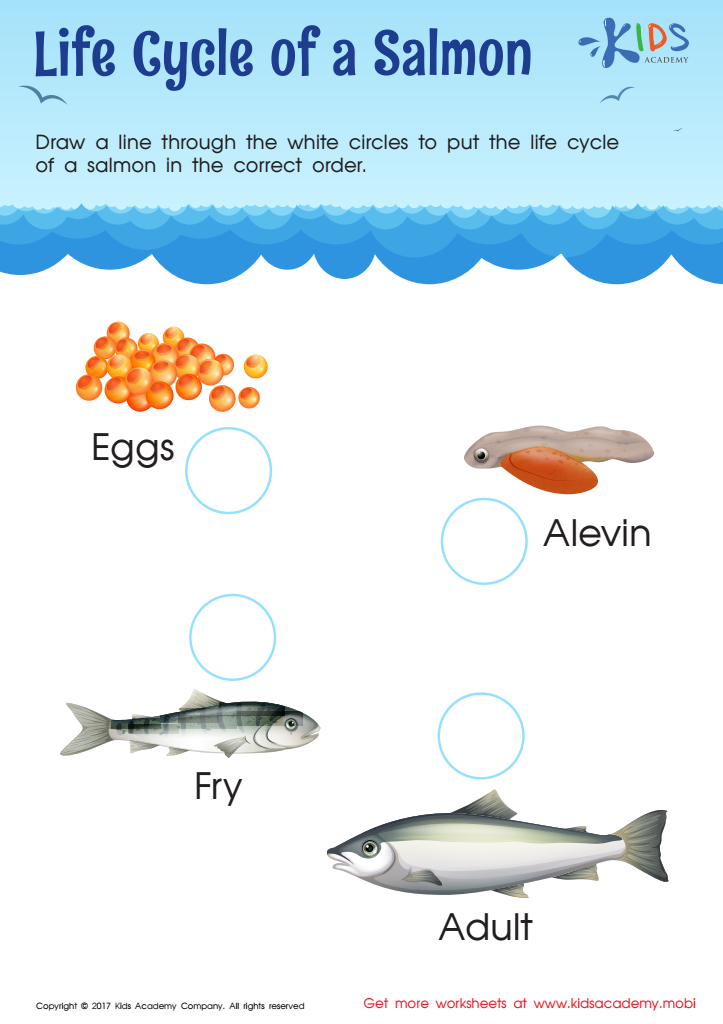
Cycle Of Salmon Worksheet
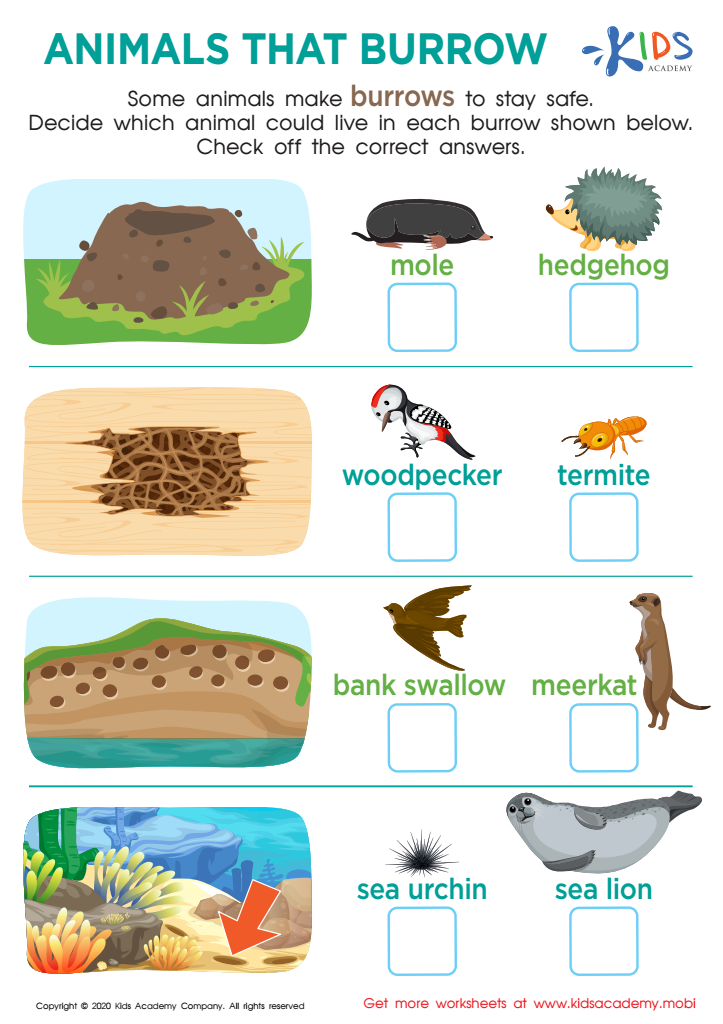
Animals That Burrow Worksheet
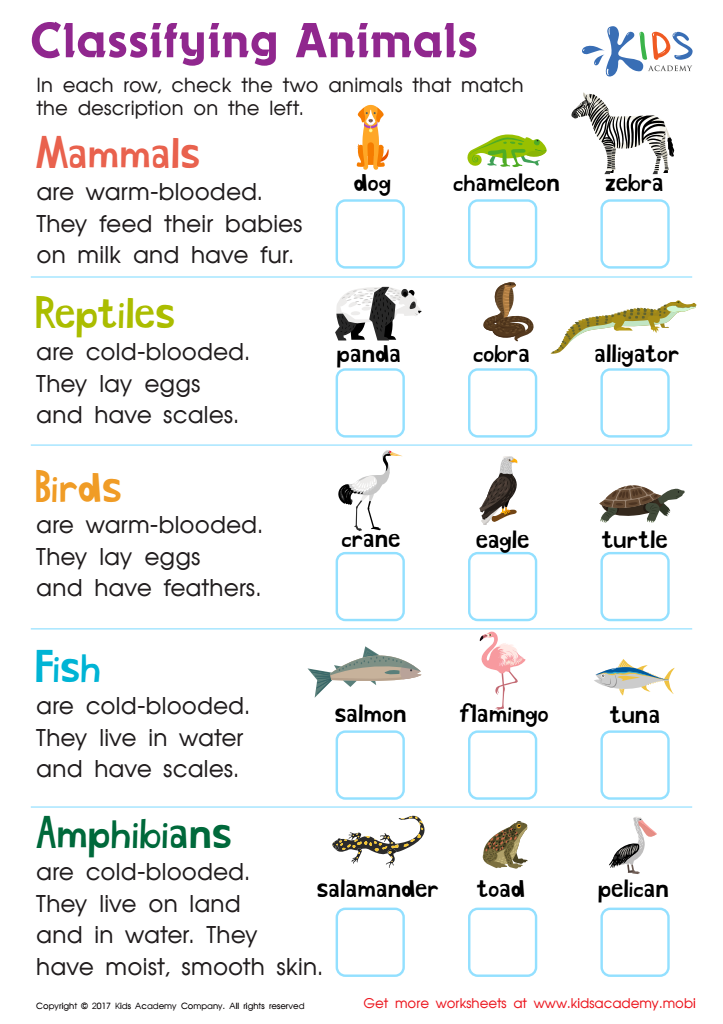
Classifying Animals Worksheet
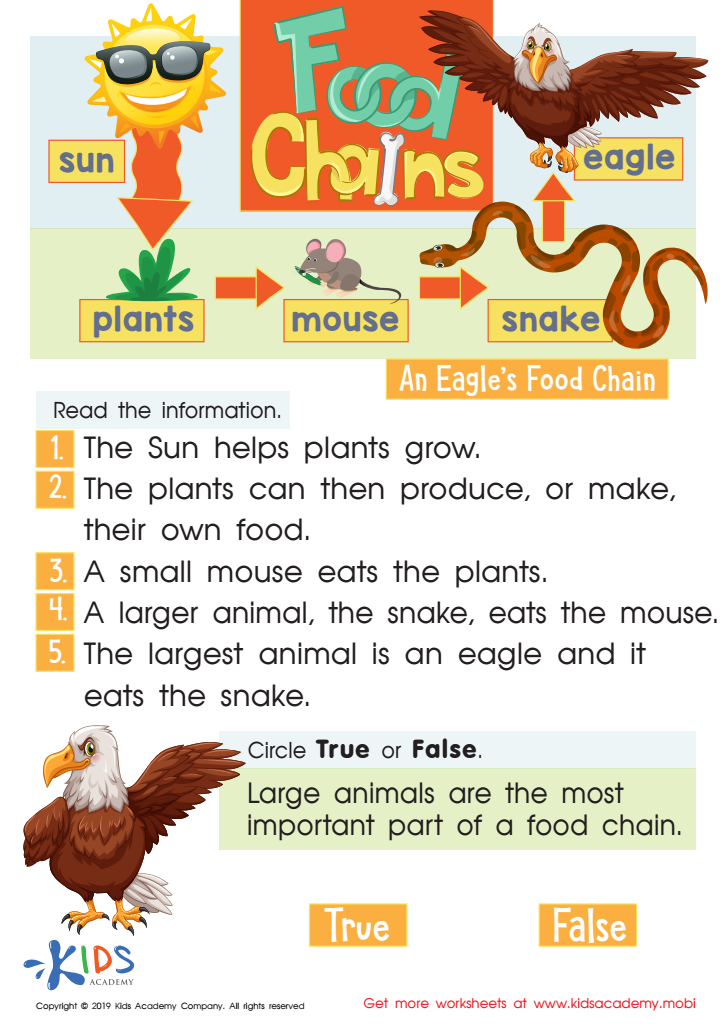
Food Chains Worksheet








Parents and teachers should care about normal plants and animals for children ages 4-8 because these elements form the foundation of a child's understanding of the natural world. At this age, children are naturally curious and eager to explore their environment. Introducing them to common plants and animals fosters an appreciation for nature and encourages observation skills.
Learning about local flora and fauna helps children develop respect for the environment and can spark interest in biology and ecology. This knowledge also enhances their cognitive development, as they learn to classify, compare, and connect different species and their habitats.
Moreover, engaging with plants and animals can improve social skills. Activities such as gardening or nature walks allow for teamwork, discussions, and shared experiences, enriching their emotional development. Understanding the role these plants and animals play in ecosystems can also cultivate a sense of responsibility, teaching young learners about conservation and the importance of biodiversity.
Lastly, such knowledge contributes to a child’s overall health as spending time outdoors is linked to physical well-being and mental clarity. Therefore, emphasizing normal plants and animals in early education is crucial for nurturing well-rounded, environmentally conscious individuals.







