Normal Alphabet Worksheets for Ages 4-9 - Page 4
252 filtered results
-
From - To
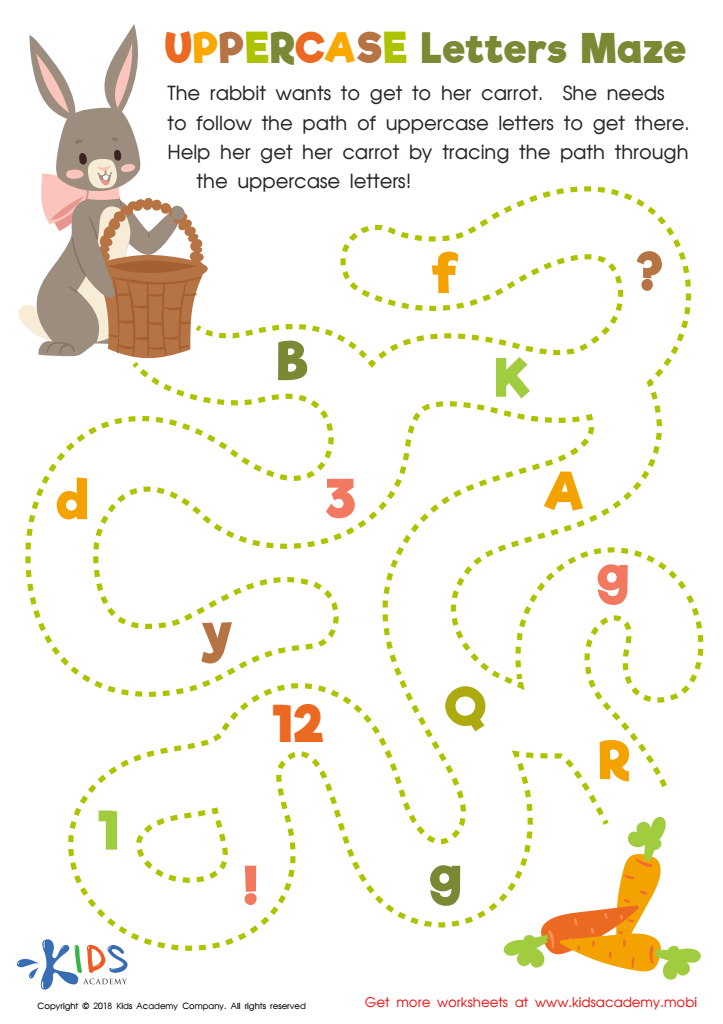
Uppercase Letters Maze Worksheet
 Assign to My Students
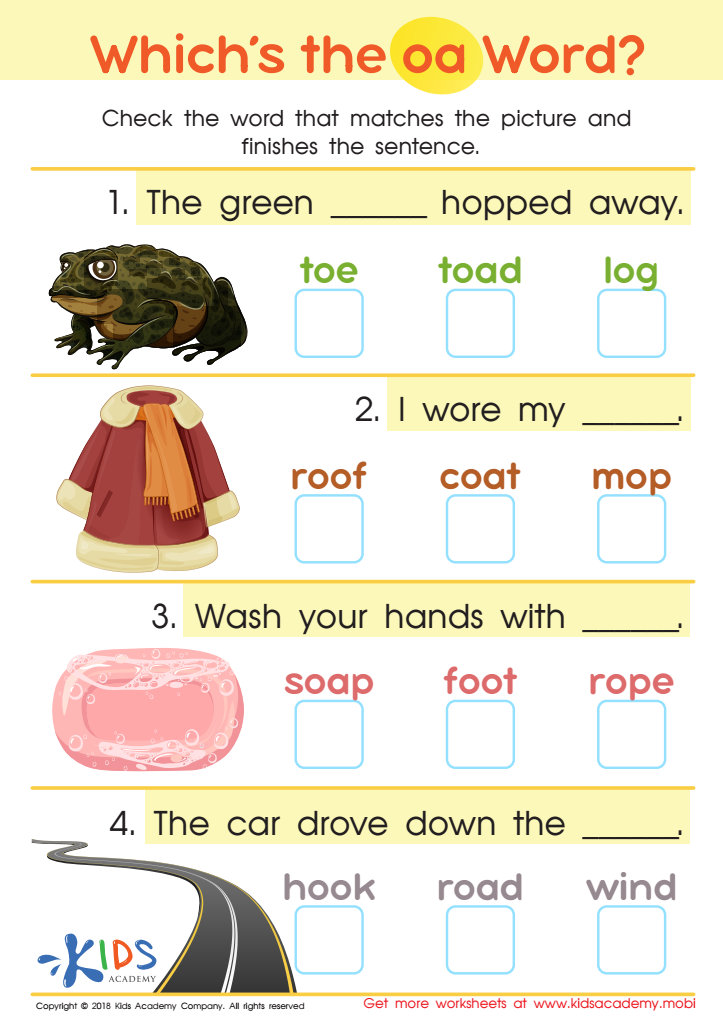
Which's the OA Word? Worksheet
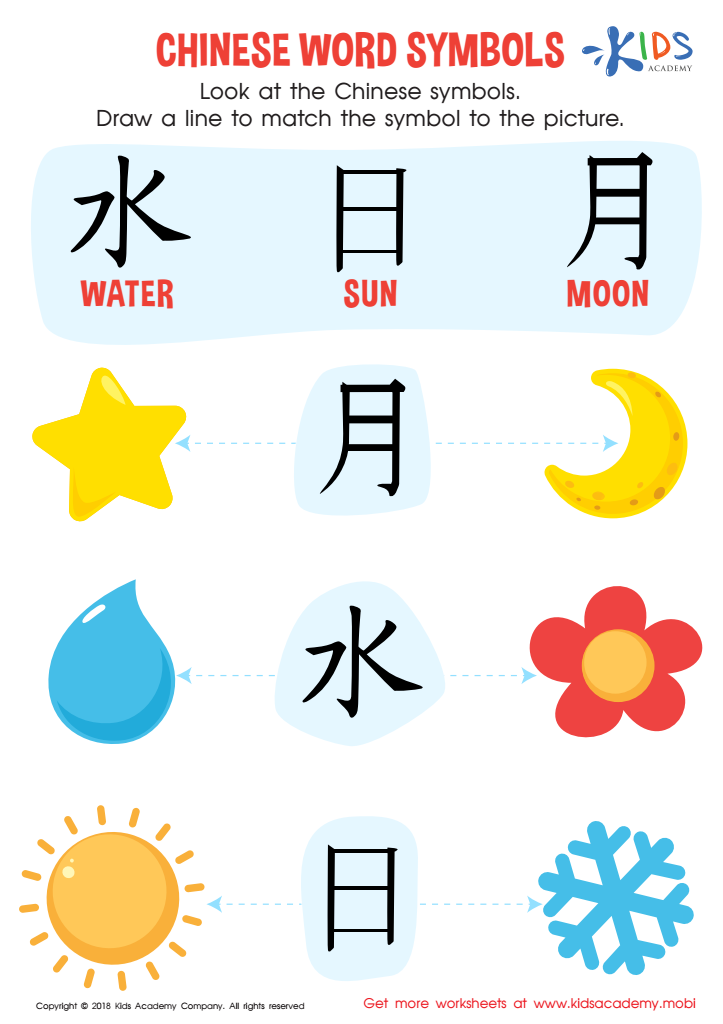
Chinese Word Symbols Worksheet
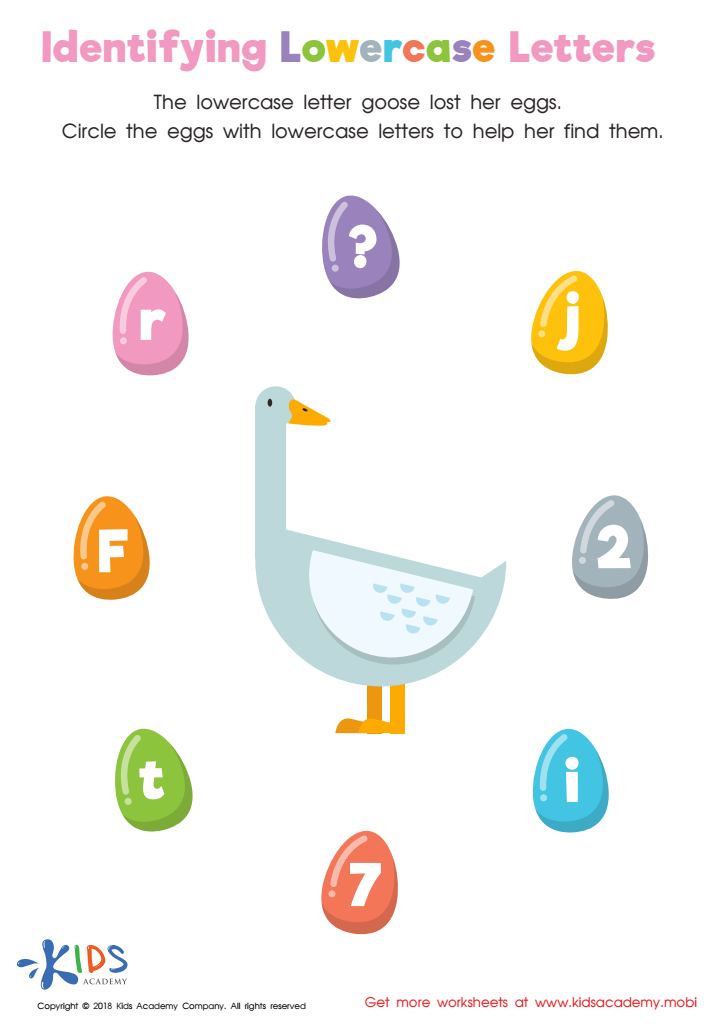
Identifying Lowercase Letters Worksheet
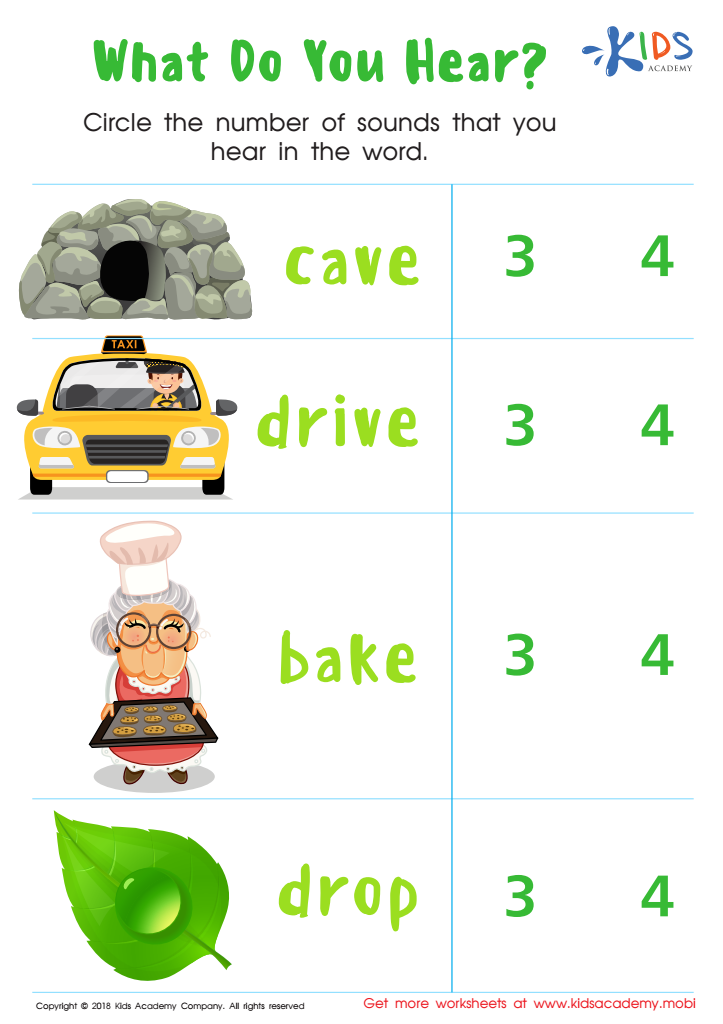
What Do You Hear? Worksheet
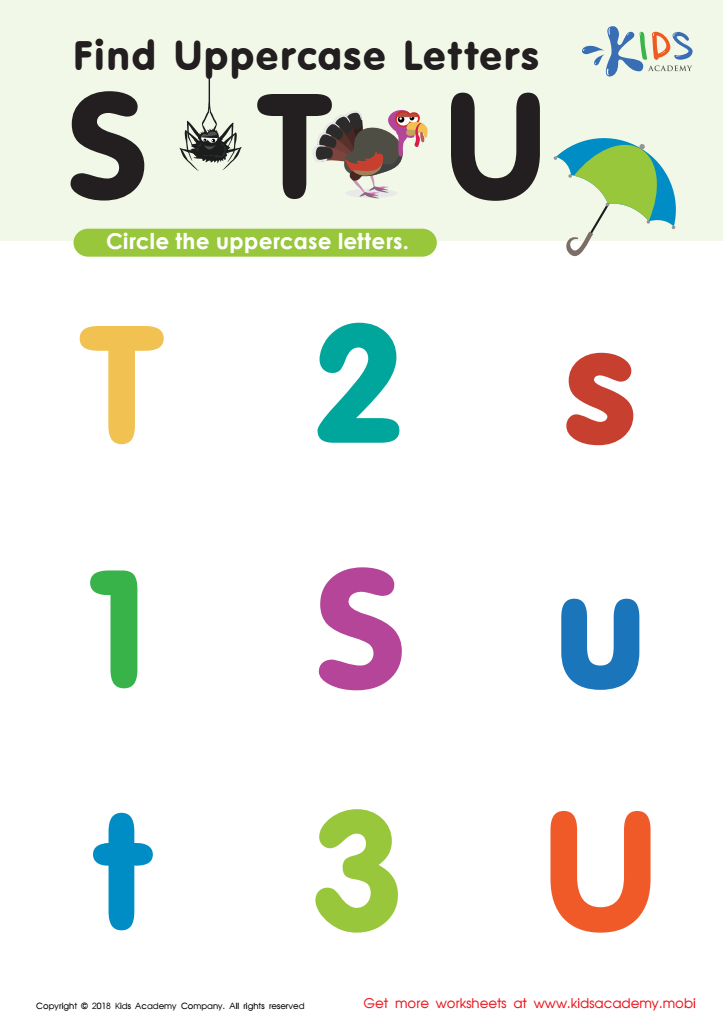
Find Uppercase Letters Worksheet
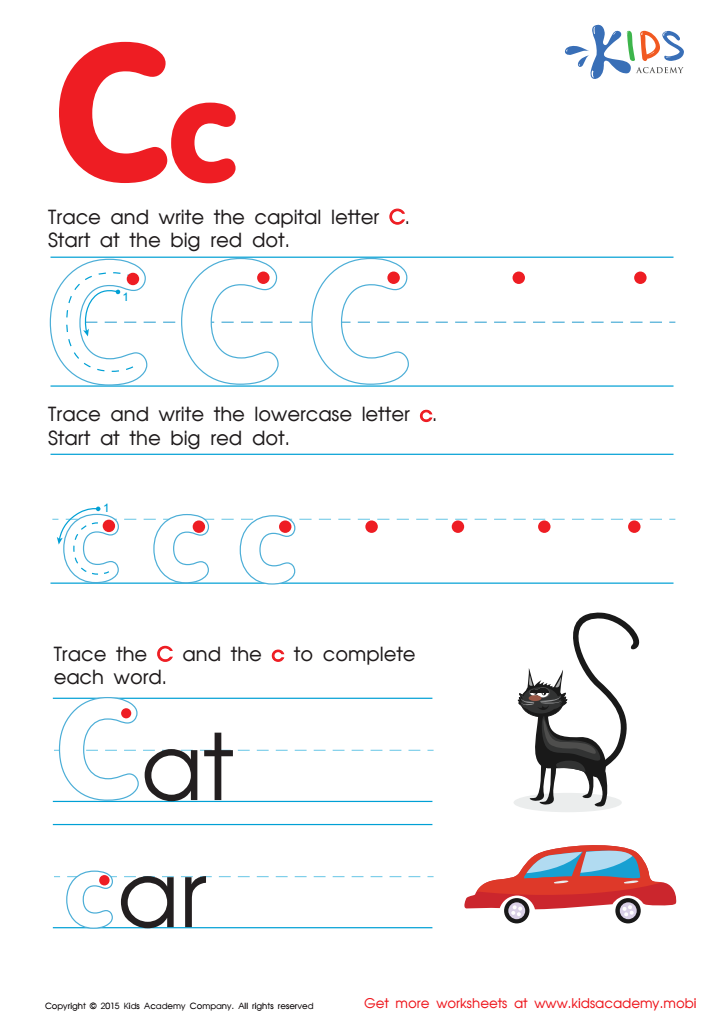
Letter C Tracing Page
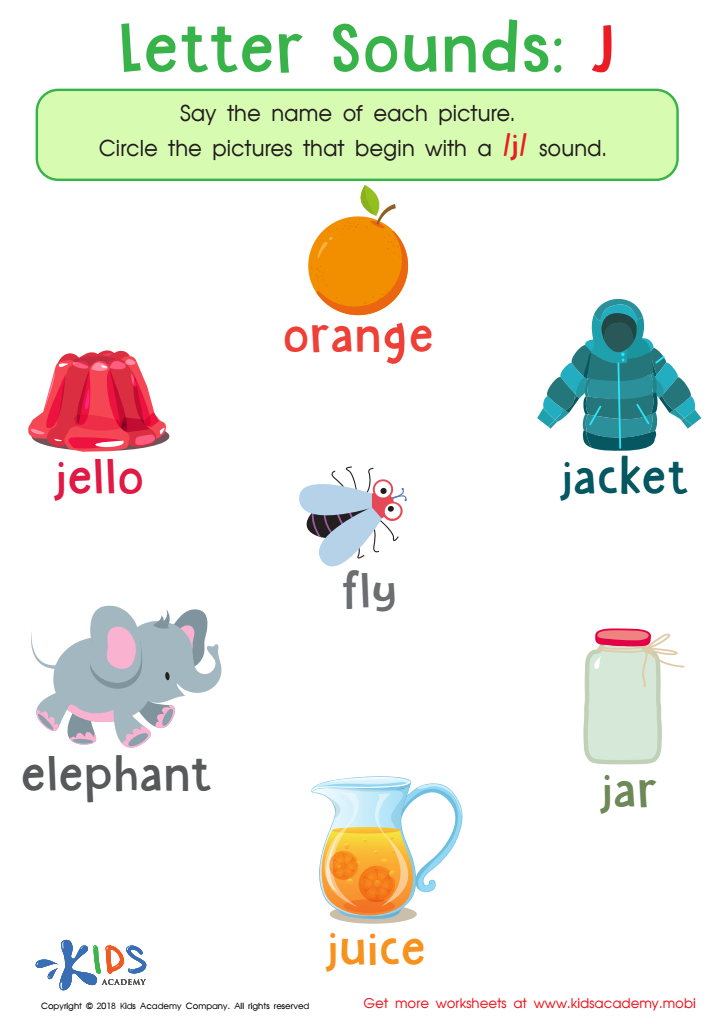
Letter Sounds: J Printable Worksheet
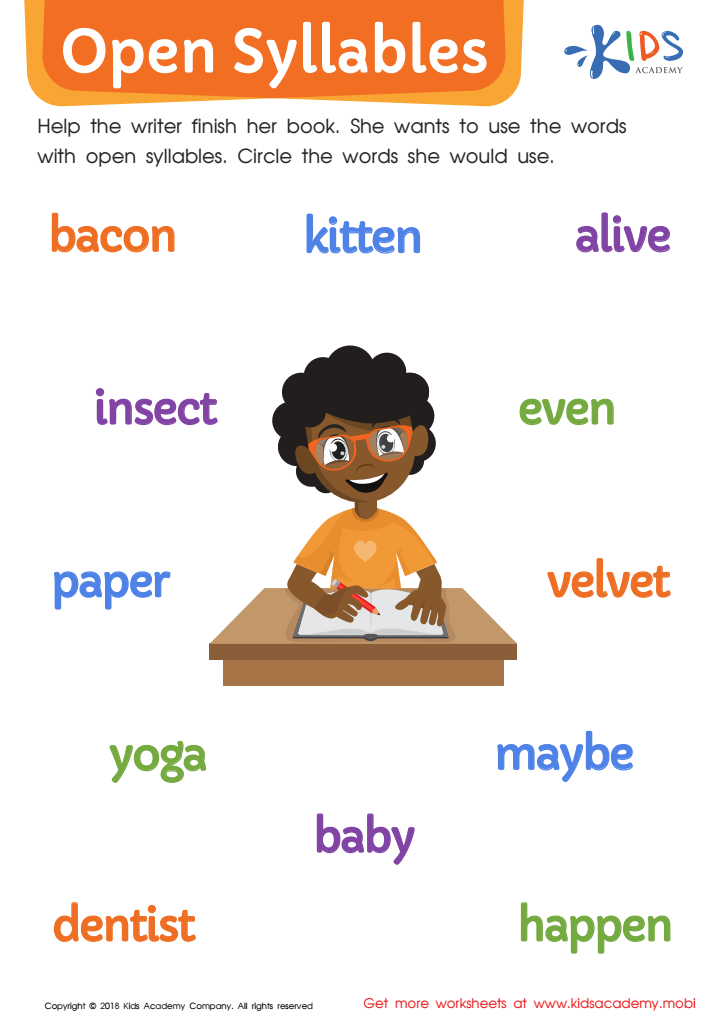
Open Syllables Worksheet
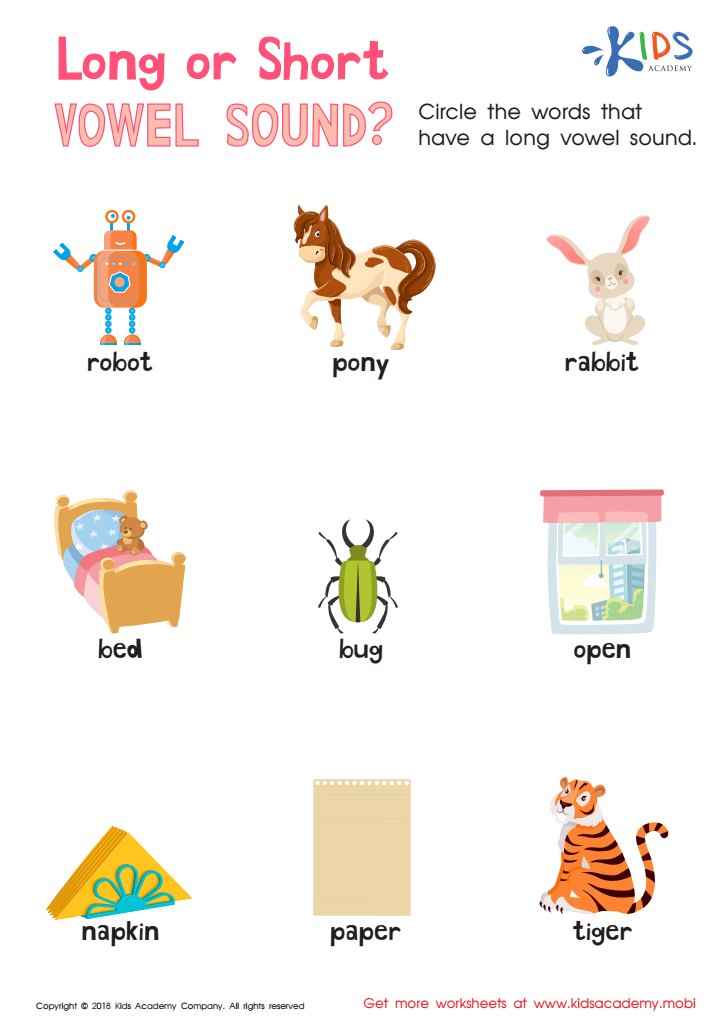
Long or Short Vowel Sound? Worksheet
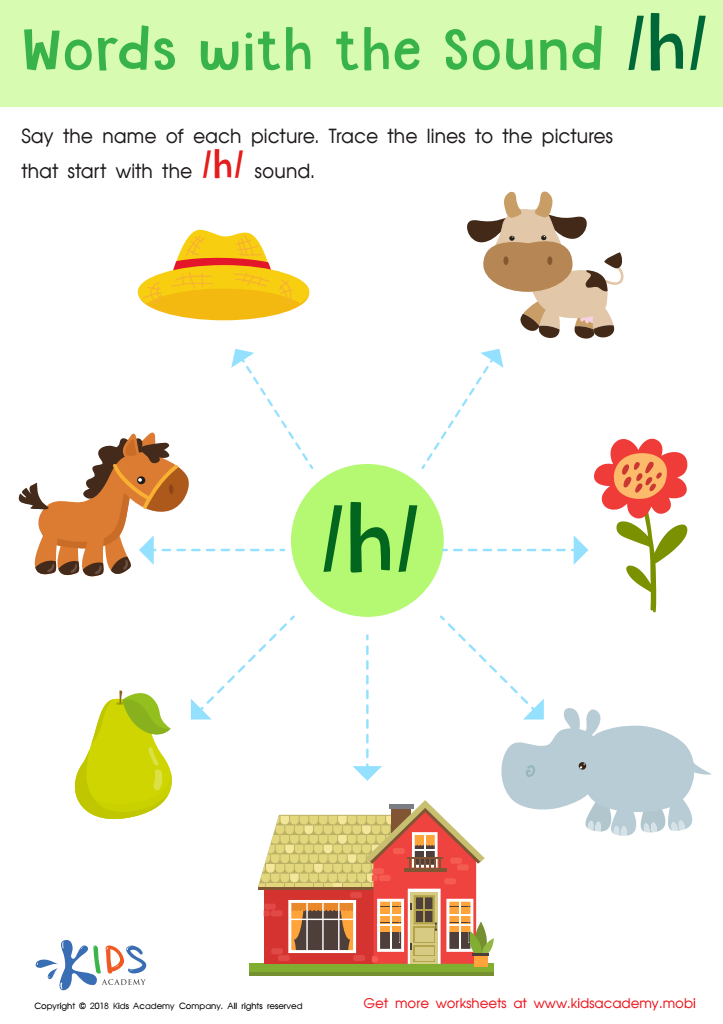
Words with sound h Reading Worksheet
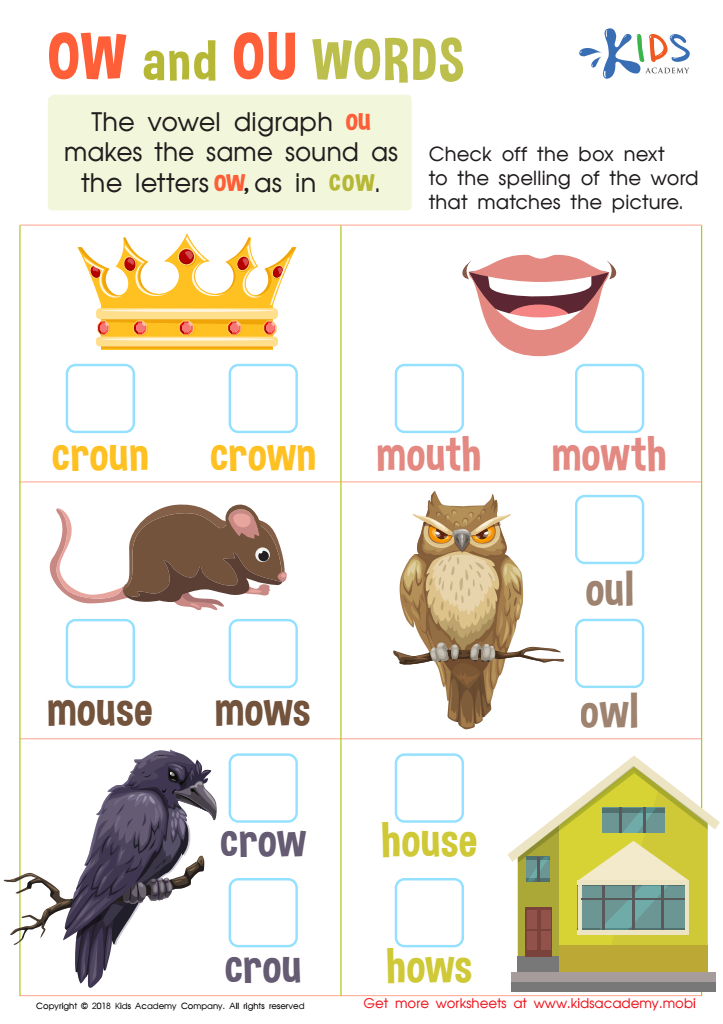
Reading: OW and OU Words Worksheet
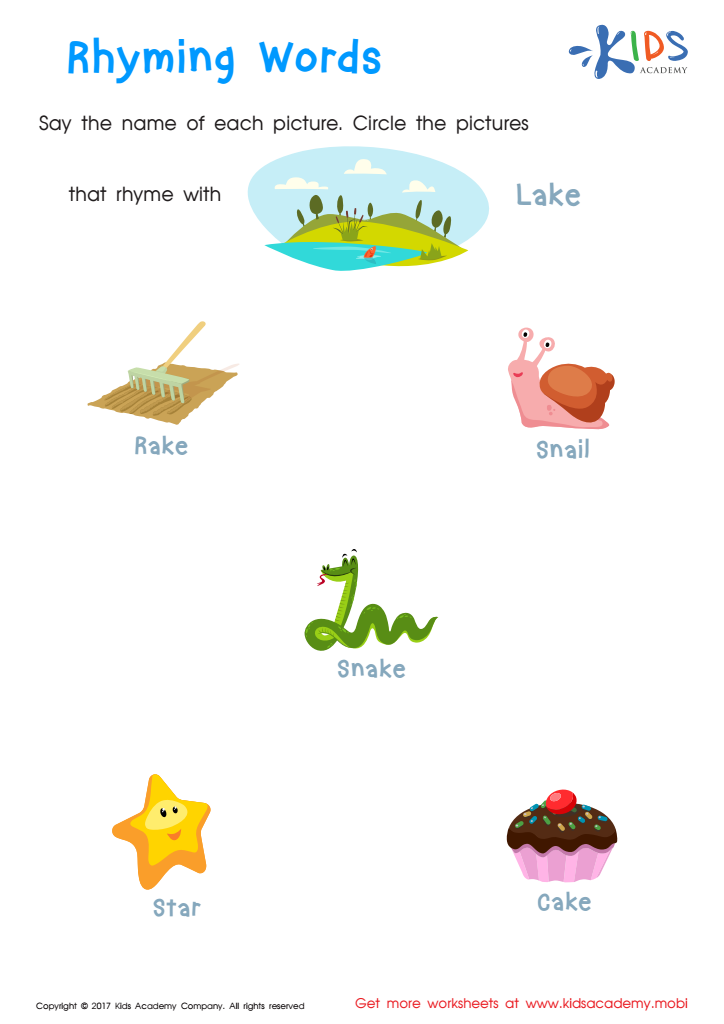
Rhyming Words Rhyming Worksheet
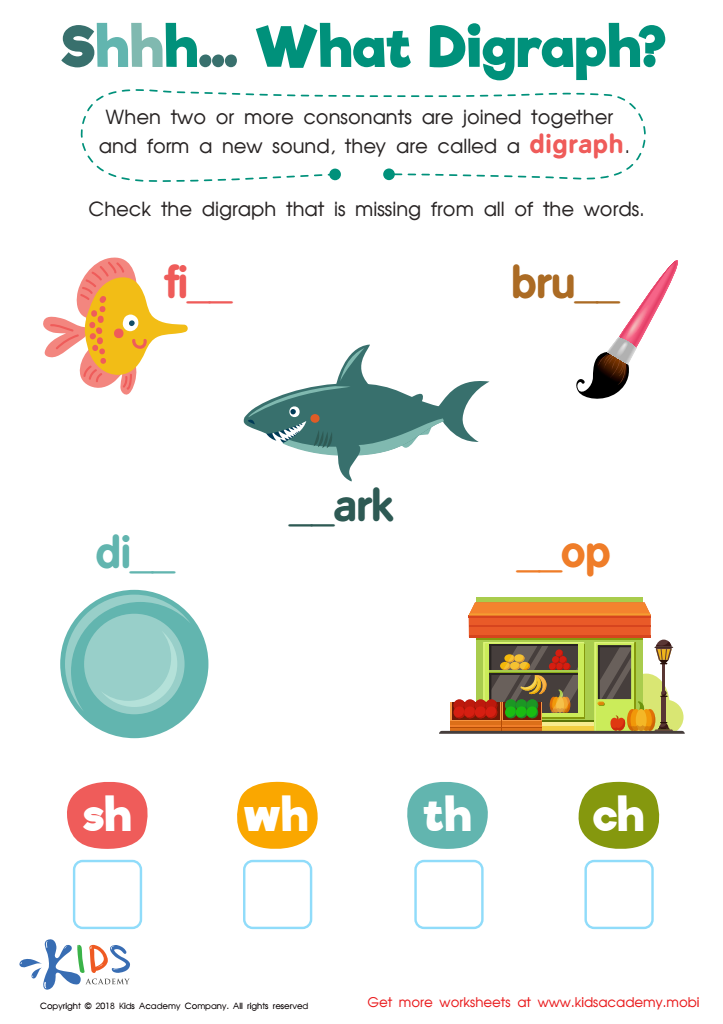
Shhh... What Digraph? Worksheet
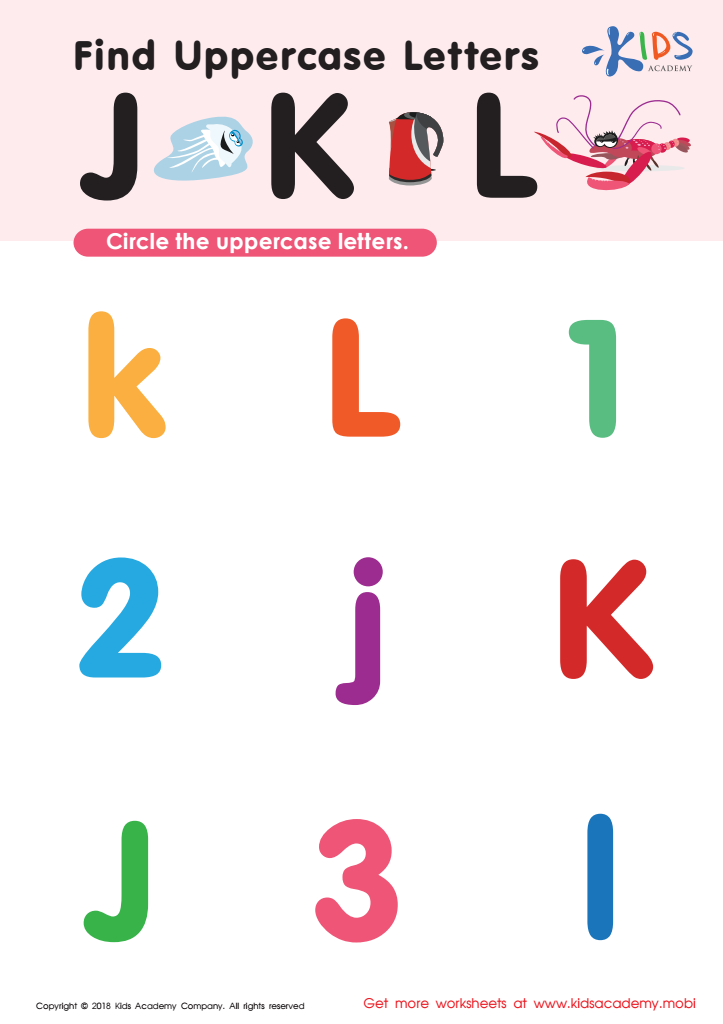
Find Uppercase Letters J, K, and L Worksheet
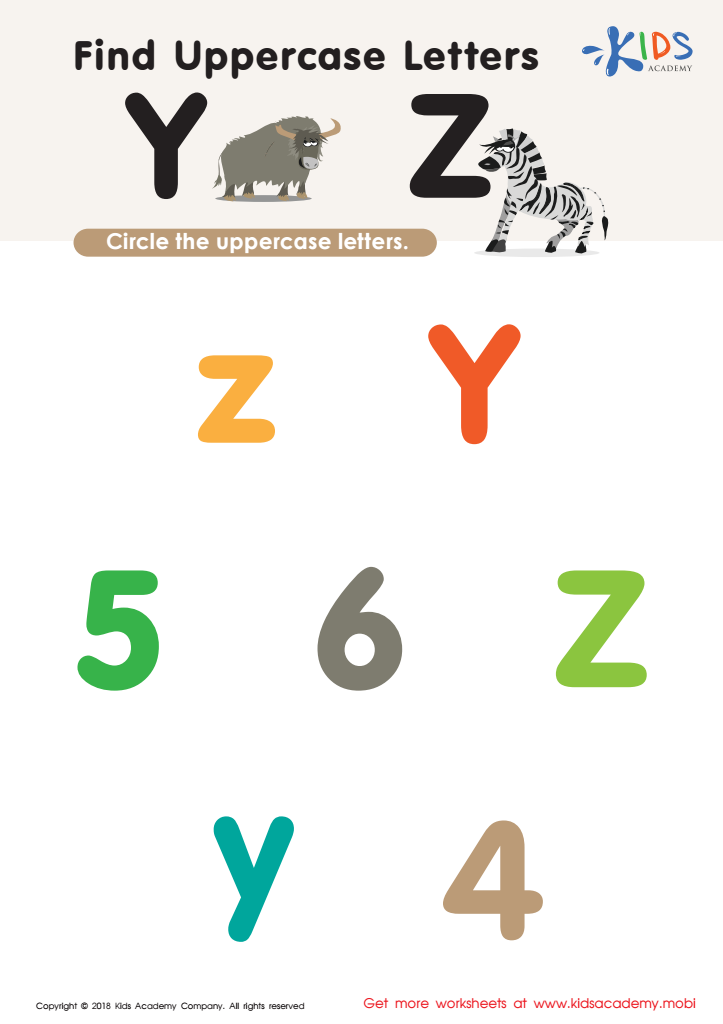
Find Uppercase Letters Y Z Worksheet
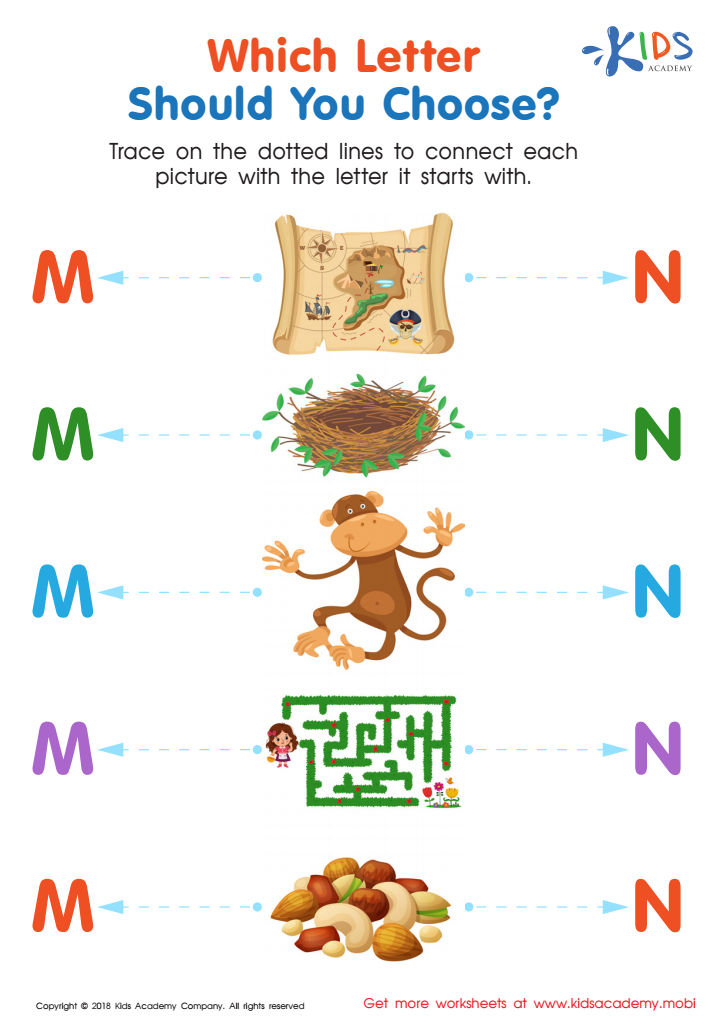
Which Letter Should you Choose? Worksheet
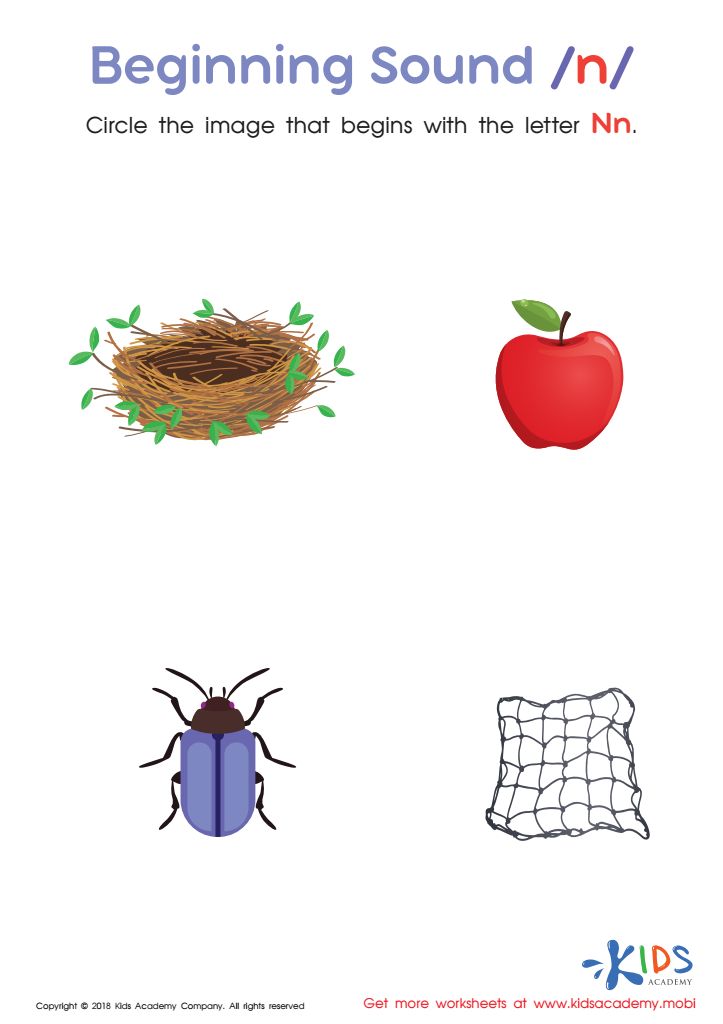
Beginning Sound «n» Worksheet
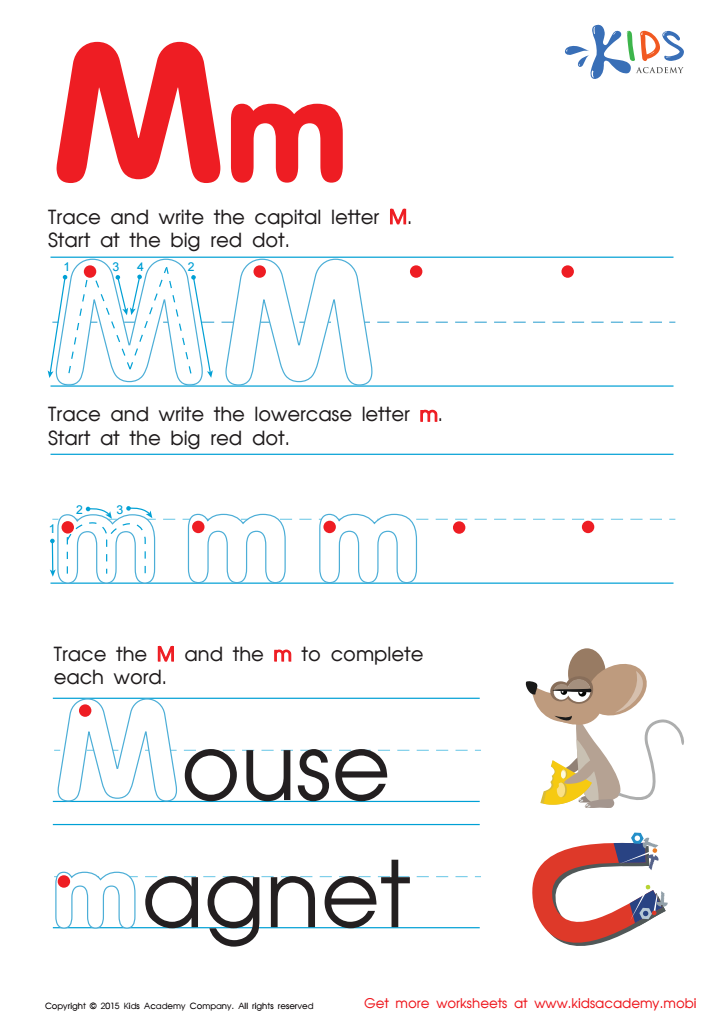
Letter M Tracing Page
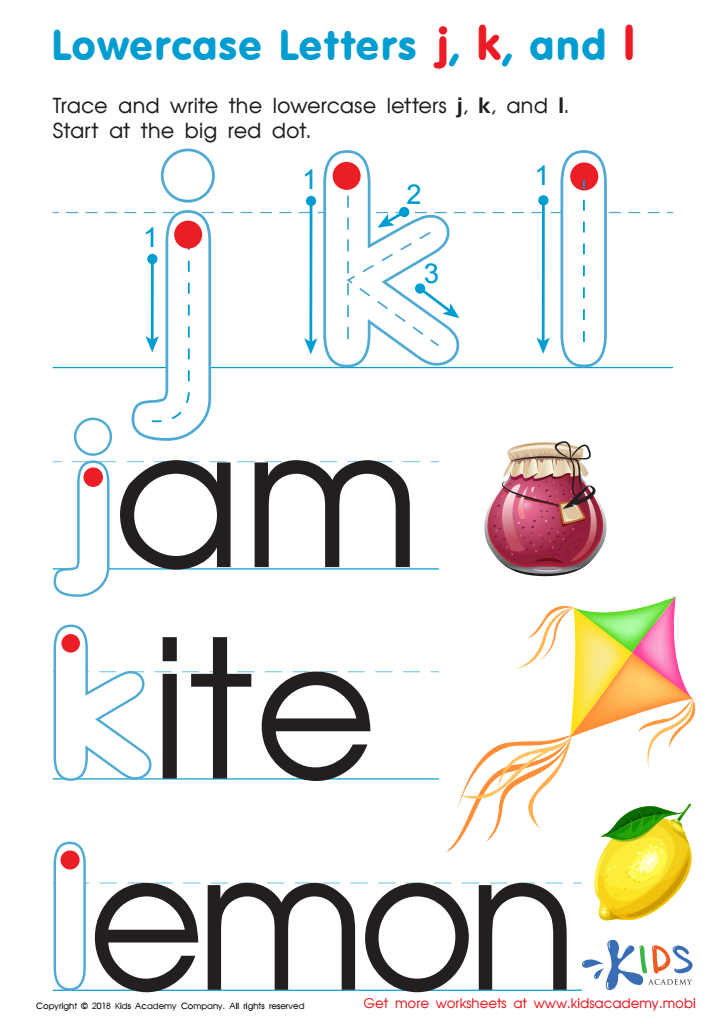
Lowercase Letters j k l Worksheet
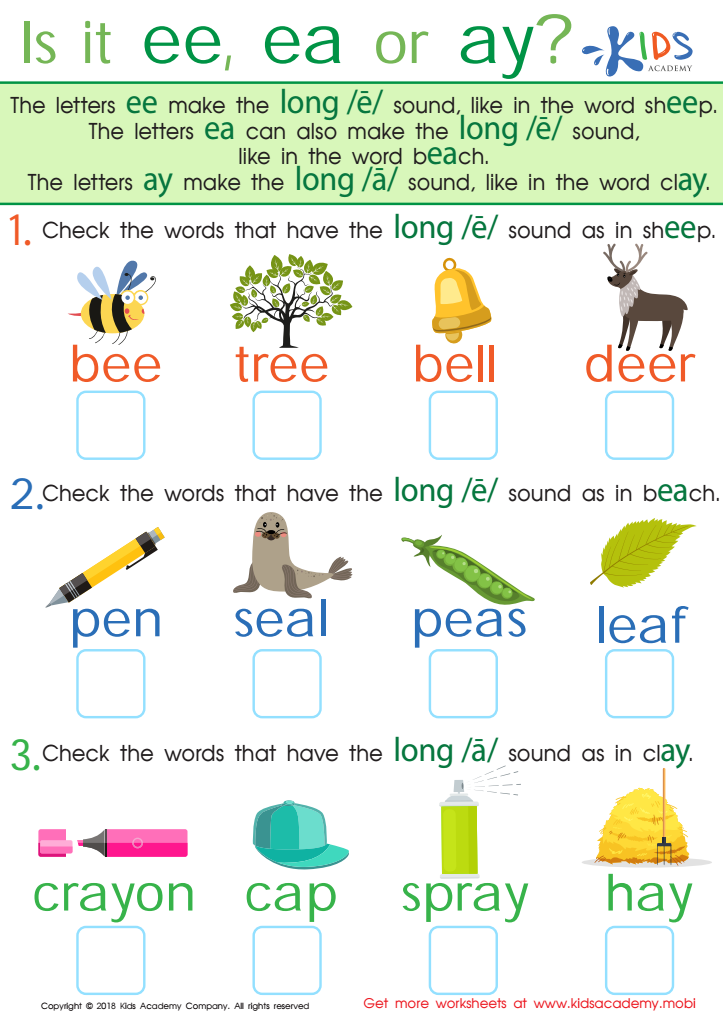
Is It EE, EA, or AY? Worksheet
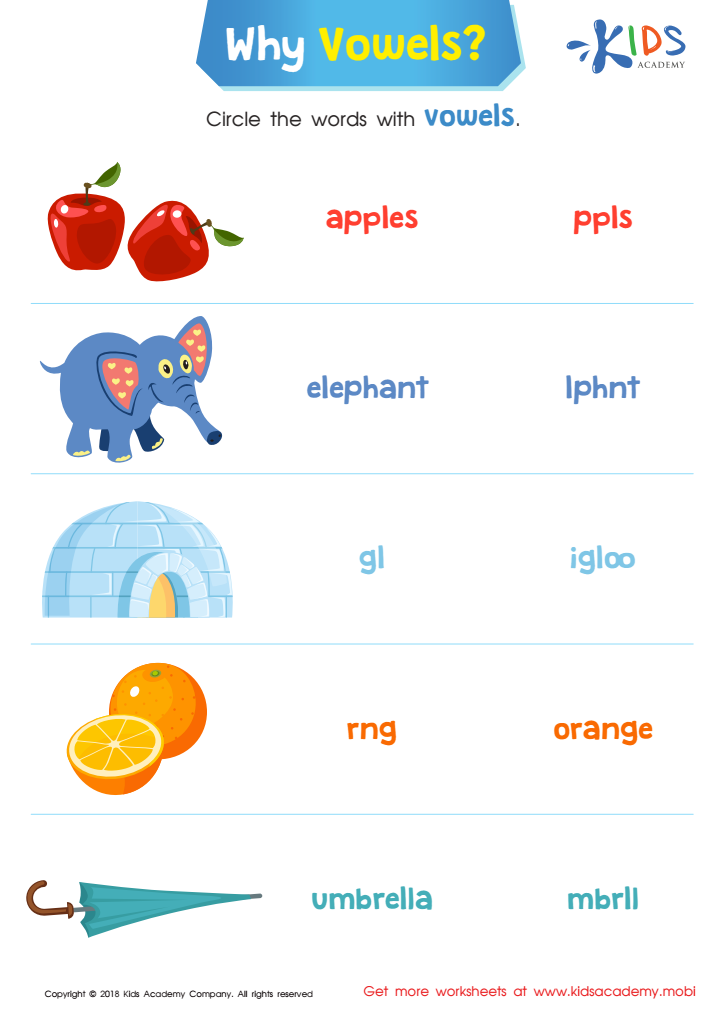
Why Vowels? Reading Worksheet
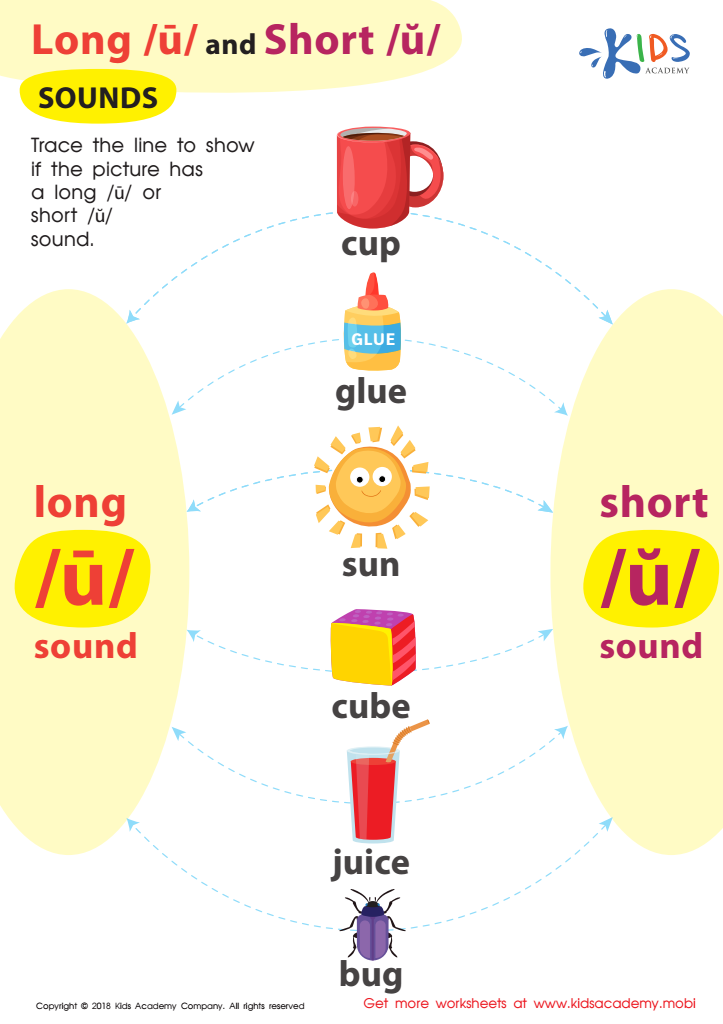
Reading: Long U and Short U Sounds Worksheet
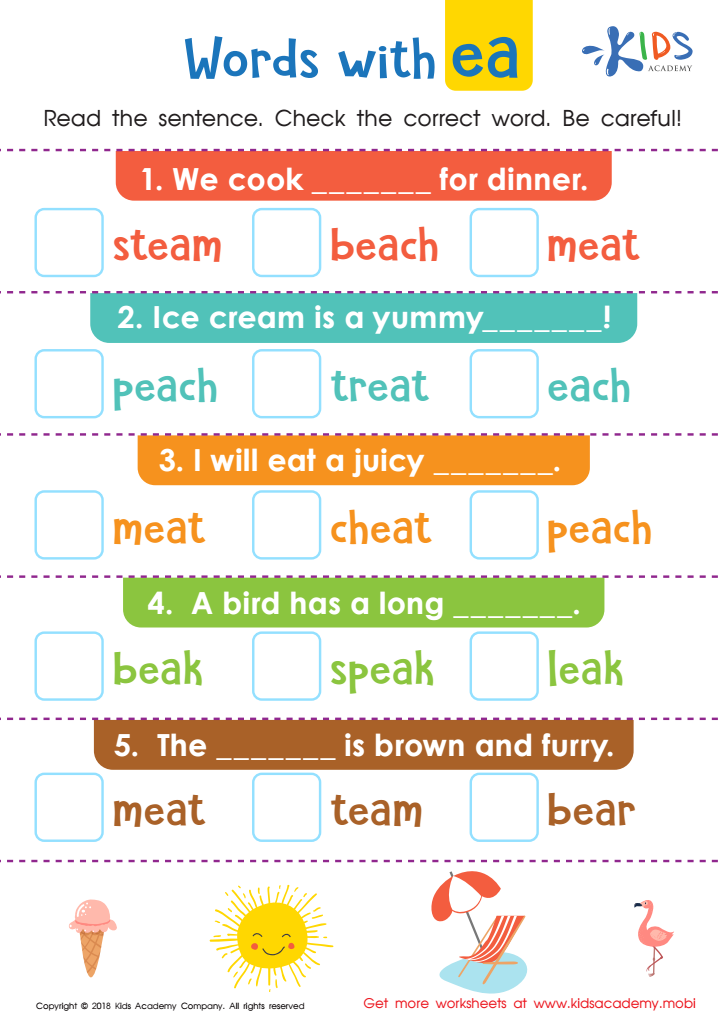
Words with ea Worksheet




.jpg)


The Normal Alphabet for Ages 4-9 is fundamental to early childhood education, and parents and teachers should prioritize it for several reasons. At this critical developmental stage, children's brains are exceptionally receptive to learning foundational skills, including language and literacy. Mastery of the alphabet is the first crucial step towards fluency in reading and writing, essential skills that underpin all future academic success.
For children aged 4 to 9, learning the alphabet helps to develop phonemic awareness, the ability to hear, identify, and manipulate sounds—this awareness is a predictor of reading ability. When children can recognize letters and their corresponding sounds, they begin to decode words, a skill that leads to reading fluency and comprehension.
Moreover, engaging with the alphabet fosters cognitive abilities like memory, concentration, and pattern recognition. These skills benefit other areas of learning, such as mathematics and problem-solving.
On a social level, proficiency with the alphabet builds children's confidence, encouraging active participation in classroom activities. It also empowers them to express themselves more effectively, nurturing their communication skills.
By supporting alphabet learning, parents and teachers invest in the child's academic foundation, ensuring they can thrive in more advanced areas of study and lay the groundwork for a lifetime love of learning.







