Normal Multiplication Worksheets for Ages 4-9 - Page 2
34 filtered results
-
From - To
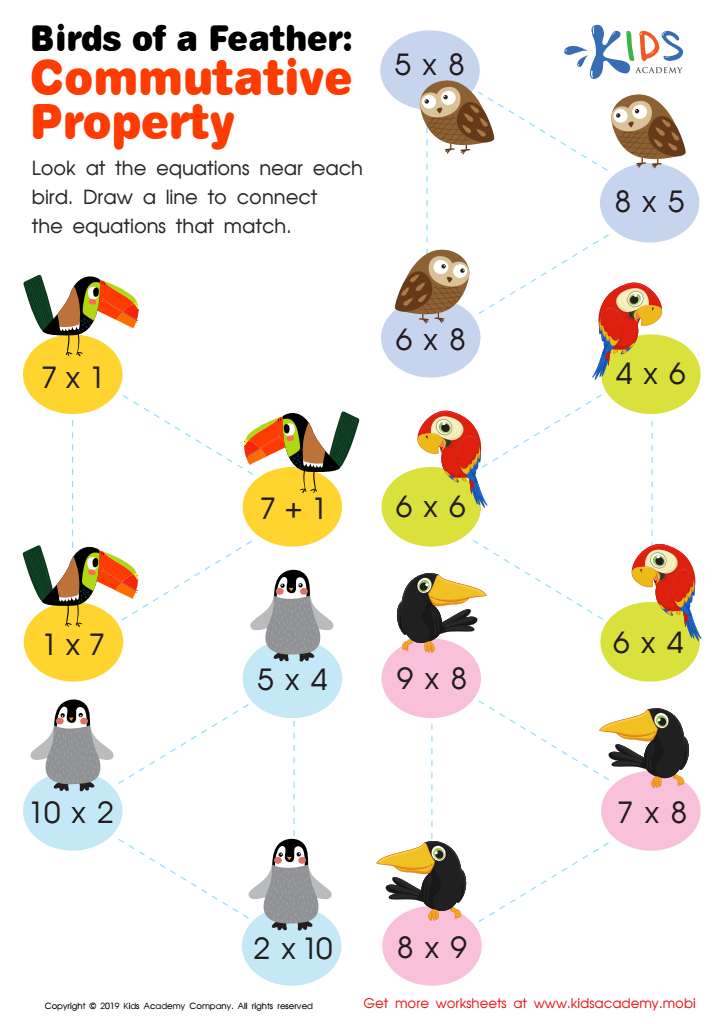
Birds of a Feather: Commutative Property Worksheet
 Assign to My Students
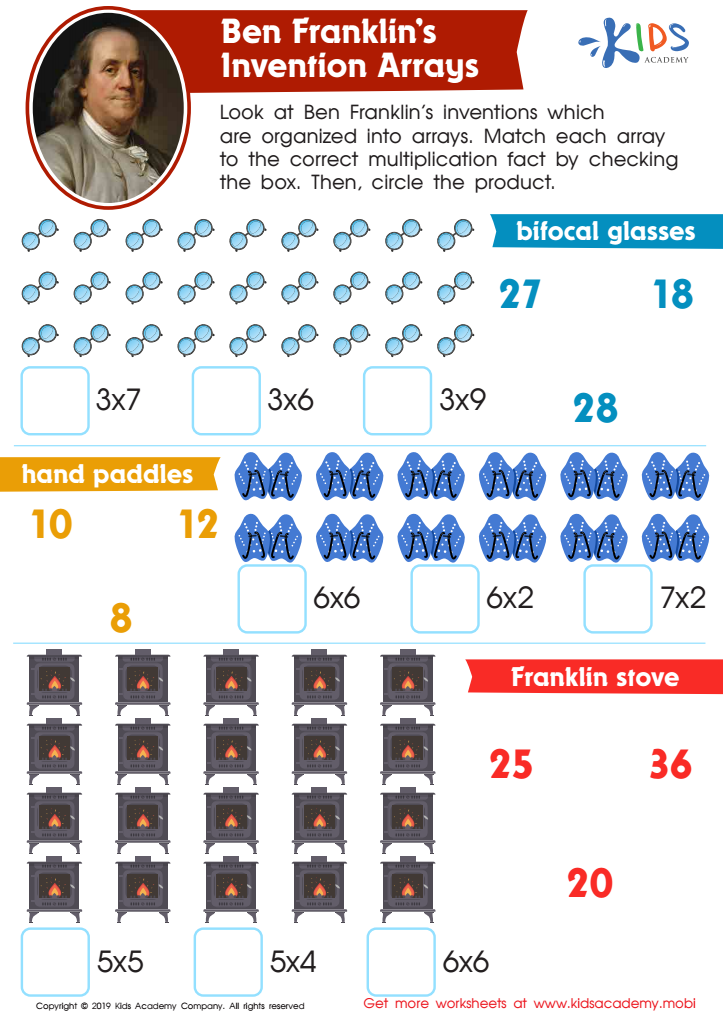
Ben Franklin’s Invention Arrays Worksheet
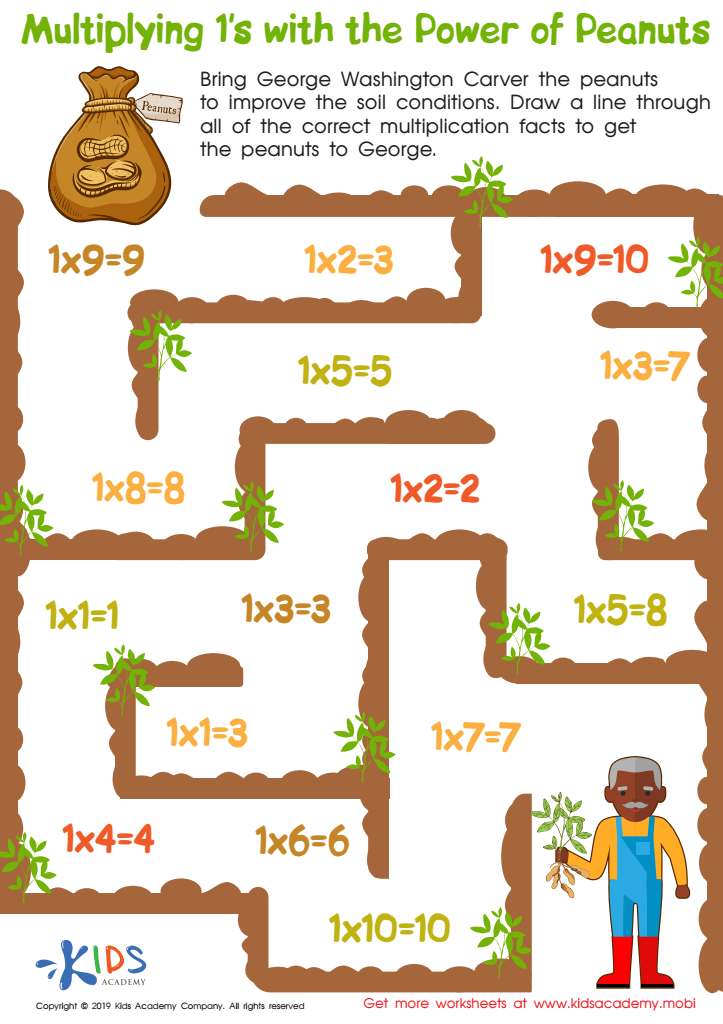
Multiplying 1’s With the Power of Peanuts Worksheet
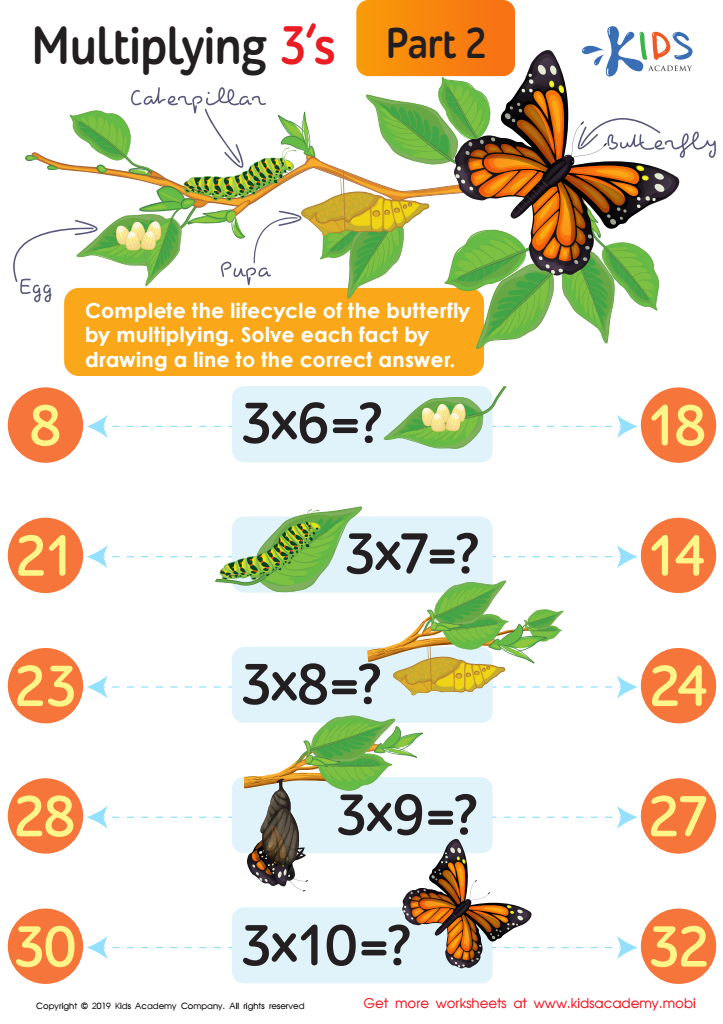
Multiplying 3s Part 2 Worksheet
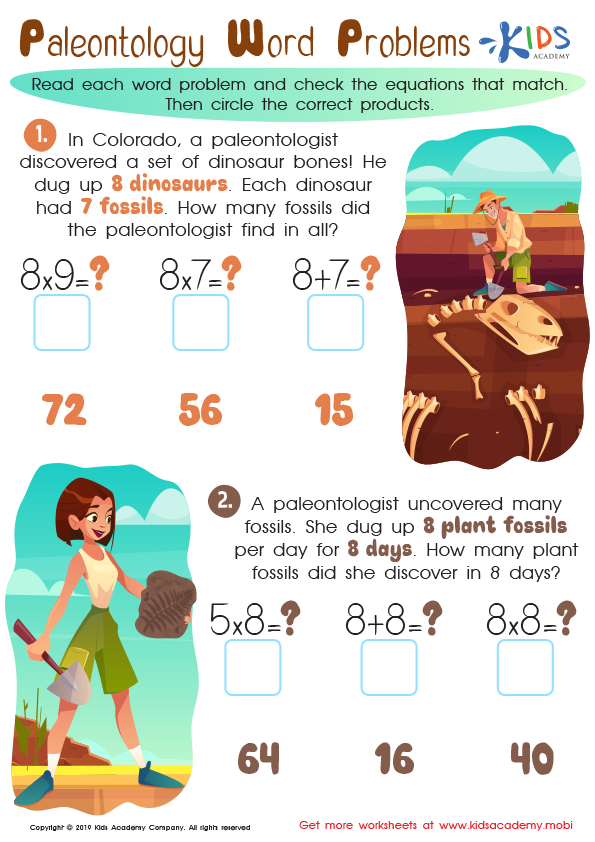
Archeology Word Problems Worksheet
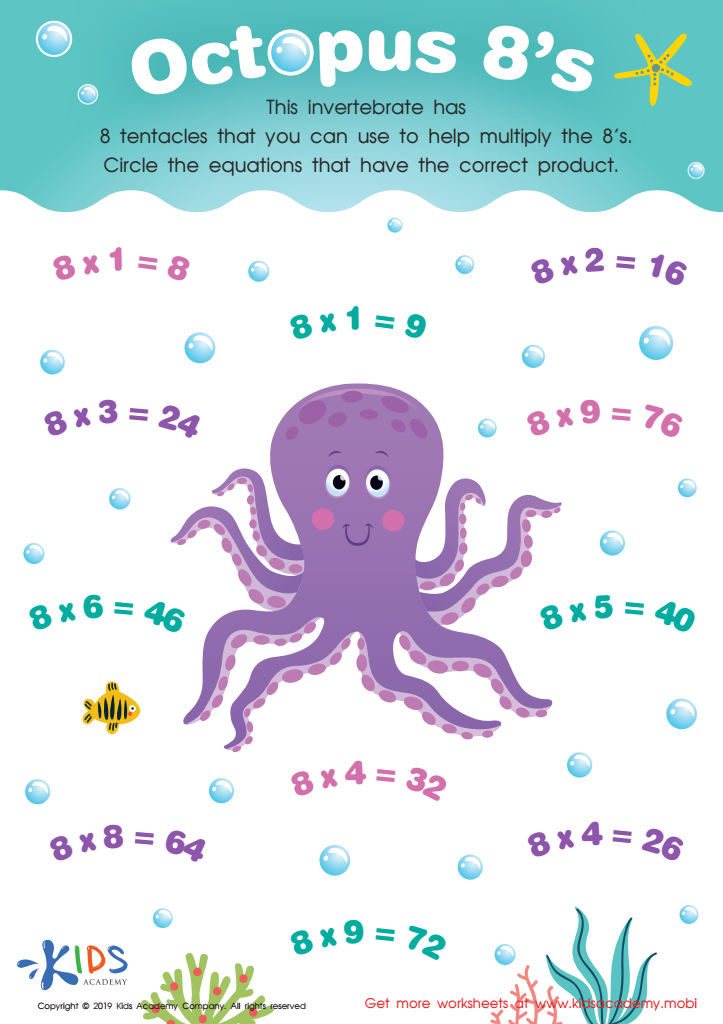
Octopus 8’s Worksheet
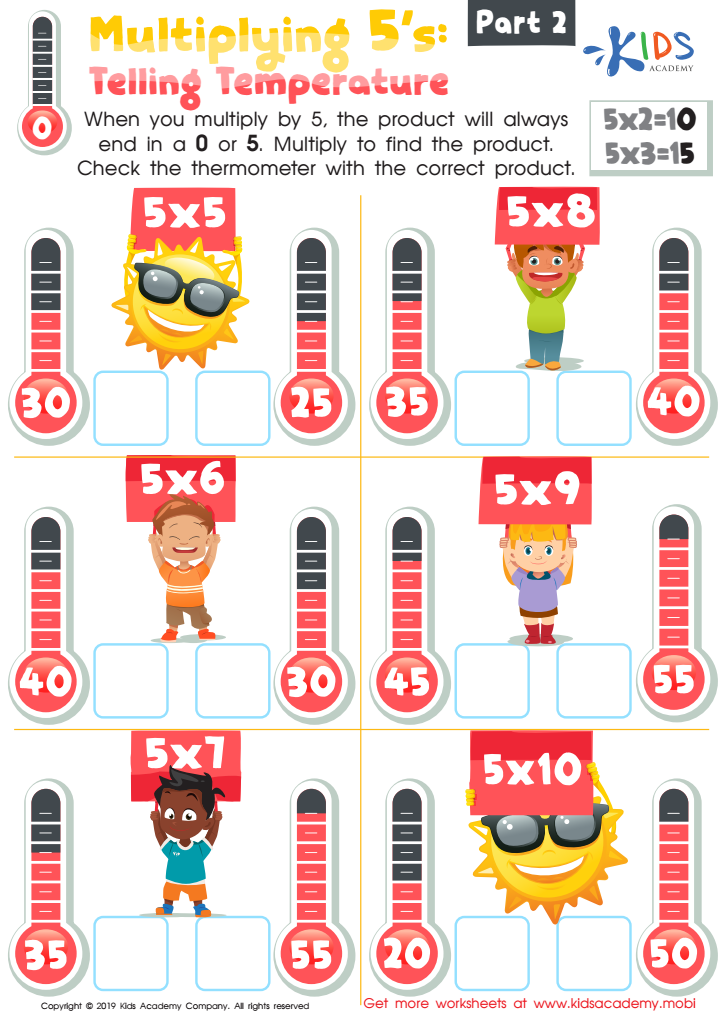
Multiplying 5’s: Telling Temperature Part 2 Worksheet
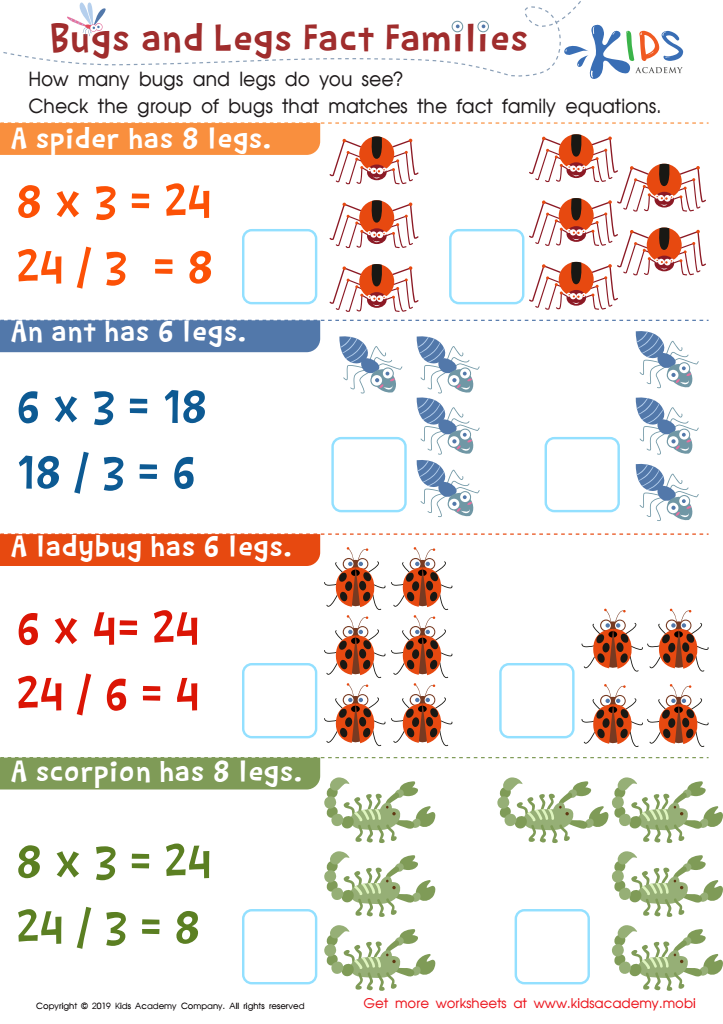
Bugs and Legs Fact Families Worksheet
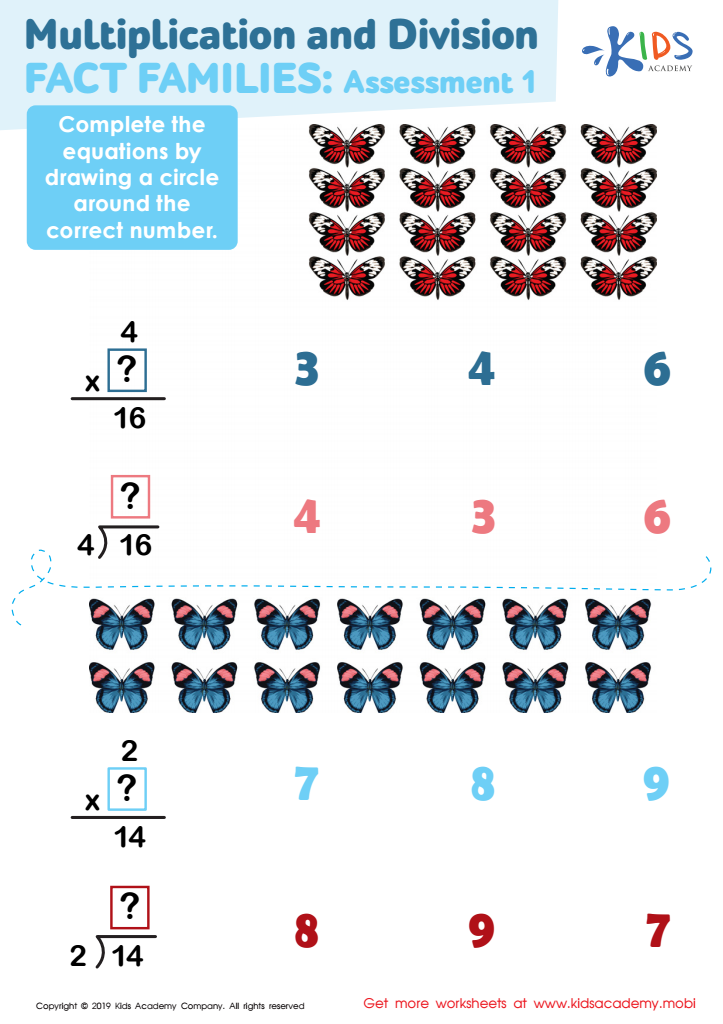
Multiplication and Division Fact Families Assessment 1 Worksheet
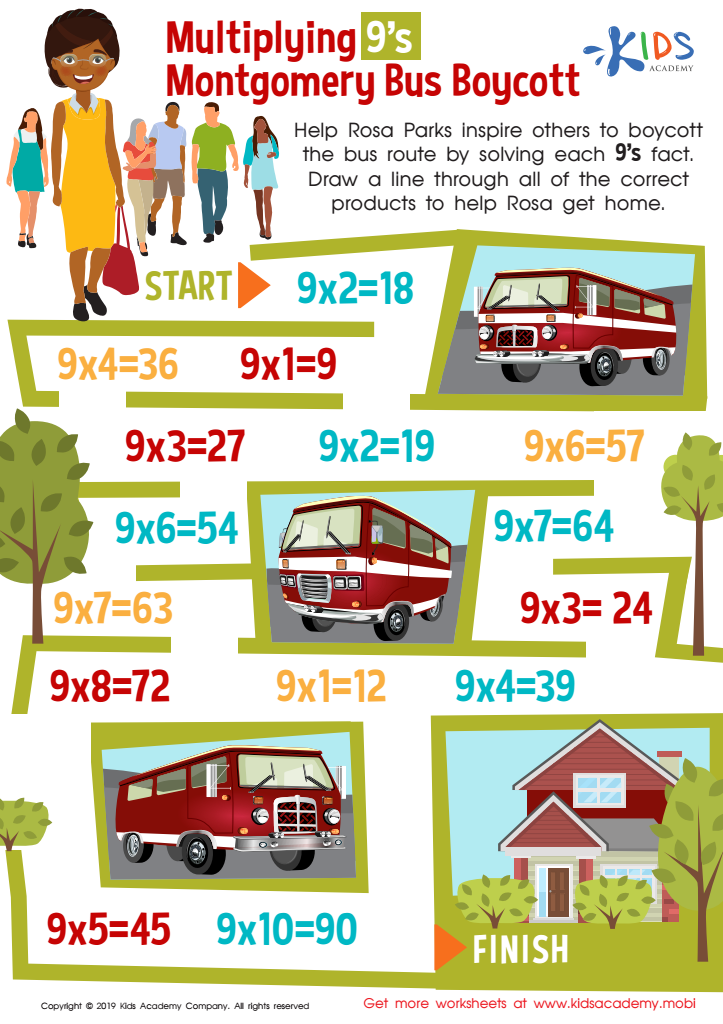
Multiplying 9’s Montgomery Bus Boycott Worksheet








Parents and teachers should care about introducing normal multiplication to children ages 4-9 because it lays the essential foundation for their mathematical understanding and cognitive development. At this formative age, children's brains are highly responsive to learning new concepts, making it the perfect time to introduce the fundamental building blocks of mathematics.
Understanding multiplication early on helps children grasp more complex math topics in the future. It aids in the development of problem-solving skills, logical thinking, and the ability to understand patterns and relationships between numbers. These skills are not only crucial for math-related subjects but also for everyday activities that require basic arithmetic, such as handling money, measuring ingredients while cooking, and managing time.
Moreover, early exposure to multiplication enhances children's academic confidence. Successfully learning and applying multiplication gives them a sense of accomplishment, motivating them to tackle more challenging subjects with enthusiasm. This confidence can foster a lifelong positive attitude toward learning and education.
Parents and teachers play pivotal roles in creating enriching, supportive, and engaging learning environments. By introducing and reinforcing multiplication skills through games, practical activities, and real-world examples, they help children build a strong mathematical foundation and, ultimately, contribute to their overall development and future academic success.








