Normal Worksheets for Ages 5-7 - Page 2
1337 filtered results
-
From - To
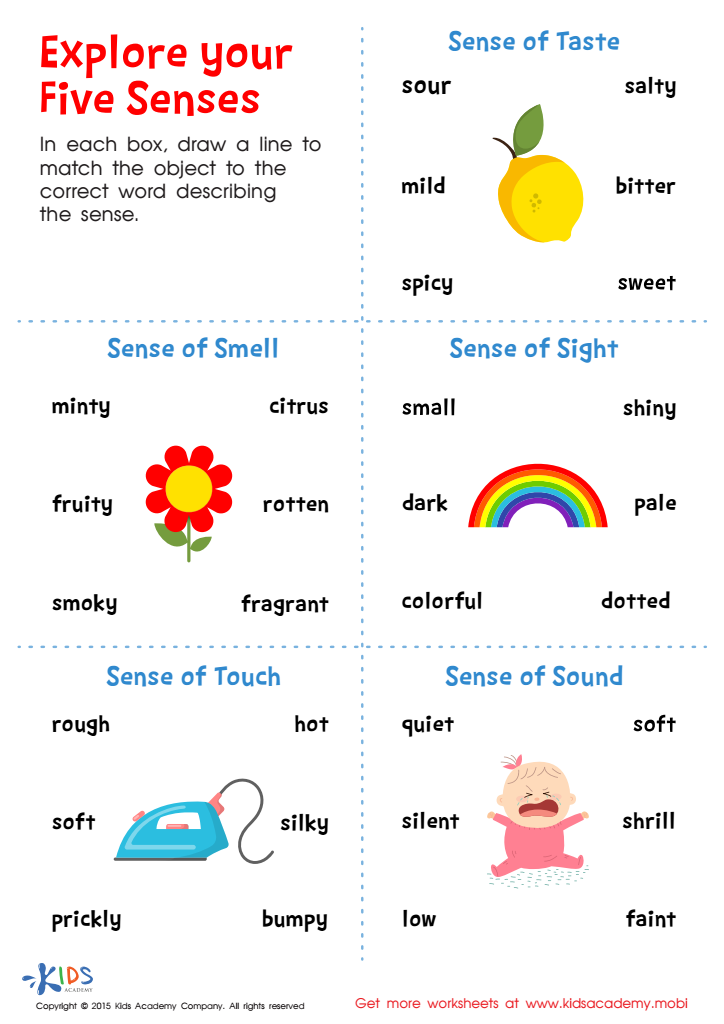
Explore Your Five Senses Printable
 Assign to My Students
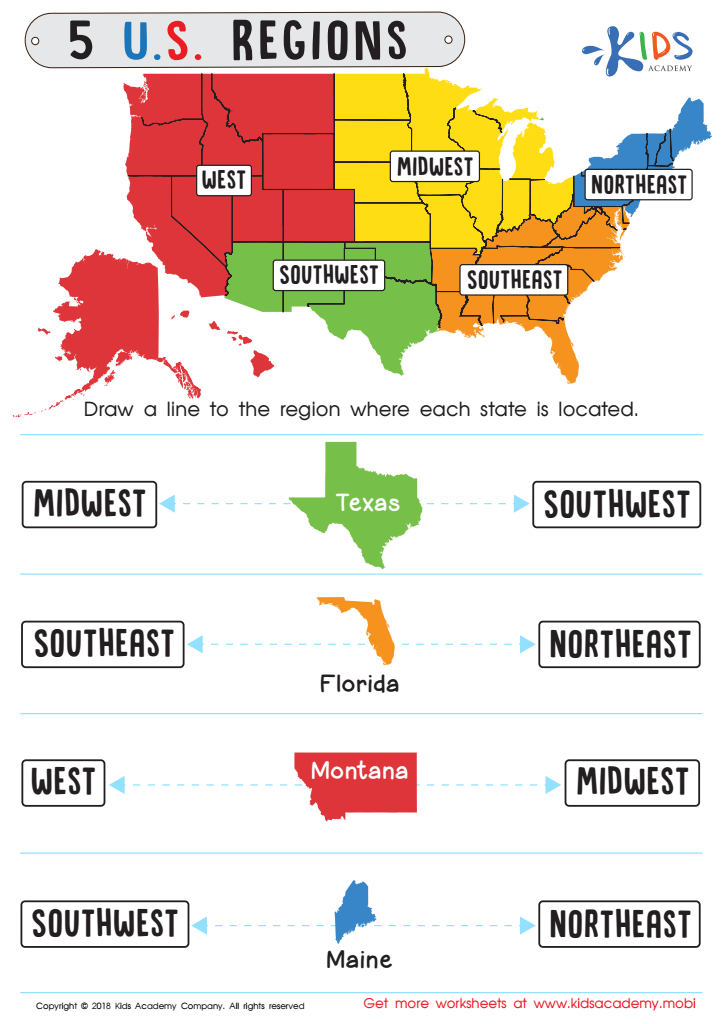
5 U.S. Regions Worksheet
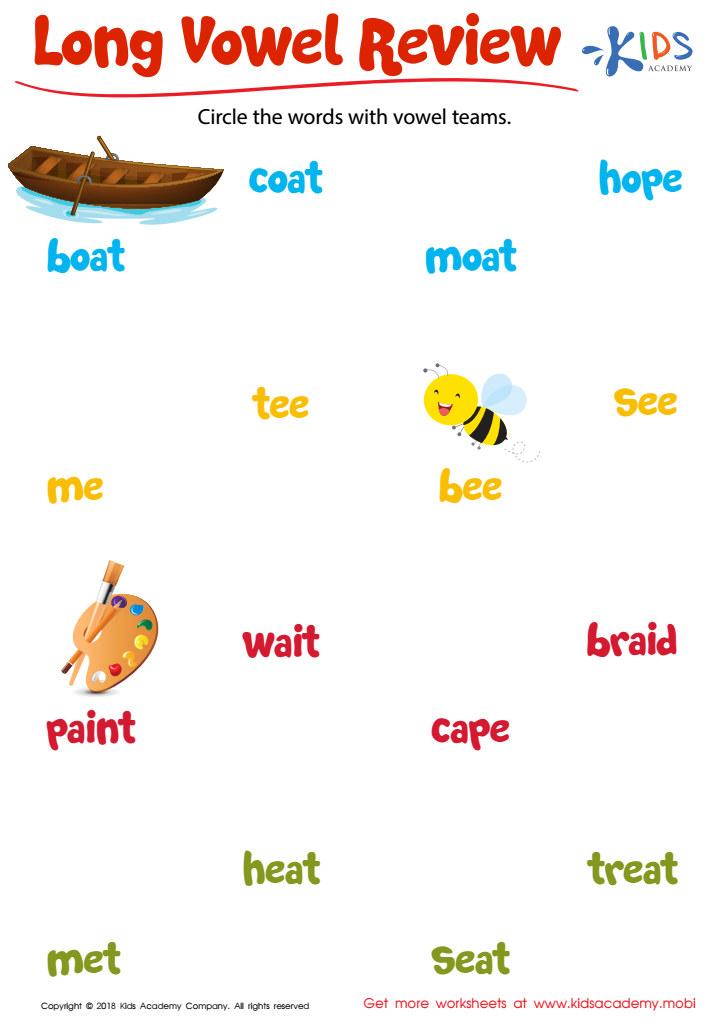
Long Vowel Review Worksheet
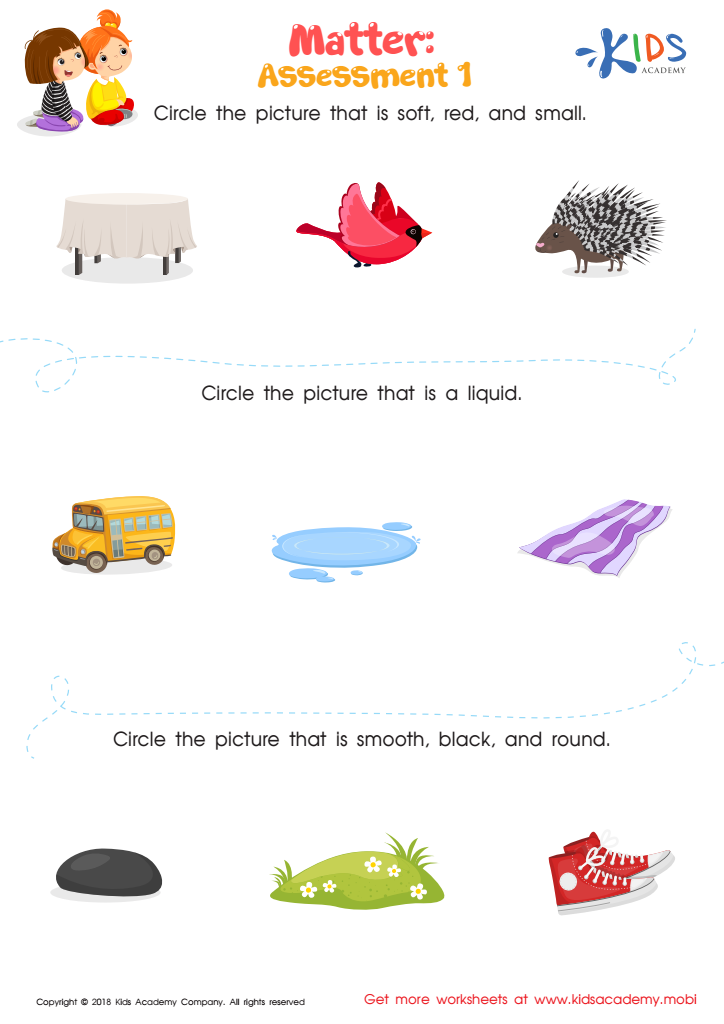
Matter: Assessment 1 Worksheet
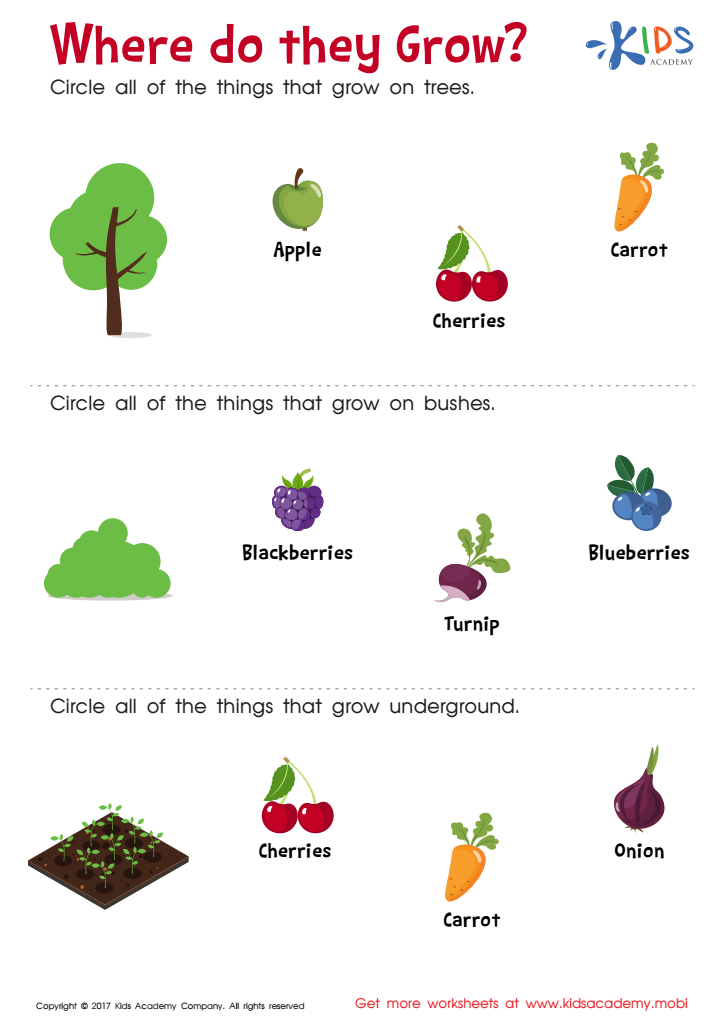
Where Do They Grow Worksheet
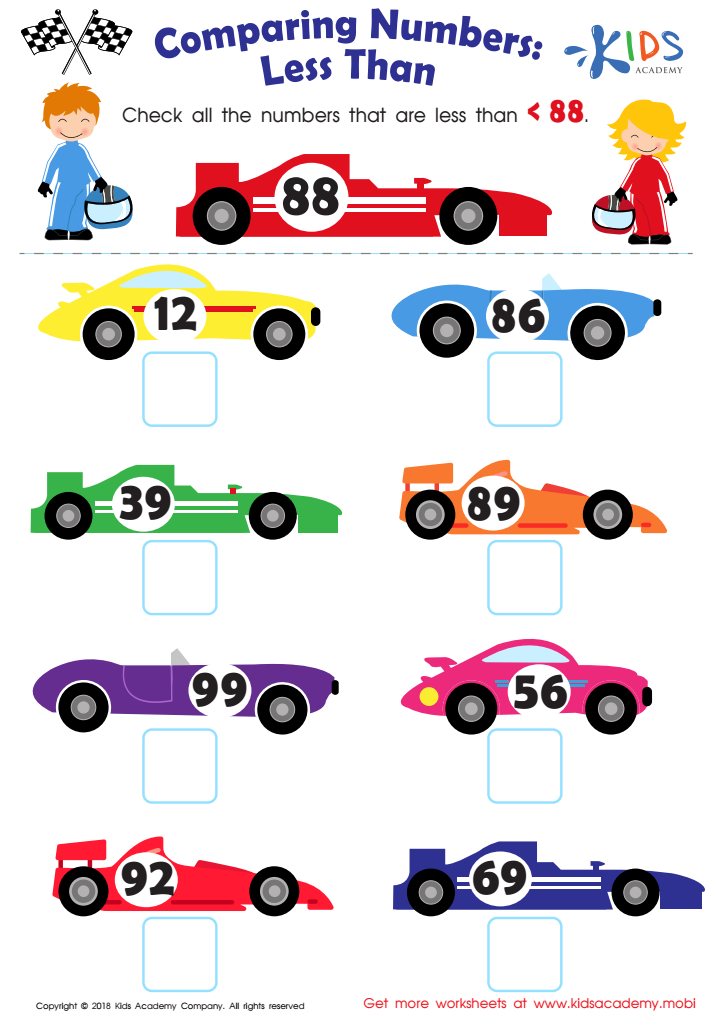
Less Than Worksheet
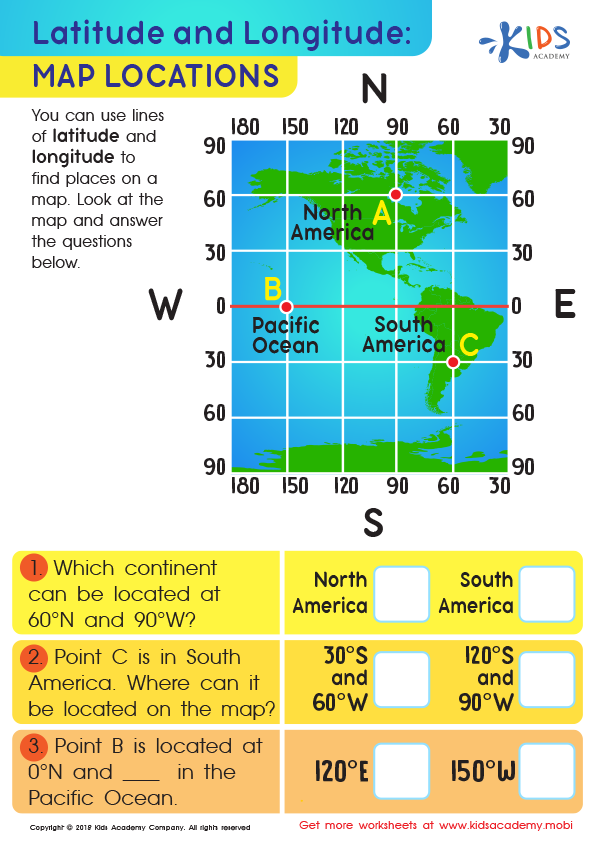
Latitude and Longitude: Map Locations Worksheet
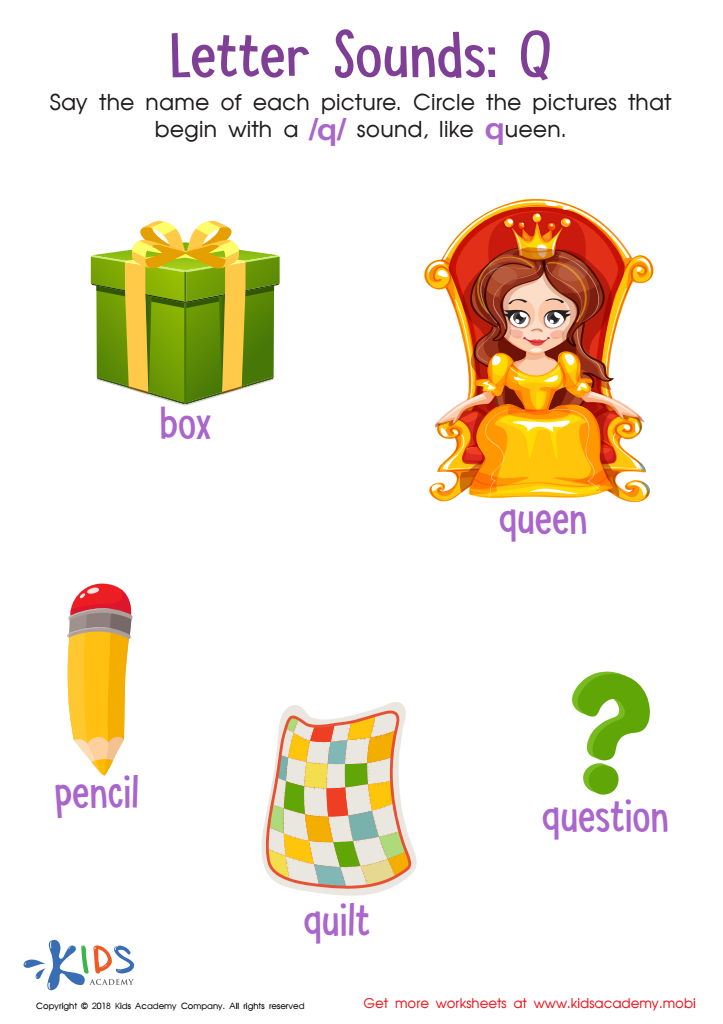
Letter Q Sounds Worksheet
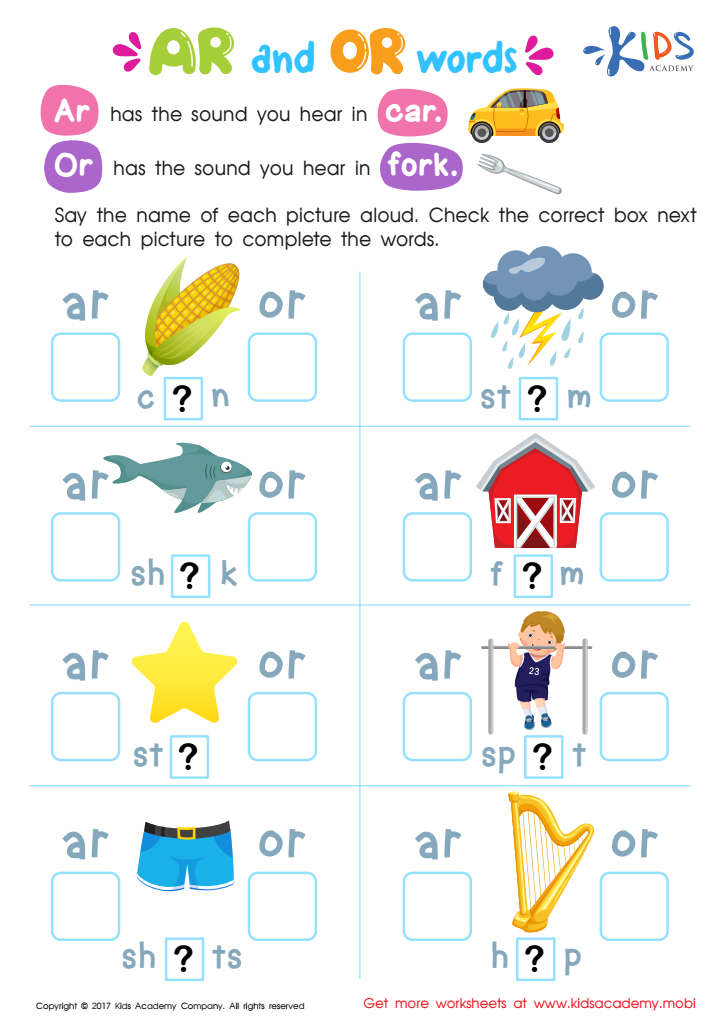
Ar and Or Words Phonics Worksheet
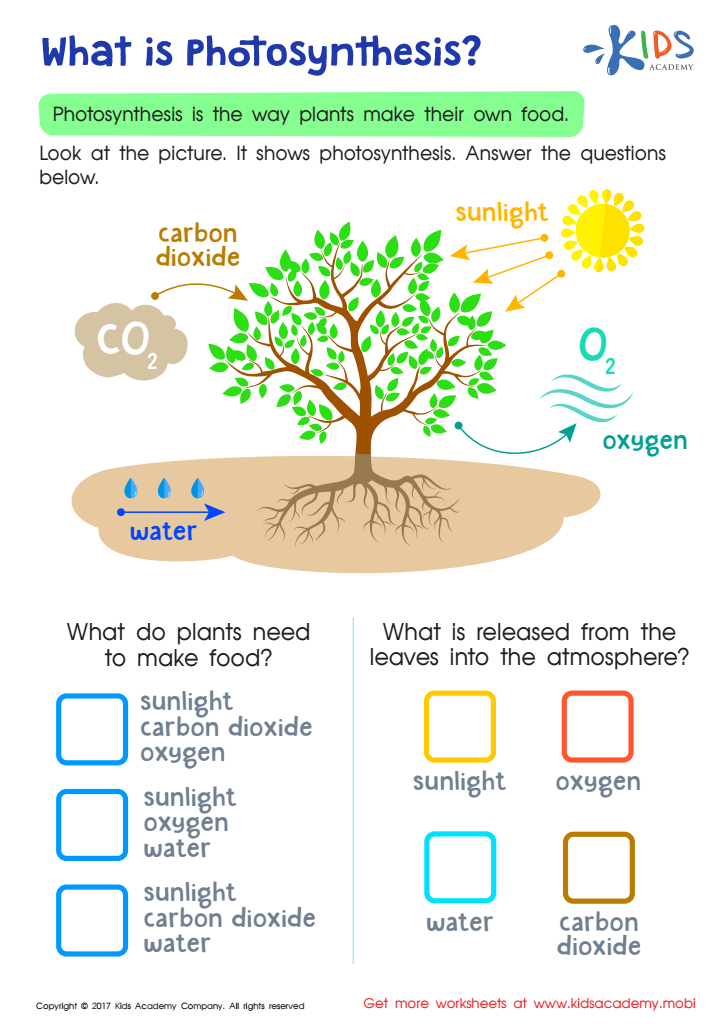
What is Photosynthesis Printable
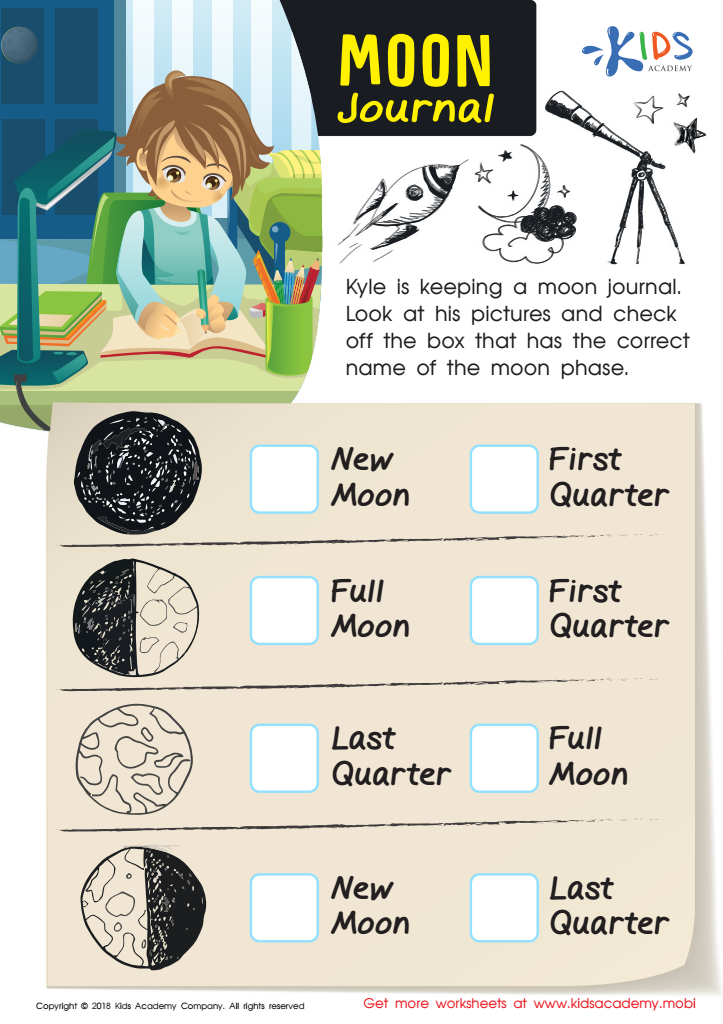
Moon Journal Worksheet
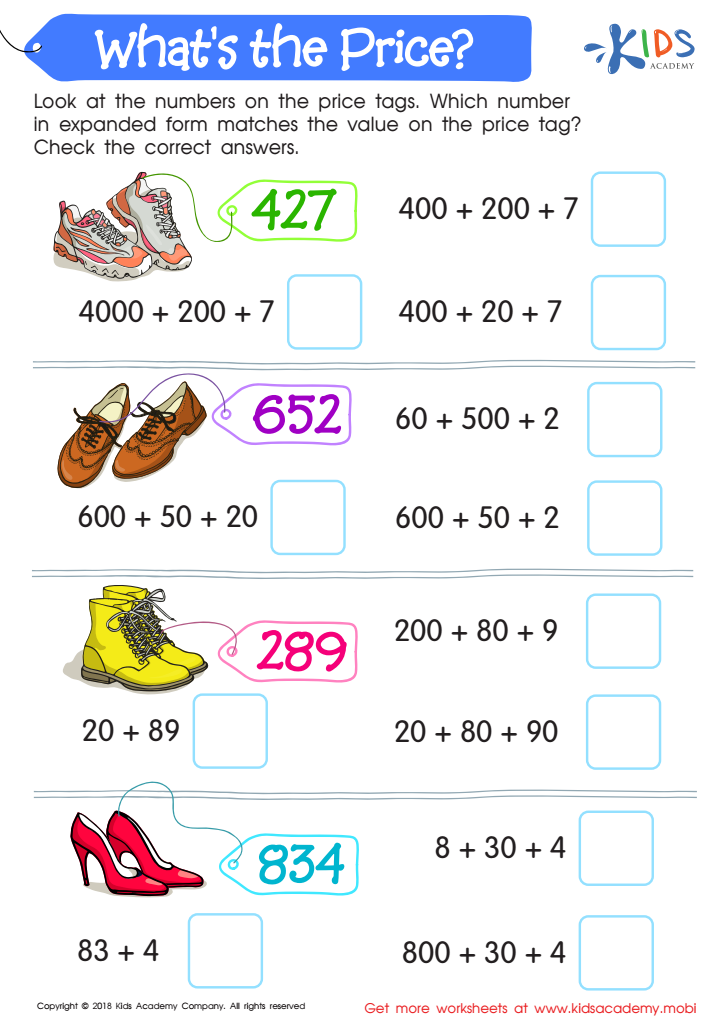
What's the Price? Worksheet
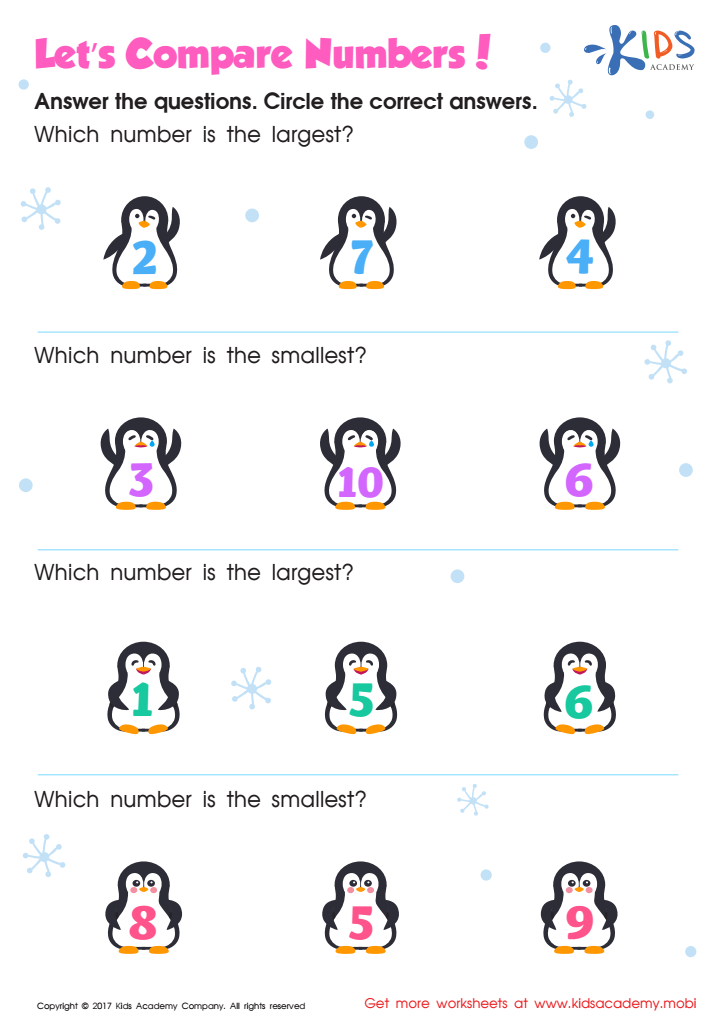
Comparing Numbers 1–10 Worksheet Kindergarten
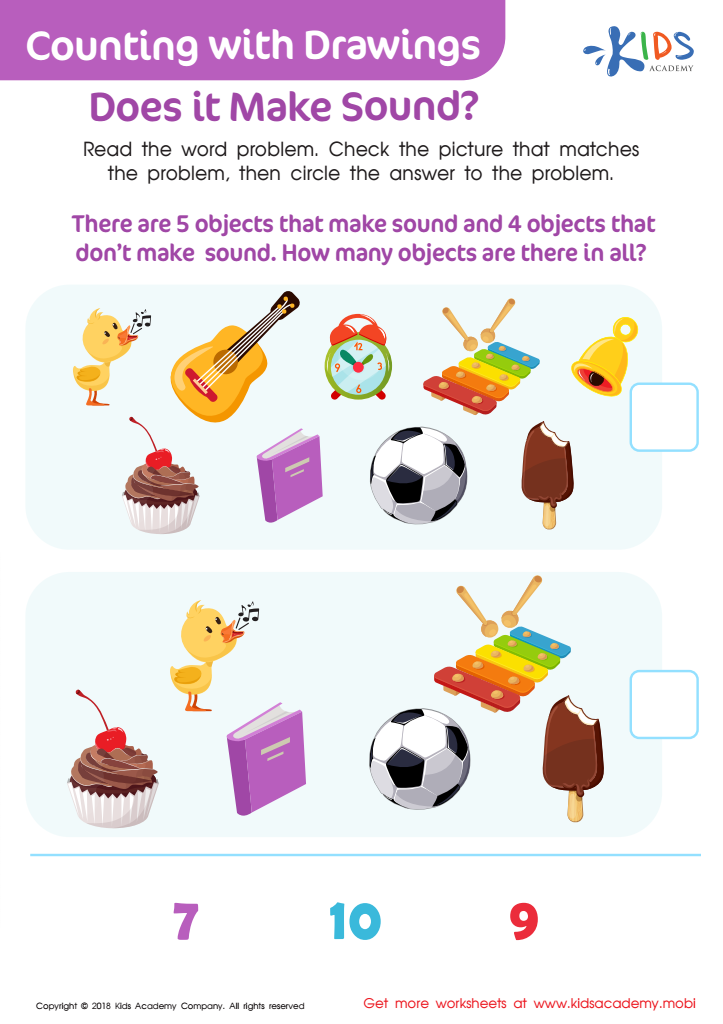
Counting With Drawings. Does It Make Sound? Worksheet
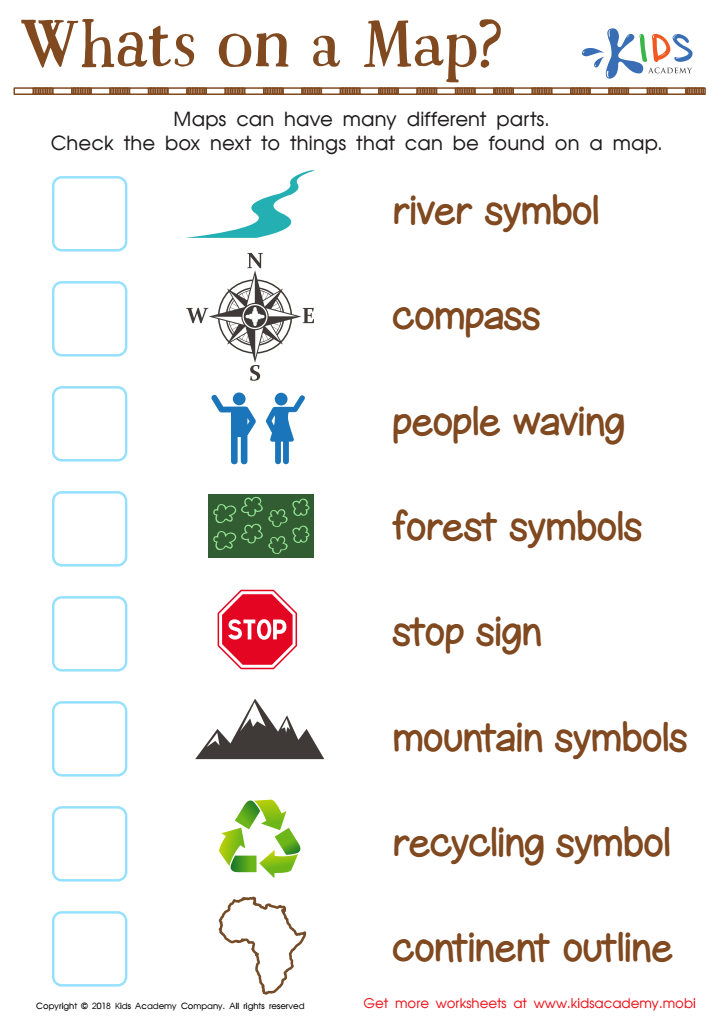
Whats on a Map? Worksheet
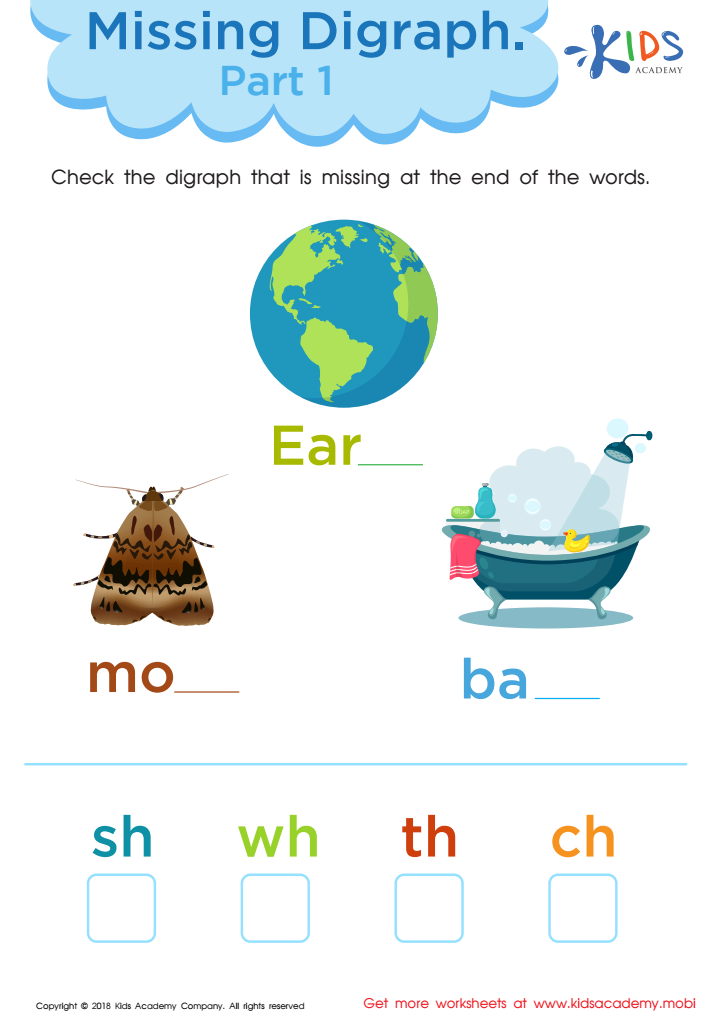
Missing Digraph: Part 1 Worksheet
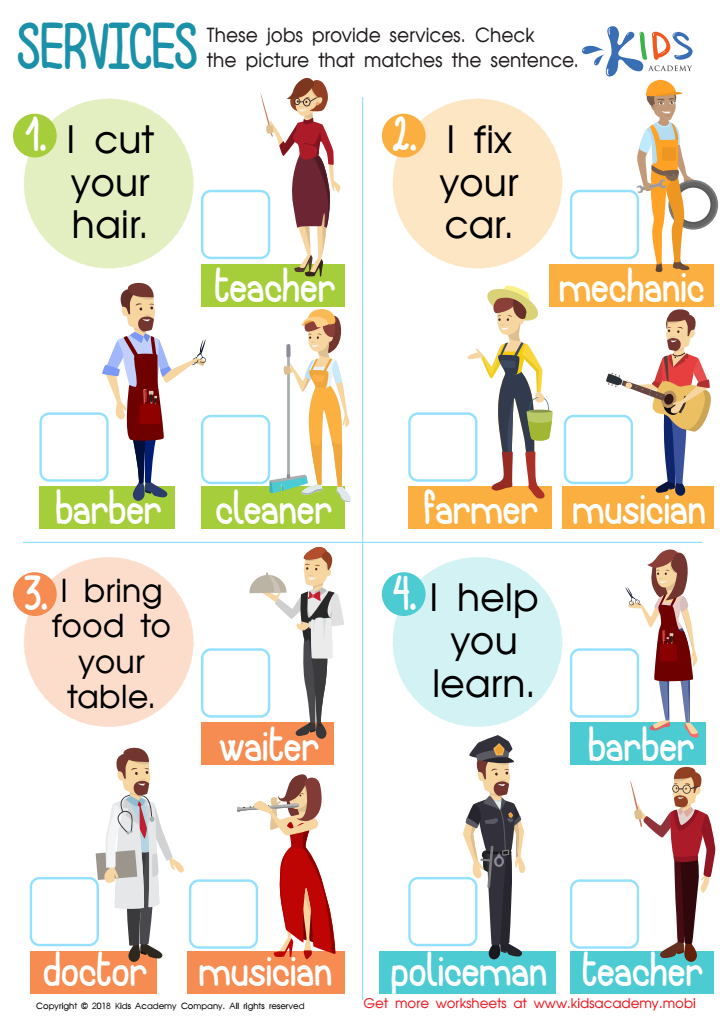
Services Worksheet
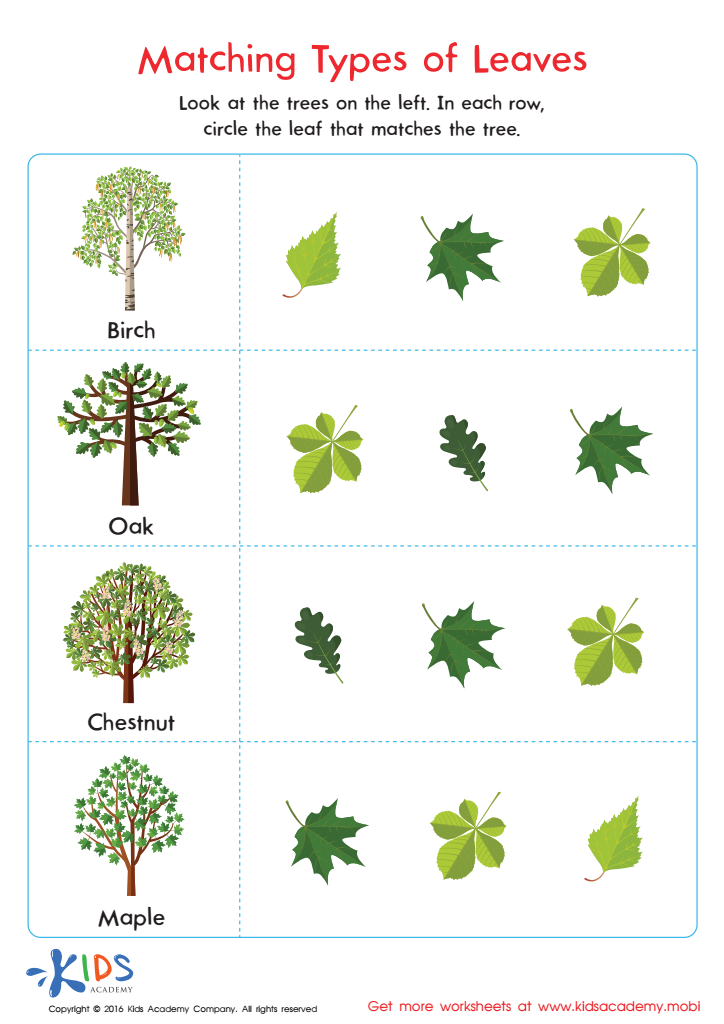
Matching Types of Leaves Printable
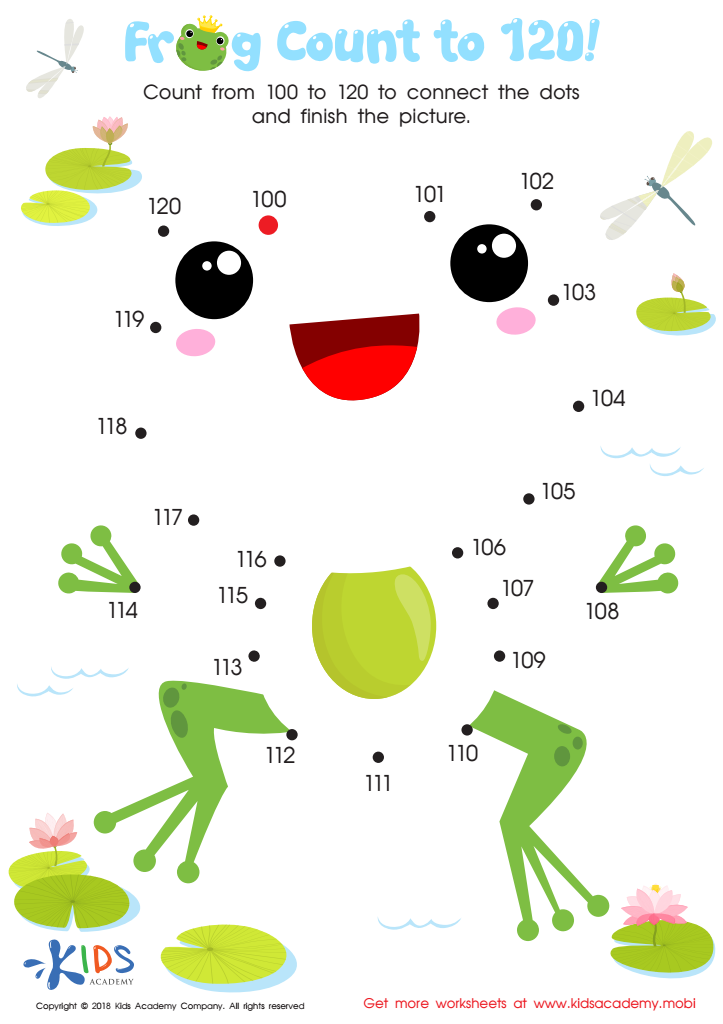
Frog Count to 120 Worksheet
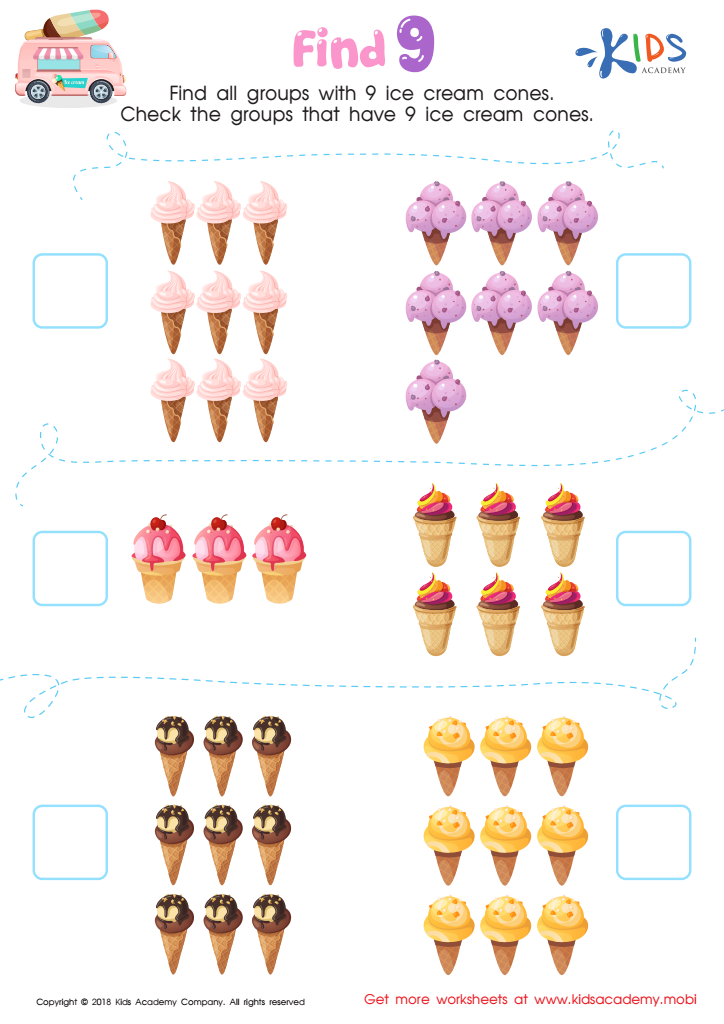
Find 9 Worksheet
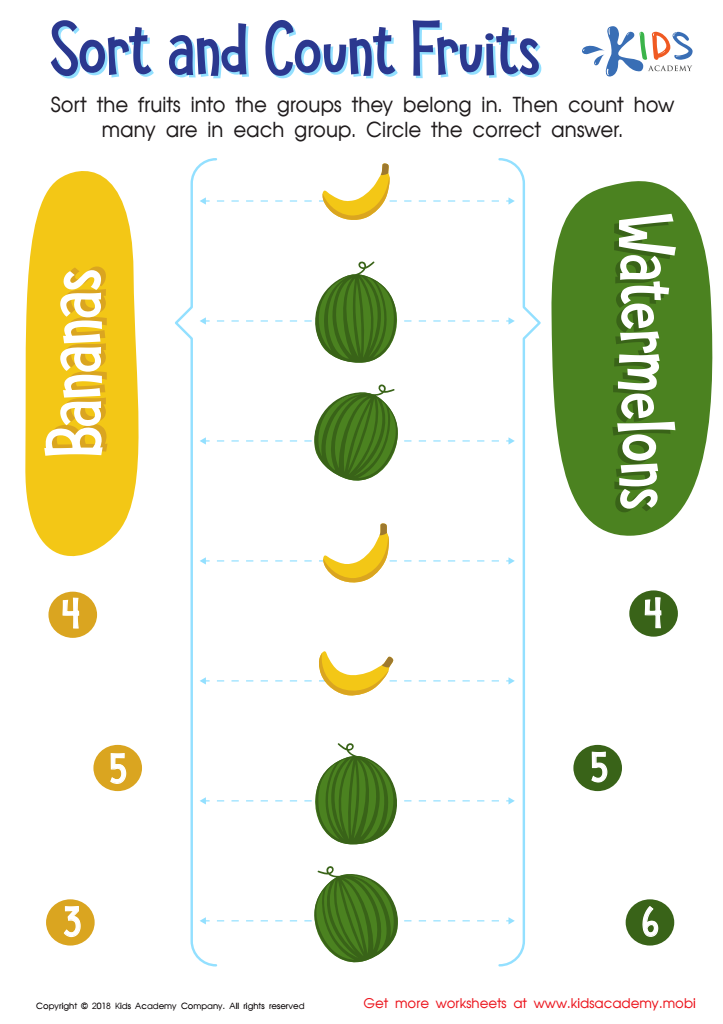
Sort and Count Fruits Worksheet
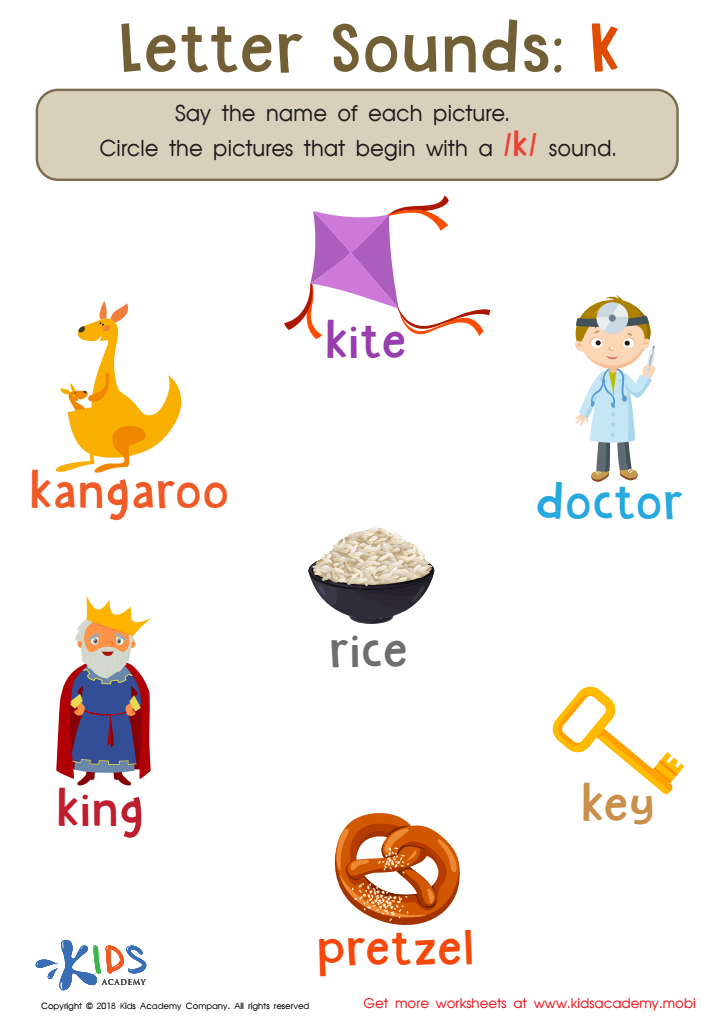
Letter K Sounds Worksheet
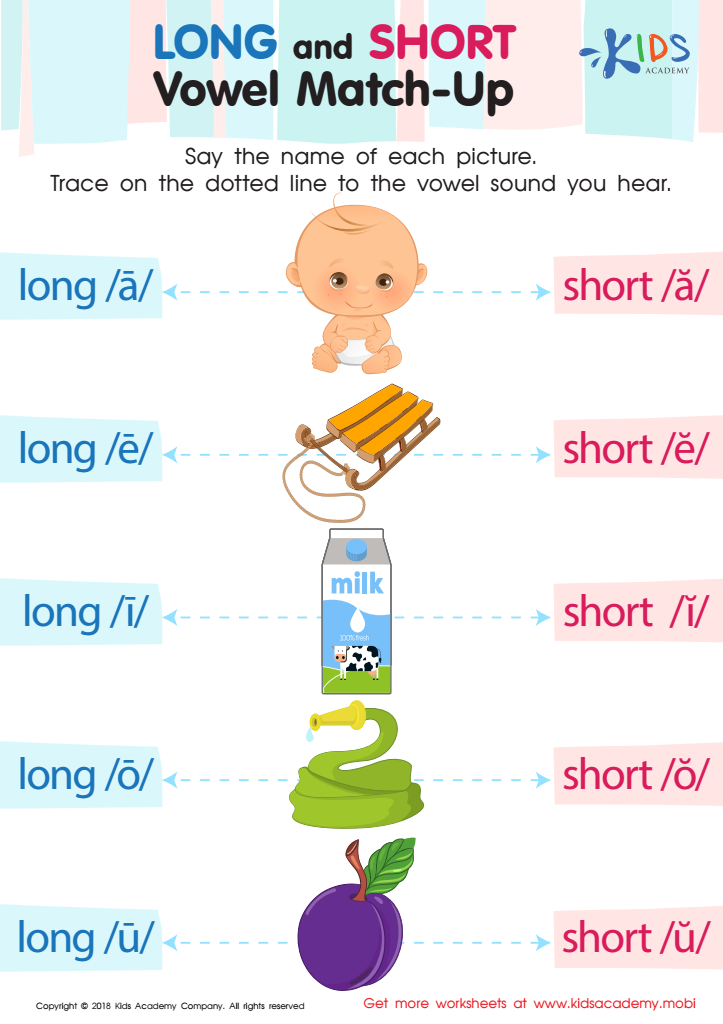
Long and Short Vowel Match up Reading Worksheet
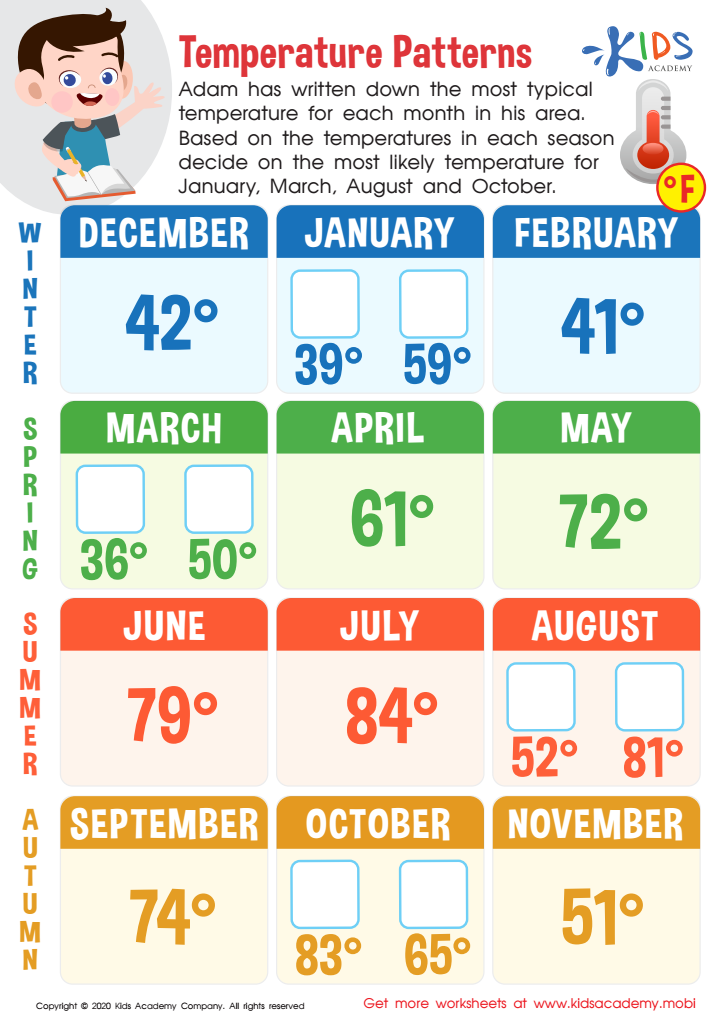
Temperature Patterns Worksheet


.jpg)



Understanding what is normal for children aged 5-7 is crucial for parents and teachers because it serves as a benchmark for assessing development in vital areas such as cognitive, emotional, and physical growth. At this age, kids typically begin to acquire foundational skills like basic arithmetic, reading, and social interaction, which lay the groundwork for future learning. Awareness of what is typical allows adults to identify and nurture a child's strengths, supporting their unique trajectories.
Moreover, understanding these norms helps in recognizing early signs of developmental delays or difficulties. Early intervention strategies can be employed if a child deviates significantly from these norms, providing critical support that improves long-term outcomes. Additionally, being cognizant of the typical behavior and learning patterns of 5 to 7-year-olds helps parents and teachers set realistic expectations, reducing unnecessary pressure on the kids and creating a more conducive learning environment.
In essence, caring about developmental norms ensures that every child receives enrichment opportunities and assistance tailored to their current stage of growth. This balanced approach fosters confidence and curiosity, enabling a smoother transition into formal education and social life, and ultimately supporting their overall well-being and success.








