Normal Letter Recognition Worksheets for Ages 5-7
66 filtered results
-
From - To
Welcome to our collection of Normal Letter Recognition Worksheets designed specifically for children aged 5-7! These engaging and interactive worksheets help young learners develop essential literacy skills by enhancing their ability to recognize and differentiate between letters in both uppercase and lowercase formats. Each worksheet features colorful illustrations and fun activities that encourage phonemic awareness and reinforce letter-sound correspondence. Perfect for classroom or home use, these resources provide a comprehensive foundation for early reading skills. Help your child gain confidence in their literacy journey with our carefully crafted letter recognition worksheets that make learning enjoyable and effective!
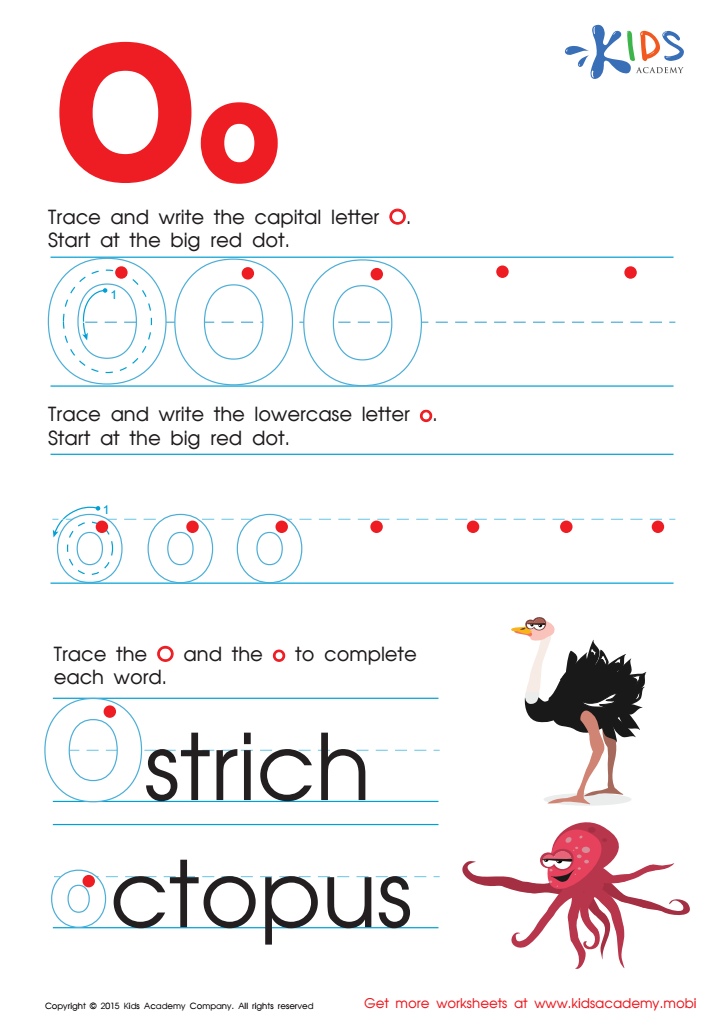
Letter O Tracing Page
 Assign to My Students
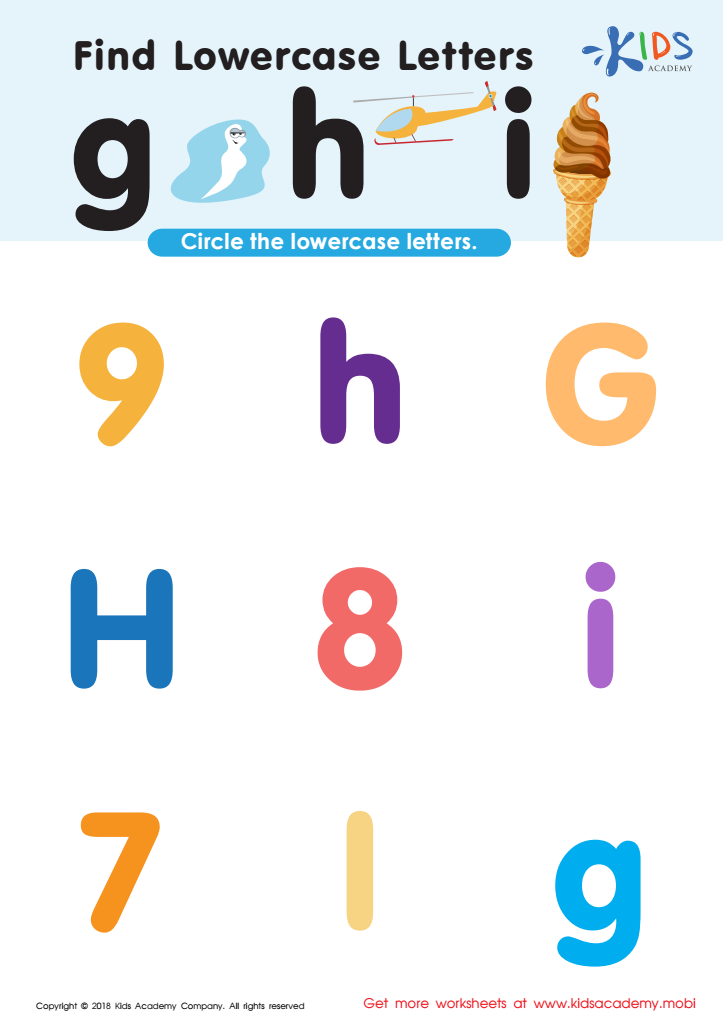
Find Lowercase Letters g h i Worksheet
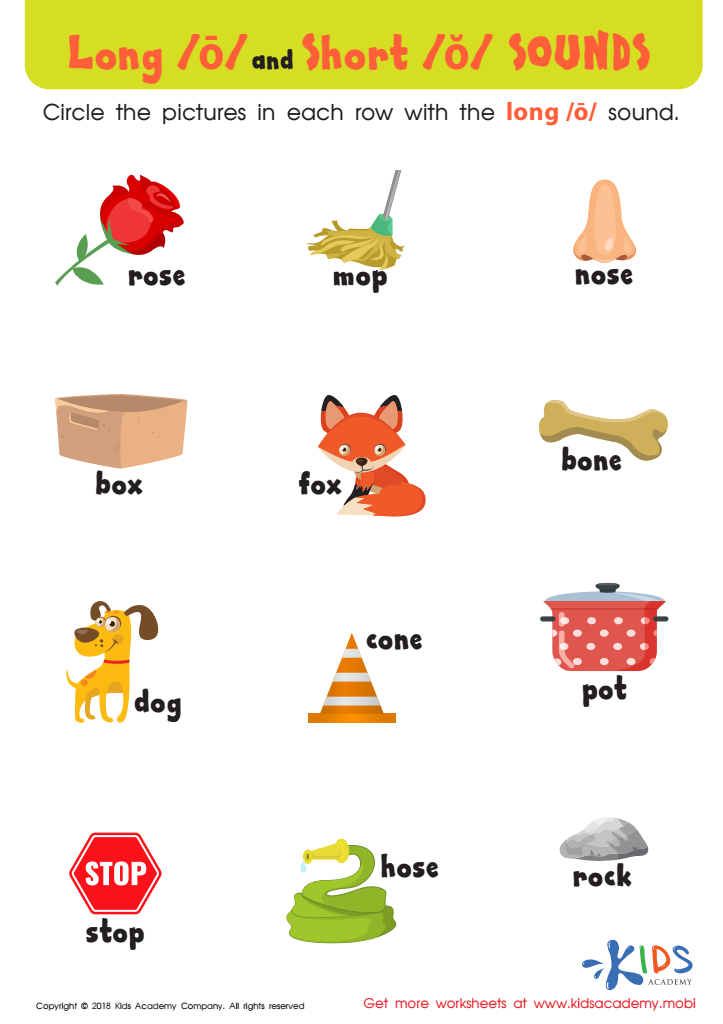
Reading: Long O and Short O Sounds Worksheet
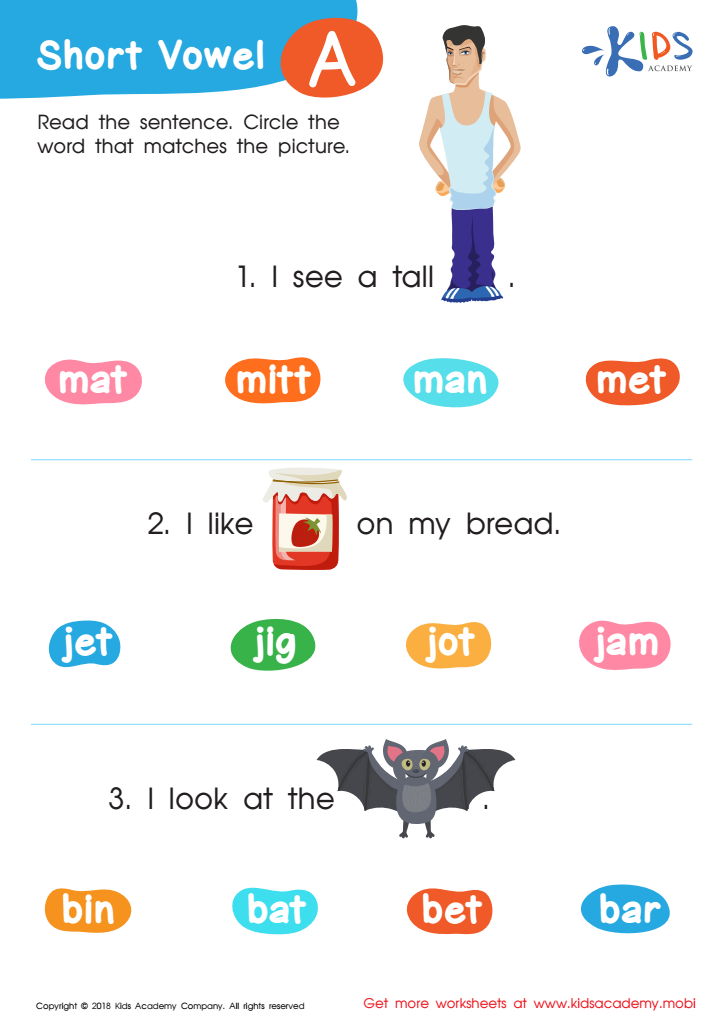
Short Vowel /a/ Worksheet
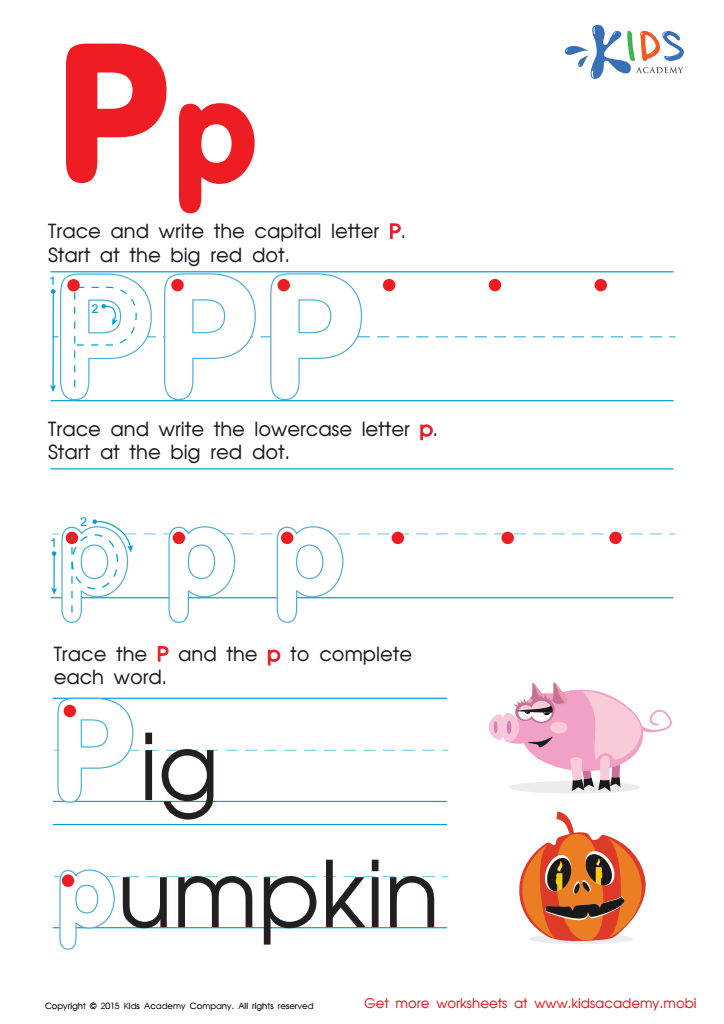
Letter P Tracing Page
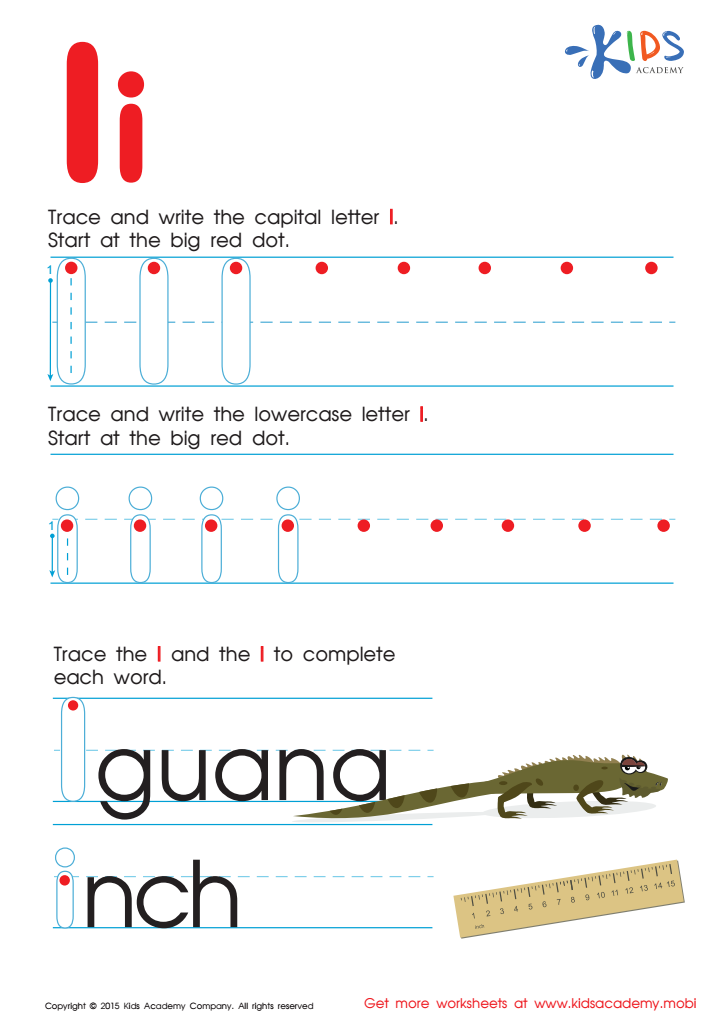
Letter I Tracing Page
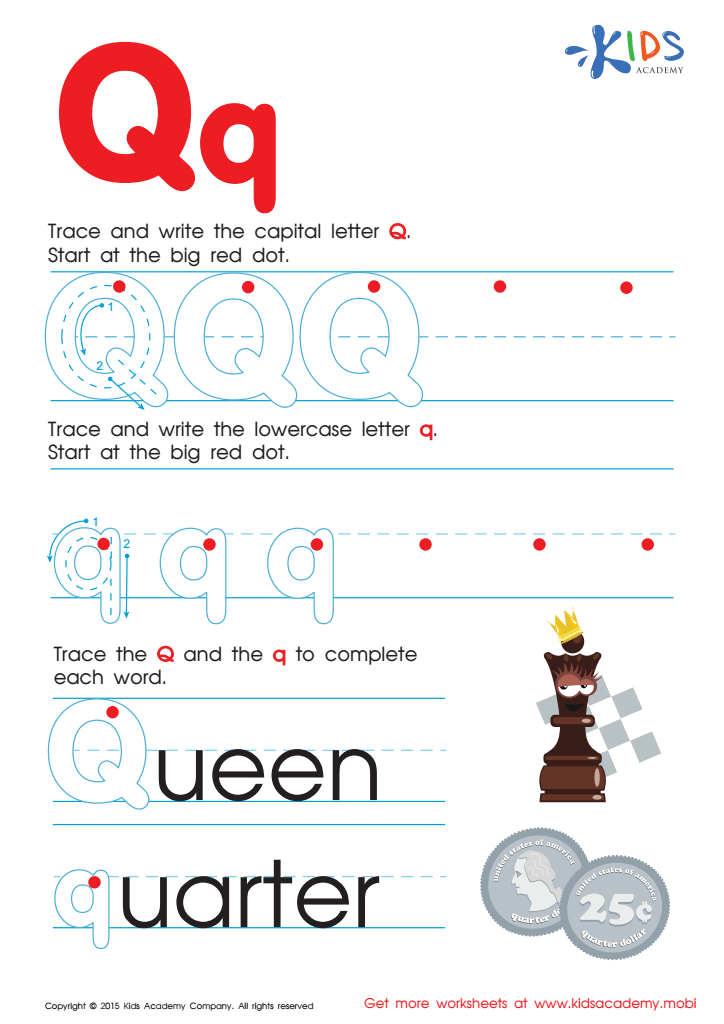
Letter Q Tracing Page
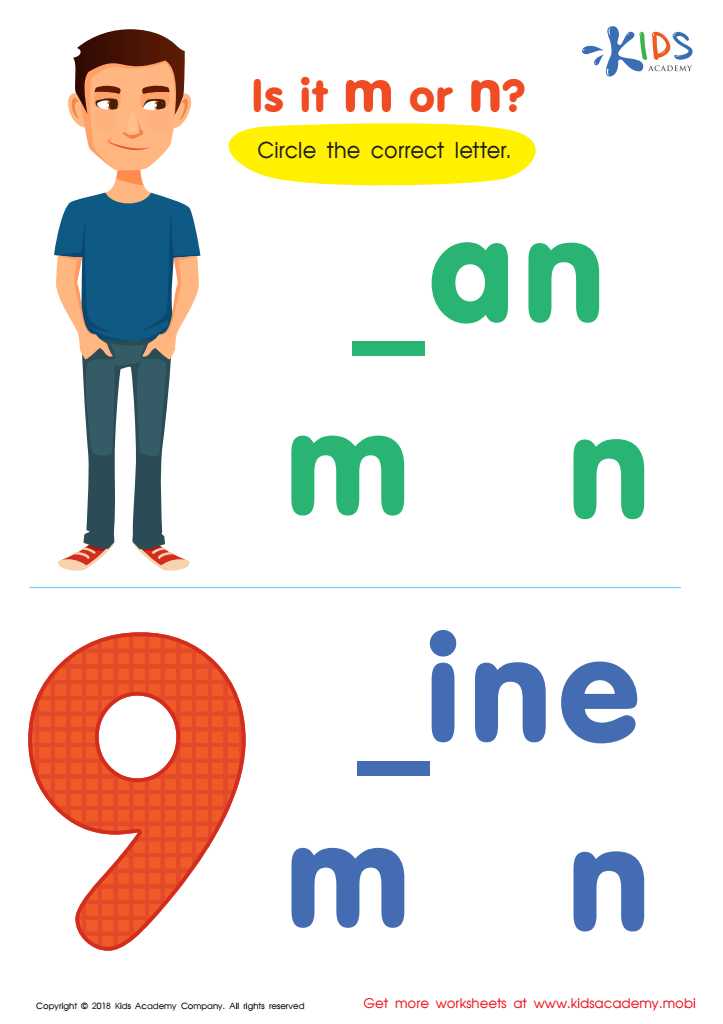
Is It m or n? Worksheet
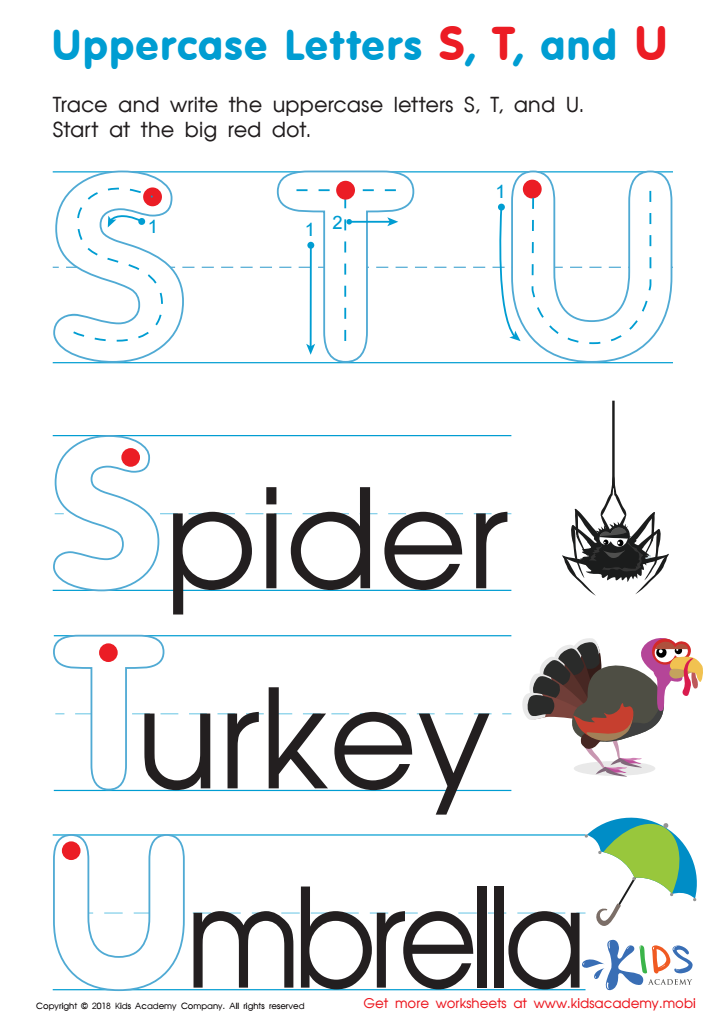
Uppercase Letters S, T, and U Worksheet
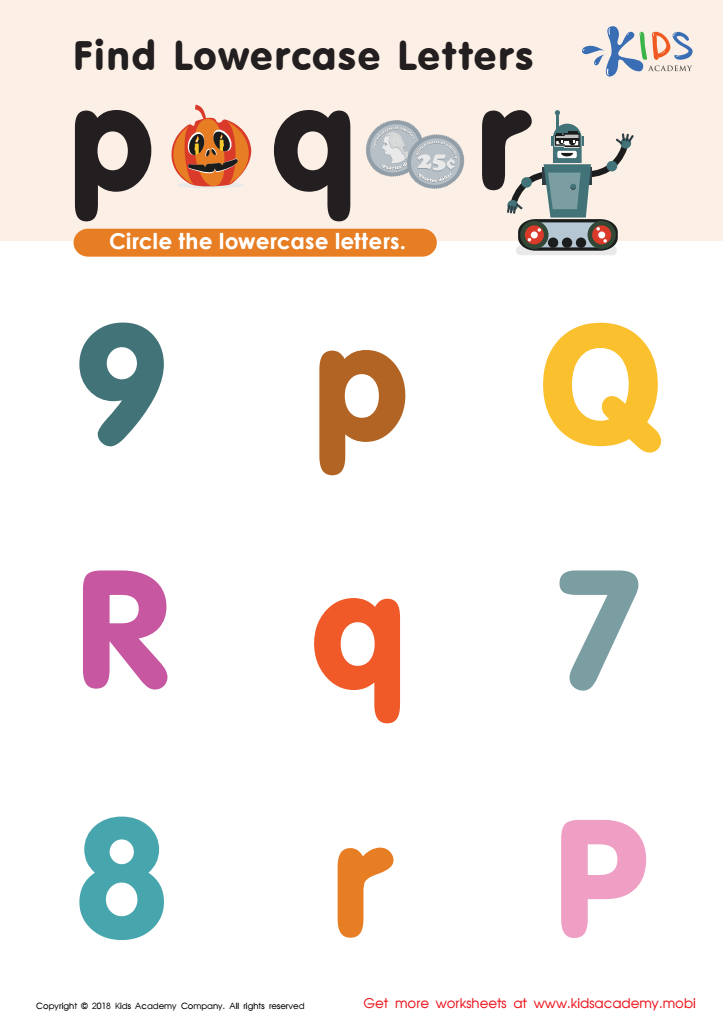
Find lowercase Letters p q r Worksheet
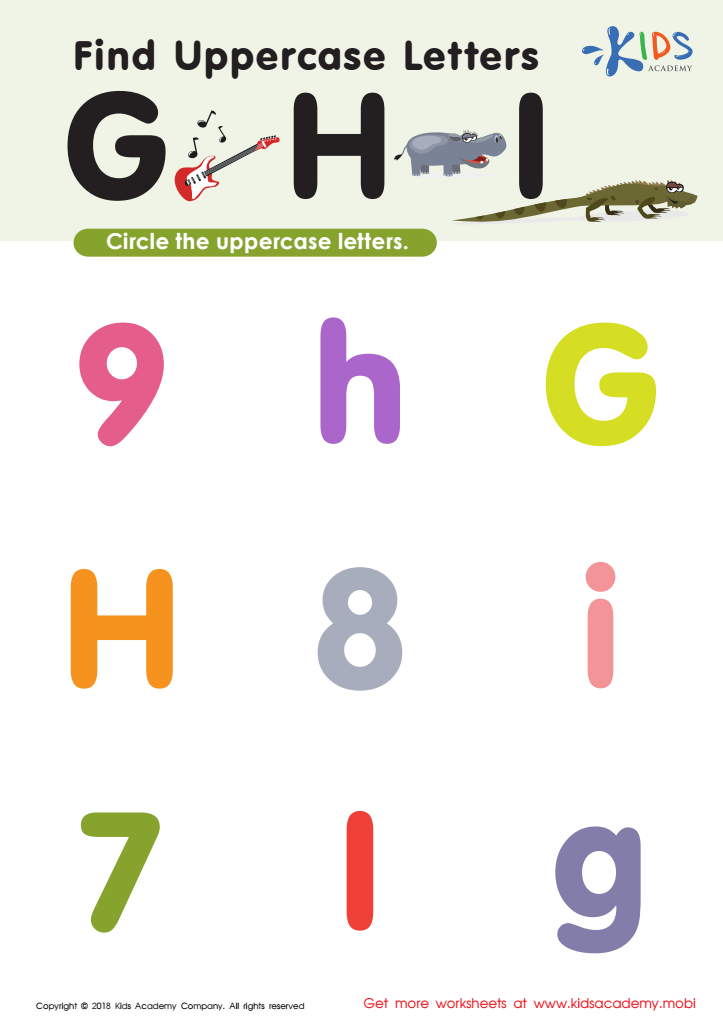
Find Uppercase Letters G, H, and I Worksheet
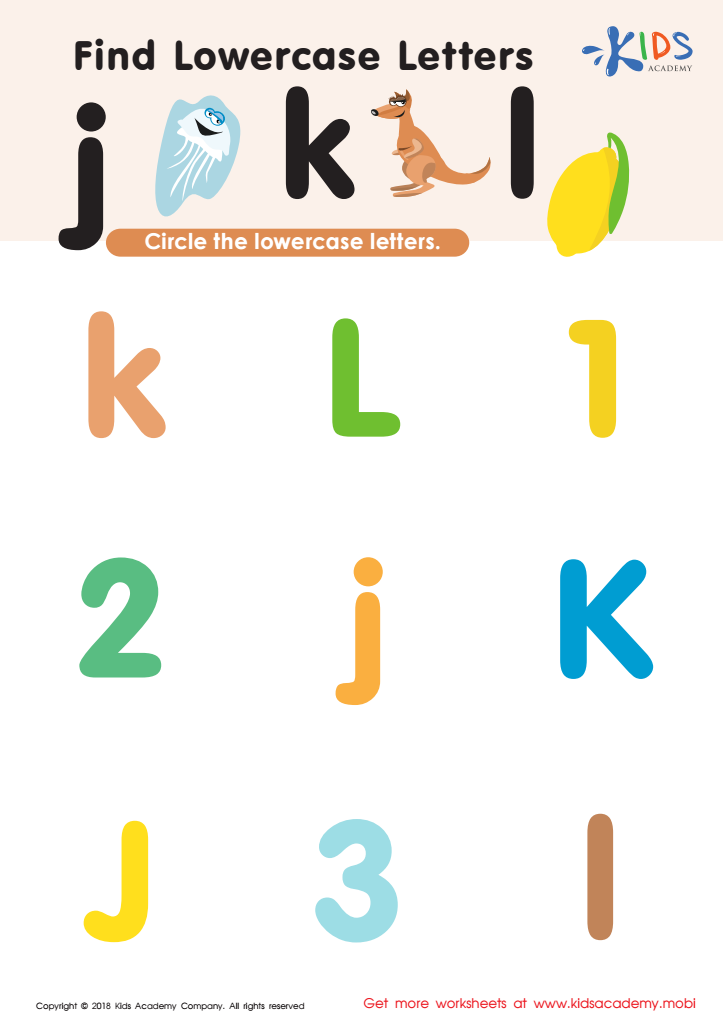
Find Lowercase Letters j k l Worksheet
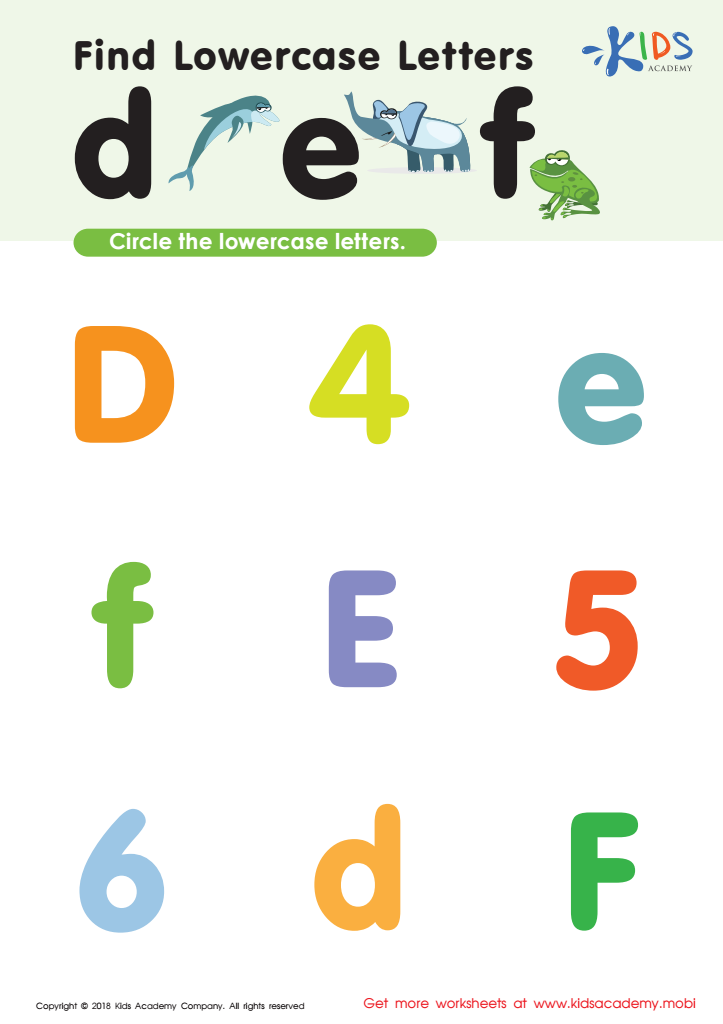
Find Lowercase Letters d e f Worksheet

Letter H Tracing Page
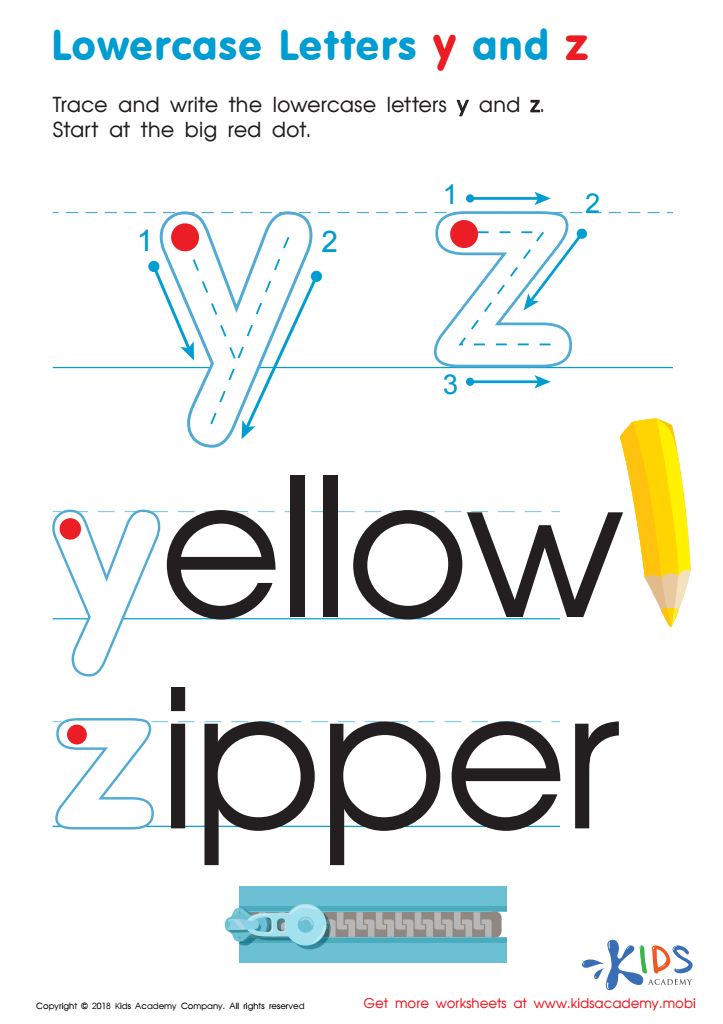
Lowercase Letters y z Worksheet
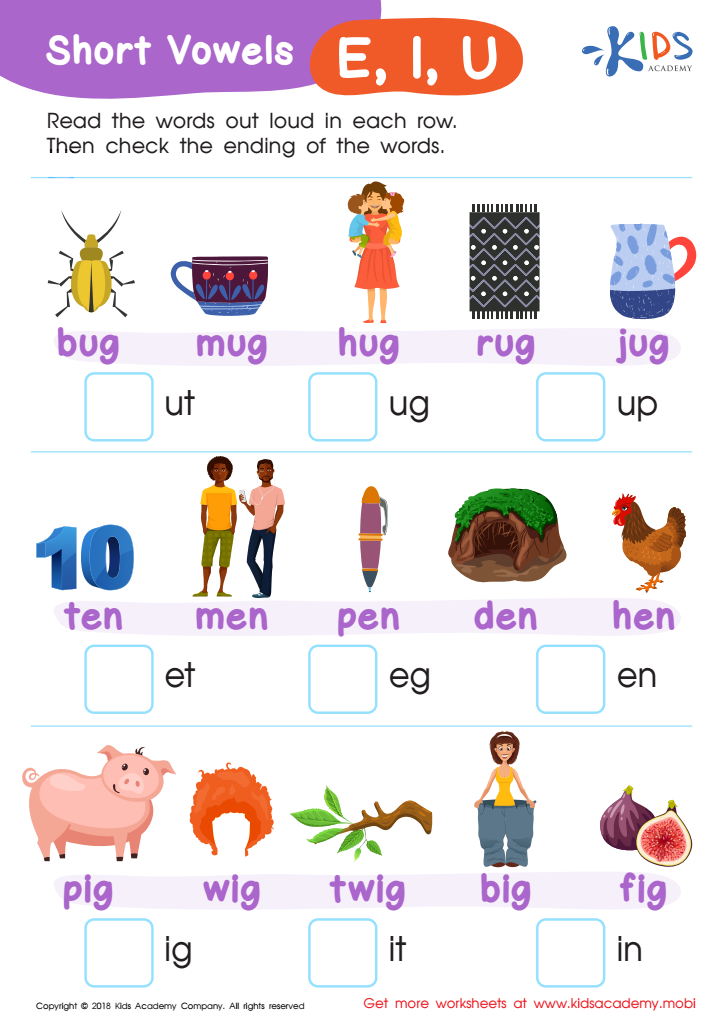
Short Vowels /e/, /i/, and /u/ Worksheet
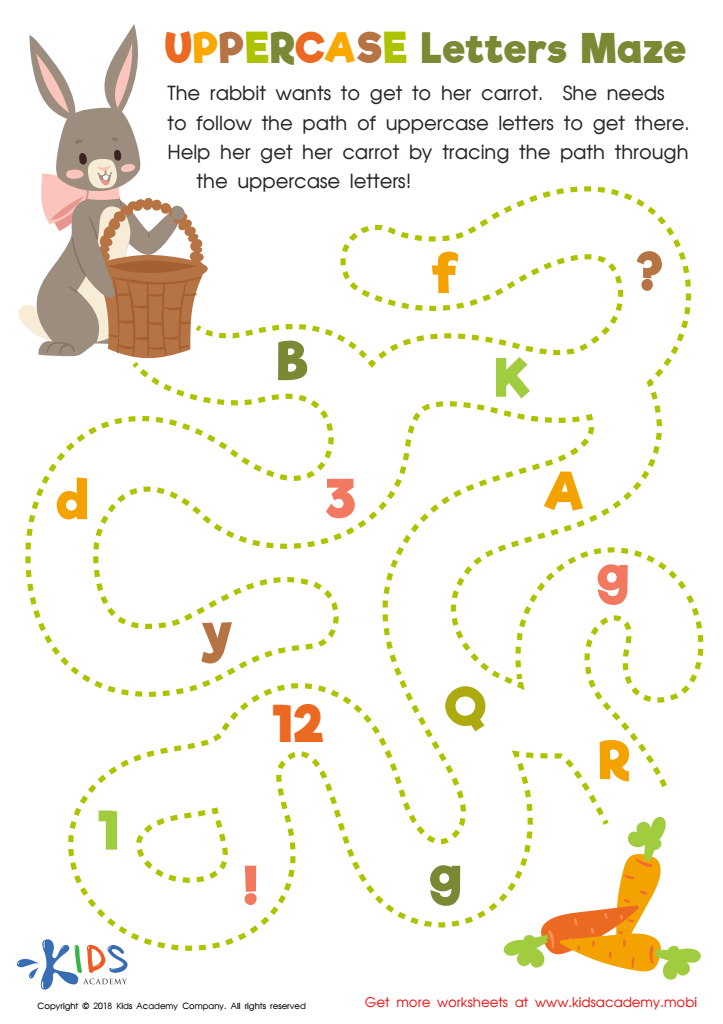
Uppercase Letters Maze Worksheet
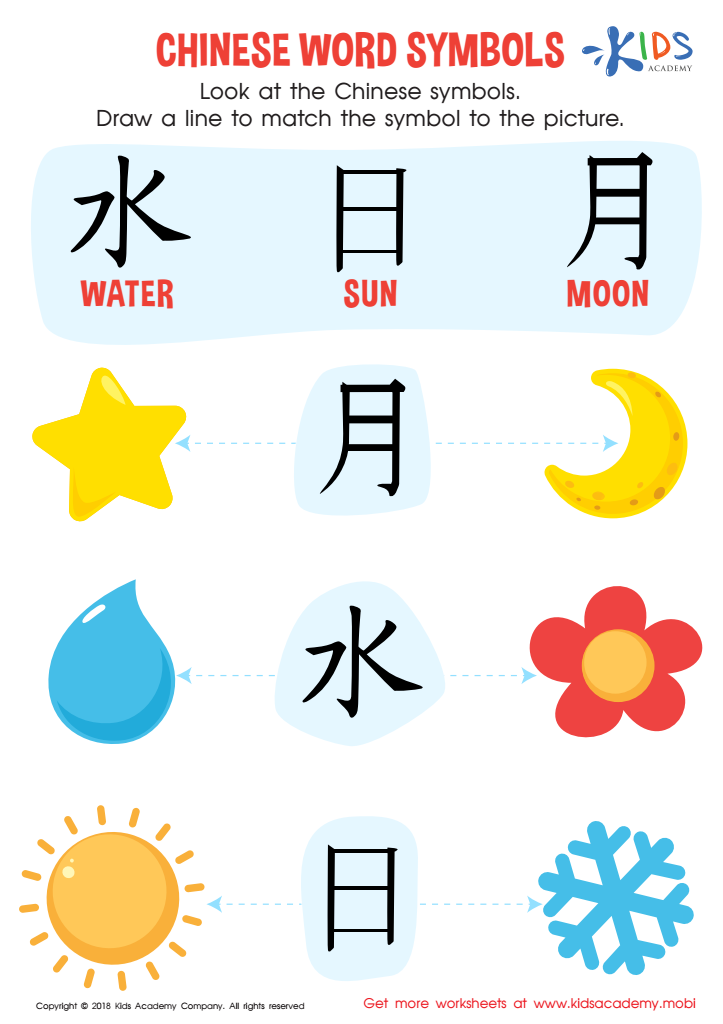
Chinese Word Symbols Worksheet
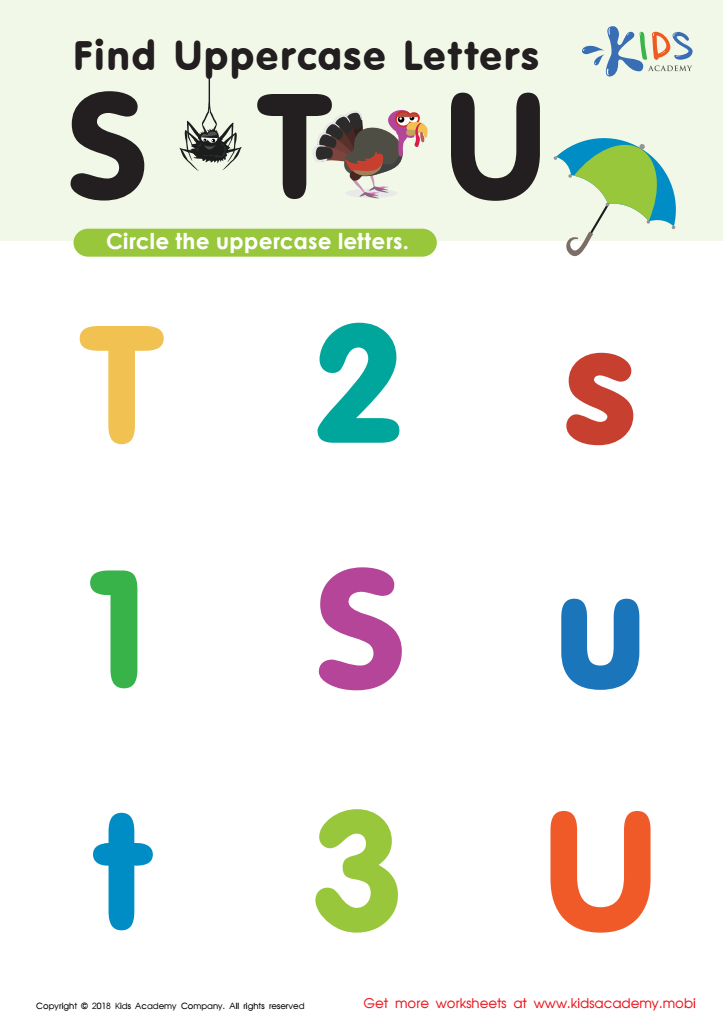
Find Uppercase Letters Worksheet
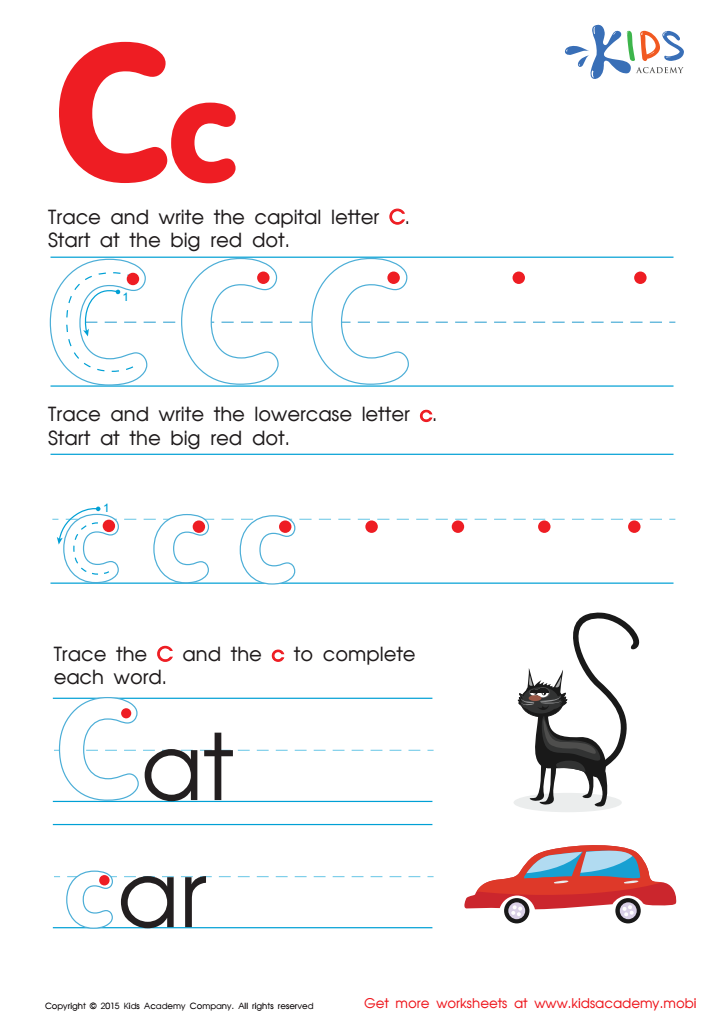
Letter C Tracing Page
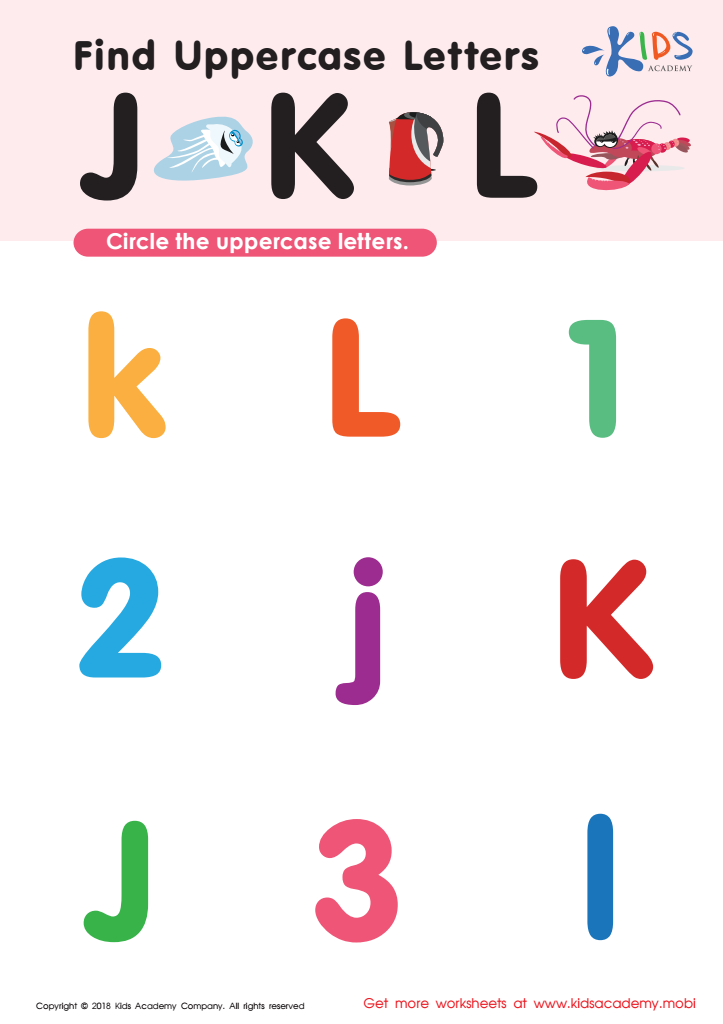
Find Uppercase Letters J, K, and L Worksheet
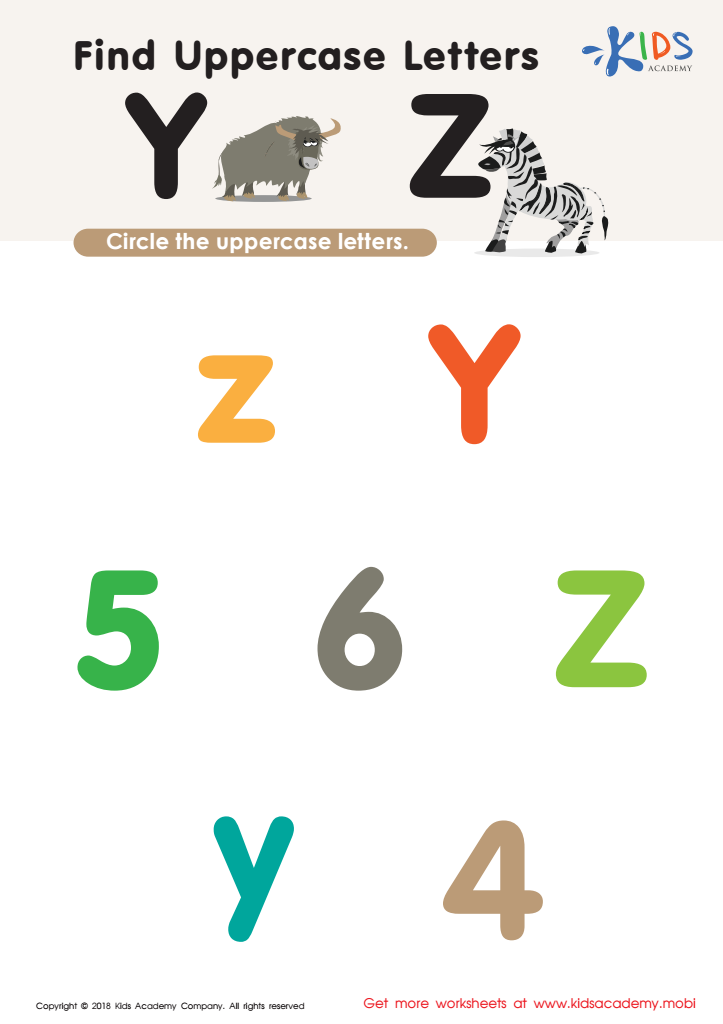
Find Uppercase Letters Y Z Worksheet
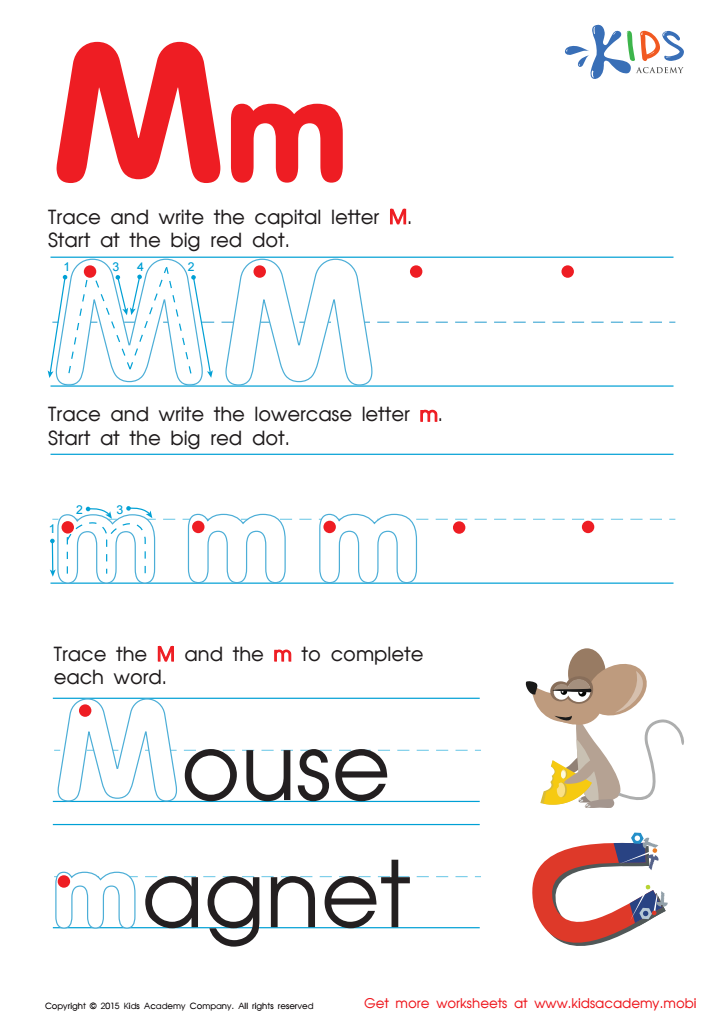
Letter M Tracing Page
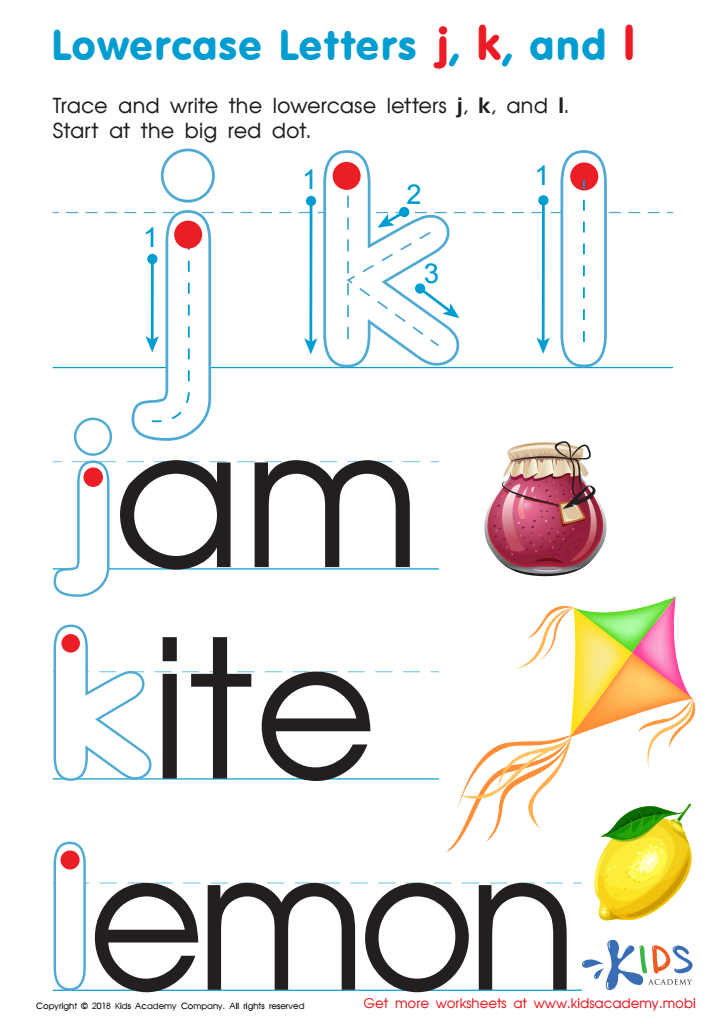
Lowercase Letters j k l Worksheet








Normal letter recognition is crucial for children ages 5-7 as it lays the foundation for literacy and overall academic success. At this developmental stage, children begin to interact with print, and recognizing letters is a vital skill that enables them to decode words. Mastery of letter recognition not only aids in reading but also facilitates writing and spelling, creating a comprehensive understanding of language.
Parents and teachers should prioritize this skill because it significantly impacts a child's confidence and motivation in learning. Children who can easily recognize letters are more likely to engage with books and reading materials, fostering a love for literacy. Moreover, early letter recognition fortifies essential cognitive skills such as memory, attention, and processing abilities.
Additionally, strong letter recognition skills can identify potential learning challenges early, allowing for timely intervention. Engaging parents in letter recognition activities at home, such as reading together, can reinforce skills taught in the classroom and support a collaborative learning environment.
In short, focusing on normal letter recognition for young children sets the stage for lifelong learning, helping them develop essential skills needed for academic success and effective communication as they continue their educational journey.








