Normal Place Value Worksheets for Ages 5-7 - Page 2
37 filtered results
-
From - To
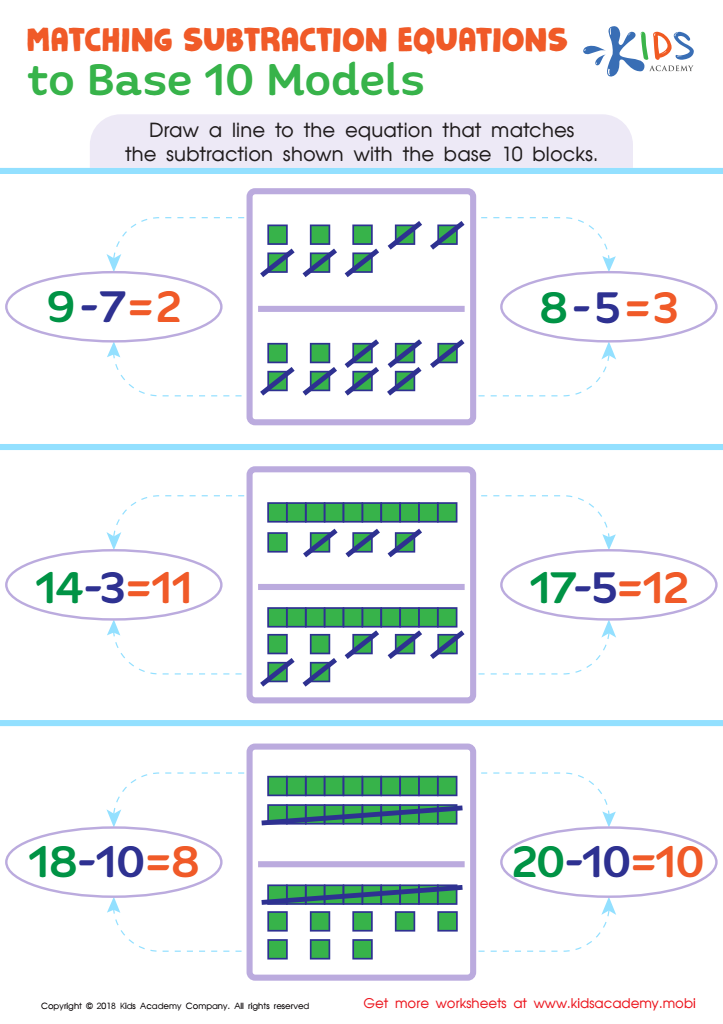
Matching Subtraction Equations To Base 10 Models Worksheet
 Assign to My Students
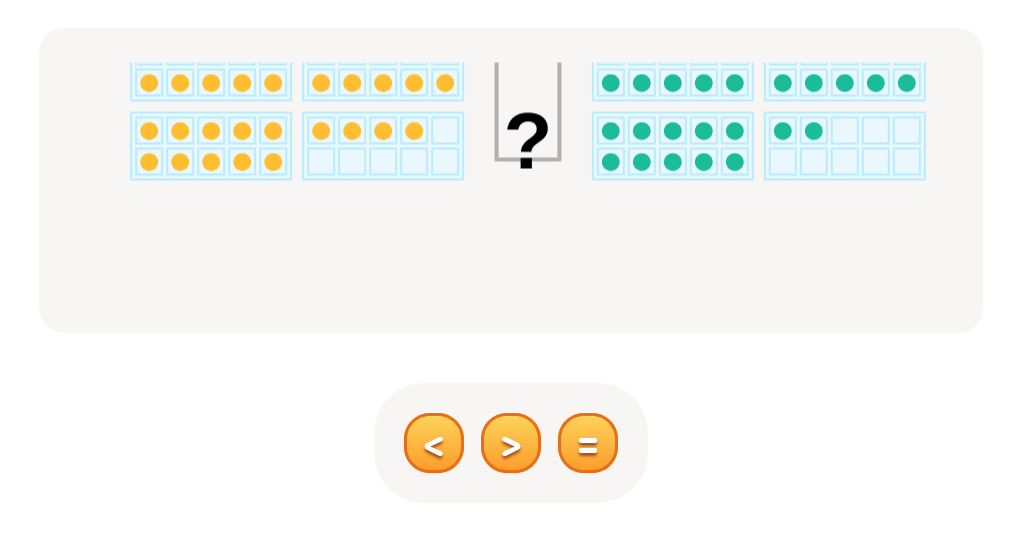

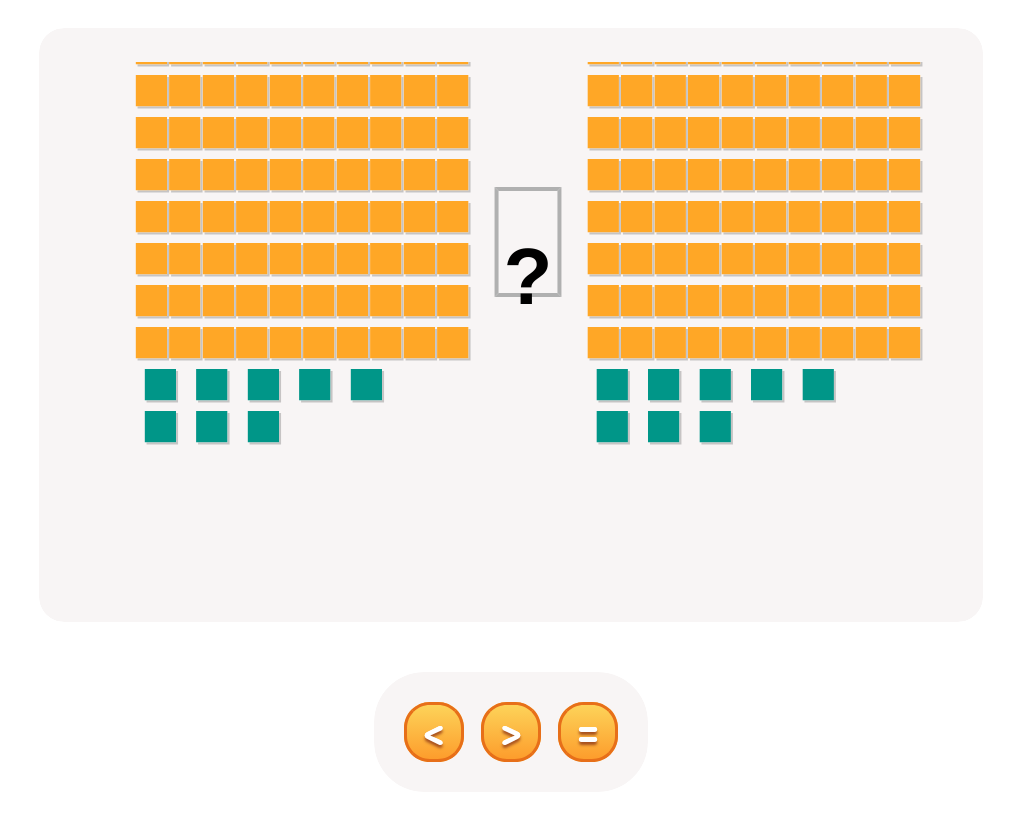
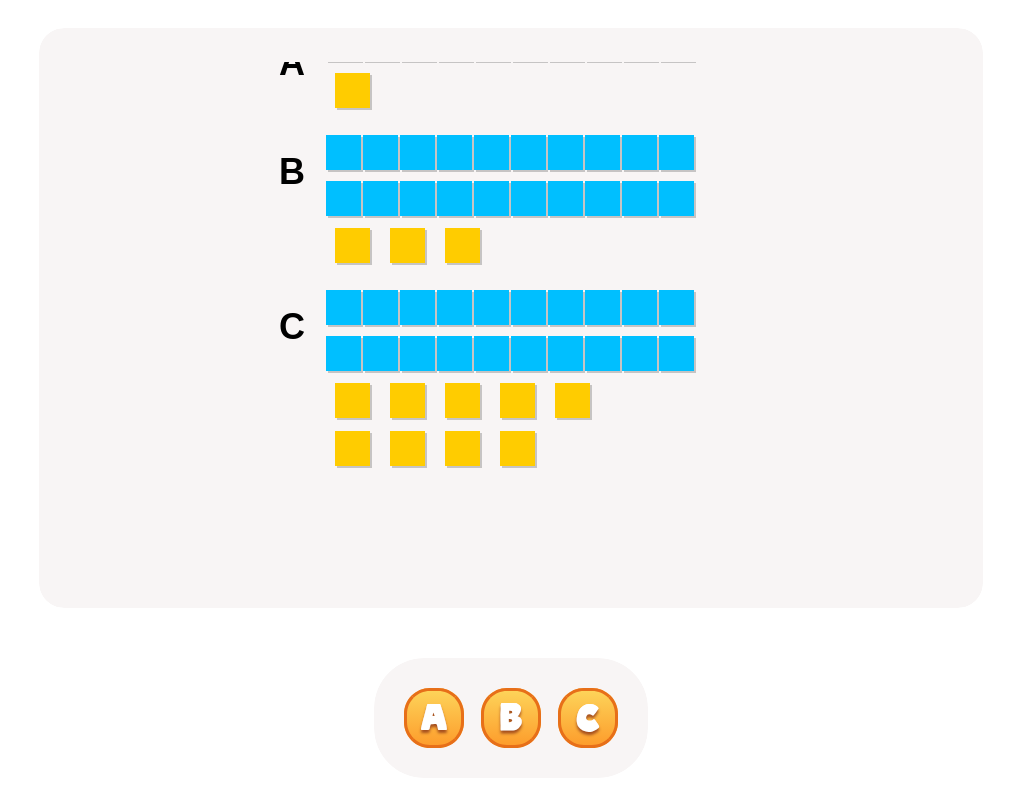
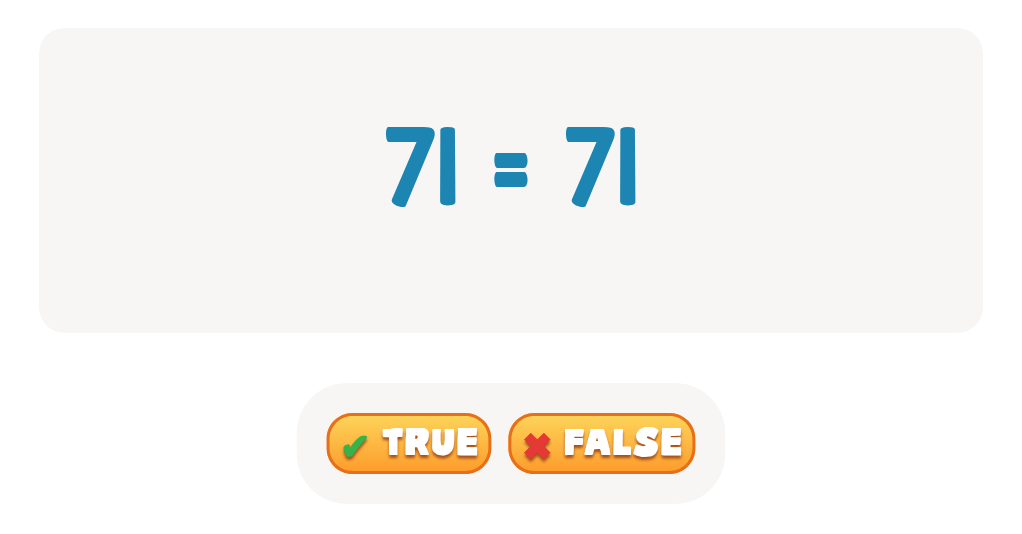
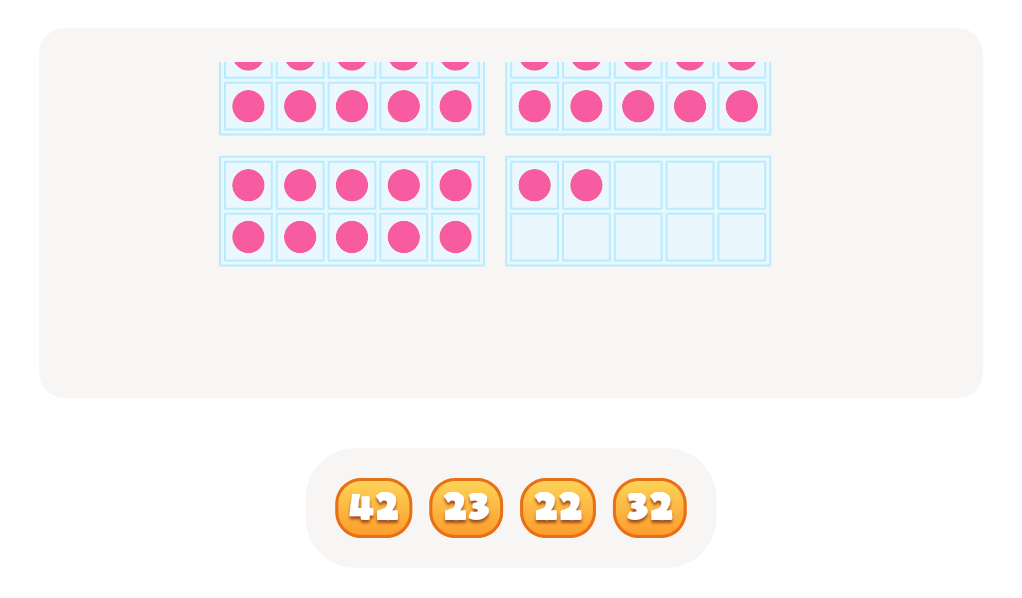
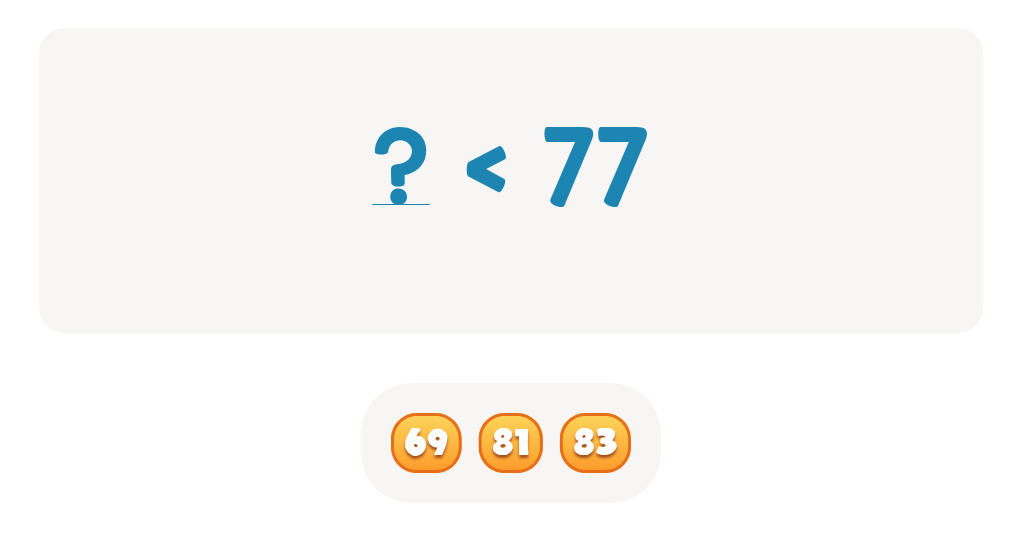
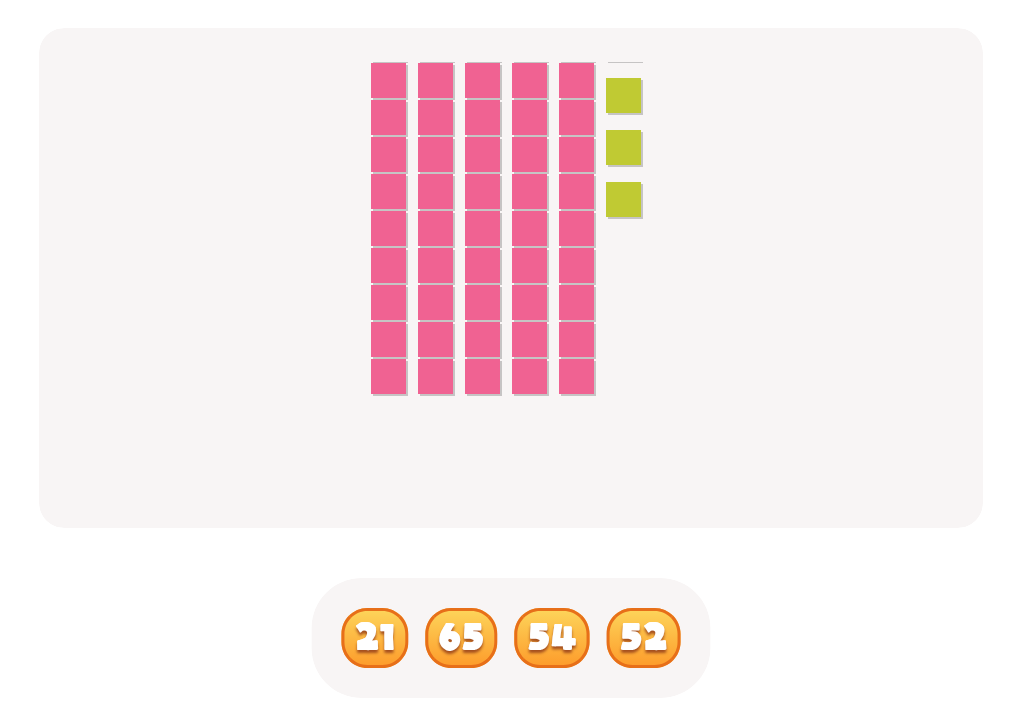
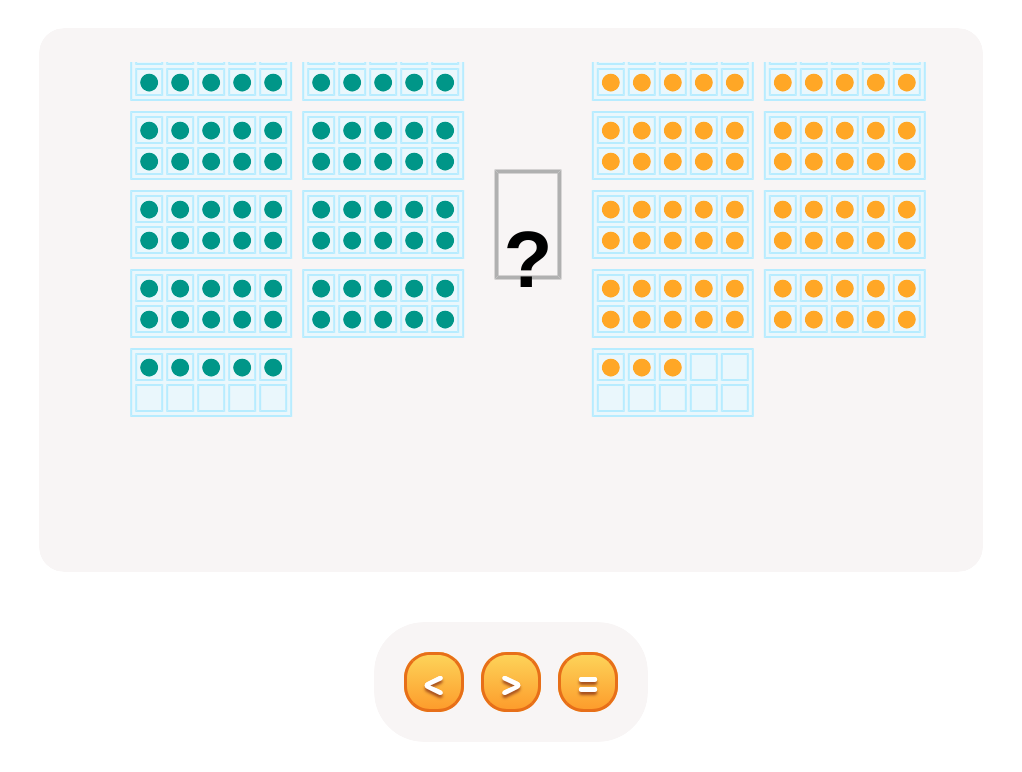
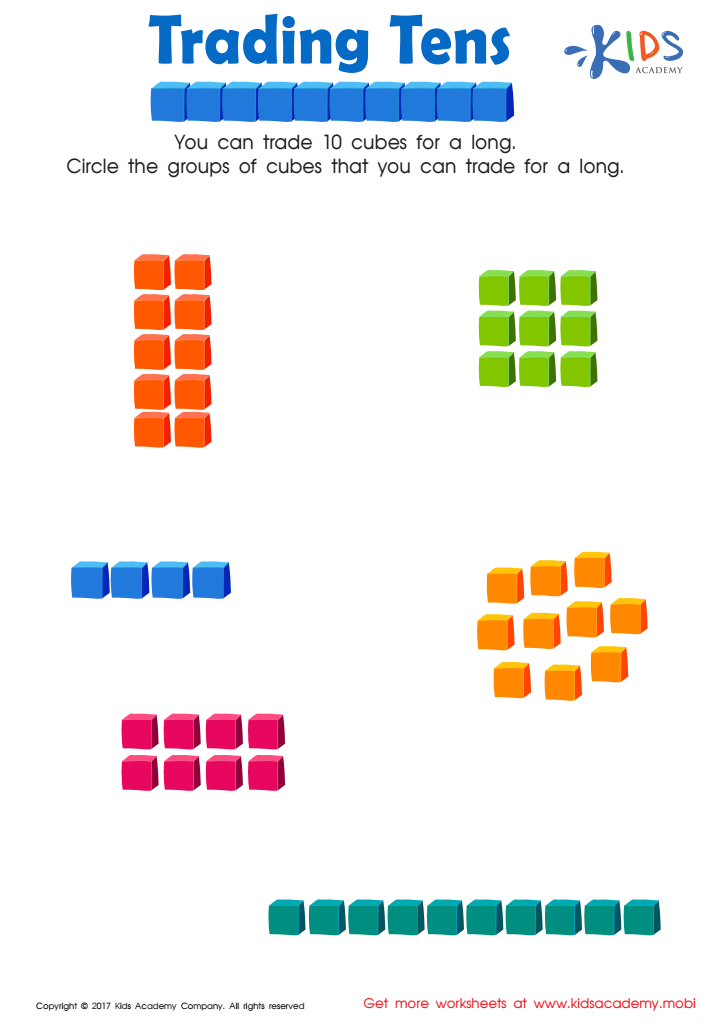
Trading Tens Worksheet
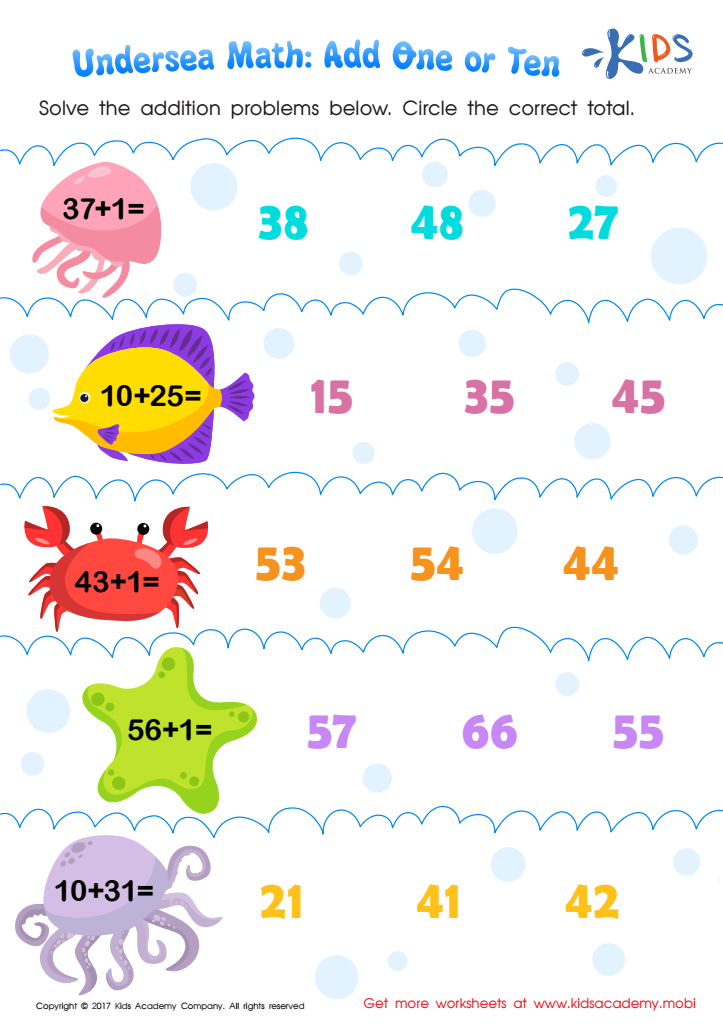
Undersea Math Worksheet
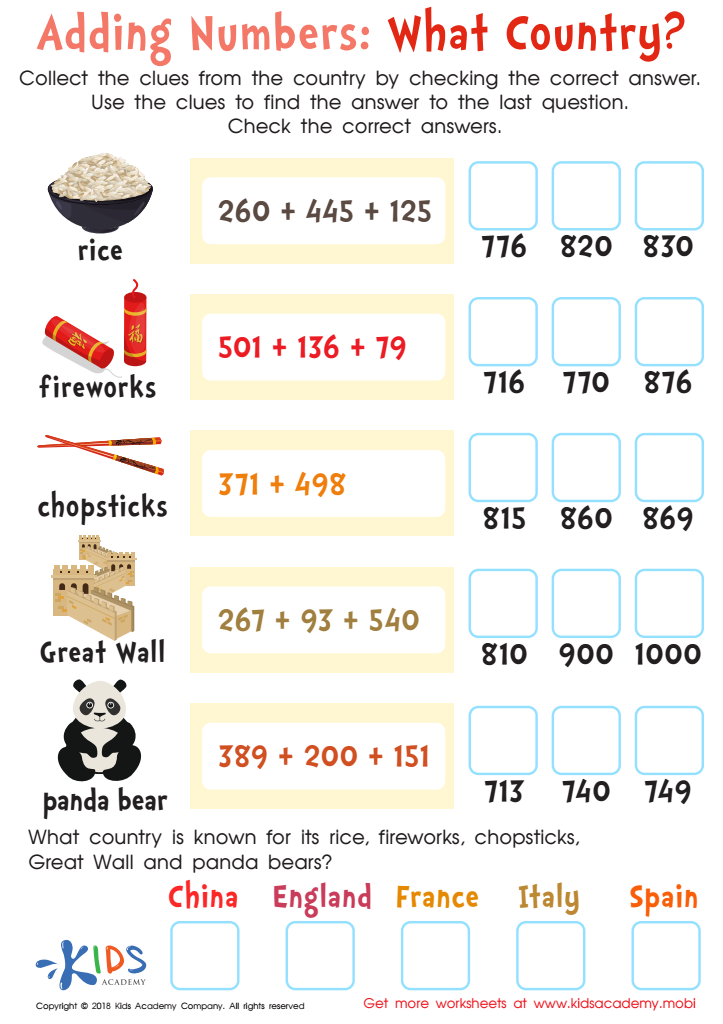
Adding Numbers: What Country Worksheet
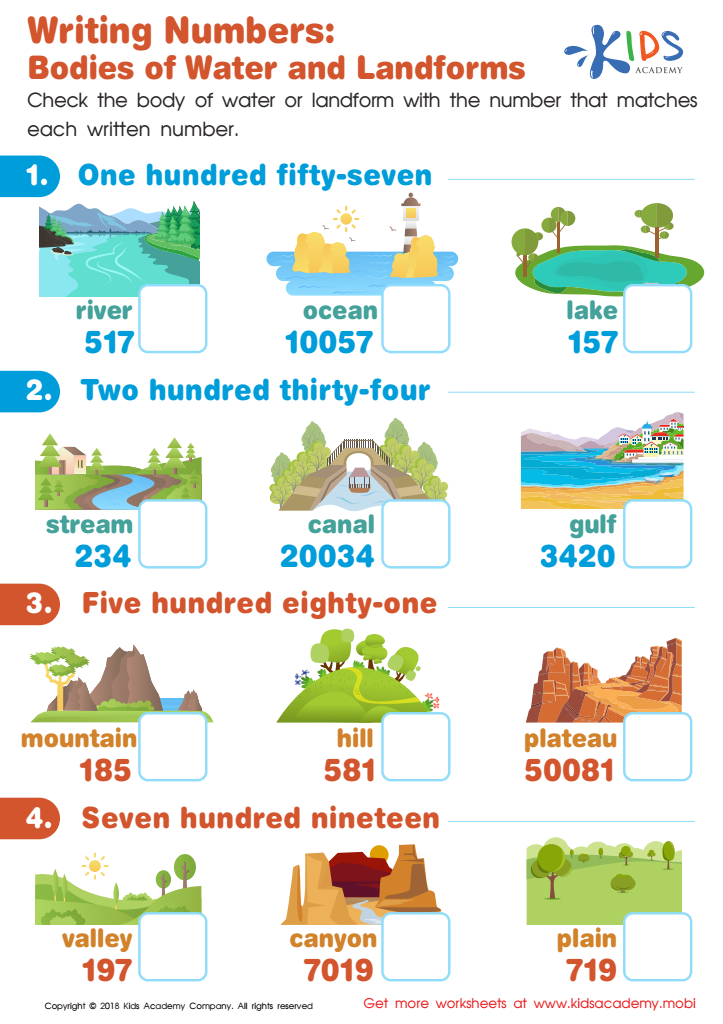
Bodies of Water and Landforms Writing Numbers Worksheet
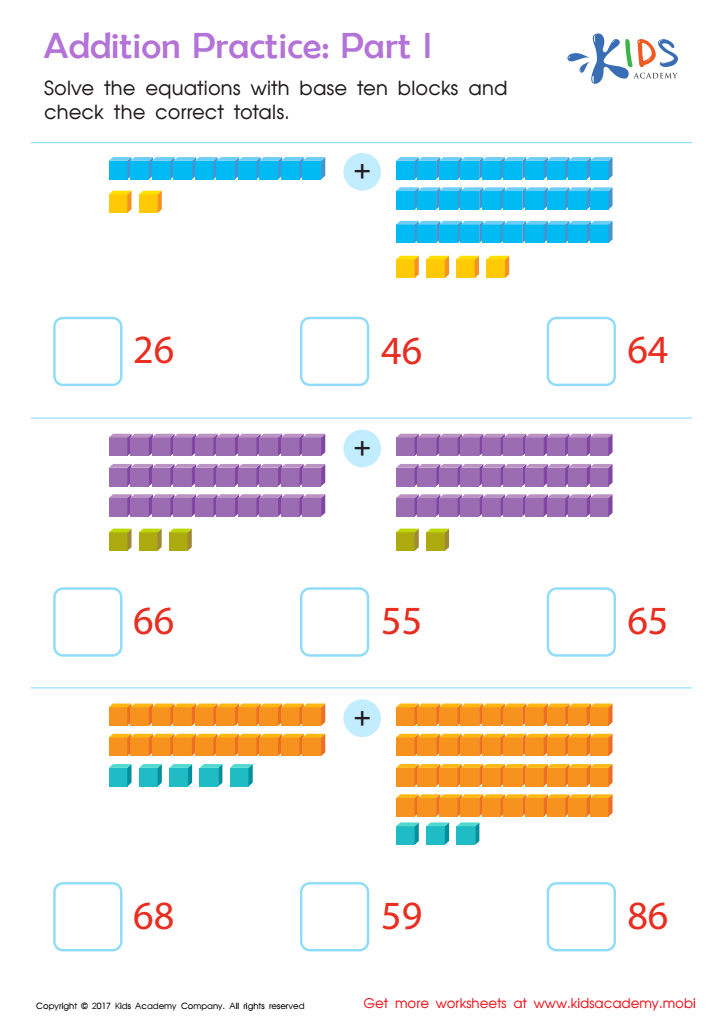
Addition Practice Sheet: Part 1
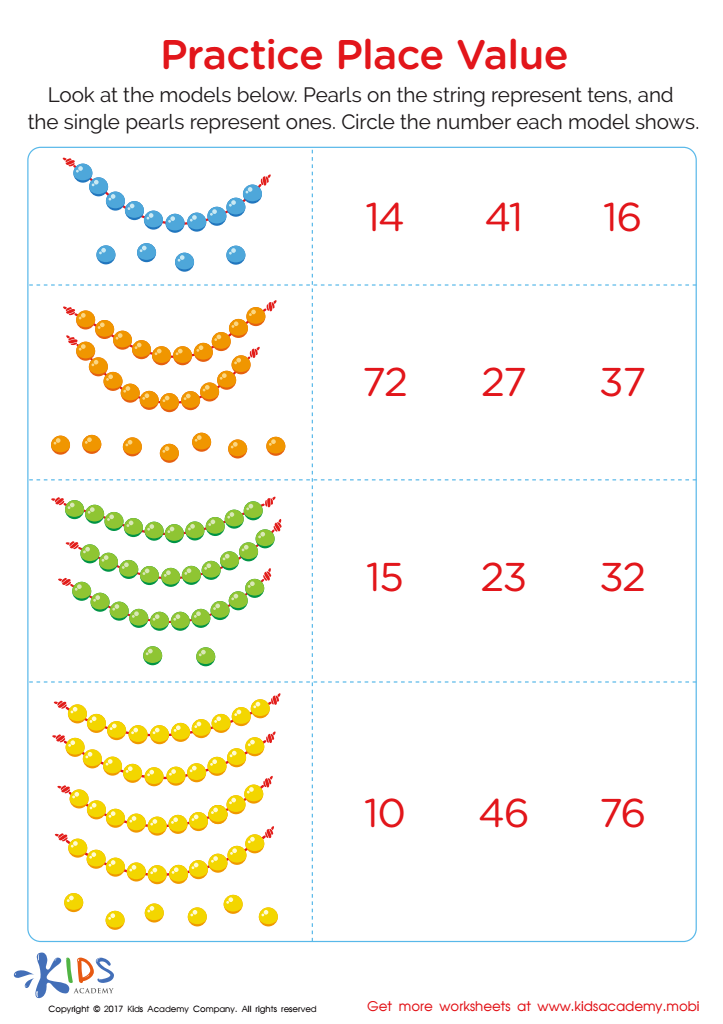
Practice Place Value Printable
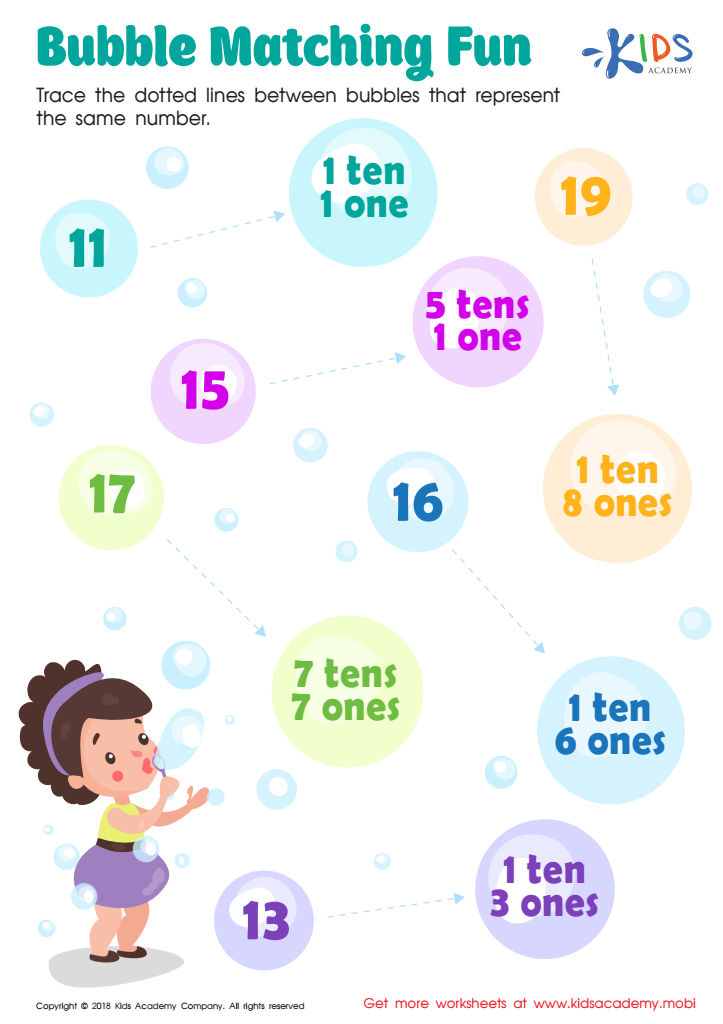
Bubble Matching Fun Worksheet
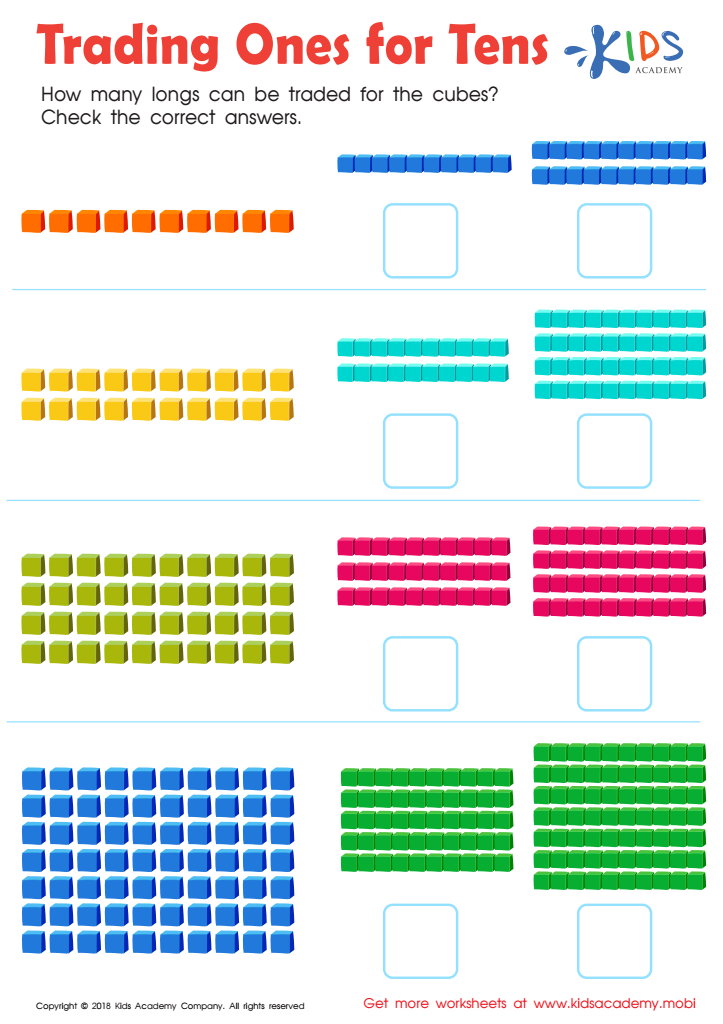
Trading Ones for Tens Worksheet: Part 2
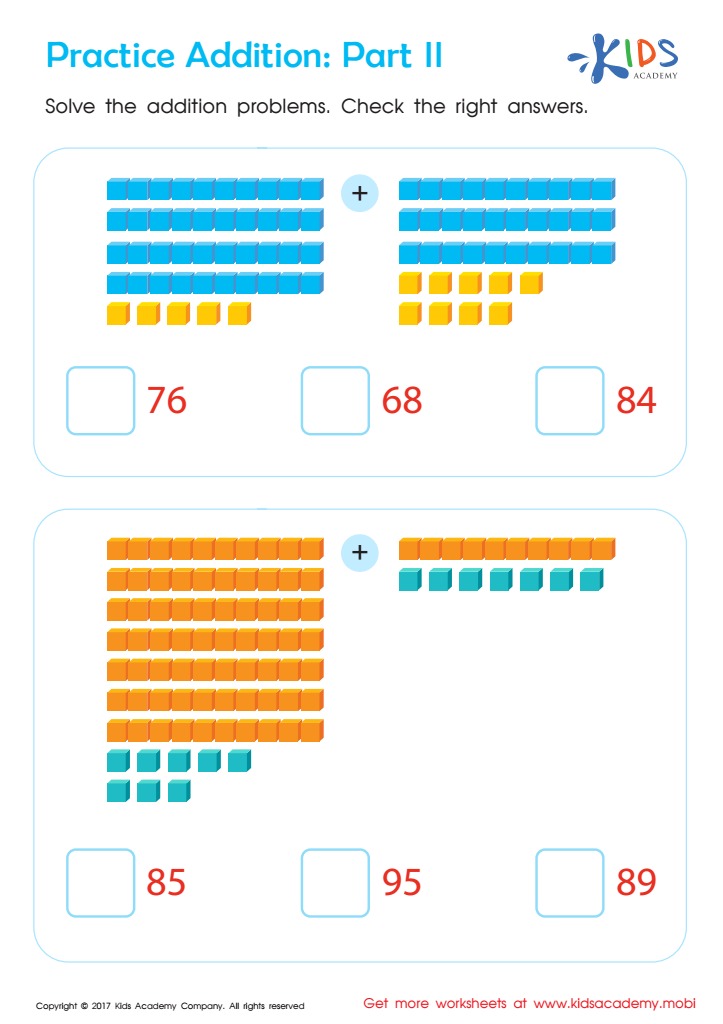
Practice Addition: Part 2 Worksheet
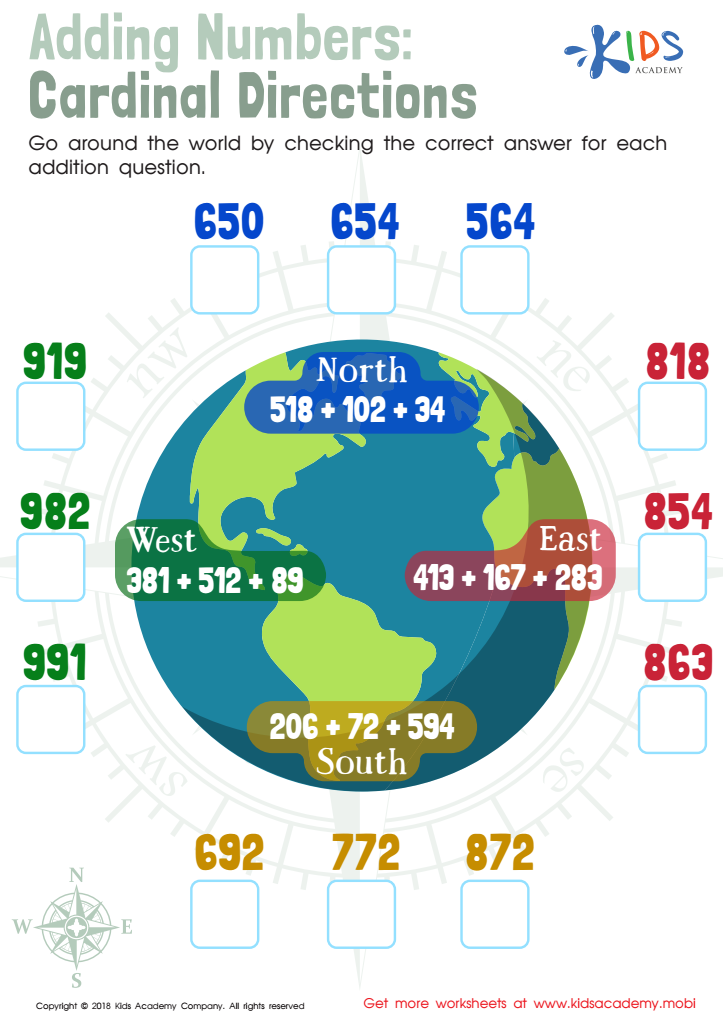
Adding Numbers: Cardinal Directions Worksheet
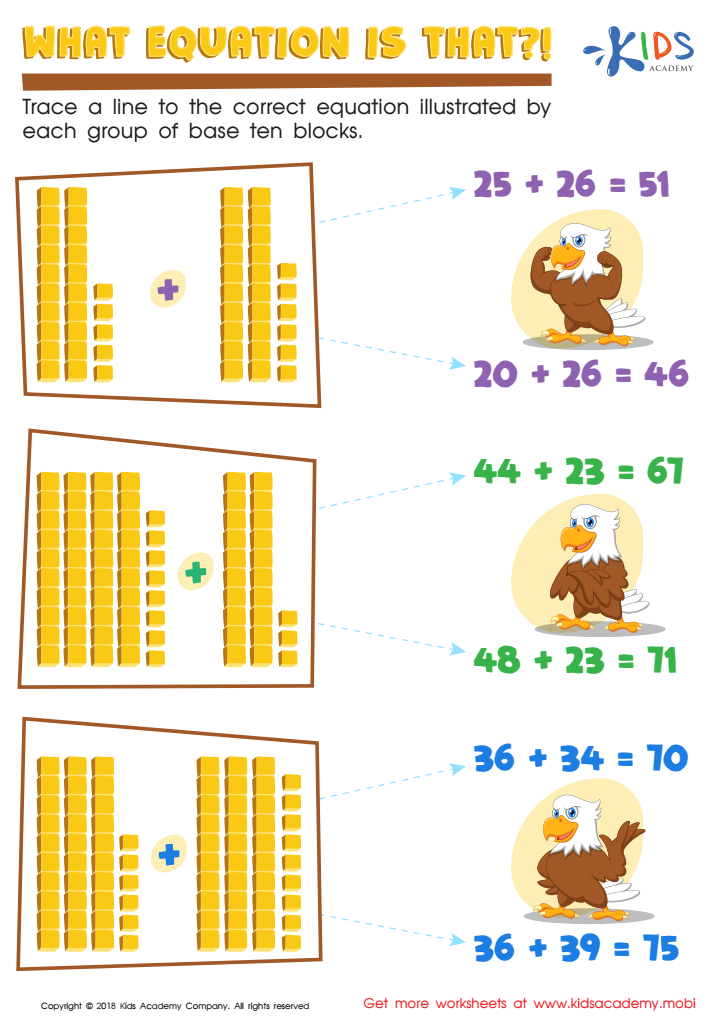
What Equation Is That? Worksheet
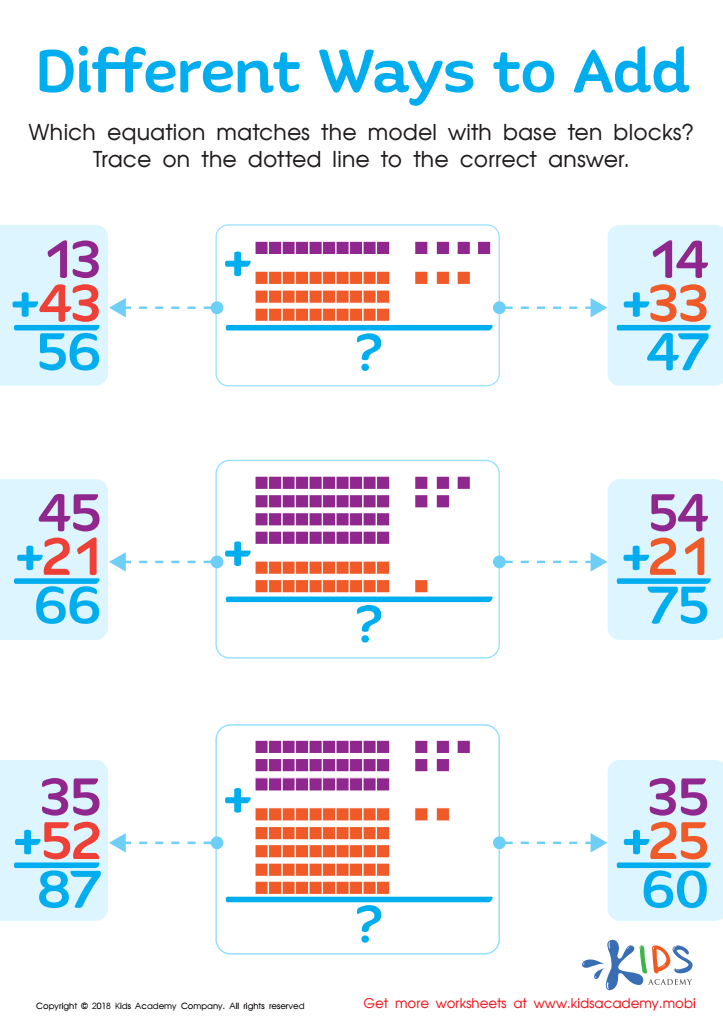
Different Ways to Add Worksheet







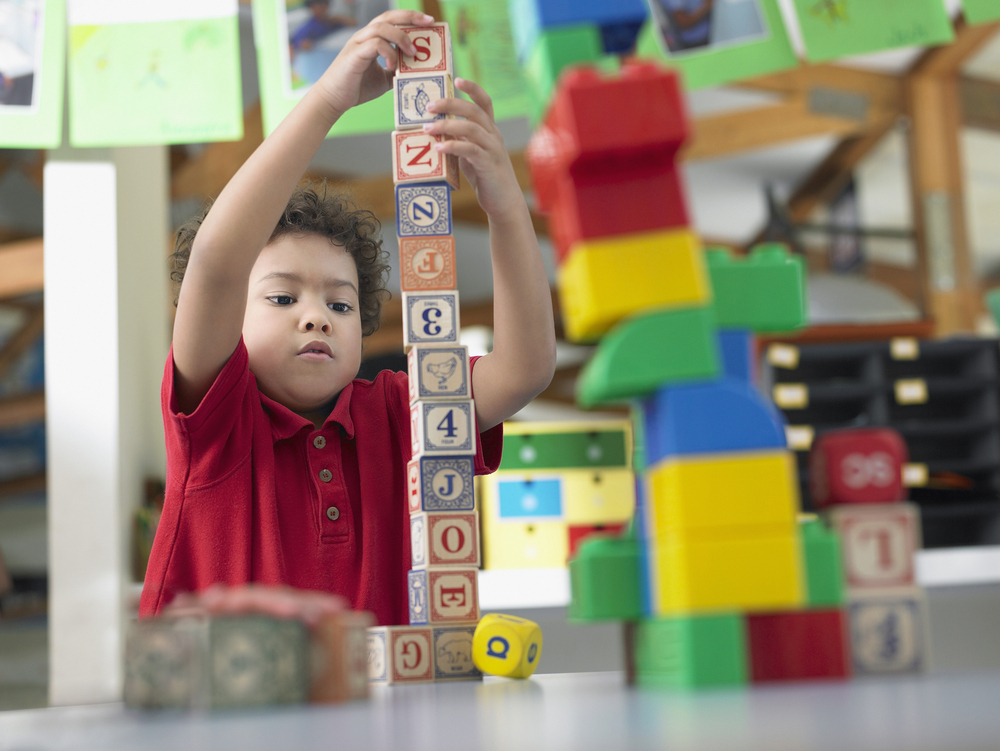
Understanding normal place value is crucial for children aged 5-7 as it lays the foundational skills for their mathematical journey. During these formative years, children learn to recognize that digits hold different values depending on their position in a number. For instance, in the number 23, the 2 represents two tens, while the 3 denotes three units. This concept is essential not only for mastering basic arithmetic but also for more complex mathematics in later grades.
When parents and teachers prioritize place value understanding, they empower children to develop critical thinking and problem-solving skills. A solid grasp of place value helps children understand addition and subtraction, enabling them to manipulate numbers with confidence. Moreover, it enhances their ability to compare and order numbers, which is a vital skill in everyday life.
Furthermore, a strong foundation in place value promotes numeracy, fostering a love for math as children explore patterns and relationships within numbers. Encouraging exploration through hands-on activities and visual aids can make learning enjoyable and meaningful. By engaging with place value, parents and teachers play a pivotal role in nurturing a child's mathematical identity, setting them on a path toward academic success and confidence in their abilities.