Normal Word Problems Worksheets for Ages 5-7 - Page 2
41 filtered results
-
From - To
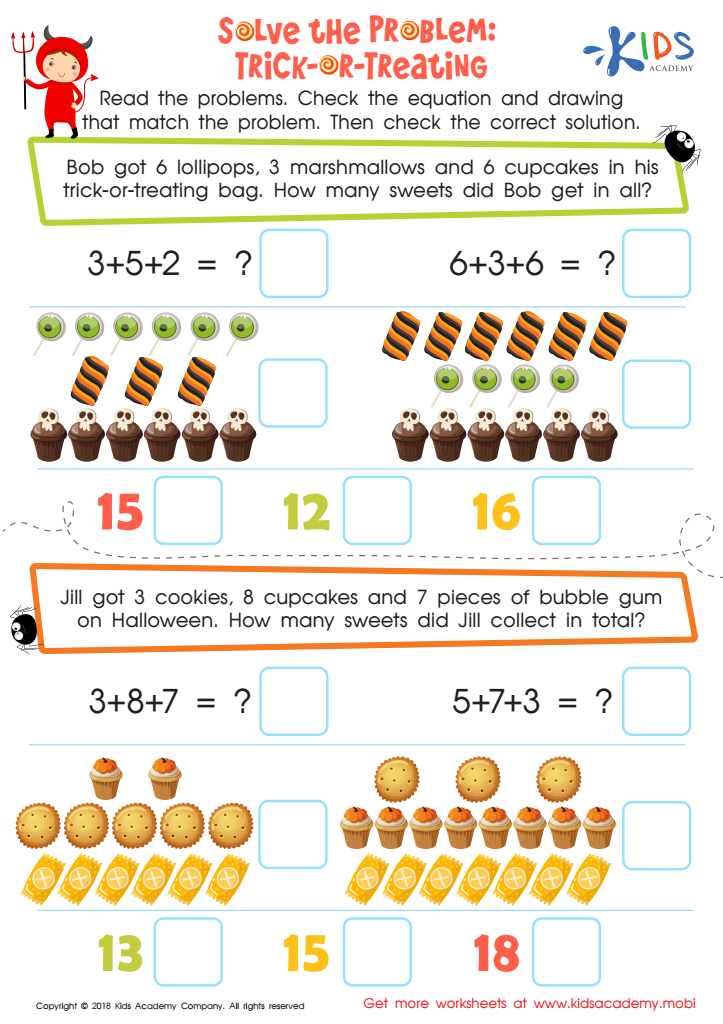
Solve the Problem: Trick–or–treating Worksheet
 Assign to My Students
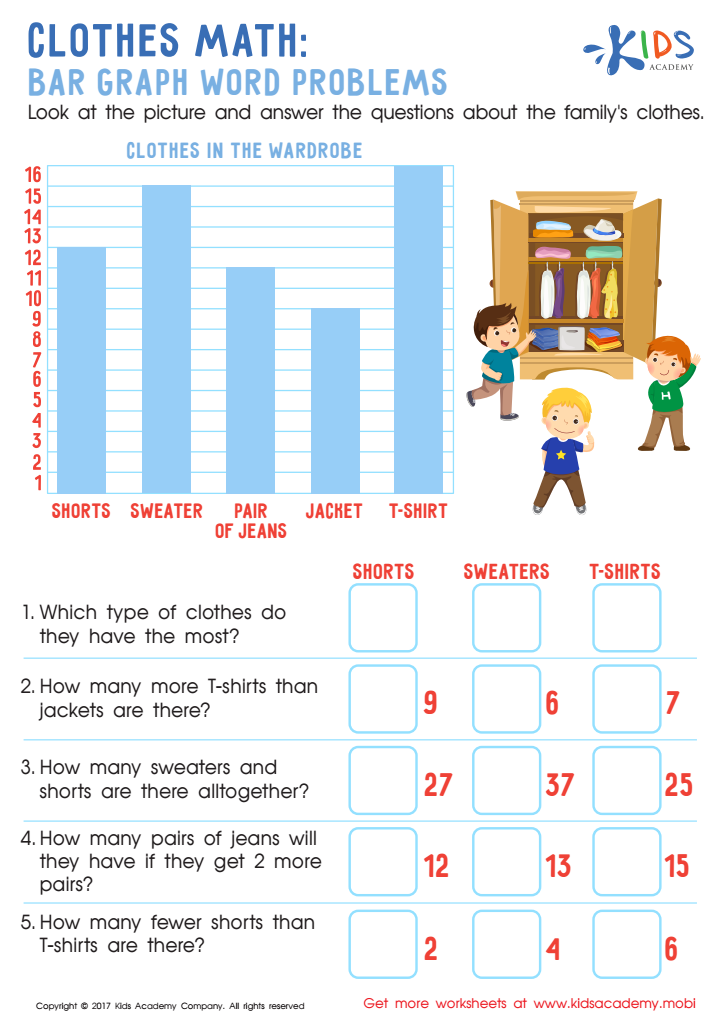
Clothes Math: Bar Graph Word Problems Worksheet
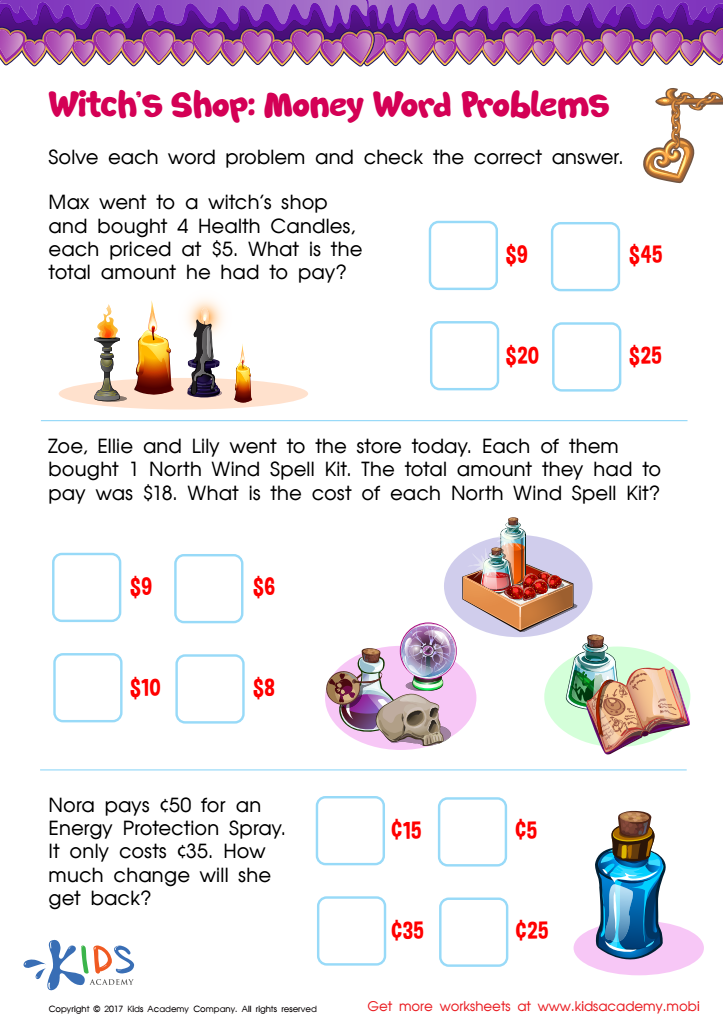
Money Word Problems Printable
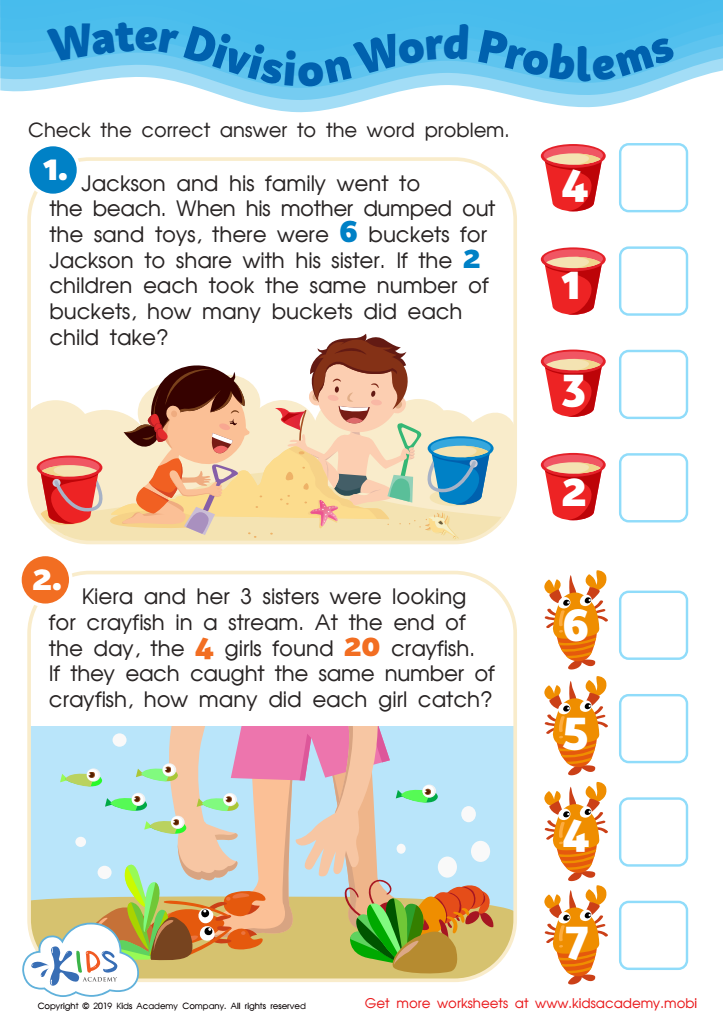
Water Division Word Problems Worksheet
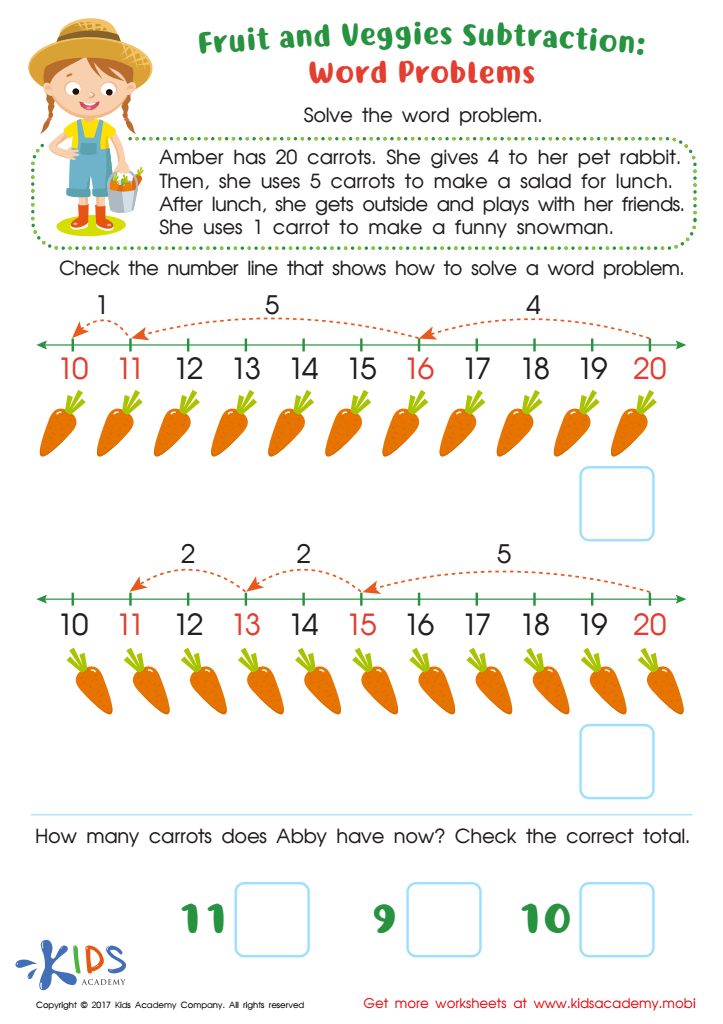
Subtraction Word Problems Printable
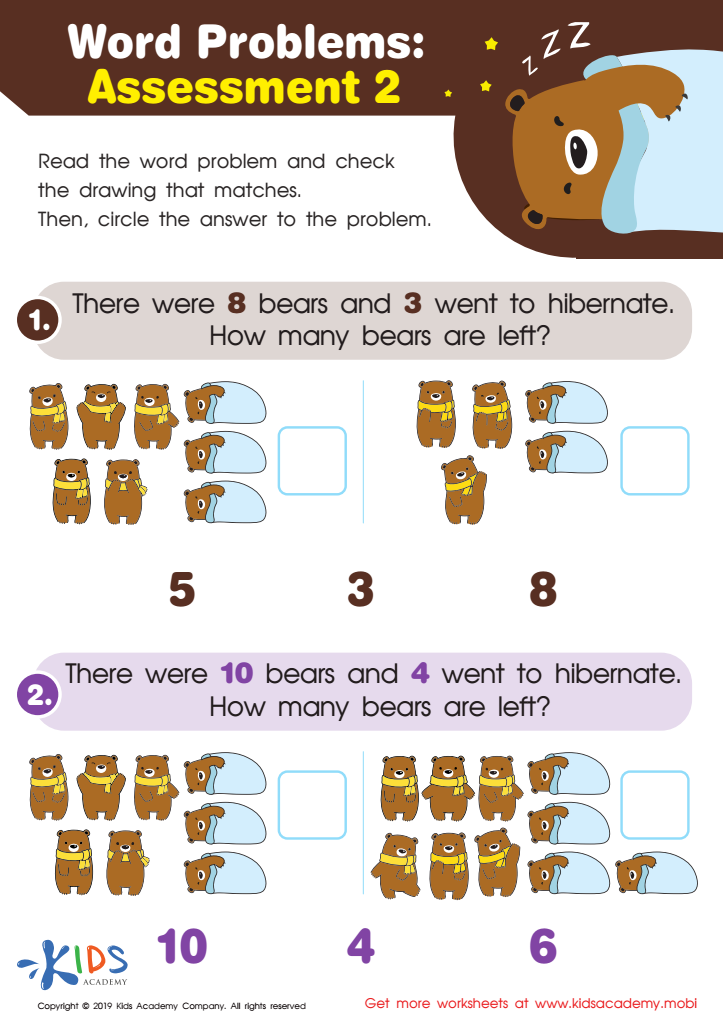
Word Problems: Assessment 2 Worksheet
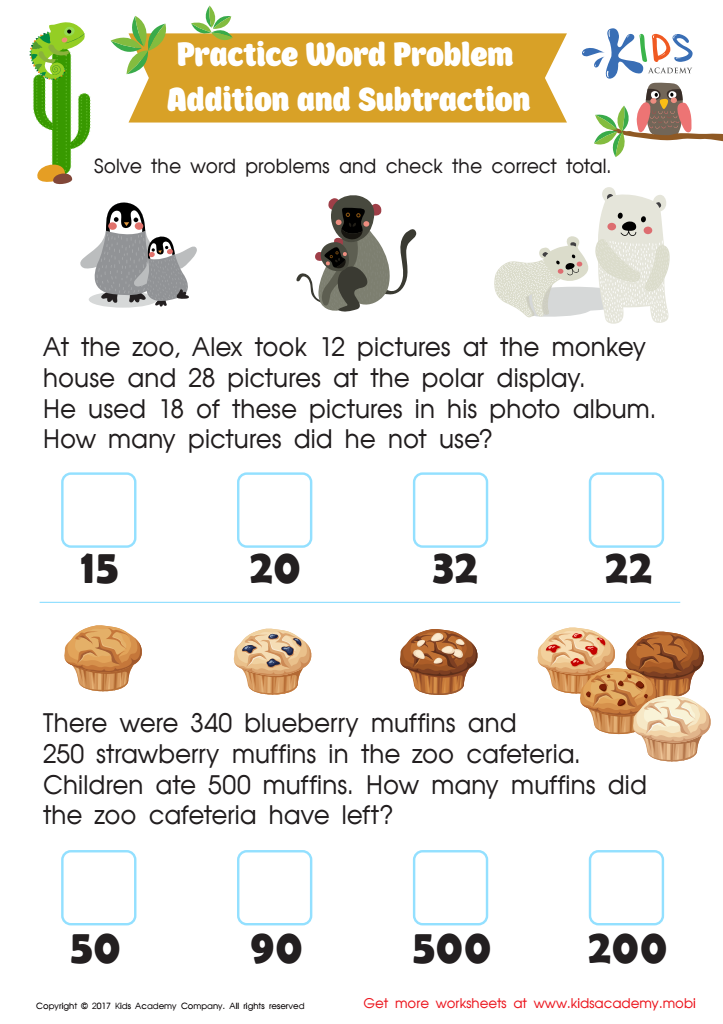
Addition and Subtraction: Word Problems Worksheet
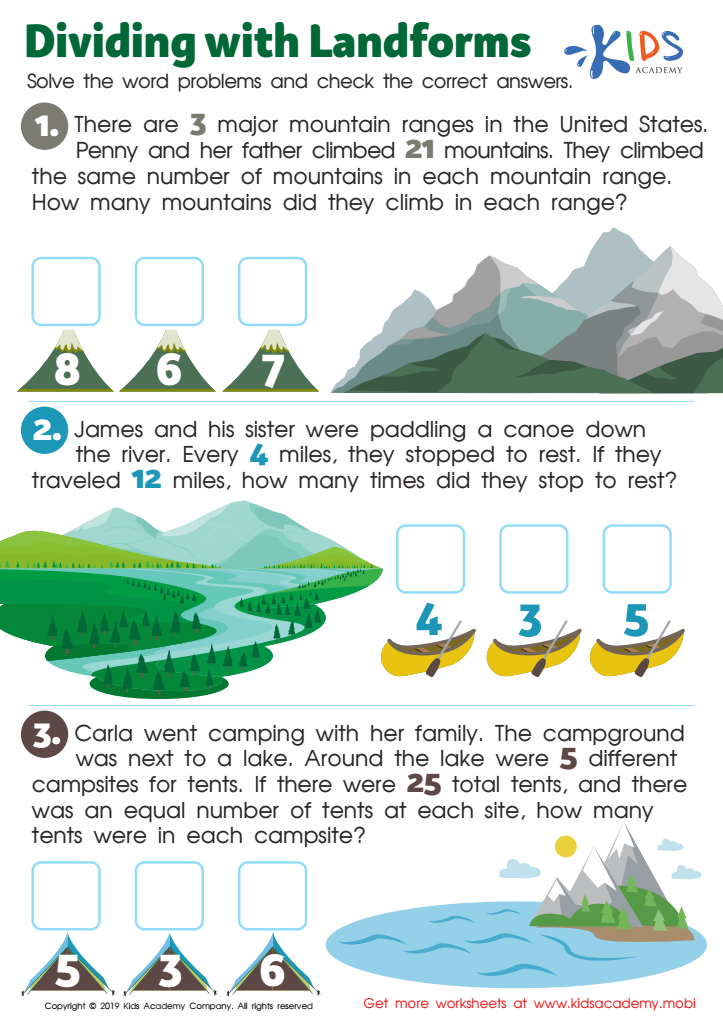
Dividing with Landforms
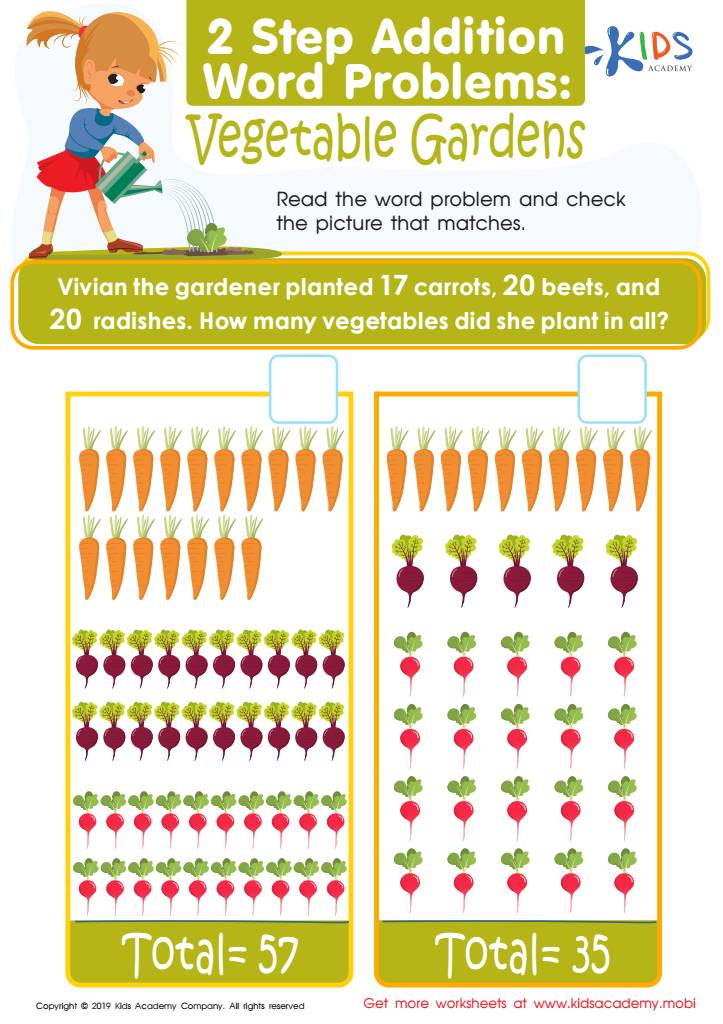
Vegetable Gardens Worksheet
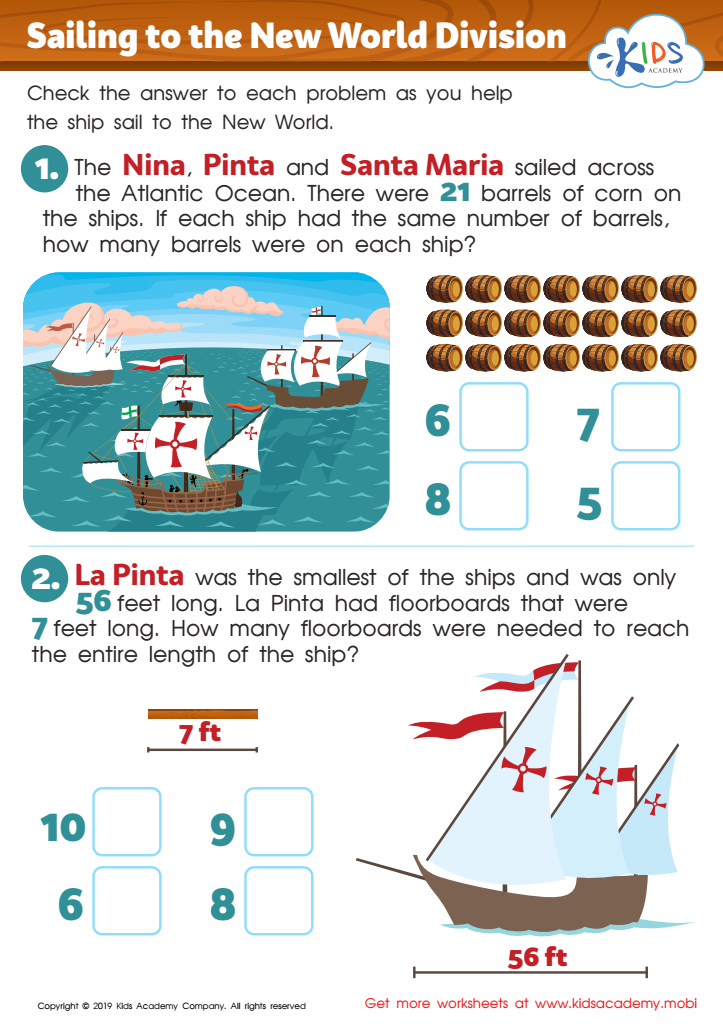
Sailing to the New World Division Worksheet
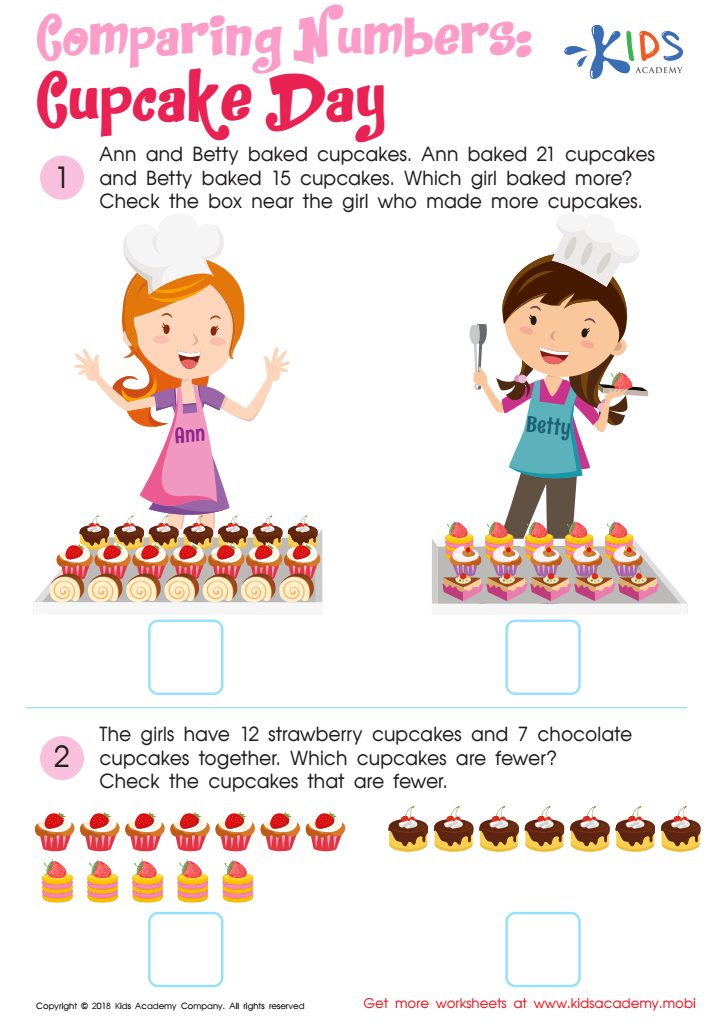
Cupcake Day Worksheet
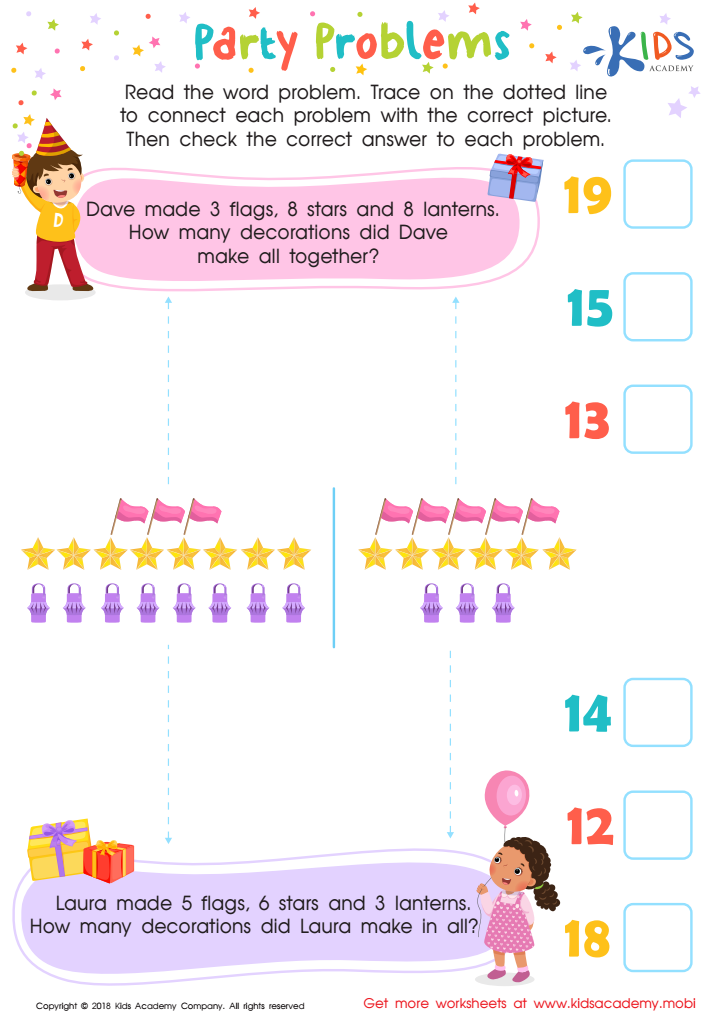
Party Problems Worksheet
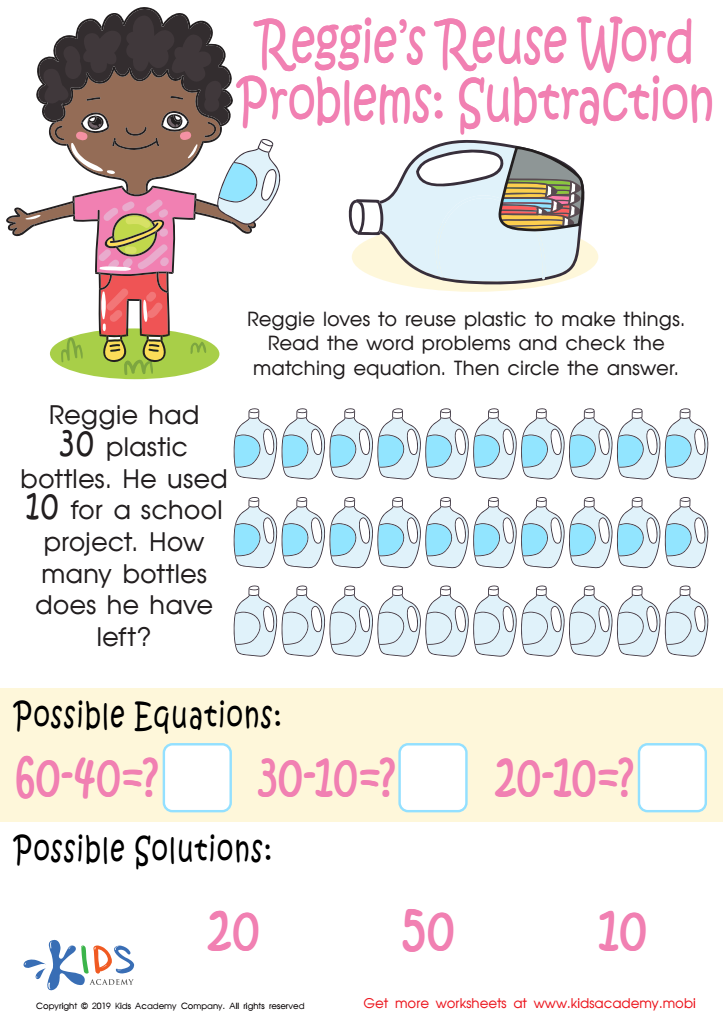
Reggie's Reuse Word Problems: Subtraction Worksheet
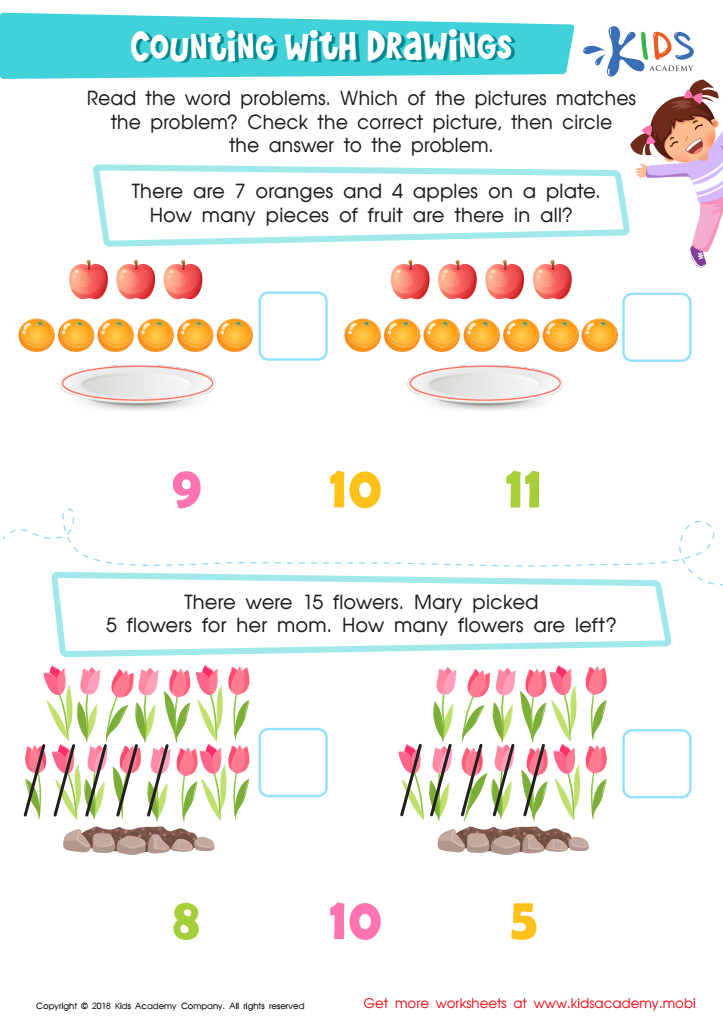
Counting with Drawings:Fruits & Flowers Worksheet
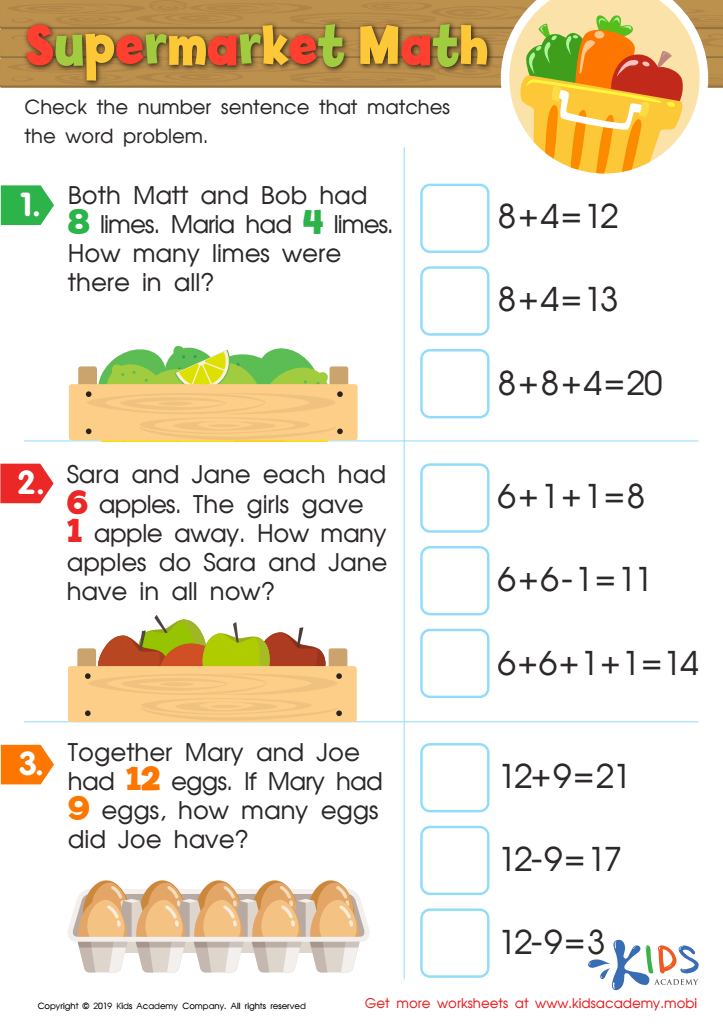
Supermarket Math Worksheet
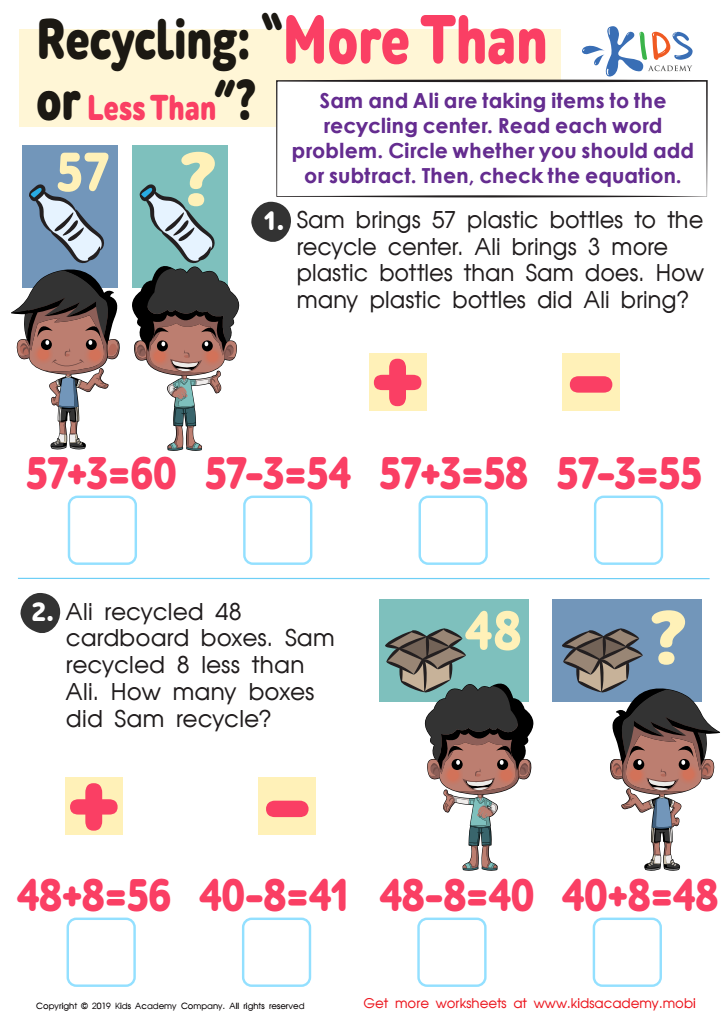
Recycling - More or Less Worksheet
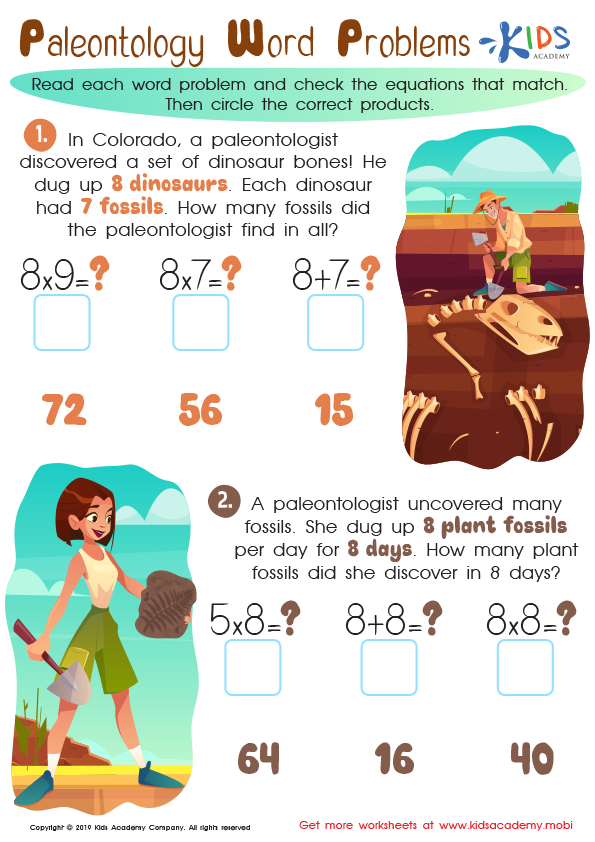
Archeology Word Problems Worksheet








Normal word problems for children aged 5-7 are crucial for several reasons. At this developmental stage, children are beginning to grasp fundamental mathematical concepts, but they learn best when these concepts are grounded in real-life scenarios. Word problems encourage them to apply their emerging math skills to common situations, thus reinforcing their understanding and helping them see the relevance of math in everyday life.
Moreover, solving word problems enhances critical thinking and comprehension skills. Children must understand the context of the problem, decipher the information provided, and determine the necessary operations to find a solution. This process builds essential cognitive skills that extend beyond mathematics, fostering better problem-solving abilities overall.
Engaging with word problems also supports language development. As children read and interpret the scenarios, they expand their vocabulary and improve their reading comprehension, which is vital for academic success.
Lastly, word problems can foster a love for mathematics. When children see that math can be fun and applicable to their world, they are more likely to develop a positive attitude towards the subject. For parents and teachers, prioritizing normal word problems helps cultivate well-rounded, thoughtful learners who are capable of navigating a variety of challenges.








