Normal Geography Worksheets for Ages 5-7 - Page 2
43 filtered results
-
From - To
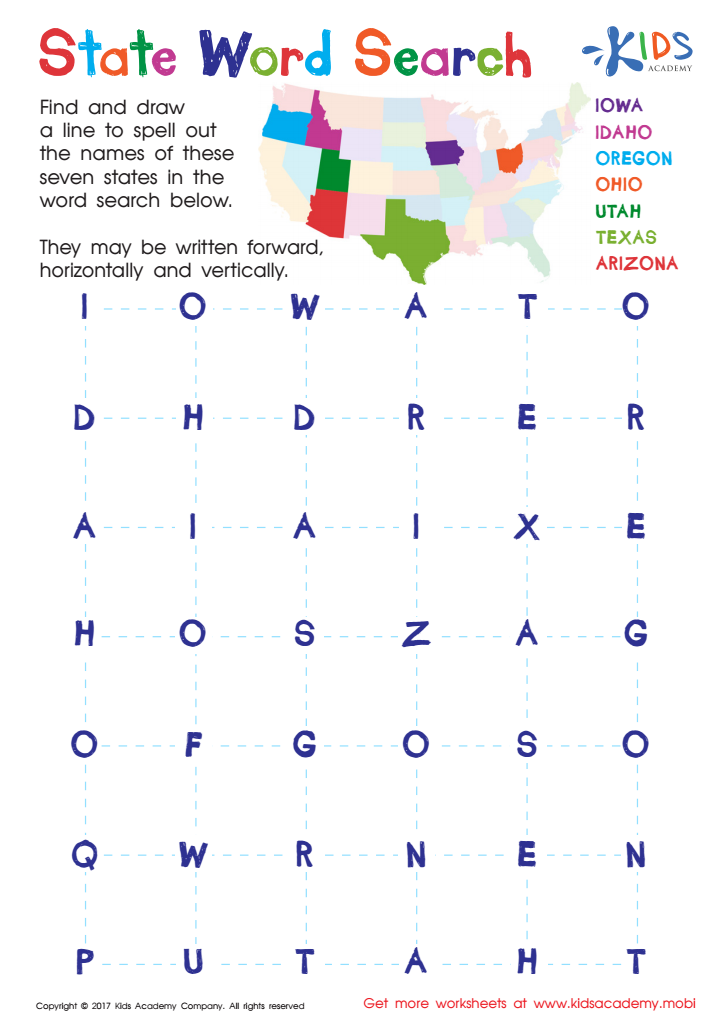
State Word Search Worksheet
 Assign to My Students
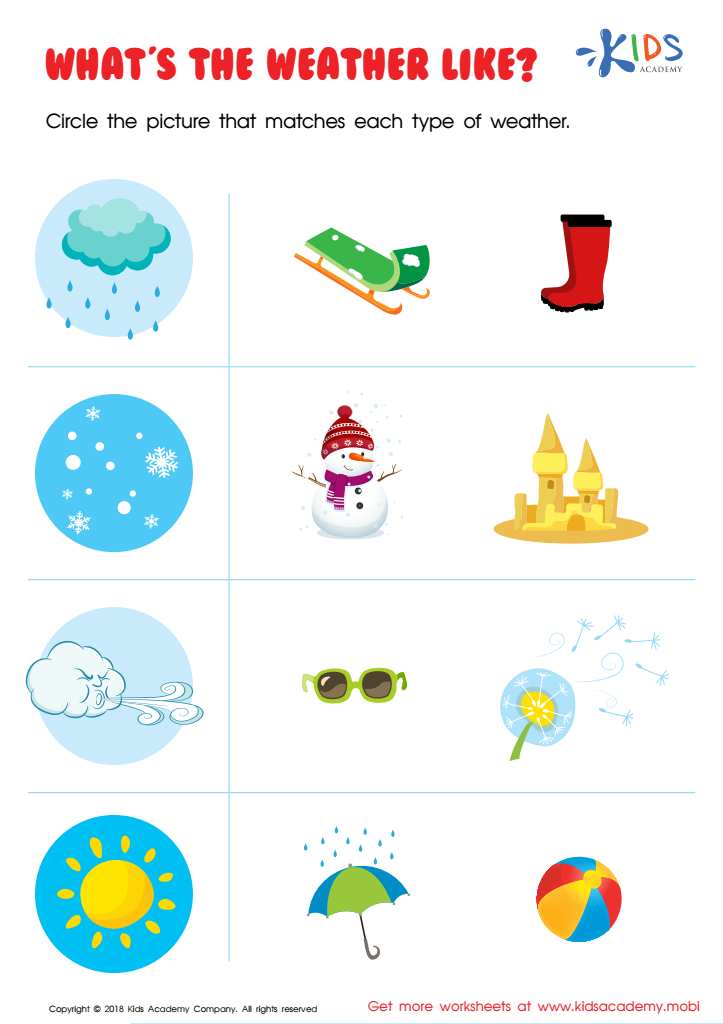
What's the Weather Like? Worksheet
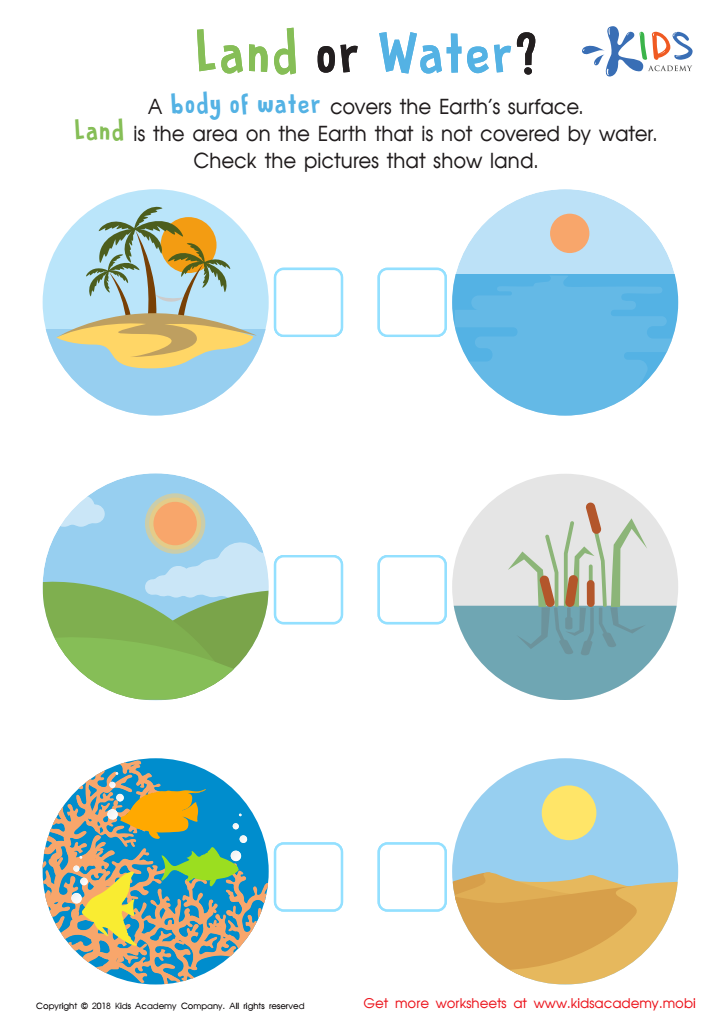
Land or Water Worksheet

Traditional Dance Printable
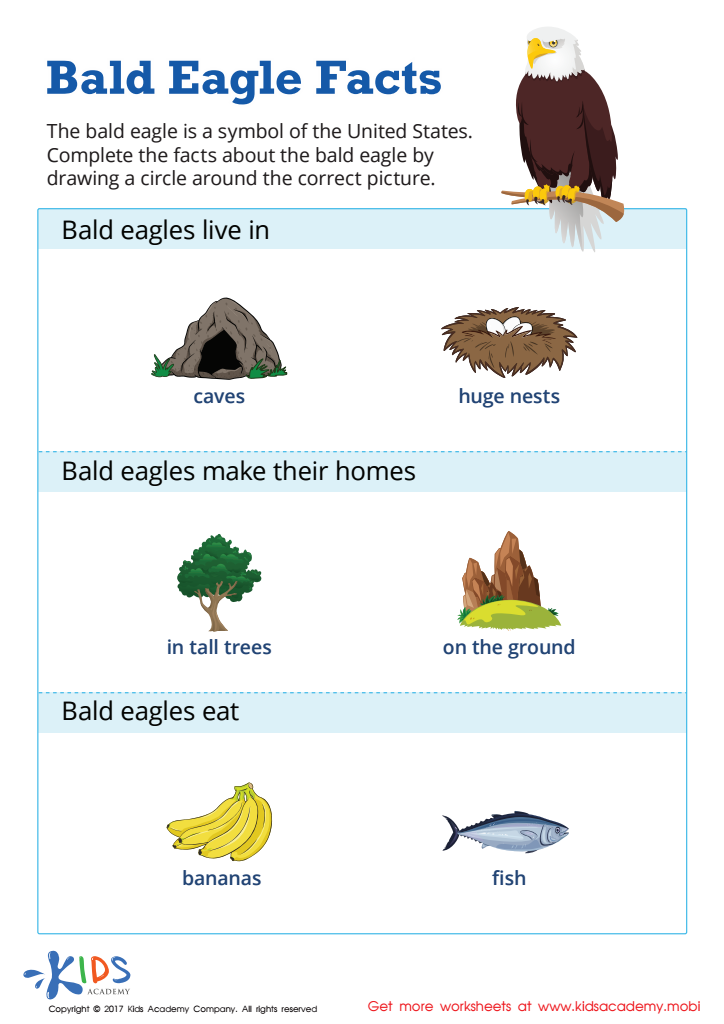
Bald Eagle Facts Worksheet
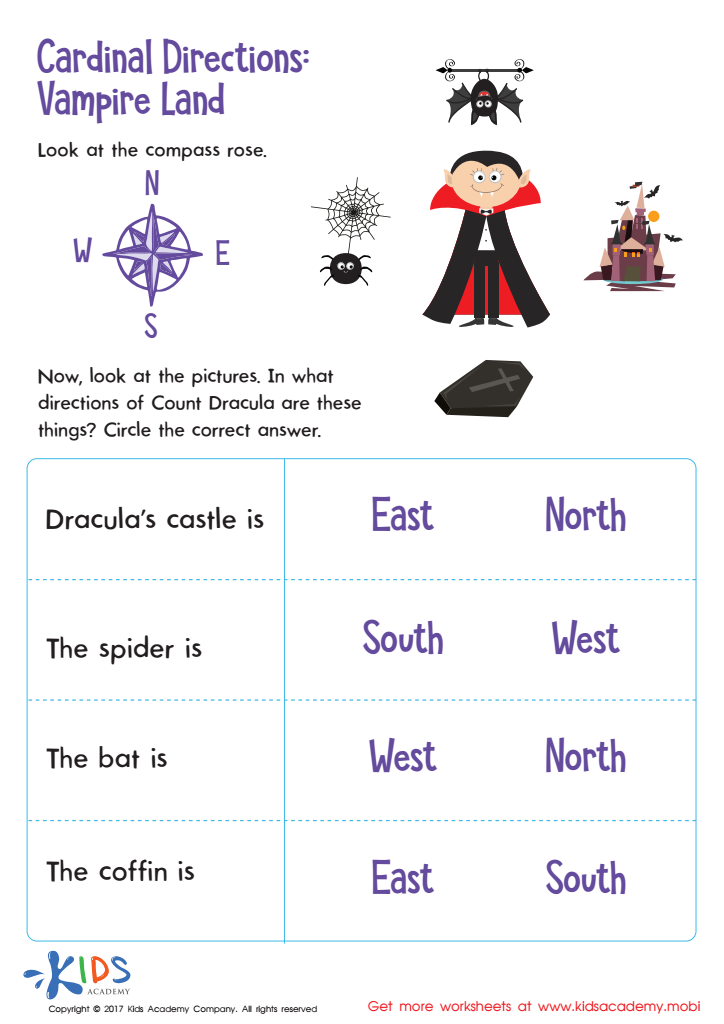
Cardinal Directions Printable
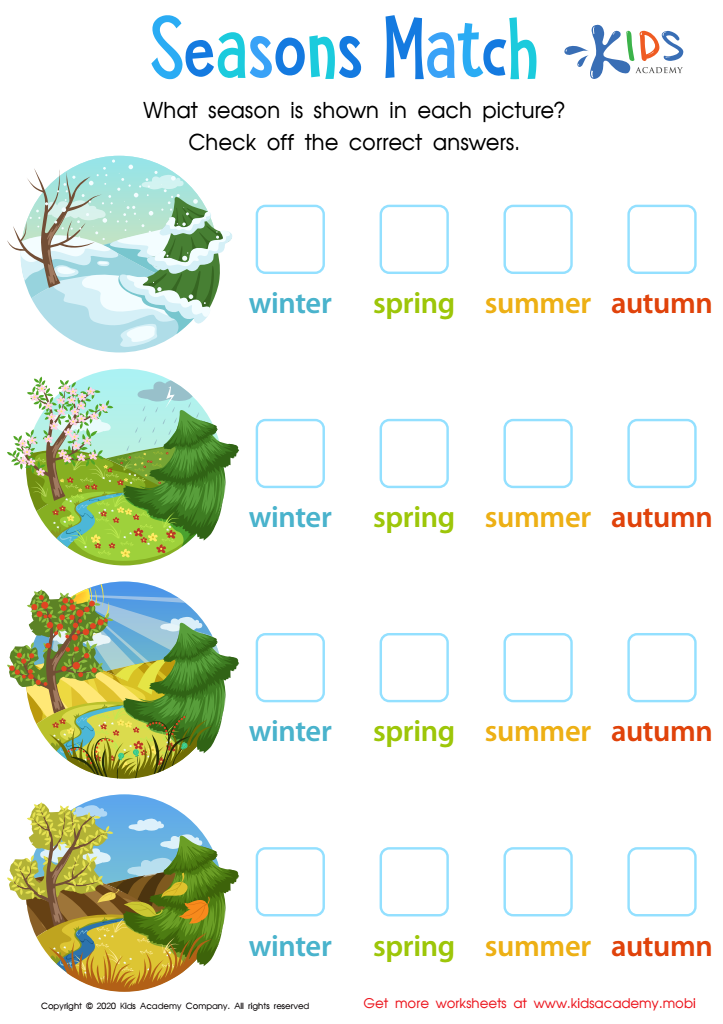
Seasons Match Worksheet
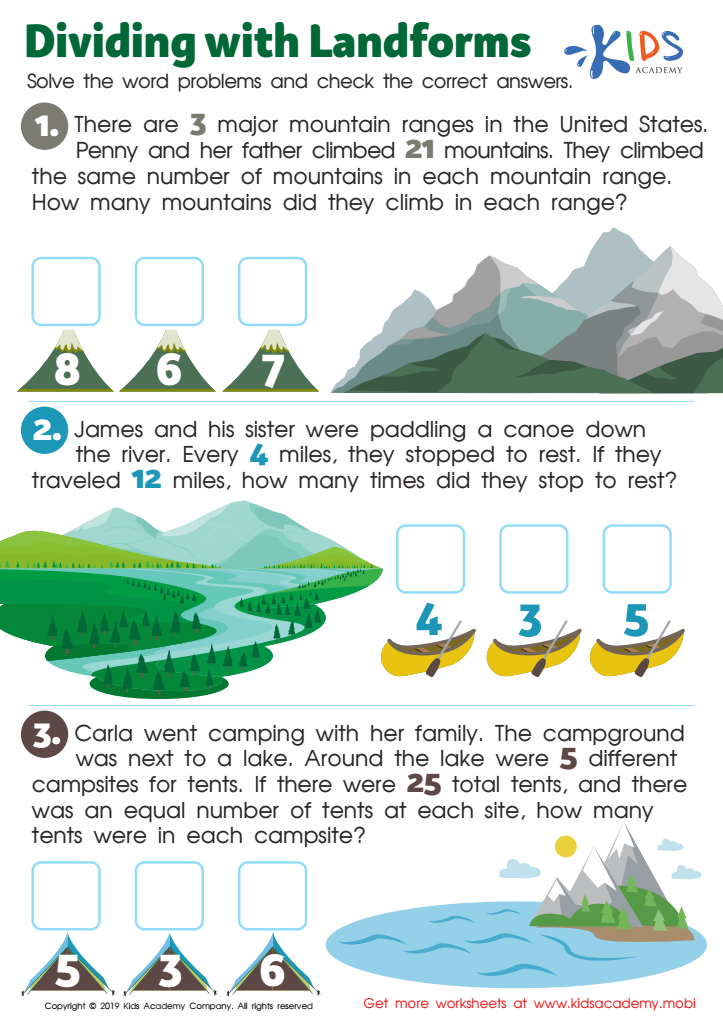
Dividing with Landforms
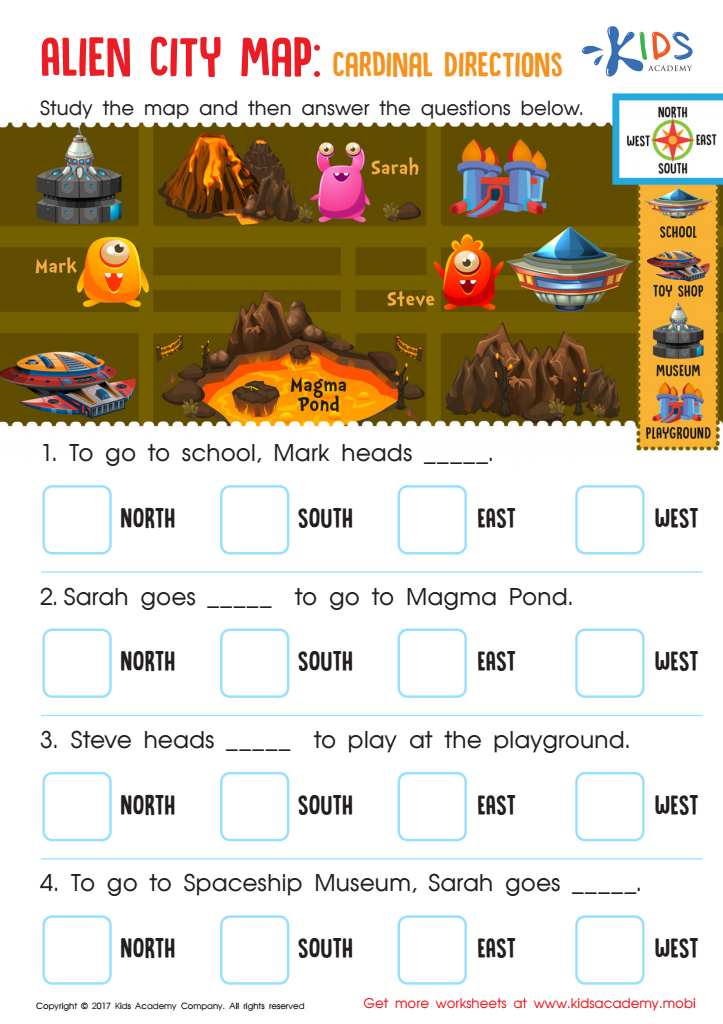
Alien City Map: Cardinal Directions Worksheet
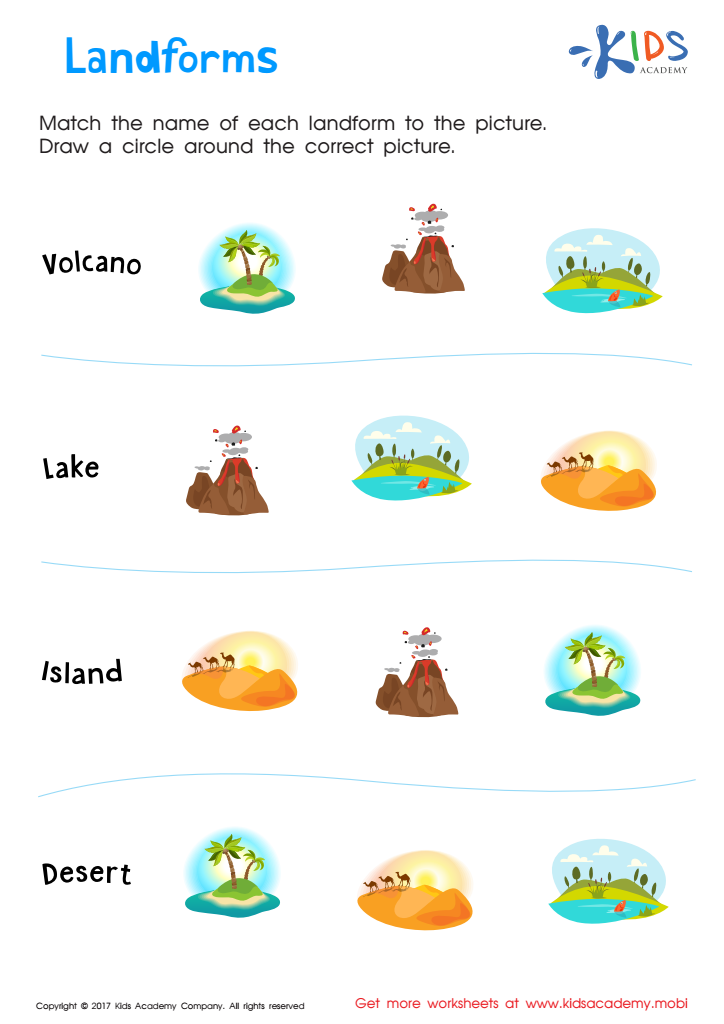
Landforms Printable
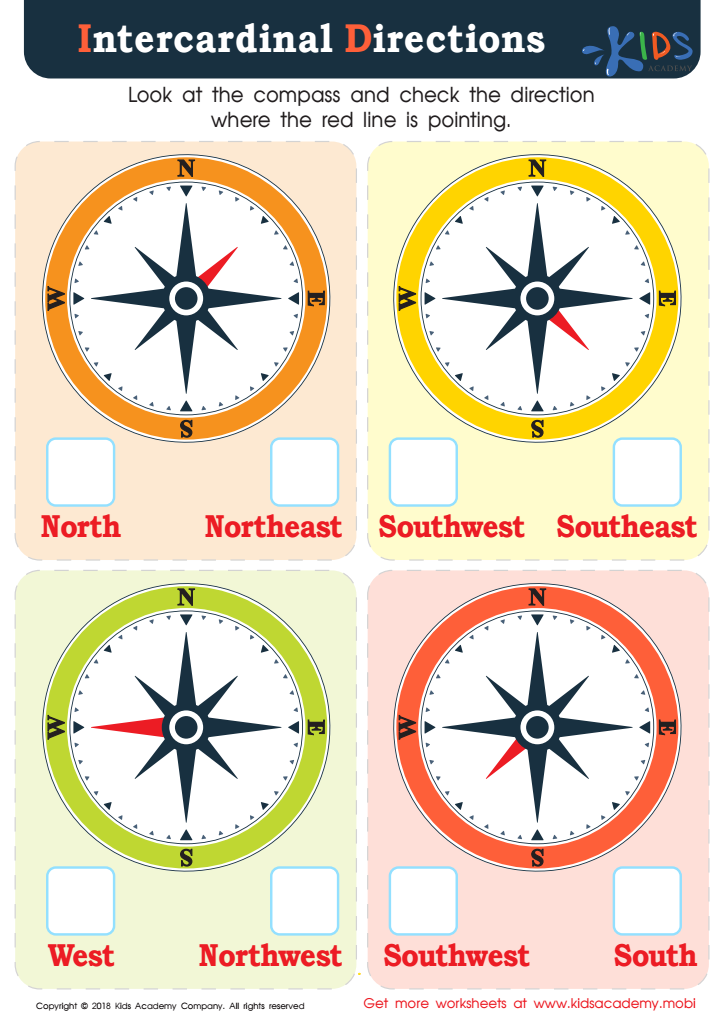
Intercardinal Directions Worksheet
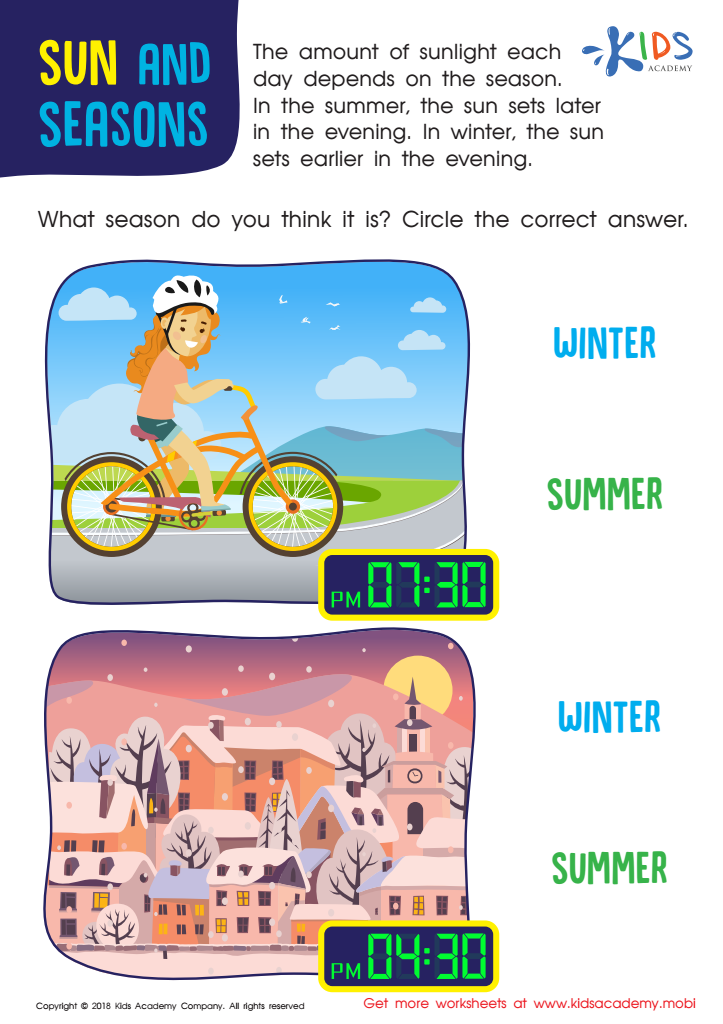
Sun and Seasons Worksheet
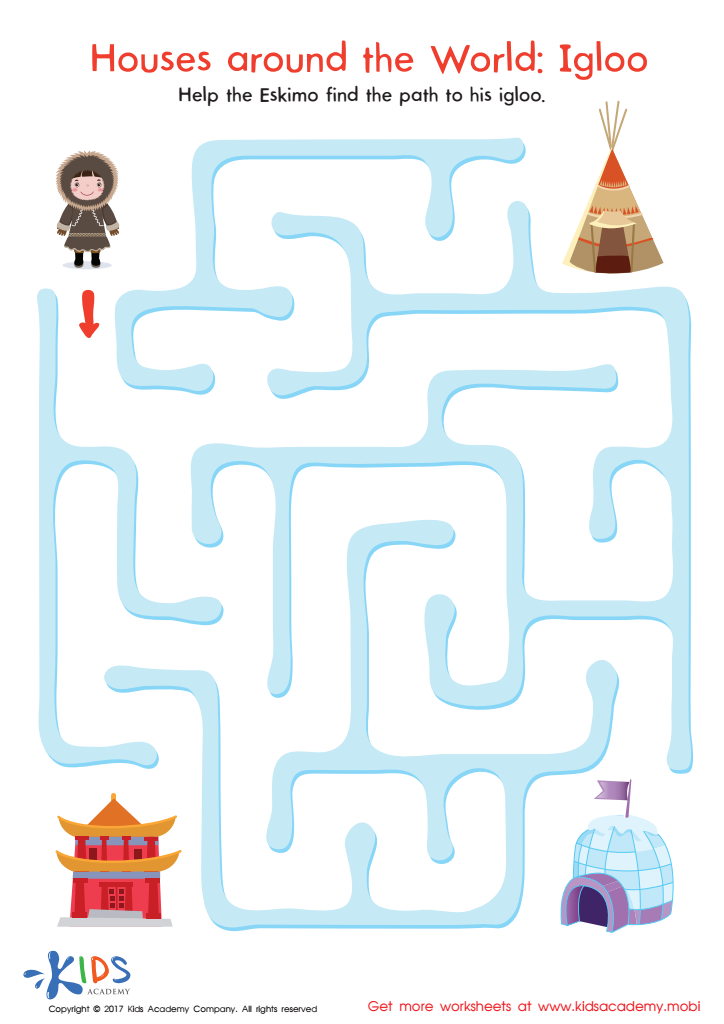
Houses Around the World: Igloo Printable
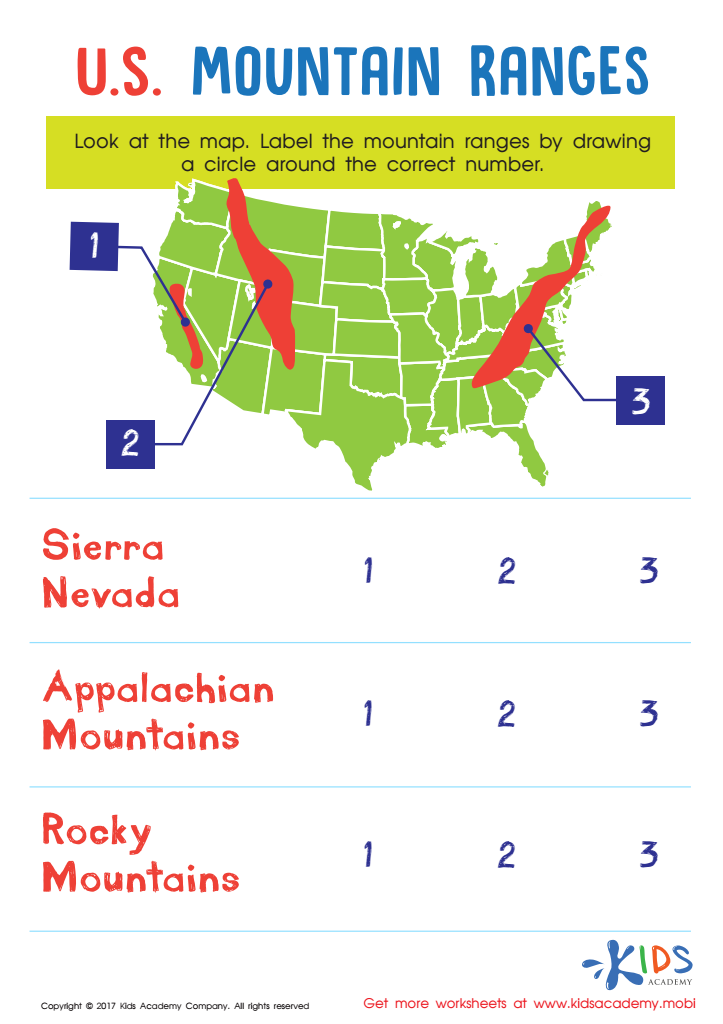
US Mountain Ranges Worksheet
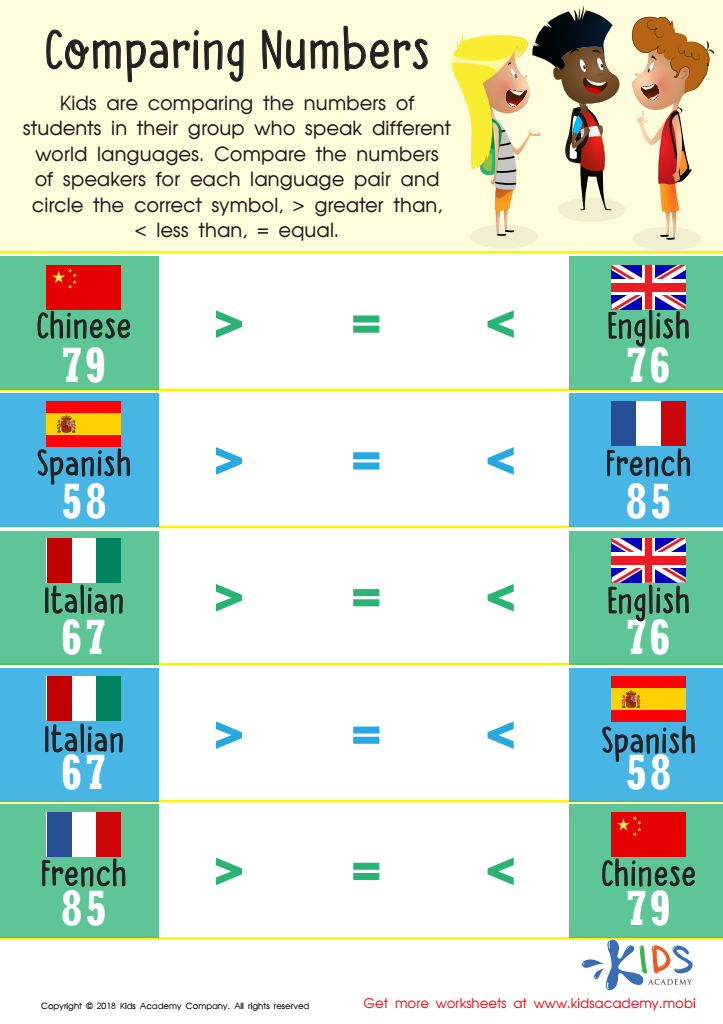
Comparing Numbers Worksheet for 1st Grade

World Flags Printable
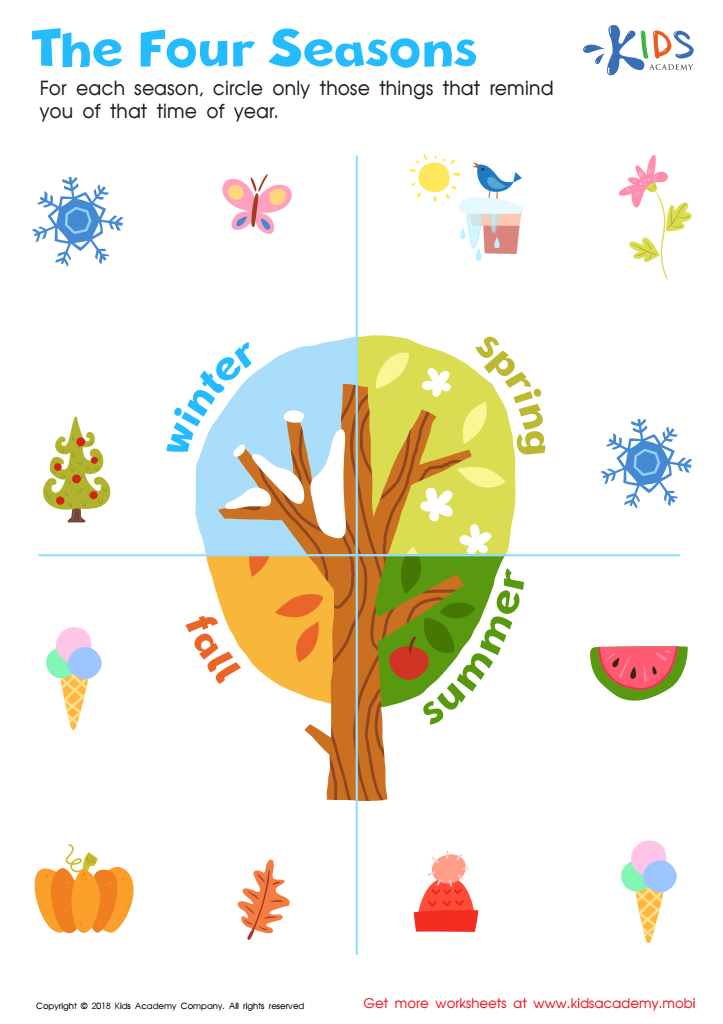
The Four Seasons Worksheet
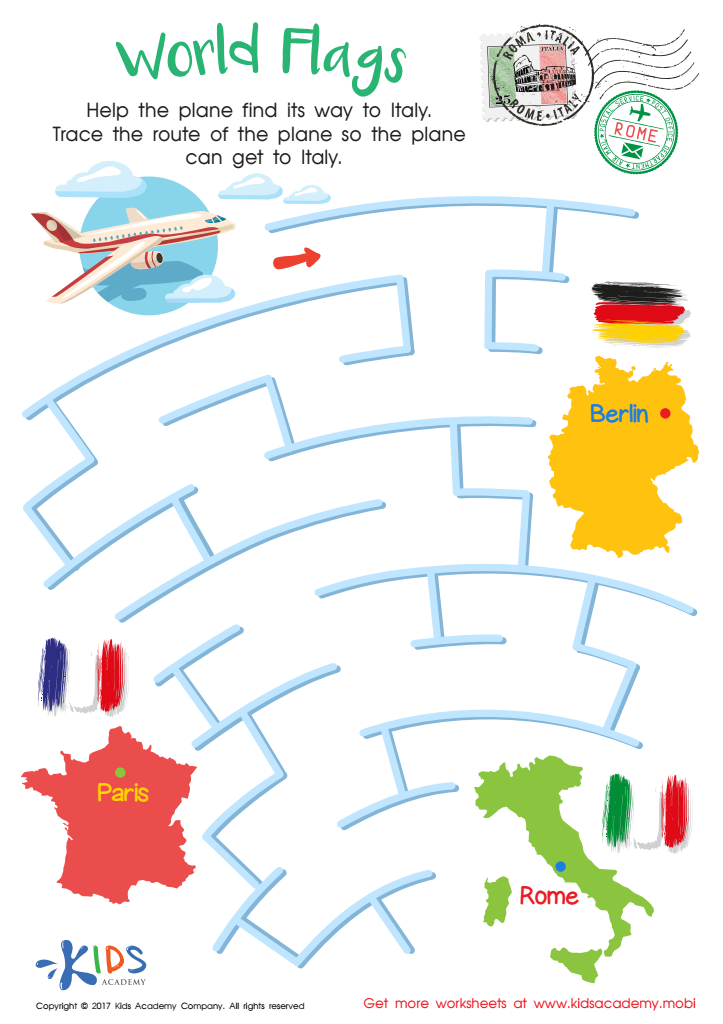
World Flags Maze Worksheet
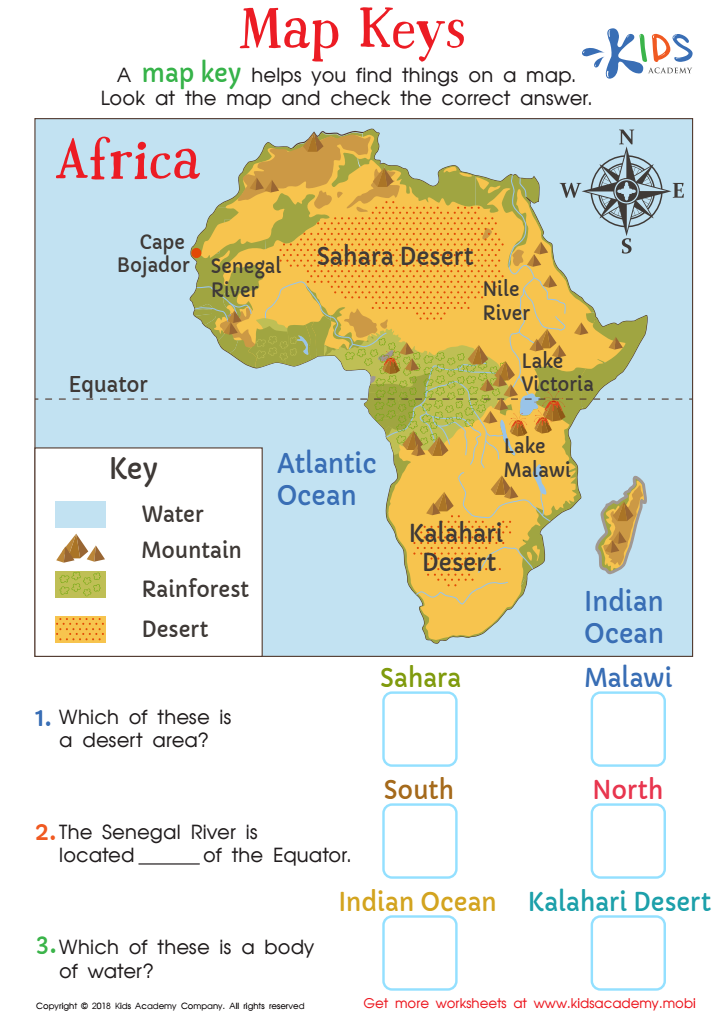
Map Keys Worksheet






Understanding "Normal Geography" or basic geographic concepts is crucial for young children, and parents and teachers should prioritize it for several compelling reasons. Geography at a young age cultivates a sense of space, place, and direction, which is vital for everyday navigation and understanding one's environment. This foundational knowledge allows kids to grasp where they are in relation to the world, fostering a sense of belonging and interconnectedness.
Introducing geographic concepts such as landmarks, maps, weather patterns, and different habitats enriches a child’s cognitive development. It enhances their problem-solving skills as they learn to interpret various spatial data. Geography also integrates well with other subjects, like history, science, and social studies, providing a well-rounded educational experience.
Moreover, early exposure to geography promotes cultural awareness and sensitivity. By learning about different places and cultures, children develop empathy and respect for diversity, which are essential traits in an increasingly globalized world. This helps in shaping open-minded, informed, and responsible citizens.
Lastly, geographic knowledge nurtures curiosity and encourages exploration. When kids start by discovering their immediate environment, they build the confidence to explore further, ask questions, and engage actively with the world around them. This natural curiosity lays the groundwork for lifelong learning and discovery.








